


























A private car sale can appear straightforward: agree on a price, exchange payment, sign a few documents, and hand over the keys. In reality, one overlooked detail can turn an ordinary transaction into a dispute involving missing money, an outstanding loan, traffic penalties, insurance complications, or even vehicle theft.
The risks are not limited to dishonest buyers. Sellers can create problems by misplacing ownership documents, making unsupported claims, accepting unclear deposits, or failing to complete the required transfer process. Because registration, inspection, tax, and disclosure rules differ between provinces, states, and countries, local requirements always matter. These 15 issues show how quickly a private car sale can unravel—and why preparation matters just as much as finding a willing buyer.
Pricing the Car From Emotion Instead of Evidence

Owners often remember the original purchase price, recent repair bills, and every careful wash when deciding what their vehicle should be worth. Buyers do not see that emotional history. They compare the car with similar models currently available, adjusting for mileage, age, accident history, trim level, condition, and local demand. A seller who begins far above the market may attract fewer serious inquiries while drawing aggressive negotiators who assume the price is flexible.
Valuation tools can provide a useful starting point, but they should not be treated as guaranteed selling prices. Trade-in value, wholesale value, advertised retail value, and private-sale value describe different parts of the market. A sensible approach compares several valuation estimates with nearby listings for vehicles of similar age and mileage. For example, new tires may support a stronger price, but they rarely increase the car’s value by their full purchase cost. Pricing based on evidence creates a defensible negotiating position and reduces the temptation to accept a poor offer after weeks of silence.
Advertising Before the Ownership Documents Are Ready

A promising sale can stall immediately when the seller cannot produce the registration, title, ownership permit, or transfer document required in the local jurisdiction. Buyers may reasonably question whether the person advertising the vehicle is its legal owner. Even an innocent explanation—such as a lost document or a vehicle registered to a spouse—can make the transaction look suspicious when it appears only after money has been discussed.
The paperwork should be reviewed before the listing goes live. Names, vehicle identification numbers, plate information, and addresses should be checked for accuracy, along with any signatures required from co-owners. Replacement documents may take time to obtain, and estate-owned, company-owned, inherited, or jointly registered vehicles can require additional authorization. Consider a seller who accepts a deposit on Friday and then discovers that a former partner is still listed as a co-owner. The buyer may demand the deposit back, while the seller cannot legally complete the transfer. Preparing the ownership file first prevents urgency from exposing a problem that should have been resolved earlier.
Ignoring an Outstanding Loan or Lien

Financing does not disappear simply because the owner wants to sell the vehicle. A lender may retain a legal interest in the car until the balance is paid and the lien is formally released. Depending on the jurisdiction and financing arrangement, a buyer who takes possession without resolving that lien could face registration trouble or, in serious cases, the possibility that the lender will pursue the vehicle.
The seller should contact the lender before negotiating the final sale. The payoff amount, accepted payment method, release procedure, and processing time should all be confirmed. A buyer may be more comfortable completing the transaction at the lender’s branch or arranging for part of the purchase price to go directly toward the loan. Verbal promises are not a substitute for written confirmation that the debt has been satisfied. For example, a seller may owe $9,000 on a vehicle sold for $14,000. A properly structured transaction can direct $9,000 to the lender and the remaining $5,000 to the seller, producing a clear record instead of relying on trust.
Giving the Buyer an Incomplete or Misleading History

Missing maintenance records do not automatically mean a vehicle has been neglected, but unexplained gaps can make a buyer suspicious. The situation becomes more serious when a seller minimizes accident damage, describes major repairs as “minor,” or states that the mileage is original without checking earlier records. Vehicle histories may contain insurance losses, branding information, ownership changes, service entries, and previous odometer readings that contradict a casual sales pitch.
Odometer discrepancies deserve particular attention. The U.S. National Highway Traffic Safety Administration estimates that more than 450,000 vehicles are sold annually with false odometer readings. Sellers should compare the dashboard reading with inspection documents, service invoices, oil-change labels, registration records, and available history reports. Honest uncertainty is safer than an unsupported guarantee. A seller who says, “The odometer shows 130,000 kilometres, but an older invoice records 136,000, so this needs investigation,” is providing useful disclosure. A seller who hides the invoice creates the conditions for a fraud allegation, price dispute, or cancelled sale once the inconsistency is discovered.
Letting the Test Drive Become a Security Risk

A test drive places a valuable asset in the hands of a stranger, often after only a few messages through an online marketplace. Handing over the keys without checking identification or establishing basic boundaries can lead to theft, reckless driving, traffic violations, or damage. Meeting alone at an isolated location also exposes both parties to risks that have little to do with the mechanical condition of the car.
Safer arrangements begin in daylight at a busy public location, ideally one covered by cameras or designated for online exchanges. The seller should inspect the prospective driver’s licence, record essential identifying information lawfully, and agree on a reasonable route and duration. Police and motoring organizations commonly advise sellers not to allow unknown buyers to drive away alone. When appropriate, the seller can accompany the buyer or demonstrate the vehicle while retaining control. A legitimate buyer may ask sensible questions about insurance and route limits. Someone who refuses identification, demands an unsupervised drive, or attempts to change the meeting place at the last minute provides a strong reason to end the appointment.
Failing to Confirm Test-Drive Insurance
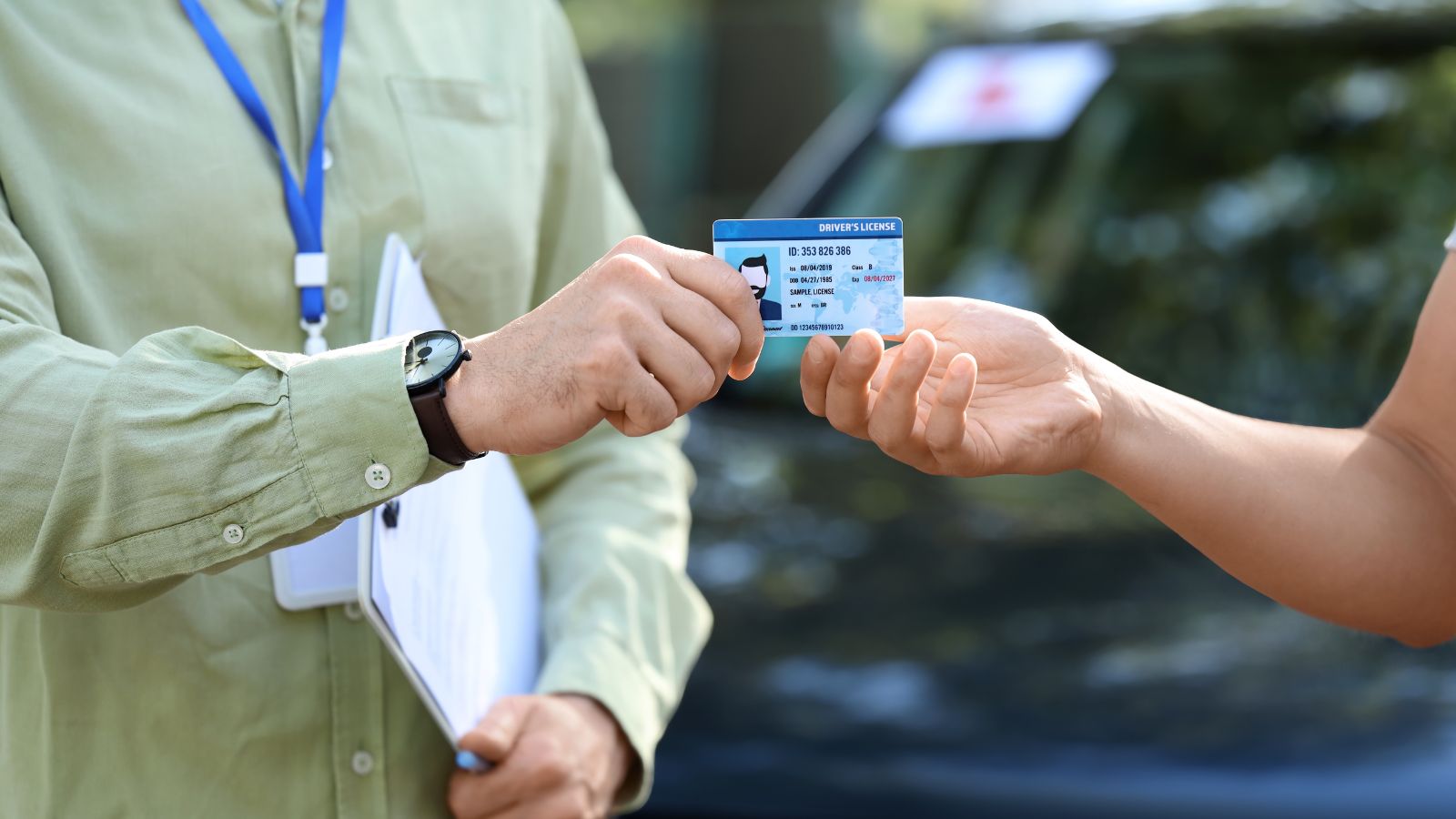
A valid driver’s licence does not prove that a prospective buyer is insured to drive someone else’s vehicle. Coverage depends on the policy, the driver, local insurance rules, and the vehicle’s registration status. Some policies provide limited permission for occasional drivers, while others include exclusions or restrictions. An uninsured or unlicensed vehicle may require a temporary operating permit before it can legally be used for a test drive.
The seller should speak directly with the insurer or broker rather than relying on assumptions. The conversation should establish whether prospective buyers may drive the car, what identification is needed, whether the seller must remain in the vehicle, and how a collision would affect deductibles or claims. Suppose a buyer damages a wheel and suspension during a ten-minute drive. Even when insurance responds, the seller could face a deductible, repair delay, reduced resale value, or disagreement over responsibility. If the vehicle’s policy has already been cancelled, the risk is greater. Confirming coverage before appointments protects the seller, the buyer, and everyone else using the road.
Clicking the Buyer’s “Required” Vehicle-Report Link

A common marketplace scam begins with an apparently interested buyer who insists that the seller purchase a vehicle history or VIN report from a particular website. The request may sound reasonable because legitimate buyers often want accident, ownership, and lien information. The warning sign is the demand to use an unfamiliar provider chosen by the buyer, especially when the website requests payment-card information.
Fraud authorities have documented schemes in which the supposed buyer disappears after the seller pays for the report. The website may exist mainly to collect a fee, steal card information, or capture personal data. Sellers can avoid this trap by using recognized history-report providers or official government resources selected independently. A real buyer can review an established report without controlling where it was purchased. Consider a person who responds within minutes of an advertisement, never asks about the car’s condition, and repeatedly sends the same report link. That behaviour suggests the vehicle is secondary to the payment page. No legitimate sale requires surrendering financial information to an unknown website simply because a stranger insists.
Trusting a Screenshot or Payment Notification

A screenshot showing a completed transfer is not proof that money has reached the seller’s account. Images can be edited, banking interfaces can be imitated, and emails or text messages can be designed to resemble genuine payment notifications. Fraudsters may also send a request for money that looks like an incoming transfer, hoping the seller will authorize it without reading carefully.
Confirmation should take place through the seller’s official banking application or another trusted channel—not through a link supplied in a message. Interac advises users to avoid unexpected links, verify unusual notifications independently, and consider Autodeposit to reduce exposure to phishing. The seller should check the actual account balance and transaction details before releasing the vehicle, documents, or keys. For example, a buyer may claim that a transfer is “pending until ownership is signed.” That is not a reason to surrender the car. It is a reason to contact the financial institution. A legitimate buyer should understand that a vehicle worth thousands of dollars will not be handed over based on an image displayed on someone else’s phone.
Falling for an Overpayment Story

Overpayment fraud turns apparent generosity into pressure. The buyer sends a cheque or payment for more than the agreed amount, then asks the seller to refund the difference, pay a transporter, purchase gift cards, or forward money to another person. The original payment may initially appear in the account, creating the illusion that it has cleared. When it is later identified as fraudulent, the bank can reverse the deposit while the seller’s refund is already gone.
The Federal Trade Commission and Canadian Anti-Fraud Centre both warn sellers about this pattern. The safest response is to reject payments above the purchase price and refuse any arrangement requiring money to be sent elsewhere. Imagine a car advertised for $8,500. A buyer sends a $10,500 cheque and asks the seller to transfer $2,000 to a shipping company. The extra amount is not a bonus or administrative convenience; it is the mechanism of the scam. A genuine buyer can pay the correct price and arrange transportation independently. Complicated payment stories usually increase risk rather than solve a legitimate problem.
Taking a Deposit Without Written Terms

A deposit can reassure a buyer that the vehicle will be held, but it can also create a dispute when neither party defines what the payment means. The seller may believe the deposit is non-refundable compensation for removing the listing. The buyer may believe it can be recovered after an inspection, financing rejection, or change of mind. Without written terms, both sides may feel entitled to the money.
A short deposit agreement should identify the vehicle, buyer, seller, amount, final price, payment date, holding period, and circumstances under which the deposit will be returned or retained. It should also state whether the sale depends on financing, a mechanical inspection, a lien release, or completion of specific repairs. For example, a $500 deposit could be refundable if an independent inspection reveals structural damage, but non-refundable if the buyer simply stops responding. The agreement does not need elaborate legal language to provide clarity, though local contract rules still apply. Screenshots of informal messages are better than nothing, but a signed document creates a more reliable record of what both parties accepted.
Handing Over the Keys Before Funds Have Cleared

Sellers sometimes confuse “available balance” with final settlement. A cheque deposit may appear in an account before the financial institution has completed all verification. Canadian banking guidance notes that cheque funds can be held for several business days, depending on the amount and method of deposit. Fraudulent cheques can also create losses even after an initial hold has ended.
Payment and possession should therefore be coordinated carefully. Cash can create security and counterfeit-currency concerns, while cheques and drafts require verification. For higher-value transactions, the parties may complete payment inside a bank, allowing the seller to confirm the instrument or transfer directly with staff. Electronic payments should be checked through the seller’s own account. The keys, signed ownership documents, and vehicle should remain with the seller until the agreed funds are genuinely received. A rushed buyer may claim that a tow truck is waiting or that the bank closes in ten minutes. Artificial urgency does not change the risk. A completed sale should leave an auditable payment trail rather than a promise that the money will become real later.
Using a Vague or Incomplete Bill of Sale

A handwritten note saying “car sold for $6,000” may not contain enough information to establish what was transferred, when possession changed, or what each party understood. Registration authorities commonly require specific details such as the buyer’s and seller’s names, the vehicle identification number, make, model, year, purchase price, sale date, and signatures. Some jurisdictions provide official forms or include a bill-of-sale section within the transfer paperwork.
The document should also record the odometer reading, payment method, known defects, included accessories, deposit credit, and any conditions attached to the sale. Descriptions such as “as is” should not be used as a substitute for honest disclosure or local legal advice. Consider a vehicle sold with winter tires, two keys, and a roof rack. If the bill of sale lists only the car, a later argument may develop over whether those extras were included. Copies should be retained by both parties along with relevant correspondence and payment records. A detailed bill of sale cannot prevent every dispute, but it gives regulators, insurers, courts, and the parties a clear account of the transaction.
Mishandling Inspection, Safety, or Emissions Requirements

Vehicle inspection obligations vary sharply by location. One jurisdiction may require a safety certificate before registration, another may place the responsibility on the buyer, and another may require an emissions or roadworthiness document in certain circumstances. A seller who assumes that “private sale” means “no rules” can discover too late that the buyer cannot register or legally drive the vehicle.
The local registration authority should be consulted before advertising the car as certified, inspected, roadworthy, or ready to transfer. Inspection documents also have validity periods, and a certificate issued months earlier may not reflect the vehicle’s present condition. Suppose a seller promises that the vehicle “will pass safety” but the inspection reveals worn brakes and structural corrosion. The buyer may expect repairs, a lower price, or return of the deposit. Accurate wording matters: “currently licensed and driven” is not the same as “certified to meet transfer requirements.” By understanding the applicable process in advance, the seller can decide whether to obtain the inspection, sell subject to inspection, or disclose that certification remains the buyer’s responsibility.
Leaving Plates, Documents, or Personal Data Behind
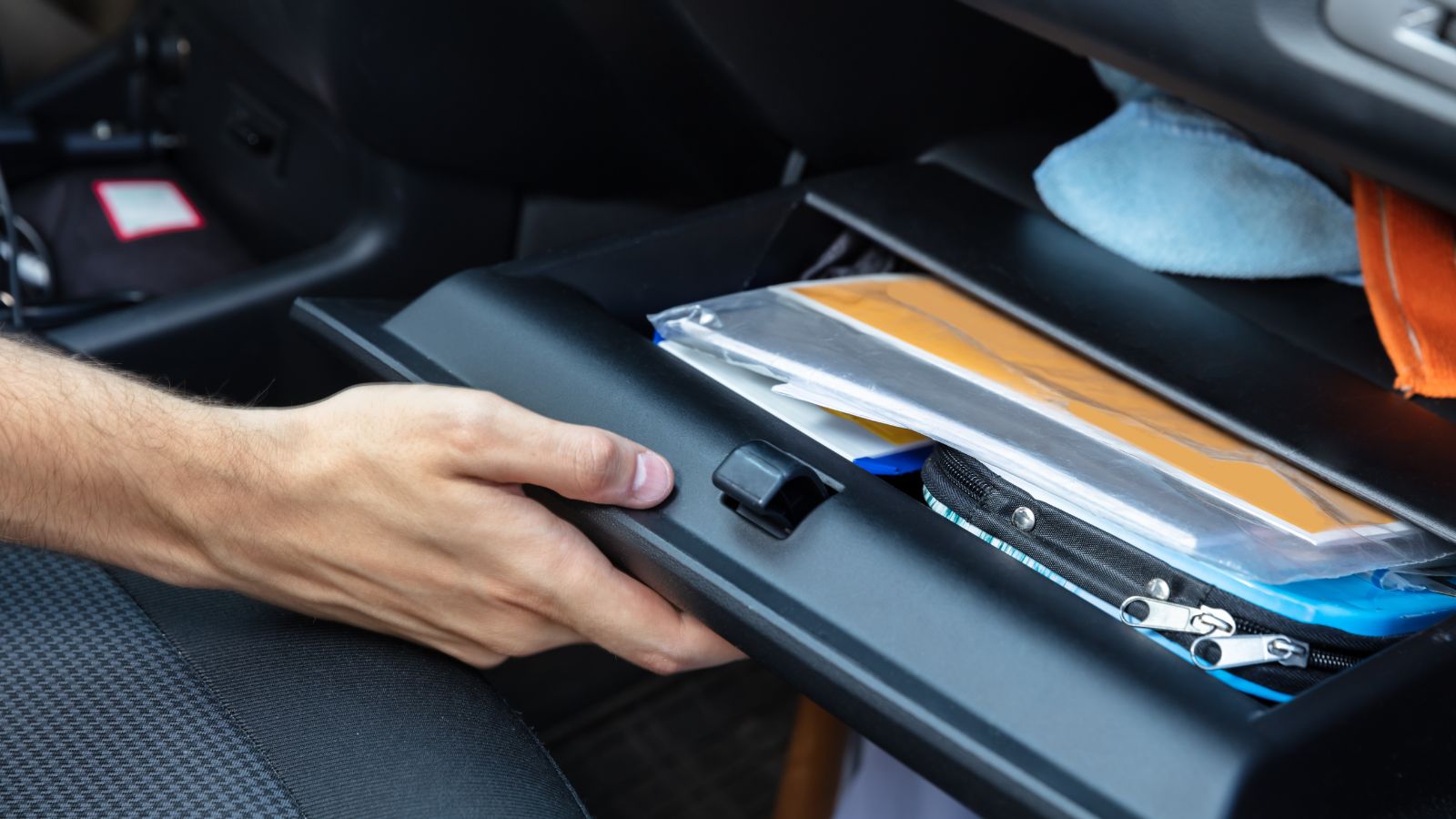
The physical handoff involves more than giving the buyer two keys. In many jurisdictions, licence plates remain with the seller and must be removed before the vehicle leaves. Registration or insurance documents may need to be separated, signed, cancelled, or partially delivered according to local procedure. Leaving the wrong paperwork in the glove compartment can expose personal information and complicate later dealings with insurers or registration authorities.
Modern vehicles add a digital dimension. The Federal Trade Commission advises sellers to remove stored addresses, contacts, garage-door codes, paired phones, navigation history, subscriptions, and remote-access connections. A factory reset may help, but connected services and manufacturer applications may also need to be disconnected separately. The seller should remove toll tags, parking passes, insurance slips, repair invoices containing addresses, and personal belongings. For example, a saved “Home” destination combined with a working garage-door button gives the new owner more than convenience. A deliberate handoff checklist protects privacy while ensuring the buyer receives only the documents and equipment that properly belong with the vehicle.
Failing to Report the Transfer and Close the Seller’s File

Signing the ownership document does not always end the seller’s legal or administrative connection to the car. Some registration authorities require the seller to file a notice of sale, transfer notification, or release-of-liability form. Insurance and registration may also need to be cancelled or transferred. Until those steps are completed, official records may continue linking the former owner to the vehicle.
That delay can produce parking notices, toll charges, renewal documents, abandonment complaints, or questions after a collision. California, for example, requires sellers to submit a transfer and release-of-liability notice within a defined period, while British Columbia and Manitoba provide their own procedures for plates, registration, ownership transfer, and insurance cancellation. The exact form and deadline must be checked locally. Sellers should keep copies of the bill of sale, transfer documents, buyer information, payment confirmation, plate removal, and any government submission receipt. The safest private sale ends not when the buyer drives away, but when payment, possession, insurance, registration, and liability records all tell the same completed story.
22 Things Canadians Do to Their Cars in Spring That Mechanics Hate

Spring brings relief to many Canadian drivers after months of snow, freezing temperatures, and icy roads that put serious strain on vehicles. As temperatures rise across the country, drivers begin washing cars, switching tires, and preparing vehicles for warmer weather and upcoming road trips. However, mechanics across Canada notice the same mistakes every spring when drivers attempt to recover from winter damage. Road salt, potholes, and harsh winter driving conditions often leave vehicles with hidden problems that drivers ignore. Some spring habits even create new mechanical issues that could have been avoided with proper maintenance. Here are 22 things Canadians do to their cars in spring that mechanics hate.