















• About
  • Contact
AutoIgloo
  • News & Trends
    Canadian Gas Prices Are Nearly 40¢ a Litre Higher Than a Year Ago as National Average Hits 178.2¢

    Quebec Drivers Face a 43-Cent Gas-Price Divide Between Regions, New Sunday Data Shows

    Canada-U.S. Auto Tariff Talks Go Down to the Wire With 50% Duties Three Days Away

    Trump Heads to Canada Border as Auto Tariffs Become a Political Liability in Michigan

    ⁠Toyota Confirms 10 Million-Car Software Plan as Ontario-Built RAV4 Leads New Technology Shift

    Toyota Warns Canadian Families Not to Use Second-Row Seats in 24,454 Recalled Sienna Minivans

    17 Popular SUVs Canadians Are About to Pay Way More to Insure (And Why)

    Used Ford Escape Prices Fall 9.3% in Canada While F-150 Prices Rise 4.1%, New Data Shows

    Ford Canada Turns 122 Today With Its Cross-Border Manufacturing Model Under Unprecedented Pressure

    Ford Brings Back 0% Financing for 72 Months on Select Canadian F-150 Hybrids

    Audi CEO Defends Trump’s $4-Billion U.S. Factory Deal as Volkswagen Workers Demand Job Protections

    Audi CEO Defends Trump’s $4-Billion U.S. Factory Deal as Volkswagen Workers Demand Job Protections

  • Car Reviews
    Honda Asked Suppliers for 30% Parts Cost Cuts as $9.4-Billion Savings Drive Hits Global Supply Chain

    Why Some Buyers Are Choosing Older Hondas Over Newer SUVs

    18 Things That Can Make a Car Unsafe for Winter Road Trips

    Why Some Drivers Are Avoiding Vehicles With Complex Infotainment Systems

    21 Cars Canadians Are Starting to Regret Buying

    Why Some Drivers Regret Buying Big Wheels and Low-Profile Tires

    17 Vehicles That Are Quietly Getting Crushed by Insurance Costs in Canada

    Why So Many Drivers Are Nervous About Chinese-Made EV Batteries

    20 Used SUVs Canadians Should Think Twice About Buying

    20 Used SUVs Canadians Should Think Twice About Buying

    15 Vehicles That Are Starting to Feel Like a Bad Deal Around May Long Weekend

    15 Vehicles That Are Starting to Feel Like a Bad Deal Around May Long Weekend

  • Buying Guides
    18 Things That Can Make a Car Harder to Park Than Expected

    Why Some Buyers Regret Choosing the Sport Package

    The Traffic Stop Mistake That Can Turn a Warning Into a Ticket

    20 Things Canadians Should Check Before Buying a Vehicle With a Loan Still Owing

    The Dealership Fee That Buyers Should Always Ask About

    The Dealership Fee That Buyers Should Always Ask About

    23 Features That Are Making New Cars Harder (and Pricier) to Repair in Canada

    Why Some Canadians Are Avoiding Cars With Expensive Windshields

    18 Red Flags a Used Vehicle May Be a Money Pit

    The Car Buying Mistake That Makes Negotiating Almost Impossible

    Why Some Canadians Are Regretting Buying Vehicles With No Spare Tire

    Why Some Canadians Are Regretting Buying Vehicles With No Spare Tire

  • Comparisons
    Honda Asked Suppliers for 30% Parts Cost Cuts as $9.4-Billion Savings Drive Hits Global Supply Chain

    Why Some Buyers Are Choosing Older Hondas Over Newer SUVs

    25 EV Charging Mistakes Canadians Make in March (That Wreck Range)

    Why Some Canadians Are Choosing Hybrids Over Full EVs Again

    21 Used Car Features That Can Become Expensive Problems Later

    Why Some Canadians Are Choosing Front-Wheel Drive Over All-Wheel Drive

    Canada’s Auto Fight Gets Uglier as BYD Threatens to Sue Trump Administration

    Tesla Vs. BYD: Are Chinese EV’s Actually Better for Canadians?

    17 Vehicles That Are Quietly Getting Crushed by Insurance Costs in Canada

    Why So Many Drivers Are Nervous About Chinese-Made EV Batteries

    20 Used SUVs Canadians Should Think Twice About Buying

    20 Used SUVs Canadians Should Think Twice About Buying

  • EVs & Hybrids
    Geely Auto’s Core Profit Jumps 46% as Chinese EV Expansion Accelerates — With Canada Now Opening to Geely-Owned Lotus

    Geely Confirms Canadian Vehicle Sales for 2027 as Chinese Automakers Challenge Established Brands

    18 Cars That Will Feel Dated Fast as New Chinese EVs Arrive

    12 EVs Now Price Below $41,000 in Canada—Fiat 500e Falls Under $30,000 With Rebate

    The Used EV Question Canadians Should Ask Before Buying One

    The Used EV Question Canadians Should Ask Before Buying One

    Why Some EV Owners Are Getting Sticker Shock From Home Charging Setups

    Why Some EV Owners Are Getting Sticker Shock From Home Charging Setups

    20 Signs Your Car Battery Is About to Leave You Stranded

    Canadian Auto Jobs Become a Central Fault Line as Ottawa Reveals Why It Rejected U.S. Vehicle Terms

    25 EV Charging Mistakes Canadians Make in March (That Wreck Range)

    Why Some Canadians Are Choosing Hybrids Over Full EVs Again

  • More
    • Pricing & Deals
    • Winter Driving
    • Ownership & Maintenance
No Result
View All Result
AutoIgloo
No Result
View All Result

Home » News & Trends

Audi CEO Defends Trump’s $4-Billion U.S. Factory Deal as Volkswagen Workers Demand Job Protections

Nate Brewer by Nate Brewer
October 25, 2026
Reading Time: 6 mins read
A A
Photo Credit: Shutterstock

Photo Credit: Shutterstock

465
SHARES
1.5k
VIEWS
Share on FacebookShare on Twitter

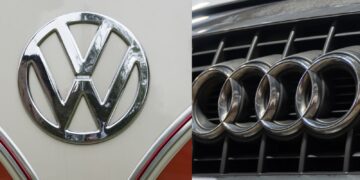
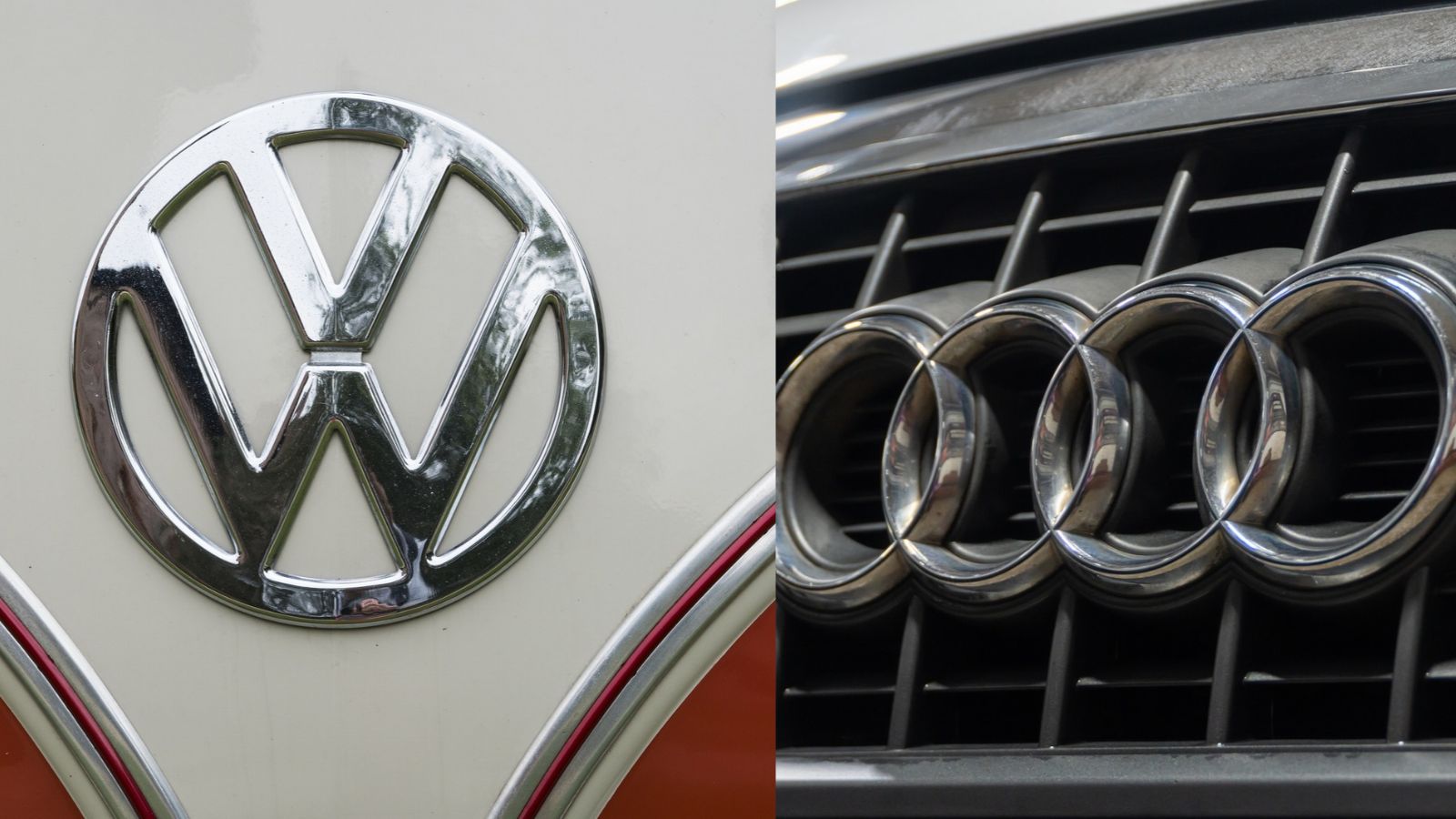
Audi’s planned $4-billion factory in Georgia is being sold in the United States as proof that Washington’s pressure on foreign automakers is bringing manufacturing back to America. In Germany, the same announcement has landed very differently. Audi CEO Gernot Döllner has defended both the investment and his decision to appear beside President Donald Trump at a Georgia campaign rally, arguing that a stronger U.S. business can support the company globally rather than weaken its German base. Yet the plan arrives as Volkswagen and its unions are locked in difficult talks over costs, jobs and future factory workloads. Audi says the new plant could create about 4,500 jobs and eventually build as many as 200,000 vehicles a year, but the project still needs approval from Volkswagen’s supervisory board. That makes the labor response more than symbolic: worker representatives have an institutional role in deciding what happens next.

Audi’s First U.S. Factory Would Be a Major Strategic Shift

Audi says it intends to invest around $4 billion in its first dedicated U.S. manufacturing site at the Middle Georgia Megasite in Peach County. The plant is planned for annual capacity of up to 200,000 vehicles and roughly 4,500 direct jobs. Audi’s schedule calls for work to begin in 2027 and production in the early 2030s; Georgia officials expect grading in 2027, construction in 2028 and full production in 2031.

The scale matters because Audi has served American customers largely through imports rather than its own U.S. assembly footprint. The company describes North America as a third major pillar of its future production network alongside Europe and China. For communities around Peach, Houston and Macon-Bibb counties, the project also promises thousands of manufacturing positions, supplier activity and customized workforce training through Georgia Quick Start and the state’s technical-college system as the local labor force prepares for a new automotive employer.

Döllner Says the Trump Appearance Was About the Office and the Market

The politically charged part of the story was not simply the factory. It was the stage. Trump announced the project at an October 24 campaign rally in Perry, Georgia, with Döllner appearing beside him before U.S. midterm elections. The visual made Audi part of an event in which Trump presented tariffs and industrial pressure as tools for bringing more production into the United States.

Döllner defended the appearance the next day. He said the investment followed months of planning and negotiations and argued that accepting an invitation from the U.S. president showed respect for the office and the country where Audi plans to invest. He rejected the idea that the plant represented a move against Germany, saying a stronger global Audi could help protect employment at home. German labor representatives are not opposing U.S. growth; they want proof that the benefits will not come by shifting work away from Europe.

Trump’s Tariffs Have Already Cost Audi Heavily

The factory plan is difficult to separate from tariffs because Audi has been heavily exposed to U.S. import costs. In its 2025 financial results, Audi said U.S. tariffs reduced operating profit by about €1.2 billion. Operating profit was €3.37 billion, down from €3.90 billion in 2024, while the operating margin slipped to 5.1 percent from 6.0 percent. Those figures help explain why local assembly has become a more urgent strategic question.

Trump has repeatedly argued that tariffs encourage foreign manufacturers to build inside the United States, and he cited Audi’s Georgia plan as evidence for that approach. For Audi, local production could reduce exposure to trade barriers and currency swings while placing high-value vehicles closer to American buyers. But Döllner has not disclosed the full terms of Audi’s discussions with Washington, including whether the investment is tied to tariff relief. That unanswered question remains economically important for the project’s economics.

Georgia Offers More Than a Political Backdrop

Audi’s choice of Georgia reflects industrial considerations as well as politics. The company and state officials point to the Middle Georgia Megasite’s available land, nearby utilities, workforce pipeline, rail access and proximity to an established automotive supply chain. The site is near Interstate 75, while the ports of Savannah and Brunswick are accessible by rail, supporting domestic distribution and international shipping.

Georgia is also promising tailored training. Georgia Quick Start is expected to work with Audi on customized curricula and a dedicated training facility, with local technical colleges involved as hiring ramps up. That matters for a plant intended to employ about 4,500 people and use flexible production systems. Audi says a new greenfield site allows manufacturing processes to be designed from the ground up rather than adapted to an older factory. In practical terms, Georgia is offering a combination automakers value during expansion: prepared land, logistics and workforce development.

Large SUVs Are at the Center of Audi’s American Bet

Audi has said the Georgia factory will focus on premium SUVs developed around North American demand. A U.S. official told Reuters that the expected products are the Q7, Q8 and Q9, although Audi’s factory announcement did not formally name the complete lineup. The Q9 is especially important because Audi introduced it in 2026 as its new flagship and highlighted North America as a key market.

That product mix helps explain the scale of the project. Large premium SUVs are valuable vehicles, and localizing them can make strategic sense compared with moving lower-volume niche products. Audi’s capacity of up to 200,000 vehicles a year would also leave room to respond if U.S. demand grows. The strategy is therefore more than a political promise to “build in America.” It is a wager that a localized lineup of expensive, market-specific SUVs can improve competitiveness in a region where Audi has recently lost sales.

German Audi Workers Already Have Protections — and Still Have Reasons to Worry

The German labor debate needs a distinction. Audi and its works council reached an agreement in March 2025 that extended job protection at German sites through the end of 2033. At the same time, Audi agreed to reduce up to 7,500 jobs in indirect functions such as administration and development by 2029 through socially responsible measures. The company said the program would lower costs while supporting Ingolstadt and Neckarsulm.

By early 2026, Audi said 65 percent of the planned reduction of up to 6,000 positions by 2027 had already been implemented or contractually agreed, with up to 1,500 reductions planned by 2029. Audi has also committed billions of euros of investment to its German locations. Even with those safeguards, a new 200,000-unit U.S. plant raises questions about model allocation after 2030. Labor leaders therefore want binding clarity on which products, investments and workloads will clearly remain in Germany over time.

The Wider Volkswagen Labor Fight Is Much Bigger Than Audi

Audi’s announcement comes during a fresh confrontation between Volkswagen AG and IG Metall. Volkswagen’s 2024 agreement with employee representatives already called for a socially responsible reduction of more than 35,000 jobs at German Volkswagen locations by 2030. On October 23, 2026, Volkswagen said its newer Future Plan 2030 implies an additional reduction of about 12,000 positions at Volkswagen AG, while management is also seeking lower labor costs.

The union has reacted strongly to Volkswagen’s termination of several collective agreements expiring at the end of 2026, although the company says the separate future collective agreement and its job-security provisions remain intact. Formal negotiations are scheduled to begin November 24 in Emden and continue December 15 in Zwickau. Against that backdrop, a multibillion-dollar factory and thousands of new jobs in Georgia are politically sensitive. German workers are being asked to accept restructuring at home while the group prepares to invest heavily abroad.

Worker Representatives Have Real Leverage Over the Final Decision

The call for job guarantees matters because Volkswagen’s governance system gives employees a formal role at the top. Volkswagen AG’s supervisory board has 20 members: 10 shareholder representatives and 10 employee representatives. Christiane Benner, chair of IG Metall, is the board’s deputy chair. The state of Lower Saxony also has the right to appoint two shareholder representatives while it maintains the required ownership stake.

That structure matters because Volkswagen says the Audi factory is subject to approval by the relevant corporate bodies. Benner has said expanding Audi’s U.S. presence is right and necessary, but she wants firm prospects for workers at all sites, especially in Germany, defined before the final decision. Lower Saxony Premier Olaf Lies has taken a similar position, saying U.S. growth should secure jobs and value creation in Germany rather than displace them. The next phase is therefore a financial review and a negotiation over industrial balance.

Audi Needs Growth in America After a Difficult First Half

Audi’s recent numbers make the attraction of a stronger U.S. footprint easy to understand. The brand delivered about 727,000 vehicles worldwide in the first half of 2026, a little more than 7 percent fewer than a year earlier. North American deliveries excluding Mexico fell from 98,712 to 82,187, while China dropped from 287,600 to 232,227. Audi cited U.S. tariffs and intense Chinese competition as major pressures on performance.

Revenue for the broader Audi Group fell to €29.18 billion in the first half, from €32.57 billion a year earlier, even though operating profit edged higher to €1.12 billion as cost discipline helped. The company also lowered its full-year revenue outlook in July. Against that backdrop, producing closer to U.S. customers is a growth strategy as much as a tariff defence. Audi is trying to reduce external friction while rebuilding momentum in one of the world’s most important premium-vehicle markets for growth.

The Deal Is Big, but Several Crucial Questions Are Still Open

For all the fanfare in Georgia, the project is not yet a finished corporate decision. Volkswagen says the plant still requires approval through its established governance process. Döllner has also declined to disclose whether Audi secured tariff concessions or other federal terms connected with the investment. And while Reuters reported that the Q7, Q8 and Q9 are expected for Georgia, Audi’s own announcement speaks more broadly about premium SUVs for North American customers.

There is a second U.S. localization move. A U.S. official told Reuters that Audi plans to assemble about 25,000 vehicles a year at Volkswagen-backed Scout Motors’ South Carolina plant, a $2-billion facility under construction in Blythewood. Together, the projects point toward deeper Volkswagen Group manufacturing presence in the United States. The unresolved issue is whether American growth can strengthen the group without hollowing out European production — the condition German labor representatives are putting central to the debate.

Recommended.

20 Signs Your Car Battery Is About to Leave You Stranded

Ontario Auto-Repair Network Grows 115% in Three Years as It Expands to 28 Shops

September 30, 2026
Why the Next Wave of Chinese EVs Could Force Canada’s Biggest Price War Yet

Why the Next Wave of Chinese EVs Could Force Canada’s Biggest Price War Yet

March 28, 2026

Trending.

Canada’s Auto Industry Says Tariff Fight Has Already Cost the Sector More Than $100 Billion

Trump’s 50% Canada Auto-Tariff Threat Is Now Forcing Automakers to Plan Around a January 1 Deadline

September 27, 2026
Canada’s Ballard Puts a 250,000-Mile Performance Guarantee Behind Hydrogen Buses

Canada’s Ballard Puts a 250,000-Mile Performance Guarantee Behind Hydrogen Buses

October 2, 2026
15 Vehicles Canadians May Want to Avoid Before May Long Weekend

Tesla Buyers in Canada Are Reporting Fresh Model Y Delivery Delays as Some Orders Slip Into October and November 2.

September 27, 2026
10 Reasons the Canadian Car Market Feels Different Heading Into Summer

Canadian Auto Sales Rise 3.4% for a Fourth Straight Month—but 2026 Still Trails Last Year

October 3, 2026
PBO Warns U.S. Tariff War Threatens Up to 185,000 Canadian Jobs, With Auto Manufacturing Among Hardest Hit

PBO Warns U.S. Tariff War Threatens Up to 185,000 Canadian Jobs, With Auto Manufacturing Among Hardest Hit

October 21, 2026
  • About
  • Contact
  • Privacy Policy
  • Disclaimer
  • Editorial Policies
  • Terms and Conditions
A Revir Media Group Website

2026 Autoigloo - © All rights reserved

No Result
View All Result
  • News & Trends
  • Car Reviews
  • Buying Guides
  • Comparisons
  • EVs & Hybrids
  • More
    • Pricing & Deals
    • Winter Driving
    • Ownership & Maintenance

2026 Autoigloo - © All rights reserved

This website uses cookies. By continuing to use this website you are giving consent to cookies being used. Visit our Privacy and Cookie Policy.




