























Winter tires are often treated like a seasonal checkbox: install them before snow, remove them when spring feels settled, and assume the job is done. Yet the mistake that quietly ruins braking distance is not always skipping winter tires altogether. It is driving on the wrong winter tire at the wrong time, with too little tread, too much age, poor pressure, or mismatched placement.
This breakdown covers 12 ways one winter-tire mistake can turn into a longer, riskier stop. The danger is subtle because the car may still feel normal during errands, commutes, or dry-road driving. The problem only becomes obvious when a pedestrian steps out, traffic suddenly bunches up, or a patch of packed snow appears where the road looked clear.
Waiting Until Snow Falls Before Installing Them
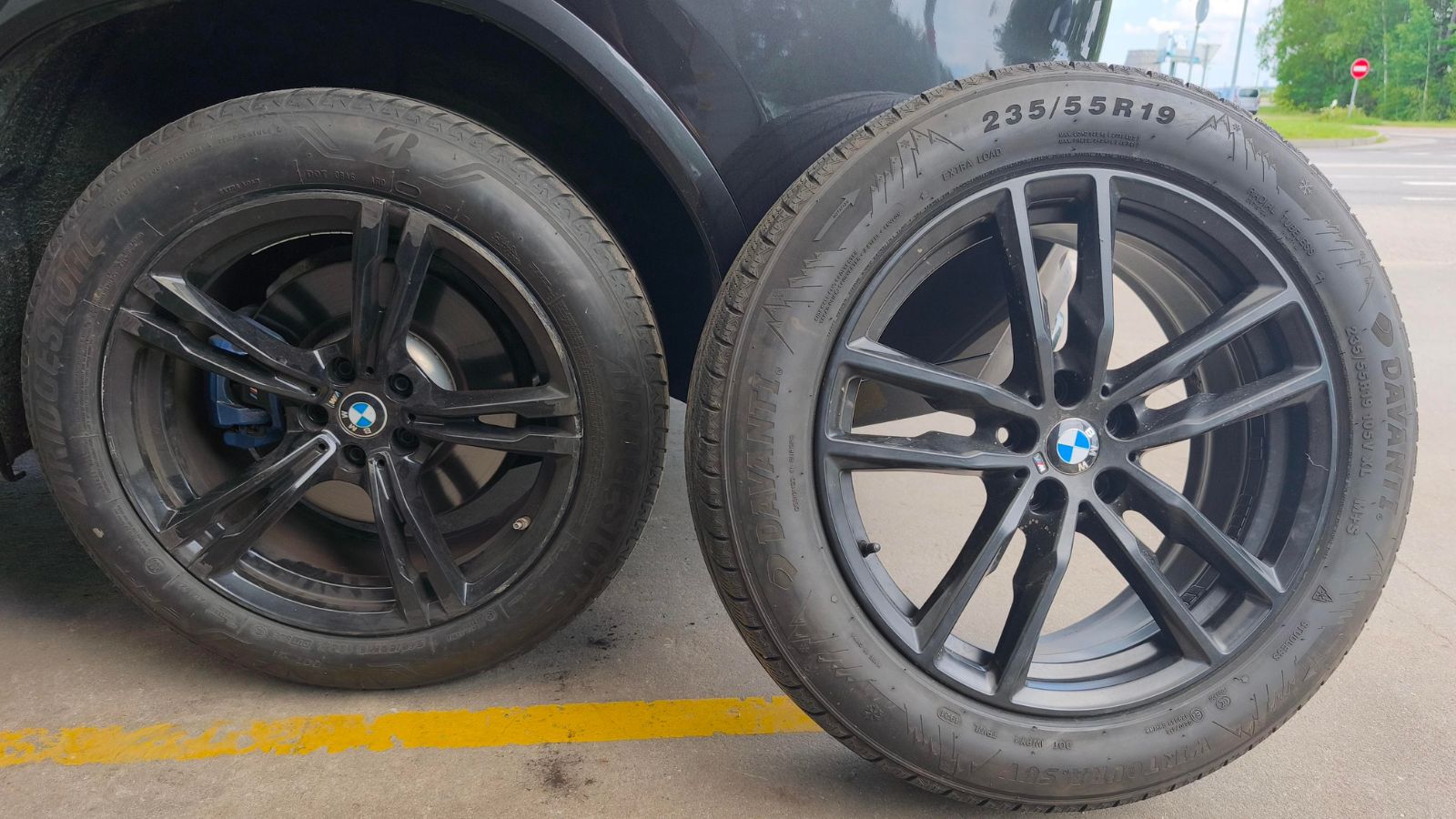
One of the most common winter tire mistakes is waiting for visible snow before booking the changeover. Winter tires are not only snow tires. Their rubber compounds are designed to stay more flexible in cold temperatures, which helps maintain grip when pavement is cold, wet, icy, or slushy. That matters because braking distance can start changing before the first major storm arrives.
A commuter might leave home on a clear November morning, assuming all-season tires are still fine because the roads are bare. But if temperatures have been hovering near freezing overnight, the pavement may already be cold enough to reduce traction. The braking problem often appears at the worst moment: a yellow light, a downhill stop sign, or a shaded intersection where moisture has frozen into a thin film.
Keeping Worn Winter Tires Too Long
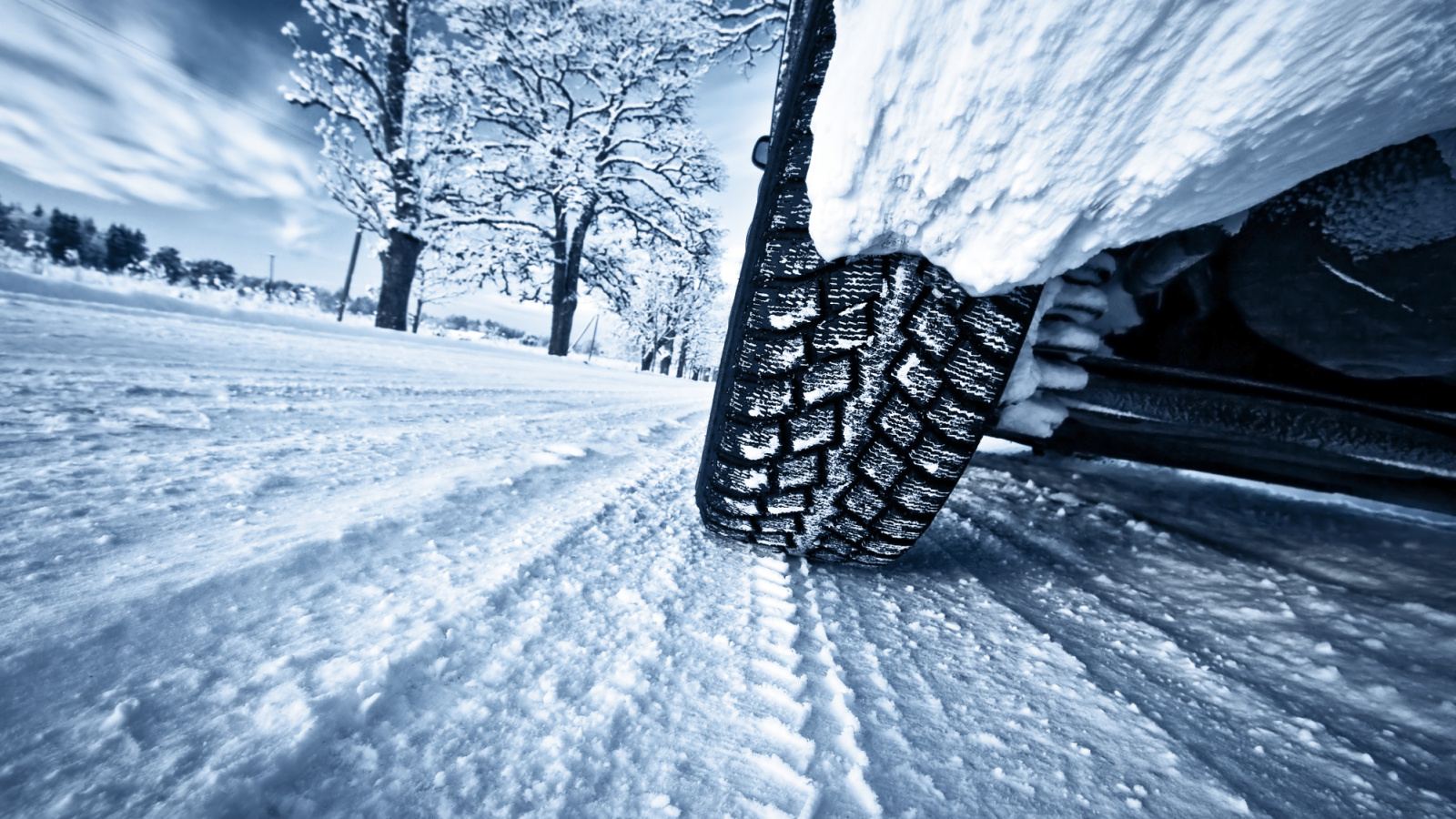
Winter tires can still look useful long after their best braking performance has faded. The tread blocks, grooves, and small biting edges are what help the tire clear slush, grip snow, and maintain contact with the surface. As tread depth wears down, the tire has less ability to bite into winter road conditions, even if it remains legally usable.
This is where drivers often get fooled. A tire that looks “not bald” in the driveway may still be too worn for snowy braking. A family vehicle used mostly for school runs, grocery trips, and short commutes can gradually wear its winter tires season after season without anyone noticing. Then, during the first heavy snowfall, the vehicle takes longer to stop than expected, even though winter tires are technically installed.
Running Winter Tires Through Warm Weather
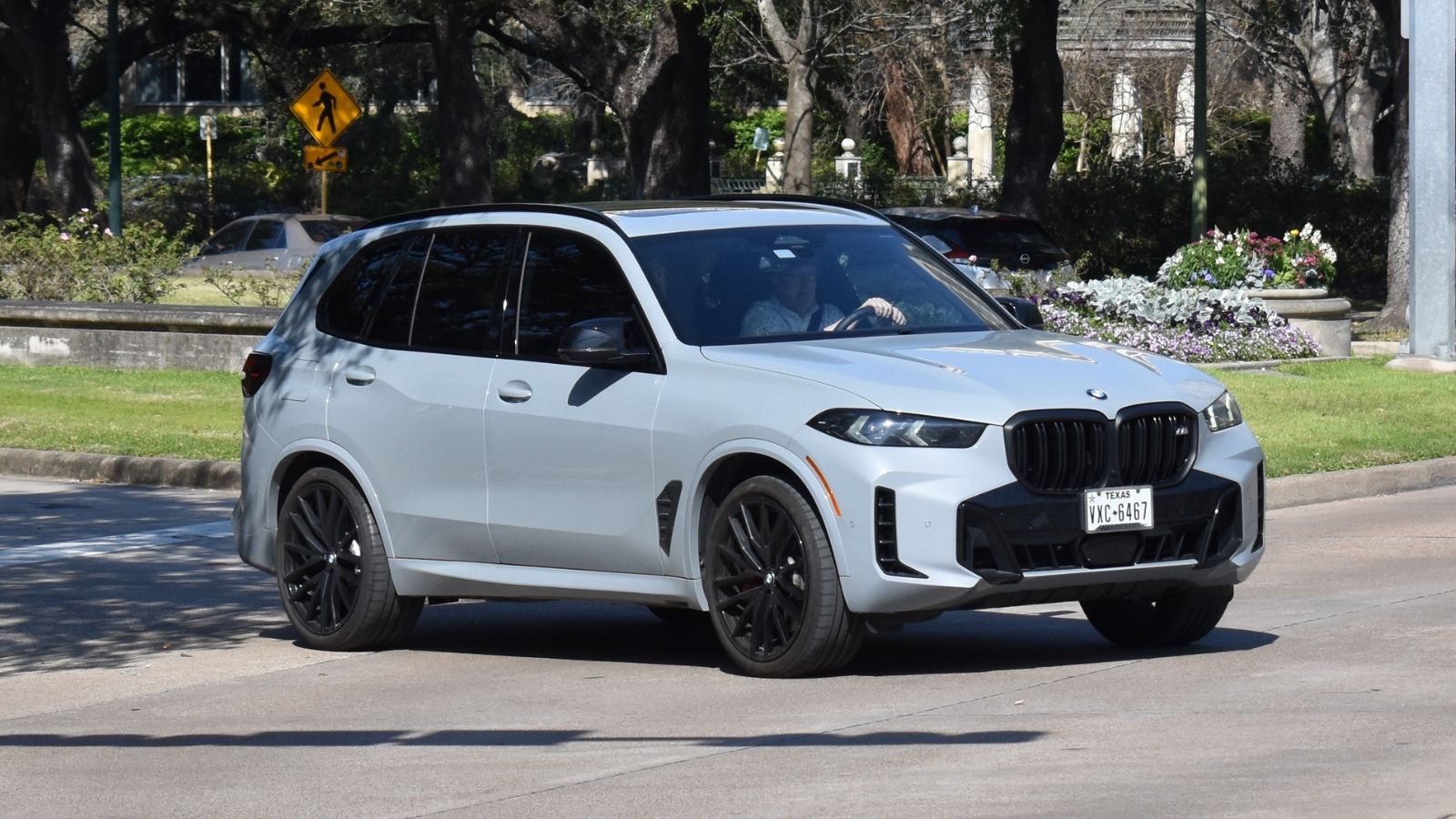
The quietest way to ruin winter-tire braking is leaving them on too long after the cold season ends. Winter tires are made with softer compounds that help in freezing weather, but those same compounds wear faster on warm, dry pavement. The tire may survive the summer visually, yet lose the tread depth and edge sharpness needed for the next winter’s stopping power.
This mistake often happens for practical reasons. Tire shops are busy, budgets are tight, and spring weather can swing wildly from frost to sunshine. But every warm-weather commute can grind away the rubber meant for winter grip. By the time cold weather returns, the tires may still be on the car, but their ability to slow the vehicle on snow or slush may be noticeably weaker.
Mixing Winter Tires With All-Season Tires
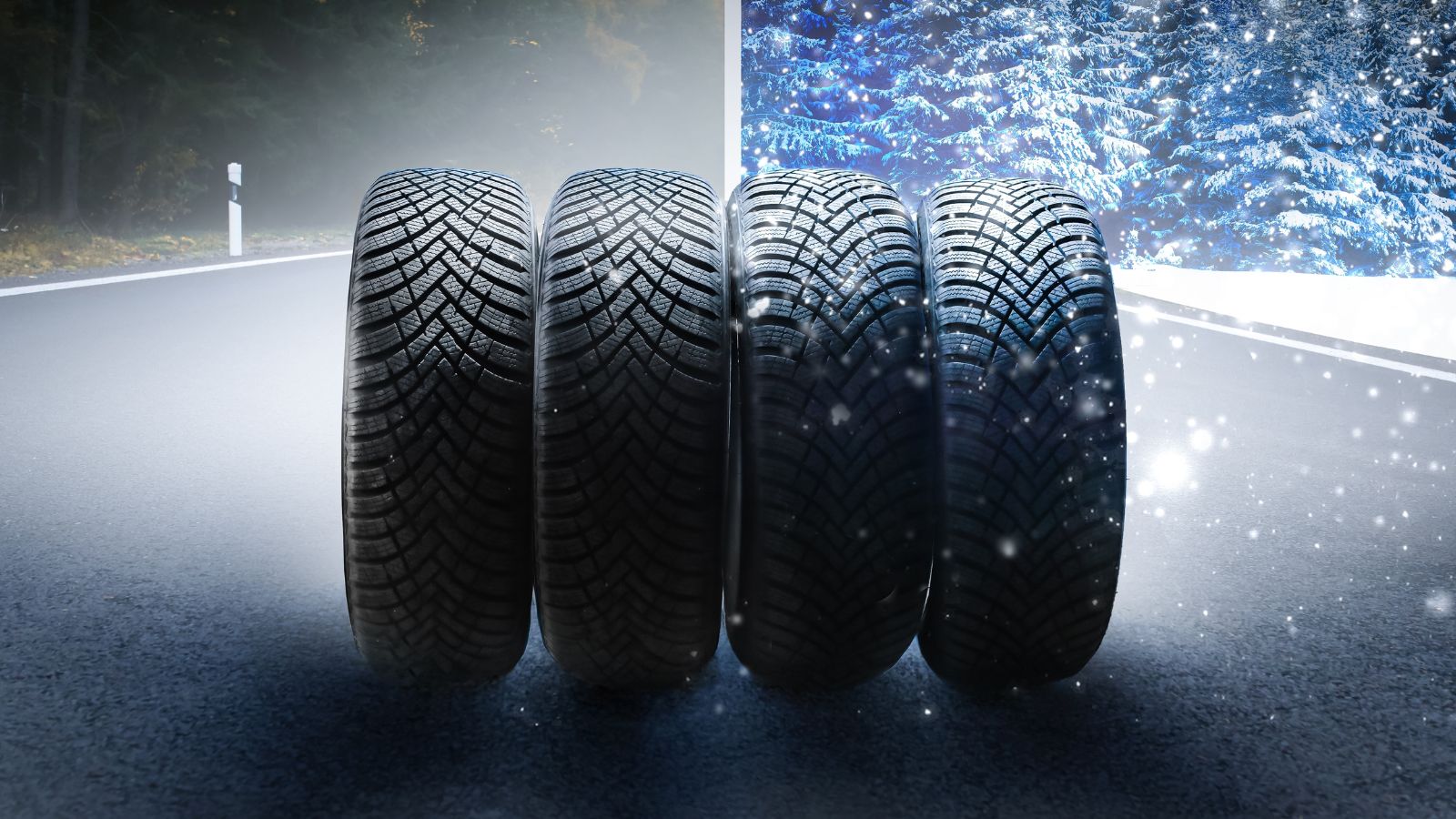
Installing only two winter tires can create an unstable braking setup. A vehicle needs predictable grip at all four corners, especially when braking and steering happen at the same time. If the front tires grip differently than the rear tires, the vehicle can feel fine in a straight line but become less stable when the road turns slick.
This is especially risky because the driver may assume that putting winter tires on the drive wheels is enough. A front-wheel-drive car with winter tires only in front may accelerate better, but the rear end can lose grip during braking or cornering. A rear-wheel-drive car with winter tires only in back can still struggle to steer and stop. Balanced winter traction is the safer goal.
Assuming All-Wheel Drive Shortens Stops
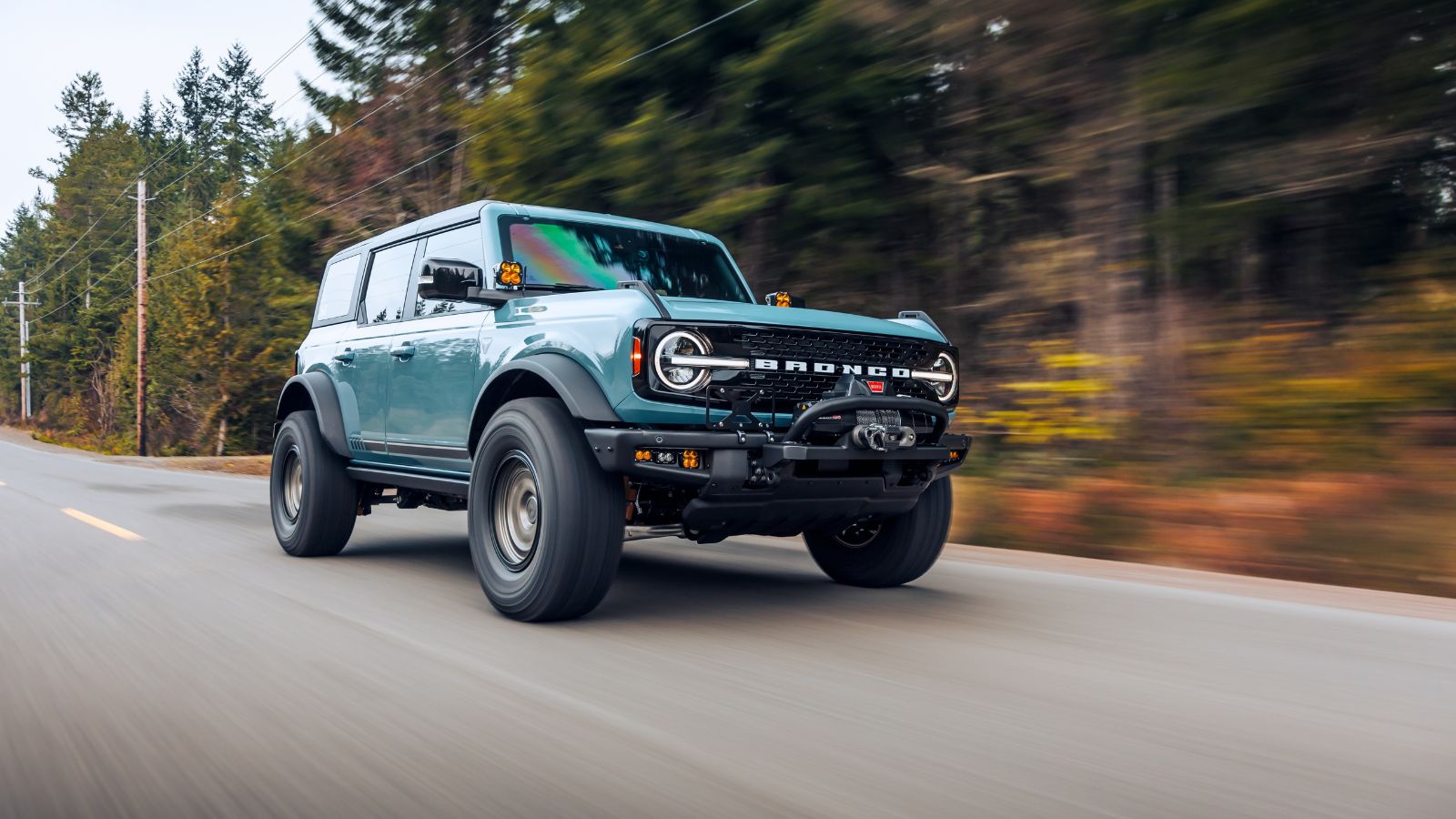
All-wheel drive helps a vehicle get moving, but it does not magically shorten braking distance on snow or ice. Braking depends heavily on tire grip, road surface, vehicle speed, and driver reaction. All four wheels may help launch the vehicle away from a snowy curb, but when the brake pedal is pressed, the tires still determine how much grip is available.
This creates a confidence trap. An SUV may feel composed pulling out of a driveway after a storm, so the driver assumes it will stop with the same authority. In traffic, that confidence can shrink the following distance. The problem appears when the vehicle ahead brakes suddenly and the heavier SUV needs more room than expected. Winter tires matter because stopping is not the same as starting.
Ignoring Tire Pressure When Temperatures Drop
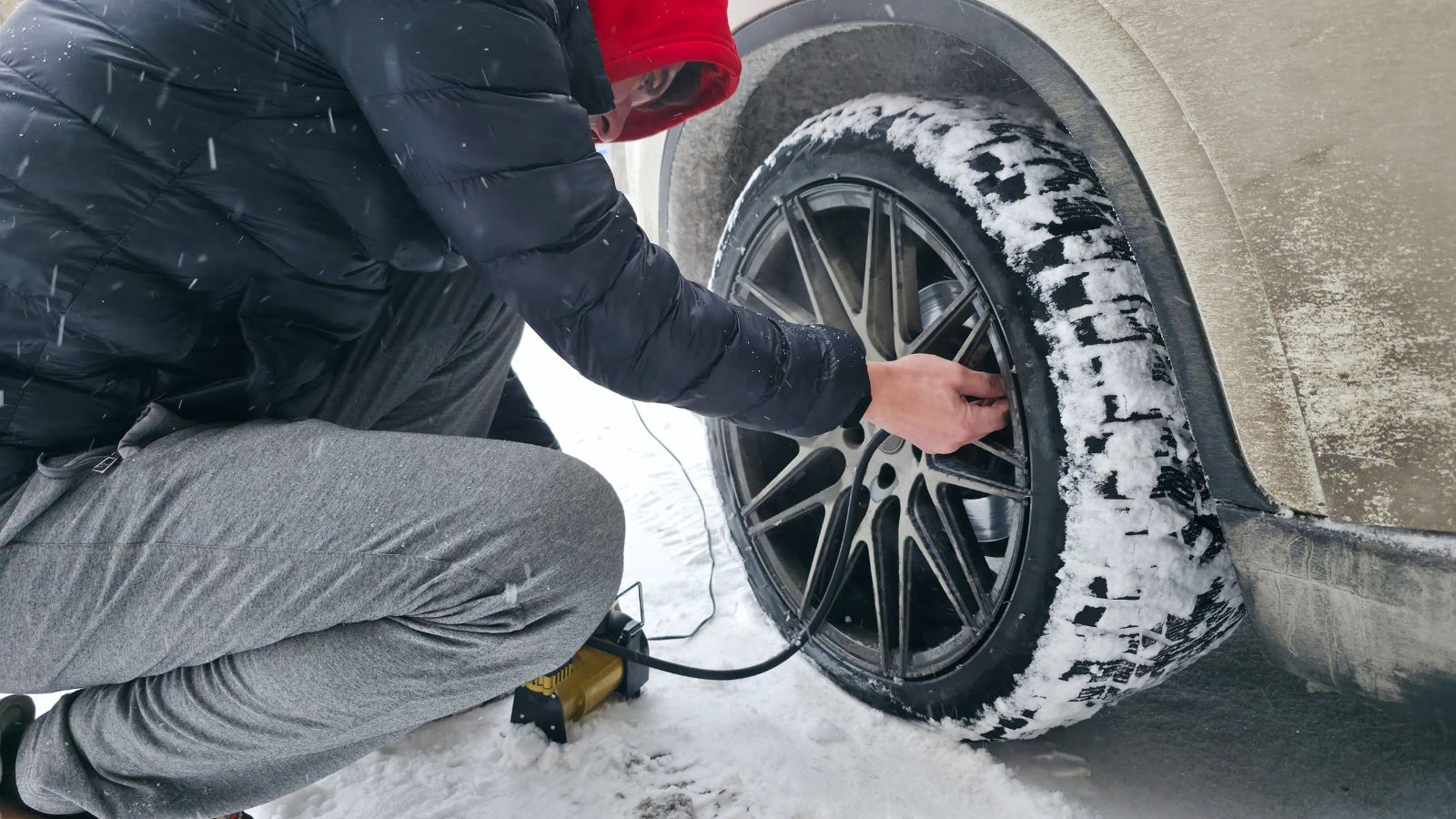
Cold weather reduces tire pressure, and low pressure can hurt handling, durability, fuel economy, and stopping performance. A winter tire with the right tread can still underperform if it is underinflated. The contact patch changes, the tire flexes differently, and steering or braking response may feel slower in emergency situations.
This mistake is easy to miss because modern tire-pressure warning systems may not alert drivers until pressure has dropped enough to cross a threshold. A driver may see no dashboard light and assume everything is fine. But after a sudden cold snap, the tires may already be below the vehicle manufacturer’s recommended pressure. Checking pressure when tires are cold is a small habit that can protect braking consistency all winter.
Trusting the Tire Sidewall Instead of the Door Label
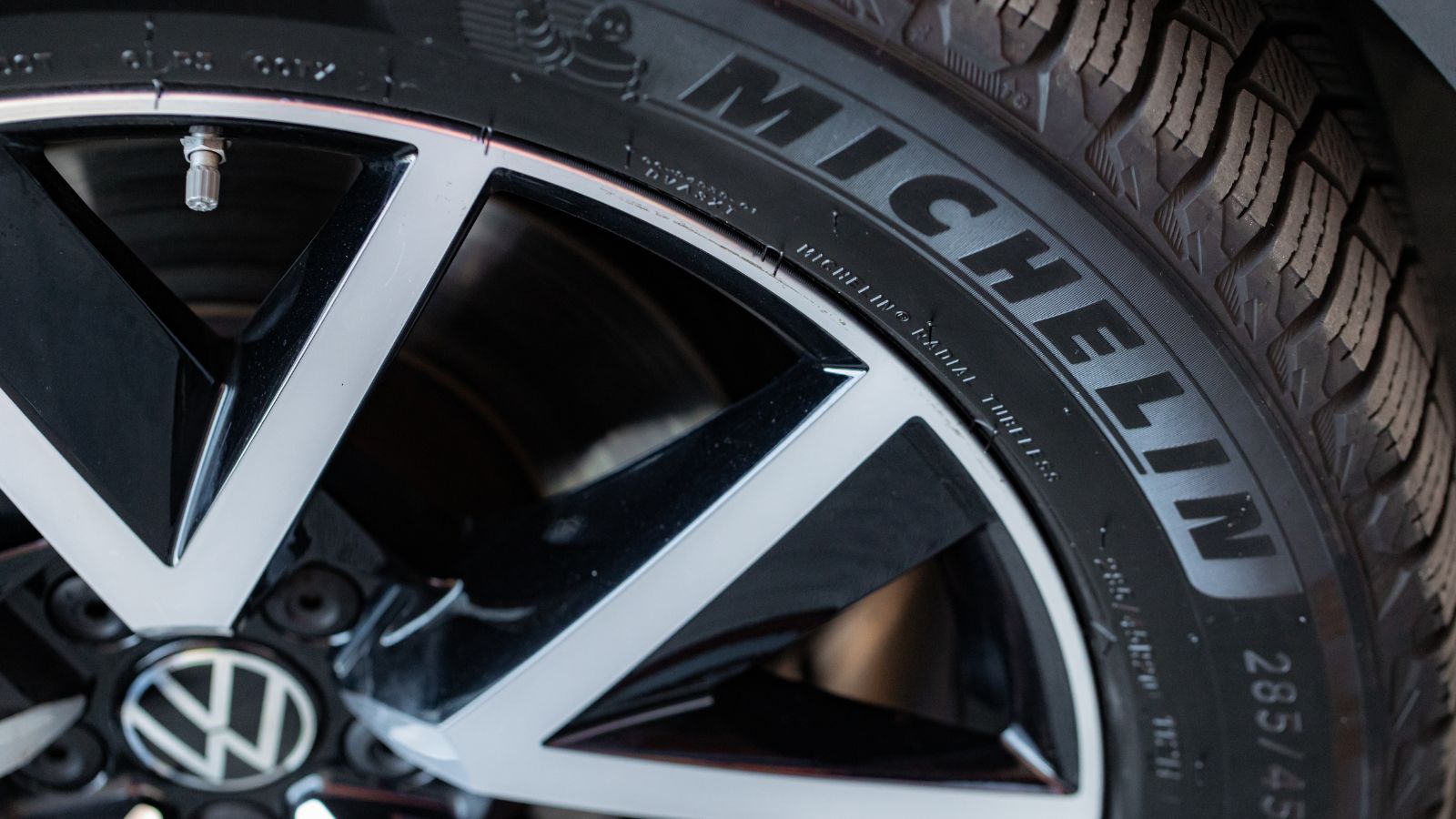
Another overlooked mistake is inflating tires to the number printed on the tire sidewall. That number is not the vehicle’s recommended tire pressure; it is typically the maximum pressure the tire can carry under specified conditions. The correct pressure for everyday driving is usually listed on the driver’s door placard or in the owner’s manual.
This matters because overinflation and underinflation can both reduce how well the tire performs. A driver topping up air at a gas station may think more pressure equals more safety, especially before a long winter trip. But the vehicle was engineered around a specific inflation recommendation. Using the wrong reference can change ride quality, tire wear, and braking feel, particularly on uneven, wet, or icy pavement.
Forgetting That Winter Tires Age
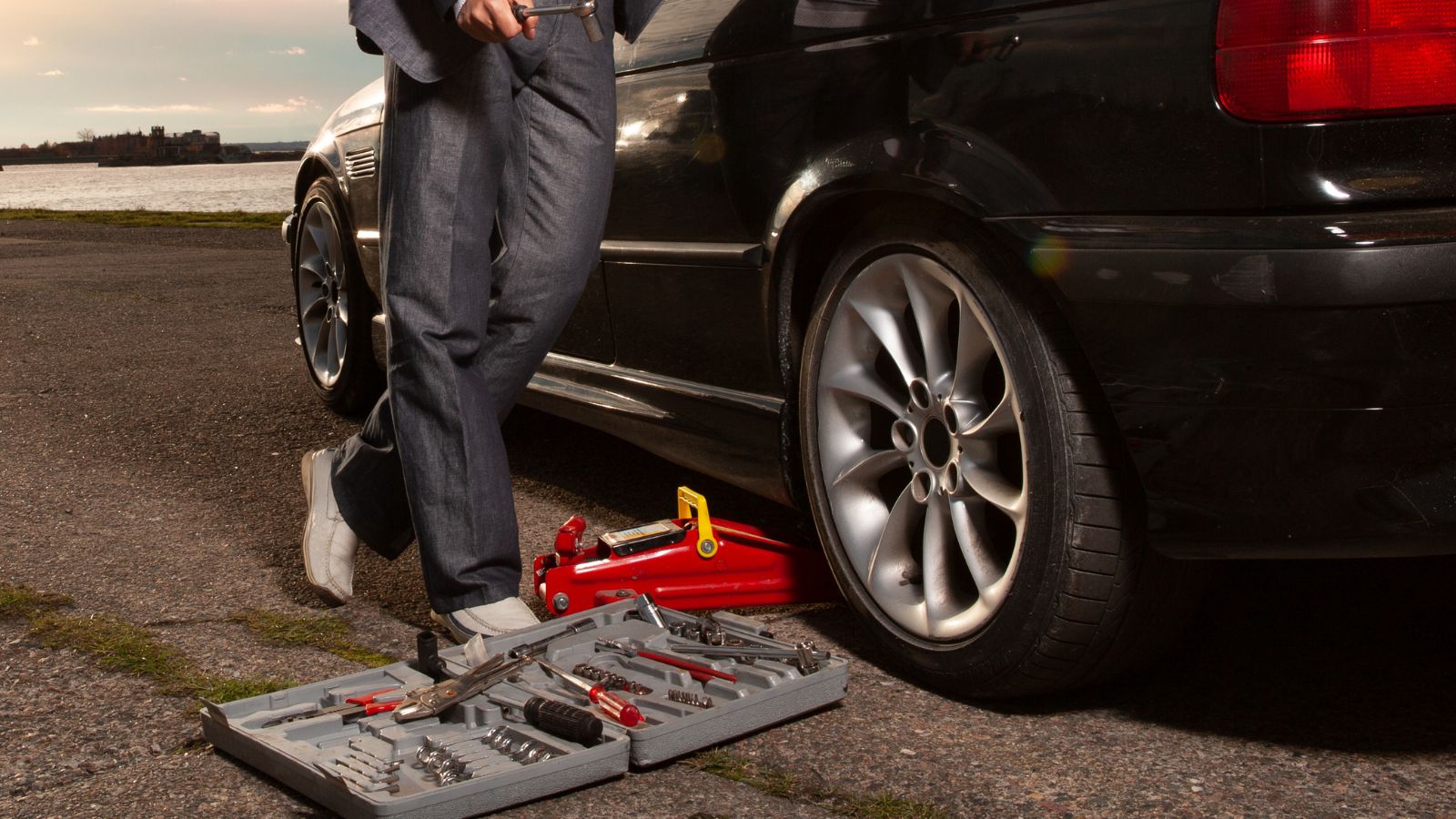
Tread depth is not the only measure of winter-tire safety. Rubber ages, hardens, cracks, and loses some of the flexibility that gives winter tires their cold-weather advantage. A low-mileage vehicle can therefore have winter tires that look acceptable but no longer perform like they did when new. Age becomes especially important for vehicles driven lightly or stored for long periods.
This can surprise owners of second cars, weekend vehicles, or older family cars passed between relatives. The tires may have plenty of visible tread because the vehicle does not travel far, but the rubber may have gone through years of heat, cold, sunlight, and storage cycles. In winter braking, old rubber can feel less forgiving, especially on polished ice or hard-packed snow.
Buying the Wrong Symbol for the Job
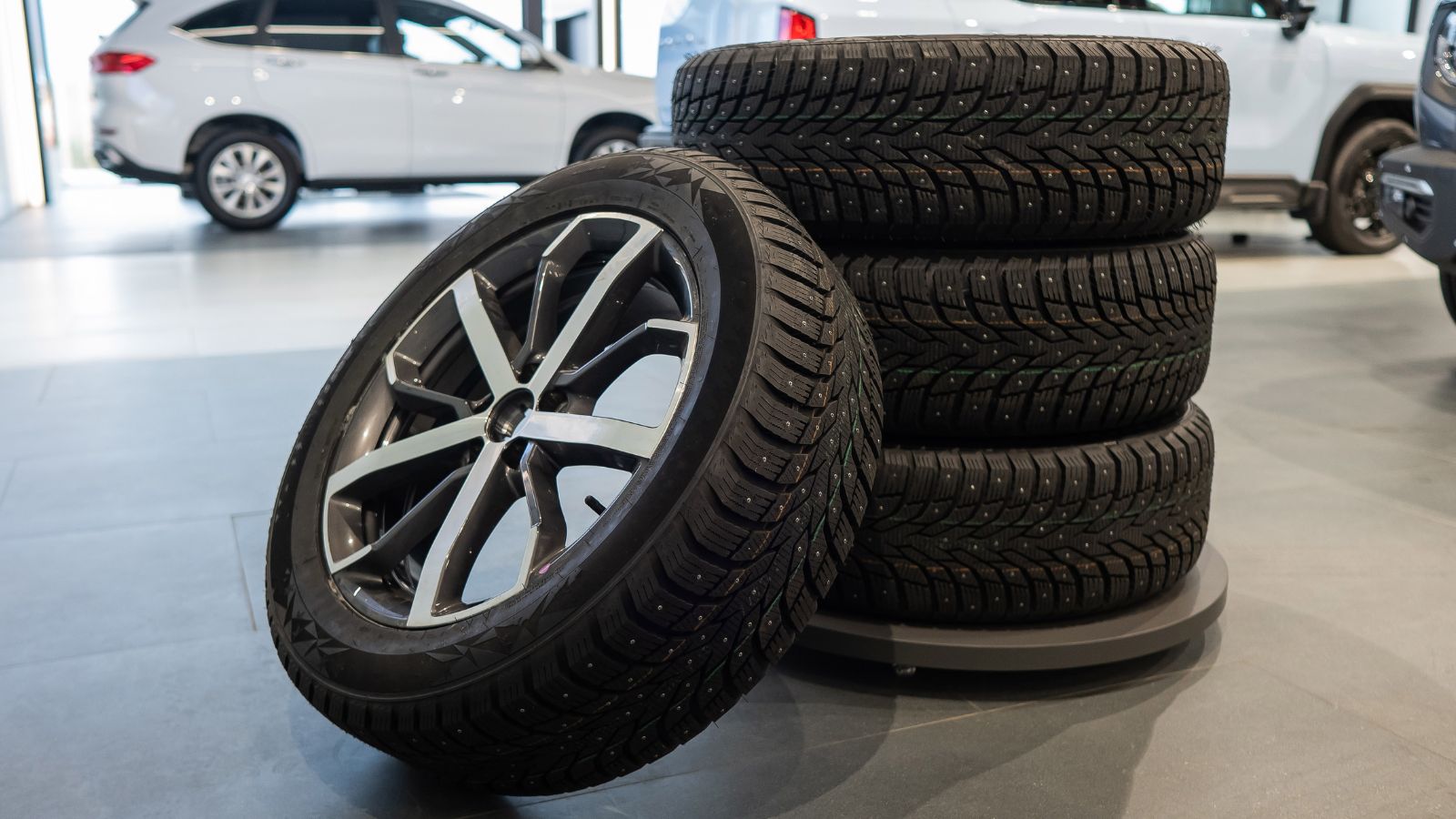
Not every tire marketed for poor weather provides the same winter braking performance. The three-peak mountain snowflake symbol identifies tires that meet a recognized snow-traction standard, while other markings or descriptions may not mean the same thing. All-weather tires can be a practical compromise for some drivers, but dedicated winter tires usually provide the strongest cold-weather grip.
The mistake often happens at the point of purchase. A driver sees aggressive tread, “M+S” lettering, or an all-season label and assumes the tire is winter-ready. In milder regions, that may feel acceptable most days. But braking distance is judged in the worst moments, not the average ones. A tire that performs adequately on chilly rain may not offer the same margin on packed snow, freezing slush, or icy side streets.
Skipping Rotation and Letting Wear Become Uneven
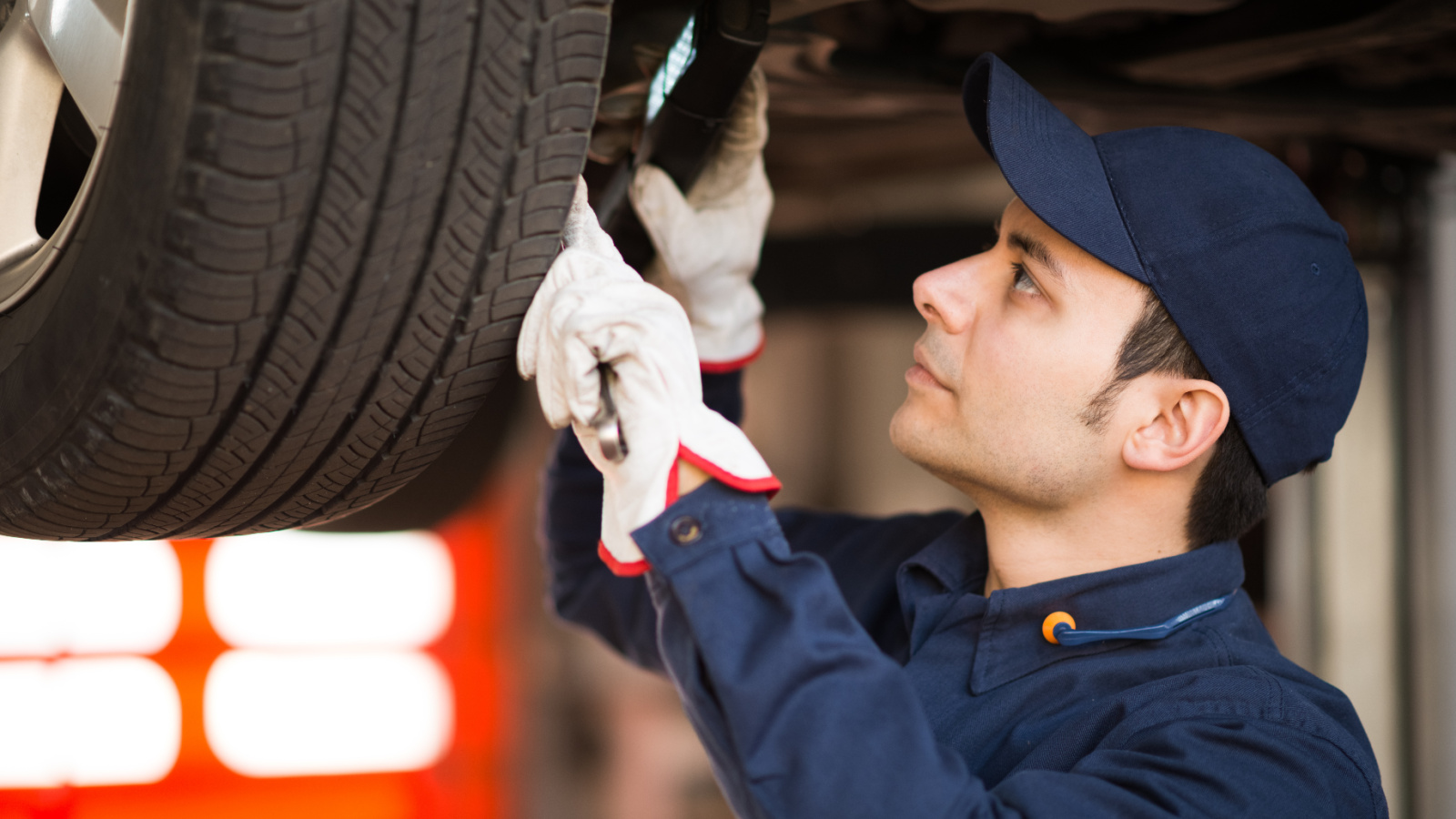
Winter tires do not wear evenly on every vehicle. Front tires may carry more steering and braking load, while drive wheels may wear faster under acceleration. Without regular rotation, one pair can lose tread depth faster than the other, creating uneven grip across the vehicle. That imbalance can affect braking stability when traction is already limited.
The issue can be subtle. The vehicle may still drive straight on dry pavement, but under winter braking, one axle may grip better than the other. A driver who rotates tires only when buying new ones may miss the gradual imbalance. Seasonal changeovers are a natural time to inspect tread depth, check for uneven wear, and rotate according to the vehicle and tire maker’s recommendations.
Driving Too Fast Because Winter Tires Feel Better
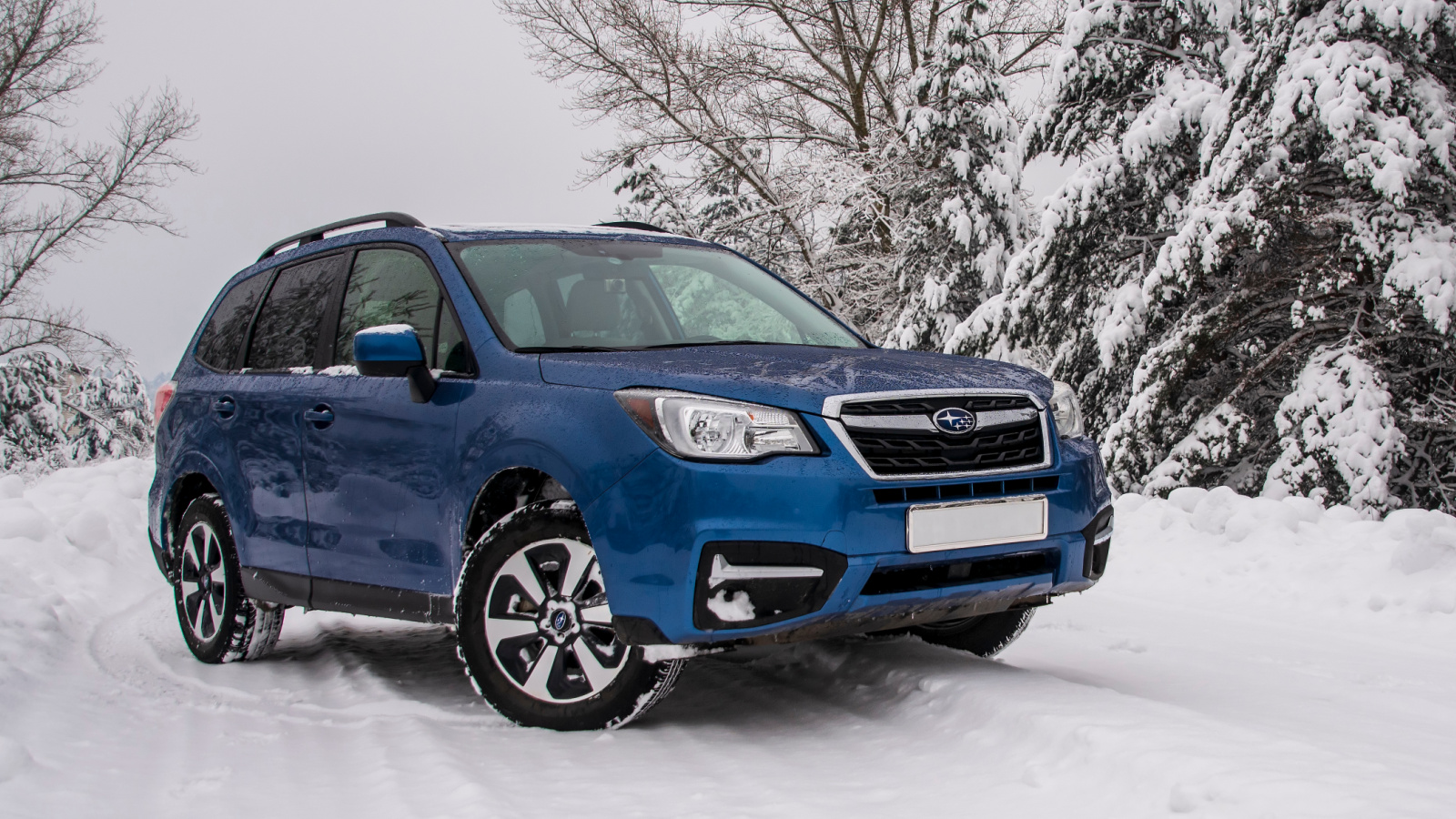
Winter tires improve grip, but they do not cancel physics. Speed remains one of the biggest factors in stopping distance, and winter roads reduce available traction even with the right tire. The danger is psychological: once a vehicle feels more planted, drivers may carry more speed into intersections, curves, or highway ramps.
This can happen after the first snowstorm of the season. A driver with fresh winter tires may feel a reassuring bite when accelerating from a stop and assume the road is manageable. But braking distance grows quickly as speed rises, and ice can vary from one lane to the next. Winter tires provide a safety margin, not permission to drive like it is dry July pavement.
Storing Tires Poorly Between Seasons
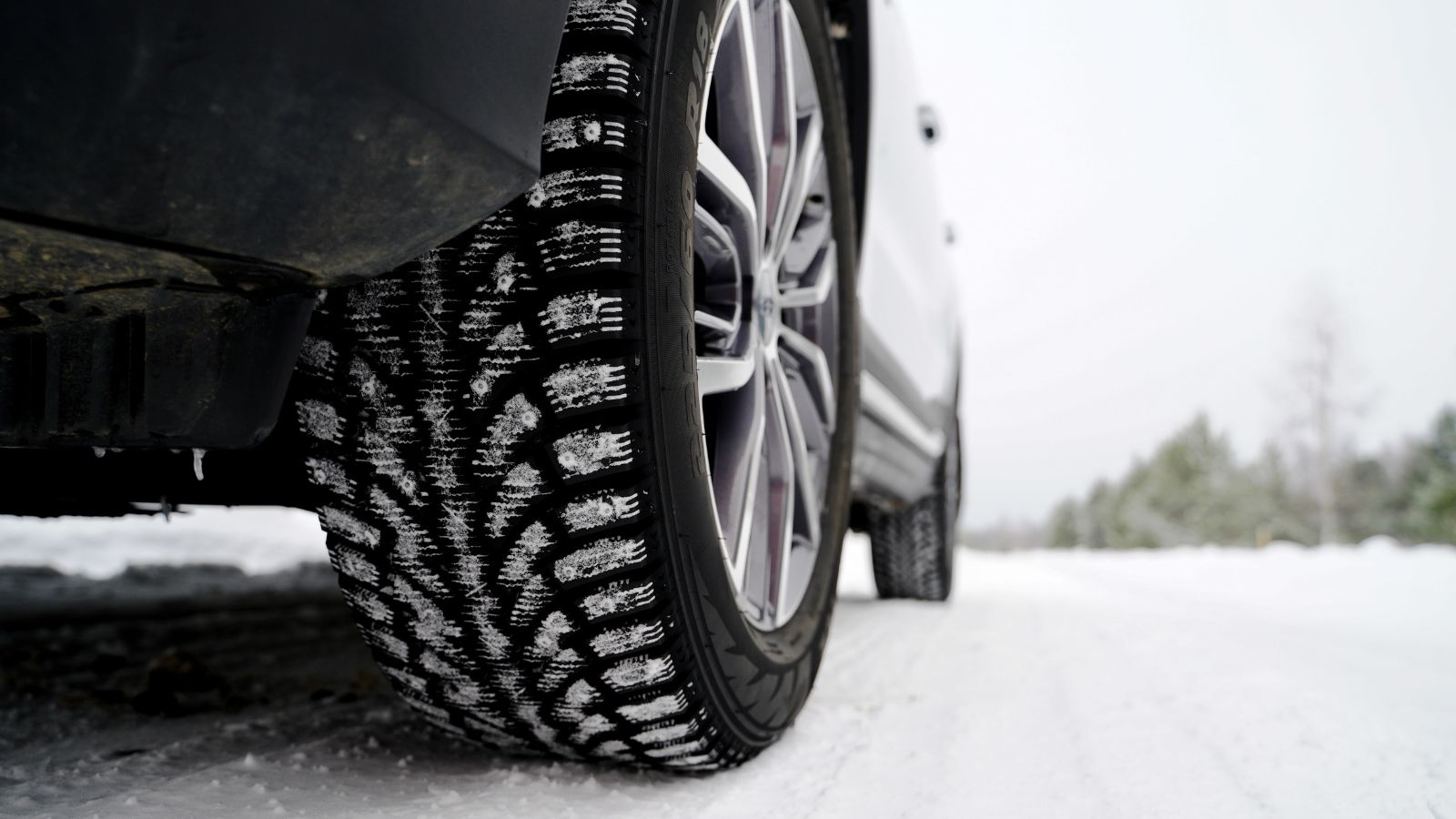
The braking-distance problem can begin months before winter arrives. Tires stored in direct sunlight, heat, moisture, or near ozone-producing equipment can age faster. Poor storage can dry the rubber, encourage cracking, and weaken the qualities that help winter tires stay flexible in cold conditions. A tire can lose performance while sitting still.
This is easy to overlook in crowded garages, apartment storage rooms, or backyard sheds. Tires may be stacked near a furnace, leaned against a wall in sunlight, or left uncovered where temperature swings are severe. Proper storage is not just about keeping them tidy. It helps preserve the rubber, tread condition, and performance drivers expect when the next freezing morning arrives.
22 Things Canadians Do to Their Cars in Spring That Mechanics Hate

Spring brings relief to many Canadian drivers after months of snow, freezing temperatures, and icy roads that put serious strain on vehicles. As temperatures rise across the country, drivers begin washing cars, switching tires, and preparing vehicles for warmer weather and upcoming road trips. However, mechanics across Canada notice the same mistakes every spring when drivers attempt to recover from winter damage. Road salt, potholes, and harsh winter driving conditions often leave vehicles with hidden problems that drivers ignore. Some spring habits even create new mechanical issues that could have been avoided with proper maintenance. Here are 22 things Canadians do to their cars in spring that mechanics hate.