


























Car insurance in Canada is being squeezed from several directions at once. Theft remains a major pressure point even after 2024 improved from the extreme highs of 2023, while repair bills, parts prices and vehicle complexity are still well above where they were before the pandemic. Premiums also vary by province, postal code, driving history and coverage choices, so there is no single national price table that fits every driver. Still, some vehicles keep showing up where theft exposure, claim severity or replacement costs are hardest on insurers. That is usually where owners start feeling the premium is out of proportion to what sits in the driveway. This risk-based look focuses on 15 vehicles that stand out right now because the data keeps pointing to the same pressure points: theft, expensive claims, and repairs that are no longer simple.
Honda CR-V
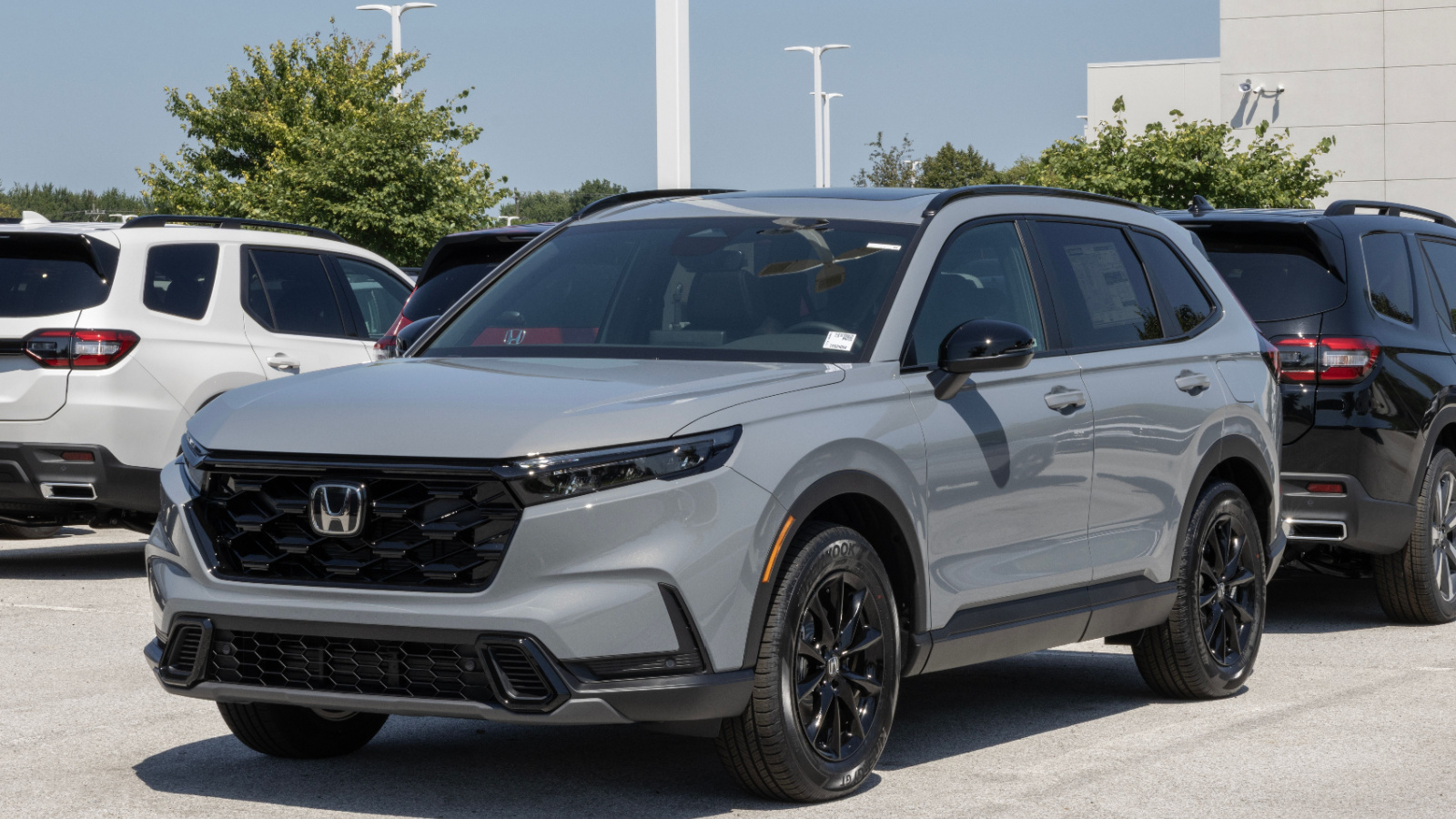
The Honda CR-V has the reputation of a practical, low-drama family SUV, which is exactly why its insurance bill can catch owners off guard. In Canada, that image does not protect it from theft exposure. Équité’s 2024 theft-frequency table showed the 2016–2021 CR-V at 4,117 thefts, more than any other generation listed there, with a theft rate of 1.7%. For insurers, that is not background noise. It is the kind of signal that pushes comprehensive risk higher even when the vehicle itself is not especially flashy.
The more surprising part is that the problem is not limited to older examples. HLDI’s 2022–2024 whole-vehicle theft report showed the newer CR-V 4WD at relative overall theft losses of 126 and the CR-V Hybrid 4WD at 252. That helps explain why a vehicle bought for sensibility can end up carrying a premium that feels far less sensible. In the Canadian market, the CR-V’s popularity has become part of the risk story.
Lexus RX
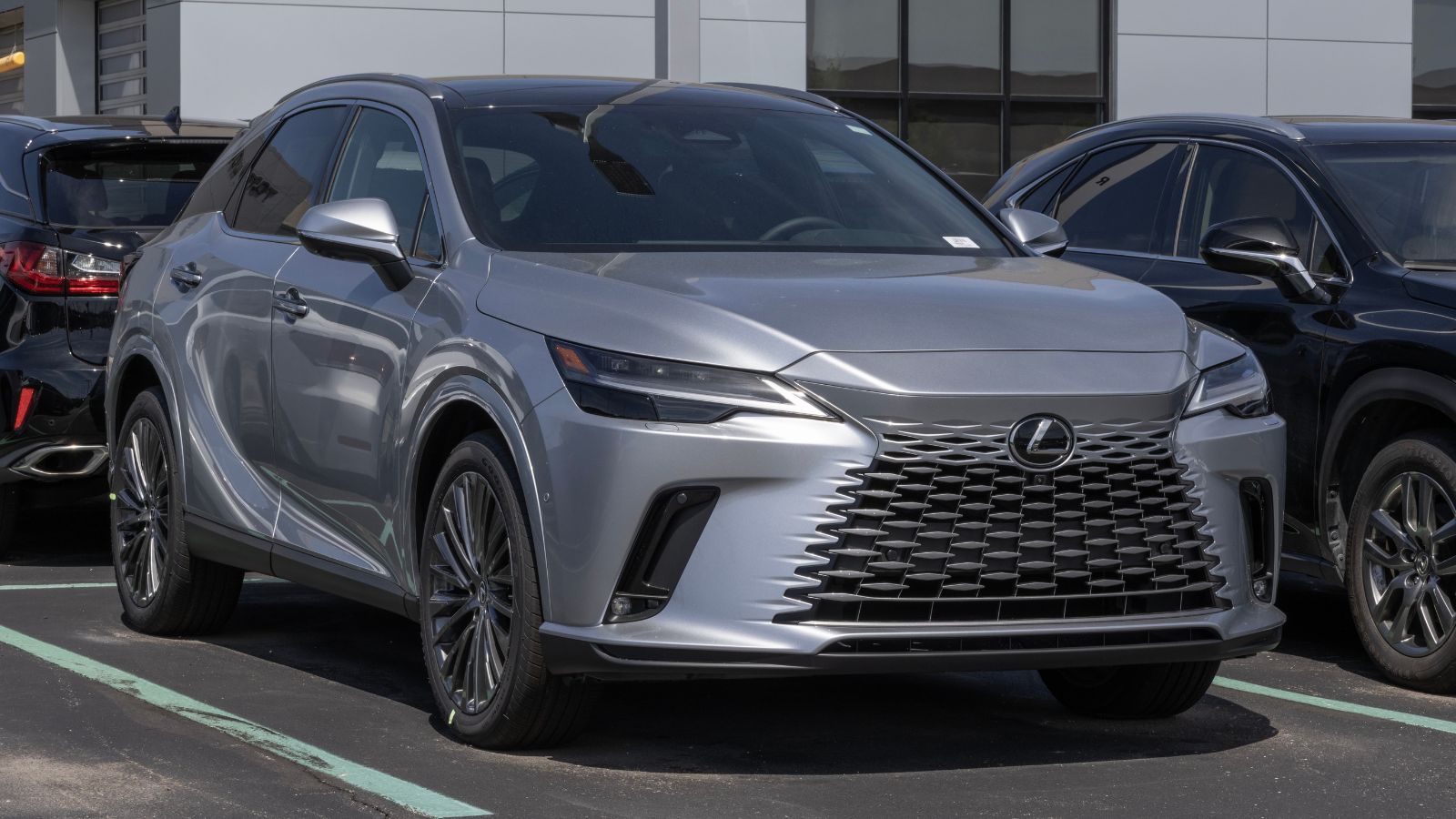
The Lexus RX is one of those vehicles that looks calm, comfortable and mature, but insurers see a different profile underneath. Équité’s Canadian theft data showed the 2016–2021 RX series with 2,202 thefts and a stunning theft rate of 6.4%, one of the most punishing percentages on the national list. That is the kind of number that changes how a model is treated across urban and suburban markets, especially in Ontario and Quebec where organized theft has hit hardest.
The frustrating part for owners is that the RX does not behave like a sports car or an extreme luxury toy. It is often bought as a reliable, long-term premium crossover. Yet replacement values stay high, parts are not cheap, and older theft experience can hang over a nameplate for years. Newer HLDI theft-loss figures for current RX versions are more moderate than the legacy Canadian theft record, but the vehicle still sits in a category where insurers have plenty of reasons to stay cautious.
Toyota Highlander
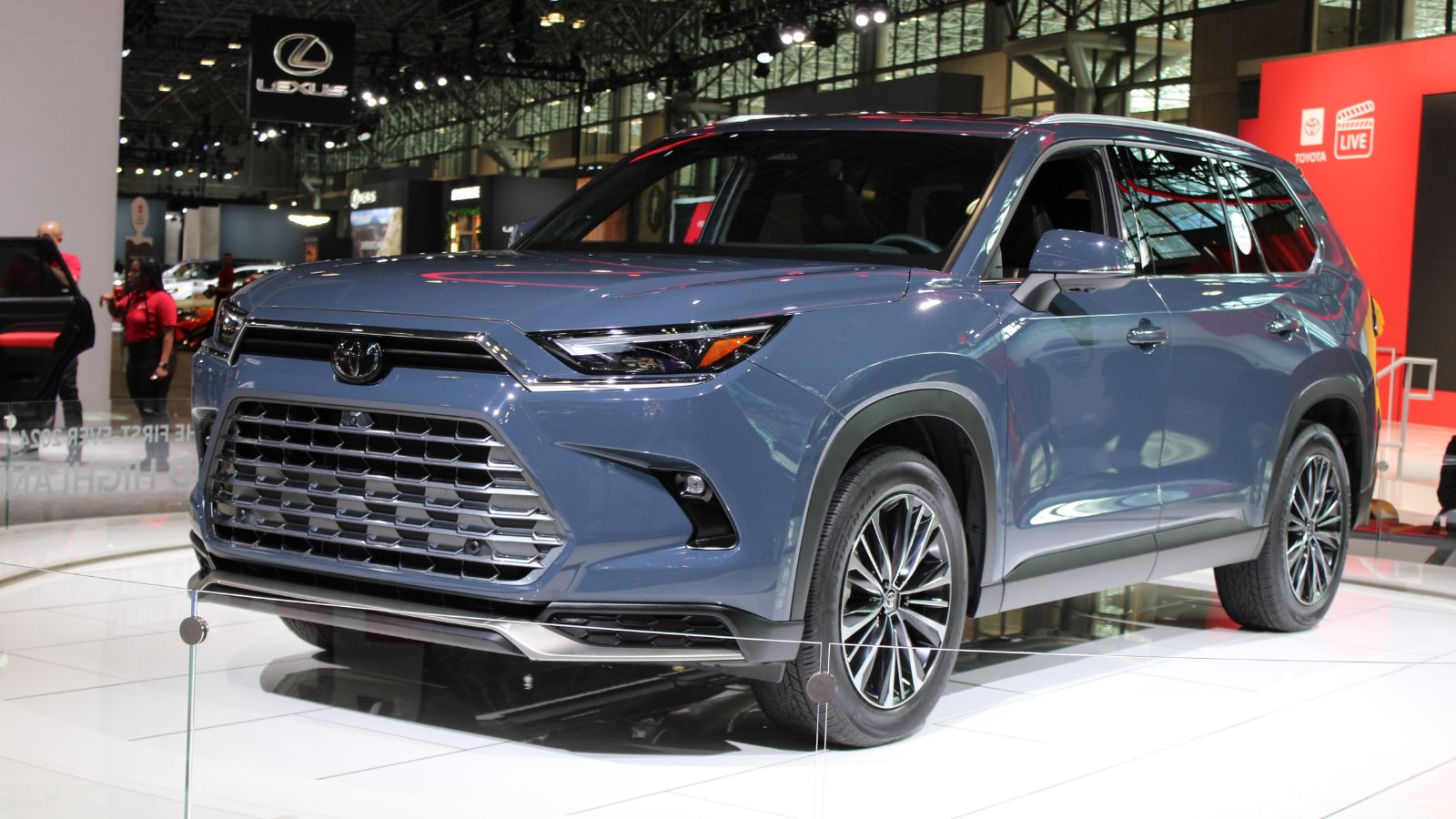
The Toyota Highlander is a classic example of a three-row family vehicle that gets priced more like a high-value target than its image suggests. Équité’s Canadian table logged 748 thefts for the 2013–2019 Highlander, with a theft rate of 1.2%. That is not an edge-case problem. It is enough to make insurers view the Highlander as a vehicle with real comprehensive exposure, especially in markets already dealing with stubborn theft claims.
Recent HLDI theft-loss results reinforce that the Highlander is not just living off an old reputation. The 2022–2024 Highlander 4WD posted relative overall theft losses of 159, while the Highlander Hybrid 4WD came in at 126. For a model often chosen by households that want predictability, that gap between expectation and insurance reality is the story. The Highlander offers space, resale strength and brand trust, but those same qualities also make it attractive to thieves and expensive for insurers to price generously.
Ram 1500
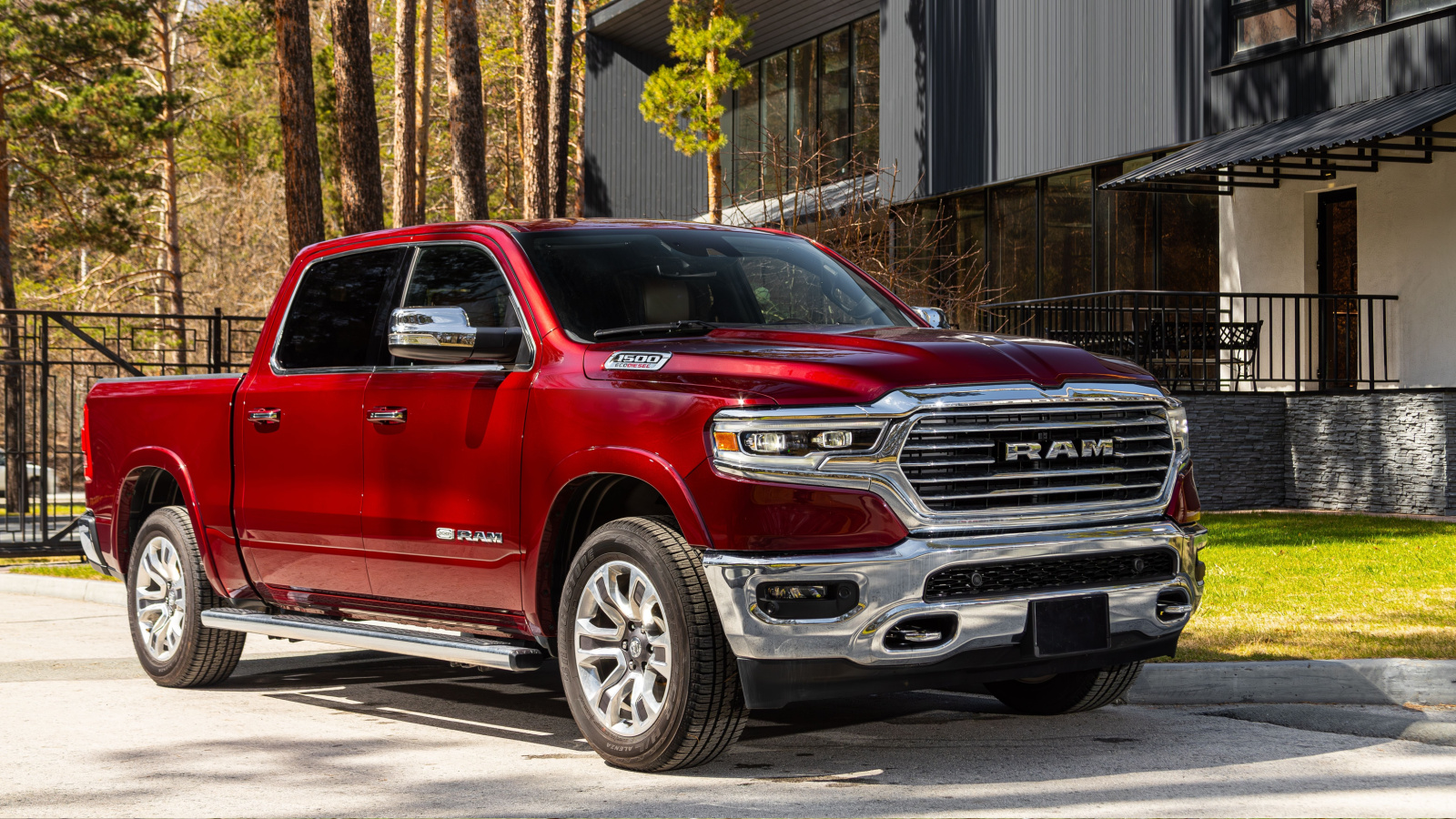
The Ram 1500 is where the “work truck” label stops helping. In current HLDI theft-loss data, the 2022–2024 Ram 1500 crew cab short-bed 4WD posted relative overall whole-vehicle theft losses of 831, with claim frequency at 524 and claim severity at 159. That is an eye-catching result for a mainstream pickup and one of the clearest signs that some full-size trucks are being insured in a much tougher environment than many owners realize.
Older Canadian theft data also points in the same direction. Équité listed the 2011–2018 Ram 1500 series among Canada’s most stolen vehicles in 2024. Taken together, that means the Ram 1500 is dealing with both history and current claim experience. Trucks like this are expensive to replace, widely available, and highly useful to thieves and illicit resale channels. The result is a premium that often feels much more like luxury-vehicle pricing than blue-collar practicality.
Chevrolet Silverado 1500
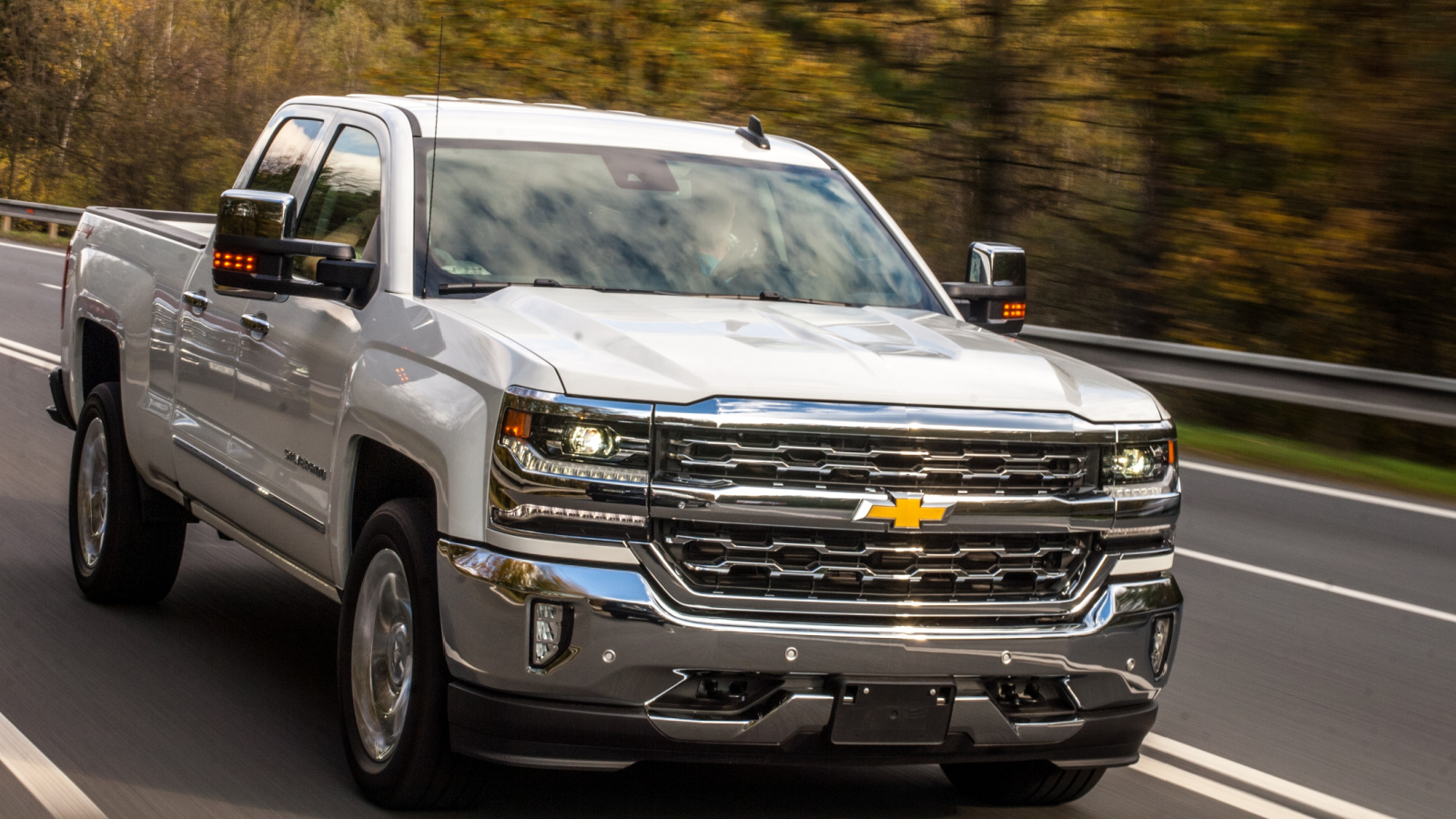
The Chevrolet Silverado 1500 shows how quickly a common truck can become an insurance headache. HLDI’s 2022–2024 theft report put the Silverado 1500 crew cab at relative overall theft losses of 137, and the 4WD version at 152. Those are not catastrophic figures on the level of the worst offenders, but they are still clearly above average and difficult to ignore when combined with the truck’s size, replacement cost and claim severity.
There is also a long-running Canadian theft backdrop here. Équité’s 2024 frequency list grouped older Chevrolet Silverado and GMC Sierra 1500 models together and still found hundreds of thefts. That matters because insurers do not price vehicles based on image alone. They look at how often claims happen and how costly they become. For the Silverado, the mix of pickup-truck values, broad popularity and expensive repairs means the insurance bill can climb higher than many owners expect from such a familiar sight on Canadian roads.
GMC Sierra 1500
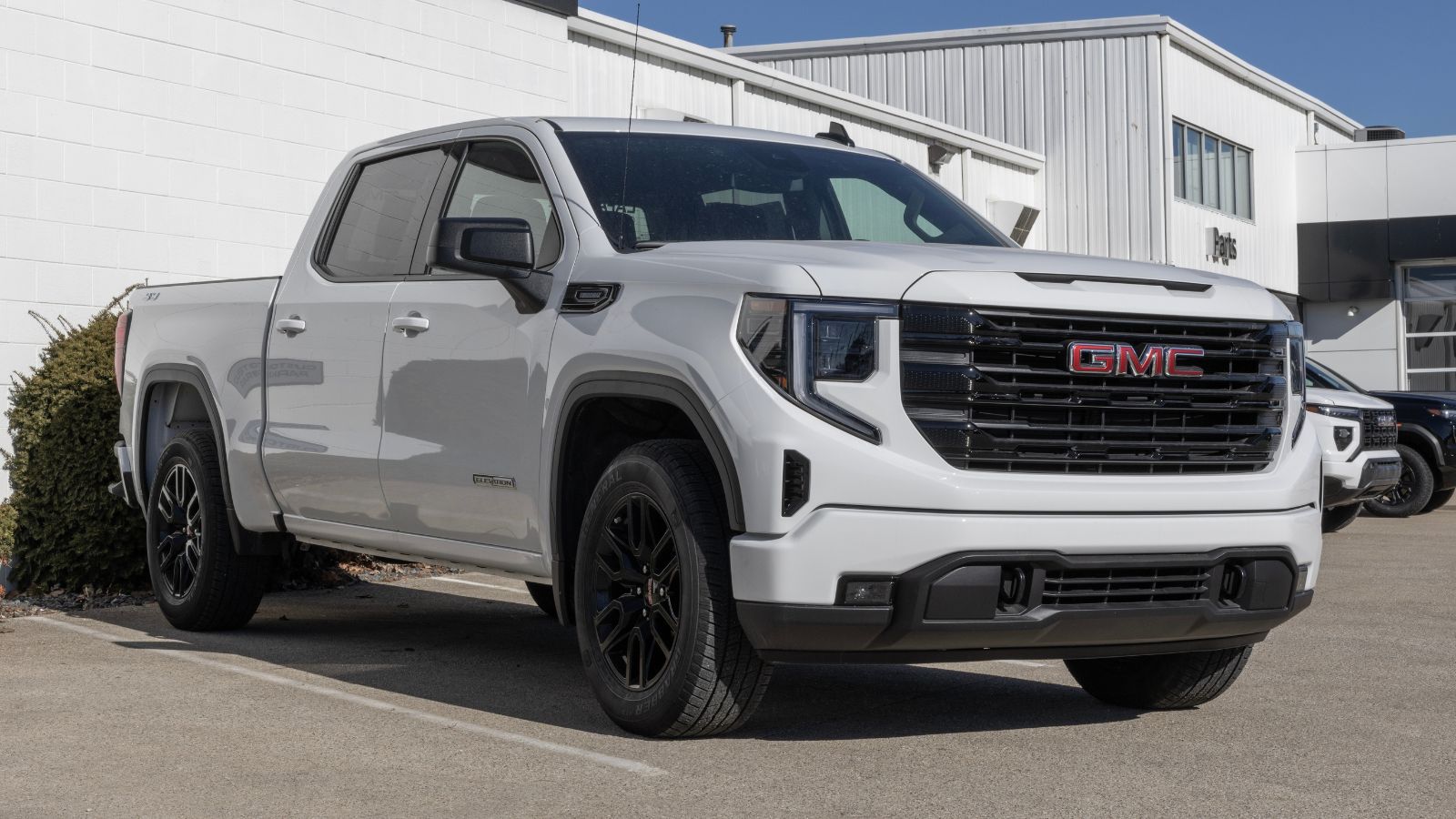
The GMC Sierra 1500 is often sold as the more upscale sibling in GM’s truck lineup, and insurance pricing tends to notice that. In HLDI’s 2022–2024 whole-vehicle theft data, the Sierra 1500 crew cab posted relative overall theft losses of 310, while the 4WD version came in at 322. Those are serious results, especially for a full-size pickup that is commonly parked in suburban driveways rather than treated like a specialized vehicle.
What makes the Sierra especially frustrating to insure is that it combines truck exposure with premium-trim economics. Higher transaction prices, pricier parts and more feature-heavy versions can all raise claim severity. Add that to a vehicle class that already carries elevated theft pressure, and the premium starts to move in a direction that surprises owners. From the outside, the Sierra can look like a nicer version of a regular pickup. From an underwriting perspective, it can look like a truck that brings extra cost almost everywhere that matters.
Jeep Grand Cherokee
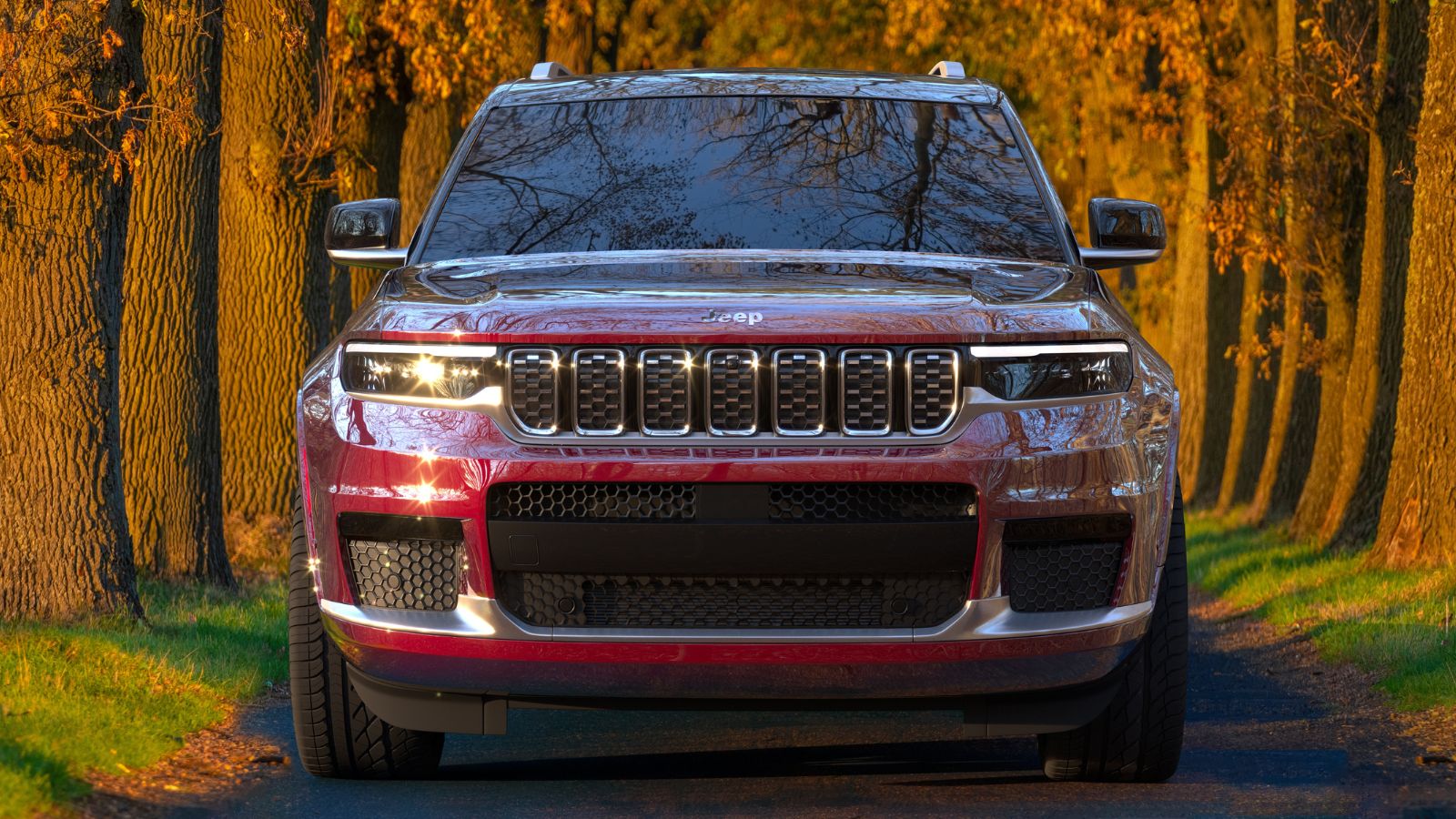
The Jeep Grand Cherokee has long been one of those vehicles that seems to sit in the middle of the market, not cheap, not exotic, and easy to overlook until the insurance quote shows up. Équité’s Canadian theft data still placed the 2011–2020 Grand Cherokee among the country’s most stolen vehicles in 2024. That older experience matters because theft-heavy generations leave a mark on how insurers think about model families and related trims.
Current HLDI results keep the pressure on. The 2022–2024 Grand Cherokee 4WD posted relative overall theft losses of 114, while the Grand Cherokee L 4WD came in at 125. Those numbers are not absurd, but they are high enough to keep the nameplate from being treated as a bargain to insure. For many Canadian buyers, the Grand Cherokee feels like a practical upgrade SUV. For insurers, it is a vehicle with real theft history, multiple expensive configurations and enough claim activity to justify a firm premium.
Toyota RAV4
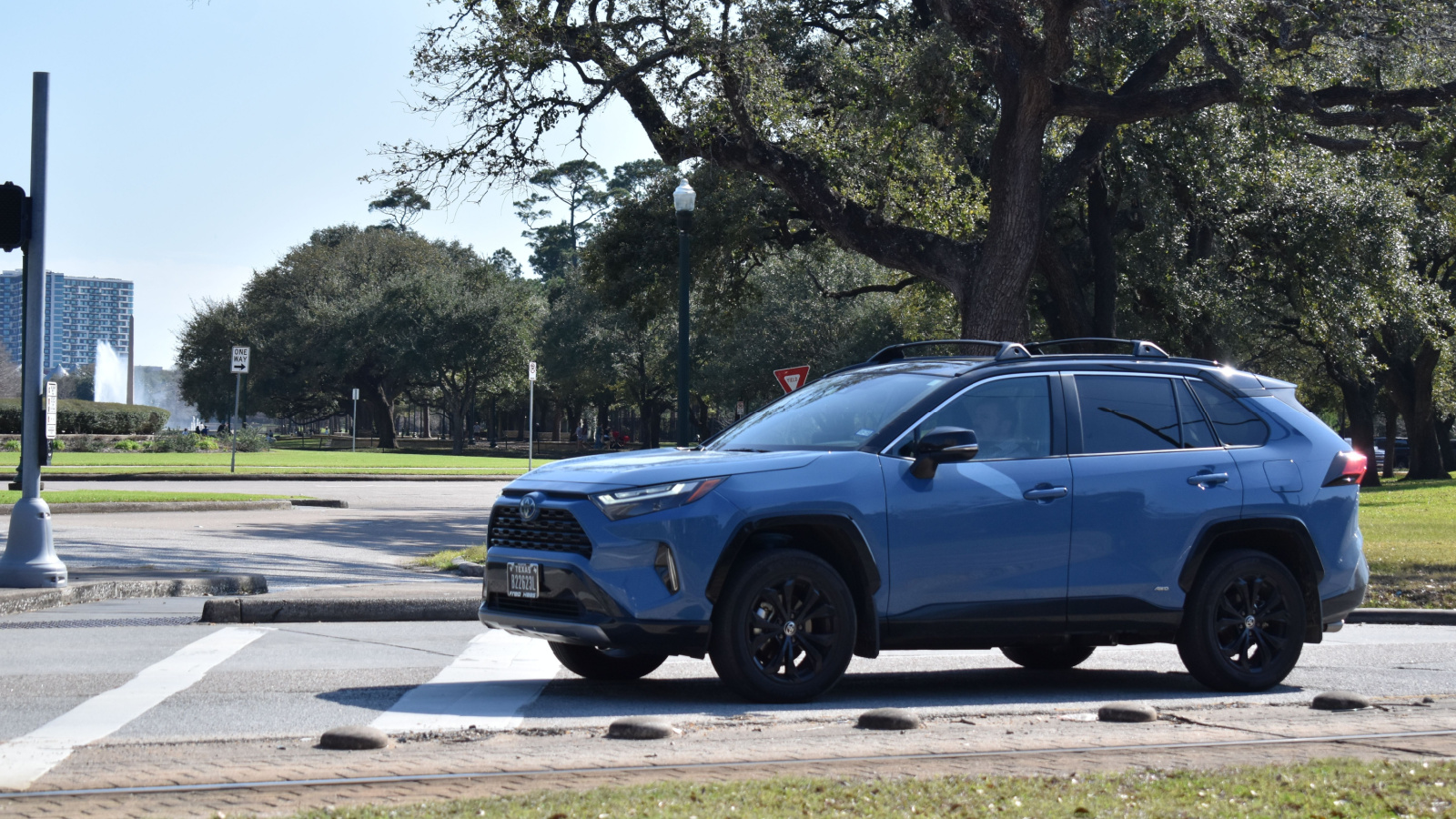
The Toyota RAV4 has become one of the clearest examples of how everyday popularity can backfire on insurance costs. Équité said the RAV4 was stolen more than 2,000 times across Canada in 2024 and highlighted newer SUVs with keyless-security vulnerabilities as prime targets, especially in Ontario and Quebec. That makes the RAV4 more than just another common crossover. It becomes a vehicle insurers have to watch closely in exactly the provinces where many Canadians are already paying steep rates.
Repair complexity adds another layer. Insurance Bureau of Canada noted that a 2017 RAV4 rear-bumper repair required 17 parts and cost about $2,769, while the 2022 model required 39 parts and about $4,144, roughly 50% more. That is a useful snapshot of why modern mainstream vehicles no longer guarantee mainstream insurance costs. A RAV4 may still be a practical buy, but practicality does not help much when theft exposure and high-tech repair bills start compounding in the same premium.
Jeep Wrangler
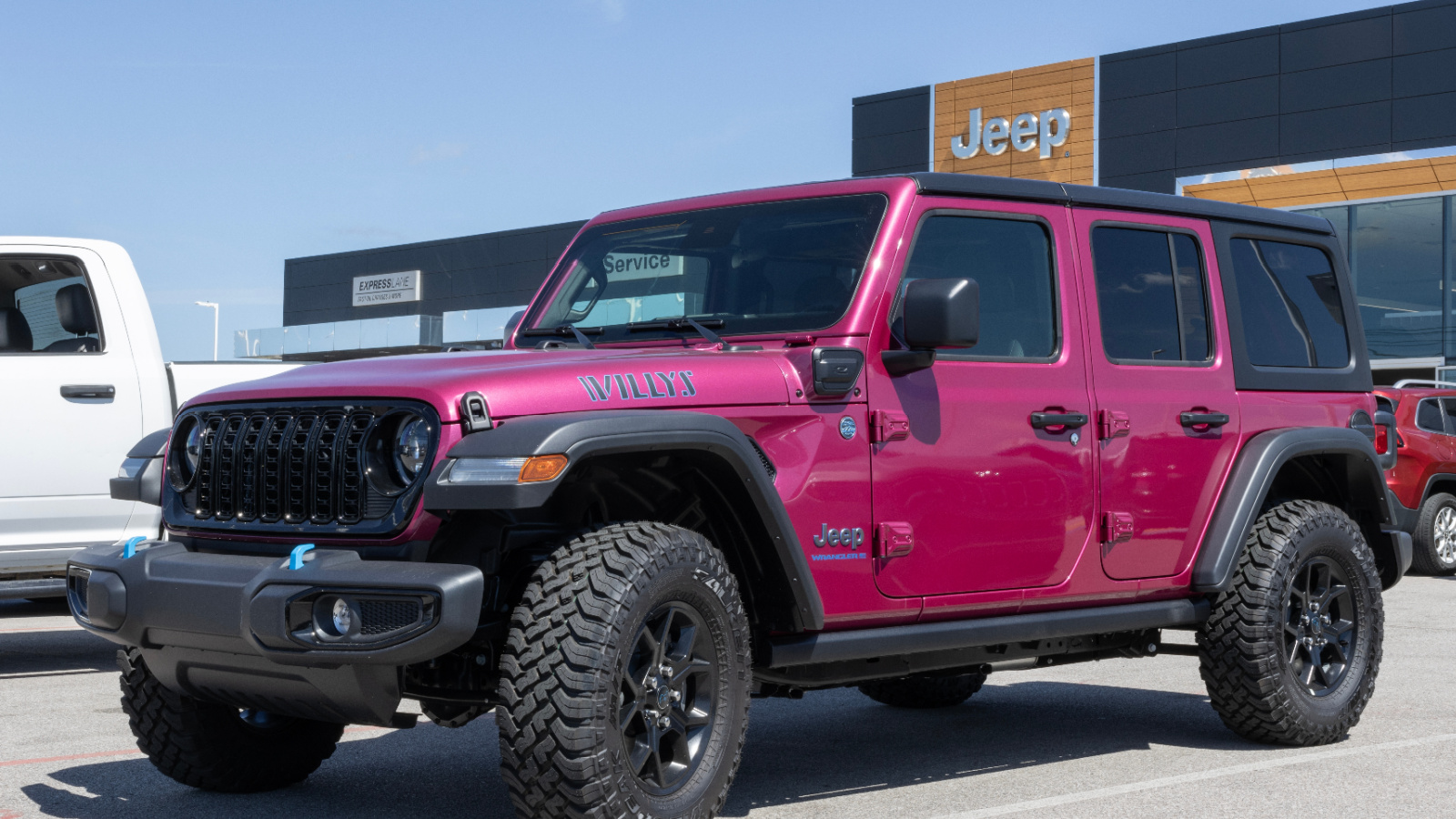
The Jeep Wrangler can still look simple and rugged, but the insurance story is not nearly as simple. HLDI’s 2022–2024 whole-vehicle theft data showed a major split within the lineup. The two-door Wrangler 4WD posted relative overall theft losses of 40, but the four-door Wrangler 4WD climbed to 187. That is a big gap and a reminder that one badge can hide very different insurance profiles depending on body style and how the vehicle is used.
The four-door version’s popularity helps explain the difference. It is more usable as a daily driver, more common in the real world and more likely to be parked in the places where theft risk builds up. Once insurers see higher claim frequency and meaningful claim severity, the quote starts to move. Wrangler owners often think of the vehicle as mechanically honest and easy to justify. Insurance does not care much about the image. It cares about which version is expensive when it disappears or gets damaged.
Dodge Durango
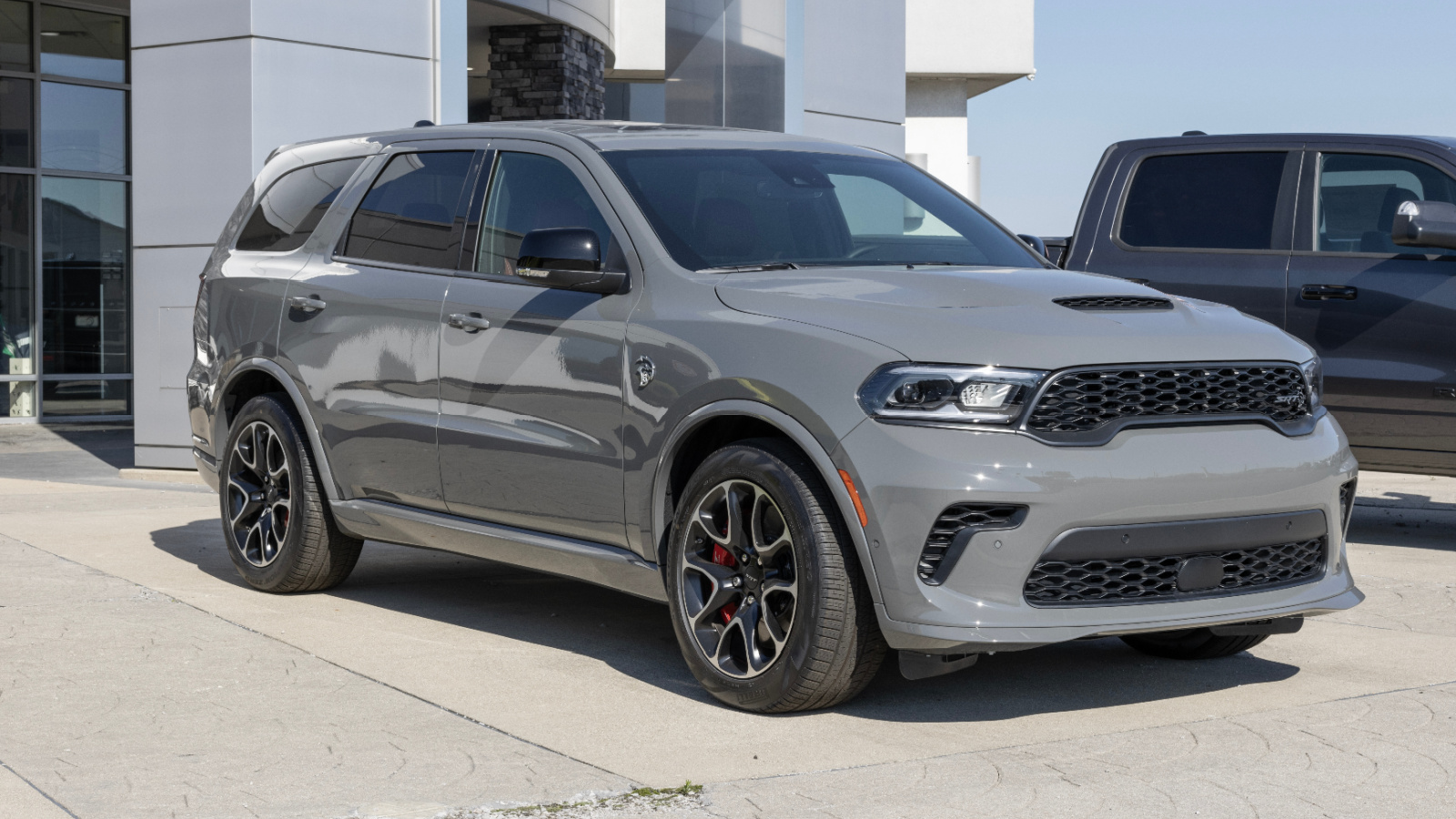
The Dodge Durango is one of the clearest “why is this so expensive?” vehicles in the current data. HLDI’s 2022–2024 whole-vehicle theft report showed the Durango 4WD at relative overall theft losses of 535, with claim frequency at 592. Even the non-4WD version came in at 234. Those are very high results for a three-row SUV that is often marketed as a family-capable performance utility rather than a pure luxury vehicle.
That combination is exactly the problem. The Durango sits at the intersection of size, power and value. It is expensive enough to matter when stolen, desirable enough to attract organized theft, and common enough to generate real claims data quickly. Insurance pricing tends to punish that mix. For Canadian buyers who chose a Durango because it looked like a more affordable alternative to pricier full-size SUVs, the premium can feel like a rude correction. It is one of those cases where the badge understates the risk profile.
Acura TLX
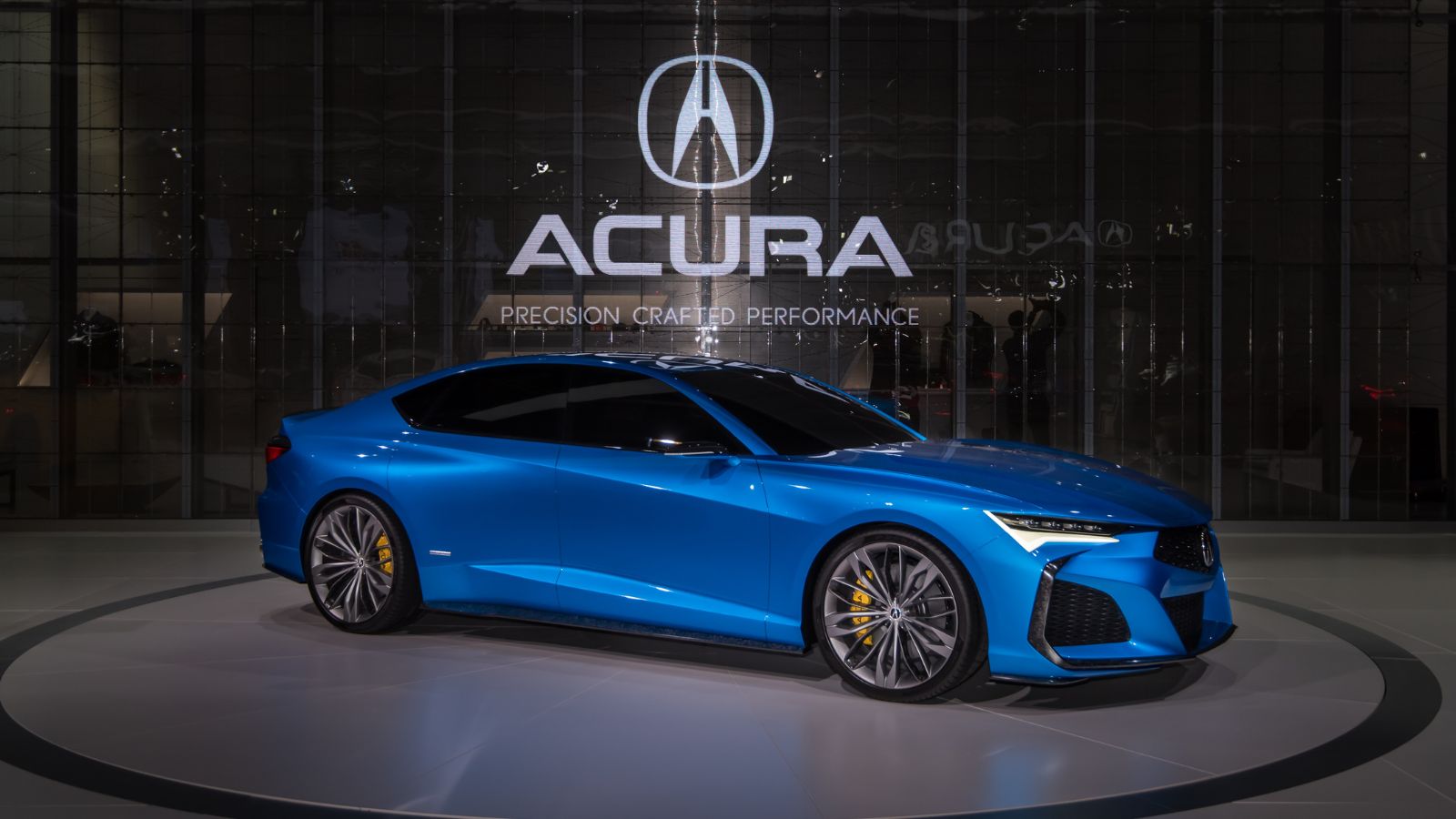
The Acura TLX does not always get talked about like a high-risk insurance vehicle, which is part of why its data is so striking. HLDI’s 2022–2024 whole-vehicle theft report showed the TLX 4WD at relative overall theft losses of 1,973, with the two-wheel-drive version still at 601. Those are extremely elevated results and far above what most buyers would assume for a premium sport sedan that is not usually mentioned in the same breath as exotic performance cars.
That is what makes the TLX such an expensive surprise. It blends luxury branding, strong resale value and performance credibility in a shape that can still fly under the radar in everyday traffic. Insurers do not get the luxury of overlooking it. They price what the claims tell them, and the claims tell them the TLX can be a very costly vehicle to insure. For Canadians shopping premium sedans, this is one of the easiest models to underestimate from an insurance standpoint.
Dodge Charger
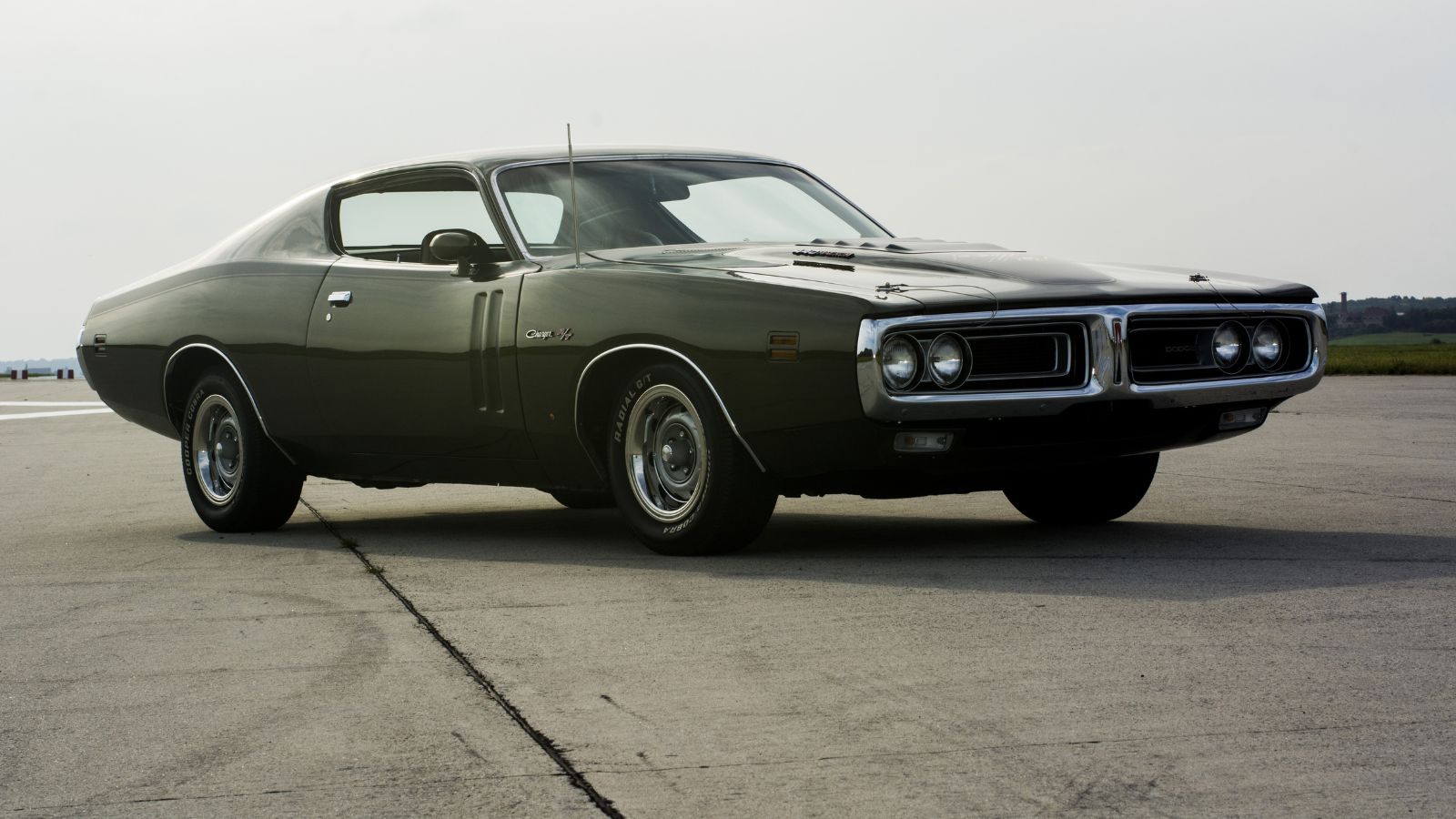
The Dodge Charger has been warning insurers for years, and the numbers remain hard to ignore. In HLDI’s comprehensive-loss report for 2020–2022 models, the Charger SRT Hellcat posted relative overall comprehensive losses of 1,503, while the Charger HEMI came in at 419. HLDI also reported that 2020–2022 Charger SRT Hellcat models had 25 whole-vehicle theft claims per 1,000 insured vehicle years, a level that dwarfed the theft experience of most other vehicles.
Even buyers who are nowhere near Hellcat territory can get pulled into the broader pricing effect around the Charger nameplate. This is a car associated with power, modification culture, expensive claims and theft attention. It may look like a used-value performance bargain in the showroom, but the insurance bill often gives the deal a second look. In Canada, that matters because the appeal of older muscle is often strongest precisely where urban theft pressure and insurer caution are already elevated.
BMW X7
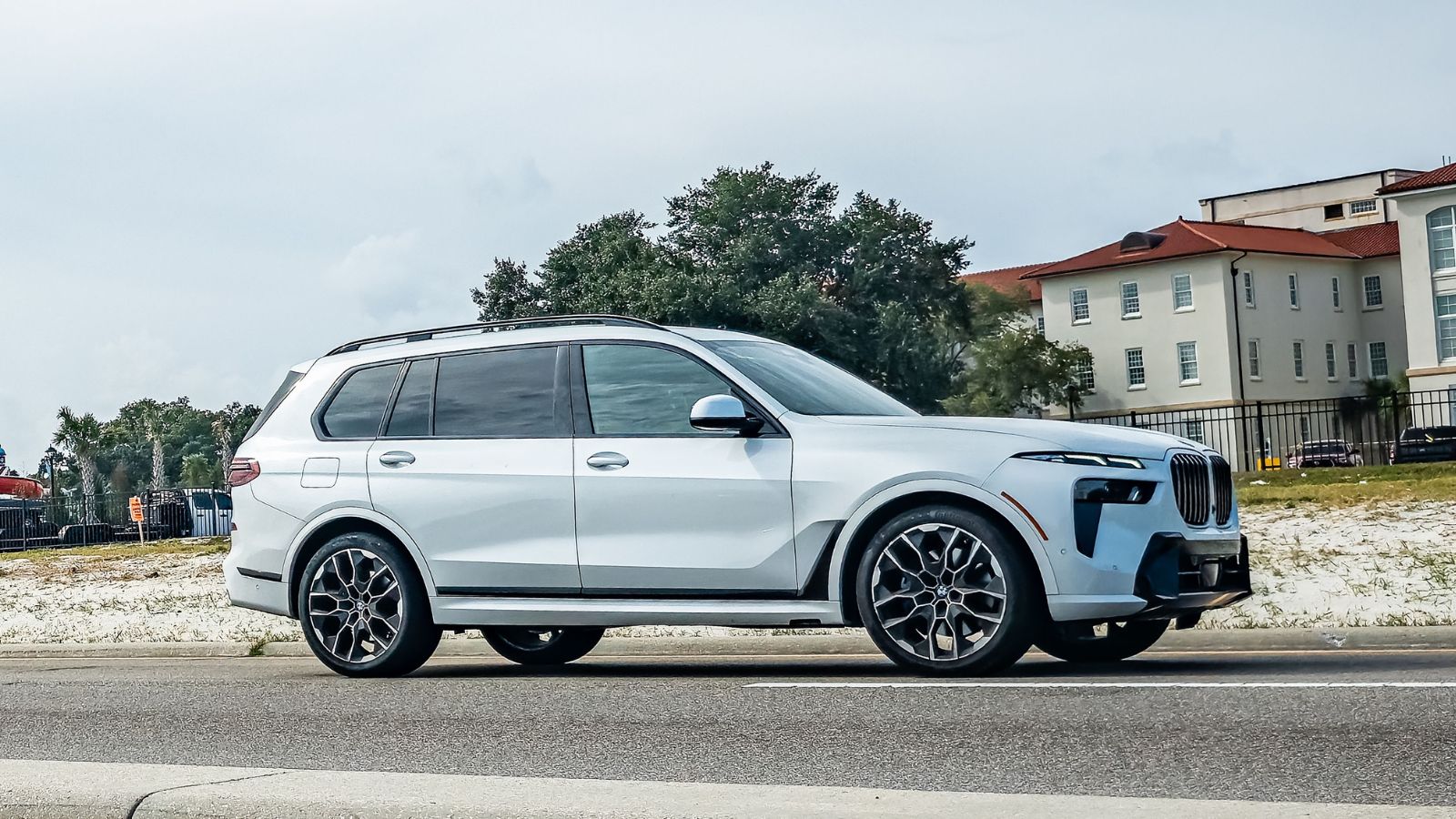
The BMW X7 is what happens when high value and high exposure meet each other. HLDI’s 2022–2024 whole-vehicle theft data put the X7 at relative overall theft losses of 441, with claim frequency at 277 and claim severity at 159. Those are major numbers, and they fit the broader pattern in large luxury SUVs, where the class average itself is already elevated before the worst offenders even enter the picture.
This is why the X7 often feels expensive to insure even for buyers who expect luxury ownership costs. The vehicle is large, sophisticated and costly to repair, but the bigger issue is that claim payments get big quickly once theft or major damage enters the equation. In practical terms, insurers see a vehicle with lots of value concentrated in one place. For Canadian households using an X7 as a family flagship, the premium can feel out of step with its calm, refined driving experience. The math behind it is anything but calm.
Cadillac Escalade
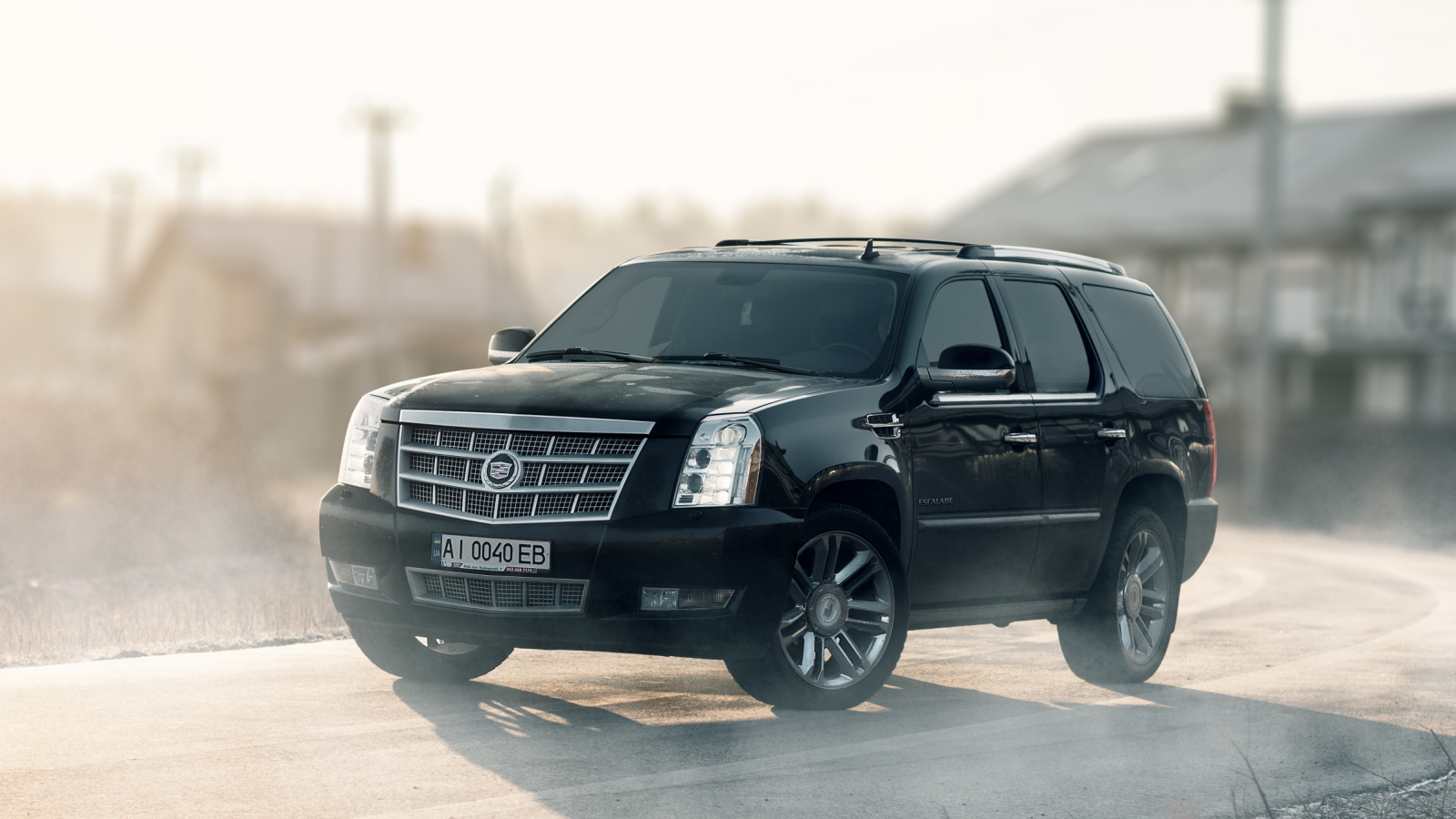
Few vehicles wear their insurance risk as openly as the Cadillac Escalade, yet it still surprises people when the quote lands. HLDI’s 2022–2024 whole-vehicle theft data showed the Escalade 4WD at relative overall theft losses of 508, while the Escalade ESV 4WD climbed to 573. The very large luxury SUV category as a whole was already elevated, but the Escalade sat clearly above even that rich-waterline average.
There is a straightforward reason for that. The Escalade combines very high replacement cost, broad recognition, strong demand in illicit markets and expensive parts when claims do happen. It is not just a big SUV. It is a very valuable, very visible one. That makes it difficult for insurers to treat generously. In the Canadian market, where theft has had such a visible effect on premiums, the Escalade is almost the textbook example of a vehicle that can feel thrilling to own and exhausting to insure.
Land Rover Range Rover Sport
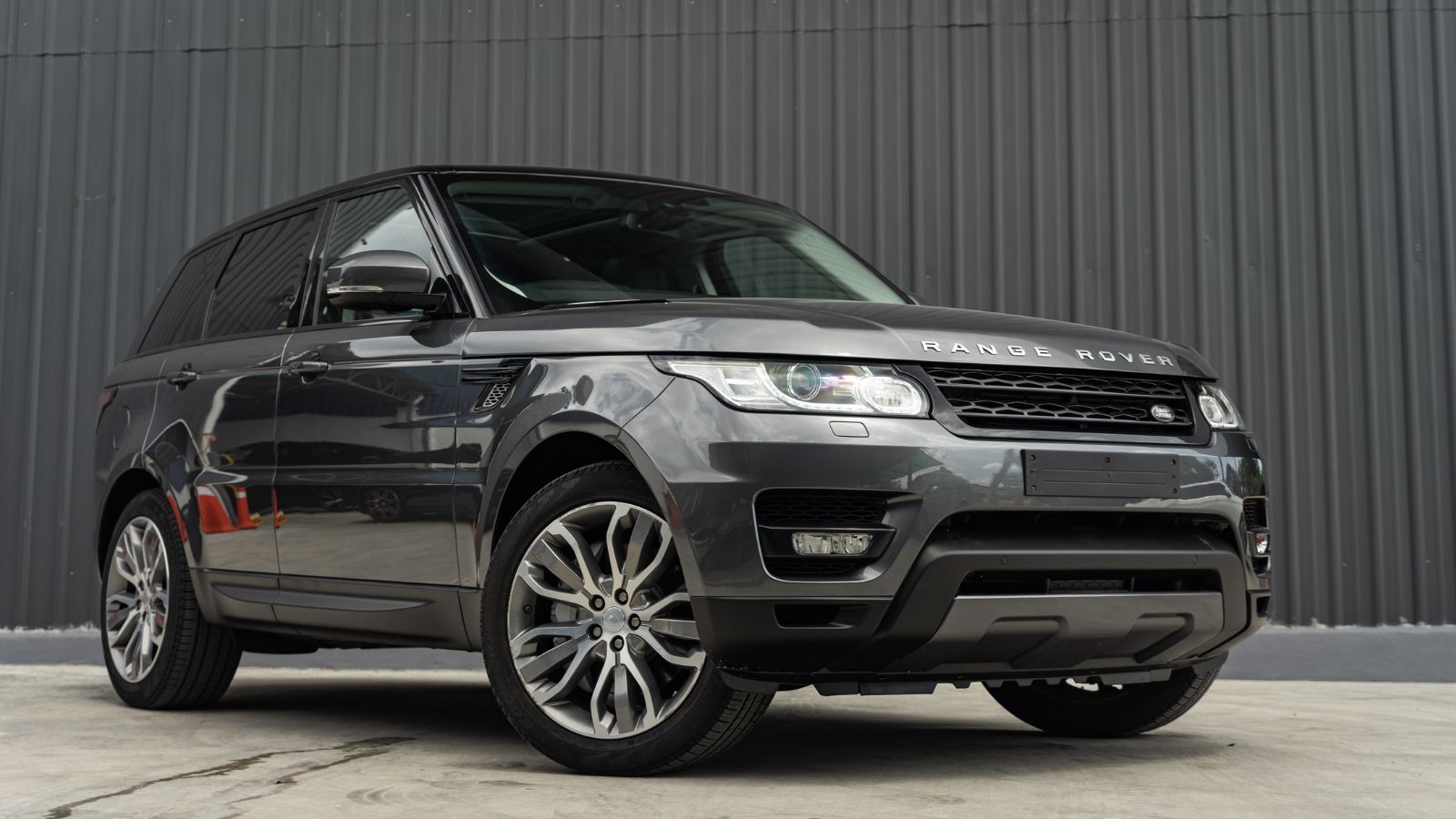
The Range Rover Sport closes this list because it checks almost every box that can make insurers nervous. HLDI’s 2022–2024 whole-vehicle theft report showed the Range Rover Sport at relative overall theft losses of 507, with claim frequency at 246 and claim severity at 206. In the earlier comprehensive-loss report for 2020–2022 models, the Sport also showed a very elevated total score of 267. Those are not fluke-level readings. They are the profile of a vehicle insurers expect to be costly.
Luxury SUVs already operate in a tougher part of the pricing map, but the Range Rover Sport adds extra heat through theft exposure, expensive components and large claim payments when something goes wrong. For buyers, the trouble is that the vehicle’s appeal is real: style, presence and prestige. For insurers, that same appeal can translate into exactly the wrong kind of demand. It is difficult to think of a clearer example of a premium SUV whose insurance bill often feels painfully on-brand.
22 Things Canadians Do to Their Cars in Spring That Mechanics Hate

Spring brings relief to many Canadian drivers after months of snow, freezing temperatures, and icy roads that put serious strain on vehicles. As temperatures rise across the country, drivers begin washing cars, switching tires, and preparing vehicles for warmer weather and upcoming road trips. However, mechanics across Canada notice the same mistakes every spring when drivers attempt to recover from winter damage. Road salt, potholes, and harsh winter driving conditions often leave vehicles with hidden problems that drivers ignore. Some spring habits even create new mechanical issues that could have been avoided with proper maintenance. Here are 22 things Canadians do to their cars in spring that mechanics hate.