


























Buying a car in Canada often means prioritizing safety, mileage, and winter performance. Sound quality usually comes later in the decision process. Still, many drivers expect clear audio during daily commutes and long highway drives. A weak sound system can quickly affect that experience. Some cars, even from well-known brands, come with audio setups that feel flat or underpowered. Owners across Canada have shared similar complaints about volume, bass, and clarity. These issues show up more in base trims where cost-cutting is common. This blog brings together those cars based on real feedback and reports. Here are 18 cars with sound systems Canadians say are shockingly bad.
Chevrolet Spark

Driving the Chevrolet Spark in Canada often feels practical for city use, yet its sound system disappoints many users. Owners report weak bass and low overall output, especially during highway driving. Increasing volume does not improve clarity, making music sound strained. The small cabin does not help balance audio distribution either. Many Canadian drivers mention distortion at higher levels. Base trims lack advanced tuning or equalizer controls. Cold weather can also affect speaker performance slightly over time. For buyers expecting even basic audio comfort, this system falls short. It works for short drives, yet longer commutes make the flaws more noticeable. This makes the Spark a less appealing choice for music lovers.
Nissan Versa
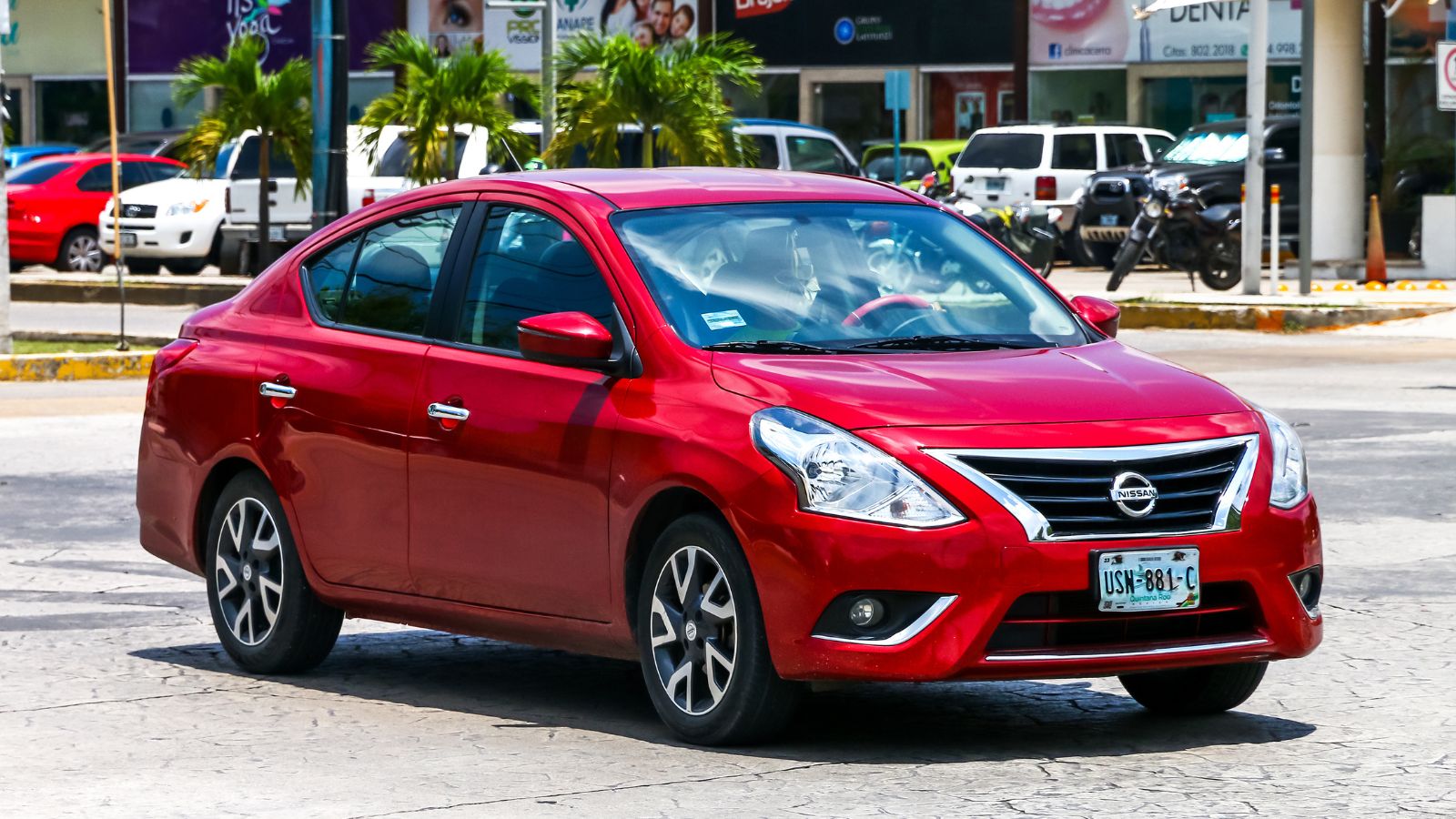
The Nissan Versa remains a budget-friendly option in Canada, yet its sound system often receives criticism. Drivers commonly point out flat sound output with almost no depth. Even with simple music tracks, the system struggles to separate vocals and instruments. Volume increase leads to harsh sound rather than better clarity. Base trims, in particular, lack speaker strength and tuning options. Canadian users also report poor insulation, which allows road noise to interfere with audio quality. This makes the listening experience less enjoyable on highways. While the car meets basic commuting needs, the sound system feels like an afterthought. For daily drivers who enjoy music or podcasts, this setup may not meet expectations.
Mitsubishi Mirage
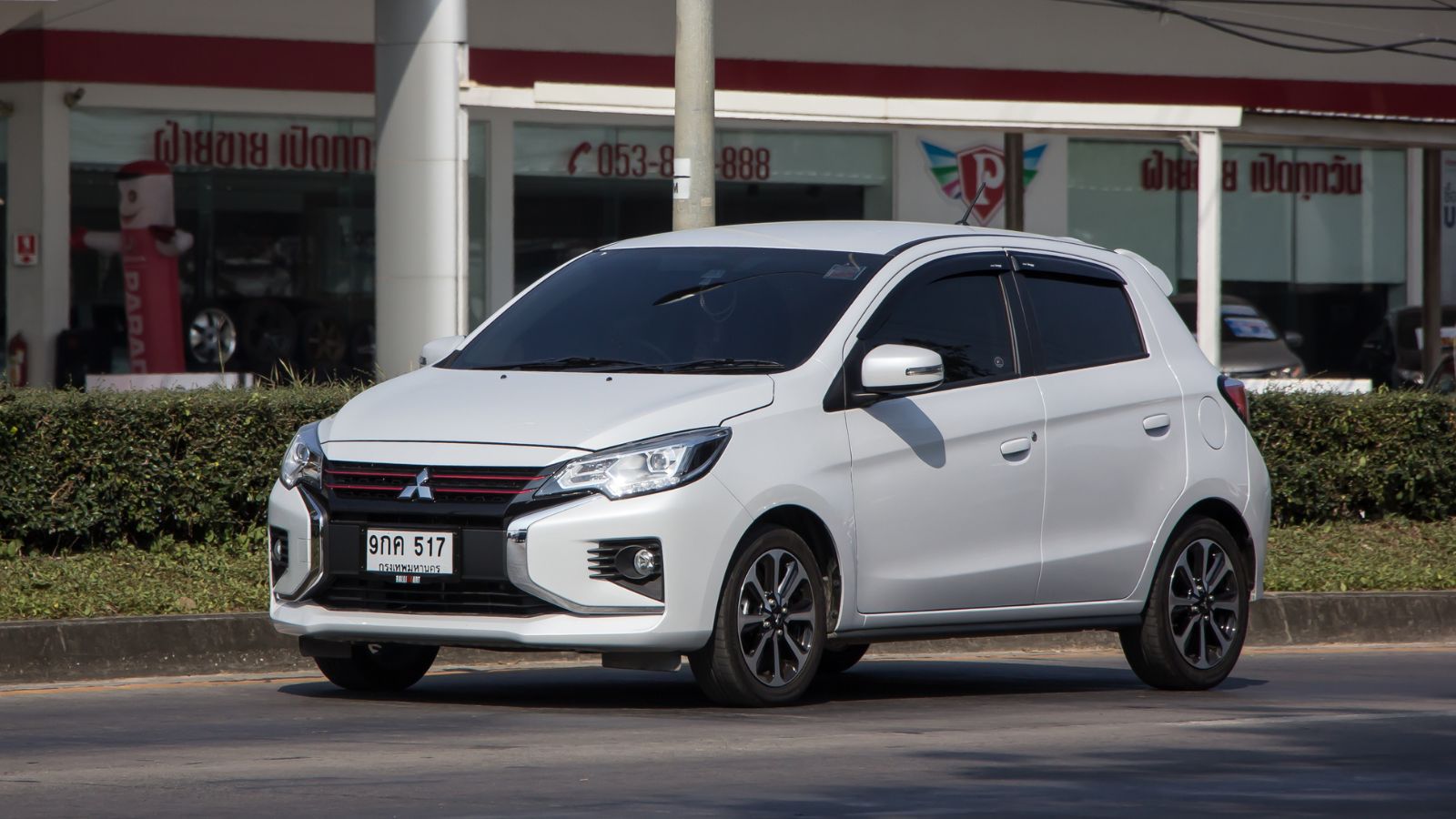
The Mitsubishi Mirage attracts buyers in Canada with its low cost and fuel efficiency. However, its sound system often feels underwhelming. Many drivers report thin audio output with almost no bass presence. Even at moderate volume, the sound lacks richness and balance. The speakers struggle to fill the cabin properly. Canadian users also mention that external noise affects the listening experience. Highway driving makes these issues more noticeable. The system offers little customization to improve sound quality. This limits the ability to adjust audio based on preference. While the Mirage serves basic transport needs, its sound system fails to match even entry-level expectations for many buyers.
Hyundai Accent
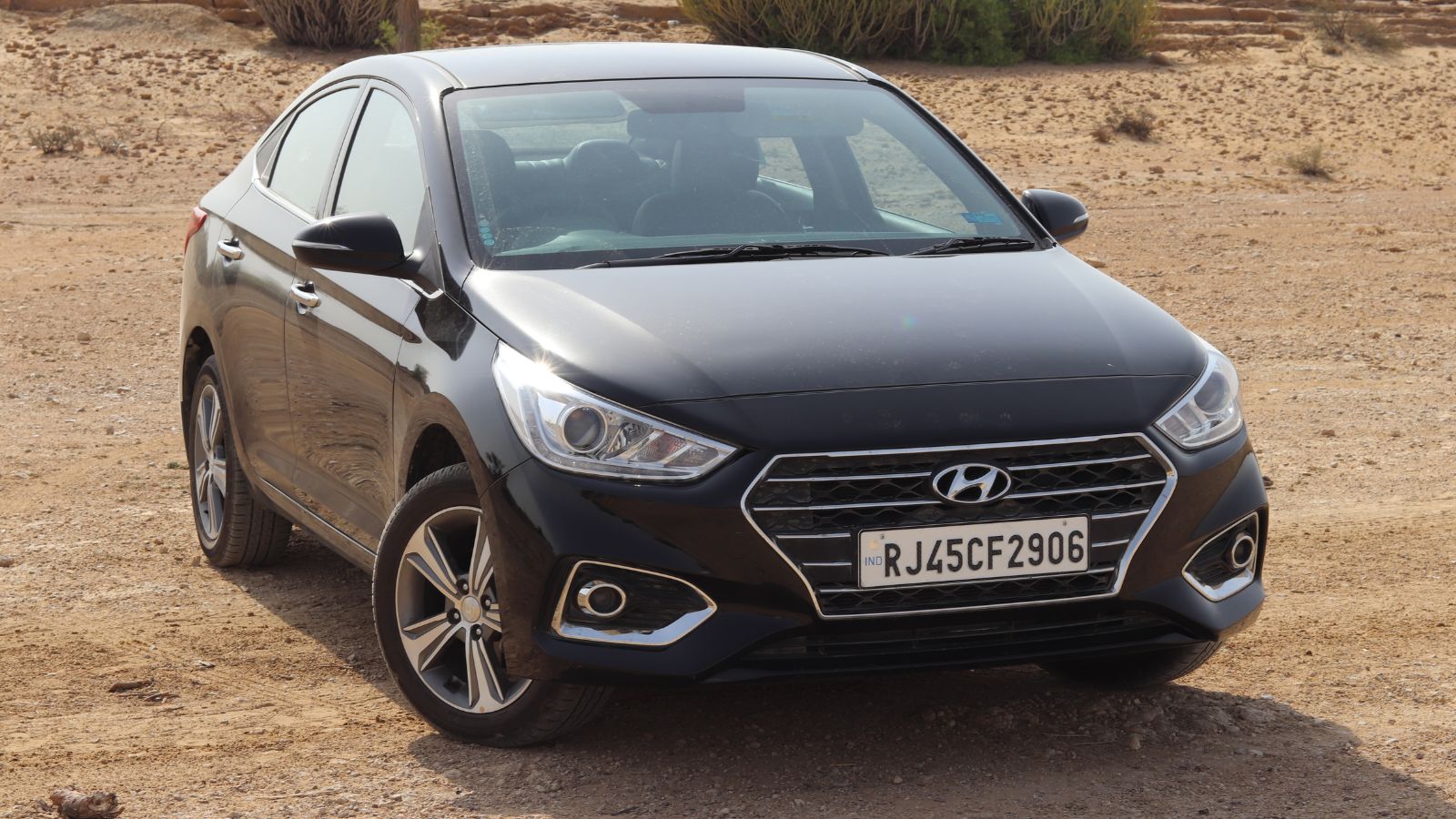
The Hyundai Accent has been a popular choice in Canada for its reliability and affordability. Yet, its base sound system often falls short for many users. Drivers report that audio output feels dull and lacks depth. Music sounds compressed, especially at higher volumes. Increasing the volume does not improve the listening experience. Instead, it highlights distortion and uneven tones. Canadian owners also report that weak speaker placement affects sound distribution. The system does not provide enough control for fine-tuning. This becomes noticeable during longer drives. While the car performs well in other areas, the sound system feels basic and outdated compared to current expectations in this segment.
Kia Rio
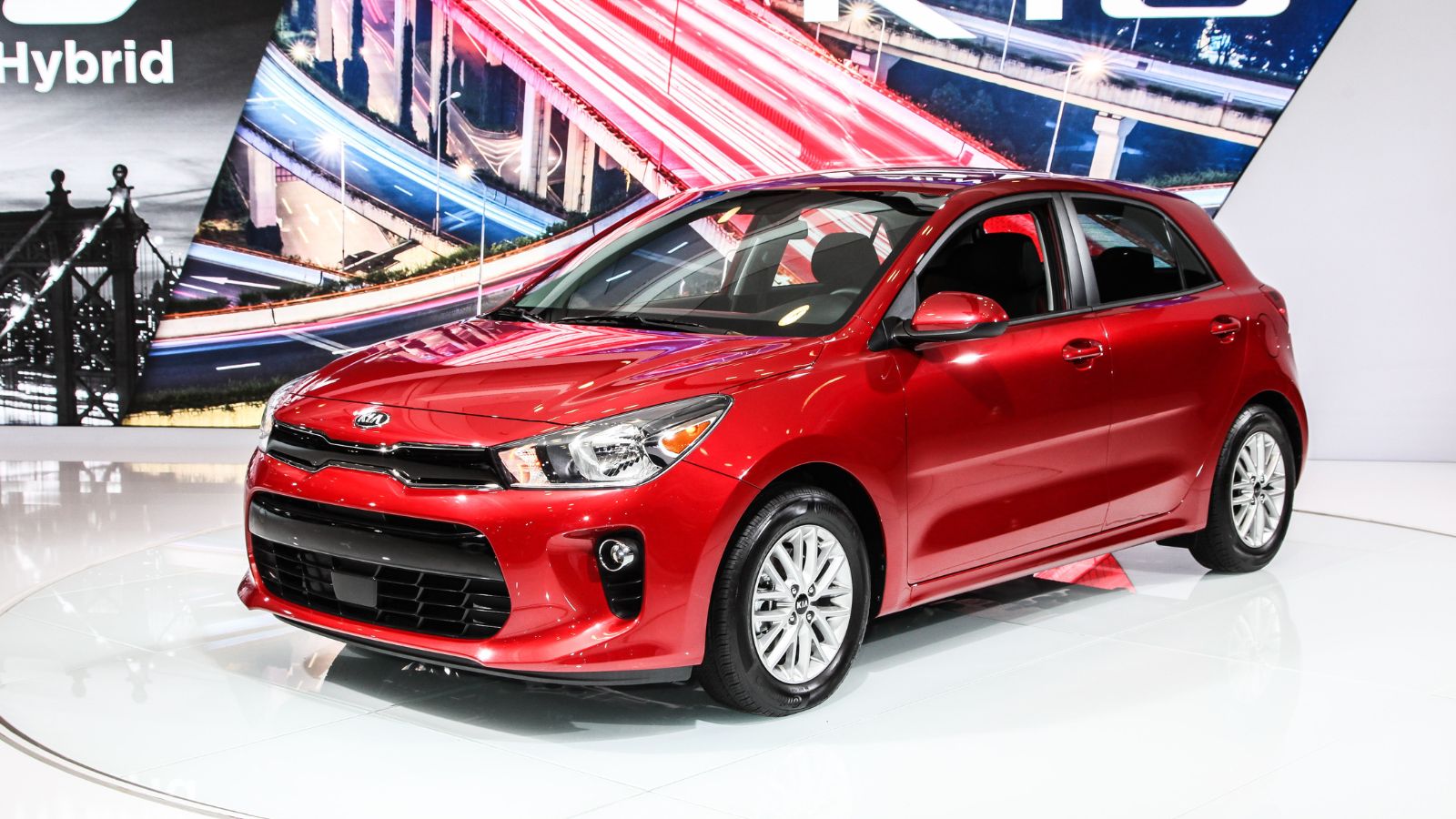
The Kia Rio offers a smooth driving experience for city use in Canada, yet its sound system often gets mixed feedback. Many users report that the audio lacks punch and clarity. Bass output feels minimal, even when adjusted to higher levels. The system struggles to maintain balance across different music genres. Canadian drivers also report that road noise further reduces audio quality. At higher speeds, sound becomes harder to enjoy. Base models do not include features that improve audio tuning. This limits the overall listening experience. While the Rio meets daily driving needs, its sound system does not satisfy users looking for better in-car audio quality.
Toyota Corolla (Base Models)
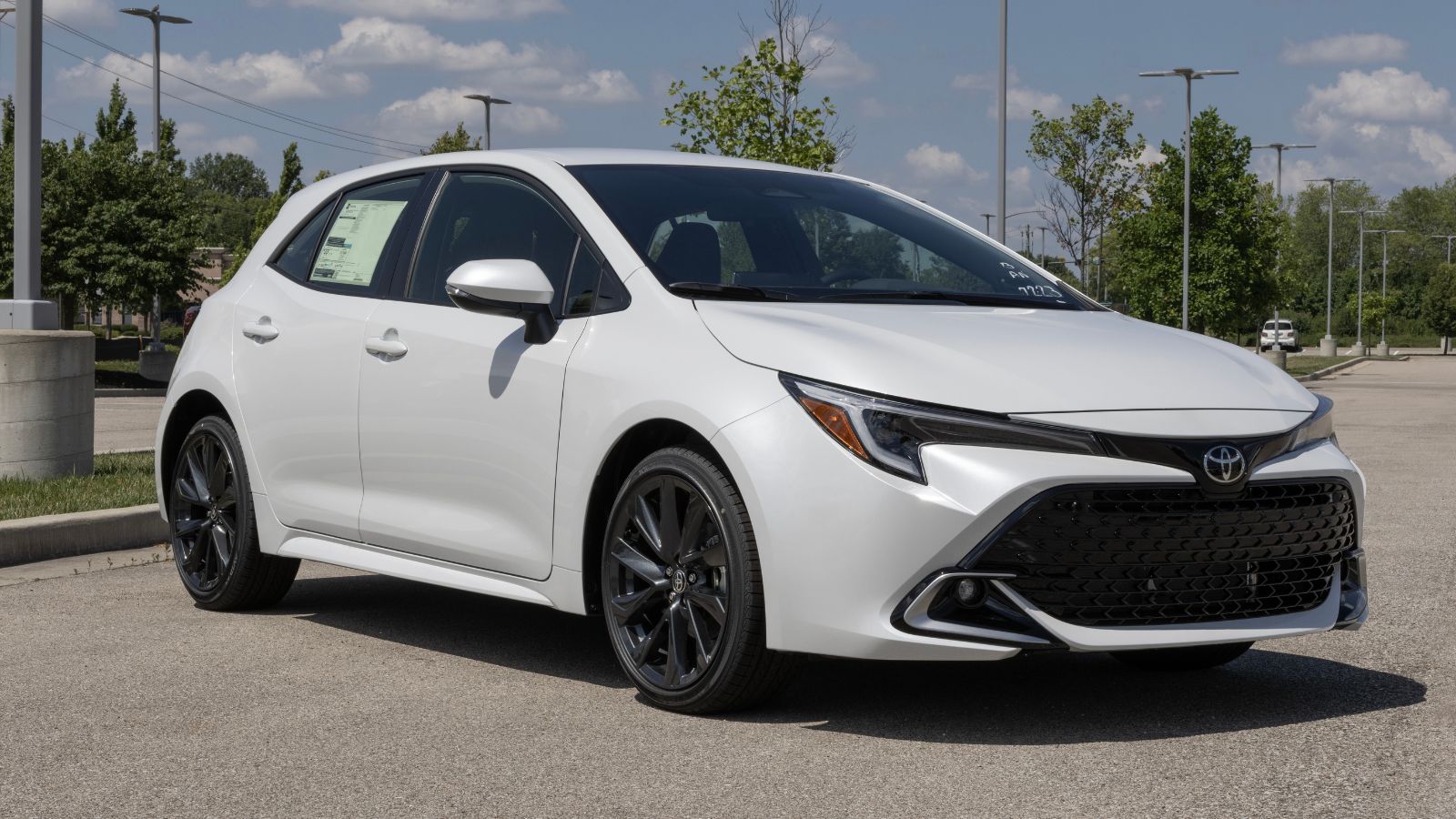
The Toyota Corolla remains a popular choice in Canada due to its reliability and resale value. Still, its base sound system often receives average-to-poor feedback. Drivers report that audio output feels flat with limited depth. Bass remains weak, even after adjusting settings. The system struggles with clarity at higher volumes, making music sound compressed. Canadian users also report that outside noise affects the listening experience. Highway driving highlights these issues further. Base trims lack upgraded speakers or tuning features. This limits any real improvement without aftermarket changes. While the Corolla performs well in most areas, its entry-level audio setup feels basic and underwhelming for many buyers.
Honda Civic (Older Base Trims)
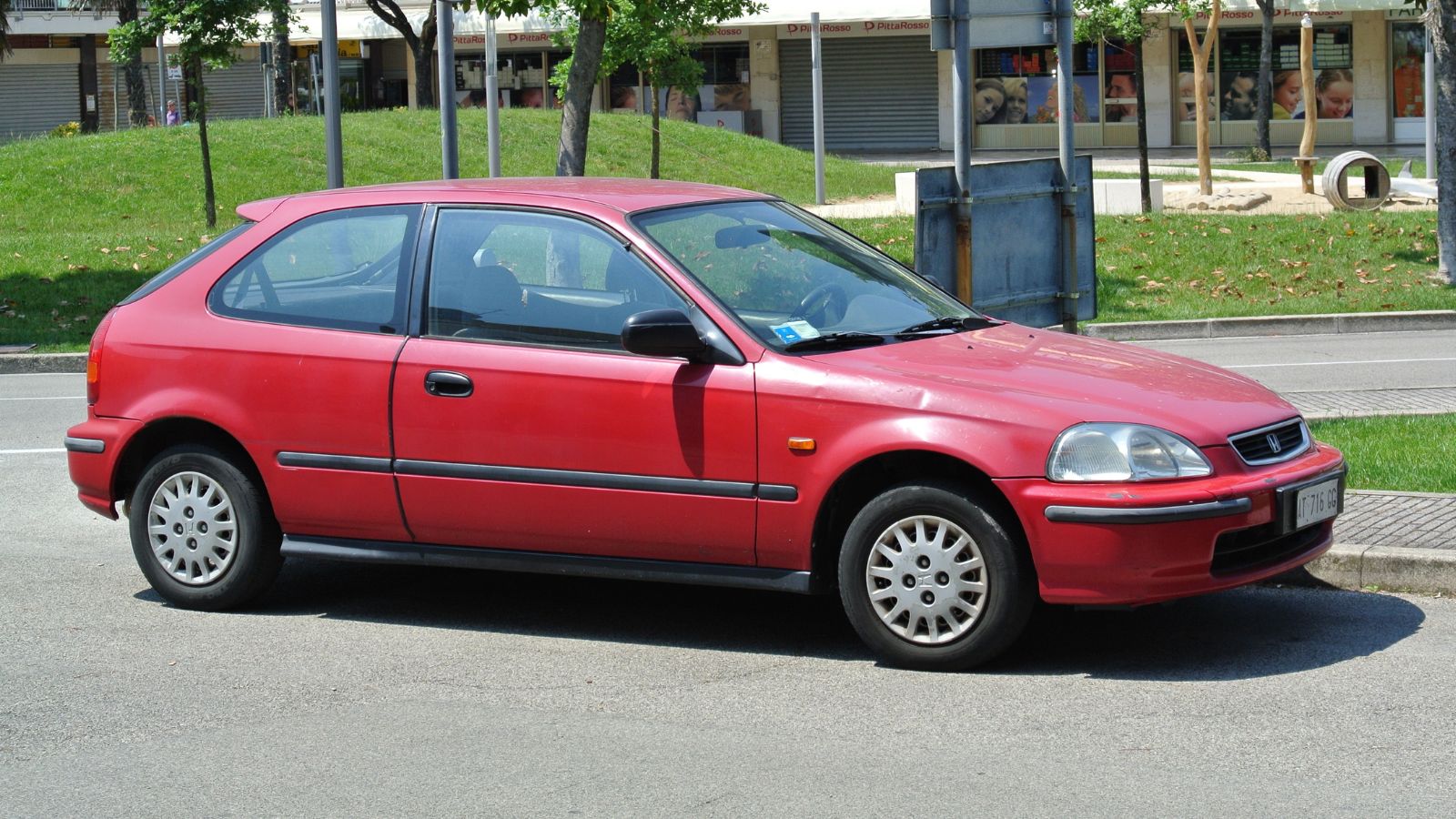
Older base trims of the Honda Civic remain common on Canadian roads, yet their sound systems feel outdated. Drivers often report low sound clarity and weak bass output. Even simple audio tracks can sound dull and lifeless. Increasing the volume does not improve quality; instead, it adds distortion. Canadian users also mention that speaker quality feels below standard for the segment. Cabin noise further reduces the listening experience during highway drives. These models lack modern tuning features or audio enhancements. This limits any improvement through settings alone. While the Civic remains reliable, its older base audio system does not meet current expectations for everyday driving comfort.
Jeep Wrangler

The Jeep Wrangler stands out for off-road capability in Canada, yet its sound system often disappoints users. Drivers report inconsistent audio quality, especially with the roof removed or soft tops installed. External noise easily overpowers the speakers, reducing clarity. Bass output feels weak, and higher volumes bring distortion. Canadian owners mention that even newer models without premium audio upgrades feel lacking. The cabin design does not support balanced sound distribution. This becomes more noticeable during long drives. While the Wrangler offers strong performance in rough conditions, its standard sound system feels secondary. Buyers looking for better audio often need to consider upgraded packages or aftermarket options.
Ford EcoSport
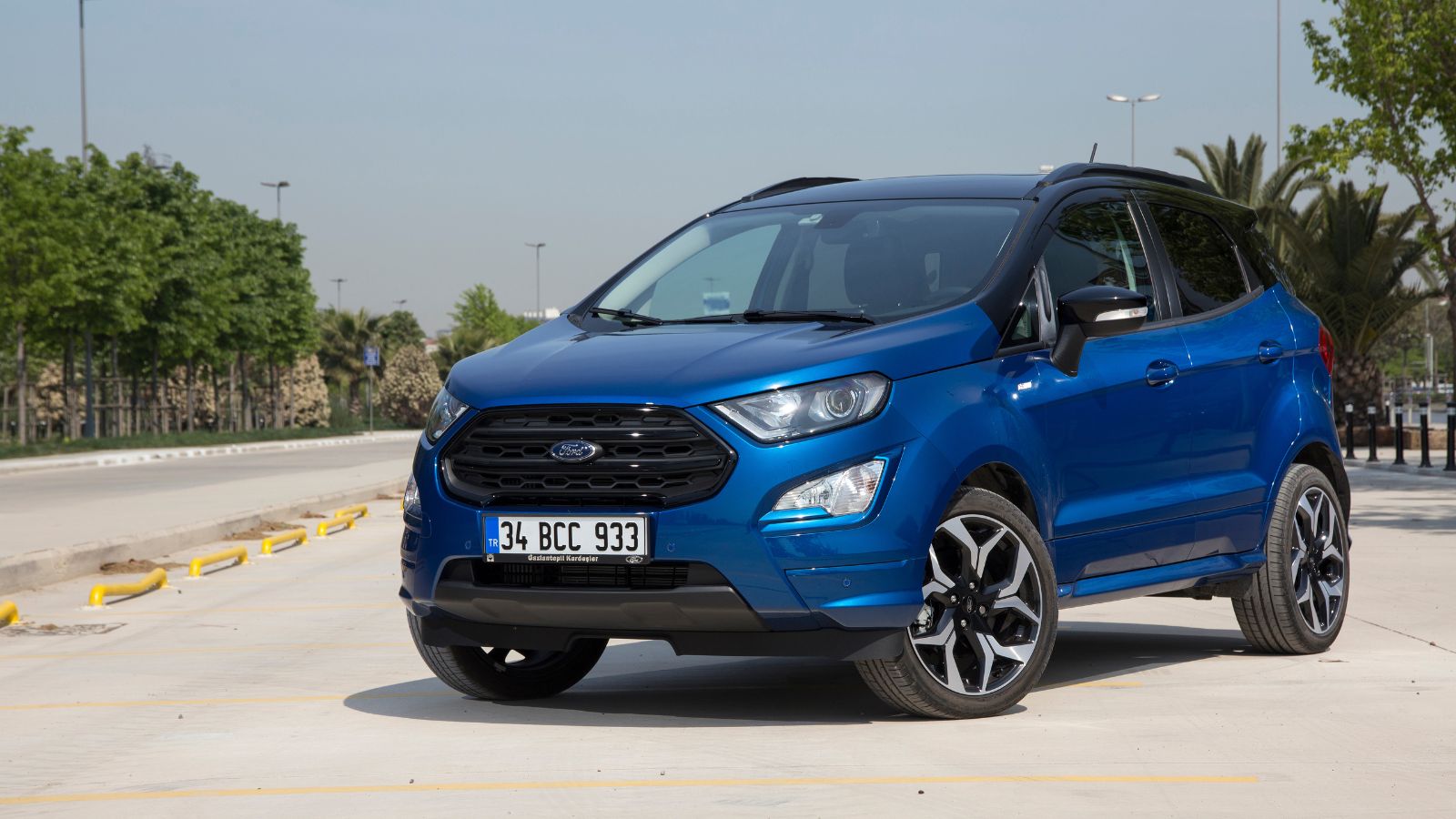
The Ford EcoSport has been available in Canada as a compact SUV, yet its sound system receives frequent criticism. Drivers report that audio lacks clarity and sounds muffled at times. Bass output remains minimal, even with adjustments. Increasing volume leads to distortion rather than improvement. Canadian users also report that poor cabin insulation affects sound quality. Road noise interferes with music and calls, especially on highways. The system offers limited tuning controls, making adjustments less effective. This reduces the overall listening experience. While the EcoSport works for short urban drives, its sound system feels weak compared to others in the same segment.
Subaru Crosstrek (Base Audio)

The Subaru Crosstrek is popular in Canada for its ability to handle various road conditions, yet its base audio system feels average. Drivers often mention that sound output lacks depth and richness. Bass remains low, even after adjusting settings. The speakers struggle to deliver clear audio at higher volumes. Canadian users also report that road and tire noise affect sound clarity. This becomes noticeable during longer highway drives. Base models do not include premium audio tuning features. This limits the ability to improve sound quality through settings. While the Crosstrek performs well in reliability and safety, its base sound system feels underwhelming for daily use.
Mazda CX-3
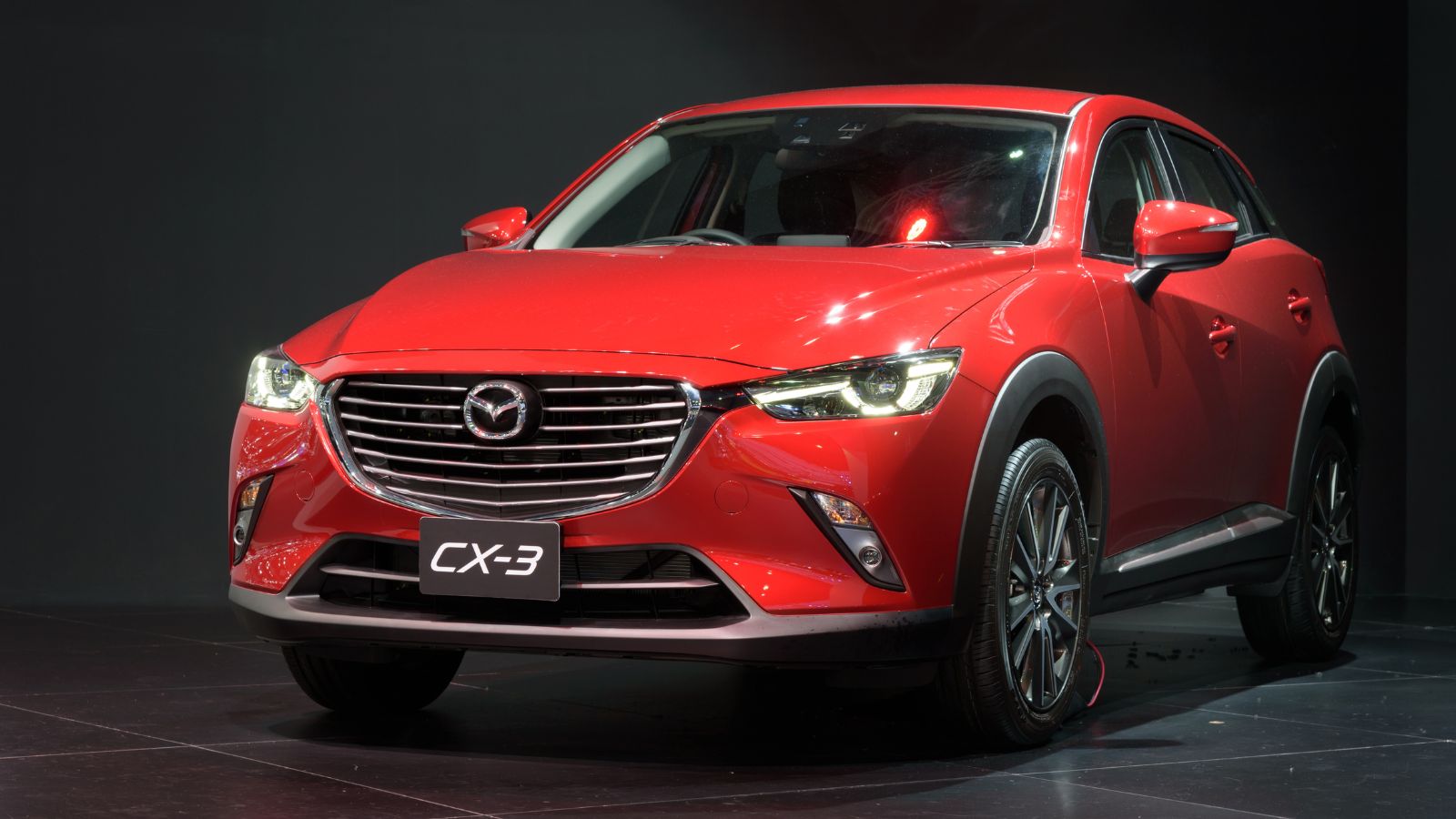
The Mazda CX-3 offers a stylish design and smooth handling, yet its base sound system often feels lacking. Drivers report that audio quality feels thin with limited bass response. Even moderate volume levels do not deliver a full sound experience. Increasing the volume leads to sharp tones rather than balanced output. Canadian users also mention that cabin noise affects audio clarity. This reduces enjoyment during longer drives. The system does not offer enough customization options for better tuning. This limits improvements without upgrades. While the CX-3 performs well in driving dynamics, its entry-level sound system does not meet the expectations of those who value good in-car audio.
Dodge Journey
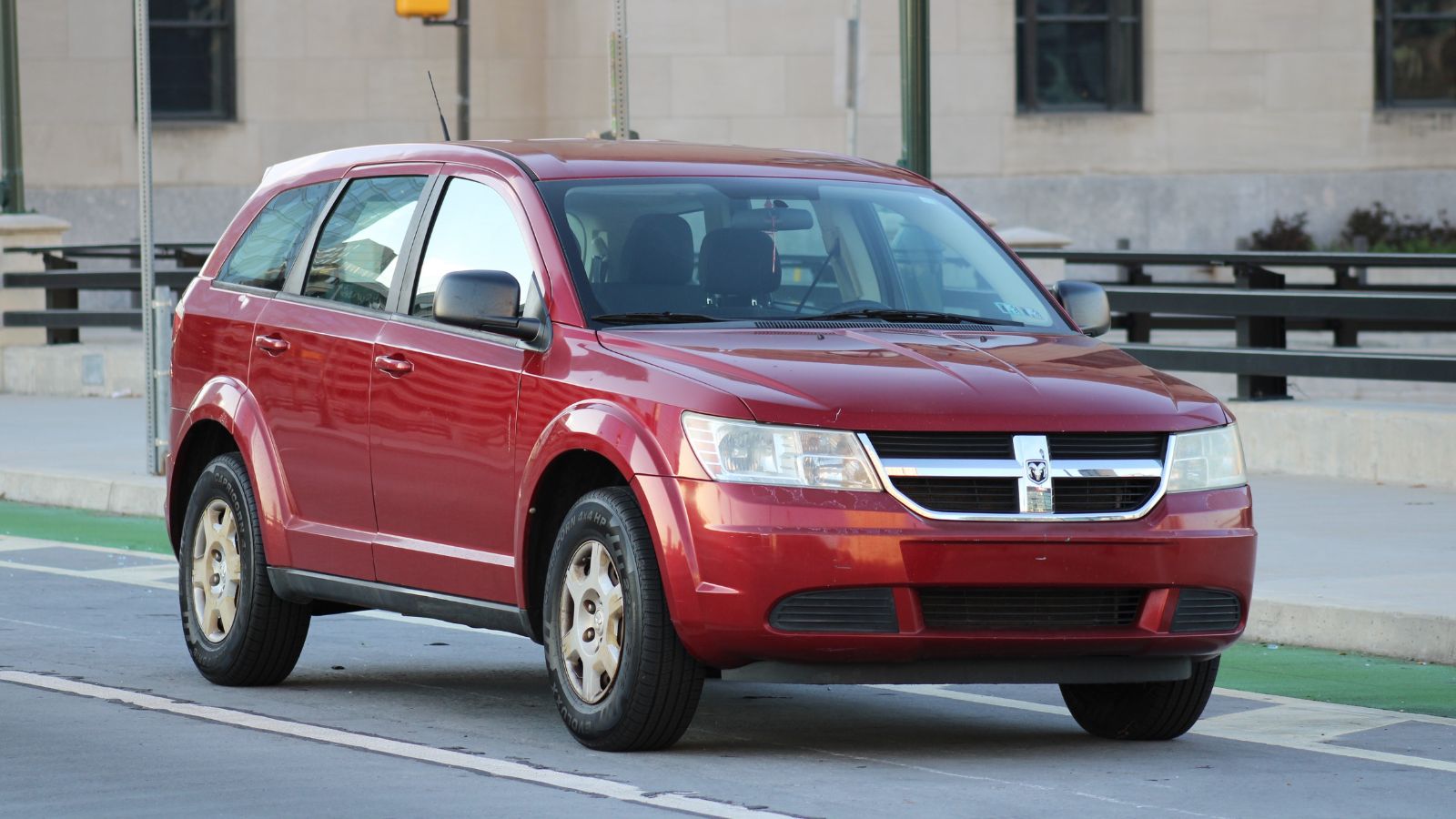
The Dodge Journey has been present on Canadian roads for years, yet its sound system often feels outdated. Drivers report that audio lacks clarity and sounds muffled at times. Bass response remains weak, even after adjusting settings. Increasing the volume does not improve balance across frequencies. Canadian users also report that older speaker setups struggle to meet modern audio demands. Road noise further reduces the listening experience during longer drives. The system offers limited controls for fine-tuning sound. This makes it harder to adjust audio based on preference. While the Journey serves as a practical vehicle, its sound system falls short of current expectations for its segment.
Chevrolet Trax
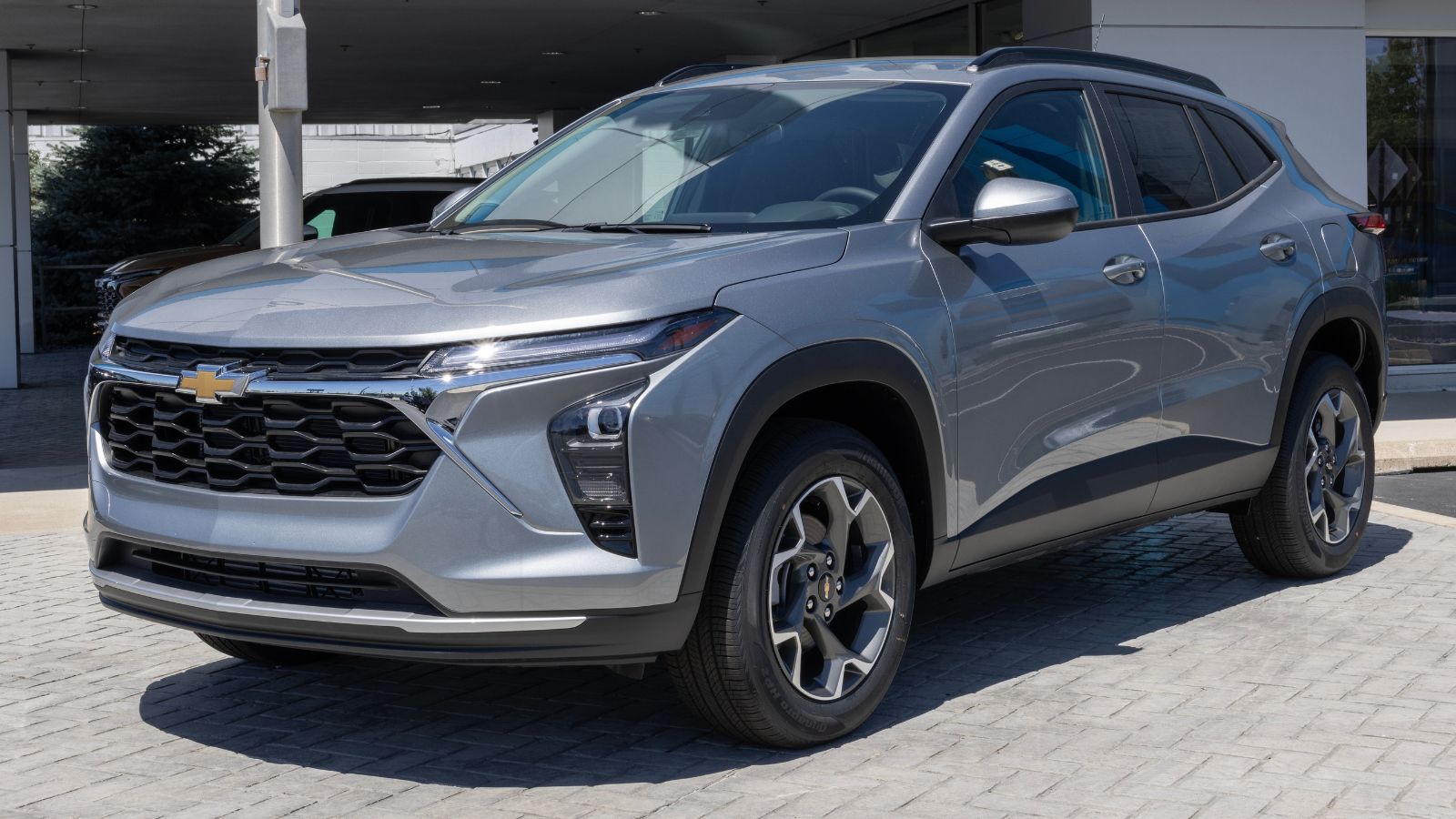
The Chevrolet Trax is a compact SUV often chosen for urban driving in Canada. Still, its base sound system receives mixed-to-negative feedback. Drivers mention that audio output feels flat and lacks detail. Bass is minimal, making the music sound less engaging. Increasing volume often leads to distortion instead of clarity. Canadian users also report that cabin noise affects overall sound quality. This becomes noticeable on highways and rough roads. The system lacks advanced audio tuning features. This limits any meaningful adjustments for better output. While the Trax handles city driving well, its sound system does not match the expectations of many users.
Nissan Kicks
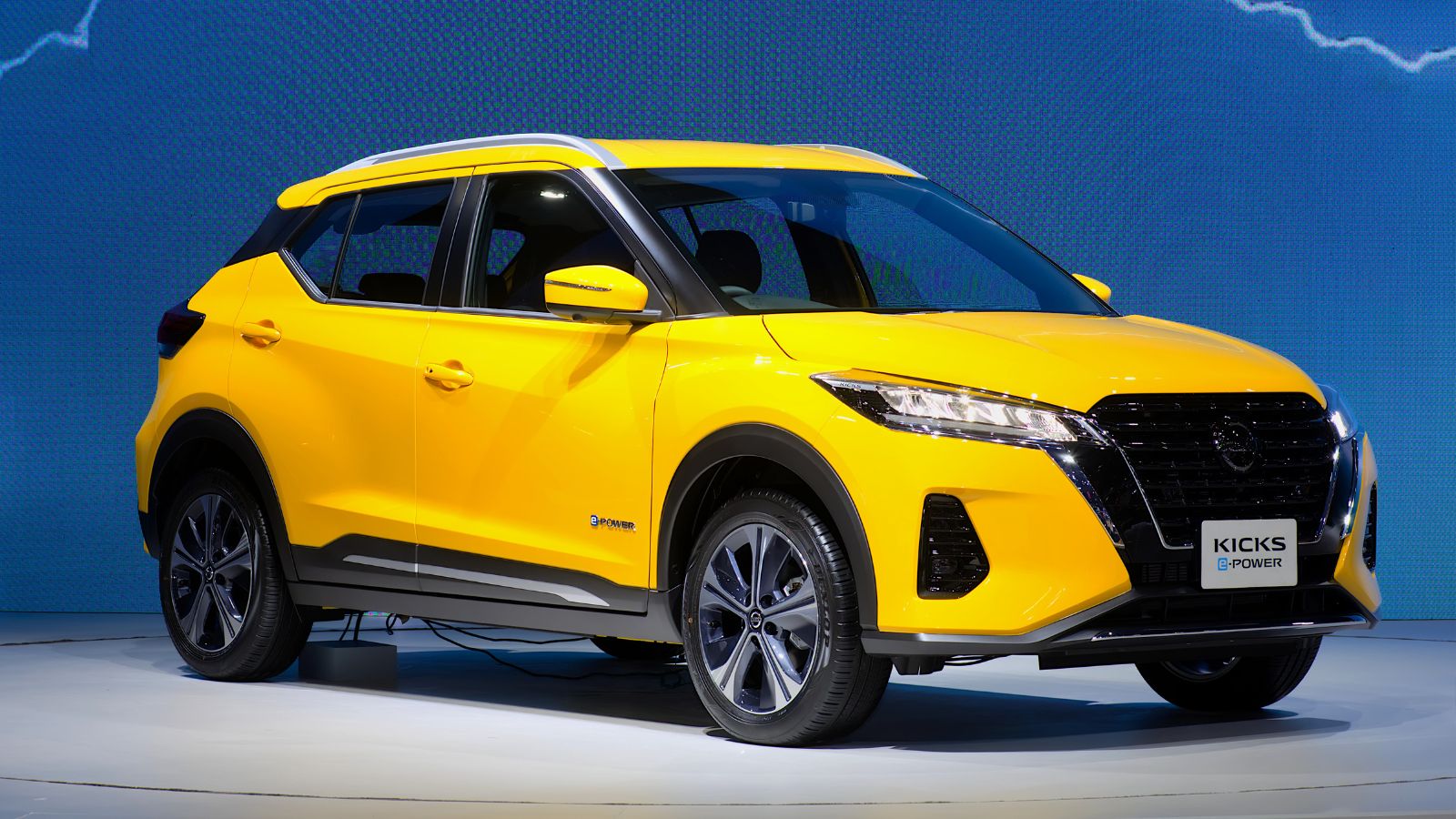
The Nissan Kicks offers fuel efficiency and a compact design for Canadian drivers, yet its sound system often falls short. Many users report weak speaker performance with low bass presence. Audio feels thin, especially when playing music at moderate volume. Increasing volume does not improve depth or clarity. Canadian drivers also report that road noise degrades sound quality. This makes longer drives less enjoyable. Base trims lack enhanced audio options or tuning controls. This limits the ability to adjust sound settings effectively. While the Kicks works well for daily commuting, its standard sound system feels underpowered for users who value good audio.
Volkswagen Jetta (Base Models)
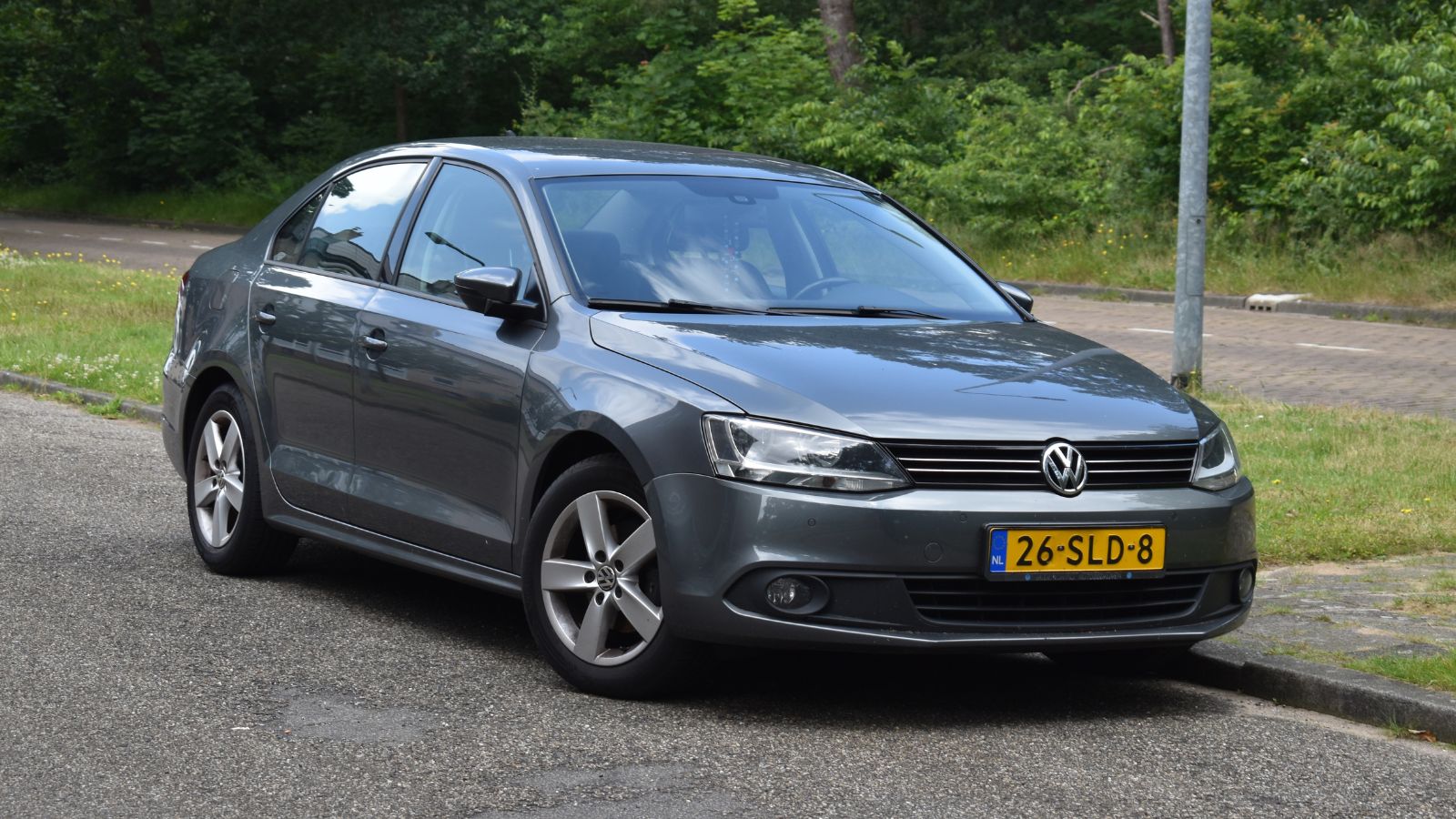
The Volkswagen Jetta remains a popular sedan in Canada, yet its base sound system often feels average. Drivers report that audio lacks warmth and depth. Bass output stays low, even after adjusting settings. At higher volumes, the sound can feel sharp and unbalanced. Canadian users also mention that cabin noise affects clarity during highway driving. The system does not provide advanced tuning options in base trims. This limits the ability to improve sound output. While higher trims offer better systems, the base version feels basic. For buyers expecting better audio from a well-known brand, this setup may feel disappointing.
Hyundai Elantra (Older Models)
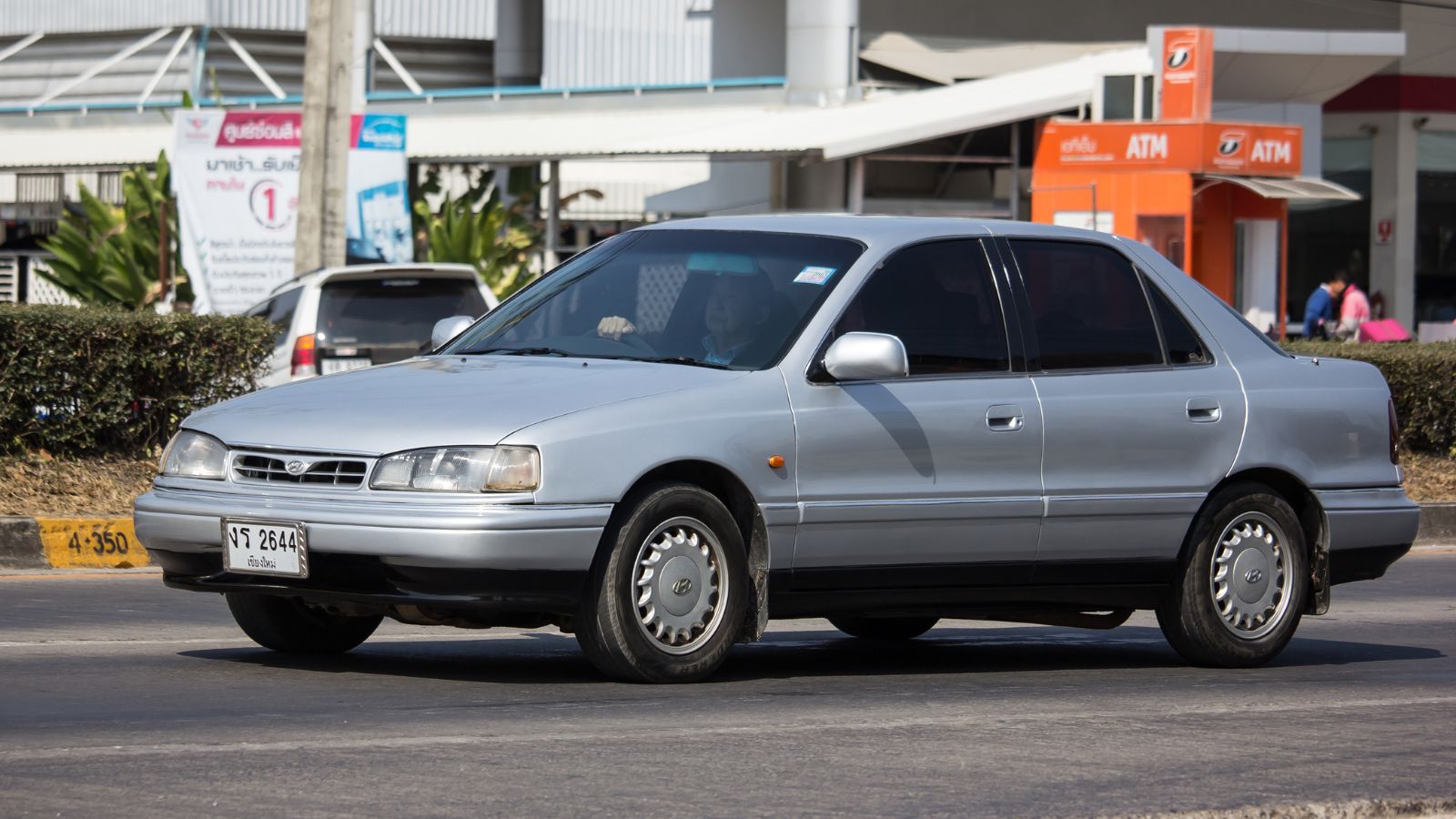
Older Hyundai Elantra models are still common in Canada, yet their sound systems feel dated. Drivers report that audio output lacks clarity and sounds compressed. Bass remains weak, making music feel incomplete. Increasing volume often leads to distortion. Canadian users also mention that speaker quality does not match current standards. Road noise further reduces audio performance during highway drives. These models lack modern audio features and tuning controls. This limits any improvement through settings alone. While the Elantra offers reliability and comfort, its older sound system does not meet the expectations of today’s drivers.
Kia Forte (Base Models)
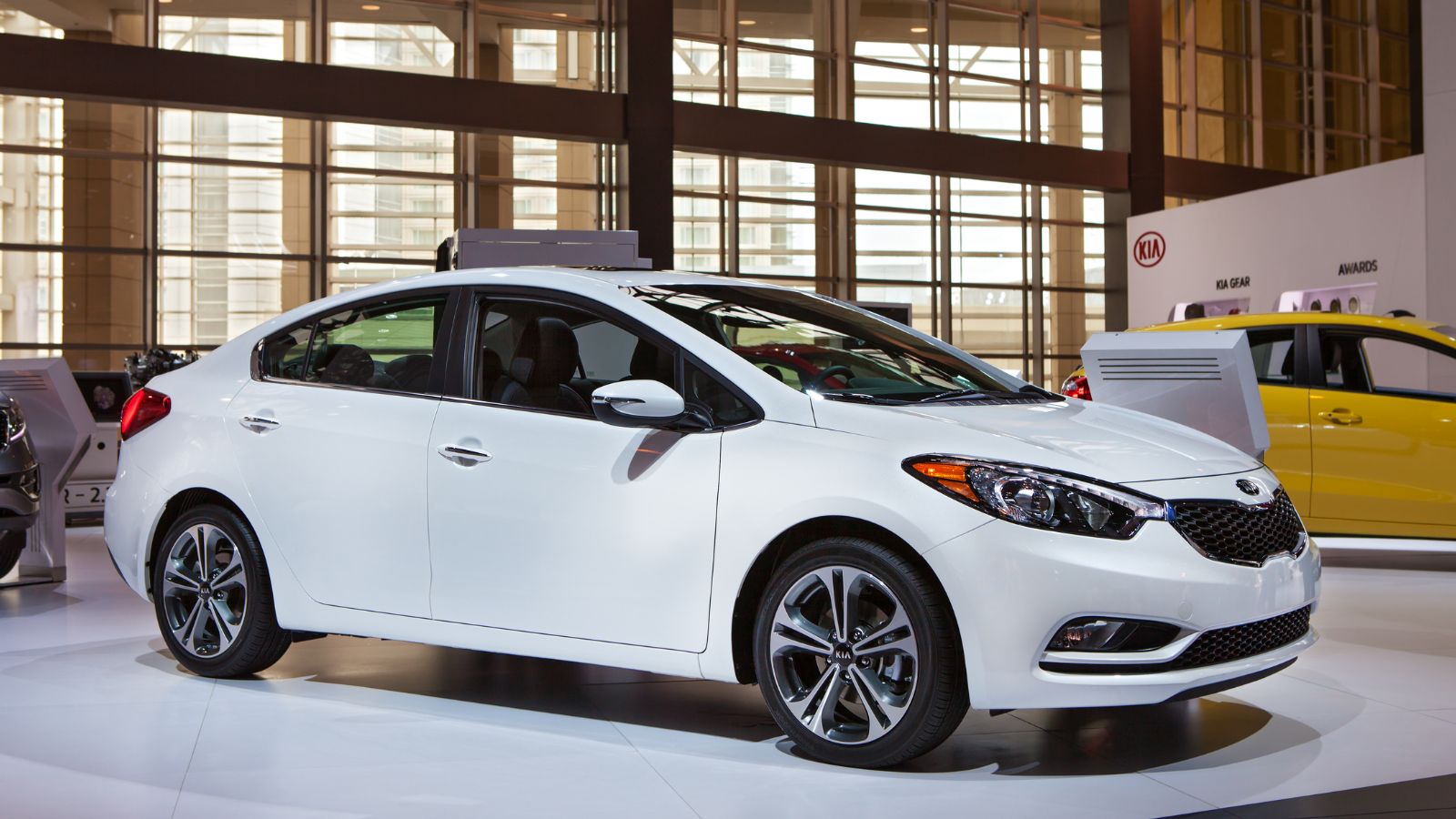
The Kia Forte is known for offering value in Canada, yet its base sound system often feels underwhelming. Drivers mention that the audio lacks depth and sounds flat. Bass response is limited, even after adjustments. Increasing volume leads to harsh output rather than balanced sound. Canadian users also report that outside noise affects listening quality. This becomes noticeable during longer trips. The system does not include advanced tuning features in lower trims. This limits the ability to improve sound performance. While higher trims perform better, the base model audio setup feels basic for users expecting more from daily driving.
Toyota C-HR
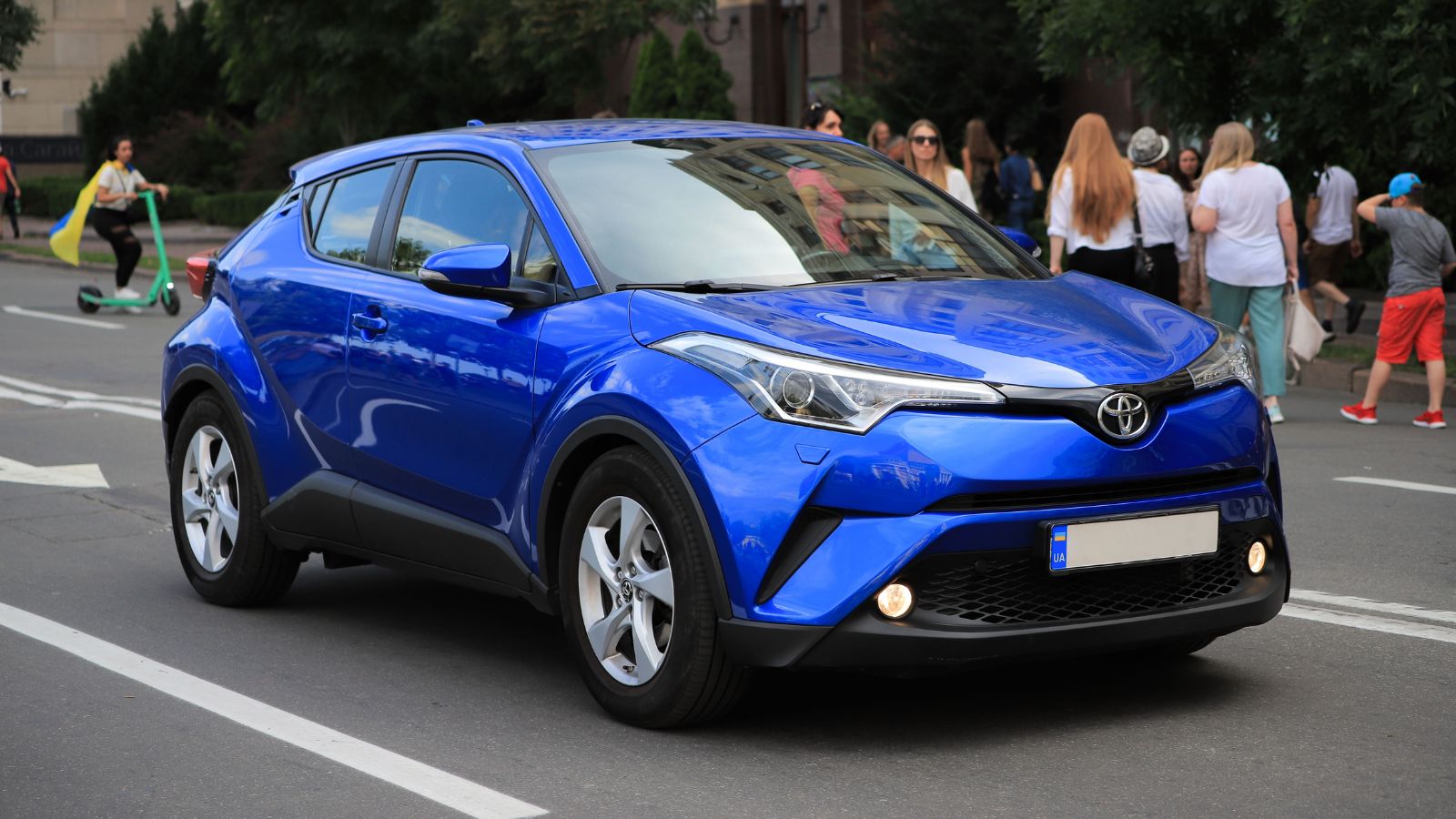
The Toyota C-HR stands out with its design, yet its sound system often receives criticism from Canadian drivers. Many users report weak bass and limited clarity. Audio feels uneven, especially at higher volumes. Increasing volume does not improve the listening experience. Canadian drivers also report that road noise degrades sound quality. This becomes more noticeable on highways. The system lacks customization options for better tuning. This limits improvements without upgrades. While the C-HR offers unique styling and reliability, its base sound system does not satisfy users who expect better audio during everyday driving.
22 Things Canadians Do to Their Cars in Spring That Mechanics Hate

Spring brings relief to many Canadian drivers after months of snow, freezing temperatures, and icy roads that put serious strain on vehicles. As temperatures rise across the country, drivers begin washing cars, switching tires, and preparing vehicles for warmer weather and upcoming road trips. However, mechanics across Canada notice the same mistakes every spring when drivers attempt to recover from winter damage. Road salt, potholes, and harsh winter driving conditions often leave vehicles with hidden problems that drivers ignore. Some spring habits even create new mechanical issues that could have been avoided with proper maintenance. Here are 22 things Canadians do to their cars in spring that mechanics hate.