


























When repair warnings stay small, they often feel optional. A faint squeal, a light on the dash, a slow coolant seep, or a vibration that only shows up on rough pavement can all seem survivable for another month. In Canada, that delay gets riskier fast. Cold starts strain batteries, winter roads punish tires and suspension, and salt works quietly on metal until a manageable repair turns into a much uglier one.
These 18 commonly delayed fixes capture the pattern. None of them usually begin as the biggest problem on the vehicle. That is exactly why they get postponed. By the time the noise grows louder, the leak grows wider, or the warning light is joined by another symptom, the bill often includes more parts, more labour, and more inconvenience than drivers expected.
Brake Pads and Rotors
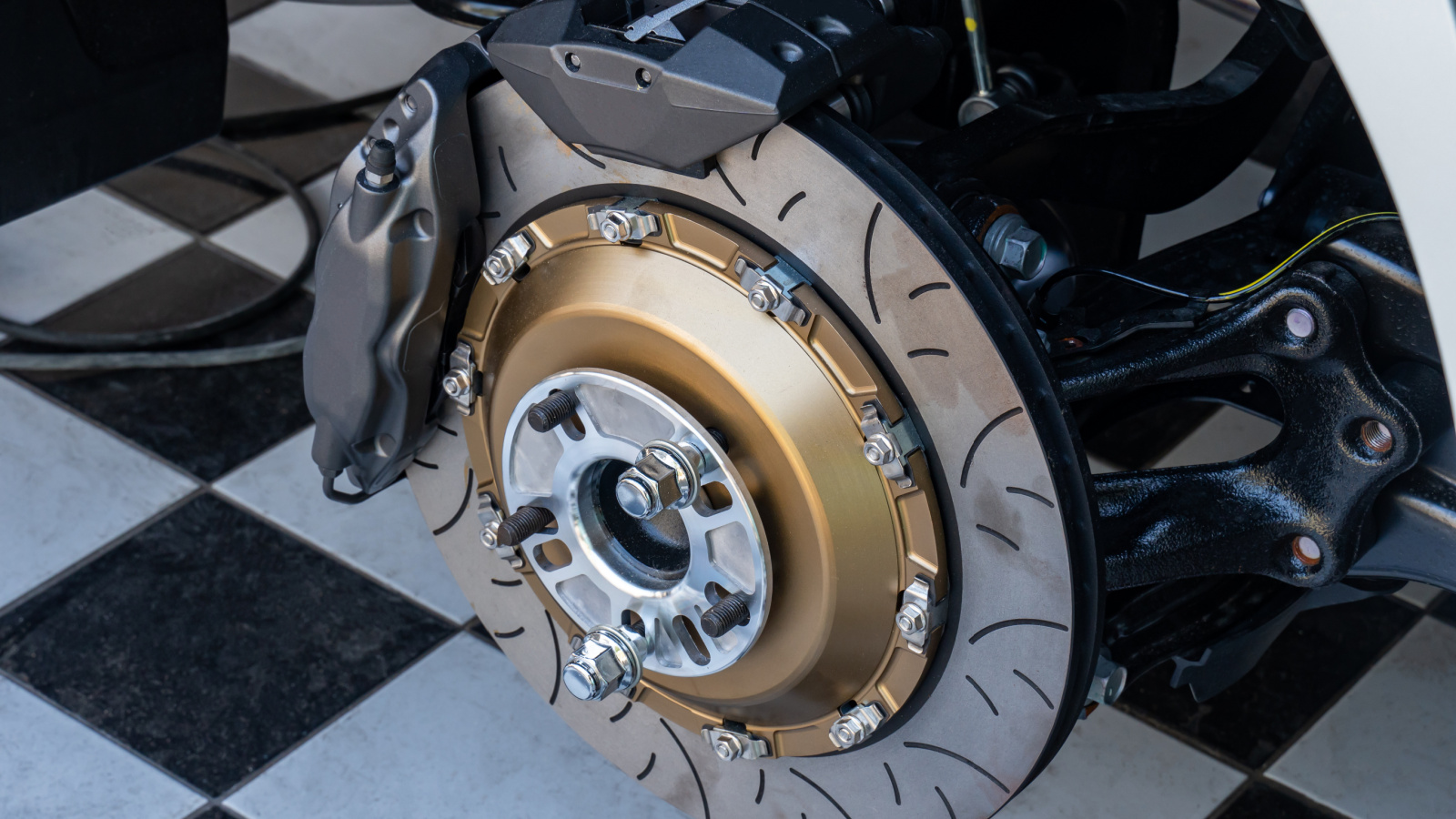
Brake jobs are one of the most familiar forms of deferred maintenance because the first warning signs can seem minor. A little squeal at low speed, a slight vibration through the pedal, or a longer stopping feel in wet weather often gets dismissed as something to deal with at the next service visit. That delay is expensive. Pads are relatively straightforward wear items, but once they wear too far, the rotors take the abuse. What might have been a pad replacement becomes a fuller brake overhaul, sometimes involving calipers or hardware if heat and corrosion have also joined the party.
Canadian driving adds another layer. Road salt, slush, and repeated freeze-thaw cycles are hard on exposed brake components, and urban commuting means constant stop-and-go use. Many drivers only act once the grinding starts, but that noise usually means the cheap part has already worn through. Shops see this all the time: the driver who waited because the brakes still technically worked, only to learn that “still stopping” and “still healthy” are not remotely the same thing.
Tires With Dangerous Wear
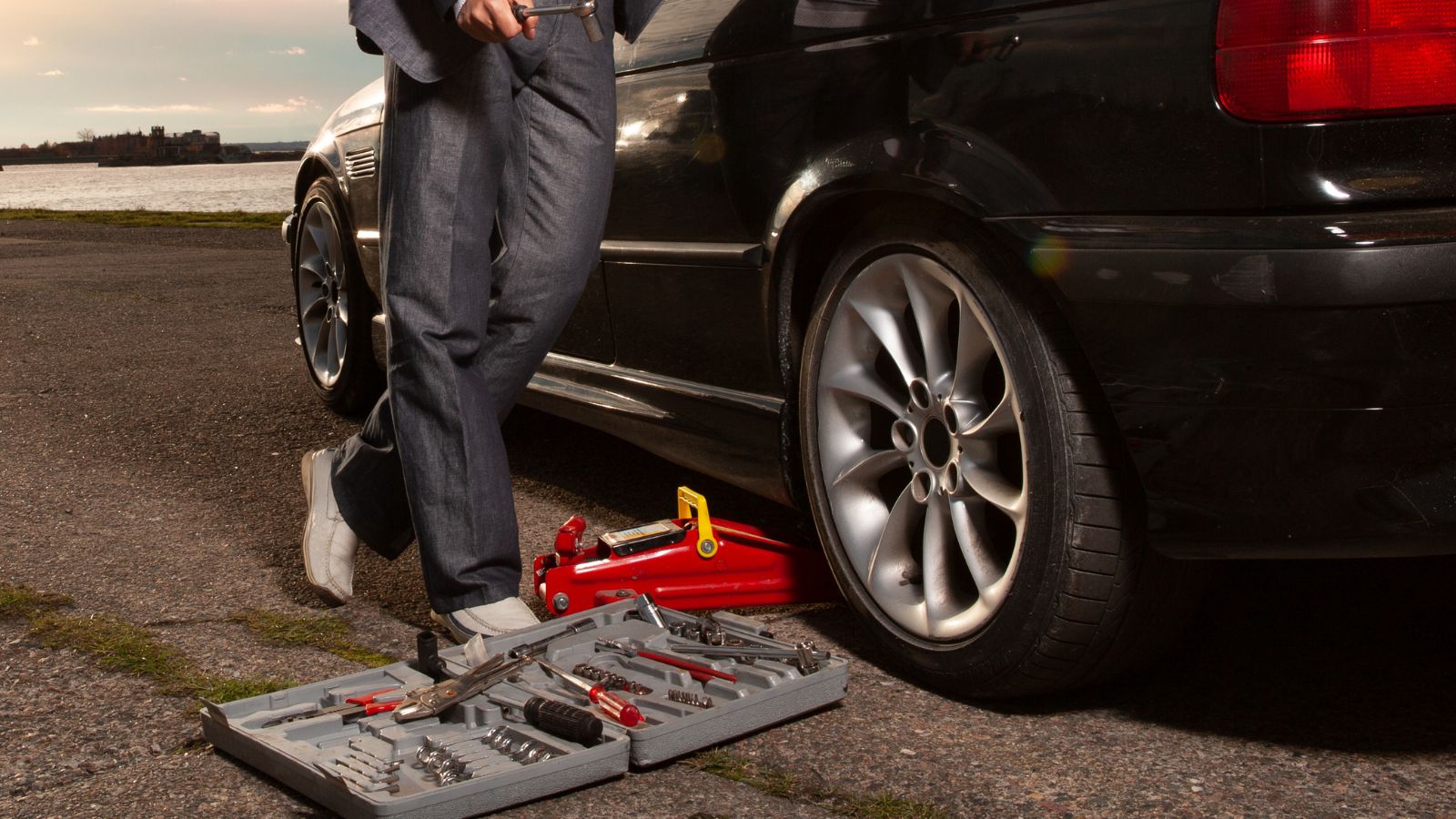
Tires are easy to postpone because they degrade gradually. The vehicle still moves, the tread still looks acceptable from a casual glance, and replacing a full set never feels timely. But worn tires rarely stay a tire-only issue. Weak tread and poor inflation can reduce control, lengthen stopping distances, and accelerate uneven wear. Once that wear pattern starts, drivers often end up replacing tires sooner than expected, and sometimes paying for alignment work or suspension checks that might have been avoided if the problem had been caught earlier.
In Canada, this matters even more because winter performance changes quickly as tread disappears. A tire that feels acceptable in dry weather can become far less reassuring on slush, packed snow, or cold pavement. Many motorists try to stretch one more season out of rubber that is already near the limit, especially after an expensive year of ownership. Then one bad storm, one pothole, or one curb strike turns “I’ll deal with it later” into a full replacement decision at the worst possible moment.
Wheel Alignment

Alignment problems often masquerade as harmless quirks. The steering wheel sits a little off-centre. The car drifts slightly on a straight road. One tire seems to be wearing faster than the others. Because the vehicle still feels drivable, many owners push the issue back. That is where the hidden cost starts. Misalignment scrubs tread away faster, forces the steering and suspension to work harder, and can leave a driver paying for new tires long before they should have been necessary. In practical terms, skipping alignment can turn a correction into a premature tire bill.
Canadian roads make this repair especially easy to ignore and especially costly to ignore for long. Potholes, frost heaves, rough shoulders, and seasonal road damage are exactly the kind of impacts that knock a vehicle out of spec. What starts as a small pull to one side can become vibration, wandering, and feathered tire wear over months of everyday driving. It is the classic delay trap: the car feels mostly normal, so the owner waits, while the most expensive evidence is slowly being carved into the rubber.
Battery Replacement
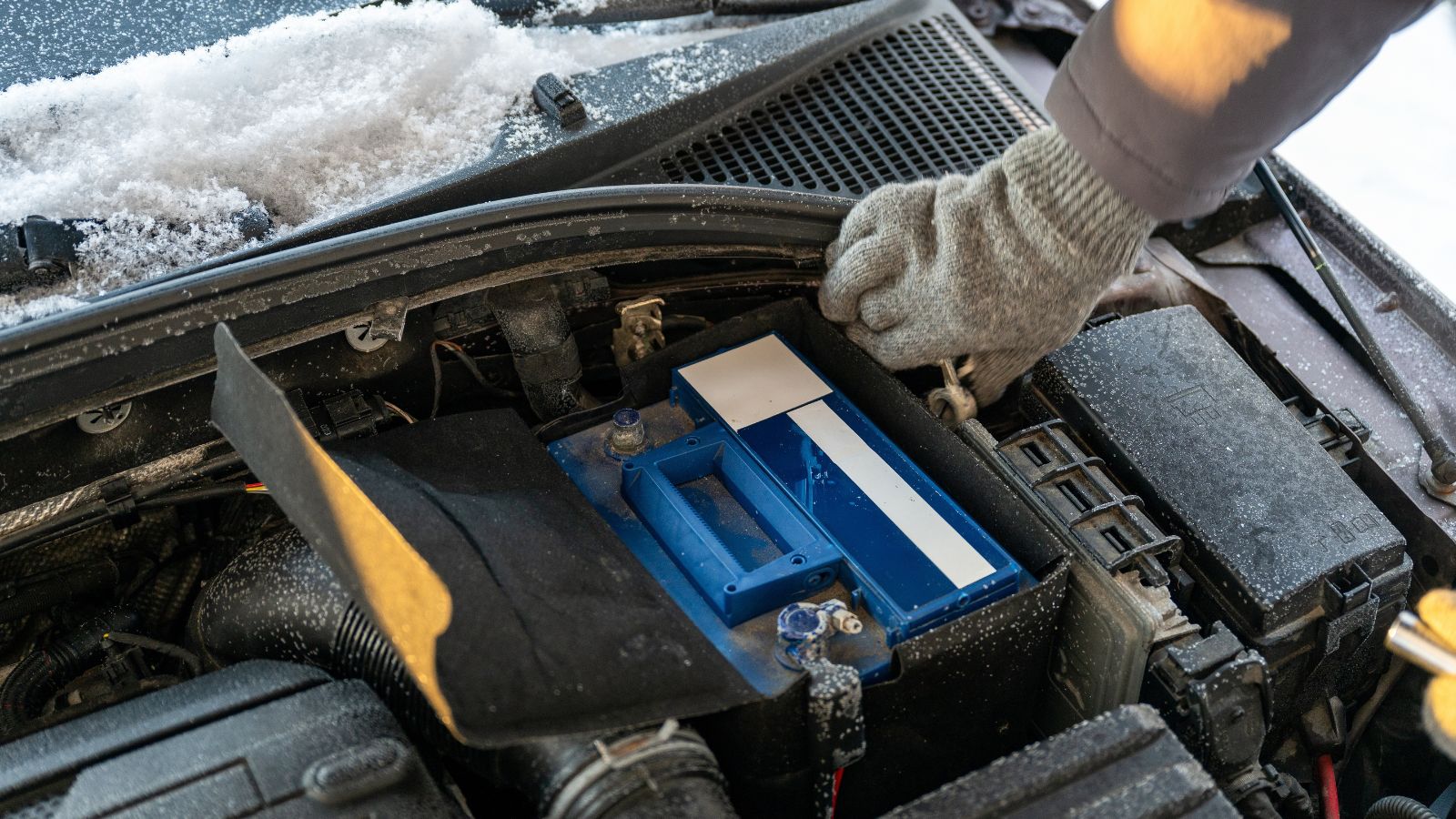
Battery problems tend to hide in plain sight. The engine cranks a touch slower on cold mornings. The headlights dim briefly at startup. The first failed start gets blamed on bad luck. Then winter arrives with real bite, and the vehicle refuses to cooperate in a driveway, parking garage, or office lot. By that point, the bill is no longer just for a battery. There may be towing, missed work, emergency service pricing, or a diagnostic charge if the failure is confused with a larger charging issue.
This is one repair Canadian drivers routinely gamble on because the battery often seems fine until the day it is not. CAA’s winter guidance has long warned that cold weather makes weak batteries more vulnerable, and older batteries become especially suspect once they hit that three-to-five-year range. Plenty of motorists know the battery is aging, but since it still starts most of the time, they squeeze one more season out of it. That works until the first serious cold snap exposes how little reserve it had left.
Alternator and Charging-System Trouble
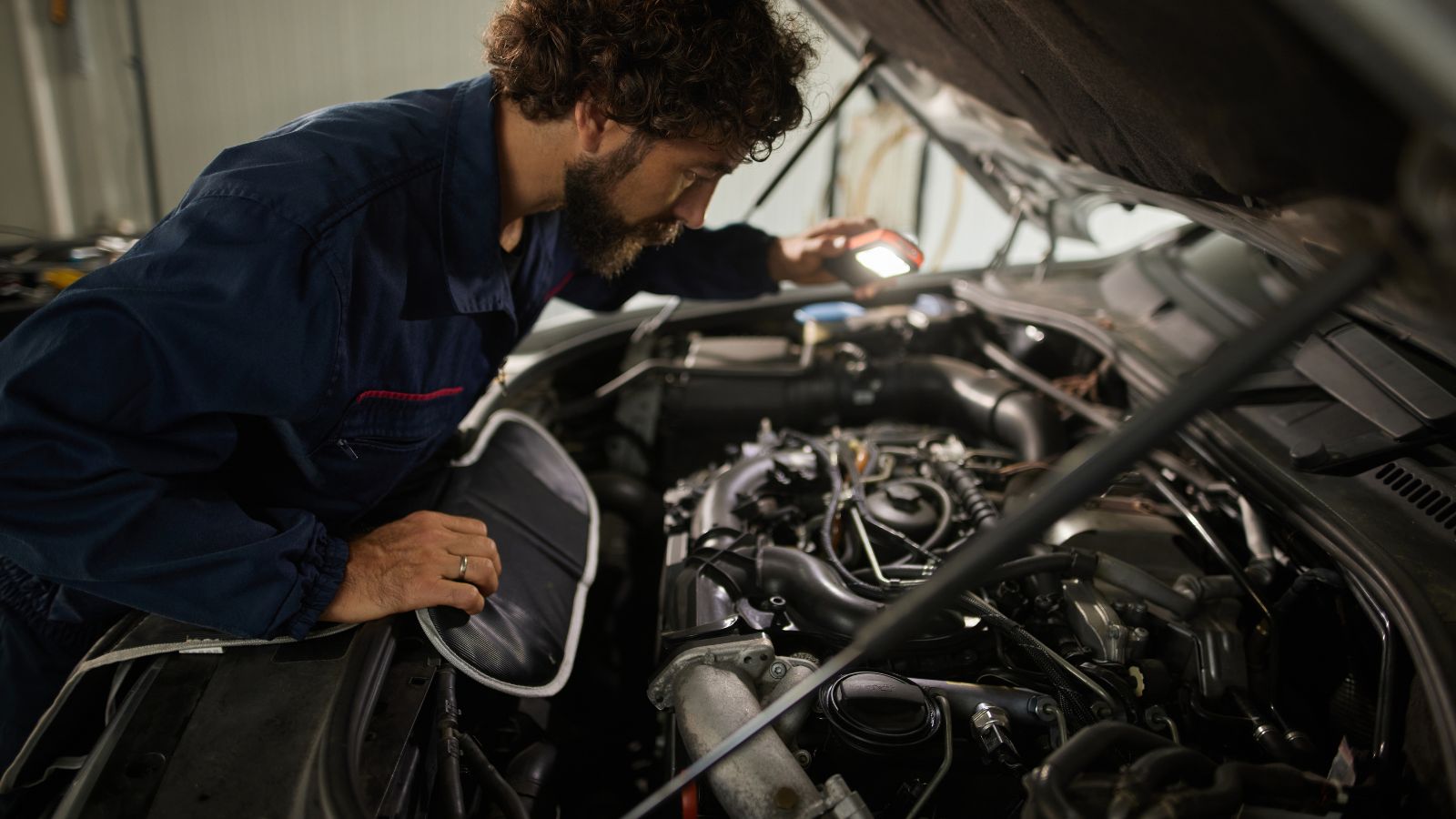
Charging-system problems are another repair people rationalize away because the symptoms are inconsistent at first. The battery warning light flickers. The electronics seem odd for a day or two. The car starts with a boost, then dies again later. Since it can resemble a plain battery failure, many drivers replace the wrong part, or worse, keep driving until the alternator gives up entirely. That can leave the vehicle stalling after the jump-start glow of false confidence has already worn off.
The ugly part of this bill is not just the alternator itself. A failing charging system can stress the battery, affect lights and accessories, and create a diagnostic puzzle that costs more the longer it is allowed to wander. Canadian drivers are especially vulnerable in winter, when cold starts, heaters, defrosters, seat warmers, and lights all pile extra electrical demand onto the system. A weak alternator may limp through mild weather, then collapse under a normal January workload. That is why this repair so often arrives disguised as “just a battery issue” before revealing its more expensive truth.
Oil Leaks and Oil Consumption
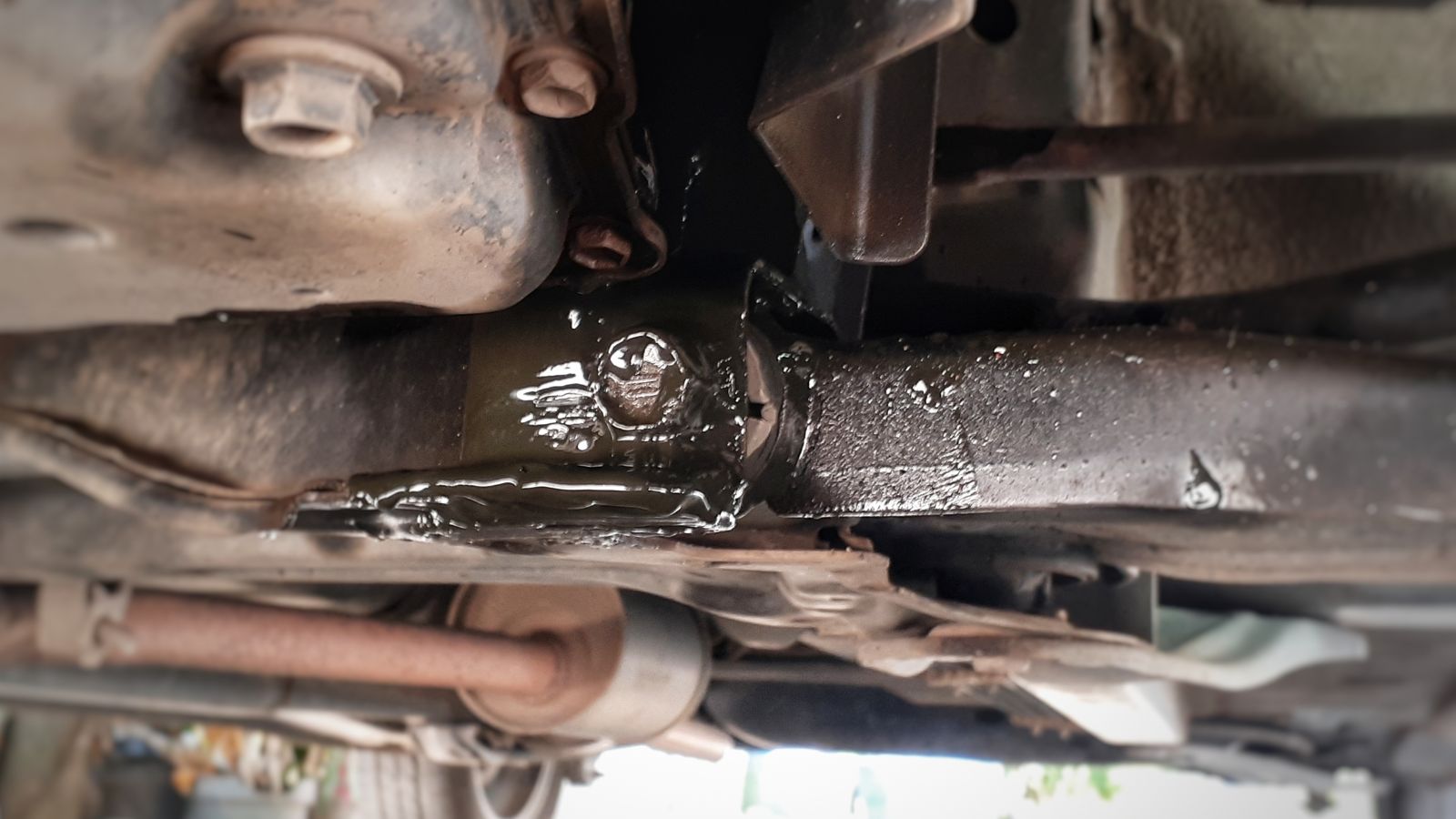
A small oil leak feels easy to live with because it rarely creates instant drama. Drivers notice a few spots on the driveway, a faint burnt-oil smell after a trip, or the need to top up between oil changes. Since the engine still runs, the leak gets downgraded to an annoyance. But oil problems have a way of charging interest. Running low increases wear, contamination, and heat stress, while leaks can spread onto seals, hoses, and other components. The cost rises quietly until a once-manageable gasket or seal repair is tangled with more serious engine concerns.
What makes this especially common is how modern ownership encourages delay. Service reminders are treated as flexible, road trips happen on optimism, and many people assume fresh oil matters only to very old vehicles. In reality, even newer engines can consume oil between services, and small leaks often stay small only if they are caught early. Once the engine starts running with less protection than intended, the repair conversation changes. It is no longer about a drip. It is about what that drip was allowed to do over thousands of kilometres.
Coolant Leaks and Overheating Problems
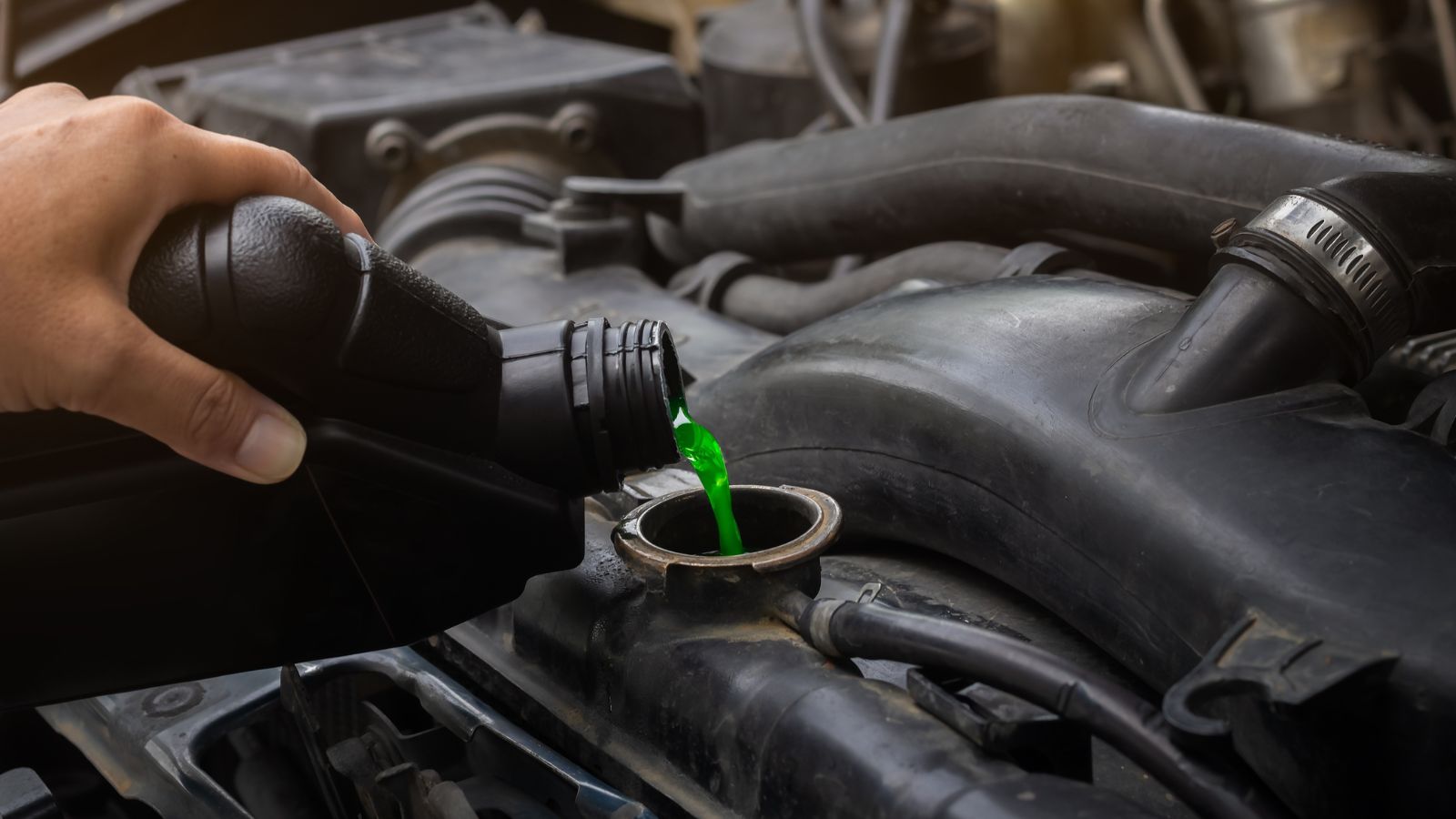
Cooling-system repairs are notorious for starting cheap and ending nasty. A low coolant level, a sweet smell, a damp hose, or a rising temperature gauge may point to a manageable fix: a hose, clamp, thermostat, radiator issue, or small leak. But delay turns the system into a chain reaction. Coolant loss can lead to overheating, overheating can warp or damage major engine components, and the final invoice can bear little resemblance to the one a careful owner might have faced weeks earlier.
This is exactly the kind of repair people postpone because the vehicle seems to recover. The gauge returns to normal after a stop. Topping up the reservoir buys another few days. The heater still works, so the problem feels contained. Canadian drivers are especially prone to this dance because seasonal temperatures can mask symptoms until the vehicle is under stress on a highway run or summer traffic crawl. Then the engine runs hot for too long, and a small cooling-system problem becomes the sort of bill people describe with a sigh and no exact number.
Belts and Hoses
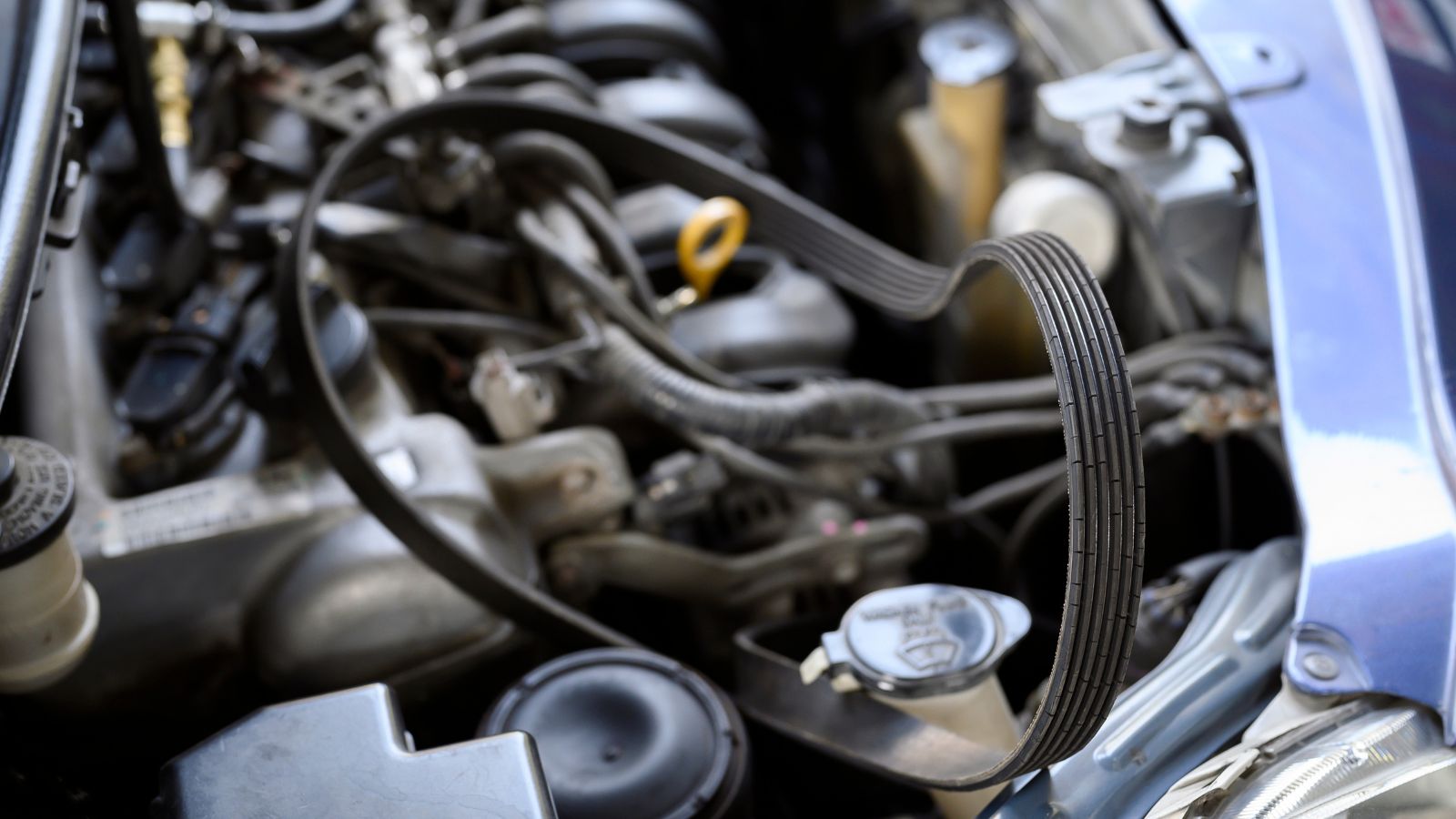
Belts and hoses almost never command urgency from the average owner. They live under the hood, often out of sight and out of mind, until a technician points to cracks, glazing, swelling, or softness during an inspection. Since these parts look mundane, replacing them can feel like paying for something theoretical. That attitude is expensive. A worn hose can burst unexpectedly. A weakened belt can slip or fail, affecting systems tied to the alternator, water pump, air conditioning, or power steering. Once that happens, the repair may involve overheating, charging failure, or a roadside breakdown rather than simple preventive service.
The human part of this repair is familiar: the driver hears a squeal for a few mornings, then nothing. The shop mentions a belt “getting tired,” but the car is otherwise fine, so the recommendation gets bumped to next visit. In Canada, that gamble gets riskier as temperature swings harden rubber and put extra strain on startup and accessory loads. These parts rarely fail at a convenient time. They tend to break when the vehicle is already under pressure, which is exactly when the bill grows teeth.
Timing Belt Service
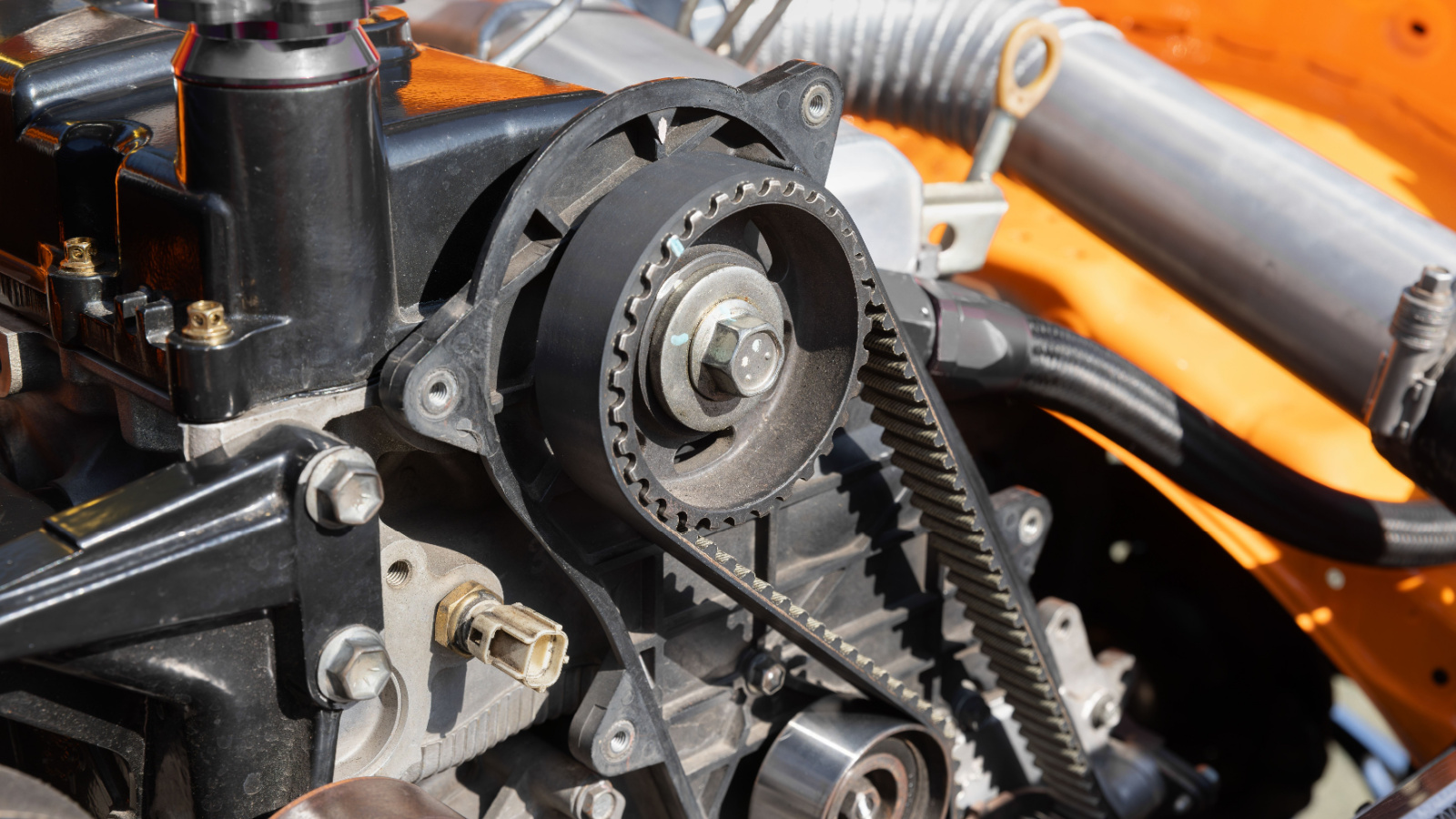
Few repairs are delayed more often than timing-belt service because it does not feel like a repair at all. It feels like paying to replace something that has not yet broken. That logic is understandable and costly. On vehicles that use a timing belt and specify replacement intervals, waiting too long can turn planned maintenance into catastrophic engine damage. The owner who skipped a scheduled belt because the car “was running perfectly” can suddenly be staring at an engine that is not.
This is one of the clearest examples of how deferred maintenance punishes common sense. Timing belts often give little dramatic warning before failure, which is exactly why manufacturers assign interval-based replacement instead of symptom-based replacement. Consumer advice for long vehicle life consistently stresses following those schedules for vehicles that still use belts. Canadian owners trying to stretch older cars through another year are especially likely to roll the dice here. It feels financially disciplined in the moment. It stops feeling that way the instant a tow truck, a no-start condition, and an engine teardown enter the picture.
Suspension Struts and Shocks
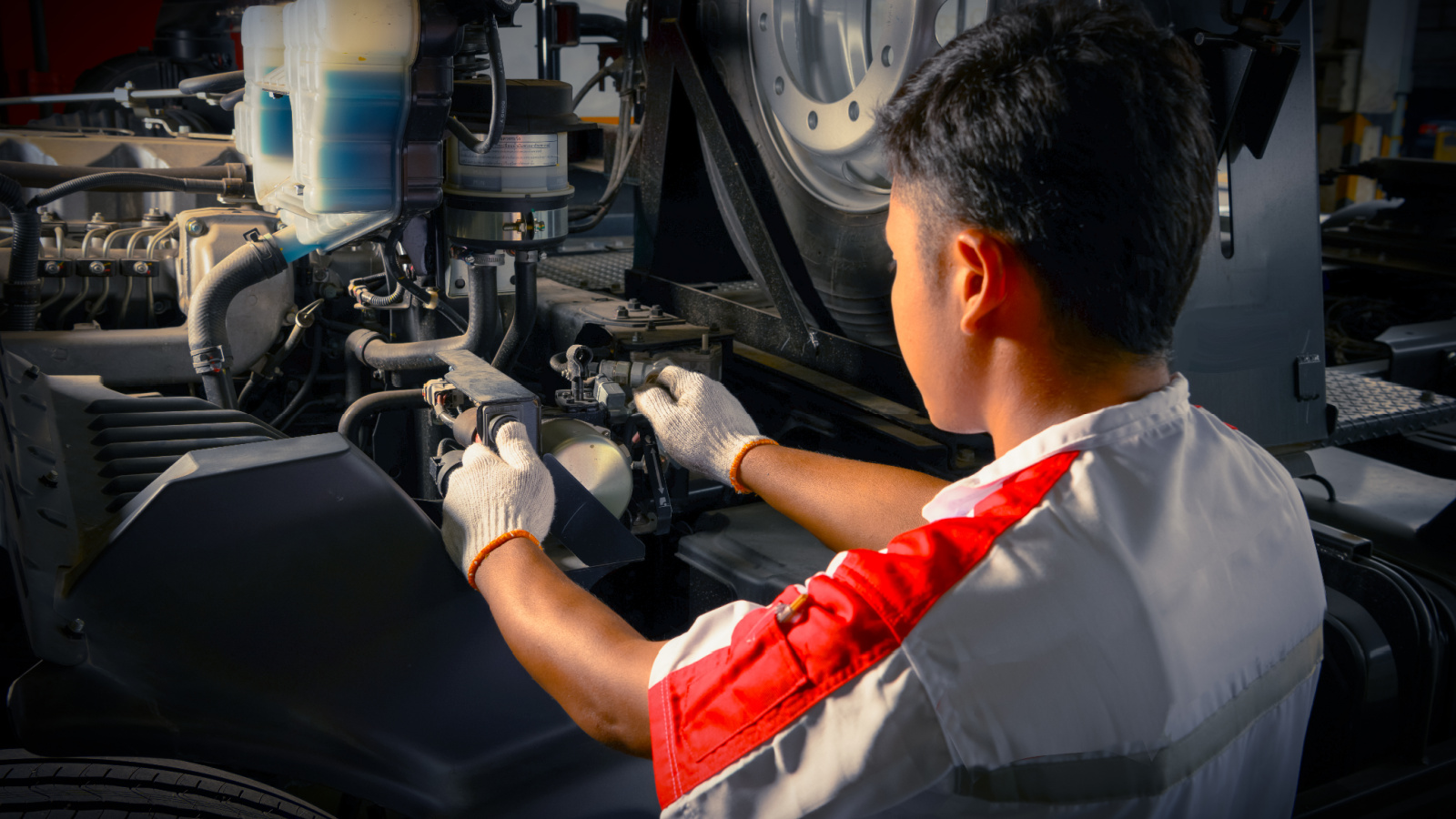
Suspension wear is easy to normalize because it blends into the aging of the whole car. The ride gets bouncier. The front end dives harder under braking. The vehicle feels less composed over patched pavement or expansion joints. Many owners simply adapt and stop noticing. The bill gets ugly when worn struts and shocks start affecting other parts of the ownership equation. Tire wear can worsen, braking stability can suffer, and damaged suspension pieces often expose related issues in mounts, bushings, and alignment. What could have been a focused repair becomes a stack of them.
Canada’s road network gives this section extra credibility. CAA’s work on poor roads has highlighted how potholes and pavement damage impose real costs on motorists, and suspension components are among the usual casualties. A single rough season can accelerate wear that was already underway. Drivers often put this repair off because the car is still technically drivable, but drivable is a low standard. A tired suspension rarely announces itself with one dramatic failure. It simply makes the vehicle worse in dozens of small ways until the neglected bill becomes impossible to ignore.
Wheel Bearings and Hub Assemblies
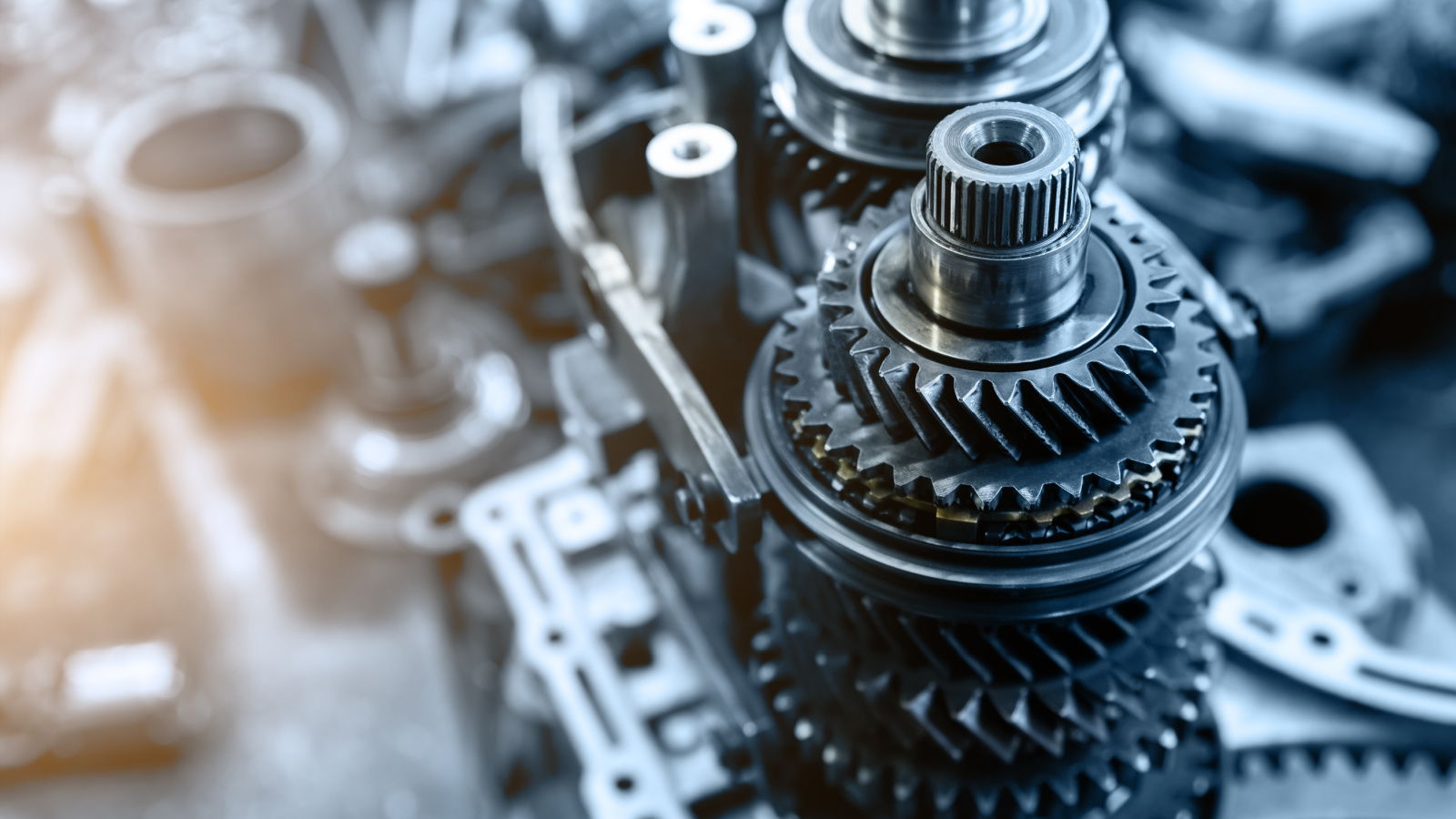
Wheel-bearing trouble often starts with a sound drivers talk themselves out of taking seriously. A low hum, a growl that rises with speed, or a noise that changes slightly in turns can sound vague enough to live with. That is why many people delay it. The vehicle still starts, still tracks down the road, and still feels usable. But wheel-bearing problems do not reward patience. Left alone, they can worsen into vibration, uneven tire wear, extra stress on the hub assembly, and sometimes related sensor or braking complications that broaden the repair beyond the bearing itself.
Part of the problem is that this noise blends into normal road roar, especially on rough surfaces or winter tires. By the time the sound becomes obvious, the owner has often been driving on it for a while. Shops and inspectors regularly flag play, clunks, or worn bearing-related components during used-car checks for exactly this reason: what sounds like an annoyance can signal a part that is well past happy. It is a classic deferred repair because the early symptom is just irritating enough to notice, but not dramatic enough to force action.
Transmission Fluid and Service
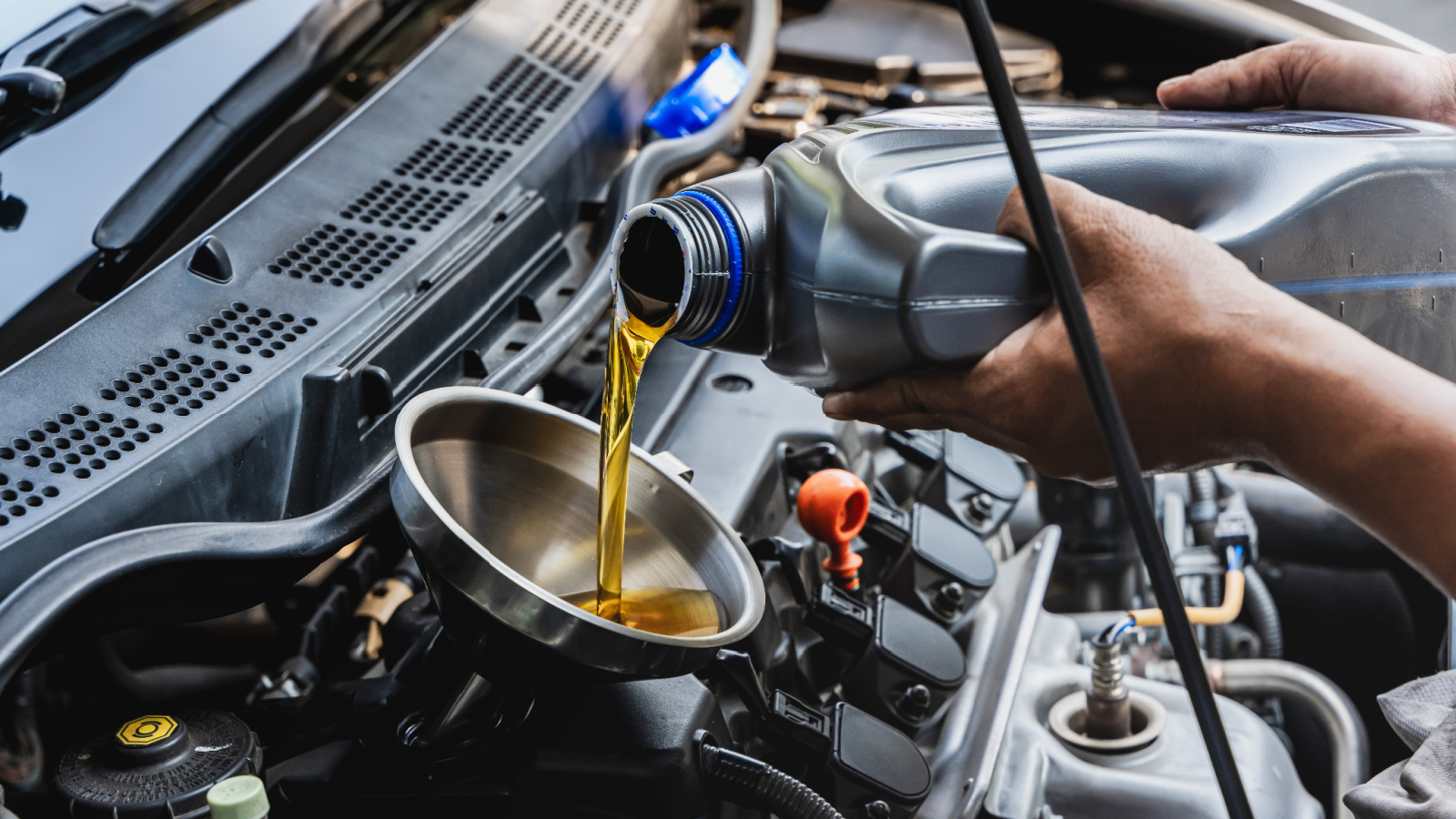
Transmission trouble produces some of the ugliest repair bills on the average vehicle, which makes it remarkable how often transmission service gets pushed aside. Many drivers treat transmission fluid as something permanent or nearly permanent, especially if the car is not obviously slipping or jerking. But fluid degrades, heat takes a toll, and delayed service can shorten the life of one of the most expensive assemblies in the vehicle. Once shifting problems become obvious, the conversation may already have moved beyond maintenance and into major repair territory.
What makes this delay so common is the strange psychology around transmissions. Owners fear that servicing an old one may reveal trouble, so they choose avoidance instead. Others assume “sealed” means “never needs attention.” General maintenance guidance from the Car Care Council and routine service advice from major automotive publications both point back to the same principle: follow the manufacturer schedule and do not wait for dramatic symptoms. Canadians who rely heavily on urban commuting, towing, stop-and-go driving, or long winter warm-up habits can put additional strain on the system without realizing how fast neglect compounds.
Brake Fluid and Hydraulic Problems
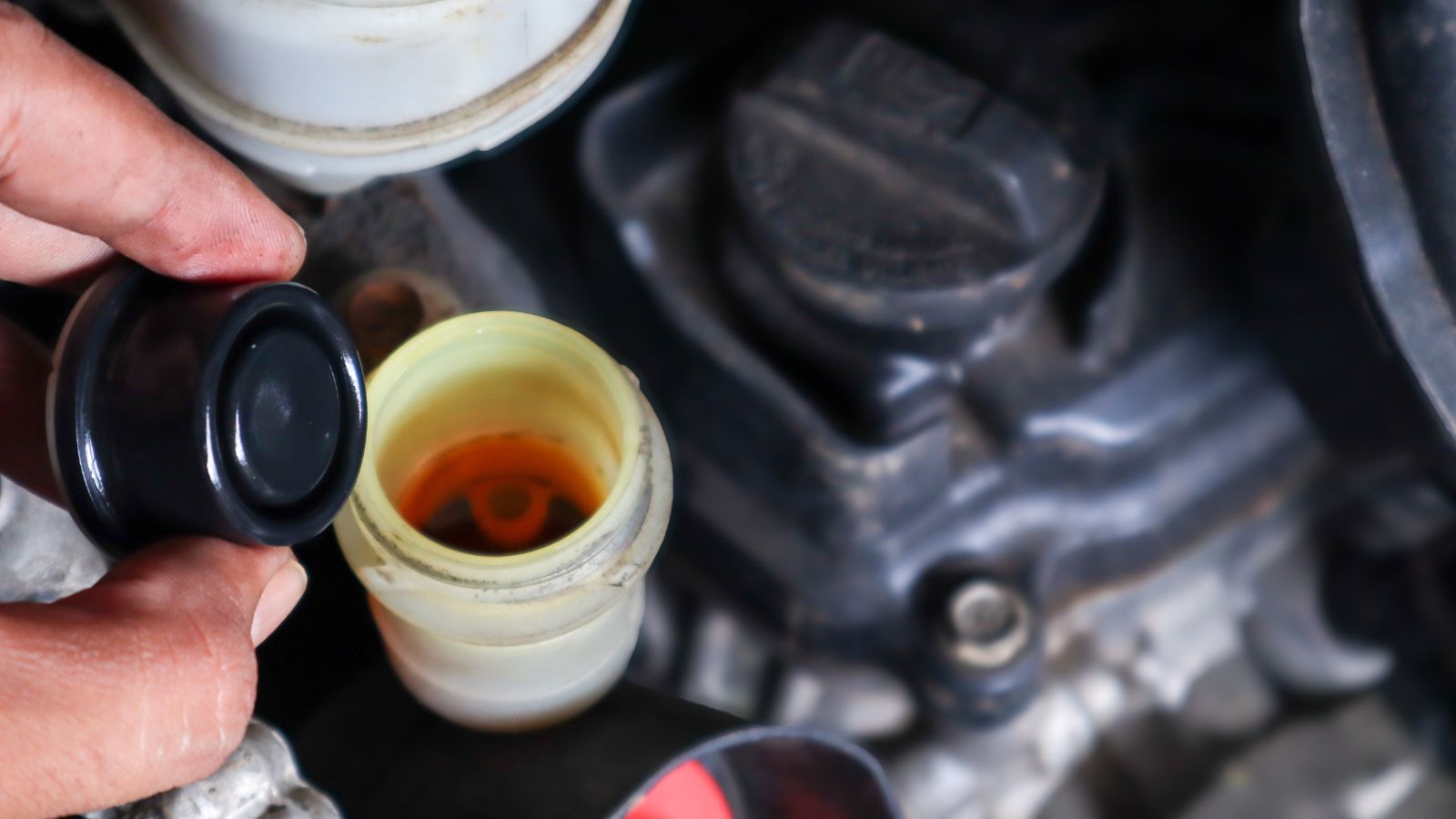
Brake fluid is one of the least glamorous items on a repair estimate, which is exactly why it gets ignored. Pads and rotors are visible and familiar. Fluid is abstract. Yet brake fluid absorbs moisture over time, and that moisture can lower performance and encourage internal corrosion in the hydraulic system. Delay here can help turn a routine flush into caliper trouble, line issues, sticky components, or a broader brake service that surprises the owner with its size.
This kind of bill gets ugly because the early symptoms are subtle. The pedal feel changes gradually. Nothing sounds dramatic. There is no squeal begging for attention. Some motorists only learn brake fluid matters when a shop finds dark, contaminated fluid during another service. By then, the cheapest path may already be behind them. In a country where salt, moisture, and temperature swings are part of normal driving life, it is not hard to see how hydraulic neglect compounds. Brake systems are designed with safety margins, but those margins are not a substitute for maintenance, and they are definitely not a discount program.
Exhaust Leaks and Catalytic-Converter Trouble
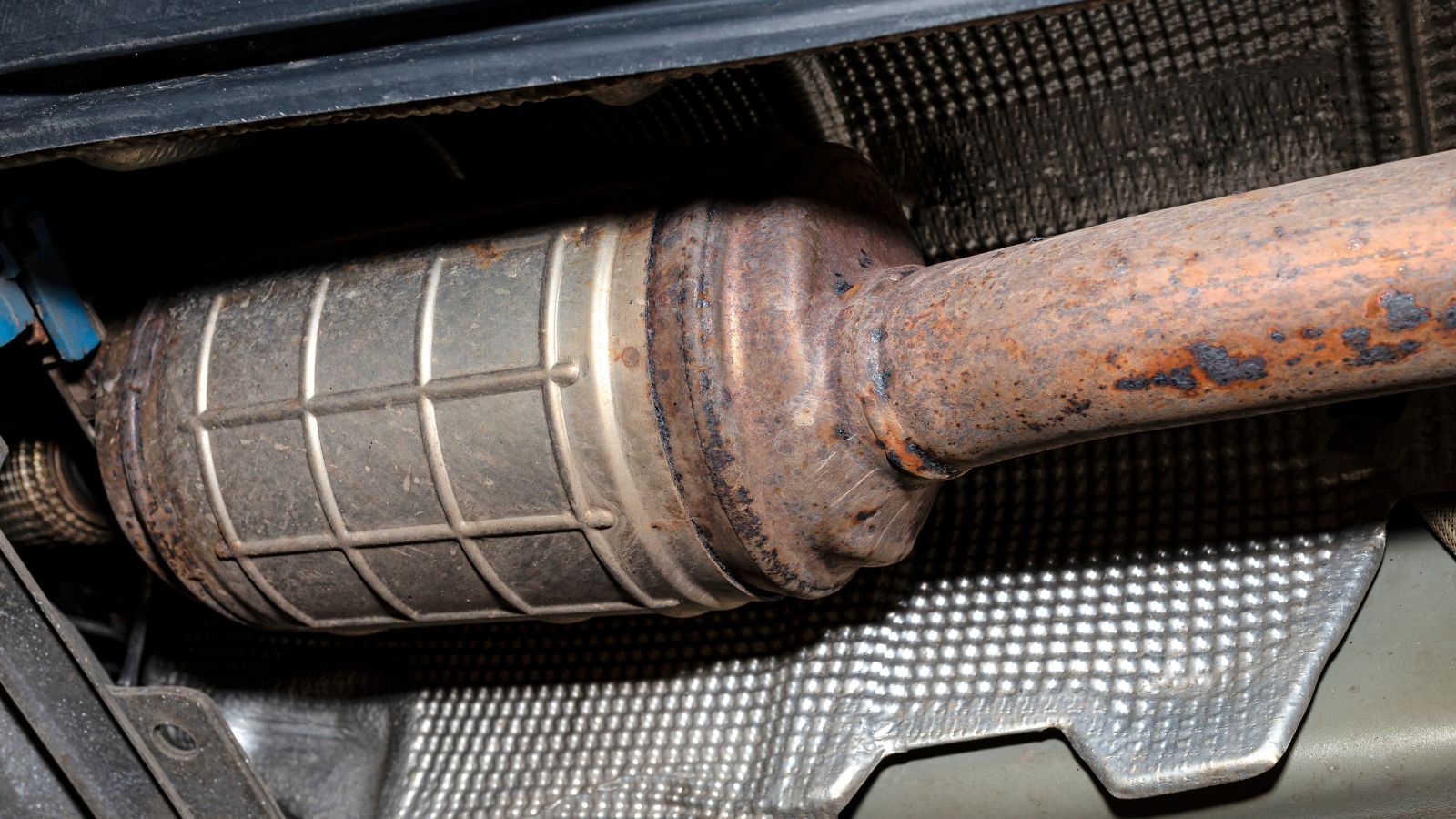
Exhaust repairs are often postponed because the warning signs are awkward rather than urgent. The vehicle gets louder. A rattle appears on startup. Fuel economy slips a little. A warning light stays on, but the car still moves. Drivers convince themselves they can live with it until the next inspection or service. That delay can be expensive, especially if a minor leak or damaged component contributes to sensor issues, converter strain, or a larger replacement job. Exhaust systems are interconnected, and small failures do not always stay isolated for long.
Canadian conditions do them no favours. Salt, moisture, and repeated short trips can speed corrosion, especially on older vehicles that spend winters outside. This is where owners get trapped between annoyance and denial. The vehicle is noisier, but still usable. The cabin smell is odd, but not constant. Then the repair expands. A muffler problem becomes a pipe problem, or a warning-light diagnosis leads to a converter conversation no one wanted to have. Because the system also deals with harmful gases, this is one of those bills that is not just about money. Delay can change the safety discussion too.
The Check-Engine Light
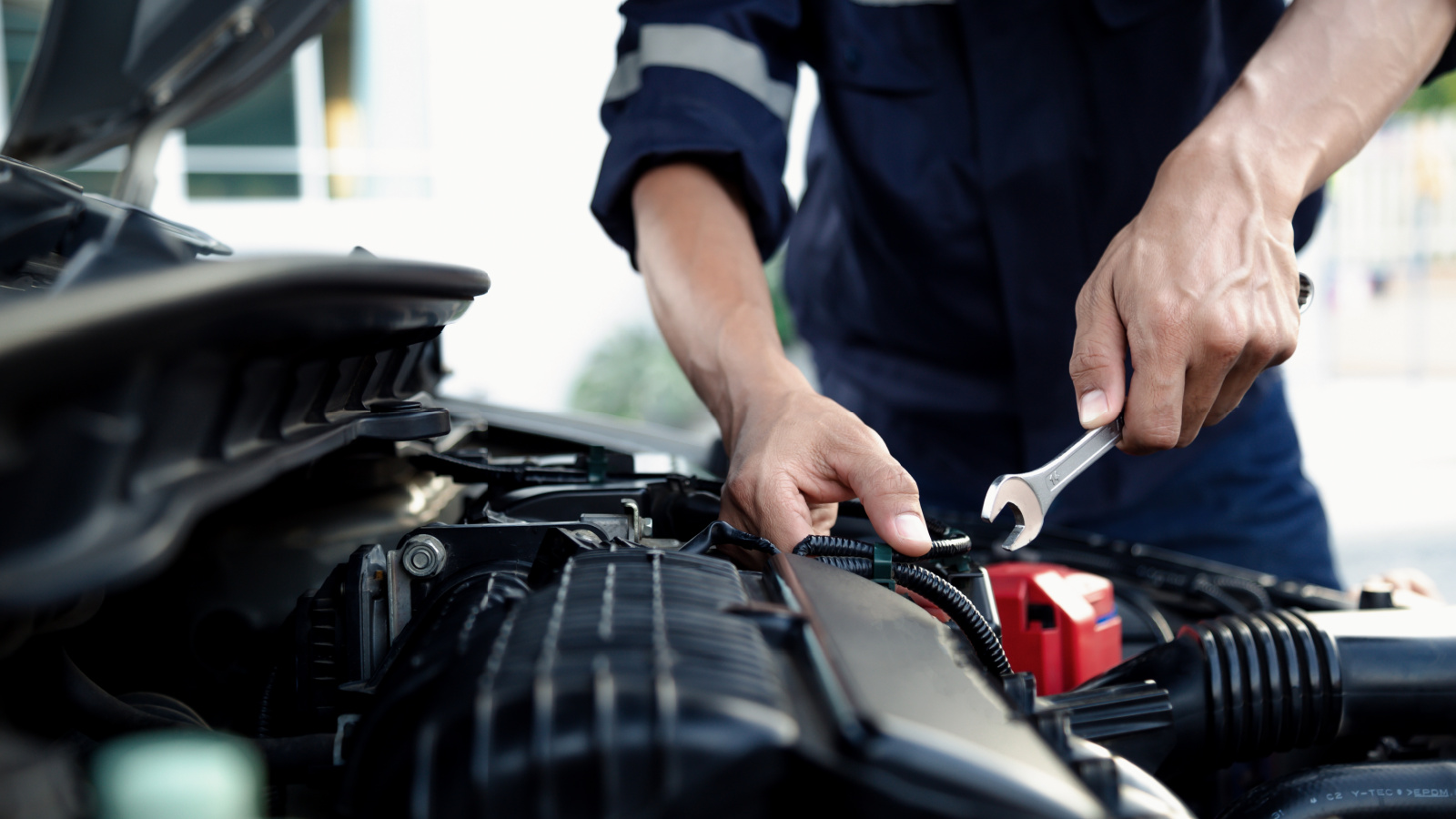
The check-engine light might be the most postponed automotive warning of all because it covers such a wide range of possibilities. People know it can mean something minor, and that knowledge often encourages them to gamble. Sometimes it really is minor, like a loose gas cap or a small evap-system fault. Sometimes it is the first visible sign of a deeper emissions, ignition, fuel, or sensor problem. The danger lies in assuming the benign explanation without actually confirming it. That is how drivers end up spending months with a lit dashboard and then acting surprised when the diagnosis becomes longer and more expensive.
This delay has a very modern flavour. The car still starts. There is no smoke, no dramatic loss of power, and life is busy. So the light becomes part of the scenery. Consumer Reports and the Car Care Council both point out that some simple faults can trigger it, but neither treats that as a reason to ignore it indefinitely. In practice, this warning is expensive because time makes troubleshooting messier. One unresolved issue can create others, fuel economy can suffer, and the clean early clue the technician wanted may no longer be there.
Power-Steering Leaks and Steering Trouble
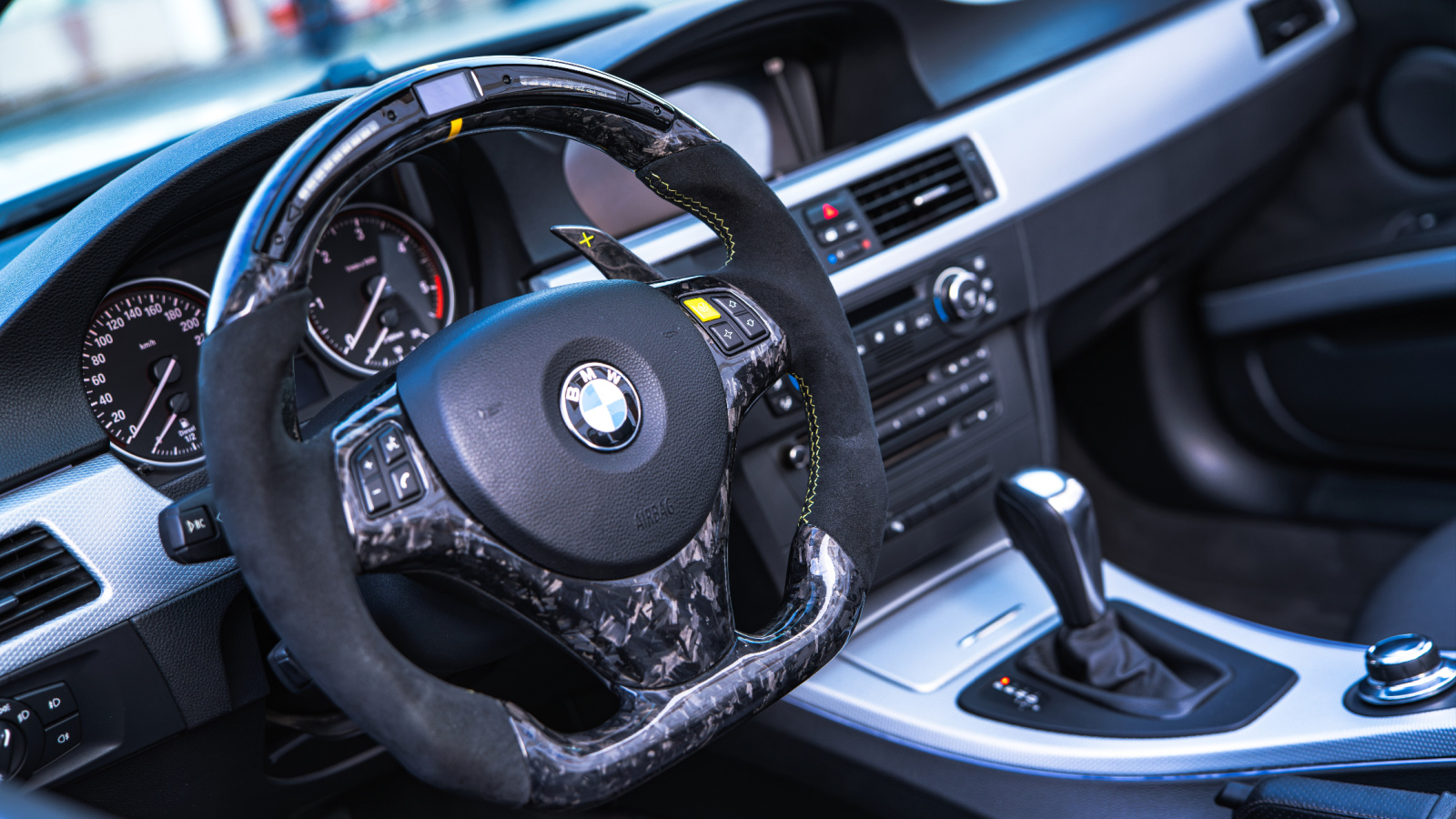
Steering problems often enter the ownership story as a faint groan, a heavier feel at low speed, or a wet-looking area that seems unimportant during a quick under-hood glance. Because the vehicle still turns, the repair gets postponed. But steering systems are not good places to practice optimism. Low fluid or failing components can increase wear, reduce assist, and turn a manageable seal or hose issue into a pump or rack problem that lands much harder on the budget.
The reason this bill so often becomes ugly is that owners adjust around it instead of fixing it. Parking gets a little harder. The steering feels stiffer on cold mornings. The noise comes and goes. So the car stays in service while the system gets worse. General maintenance guidance consistently includes power-steering fluid among the items worth checking because early neglect here rarely stays isolated. On older vehicles in particular, delay can pull more parts into the repair. That is when the driver who thought they were avoiding a small bill meets the version with more labour hours and fewer easy options.
Air Conditioning and Compressor Problems
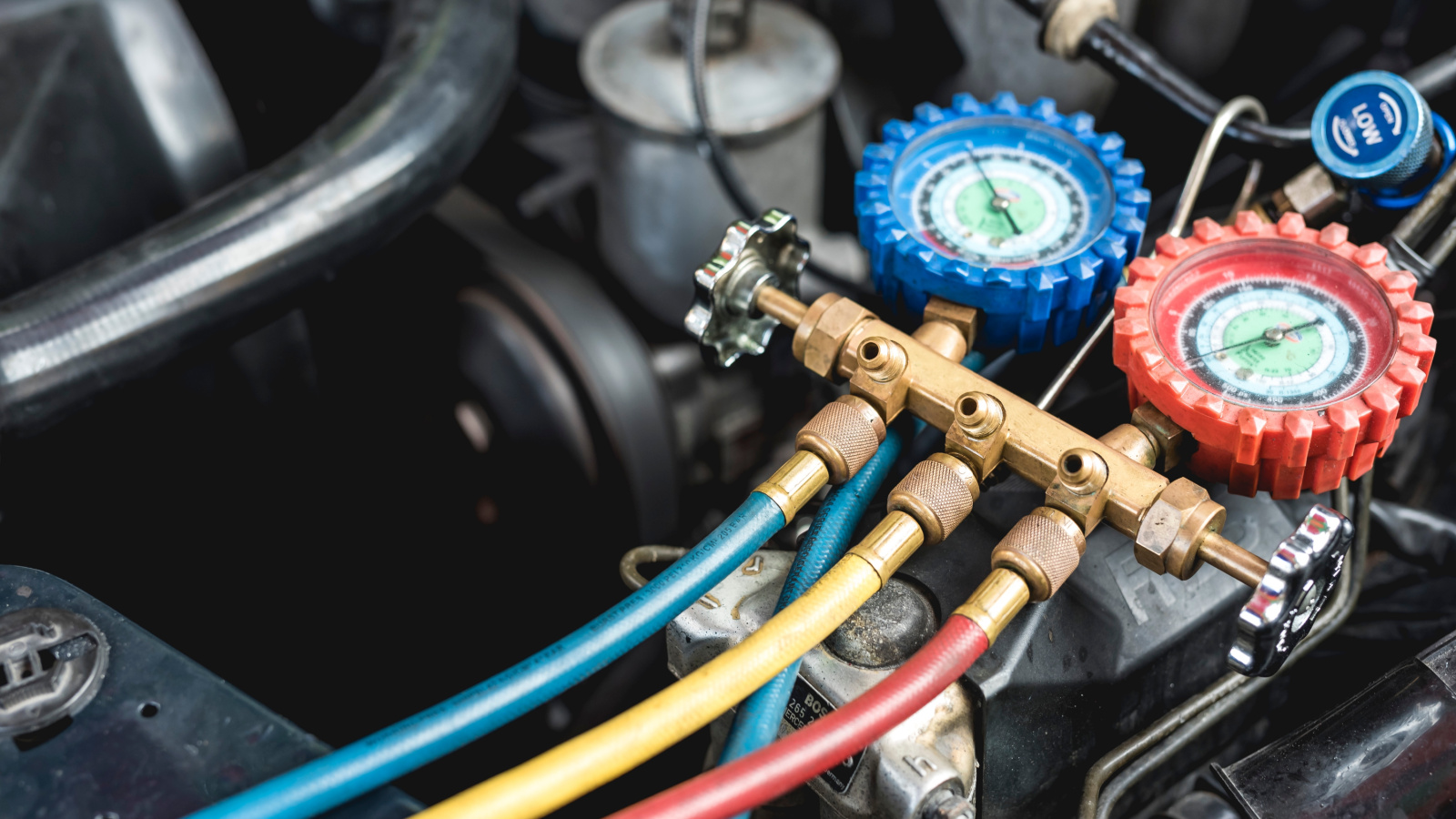
Air conditioning gets pushed down the priority list because it is framed as comfort rather than necessity. In early summer, weak cooling feels survivable. A strange compressor noise or intermittent warm air seems like something to revisit later. But A/C problems can snowball, especially when low refrigerant, a clogged filter, airflow restriction, or a struggling compressor is left unresolved. What might have been a smaller service event can become a compressor replacement or a more involved system repair that lands in serious money territory.
This is a repair Canadians often delay longer than they should because the climate creates a false sense of flexibility. After a few cool months, warm-weather problems are easy to forget. Then the first humid stretch arrives, the windshield takes longer to clear, and the system that seemed merely inconvenient suddenly matters more. AAA and Consumer Reports both note that weak airflow, warm air, and compressor-related symptoms deserve attention sooner rather than later. Drivers rarely enjoy paying for A/C work, but they enjoy it even less once a neglected system has forced the expensive component in the middle of it to fail.
Undercarriage Rust and Corrosion
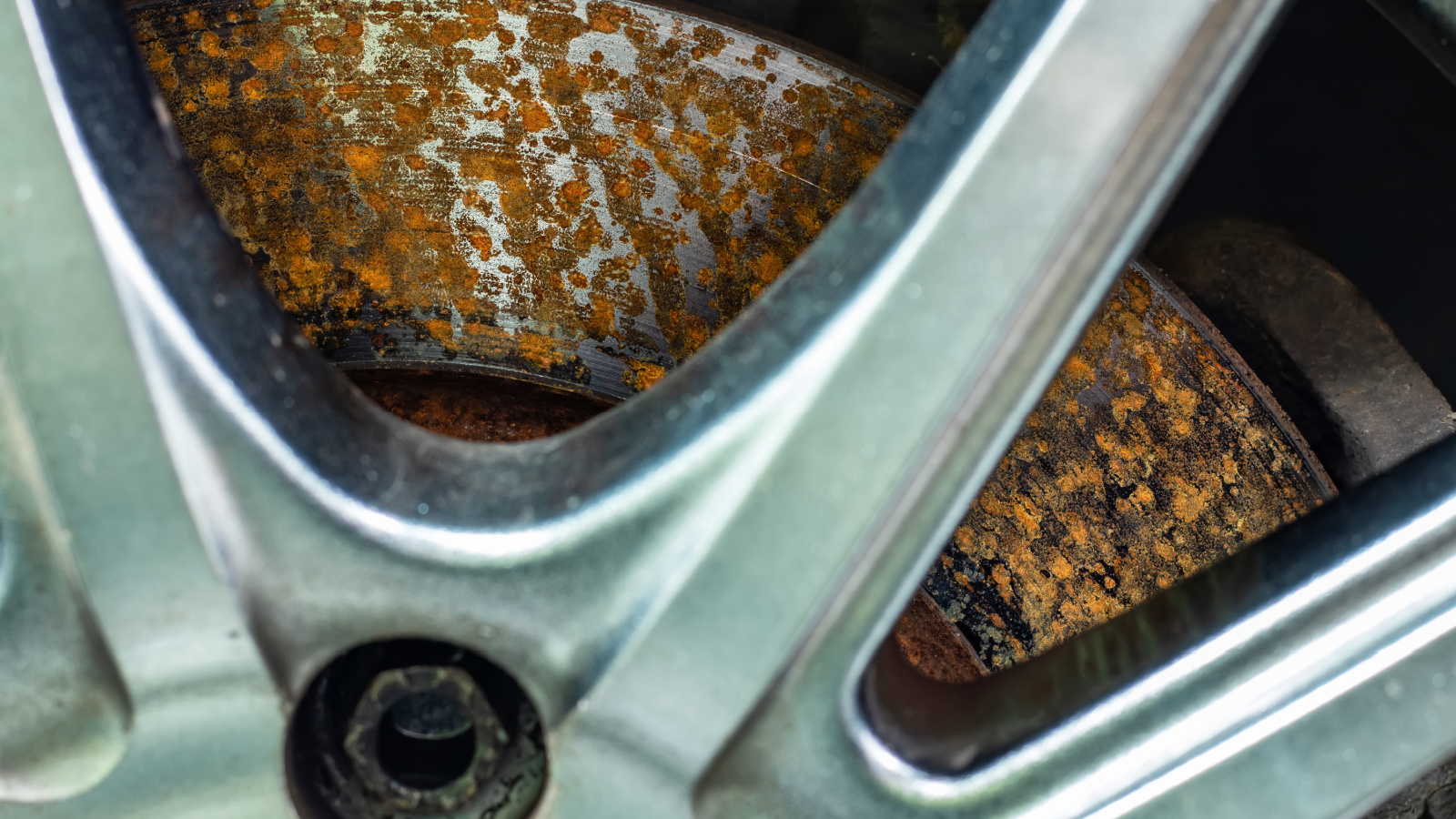
Rust is the repair people understand in theory and postpone in practice. A bit of bubbling paint, a flaky patch underneath, or a crusty-looking bracket seems cosmetic until it is not. In Canada, corrosion has a way of moving from ugly to expensive with remarkable patience. Salt exposure, moisture, and winter road treatment can attack metal quietly over years, and by the time the damage is obvious, it may involve fasteners, brake lines, subframes, fuel components, or structural mounting points that are far beyond a quick cleanup.
This is one of the most Canadian entries on the list because it is built into the environment. CARFAX Canada has noted how regional road treatment affects wear and resale, and Transport Canada’s defect records include corrosion-related failures that are much more serious than surface rust. That is the real lesson here. Corrosion is not merely about appearance or trade-in value. It can migrate into the systems drivers most need to trust. Owners often delay action because rust feels inevitable, but inevitable wear and neglected corrosion are not the same thing, and the bill certainly knows the difference.
Starter Problems
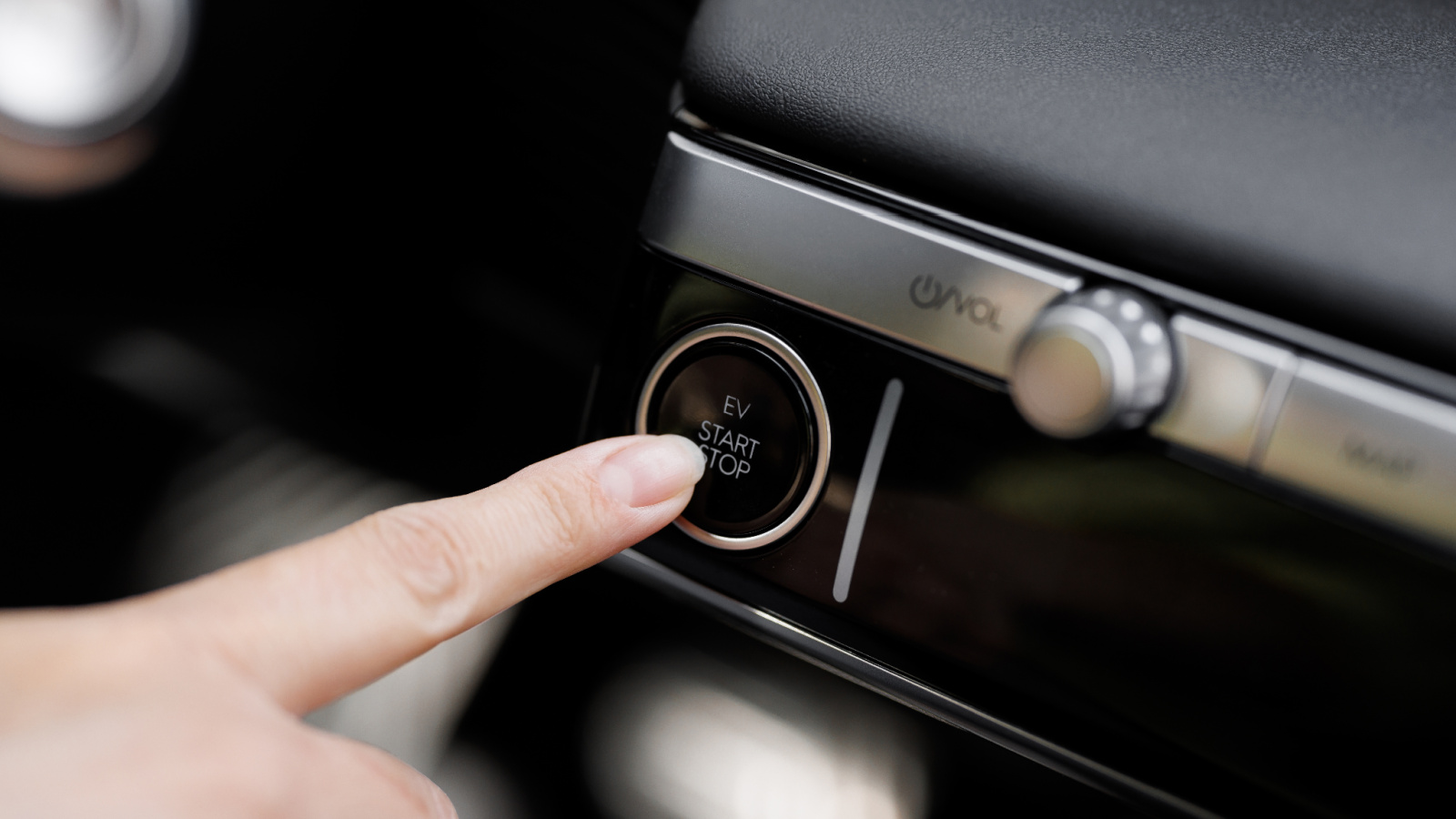
Starter trouble can masquerade as a minor electrical quirk for a while. A click instead of a crank, an occasional hesitation on startup, or a no-start that mysteriously disappears can tempt owners to keep trying their luck. Sometimes the battery gets blamed. Sometimes the car behaves well for another week and earns another postponement. Then one morning it simply refuses. By that stage, the cost may include diagnosis, towing, missed appointments, and extra labour spent separating starter failure from battery or alternator trouble.
What makes starter issues so easy to postpone is inconsistency. Unlike a flat tire or a broken windshield, the problem comes and goes until it decides not to. Canadian winters make that uncertainty harder to live with because cold weather already stresses every part of the starting routine. A driver who has been living with occasional slow or failed starts often assumes the cold is the only culprit. Then a technician explains that the underlying hardware was already weakening. The lesson is familiar by now: intermittent faults are often the ones that become expensive precisely because they gave so many chances to act earlier.
Wipers, Washer Systems, and Visibility Hardware
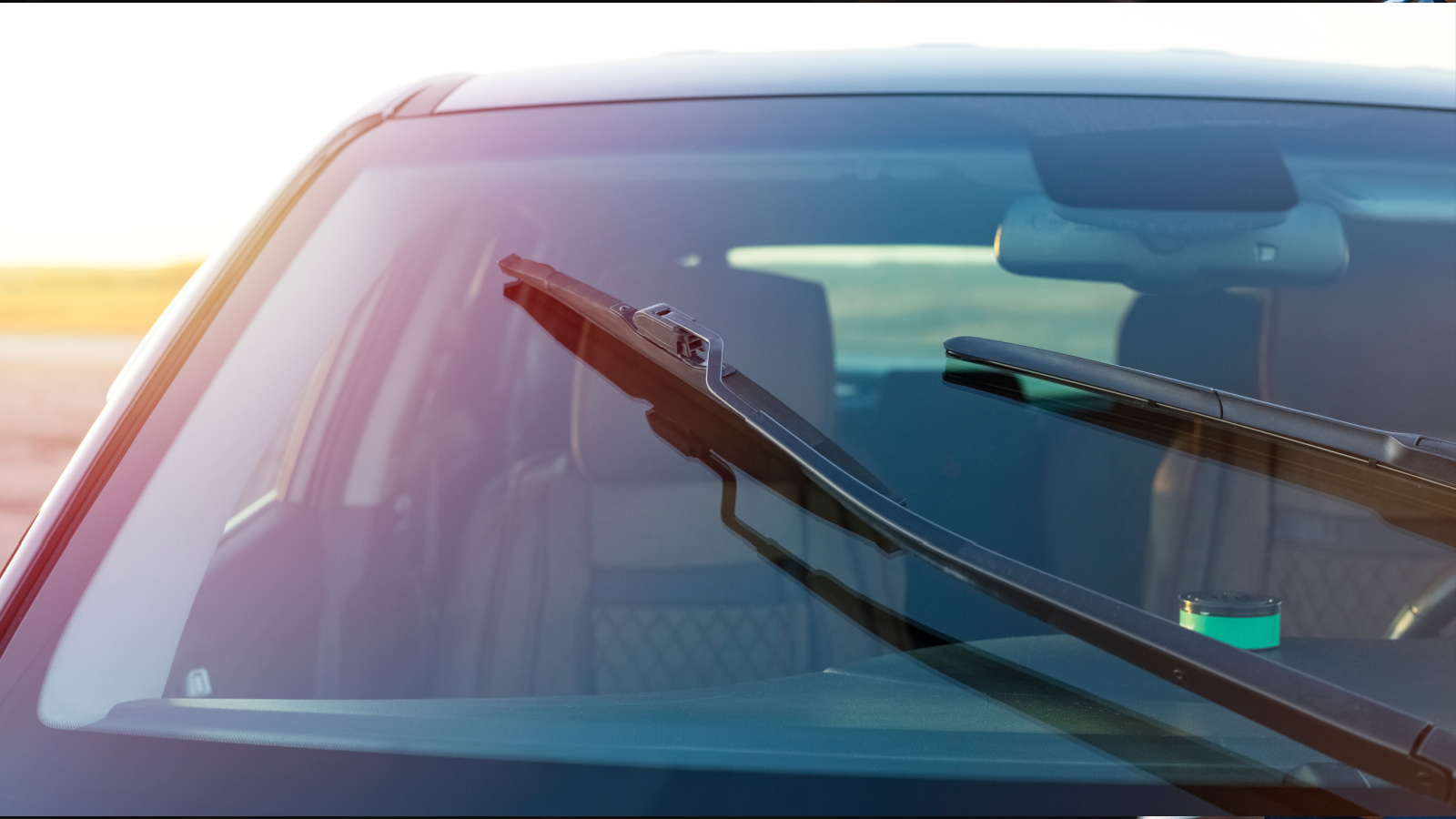
Visibility-related repairs often get treated as a nuisance category rather than a real mechanical priority. Streaking blades, weak washers, or poor spray patterns feel small compared with engine or brake issues. But this is one of those deferred-maintenance areas where cheap neglect breeds expensive consequences. Bad wipers reduce visibility, encourage drivers to use the system harder, and can leave a windshield exposed to more scratching and grime. Faulty washers matter even more on salty winter roads, when a dirty windshield can become a safety problem in minutes.
The reason this belongs on the list is not that wipers are individually ruinous. It is that drivers postpone visibility fixes until they intersect with other costs. A worn blade scratches glass. A clogged or frozen washer setup leads to risky driving. A cracked, sandblasted, or damaged windshield becomes much harder to ignore than the inexpensive service that might have kept daily visibility sharper. Car Care Council and CARFAX Canada both treat wipers and washer fluid as regular maintenance items for a reason. In Canadian conditions, these are not cosmetic luxuries. They are cheap fixes that too often get deferred until the consequences are not cheap at all.
22 Things Canadians Do to Their Cars in Spring That Mechanics Hate

Spring brings relief to many Canadian drivers after months of snow, freezing temperatures, and icy roads that put serious strain on vehicles. As temperatures rise across the country, drivers begin washing cars, switching tires, and preparing vehicles for warmer weather and upcoming road trips. However, mechanics across Canada notice the same mistakes every spring when drivers attempt to recover from winter damage. Road salt, potholes, and harsh winter driving conditions often leave vehicles with hidden problems that drivers ignore. Some spring habits even create new mechanical issues that could have been avoided with proper maintenance. Here are 22 things Canadians do to their cars in spring that mechanics hate.