


























Canada’s vehicle market is no longer being shaped by hype alone. In 2026, the models falling out of favour fastest tend to show the same warning signs: old inventory that won’t clear, resale values that slide too hard, used listings that linger, or a sudden mismatch between price and what shoppers now want. Late-2025 inventory studies, early-2026 Canadian sales reports, and 2026 value-retention outlooks all point in the same direction.
This look at 18 vehicles is built around those signals. Some are electrics getting caught in a tougher used market. Some are aging nameplates that suddenly feel obsolete. Others are still capable machines, but their pricing, packaging, or timing has started to work against them in a market where affordability matters more than ever.
Dodge Hornet Plug-In Hybrid
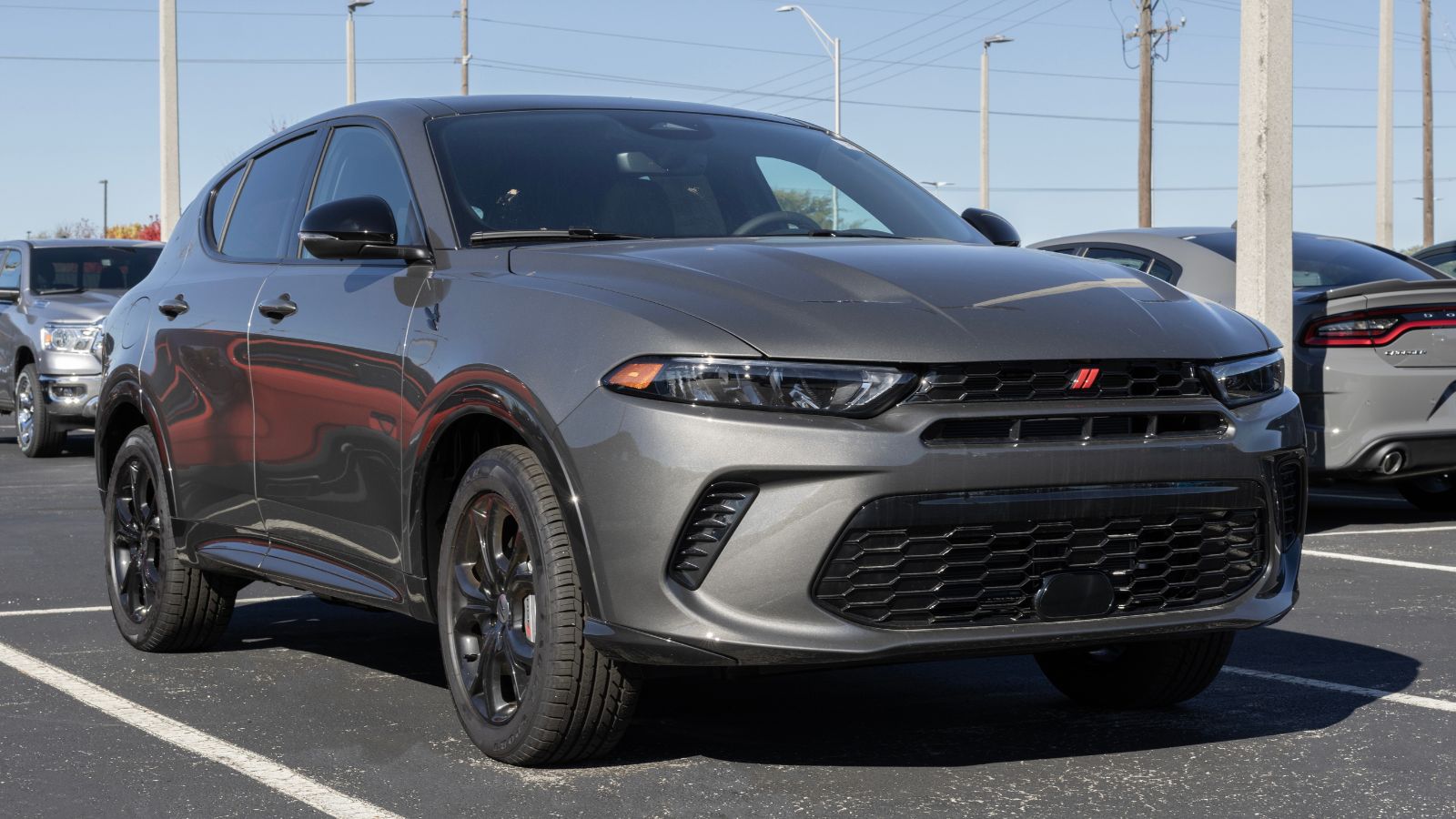
The Dodge Hornet Plug-In Hybrid has become one of the clearest examples of a vehicle the market never fully embraced at the pace Stellantis likely expected. By late 2025, iSeeCars found that 82.1% of 2024 Hornet plug-in hybrid inventory was still sitting on dealer lots, a staggering figure in a market where the overall average for leftover 2024 vehicles was just 0.4%. With an average listed price above $41,000, it landed in an uncomfortable middle ground: not cheap enough to feel like an easy buy, and not distinctive enough to overcome buyer hesitation.
That kind of inventory hangover tends to follow a model into the used market. In Canada’s 2026 environment, where buyers are still sensitive to monthly payments and long-term value, vehicles that needed heavy incentives to move when new usually struggle to inspire confidence later. The Hornet PHEV is not without merit, but it increasingly looks like the kind of purchase owners want to exit before the market discounts it even more aggressively.
Jeep Grand Cherokee
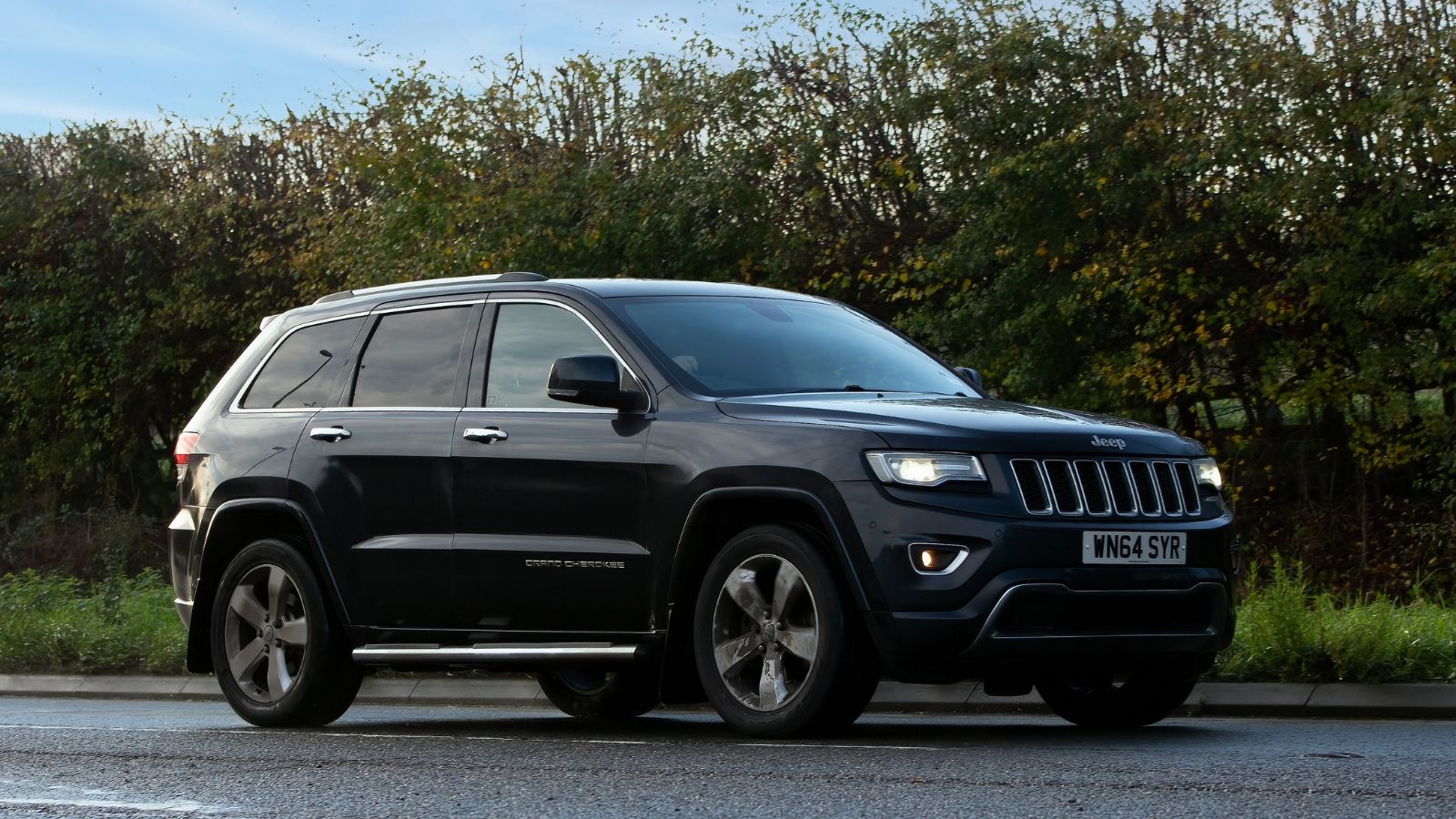
The Jeep Grand Cherokee still carries name recognition, but that does not automatically protect it when pricing outruns momentum. iSeeCars reported that 70.8% of 2024 Grand Cherokee inventory remained unsold late into the 2025 model-year transition, with an average price just over $64,000. That is an eye-catching number for a mainstream SUV, especially in a market that has become brutally selective about where buyers are willing to spend real money.
What makes that softness stand out is that it happened in one of the most important segments in Canada. Midsize SUVs are supposed to be safe bets. When a well-known badge starts backing up on lots anyway, it usually means shoppers are doing the math more carefully than brand planners expected. In 2026, the Grand Cherokee still has its strengths, but many Canadians seem less willing to pay premium money for a vehicle that now faces tougher competition from hybrids, better-value family crossovers, and newer three-row alternatives.
Alfa Romeo Tonale Hybrid

The Alfa Romeo Tonale Hybrid entered the market with style and novelty on its side, but those qualities have not been enough to create dependable staying power. iSeeCars found that 46.8% of 2024 Tonale Hybrid inventory was still leftover, with an average price near $52,000. That is a serious amount of unsold metal for a compact luxury-leaning crossover that was supposed to help modernize Alfa Romeo’s image.
The problem is not that the Tonale is invisible. It is that it asks buyers to make a leap of faith in a market that has moved in the opposite direction. Canadians shopping in 2026 are increasingly rewarding vehicles with proven resale strength, familiar dealer networks, and clearer ownership economics. The Tonale feels like a product that appeals quickly but holds onto fewer shoppers by the time the financials are on paper. That makes it the sort of vehicle owners may want to move on from before depreciation and discounting do the decision-making for them.
Chevrolet Malibu
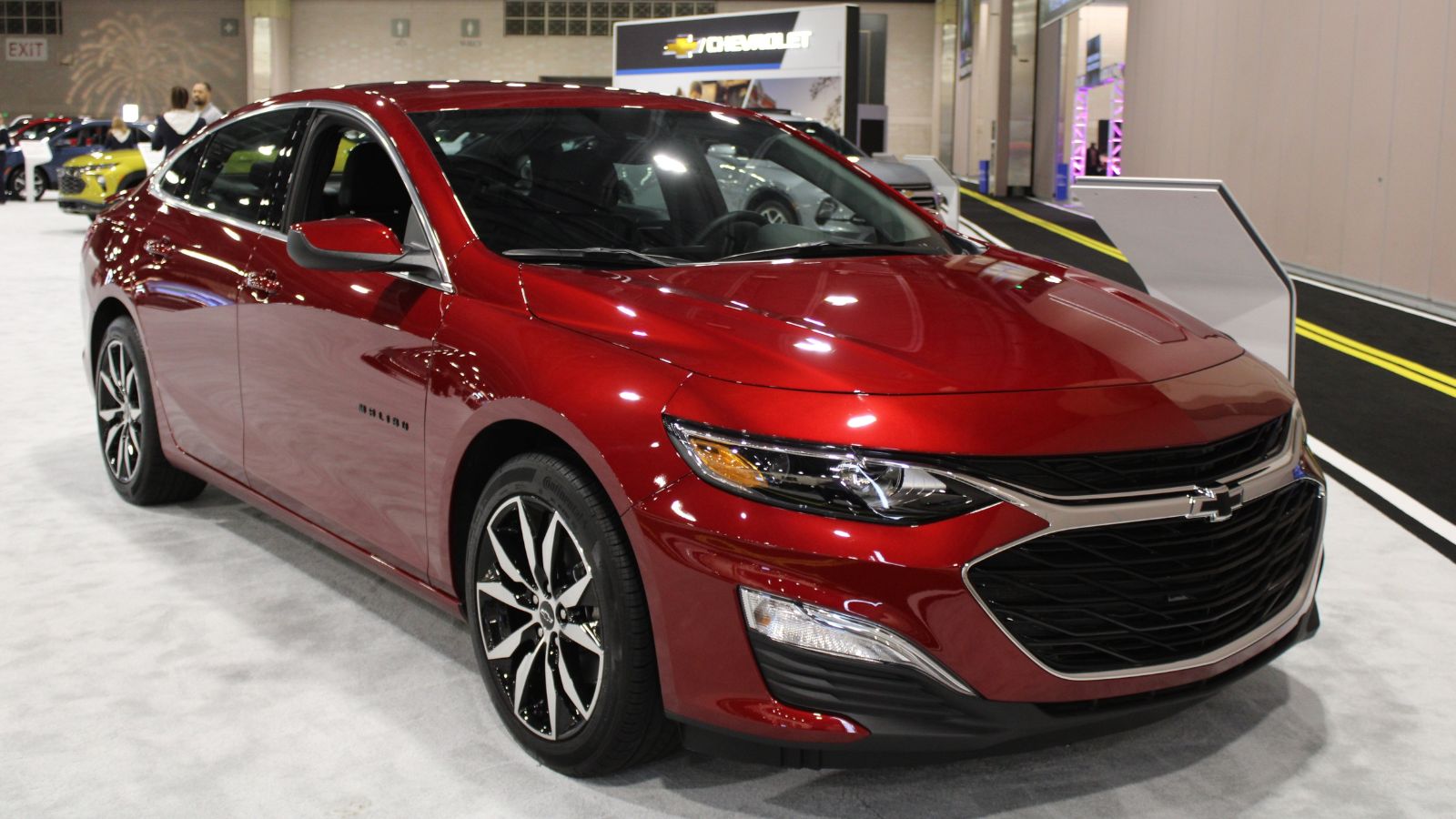
There was a time when the Chevrolet Malibu represented the dependable middle of the market. In 2026, it looks more like a fading remnant of a shrinking sedan category. iSeeCars still found 31.0% of 2024 Malibu inventory sitting unsold, and Canadian sales data have turned even harsher. GM’s first-quarter 2026 results for Canada showed Malibu deliveries collapsing 92.61% year over year, to just 19 units. That is not a soft patch. That is a near-disappearance.
Once a car reaches that stage, perception changes fast. Buyers start to see it less as a bargain and more as a stranded product from a category the market has largely left behind. For current owners, that can create a quiet urgency: trade it while there is still some familiarity and before it becomes even more invisible. The Malibu is still practical transportation, but in 2026 it feels like something Canadians are not just overlooking. They are actively moving away from it.
Jeep Wrangler 4xe
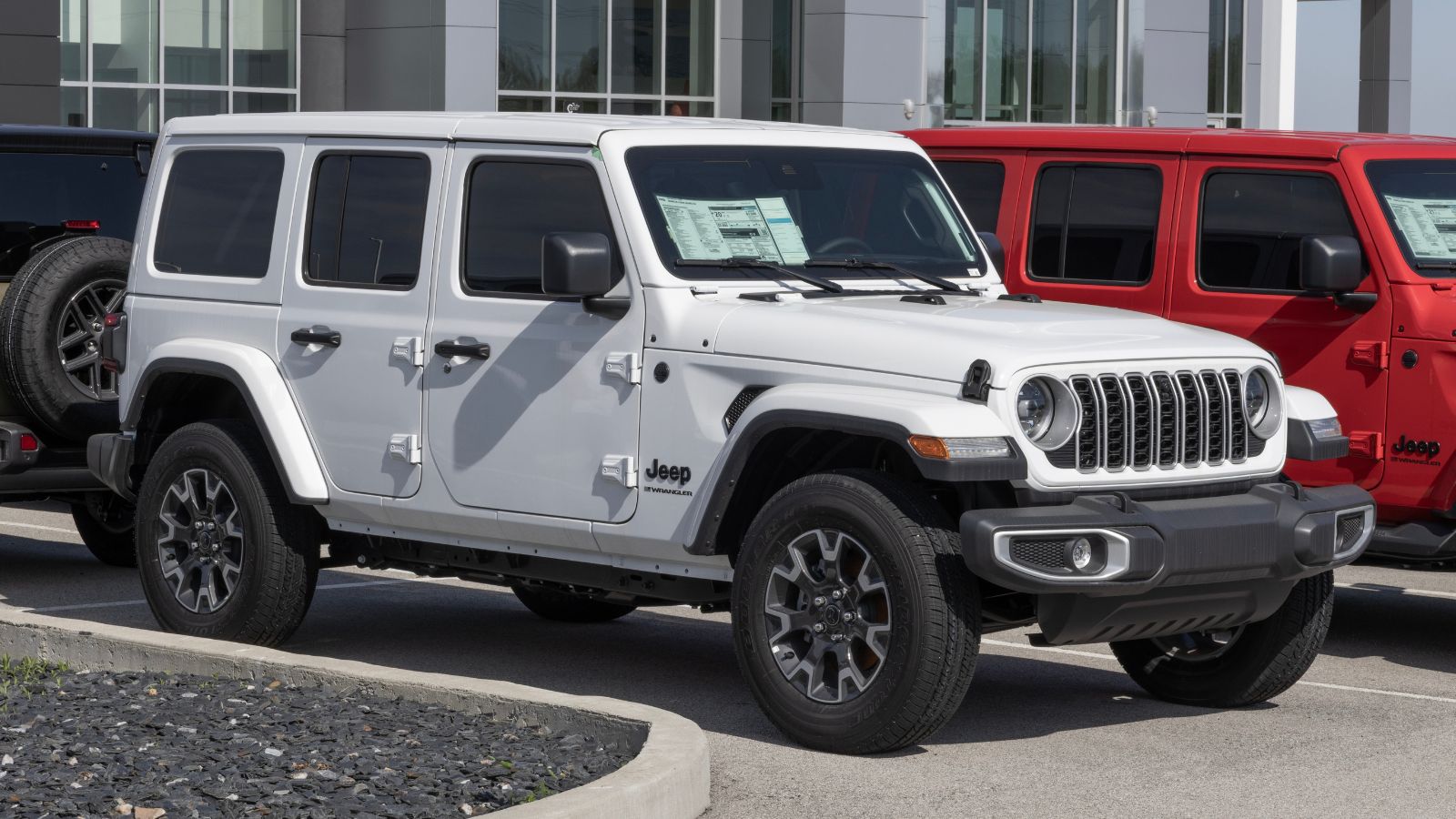
The Wrangler 4xe still benefits from the Wrangler mythos, but even icons are not immune to market fatigue when the price climbs too high. iSeeCars found that 18.2% of 2024 Wrangler plug-in hybrid inventory remained unsold, with an average price above $60,700. For a vehicle whose emotional pull has always mattered as much as its specs, that kind of leftover stock hints that the formula is becoming harder to justify for everyday buyers.
In Canada, that tension gets sharper. The Wrangler 4xe asks shoppers to pay a premium for a very specific lifestyle promise, at a time when affordability remains the defining issue in the vehicle market. For some owners, the appeal of removable doors and trail credibility begins to fade once insurance, financing, and day-to-day practicality take center stage. That does not mean the 4xe suddenly lost its fan base. It means the pool of people willing to absorb its compromises appears smaller, which is often how a “must-have” vehicle turns into an early trade-in.
Cadillac XT4
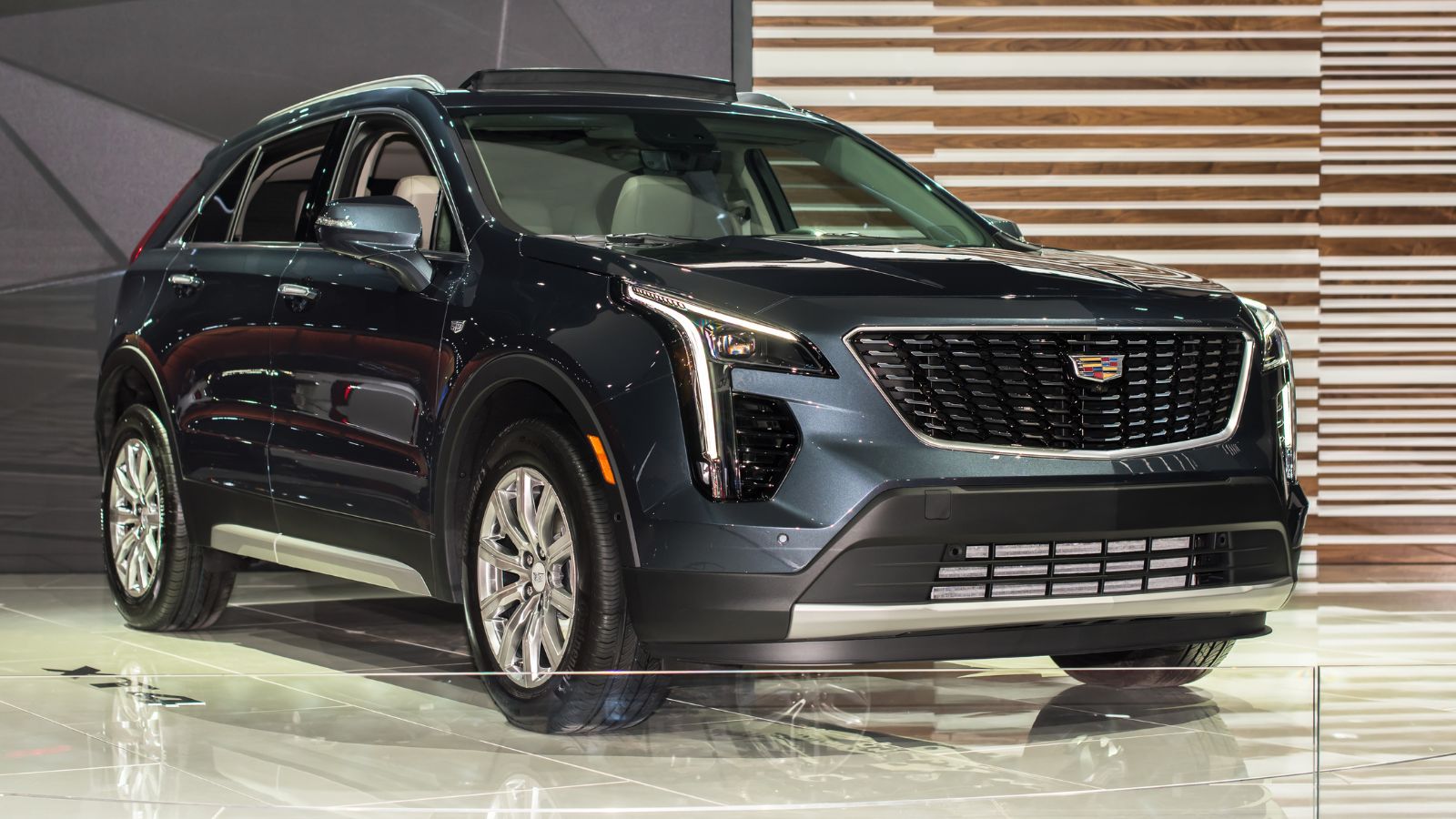
The Cadillac XT4 is showing what happens when a model loses momentum almost all at once. iSeeCars listed it among leftover 2024 SUVs at 11.9%, then also placed it on its list of vehicles discontinued as of 2025. In Canada, the numbers turned especially dramatic: GM reported that XT4 sales fell 99.80% in the first quarter of 2026, dropping to just two units from 1,015 a year earlier.
When a vehicle falls that hard that fast, the market tends to treat it differently. Even shoppers who liked the size or badge start worrying about relevance, future demand, and whether the best moment to sell is right now instead of six months from now. The XT4 is a useful reminder that not every vehicle exits with grace. Some simply lose their place in the conversation. In 2026, this one looks less like a compact luxury contender and more like a nameplate owners may want to clear out before the market forgets it entirely.
Nissan Titan XD
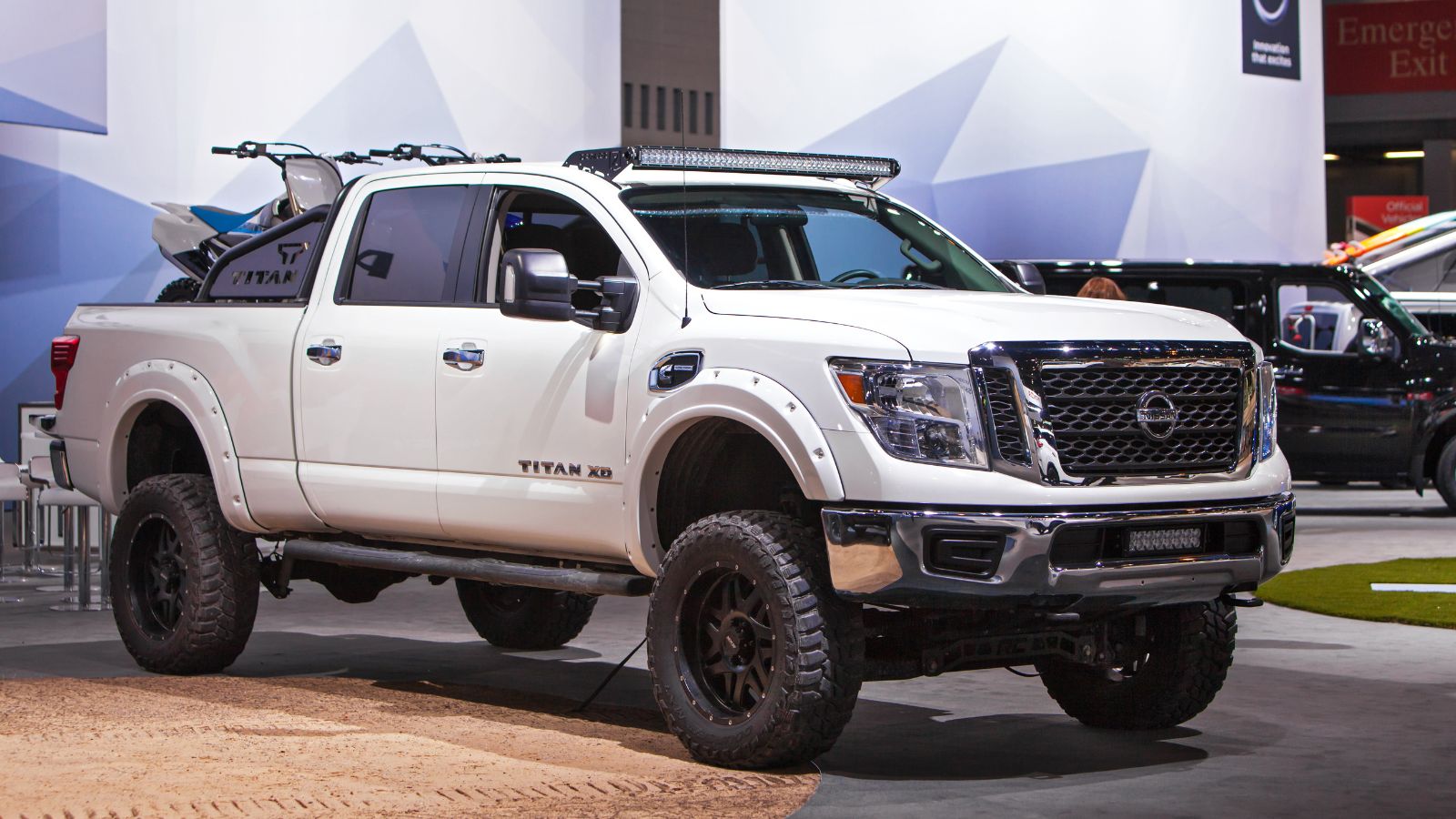
The Nissan Titan XD has never been short on toughness, but the used market has made it clear that toughness alone is not enough anymore. iSeeCars ranked it the slowest-selling used vehicle in its study, taking an average of 106.6 days to sell. Its average used price was still more than $40,500, which means it was not just sitting because it was cheap old inventory. It was sitting because buyer demand was not lining up with what sellers expected.
That is usually a bad sign for confidence. Once a used truck needs more than three months to move, owners start to read the market differently. Instead of thinking about how capable it is, they start thinking about how hard it might be to unload later. In Canada, where truck buyers tend to be value-conscious and brand-loyal, that kind of sluggish turnover makes the Titan XD feel more like an outsider than an alternative. Vehicles get ditched faster when owners sense the next buyer is getting harder to find, and the Titan XD fits that pattern.
Nissan Titan
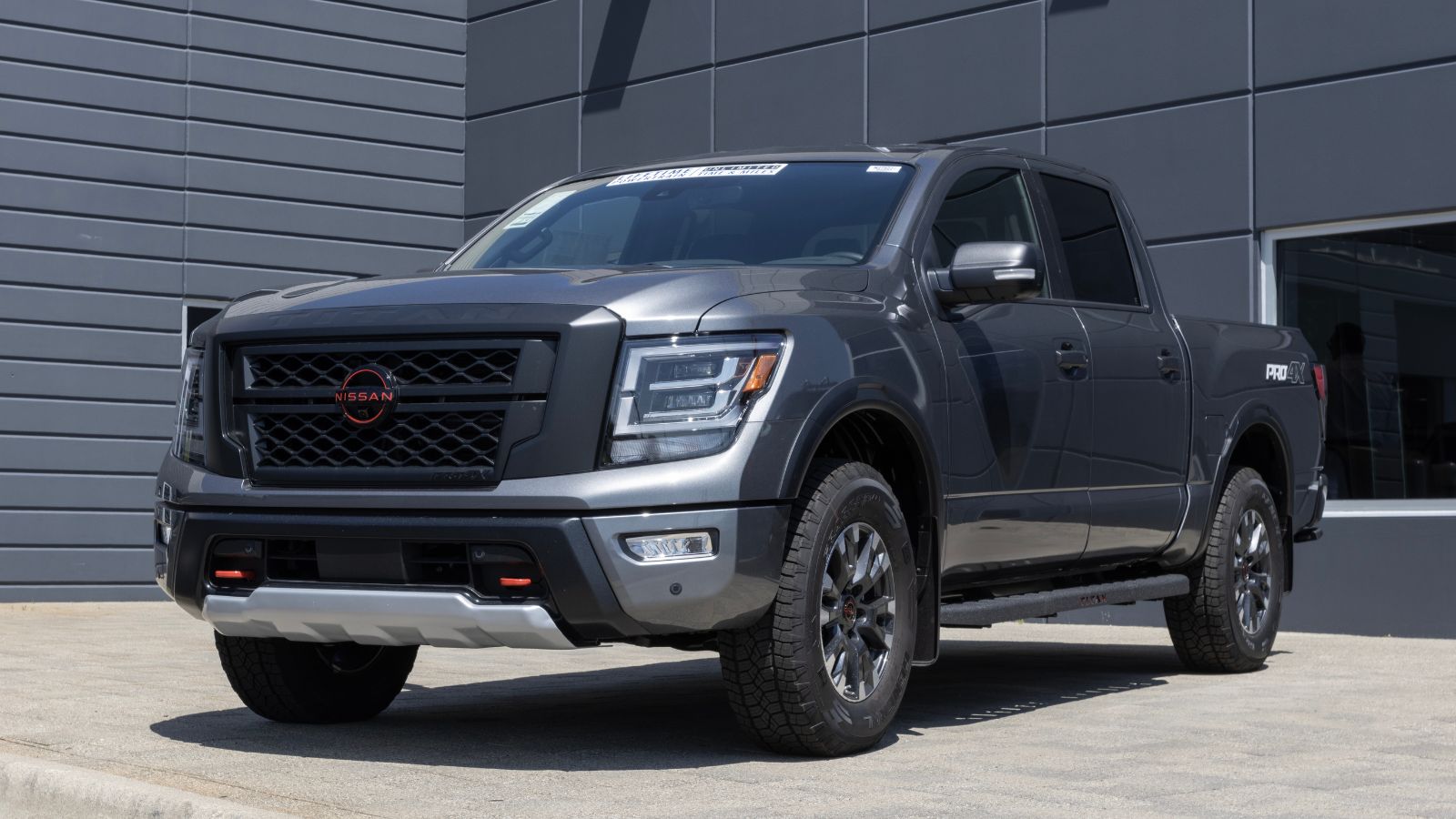
The standard Nissan Titan is in a similar position, just slightly less extreme. iSeeCars found it took 90.6 days on average to sell as a used vehicle, with an average price of $37,869. For a full-size pickup, that is a long wait. This is a segment where strong-nameplate trucks often move with far more urgency because buyers tend to know exactly what they want and what they trust.
That hesitation tells a larger story than sales totals alone. Pickup owners usually tolerate a lot when they believe a truck will hold value, attract the next buyer, and stay relevant in the market conversation. The Titan no longer seems to offer that confidence. Even when the spec sheet remains respectable, perception matters. By 2026, the Titan feels like the truck many owners would rather trade a little early than hold a little too long. Once that psychology sets in, a vehicle can fall out of favour faster than its actual capability would suggest.
Nissan Maxima
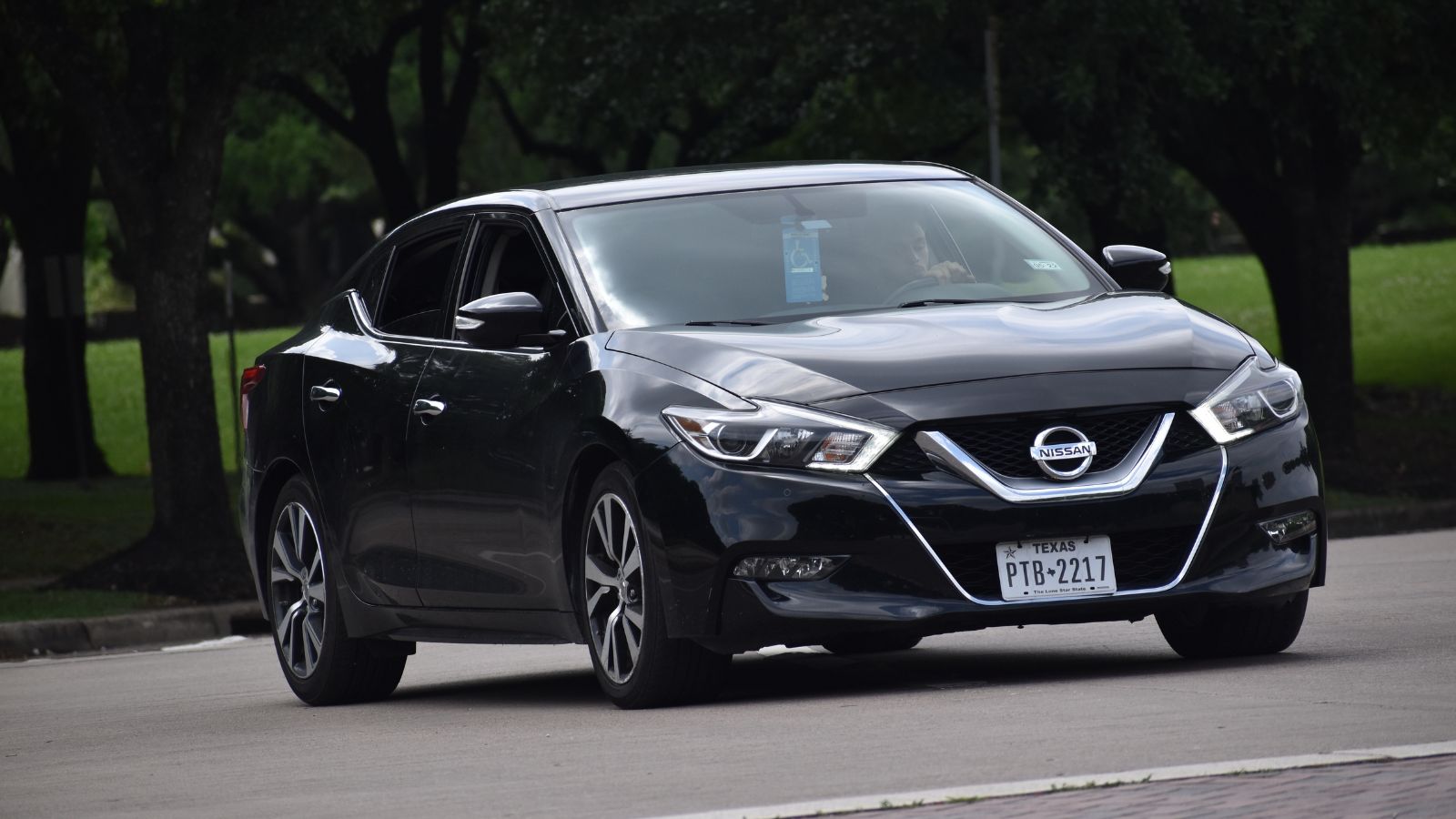
The Nissan Maxima always had a loyal following because it mixed real power with big-sedan comfort, but the market has moved on more quickly than the legend has. iSeeCars found the Maxima took an average of 84.9 days to sell on the used market, at roughly $27,162. For a sedan with a once-distinct reputation, that is a sign that nostalgia is not translating cleanly into demand.
The issue is not that the Maxima became a bad car. It is that the conditions that once made it feel special have weakened. Sedans have been squeezed by crossovers for years, and large non-luxury sedans have had an especially hard time holding cultural relevance. In 2026, the Maxima reads as one of those vehicles owners respect but still move on from because the market no longer rewards what it does best. That creates a quiet but powerful incentive to sell while the badge still means something to a shrinking pool of buyers.
Nissan Murano
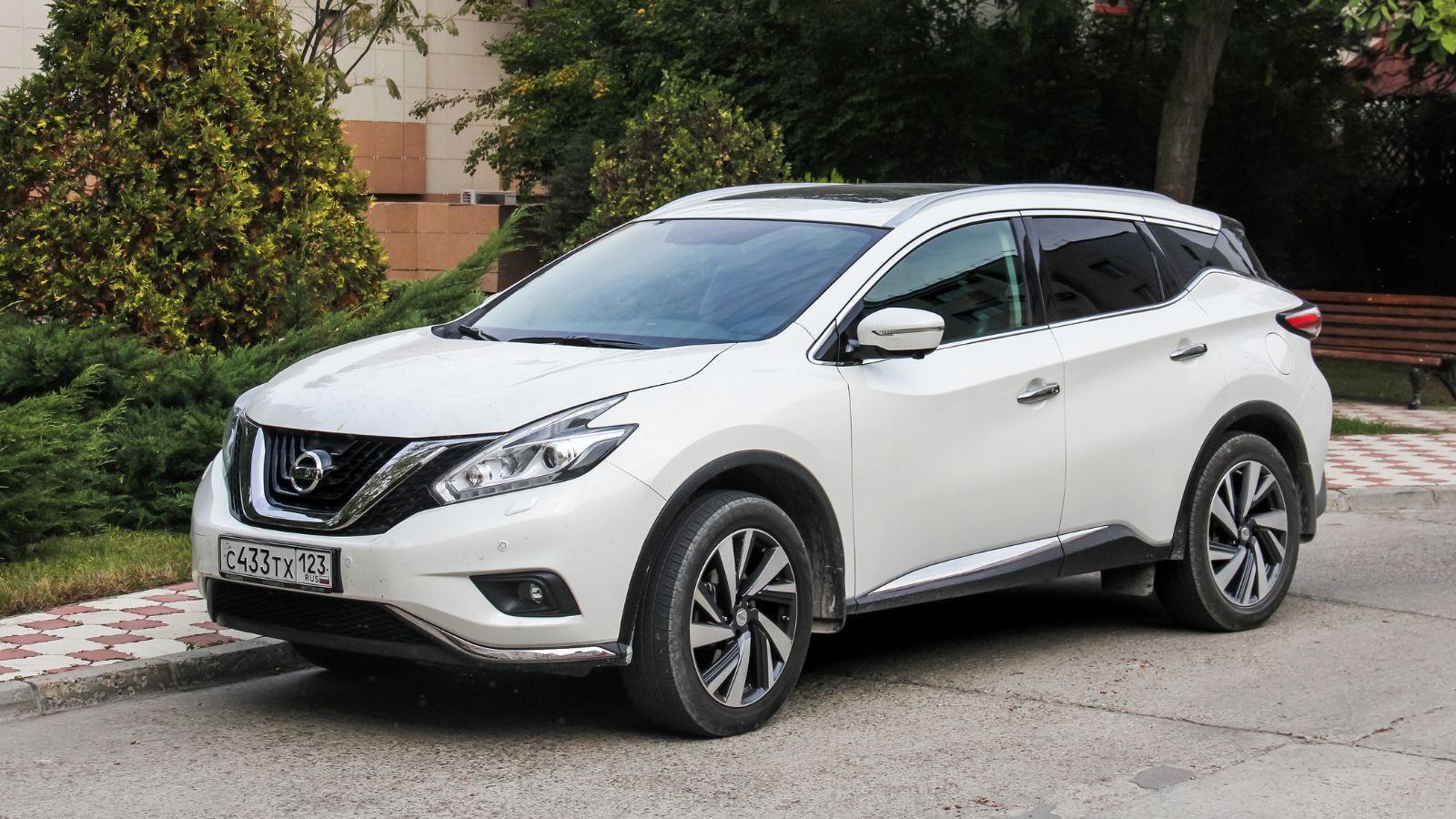
The Murano used to stand out as a more stylish alternative in the two-row midsize crossover class. Today, it looks like a vehicle caught between eras. iSeeCars ranked it fourth among the slowest-selling used vehicles, requiring 81.6 days on average to move, with a typical used price of $29,036. That is a meaningful red flag in a segment where practical family crossovers are usually supposed to sell without much drama.
When a model lingers that long, it usually means buyers have found too many fresher options with stronger value stories. The Murano still has comfort and familiarity on its side, but comfort alone is no longer enough in a market where shoppers can compare tech, efficiency, and resale with a few taps. In Canada’s 2026 environment, vehicles that feel merely fine tend to get punished. The Murano is not collapsing in one spectacular way. It is slipping through the cracks, and that is often how a once-solid crossover becomes something owners decide to unload sooner than expected.
Ford Edge
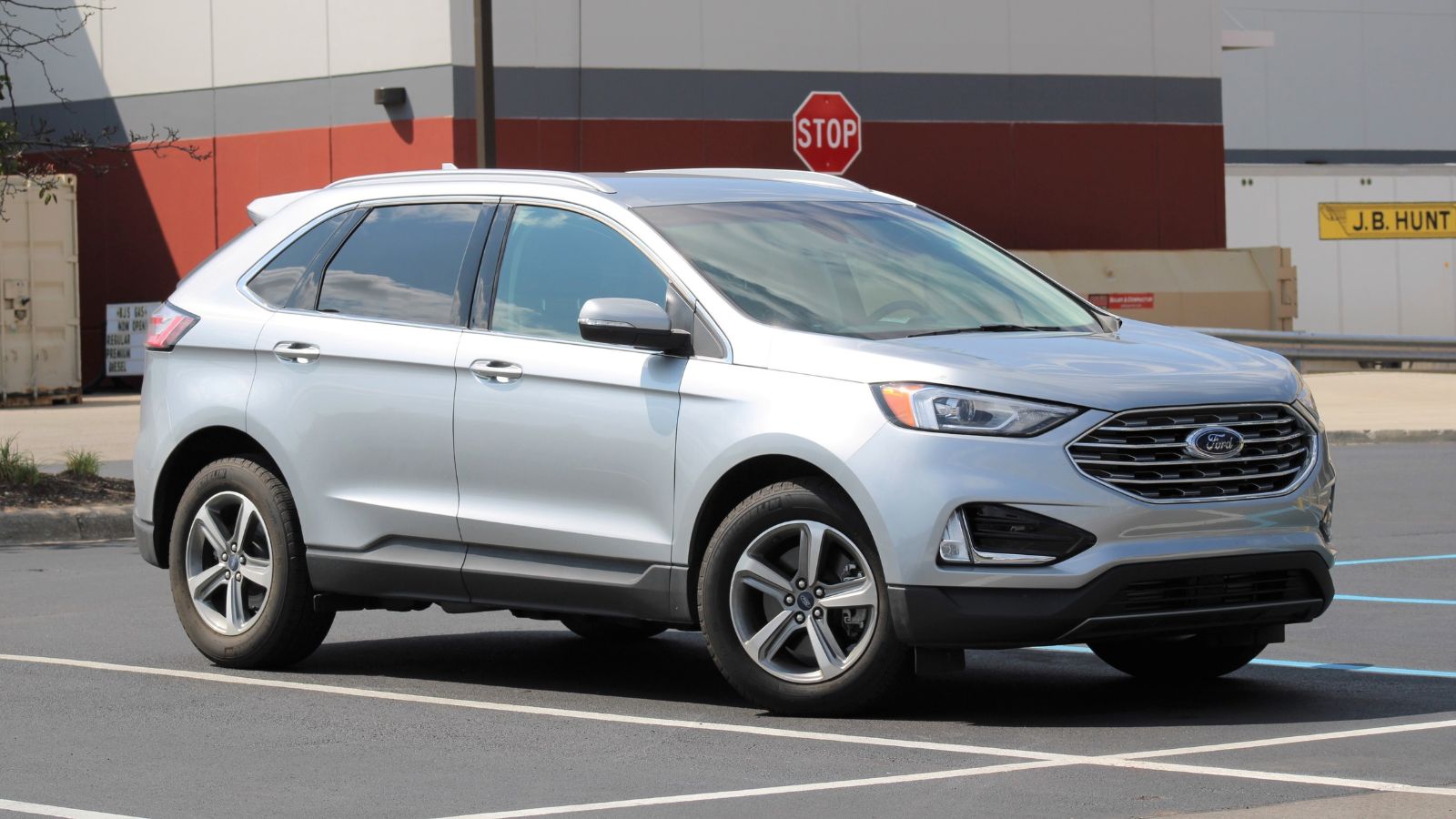
The Ford Edge is a textbook case of what happens when a product begins exiting the stage while the market is still deciding how much it cares. iSeeCars found that used Ford Edge models took an average of 64.2 days to sell, compared with an overall used-vehicle average of 52.1 days in the same study. On top of that, Ford’s own Edge site was turned into a farewell page stating that Edge SUV production had ended and the model was being discontinued in 2025.
That combination changes buyer psychology quickly. Even if the vehicle itself still works well for plenty of owners, a discontinued crossover with slower used turnover starts to feel like a clock is ticking. Owners know the product no longer has a future story, and future story matters in the resale market. For Canadian households that bought the Edge as a rational family SUV, that can be enough to trigger an earlier move into something with clearer long-term support, stronger momentum, or simply fresher appeal.
Tesla Model X
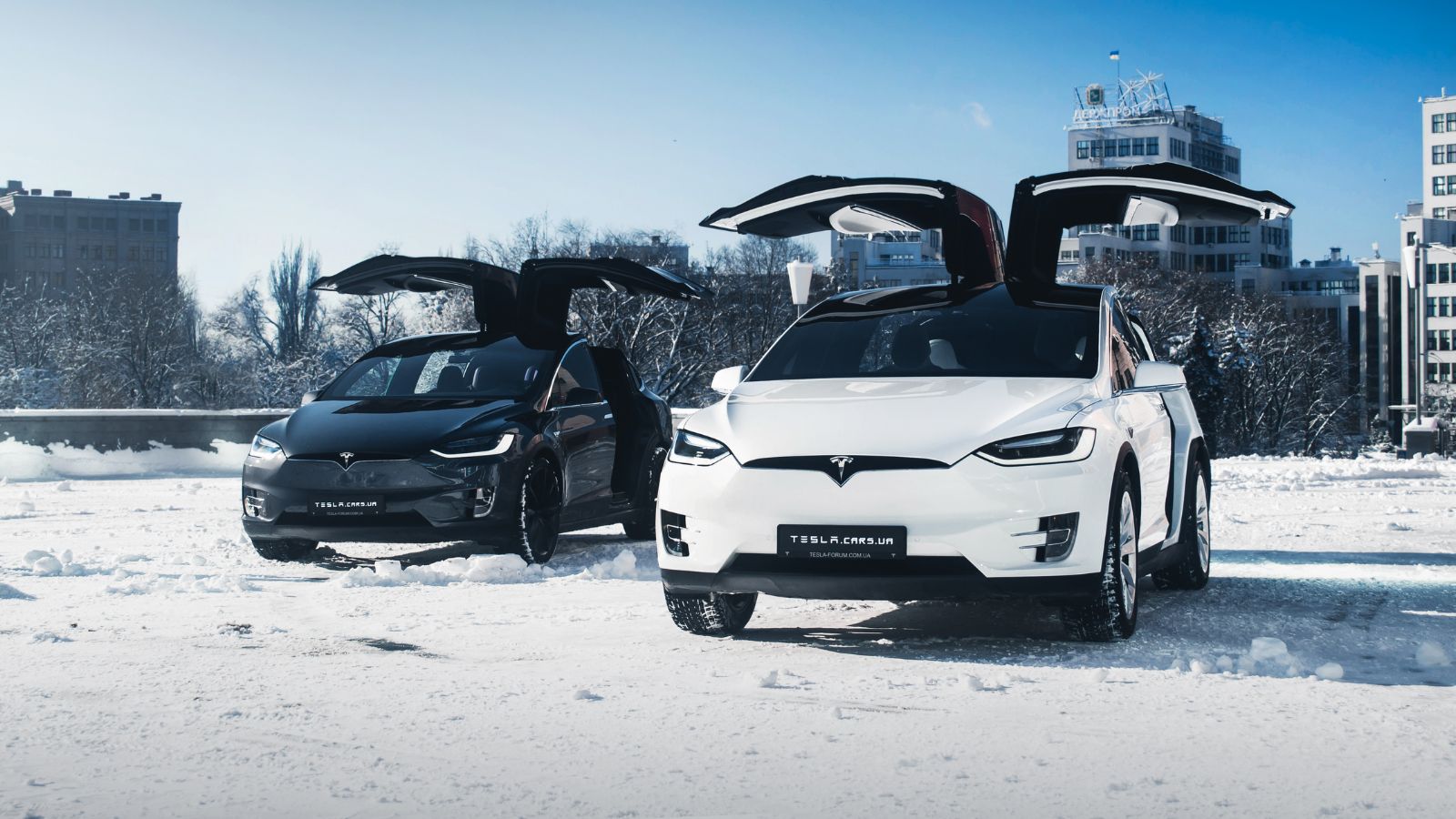
The Tesla Model X remains one of the most recognizable EVs on the road, but its value-retention story has become difficult to ignore. iSeeCars found that it depreciates 61.2% over five years, equivalent to about $61,216 in lost value. In its midsize SUV ranking, that put the Model X at the very top for depreciation, far above the segment’s average dollar loss of $20,820.
In 2026 Canada, that matters more than it might have a few years ago. Canadian Black Book expects used EV supply to rise as off-lease units return, and that usually creates more price pressure on premium electrics first. The Model X still offers theater, speed, and unmistakable presence, but the used market has become far less willing to pay for that drama at anything close to original pricing. For owners watching the numbers, the temptation is obvious: move it before the next wave of EV inventory makes a steep depreciation curve look even steeper.
Tesla Model S
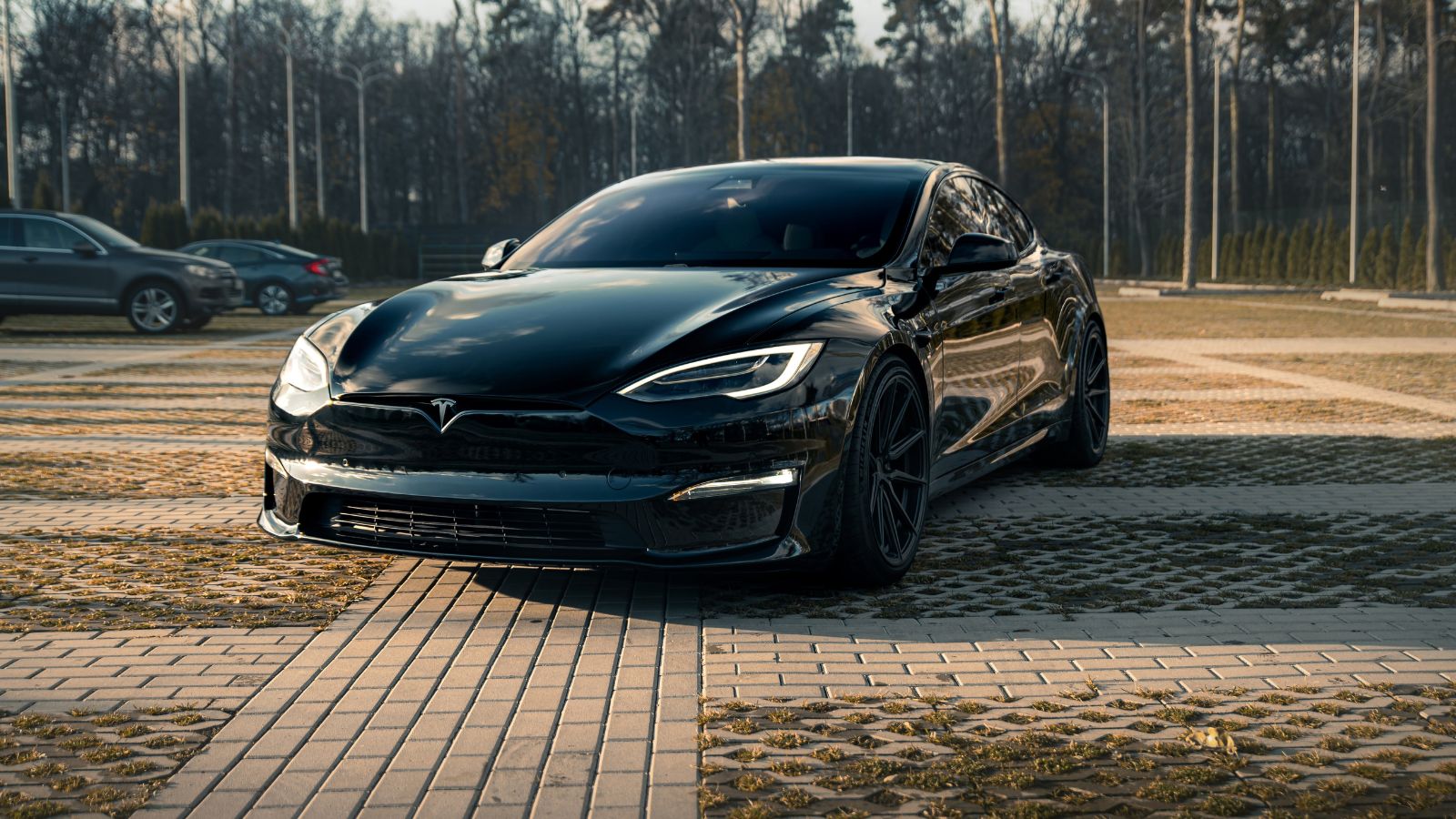
The Tesla Model S helped redefine what an EV could be, but being a pioneer does not guarantee a graceful aging curve. iSeeCars ranked it fourth among all vehicles for five-year depreciation at 62.0%, with average lost value of $58,907. That is a massive erosion of purchase price for a car that was once seen as the future in motion.
Part of the issue is that the used market treats high-tech prestige differently than the new market does. Luxury buyers may be thrilled by fresh innovation, but used buyers tend to be much colder. They think about replacement costs, software-era obsolescence, newer alternatives, and whether a less expensive EV can cover the same real-world use. In Canada’s 2026 reset, where EV economics are becoming more fragmented and value-conscious, the Model S increasingly looks like a vehicle owners may prefer to exit while the badge still carries status, before it starts reading more like a very expensive old tech product.
Volkswagen ID.4
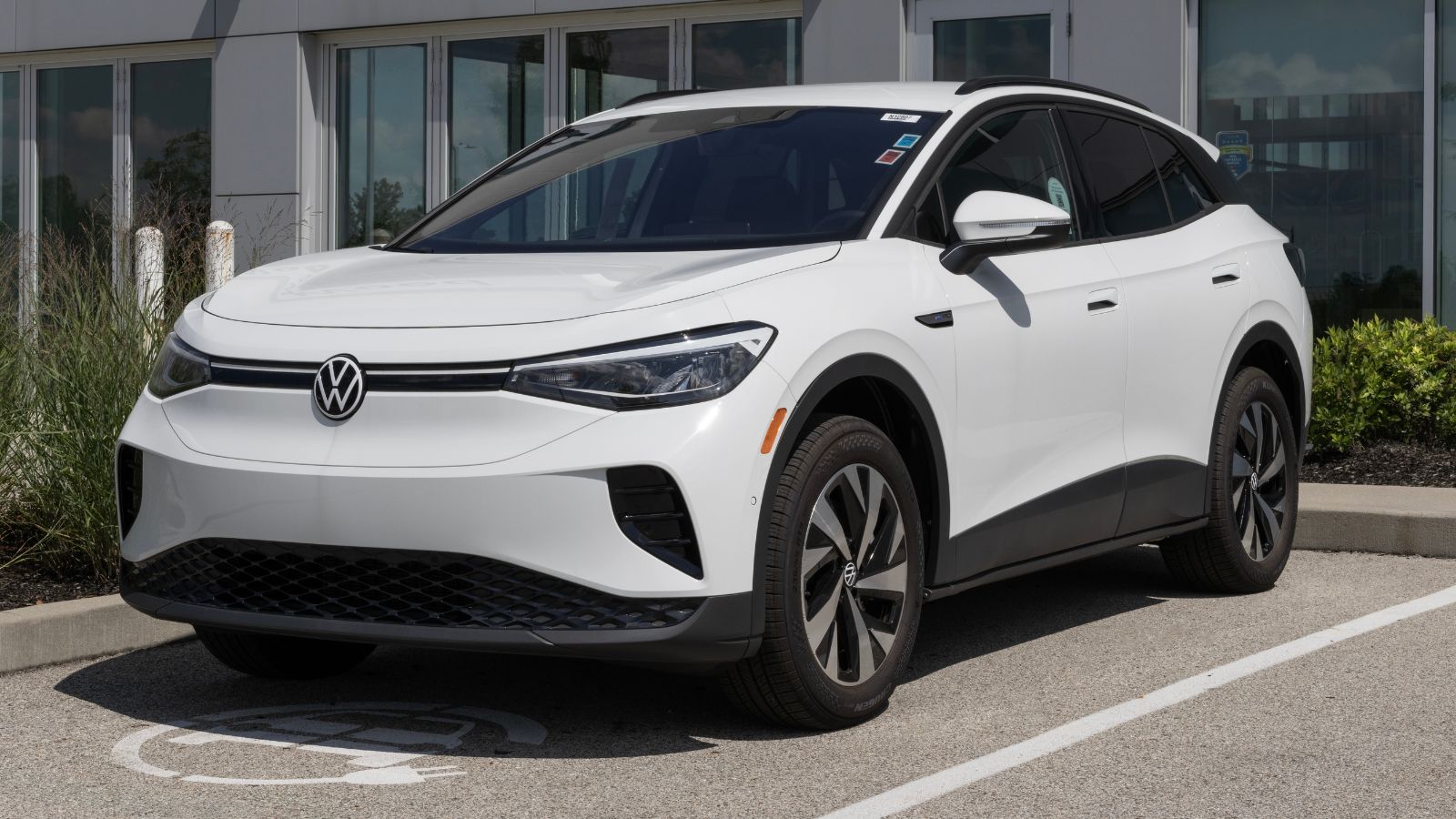
The Volkswagen ID.4 sits in an awkward 2026 middle. It is mainstream enough to invite comparison-shopping, but its used-market performance has been rough. iSeeCars found five-year depreciation of 62.1%, or roughly $28,010 in lost value, placing it among the hardest-depreciating vehicles in the market. It also showed up on the leftover 2025 EV inventory list, where 59.1% of model-year stock was still available, with an average price of $51,356.
Those are not the numbers of a product with effortless demand. For Canadian shoppers, the bigger issue is timing. The EV category is broadening, incentives have changed, and used electric supply is set to rise. That makes it harder for a model like the ID.4 to command patience from owners who worry that a soft resale environment could get softer. It still makes sense as transportation, but transportation alone is not what protects a vehicle in a cooling market. Momentum does, and the ID.4 has not had enough of it.
Nissan LEAF
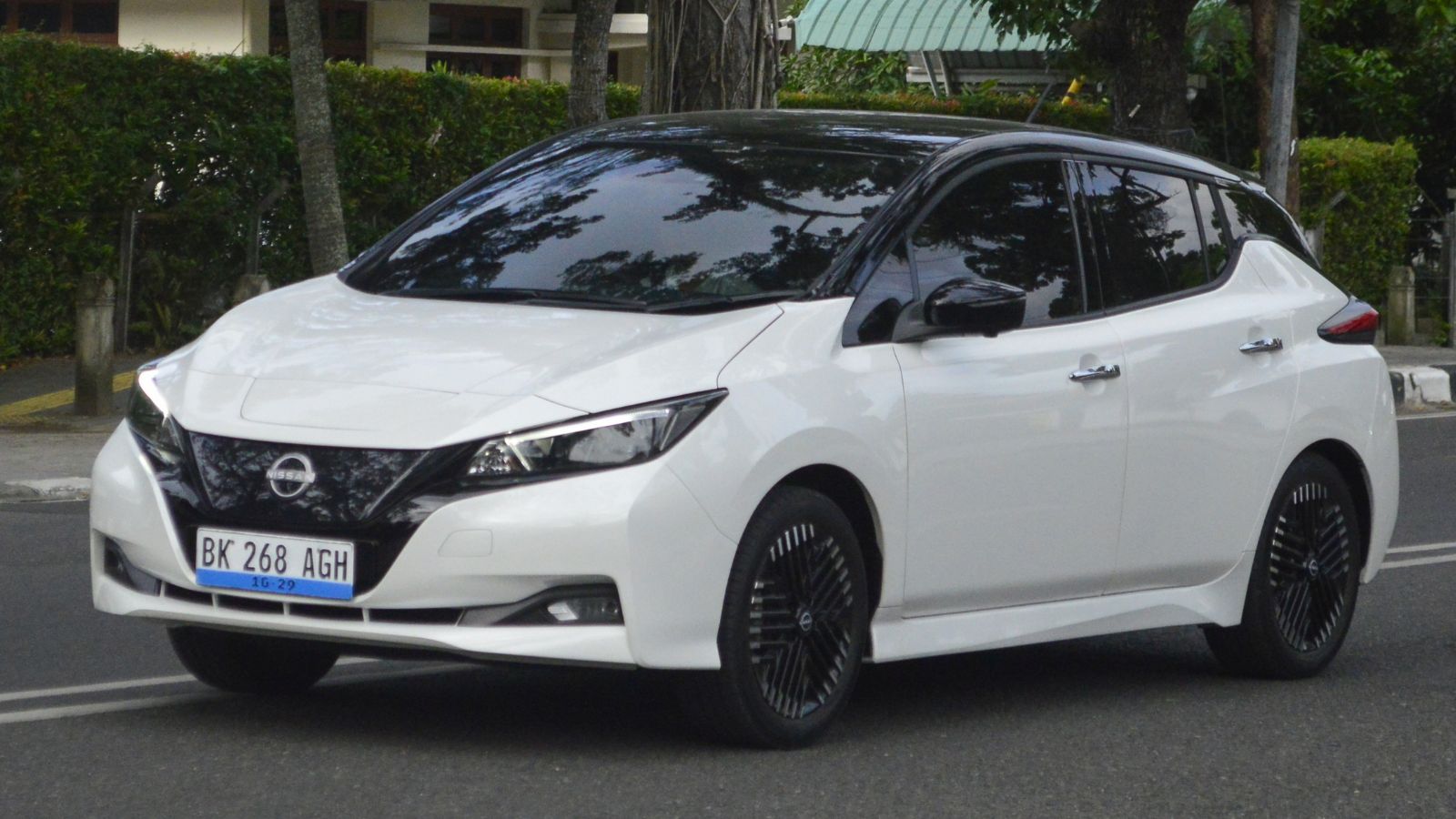
The Nissan LEAF deserves respect for arriving early, but early is not always rewarded forever. iSeeCars ranked it as the single highest-depreciating vehicle in percentage terms, losing 63.1% of its value over five years, even if the average dollar loss was a more modest $17,743. That is a remarkable figure for a nameplate once associated with accessible EV ownership. At the same time, Nissan has already moved ahead with an all-new 2026 LEAF for Canada, making older versions feel even more visibly dated.
That is often how owners start to rethink a vehicle quickly. It is not only about what the car is, but what it suddenly looks like next to what is coming. In 2026, older LEAFs face both a fresh replacement and a more crowded used EV field. For many Canadians, that combination makes hanging on harder to justify. The LEAF helped open the door, but the market is now treating many earlier examples like yesterday’s technology rather than a lasting value play.
INFINITI QX60
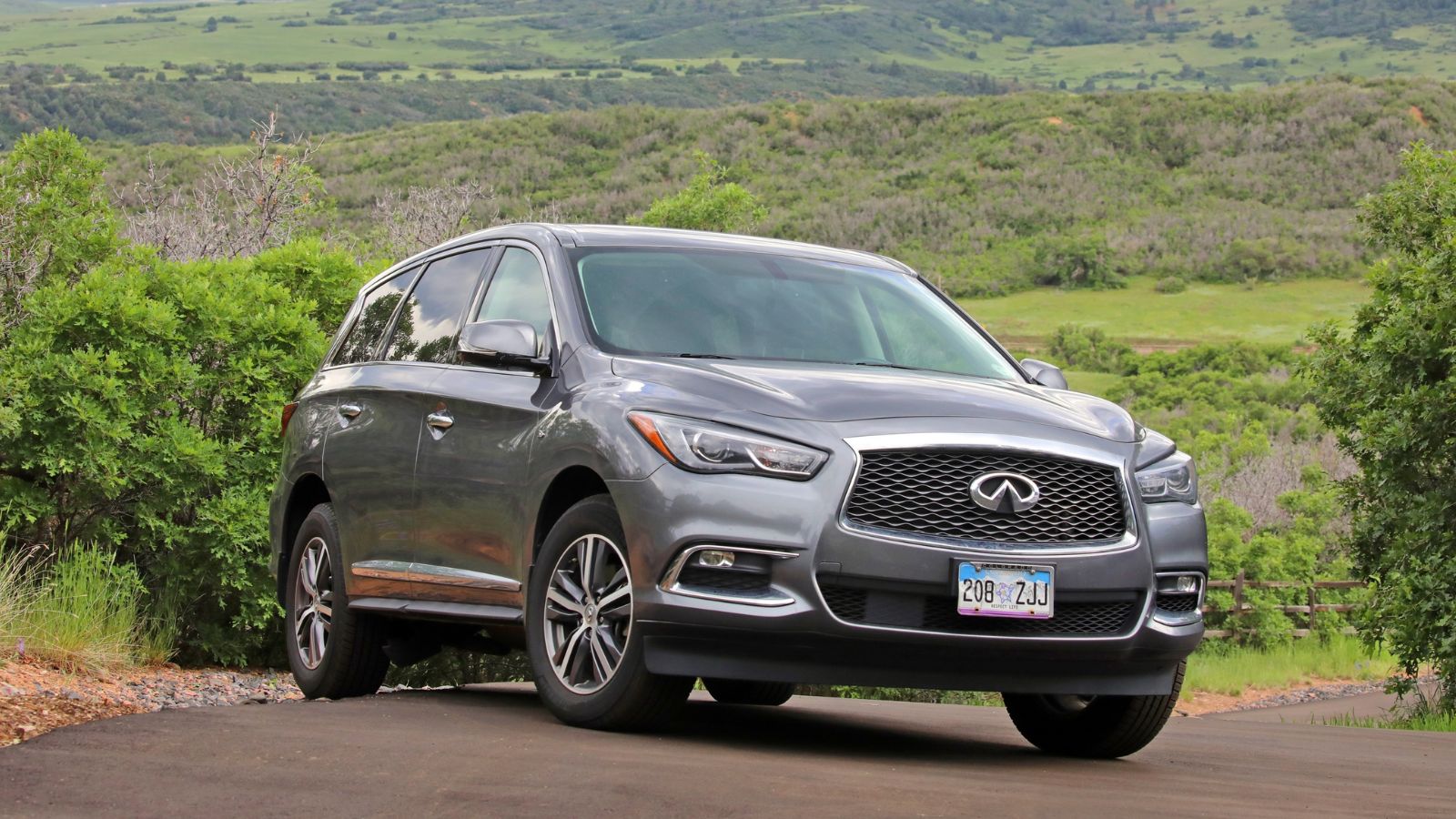
The INFINITI QX60 still lands in a practical sweet spot on paper, which is exactly why its depreciation result stands out. iSeeCars found it loses 58.3% of its value over five years, or about $30,099, and ranked it second among midsize SUVs for depreciation. That is a difficult result for a family-oriented luxury vehicle that depends on appearing like a sensible premium choice rather than an indulgent one.
Vehicles like the QX60 get squeezed when buyers become more clinical. In a softer affordability environment, Canadian shoppers tend to ask whether a luxury badge is truly delivering enough extra value to justify weaker resale. If the answer starts looking shaky, the ownership equation changes fast. The QX60 is not a headline-grabbing flop. It is something subtler: a useful, comfortable vehicle that still loses money like a more extravagant purchase. That is often enough to make owners shorten their holding period and move into something with a stronger value story.
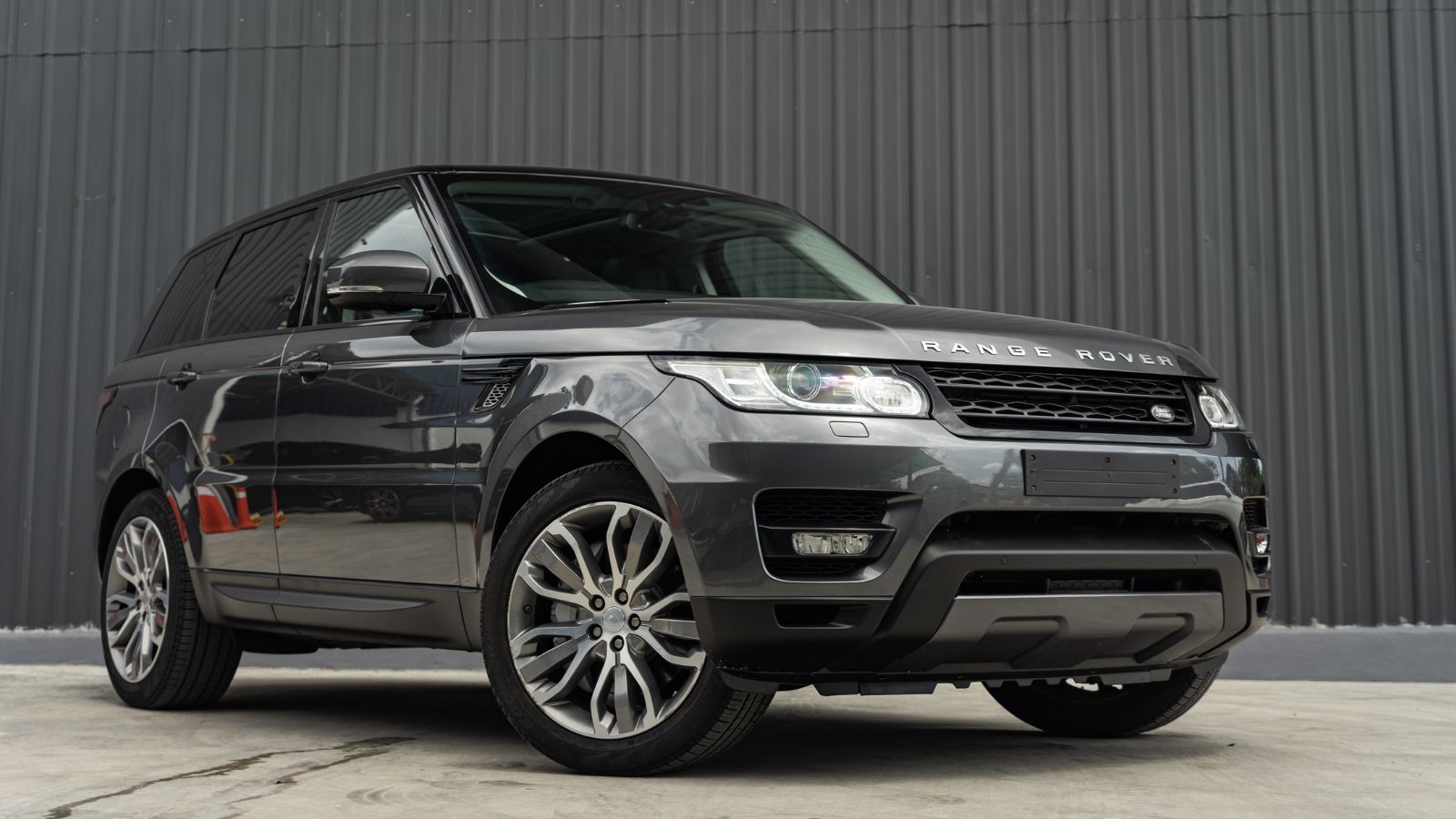
The Range Rover Sport has the image, the road presence, and the badge cachet, but 2026 is again proving that image does not equal protection from heavy value loss. iSeeCars found the model depreciates 58.3% over five years, with average lost value of $45,272. In the midsize SUV group, that put it far above the segment’s typical dollar loss, making it one of the clearest examples of premium ambition colliding with resale reality.
That tension matters in Canada because the broader market is getting less forgiving, not more. Canadian Black Book says affordability remains the defining challenge in 2026, and that tends to punish expensive vehicles whose ownership story leans heavily on emotion. The Range Rover Sport still has loyal admirers, but the used market has made a colder assessment. For owners, that can create an urge to cash out before prestige loses another round to practicality. Few vehicles make that trade-off clearer than this one.
22 Things Canadians Do to Their Cars in Spring That Mechanics Hate

Spring brings relief to many Canadian drivers after months of snow, freezing temperatures, and icy roads that put serious strain on vehicles. As temperatures rise across the country, drivers begin washing cars, switching tires, and preparing vehicles for warmer weather and upcoming road trips. However, mechanics across Canada notice the same mistakes every spring when drivers attempt to recover from winter damage. Road salt, potholes, and harsh winter driving conditions often leave vehicles with hidden problems that drivers ignore. Some spring habits even create new mechanical issues that could have been avoided with proper maintenance. Here are 22 things Canadians do to their cars in spring that mechanics hate.