


























Trade headlines have begun to shape what Canadians buy at dealerships. Tariffs, supply chain changes, and shifting manufacturing locations affect prices and availability. Some vehicles suddenly look like safer bets. Others appear risky if import costs rise. Buyers now watch where a car is built as closely as its horsepower. Vehicles assembled in North America often feel like the smarter choice. Dealers also push models with a steady supply and fewer pricing surprises. The result is a noticeable shift in showroom interest. Certain vehicles are gaining attention because they seem stable in uncertain trade conditions. Here are 20 vehicles Canadians are buying now because of trade shifts and tariff headlines.
Toyota RAV4
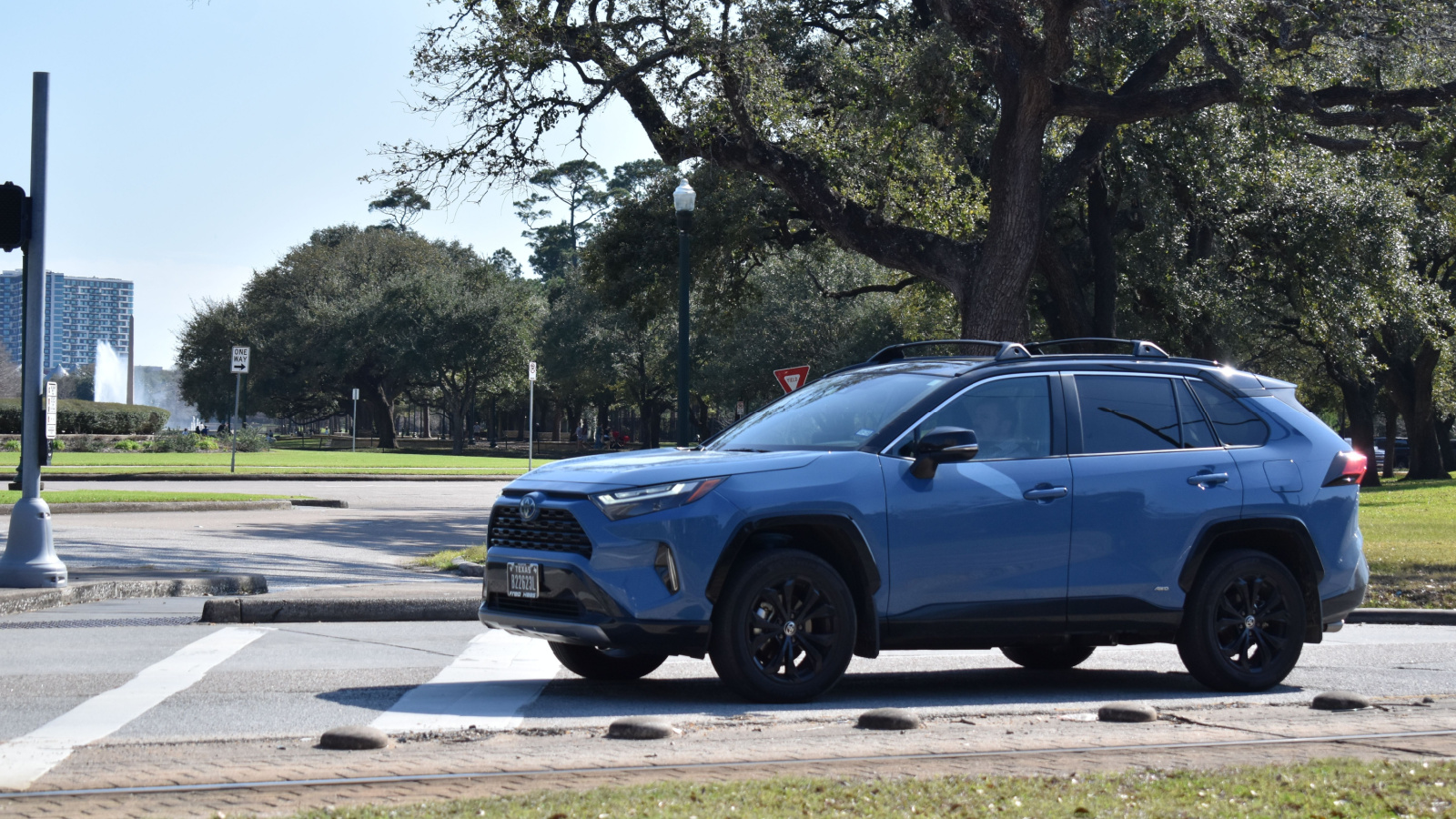
The Toyota RAV4 remains one of Canada’s safest buys amid trade uncertainty. Many units sold in Canada are manufactured in North American factories. That helps reduce the risk of tariff-driven price spikes. Buyers also trust its long record of reliability. The hybrid version attracts drivers worried about fuel costs. Dealers rarely struggle to move RAV4 inventory. Demand stays strong in both cities and smaller towns. Insurance costs also stay reasonable for this class. Used values remain steady compared with many competitors. Buyers looking for stability often land here first. The RAV4 feels predictable in a market full of shifting trade headlines.
Honda CR-V
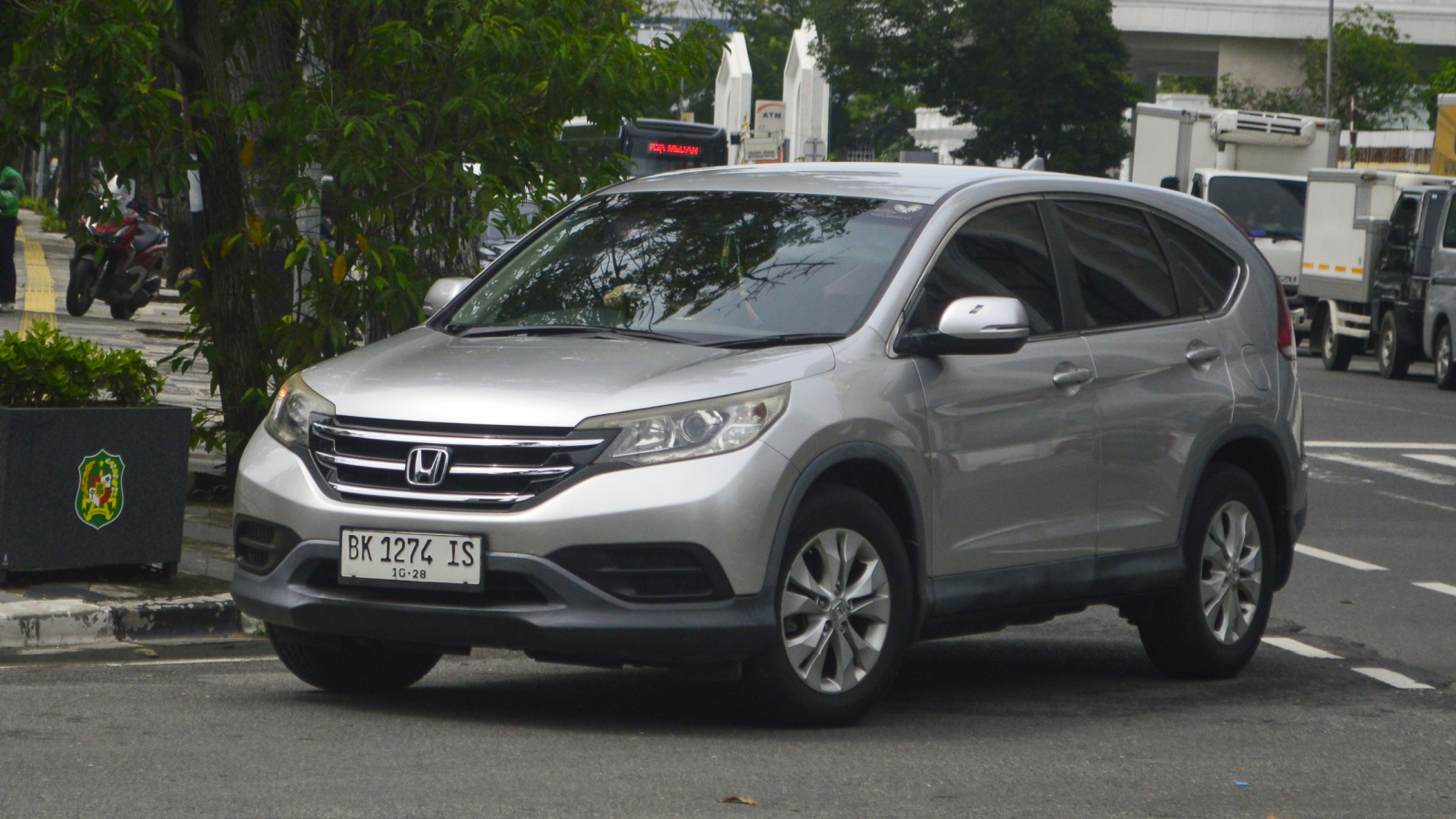
The Honda CR-V continues to gain attention as trade stories dominate auto news. Canadian buyers value its reputation for durability and low ownership costs. Some CR-V units sold in Canada are produced in North America. That makes pricing feel more predictable than some imported rivals. The hybrid model adds another reason for interest. Fuel savings appeal to commuters dealing with long drives. Interior space also helps families justify the purchase. Dealers say repeat buyers remain a big part of sales. Many drivers simply trust the badge. In uncertain economic moments, familiarity matters. That helps explain why the CR-V keeps showing up on shopping lists.
Ford F-150
The Ford F-150 has long dominated Canadian pickup sales. Trade shifts only strengthen its position. The truck is built in North America. That fact reassures buyers worried about import tariffs. Contractors and small businesses depend on this truck daily. They prefer a model unlikely to face sudden supply shortages. The hybrid PowerBoost version also draws interest. It offers strong towing while lowering fuel use. Resale values remain among the best in the truck market. Parts availability stays strong across Canada. That matters in rural areas. With tariffs dominating headlines, many buyers stick with the familiar F-150.
Chevrolet Silverado 1500
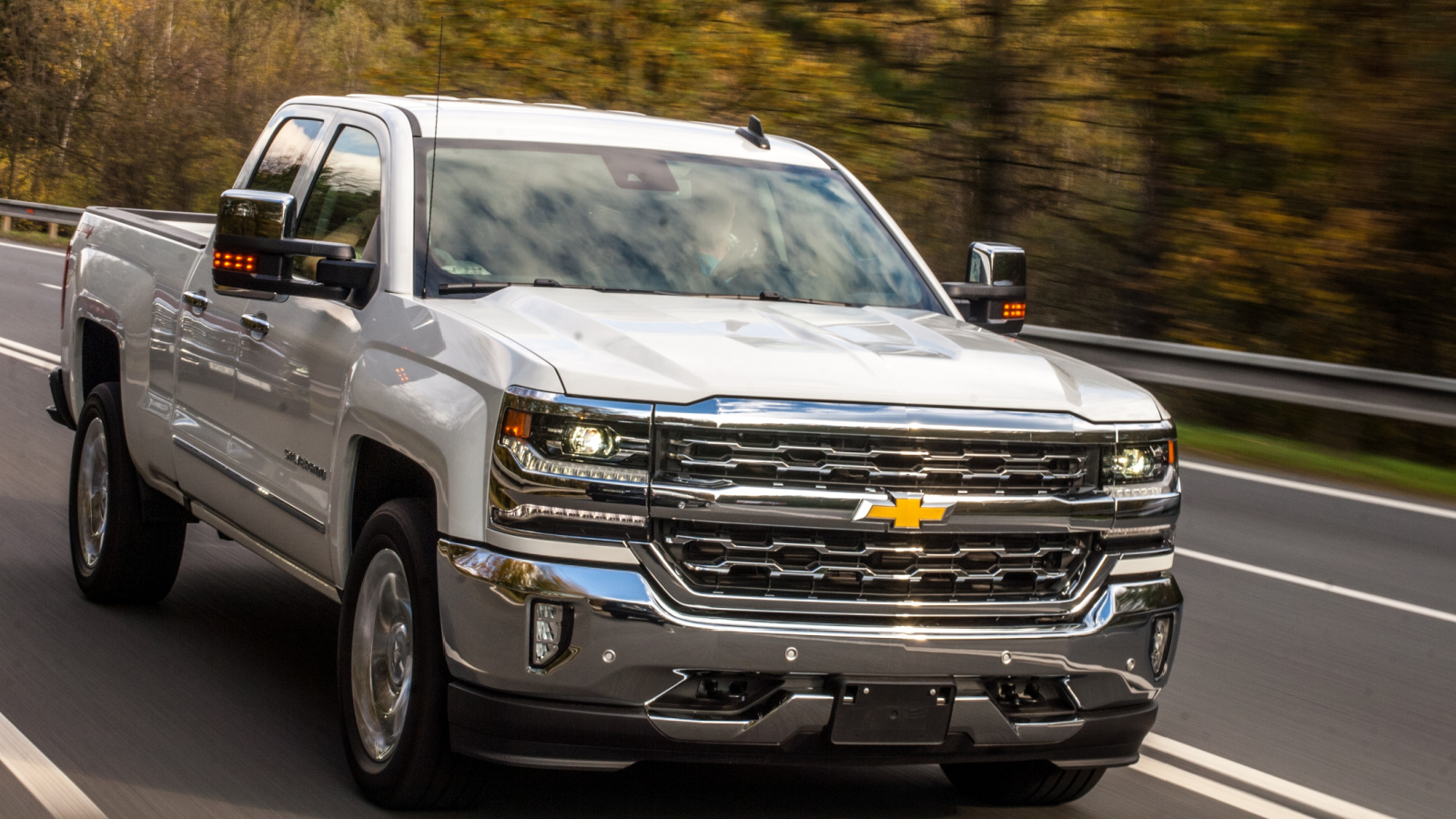
The Chevrolet Silverado 1500 remains a major pickup choice across Canada. Buyers see it as another North American truck with fewer tariff worries. Production mainly occurs in the United States and Mexico. That keeps supply steady for Canadian dealerships. Many drivers also prefer its traditional V8 options. The truck appeals to rural and work-focused buyers. Towing capacity ranks among the best in its class. Fleet buyers also continue choosing Silverado trucks. Businesses prefer vehicles with predictable pricing. Tariff concerns often push shoppers toward domestic pickups. The Silverado benefits from that shift in thinking across the Canadian truck market.
Toyota Corolla
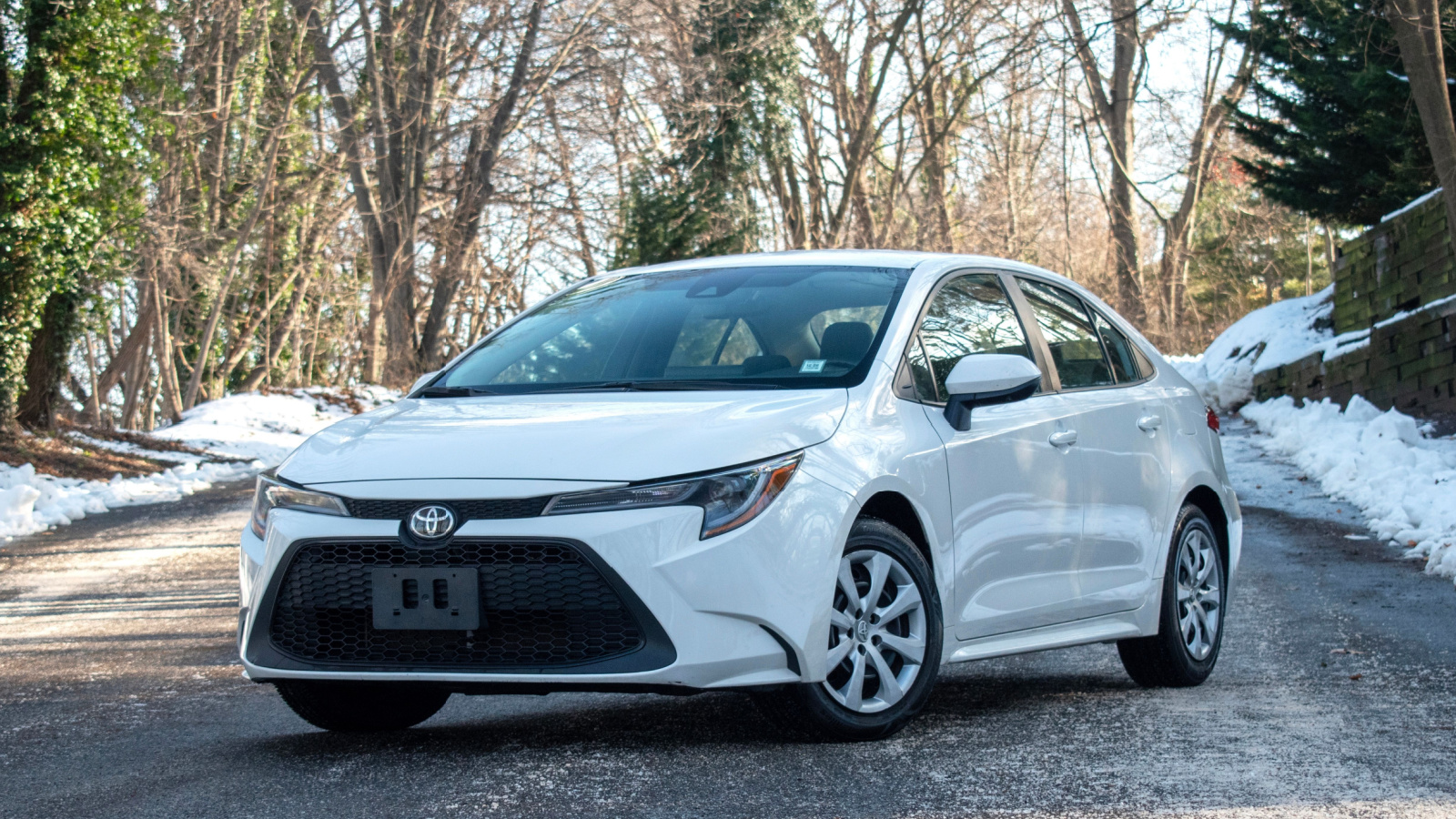
The Toyota Corolla keeps showing up in Canadian sales charts. Trade headlines make small, dependable cars more appealing. Buyers often want something affordable and simple. The Corolla fits that description well. Hybrid versions also attract attention because of rising fuel prices. Insurance costs remain lower than many SUVs. Maintenance stays straightforward for most owners. Parts availability is rarely an issue. The car also carries a reputation for lasting years. Students and first-time buyers often choose it. When tariffs threaten price spikes, Canadians look for dependable basics. That is exactly where the Corolla has built its reputation.
Hyundai Tucson
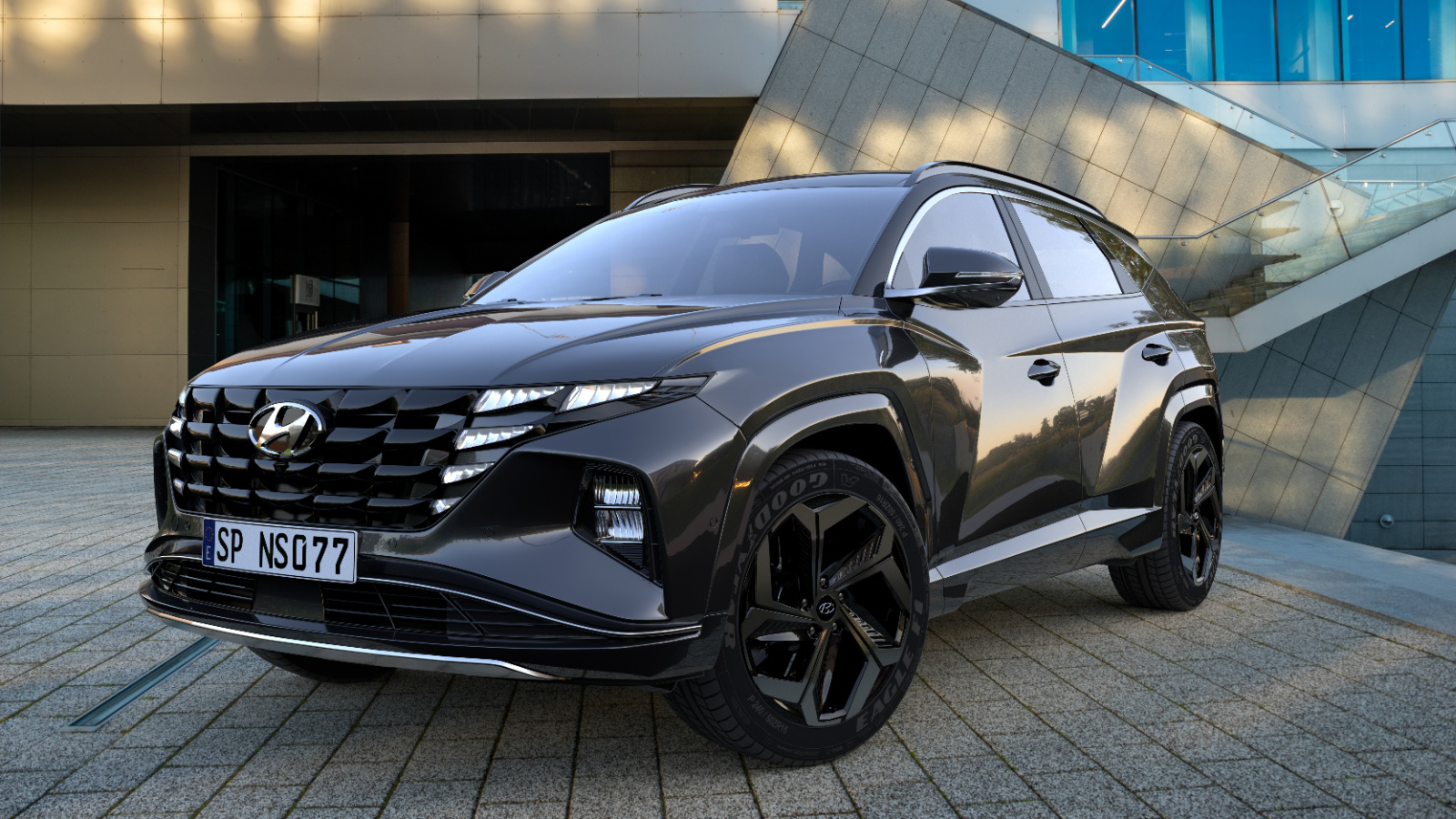
The Hyundai Tucson has gained momentum in Canadian dealerships recently. Buyers notice its modern interior and generous technology features. Price also remains competitive against rivals. Some units come from North American production lines. That reduces the risk of sudden tariff increases. Hyundai also offers strong warranty coverage. Many buyers appreciate that added security. The hybrid model draws drivers who want lower fuel costs. Families like the roomy rear seats and cargo space. Dealers often keep healthy inventory levels. That matters when supply chains tighten. For many shoppers, the Tucson feels like a safe middle ground purchase.
Subaru Outback
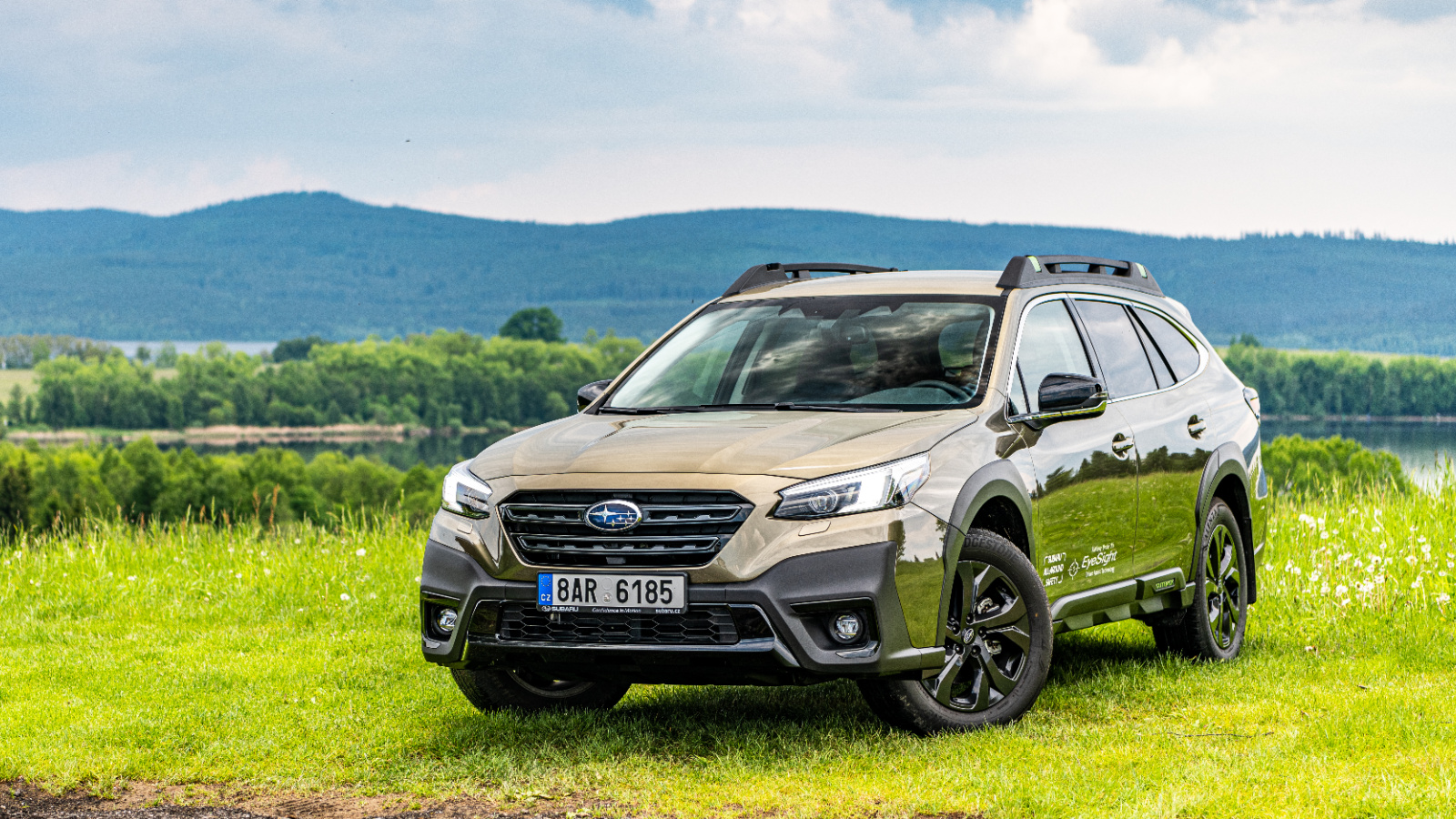
The Subaru Outback attracts Canadians who deal with winter driving every year. Standard All Wheel Drive remains its biggest selling point. Many buyers see it as a dependable alternative to larger SUVs. The wagon design offers generous cargo space. Outdoor enthusiasts often choose it for road trips. Pricing also stays competitive compared with luxury crossovers. Subaru buyers tend to stay loyal to the brand. Tariff headlines push shoppers toward vehicles with predictable demand. The Outback rarely suffers dramatic price swings. Used values also stay strong. For drivers facing snow and gravel roads, the Outback keeps looking like a practical bet.
Toyota Tacoma
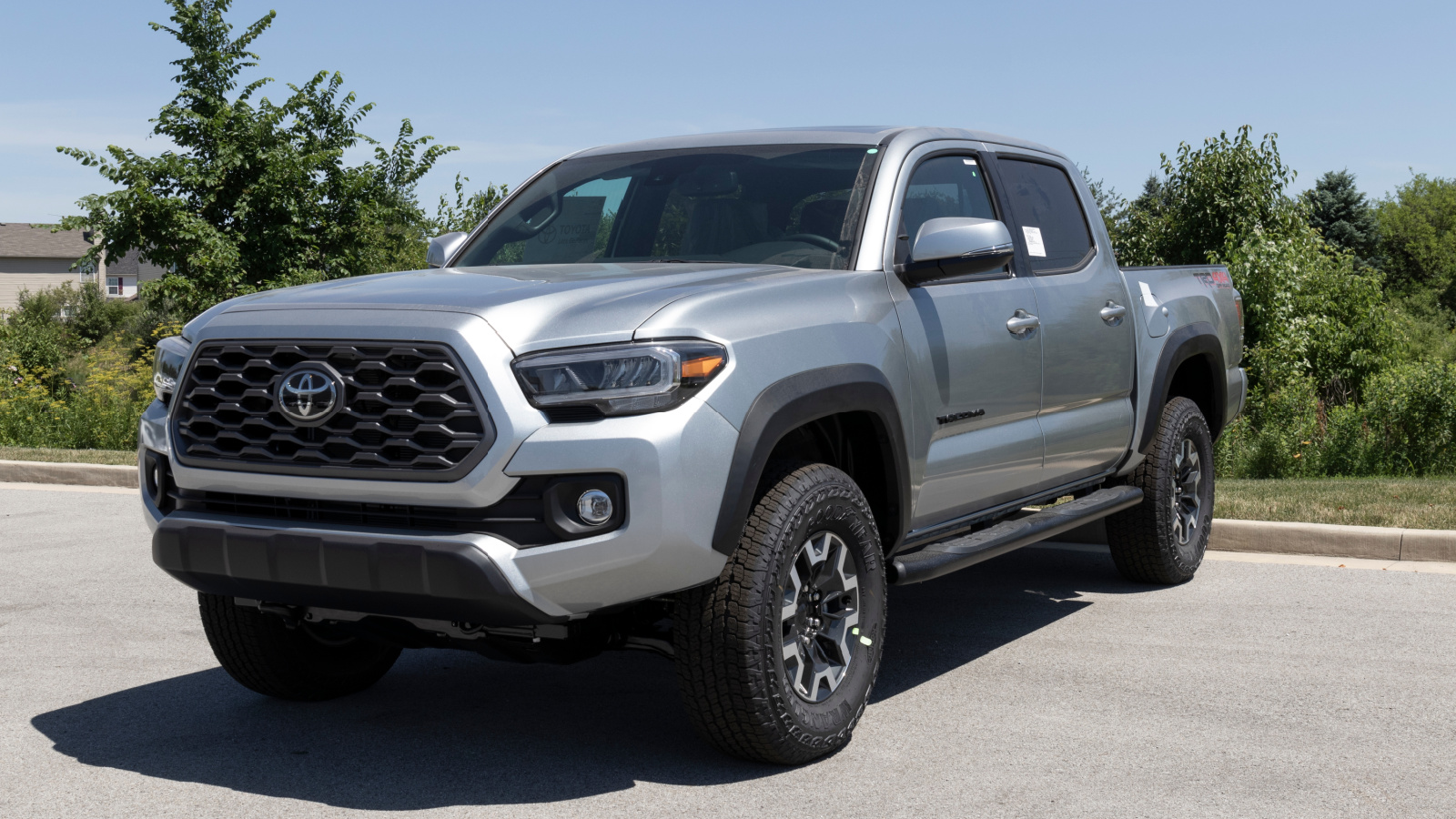
The Toyota Tacoma continues drawing interest from Canadian truck buyers. Trade shifts often boost demand for reliable midsize pickups. The Tacoma carries a reputation for lasting many years. Off-road capability also attracts outdoor drivers. Many Canadians want a truck that handles trails and highways. Resale value ranks among the strongest in the segment. Buyers also trust Toyota’s long durability record. Dealers often report limited inventory. That keeps demand steady. When tariffs threaten prices on imported vehicles, shoppers lean toward proven trucks. The Tacoma fits that mindset. Many Canadians see it as a dependable long-term purchase.
Nissan Rogue
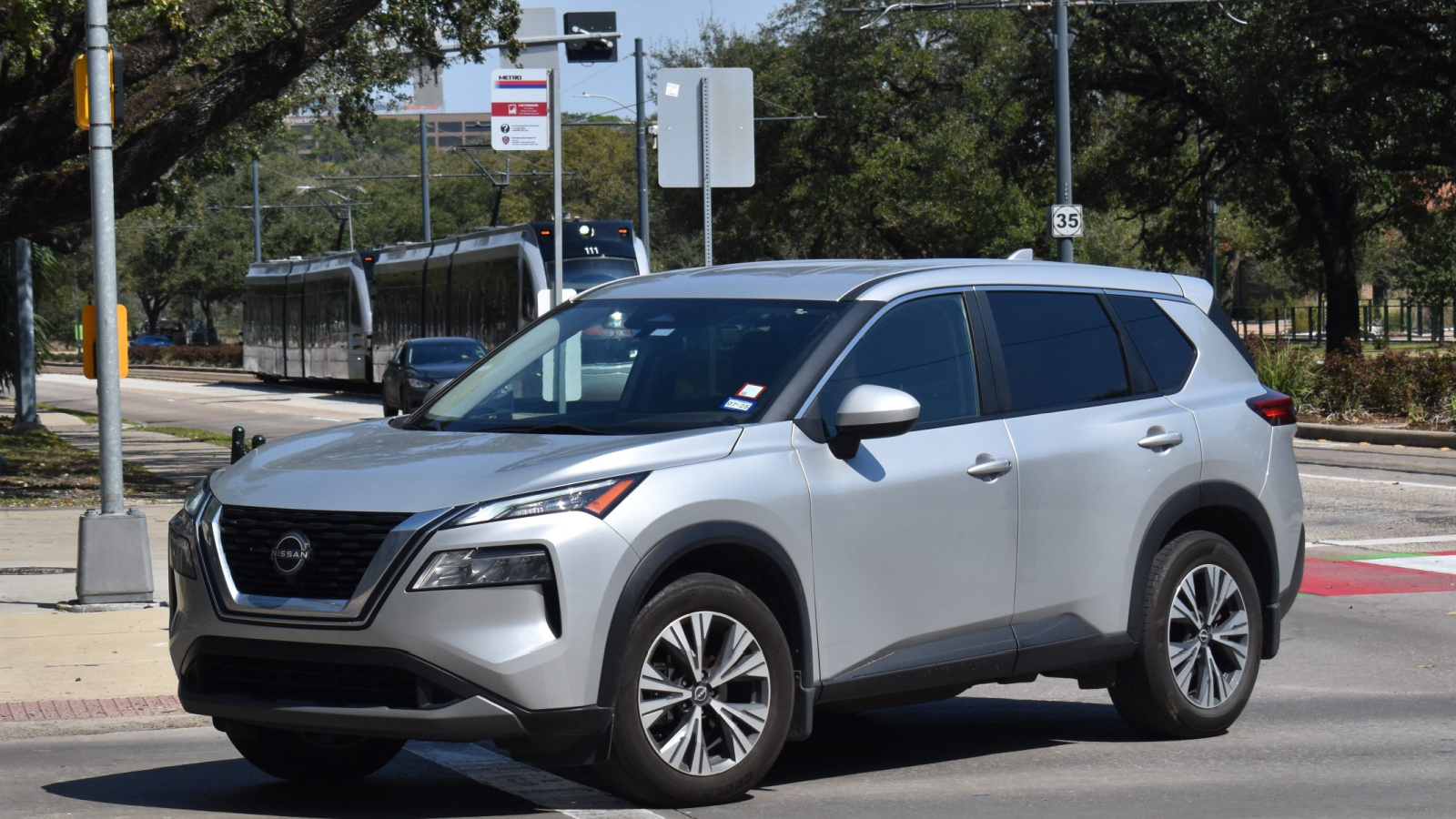
The Nissan Rogue remains a familiar sight on Canadian roads. Buyers often consider it during trade-driven market shifts. Price usually undercuts many rivals in the compact SUV segment. That alone attracts budget-focused shoppers. Fuel economy also stays competitive. Families appreciate the roomy interior layout. The cargo area fits strollers, sports gear, and travel bags easily. Dealers frequently offer incentives on Rogue models. That helps maintain strong sales momentum. When tariff headlines cause uncertainty, buyers often chase value. The Rogue positions itself as a practical option. Many shoppers simply want something affordable that still feels modern.
Mazda CX-5
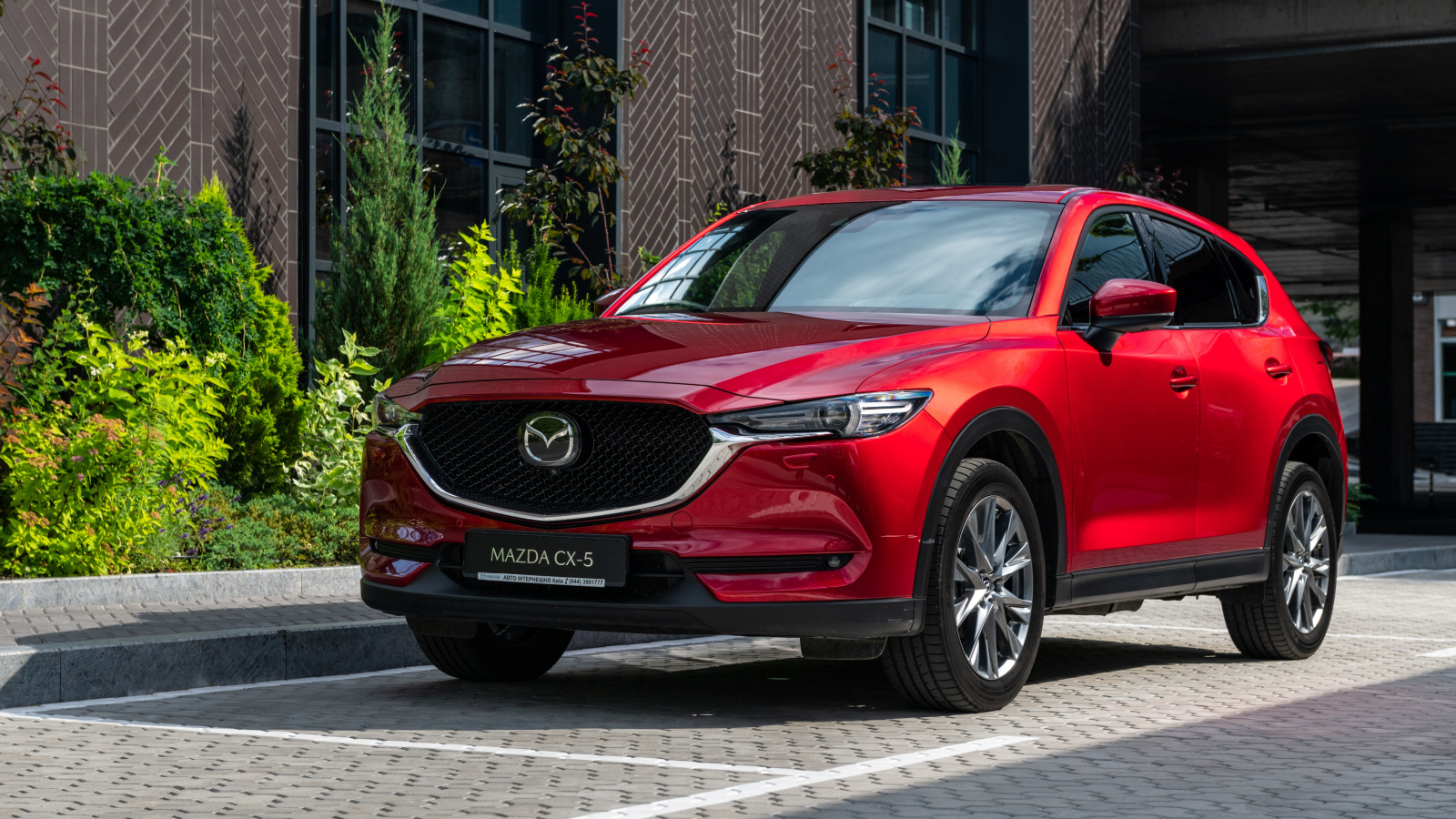
The Mazda CX-5 keeps attracting drivers who want a more refined compact SUV. Its interior quality often surprises first-time buyers. Materials feel closer to premium vehicles than budget models. Driving dynamics also stand out in this class. Many owners enjoy the responsive steering. Pricing stays competitive despite the upscale feel. Canadian buyers often mention reliability and design together. Trade concerns also play a role. Buyers sometimes shift away from heavily imported luxury models. The CX-5 offers a middle ground between value and comfort. That balance keeps it on many shortlists across the Canadian market.
Ford Maverick
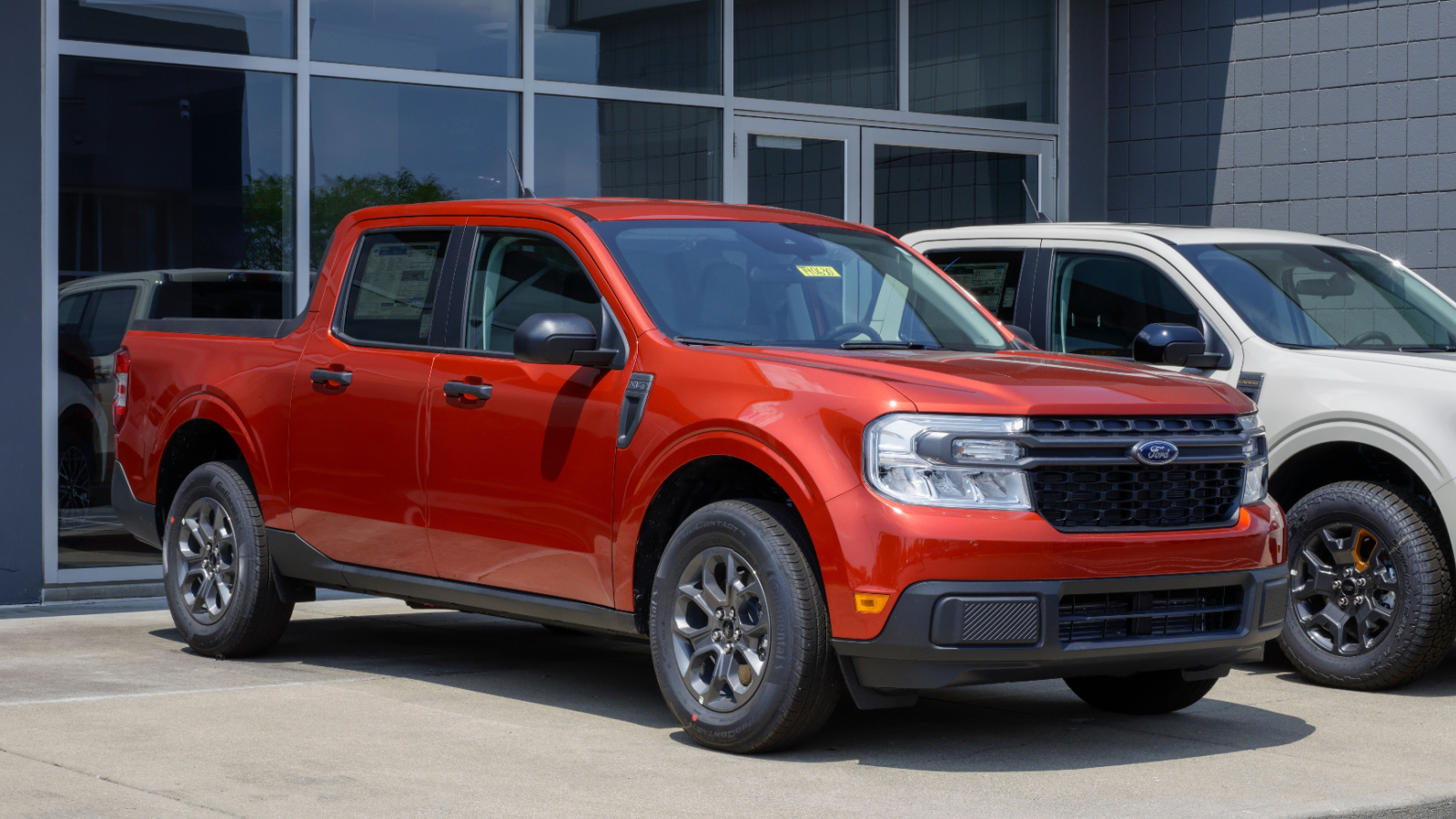
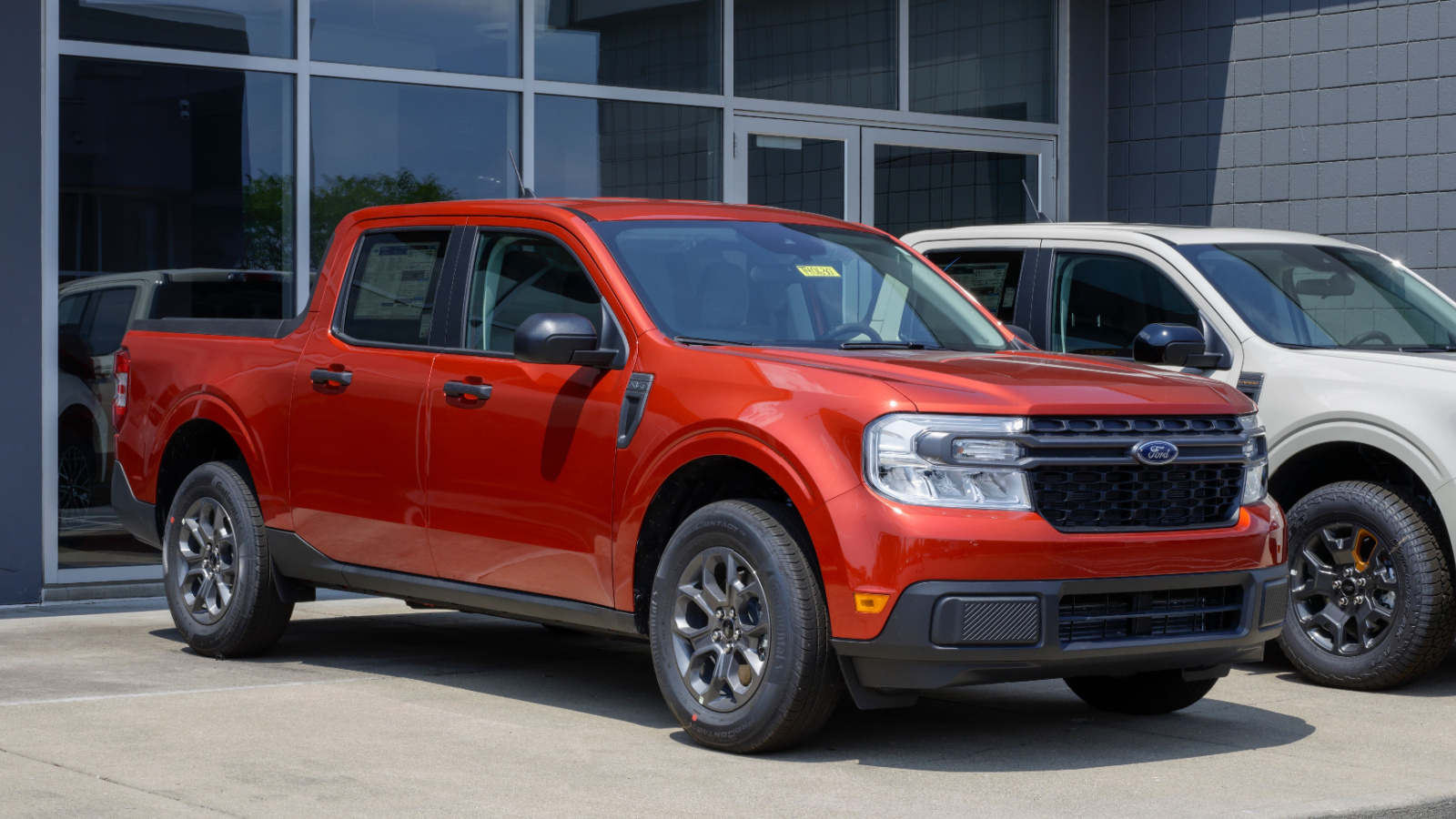
The Ford Maverick has become one of the most talked-about trucks in Canada. Its small size attracts buyers who never considered pickups before. The hybrid version delivers strong fuel economy for a truck. That alone creates huge interest. Price also stays far below full-size trucks. Many city drivers appreciate the easier parking. North American production also eases tariff concerns. Buyers feel the supply chain may stay more stable. The Maverick blends practicality with affordability. That combination remains rare in today’s market. As trade stories dominate news cycles, many Canadians choose vehicles that seem financially predictable.
Hyundai Elantra
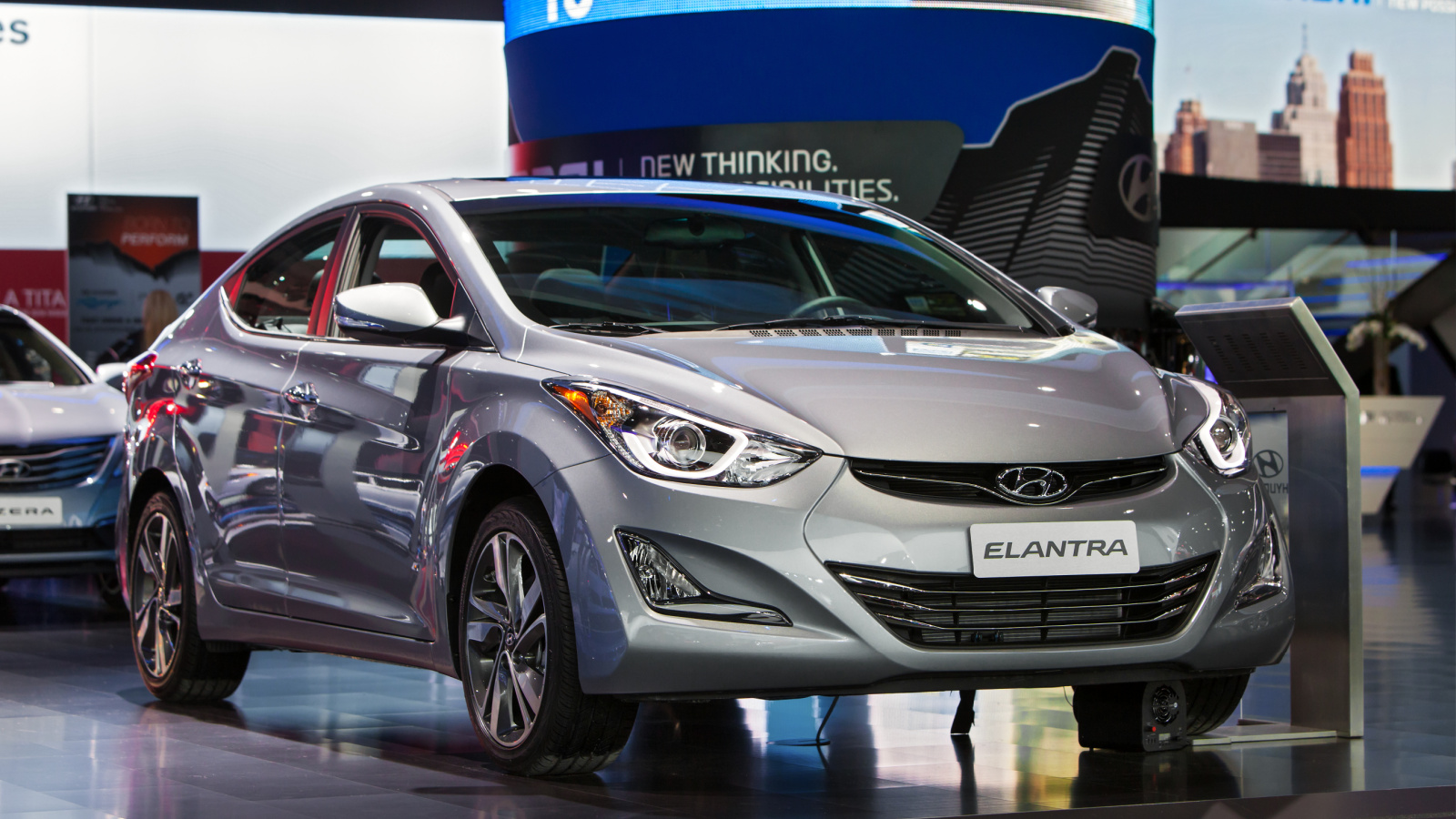
The Hyundai Elantra continues gaining traction among Canadian sedan buyers. Its design looks sharper than many compact rivals. Pricing also remains competitive for younger drivers. The interior includes modern screens and technology features. Fuel economy stays strong for daily commuting. Hyundai’s long warranty also attracts cautious buyers. Trade headlines make affordability even more important. Some shoppers now skip expensive SUVs entirely. A well-equipped sedan can feel like a smarter financial choice. The Elantra fills that role nicely. Many Canadians want something simple and efficient. The Elantra checks both boxes without pushing the budget too far.
Toyota Highlander
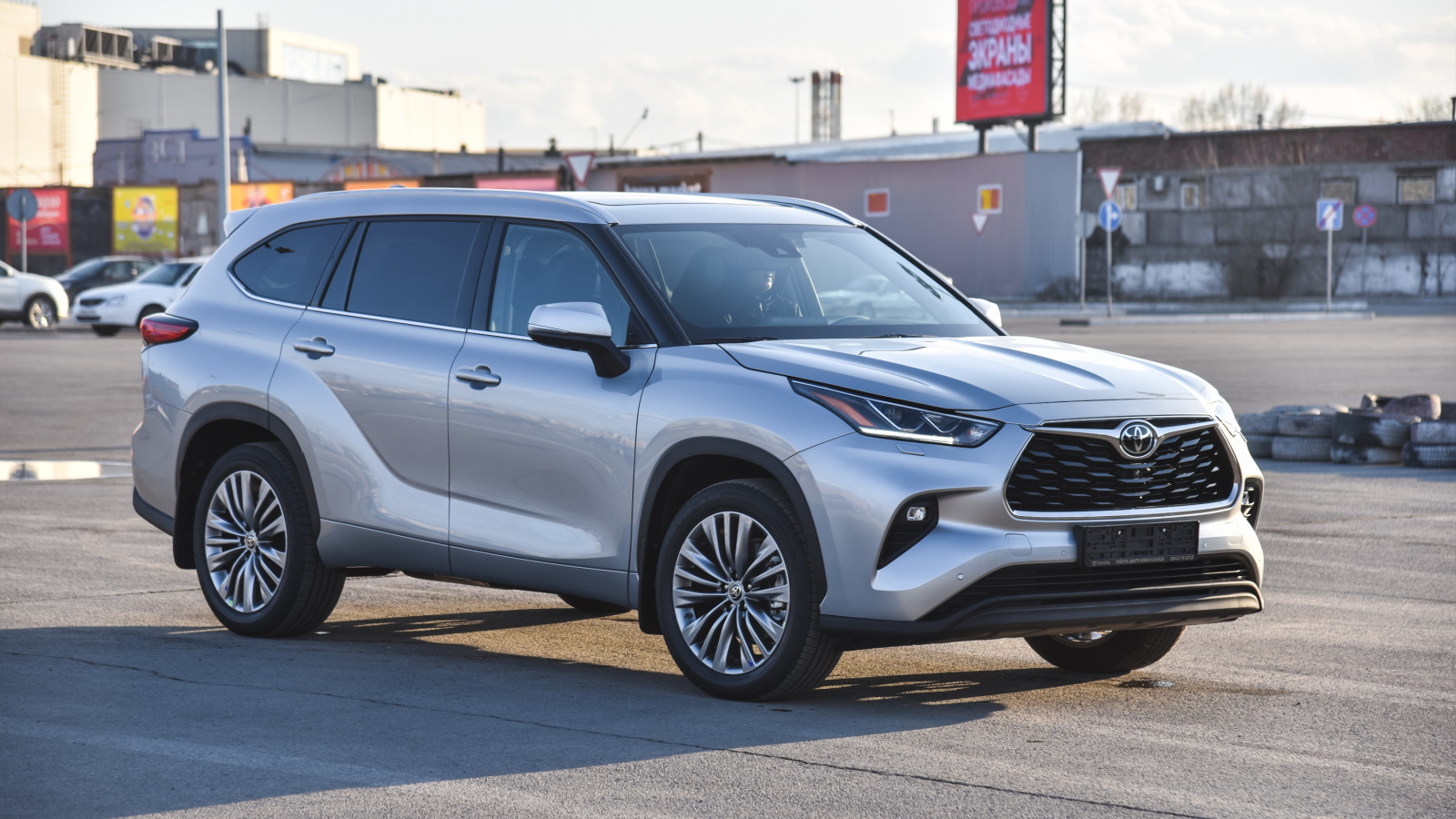
The Toyota Highlander remains a trusted three-row SUV in Canada. Families often choose it for space and reliability. The hybrid version also offers excellent fuel economy. That matters for long drives between cities. Buyers also value Toyota’s reputation for durability. Trade shifts make predictable ownership costs even more appealing. The Highlander rarely surprises owners with large repairs. Interior space works well for growing families. Cargo capacity supports road trips and weekend travel. Dealers often see repeat buyers upgrading from older Highlanders. In uncertain markets, familiarity carries weight. That keeps this SUV near the top of many shopping lists.
Kia Sportage
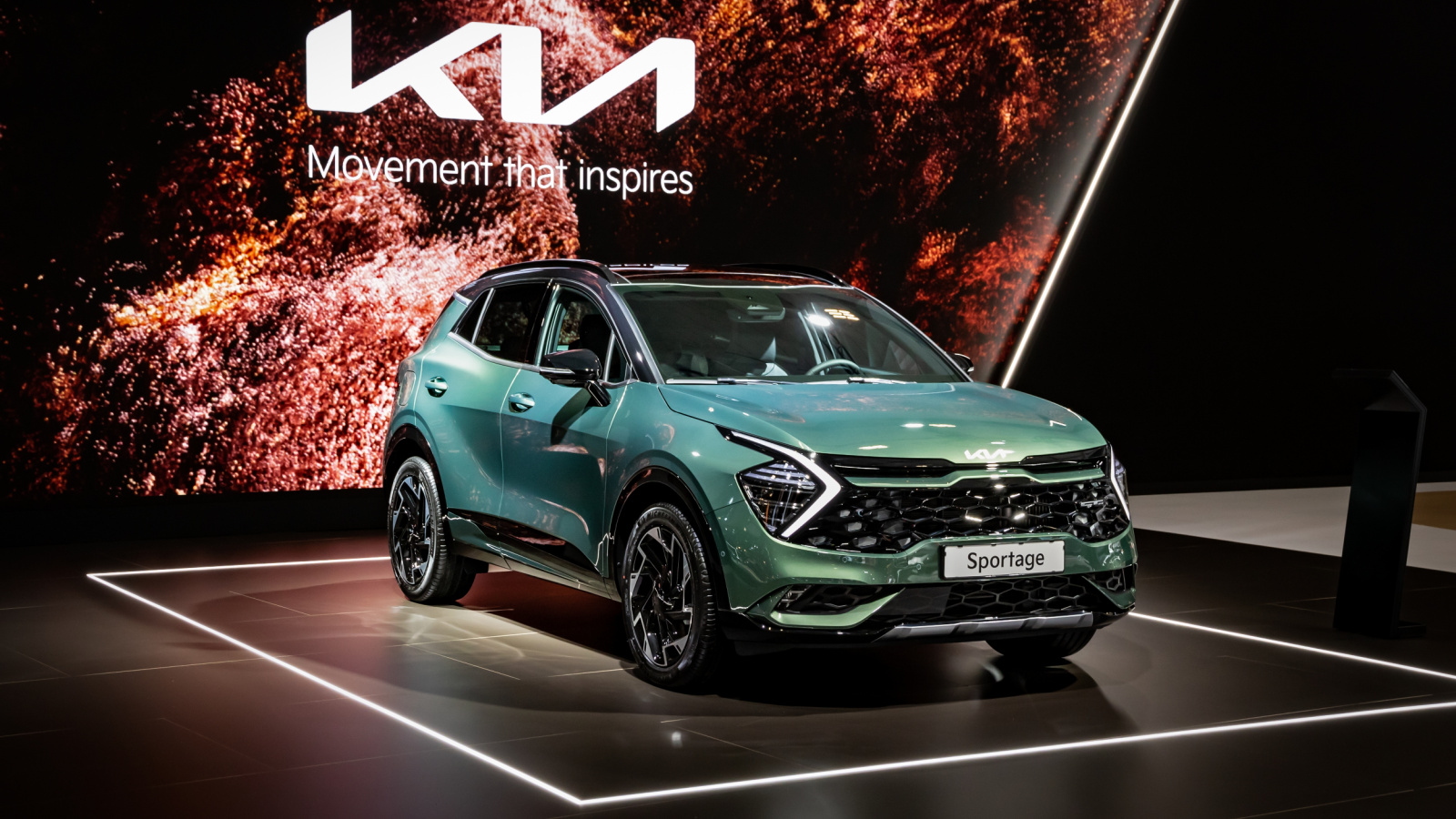
The Kia Sportage has seen growing interest among Canadian SUV shoppers. The latest redesign gave it a bold look. Interior technology has also improved significantly. Buyers often compare it with the Hyundai Tucson. Price still stays competitive within the segment. The hybrid version brings better fuel efficiency. Kia’s long warranty also adds peace of mind. Trade headlines push many shoppers toward brands with stable pricing. Dealers often highlight strong value for the money. The Sportage fits that message well. Canadians who want a stylish SUV without luxury pricing often land here. That demand keeps sales momentum strong.
Jeep Wrangler
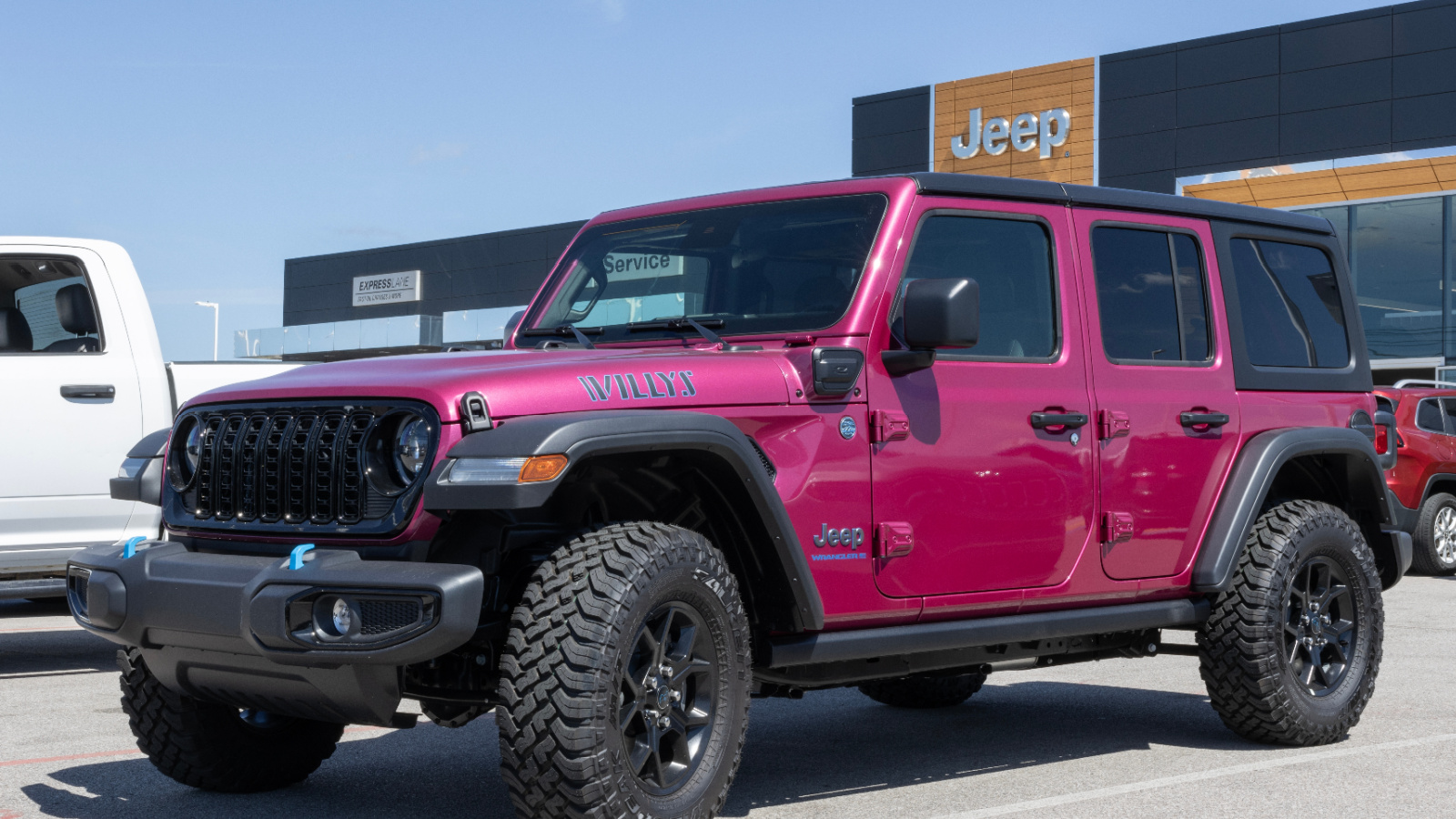
The Jeep Wrangler remains a niche vehicle with loyal Canadian fans. Trade shifts rarely slow its demand. Buyers value its off-road reputation more than anything else. Few vehicles match its trail capability. Outdoor enthusiasts often consider it a lifestyle purchase. Resale value stays strong for well-maintained Wranglers. That reduces long term ownership risk. Some buyers also prefer vehicles built in North America. Tariff concerns sometimes reinforce that preference. The Wrangler also holds cultural appeal among adventure drivers. Even during uncertain trade periods, demand remains steady. Many Canadians simply want the freedom this vehicle represents.
Toyota Prius
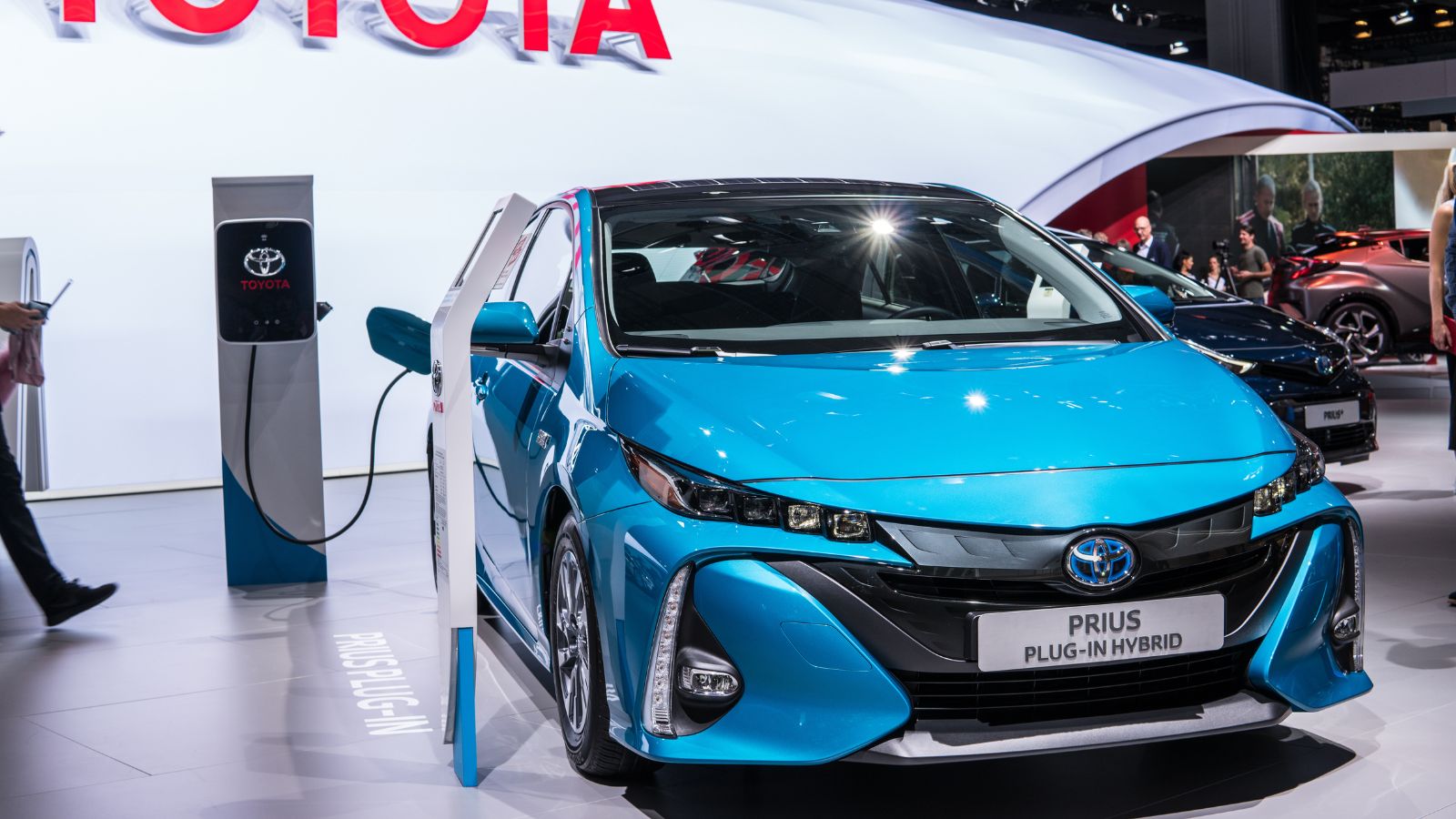
The Toyota Prius continues attracting buyers focused on fuel savings. Hybrid demand rises whenever fuel prices climb. Trade headlines also influence interest in efficient cars. Many drivers want something less affected by market shocks. The Prius has long represented dependable hybrid technology. Newer versions offer better design and improved performance. Fuel economy remains one of its biggest strengths. Maintenance costs also stay relatively predictable. Urban commuters often see it as the logical choice. Environmental concerns also play a role. In a world of shifting trade policies, efficiency still sells. The Prius remains one of the clearest examples.
Chevrolet Equinox
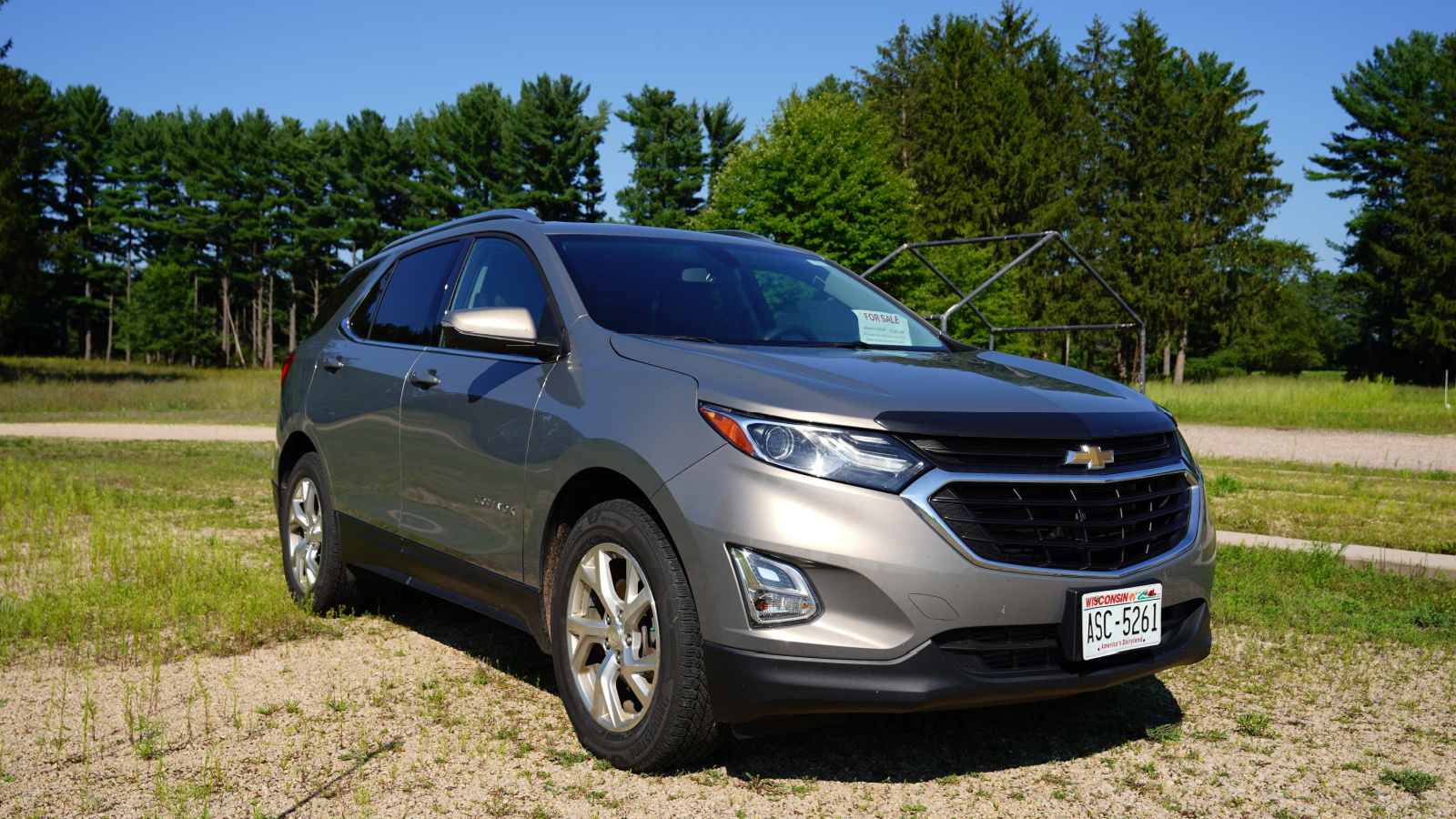
The Chevrolet Equinox keeps appearing on Canadian shopping lists. Buyers often see it as a balanced compact SUV. Price usually sits below several competitors. Interior space works well for small families. Dealers often carry large inventories across Canada. That availability matters when supply chains tighten. North American production also reduces tariff anxiety. Many buyers want vehicles built closer to home. Fuel economy remains reasonable for everyday commuting. The Equinox does not try to be flashy. Instead, it focuses on practicality. During uncertain economic moments, that approach often wins over cautious buyers.
Ram 1500
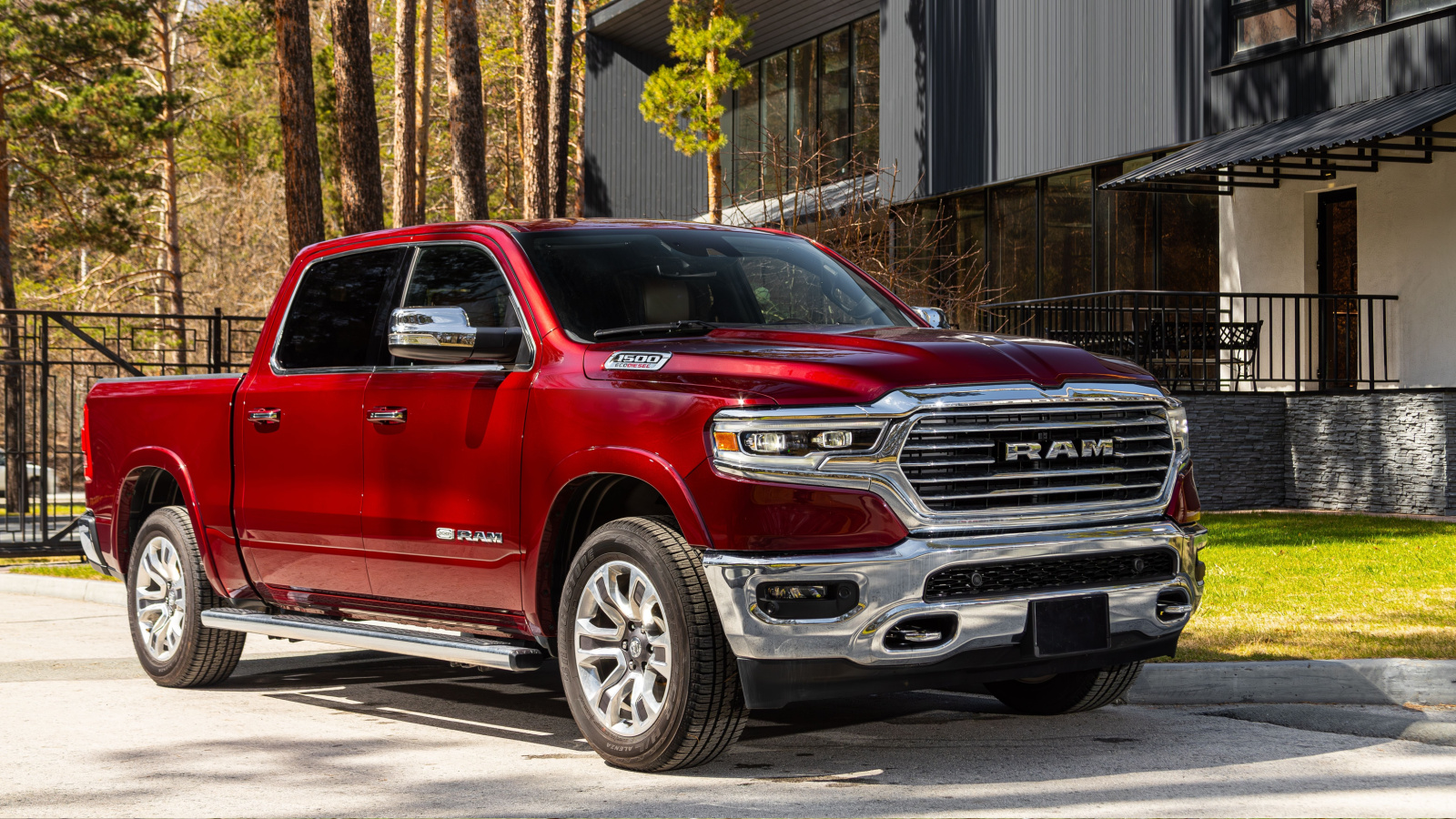
The Ram 1500 remains another dominant truck in Canada. Buyers often praise its comfortable interior. Ride quality also stands out in the pickup segment. North American production reassures many shoppers. Tariff concerns rarely affect trucks built in this region. The available V8 engine still attracts traditional truck buyers. Some drivers also choose a mild-hybrid system. Fleet buyers continue adding Ram trucks to their operations. Businesses prefer reliable supply chains. That reliability matters when trade headlines dominate the news. The Ram 1500 fits the image of a dependable work truck across Canada.
Honda Civic
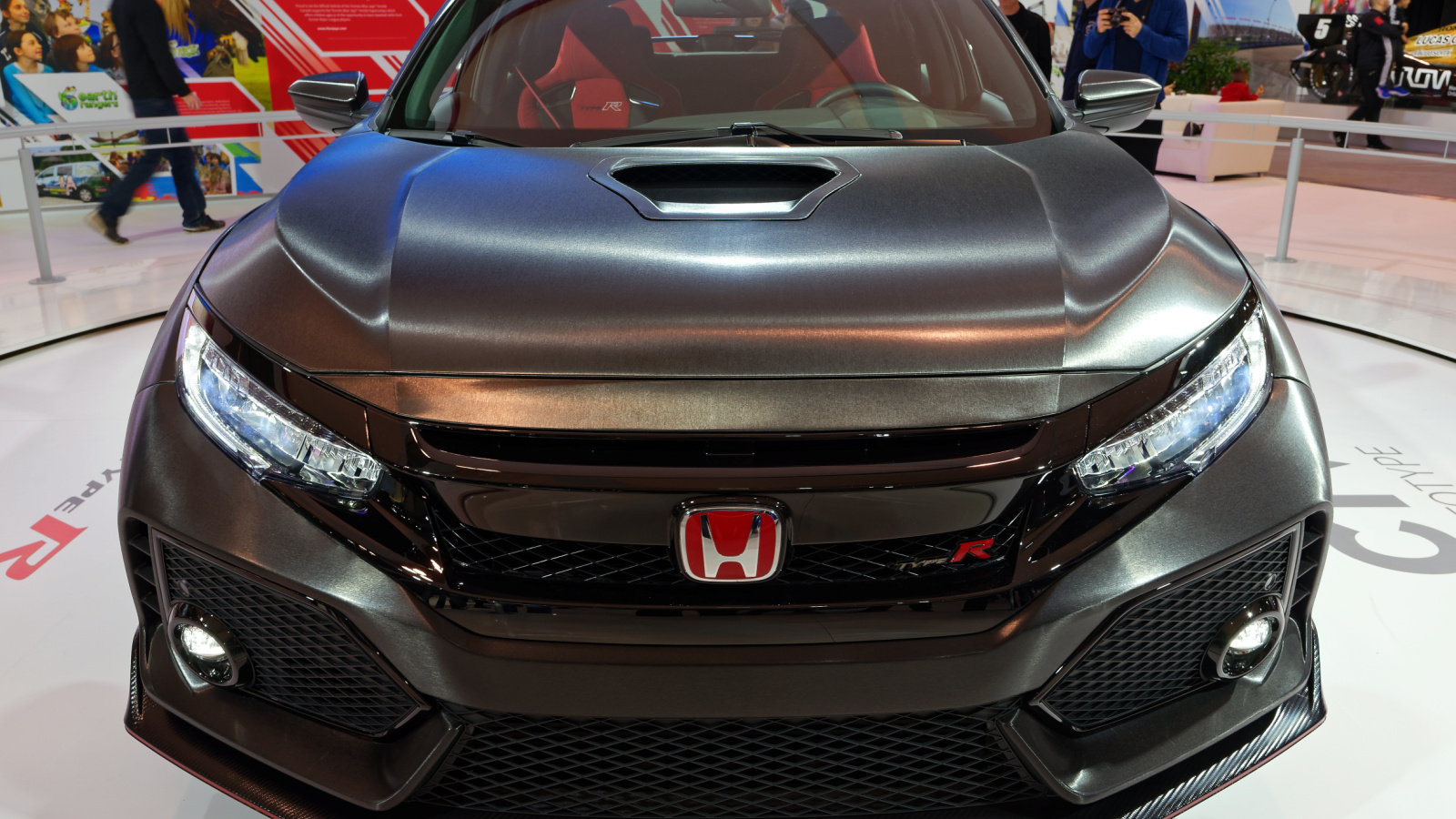
The Honda Civic continues to hold a strong place in the Canadian market. It remains one of the most recognized compact cars. Many Canadians learned to drive in a Civic. That familiarity still matters today. Fuel economy helps commuters manage daily costs. Maintenance also stays manageable for most owners. The car balances practicality and driving enjoyment. Trade headlines push some buyers toward affordable sedans again. SUVs remain popular, but not everyone needs one. The Civic offers reliability without high cost. That formula still works. For many Canadians, the Civic feels like a safe and sensible purchase.
Volkswagen Tiguan
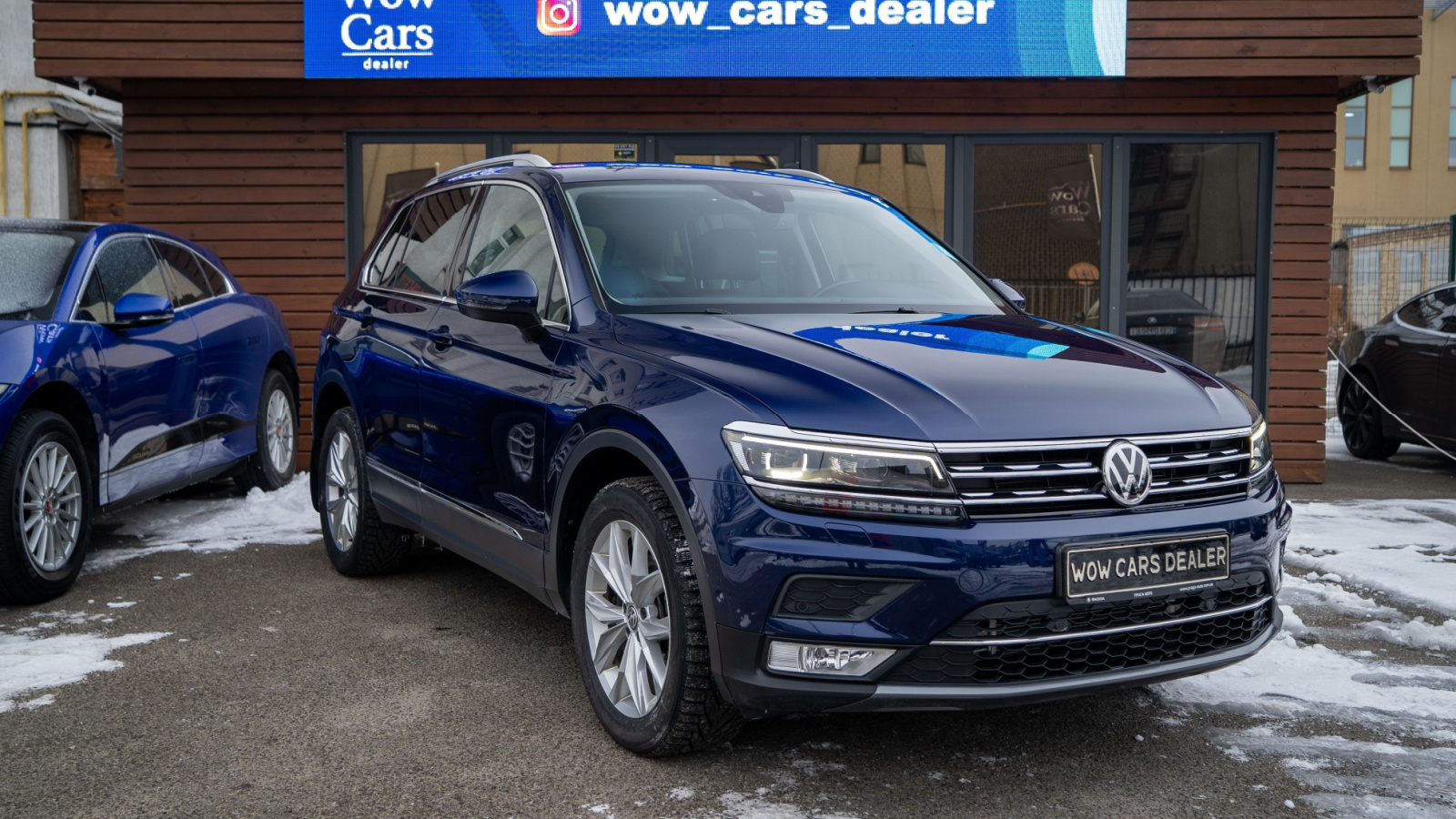
The Volkswagen Tiguan continues to attract Canadian families seeking European design. It offers three rows in a compact SUV footprint. That flexibility appeals to growing households. Interior layout focuses on practicality and comfort. The Tiguan also provides balanced driving manners. Some Canadian units come from North American production. That reduces exposure to sudden tariff spikes. Buyers often compare it with Japanese rivals. The Tiguan stands out with its styling and road feel. Trade headlines influence buying decisions more than before. Many shoppers now study production locations carefully. The Tiguan remains a popular option during that shift.
22 Groceries to Grab Now—Before another Price Shock Hits Canada

Food prices in Canada have been steadily climbing, and another spike could make your grocery bill feel like a mortgage payment. According to Statistics Canada, food inflation remains about 3.7% higher than last year, with essentials like bread, dairy, and fresh produce leading the surge. Some items are expected to rise even further due to transportation costs, droughts, and import tariffs. Here are 22 groceries to grab now before another price shock hits Canada.
22 Groceries to Grab Now—Before another Price Shock Hits Canada