

























Electric vehicles promise quiet rides, low fuel costs, and fewer emissions. Many Canadians are eager to make the switch. Yet winter changes the story quickly. Cold temperatures reduce battery efficiency and force heaters to work harder. That combination can cut driving range by 20 to 40 percent. Some models handle the cold better than others. Charging also slows when temperatures drop far below freezing. Buyers often focus on advertised range numbers. Those figures usually come from mild testing conditions. Here are 19 new vehicles Canadians will regret buying without checking range loss in winter.
Tesla Model 3 (Standard Range)
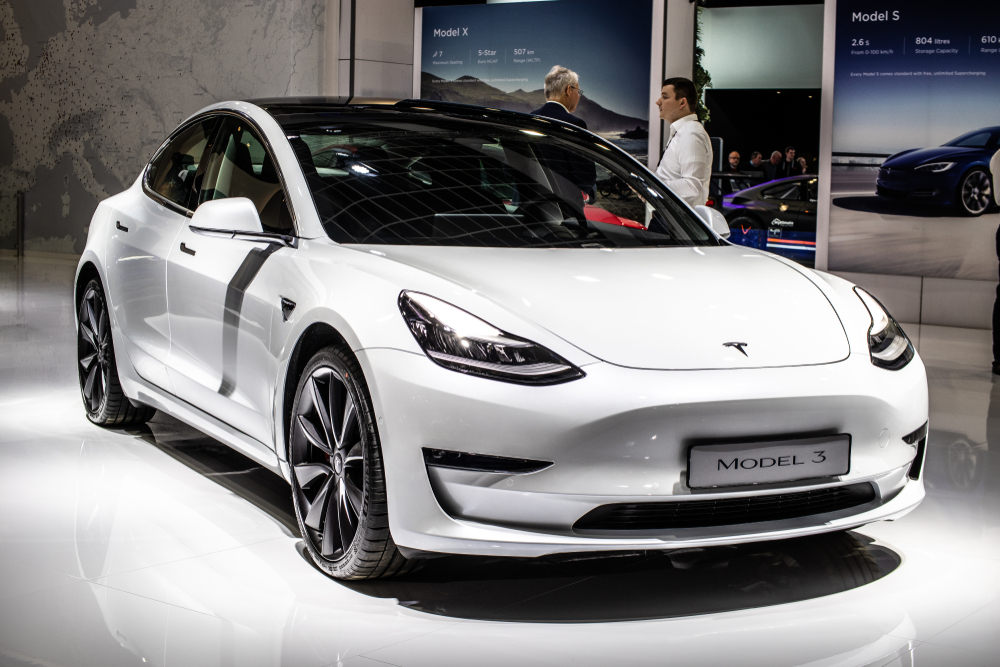
The Tesla Model 3 remains one of the most popular electric cars in Canada. Its official range looks strong on paper. The Standard Range version lists roughly 438 kilometers under ideal testing conditions. Winter often cuts that number closer to 300 kilometers. Owners in provinces like Alberta and Quebec report drops during deep freezes. Cabin heating and cold batteries both increase energy use. Highway speeds make the problem worse. Tesla’s heat pump helps somewhat, but physics still wins. Drivers who commute long distances may notice range anxiety during cold snaps. Anyone considering this sedan should study winter efficiency data before committing.
Tesla Model Y
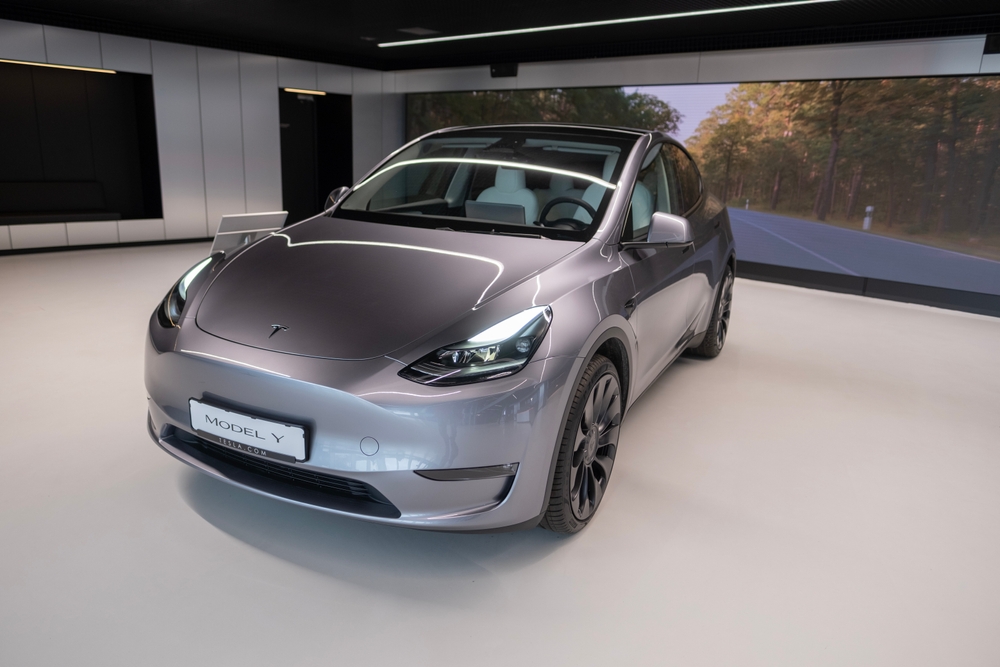
The Tesla Model Y dominates EV sales charts across Canada. Buyers like its space, technology, and strong charging network access. The Long-Range version lists about 497 kilometers of official range. Winter conditions can lower that figure by more than 30 percent. Cold air thickens and increases drag at highway speeds. Battery chemistry also becomes less efficient. Owners often rely heavily on cabin heating in Canadian climates. That heating draws energy directly from the battery pack. Drivers planning road trips in winter may see charging stops happen sooner. Checking real winter range reports helps avoid unpleasant surprises after purchase.
Ford F-150 Lightning
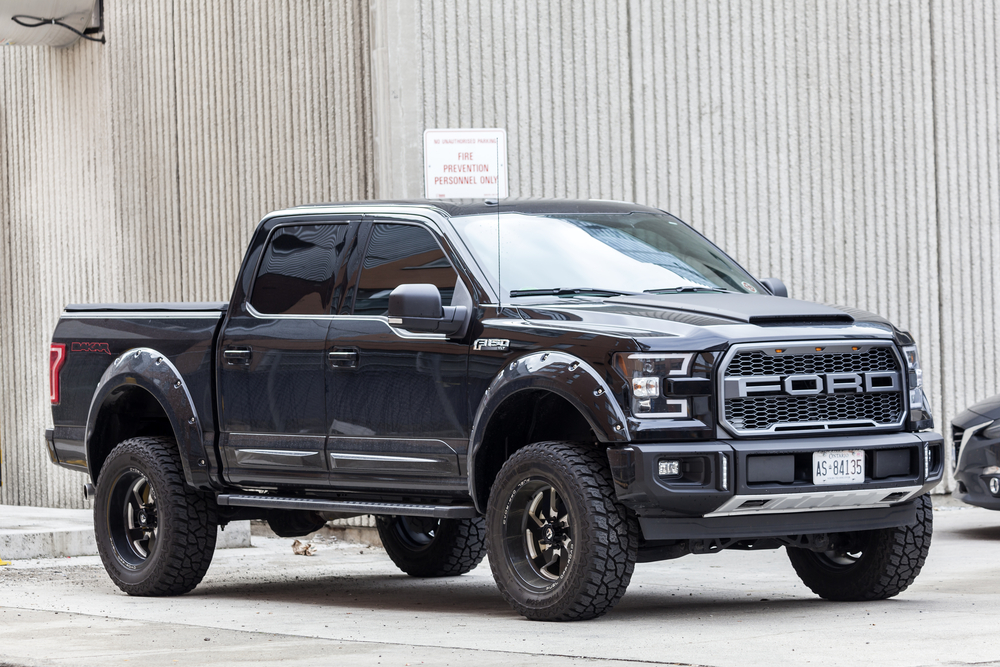
The Ford F-150 Lightning attracts truck buyers who want electric torque and quiet driving. Its Extended Range battery advertises around 515 kilometers in ideal conditions. Winter can cut that number dramatically. Heavy trucks already require large amounts of energy to move. Cold weather adds more demand through heating and battery conditioning. Many owners also tow equipment or trailers. Towing in winter can reduce the range to below 250 kilometers in some cases. Charging stations may be spaced farther apart in rural Canada. That combination creates planning challenges. Buyers should research real cold-weather testing before choosing this electric pickup.
Chevrolet Silverado EV
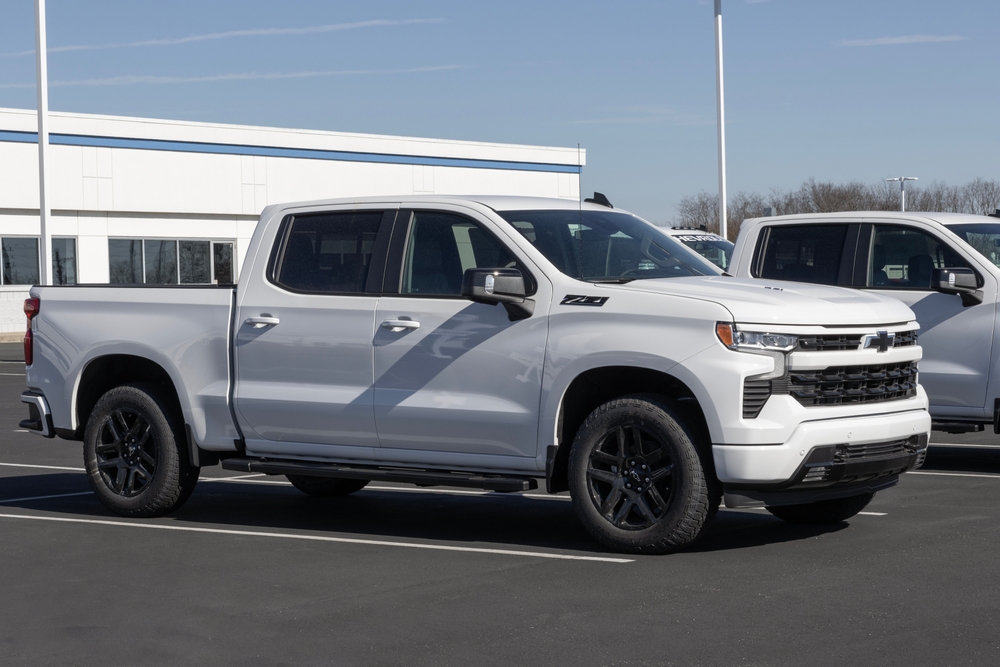
The Chevrolet Silverado EV promises long range and serious capability. GM advertises ranges above 600 kilometers for some trims. Those numbers assume mild weather and controlled driving conditions. Canadian winters rarely provide those conditions. Large battery packs still lose efficiency in freezing temperatures. Heating a big cabin also increases energy use. Truck owners often drive longer distances than city commuters. Rural drivers may also encounter limited charging infrastructure. A winter range drop of 30 percent could change travel plans quickly. The Silverado EV remains impressive, but buyers should study cold-weather reports carefully before purchase.
Kia EV6
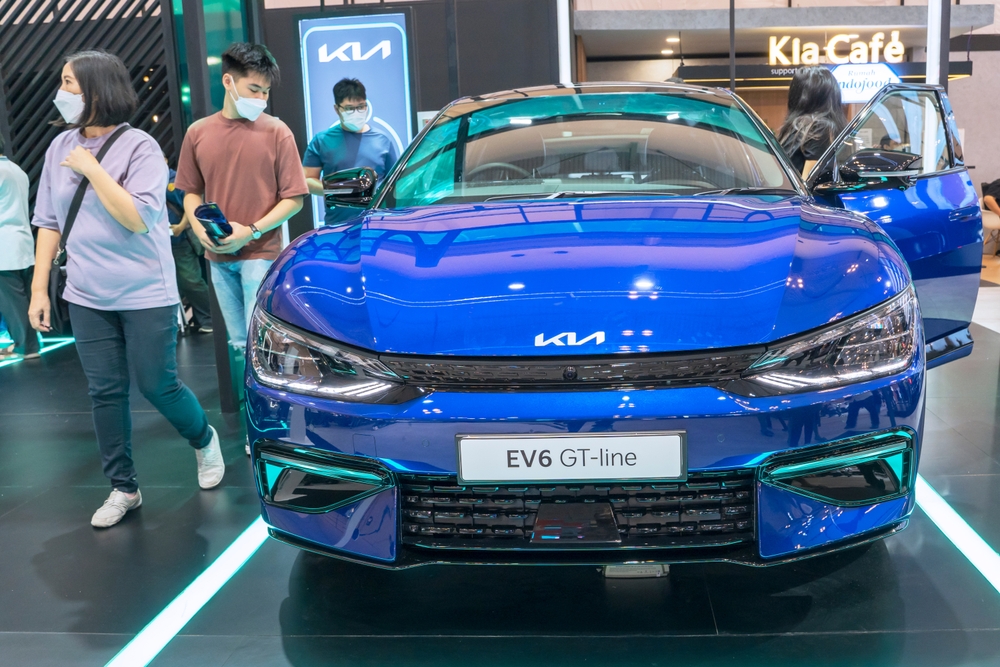
The Kia EV6 shares its platform with the Hyundai Ioniq 5. It delivers strong acceleration and modern styling. Official range numbers reach about 499 kilometers for certain trims. Winter driving commonly cuts that figure by 25 to 35 percent. Canadian EV owners often report shorter highway range in cold weather. Cabin heating becomes necessary during most winter drives. Cold batteries also accept charging power more slowly. That means longer stops at public fast chargers. Urban commuters may still find the EV6 convenient. Drivers covering long distances in winter should check real range tests before committing.
Volkswagen ID.4
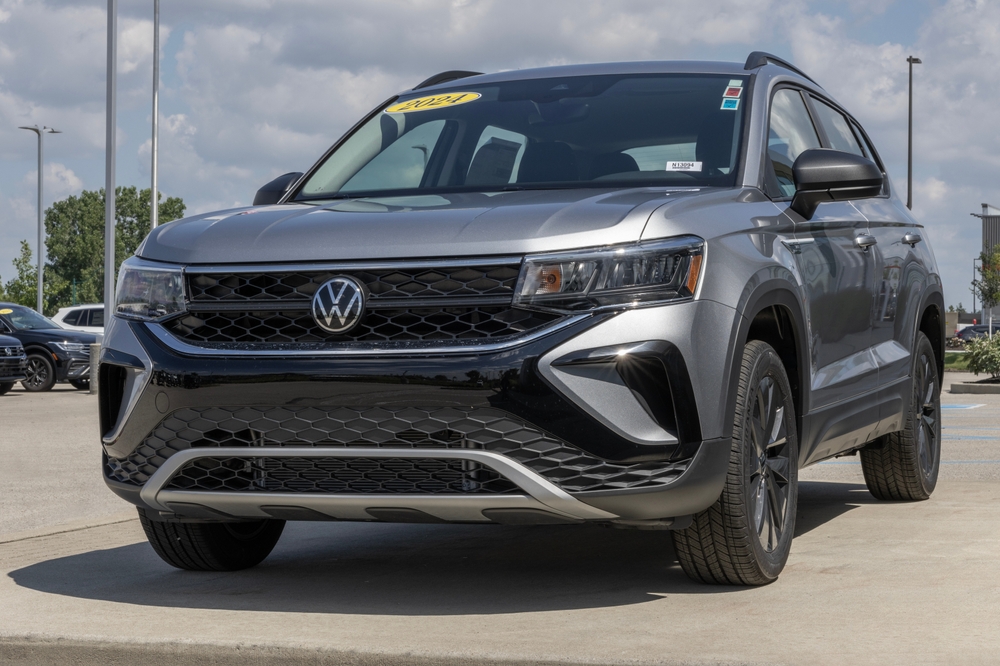
The Volkswagen ID.4 targets families moving from gasoline SUVs to electric driving. Its official range reaches roughly 443 kilometers. Winter often lowers that number to around 300 kilometers. Canadian owners frequently report reduced efficiency below minus ten degrees Celsius. Cabin heating and battery conditioning both require energy. The ID.4 also carries moderate weight for a compact SUV. That weight affects efficiency during cold-weather acceleration. Highway driving increases consumption further. Many Canadian regions experience long winters lasting five months or more. Buyers should compare winter range results carefully before selecting this electric crossover.
Nissan Ariya
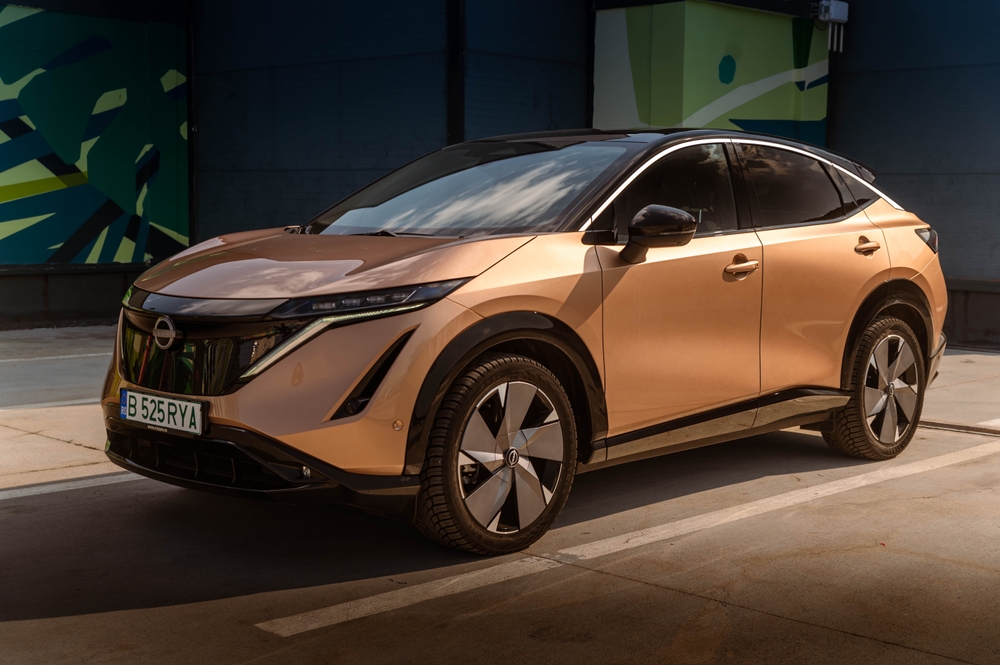
The Nissan Ariya represents the brand’s return to serious EV competition. It offers multiple battery sizes and a modern interior design. The official range can reach about 482 kilometers, depending on configuration. Winter performance varies more than many buyers expect. Cold temperatures affect lithium batteries across all brands. The Ariya also runs several electronic comfort systems. Heated seats, steering wheels, and cabin heaters draw extra energy. These features become essential in Canadian climates. Drivers in provinces like Manitoba often see range reductions of around 30 percent. Understanding those numbers helps prevent frustration after purchasing this electric SUV.
Toyota bZ4X
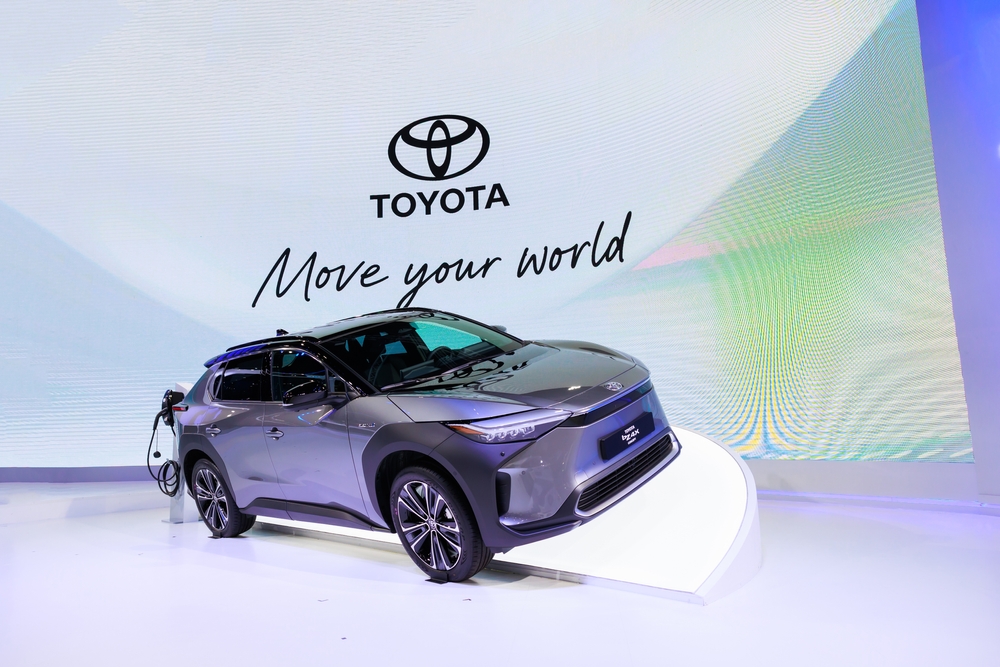
Toyota entered the EV market cautiously with the bZ4X crossover. Its official range looks modest compared with some rivals. Certain versions list roughly 406 kilometers under testing standards. Winter conditions often push that figure much lower. Owners have reported reductions of nearly 35 percent during deep cold. Battery warming systems consume additional electricity. Charging speeds also slow when temperatures drop sharply. Many Canadian regions experience weeks below minus fifteen degrees. That environment challenges most electric vehicles. Buyers expecting a consistent range may feel disappointed without checking winter testing results before purchasing the bZ4X.
Subaru Solterra
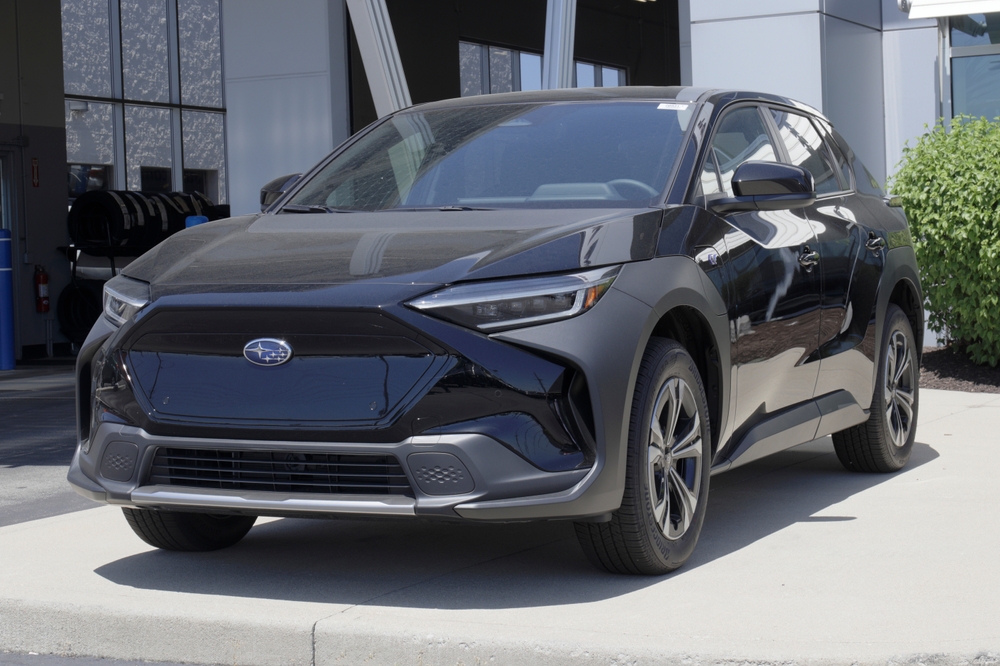
The Subaru Solterra shares engineering with the Toyota bZ4X. Subaru markets it toward outdoor-focused drivers. Canadian buyers appreciate its All Wheel Drive and brand reputation. Official range sits around 360 kilometres for most trims. Winter driving may reduce that figure to around 230 kilometres. Cold temperatures and mountain terrain worsen energy consumption. Ski trips often include roof racks or cargo carriers. Those accessories increase aerodynamic drag. Cabin heating remains necessary during long winter drives. The Solterra works well for short commutes. Buyers planning longer journeys should examine winter efficiency data carefully first.
Polestar 2
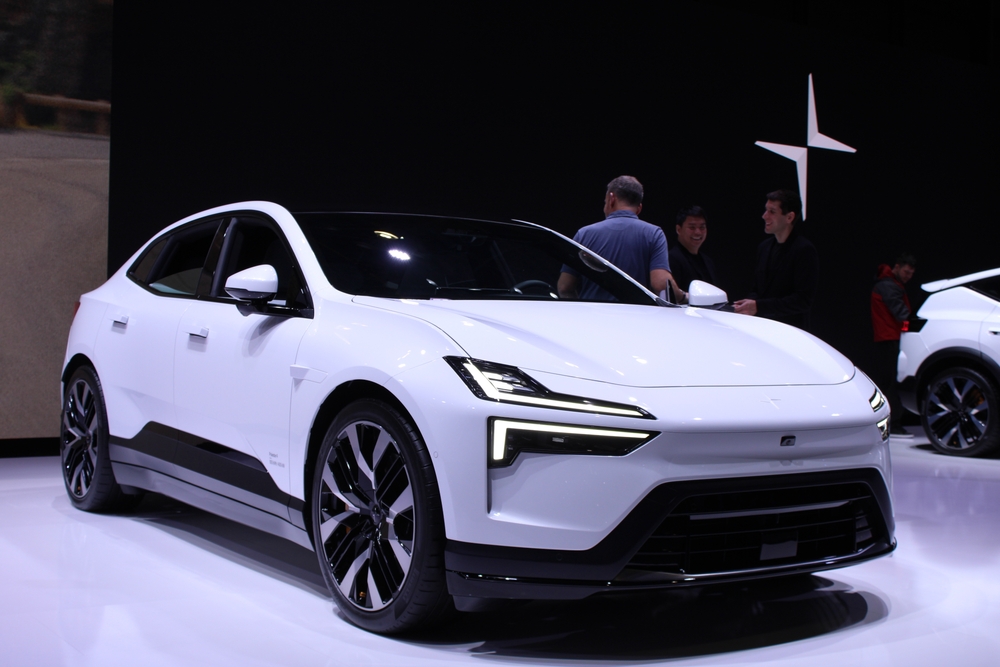
The Polestar 2 appeals to drivers seeking a premium electric sedan experience. Its Scandinavian design and strong performance attract many buyers. The Long Range version lists about 515 kilometres of official range. Winter driving can drop that number below 350 kilometres. Canadian roads often combine cold air with highway speeds. That combination reduces efficiency quickly. Performance-oriented tires also increase rolling resistance. Cabin heating and battery conditioning add further energy use. Polestar offers strong charging capabilities, but stops may happen sooner in winter. Prospective buyers should review cold-weather range reports before signing paperwork.
Volvo XC40 Recharge
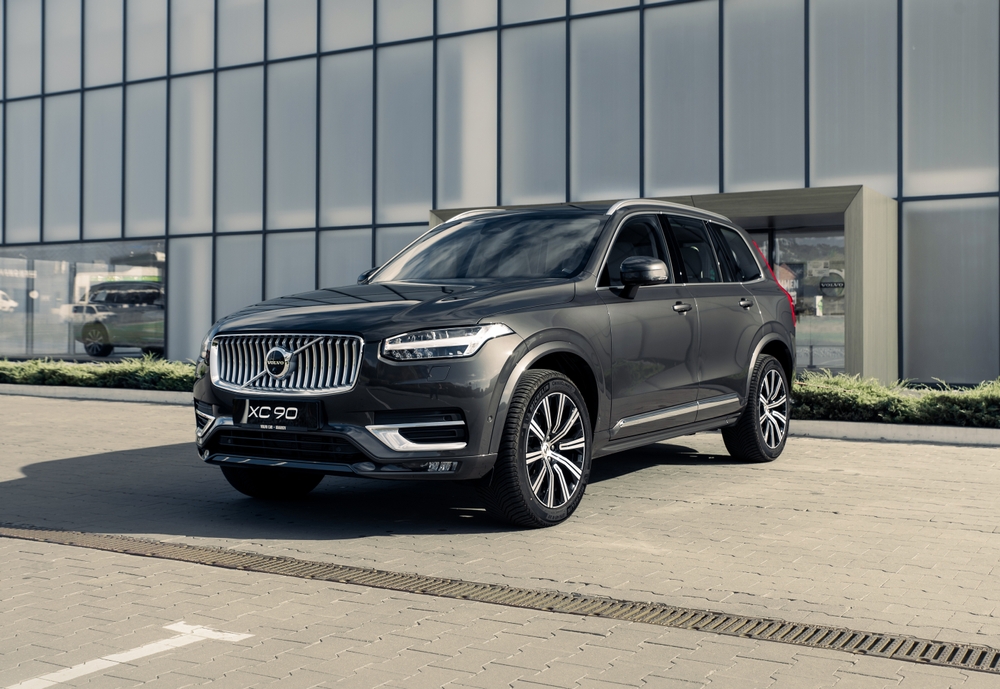
The Volvo XC40 Recharge blends luxury design with electric performance. Canadian buyers often appreciate Volvo’s reputation for safety. The official range reaches roughly 409 kilometres, depending on model year. Winter commonly lowers that number closer to 270 kilometres. Dual motor systems increase traction but also increase energy demand. Cold weather also affects charging speed and battery efficiency. Drivers in northern provinces often rely heavily on heating systems. Heated seats and steering wheels still draw power from the battery. The XC40 Recharge remains a capable electric SUV. Buyers should still evaluate winter driving data carefully.
Rivian R1T
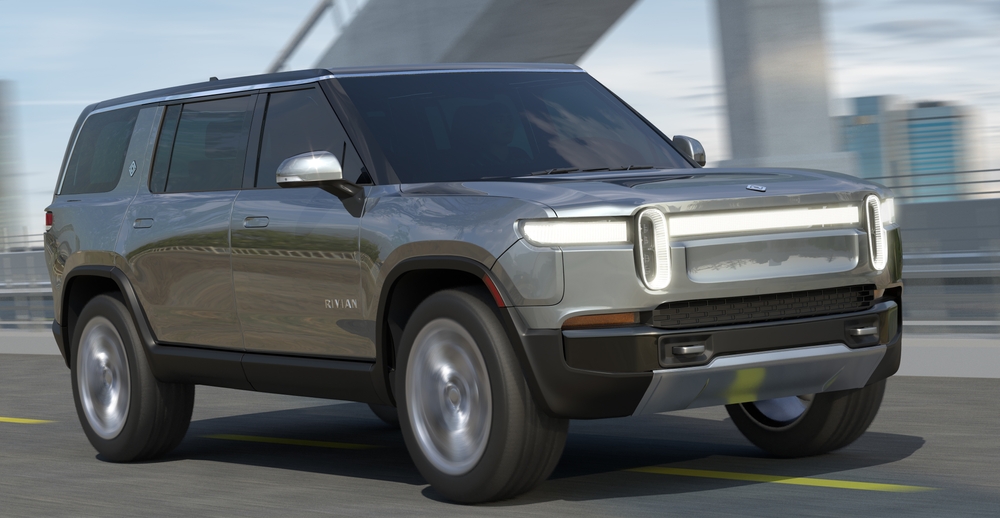
The Rivian R1T targets adventure-focused drivers and truck enthusiasts. It offers strong off-road capability and impressive acceleration. Official range varies between battery packs. Some versions list more than 500 kilometres. Winter often reduces that number significantly. Large trucks require more energy to move heavy frames. Cold weather compounds that demand. Drivers also carry gear for outdoor activities. Roof racks, skis, and cargo boxes increase aerodynamic drag. Off-road driving in snow uses additional power. Charging infrastructure in remote regions may remain limited. Buyers should examine winter testing before purchasing this premium electric truck.
Rivian R1S
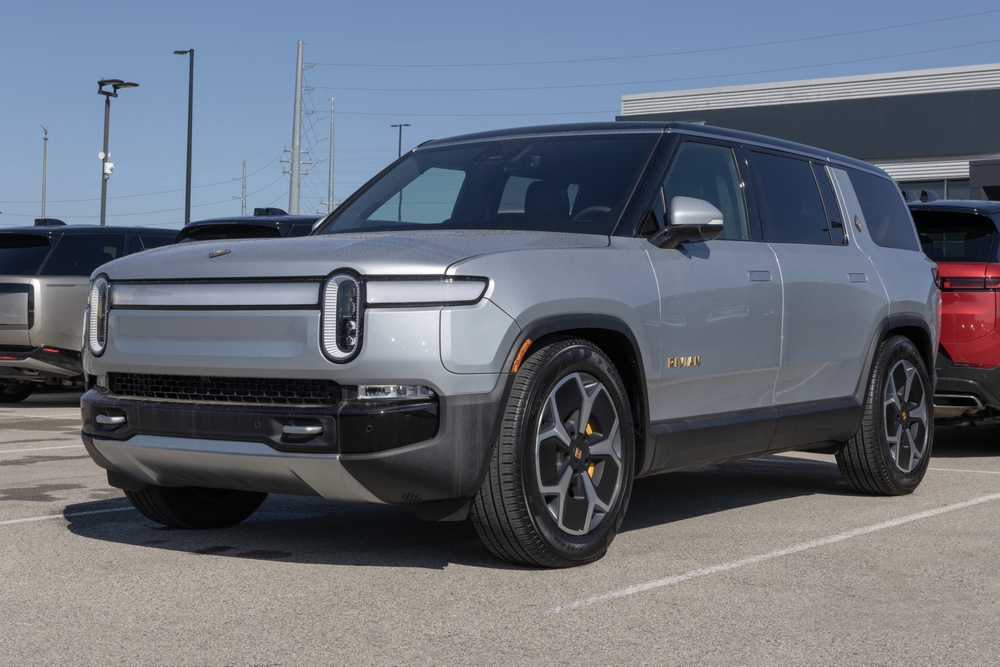
The Rivian R1S shares its platform with the R1T pickup. It provides three rows of seating and strong off-road capability. Official range numbers reach around 500 kilometres, depending on battery size. Winter driving frequently reduces that number closer to 330 kilometres. Large SUVs already consume significant energy during highway travel. Cold air and snow resistance increase that demand further. Families often run heating systems during long winter trips. Extra passengers and luggage also add weight. Charging stops may occur sooner than expected. Buyers should compare winter range tests before choosing this electric SUV.
Mercedes-Benz EQB
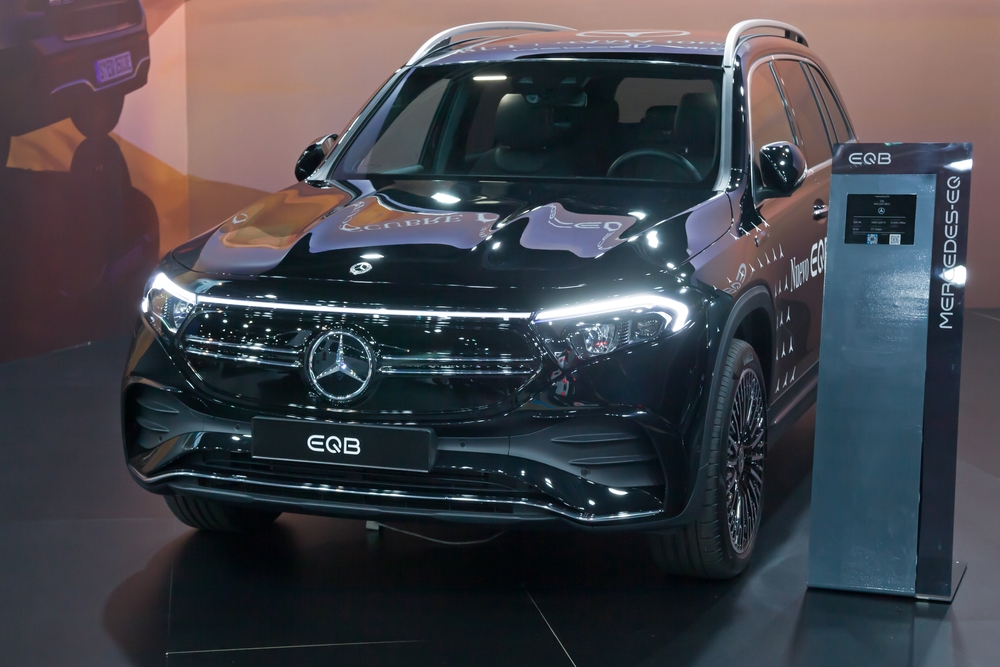
The Mercedes-Benz EQB offers electric luxury in a compact SUV format. It attracts buyers moving from gasoline luxury crossovers. Official range sits near 419 kilometres in ideal conditions. Winter weather can lower that figure below 280 kilometres. Luxury vehicles often include many electrical comfort features. Heated seats, climate control, and infotainment systems use extra energy. Cold weather also affects battery performance and charging speed. Canadian winters can last half the year in some provinces. Drivers expecting a consistent range may feel frustrated. Checking winter efficiency reports helps set realistic expectations before buying.
BMW i4
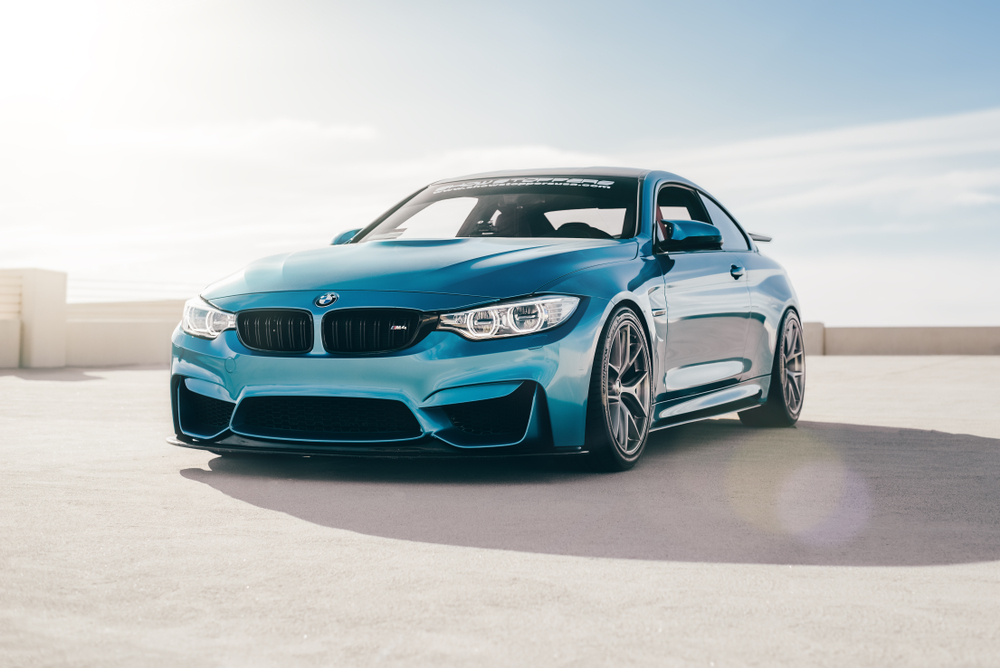
The BMW i4 provides electric driving wrapped in a sporty sedan design. Canadian buyers appreciate its quick acceleration and premium interior. Official range reaches roughly 484 kilometres for certain trims. Winter driving can reduce that number by nearly one-third. Performance-oriented tires reduce efficiency on cold pavement. Cabin heating also increases electricity consumption. Highway travel during winter conditions highlights these changes. Drivers who commute long distances may notice more frequent charging stops. The i4 remains enjoyable to drive. Buyers should still evaluate winter testing results before relying on official range figures.
Chevrolet Equinox EV
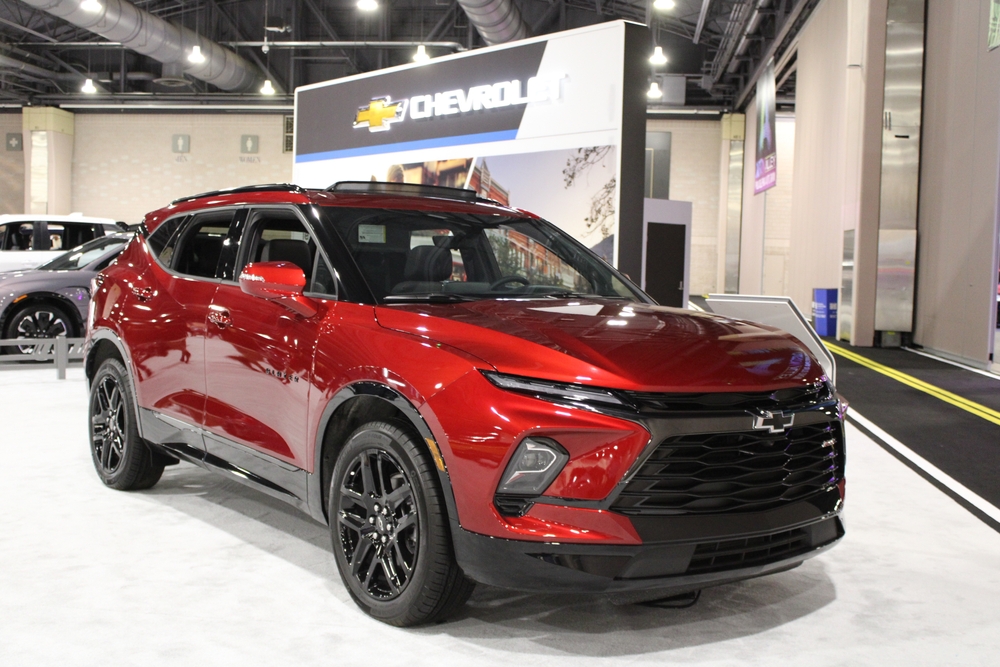
The Chevrolet Equinox EV aims to bring electric driving to a wider audience. Its starting price appears competitive compared with many rivals. GM advertises ranges approaching 480 kilometres for some versions. Winter conditions often reduce that figure closer to 320 kilometres. Cold batteries deliver less usable energy. Cabin heating during Canadian winters becomes unavoidable. Many buyers will use the Equinox EV for daily commuting. Long highway trips may require additional charging stops in winter. Charging infrastructure varies across provinces. Buyers should research real cold-weather testing before purchasing this electric SUV.
Cadillac Lyriq
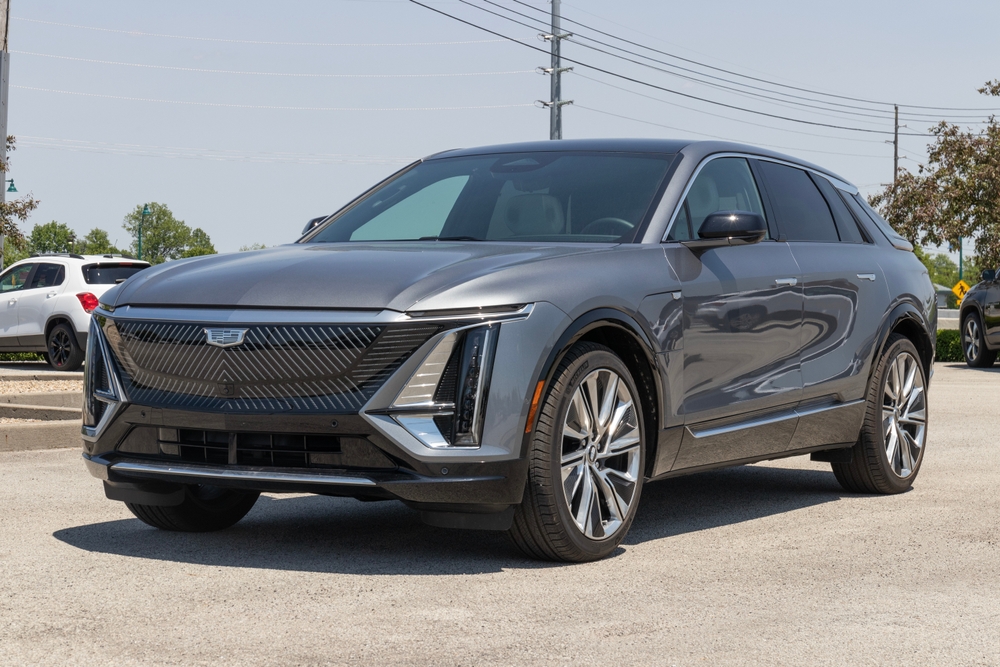
The Cadillac Lyriq focuses on luxury electric driving with strong styling. Official range figures reach about 505 kilometres for certain trims. Winter weather frequently reduces that number closer to 350 kilometres. Luxury vehicles often include powerful climate systems. Those systems increase energy demand during cold weather. The Lyriq also weighs more than many smaller EVs. That weight affects efficiency during acceleration and highway travel. Drivers in colder provinces may experience range drops of up to 30 percent. Charging stops become more frequent during winter road trips. Buyers should evaluate winter range tests before committing.
Genesis GV60
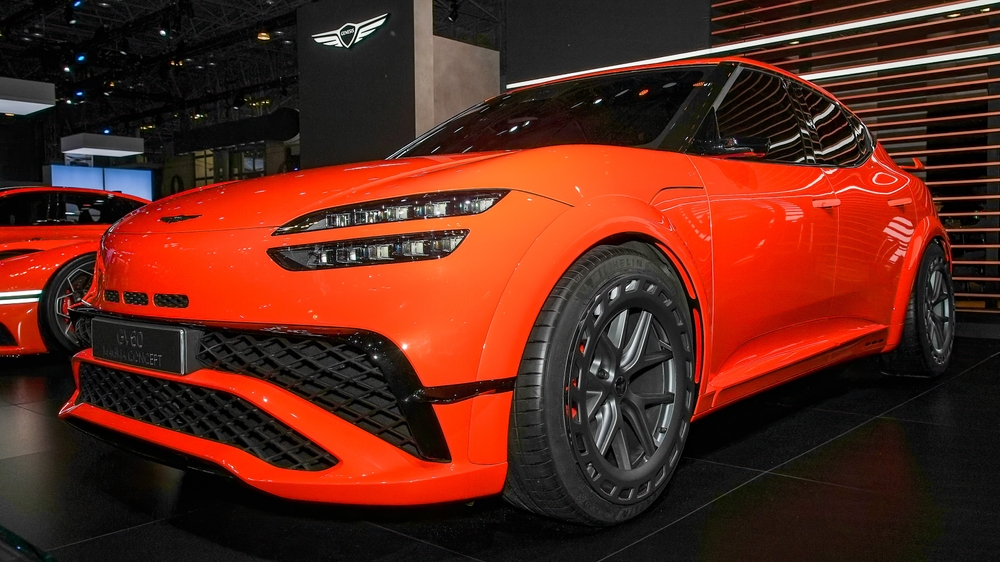
The Genesis GV60 delivers premium styling and strong electric performance. Canadian buyers often compare it with European luxury EVs. Official range reaches around 451 kilometres depending on trim. Winter driving commonly reduces that number to around 300 kilometres. Cold temperatures affect battery chemistry across all EV brands. Cabin heating remains necessary for comfort during Canadian winters. Performance versions also encourage quicker acceleration. That driving style increases energy consumption further. Highway speeds amplify the range loss. The GV60 remains an appealing luxury EV. Buyers should still check winter efficiency results before deciding.