





















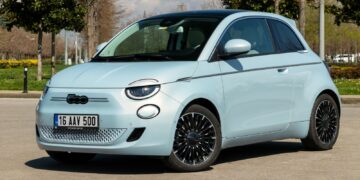




Highway driving comfort matters more in Canada due to long travel distances and varying road conditions. One issue many drivers notice over time is cabin noise. Wind, tire, and road noise can become tiring, especially on longer trips. Some vehicles tend to be louder than expected, even at moderate speeds. This can affect the overall driving experience and comfort. In colder months, rough roads and winter tires can make the issue more noticeable. Tracking which models have these concerns helps in making better choices. It also helps current owners understand what to expect. Here are 24 vehicles that are loud on the highway, and owners are fed up.
Jeep Wrangler (2018–present)
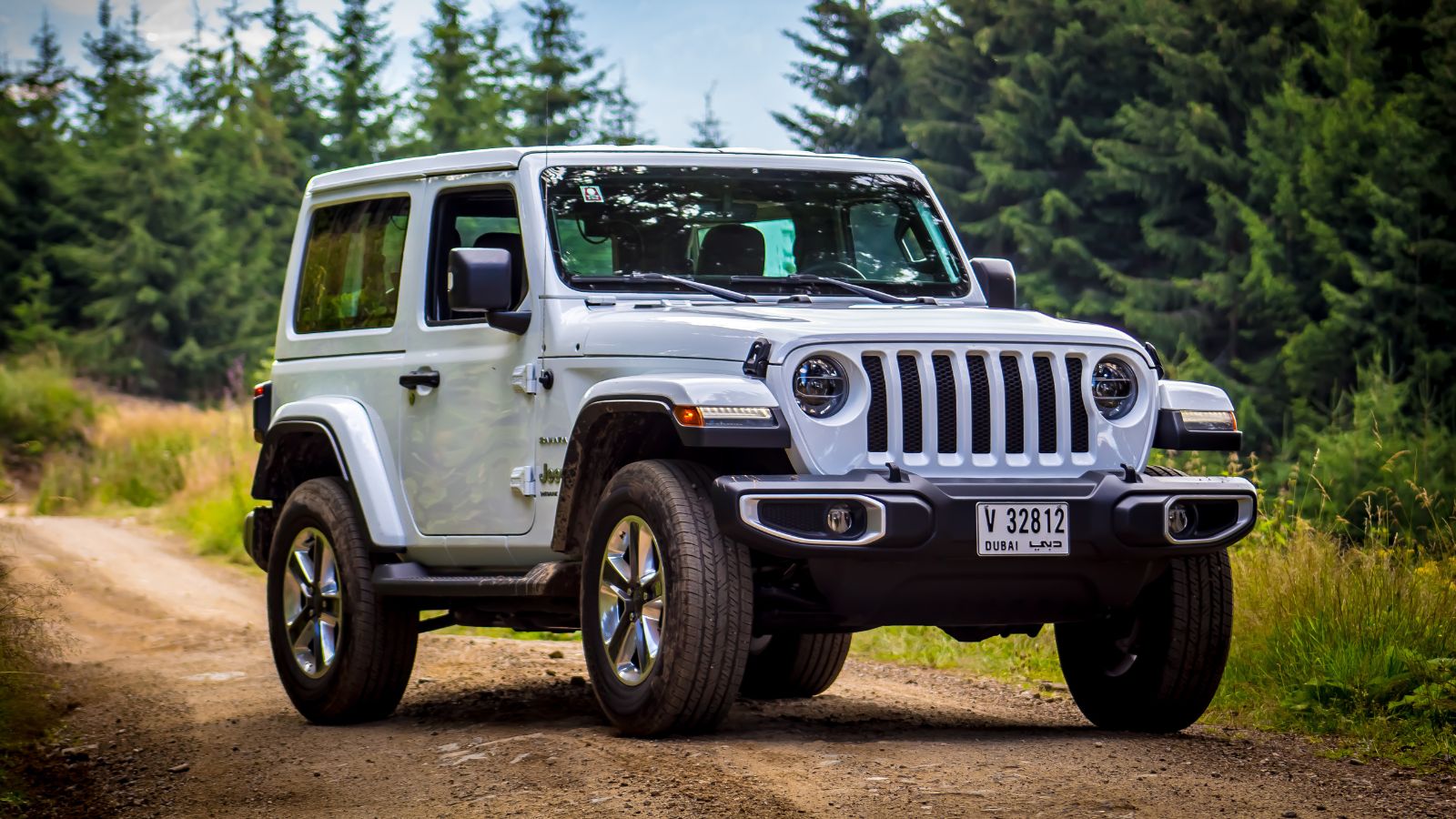
The Jeep Wrangler is known for its rugged design, yet highway noise is a common concern. The upright shape and removable panels allow more wind noise inside the cabin. At higher speeds, this becomes more noticeable. In Canada, highway driving with crosswinds can increase this effect. Tire noise may also add to the overall sound level. The lack of heavy insulation compared to other SUVs contributes to the issue. Tracking noise levels during long drives helps in understanding their impact. Some owners add aftermarket insulation to reduce sound. However, results can vary. This model shows how design choices can affect comfort during highway travel.
Toyota Tacoma (2016–2023)
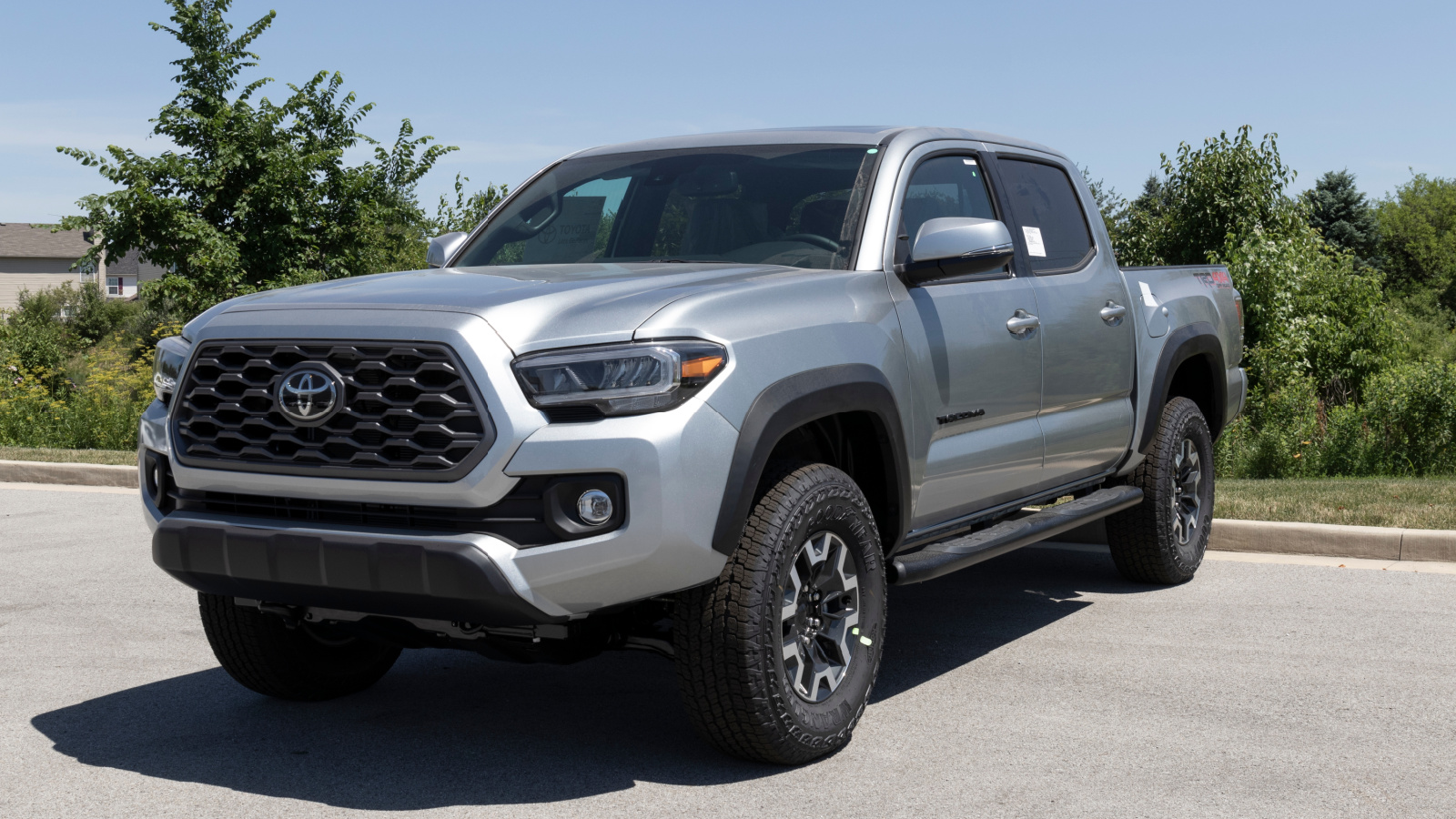
The Toyota Tacoma has been reported to produce noticeable road and wind noise on highways. Many drivers mention that cabin insulation feels limited. At higher speeds, tire noise becomes more prominent. In Canada, rough road surfaces and winter tires can increase this effect. The truck design may also allow more sound to enter the cabin. Tracking driving conditions helps in identifying when noise levels rise. Some owners switch tires to reduce noise. Others add soundproofing materials for improvement. However, noise may still be present. This model reflects how utility-focused design can impact driving comfort.
Honda Civic (2016–2021)
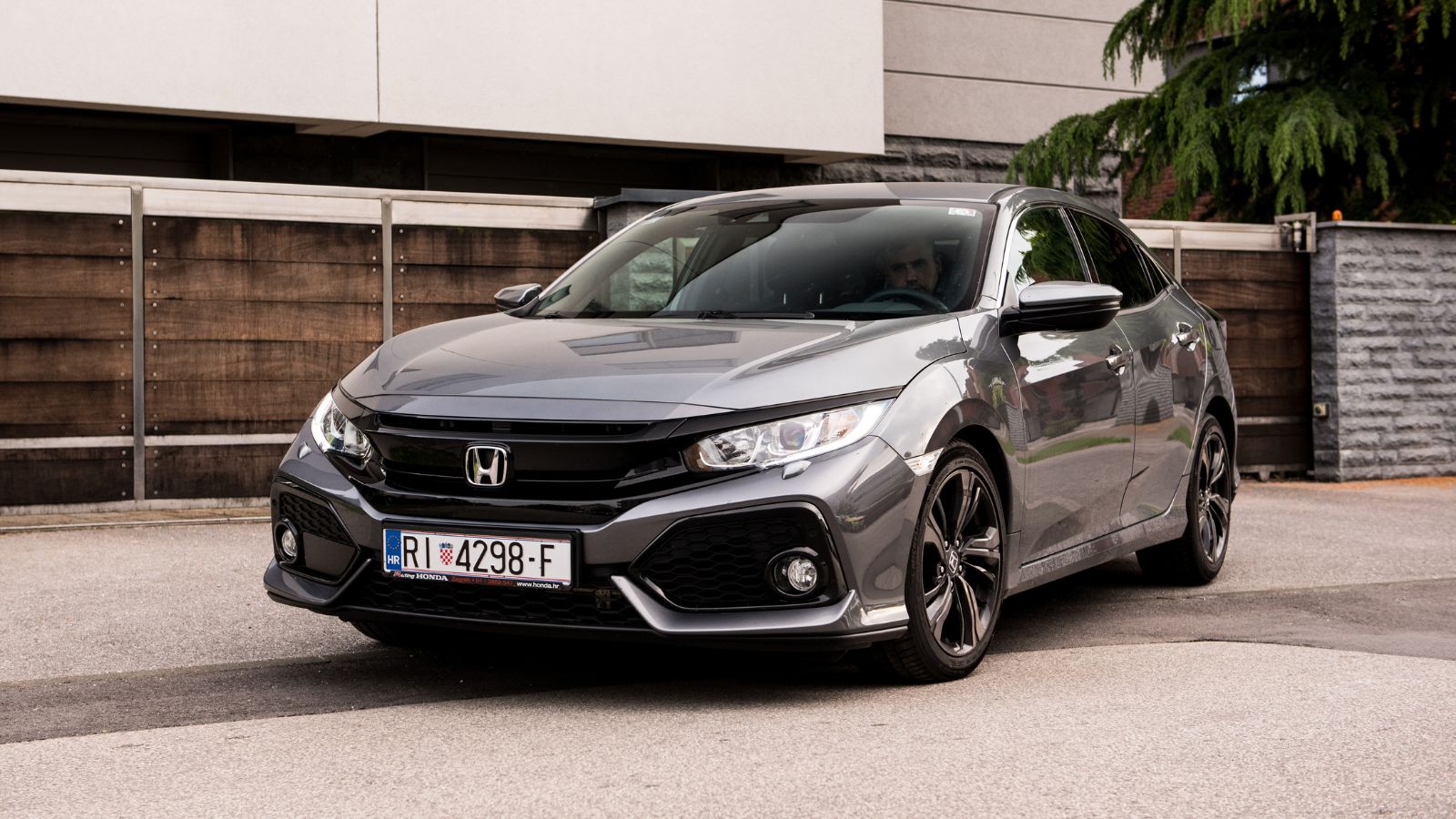
The Honda Civic is popular for efficiency, yet highway noise has been a concern for some drivers. Wind and road noise can become noticeable at higher speeds. In Canada, colder conditions and rough roads may increase this effect. Lighter body construction may contribute to less sound insulation. Tire choice also plays a role in overall noise levels. Tracking driving conditions helps in understanding when noise becomes more noticeable. Some drivers upgrade tires for quieter performance. However, noise may still be present during long drives. This model shows how a compact design can affect cabin quietness.
Subaru Crosstrek (2018–2023)
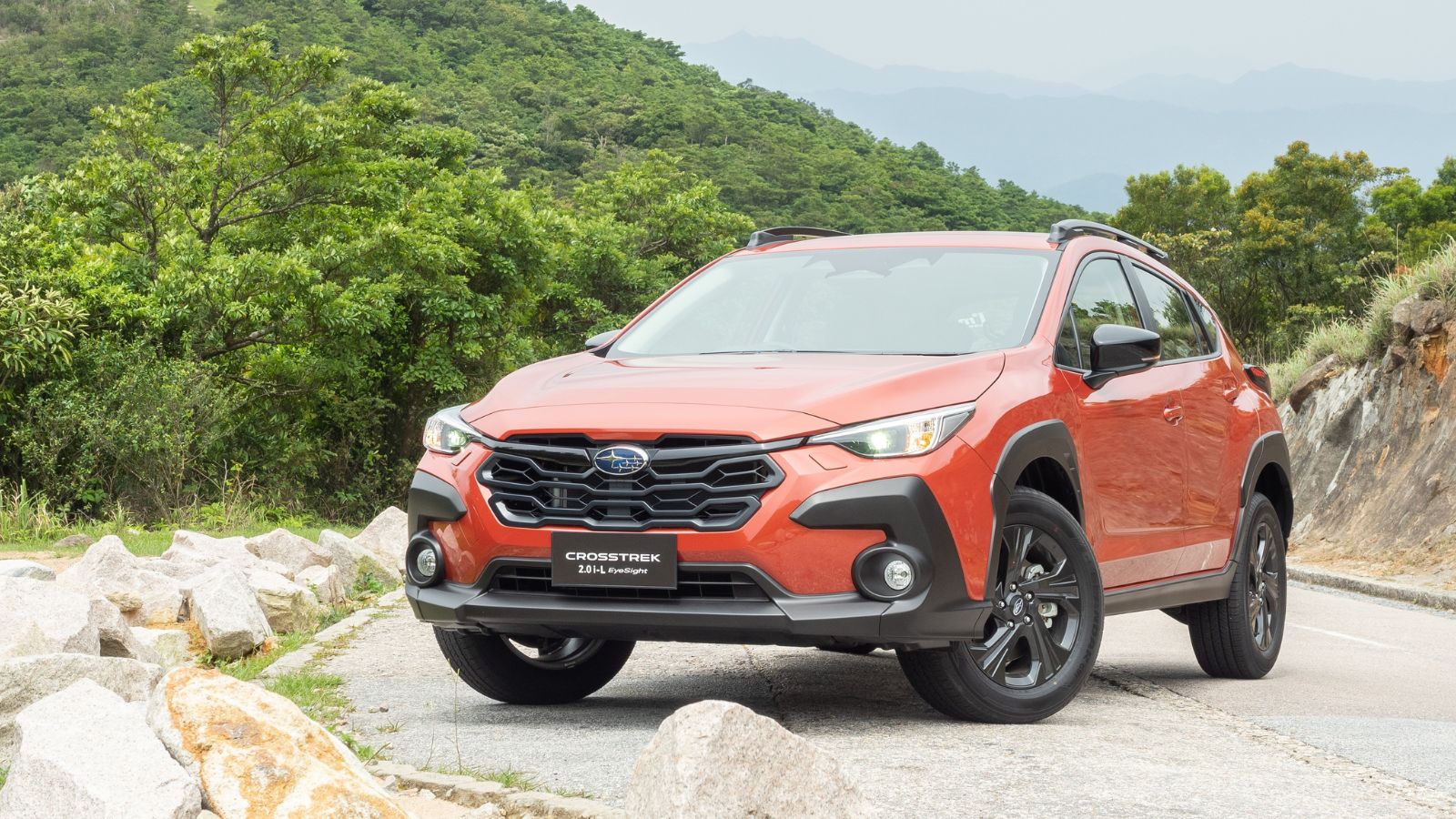
The Subaru Crosstrek has also been linked to higher cabin noise on highways. Drivers often report wind and road noise entering the cabin. The vehicle’s design and lighter insulation may contribute to this. In Canada, highway conditions and winter tires can increase noise levels. At higher speeds, the sound may become more noticeable. Tracking these patterns helps in understanding their impact. Some owners use quieter tires or add insulation. However, improvements may be limited. This model highlights how everyday driving conditions can affect overall comfort.
Nissan Rogue (2014–2020)
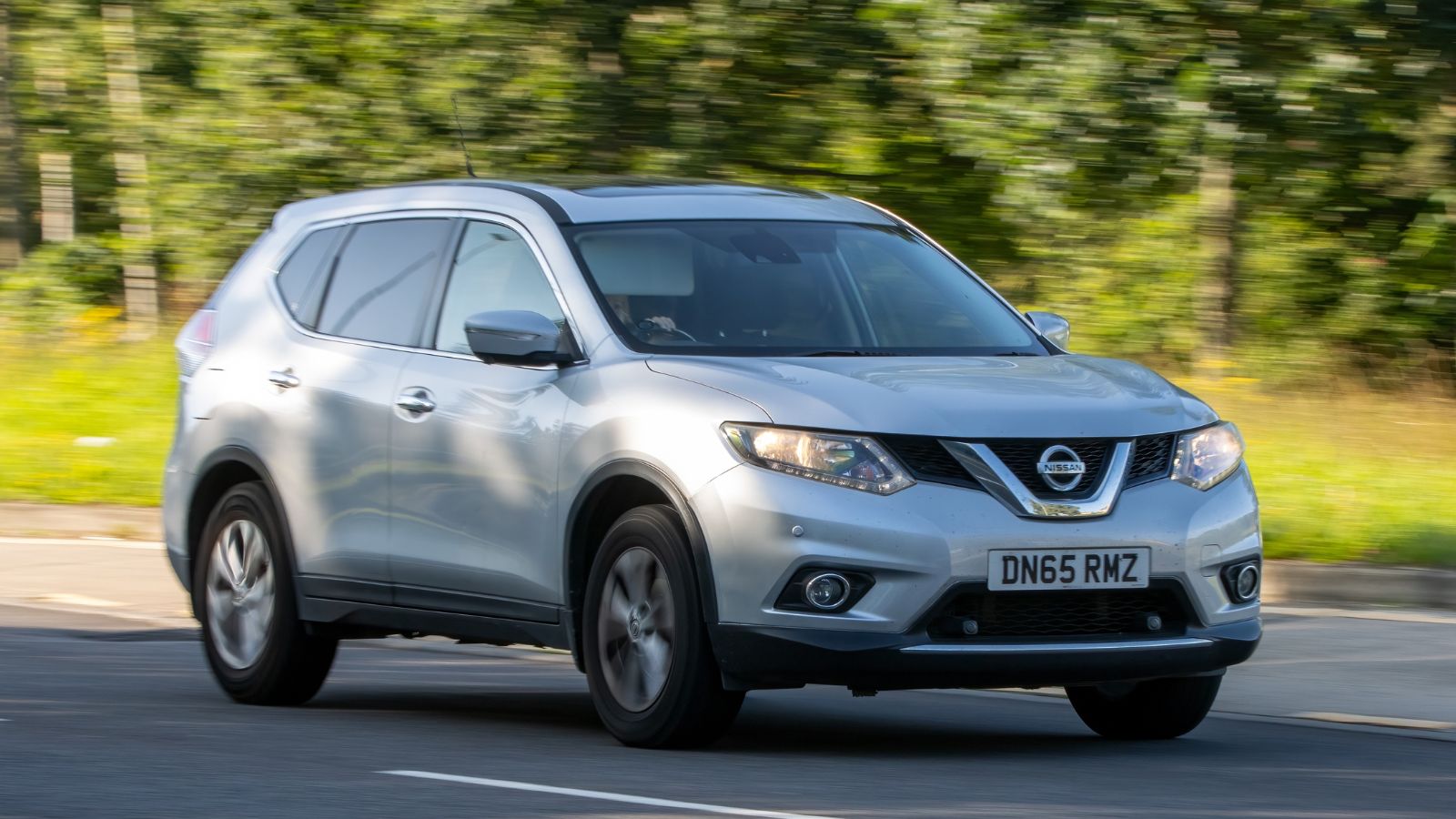
Reports indicate the Nissan Rogue has noticeable cabin noise during highway driving. Wind noise around doors and windows can become more noticeable at speed. Road noise may also enter the cabin on rough surfaces. In Canada, winter conditions can make this more apparent. Tire choice and road quality influence the overall sound level. Tracking noise across different conditions helps identify patterns. Some drivers attempt to reduce noise with better tires. However, insulation limits may still be present. This model reflects how design and environment can affect driving comfort.
Mazda CX-5 (2017–2022)
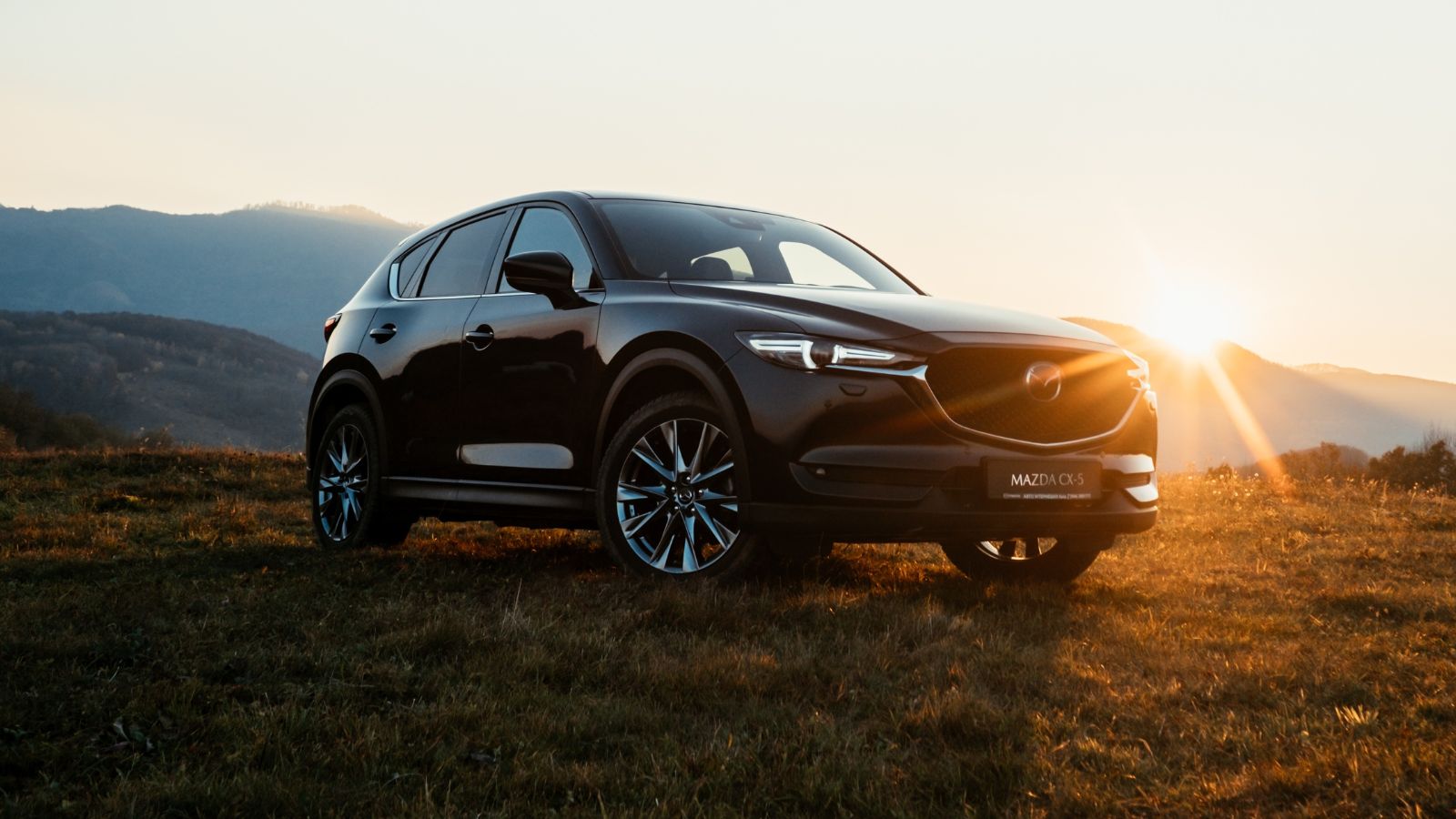
The Mazda CX-5 offers a refined design, yet some drivers report highway noise concerns. Wind and tire noise can become noticeable at higher speeds. In Canada, rough roads and winter tires may increase sound levels. The cabin insulation may not fully block external noise. Tracking driving conditions helps in understanding when noise is more noticeable. Some owners upgrade tires to reduce sound. Others consider additional insulation for improvement. However, results may vary with usage. This model shows how even well-designed vehicles can experience noise issues under certain conditions.
Hyundai Elantra (2017–2022)
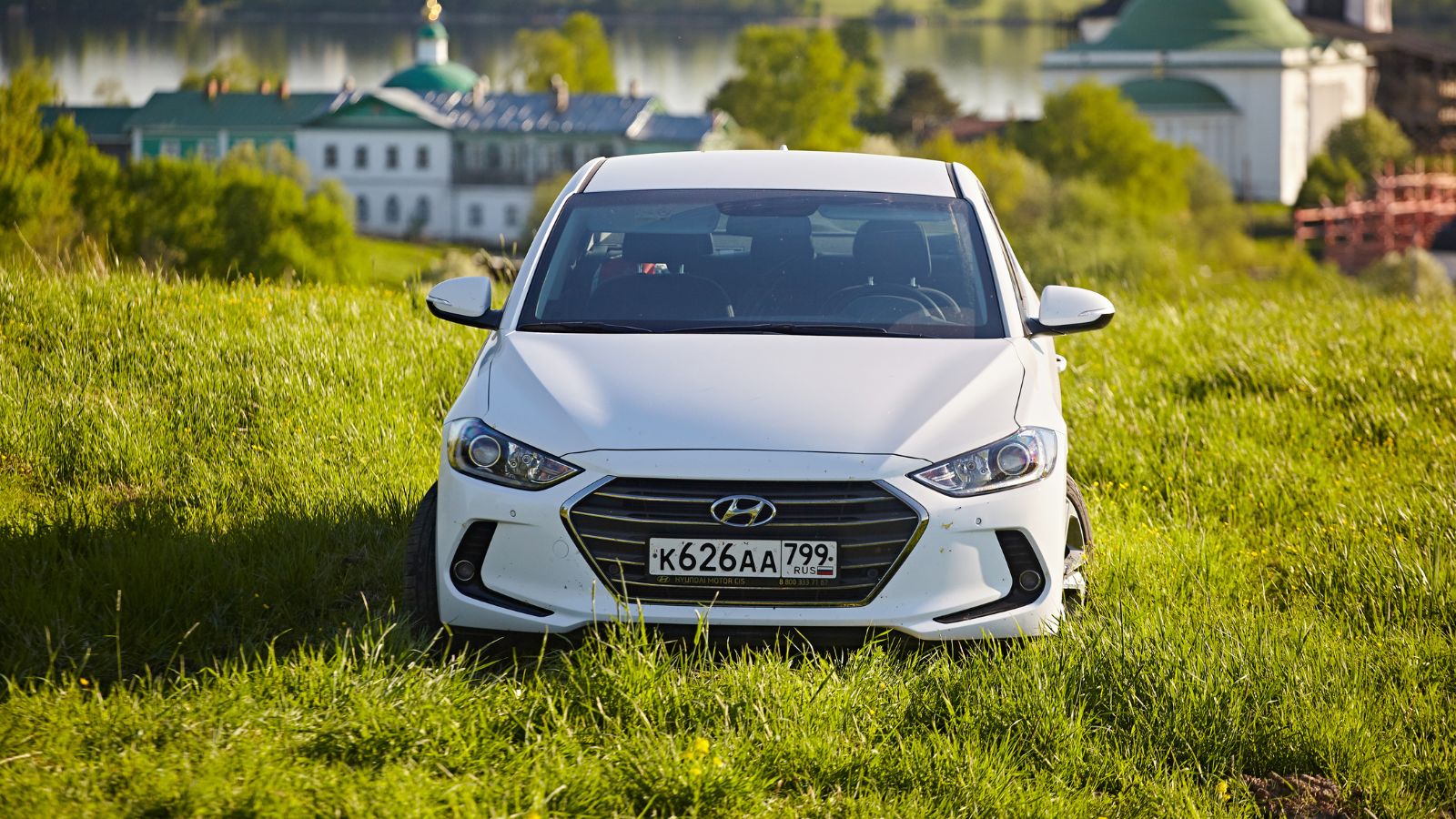
Hyundai Elantras from these years have received feedback about noticeable highway noise. Drivers often mention wind and tire noise entering the cabin at higher speeds. In Canada, rough road surfaces and winter tires can increase this effect. The lighter body structure may allow more external sound inside. Noise may become more noticeable during long highway drives. Tracking driving conditions helps in identifying patterns. Some owners switch to quieter tires to reduce sound levels. Others consider adding insulation for improvement. However, results may vary. This model shows how compact sedans can experience higher cabin noise under certain driving conditions.
Kia Forte (2019–2023)
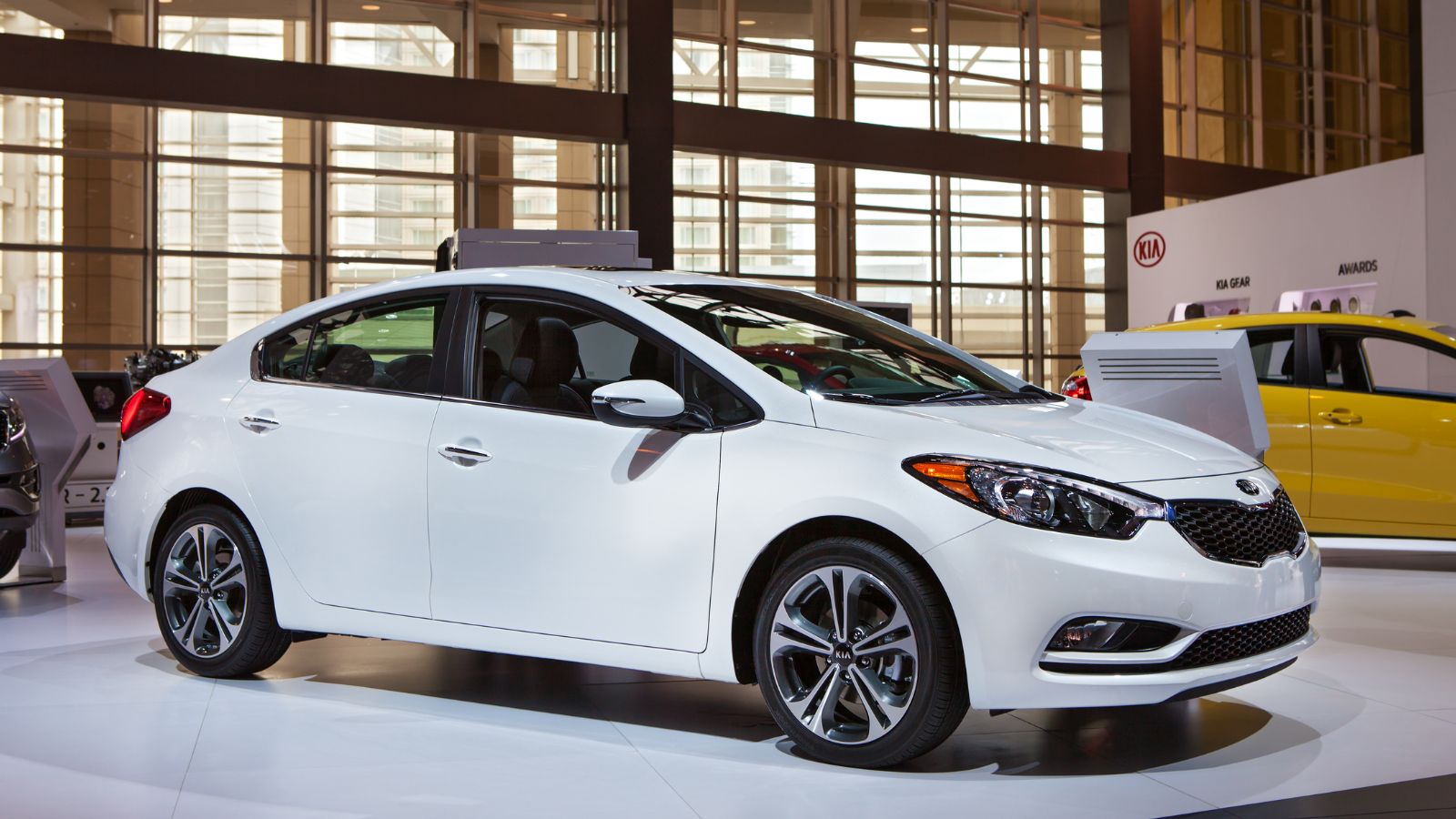
The Kia Forte has also been associated with higher cabin noise on the highway. Many drivers report road and wind noise becoming noticeable at speed. In Canadian conditions, gravel roads and winter tires can increase sound levels. The vehicle’s design may not fully block external noise. Tracking when noise becomes more noticeable helps in managing expectations. Some drivers choose tires designed for quieter performance. However, noise may still be present on longer drives. This model reflects how entry-level vehicles may prioritize cost over sound insulation.
Ford F-150 (2015–2022)
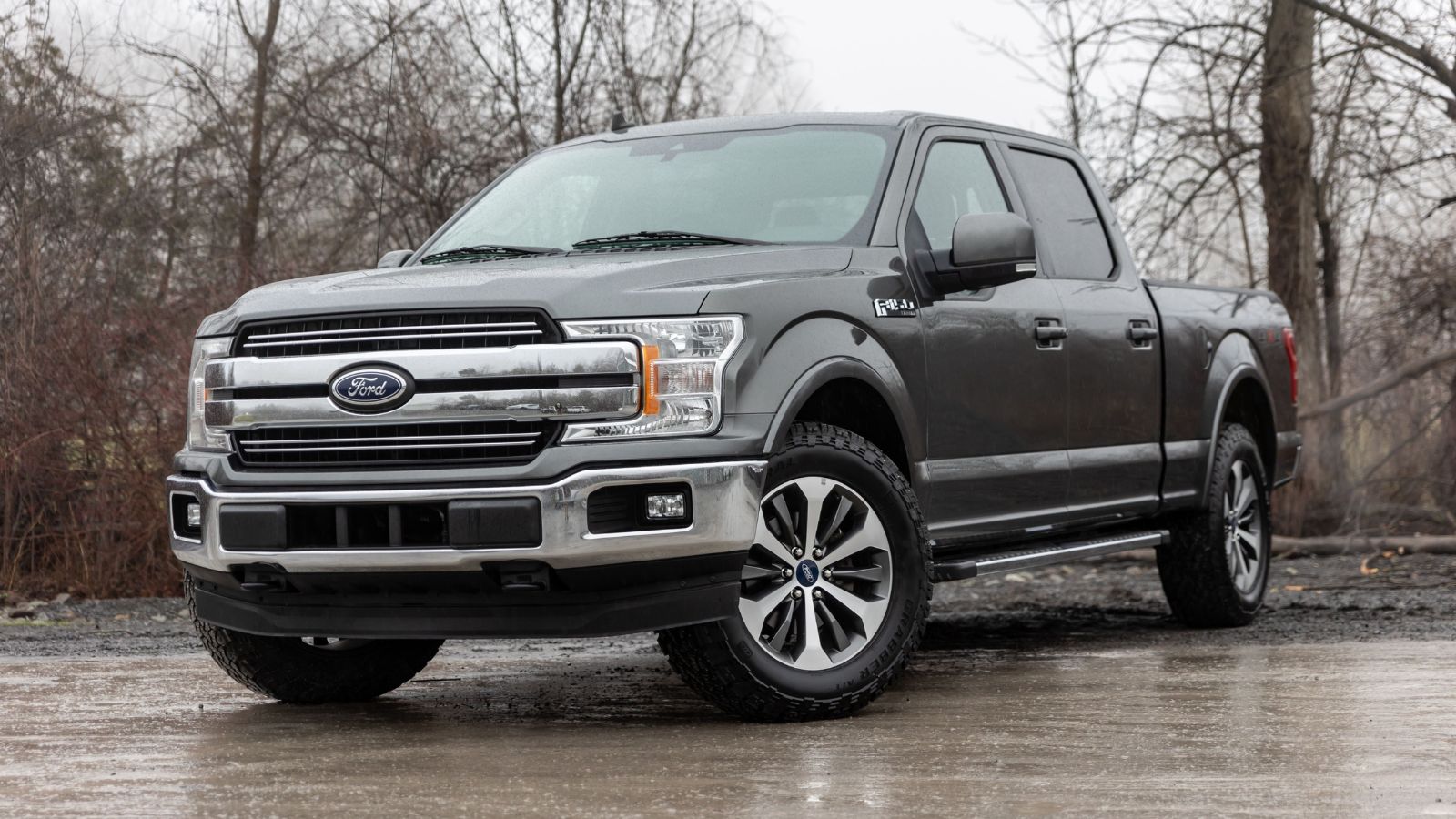
The Ford F-150 is widely used, yet some drivers report highway noise concerns. Large body size and truck design can allow more wind noise. Tire noise may also increase depending on the type of tires used. In Canada, winter conditions and rough roads can add to this effect. At higher speeds, noise may become more noticeable inside the cabin. Tracking these patterns helps in understanding the issue. Some owners use quieter tires or add soundproofing. However, improvements may vary. This model highlights how utility-focused vehicles can experience higher cabin noise.
Chevrolet Silverado (2014–2021)
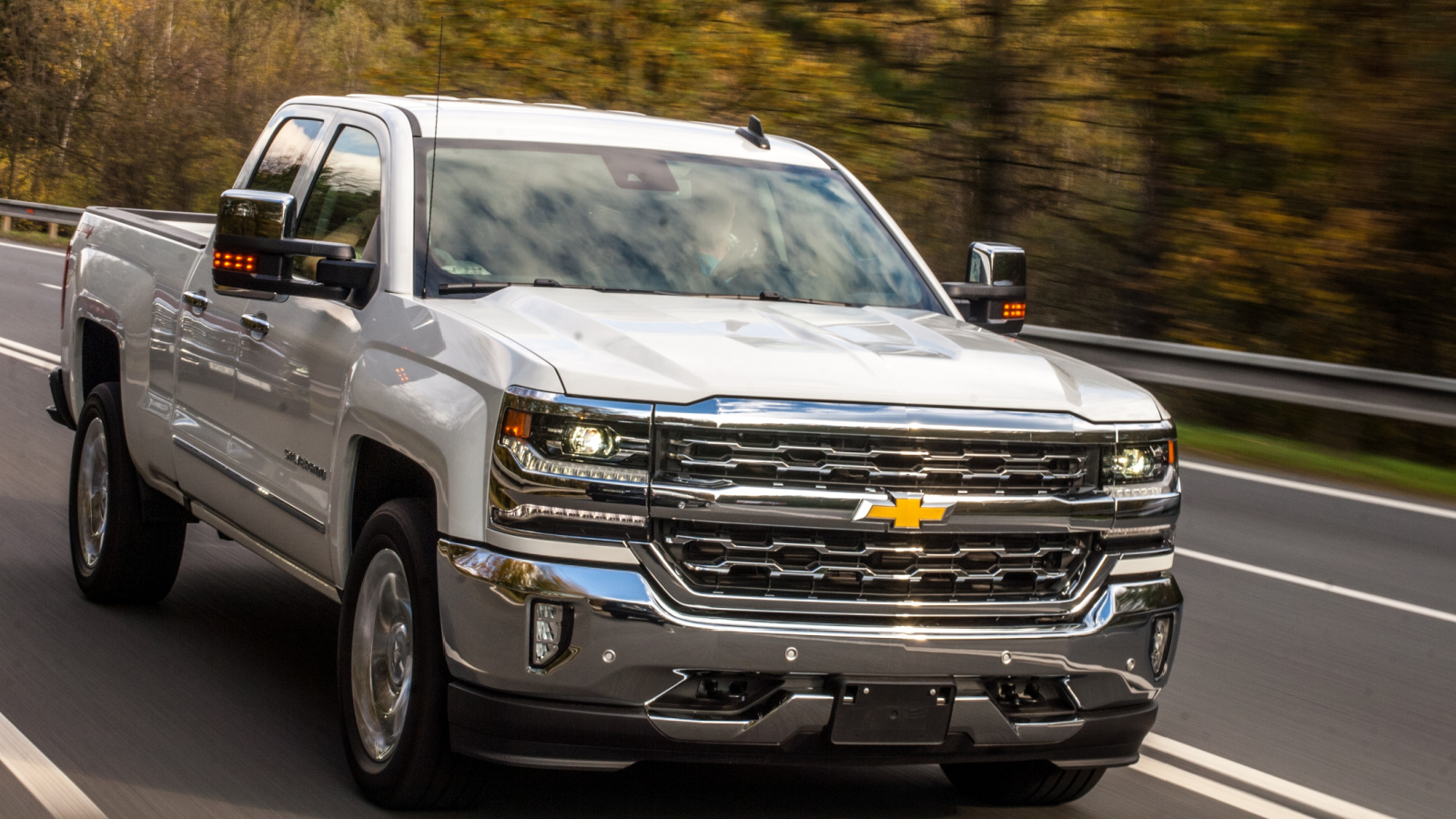
The Chevrolet Silverado has also been linked to noticeable highway noise. Drivers often report wind and road noise entering the cabin at speed. The large truck design may increase exposure to external sound. In Canada, road conditions and winter tires can make this more noticeable. Noise levels may rise during long highway drives. Tracking driving conditions helps in identifying patterns. Some owners upgrade tires or add insulation. However, noise may still remain noticeable. This model reflects how larger vehicles may face challenges in maintaining a quiet cabin.
Jeep Cherokee (2016–2022)
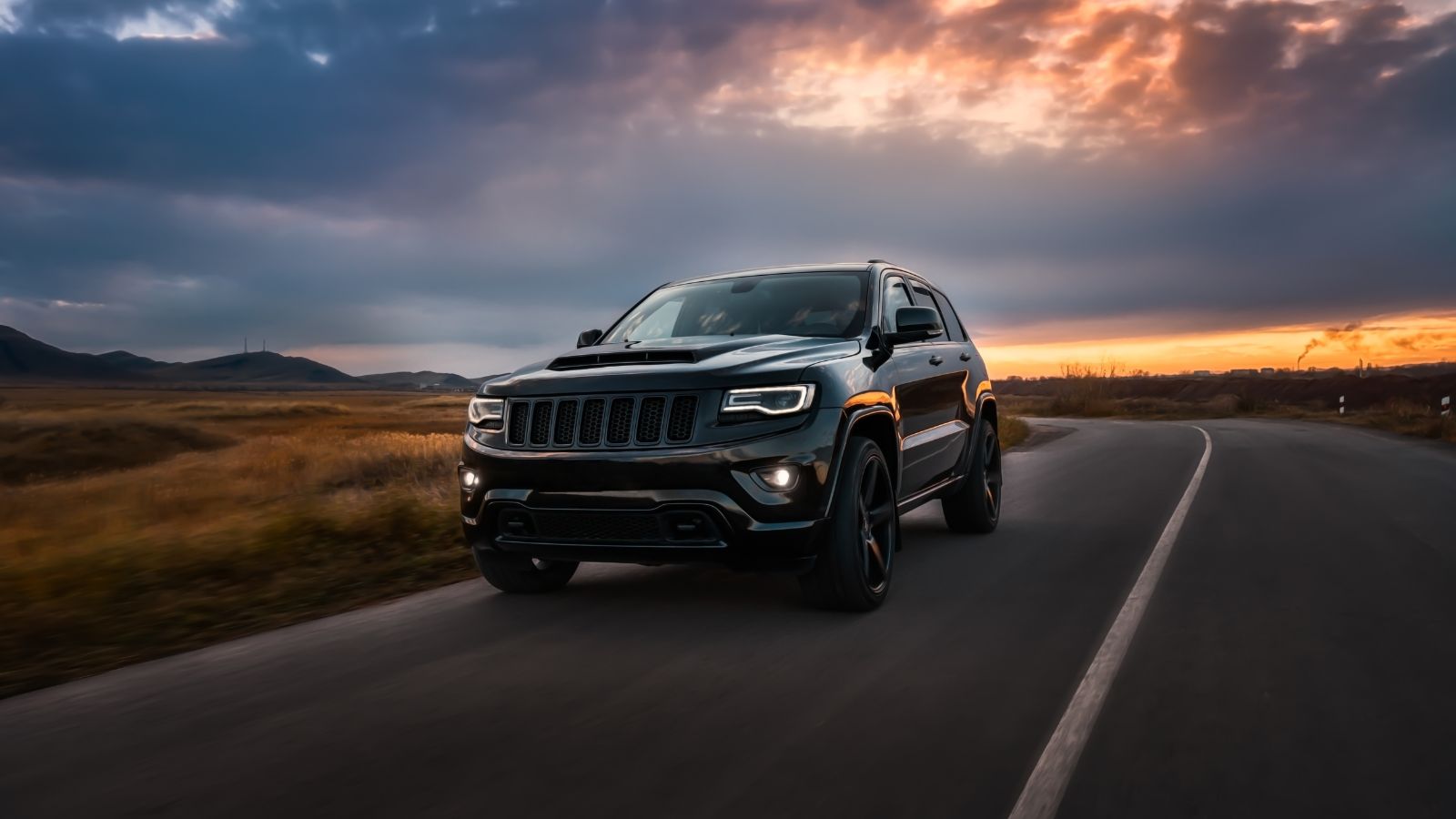
Reports indicate the Jeep Cherokee has cabin noise during highway travel. Drivers mention wind noise around doors and windows at higher speeds. Road noise may also increase on rough surfaces. In Canada, winter driving conditions can add to this issue. The vehicle’s design may allow more external sound inside. Tracking when noise occurs helps in understanding its impact. Some owners attempt to reduce noise with tire changes. However, results may vary. This model highlights how certain SUV designs can affect cabin comfort.
Toyota Corolla (2014–2020)
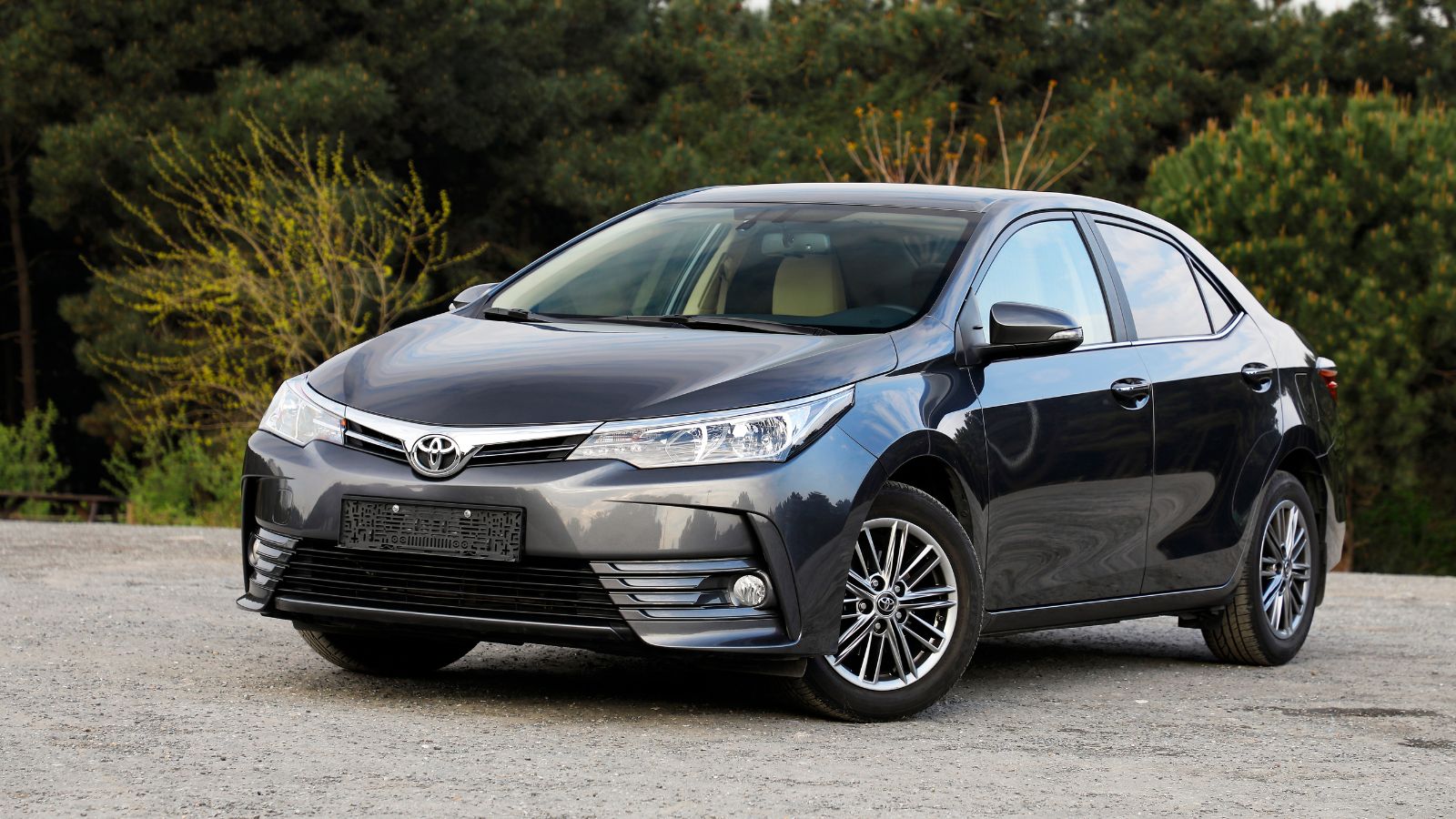
The Toyota Corolla is known for reliability, yet highway noise is a concern for some drivers. Wind and road noise can become noticeable at higher speeds. In Canada, rough roads and winter tires can increase sound levels. The compact design may offer less insulation against external noise. Tracking driving conditions helps in identifying when noise becomes more noticeable. Some drivers switch to quieter tires for improvement. However, noise may still be present during longer trips. This model shows how everyday driving conditions can influence cabin comfort.
Honda CR-V (2017–2022)
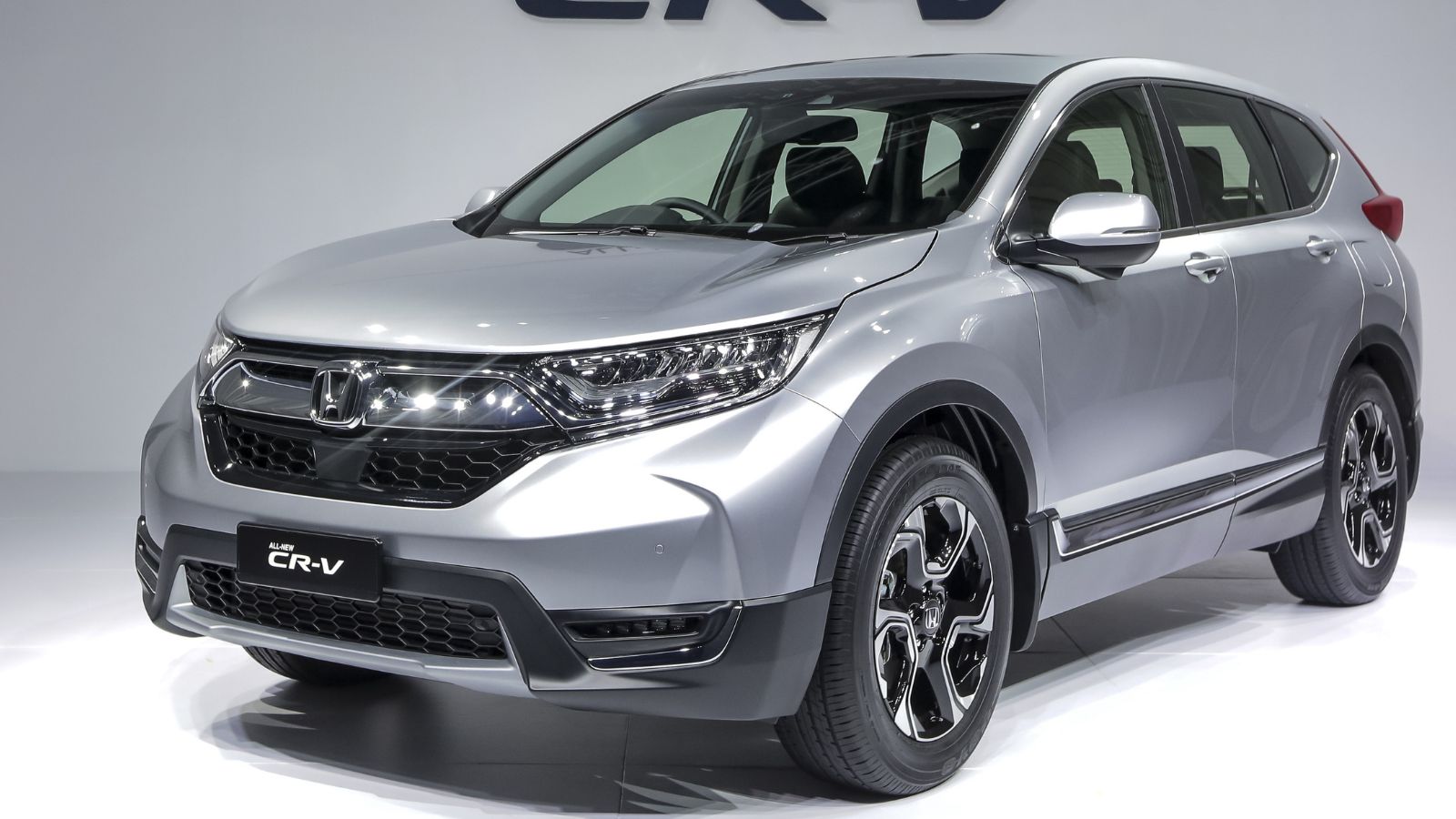
Honda CR-Vs from these years have received feedback about noticeable highway noise. Drivers often report wind noise around doors and mirrors at higher speeds. Road noise can also become more apparent on rough surfaces. In Canada, winter tires and uneven roads can increase this effect. The cabin insulation may not fully block outside sound. Noise may become tiring during longer drives. Tracking when noise increases helps in understanding patterns. Some owners switch to quieter tires for improvement. Others consider adding insulation in certain areas. However, results may vary. This model shows how everyday driving conditions can affect cabin comfort over time.
Subaru Forester (2017–2022)
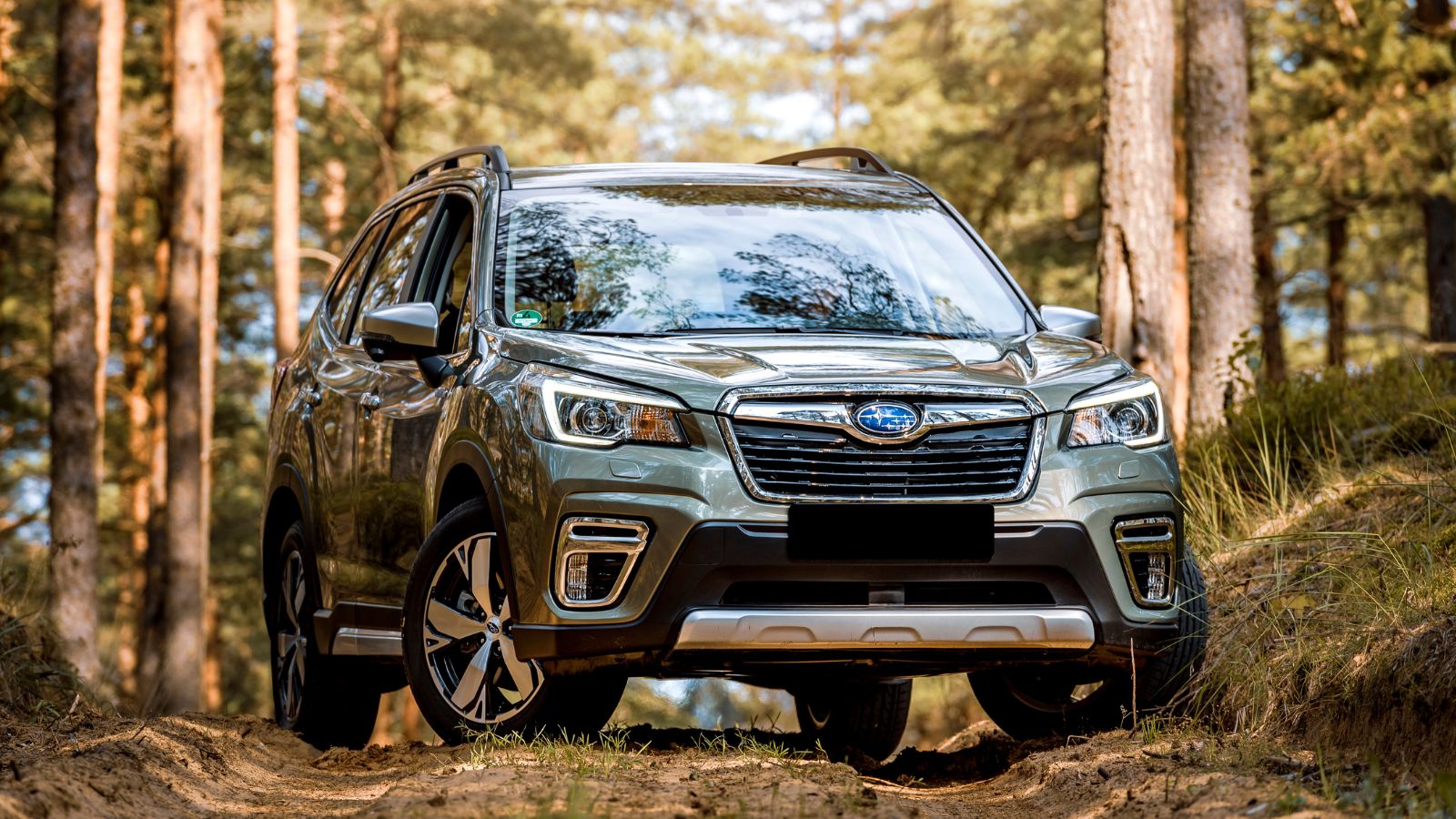
The Subaru Forester has also been linked to higher cabin noise during highway travel. Drivers often mention wind and tire noise becoming noticeable at speed. The boxy design may allow more air resistance, which increases sound. In Canada, road conditions and winter tires can add to this issue. Noise may become more noticeable on long trips. Tracking driving conditions helps in identifying when the problem occurs. Some owners choose quieter tires to reduce sound levels. However, insulation limits may still remain. This model reflects how design and environment can influence overall driving comfort.
Nissan Sentra (2013–2019)
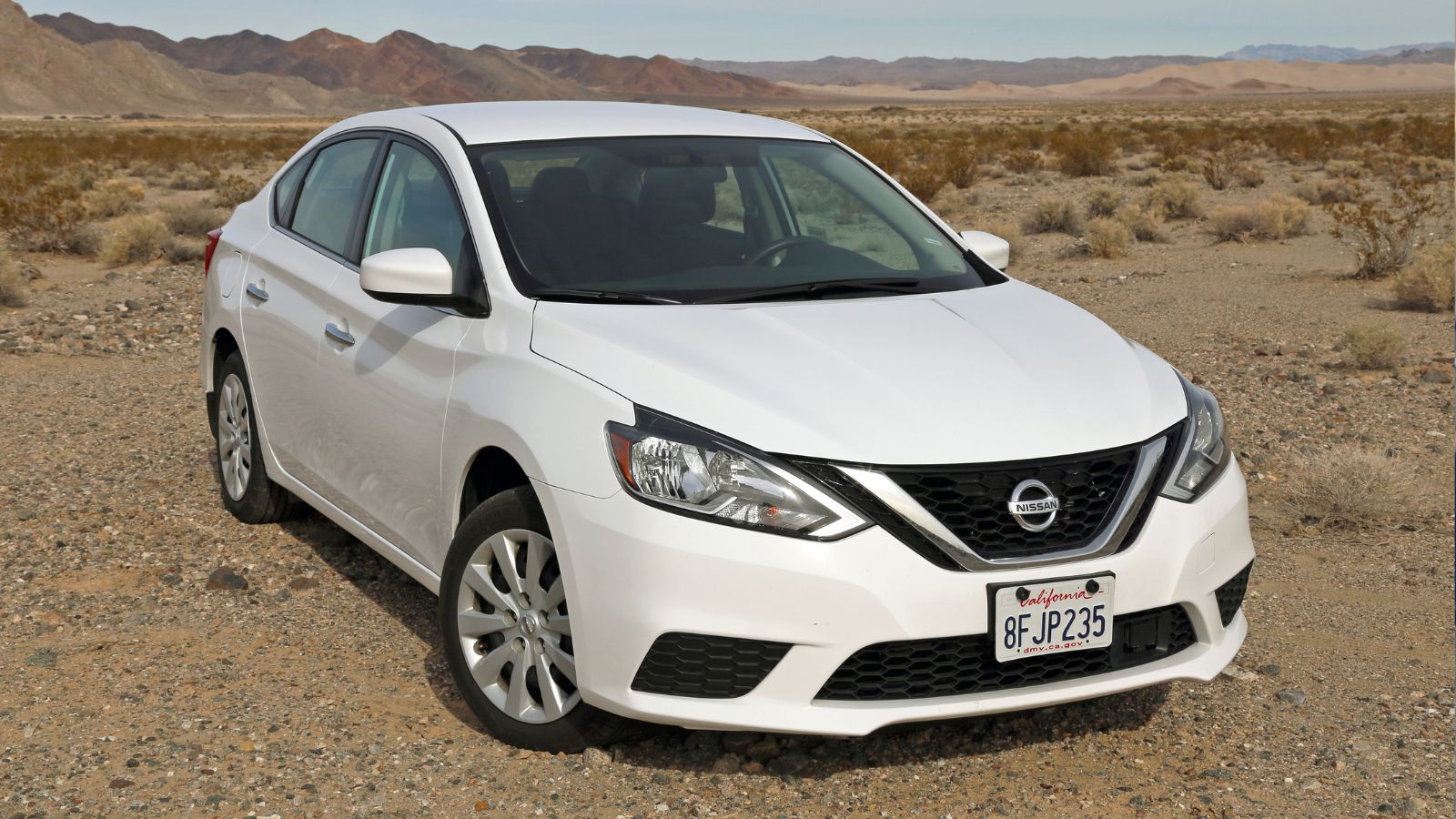
Reports of highway noise concerns have been noted for the Nissan Sentra across several model years. Drivers often notice road and wind noise entering the cabin at higher speeds. In Canada, rough road surfaces and winter driving conditions can increase this effect. The lighter build may contribute to less sound insulation. Noise may become more noticeable during longer drives. Tracking when this happens helps in managing expectations. Some drivers switch to quieter tires for improvement. However, the change may be limited. This model highlights how compact cars can experience higher cabin noise under certain conditions.
Hyundai Tucson (2016–2021)
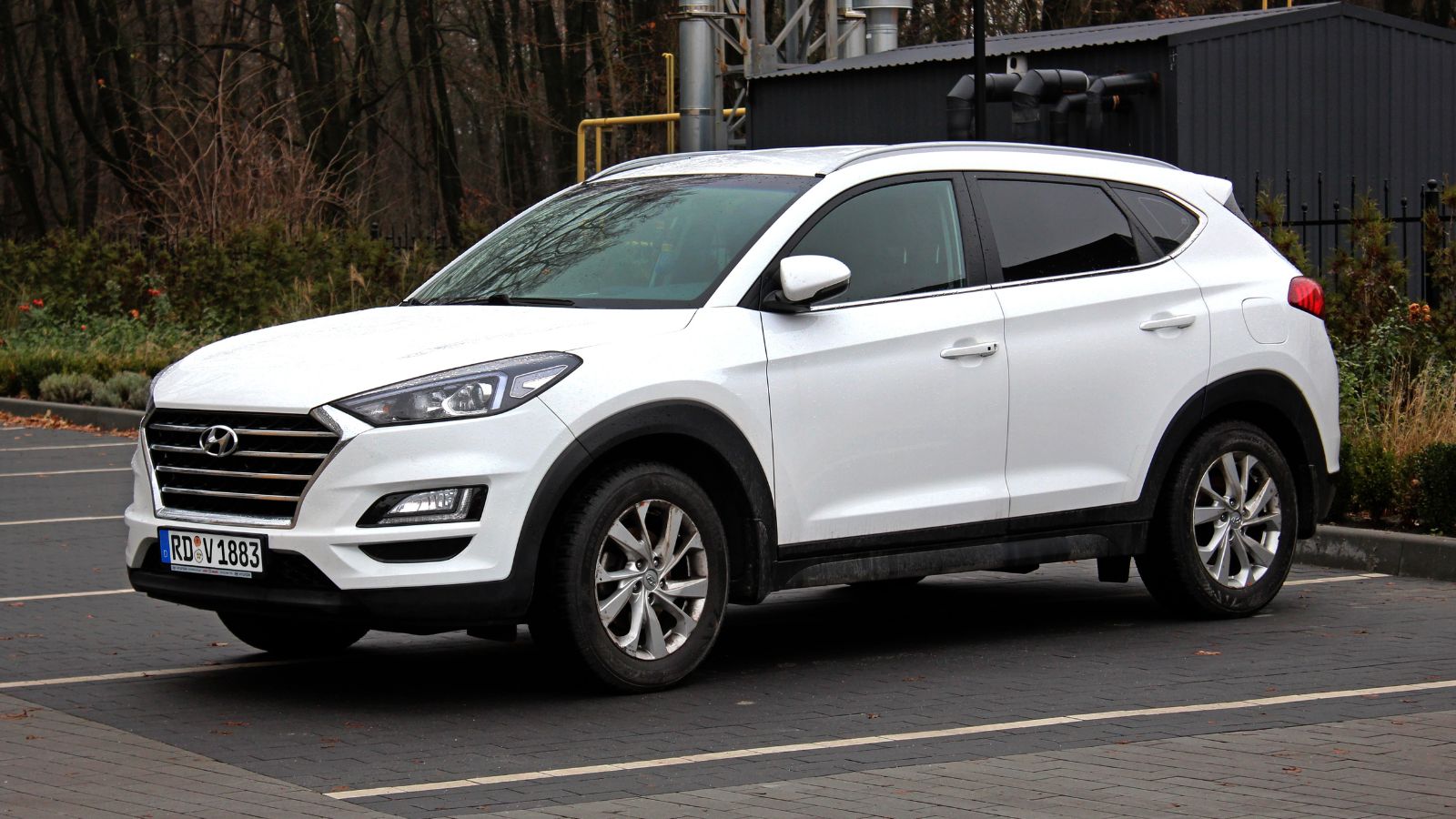
The Hyundai Tucson has also been associated with noticeable highway noise. Drivers report wind and tire noise becoming more apparent at speed. In Canadian conditions, gravel roads and winter tires can increase sound levels. The vehicle design may not fully block outside noise. Noise may become more noticeable on longer highway drives. Tracking these patterns helps in understanding their impact. Some owners try quieter tires or additional insulation. However, results may vary depending on usage. This model shows how environmental factors can influence cabin noise levels.
Kia Sportage (2017–2022)
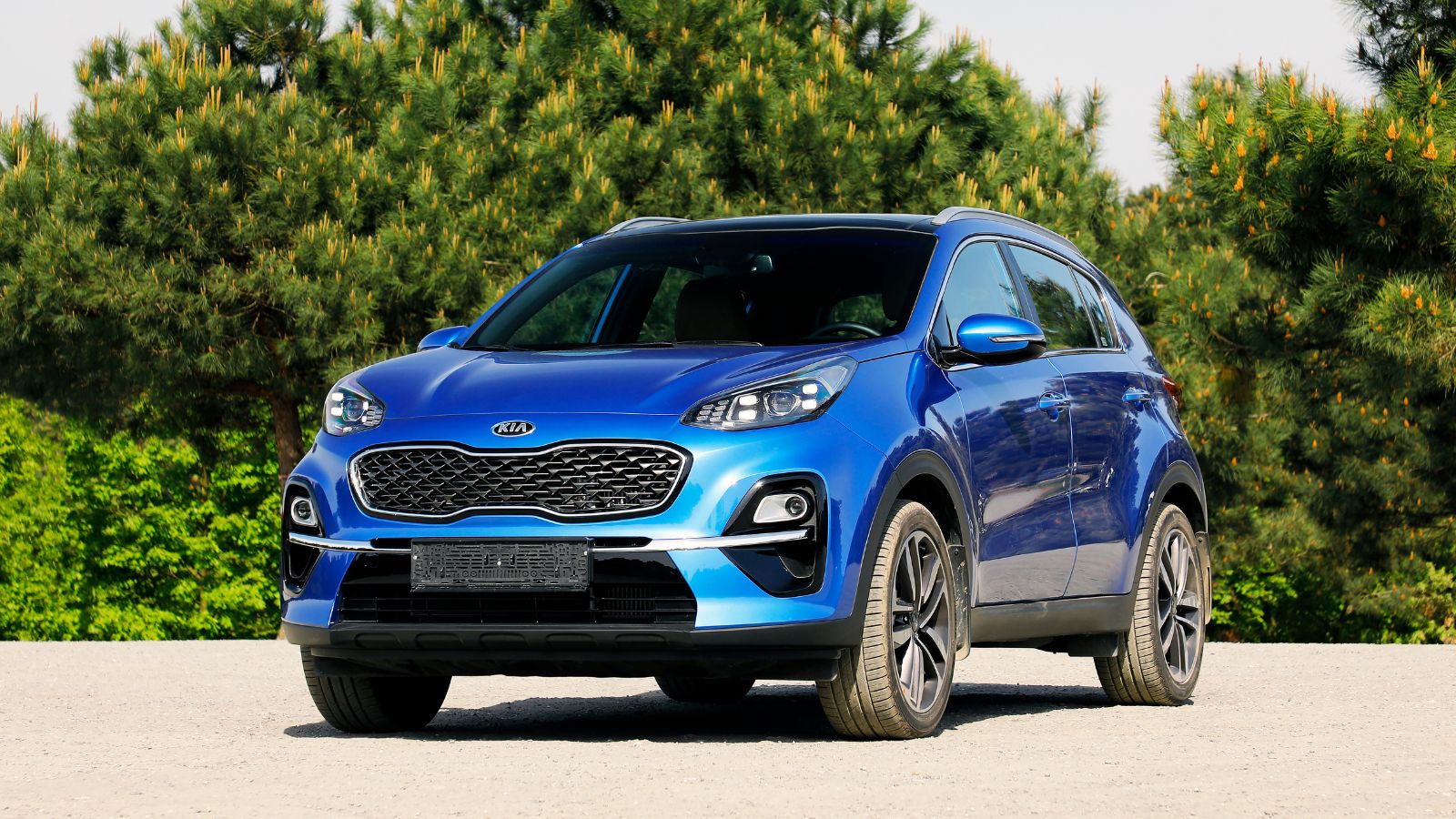
The Kia Sportage has been reported to have cabin noise during highway driving. Drivers often mention road and wind noise becoming noticeable at higher speeds. In Canada, winter conditions and rough roads can increase this effect. The insulation may not fully reduce external sound. Noise may become more noticeable during long trips. Tracking driving conditions helps in identifying patterns. Some owners choose quieter tires for improvement. However, noise may still remain present. This model reflects how everyday driving conditions can affect comfort levels inside the vehicle.
Ford Escape (2017–2022)
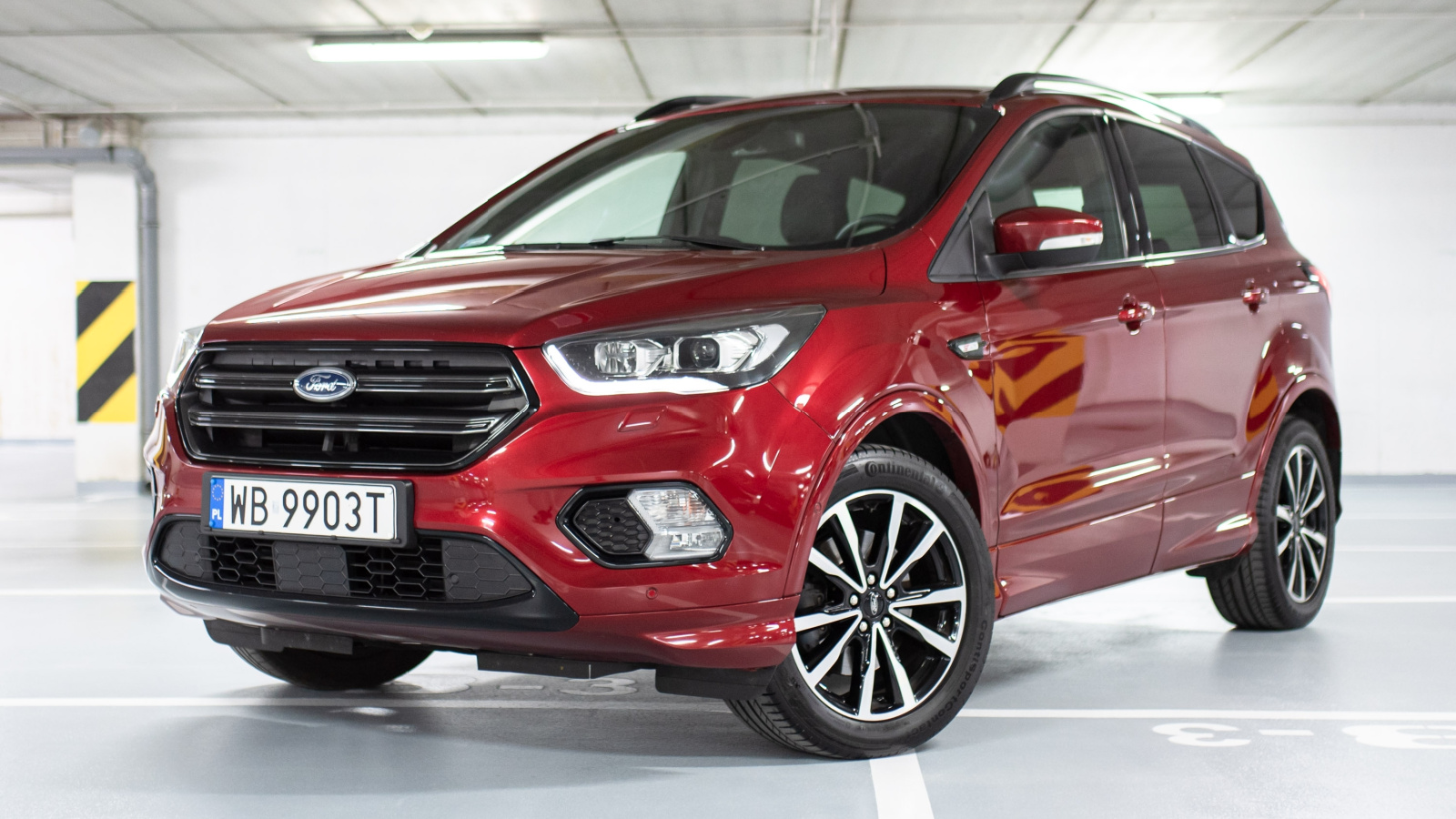
Reports of noticeable highway noise have emerged for the Ford Escape in recent years. Drivers often mention wind noise around doors and mirrors at higher speeds. Road noise can also become more apparent on rough surfaces. In Canada, winter tires and uneven roads can increase this effect. The cabin insulation may not fully block outside sound. Noise may become tiring during long drives. Tracking when noise increases helps in understanding patterns. Some owners switch to quieter tires for improvement. Others consider adding insulation in certain areas. However, results may vary. This model shows how daily driving conditions can affect overall cabin comfort.
Chevrolet Equinox (2018–2022)
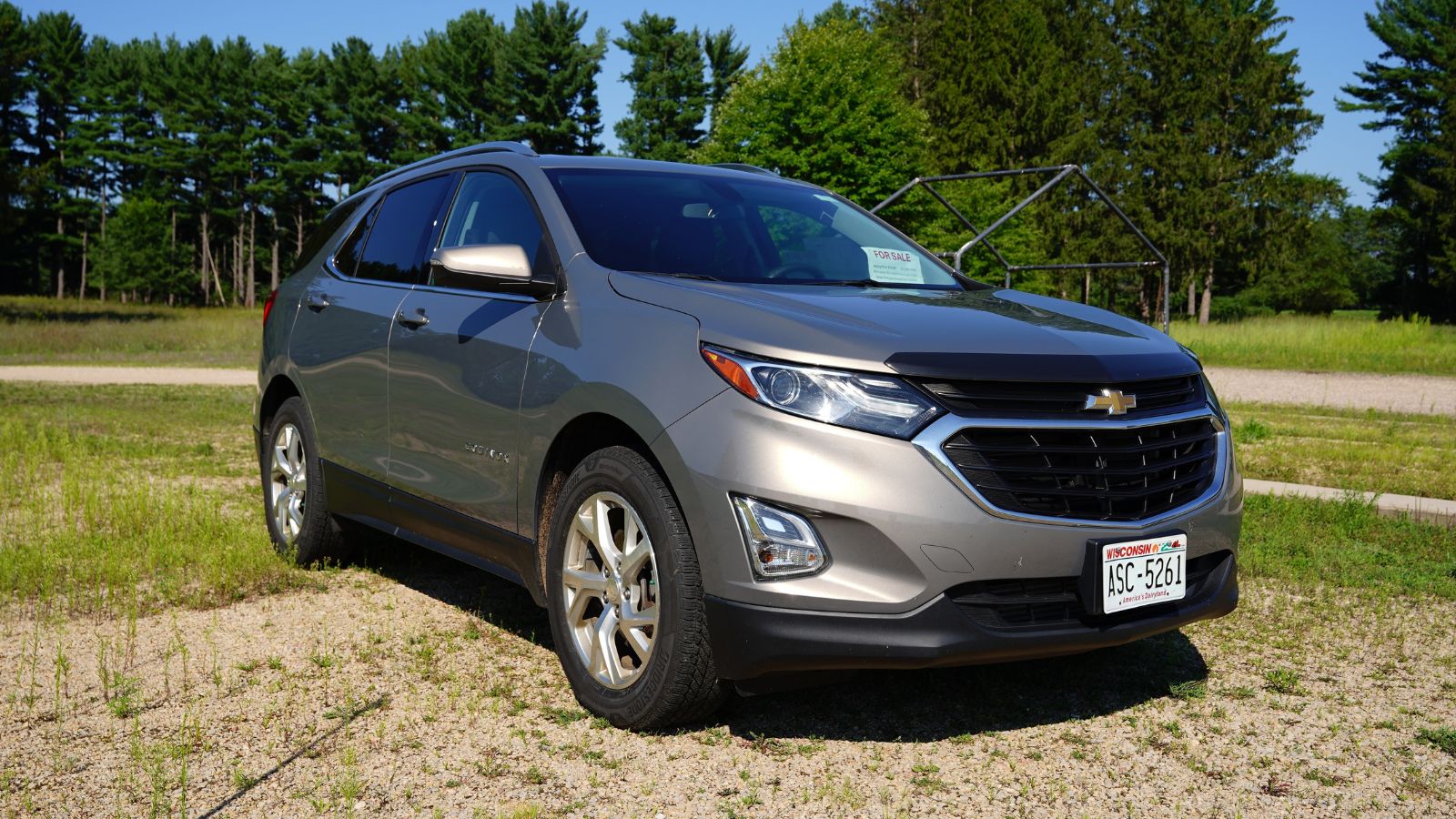
The Chevrolet Equinox has also been linked to higher cabin noise during highway travel. Drivers report wind and road noise becoming noticeable at speed. In Canadian conditions, gravel roads and winter tires can increase sound levels. The vehicle design may not fully reduce external noise. Noise may become more noticeable during longer drives. Tracking driving conditions helps in identifying when the issue occurs. Some owners try quieter tires to improve comfort. However, insulation limits may still remain. This model reflects how the environment and design can influence driving experience.
Tesla Model 3 (2018–present)
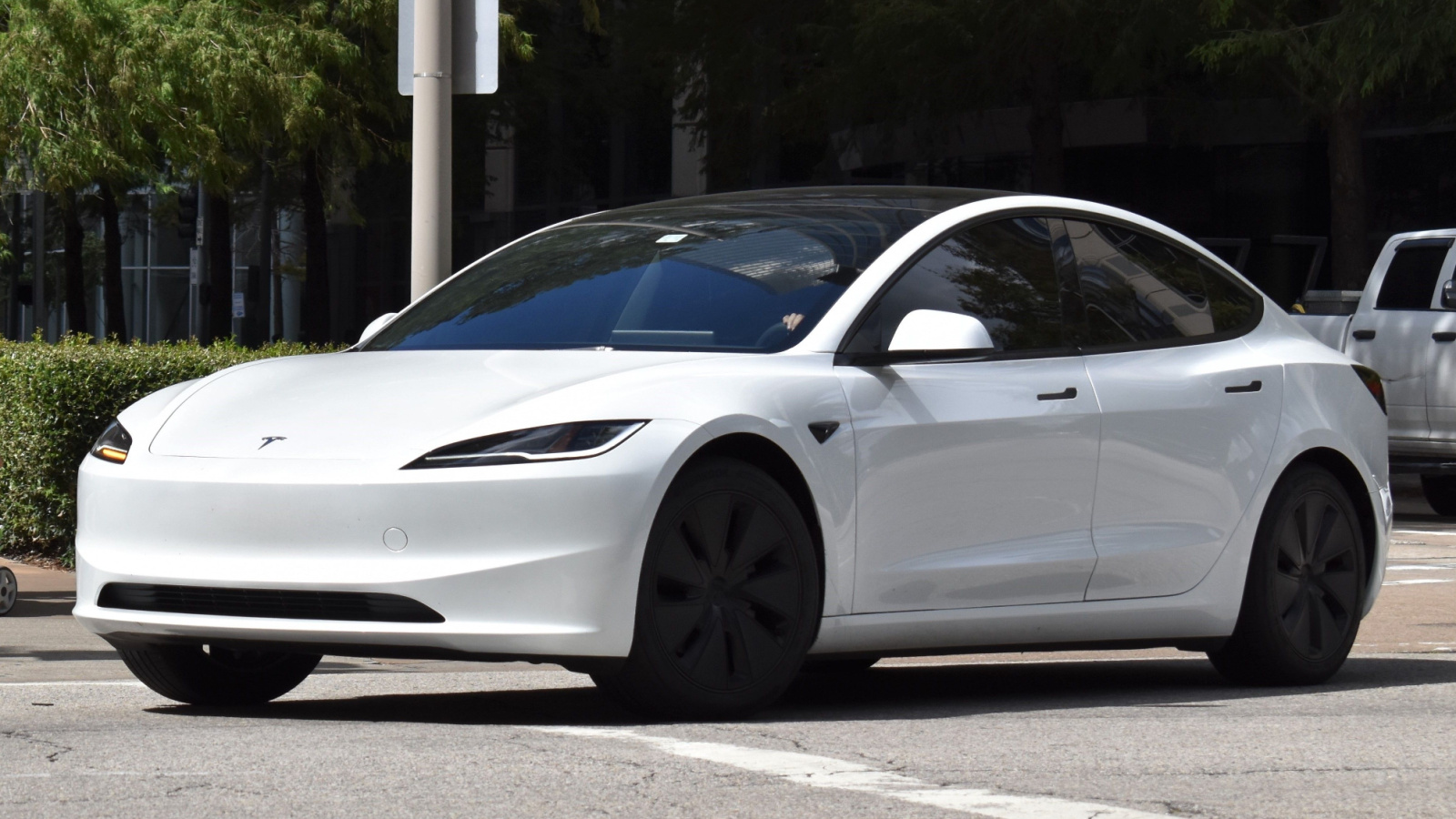
The Tesla Model 3 has received feedback about cabin noise despite its modern design. The lack of engine noise makes wind and road sounds more noticeable. At highway speeds, wind noise can become more prominent. In Canada, rough roads and winter tires can increase overall sound levels. The glass roof and large panels may also allow more noise inside. Tracking driving conditions helps in understanding when noise is higher. Some owners use quieter tires or additional insulation. However, results may vary. This model shows how electric vehicles can highlight external noise more clearly.
Toyota RAV4 (2016–2022)
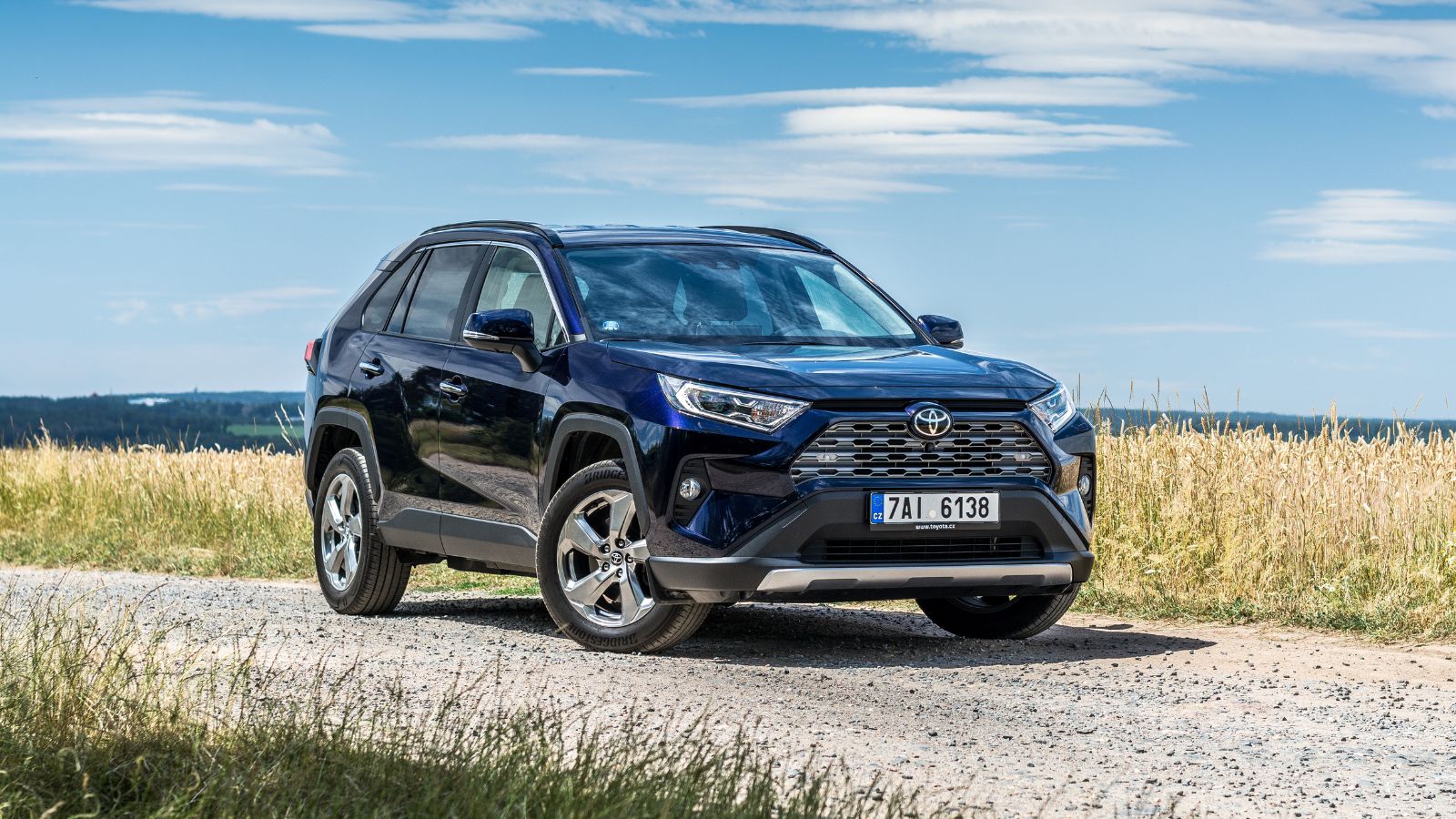
The Toyota RAV4 has also been reported to have highway noise concerns. Drivers often mention road and wind noise at higher speeds. In Canada, rough road surfaces and winter tires can increase this effect. The cabin insulation may not fully block external sound. Noise may become more noticeable during long drives. Tracking when noise occurs helps in understanding patterns. Some drivers switch to quieter tires for improvement. However, noise may still be present. This model highlights how popular SUVs can still face comfort challenges on the highway.
Dodge Ram 1500 Classic (2019–2022)
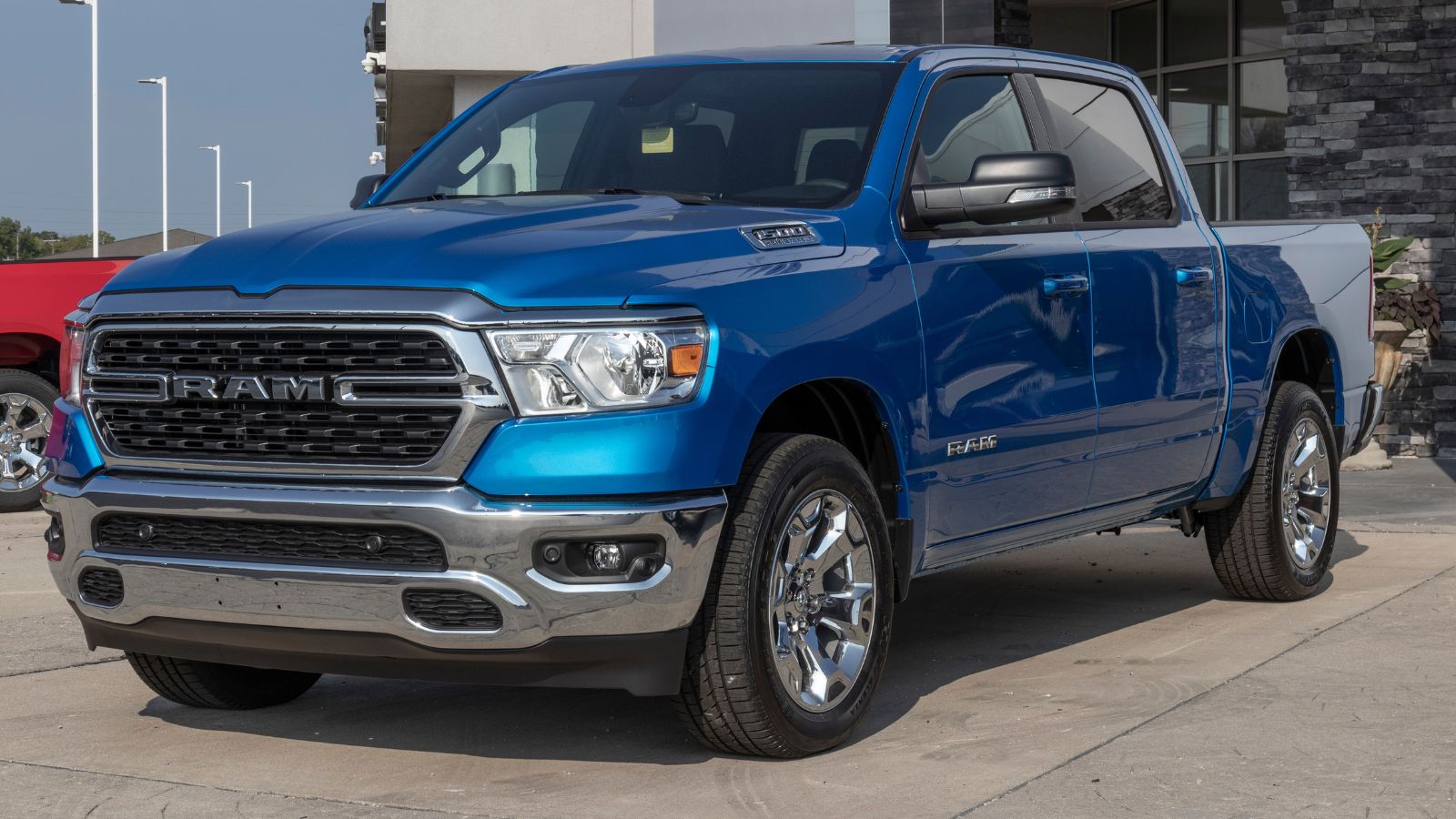
The Dodge Ram 1500 Classic has been associated with noticeable cabin noise on highways. The truck design can allow more wind noise at higher speeds. Tire noise may also increase depending on usage. In Canada, road conditions and winter driving can add to the issue. Noise may become more noticeable during longer trips. Tracking driving patterns helps in identifying when it occurs. Some owners choose quieter tires or add insulation. However, improvements may vary. This model reflects how utility-focused trucks may prioritize function over cabin quietness.
GMC Sierra (2014–2021)
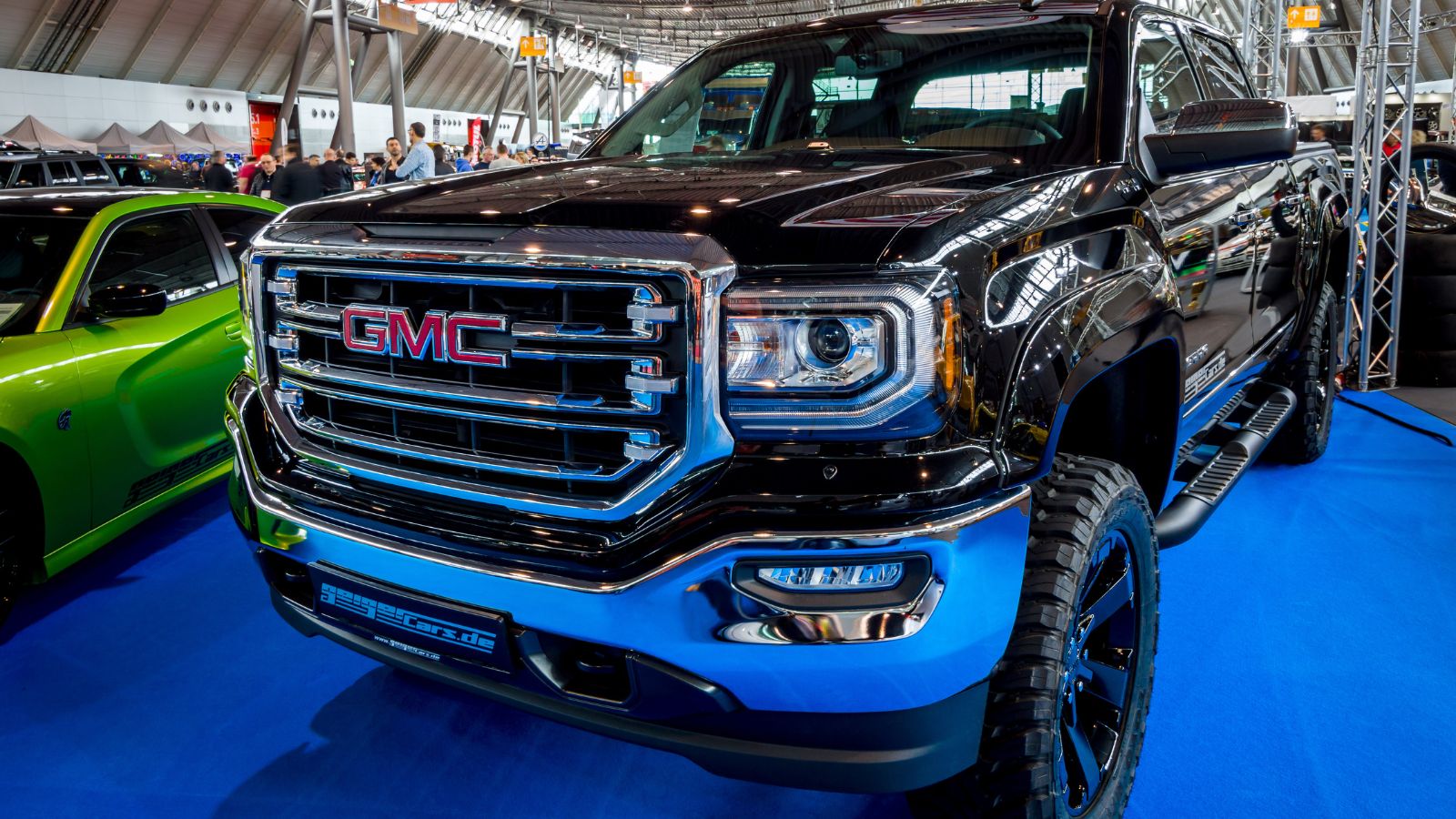
The GMC Sierra has also been reported to have highway noise concerns. Drivers often mention wind and road noise entering the cabin at speed. The large body design may increase exposure to external sound. In Canada, gravel roads and winter tires can make this more noticeable. Noise may become more apparent during long drives. Tracking driving conditions helps in understanding patterns. Some owners upgrade tires to reduce sound. However, noise may still remain. This model shows how larger vehicles can face challenges in maintaining a quiet cabin.
Jeep Gladiator (2020–present)
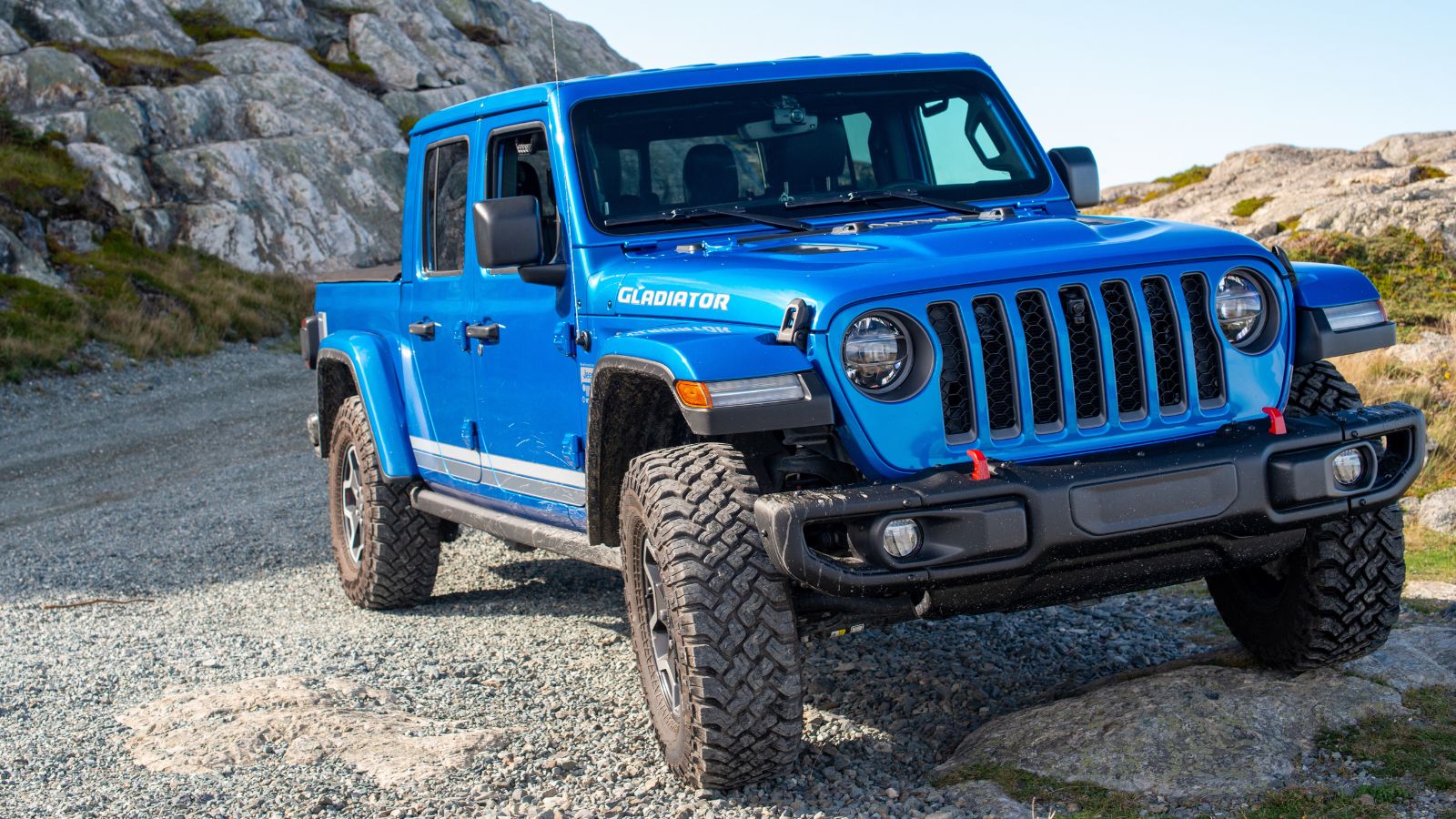
The Jeep Gladiator shares design elements with the Wrangler, which affects cabin noise. The boxy shape and removable panels allow more wind noise inside. At highway speeds, this becomes more noticeable. In Canada, crosswinds and rough roads can increase sound levels. Tire noise may also add to the overall experience. Tracking noise during long drives helps in understanding its impact. Some owners add insulation or choose quieter tires. However, results may vary. This model highlights how design choices can influence comfort during highway driving.
22 Things Canadians Do to Their Cars in Spring That Mechanics Hate

Spring brings relief to many Canadian drivers after months of snow, freezing temperatures, and icy roads that put serious strain on vehicles. As temperatures rise across the country, drivers begin washing cars, switching tires, and preparing vehicles for warmer weather and upcoming road trips. However, mechanics across Canada notice the same mistakes every spring when drivers attempt to recover from winter damage. Road salt, potholes, and harsh winter driving conditions often leave vehicles with hidden problems that drivers ignore. Some spring habits even create new mechanical issues that could have been avoided with proper maintenance. Here are 22 things Canadians do to their cars in spring that mechanics hate.