























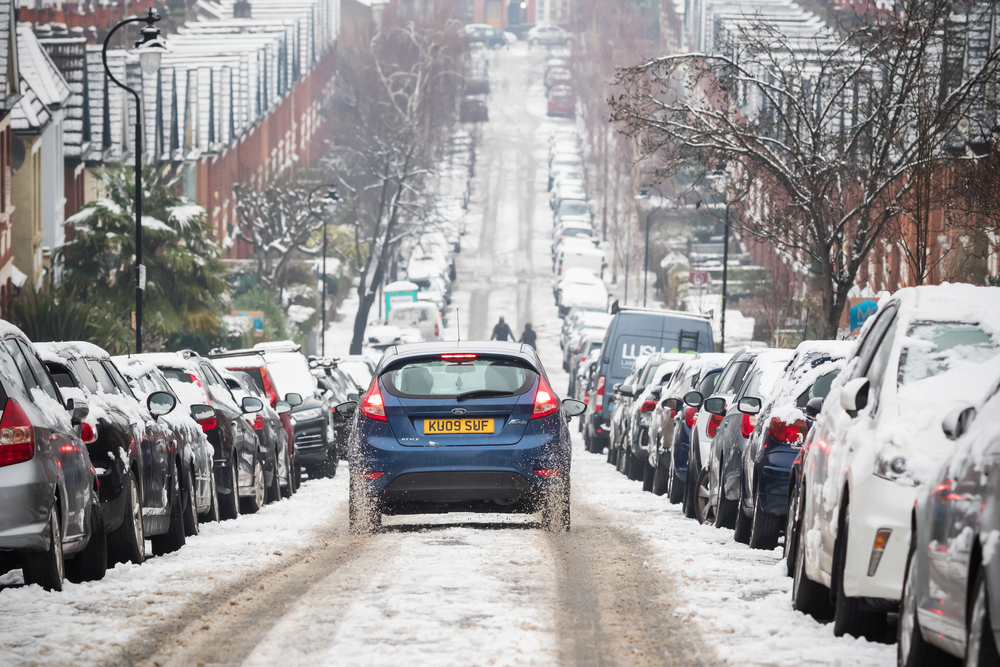
Reliability ratings often look great on paper. Many come from mild climates and controlled testing. Canadian winters tell a different story. Extreme cold stresses batteries, sensors, plastics, and fluids. Snow and salt also punish suspension parts and electronics. A vehicle that feels dependable in California can behave very differently in Winnipeg or Sudbury. Owners often discover issues only after their first deep freeze. Frozen cameras, weak batteries, cracked trims, and struggling transmissions appear quickly. None of these problems shows up clearly in simple reliability scores. Here are 18 Vehicles with Reliability Ratings That Don’t Match Real Canadian Winters.
Toyota RAV4
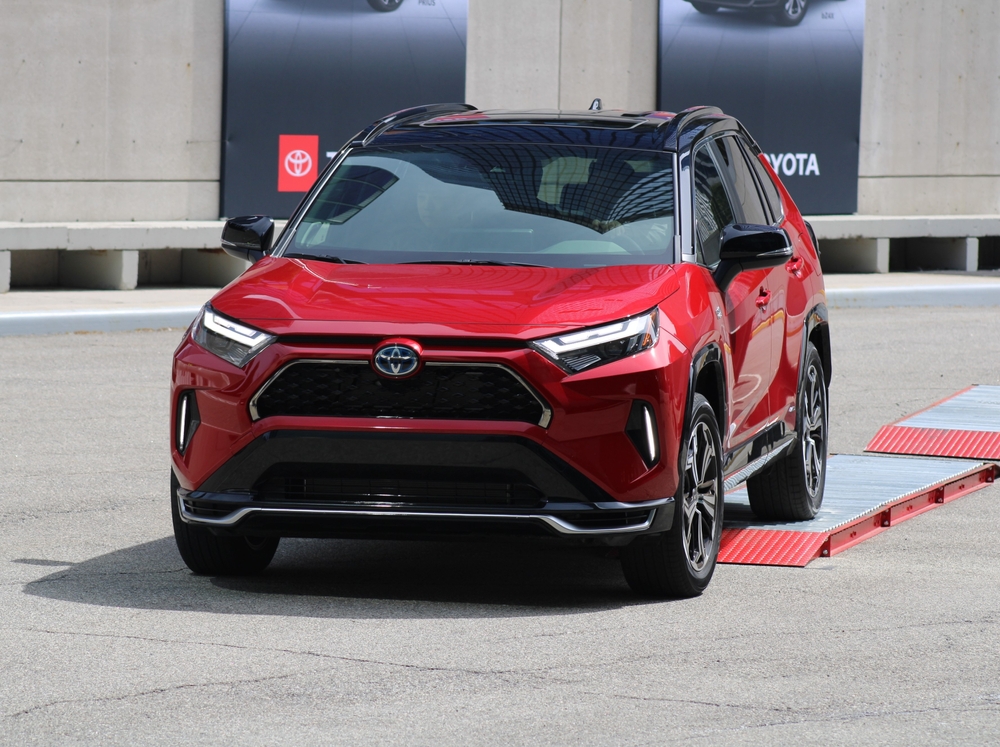
The Toyota RAV4 carries strong reliability scores across many studies. Canadian winters sometimes expose smaller problems. Owners report frozen parking sensors and iced radar units. The driver assist system may shut off during snowstorms. The hybrid version can struggle with cold-soaked batteries. Range drops fast when temperatures fall below minus twenty. Door seals also freeze after wet snowstorms. Some drivers mention stiff steering on extremely cold mornings. None of these issues ruins the vehicle. They simply remind drivers that reliability testing rarely happens during harsh prairie winters. The RAV4 remains dependable overall. Winter conditions still highlight weaknesses that basic reliability ratings miss.
Honda CR-V
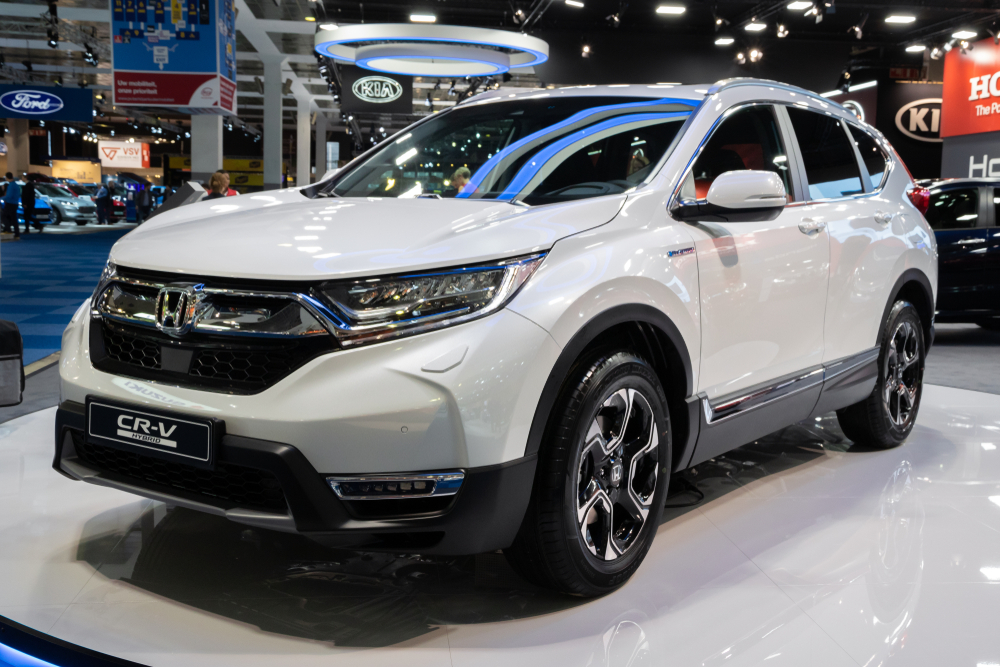
The Honda CR-V ranks highly in long-term dependability studies. Canadian winter owners share a few different stories. Cold weather can slow the turbo engine during morning starts. The cabin heater also takes longer to warm the interior. Hybrid models lose efficiency during extreme cold snaps. Some owners notice frozen tailgates after heavy snow. Ice buildup around sensors can disable driver assist features. The remote start system sometimes fails during freezing rain. None of these problems appears in normal reliability reports. Yet they matter during real winter commuting. Ratings often miss how cold climates affect daily usability.
Tesla Model 3
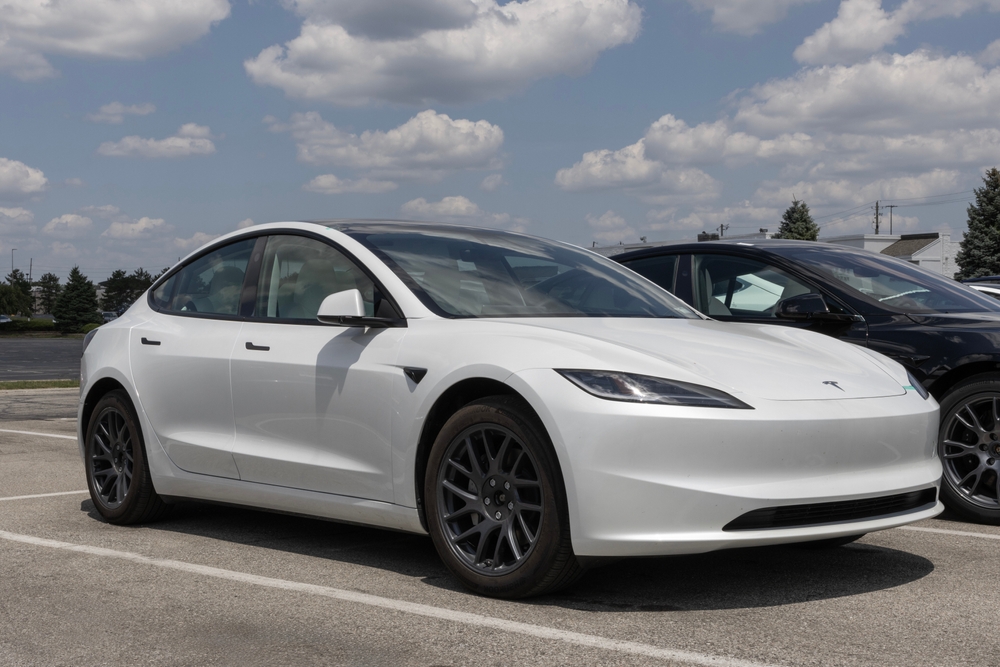
The Tesla Model 3 scores well for drivetrain durability. Electric motors handle winter surprisingly well. Cold temperatures still create other challenges. The range can drop sharply in deep winter. Owners report losses between thirty and forty percent. Charging speeds also slow during freezing weather. Door handles sometimes freeze overnight after snowstorms. Heat pump systems can struggle during extreme cold waves. Snow buildup may block cameras and sensors. That can disable driver assist functions. Reliability surveys rarely focus on winter energy loss. Canadian drivers notice these issues quickly. Winter conditions reveal tradeoffs that simple reliability numbers do not explain.
Jeep Wrangler
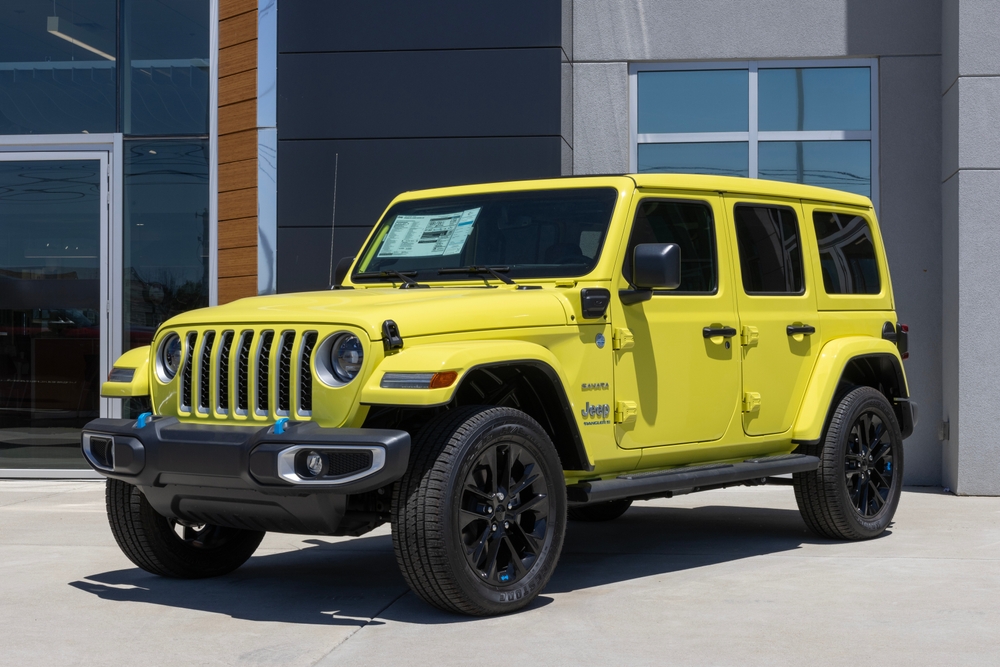
The Jeep Wrangler earns praise for durability and off-road strength. Winter driving shows a few different concerns. The removable roof panels sometimes leak during freeze-thaw cycles. Door seals also stiffen during extreme cold. Owners report rattles after repeated winter exposure. Fuel economy drops heavily during snowy commuting. The steering can feel vague on icy roads. Road salt also accelerates corrosion on older frames. Electronics may struggle during freezing mornings. The Wrangler remains tough and capable in snow. Reliability scores rarely capture the small winter frustrations owners mention every year.
Ford Escape
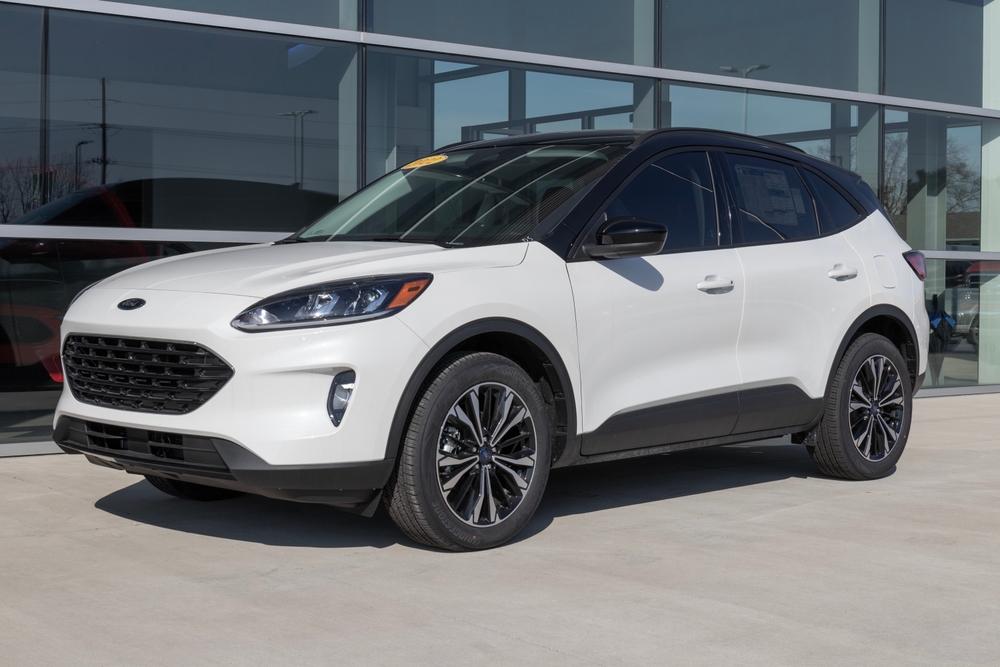
The Ford Escape often receives average to above-average reliability ratings. Canadian winters highlight a few recurring complaints. Turbo engines take longer to reach operating temperature. Hybrid models experience noticeable battery efficiency losses. Owners also mention frozen liftgates after snowstorms. Some drivers report malfunctioning parking sensors. Ice buildup around bumpers can confuse the system. Cabin heaters may feel weak during extreme cold spells. Transmission shifting can also feel slower during winter mornings. None of these problems dominates the reliability charts. They still appear regularly in winter owner discussions across Canada.
Chevrolet Silverado 1500
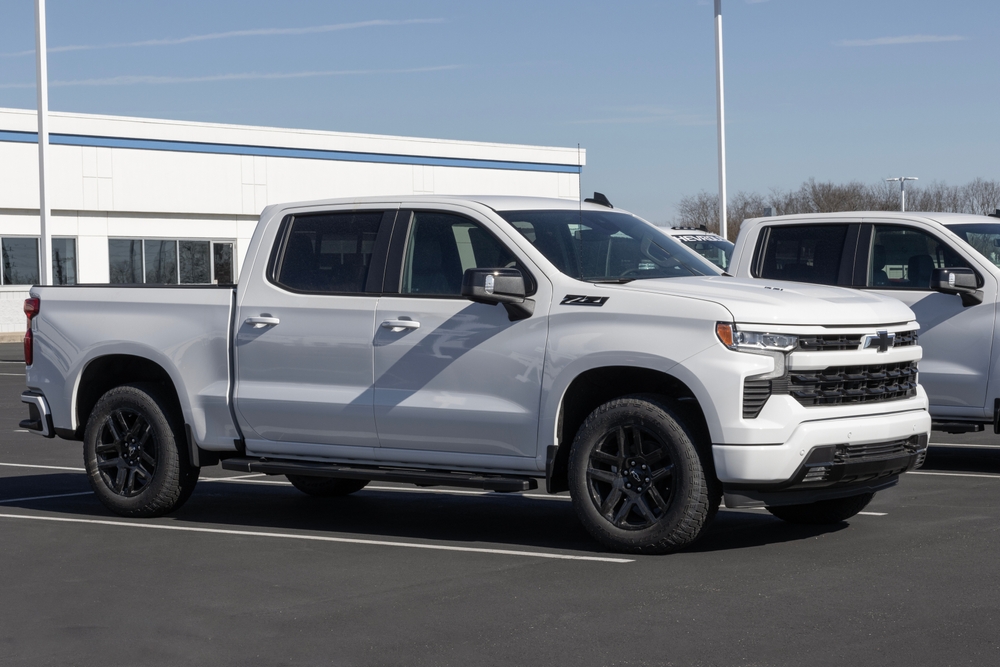
The Chevrolet Silverado 1500 ranks well in several truck reliability studies. Winter driving can still expose certain weak points. Large trucks take longer to warm their cabins. Cold starts strain big engines during severe cold waves. Owners also report frozen tailgate latches after storms. Backup cameras sometimes freeze up with slush. Diesel models need proper winter fuel treatment. Without it, fuel gelling becomes a concern. Road salt can accelerate corrosion around suspension parts. Reliability ratings often focus on engine durability. Winter use shows that everyday usability matters just as much.
Nissan Rogue
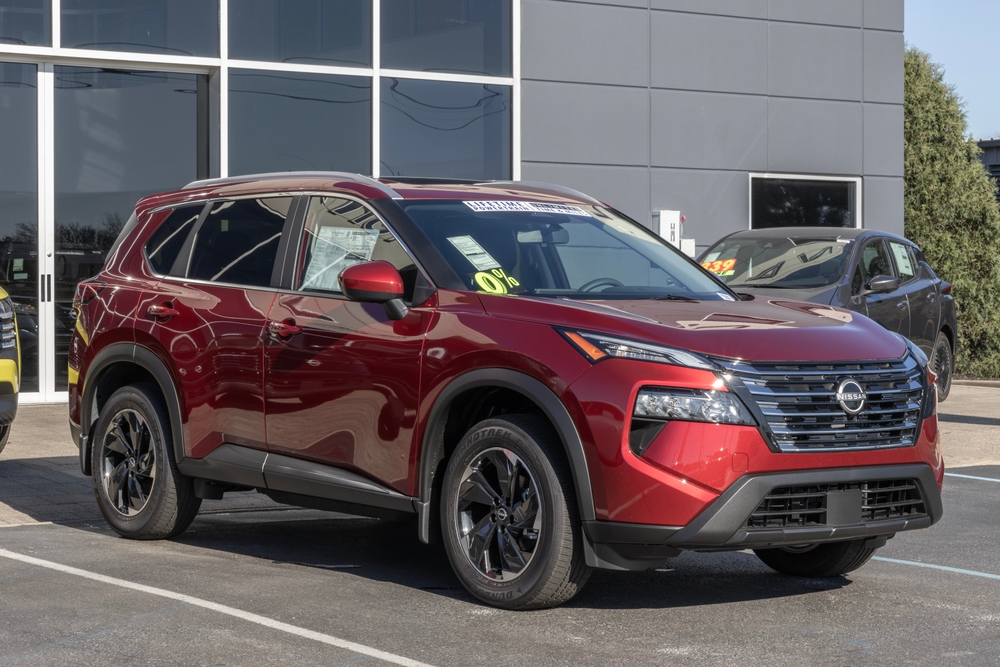
The Nissan Rogue improved its reliability reputation in recent years. Winter driving reveals a few smaller issues. The continuously variable transmission can feel hesitant during freezing mornings. Cabin heating may take longer than expected. Owners also report frozen door handles during ice storms. Snow buildup sometimes blocks front radar sensors. That disables certain safety systems temporarily. Hybrid batteries in older models struggled during cold weather. Reliability ratings rarely test vehicles during extreme winter conditions. Canadian owners notice the difference during long, freezing commutes.
Subaru Outback
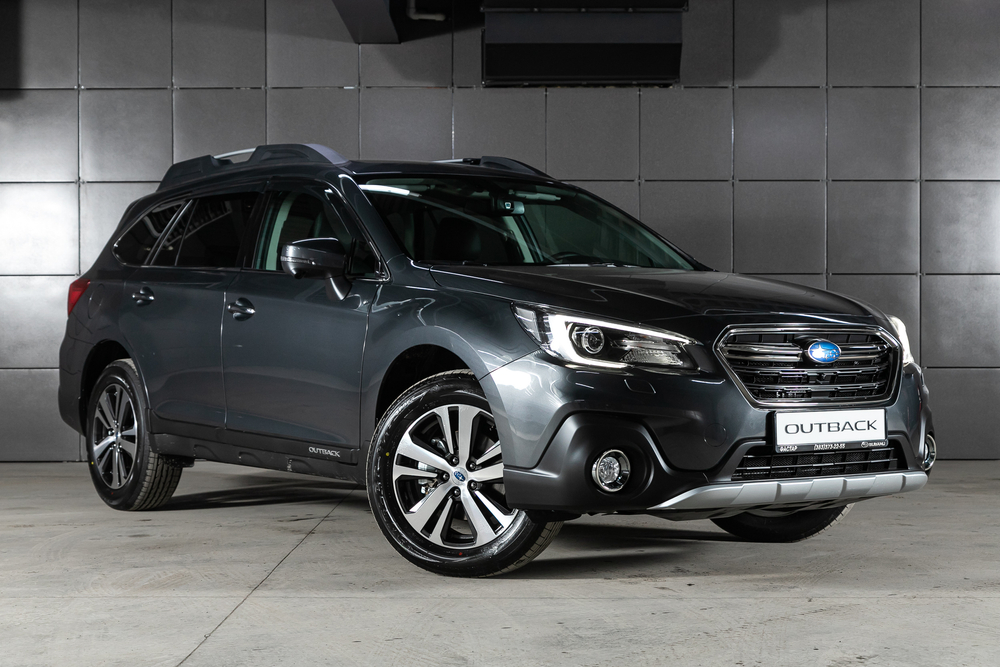
The Subaru Outback often earns praise for winter capability. Its reliability ratings remain solid overall. Even this snow-friendly wagon shows weaknesses. Boxer engines can feel rough during deep cold starts. Oil consumption concerns appeared in older models. Windshield cracks also occur during rapid temperature changes. Owners sometimes report frozen electronic parking brakes. Heavy snow can block the eyesight cameras near the windshield. When that happens, driver assist systems shut off. The Outback still performs well in winter conditions. Reliability ratings rarely mention these seasonal frustrations.
Kia Sportage
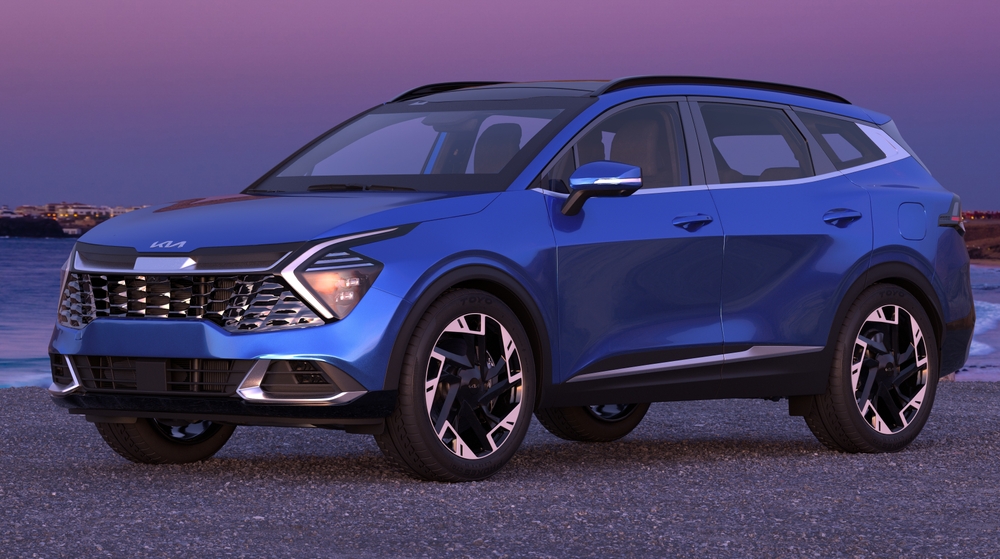
The Kia Sportage earns solid reliability marks in recent studies. Winter drivers occasionally notice small problems. Cold temperatures can affect the turbocharged engine’s response. Cabin heat also takes time to reach comfortable levels. Hybrid versions experience reduced fuel economy in winter. Owners mention frozen wiper blades after heavy storms. Road salt sometimes accelerates corrosion on brake components. Driver assist sensors may shut down during snow buildup. Reliability charts rarely reflect seasonal usability concerns. Canadian winters quickly expose these everyday annoyances.
Volkswagen Tiguan
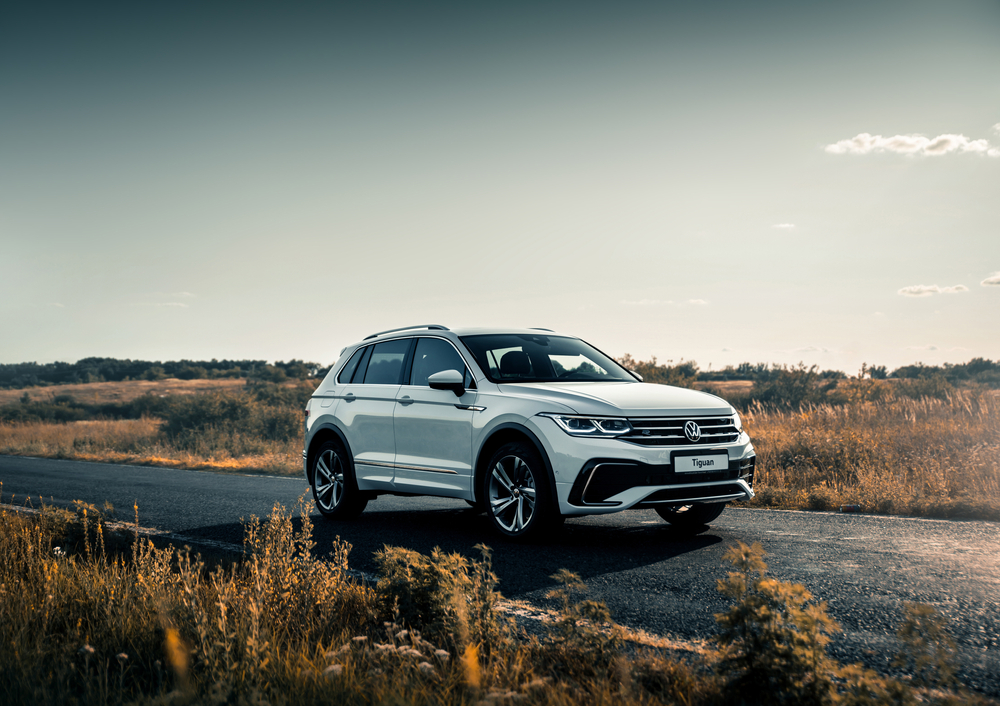
The Volkswagen Tiguan scores reasonably well in dependability surveys. Winter conditions reveal a few different weaknesses. Turbo engines can hesitate during cold starts. Cabin heating systems may take longer than expected. Owners report frozen door locks during ice storms. Electronic driver assist systems also react poorly to snow buildup. Slush can block radar sensors behind the grille. That shuts down adaptive cruise functions. Reliability ratings usually focus on engine and transmission life. Winter drivers notice smaller issues during daily commuting.
BMW X3
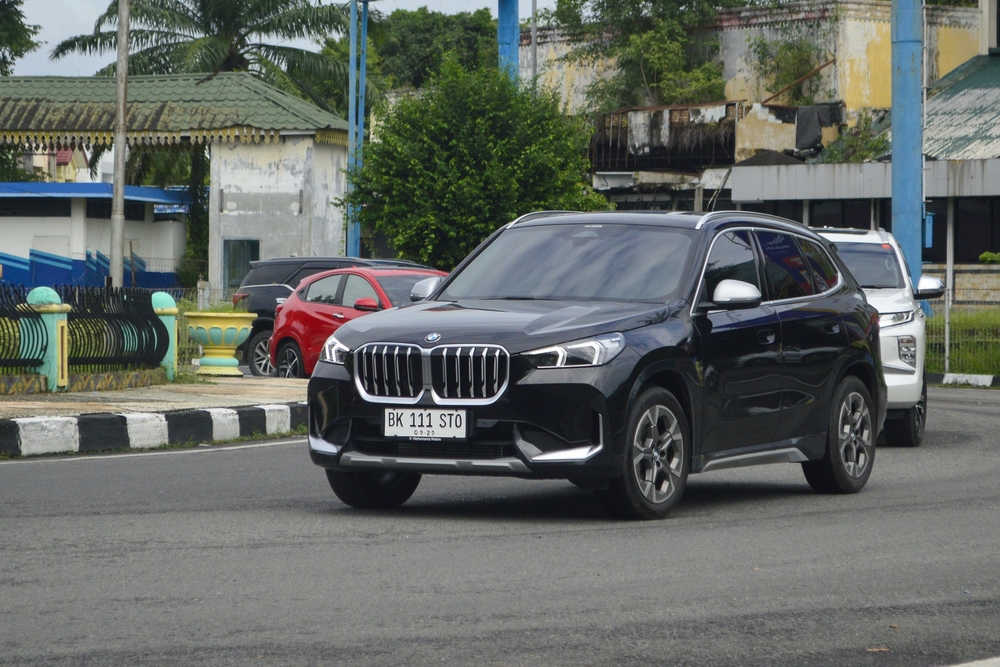
The BMW X3 often ranks well in modern reliability reports. Canadian winters still present several challenges. Cold temperatures reduce battery strength quickly. Owners sometimes experience electronic warning messages during freezing mornings. Heated seat systems may cycle unevenly in deep cold. Road salt also accelerates corrosion on underbody components. Run flat tires lose flexibility in freezing conditions. That affects ride comfort and grip. Reliability scores rarely include harsh winter exposure. Luxury vehicles often feel less comfortable during long winter commutes.
Mercedes-Benz GLC
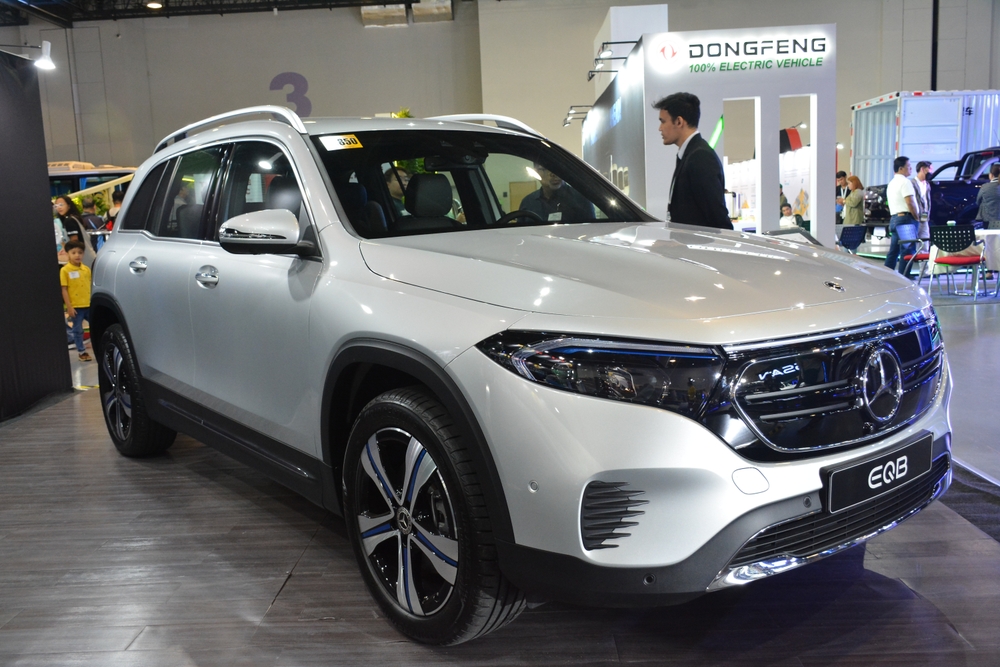
The Mercedes-Benz GLC receives respectable reliability ratings today. Winter driving reveals smaller usability concerns. Complex electronics can behave oddly during extreme cold. Owners report sensor errors after heavy snowfall. Cameras and radar units freeze easily during storms. Cabin heating systems sometimes take longer to warm. Road salt may accelerate rust on exposed metal parts. Expensive repair costs also worry winter drivers. Reliability scores rarely consider seasonal operating conditions. Canadian winters expose these issues faster than warmer climates.
Mazda CX-5
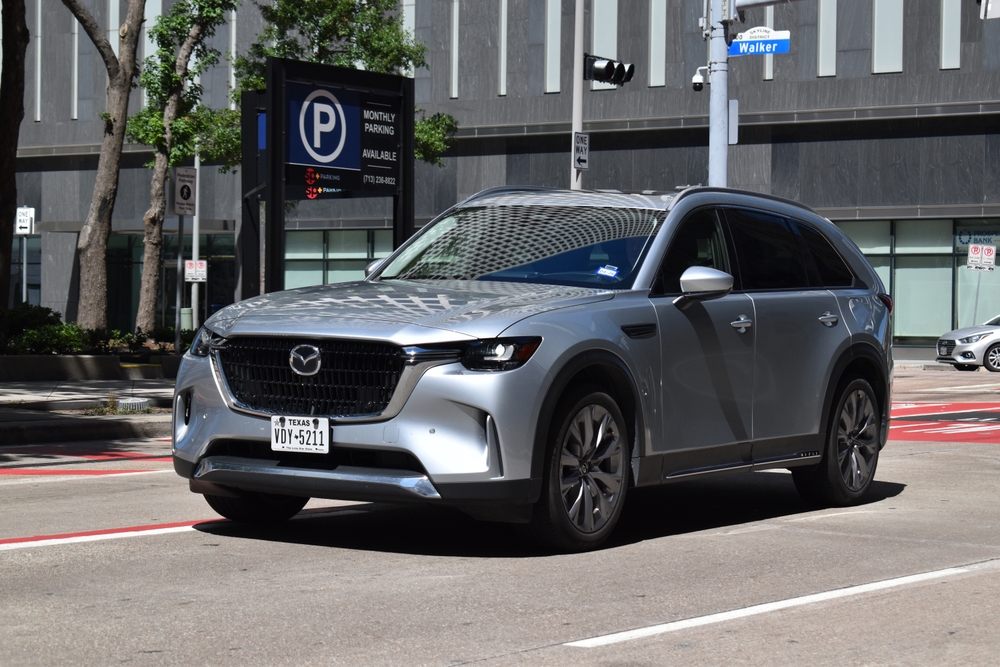
The Mazda CX-5 often earns praise for durability and build quality. Canadian winters still reveal certain weaknesses. Cold weather can slow the infotainment system during startup. Owners sometimes report frozen power mirrors. Windshield washer systems may struggle during extreme cold. Heated seats also take longer to warm. Snow buildup can block safety cameras near the windshield. That disables certain driver assist features temporarily. Reliability ratings usually overlook these daily winter annoyances.
Ford F-150
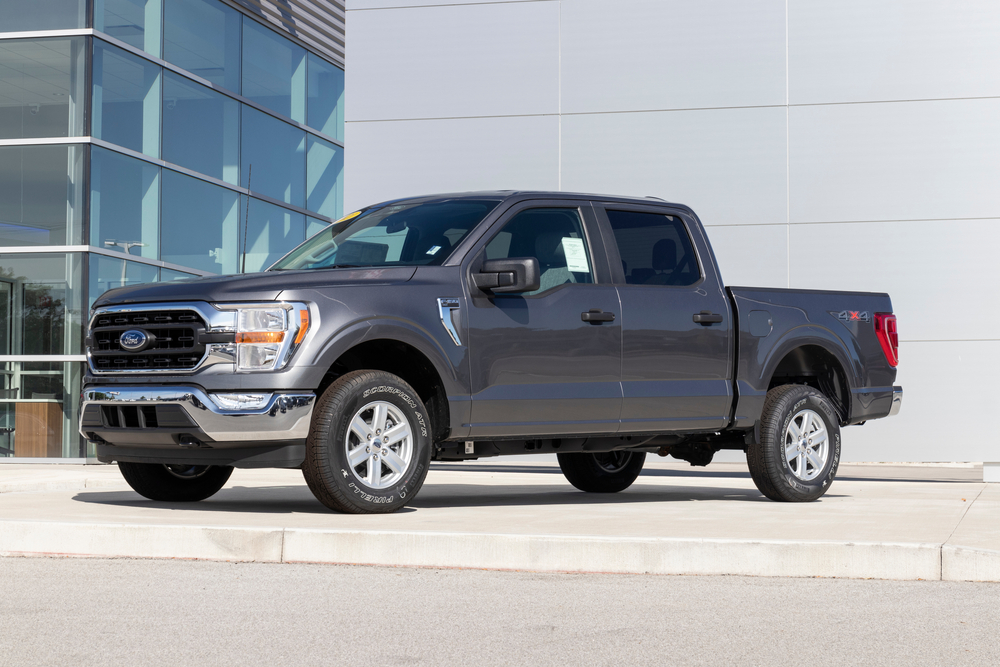
The Ford F-150 remains one of Canada’s best-selling trucks. Reliability scores usually focus on engine durability. Winter driving introduces other concerns. Cold starts strain batteries during long overnight freezes. Aluminum body panels resist rust but dent easily in icy conditions. Owners report frozen tailgate latches during snowstorms. Backup cameras can also freeze up with slush. Hybrid versions lose efficiency during deep cold spells. Reliability ratings rarely examine real winter work conditions.
Chevrolet Bolt EV
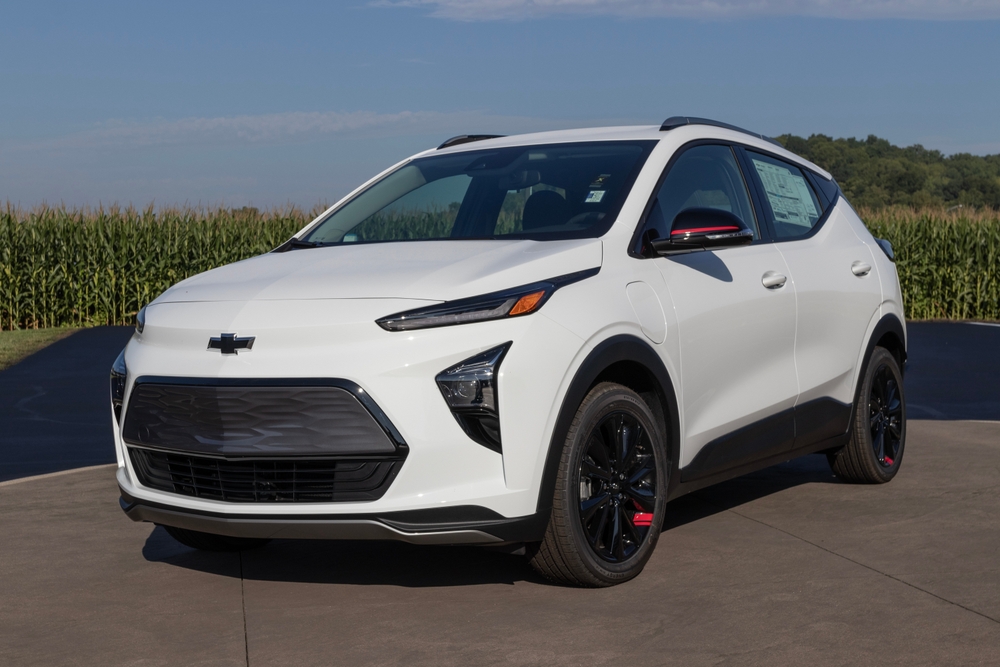
The Chevrolet Bolt EV performs well in reliability surveys. Canadian winters affect electric vehicles differently. Range drops significantly during freezing weather. Cabin heating demands large amounts of energy. Charging speeds also slow during cold temperatures. Owners sometimes report frozen charge port doors. Snow buildup can block rear cameras. Battery conditioning helps, but still consumes energy. Reliability ratings often ignore winter efficiency losses. Canadian drivers notice these changes quickly.
Dodge Ram 1500
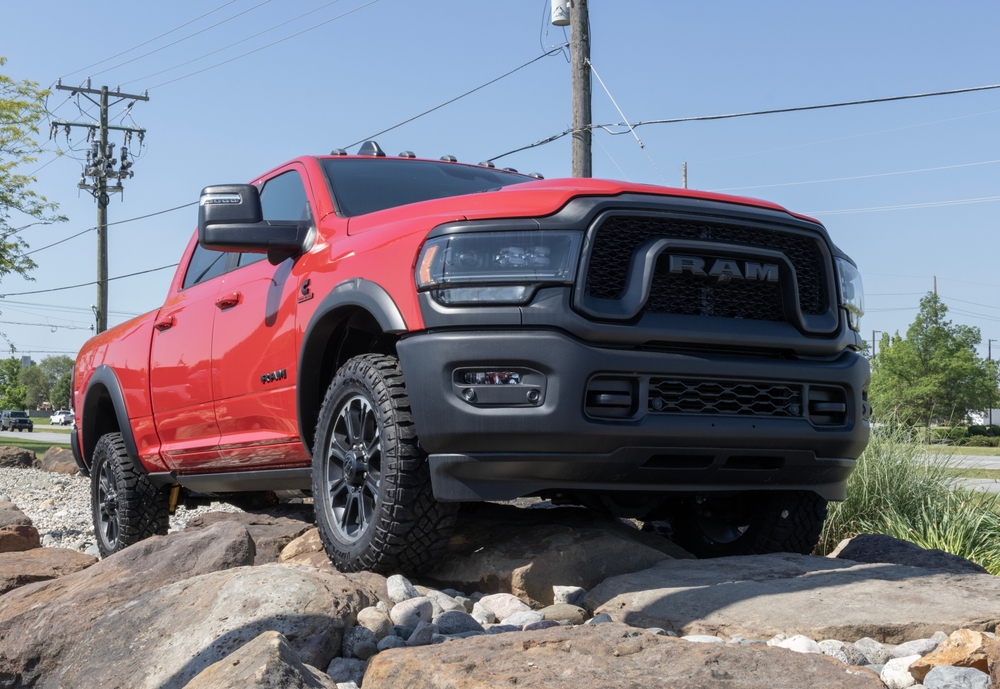
The Ram 1500 earns praise for comfort and strong engines. Winter drivers mention several small concerns. Cold weather reduces fuel economy noticeably. Air suspension systems sometimes struggle in deep cold. Owners report frozen tailgate handles during storms. Backup cameras may collect snow and ice. Cabin heaters also take time to warm large interiors. Road salt can accelerate corrosion underneath older trucks. Reliability surveys rarely consider winter maintenance challenges.
Toyota Corolla
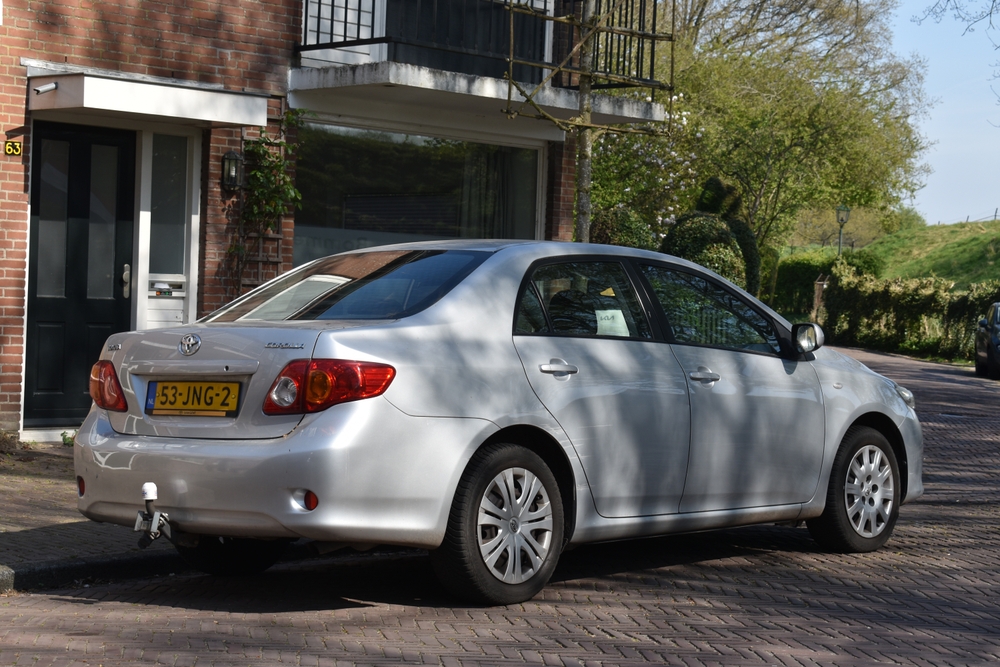
The Toyota Corolla is known for long-term reliability. Winter conditions still reveal minor frustrations. Cold starts feel rough during deep freezes. Cabin heaters take longer to warm the interior. Owners sometimes report frozen door locks. Snow buildup can block radar sensors on newer models. That disables adaptive cruise systems temporarily. Small batteries also struggle during long, cold spells. Reliability ratings rarely mention seasonal driving challenges. Canadian winters show how even dependable cars face extra stress.