
























Electric vehicle prices still make many Canadians hesitate. Incentives often change that calculation quickly. Federal and provincial rebates can lower purchase prices by several thousand dollars. Some buyers also qualify for home charging credits or reduced registration costs. These updates matter most for vehicles near key price thresholds. A rebate can suddenly turn a pricey EV into a practical option. Models with solid range and strong reliability often gain the most attention. Many popular electric vehicles now sit right in that sweet spot. Buyers looking at these models may notice real savings this year. Here are 25 vehicles that could benefit most from Canada’s updated EV incentives.
Chevrolet Bolt EV
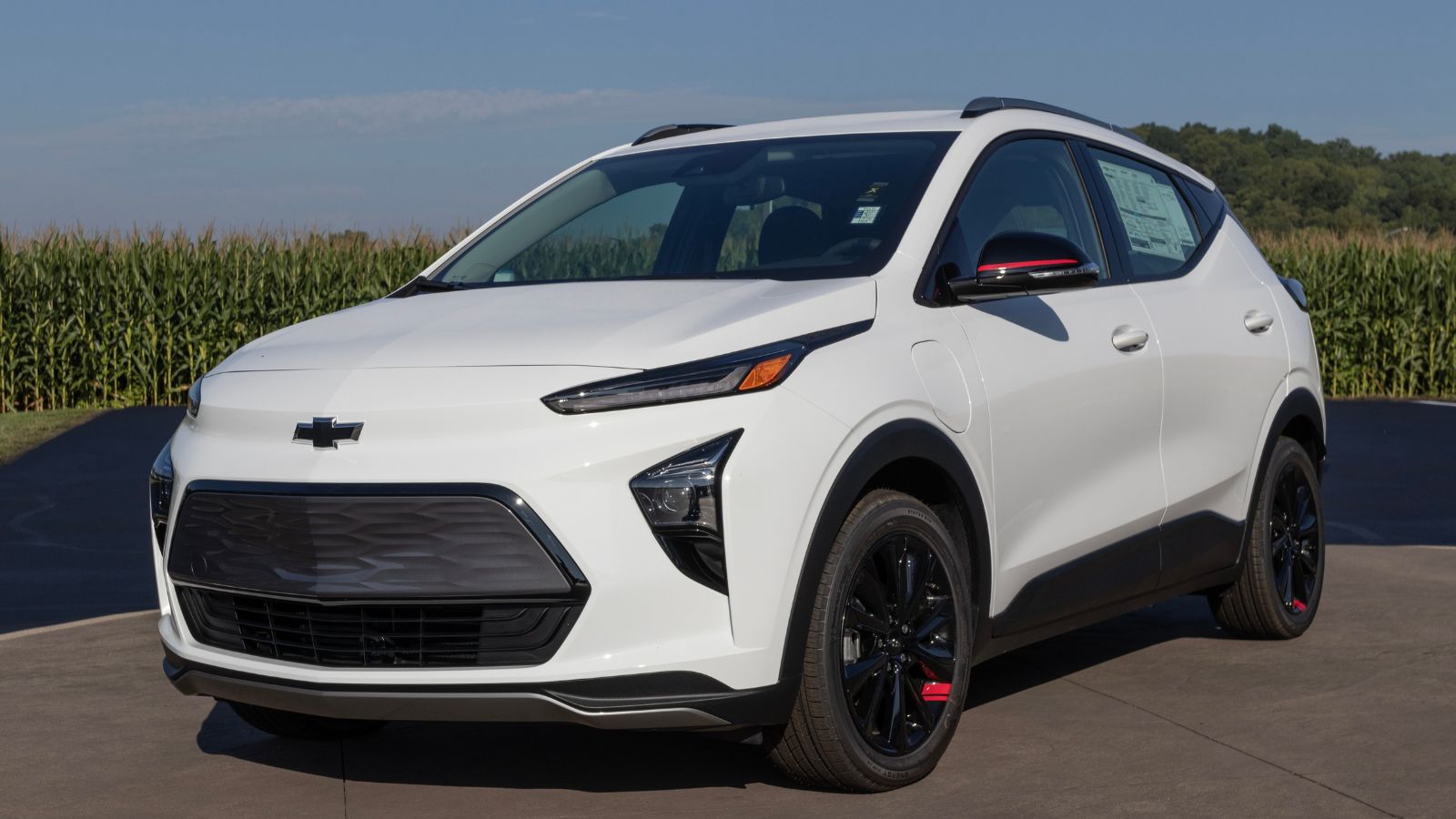
The Chevrolet Bolt EV has long been one of Canada’s most affordable electric cars. Updated EV incentives make its value even stronger. Federal rebates can reduce the purchase price by several thousand dollars. That pushes the Bolt closer to the prices of many compact gasoline cars. The Bolt also offers over 400 kilometres of range. That distance works well for daily commuting and weekend driving. Charging costs remain far lower than gasoline in most provinces. The car’s small size helps with urban parking. Lower purchase costs make it easier for first-time EV buyers. Incentives turn the Bolt into one of the most accessible electric vehicles on Canadian roads.
Chevrolet Bolt EUV
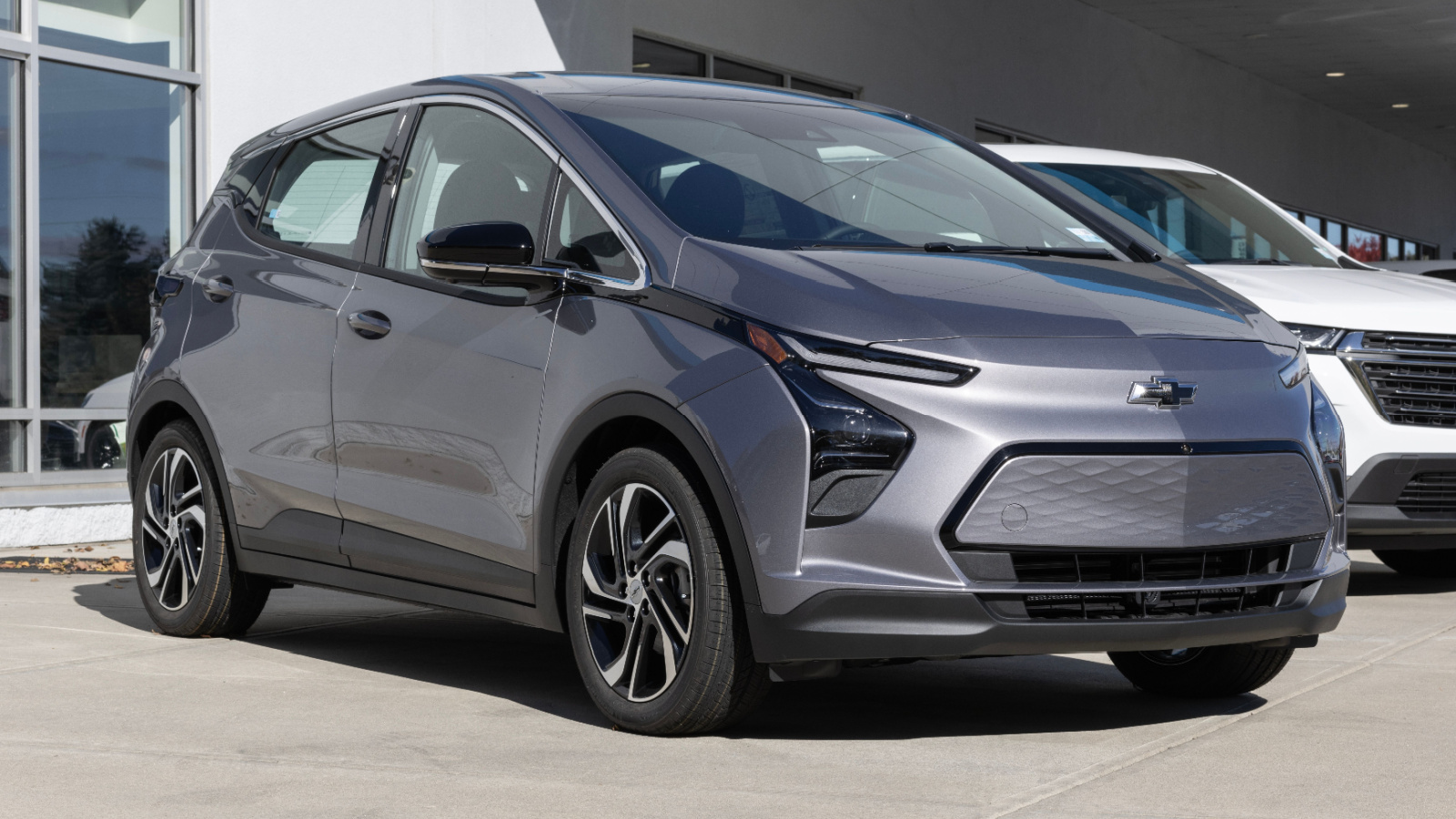
The Chevrolet Bolt EUV builds on the Bolt EV with more interior space. It also keeps a price that fits many rebate programs. Incentives reduce the cost enough to attract families considering their first electric vehicle. The EUV offers a driving range similar to that of the standard Bolt. That means over 400 kilometres in typical driving conditions. Rear-seat space improves comfort on longer trips. Technology features also match many newer crossovers. Buyers looking for a practical electric SUV often notice this model quickly. Incentives make the EUV compete with gasoline compact SUVs. Lower monthly payments could push more buyers toward this electric crossover.
Nissan Leaf
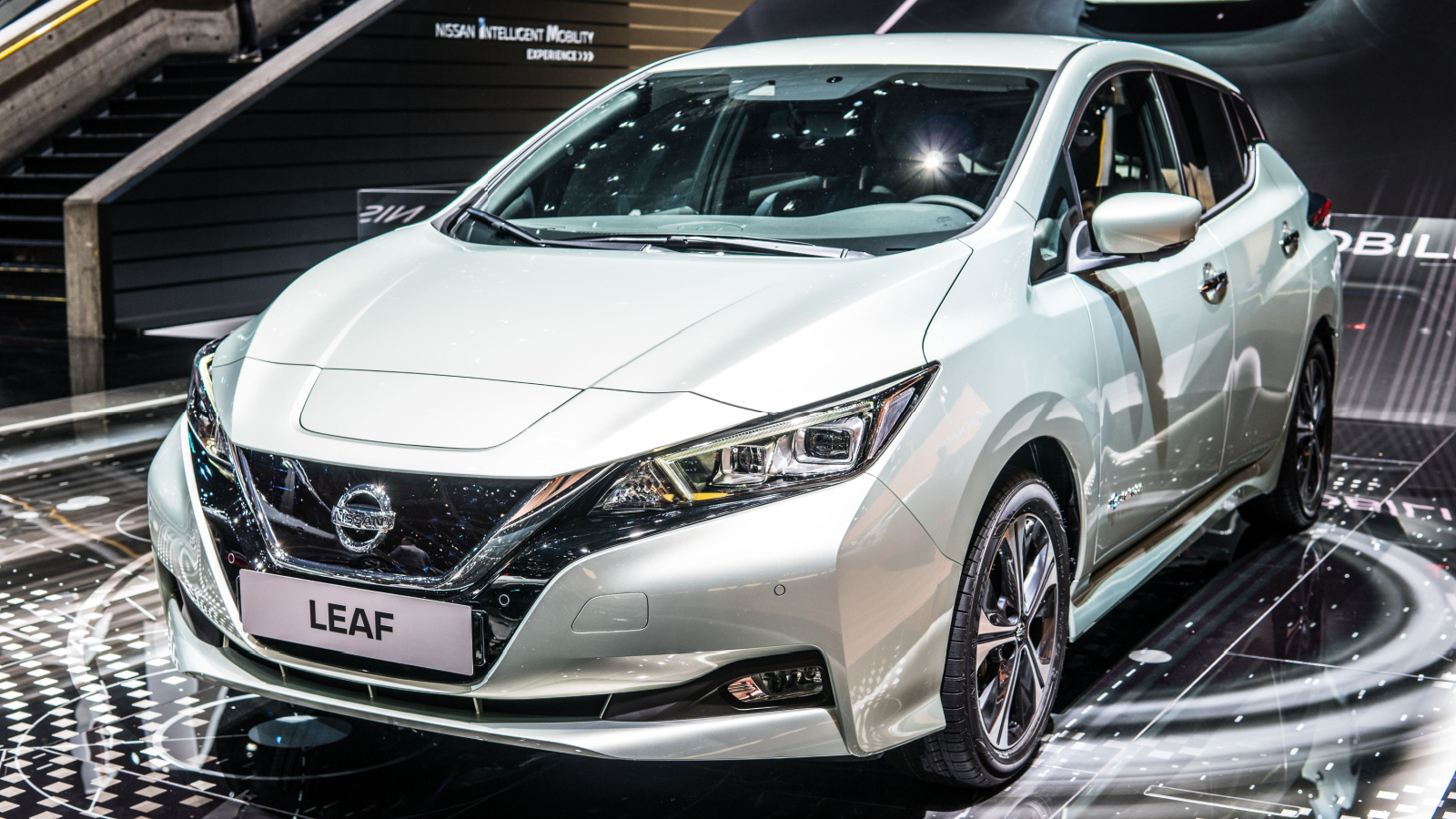
The Nissan Leaf helped introduce many Canadians to electric driving. Incentives help keep this long-running model competitive today. The base Leaf often qualifies for the full federal rebate. That reduction brings its price closer to many entry-level gasoline cars. Drivers who mostly commute in cities may find their range perfectly adequate. Charging at home overnight remains simple for most owners. Maintenance costs stay low because the drivetrain has fewer moving parts. The Leaf also has years of reliability data available. Buyers who want a straightforward EV often consider it first. Updated incentives give the Leaf another reason to stay on shopping lists.
Hyundai Kona Electric
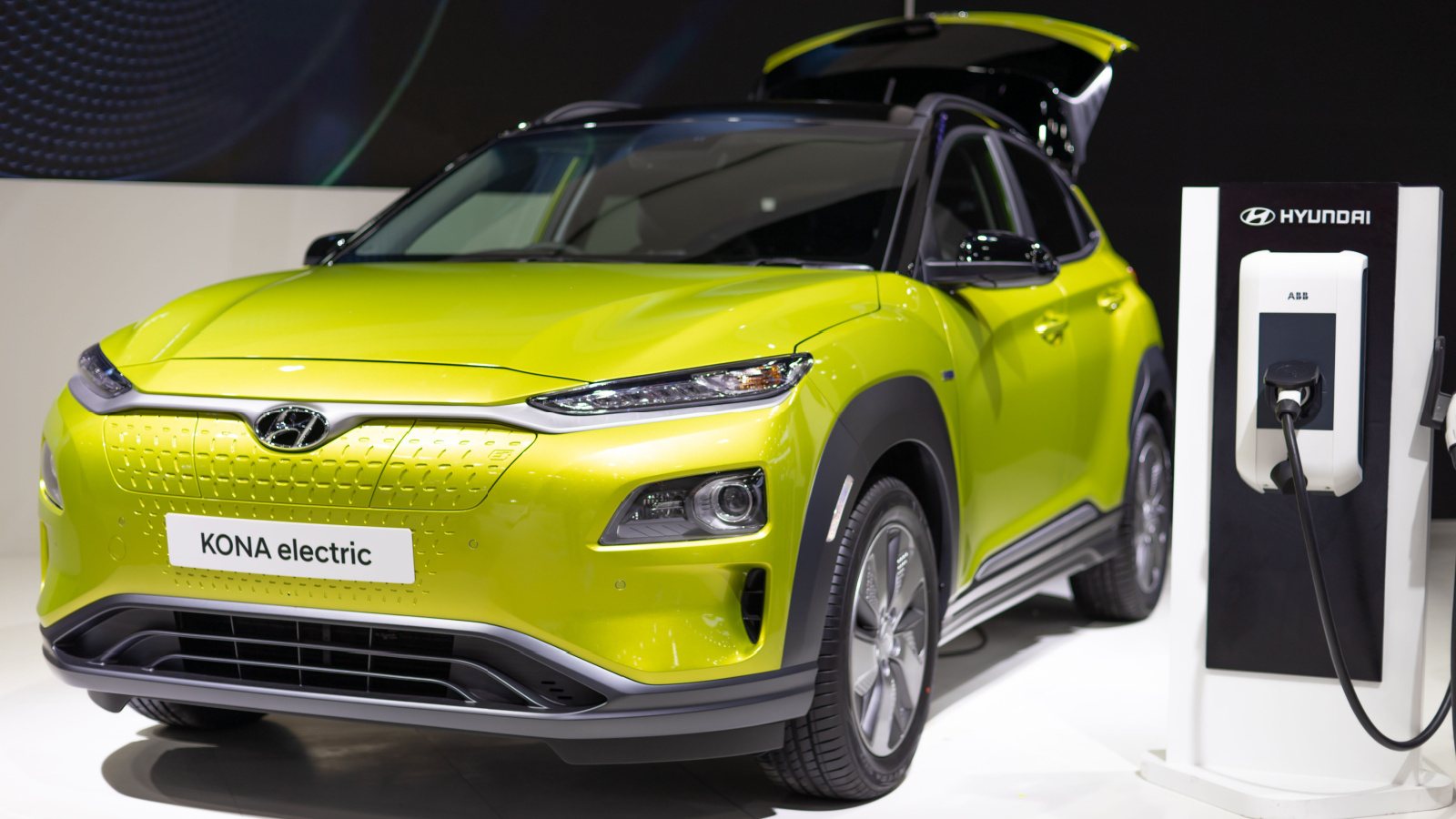
The Hyundai Kona Electric blends strong range with a practical crossover shape. Updated EV incentives further improve its value. Many trims qualify for federal rebates depending on price levels. The Kona Electric delivers roughly 400 kilometres of driving range. That distance suits both commuting and regional travel. Drivers often appreciate the responsive electric acceleration. Cargo space also beats most compact electric hatchbacks. Charging networks continue to expand across Canada, making long trips feel easier. The Kona already competes well with gasoline crossovers. Incentives make the price difference much smaller. Many shoppers now see the Kona Electric as a realistic everyday vehicle.
Kia Niro EV
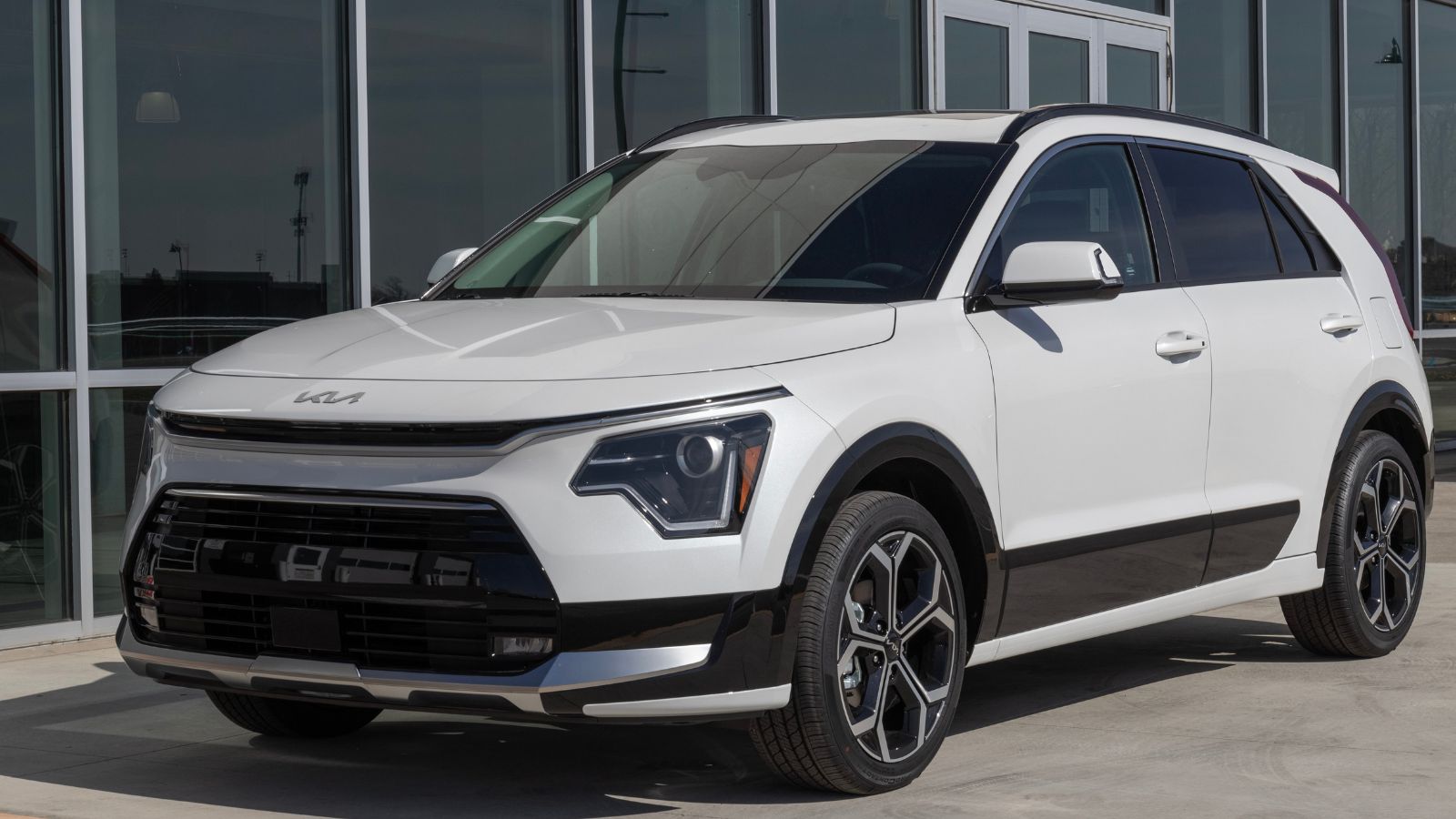
The Kia Niro EV sits between a hatchback and a small crossover. Incentives help reduce its higher starting price. Buyers who qualify can save thousands on the purchase. The Niro EV offers over 400 kilometres of range. That number removes much of the range anxiety for new owners. Interior space feels roomy for a compact vehicle. Cargo capacity also supports groceries and weekend trips. Many drivers appreciate its smooth and quiet ride. Charging speeds remain competitive for the segment. Incentives place the Niro closer to gasoline hybrid prices. That shift could attract buyers who previously dismissed fully electric vehicles.
Tesla Model 3
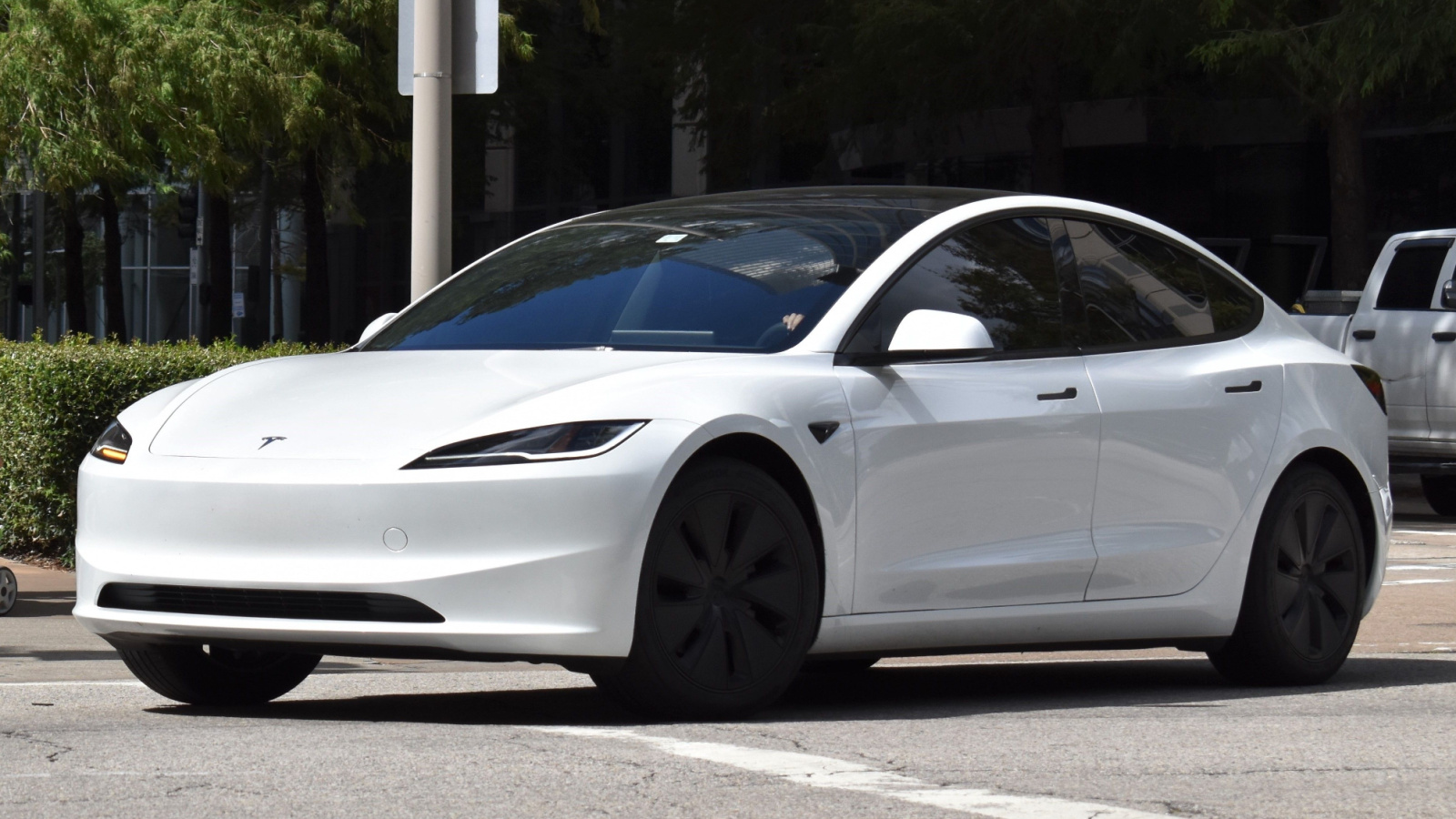
The Tesla Model 3 remains one of the most recognized electric sedans. Some trims qualify for Canadian incentives depending on pricing changes. When incentives apply, the price drops noticeably. Buyers often compare the Model 3 with luxury gasoline sedans. Rebates narrow that cost difference quickly. The car also delivers a strong driving range. Many versions exceed 430 kilometres per charge. Access to Tesla’s charging network improves long-distance travel. Software updates regularly add new features. Maintenance needs stay relatively simple compared with gasoline vehicles. Incentives can make the Model 3 far more competitive. That shift keeps it near the top of many EV shopping lists.
Tesla Model Y
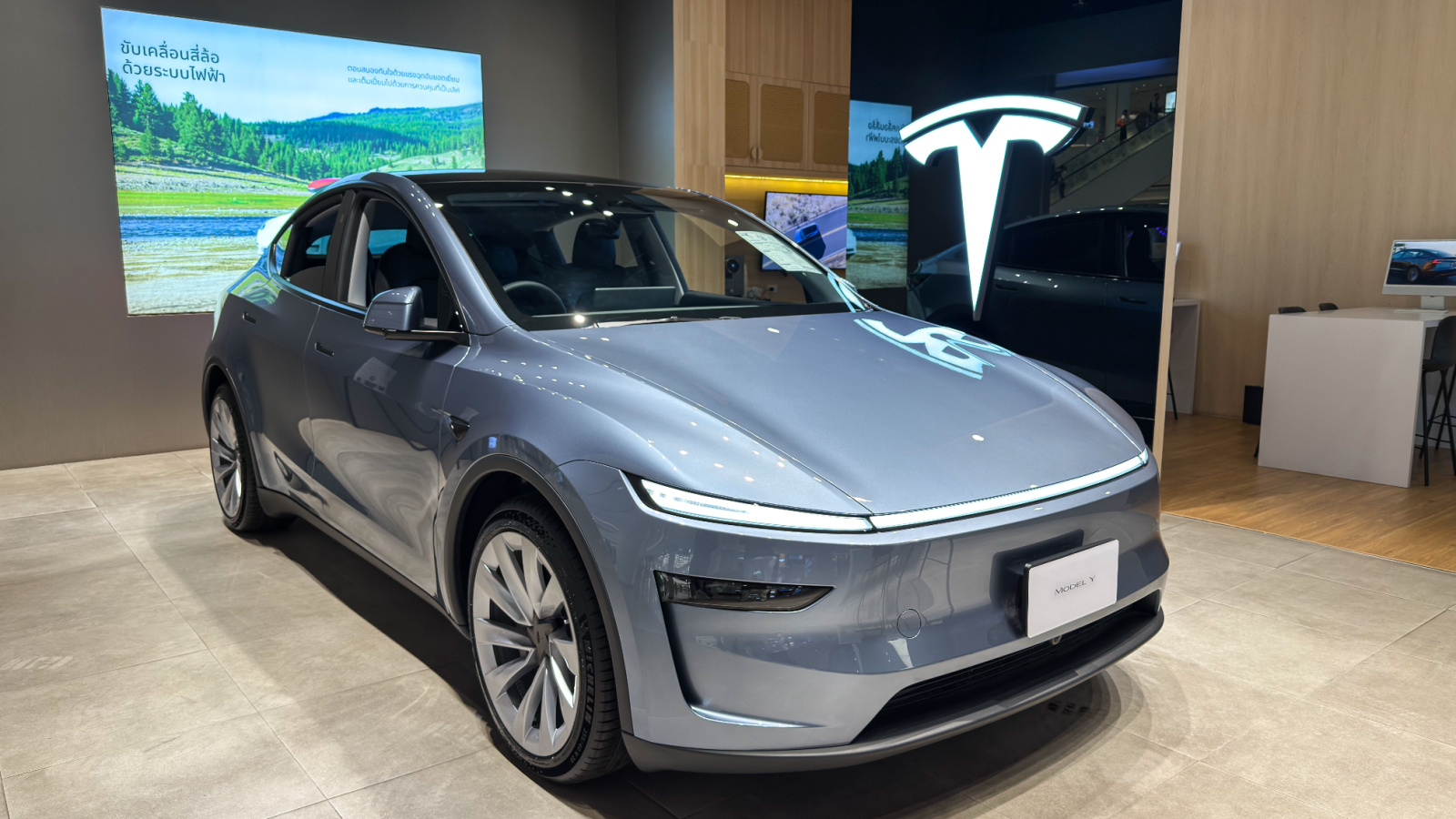
The Tesla Model Y has become one of Canada’s best-selling electric SUVs. Incentives can make certain trims more affordable for buyers. That price reduction matters because SUVs dominate Canadian sales. The Model Y offers generous cargo space and strong performance. Driving range often exceeds 480 kilometres, depending on the trim. Tesla’s charging network continues expanding across Canada. That infrastructure makes road trips more manageable. The vehicle also benefits from frequent software updates. Buyers comparing gasoline crossovers may reconsider once incentives apply. Monthly financing costs can drop significantly. Those savings help explain why the Model Y keeps gaining popularity.
Volkswagen ID.4
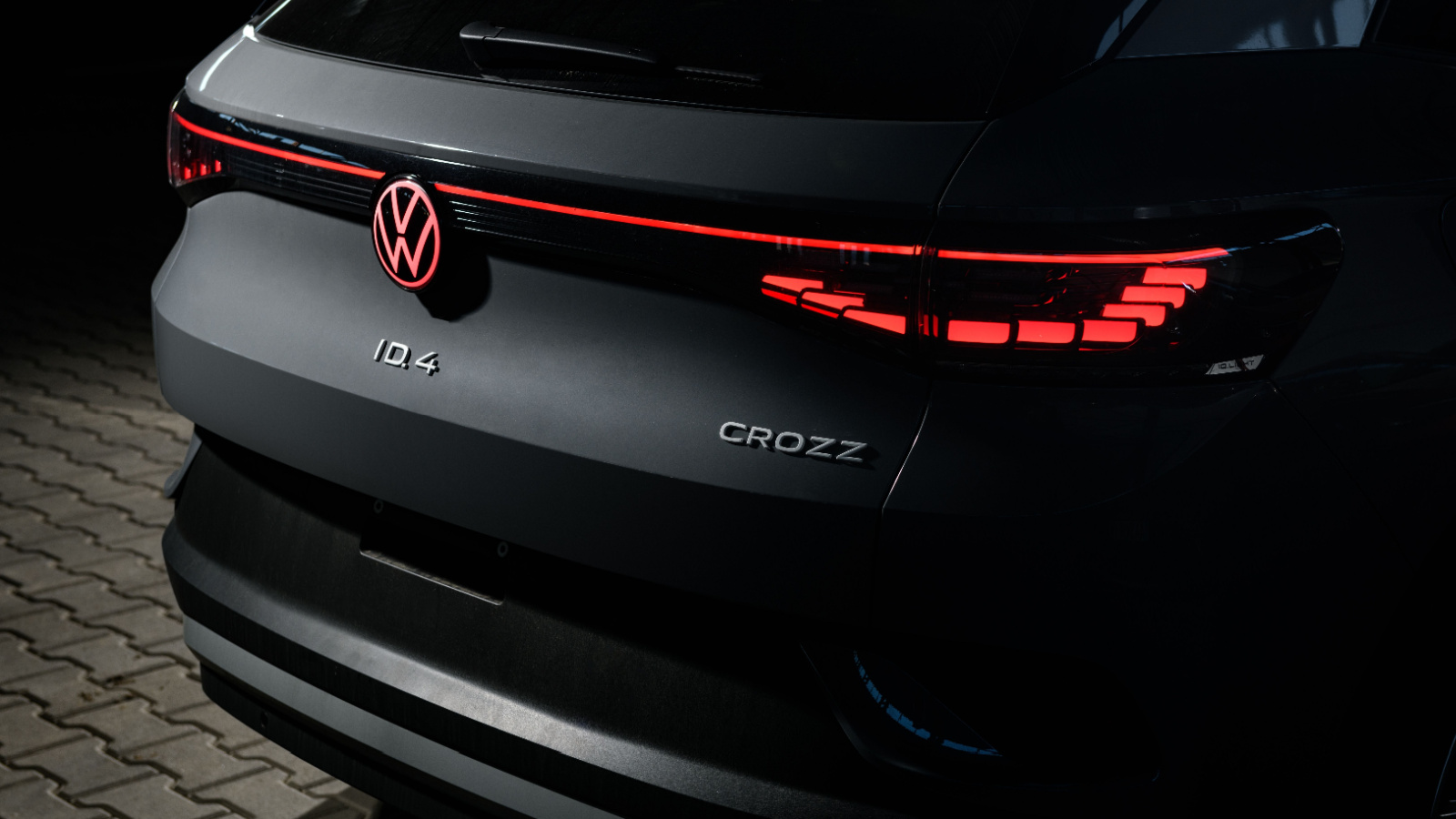
The Volkswagen ID.4 aims directly at mainstream crossover buyers. Incentives can lower the purchase price significantly. That makes it easier to compare with gasoline SUVs. The ID.4 offers practical interior space and a smooth ride. The range typically reaches around 400 kilometres. Families appreciate the roomy rear seats and cargo area. The driving experience feels calm and predictable. Volkswagen also includes modern driver assistance technology. Charging speeds allow reasonable long-distance travel. Incentives help push the ID.4 into the competitive heart of the crossover market. Buyers seeking familiarity may find this electric SUV easy to adopt.
Ford Mustang Mach-E
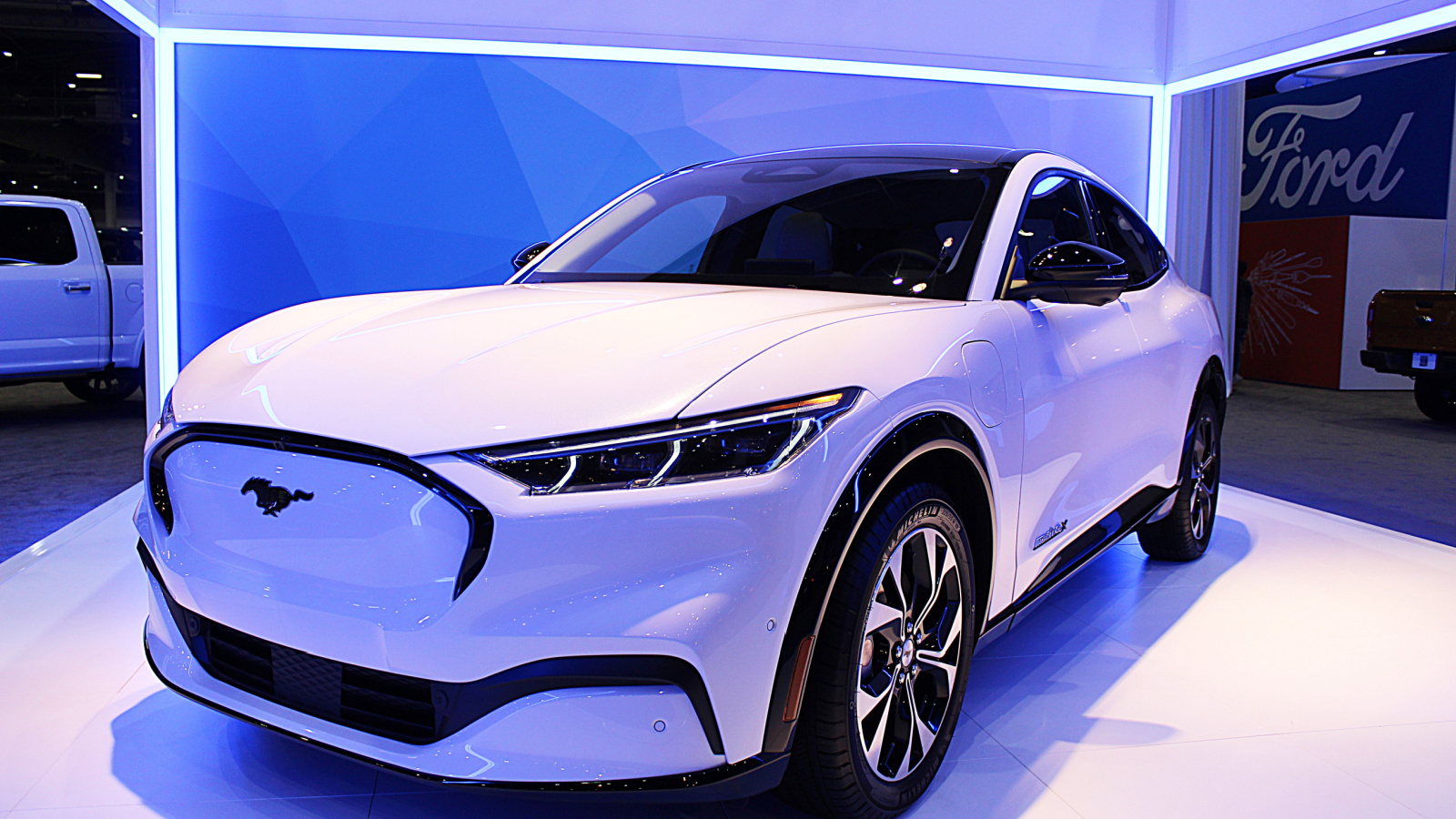
The Ford Mustang Mach-E brings electric power to a familiar brand. Incentives help offset its higher purchase price. Some trims qualify depending on final pricing. The Mach-E delivers strong acceleration and respectable range. Many versions exceed 400 kilometres on a full charge. The interior includes a large touchscreen and modern controls. Cargo space also rivals many gasoline crossovers. Drivers switching from performance SUVs may enjoy the electric torque. Charging infrastructure continues improving across Canada. Incentives help the Mach-E compete with premium gasoline vehicles. Lower purchase costs could attract buyers who want both performance and electric driving.
Hyundai Ioniq 5
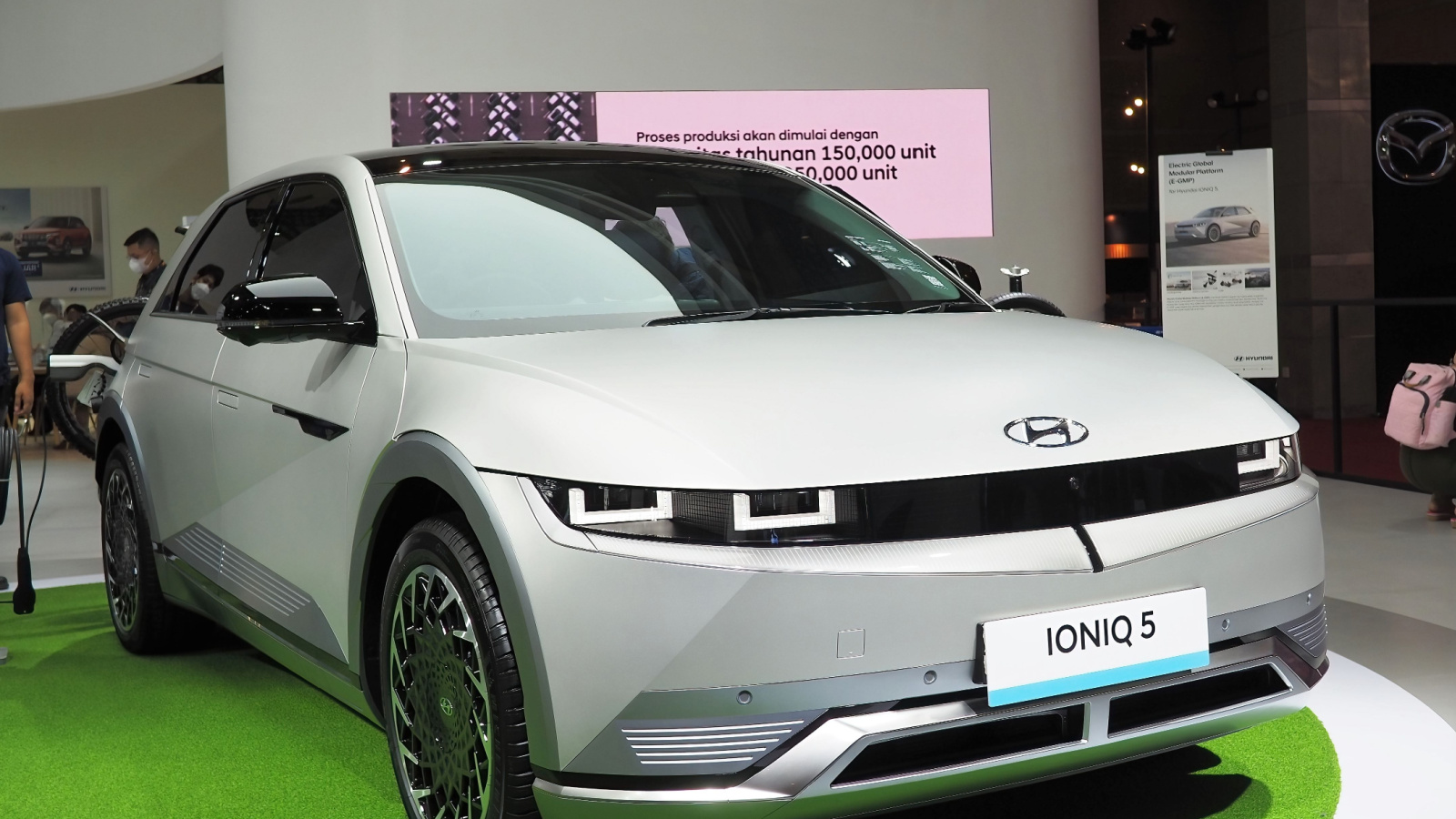
The Hyundai Ioniq 5 stands out with its distinctive design. Incentives make the vehicle far more appealing financially. Buyers may qualify for federal rebates depending on trim prices. The Ioniq 5 offers around 480 kilometres of range in some versions. Ultra-fast charging capability also impresses many drivers. Long trips become easier when charging sessions stay short. Interior space feels surprisingly large for the vehicle’s footprint. Flat floors improve passenger comfort in the rear seats. Technology features feel modern without overwhelming drivers. Incentives place the Ioniq 5 closer to popular gasoline SUVs. That shift attracts many curious first-time EV shoppers.
Kia EV6
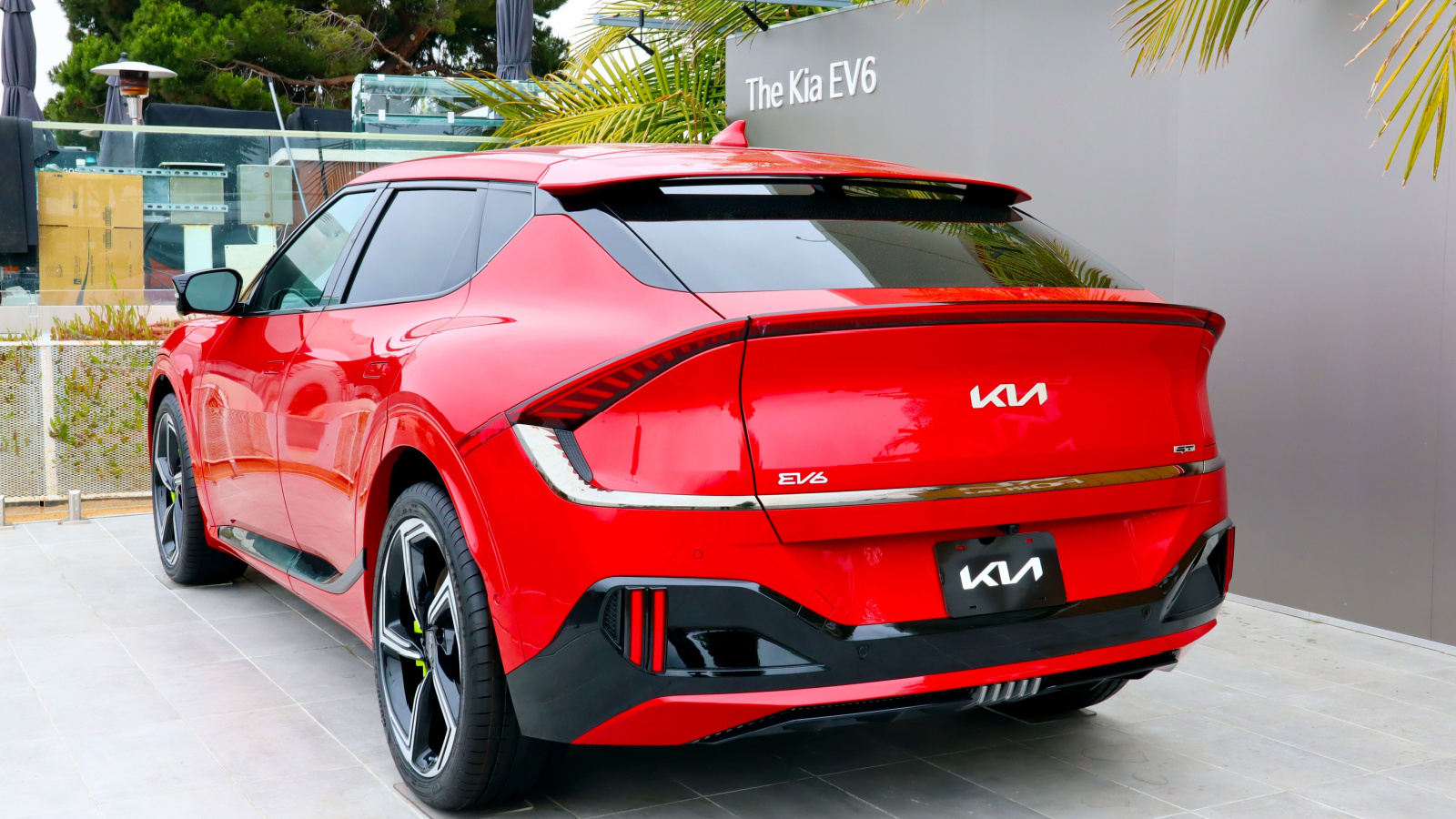
The Kia EV6 shares many components with the Hyundai Ioniq 5. Incentives help narrow the purchase price gap. Buyers who qualify may save thousands immediately. The EV6 offers quick acceleration and a strong driving range. Some versions reach about 480 kilometres on a full charge. Charging speeds rank among the fastest in the segment. That feature reduces wait times during long drives. Interior design feels sleek and driver-focused. Cargo space also matches many compact SUVs. Incentives push the EV6 closer to gasoline competitors. That price change encourages more Canadians to consider electric performance crossovers.
Toyota bZ4X
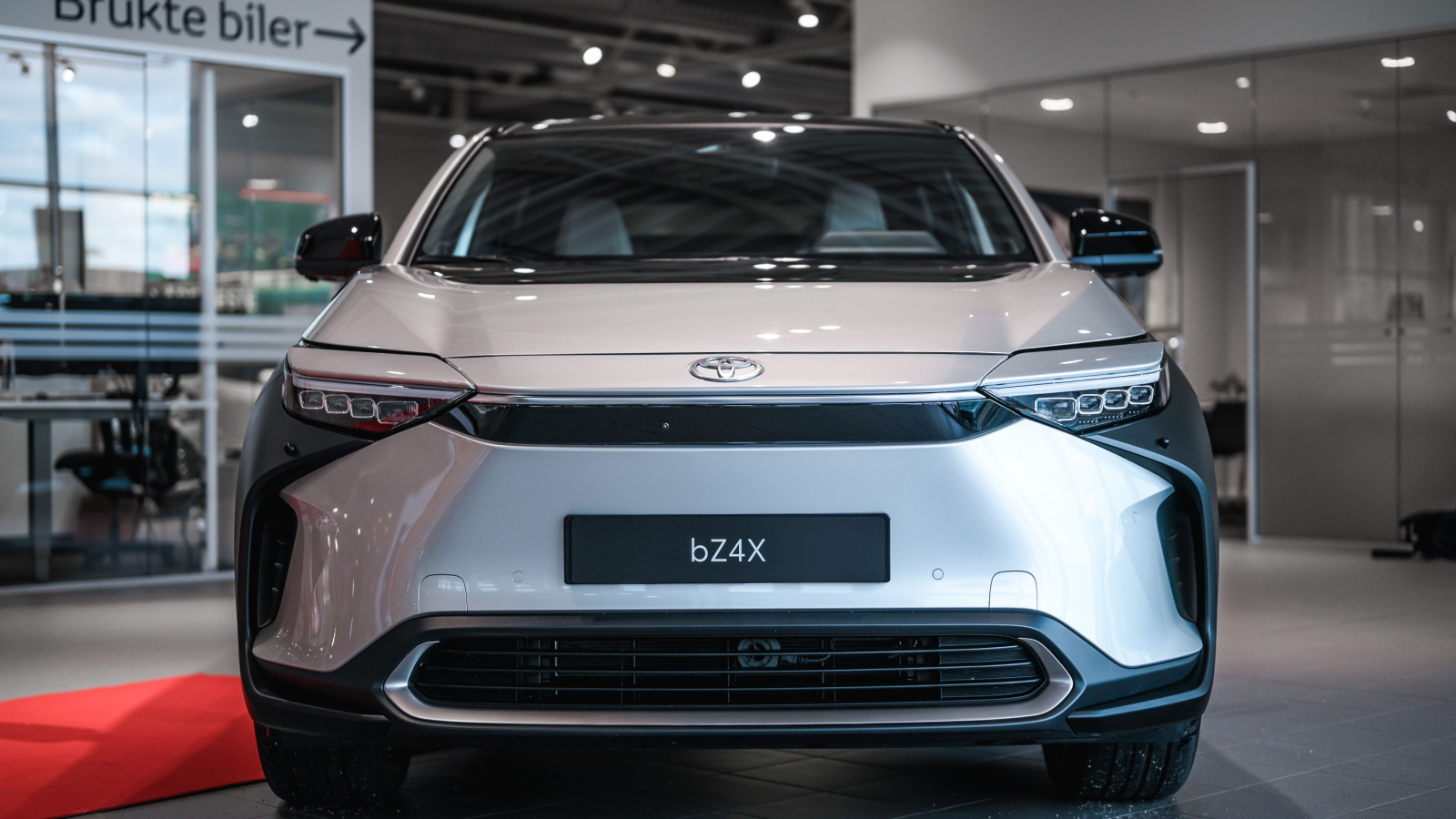
The Toyota bZ4X represents the brand’s first major electric crossover. Incentives help ease concerns about its price. Many buyers trust Toyota’s reputation for durability. That reputation helps attract cautious EV shoppers. The bZ4X offers a practical range for daily commuting. Interior space works well for families and cargo. Toyota also includes familiar safety technology. Drivers moving from a RAV4 may find the transition simple. Charging networks continue improving across Canadian highways. Incentives reduce the price gap between this EV and gasoline crossovers. That difference could bring many loyal Toyota buyers into the electric market.
Subaru Solterra
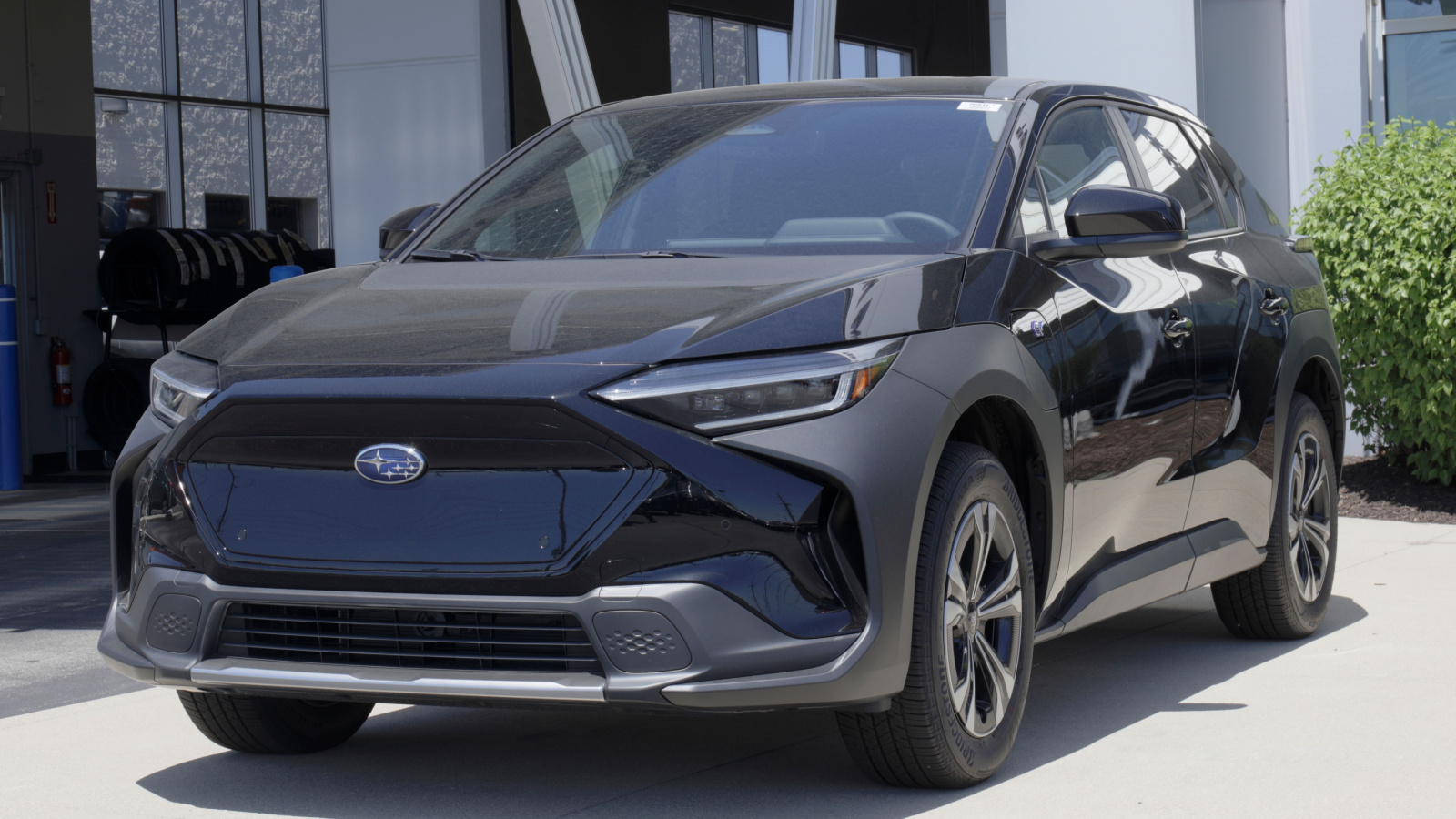
The Subaru Solterra shares its platform with the Toyota bZ4X. Incentives help make this electric SUV more appealing. Subaru buyers often prioritize All Wheel Drive capability. The Solterra delivers that feature standard. Drivers in snowy provinces may find that reassuring. Interior space suits families and outdoor gear. Range remains practical for everyday travel. Charging access continues to improve across Canada. Subaru also offers familiar safety features and driver-assistance systems. Incentives reduce the cost difference with gasoline Subaru models. That price shift could encourage loyal customers to try electric driving. Many outdoor-focused drivers may find the Solterra appealing.
Nissan Ariya
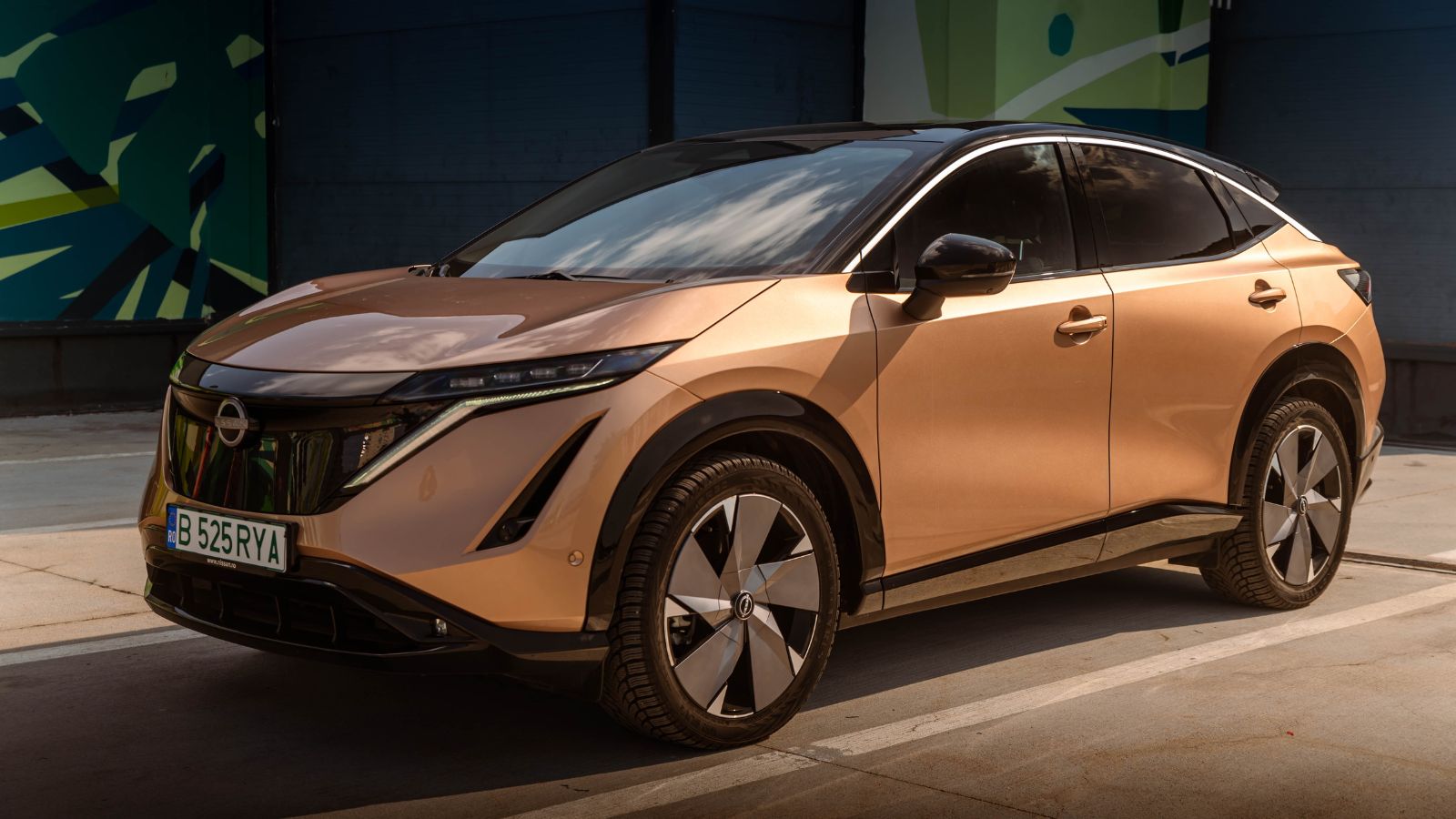
The Nissan Ariya marks a major step beyond the older Leaf. Incentives help soften its higher starting price. Buyers often compare it with gasoline compact SUVs. Rebates narrow that difference quickly. The Ariya offers comfortable seating and refined driving manners. Range varies by battery size but remains competitive. Interior design focuses on simplicity and open space. Technology features include large displays and driver assistance tools. Charging capability supports longer regional trips. Incentives place the Ariya closer to mainstream SUV pricing. That change could bring many Nissan fans into the electric crossover segment.
Ford F-150 Lightning
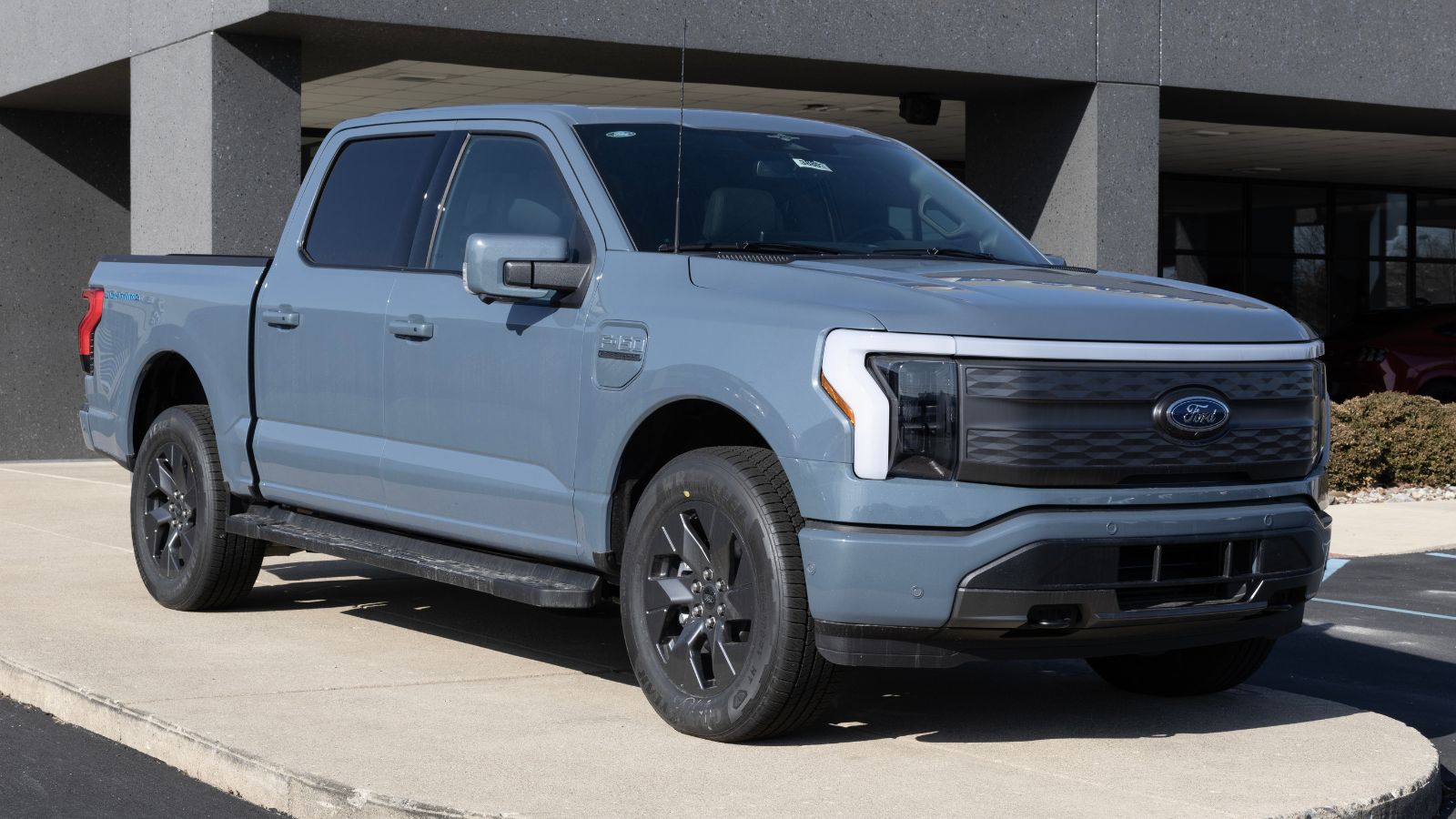
The Ford F-150 Lightning targets buyers who already trust pickup trucks. Incentives can help offset its higher electric price. Trucks often cost more than smaller vehicles. Rebates, therefore, make a noticeable difference. The Lightning offers strong towing capability and a large cargo space. Many versions also deliver over 400 kilometres of range. Owners can power tools or homes from the battery. That feature appeals to contractors and homeowners. Charging infrastructure for trucks continues improving. Incentives reduce the gap between electric and gasoline pickups. Those savings could push more truck buyers toward electric options.
Rivian R1T
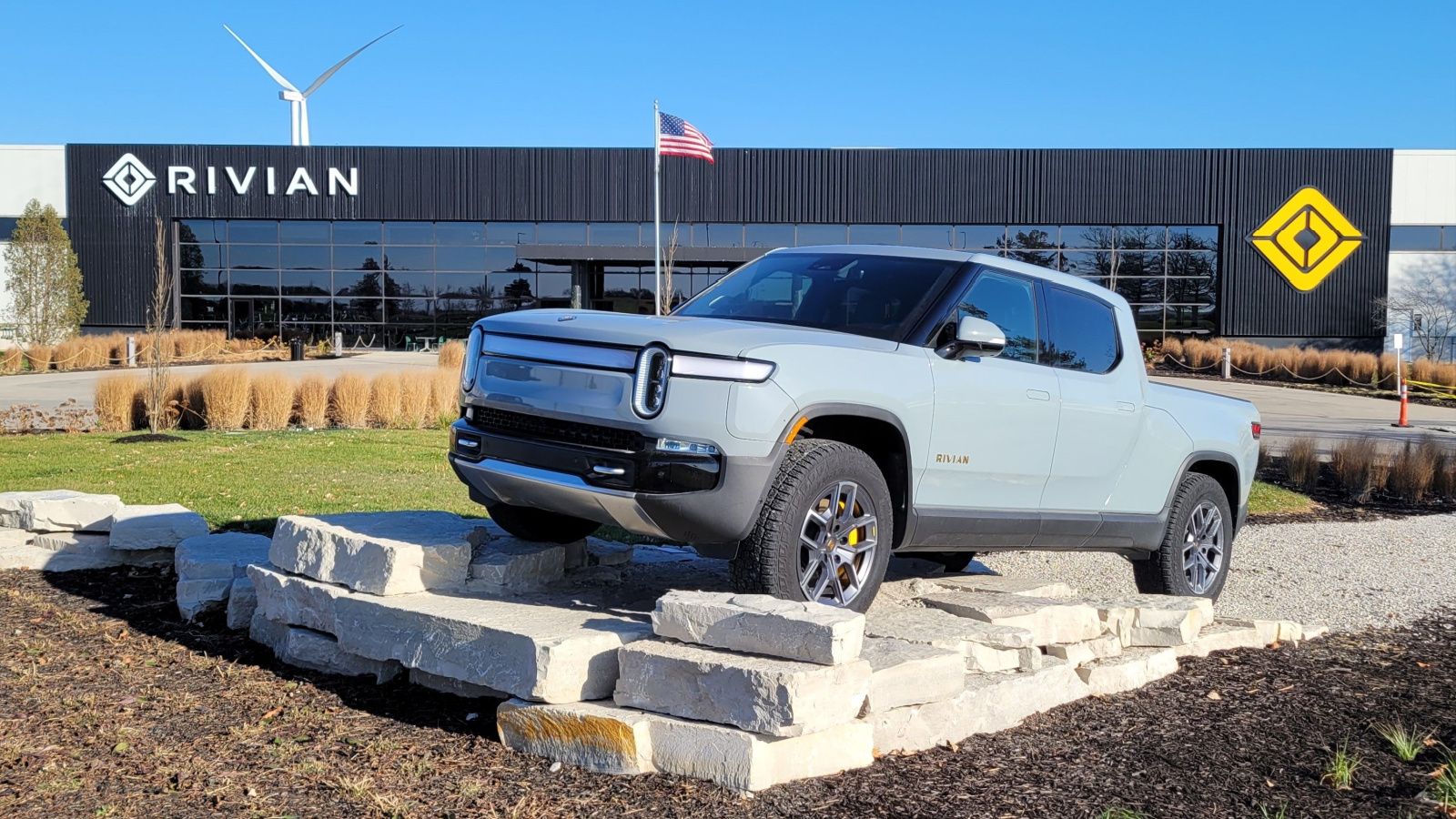
The Rivian R1T attracts buyers looking for adventure-capable electric trucks. Incentives may apply depending on final pricing rules. Any rebate helps reduce its premium cost. The R1T delivers strong off-road capability and rapid acceleration. The driving range also reaches competitive levels for trucks. Storage space includes a unique gear tunnel. That feature appeals to outdoor enthusiasts carrying equipment. Rivian continues expanding service and charging support. Buyers interested in new technology often notice this truck quickly. Incentives may not entirely transform the price. However, they still lower the barrier for buyers considering electric adventure vehicles.
Volvo XC40 Recharge
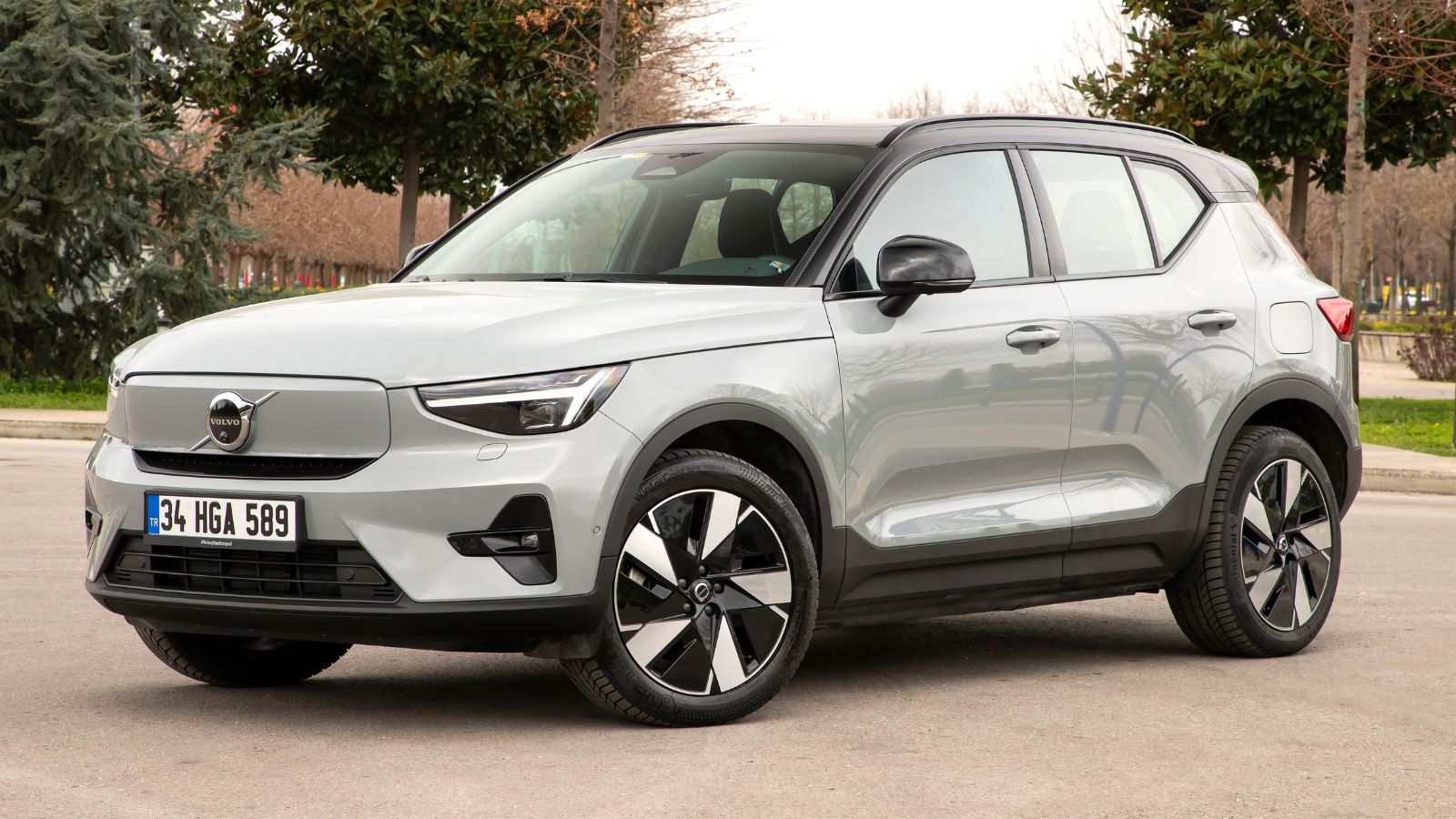
The Volvo XC40 Recharge blends electric power with familiar luxury. Incentives can soften its higher purchase price. Buyers comparing premium SUVs may notice the difference quickly. The XC40 Recharge offers quick acceleration and strong safety features. Volvo continues to emphasize crash protection and driver-assistance technology. Interior materials also maintain the brand’s upscale feel. Range sits around the mid-400-kilometre mark in many versions. Charging networks make longer drives easier each year. Incentives narrow the cost gap with gasoline luxury crossovers. That shift could attract buyers who want both premium design and electric driving.
Polestar 2
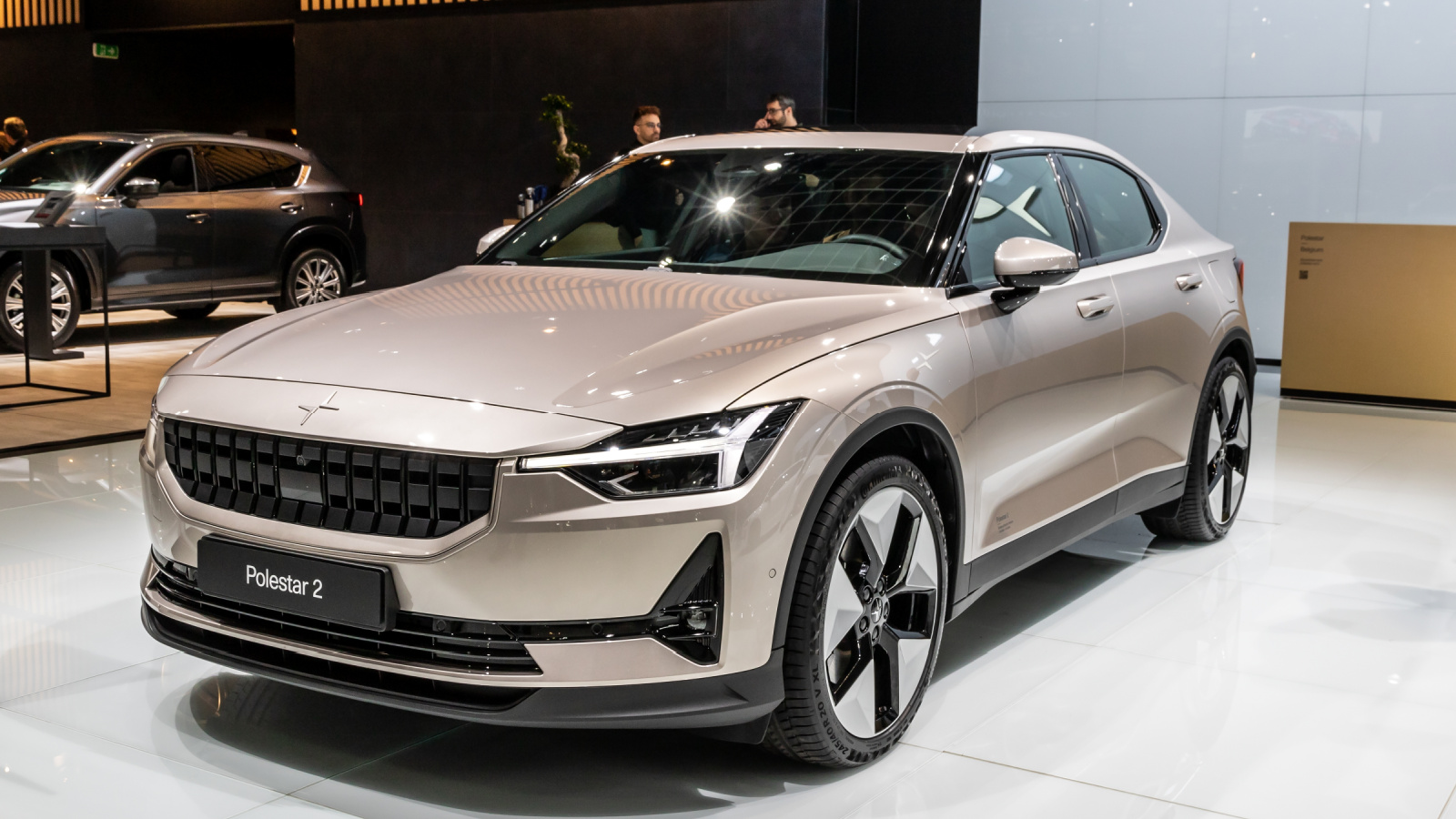
The Polestar 2 positions itself as a sporty electric sedan. Incentives can make its price far more competitive. Buyers often compare it with premium compact sedans. Rebates narrow that gap quickly. The Polestar 2 offers strong acceleration and precise handling. Range remains competitive for everyday driving. Interior design follows a minimal Scandinavian approach. Technology includes Google-based infotainment features. Charging speeds support longer regional trips. Incentives place the Polestar 2 closer to mainstream luxury pricing. That change could draw attention from drivers considering electric alternatives to traditional German sedans.
BMW i4
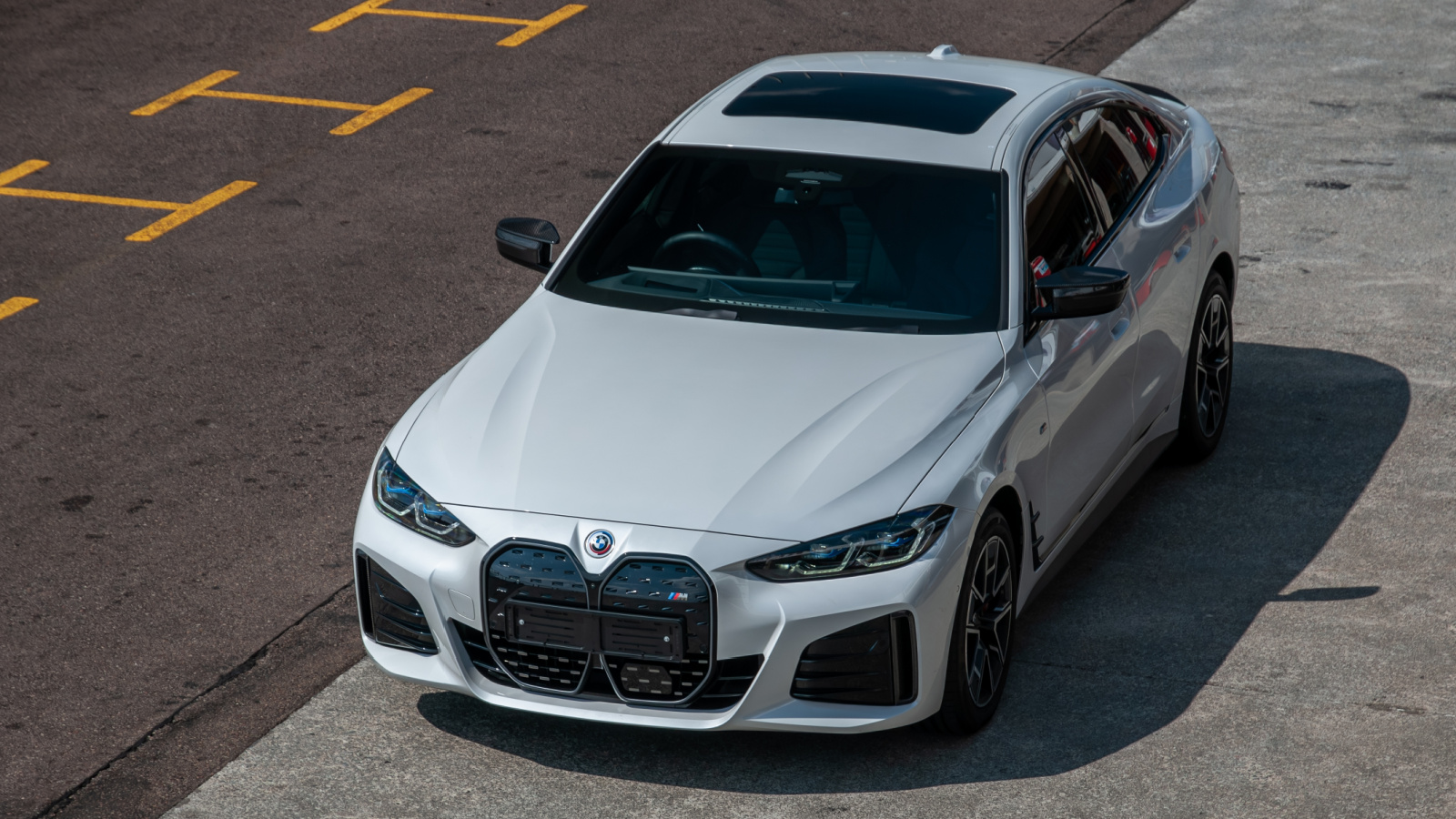
The BMW i4 appeals to drivers who enjoy sporty sedans. Incentives help offset the higher cost of a premium EV. Buyers comparing gasoline BMW models may reconsider. The i4 delivers strong acceleration and balanced handling. Driving range remains competitive for long commutes. Interior quality matches typical BMW expectations. Technology includes modern driver assistance and digital displays. Charging networks across Canada continue expanding. Incentives narrow the price gap with gasoline sport sedans. That difference matters during financing calculations. Buyers seeking performance and electric efficiency may see the i4 as a compelling alternative.
Mercedes-Benz EQB
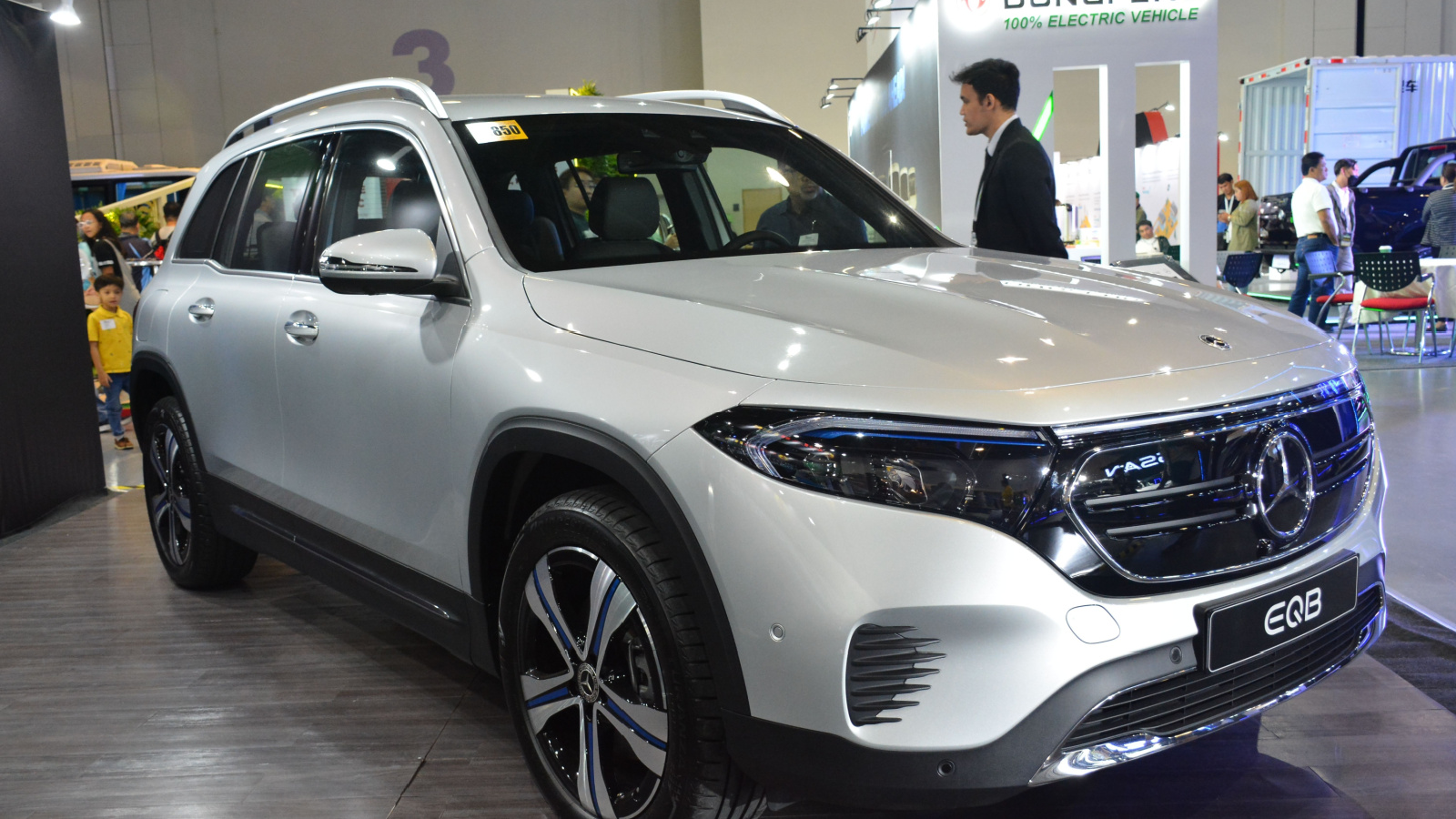
The Mercedes-Benz EQB offers an electric option for luxury SUV buyers. Incentives help reduce the impact of its premium price. Families may appreciate the optional third row seating. That feature remains rare among electric SUVs. The EQB delivers smooth acceleration and quiet driving. Interior materials maintain Mercedes’ luxury reputation. Driving range suits commuting and regional travel. Charging stations continue appearing across Canadian cities. Incentives narrow the cost difference with gasoline luxury SUVs. That change could draw attention from buyers already considering the brand. Many families seeking electric luxury may explore the EQB.
Hyundai Ioniq 6
The Hyundai Ioniq 6 focuses on efficiency and long driving range. Incentives help strengthen its value in Canada. Buyers often compare it with midsize gasoline sedans. Rebates narrow that price difference quickly. The Ioniq 6 offers excellent aerodynamics and strong efficiency numbers. Many versions exceed 500 kilometres of range. That distance suits longer commutes and highway driving. The interior space feels comfortable despite the sleek exterior. Technology features remain modern and easy to use. Incentives make the Ioniq 6 a serious contender. Buyers seeking range and lower operating costs may pay close attention.
Kia EV9
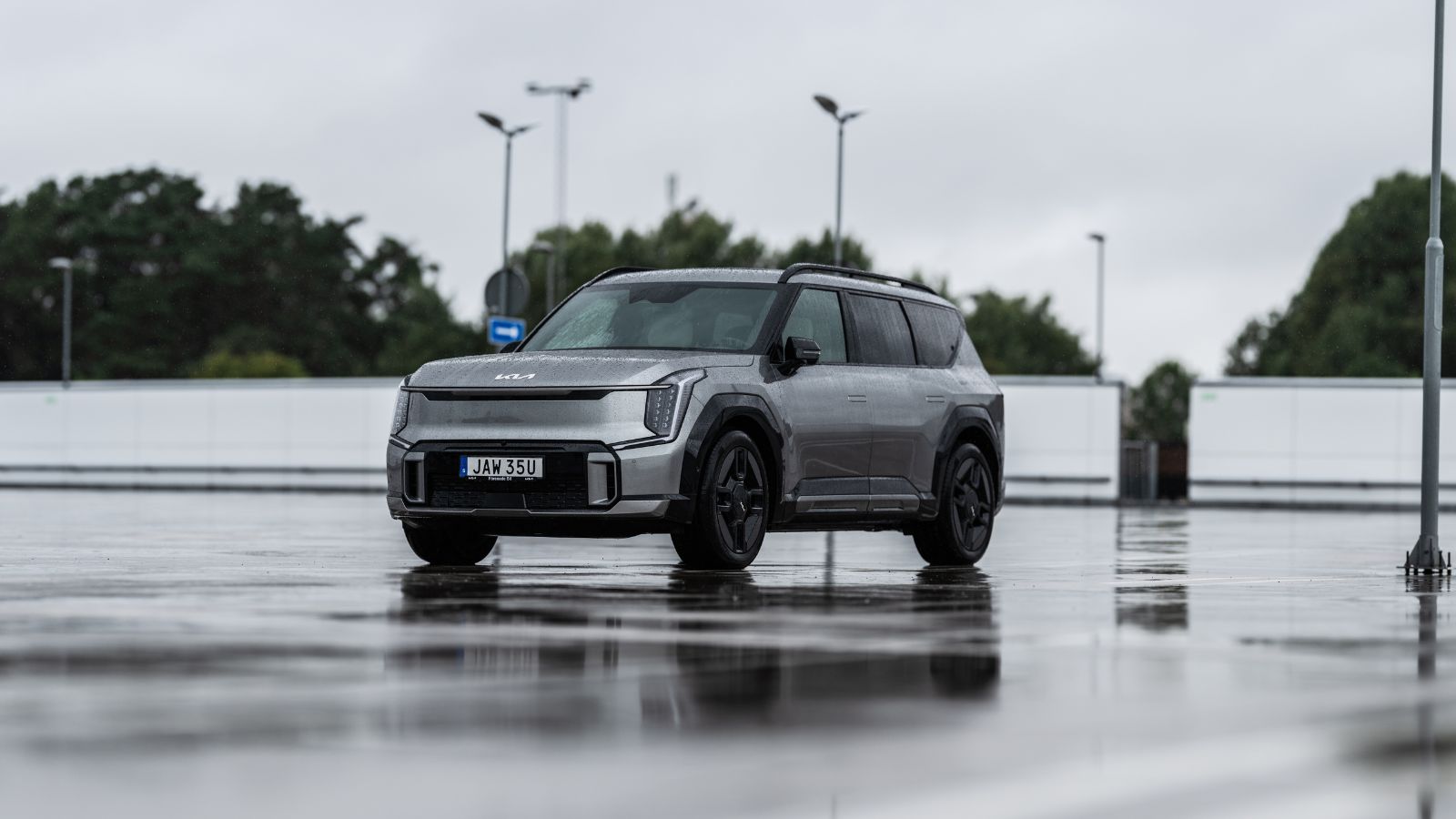
The Kia EV9 targets families needing a large three-row electric SUV. Incentives help reduce the higher purchase price. Large vehicles often face tougher price comparisons. Rebates, therefore, matter even more here. The EV9 offers generous passenger space and modern technology. Range remains competitive for a large electric SUV. Fast charging capability helps during long trips. Families may appreciate the flexible seating layouts. Cargo capacity also suits travel or sports equipment. Incentives narrow the gap with gasoline three-row SUVs. That difference could attract buyers considering electric family vehicles.
Chevrolet Equinox EV
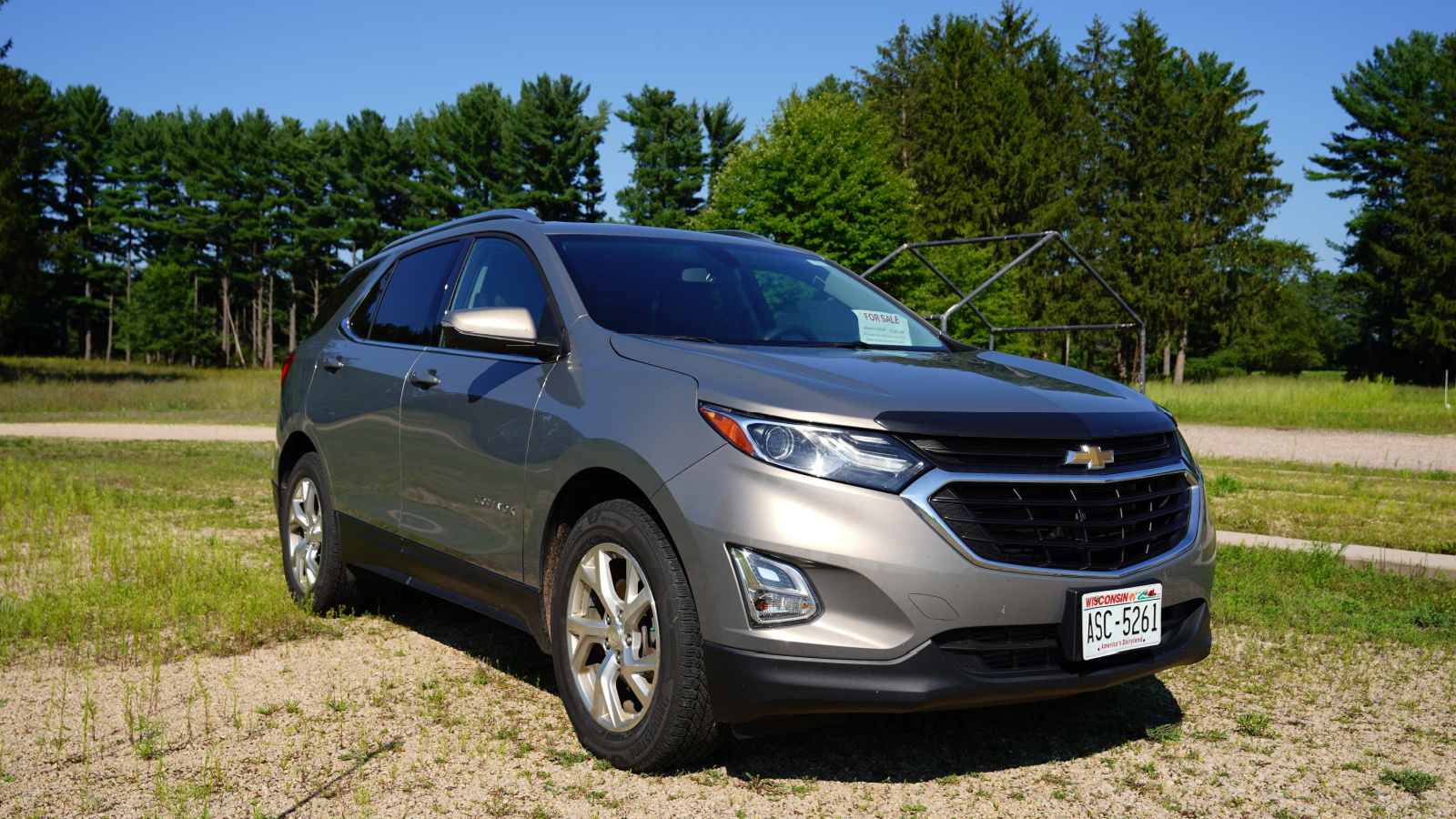
The Chevrolet Equinox EV aims directly at mainstream crossover buyers. Incentives help position it as an affordable electric SUV. Early pricing already targets the mass market. Rebates could push costs even lower. The Equinox EV promises over 450 kilometres of range. That distance rivals many larger electric vehicles. Interior space matches what families expect from compact SUVs. Technology includes modern displays and driver assistance features. Charging networks continue expanding across Canada. Incentives could make this model one of the most accessible electric SUVs. Many buyers may see it as a practical step into electric driving.
Cadillac Lyriq
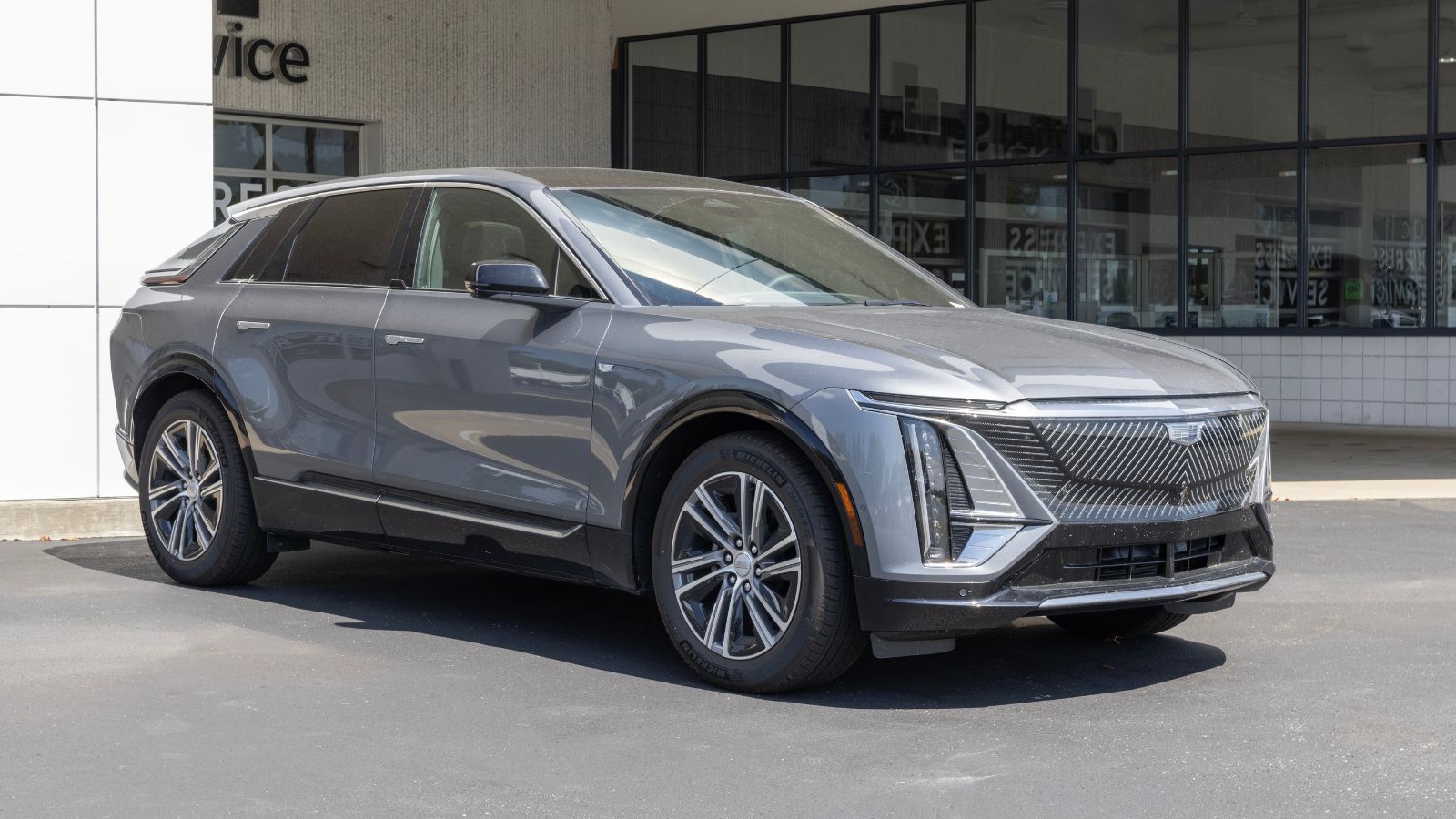
The Cadillac Lyriq represents the brand’s move into electric luxury. Incentives may apply depending on trim pricing. Any rebate helps soften its premium cost. The Lyriq offers smooth acceleration and a quiet cabin. Interior design emphasizes curved displays and modern materials. The driving range is around 480 kilometres. Charging capability supports long-distance travel. Buyers comparing luxury gasoline SUVs may notice a difference in operating costs. Electricity often costs far less than fuel. Incentives further reduce the purchase price gap. That change could encourage more luxury buyers to explore Cadillac’s electric lineup.
Genesis GV60
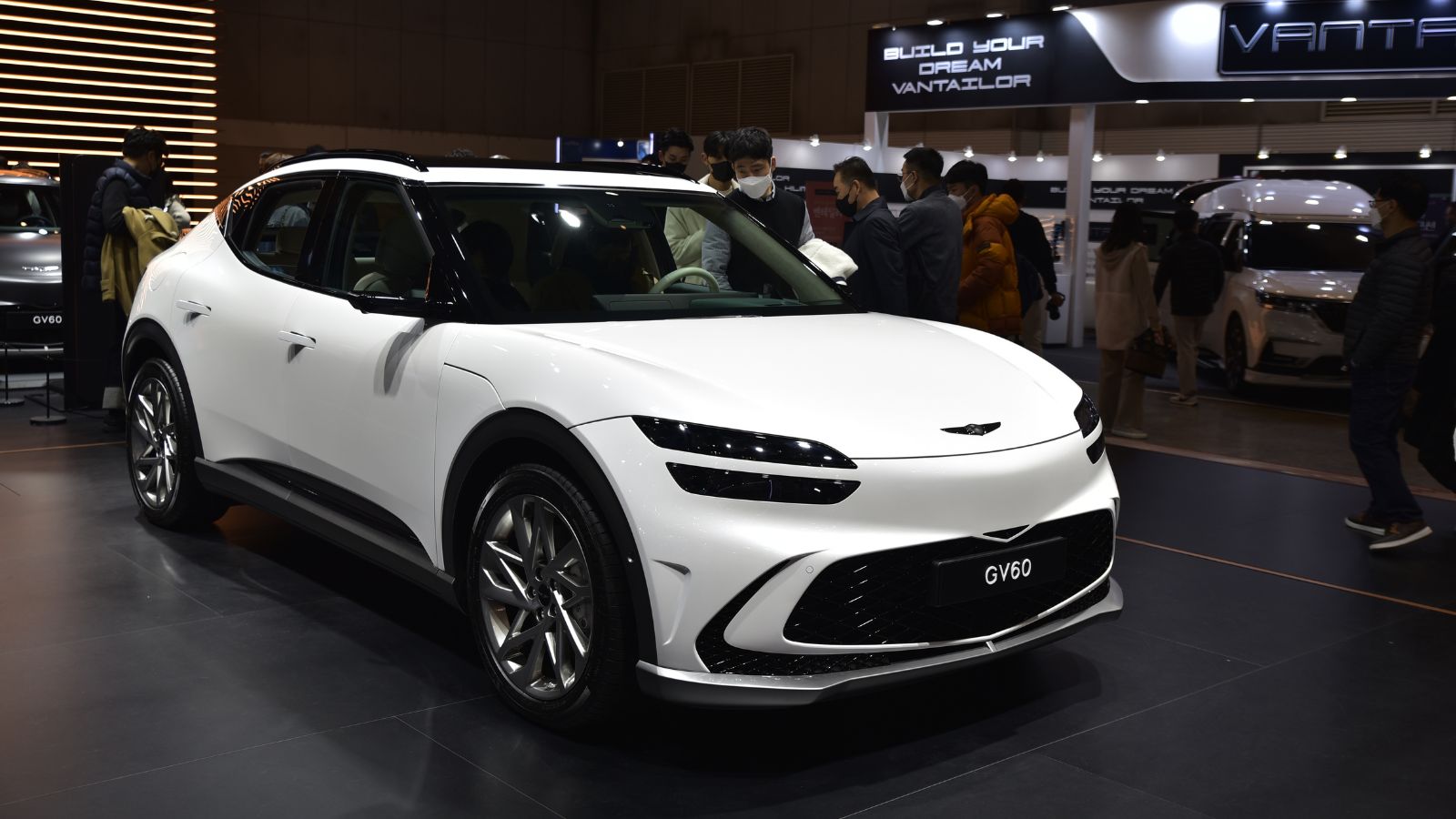
The Genesis GV60 brings electric power to the brand’s luxury crossover lineup. Incentives help reduce the impact of its premium price. Buyers often compare it with other luxury compact SUVs. Rebates narrow that difference quickly. The GV60 offers strong acceleration and refined ride comfort. Interior materials match Genesis’ upscale reputation. Technology includes advanced displays and driver assistance systems. Driving range remains competitive within the luxury segment. Charging speeds allow quicker stops during longer trips. Incentives move the GV60 closer to the prices of gasoline luxury crossovers. That shift could attract buyers seeking both comfort and electric performance.