

























Buying a new car feels exciting. The smell, the shiny paint, and the untouched odometer create a special moment. Most buyers focus on the sticker price and the monthly payment. That number rarely tells the full story. Many extra costs appear after the car leaves the dealership lot. Insurance jumps, digital services charge monthly fees, and routine items cost more than expected. Modern vehicles add technology that quietly increases ownership costs. Drivers often discover these expenses months later. Understanding these hidden costs helps buyers prepare their budgets and avoid surprises. Here are 20 “New Car” costs nobody warns you about (insurance, apps, charging, and more).
Higher Insurance Premiums

Insurance often jumps when drivers buy a brand-new vehicle. Insurers calculate risk using replacement value and repair costs. A new car costs more to replace after an accident. Advanced sensors and cameras also raise repair bills. Even a small bumper scrape can involve expensive electronics. Insurance companies factor those costs into monthly premiums. Many drivers discover the increase only after adding the car to their policy. Sports trims and luxury features raise the price further. Urban drivers often see even higher rates. Before signing paperwork, buyers should request a quote. That quick check prevents an unpleasant insurance surprise later.
Dealer Documentation Fees
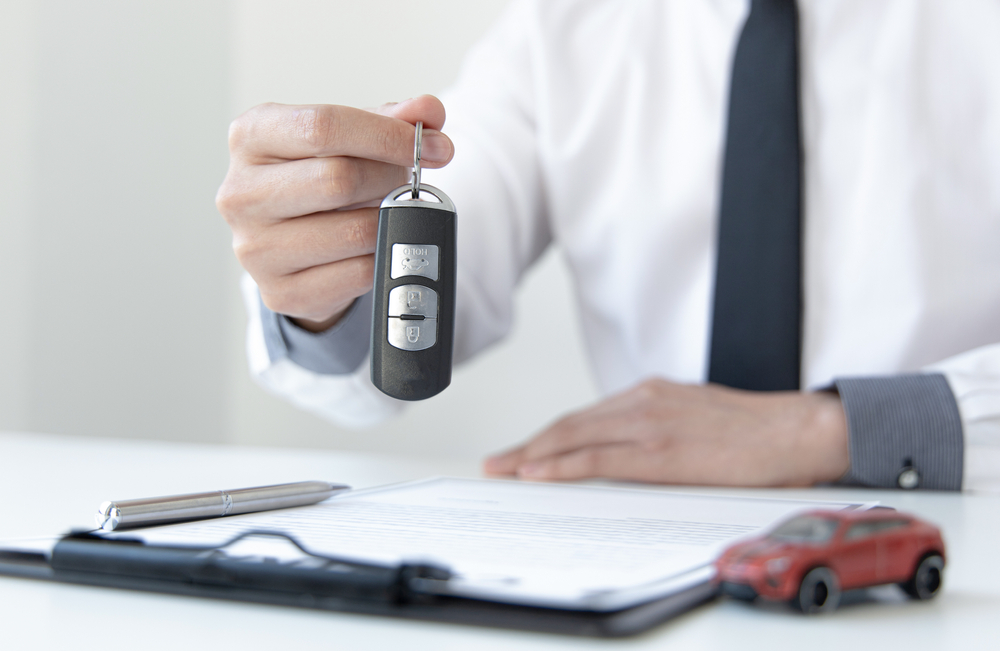
Most dealerships charge a documentation fee when processing vehicle paperwork. This charge covers preparing registration and sales documents. The fee varies by province and dealership policy. Some buyers assume it is part of the vehicle price. It usually appears later in the purchase contract. Documentation fees often range from $300 to over $800. Dealers sometimes present the charge as mandatory. In reality, the amount can vary between sellers. Buyers rarely notice the fee during negotiations. It quietly increases the total purchase price. Reading the contract carefully helps drivers spot this extra charge before finalizing the deal.
Digital App Subscriptions

Modern vehicles connect to smartphone apps for remote access. These apps control locks, climate settings, and vehicle location. Many brands offer the service free for a short trial period. After that trial ends, a monthly subscription begins. Drivers pay to keep using remote features they already enjoy. Fees typically range between $10 and $25 each month. Some luxury brands charge even more. Owners often learn about the cost when the free trial expires. Without the subscription, certain convenience features stop working. That small monthly payment becomes another ongoing ownership expense.
Advanced Safety Sensor Repairs

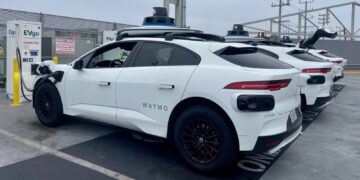
New cars rely heavily on radar sensors and cameras. These systems power adaptive cruise control and collision alerts. The technology improves safety but increases repair costs. Even minor accidents can damage sensors hidden behind bumpers. After replacement, technicians must recalibrate the system. Calibration requires special equipment and trained staff. The process can add hundreds of dollars to repairs. Insurance may cover some situations, but not every incident. Parking lot bumps sometimes trigger expensive recalibration work. Owners often expect a simple repair bill. Instead, electronic safety systems add unexpected costs.
Premium Fuel Requirements
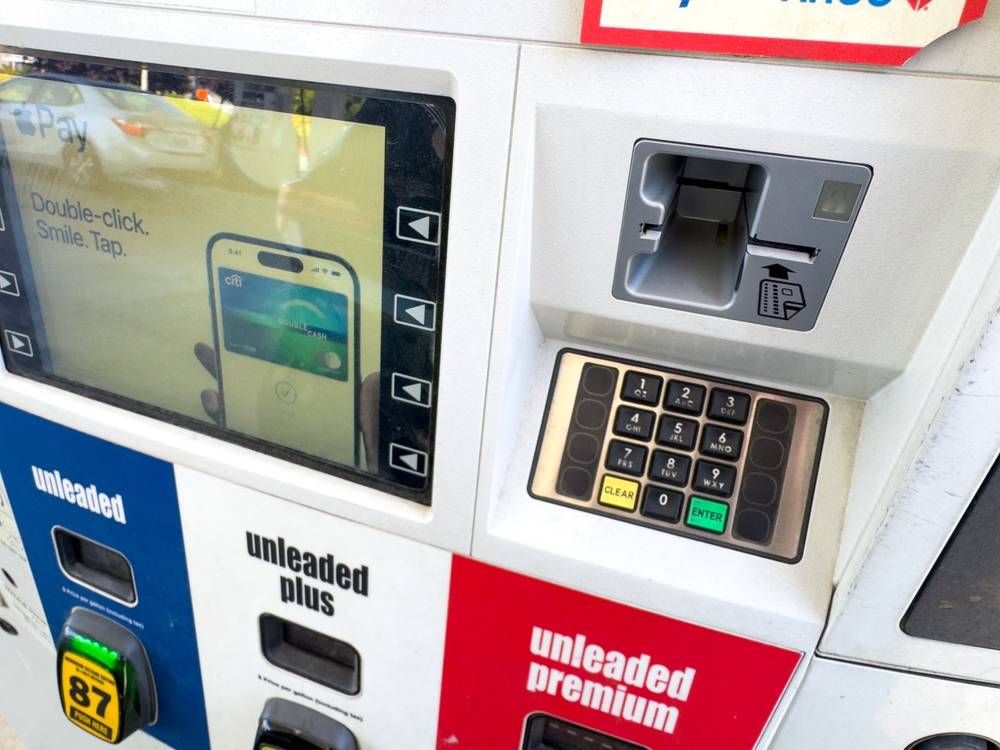
Many modern engines require premium gasoline for proper performance. Turbocharged engines, in particular, depend on higher-octane fuel. Premium gasoline often costs significantly more per liter. Drivers who previously used regular fuel notice the change quickly. Over a year, the extra fuel cost becomes substantial. Owners sometimes overlook this requirement when buying the car. Sales discussions often focus on horsepower instead. Fuel type becomes an afterthought. Ignoring the recommendation can reduce performance or efficiency. Some engines adjust automatically, but the power drops. The long-term cost of premium fuel surprises many new car buyers.
Tire Replacement Costs
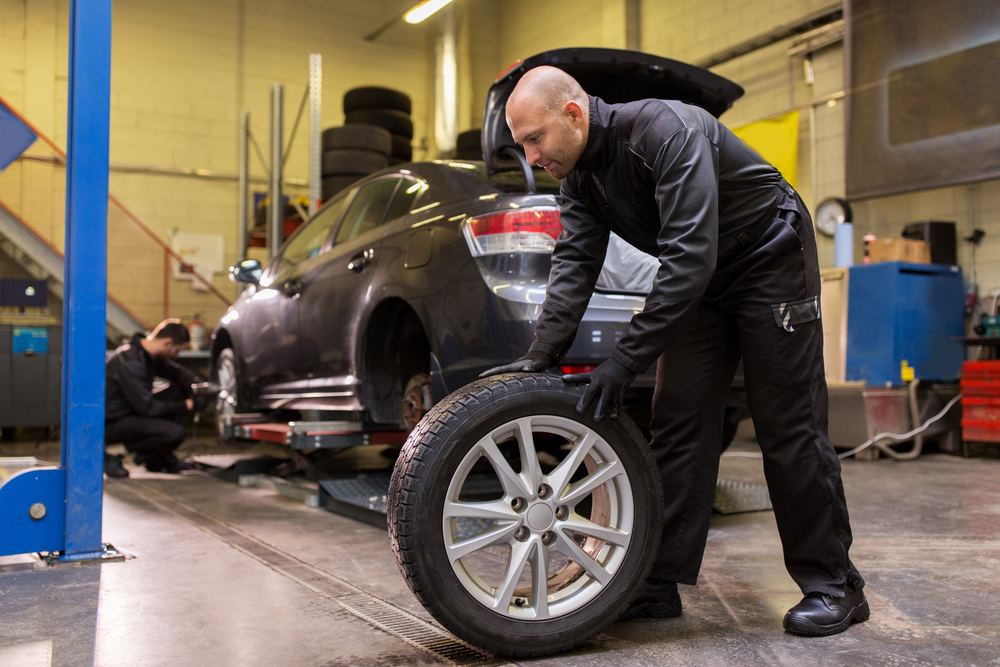
New vehicles often come with large wheels and performance tires. These tires improve grip and appearance. They also cost much more to replace. A set of large tires can easily exceed $1,200. Luxury models sometimes require special run-flat tires. Run flat designs allow driving after a puncture. However, they cost far more than standard tires. Low-profile tires also wear out faster. Drivers in colder regions may also need winter tires. That means purchasing two full sets. Tire costs often appear within the first two years of ownership.
Winter Tire Storage

Drivers who use winter tires must store the unused set. Many homes lack space for four large tires. Dealerships and tire shops offer storage services. The service keeps tires in controlled environments. Storage usually costs between $80 and $150 each season. Some drivers also pay installation fees twice a year. These costs repeat every winter and spring. The total expense grows over time. Winter tires remain essential for safety in snowy regions. Still, the storage cost surprises many first-time car owners.
Software Feature Unlock Fees

Some car brands lock certain features behind digital paywalls. Heated seats, driver assistance upgrades, and navigation may require payment. Buyers assume the hardware already includes those functions. In many cases, it does. Manufacturers charge to activate the software. Some features require a one-time fee. Others involve monthly subscriptions. Owners feel frustrated when discovering these charges later. The car already contains the technology. Yet the feature stays inactive without payment. Software-based upgrades represent a growing cost in modern vehicles.
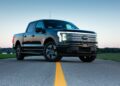
Charging Equipment for Electric Cars
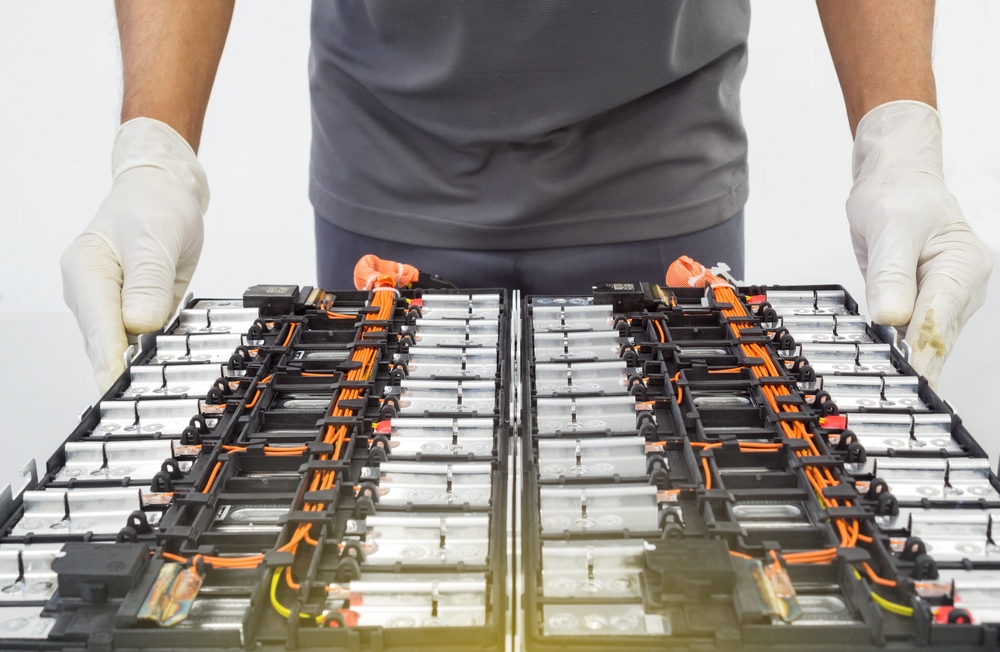
Electric vehicles require home charging equipment for convenience. Many buyers discover the charger costs extra. Level 2 home chargers often cost several hundred dollars. Installation adds more expense. Electricians may need to upgrade wiring or circuit panels. Some installations exceed $1,500, depending on the home. Public charging stations remain useful but less convenient. Home charging becomes essential for daily driving. Buyers often focus on the vehicle price alone. Charging equipment represents another hidden cost after delivery.
Public Charging Fees
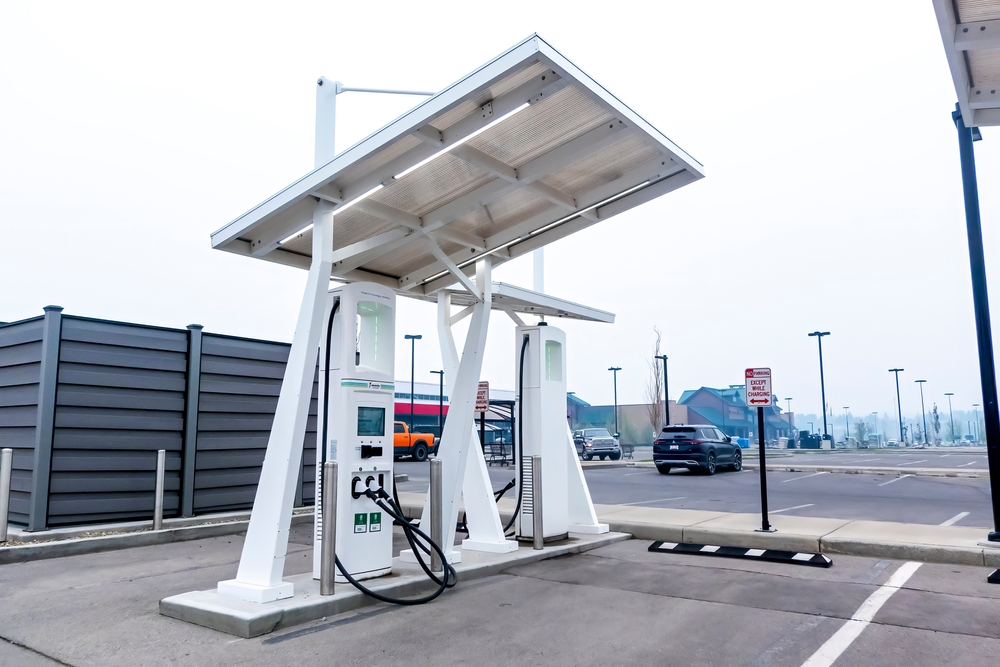
Electric vehicle owners often rely on public chargers during travel. Charging networks charge by time or electricity usage. Fast chargers usually cost the most. Prices vary widely across cities and providers. Long trips require multiple charging sessions. Those costs accumulate over time. Some networks require membership plans for lower prices. Without a plan, charging rates remain higher. Drivers sometimes assume electricity will always be cheap. Public charging often costs more than home charging. Frequent fast charging also increases the overall cost of electric vehicle ownership.
Extended Warranty Plans
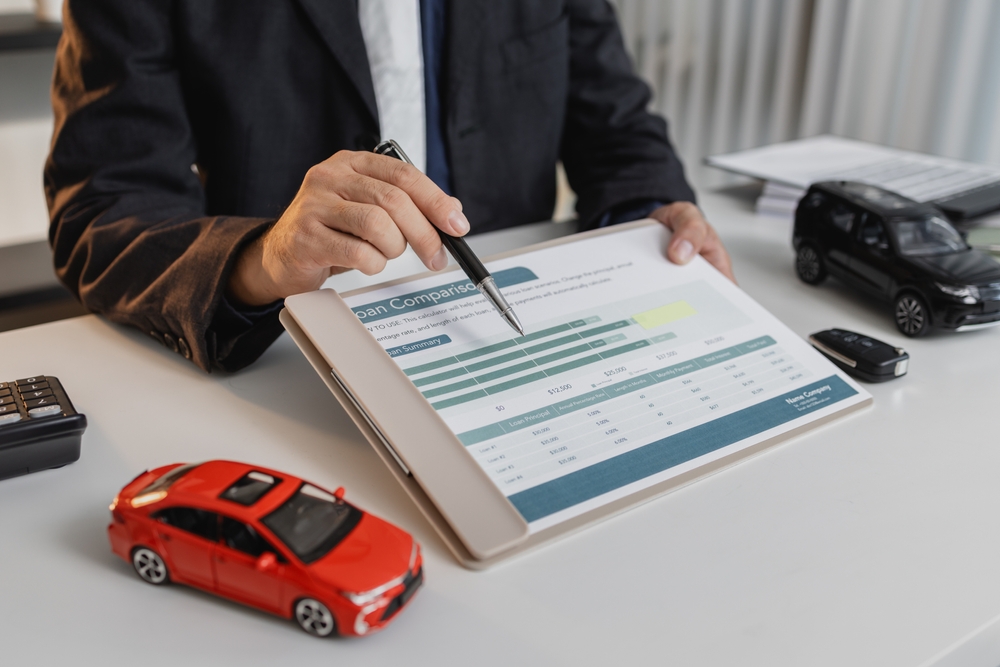
Dealerships often promote extended warranty plans during the purchase process. These plans extend coverage beyond the factory warranty period. Prices vary depending on the vehicle and coverage level. Many plans cost thousands of dollars. Buyers feel pressure during financing discussions. The salesperson often presents the warranty as protection. Some owners appreciate the extra coverage later. Others never use it. Either way, the plan adds to the total purchase cost. Buyers sometimes agree quickly without comparing options. Independent warranties or savings accounts may offer alternatives.
Vehicle Tracking Services
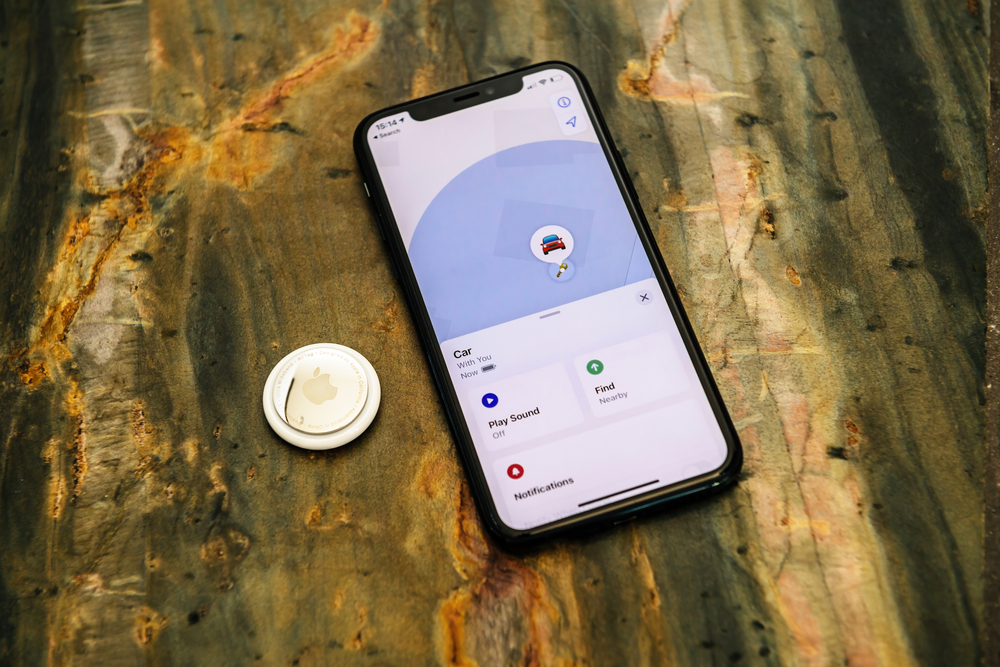
Some new vehicles include built-in tracking services. These systems help recover stolen vehicles. They also assist with emergency services. Manufacturers sometimes include a free trial period. After the trial, owners must pay subscription fees. Monthly charges often reach $15 or more. Drivers may forget about the service until billing begins. Some systems renew automatically. Canceling requires contacting customer service. The feature can provide peace of mind. Still, the ongoing cost becomes another small monthly expense.
Luxury Interior Maintenance
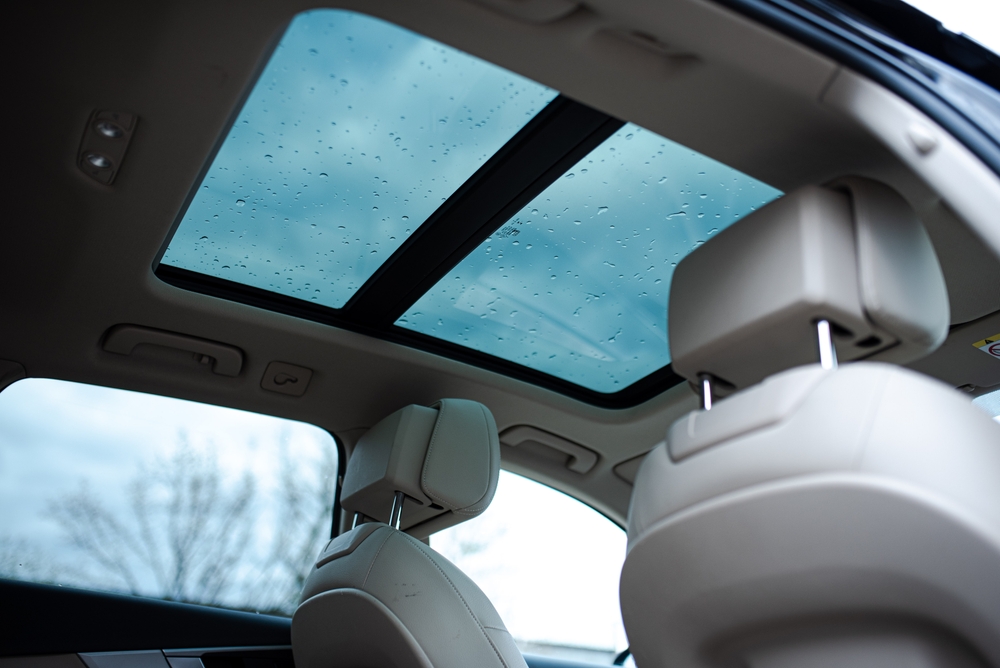
High-end interiors require more care than basic materials. Leather seats need regular cleaning and conditioning. Premium fabrics stain easily without proper protection. Some cars include real wood or aluminum trim. Those surfaces require special cleaning products. Owners often buy detailing supplies to protect the interior. Professional detailing services also cost more. Maintaining a luxury interior keeps the car looking new. However, it adds ongoing maintenance expenses. Drivers who upgrade to premium trims notice these costs quickly.
Paint Protection Products
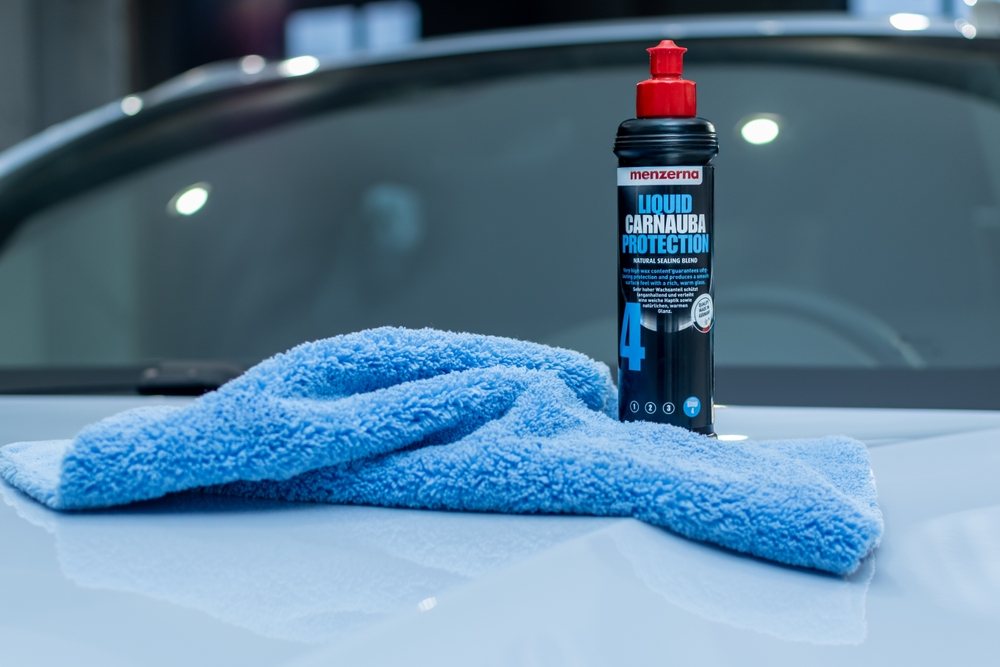
Many dealerships recommend paint protection services. These include ceramic coatings and protective films. Sales staff present them as protection against scratches and weather damage. The services can cost hundreds or even thousands of dollars. Some buyers choose protection at the time of purchase. Others add it later at detailing shops. Protective films cover vulnerable areas like the hood and mirrors. The service helps preserve paint condition. Yet the upfront cost surprises many buyers. Paint protection becomes another optional expense tied to new car ownership.
Registration and Licensing Fees
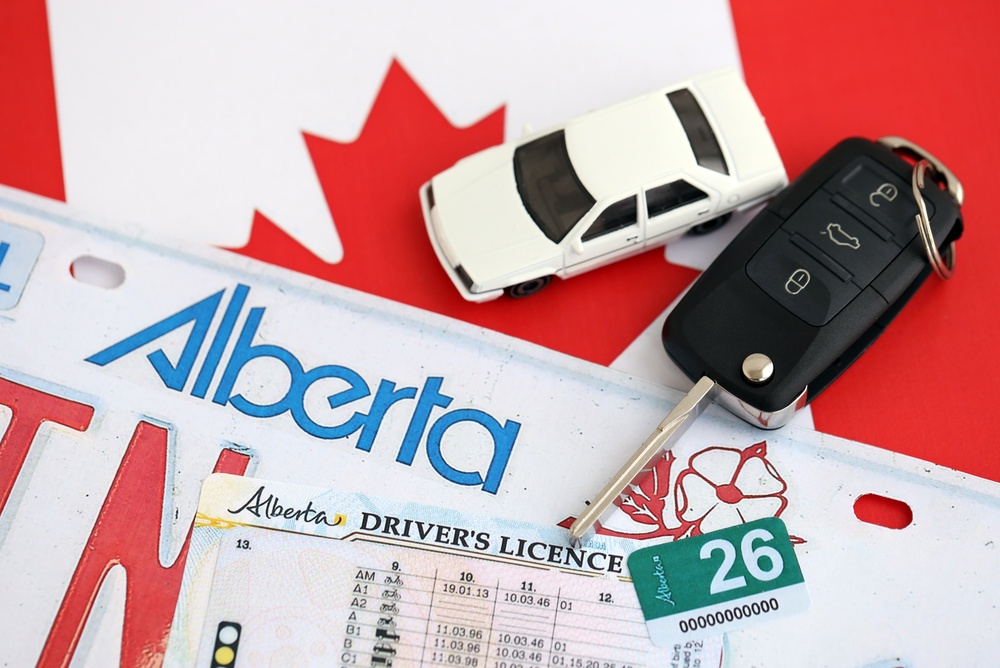
Vehicle registration costs vary across provinces and territories. Drivers must renew registration regularly to keep vehicles legal. New vehicles also require initial registration fees. Some regions charge higher fees for heavier vehicles. Electric cars sometimes include special licensing charges. Buyers often overlook these government fees during budgeting. Dealers may mention them briefly during paperwork. The charges appear small compared to the car price. Over time, registration renewals add to ownership costs.
Higher Repair Labor Rates
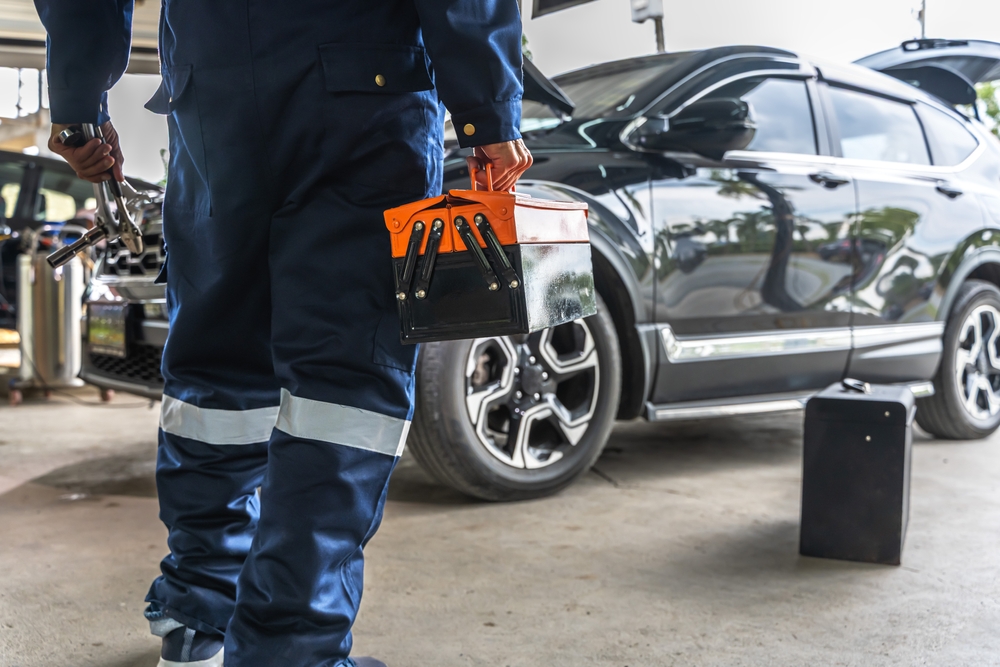
New vehicles often require specialized technicians for repairs. Advanced electronics and safety systems increase complexity. Repair shops invest in diagnostic tools and training. Those investments raise hourly labor rates. Owners notice the difference during service visits. Even simple repairs may cost more than expected. Luxury brands especially charge higher labor rates. Authorized dealerships usually perform complex work. Independent shops may lack certain tools. As technology grows more complex, labor costs continue rising for modern cars.
Roadside Assistance Renewal

Many new cars include free roadside assistance for a limited time. Coverage typically lasts three to five years. After expiration, drivers must renew the service. Renewal costs vary by manufacturer and provider. Some plans charge yearly membership fees. The service covers towing, battery boosts, and lockouts. Drivers appreciate the help during emergencies. However, the cost arrives once the original coverage ends. Many owners forget about the expiration date. Roadside assistance becomes another optional but useful expense.
Vehicle Depreciation
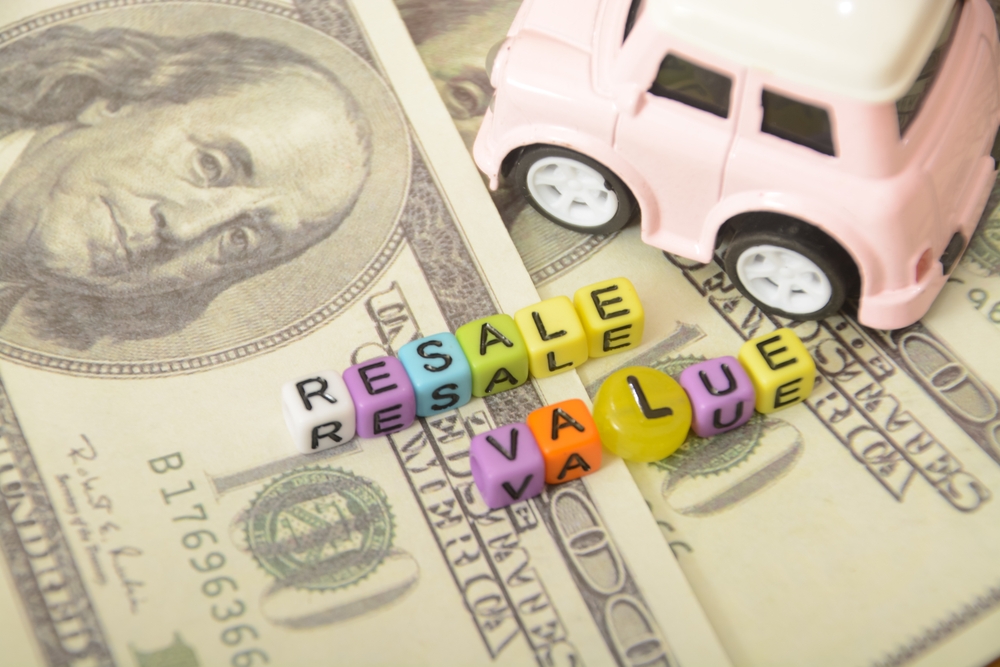
Depreciation remains the highest hidden cost of owning a new car. Most vehicles lose value quickly after leaving the dealership. The first year usually brings the steepest drop. Some cars lose 20 percent or more immediately. Owners rarely notice because depreciation happens quietly. The loss appears only during resale or trade-in. High-demand vehicles hold value better. Many models still decline steadily each year. Depreciation represents money that owners never recover. It remains one of the biggest costs tied to new car ownership.
Connectivity Data Plans

New vehicles often include built-in internet connectivity. Passengers use WiFi for streaming or browsing. The service relies on cellular data plans. Many cars include a short free trial. Afterward, owners must subscribe to keep the connection active. Data plans often cost $20 or more monthly. Families appreciate the convenience during long trips. However, the service becomes another recurring bill. Without the subscription, the in-car hotspot stops working.
Parking Technology Repairs
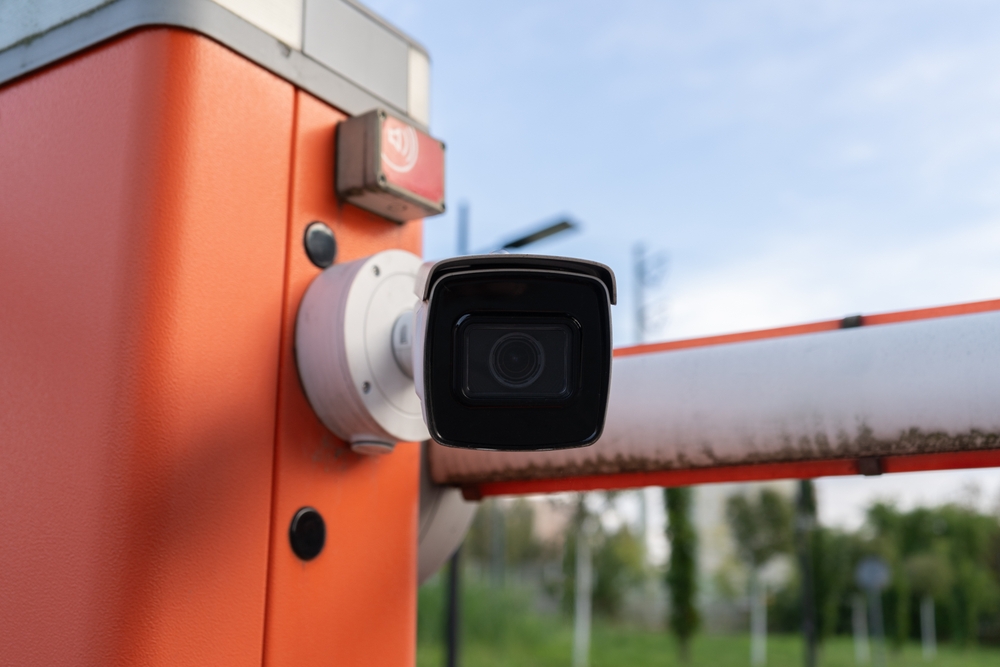
Parking sensors and cameras make city driving easier. These systems rely on small sensors around the vehicle. Even light impacts can damage them. Replacing a sensor requires parts and calibration. Backup cameras may also fail or crack. Repairs cost far more than traditional mirrors. Drivers expect parking features to reduce stress. Unfortunately, they also raise repair bills when something breaks. Owners often discover these costs after minor incidents.
22 Groceries to Grab Now—Before another Price Shock Hits Canada

Food prices in Canada have been steadily climbing, and another spike could make your grocery bill feel like a mortgage payment. According to Statistics Canada, food inflation remains about 3.7% higher than last year, with essentials like bread, dairy, and fresh produce leading the surge. Some items are expected to rise even further due to transportation costs, droughts, and import tariffs. Here are 22 groceries to grab now before another price shock hits Canada.
22 Groceries to Grab Now—Before another Price Shock Hits Canada