

























Spring 2026 has turned into a much more revealing season for Canada’s new-vehicle market. Inventory is healthier than it was during the shortage years, average new-car prices have eased, and shoppers are acting more selective than emotional. AutoTrader’s latest Canadian data showed new-vehicle inventory sitting at 77 days at the end of 2025, while interest kept tilting toward practical, affordable choices instead of expensive indulgences. In that kind of market, the vehicles that need steep discounts, long financing terms, or unusually aggressive factory support start to stand out fast.
That is where these 17 models come in. Some are expensive luxury bets arriving at the wrong time. Others are EVs that need a little more price help to look compelling. A few are solid vehicles caught in a brutally competitive segment. Together, they reveal where Canadian demand is cooling, where incentives are doing the heavy lifting, and which showroom stars are proving harder to sell than their makers probably expected.
Dodge Hornet
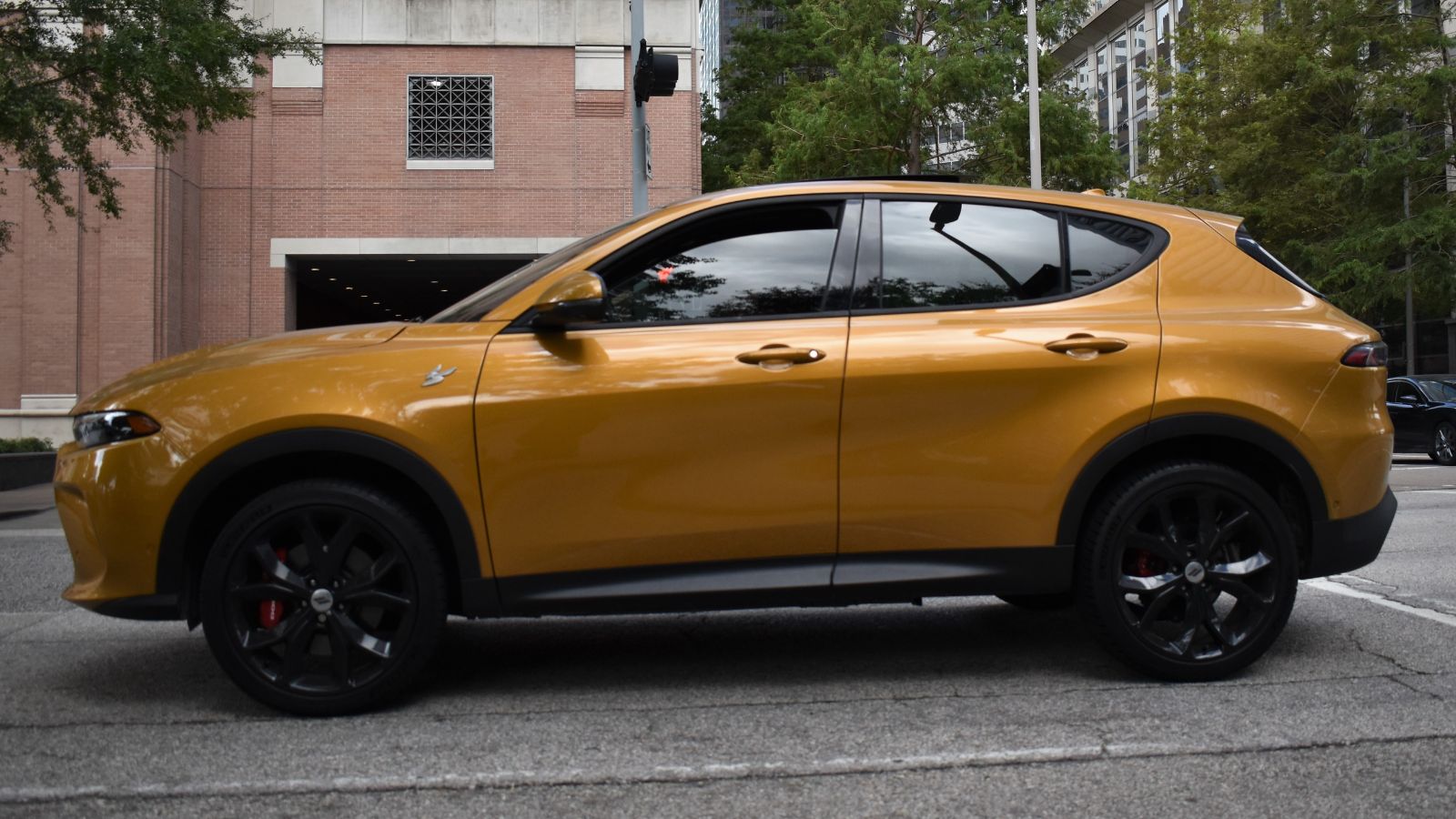
The Dodge Hornet has the profile of a vehicle that should have landed better than it has. It wears a sharp body, offers punchy powertrains, and carries a badge that still has some swagger in Canada. But spring 2026 finds it looking less like a breakout and more like a model dealers keep having to explain. AutoTrader was showing more than 600 Hornets listed nationally, with dozens clustered around the Toronto area alone. That is a lot of inventory for a compact crossover that still has not carved out a clean identity.
Part of the problem is positioning. The Hornet asks buyers to pay near-premium money for something that feels caught between an Alfa Romeo cousin and a mainstream Dodge. AutoTrader’s own review scored it poorly for value for money, and that matters in a market where Canadians are increasingly shopping with calculators first. It is not hard to imagine a Hornet moving as a demo, a discounted lease, or a conquest deal. At full sticker, though, it is the sort of vehicle that can sit longer than dealers would like.
Jeep Grand Wagoneer
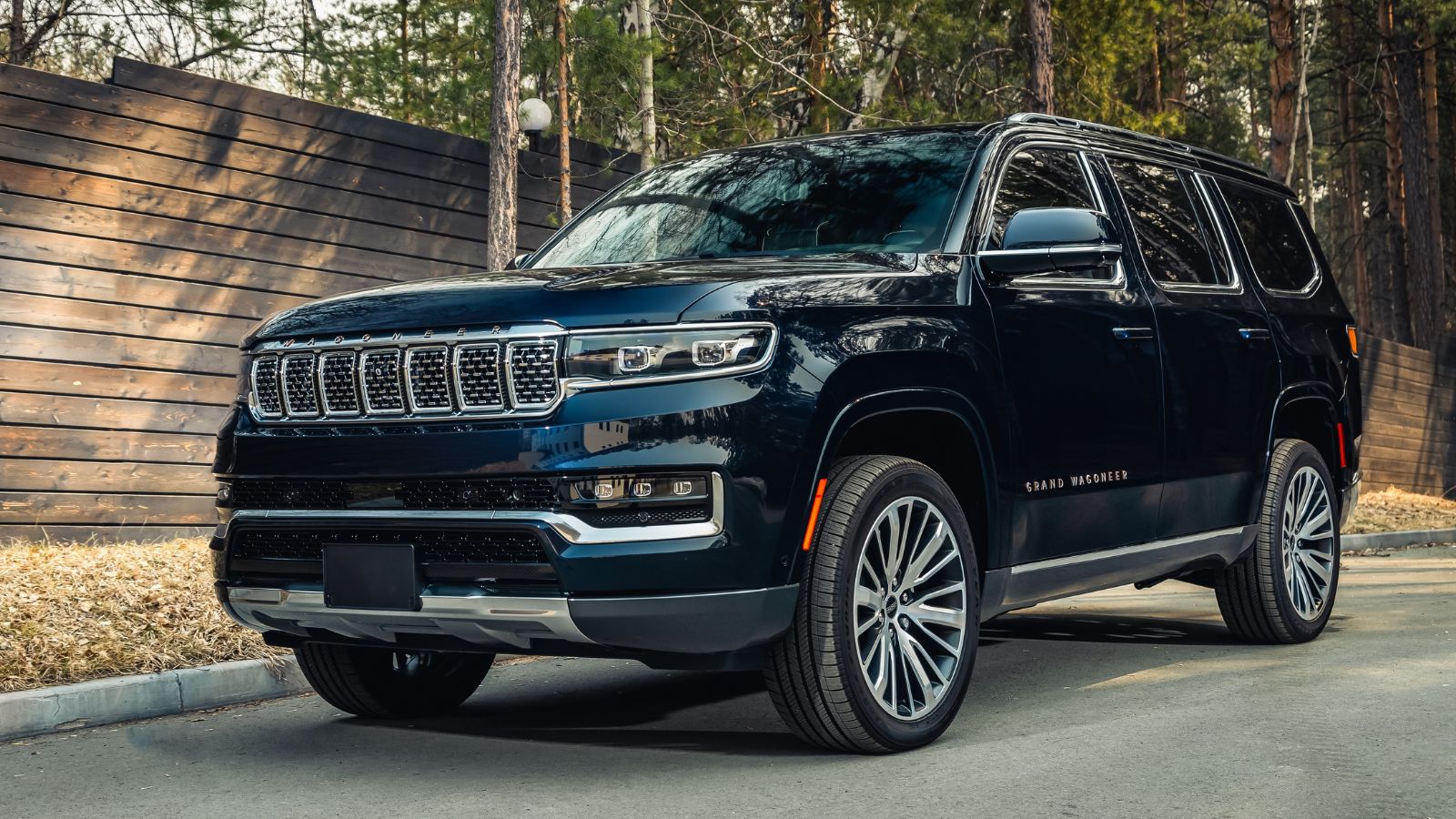
The Grand Wagoneer is a reminder that being impressive and being easy to sell are not the same thing. On paper, it brings the kind of numbers that make luxury-SUV buyers pay attention: a starting price deep into premium territory, serious towing capability, and enough chrome, screens, and leather to make it feel every bit like a flagship. Jeep’s own Canadian offers were advertising a $7,500 finance discount this month, which is not the kind of support brands usually need on vehicles that are flying off the lot.
The broader market backdrop makes the issue clearer. AutoTrader said luxury-vehicle searches in Canada fell 11 per cent in 2025, while shoppers kept gravitating toward affordability. That leaves the Grand Wagoneer trying to land at exactly the wrong moment. It is big, thirsty, expensive to insure, and too specialized for many urban families. There is still a buyer for it, of course, but the pool looks narrower than Jeep probably hoped. In spring 2026, it feels like the kind of premium SUV dealers can sell, but only with real effort and real concessions.
Ford F-150 Lightning
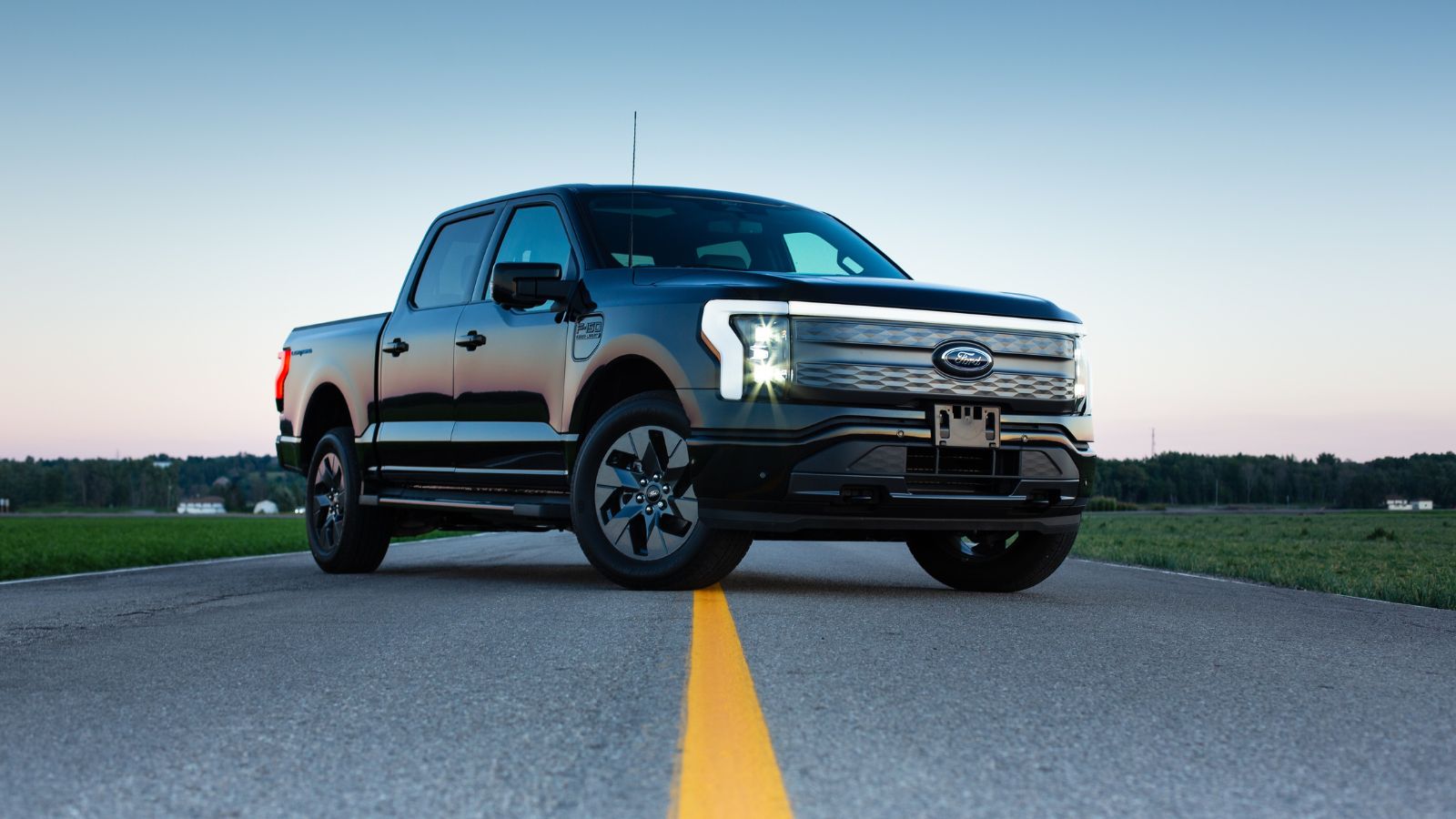
The F-150 Lightning remains one of the most interesting vehicles sold in Canada, yet it also looks like one of the harder ones to move in meaningful volume. Ford has been dangling major factory support, including manufacturer rebates of up to $9,000 on certain 2025 models, and the pricing still climbs fast. AutoTrader’s review noted that a 2025 Lightning Lariat started at $95,595 including freight, putting it right near six-figure territory before taxes and real-world add-ons. That is a heavy ask for a truck still trying to normalize electric-truck ownership.
The challenge is not just price. Electric trucks have struggled to meet the early hype almost everywhere, and AutoTrader noted that the category’s sales have fallen short of lofty expectations. In Canada, where towing, cold weather, and long highway distances matter, many truck buyers still see a gas or hybrid F-150 as the safer bet. The Lightning is undeniably clever and useful, but clever does not always beat familiar. When dealers need thousands in factory cash to make the deal feel right, it is usually a sign the product is admired more broadly than it is actually being bought.
VinFast VF 8
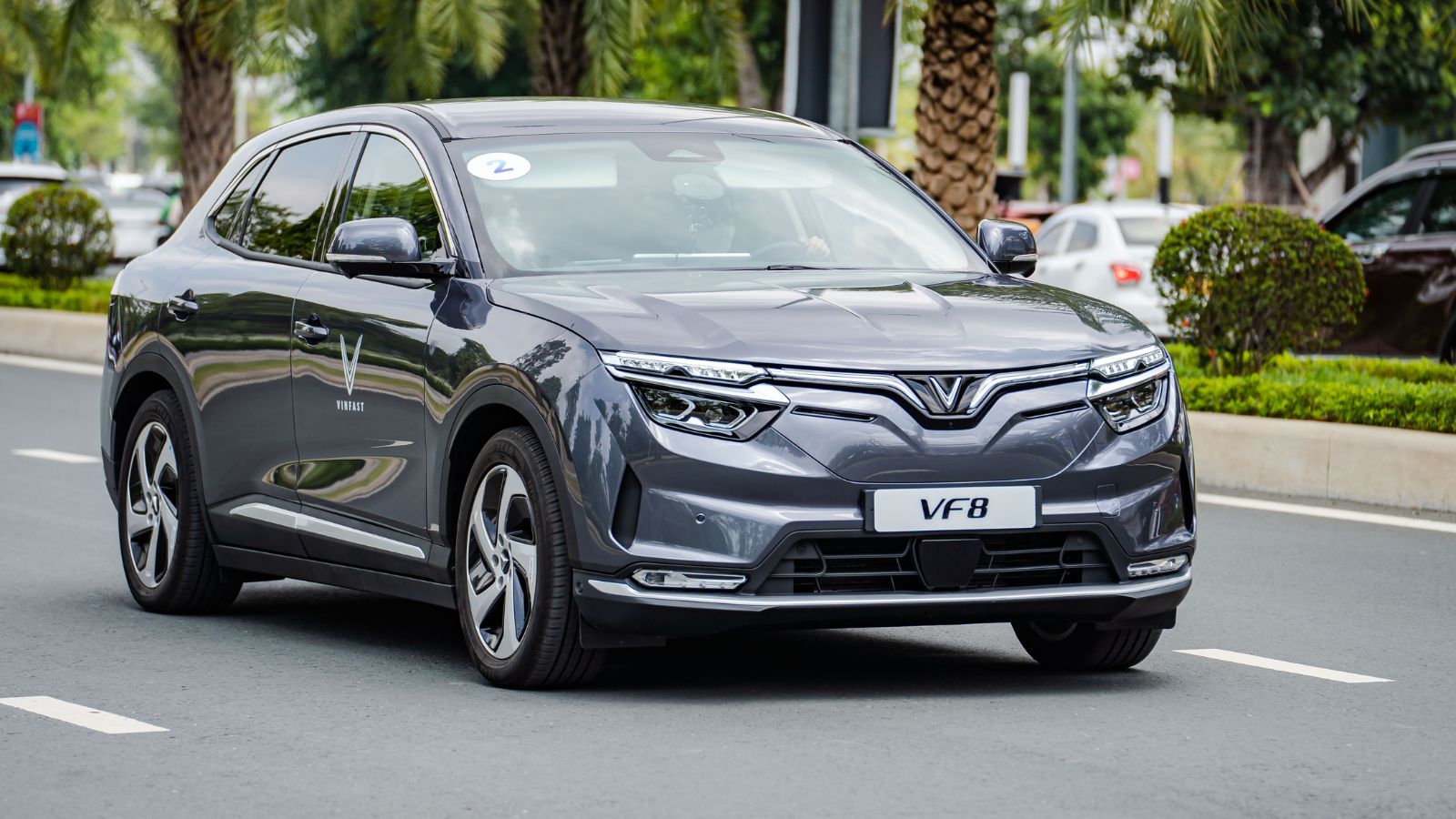
Few vehicles in Canada right now send a louder signal than the VinFast VF 8. In March, Canadian reports showed cash discounts as high as $14,000 and finance discounts around $13,000, enough to drag its starting price down into territory that suddenly looks competitive. That is dramatic support for a relatively new nameplate, and it helps explain why the VF 8 keeps showing up in conversations about hard-to-move inventory. Big discounts can create curiosity, but they can also tell shoppers that the brand is still trying to force its way into the consideration set.
The deeper issue is trust. VinFast is still young in Canada, its physical sales footprint is limited, and buyers spending tens of thousands of dollars want confidence in service access, long-term software support, and resale value. For many households, that is harder to guarantee than a lower monthly payment. The VF 8 may eventually win some buyers on price alone, especially in provinces where the company is more visible, but spring 2026 makes it look like a vehicle dealers need to sweeten heavily just to get people through the first serious round of shopping.
VinFast VF 9
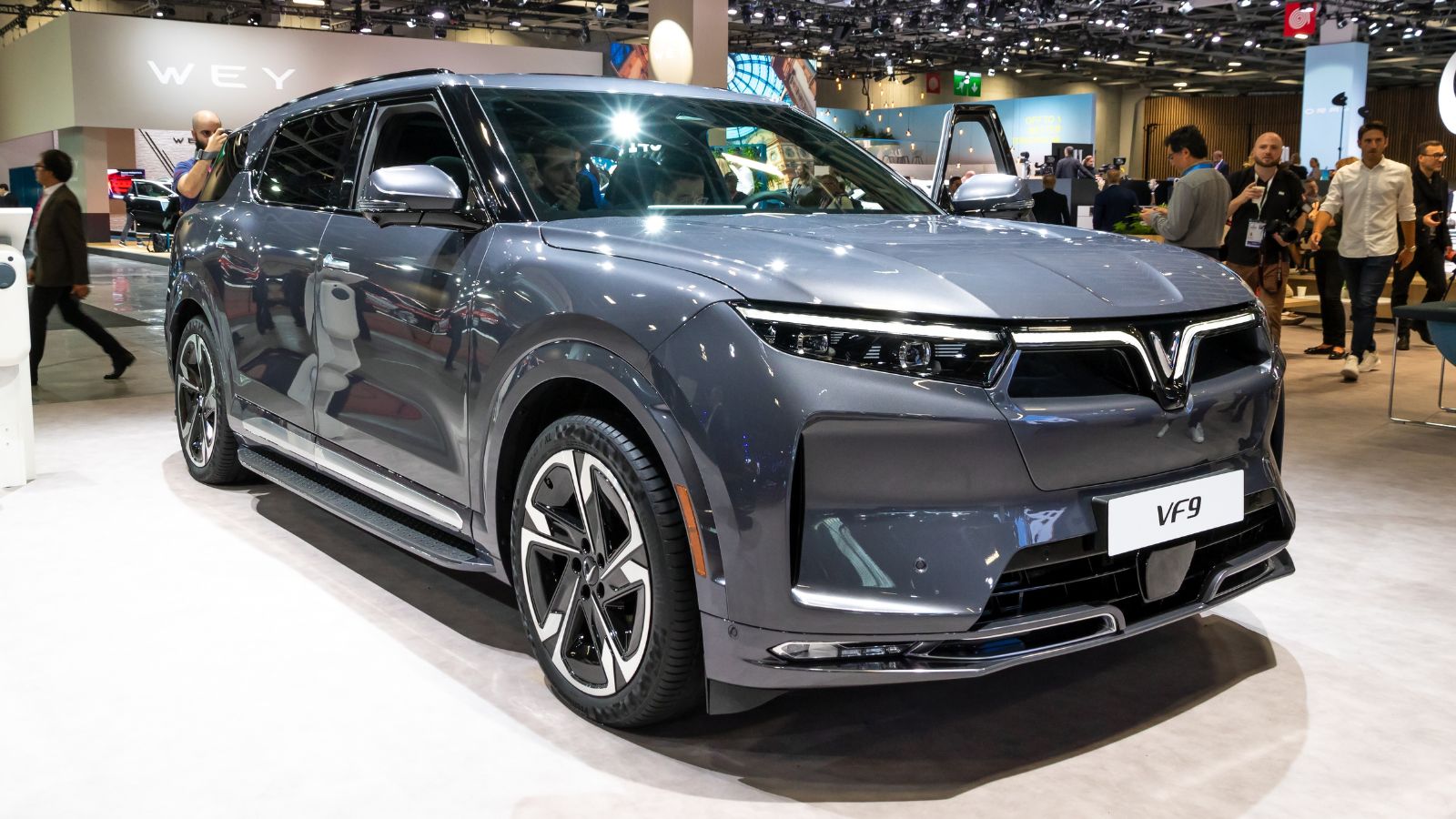
If the VF 8 faces a trust problem, the VF 9 faces a trust problem with a bigger price tag attached. VinFast was advertising double-digit discounts on the three-row EV in Canada this month, along with 0 per cent purchase financing for up to 96 months in Ontario. That is unusually generous support on a vehicle that still starts well above mainstream territory, and it points to a hard truth: three-row electric SUVs are already a specialized purchase, and buyers at this price level tend to be especially cautious about brand maturity.
The VF 9 also carries another obstacle that matters in Canada: availability. VinFast’s own site indicates that the vehicle is not available for ordering in every province, and some promotions still reference reservations rather than normal walk-in retail flow. That creates friction in a market where shoppers already have plenty of established alternatives. A discounted VF 9 can look compelling on paper, especially compared with other large EVs, but this is not a segment where price alone usually closes the deal. For many buyers, the brand still feels too new for the money being asked.
Ford Mustang Mach-E
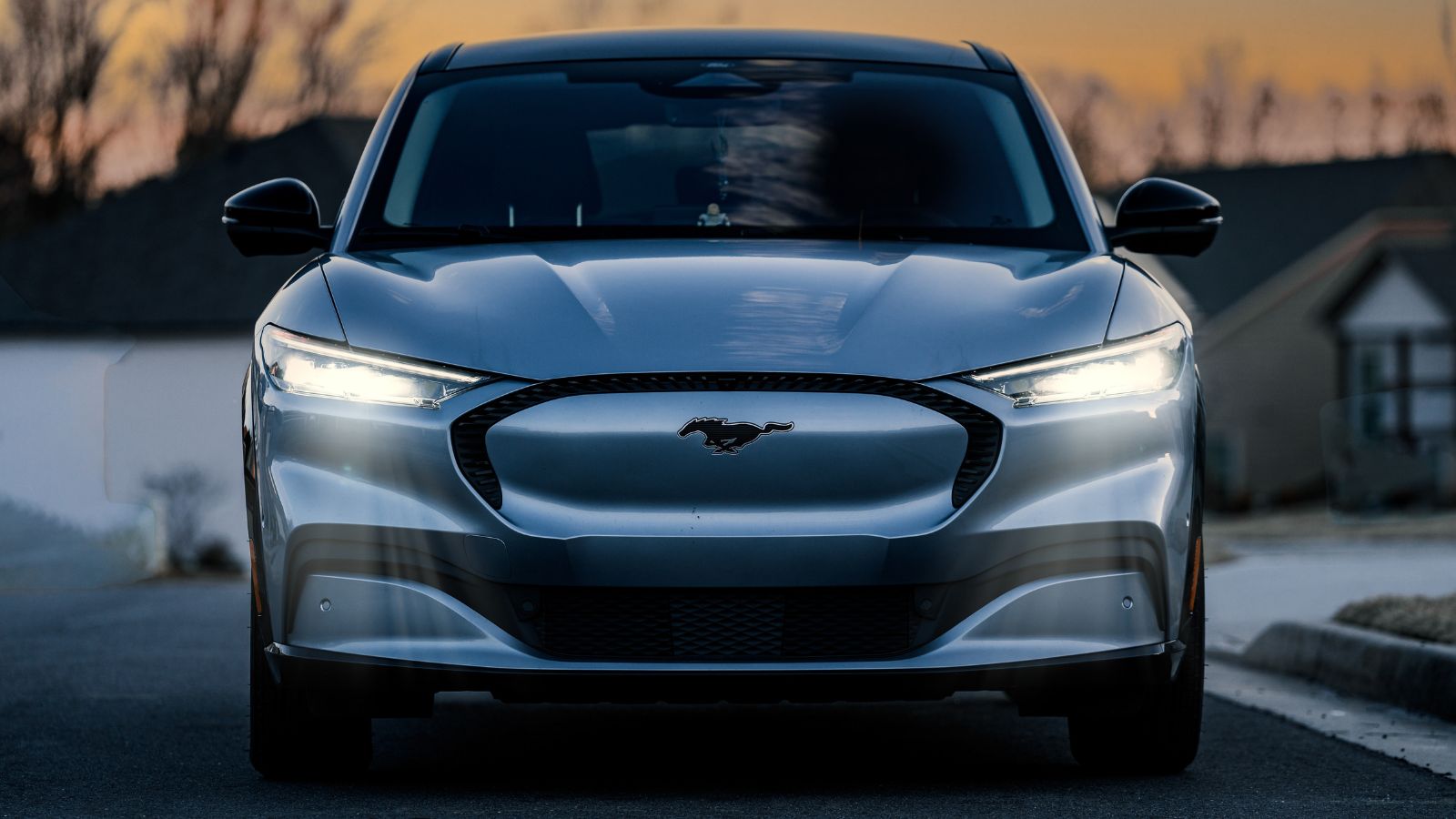
The Mustang Mach-E is a strong vehicle in a bad retail mood. Ford has been offering discounts ranging from roughly $12,000 to $15,000 on remaining 2025 units in Canada, sometimes with a complimentary home charger installation or a cash alternative. That is a serious push on a model that once felt like a statement piece for Ford’s electric future. AutoTrader was also showing hundreds of 2025 Mach-Es listed nationally, which reinforces the impression that dealers have stock to clear rather than scarce product to protect.
What has changed is not the vehicle’s basic competence but the buying environment around it. EV competition is fiercer, affordability matters more, and the Mach-E has to fight on price against Tesla, GM, Hyundai, and others while also competing for attention against Ford’s own gasoline and hybrid lineup. It still looks good, still drives well, and still has brand recognition many rivals would love to borrow. But spring 2026 suggests that recognition is no longer enough. The Mach-E can move, yet it increasingly looks like it moves when the numbers get aggressive.
Honda Prologue
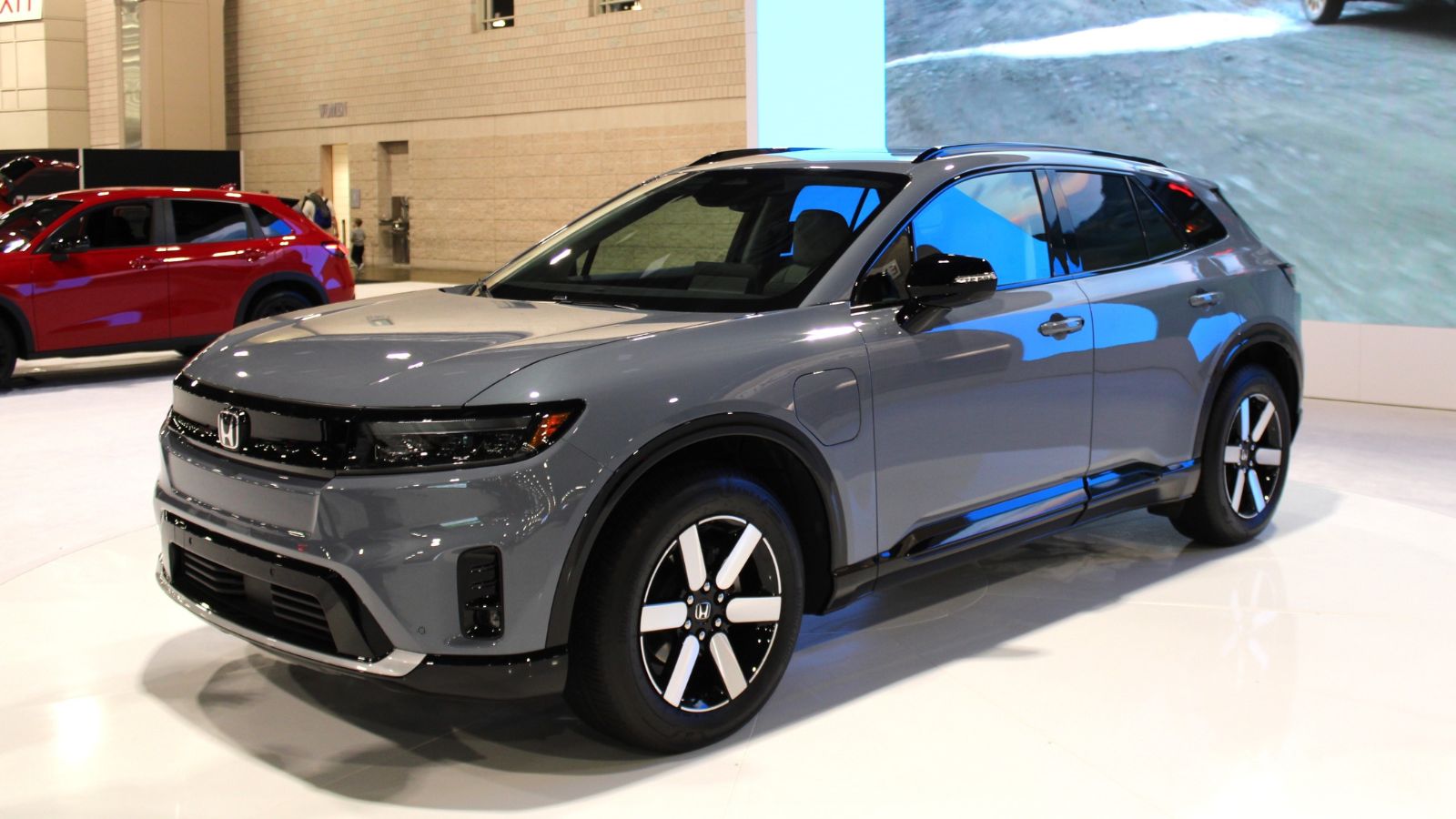
The Honda Prologue has one of the most revealing discount stories in Canada right now. Reports this month pointed to a $12,000 customer incentive on 2025 models, which is a huge amount of help for a vehicle wearing a badge usually associated with resale confidence and conservative pricing. Honda’s own Canadian materials also note that the Prologue is available only through select dealers in British Columbia, Ontario, and Quebec. That limited footprint makes the model feel less like a mass-market launch and more like a carefully managed rollout.
That matters because the Prologue lives in a crowded zone. Buyers who want a practical family EV can find cheaper choices, while Honda loyalists still have very strong reasons to stay with a CR-V hybrid or another proven gasoline crossover. The Prologue is not a bad vehicle; in many ways it is appealing precisely because it feels familiar and usable. But in a spring market focused on value and certainty, “good enough” is not always enough. The incentive suggests Honda and its dealers know the product needs a strong financial nudge to become a serious shortlist contender.
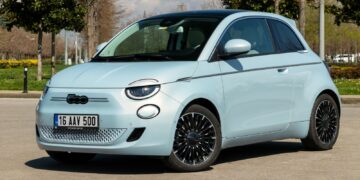
Fiat 500e
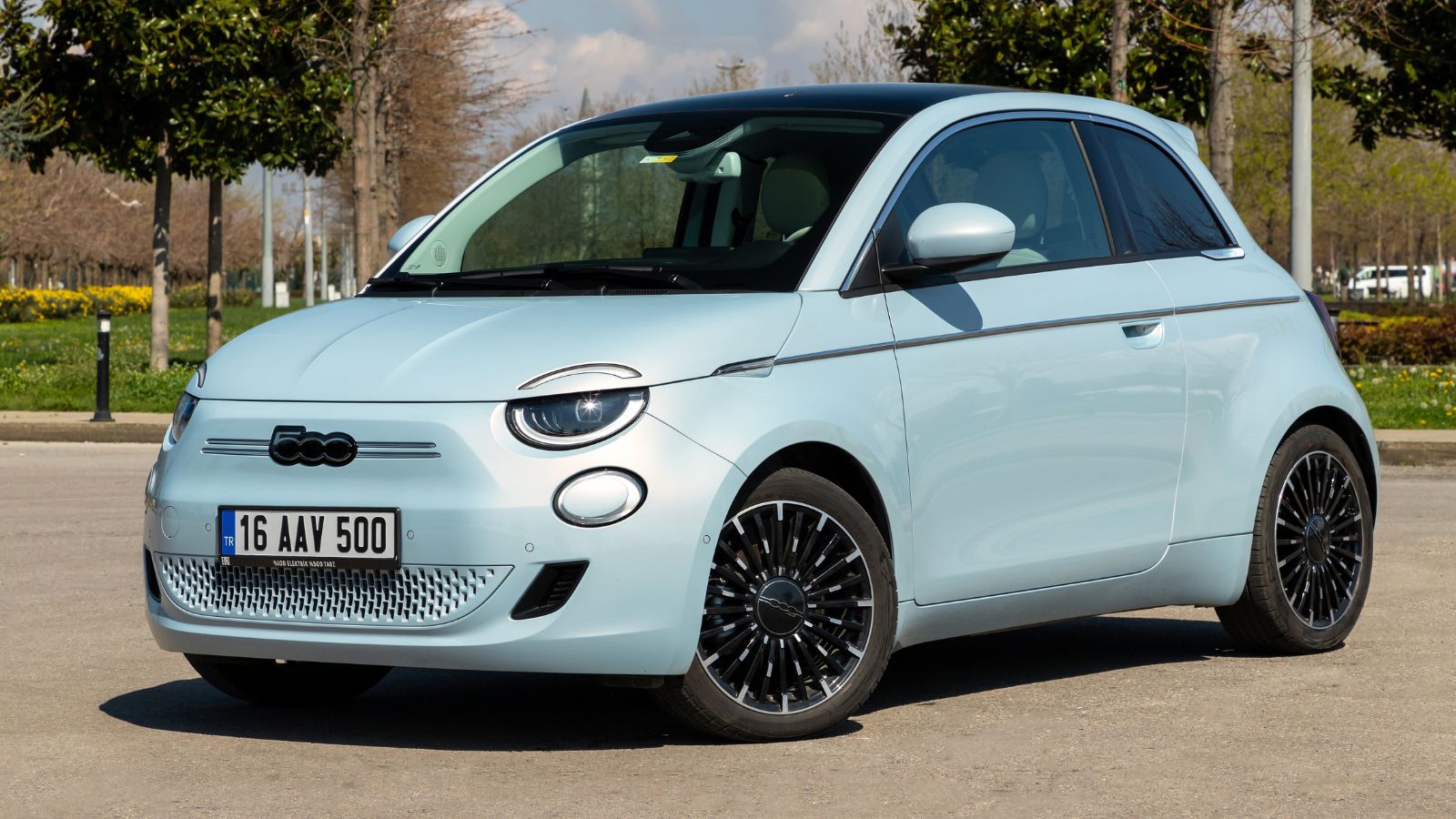
The Fiat 500e may be one of the easiest vehicles to like and one of the hardest to justify as a primary household purchase. Canadian reporting this month showed total discounts of about $11,000 on certain 2025 models, bringing the starting price way down and making the car look almost impulse-buy affordable by EV standards. Dealer window stickers were also showing substantial Fiat discounts in market. That kind of markdown is not subtle. It says the 500e needs help translating charm into actual transactions.
The reason is simple enough: the 500e remains a niche solution in a broad, SUV-first country. Its size is perfect for dense city use, but many Canadian buyers still want one vehicle that can handle commutes, groceries, winter gear, road trips, and family duty without compromise. A tiny two-door EV is rarely that vehicle. The 500e will absolutely find fans, especially style-minded urban buyers, yet the audience is naturally narrow. In spring 2026, the discounts make it look less like a hot-ticket boutique EV and more like something dealers are pricing to move before the next wave arrives.
Chevrolet Blazer EV
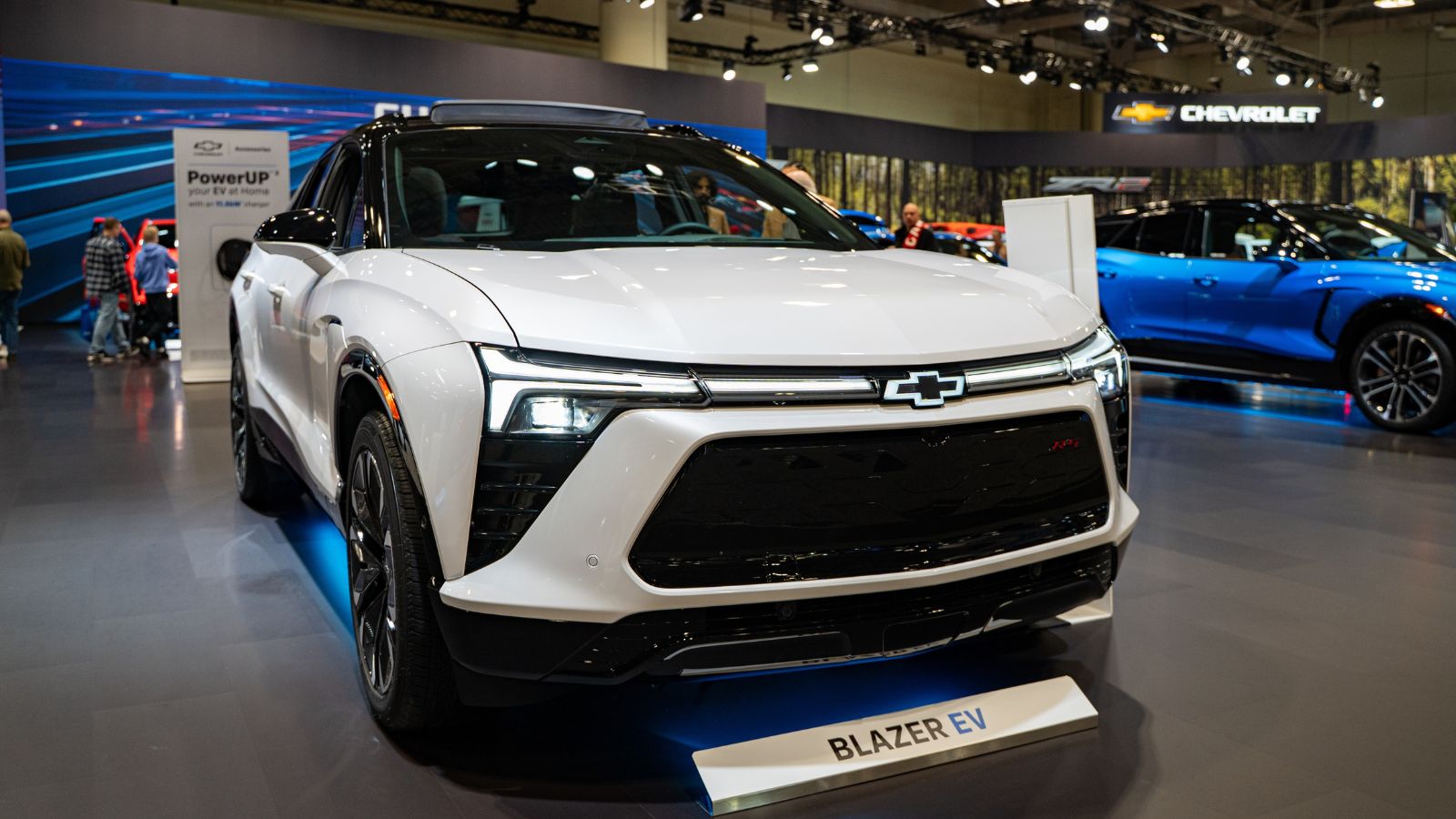
The Blazer EV has style, presence, and a familiar name, yet it still looks like a vehicle needing substantial help in Canada this spring. Chevrolet was advertising a non-stackable cash delivery allowance of up to $10,000 on certain 2025 models, enough to drag the entry point below the psychological $50,000 line. That is meaningful because price sensitivity is shaping nearly every EV purchase conversation right now. A discount that large is not just about creating buzz; it is usually about creating urgency where natural urgency has not been strong enough.
The tricky thing is that the Blazer EV sits in a middle ground that is harder than it sounds. It is pricier than the more value-focused EVs, but it does not carry the same luxury pull as premium badges. It offers multiple drivetrain layouts and trims, which gives dealers flexibility, but that also means buyers can get bogged down comparing it with nearly everything else in the category. The result is a vehicle that often photographs better than it pencils out. In spring 2026, it looks like the kind of model that sells once the incentives do the talking.
Jeep Wagoneer S
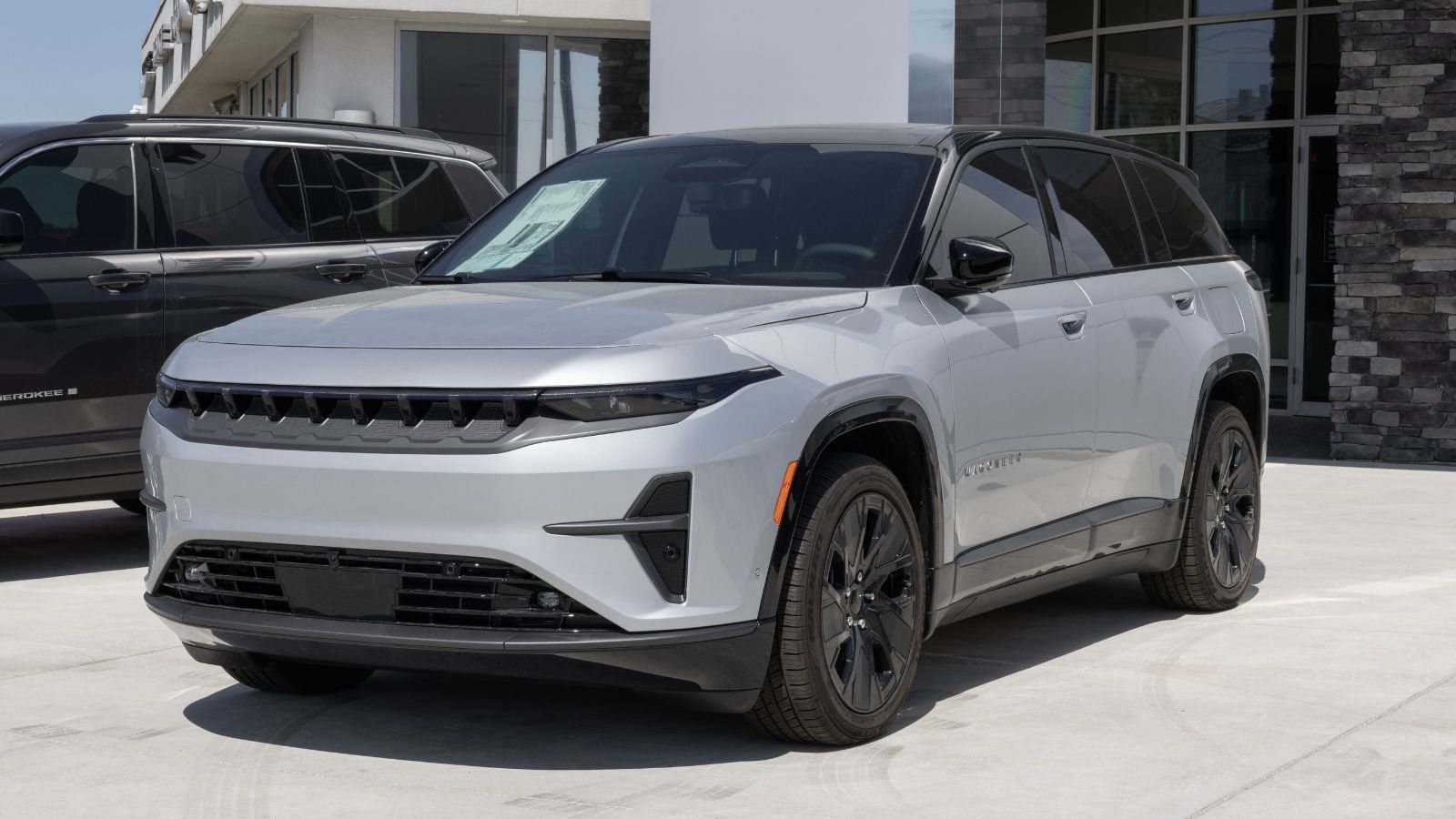
The Wagoneer S is one of the most interesting badge experiments in the Canadian market, and one of the most difficult. Jeep’s current Canadian offers include an $8,000 finance discount on the 2025 Wagoneer S, while the model still starts at about $77,790 before taxes and fees. That is a steep opening number for a two-row electric crossover from a brand most people still associate with Wranglers, trails, and rugged capability. The product itself may be quick and modern, but branding does not reset overnight.
That disconnect matters in a market where shoppers have become careful about paying for potential rather than proof. A premium EV buyer can choose from brands with deeper electric pedigrees, while a traditional Jeep buyer may not be eager to jump straight into an upscale battery crossover at this price. The Wagoneer S is not doomed; it just lands in a very narrow slice of the market. Dealers can probably move one with the right story and the right monthly payment, but spring 2026 suggests it is more of a conversation starter than a natural-volume seller.
Volkswagen ID. Buzz
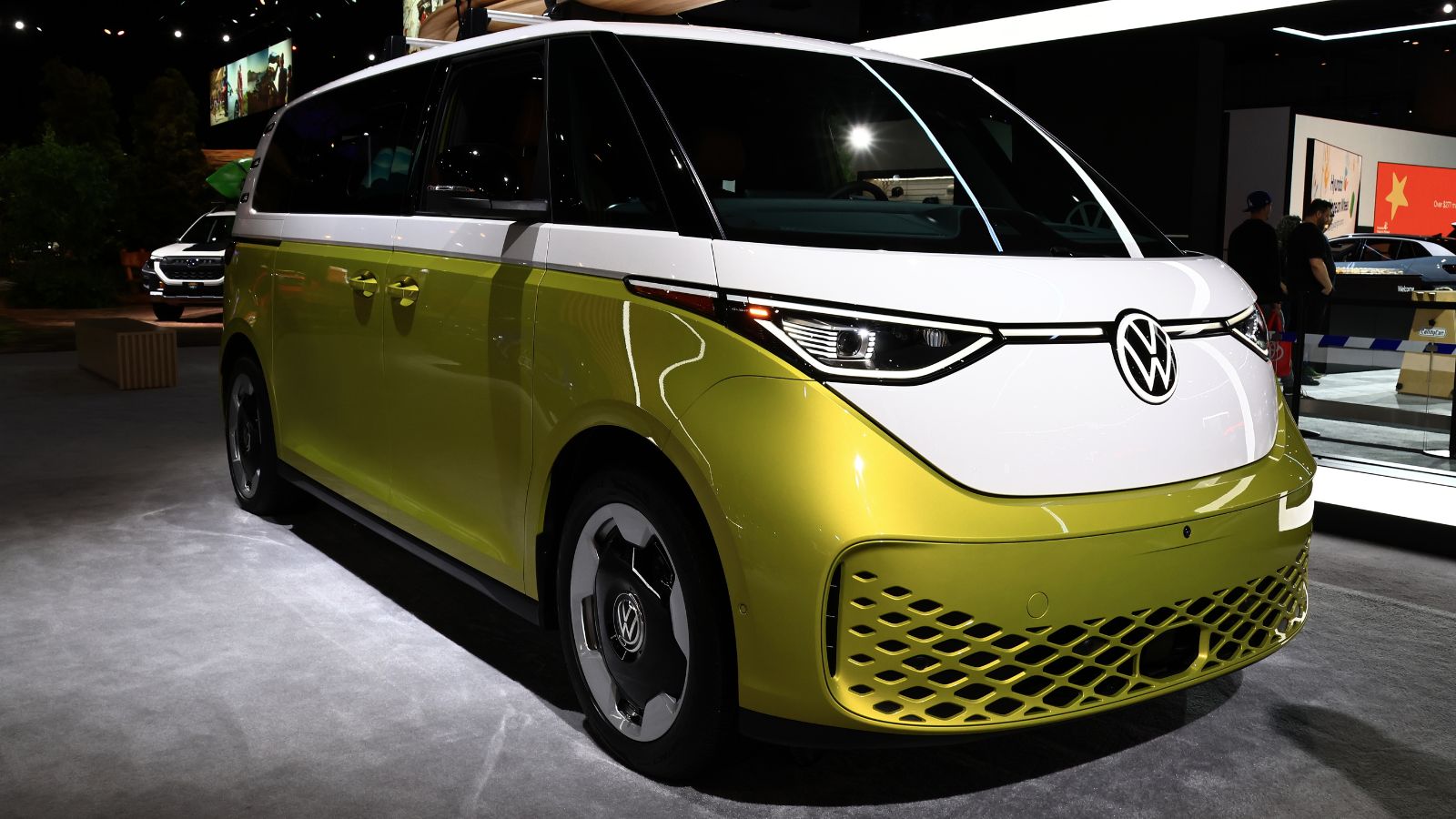
The ID. Buzz may be the most lovable hard sell in the country. Volkswagen’s Canadian site was showing a $6,000 credit on certain 2025 ID. Buzz models, which is notable because halo vehicles are usually supposed to create demand, not need extra coaxing. AutoTrader also highlighted the basic price challenge early on: the ID. Buzz started at $77,495 before freight, and loaded versions could creep close to six figures with tax. That puts it well outside the comfort zone of many households who otherwise adore the styling.
The problem is not attention. Few vehicles get warmer reactions on sight. The problem is what happens after the smile. Once buyers compare the numbers with a Toyota Sienna, Kia Carnival, or even a well-equipped three-row SUV, nostalgia starts losing power. The ID. Buzz is fun, distinctive, and deeply photogenic, but it is still a family hauler being judged by practical families. In Canada’s value-conscious spring 2026 market, that means a lot of admiration without automatic conversion. Dealers may have no trouble attracting interest, but closing the deal is clearly harder.
Volkswagen ID.4
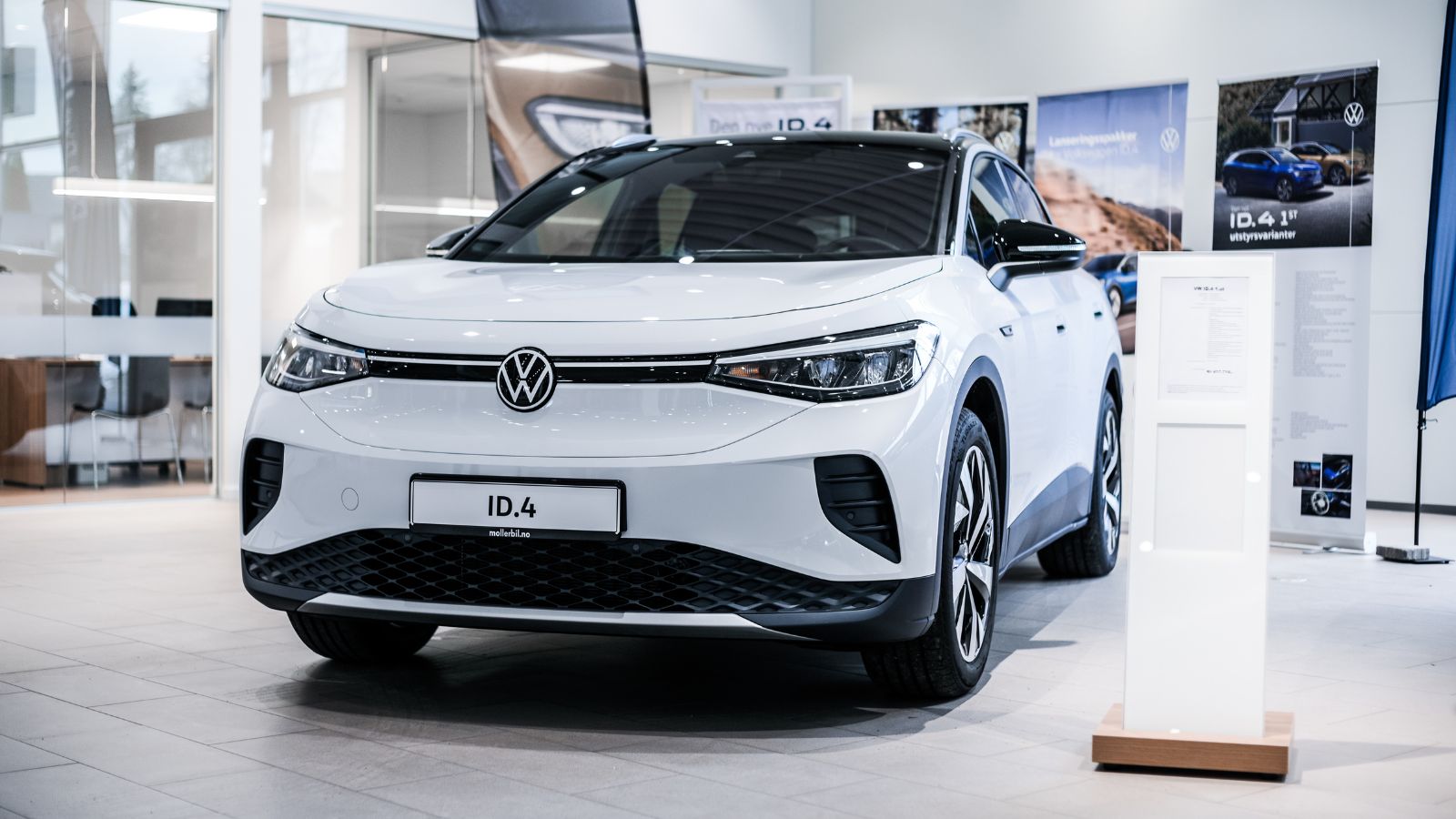
The ID.4 is a more mainstream kind of slow mover. Volkswagen was offering a $5,000 credit on certain 2025 ID.4 models in Canada this month, along with attractive financing support including 0 per cent on some configurations. A reported discounted finance example pushed the numbers into much more competitive territory, which suggests Volkswagen is keen to keep 2025 inventory from hanging around. Unlike some of the more eccentric EVs on this list, the ID.4’s issue is not that it feels strange. It is that it can feel merely fine in a crowded field.
That sounds faintly unfair, but it is exactly the problem. In a category where some rivals win on charging speed, some on software, some on price, and some on badge cachet, the ID.4 can come across as competent without feeling irresistible. Buyers who just want a sensible EV may still end up there, especially after incentives. But spring 2026 suggests Volkswagen has had to sharpen the pencil because “sensible” is no longer enough on its own. Dealers are not being ignored; they are just not getting easy yeses without financial sweetening.
Subaru Solterra
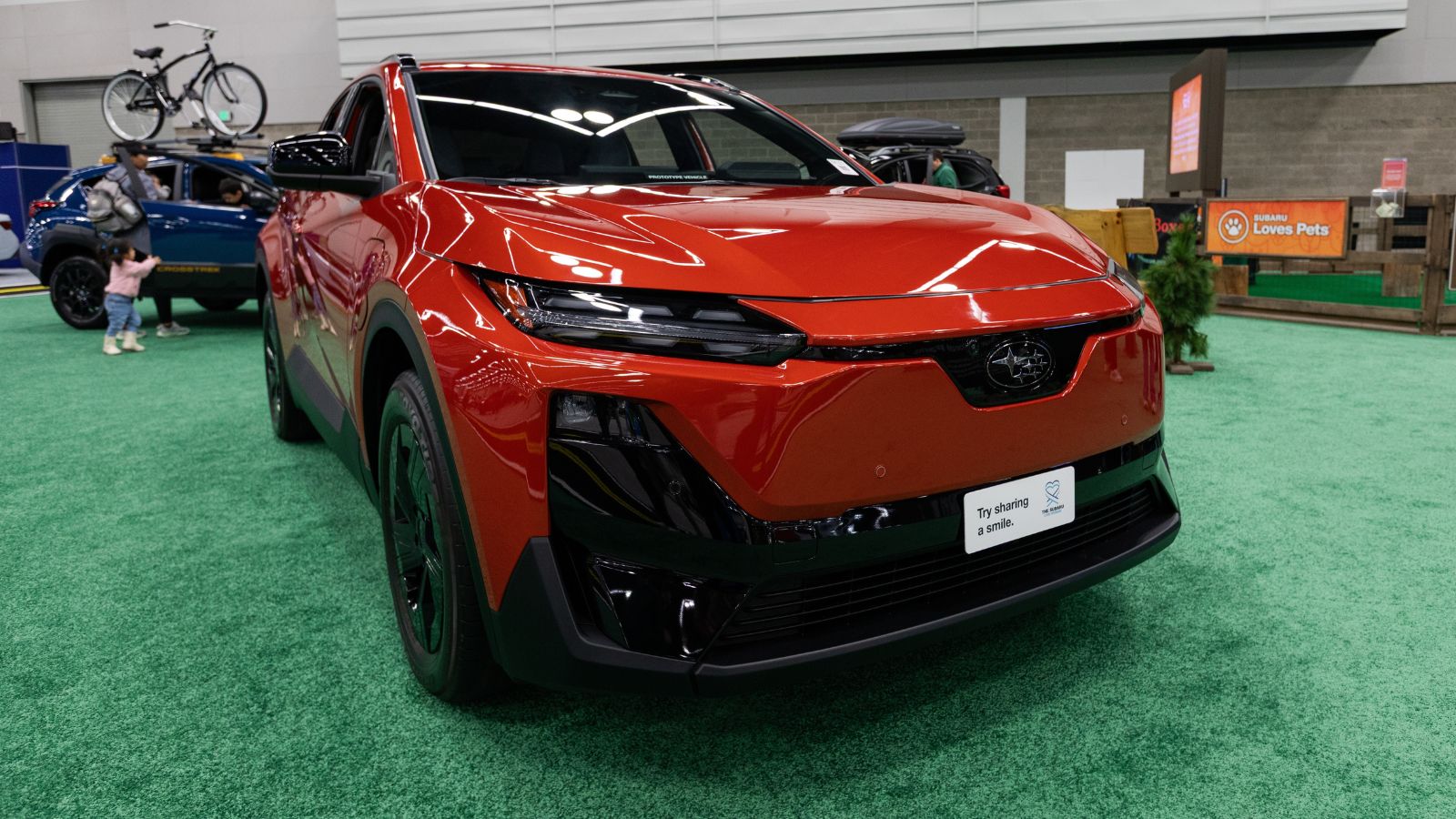
The Solterra story in spring 2026 is fascinating because Subaru has clearly improved the vehicle while still having to push hard on price. Canadian reports showed a $6,500 factory discount on 2026 models, and Subaru’s own materials highlight meaningful upgrades, including up to 446 km of range and DC fast charging from 10 to 80 per cent in roughly 30 minutes. Those are real improvements, not cosmetic spin. Yet the discounting says the market is still pricing in the Solterra’s earlier reputation for merely adequate range and middling charging performance.
That is often how EV retail works: the first impression lingers long after the product gets better. Subaru loyalists may appreciate the brand’s familiar all-weather confidence and the cleaner, more competitive second effort, but the wider EV audience has learned to shop with spreadsheets and memory. Once a model gets tagged as a compromise, it takes time to shake. The Solterra today is better than many shoppers probably realize. The fact that dealers still need generous support anyway makes it one of the clearer examples of a model trying to outrun its own first draft.
Nissan Ariya
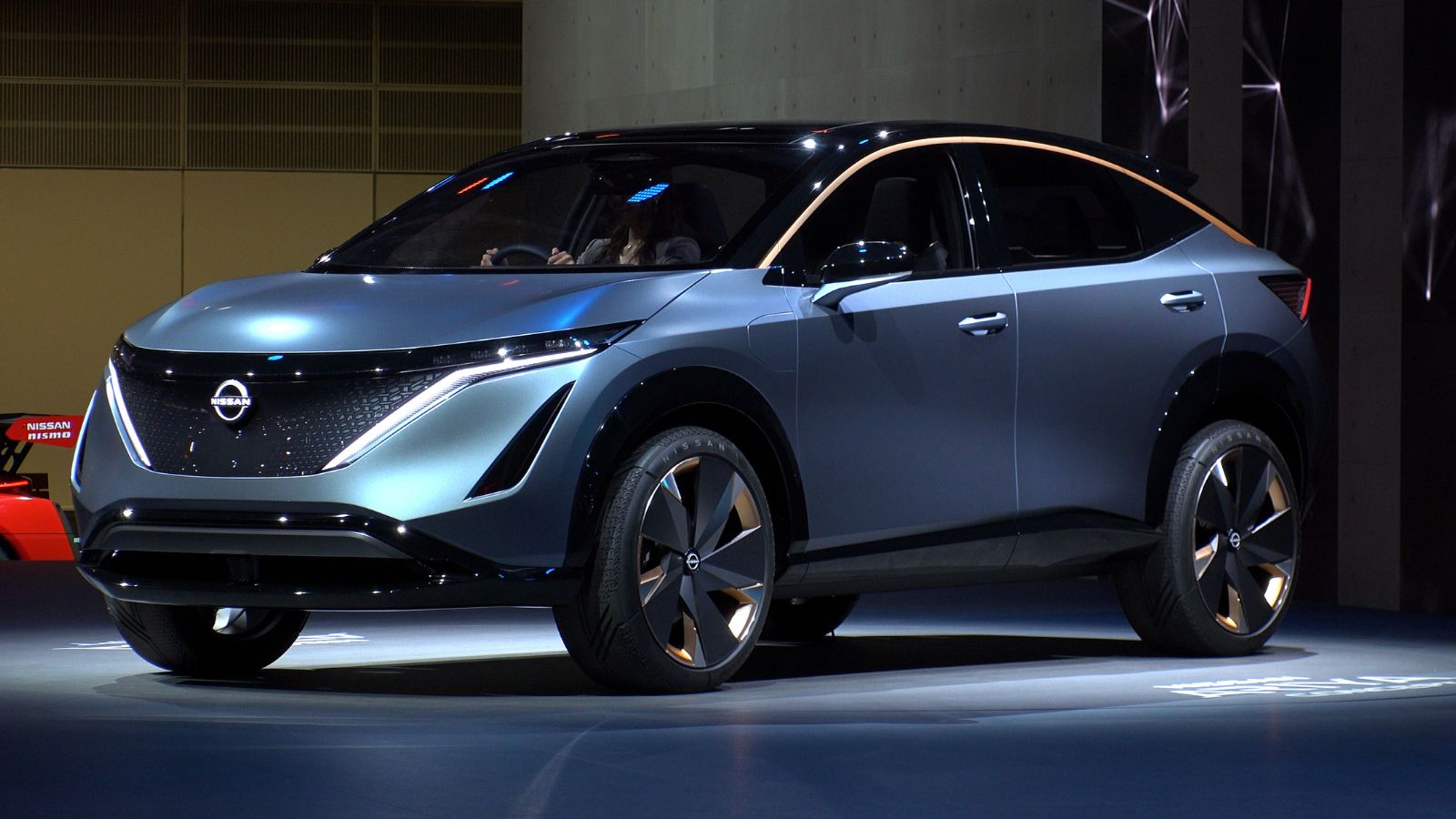
The Ariya is the kind of vehicle that often gets complimented more than purchased. Canadian reporting this month showed roughly $6,000 in discounts on some Ariya trims, enough to bring certain versions down to a far more interesting price, while Nissan’s own payment tools still showed the model starting much higher at MSRP. Reports also noted that the base version had limited availability, which is another complication in a segment where buyers want clear choices and simple value math. That combination makes the Ariya feel squeezed from both ends.
The vehicle itself is refined and handsome, and AutoTrader’s review pointed out that its charging speed and range stayed basically the same for 2025 while a new feature set tried to make it more competitive. But “more competitive” is not the same as “class-leading,” and that matters in a very unforgiving price band. Too expensive for a casual EV dabble, not prestigious enough to enjoy luxury immunity, and facing fresher rivals, the Ariya has become one of those vehicles dealers can present confidently but may still need to discount heavily to actually land.
Toyota bZ
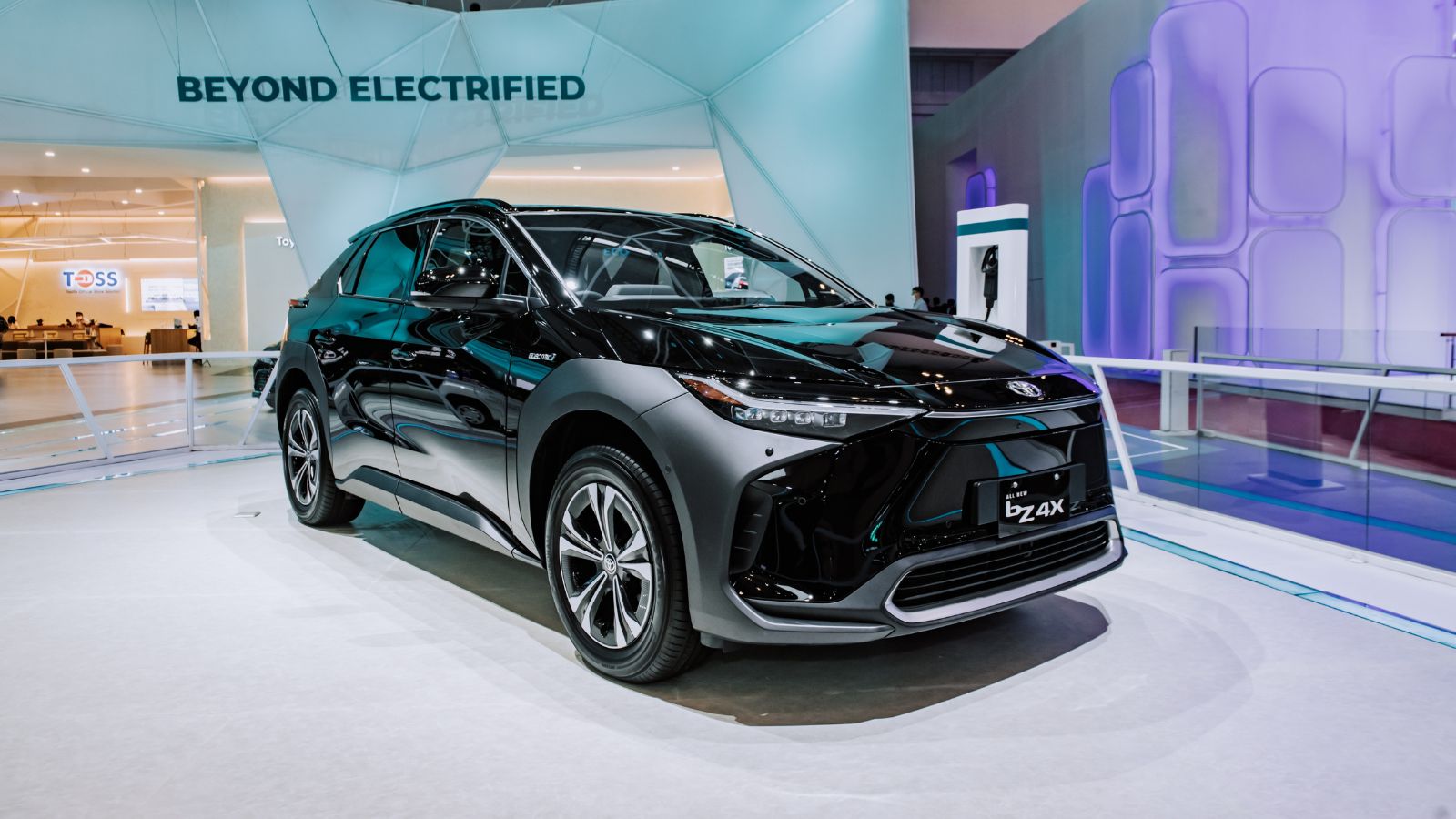
Toyota has done meaningful work on the renamed 2026 bZ, but spring 2026 still suggests dealers are leaning on discounts to get it moving. Canadian offers showed about $5,000 off XLE trims and as much as $10,000 on the Limited AWD, which is a strong signal for a brand normally associated with pricing discipline. Reviewers also noted that the updated model fixes some of the earlier bZ4X’s weak spots with a bigger battery and faster charging, yet rivals have improved too. That means Toyota is not just catching up to its old problems; it is catching up to a faster field.
The challenge is that early impressions linger. The bZ4X became known for awkward ergonomics and underwhelming fast-charging, and those are not the sorts of headlines buyers forget quickly. Even AutoTrader’s 2026 review said the model still lacks a defining feature, despite the changes. Toyota’s brand equity will absolutely keep some shoppers interested, especially those who trust the company’s long-term durability story. But the size of the incentives says the badge alone is not enough here. In Canada this spring, the bZ looks improved, but still not easy.
22 Things Canadians Do to Their Cars in Spring That Mechanics Hate

Spring brings relief to many Canadian drivers after months of snow, freezing temperatures, and icy roads that put serious strain on vehicles. As temperatures rise across the country, drivers begin washing cars, switching tires, and preparing vehicles for warmer weather and upcoming road trips. However, mechanics across Canada notice the same mistakes every spring when drivers attempt to recover from winter damage. Road salt, potholes, and harsh winter driving conditions often leave vehicles with hidden problems that drivers ignore. Some spring habits even create new mechanical issues that could have been avoided with proper maintenance. Here are 22 things Canadians do to their cars in spring that mechanics hate.