

























A car deal can feel convincing when the monthly payment looks manageable, the salesman seems flexible, and the sticker price appears lower than expected. Yet some of the most expensive choices in a vehicle purchase are hidden behind friendly phrases such as “limited-time offer,” “easy approval,” or “protection package.”
These 23 car buying traps often look smart at first because they solve an immediate concern: a lower payment, a newer model, a bigger discount, or less paperwork. The real cost usually appears later, through longer loan terms, weaker resale value, surprise fees, expensive add-ons, or repair risks that were easy to miss during the excitement of buying.
The Low Monthly Payment That Stretches the Loan Too Far

A low monthly payment is one of the oldest tricks in the showroom because it makes an expensive vehicle feel affordable. Instead of lowering the actual price, the deal may simply stretch the loan across six, seven, or even eight years. The payment looks easier to handle, but the buyer may spend thousands more in interest while staying in debt long after the new-car excitement fades.
The trap becomes clearer when life changes. A buyer who needs to trade the vehicle after three or four years may still owe more than the car is worth. That is how a “comfortable” payment can quietly become negative equity. In a dealership office, the difference between 60 months and 84 months may sound like a technical detail. In real life, it can mean years of extra payments on a vehicle that is aging, depreciating, and becoming more expensive to maintain.
The Dealer Discount That Comes With Mandatory Add-Ons

A big discount can look like a win until the purchase agreement brings back the money through required extras. Paint protection, nitrogen-filled tires, anti-theft etching, wheel coverage, fabric treatment, and “market adjustment” packages may appear near the end of the transaction. The price on the advertisement looks attractive, but the final out-the-door number tells a different story.
This trap works because buyers often focus on the headline price and emotionally commit before the paperwork is finished. A family may drive across town for a car advertised below market, only to learn that the discount applies only if they accept a package they never requested. Some add-ons may have value in specific cases, but forced or poorly explained extras can turn a competitive deal into an overpriced one. The safest number to compare is the full out-the-door price, not the teaser discount.
The Trade-In Offer That Hides Negative Equity

A dealer may say it will “pay off” an old loan, which sounds like the buyer is starting fresh. The catch is that paying off the loan does not always mean absorbing the debt. If the trade-in is worth less than the remaining balance, the unpaid amount may simply be rolled into the new loan. The buyer leaves with a newer car, but also with old debt attached to it.
This can be especially tempting when the current vehicle needs repairs or feels outdated. A buyer with a $20,000 loan balance on a car worth $16,000 may be relieved when the dealer says the deal can still happen. In practice, that missing $4,000 may be added to the next contract, increasing the loan amount, interest, and risk of being upside down again. The trap looks like relief at first, but it often extends the financial problem rather than solving it.
The “Only Today” Sales Pressure

A deal that supposedly expires today can push buyers into skipping basic checks. The pressure may involve a manager’s approval, a special rebate, a competing buyer, or a claim that the vehicle will be gone within hours. While some incentives do have real deadlines, urgency is also a classic way to make a complicated decision feel like a race.
The risk is not just overpaying. Under pressure, buyers may ignore financing terms, warranty exclusions, recall history, insurance costs, or mechanical concerns. A shopper who planned to compare three vehicles may sign for the first one because the dealership created a fear of missing out. Good deals can survive careful review. A vehicle purchase is too expensive to be decided by a countdown clock, especially when the same model, similar trim, or better financing may be available elsewhere.
The Zero-Percent Financing That Replaces a Better Rebate

Zero-percent financing sounds like free money, and sometimes it can be a strong offer for qualified buyers. The trap appears when the buyer gives up a large cash rebate or dealer discount to get the promotional rate. The advertised financing may reduce interest, but the total price may remain higher than a conventional loan paired with a stronger incentive.
This is why the deal needs to be calculated both ways. A buyer may feel proud of avoiding interest while unknowingly paying more for the vehicle itself. Promotional financing can also be limited to certain terms, trims, or credit profiles, meaning not every shopper receives the headline offer. The smartest comparison is not “interest or no interest,” but the total amount paid over the full term, including vehicle price, rebates, taxes, fees, and financing costs.
The Extended Warranty Sold as Peace of Mind

An extended warranty can be useful for some buyers, especially on vehicles with expensive electronics or uncertain reliability. The trap is buying it under pressure without reading what it excludes. Many warranties have deductibles, claim limits, maintenance requirements, waiting periods, and restrictions on where repairs can be done. “Peace of mind” can become frustration if the contract does not cover the failure that actually happens.
The timing also matters. A buyer purchasing a new vehicle already has a manufacturer warranty, so paying upfront for overlapping coverage may not make sense. Used-car buyers face a different calculation, but even then, the warranty price should be compared with the vehicle’s reliability history and likely repair costs. The finance office often presents the product when buyers are tired and eager to finish. That is exactly when expensive optional coverage can feel more necessary than it really is.
The Certified Pre-Owned Label That Buyers Don’t Read Closely

Certified pre-owned vehicles can offer real benefits, including inspections, warranty coverage, and manufacturer-backed standards. The trap is assuming all certified programs are equal. A manufacturer-certified vehicle is usually different from a dealer-certified one, and the warranty length, inspection quality, deductible, and covered components can vary widely.
The label can also distract from the basics. A buyer may skip an independent inspection because the car is “certified,” even though certification does not make a vehicle perfect. A clean-looking crossover with a CPO badge may still have worn tires, cosmetic repairs, or a service history that deserves closer review. Certification should be treated as a useful layer of protection, not a substitute for reading the warranty, checking the vehicle history, and understanding exactly who stands behind the promise.
The Used Car Sold “As Is” at a Tempting Price

An “as is” vehicle can look like a bargain because the price is often lower than comparable listings. The danger is that the buyer may be accepting nearly all repair risk from the moment the papers are signed. If the transmission slips a week later or an electrical issue appears after the first rainstorm, the low purchase price can disappear quickly.
This trap is common because used vehicles often look better on the lot than they do after regular driving. Fresh detailing, tire shine, and a short test drive may hide deeper problems. A commuter who saves $1,500 upfront could face a $3,000 repair within a month. The phrase “as is” does not automatically mean the car is bad, but it does mean the buyer should treat inspection, maintenance records, and repair budgeting as essential parts of the deal.
The Vehicle History Report That Looks Cleaner Than It Is

A vehicle history report is helpful, but it is not a complete biography. Accidents, flood damage, title issues, odometer problems, and repairs may not appear if they were never reported to insurance, police, repair networks, or state databases. A clean report can reduce risk, but it cannot prove that nothing ever happened.
This trap is especially convincing because the report looks official and organized. A seller may wave it around as if it replaces inspection. It does not. A used sedan with a clean history may still show uneven paint, mismatched panels, rust under the carpet, or warning lights that were recently cleared. The report should be one tool among several: VIN checks, title review, service records, recall searches, inspection, and a test drive long enough to reveal how the vehicle behaves when fully warmed up.
The Flood-Damaged Car With a Low Price

Flood-damaged cars can reappear far from the storms that damaged them, making the price look like a regional bargain rather than a warning sign. Water can damage wiring, airbags, sensors, modules, upholstery, and corrosion-prone metal areas. Some problems appear immediately, while others surface months later as electrical faults and mildew return.
The trap is that flood damage is not always obvious. A vehicle may be thoroughly cleaned, deodorized, and moved across state lines before being listed. A buyer may notice only a faint smell, slightly rusty seat tracks, or odd moisture behind trim panels. Modern vehicles rely heavily on electronics, so water intrusion can become a long-term reliability problem rather than a one-time repair. Any suspiciously cheap vehicle from a storm-affected period deserves extra caution, especially if its title history or interior condition feels inconsistent.
The Lease Payment That Ignores Mileage Reality

A lease can offer a lower monthly payment than a purchase because the buyer is paying mostly for depreciation during the lease term. The trap appears when the mileage allowance is too low for real life. A commuter, rideshare driver, or family with frequent road trips may exceed the limit and face per-mile charges at the end.
The low payment can also distract from lease-end costs. Excess wear, tire condition, disposition fees, and early termination penalties can make the final bill larger than expected. A buyer may choose a 10,000-mile-per-year lease because it looks cheaper, then realize halfway through the term that normal driving will exceed the allowance. Leasing can work well for predictable driving habits, but it becomes costly when the contract is built around an unrealistically tidy version of daily life.
The Long Test Drive That Never Happens
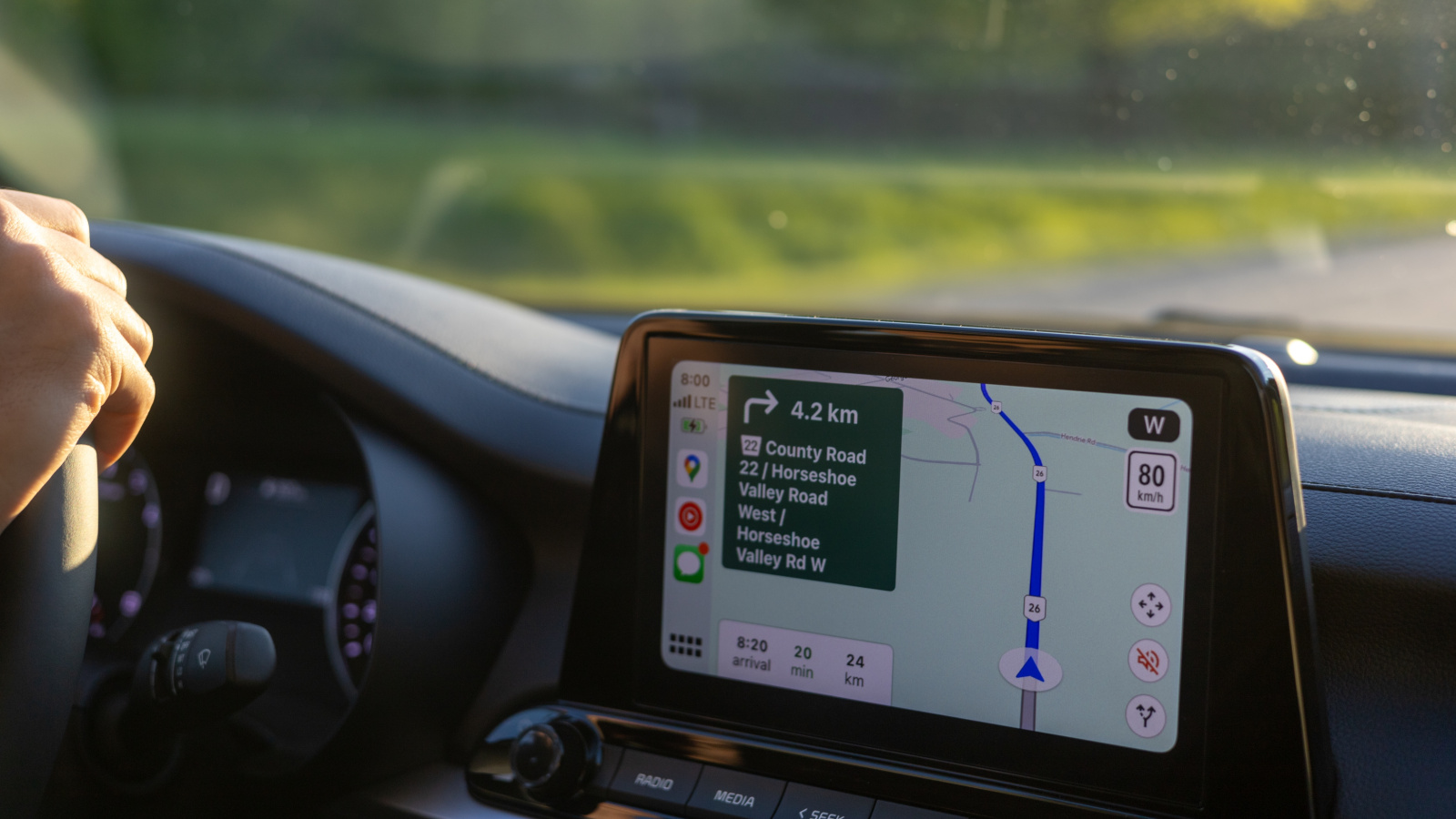
A short spin around the block can make almost any vehicle seem acceptable. The trap is buying after a test drive that never reaches highway speed, rough pavement, parking maneuvers, or stop-and-go traffic. Many problems only appear under specific conditions, such as vibration at 65 mph, hesitation after warm-up, brake pulsation downhill, or clunks over uneven roads.
This matters even more for used cars. A buyer may be impressed by a quiet cabin and clean interior, then later discover that the air conditioning fades, the transmission shifts harshly, or driver-assistance features behave unpredictably. A proper test drive should match the way the vehicle will actually be used. That includes loading a child seat, checking visibility, testing infotainment, and parking in a tight space. A vehicle can look like a deal in the lot and feel completely different during normal life.
The “Loaded” Trim Full of Features That Age Badly

A fully loaded trim can look like a bargain when it costs only slightly more than a lower trim. The trap is that luxury features often become repair liabilities as the vehicle ages. Panoramic roofs, air suspension, power running boards, large infotainment screens, adaptive lighting, and advanced driver-assistance systems can be expensive to diagnose and repair outside warranty.
This does not mean buyers should avoid features they genuinely value. The problem is paying for equipment that looks impressive during the sale but offers little daily benefit. A used luxury SUV with every option may feel like a steal compared with its original sticker price, but depreciation may reflect costly maintenance expectations. A simpler trim with strong reliability, cheaper tires, and fewer complex systems may be the better long-term deal, even if it looks less exciting on paper.
The Demo Car Discount That Isn’t Big Enough

A demo vehicle can seem attractive because it is technically newer than a used car but discounted from the new-car price. The trap is that demos may have hundreds or thousands of miles from test drives, staff use, short trips, and repeated cold starts. The discount needs to reflect that use, along with the fact that part of the warranty may already be gone.
The buyer should ask when the warranty started, how the vehicle was used, and whether it has ever been titled. A demo SUV with 5,000 miles might still be a good purchase, but only if the price accounts for mileage, wear, and reduced warranty time. Otherwise, the buyer may be paying near-new money for a vehicle that has already lived a harder early life than a privately owned car with careful break-in habits.
The Rebate That Requires Financing at a Higher Rate

Some advertised rebates apply only if the buyer finances through a specific lender or accepts certain dealer-arranged terms. The upfront discount looks appealing, but a higher interest rate can erase the savings over the life of the loan. A buyer may focus on the $2,000 rebate and miss the fact that outside financing would have saved more.
This trap is especially easy to overlook when the dealership presents everything as one package. The vehicle price, rebate, trade-in, monthly payment, and loan terms blur together. A buyer with strong credit should compare preapproved financing from a bank or credit union before entering the finance office. If the dealer’s rebate-linked loan costs more overall, the “discount” may simply be a way to shift profit from the sale price into financing.
The Online Price That Excludes Required Fees

Online listings can create the impression that one dealer is much cheaper than the rest. The trap appears when the advertised price excludes required dealer fees, reconditioning charges, certification fees, mandatory accessories, or destination-related costs. By the time the buyer reaches the desk, the deal may no longer match the listing that prompted the visit.
This is frustrating because vehicle shopping often begins with sorted search results. A car priced $1,500 below comparable listings gets attention, even if the final price is not truly lower. Buyers should ask for a written out-the-door quote before visiting, including taxes, registration, document fees, dealer charges, and all required add-ons. A legitimate competitive price should remain competitive after the full math is visible. If the number changes dramatically in person, the listing was doing more selling than informing.
The Gap Insurance Pitch Without a Price Check

Gap insurance can be valuable when a buyer owes more than the vehicle would be worth after a total loss. That risk is real with small down payments, long loans, fast depreciation, or rolled-in negative equity. The trap is buying gap coverage from the dealer without comparing prices or understanding the limits.
Dealer-sold gap products can vary in cost and coverage. Some policies exclude late payments, extended terms, certain loan structures, or vehicles used for commercial purposes. A buyer may also have access to cheaper gap coverage through an insurer or lender. The product should be considered based on actual risk, not fear alone. If the loan balance will quickly fall below the vehicle’s value, gap may be unnecessary. If the buyer is deeply upside down from day one, the need may be stronger, but the contract still deserves careful review.
The “We Can Get Anyone Approved” Financing Offer
Guaranteed approval can sound helpful to buyers with damaged credit or limited credit history. The trap is that approval is not the same as affordability. Subprime financing may include high interest rates, long terms, large fees, and vehicles priced above market. The buyer gets keys, but the contract may leave little room for insurance, fuel, repairs, or emergencies.
This trap often targets people who need transportation quickly. A worker with a new job may accept a high-cost loan because public transit is not practical. The danger is that one missed paycheck can trigger late fees, repossession risk, and credit damage. A better approach may involve a cheaper vehicle, a larger down payment, a co-signer, credit union financing, or delaying the purchase long enough to improve loan terms. Approval should be the beginning of the analysis, not the finish line.
The New Model With First-Year Problems

A redesigned vehicle can feel like a smart buy because it offers fresh styling, new technology, and improved fuel economy. The trap is that first-year models sometimes bring unresolved software glitches, parts shortages, recalls, or reliability issues that are discovered only after thousands of customers start driving them daily.
Early adopters may accept that risk knowingly. Others may be surprised when a brand-new model spends time at the dealer for updates, sensor calibration, or backordered components. This is especially relevant as vehicles become more software-dependent and complex. Waiting a year can allow manufacturers to correct early problems while giving buyers more owner feedback and reliability data. The newest version may look like the best deal in the showroom, but the mature version can be the better ownership experience.
The Cheap Used Luxury Car With Expensive Maintenance

A used luxury car can look irresistible when depreciation brings it into the same price range as a mainstream sedan or SUV. The trap is confusing purchase price with ownership cost. Premium tires, specialized parts, complex engines, air suspension, advanced electronics, and dealer labor rates can make maintenance far more expensive than the monthly payment suggests.
The emotional pull is understandable. A five-year-old luxury sedan may offer leather, power, quietness, and prestige for less than a new compact car. But a single repair can change the math. A buyer who stretches to afford the purchase may not have room for $2,000 brakes, electronic suspension faults, or premium fuel. The right question is not whether the car once cost $70,000. It is whether maintaining a $70,000 car still makes sense now.
The Bigger Vehicle Bought for Rare Occasions
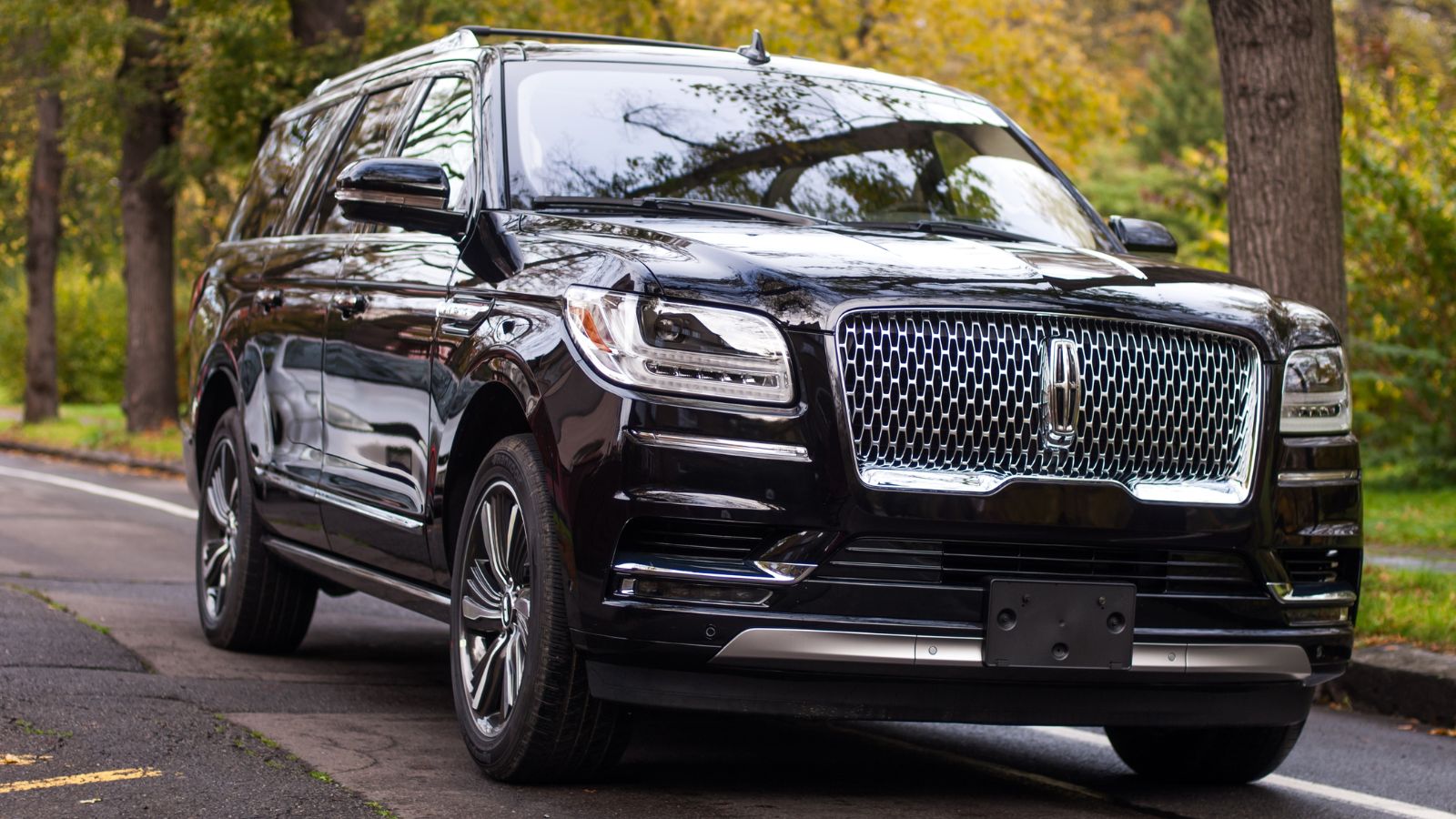
A large SUV or pickup can feel like a practical deal because it handles every possible scenario: family trips, home projects, bad weather, towing, guests, and cargo. The trap is paying every day for capability used only a few times a year. Bigger vehicles often cost more to insure, fuel, finance, park, repair, and equip with tires.
A buyer may picture summer road trips or occasional towing while underestimating the daily commute. The result can be a vehicle that is expensive in routine life but only fully useful during rare events. Renting a truck for a weekend or choosing a smaller vehicle with roof rails, a hitch, or folding seats may be cheaper overall. The best deal is not always the vehicle that can do the most. It is the one that fits the most common use without punishing the budget the rest of the year.
The Car With a Low Price but High Insurance Costs
A buyer may negotiate a strong purchase price and still be surprised by the insurance quote. Repair costs, theft rates, safety technology, claim history, driver profile, location, trim level, and engine choice can all affect premiums. A sporty model, luxury badge, or commonly stolen vehicle may cost much more to insure than expected.
This trap happens because insurance is often checked late, after the buyer has already fallen for the car. A young driver may discover that the affordable coupe costs more each month to insure than the loan itself. A family buying a popular SUV may face higher premiums because parts and sensors are costly after collisions. Insurance should be priced before signing, ideally using the exact VIN. A car that looks like a bargain on the lot may not be a bargain once the monthly ownership cost is complete.
The EV Deal That Ignores Charging Reality

An electric vehicle discount can be compelling, especially when fuel savings and incentives are part of the pitch. The trap is buying before confirming home charging, local charging access, winter range needs, road-trip habits, and electricity costs. An EV can be excellent for the right driver, but inconvenient for someone relying entirely on slow or crowded public chargers.
The numbers also need careful checking. Battery range varies with temperature, speed, terrain, tires, and cabin heating. A commuter with home charging may save money and time, while an apartment dweller may spend evenings waiting at public stations. Incentive rules can also change, and not every vehicle qualifies for every credit or rebate. A discounted EV is not automatically a bad deal, but the real value depends on charging logistics as much as the sticker price.
22 Things Canadians Do to Their Cars in Spring That Mechanics Hate

Spring brings relief to many Canadian drivers after months of snow, freezing temperatures, and icy roads that put serious strain on vehicles. As temperatures rise across the country, drivers begin washing cars, switching tires, and preparing vehicles for warmer weather and upcoming road trips. However, mechanics across Canada notice the same mistakes every spring when drivers attempt to recover from winter damage. Road salt, potholes, and harsh winter driving conditions often leave vehicles with hidden problems that drivers ignore. Some spring habits even create new mechanical issues that could have been avoided with proper maintenance. Here are 22 things Canadians do to their cars in spring that mechanics hate.