Canadian drivers are holding on to vehicles longer, but the math is getting harder to ignore. Repair bills, insurance pressure, recall history, aging batteries, fuel costs, and softening used-vehicle values can turn a familiar car into a costly habit. In some cases, the best decision is not about whether the vehicle still runs, but whether another year of ownership makes financial sense.
Here are 17 cars and vehicles that may not be worth keeping another year in Canada, especially when warranty coverage is gone, mileage is climbing, or an unresolved recall is still attached to the VIN.
Ford EcoSport 1.0L
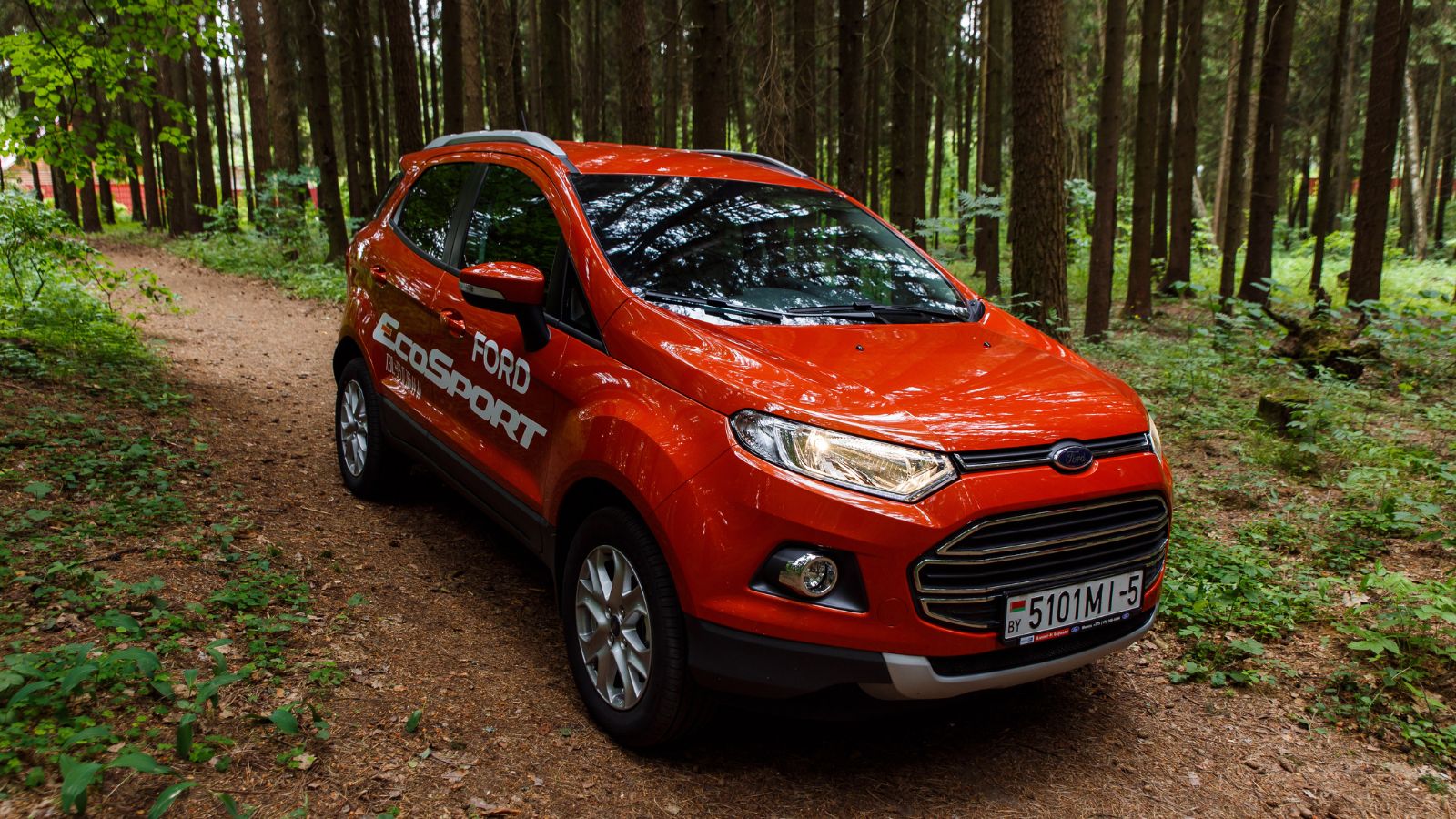
The Ford EcoSport looked practical on paper: small footprint, SUV-like height, and manageable fuel use for city driving. The problem is that certain 2018–2022 EcoSport models with the 1.0-litre engine were tied to a serious oil pump drive belt and tensioner recall. Transport Canada warned that failure could cause loss of oil pressure, engine failure, loss of power to the wheels, and reduced braking assist.
That matters because an inexpensive subcompact crossover can stop feeling inexpensive the moment engine risk enters the picture. A Canadian owner using one for commuting, winter errands, and highway trips may be facing a vehicle that is cheap to insure but not necessarily cheap to trust. If the recall work is incomplete, records are unclear, or the engine has already shown oil-pressure warnings, keeping it another year may be more gamble than savings.
Nissan Rogue VC-Turbo
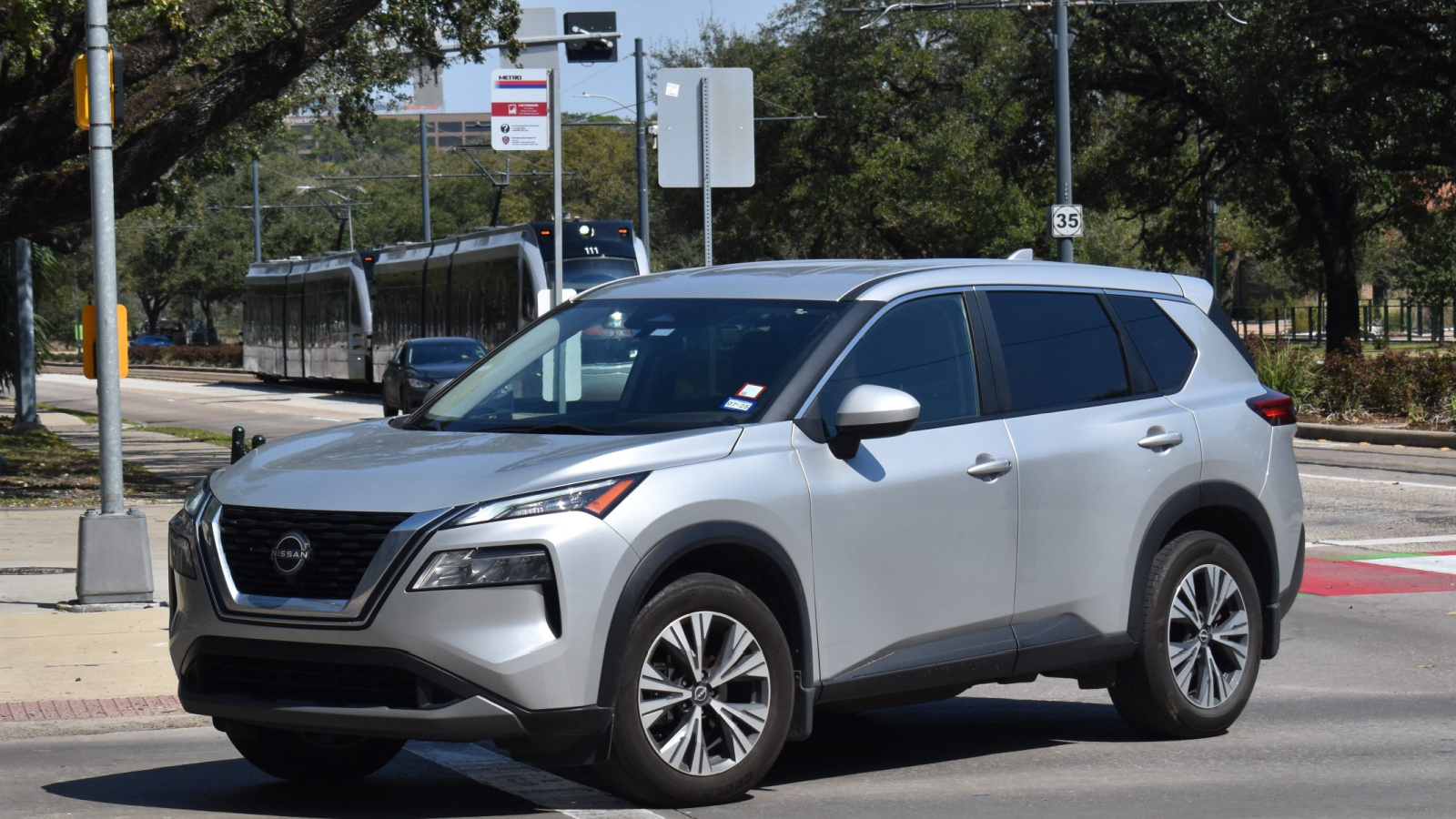
The Nissan Rogue is one of Canada’s familiar family crossovers, but certain VC-Turbo versions have created a new kind of ownership anxiety. Transport Canada issued a 2026 recall for certain Rogues equipped with the 1.5-litre variable-compression engine, noting that improper engine manufacturing could lead to abnormal noises, warning lights, engine failure, loss of power, and possible fire risk.
The Rogue’s appeal has always been practical: roomy cabin, decent fuel economy, and everyday usability. But once an owner starts listening for noises or worrying about engine symptoms, the ownership experience changes. A vehicle that still has strong resale demand may be worth evaluating before mileage rises further. For Canadians already nearing the end of warranty coverage, the smarter move may be checking the VIN, service history, and trade-in value before another winter adds more wear.
Nissan Altima VC-Turbo
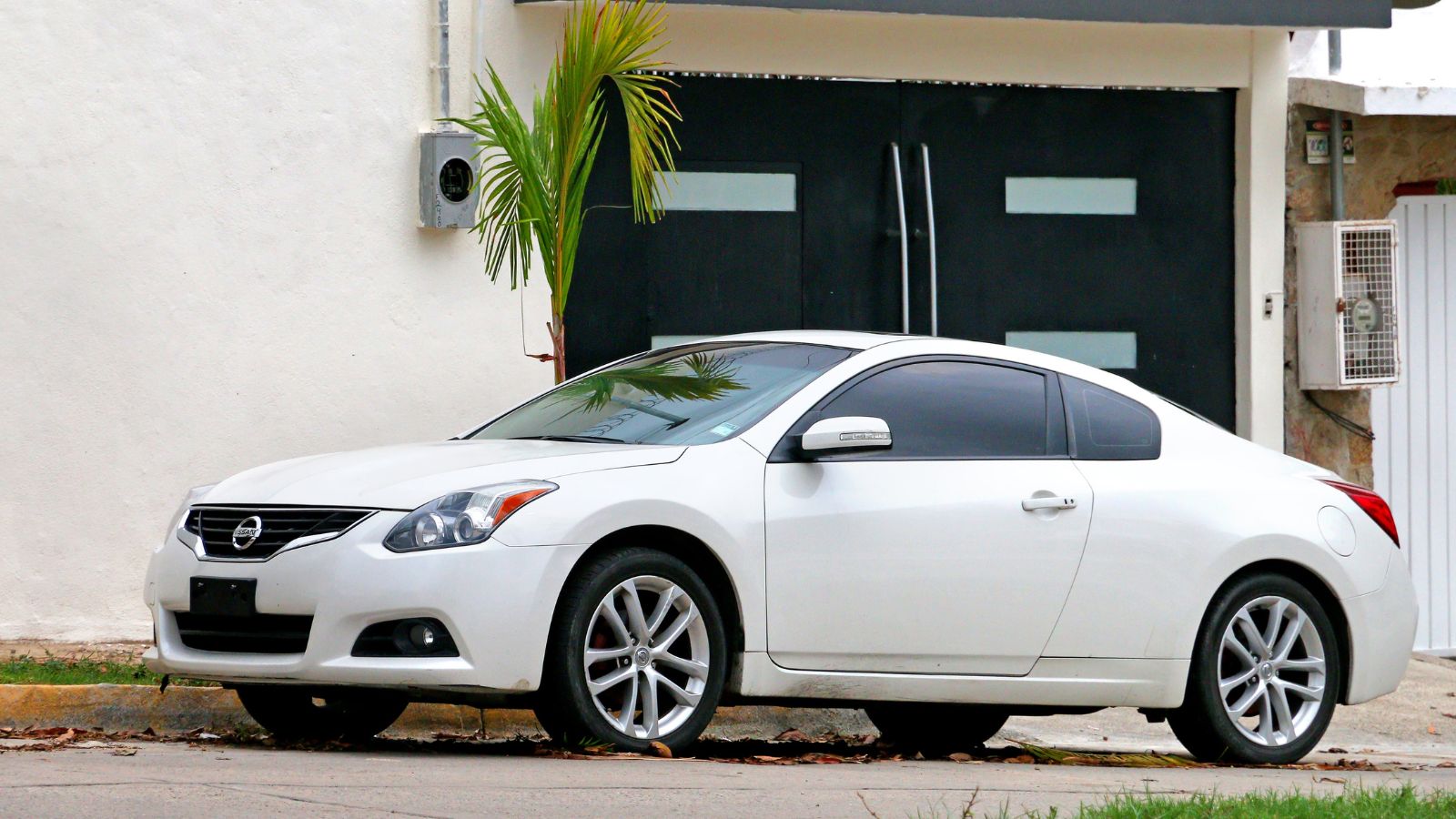
The Nissan Altima with the VC-Turbo engine promised stronger performance without abandoning fuel economy. For some drivers, that made it a tempting alternative to more conservative midsize sedans. The concern is that the same broader VC-Turbo bearing issue affected certain 2019–2020 Altima models, alongside other Nissan and Infiniti vehicles, with recalls covering tens of thousands of units in Canada and hundreds of thousands across North America.
The Altima is not a bad car by definition, but it can be a difficult one to justify if the engine version, mileage, and repair history line up poorly. Sedans already face weaker resale momentum than compact SUVs in many Canadian markets. Add possible engine uncertainty, and the argument for keeping one another year becomes less comfortable. Owners with documented recall completion may be in a better position than those with incomplete paperwork.
Chevrolet Bolt EV
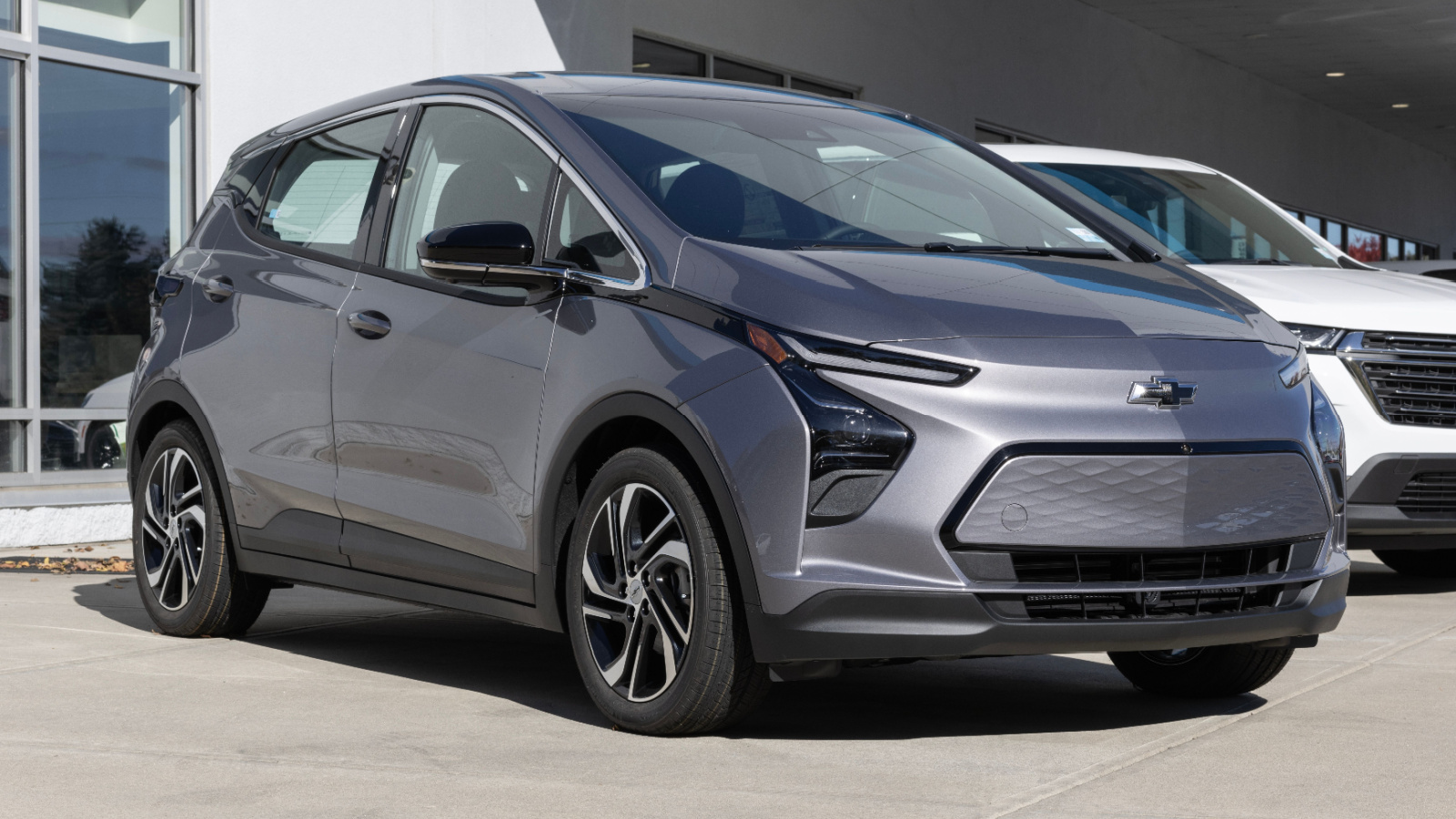
The Chevrolet Bolt EV can still be a smart used electric car, especially for drivers with home charging and predictable daily routes. The issue is that 2017–2022 Bolt EVs and 2022 Bolt EUVs were involved in a major high-voltage battery recall related to fire risk. GM attributed the issue to rare manufacturing defects in battery cells, and Transport Canada later listed additional repair concerns for a small number of vehicles.
For Canadian owners, the question is not simply whether the Bolt is efficient. It is whether the battery recall history is fully resolved and whether the car still fits changing EV expectations. Older Bolts may lack the charging speeds, cabin refinement, and long-trip convenience newer EV shoppers now expect. If resale value is still decent and the battery paperwork is clean, this may be a logical time to reassess before another year of depreciation.
Chrysler Pacifica Plug-In Hybrid
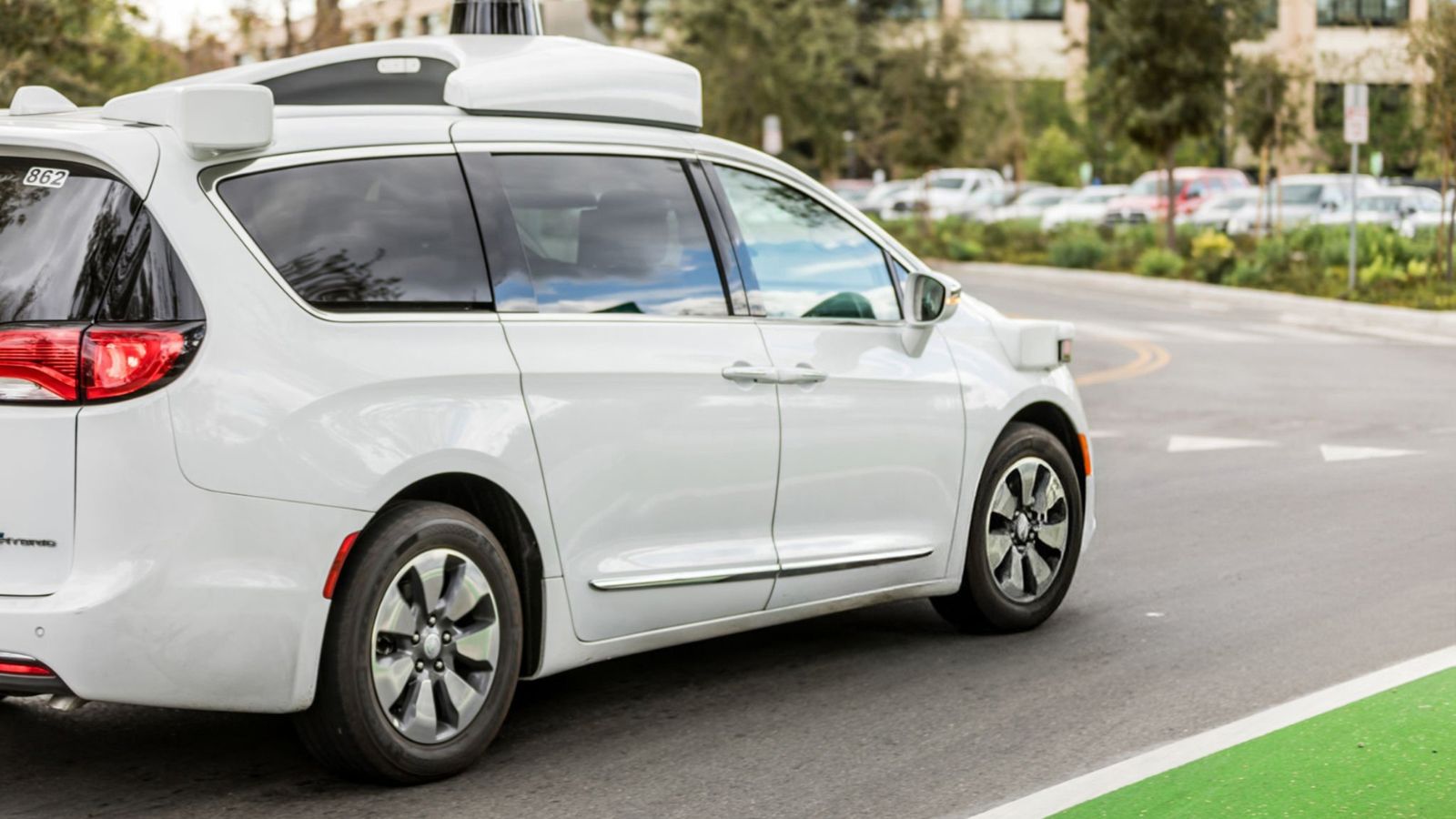
The Chrysler Pacifica Plug-In Hybrid is appealing for families because it can handle school runs on electricity while still offering gasoline range for road trips. The complication is recall history. Stellantis recalled Pacifica plug-in hybrids over fire concerns, and owners of affected vehicles were advised at points to park outside and avoid charging until remedies were available.
For families, inconvenience can be as expensive as repair work. A minivan that cannot be confidently charged in the garage, or one that requires repeated dealer visits, can disrupt the very routine it was purchased to simplify. The Pacifica Hybrid’s strength is its blend of space and electric driving, but that advantage weakens if battery-related uncertainty remains. Before keeping one another year, owners should confirm recall completion, battery health, warranty status, and whether the van still meets daily needs without stress.
Jeep Wrangler 4xe
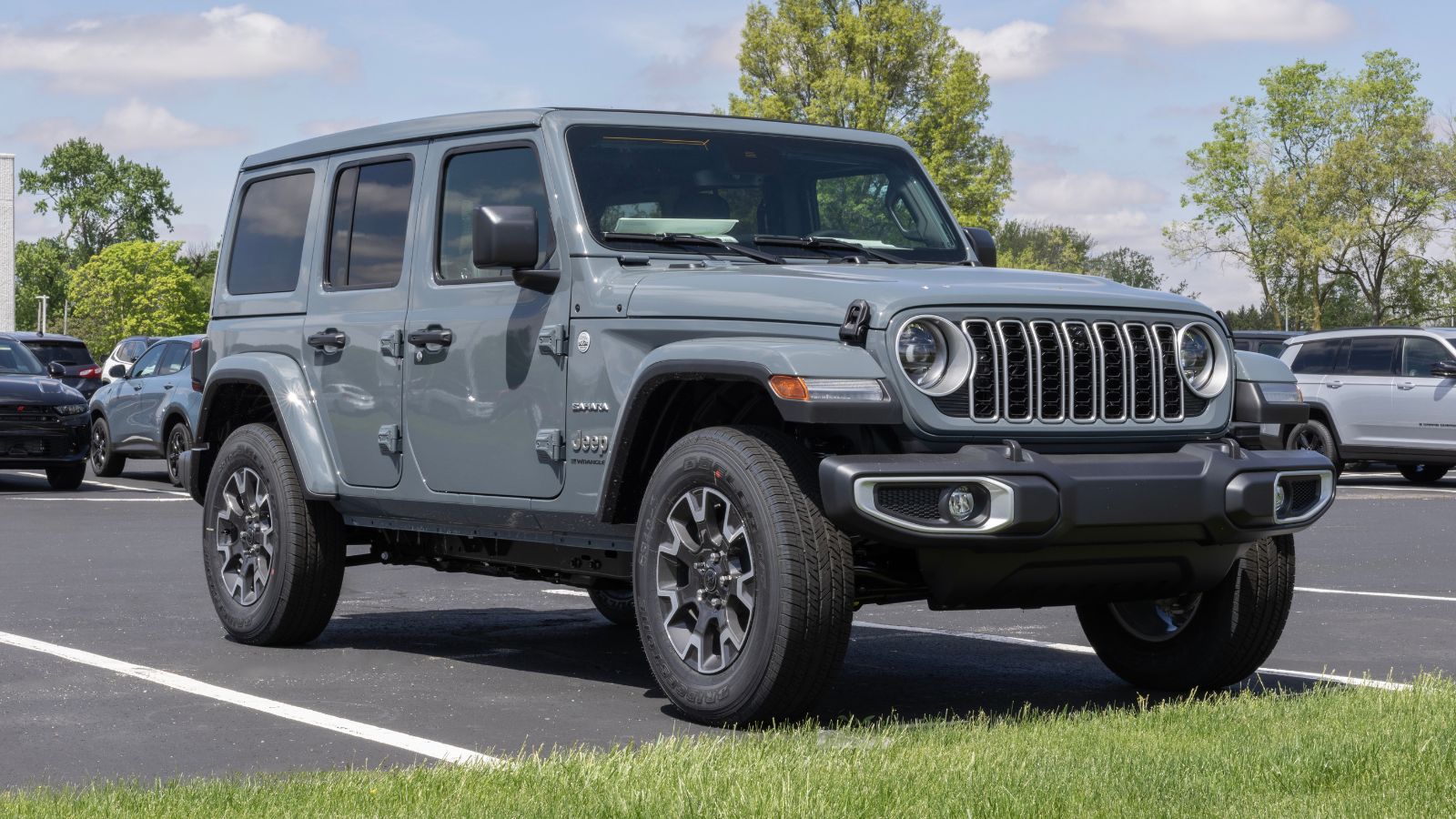
The Jeep Wrangler 4xe brought plug-in power to one of Canada’s most recognizable off-road vehicles. It also brought complexity. Transport Canada listed recalls involving Wrangler 4xe models where high-voltage battery issues could create fire risk or where electrical faults could lead to loss of power. A major Stellantis recall also covered Jeep plug-in hybrids in Canada, with owners advised to park outside and avoid charging until repairs were completed.
The 4xe can still make sense for buyers who value trail capability, removable-roof character, and short electric commutes. But it is rarely a cheap vehicle to own. Insurance, tires, fuel once the battery is depleted, and hybrid-system complexity can all add up. If the vehicle is mostly used as a commuter rather than for its unique capabilities, another year may be hard to justify unless the owner truly uses what makes it special.
Ford Escape 1.5L and PHEV
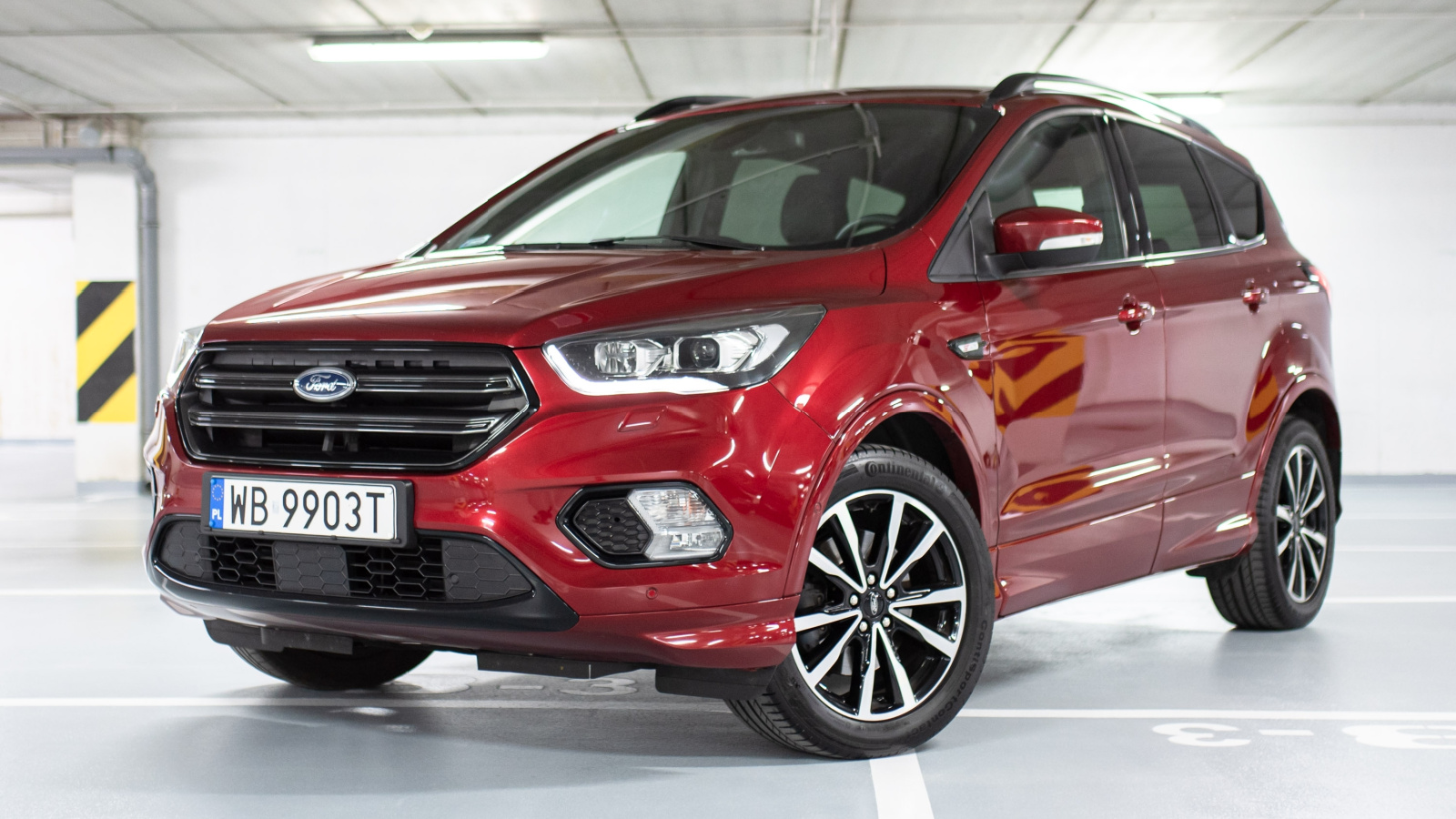
The Ford Escape is common across Canada because it is practical, comfortable, and often attractively priced used. The caution is that certain Escape models have faced repeated recall attention. Transport Canada listed recalls involving 1.5-litre EcoBoost fuel injector concerns, where a fuel leak could create fire risk. Separate recalls also affected certain Escape plug-in hybrids due to high-voltage battery issues that could cause loss of power or overheating.
That combination matters because Escapes often appeal to budget-conscious households. A vehicle bought to reduce financial pressure should not become a recurring recall-management project. For owners with a 2020–2022 Escape 1.5L or an affected PHEV, the decision should centre on VIN-specific recall status and whether the vehicle is still under warranty. If not, trading while the vehicle is functional and documented may be more sensible than waiting for a bigger repair event.
Kia Soul 2.0L
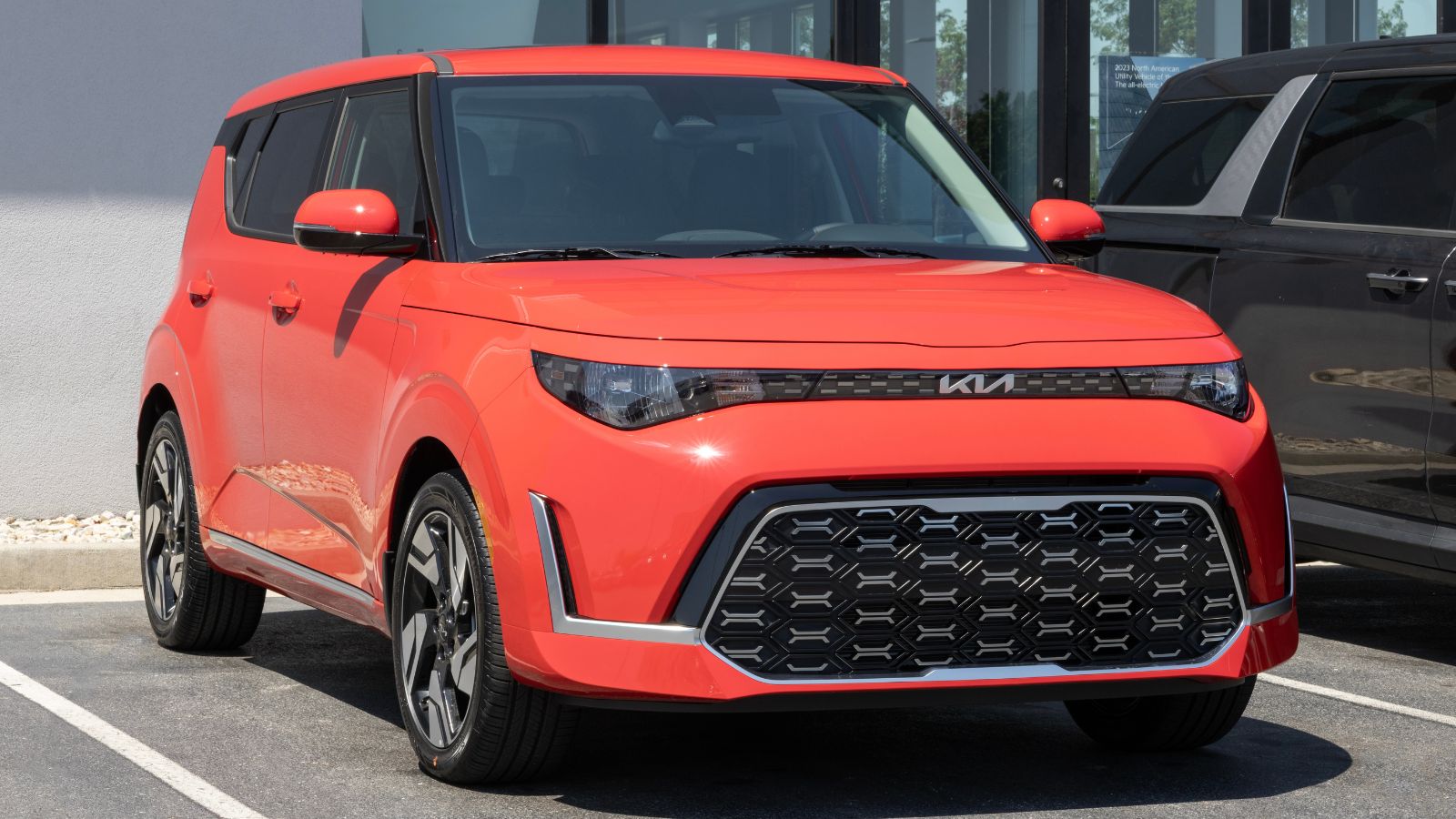
The Kia Soul has long offered practical space in a compact, easy-to-park shape. However, certain Soul models equipped with 2.0-litre engines were included in recalls related to piston oil rings, increased oil consumption, engine wear, abnormal noise, warning lights, engine failure, and possible fire risk. Transport Canada’s recall language is especially relevant for owners who have noticed oil-level changes or engine noise.
The Soul’s low purchase price can hide the importance of maintenance discipline. Skipping oil checks, stretching service intervals, or ignoring warning lights can turn a manageable issue into a major repair. For Canadian owners using an older Soul as a second car or student vehicle, another year may still make sense if the engine is healthy and recall work is complete. If oil consumption has started, the cost equation changes quickly.
Honda Civic
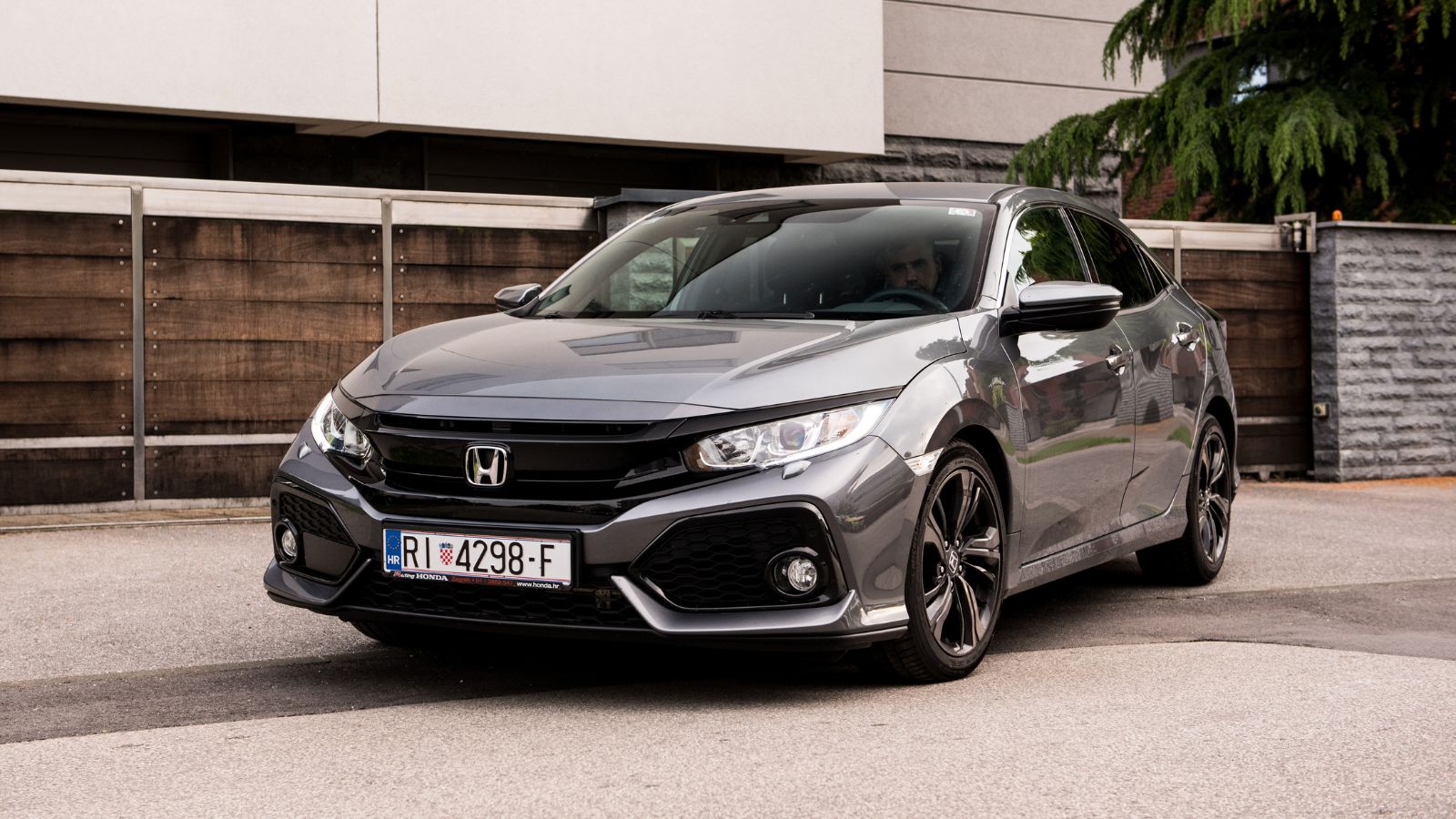
The Honda Civic is usually one of the easiest Canadian cars to defend keeping. It is efficient, familiar to mechanics, and historically strong on resale. The reason it appears here is not mechanical weakness; it is theft and insurance pressure. Équité Association’s 2025 auto theft data listed the 2016–2021 Honda Civic among Canada’s most stolen vehicles, with hundreds of thefts recorded.
For many owners, that does not mean the Civic should be sold immediately. It does mean the annual ownership calculation may need updating. If insurance premiums have risen, if a high-theft surcharge applies, or if parking is mostly on the street in a high-risk area, the Civic’s low running costs can become less impressive. A paid-off Civic is still valuable, but keeping it another year makes the most sense when theft prevention and insurance costs remain reasonable.
Honda CR-V
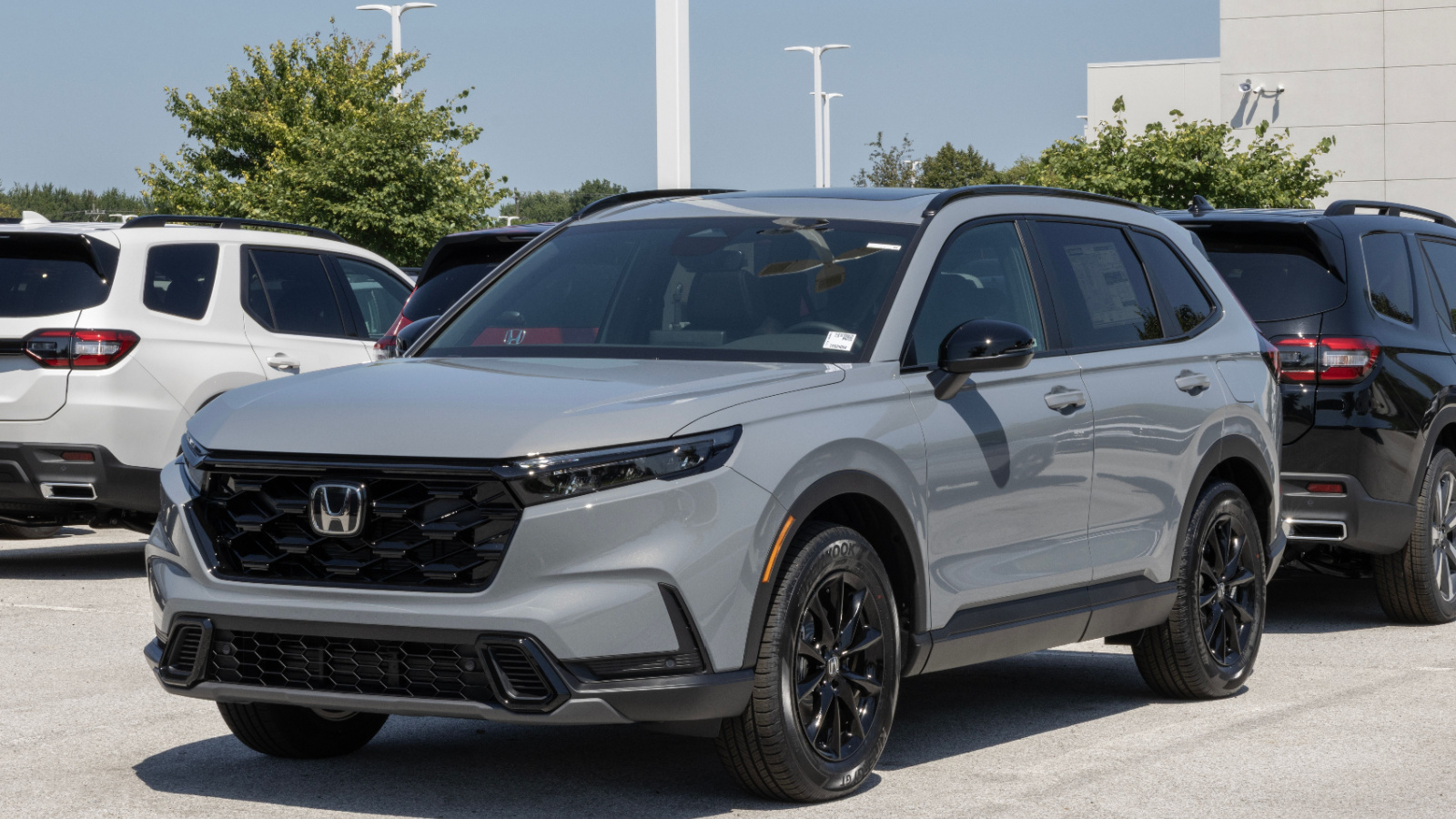
The Honda CR-V is another vehicle that usually earns loyalty, but theft risk has changed the ownership story in Canada. Équité Association’s 2025 data listed the 2016–2021 CR-V as Canada’s most stolen vehicle by theft count, with more than 4,000 thefts in the dataset. That does not reflect poor quality; it reflects high demand among thieves and export networks.
For a household that relies on a CR-V, the vehicle may still be excellent. The problem is that insurance and security costs can chip away at the financial advantage of keeping it. Some owners may need steering-wheel locks, tracking devices, immobilizer upgrades, or insurer-approved anti-theft systems just to avoid surcharges or anxiety. If the CR-V is older, out of warranty, and still valuable enough to attract thieves, selling before another year of exposure may be worth considering.
Lexus RX
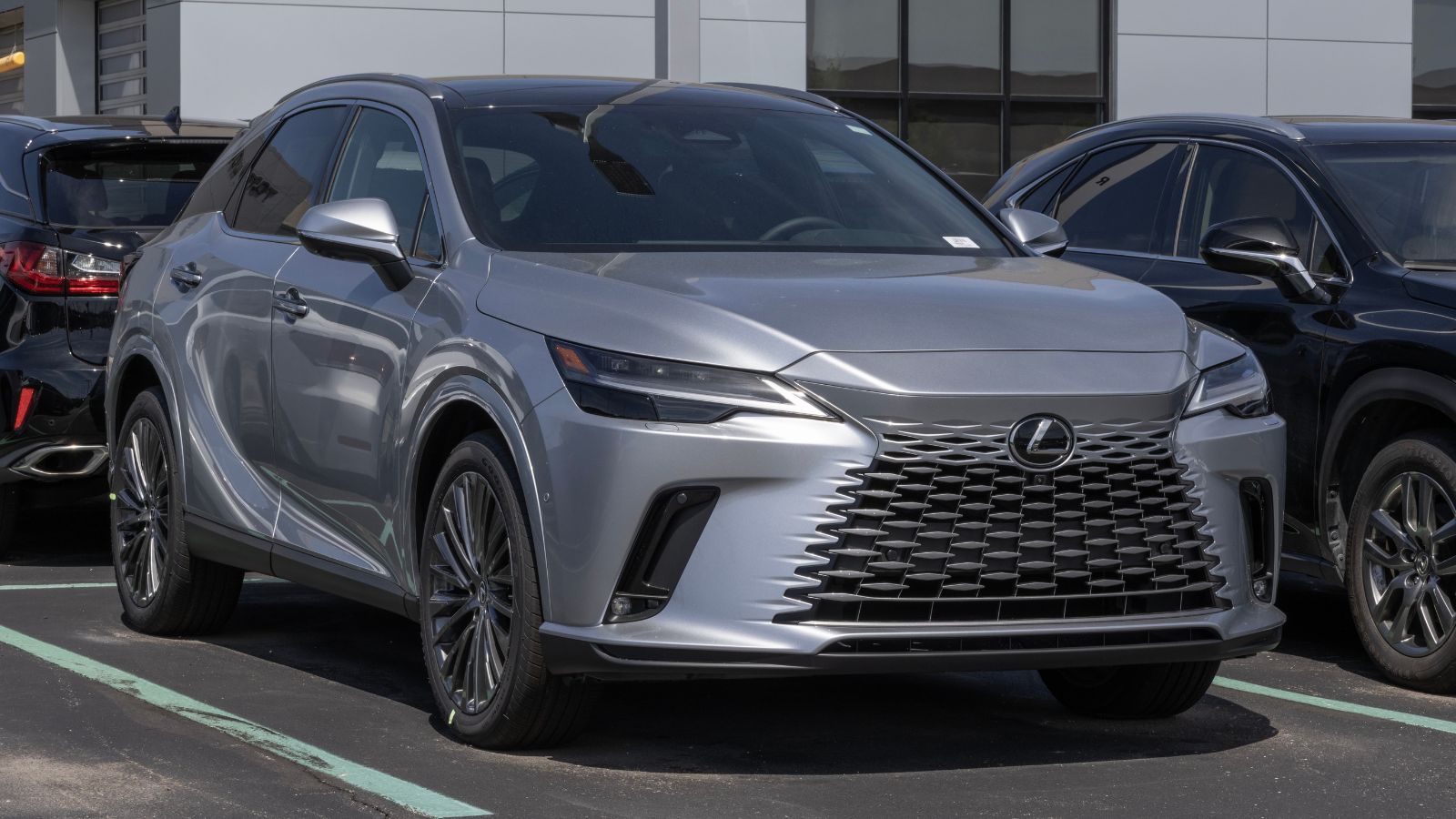
The Lexus RX is comfortable, durable, and popular, which is exactly why it can become complicated to keep in Canada. Équité Association’s 2025 data showed the 2016–2021 Lexus RX with one of the highest theft frequencies among listed vehicles, with more than 2,000 thefts and a theft rate far above many mainstream models. Luxury SUV demand has made it a recurring target.
The RX is not a vehicle people usually regret because of ride quality or reliability. The issue is total ownership cost. Insurance premiums, theft-prevention requirements, luxury parts, premium tires, and higher repair costs can make an aging RX feel expensive even when it still drives beautifully. Owners with secure indoor parking may feel differently from those leaving one outside overnight. In high-theft areas, another year may bring more risk than comfort.
Volkswagen Jetta 2025–2026
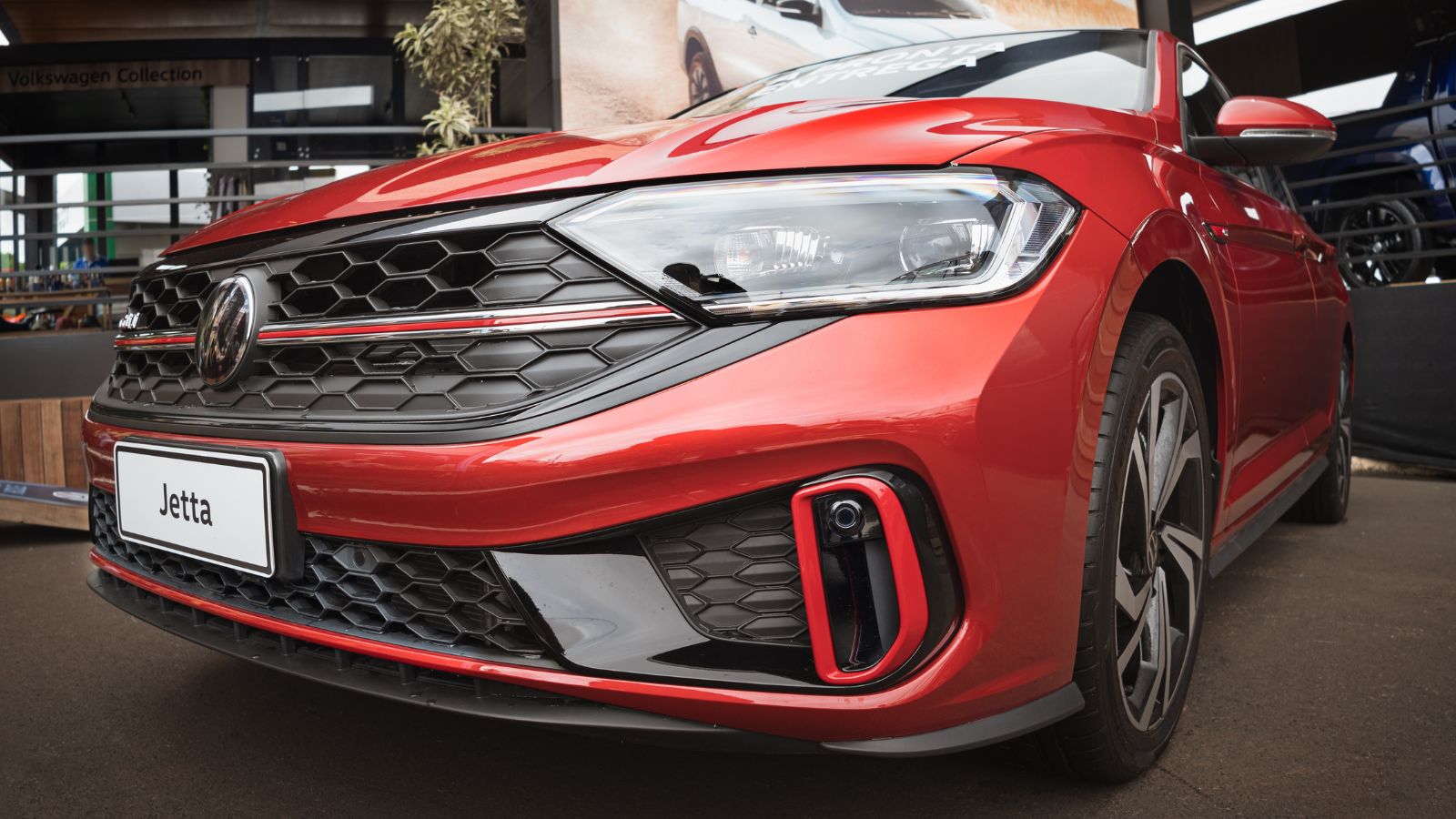
The Volkswagen Jetta remains one of the few compact sedans still trying to offer European driving feel at a mainstream price. But certain 2025–2026 Jetta models were recalled in Canada because a transmission ground wire may not have been connected properly during production. Transport Canada warned that wiring or nearby parts could overheat, creating a fire risk.
For a nearly new car, that kind of recall can feel frustrating. It does not mean the Jetta is doomed, and the repair path may be straightforward. But it does make ownership less carefree than expected, especially for drivers who bought new to avoid problems. If the car was purchased with a long loan, another year may still be unavoidable. If it is leased or easily tradable, checking recall completion and resale value could help determine whether keeping it is still worthwhile.
Older BMW 3 Series
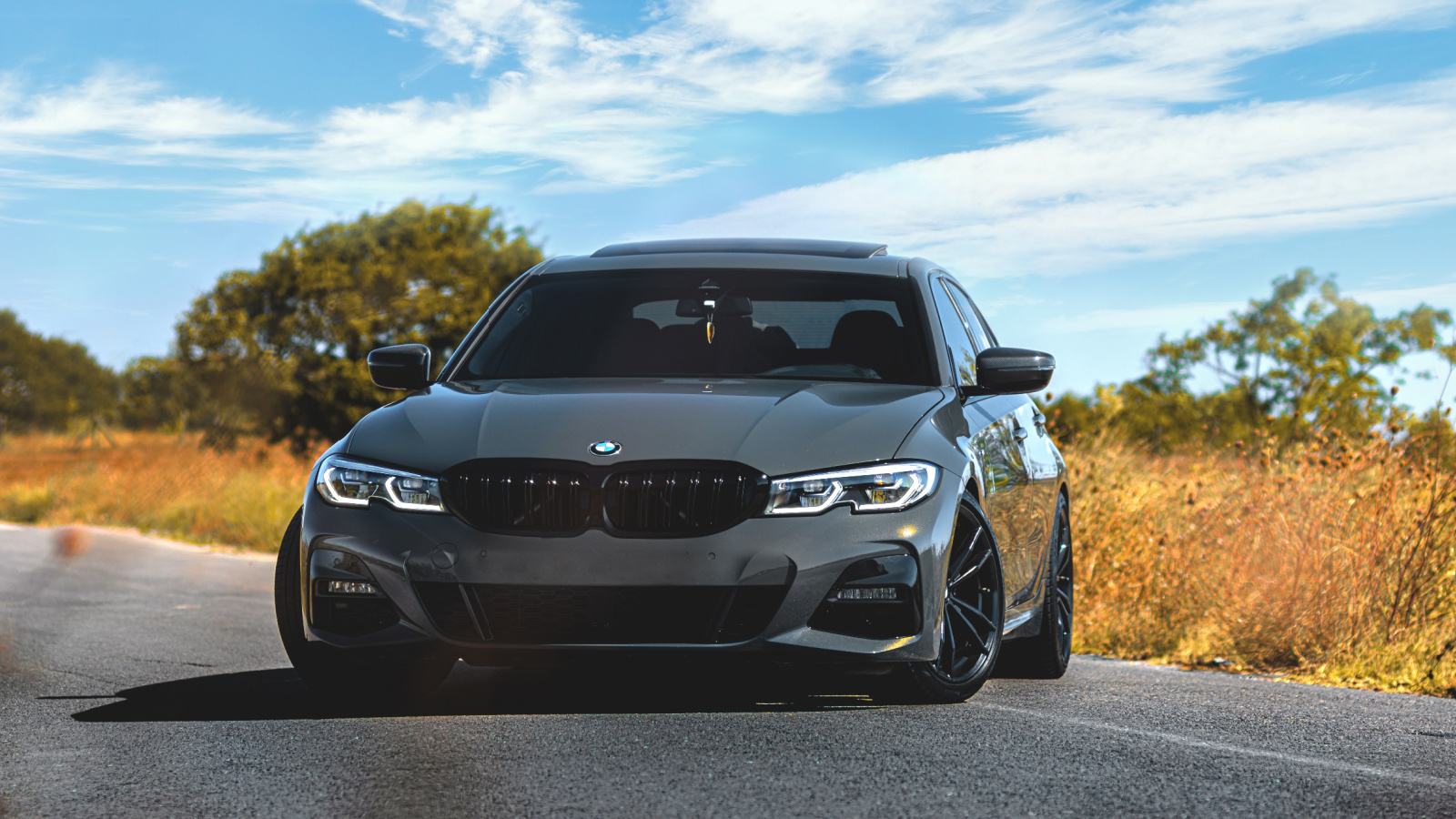
The BMW 3 Series has a strong emotional pull. It feels sharper than many sedans, carries premium status, and can make daily driving feel special. The ownership challenge begins when warranty coverage ends and maintenance becomes fully the owner’s responsibility. Consumer Reports’ brand maintenance analysis shows how sharply costs can rise for premium brands as vehicles move from years one to five into years six to ten.
That pattern matters in Canada, where winter tires, potholes, salt, sensors, and suspension wear can all add pressure. A used 3 Series bought at a tempting price can become expensive once brakes, run-flat tires, oil leaks, cooling components, or electronic issues appear together. Keeping one another year can be rewarding for enthusiasts with a trusted independent mechanic. For owners who simply need affordable transportation, it may be time to let the badge go.
Older Mercedes-Benz C-Class
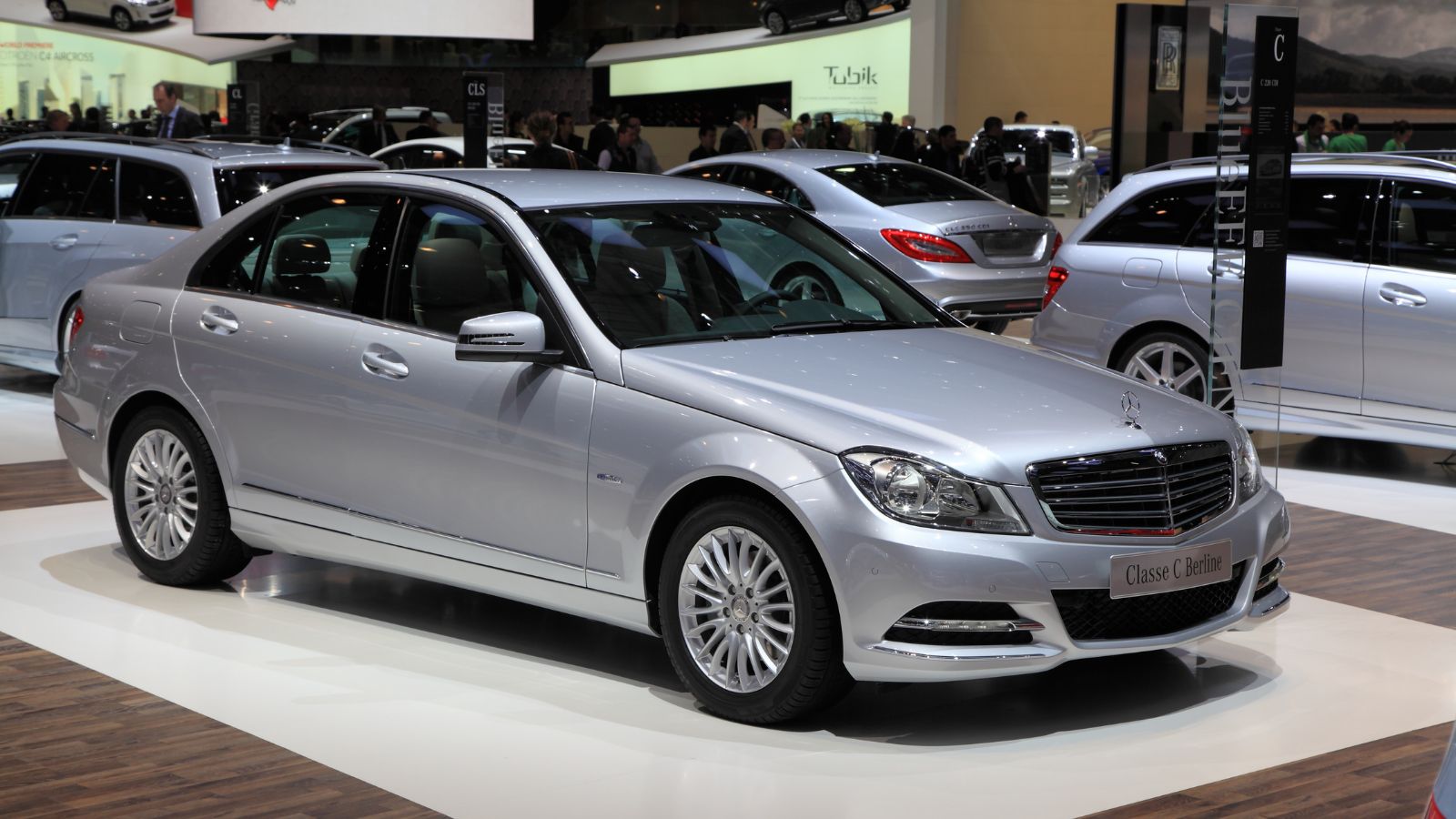
The Mercedes-Benz C-Class often ages gracefully from the outside. The cabin still feels premium, the ride is calm, and the badge retains appeal. The difficulty is that premium-car repair costs do not always depreciate along with market value. Consumer Reports’ maintenance-cost analysis shows that brands can diverge significantly over ten years of ownership, especially once vehicles leave their warranty period.
That creates a familiar Canadian used-car trap: a luxury sedan may be affordable to buy but not affordable to maintain. A C-Class that needs tires, brakes, suspension work, battery replacement, or electronic diagnosis can quickly consume the savings from keeping it. Owners who maintain one carefully may get many more years from it. But when annual repairs begin approaching the value of the car, another year becomes more about sentiment than financial logic.
Older Audi A4
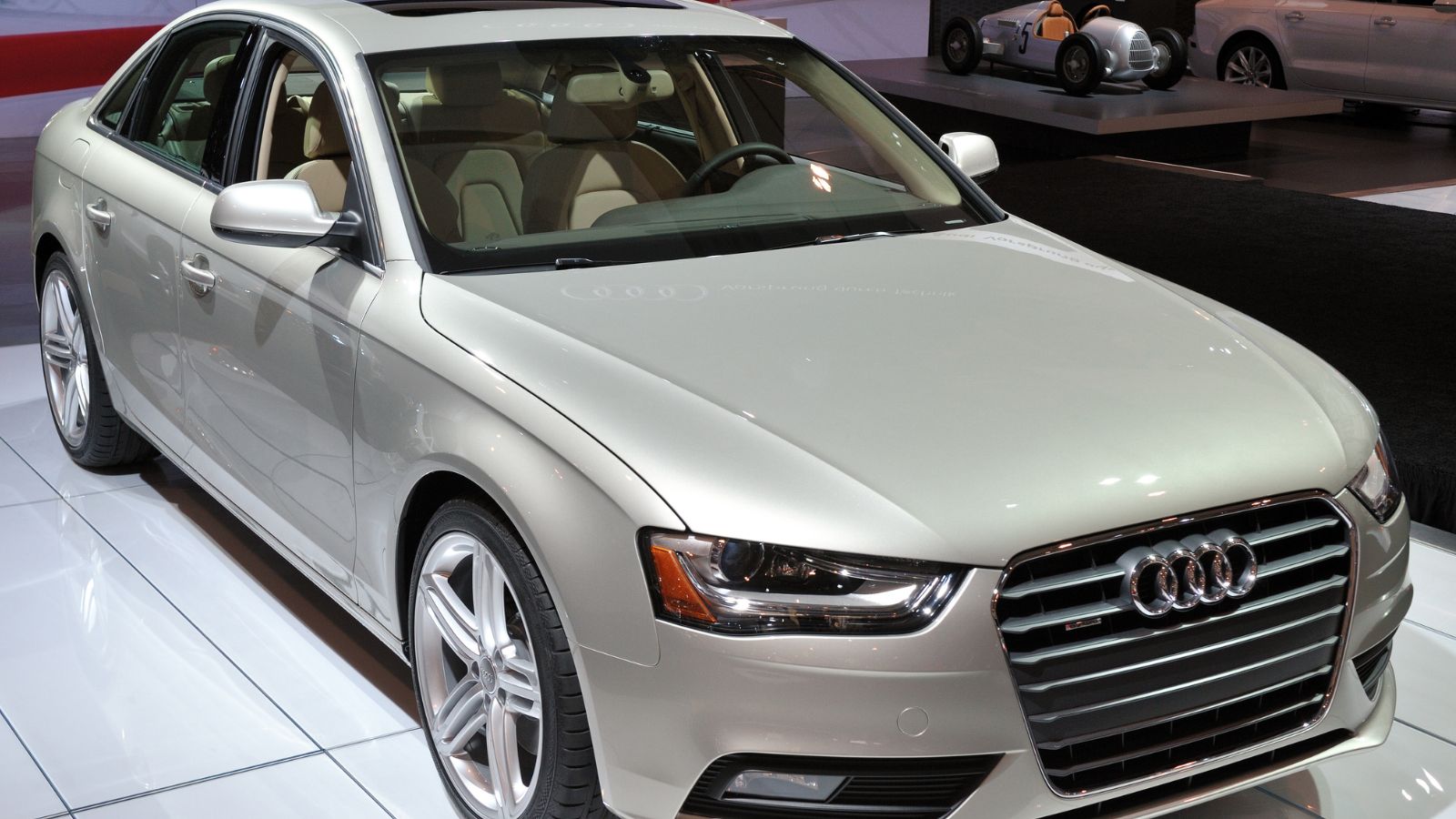
The Audi A4 is attractive for the same reason it can become costly: it blends turbocharged performance, all-wheel-drive confidence, and a refined cabin. In Canadian winters, quattro all-wheel drive is a genuine advantage. But aging premium AWD systems, turbo engines, electronic modules, and tight engine bays can make repair work more expensive than owners expect.
The A4 may still be worth keeping if service records are excellent and the owner has budgeted for premium maintenance. The concern is the “almost due” pile: tires, brakes, timing-related work, oil leaks, coolant components, suspension bushings, and software diagnostics. A driver who bought the car used because it looked like a bargain may discover that premium ownership costs arrive late but heavily. If repairs are stacking up, another year may not be the bargain it appears to be.
Tesla Model S
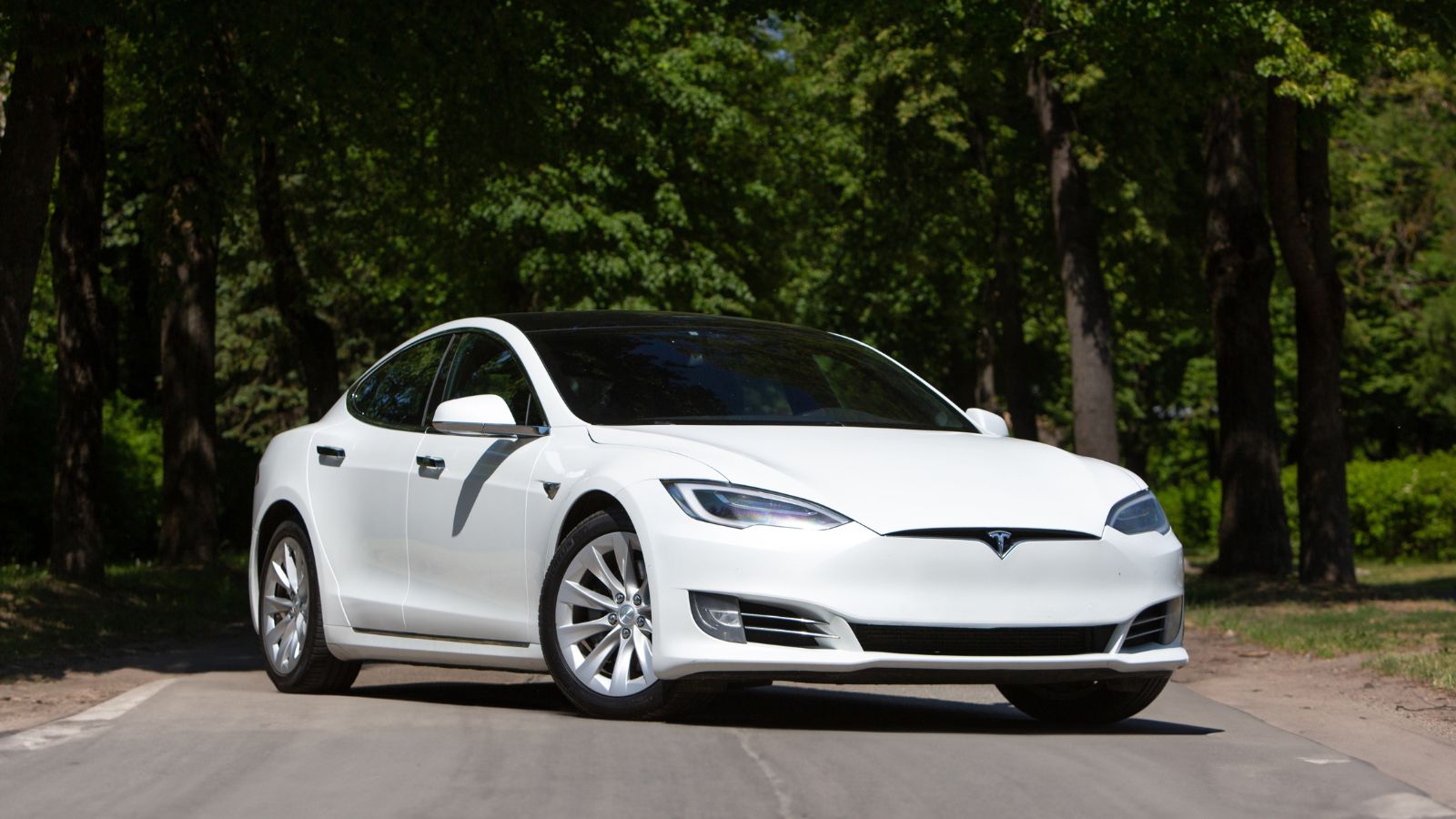
The Tesla Model S changed how many Canadians thought about electric cars. Older examples can still feel fast, quiet, and modern. The concern is that early luxury EVs are now aging into the years where battery health, door handles, screens, suspension parts, and out-of-warranty repairs matter more than acceleration. EV battery replacement costs vary widely, but replacement or major repair can be one of the largest expenses an EV owner faces.
Transport Canada has also listed Tesla recalls involving software-related safety issues, including steering-assist and rearview-camera concerns on certain vehicles. Many recalls are handled by software updates, which is convenient, but that does not eliminate aging-hardware costs. A Model S with strong battery health and full records may still be worth keeping. One with unclear history, reduced range, or expensive pending repairs deserves a hard look before another year.
Honda Accord
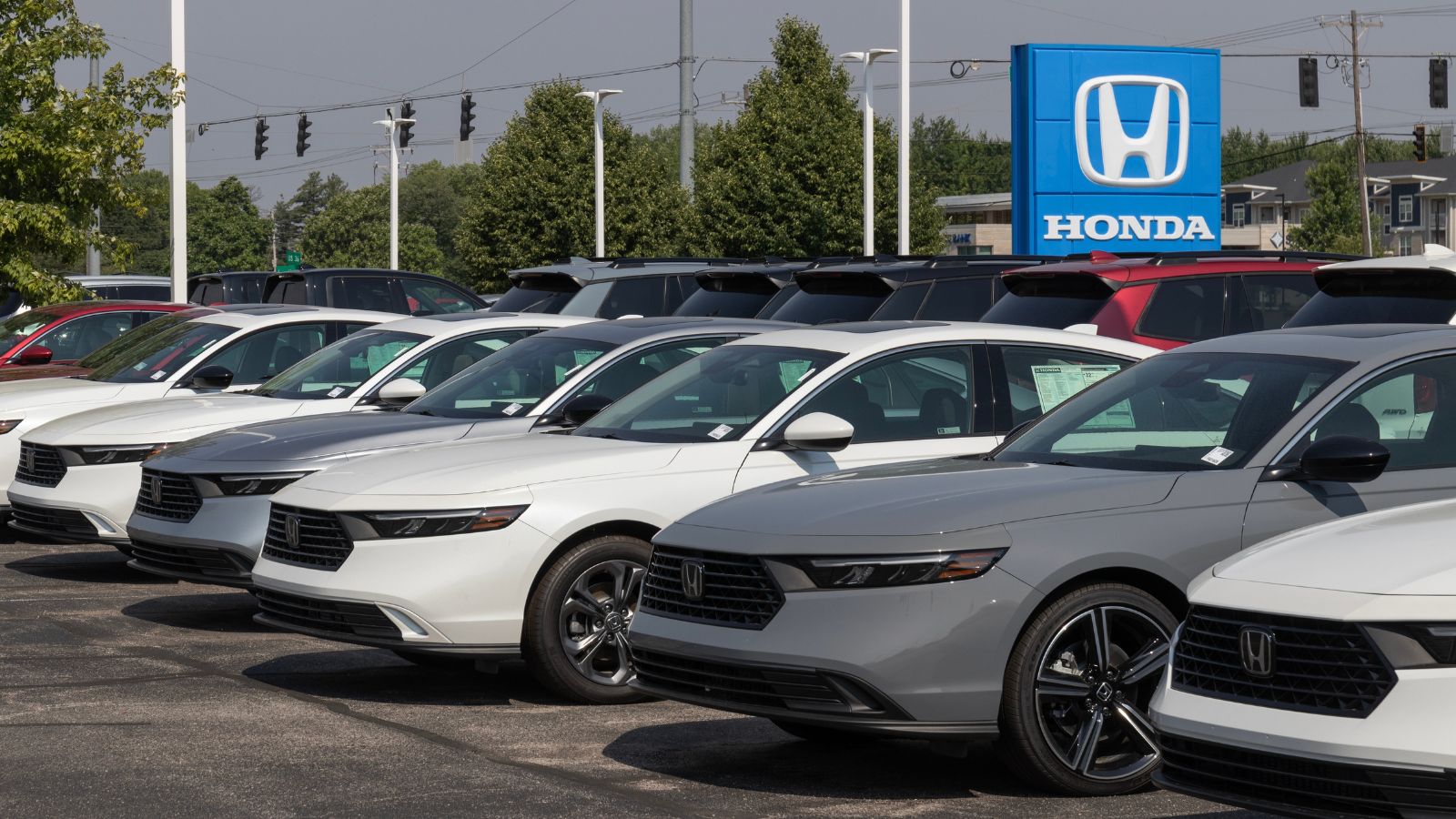
The Honda Accord has a reputation for being one of the safest used-sedan bets in Canada. That reputation is largely earned, but it can also keep owners from noticing when the numbers stop working. Older Accords can remain valuable enough to insure carefully, repair properly, and protect from theft, yet old enough to need suspension work, brakes, exhaust components, tires, and age-related electronics.
The Accord also appeared in Canadian theft reporting alongside other high-demand Honda models. That does not erase its strengths, but it adds another layer to the ownership calculation. For someone with a well-maintained Accord and modest insurance, keeping it another year may be perfectly reasonable. For someone facing rising premiums, rust, repeated repairs, or a high-mileage transmission concern, the better move may be selling while the Honda name still supports resale value.
22 Things Canadians Do to Their Cars in Spring That Mechanics Hate

Spring brings relief to many Canadian drivers after months of snow, freezing temperatures, and icy roads that put serious strain on vehicles. As temperatures rise across the country, drivers begin washing cars, switching tires, and preparing vehicles for warmer weather and upcoming road trips. However, mechanics across Canada notice the same mistakes every spring when drivers attempt to recover from winter damage. Road salt, potholes, and harsh winter driving conditions often leave vehicles with hidden problems that drivers ignore. Some spring habits even create new mechanical issues that could have been avoided with proper maintenance. Here are 22 things Canadians do to their cars in spring that mechanics hate.