

























A car can look clean, drive well, and still lose thousands in resale value because of choices made long before it reaches the next buyer. Some value killers are obvious, such as crash damage or a branded title. Others are quieter: missing service records, strange smells, cheap repairs, unpopular options, or warning lights left unresolved.
These 21 things can reduce a car’s resale value fast because they raise doubt. Buyers and dealers price risk into every offer, and the more questions a vehicle creates, the harder it becomes to defend a strong asking price.
Accident History That Shows Up on a Report

Even a properly repaired accident can make a buyer pause. Once a collision appears on a vehicle history report, the car is no longer judged only by how it looks today. It is compared with similar models that have cleaner histories, and that comparison often pushes the offer down.
The biggest problem is uncertainty. A repaired bumper may be harmless, but frame damage, airbag deployment, or poor paint blending can suggest deeper issues. Dealers know shoppers use accident history as negotiating leverage, so they usually protect themselves by offering less at trade-in time.
A Salvage or Rebuilt Title

Few resale problems are as serious as a branded title. Salvage, rebuilt, flood, lemon, or odometer-related title brands tell future buyers that something significant happened in the vehicle’s past. Even when the car has been repaired and legally returned to the road, the label follows it.
That history can make financing, insurance, and resale harder. Many buyers simply filter branded-title vehicles out of their search because they worry about hidden structural damage or future repair headaches. The result is a smaller buyer pool and a much weaker resale position.
Mileage That Climbs Too Quickly
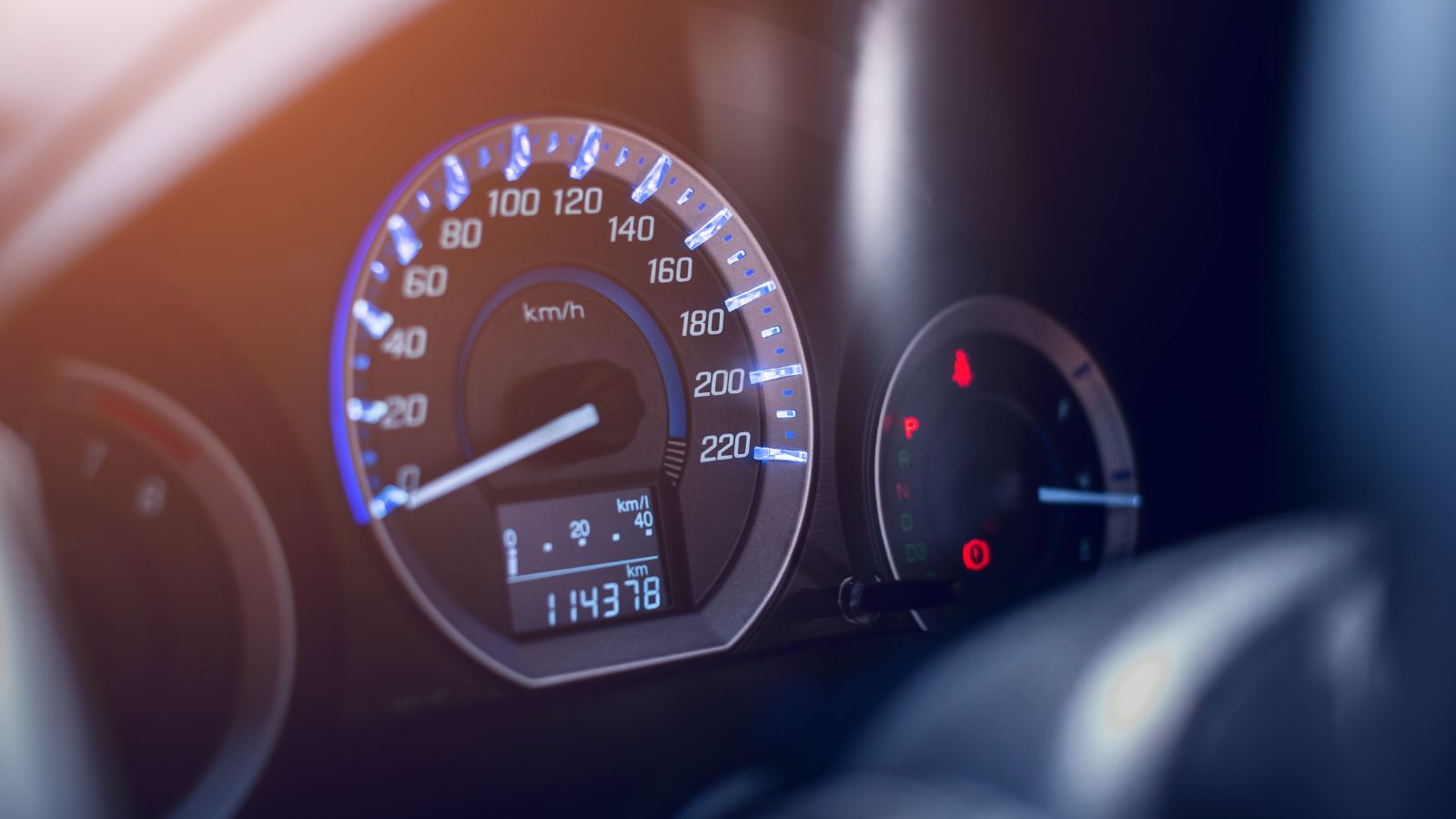
Mileage remains one of the first numbers buyers check because it acts as a rough measure of wear. A five-year-old commuter car with unusually high mileage may still run well, but shoppers often assume expensive maintenance is getting closer. Timing belts, suspension parts, brakes, and drivetrain components all become part of the mental math.
High mileage does not kill value on its own if the car has been well maintained. The damage happens when the mileage feels out of step with the asking price. A seller may see a dependable car; buyers may see a vehicle nearing a wave of costs.
Odometer Inconsistencies
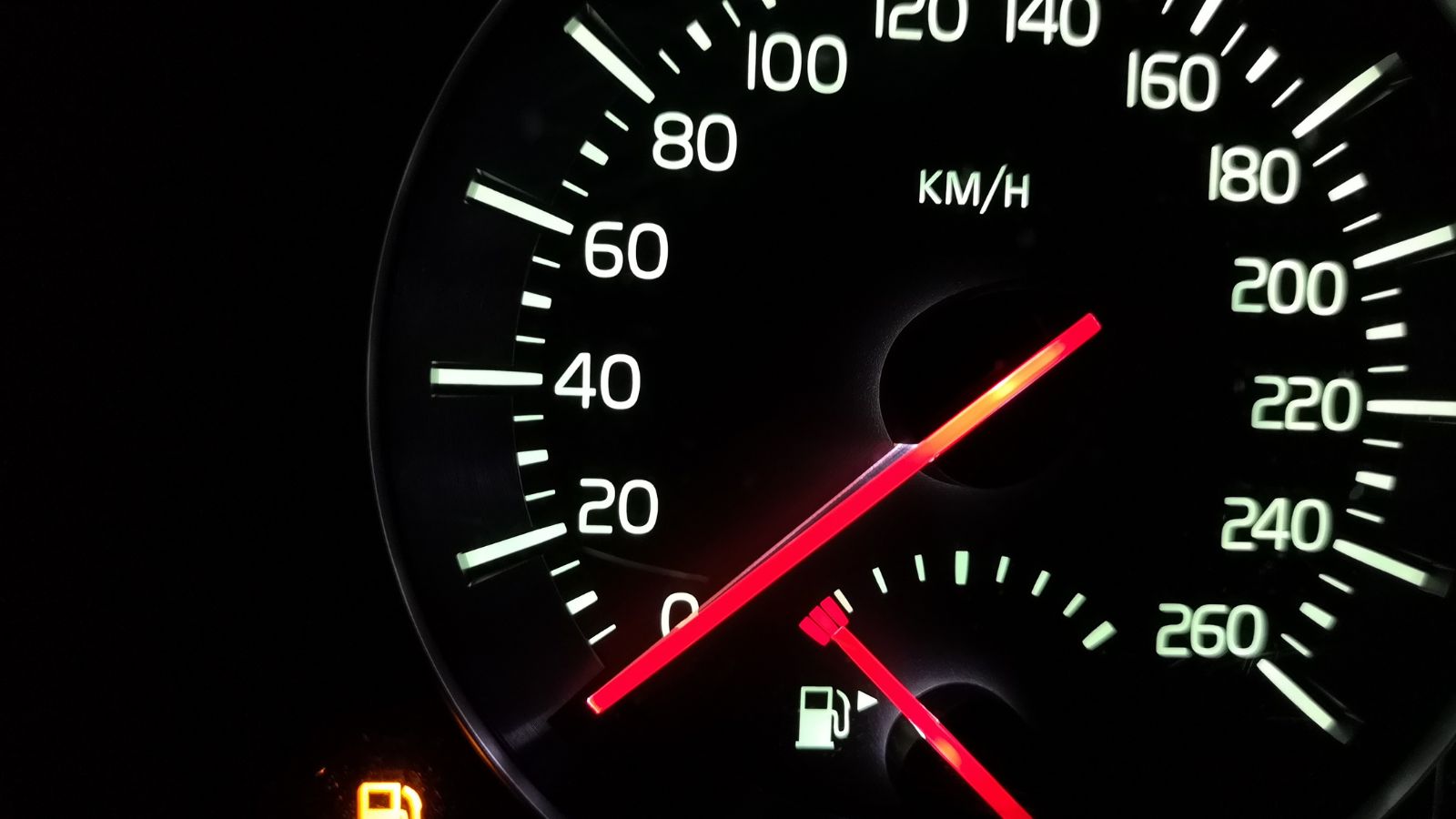
Nothing damages trust faster than mileage that does not make sense. If a service record shows 82,000 miles and a later listing shows 61,000, buyers assume either fraud, clerical errors, or poor documentation. Even an innocent mistake can become a resale problem because it makes the car harder to explain.
Odometer fraud is illegal, but inconsistent mileage can appear for other reasons, including instrument-cluster replacement or data-entry mistakes at service shops. Either way, the burden usually falls on the seller to prove the true mileage. Without convincing records, many buyers walk away.
Skipped Maintenance
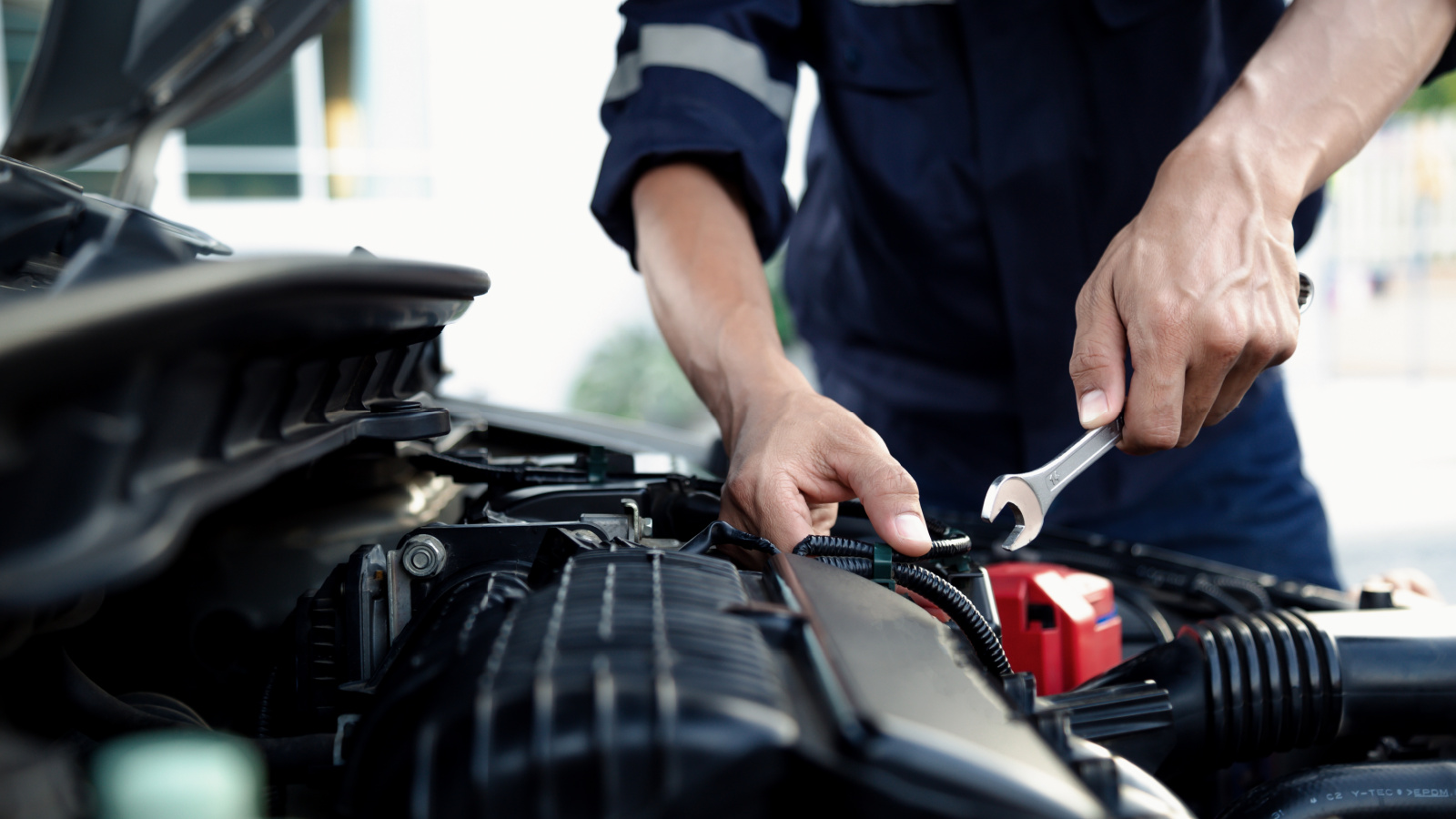
A car that missed oil changes, fluid services, brake inspections, or scheduled maintenance can lose value quickly because buyers fear deferred repairs. The engine may sound fine during a short test drive, but missed maintenance raises questions about what is happening internally.
This is especially damaging on turbocharged engines, hybrids, luxury cars, and vehicles with complex drivetrains. A neglected economy car may scare buyers a little; a neglected premium vehicle can scare them a lot. Resale value depends heavily on confidence, and skipped maintenance removes it.
Missing Service Records
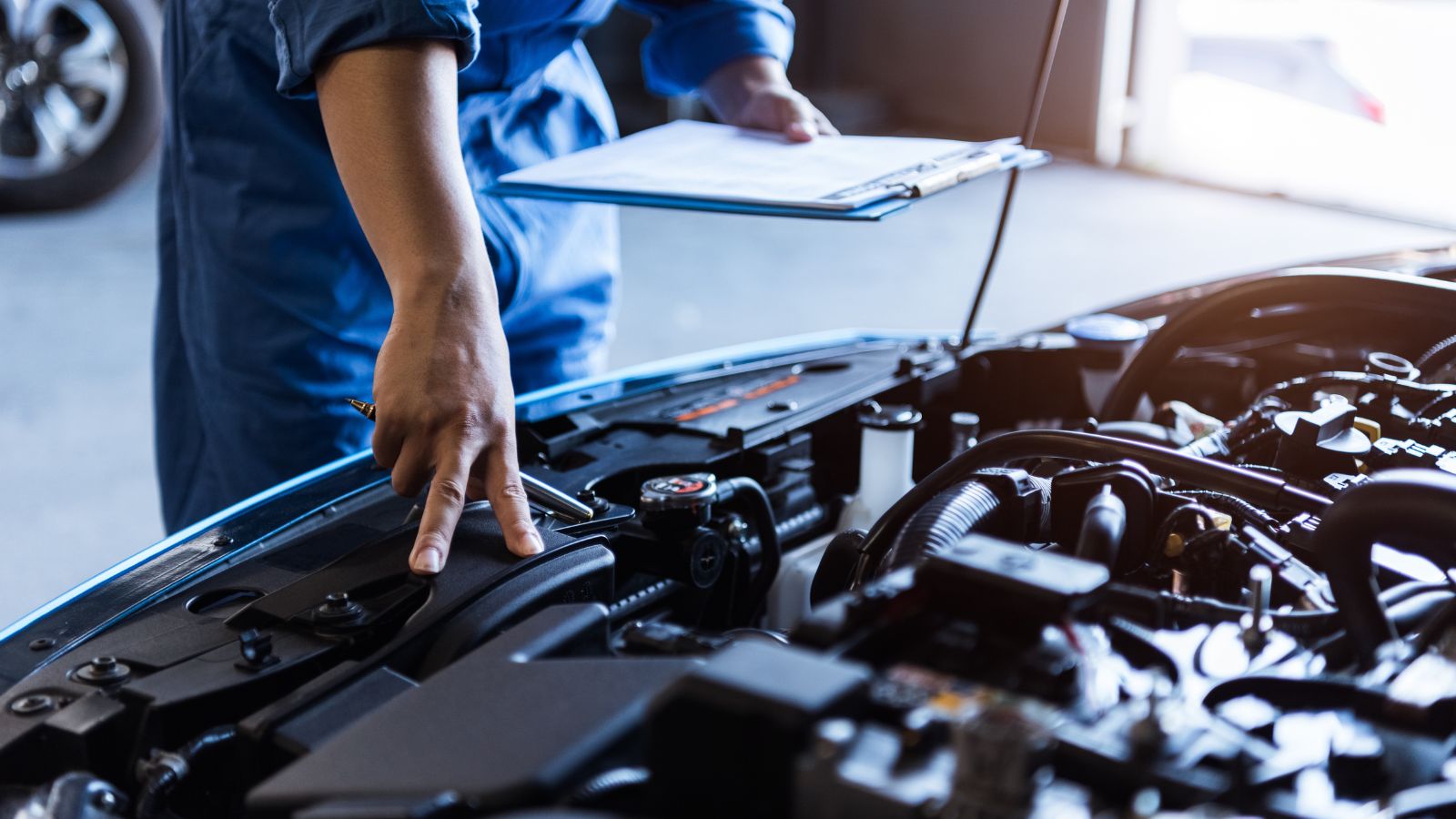
Sometimes the work was done, but there is no proof. That can still hurt resale value because buyers and dealers prefer documented history. Receipts, digital service records, inspection sheets, and maintenance logs show that the vehicle was cared for consistently rather than cleaned up right before sale.
A folder of records can turn a nervous buyer into a serious one. Without it, every claim becomes harder to trust. “Oil changed regularly” sounds reassuring, but a dated receipt from a recognized shop carries more weight when money is on the table.
Rust in Visible or Structural Areas
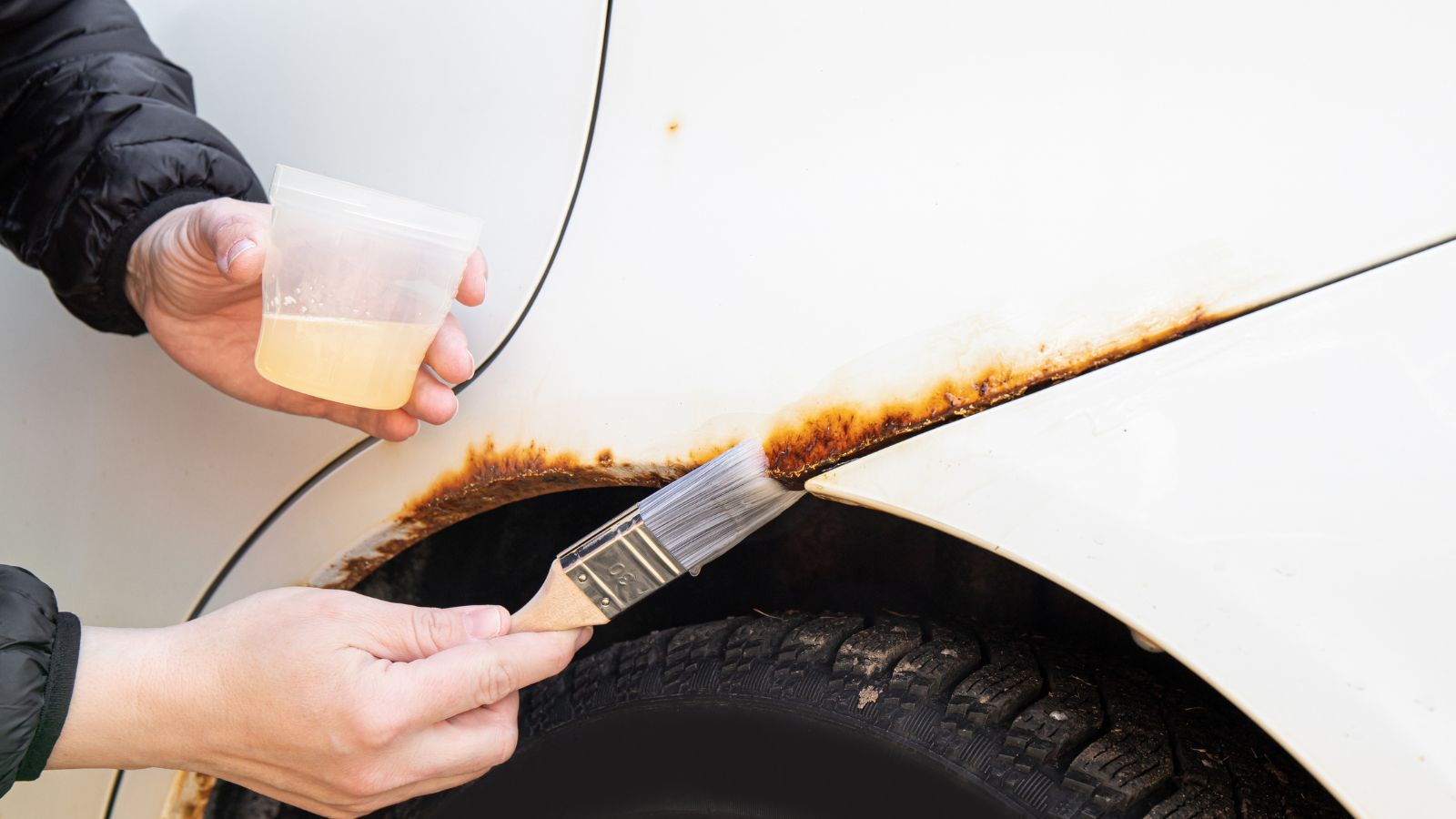
Rust is one of those problems buyers rarely treat as cosmetic. Surface rust on a small chip may be manageable, but bubbling around wheel arches, doors, rocker panels, or the underbody suggests a car is aging faster than expected. In colder climates, road salt can make the concern even stronger.
Structural rust is worse because it can affect safety and repair cost. A shiny exterior will not save resale value if an inspection reveals corrosion underneath. Once buyers see rust, they often assume there is more hiding where they cannot easily look.
Flood or Water Damage
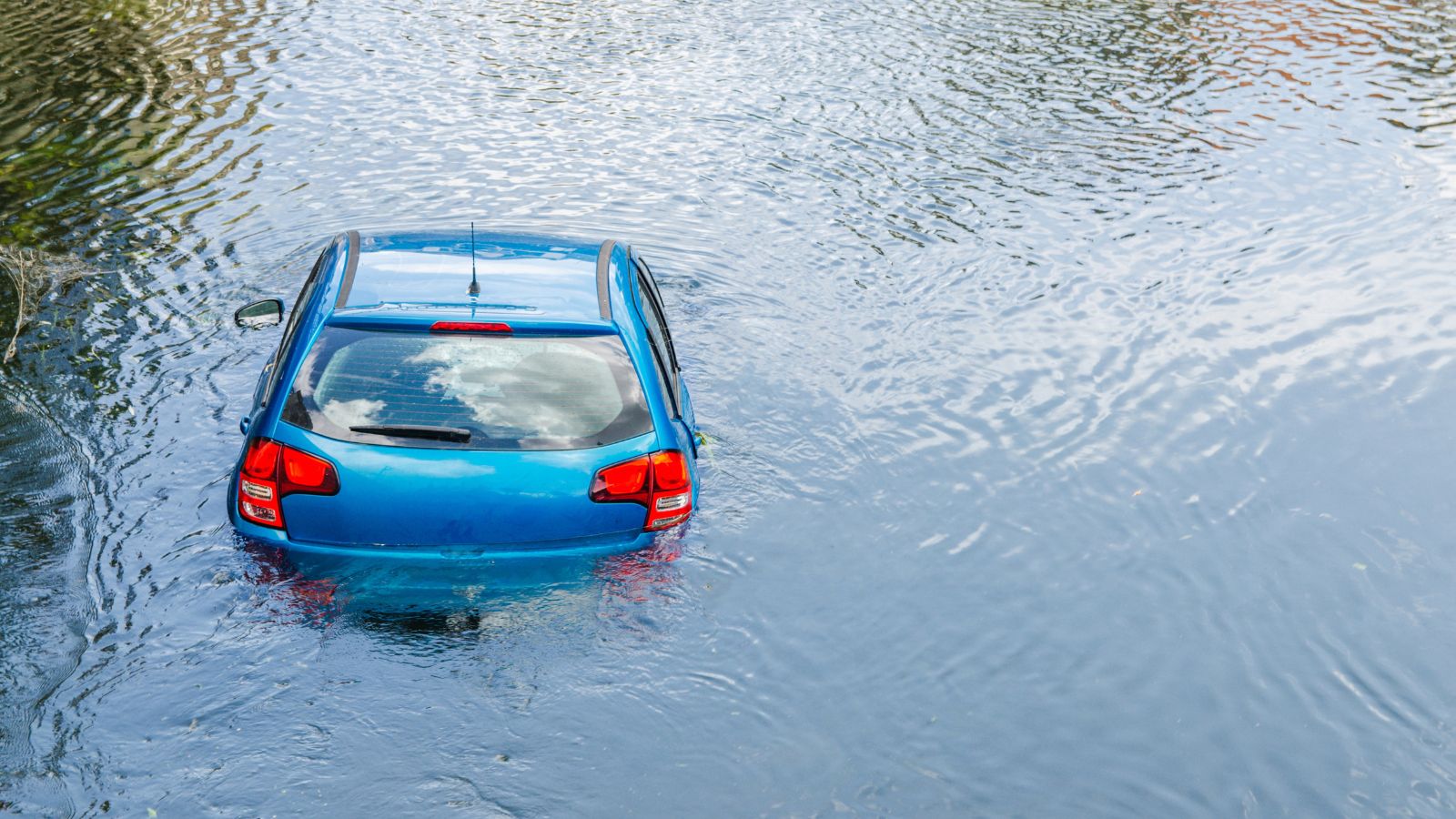
Water damage can quietly destroy resale value because it threatens electronics, wiring, carpets, seat tracks, and control modules. A car that has been deeply flooded may look normal after detailing, but moisture can create problems months later. Buyers know that electrical gremlins are hard to trace and expensive to fix.
Warning signs such as musty smells, silt under seats, foggy lights, or mismatched carpeting can create immediate doubt. Even a suspicion of flood exposure can be enough to lower offers. If the history report confirms flood damage, resale value usually takes a major hit.
Heavy Aftermarket Modifications
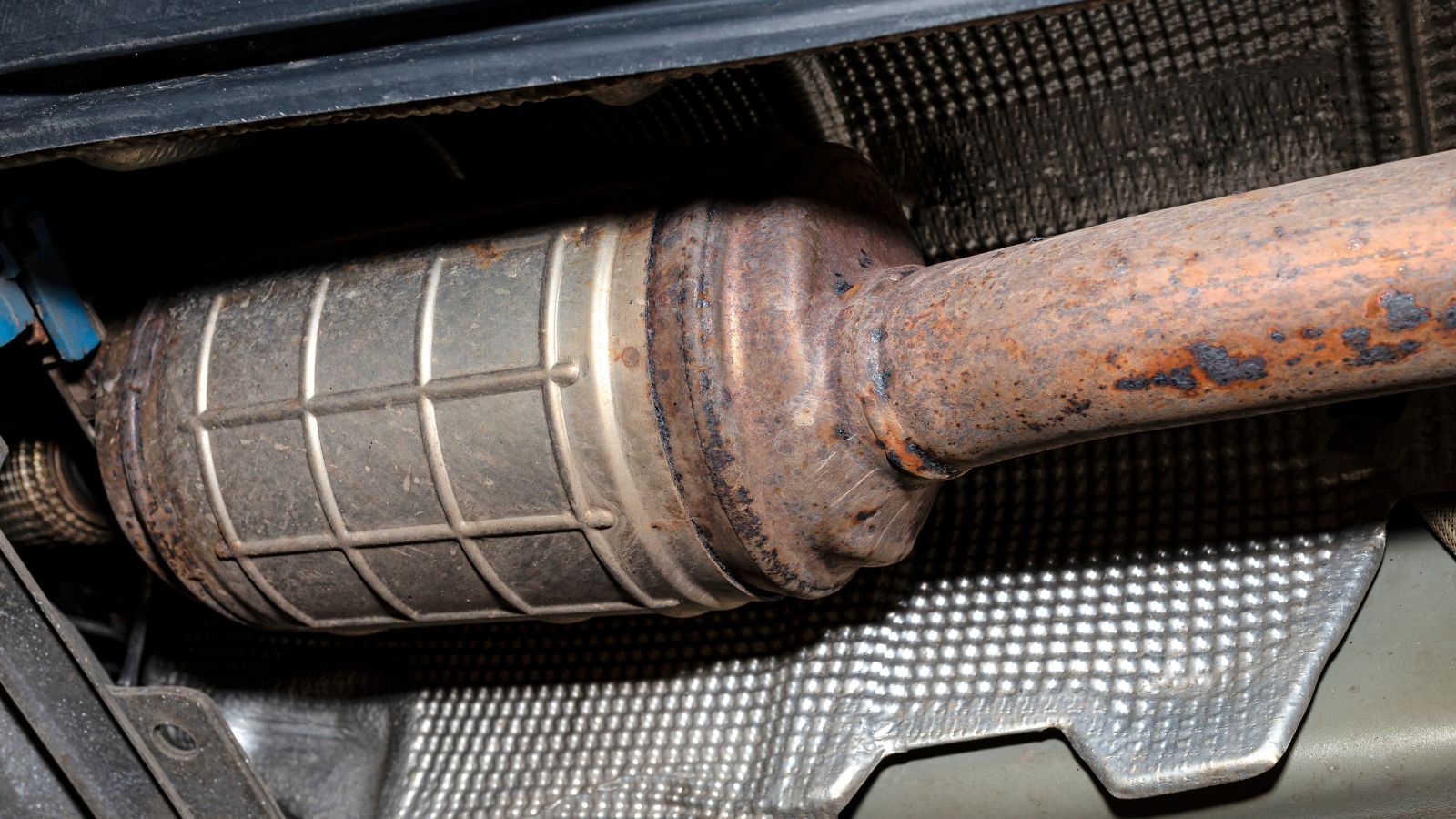
Modifications often feel personal to the owner but risky to the next buyer. Loud exhausts, lowered suspension, body kits, engine tunes, oversized wheels, and aggressive lighting can suggest hard use even when the car was driven responsibly. The more extreme the changes, the smaller the audience becomes.
Some upgrades may appeal to a niche enthusiast, but mainstream buyers usually want reliability, warranty confidence, and factory predictability. A seller may have spent thousands on parts, yet the market may treat those parts as deductions rather than bonuses.
Cheap or Poorly Matched Repairs
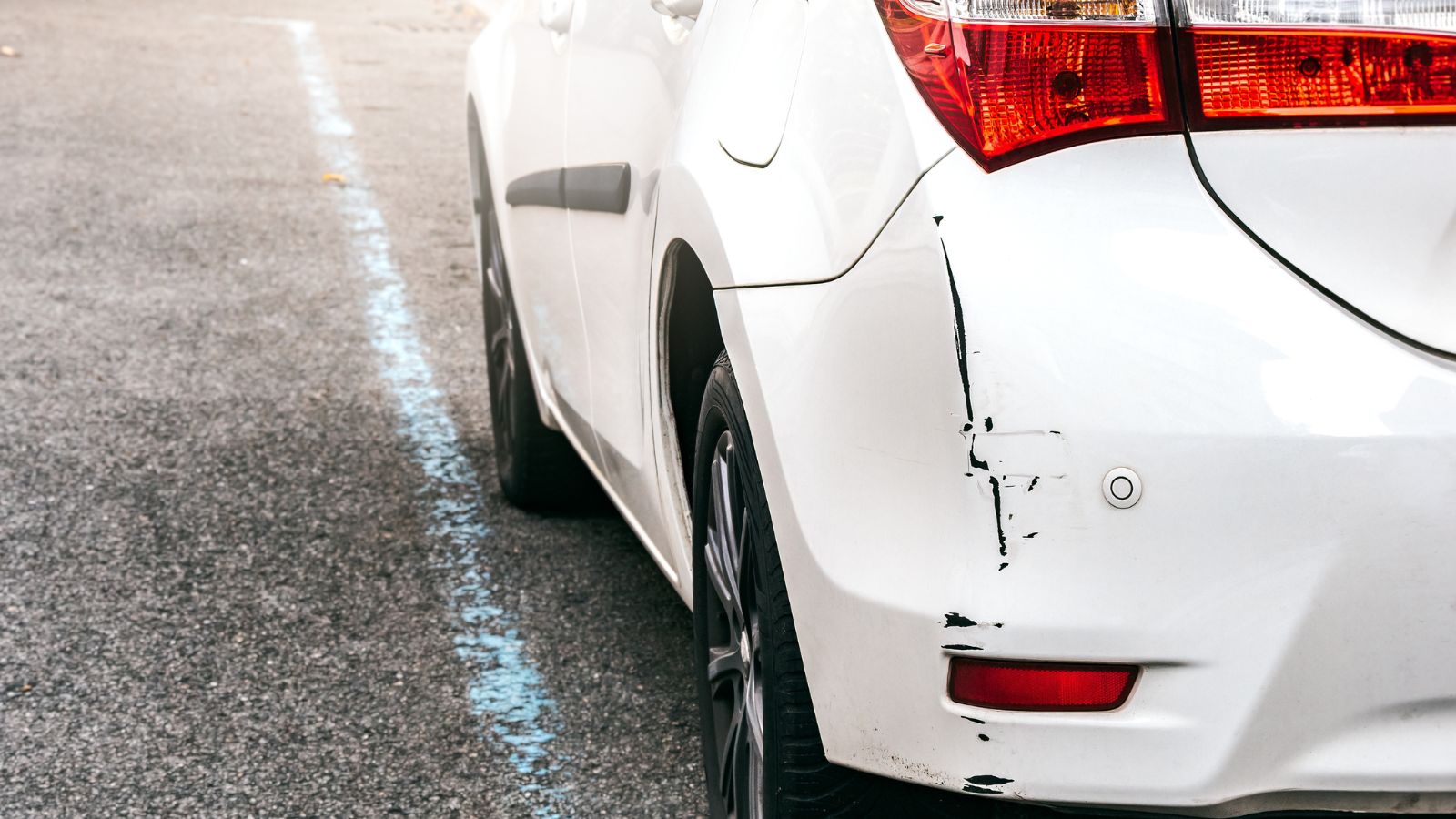
A low-cost repair can become expensive at resale time if it is obvious. Mismatched paint, uneven panel gaps, overspray, cloudy headlights, missing fasteners, or bargain tires signal that corners may have been cut. Buyers often use visible shortcuts to judge the invisible ones.
This matters because a used car is partly a trust purchase. If a bumper was repainted poorly, shoppers may wonder whether mechanical repairs were handled the same way. A repair that saves money today can reduce value later if it makes the vehicle look neglected.
Smoke, Mold, or Pet Odours
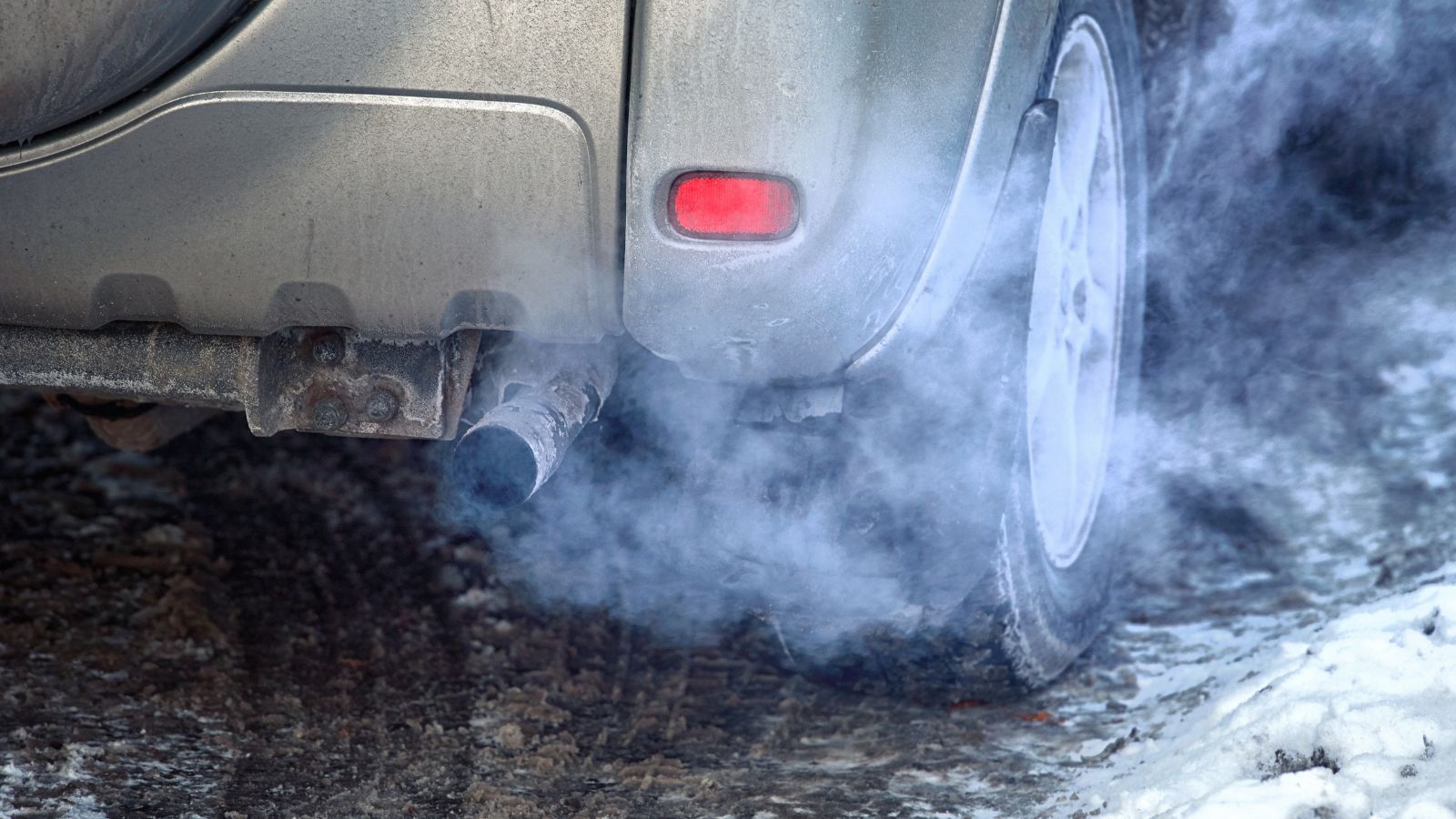
Strong interior odours can reduce resale value because they are difficult to remove completely. Cigarette smoke, mildew, spilled food, and pet smells can soak into carpets, headliners, vents, and seat foam. Even after detailing, warm weather can bring the smell back.
Odour is also emotional. A buyer may forgive a scratch, but a bad smell follows every drive. Dealers often discount vehicles that need deep interior cleaning because there is no guarantee the problem will disappear. A clean cabin should smell neutral, not perfumed to hide something.
Interior Wear That Looks Worse Than the Mileage
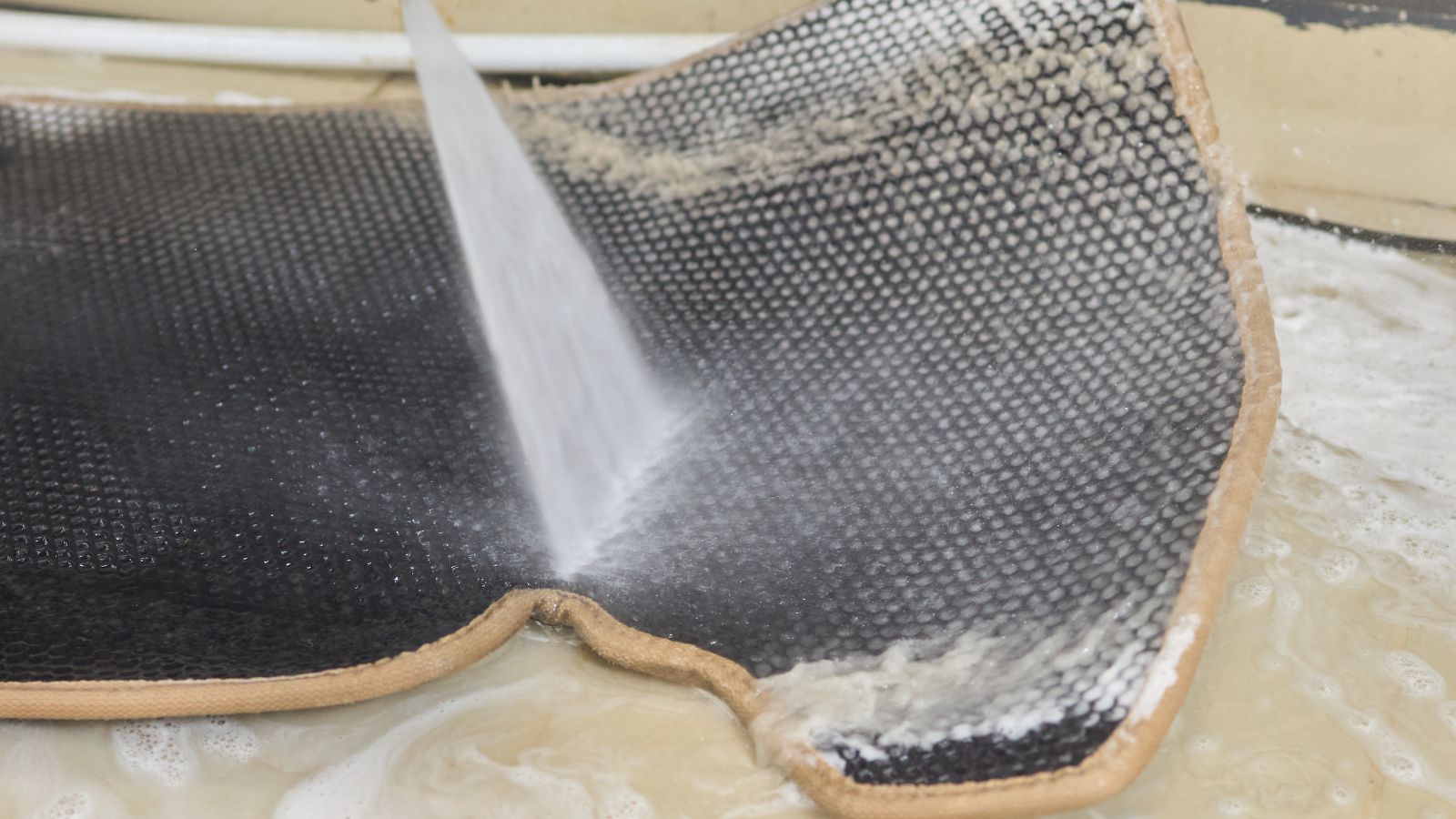
A worn steering wheel, shiny pedals, torn bolsters, broken trim, stained seats, and scratched touchscreens make a car feel older than its odometer suggests. Buyers compare condition against mileage, and mismatches create doubt. If the cabin looks abused at 60,000 miles, the rest of the car may be questioned too.
Interior wear is powerful because it is visible every day. A buyer may accept a mechanical repair if the car feels cared for, but a rough cabin suggests daily neglect. Clean, intact interiors often help cars sell faster and closer to asking price.
Warning Lights Left On
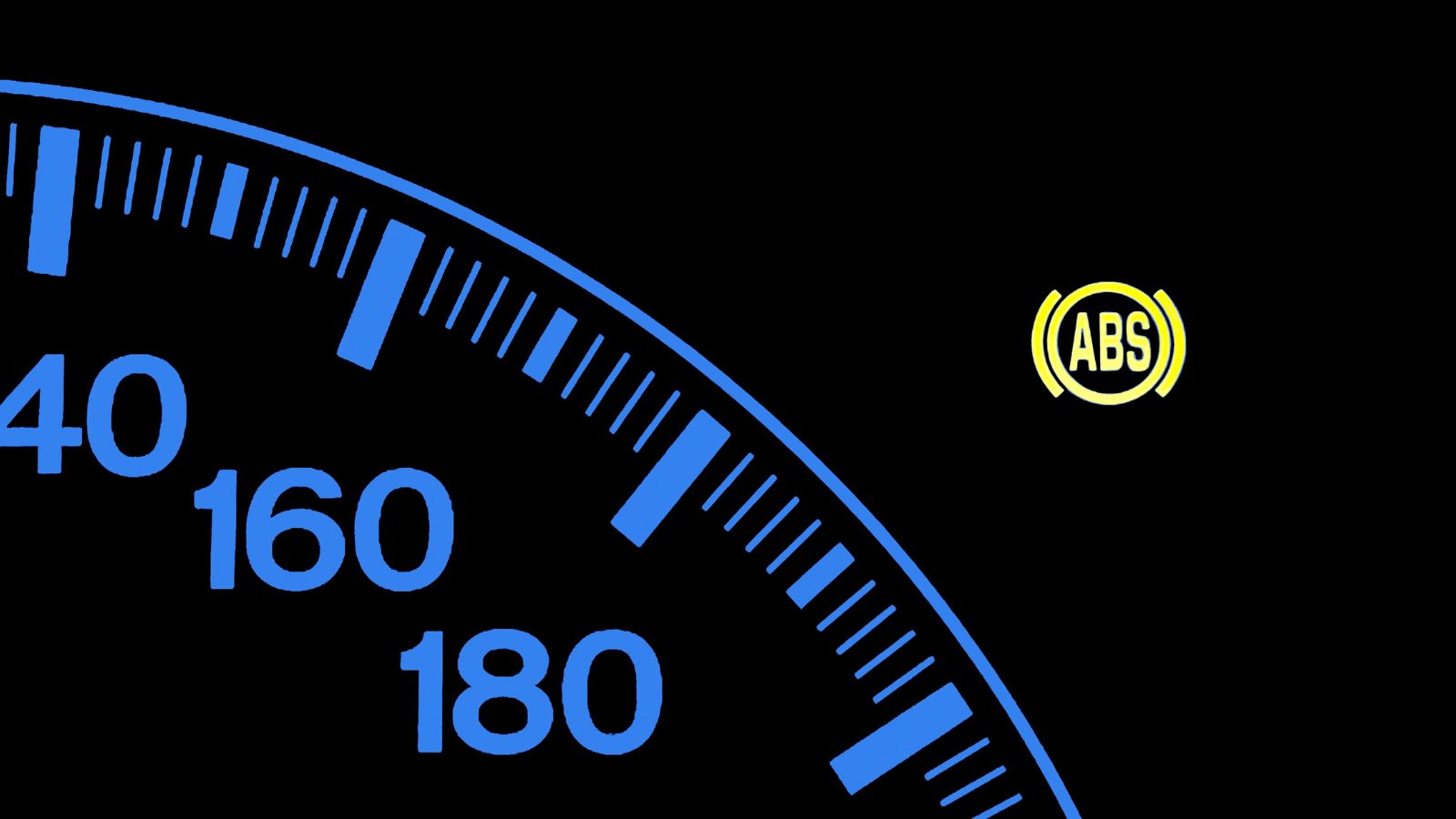
A check-engine light, airbag light, ABS warning, or tire-pressure warning can drag resale value down immediately. Even if the issue is minor, the light tells buyers there is an unresolved problem. Many will assume the worst until a diagnostic scan proves otherwise.
Warning lights also complicate inspections and emissions testing in some markets. A seller who says “it is probably just a sensor” may be right, but buyers hear uncertainty. Fixing the issue before listing is usually stronger than explaining it during negotiation.
Open Recalls That Were Never Fixed
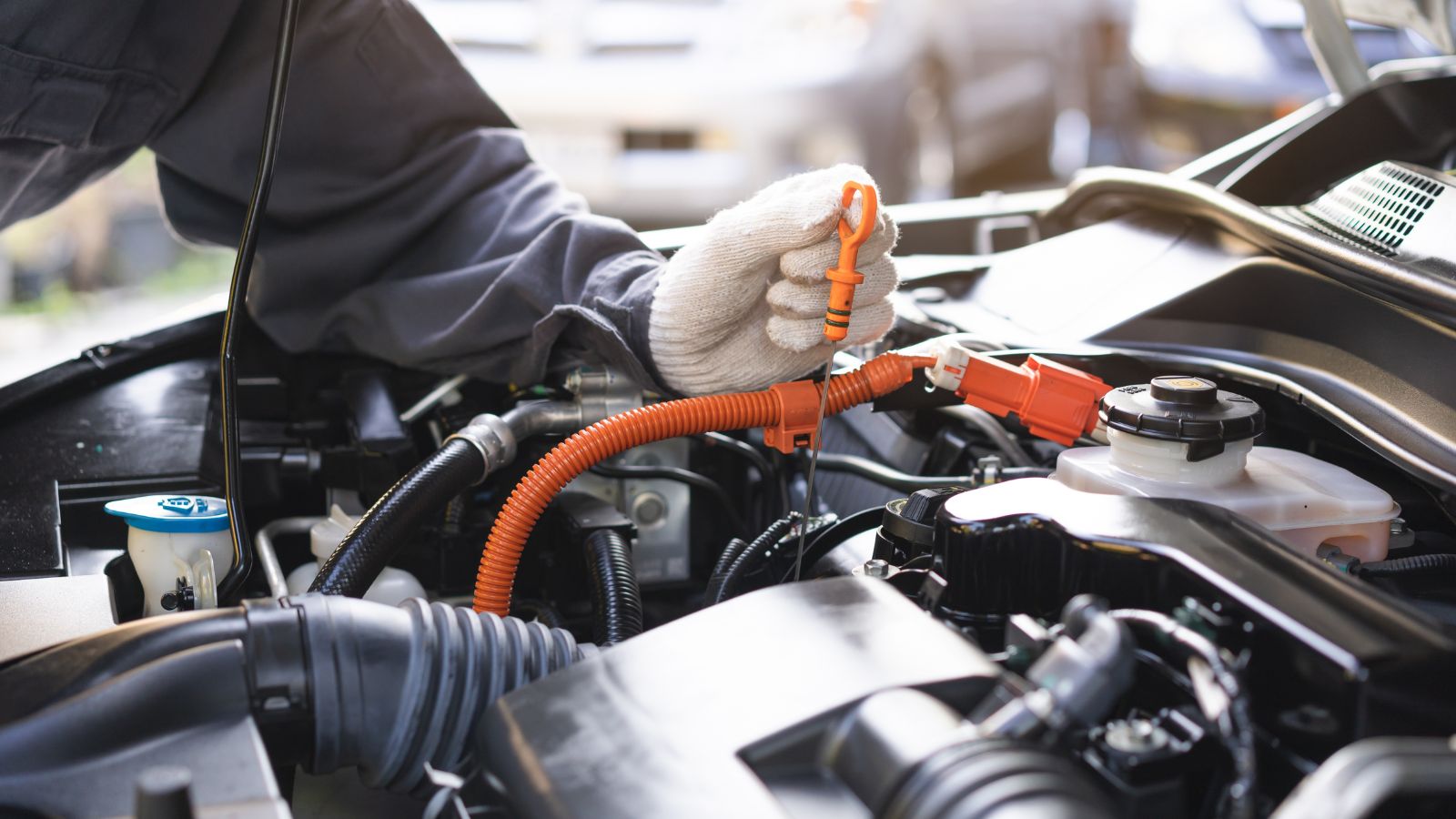
An open recall can make a car feel unfinished. Recalls are usually repaired at no cost by the manufacturer, but an unrepaired one still raises questions about safety and owner diligence. Buyers may wonder why a free repair was ignored.
Some recalls are minor, while others involve airbags, braking systems, fuel leaks, steering, or electrical risks. A printed recall check and proof of completed repairs can help protect resale value. Leaving recalls unresolved gives buyers another reason to lower their offer.
Unpopular Paint Colours or Wraps
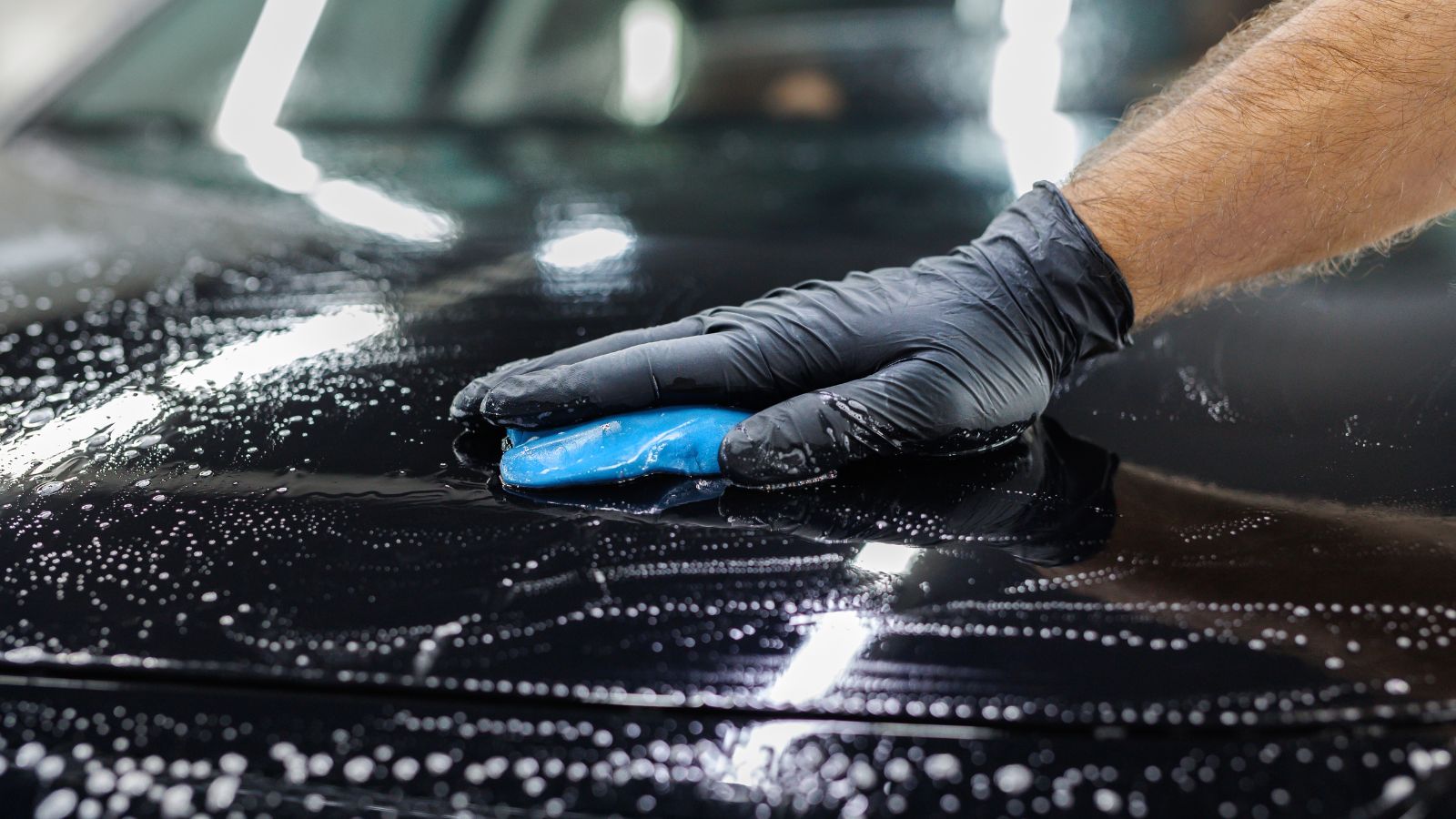
Colour can affect resale more than many owners expect. Neutral colours often appeal to broad audiences, while unusual shades can be polarizing depending on the model and market. A bright colour that works on a sports car may be harder to sell on a family sedan.
Wraps add another complication. A quality wrap may protect paint, but buyers still wonder what is underneath. A fading, peeling, or poorly installed wrap can make the car look tired. If the original paint is damaged or mismatched below it, the value hit can be even sharper.
Missing Keys, Manuals, or Accessories

Small missing items can create surprisingly large annoyance. A modern key fob can be expensive to replace, and some vehicles require dealer programming. Missing cargo covers, charging cables, wheel-lock keys, removable seats, owner’s manuals, or original floor mats can make a car feel incomplete.
Buyers use these details as signals. A seller who kept both keys and original accessories appears organized; a seller who lost them may seem careless. These items rarely destroy resale value alone, but they can weaken negotiation power quickly.
Worn Tires or Mismatched Tire Sets
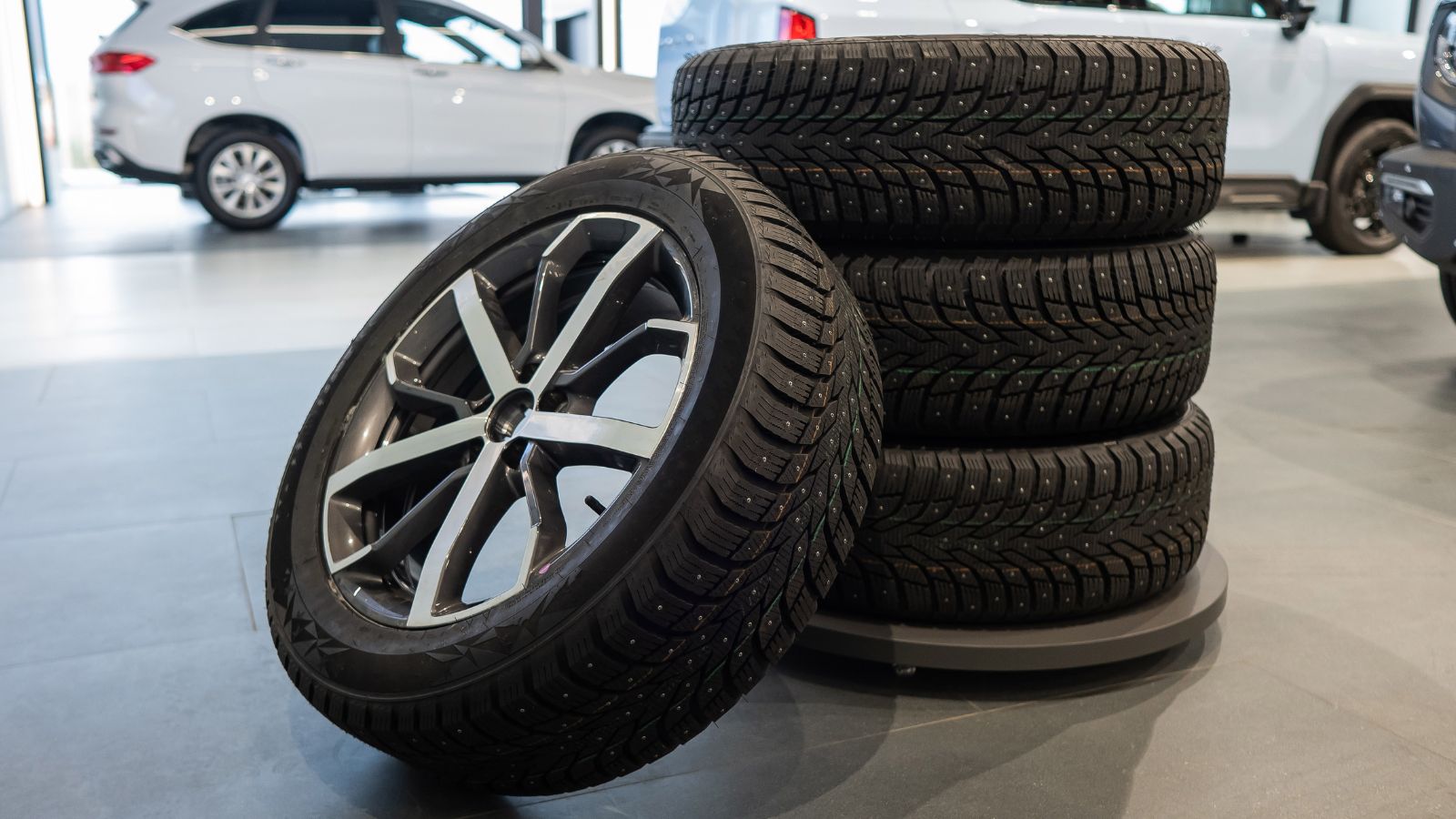
Tires are one of the easiest expenses for buyers to spot. If a car needs new rubber immediately, many shoppers subtract the cost from the offer. Mismatched tire brands, uneven wear, or old date codes can also suggest poor maintenance or alignment problems.
This matters even more on performance cars, SUVs, and all-wheel-drive vehicles, where correct tires can be costly. A clean car sitting on cheap, worn, or mismatched tires sends the wrong message. It tells buyers the seller may be passing along near-term expenses.
A Poor Ownership History

Too many owners in a short period can make buyers nervous. A car that changed hands repeatedly may be perfectly fine, but shoppers often wonder whether each owner discovered a problem and moved it along. Fleet, rental, rideshare, or commercial use can create similar concerns.
Ownership history does not automatically make a vehicle bad. Some ex-rental cars are maintained on schedule, and some one-owner cars are neglected. Still, resale value often depends on the story a car tells. A simple, stable history is easier to sell than a confusing one.
Unrepaired Glass, Lights, and Exterior Damage
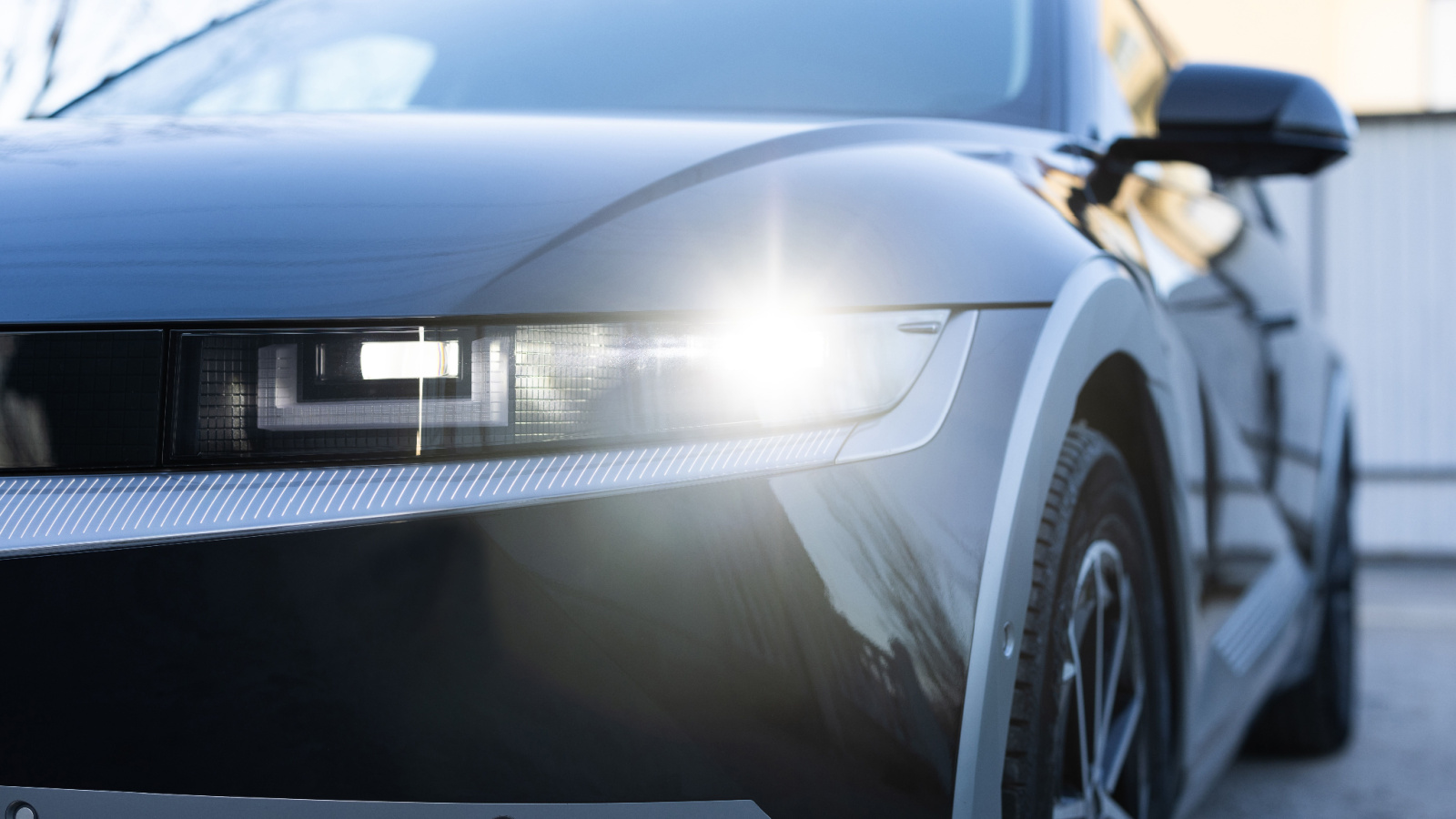
Cracked windshields, chipped glass, broken taillights, foggy headlights, damaged mirrors, and parking-lot dents can make a vehicle look cheaper immediately. These problems may not stop the car from driving, but they make it feel less cared for.
Small exterior flaws also add up in a buyer’s head. One dent is tolerable; five dents, a cracked lamp, and a scraped bumper become a pattern. Before selling, addressing affordable cosmetic repairs can help prevent buyers from treating the car like a project.
Poor Fuel Economy or High Running Costs
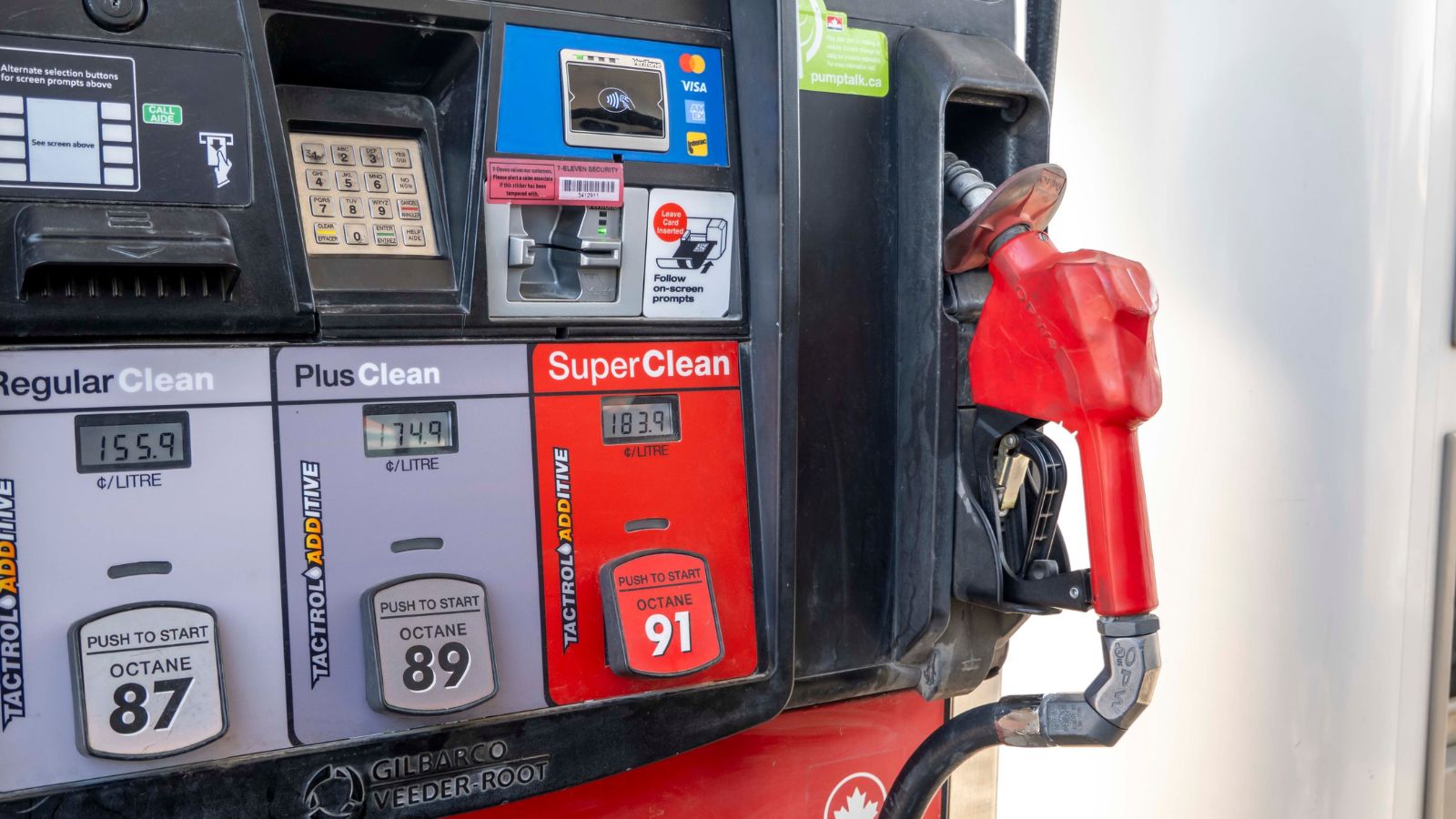
A vehicle can lose resale strength when buyers believe it will be expensive to run. Poor fuel economy, premium-fuel requirements, costly tires, expensive insurance, and high maintenance needs can all shrink demand. When operating costs rise, shoppers become more selective.
This is especially noticeable when fuel prices are high or when buyers compare similar vehicles online. Two SUVs may look close in price, but if one has worse fuel economy and higher repair expectations, it may need a discount to move. Resale value follows demand.
A Reputation for Reliability Problems
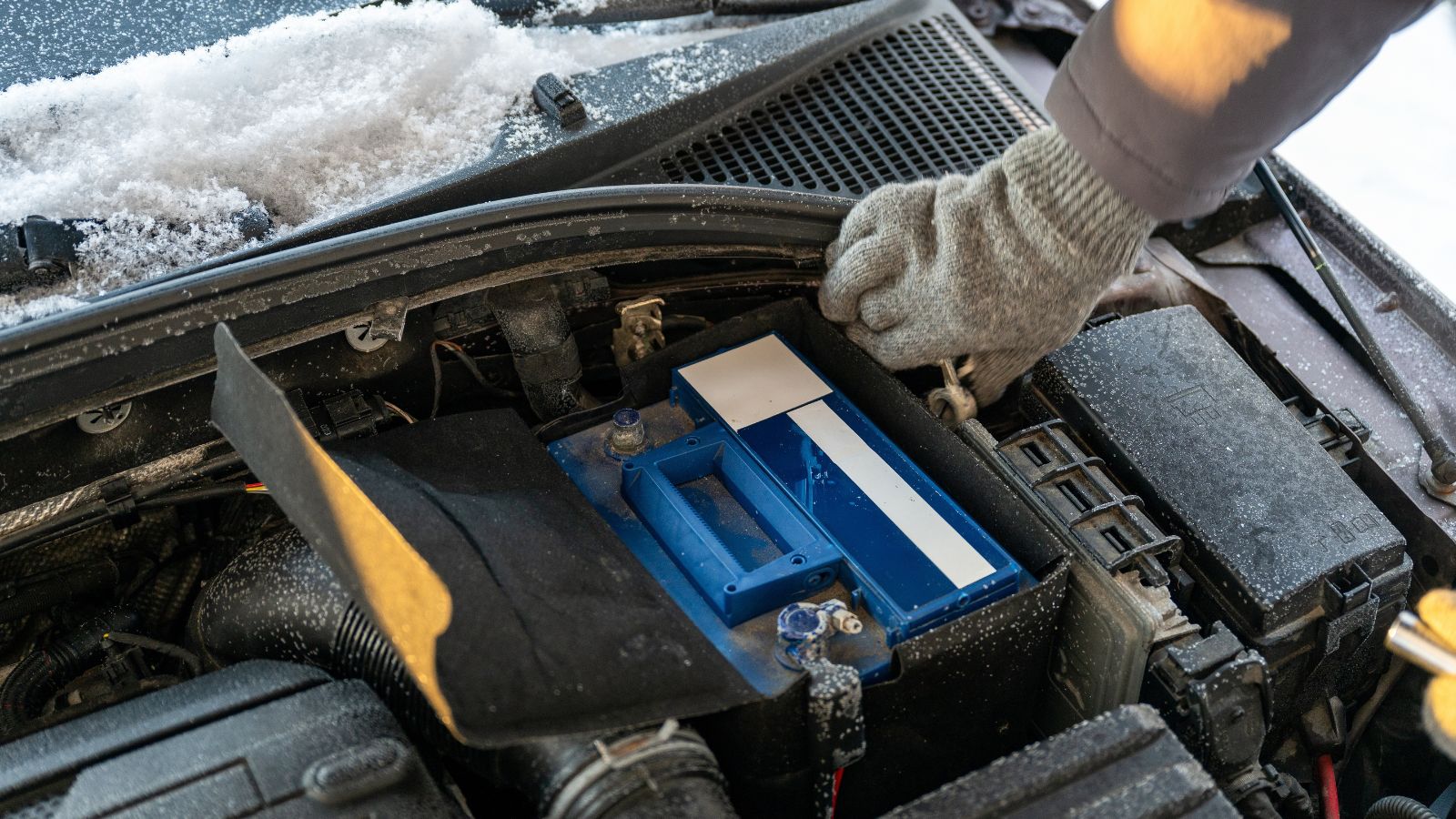
Sometimes the biggest value killer is not the individual car but the reputation of the model. If a vehicle is known for transmission failures, engine issues, battery degradation, expensive electronics, or parts shortages, buyers may discount every example of that model.
A well-maintained car can overcome some reputation damage, but not all of it. Online owner forums, recall records, reliability ratings, and repair-cost stories shape buyer confidence before the test drive even happens. When a model earns a risky reputation, resale value often falls faster than owners expect.
22 Things Canadians Do to Their Cars in Spring That Mechanics Hate

Spring brings relief to many Canadian drivers after months of snow, freezing temperatures, and icy roads that put serious strain on vehicles. As temperatures rise across the country, drivers begin washing cars, switching tires, and preparing vehicles for warmer weather and upcoming road trips. However, mechanics across Canada notice the same mistakes every spring when drivers attempt to recover from winter damage. Road salt, potholes, and harsh winter driving conditions often leave vehicles with hidden problems that drivers ignore. Some spring habits even create new mechanical issues that could have been avoided with proper maintenance. Here are 22 things Canadians do to their cars in spring that mechanics hate.