
























The Canadian EV market feels crowded, yet certain models remain frustratingly hard to secure. Strong demand, limited supply, and shifting rebates are keeping waitlists alive. Some buyers are even paying above MSRP to skip the line. Others are placing deposits months in advance, hoping delivery aligns with incentives. From budget crossovers to luxury sedans, a few standout EVs are driving serious competition. These are the vehicles Canadians keep refreshing dealership emails for, calling around, and negotiating hard to get. Here are 20 EVs Canadians will fight to get this year (waitlists, markups, and all).
Tesla Model Y
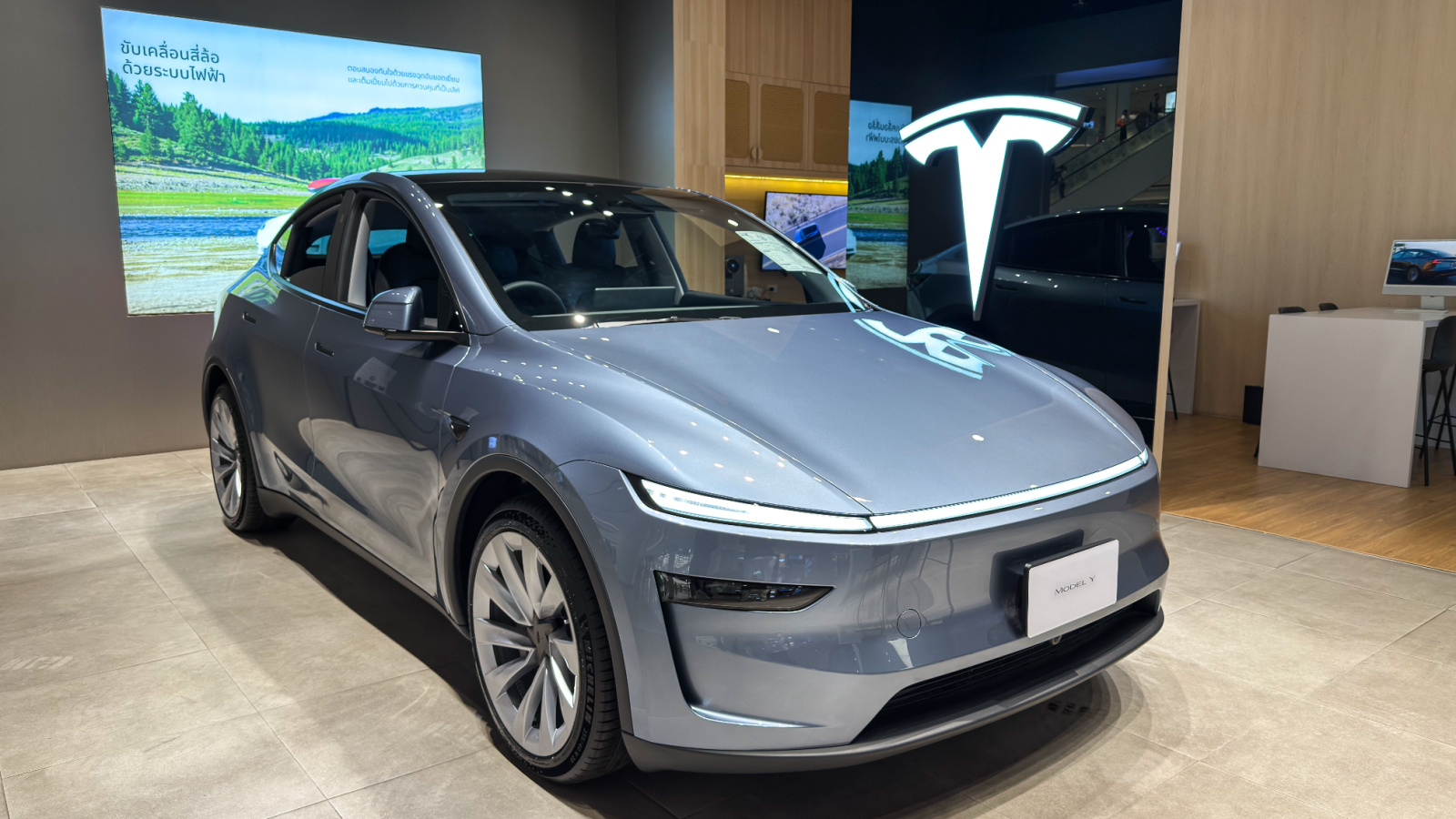
The Tesla Model Y remains one of Canada’s most sought-after EVs. Pricing typically starts around $54,990 CAD before incentives. It blends a strong range, quick acceleration, and access to Tesla’s charging network. That network alone makes it a top pick in colder provinces. Demand stays high despite fluctuating pricing. Delivery times can stretch depending on the configuration. Many buyers still prefer Tesla’s software experience over competitors. Some dealerships for used units even list slight markups. Its practicality keeps it in constant demand. Families and commuters both chase it. Even as competition grows, the Model Y continues to dominate Canadian EV conversations and waitlists.
Hyundai Ioniq 5
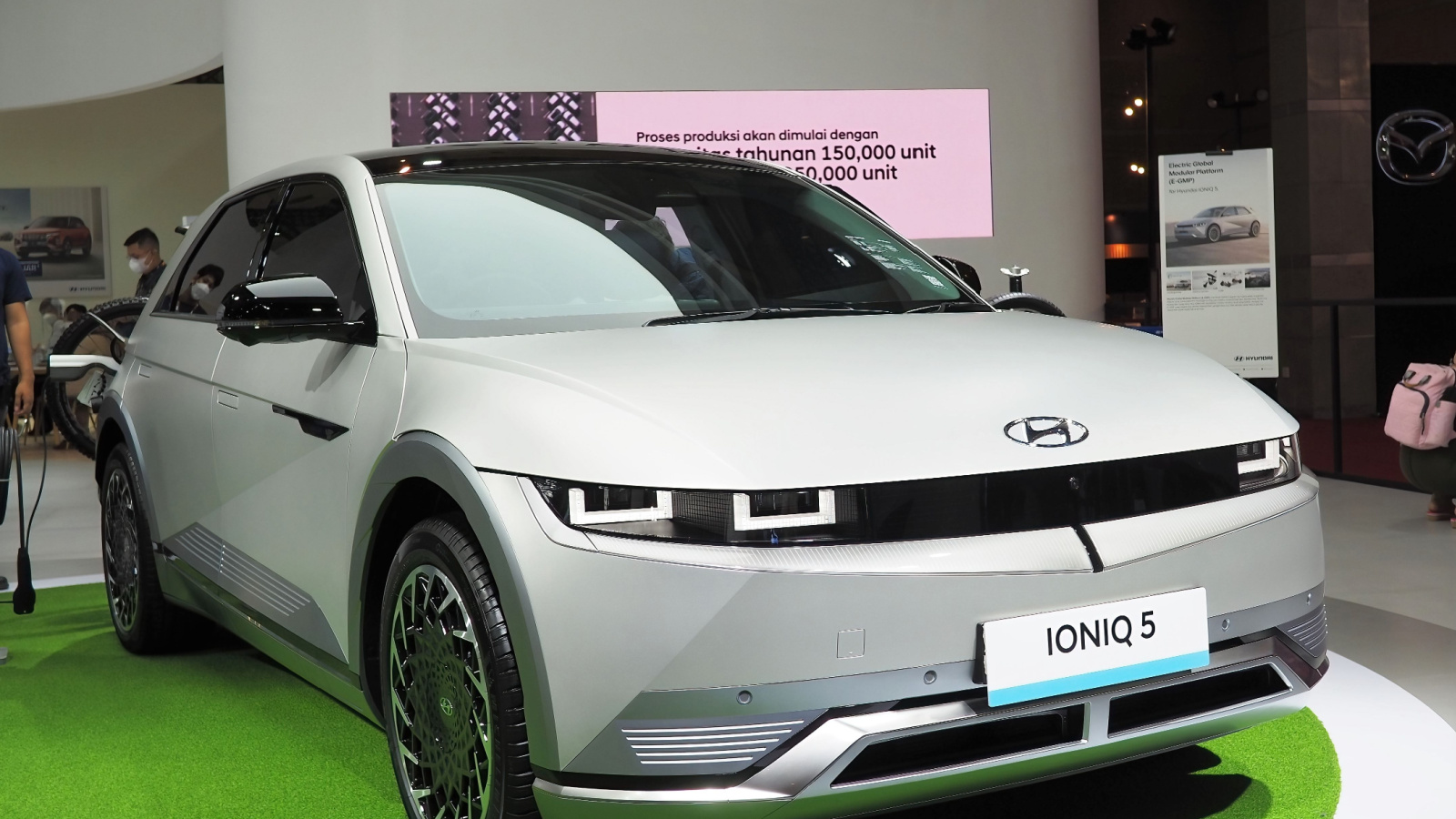
The Hyundai Ioniq 5 starts at $52,999 CAD and remains difficult to find in stock. Its retro design stands out instantly on Canadian roads. Fast charging capability is a major selling point for long trips. Interior space rivals larger SUVs, which adds to its appeal. Many buyers report waiting several months for delivery. Dealership allocations remain limited in some provinces. AWD trims are especially hard to secure. Incentives make it even more attractive in eligible regions. Buyers often hold onto reservations rather than cancel. The Ioniq 5 continues to attract both first-time EV owners and those upgrading from older electric models.
Kia EV6
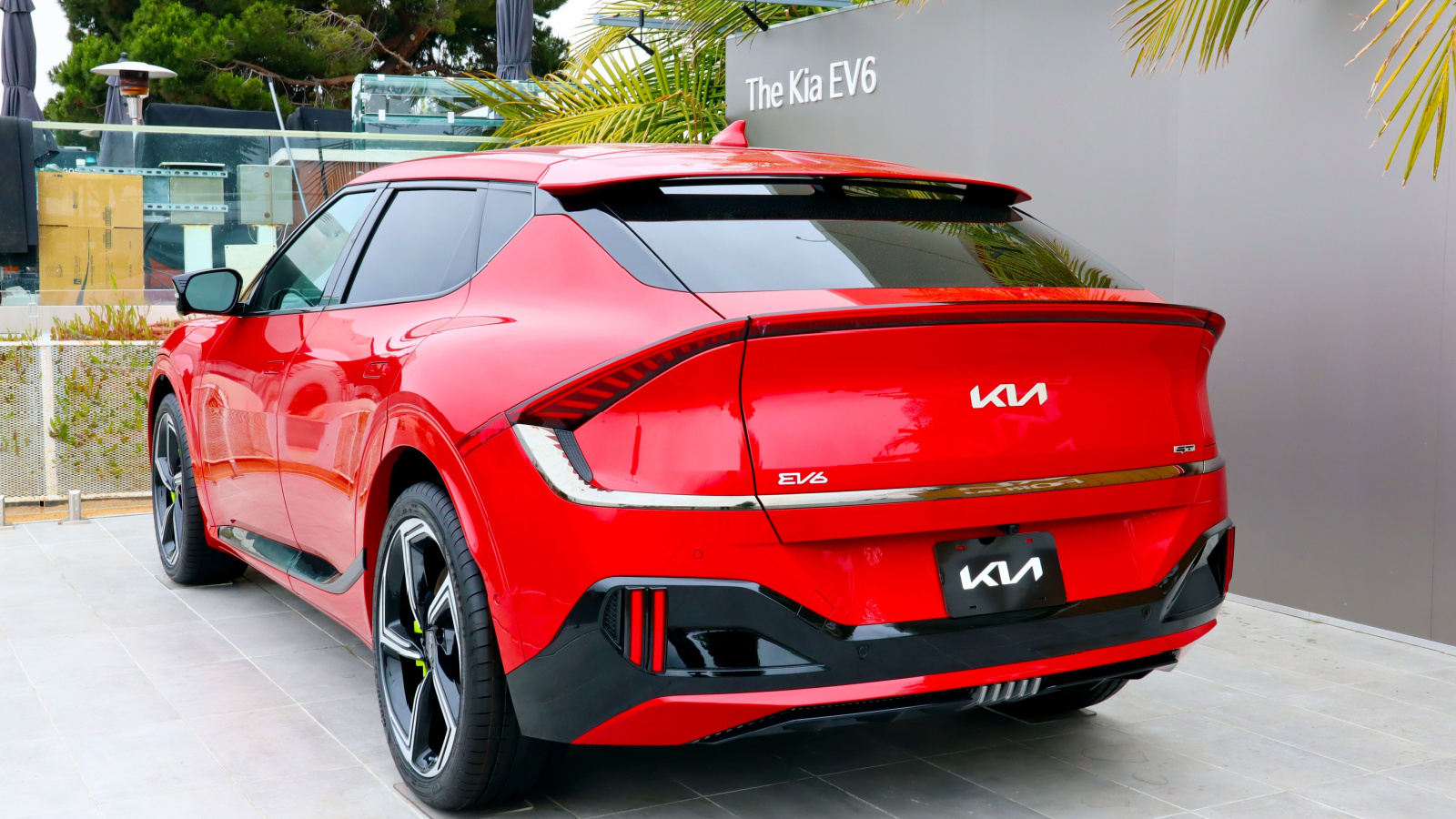
The Kia EV6, priced around $53,695 CAD, shares its platform with the Ioniq 5. It offers a sportier design and driving feel. Canadian buyers often gravitate toward its GT-Line trims. These versions tend to sell out quickly. Range and charging speeds make it road-trip friendly. Inventory shortages still affect many dealerships. Some buyers report wait times exceeding six months. Markups can appear in high-demand urban areas. The EV6 balances performance and practicality well. It appeals to drivers wanting something less conventional. Strong demand continues across the country, especially in British Columbia and Quebec, where EV adoption is higher.
Ford Mustang Mach-E
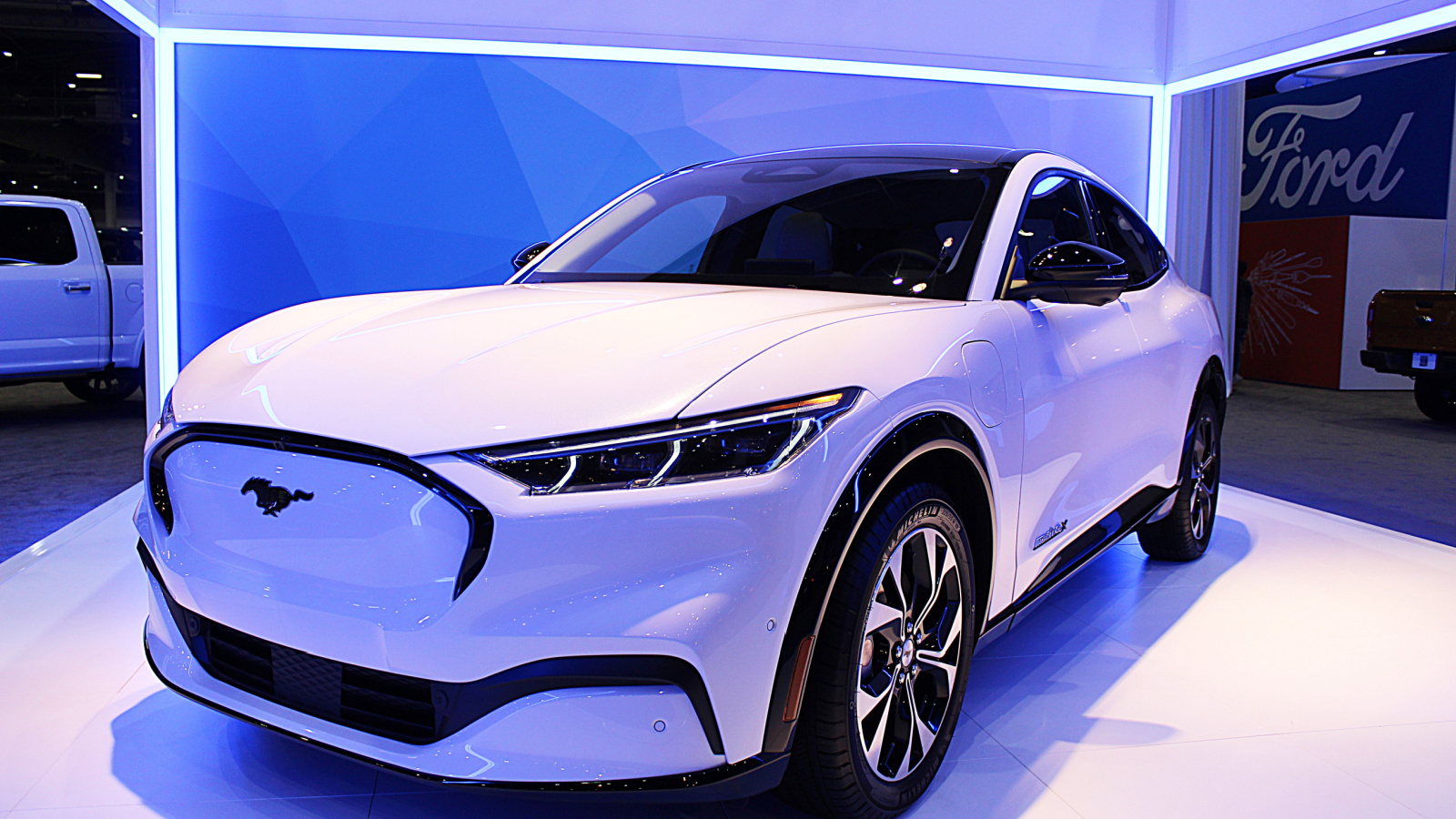
Starting near $56,995 CAD, the Mustang Mach-E blends performance styling with SUV usability. Its name alone draws attention from traditional car buyers. Canadian winters test its range, yet it remains popular. AWD variants sell faster due to weather concerns. Ford’s dealer network helps with availability, but demand still exceeds supply. Some trims see long waitlists. Pricing can climb quickly with options. Buyers often cross-shop it with Tesla. Interior tech and driving feel keep it competitive. Many Canadians appreciate its familiar brand backing. The Mach-E continues to attract those transitioning from gasoline SUVs to electric without sacrificing identity.
Chevrolet Equinox EV
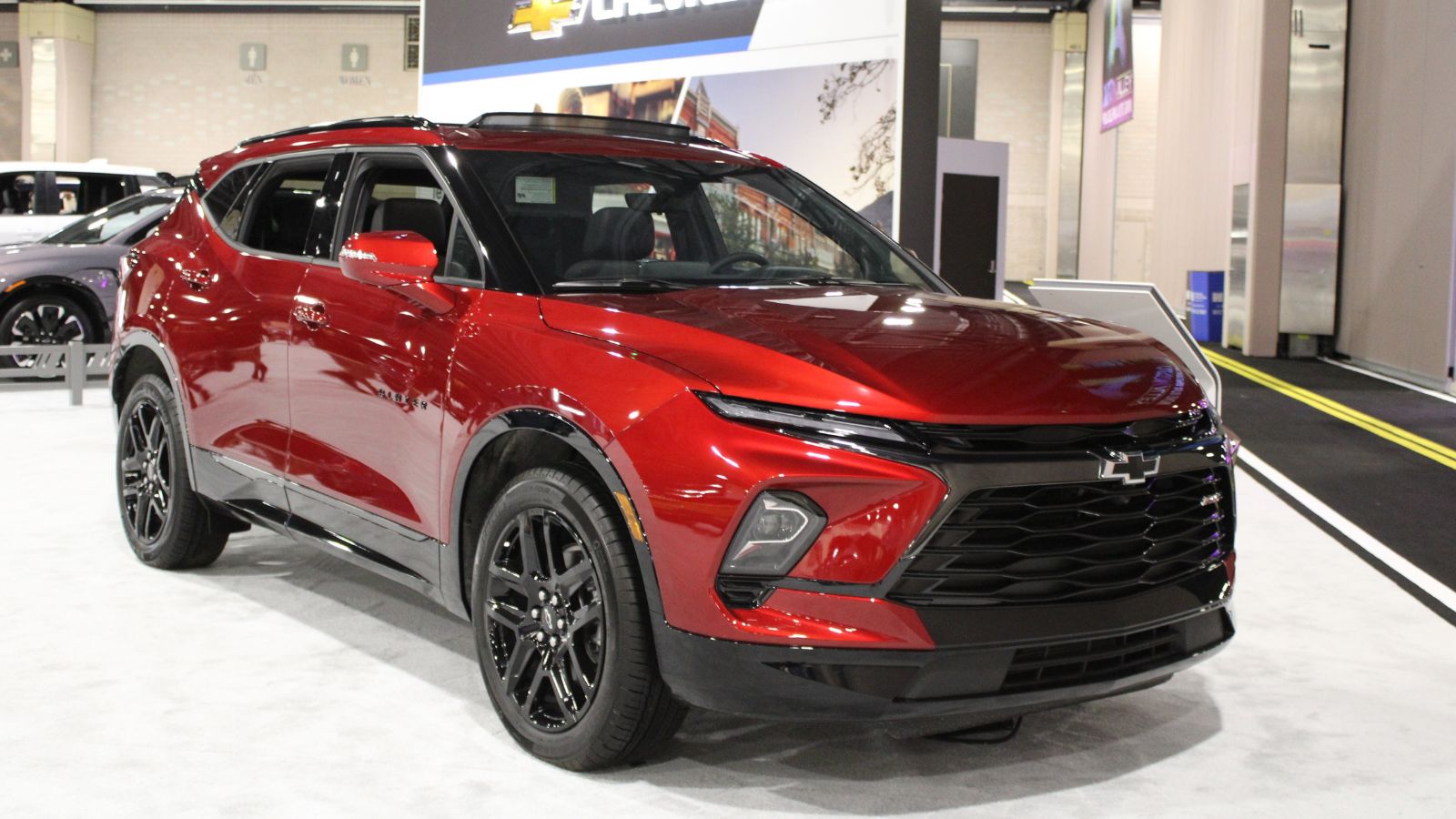
The Chevrolet Equinox EV is expected to start around $38,999 CAD. That pricing places it among the most accessible EV SUVs. Early demand has been strong across Canada. Buyers are drawn to its affordability and expected range. Initial production volumes remain limited. Many customers are placing deposits early. Dealerships are preparing for high interest once deliveries expand. It targets mainstream buyers, not early adopters. This broad appeal creates longer waitlists. Incentives could make it even more competitive. Canadians looking for value are watching closely. The Equinox EV may become one of the most fought-over electric SUVs this year.
Tesla Model 3
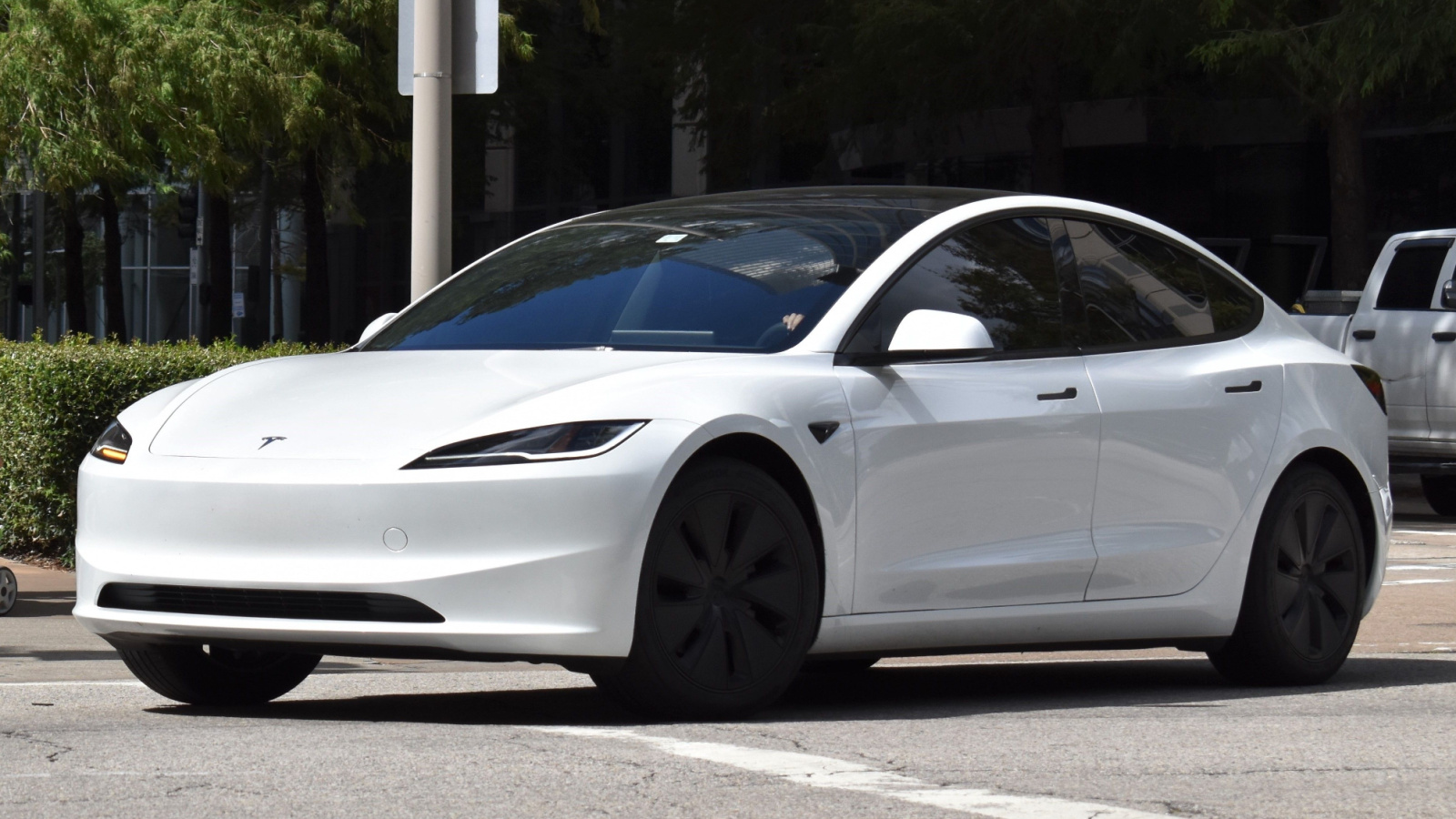
The Tesla Model 3 starts around $52,990 CAD and continues to see strong demand. Recent updates have refreshed its design and interior. Buyers appreciate its efficiency and range balance. It remains one of the easiest EVs to recommend. However, certain trims still face delays. Performance variants are especially popular. Used prices remain firm due to demand. Many Canadians trust Tesla’s charging network for daily use. The Model 3 appeals to commuters and tech-focused drivers. It also benefits from brand recognition. Even with new rivals entering the market, it holds a steady place on waitlists across multiple provinces.
Volkswagen ID.4
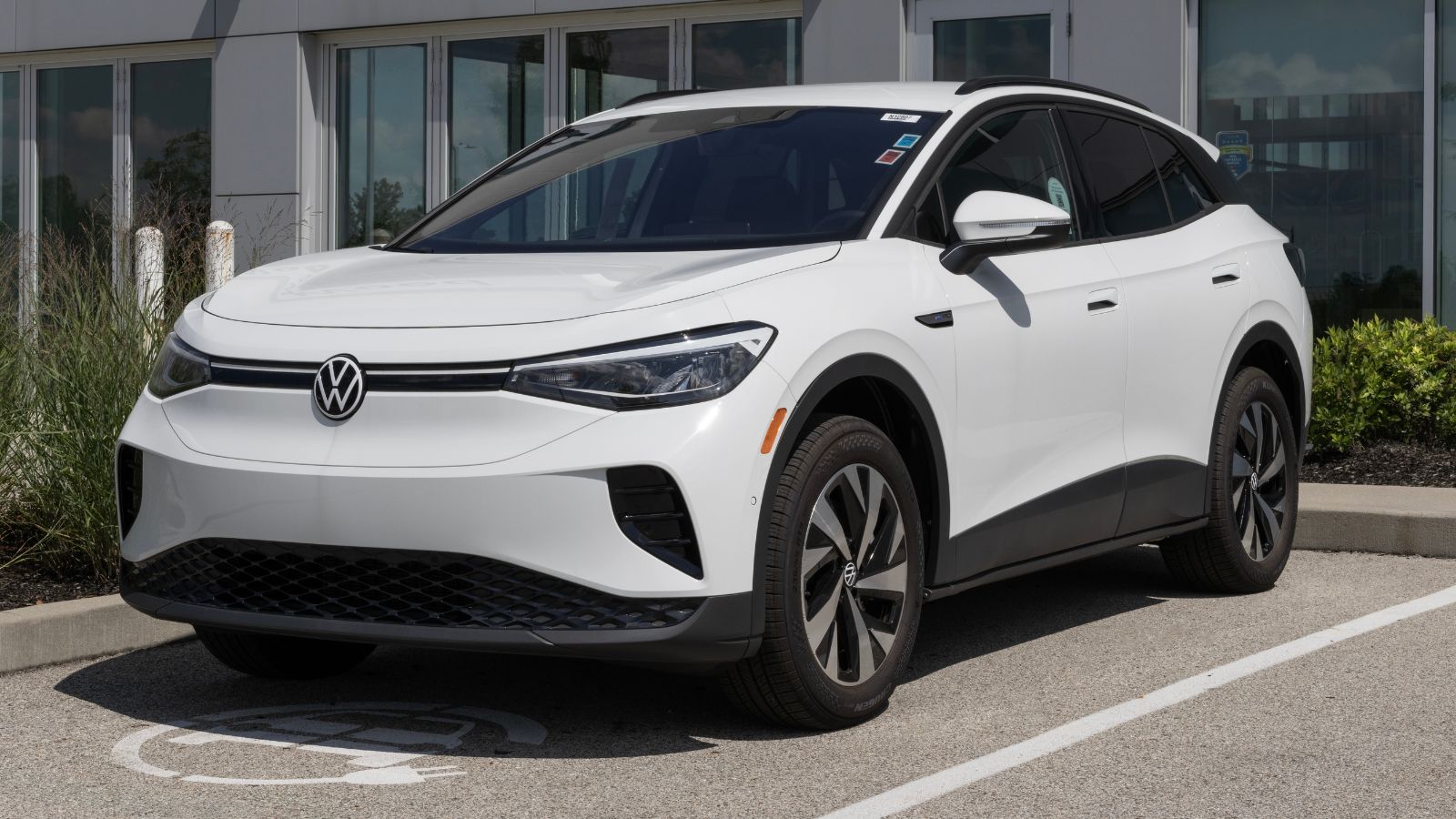
The Volkswagen ID.4 starts near $48,545 CAD and targets practical SUV buyers. It offers a familiar driving experience for those leaving gasoline vehicles. Canadian demand remains steady, especially for AWD trims. Production improvements have helped increase availability slightly. Still, certain configurations remain scarce. Buyers often face limited inventory at dealerships. Pricing stays competitive within its segment. Interior comfort and ride quality attract families. It may not feel flashy, but it sells consistently. Canadians value its balanced approach. The ID.4 continues to draw interest from those wanting a simple, everyday EV without dramatic styling or complicated features.
Nissan Ariya
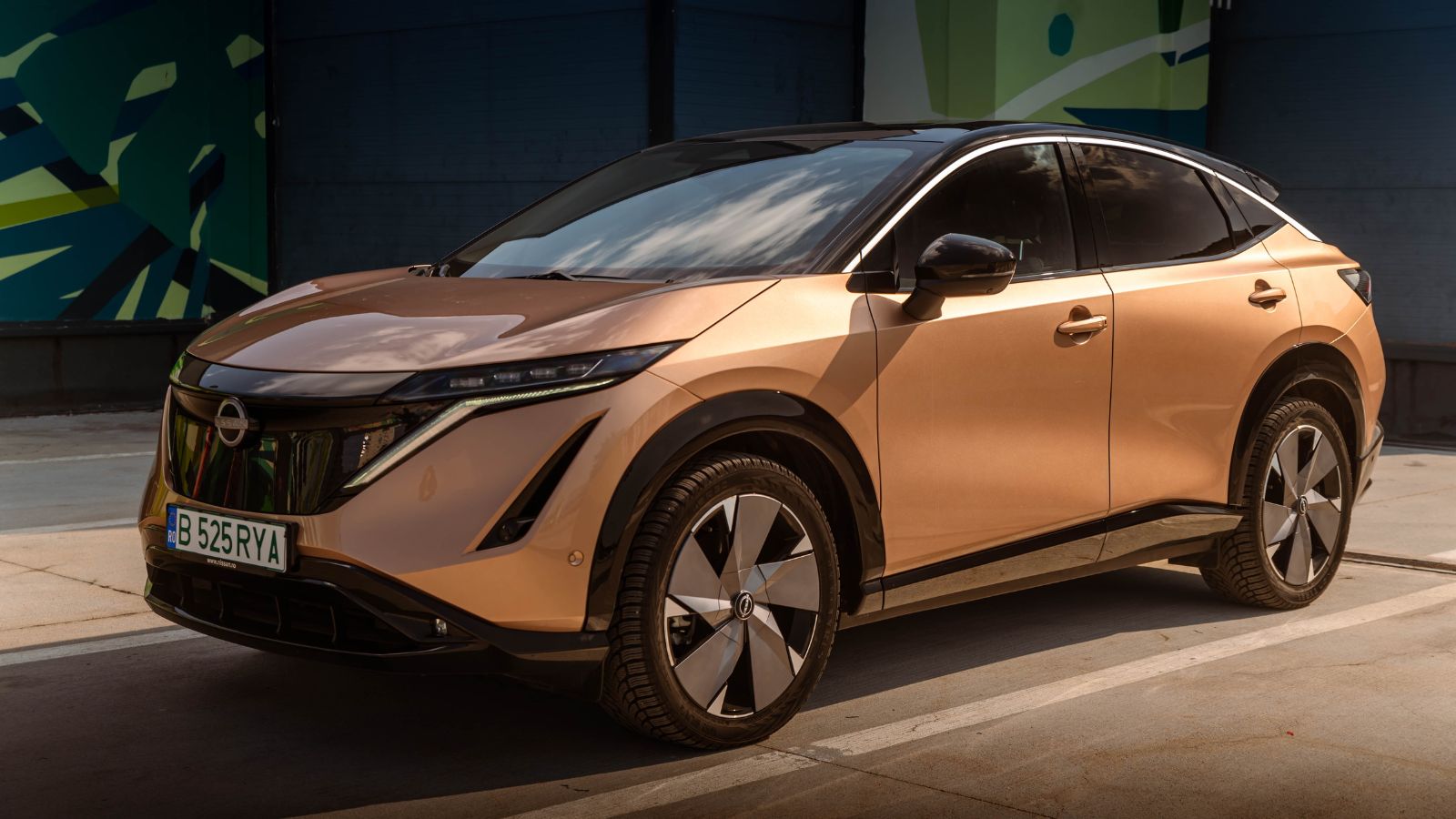
The Nissan Ariya starts around $52,998 CAD and has gained traction slowly. Its design feels more upscale than earlier Nissan EVs. Range and comfort make it suitable for long drives. AWD versions are preferred in colder regions. Availability remains inconsistent across Canada. Some trims are easier to find than others. Buyers appreciate its quiet cabin and smooth ride. It competes directly with other mid-size EV SUVs. Demand has grown as awareness increases. Nissan’s EV history adds some trust. The Ariya is not the fastest seller, but certain configurations still attract waitlists and strong dealership interest.
BMW i4
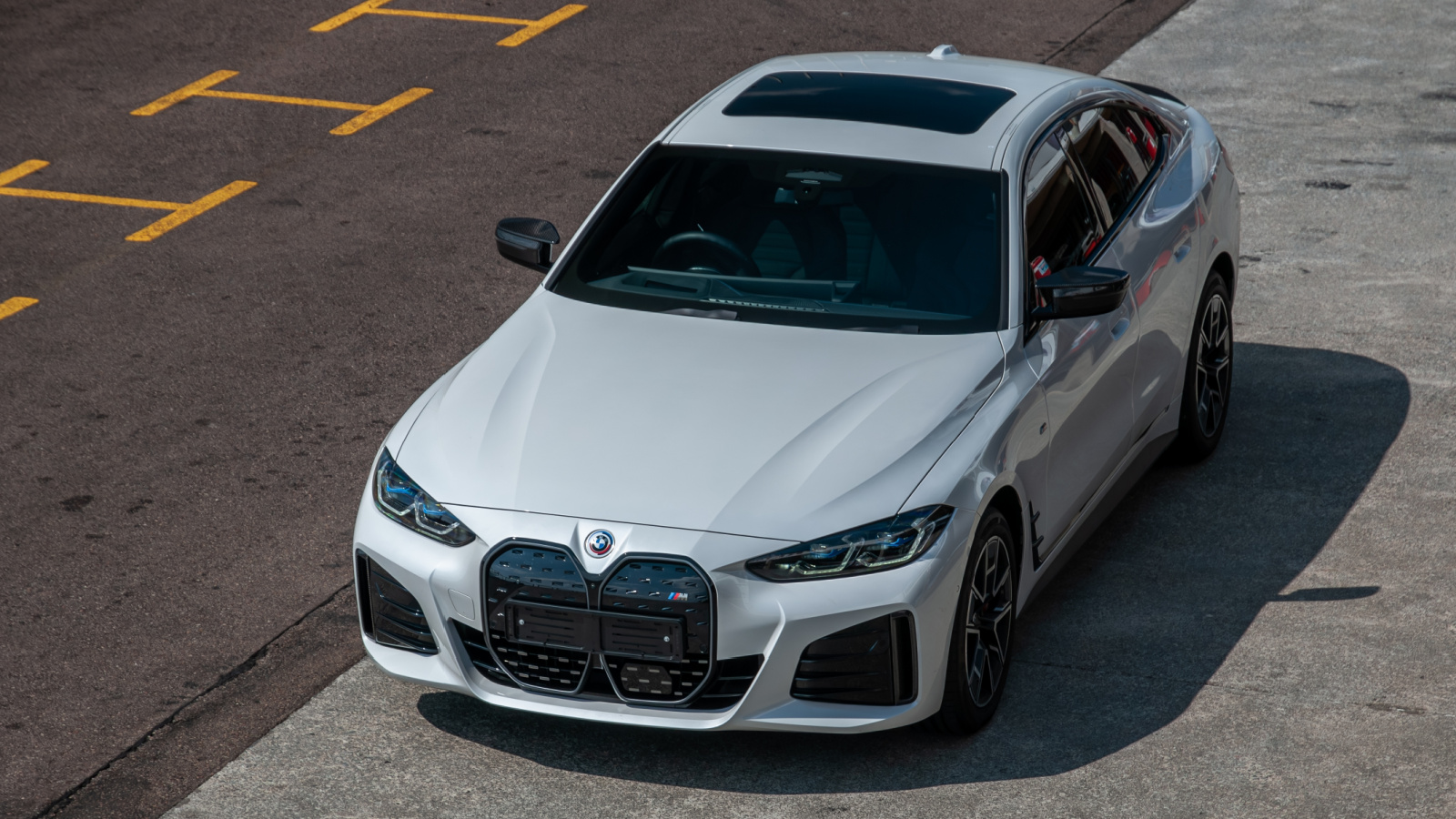
The BMW i4 begins around $57,990 CAD and blends EV tech with traditional sedan styling. It appeals to drivers who want performance without switching to an SUV. Acceleration and handling are strong points. Luxury buyers often prefer its familiar interior layout. Wait times can stretch depending on trim. Higher-performance variants see the most demand. Pricing climbs quickly with options. It competes with Tesla’s Model 3 in the premium space. Canadian buyers appreciate its driving dynamics. Supply remains tighter than demand in many areas. The i4 continues to attract those who want an EV without changing their driving habits.
Hyundai Kona Electric
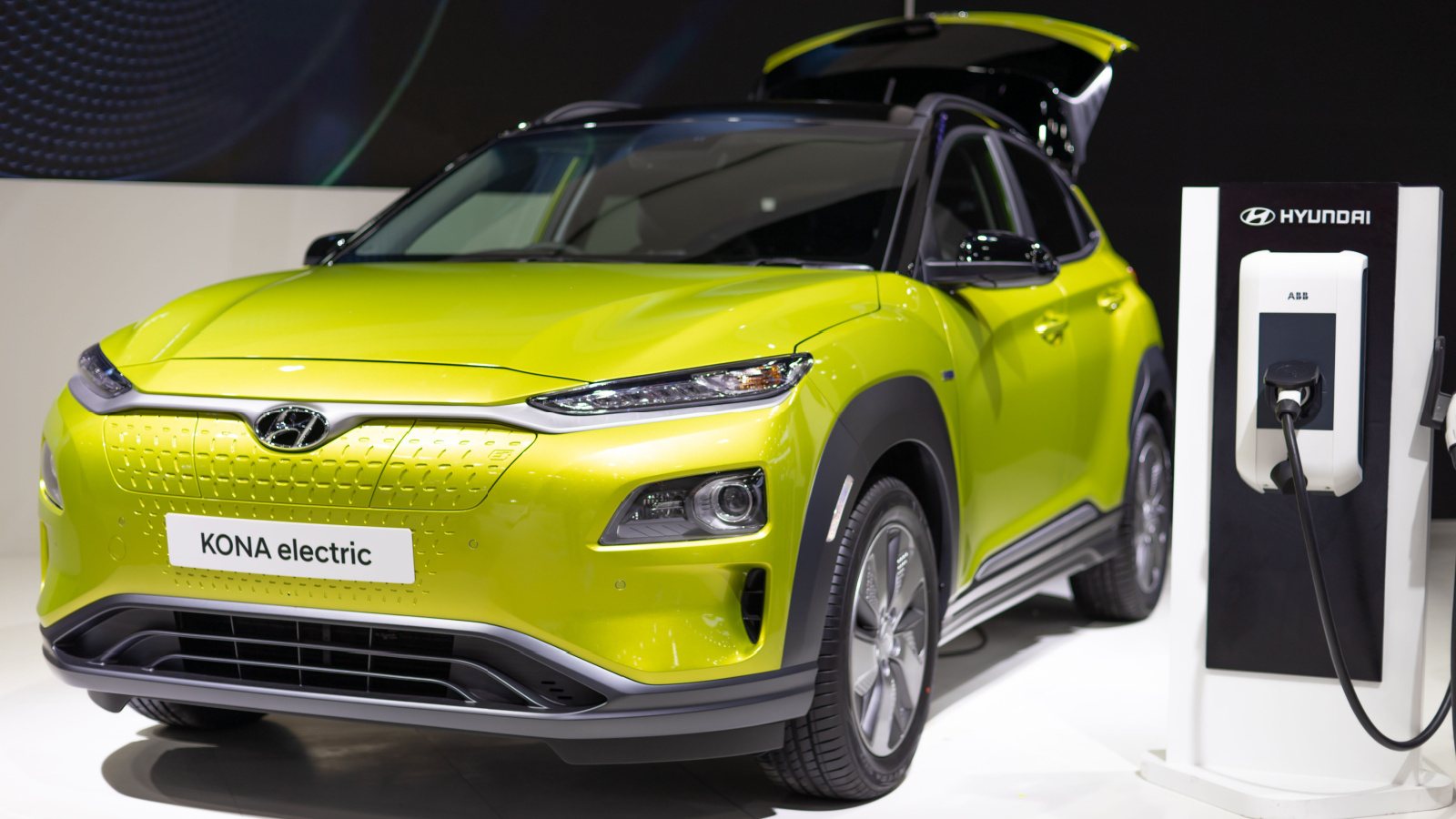
The Hyundai Kona Electric starts around $46,399 CAD and remains a popular entry-level EV. Its smaller size suits urban drivers well. Range is competitive for its class. Demand increased with the updated model. Availability still varies between provinces. Buyers often face short waitlists for certain trims. Incentives make it even more appealing. It is often one of the first EVs buyers consider. Practicality and affordability drive its popularity. Some dealerships receive limited shipments. The Kona Electric continues to sell quickly. It fills an important gap for Canadians who want an EV without moving into higher price brackets.
Kia Niro EV
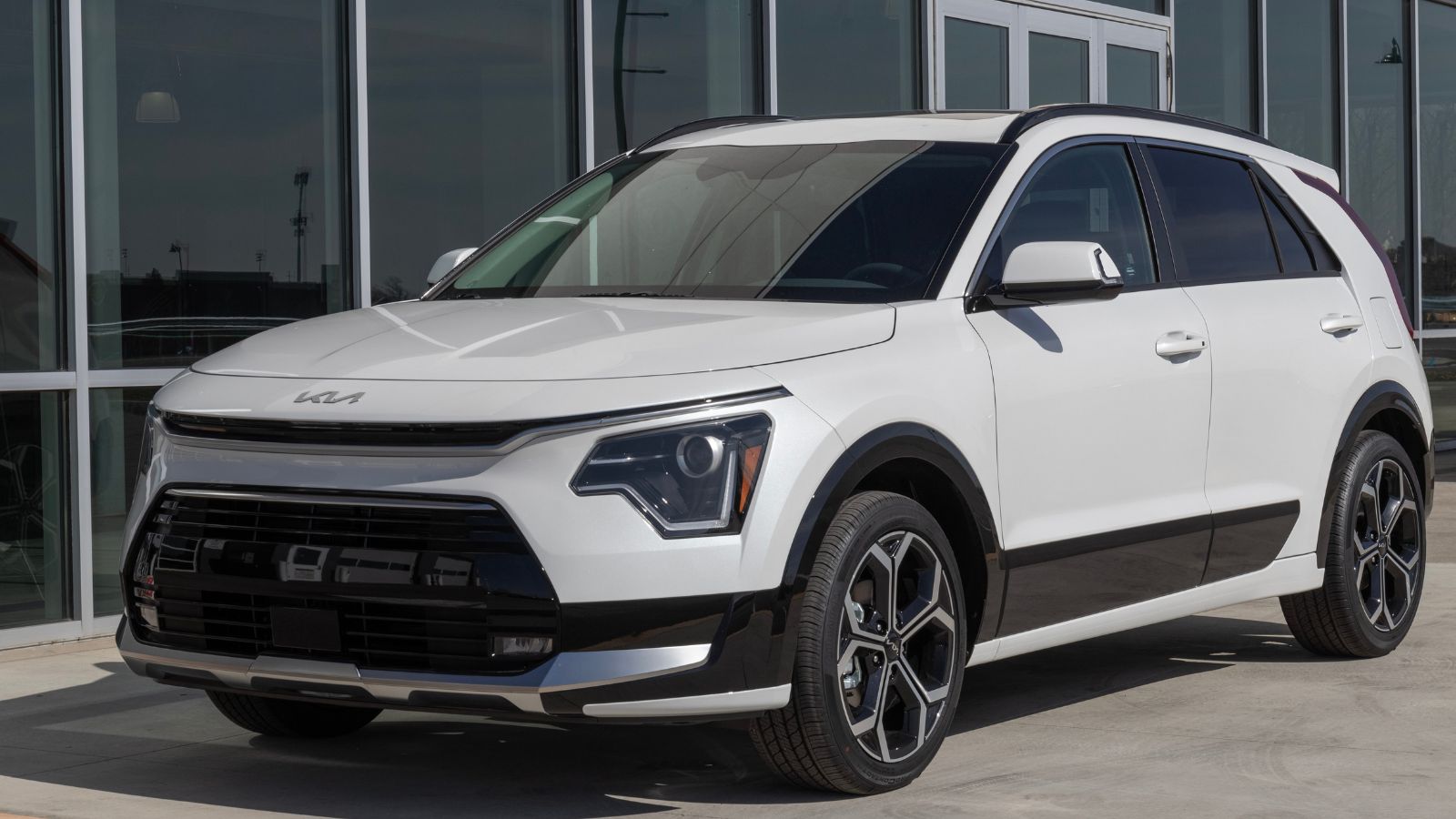
The Kia Niro EV, priced around $45,595 CAD, offers a practical crossover design. It appeals to buyers looking for efficiency over performance. Interior space is well used for its size. Demand remains steady across Canada. Availability can be limited depending on the region. Some buyers report moderate wait times. It competes directly with the Kona Electric. Pricing stays within reach for many households. Incentives improve its value proposition. It may not attract headlines, but it sells consistently. Canadians appreciate its reliability and ease of use. The Niro EV continues to attract practical buyers who prioritize daily usability.
Ford F-150 Lightning
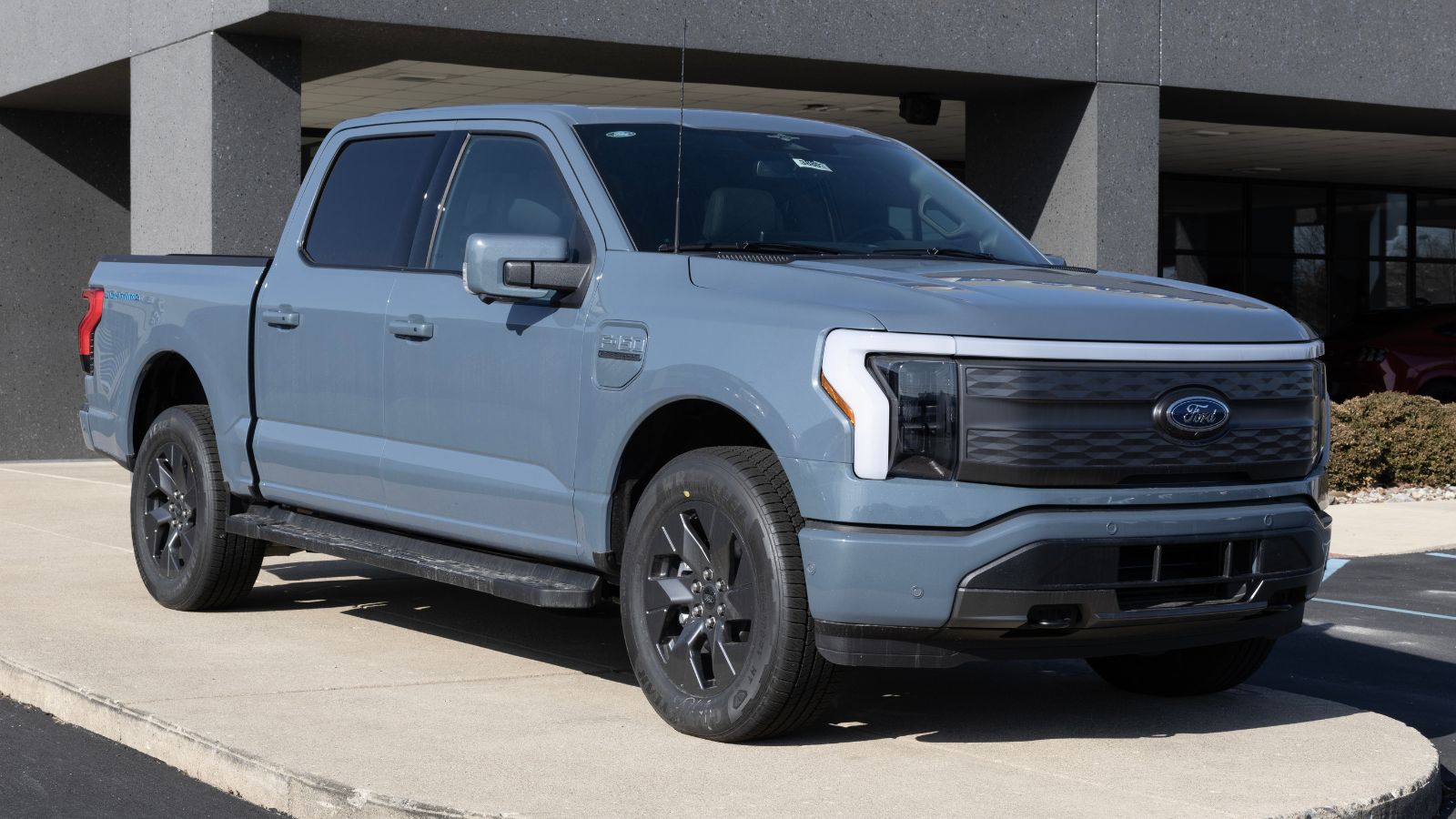
The Ford F-150 Lightning starts around $62,990 CAD and targets truck buyers. Demand surged immediately after its launch. Canadian supply remains limited compared to interest. Many buyers placed reservations early. Delivery timelines can stretch significantly. Its utility and familiarity drive demand. Businesses and individuals both compete for units. Pricing increases with higher trims. Cold-weather performance remains a topic of discussion. Still, it fills a unique segment. Electric trucks remain rare in Canada. The Lightning continues to attract attention from those who need capability and want to switch to electric without giving up a pickup.
Rivian R1T
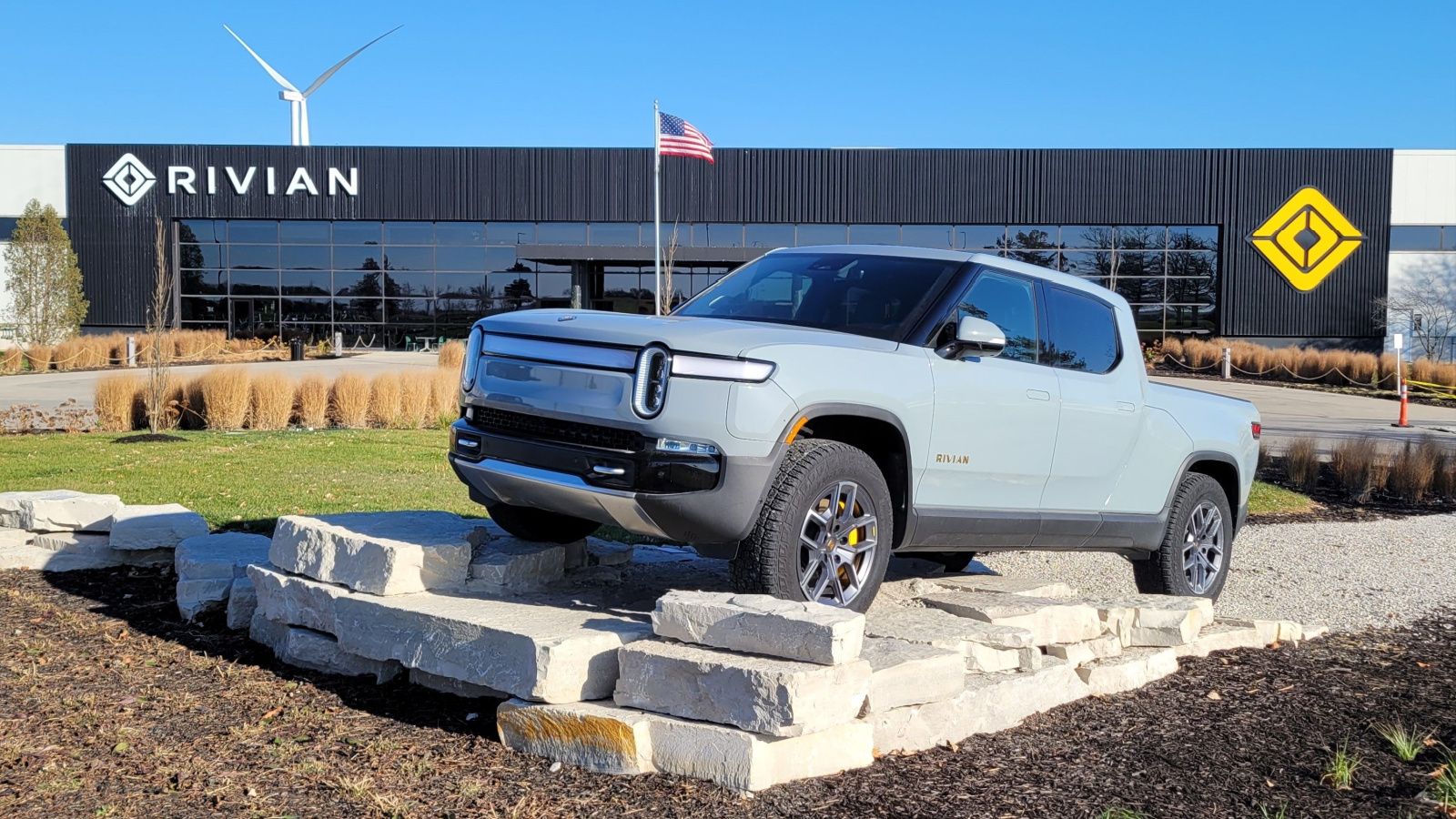
The Rivian R1T starts near $98,000 CAD and targets premium truck buyers. Availability in Canada is still expanding. Early adopters show strong interest. Its off-road capability sets it apart. Range and performance attract attention. Deliveries remain limited, creating exclusivity. Buyers often wait extended periods. Pricing places it firmly in luxury territory. It appeals to adventure-focused drivers. Rivian’s brand is still growing in Canada. Demand exceeds supply in most regions. The R1T stands out as a unique offering. Canadians looking for something different are willing to wait for it despite higher costs and uncertainty.
Polestar 2
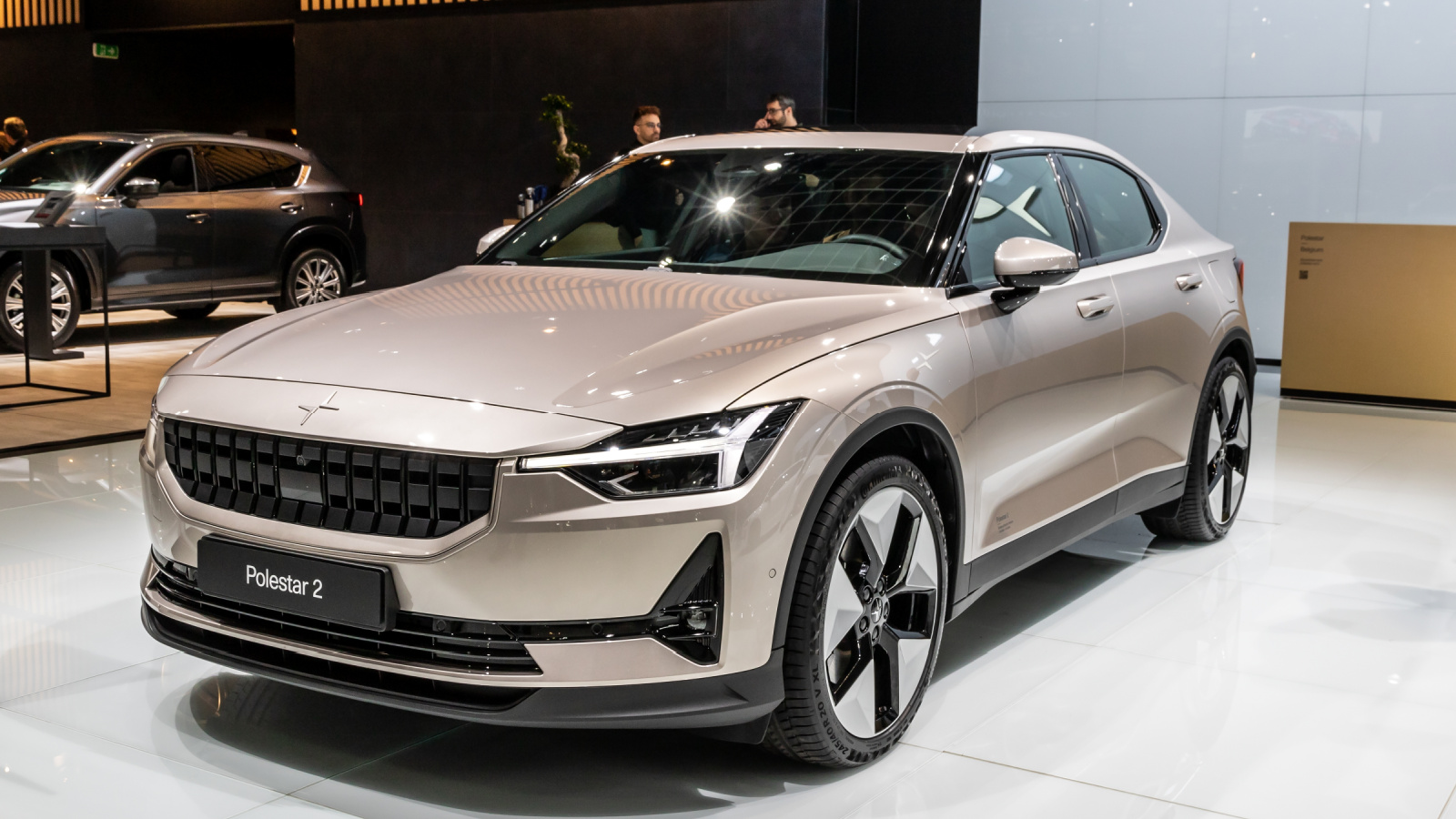
The Polestar 2 starts around $53,950 CAD and offers a minimalist design. It targets buyers who want something distinct from mainstream brands. Performance and handling are strong points. Availability has improved slightly, but demand remains high. Canadian buyers appreciate its Scandinavian styling. Pricing increases with added packages. It competes with Tesla and BMW options. Some trims still face waitlists. Its software and interface feel different from competitors. That attracts a niche audience. The Polestar 2 continues to gain traction. It appeals to those who want a premium EV without following the most popular choices.
Volvo EX30
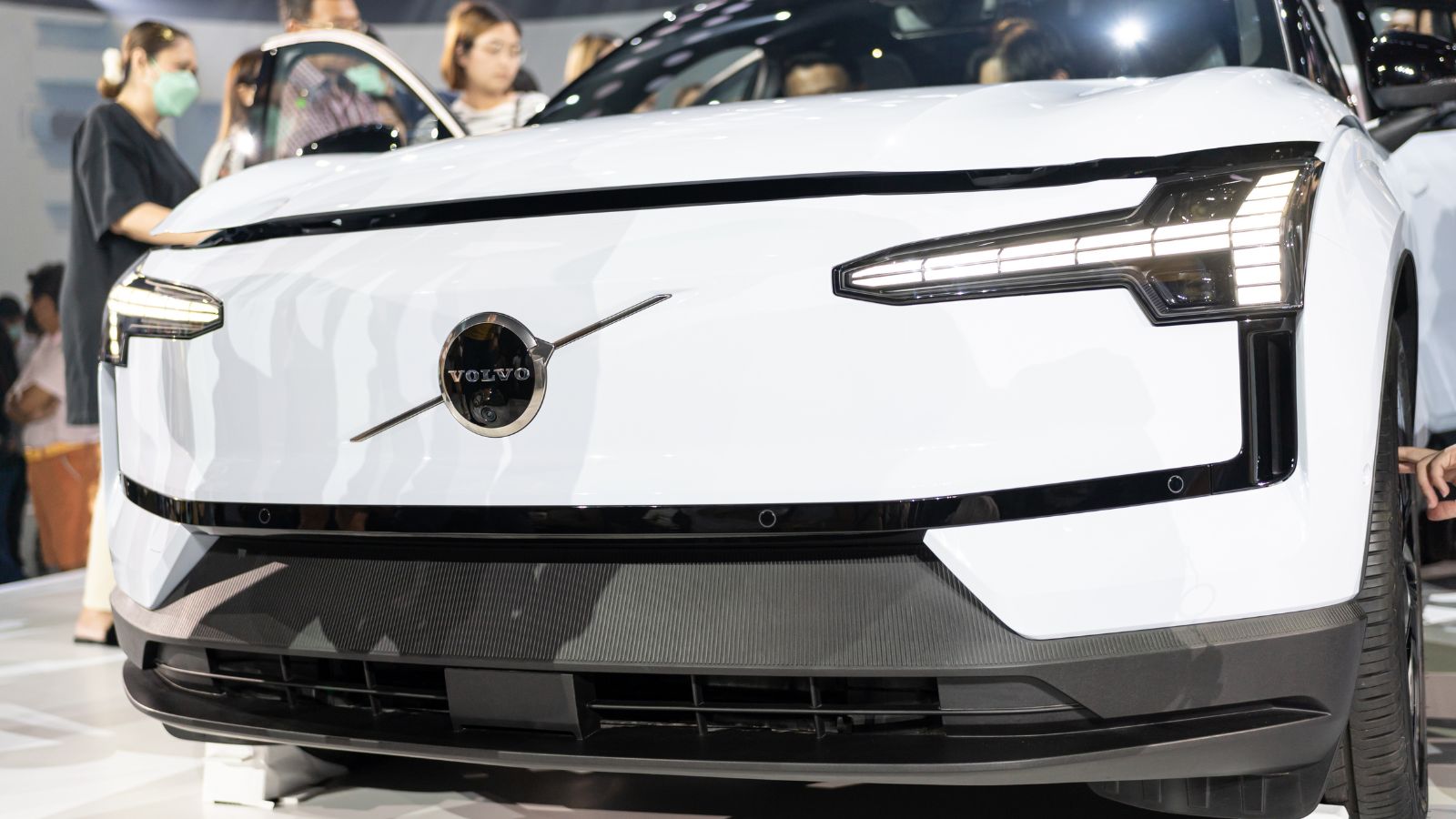
The Volvo EX30 is expected to start at $53,700 CAD. It has generated strong interest before full rollout. Compact size and premium branding attract urban buyers. Early reservations filled quickly. Availability will likely remain tight initially. Volvo’s reputation helps drive demand. Pricing keeps it within reach of many buyers. It targets younger EV customers entering the market. Range and features make it competitive. Canadian interest continues to build. Many are waiting for deliveries to begin. The EX30 could become one of the most contested EVs once production scales and more units reach dealerships.
Audi Q4 e-tron
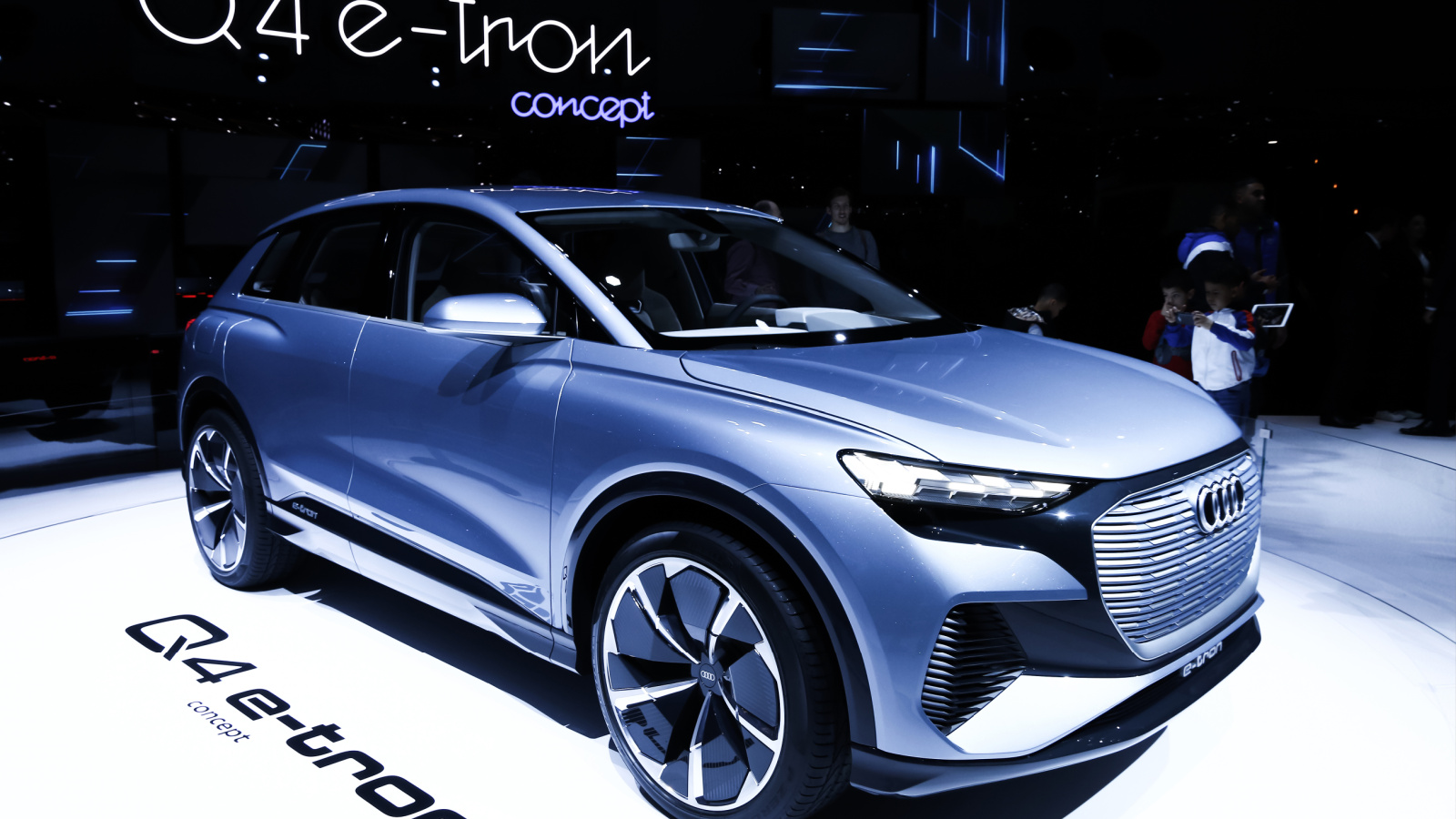
The Audi Q4 e-tron starts around $59,950 CAD and targets luxury SUV buyers. It offers a familiar Audi experience with electric power. Interior quality remains a strong selling point. Canadian demand is steady, but supply can be inconsistent. Certain trims are harder to find. Buyers often wait for preferred configurations. Pricing increases quickly with options. It competes with BMW and Tesla models. Brand loyalty plays a role in demand. Many buyers prefer Audi’s design approach. The Q4 e-tron continues to attract those moving from gasoline luxury SUVs into electric without sacrificing comfort or refinement.
Mercedes-Benz EQB
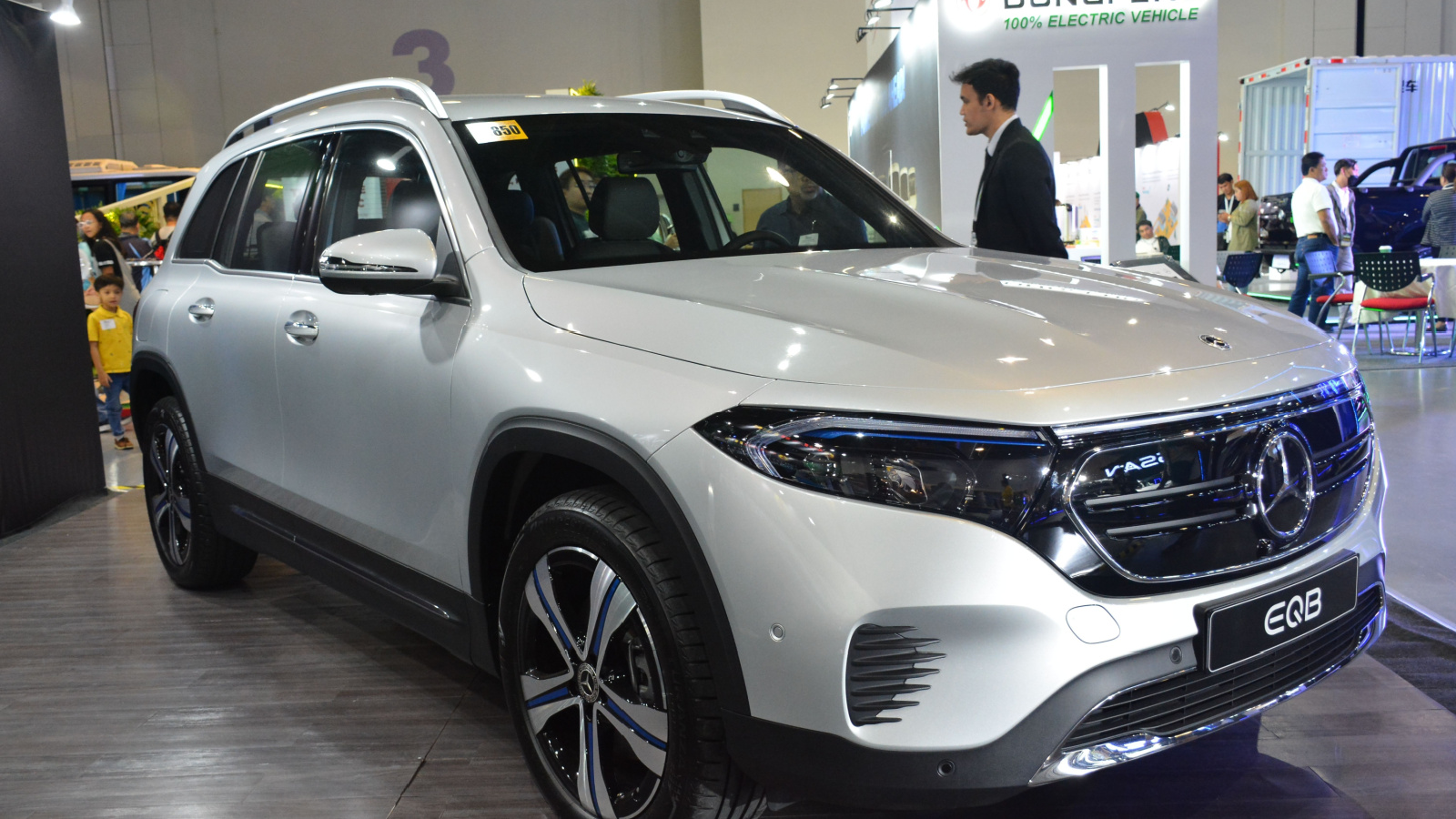
The Mercedes-Benz EQB starts near $59,990 CAD and offers three-row seating. That feature is rare in compact EVs. Canadian families show a strong interest in this setup. Availability remains limited for specific trims. Pricing places it in the premium category. Buyers appreciate its practicality and brand value. Range is not class-leading but remains acceptable. Demand continues in urban markets. Some waitlists exist depending on the configuration. It competes with other luxury EV SUVs. The EQB stands out for its seating flexibility. Canadians needing more space often consider it despite the higher price point.
Subaru Solterra
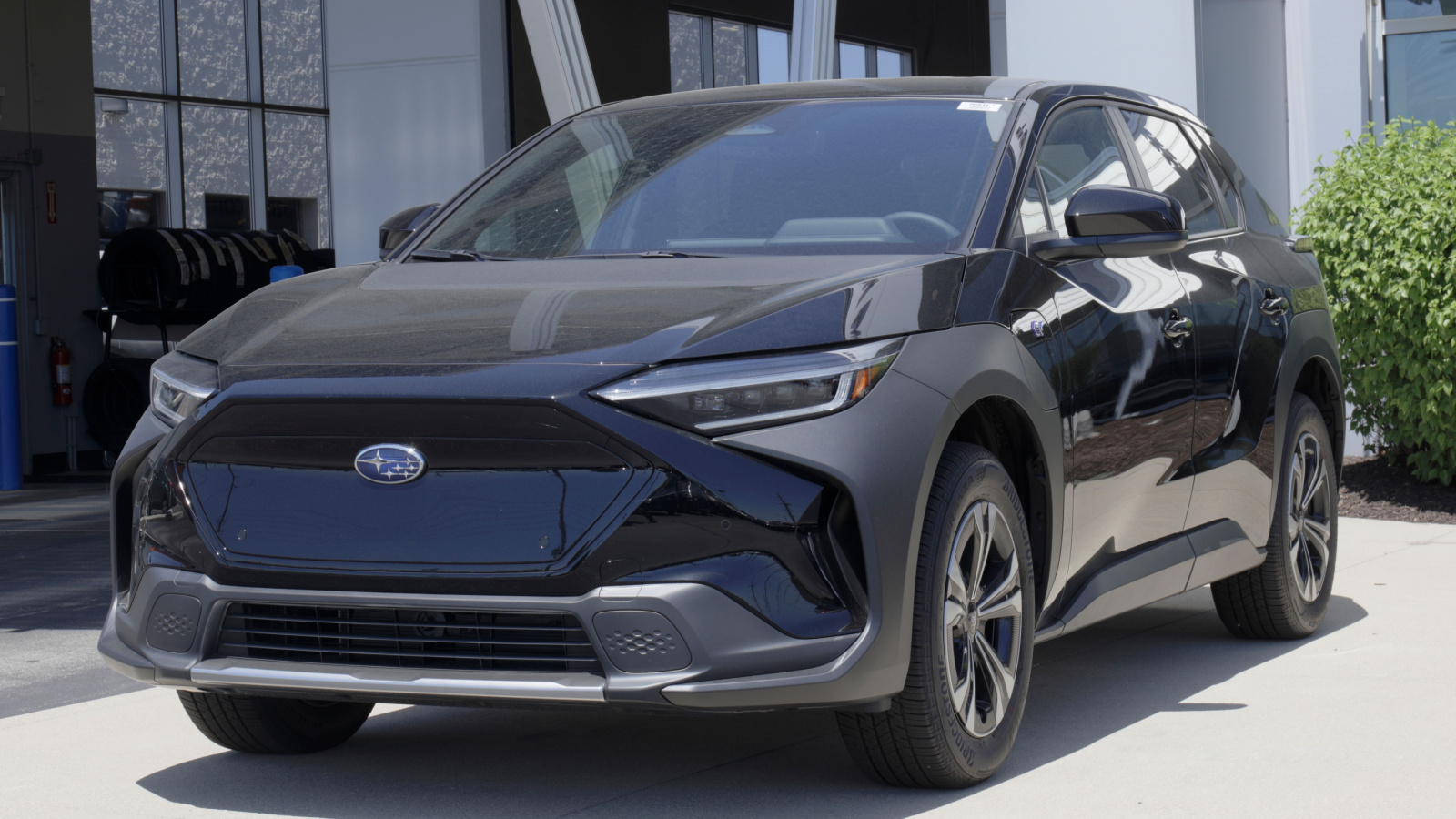
The Subaru Solterra starts around $49,995 CAD and focuses on AWD capability. That appeals strongly in Canadian winters. It shares components with the Toyota bZ4X. Demand is moderate but consistent. Availability can vary between dealerships. Some buyers report shorter wait times than competitors. Brand loyalty drives interest. Subaru’s reputation for reliability helps. Pricing remains competitive within its segment. It may not lead in range or speed. Still, it fits specific needs well. Canadians who prioritize traction and familiarity continue to show interest in the Solterra despite mixed early reviews.
Toyota bZ4X
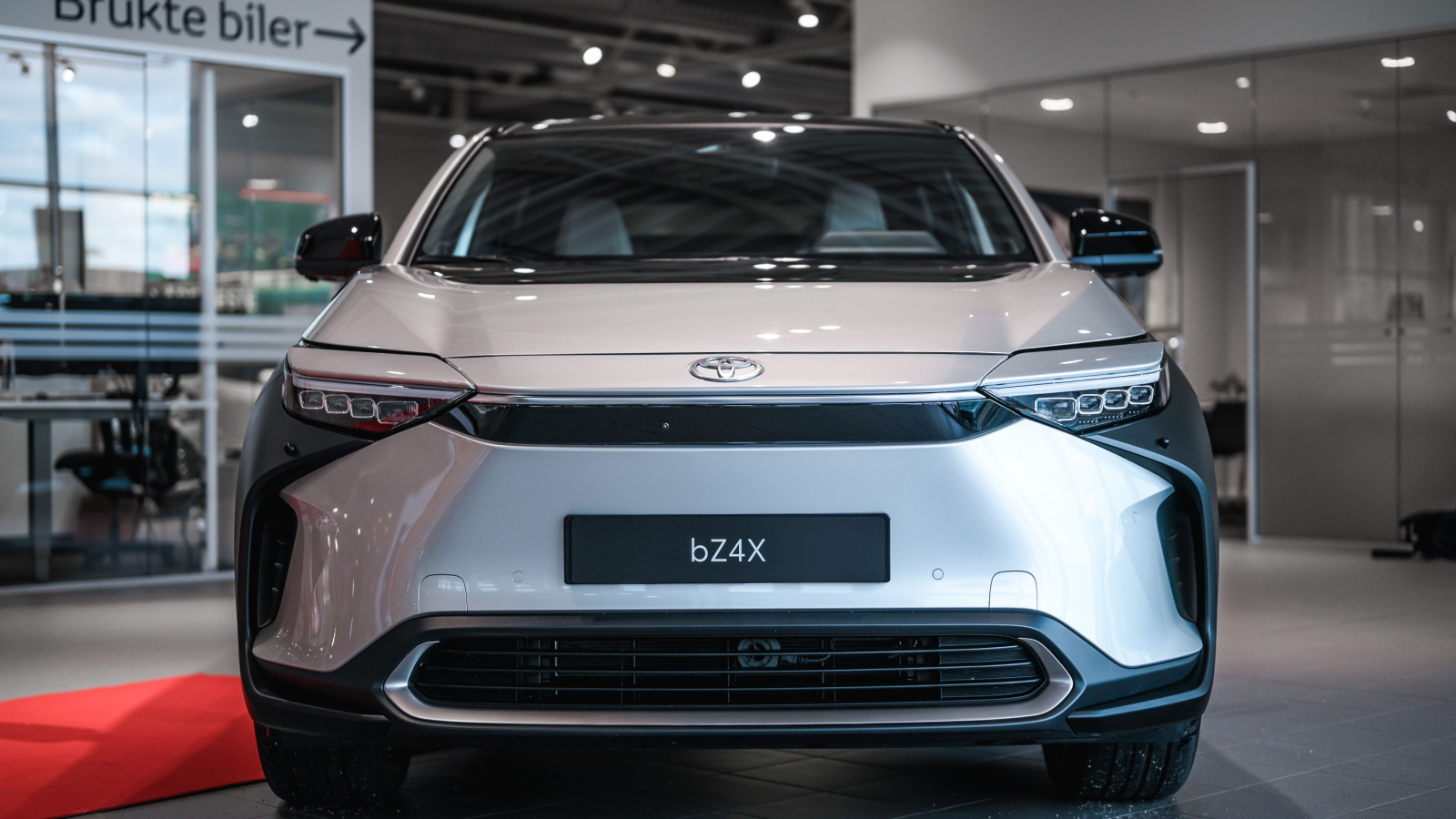
The Toyota bZ4X starts near $46,880 CAD and benefits from Toyota’s reputation. Demand remains steady across Canada. Buyers trust the brand’s reliability history. Availability has improved, but certain trims remain limited. AWD models are more popular in colder regions. Pricing keeps it accessible for many buyers. It competes directly with other compact EV SUVs. Some early concerns affected perception, but interest remains. Toyota’s dealer network helps with distribution. Canadians often prefer familiar brands when switching to EVs. The bZ4X continues to attract those who want a straightforward transition without major surprises.
Lucid Air
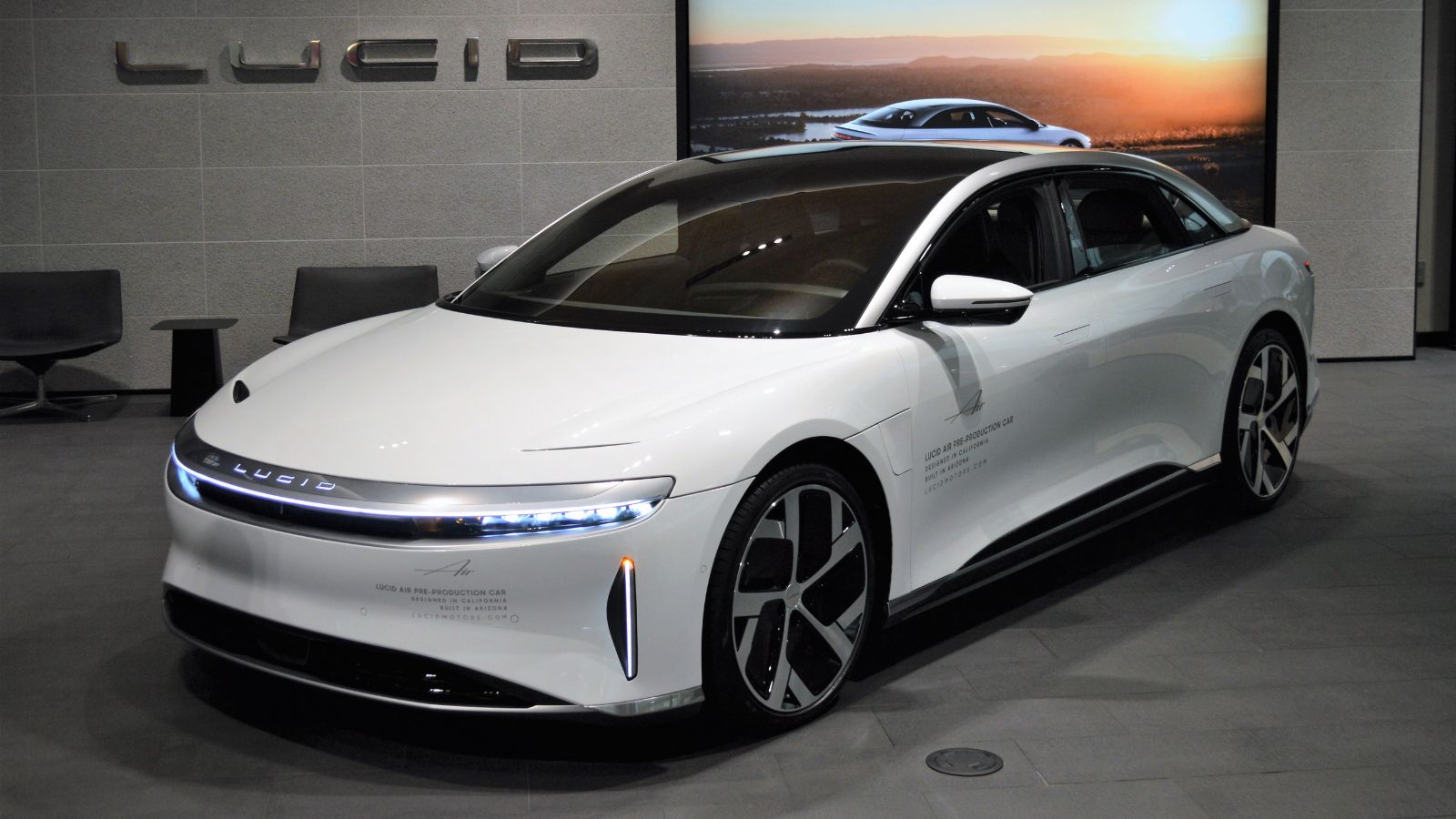
The Lucid Air starts around $110,000 CAD and targets luxury EV buyers. Its range and performance figures are impressive. Canadian availability remains very limited. That exclusivity drives interest among high-end buyers. Deliveries can take time depending on the configuration. Pricing places it above most competitors. It competes with premium Tesla models. Interior quality and technology stand out. Demand exceeds supply in early markets. The Lucid Air appeals to buyers seeking something rare. Canadians willing to spend at this level often face long waits. That scarcity adds to its appeal among luxury EV enthusiasts.
22 Things Canadians Do to Their Cars in Spring That Mechanics Hate

Spring brings relief to many Canadian drivers after months of snow, freezing temperatures, and icy roads that put serious strain on vehicles. As temperatures rise across the country, drivers begin washing cars, switching tires, and preparing vehicles for warmer weather and upcoming road trips. However, mechanics across Canada notice the same mistakes every spring when drivers attempt to recover from winter damage. Road salt, potholes, and harsh winter driving conditions often leave vehicles with hidden problems that drivers ignore. Some spring habits even create new mechanical issues that could have been avoided with proper maintenance. Here are 22 things Canadians do to their cars in spring that mechanics hate.