


























Spring has a way of making cars look fine until the first truly warm week, the first highway trip, or the first heavy rain. Damage from winter often stays quiet for a while, then starts announcing itself just as summer driving picks up. A battery that made it through February can suddenly struggle in May. Tires that seemed acceptable can start wearing oddly. A tiny windshield chip can turn into a long crack almost overnight.
That seasonal pattern is why these issues feel so familiar. They are not random, and they rarely arrive alone. Below are 17 of the most common spring car problems that tend to surface right before summer, when heat, rain, road-trip mileage, and neglected maintenance combine to expose what cold weather already started.
A battery that finally gives up

A weak battery often makes it through winter on borrowed time, then fails when drivers least expect it. That timing feels backward because cold mornings are usually blamed first, yet the real damage is often cumulative. Battery life is shortened by heat over time, while winter mainly exposes the weakness that is already there. By late spring, the pattern becomes obvious: slower starts in the morning, dimmer interior lights, or a momentary hesitation that gets dismissed until the car refuses to crank in a grocery store parking lot.
The frustrating part is how ordinary the car can seem right up to the point of failure. Many batteries do not announce the end with dramatic warning signs. They just become unreliable when stop-and-go errands, short trips, and rising under-hood temperatures start stacking up. A vehicle that still wears its original battery several years in is especially vulnerable. Spring is when many drivers discover that “still working” and “still healthy” were never the same thing, and the first hot commute or holiday weekend is often what finally proves it.
Tire pressure that keeps swinging with the weather
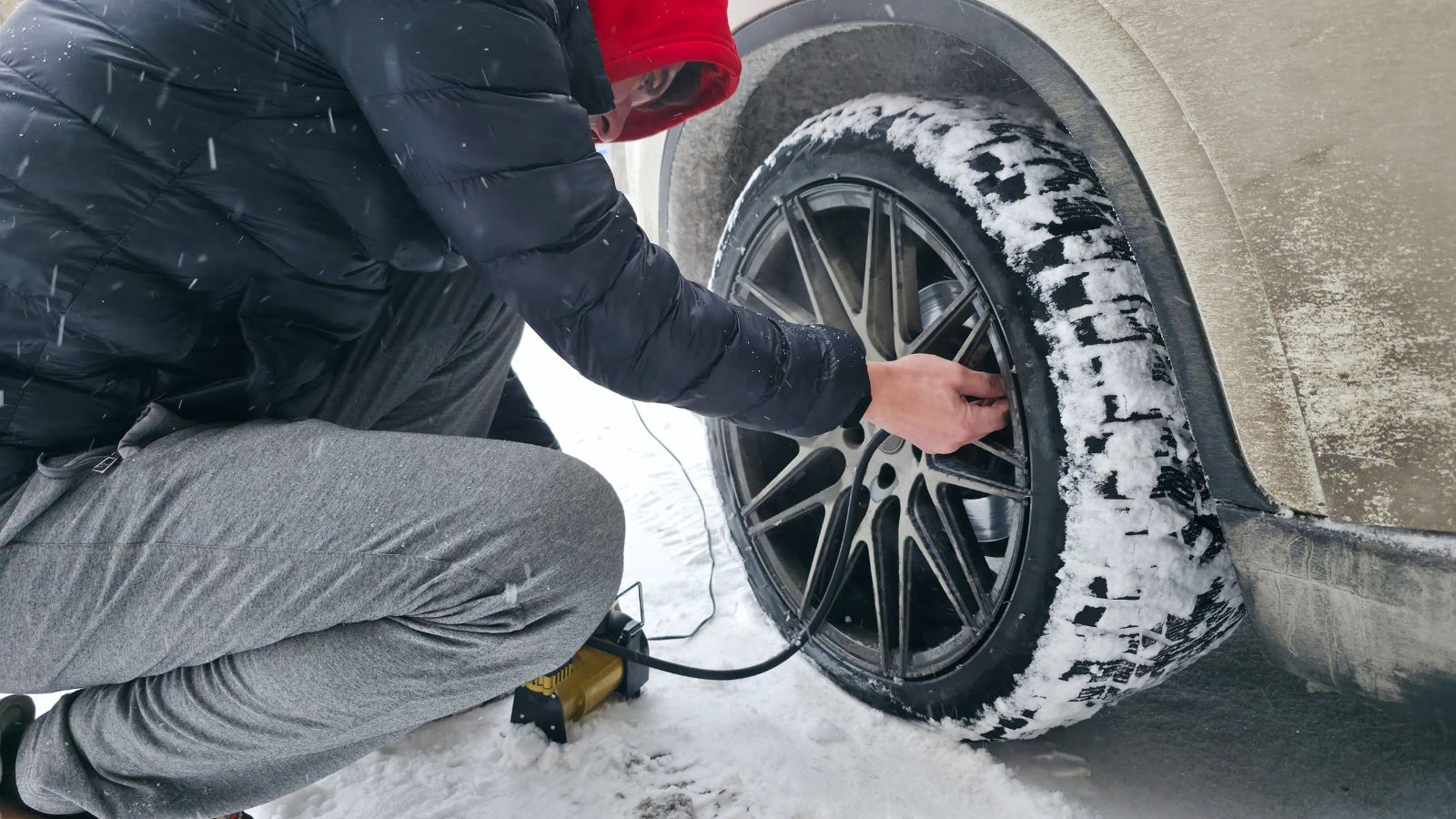
Spring weather does not settle down quickly, and tires feel every bit of that indecision. Cool mornings, warmer afternoons, and sudden rain fronts can create pressure swings that leave a vehicle feeling slightly off without making the problem obvious. The steering may feel heavier one day and more nervous the next. Sometimes the tire-pressure warning light appears in the morning and vanishes later, which encourages drivers to ignore it even though the tires are still not consistently set to the correct cold pressure.
That matters more than it seems. Even modest pressure differences can affect wear, ride quality, and how evenly the car puts power down in a hard stop or wet turn. A family SUV loaded for a weekend trip can suddenly feel less planted, while a commuter sedan may start tramlining on grooves in the pavement. Because the change happens gradually, many people adapt to the feel instead of checking the cause. Spring is when tire pressure stops being a winter problem and becomes a warm-weather handling and wear problem, especially once road-trip mileage starts building.
Winter tires that stayed on too long

Winter tires are excellent in cold weather, but they are not designed to spend weeks rolling across warming pavement. Once temperatures climb, the softer rubber compound that helped so much in snow and slush can begin to feel vague and overworked. The steering response becomes less crisp, braking can feel longer on warm roads, and tread wear accelerates fast. What looked like a money-saving decision in early spring can quietly become an expensive one by the time summer arrives.
The change is especially noticeable on rainy highways and urban roads that heat up through the day. Drivers sometimes describe the feeling as squirmy, loose, or strangely mushy, especially during lane changes or quick stops. In many cases, the car is not developing a mysterious chassis issue at all. It is simply wearing the wrong tires for the season. That is why this problem loves to show up just before summer rather than during it. By the time the weather turns fully hot, the tires may already be more worn, noisier, and less predictable than they were only a few weeks earlier.
Alignment that pothole season quietly ruined
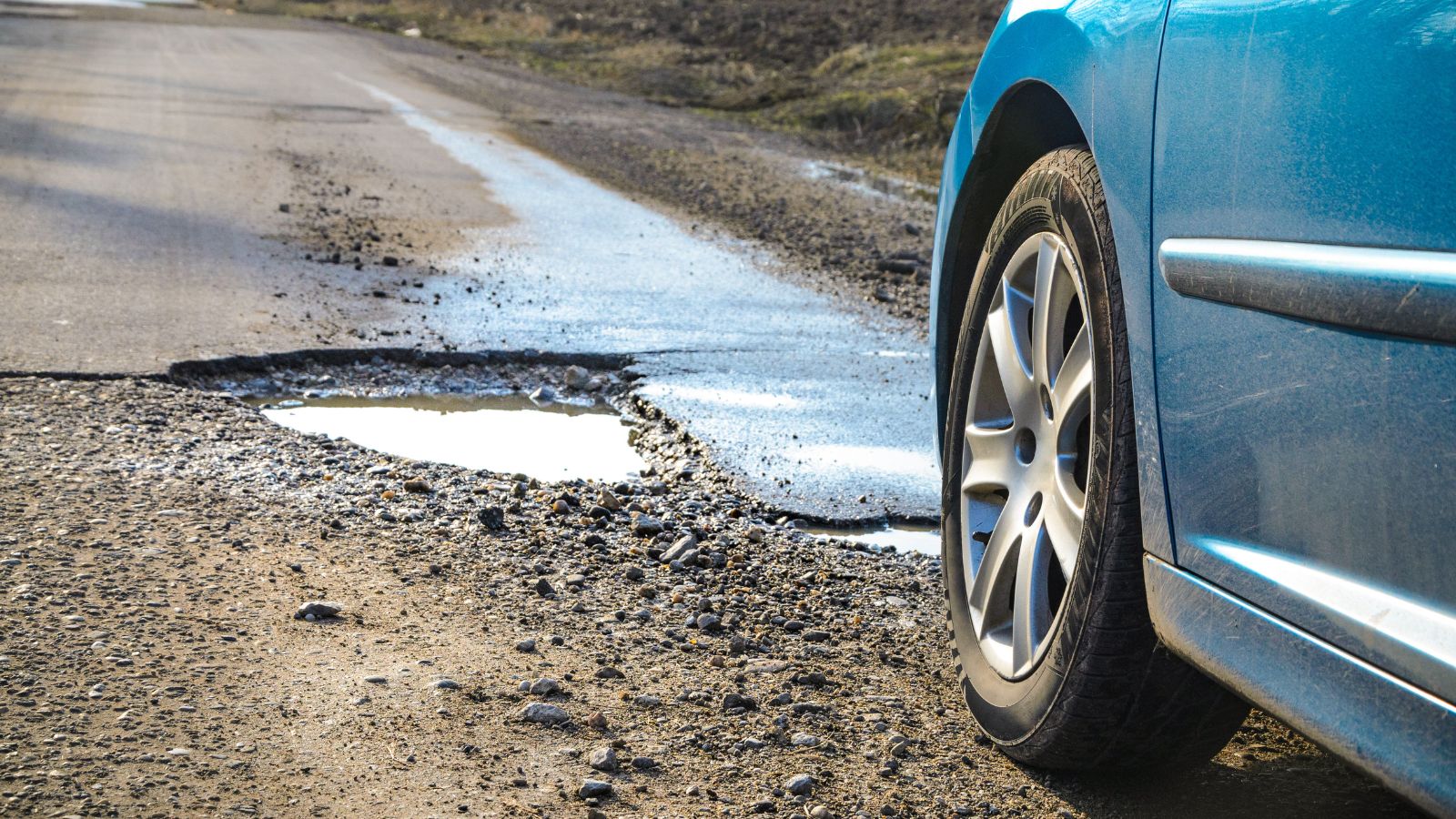
Pothole damage rarely announces itself with one dramatic moment. More often, it builds through a series of hard hits that seemed survivable at the time. By late spring, the clues start adding up: the steering wheel sits slightly off-center, the car drifts on a flat road, and one front tire begins wearing faster than the other. Drivers often blame wind, road crown, or old tires before realizing that the alignment itself was knocked out during months of rough pavement.
That can get costly fast. Misalignment does not just make a car annoying to drive; it also shortens tire life and adds stress to steering and suspension components. A driver heading into summer with even a mild pull may finish the season with visibly uneven tread and a more expensive repair list. It is one of those problems that feels small until it is measured. Then the hidden cost becomes obvious. Spring is the perfect setup for it because roads are still scarred from freeze-thaw cycles, and the consequences tend to appear right when people start driving farther and faster again.
A bent wheel or bad balance that only shows up at highway speed
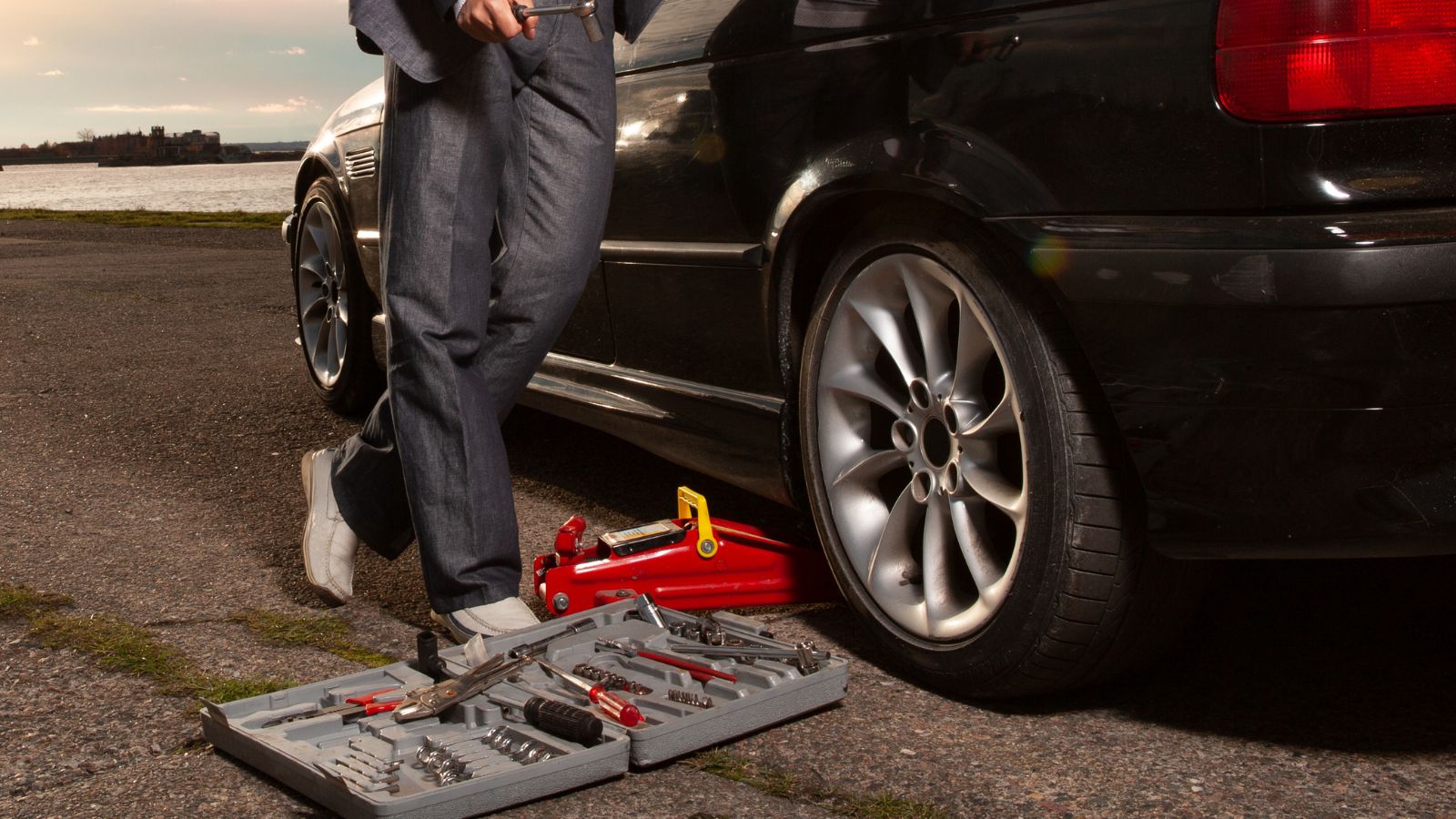
Some cars feel perfectly normal around town and then start vibrating the moment the speed climbs. That is the classic spring surprise of a bent wheel, shifted balance weight, or tire-and-wheel assembly that no longer spins as smoothly as it should. A pothole hit in March may not feel severe enough to remember, and a seasonal tire swap can introduce a small imbalance that stays hidden until a highway run makes it obvious.
The giveaway is usually consistency. The shake appears in a certain speed range, often through the steering wheel or seat, and then fades or changes above it. Drivers sometimes assume the entire suspension is failing, but the root problem may be much simpler. Even so, it should not be ignored. A poorly balanced assembly can speed up uneven tire wear, make long drives tiring, and mask other issues that deserve attention. Spring is when people notice it because they return to longer drives, cleaner pavement, and open-road speeds that make small rotating problems impossible to miss.
Suspension wear that turns every bump into a message
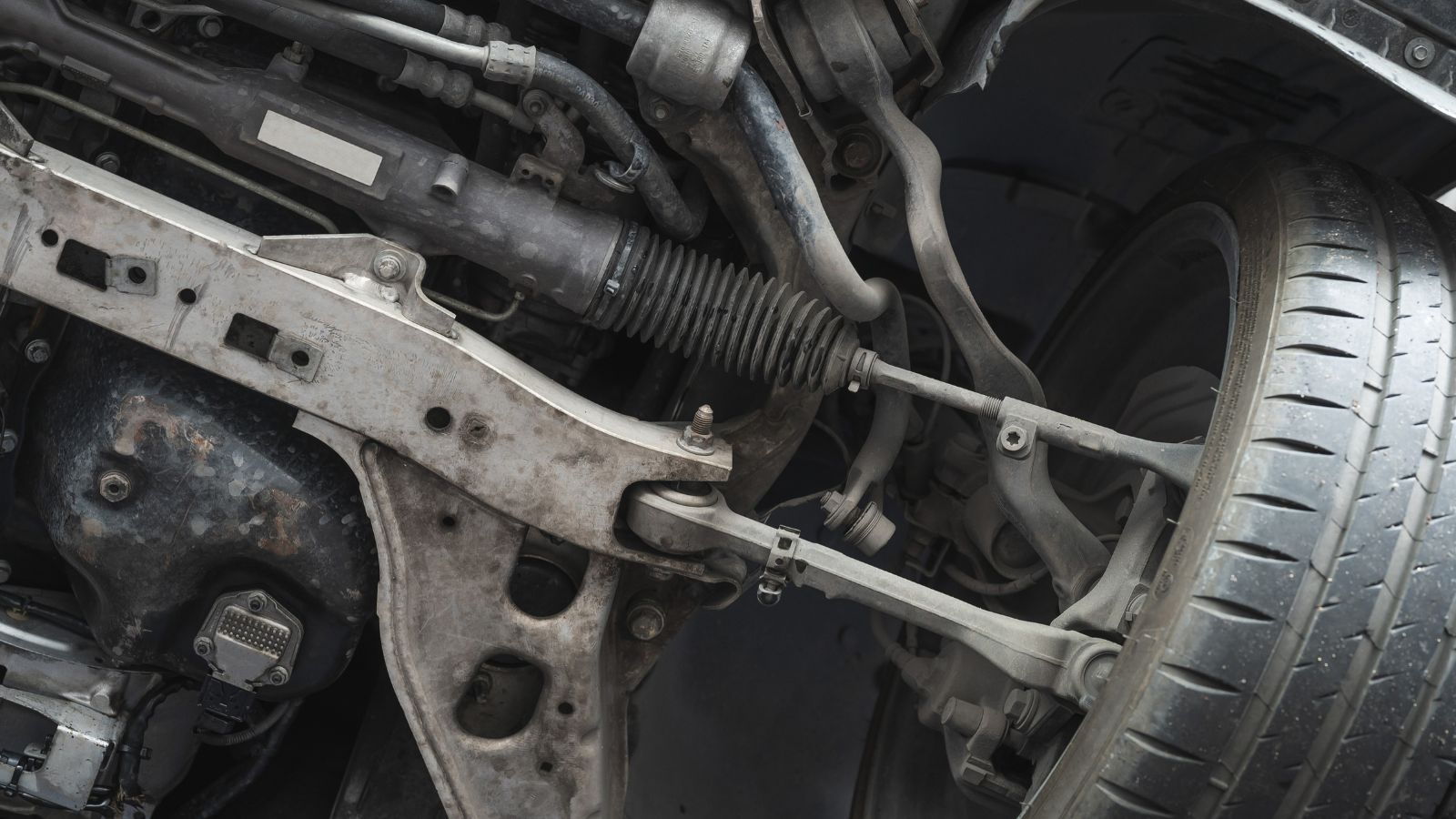
A tired suspension can hide in plain sight through winter because rough roads and bad weather make everything feel unsettled anyway. Once spring arrives, the same car can suddenly feel floaty, clunky, or strangely loose. A bump that used to pass with one controlled motion now creates extra bouncing. The front end dips more under braking. A pothole brings a dull thud that sounds expensive even before anyone looks underneath.
That shift happens because worn shocks, struts, and bushings show themselves more clearly when the driver expects normal road feel again. There is also often a winter backstory: repeated pothole hits, frozen ruts, and general road abuse speed up wear on parts that were already aging. The result is a car that feels older in May than it did in January. The tires often start telling the same story through cupping or uneven wear. What seems like a comfort issue can become a safety and cost issue quickly, especially once summer travel adds luggage, passengers, and longer braking distances to the equation.
Brakes that feel rough, noisy, or slow to settle down
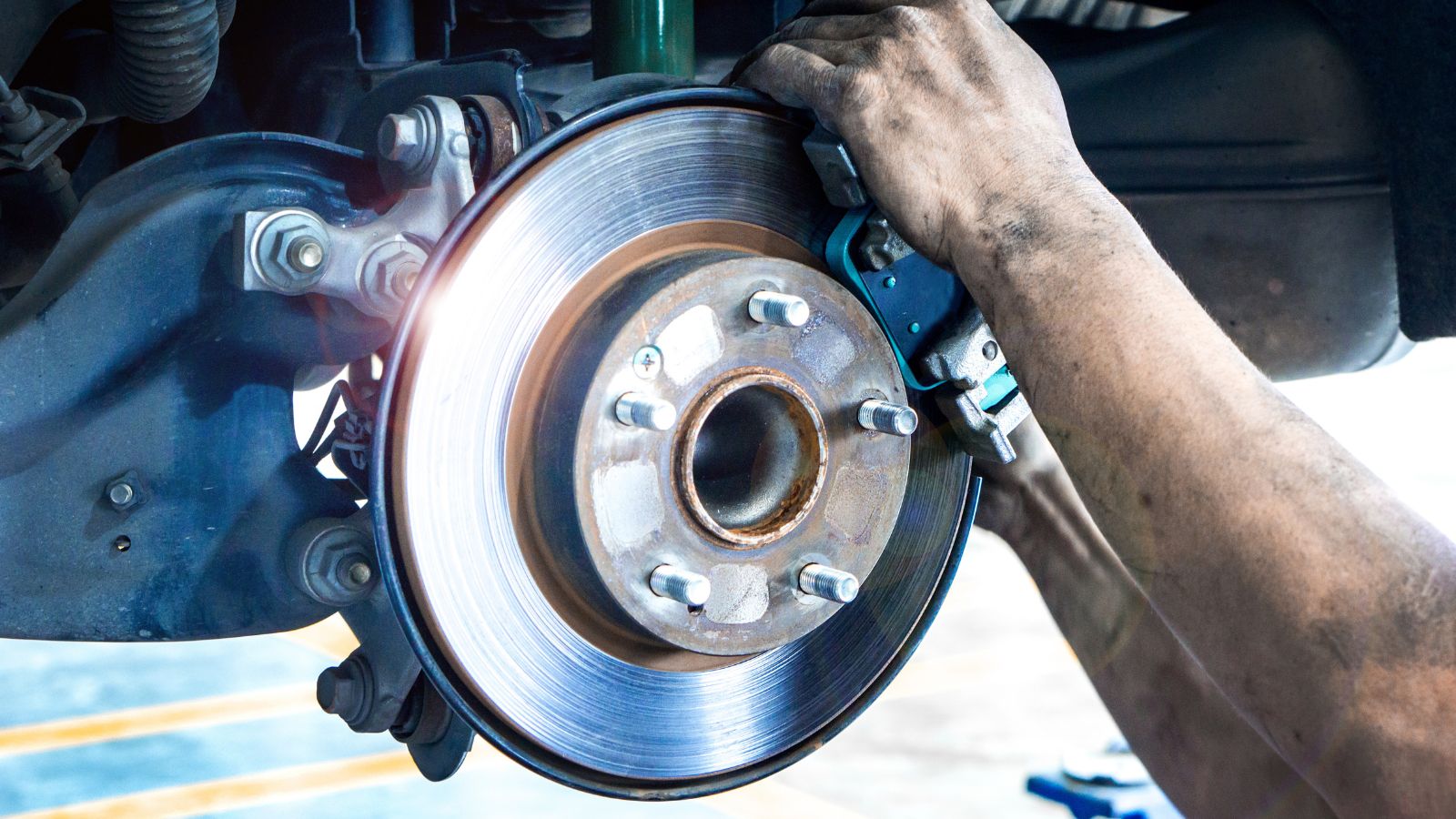
Brake complaints often begin in spring with a sound rather than a warning light. There may be a scraping noise after rain, a rough first stop of the day, or a pulse through the pedal that was not there before. Some of that can be harmless surface rust that clears quickly, especially after wet weather. The more serious version is when the noise keeps returning, braking feels uneven, or the car develops a shudder that grows worse as speeds rise.
That is when spring’s leftover moisture and grime stop looking seasonal and start looking mechanical. Brakes are a wear system, and winter is hard on them. Moisture, road contamination, and stop-and-go driving can all make a marginal setup feel noticeably worse by late spring. Drivers often delay inspection because the car still stops, but that is how a manageable pad-and-rotor job turns into a larger repair involving calipers, hardware, or damaged rotors. When the weather warms and windows stay open, people also hear more of what the brakes have been trying to say for weeks.
Wiper blades that suddenly cannot handle spring rain
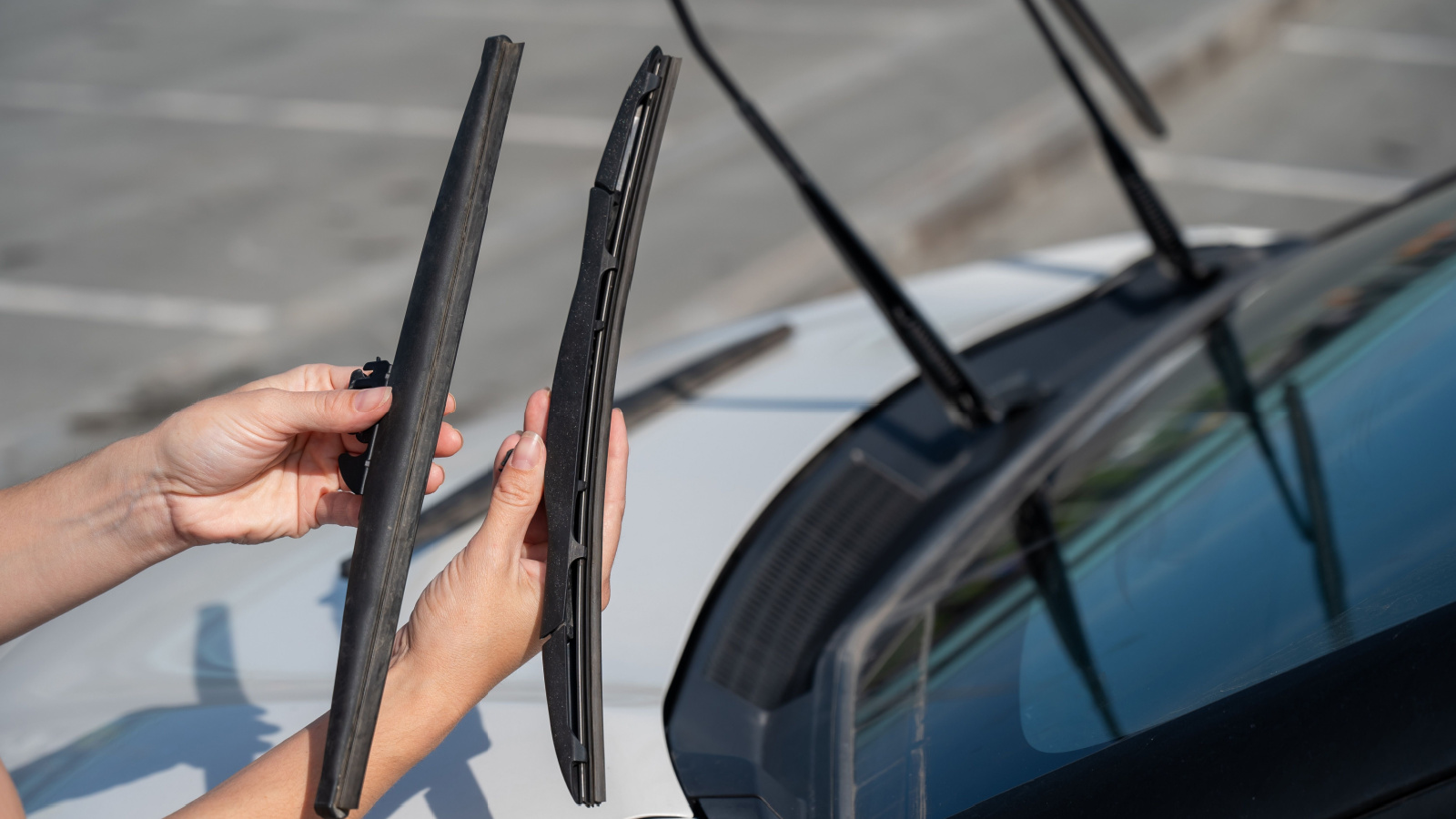
Wiper blades usually fail in a very ordinary, very irritating way. The first real spring downpour arrives, the switch goes on, and instead of a clean sweep there is smearing, chatter, streaking, or a rubber edge that skips across the glass. Winter did the damage quietly through ice, road grit, dry scraping, and temperature swings. Spring is simply when visibility starts mattering again at higher speeds and in heavier rain.
Because the failure seems minor, it is often tolerated much longer than it should be. Drivers lean forward, defog the windshield repeatedly, and keep promising themselves they will replace the blades next week. Yet poor wiping performance compounds fast in dark rain, dirty spray, or oncoming glare at dusk. It can also exaggerate the frustration of other spring issues, including windshield chips and washer-system problems. This is one of the simplest seasonal repairs on the list, but it remains one of the most common because wipers age gradually enough to feel normal right up until the day they are clearly not.
A small windshield chip that becomes a real crack

A tiny chip in March can turn into a full crack by early summer, and the jump often feels unfairly sudden. The truth is that glass damage responds badly to temperature shifts, vibration, rough roads, and pressure changes across the windshield. Spring delivers all of that at once. A cool morning, a hot afternoon, a blasting defroster, a cold rain, or the first strong use of air conditioning can all add stress to damaged glass that already had very little margin left.
That is why people are often caught off guard. The chip looked stable for weeks, then one commute later it stretches across the driver’s field of view. Pothole impacts can help it along, and so can spring storm season when wet roads and flying debris increase the odds of another hit. The cost difference between an early repair and a full replacement can be significant, which is why this problem earns a spot on so many summer-prep lists. It does not need to be dramatic to become expensive. It only needs to be ignored for a little too long.
A cabin air filter packed with pollen, dust, and winter grit
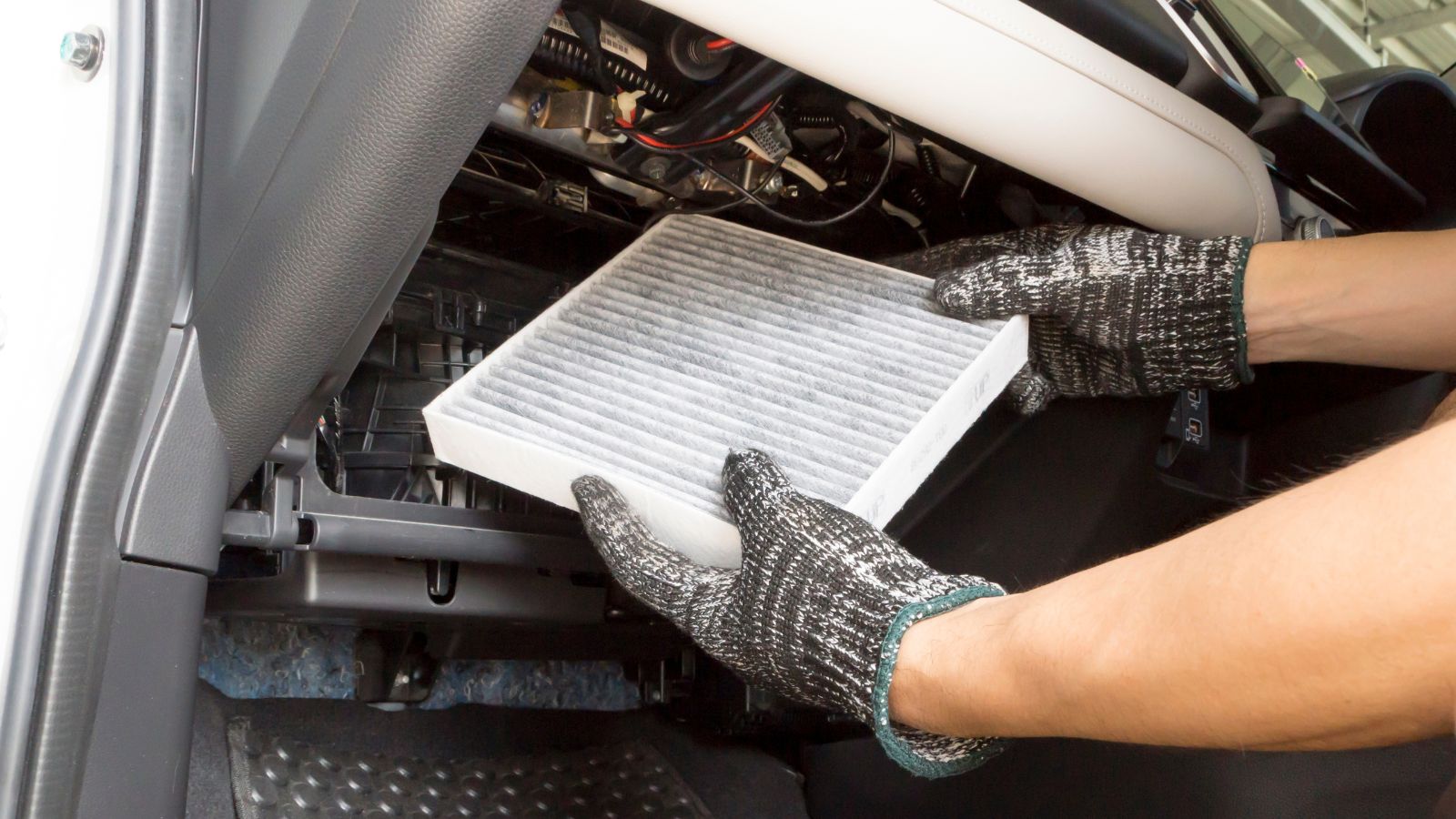
When spring allergies flare up, drivers often blame the season before they blame the car. Yet a neglected cabin air filter can make the inside of the vehicle feel stale, dusty, and strangely under-ventilated even when the HVAC system is running hard. By late spring, the filter may be carrying a mix of winter grime, road dust, and a heavy load of pollen. The result is weaker airflow from the vents, slower defogging, and an interior that never seems to smell completely fresh.
This tends to surface right before summer because air conditioning demand rises at the same moment airborne debris does. A clogged filter makes the whole system feel less effective. Drivers notice that the fan sounds busy, but the cabin cools slowly. Windows may fog more easily in damp weather. People with allergies often feel the difference first, though anyone can notice the musty odor or reduced airflow. It is a small maintenance item with outsized influence on comfort, especially once hot weather arrives and the cabin becomes a place where people expect immediate relief, not stale air and weak ventilation.
Air conditioning that feels weak before the first real heat wave

A vehicle’s air conditioning system can seem acceptable in mild weather and then feel almost useless once the temperature truly climbs. That is why weak A/C is such a classic late-spring complaint. Mild days can hide refrigerant loss, blower issues, and airflow problems because the system is not being asked to do much. The first hot week changes that fast. Suddenly the vents are blowing lukewarm air at idle, the cabin takes forever to cool, or the airflow feels inconsistent from one setting to the next.
Drivers often notice it first in traffic, during school pickup, or after the car has been sitting in the sun. Those conditions expose any system that has been slowly losing performance. Sometimes the cause is a refrigerant leak. Sometimes it is a fan, control issue, or restricted airflow inside the HVAC system. What matters is that weak A/C almost always gets worse at the exact moment people need it most. That makes spring the season of discovery. The problem was already there; warmer weather simply stops being polite enough to hide it.
A clogged or damaged condenser and radiator face
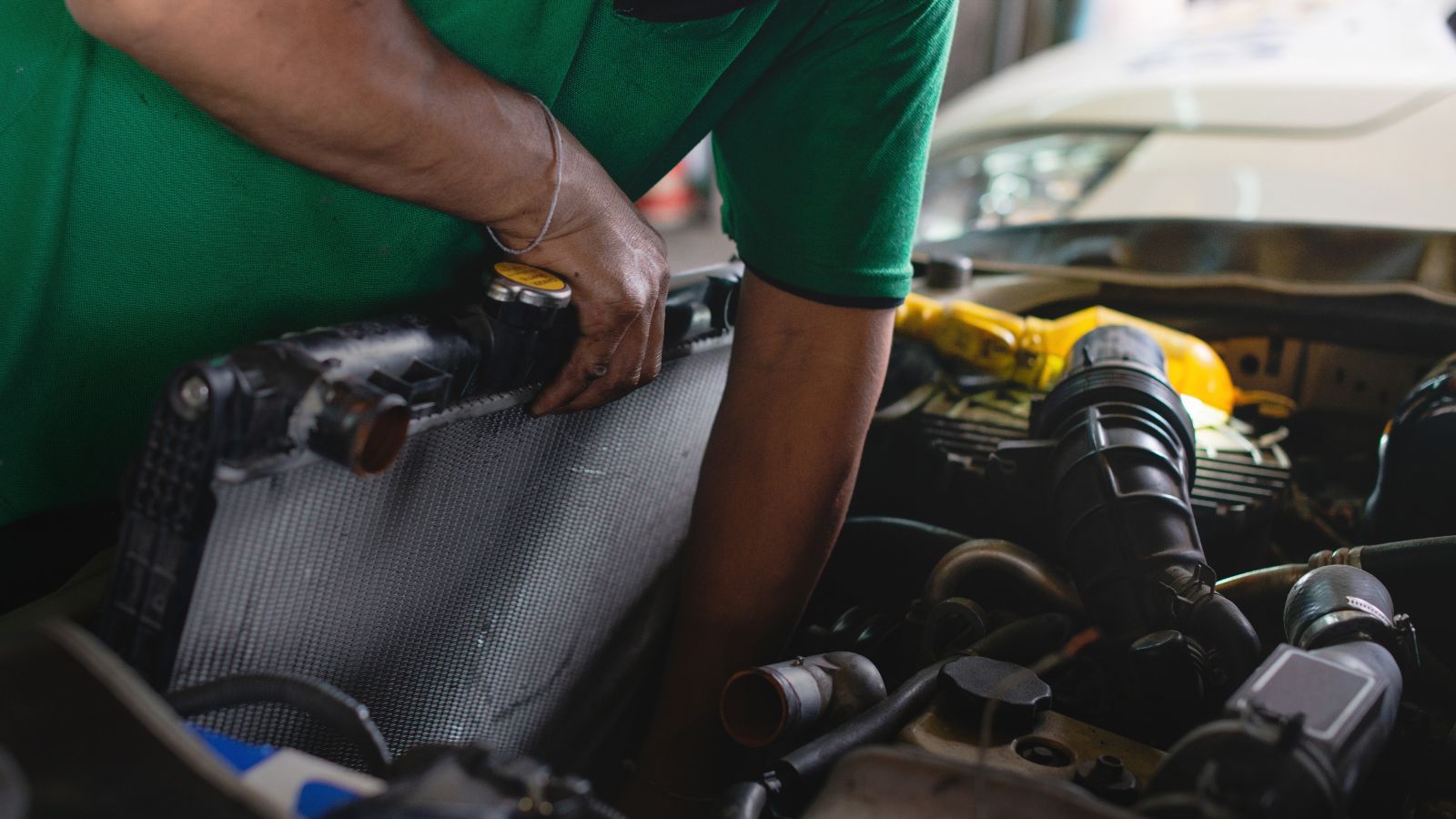
The front of a vehicle takes a quiet beating through winter and spring. Sand, bugs, leaves, and road debris collect where many drivers never think to look: across the fins of the condenser and radiator. Because those components rely on clean airflow to shed heat, even a moderate buildup can reduce cooling performance. In spring, the symptoms may show up as weaker air conditioning, rising engine temperatures in traffic, or a cooling fan that seems to run more often than before.
This is one of those problems that feels oddly seasonal because the buildup becomes visible only after weather changes. Winter grime lingers, spring debris arrives, and then early summer heat turns the restricted airflow into a noticeable performance issue. A light coating of debris may not sound serious, but airflow is the whole game for those heat exchangers. If the fins are blocked, bent, or damaged by small road impacts, the system has to work harder to deliver the same result. That can make a healthy A/C system feel tired and a borderline cooling system feel one traffic jam away from overheating.
Cooling-system leaks that wait for warm weather to matter
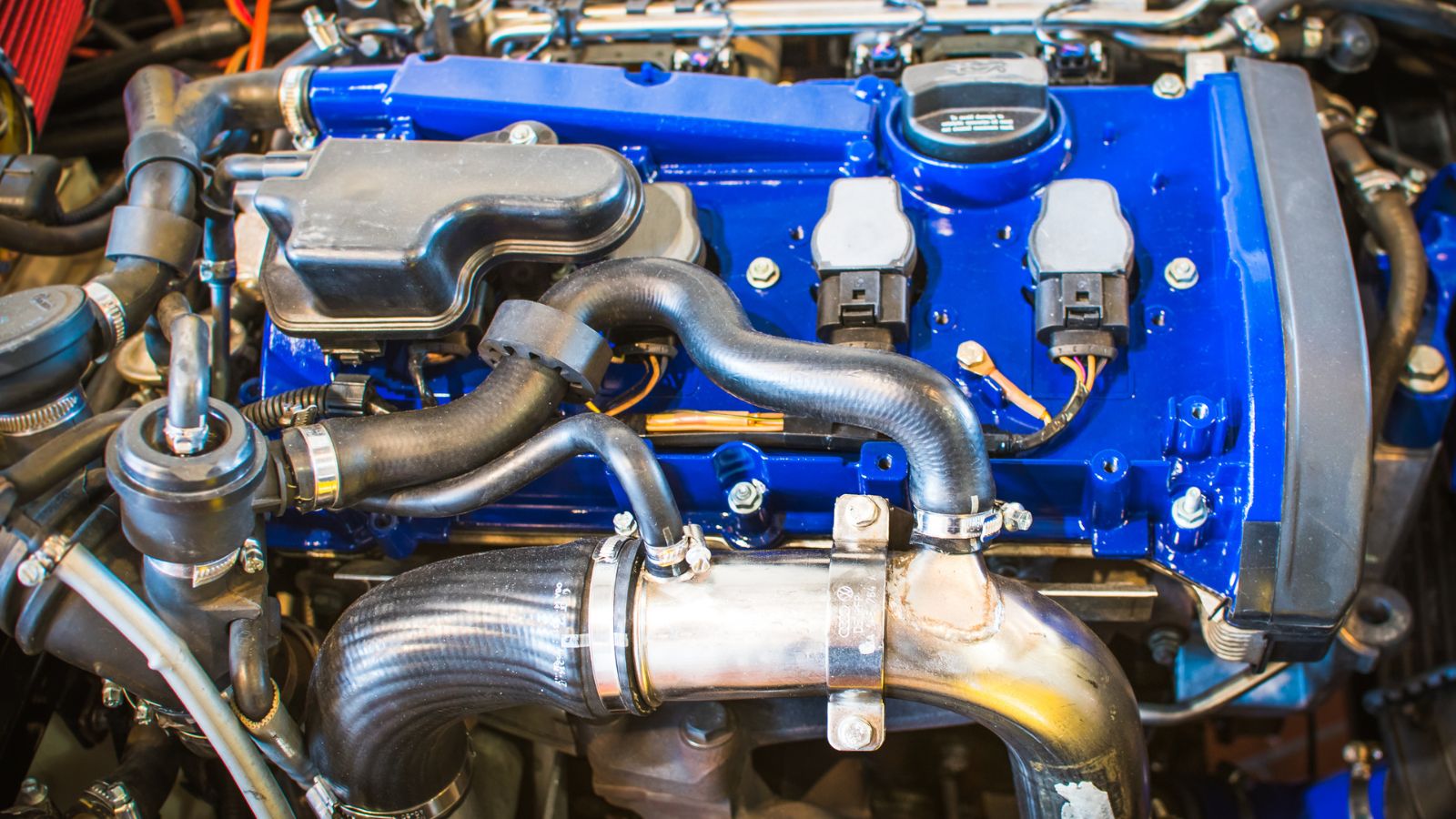
Cooling-system problems are patient. A worn hose, weak clamp, small radiator leak, or failing thermostat can stay mostly quiet while temperatures are low, then become urgent once spring turns warm. That is why overheating complaints often appear right before summer road trips begin. The car may have been losing a little coolant for weeks, but it is only when ambient temperatures rise and the engine works harder that the weakness becomes impossible to ignore.
The warning signs are not always dramatic at first. There may be a sweet smell after parking, a reservoir level that seems to drop between checks, or a temperature gauge that runs slightly higher than usual in traffic. Then one warm day brings a spike, steam, or a dashboard warning that forces the issue. This problem deserves respect because cooling-system failures have a way of escalating from inconvenience to breakdown very quickly. Spring exposes them because it sits at the perfect threshold: warm enough to stress the system, but early enough that many drivers have not yet thought seriously about summer heat.
Low oil or overdue service that adds heat at the worst time
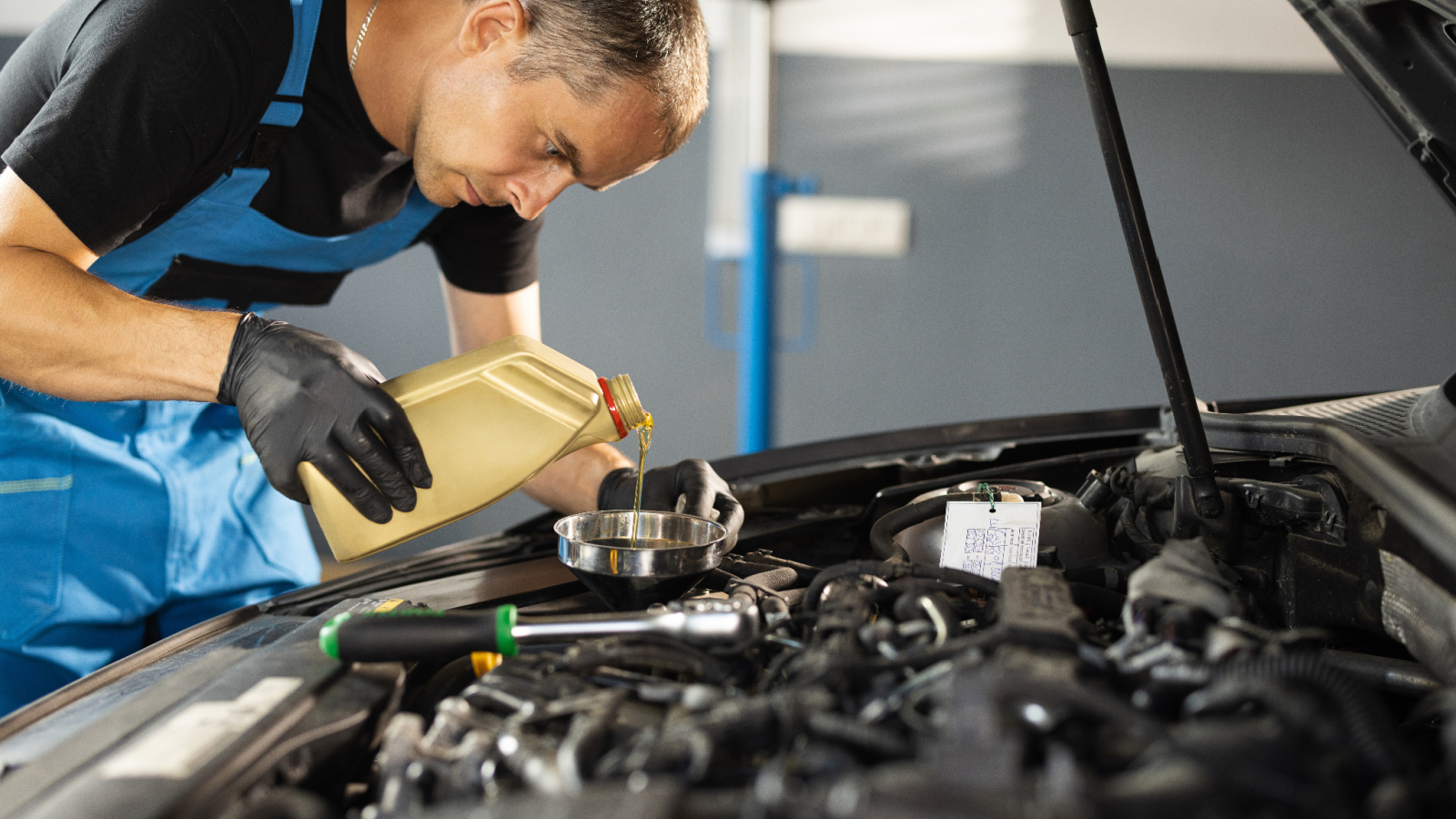
A car that is overdue for an oil change or running low on oil does not always feel broken. It may simply feel a little rougher, a little louder, or slightly less eager on warm days. That subtlety is why this issue often gets carried from winter into late spring. Short trips, missed service appointments, and the assumption that the car still “seems fine” can let oil condition or level slide until rising temperatures start adding extra heat to the equation.
Oil is not just about lubrication in the abstract. It directly helps manage friction and temperature inside the engine. When the level is low or the service interval is badly stretched, the engine has less margin under load. The problem might first appear during a highway merge, a long idle in traffic, or a weekend drive with the cabin full and the A/C running. Drivers then blame heat, not realizing that maintenance debt is amplifying it. Spring is when overdue service begins turning from a calendar issue into a mechanical one.
Road-salt corrosion that starts showing its real cost
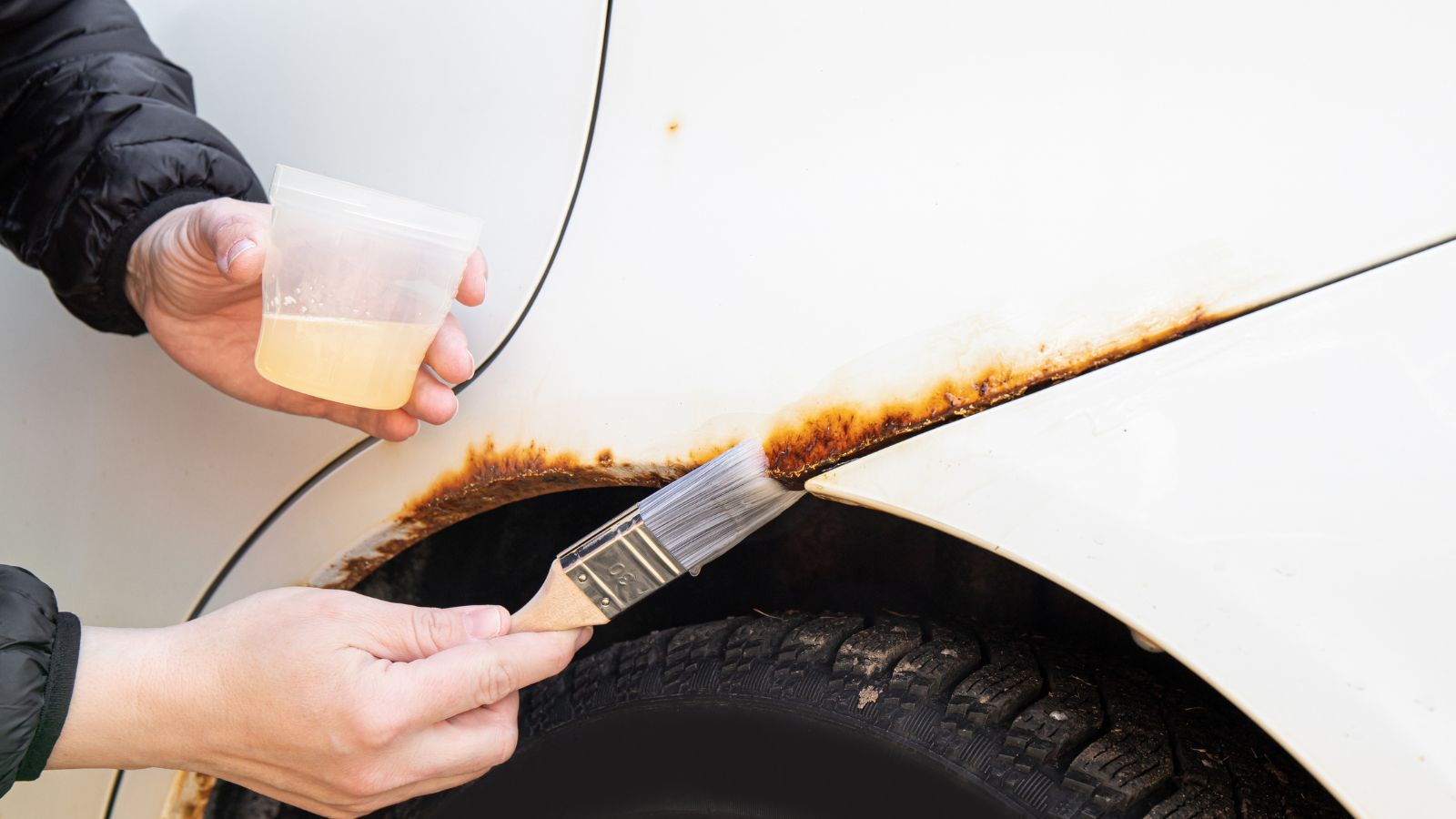
Winter salt damage rarely looks urgent in the moment. It dries, hides, and waits. Then spring arrives and the consequences begin surfacing in less cosmetic places: rusty hardware, crusty brake and fuel lines, flaky heat shields, noisy exhaust components, or suspension parts that no longer look as sturdy as they did a year ago. Many drivers first notice it as a new rattle, a rough underside inspection, or a repair estimate inflated by bolts and fittings that no longer want to come apart cleanly.
That is what makes corrosion so frustrating. It feels like an appearance issue until it starts affecting actual repairs and component life. The underside of the vehicle carries the worst of it, and spring moisture can keep the process active even after winter ends. A car that was never washed underneath through the cold months is especially vulnerable. By the time summer arrives, corrosion may already have turned simple maintenance into a tougher, pricier job. The damage is rarely dramatic all at once. It is cumulative, sticky, and expensive in a way that sneaks up on people.
Sunroof and cowl drains that start leaking during spring storms

Spring rain has a talent for exposing blocked drains that went unnoticed through winter. Leaves, seeds, and moist debris can collect in sunroof drains or cowl areas until water can no longer move where it should. The first clue is often not the cause but the symptom: a damp headliner, a wet floor mat, foggy windows, a musty smell, or a mysterious drip after a heavy rain. Because the weather is warmer, the moisture can linger long enough to create odor, mildew, and electrical concerns.
This issue catches people off guard because the vehicle may look perfectly sealed from the outside. The leak seems random, even though the drainage path has been slowly clogging for months. A driver may assume a door seal failed when the real culprit is debris buried out of sight. Spring is prime time for this because pollen, blossoms, and tree litter are everywhere, and rainfall becomes more frequent and intense in many regions. Left alone, a simple drainage problem can become an interior-damage problem, which is exactly why it so often becomes memorable just before summer.
A loose gas cap or EVAP fault that lights up the dash
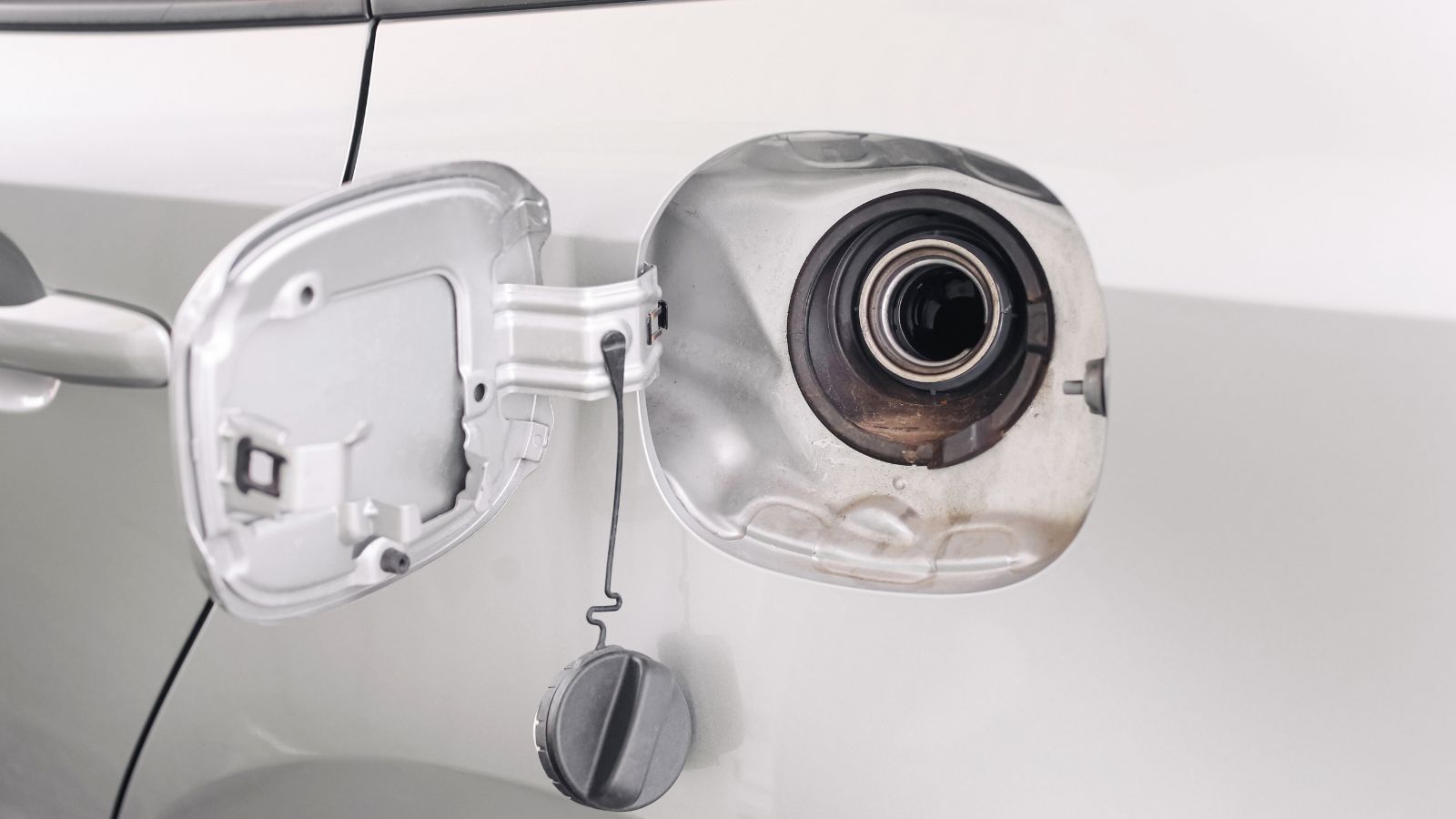
Few spring problems feel more insulting than a check-engine light caused by something as small as a gas cap. Yet this is common enough to deserve a place on the list. After a fill-up, a cap that is loose, cross-threaded, or wearing out can allow fuel vapors to escape and trigger an evaporative-emissions fault. The driver sees a warning light and assumes a serious engine problem, when the cause may be sitting right at the fuel door.
Spring and early summer make this more noticeable because warmer conditions increase fuel-vapor activity, and people often start driving more frequently, refueling more often, and preparing for longer trips. That means more chances to discover that the seal is no longer doing its job. Not every evaporative-system fault is minor, of course, but the gas cap remains one of the simplest places to check first. It is the perfect example of a problem that feels bigger than it is, right up until a careful inspection turns a stressful dashboard warning into a quick, inexpensive fix.
22 Things Canadians Do to Their Cars in Spring That Mechanics Hate

Spring brings relief to many Canadian drivers after months of snow, freezing temperatures, and icy roads that put serious strain on vehicles. As temperatures rise across the country, drivers begin washing cars, switching tires, and preparing vehicles for warmer weather and upcoming road trips. However, mechanics across Canada notice the same mistakes every spring when drivers attempt to recover from winter damage. Road salt, potholes, and harsh winter driving conditions often leave vehicles with hidden problems that drivers ignore. Some spring habits even create new mechanical issues that could have been avoided with proper maintenance. Here are 22 things Canadians do to their cars in spring that mechanics hate.