
























Car ads love snow. You see SUVs climbing icy hills with perfect grip and zero drama. Real life feels very different. Snow exposes weak traction, poor tires, and confused electronics. Many vehicles look rugged but struggle when roads turn slick. Some rely too much on software instead of a mechanical grip. Others simply have the wrong setup for winter conditions. Drivers often discover this after buying, not before. Marketing rarely shows what happens on untreated roads or deep slush. That gap matters when safety is involved. Here are 21 vehicles that are way worse in snow than their marketing claims.
Toyota C-HR
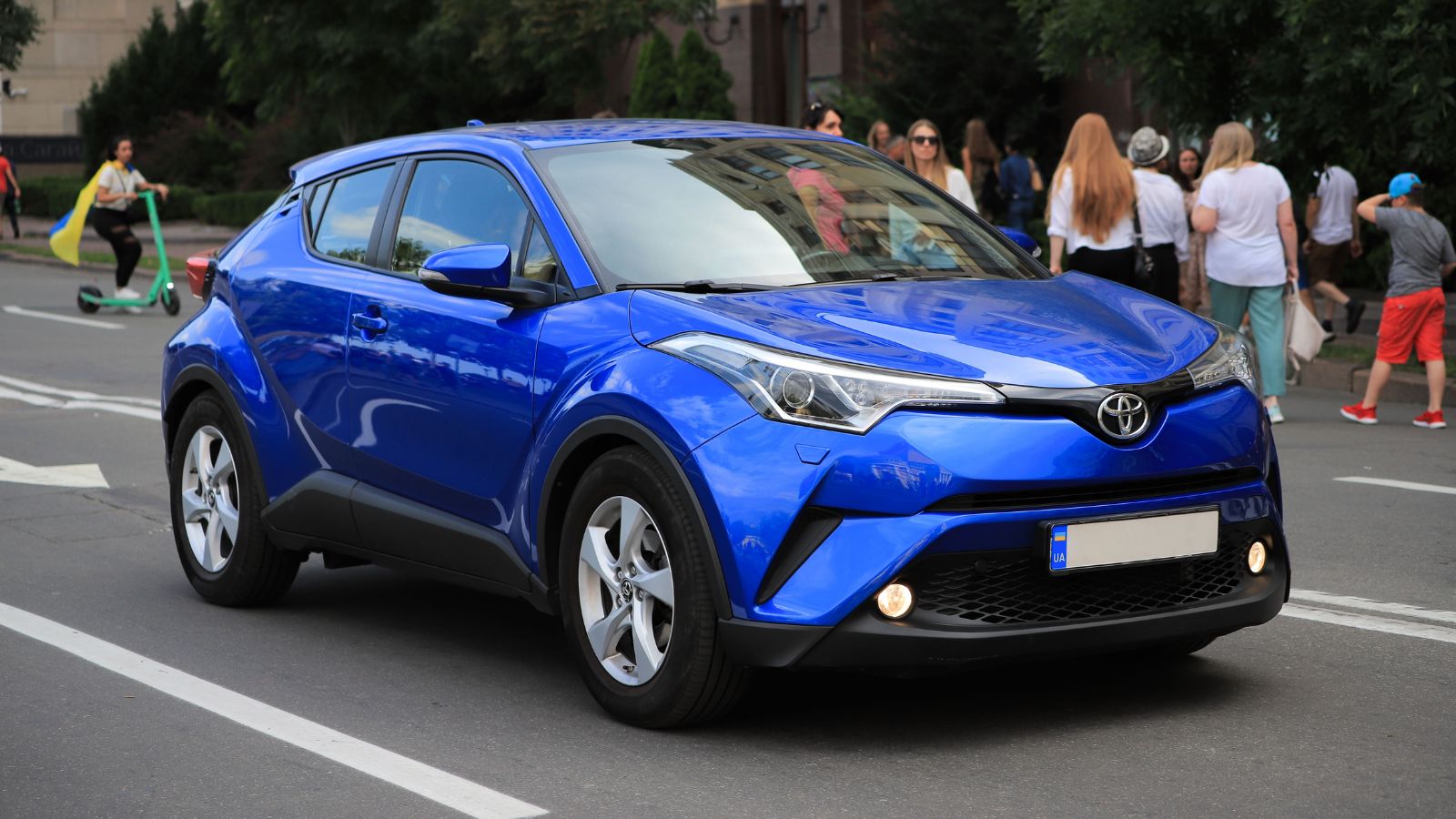
The Toyota C-HR looks ready for rough conditions. Its design suggests a compact crossover with attitude. The problem starts with its Front Wheel Drive setup. There is no All-Wheel Drive option available. That limits traction when roads get icy. The low ground clearance also hurts in deeper snow. Snow buildup under the car becomes an issue quickly. Stability control works hard but cannot replace proper grip. Drivers often feel the wheel spin when starting on inclines. Winter tires help, but only to a point. The styling promises more than the hardware delivers.
Mazda CX-3
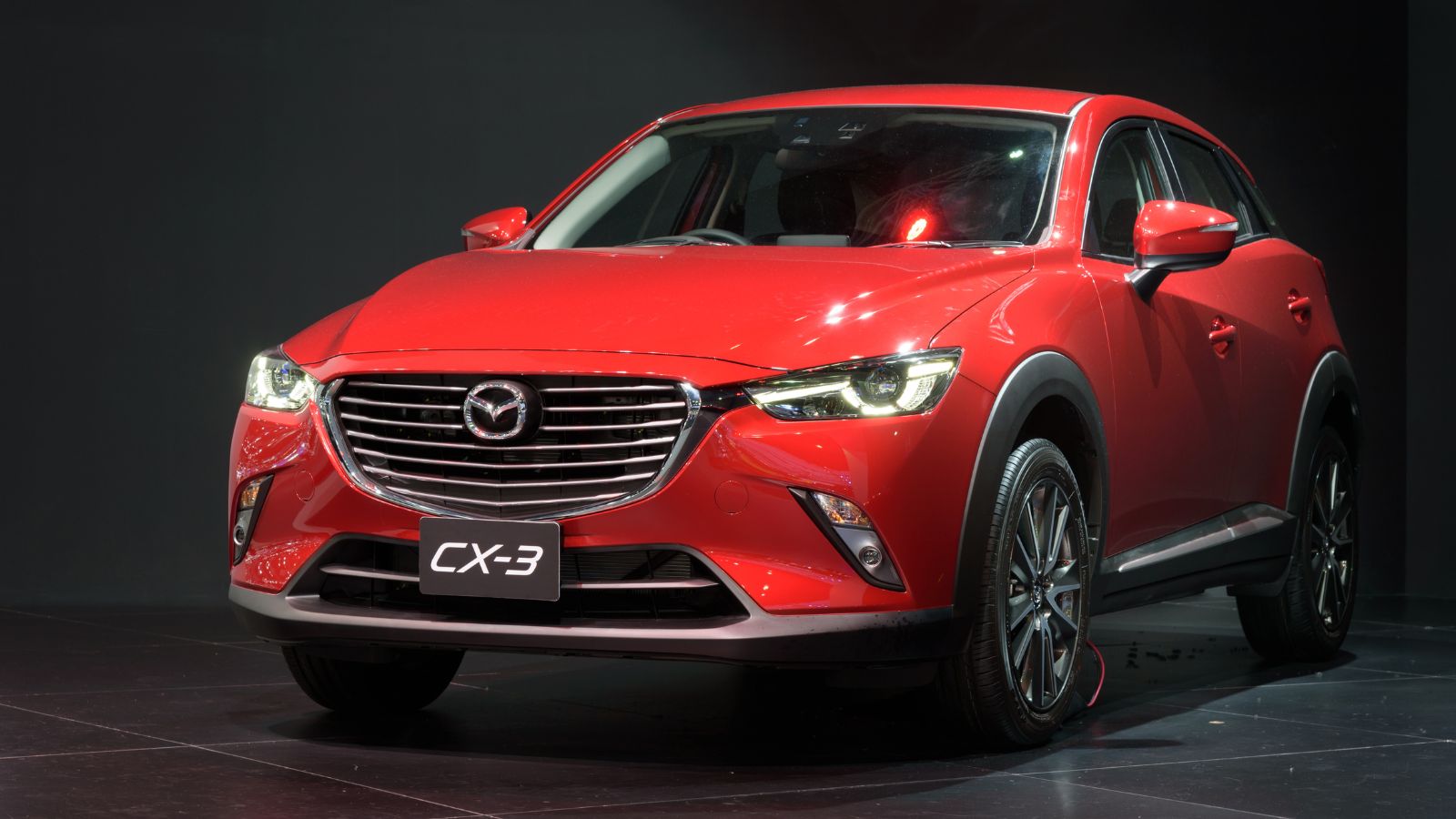
The Mazda CX-3 feels nimble in dry conditions. In snow, that light feel becomes a weakness. The short wheelbase makes it twitchy on slippery roads. Its All-Wheel Drive system is reactive, not proactive. Power shifts only after the slip begins. That delay can unsettle the vehicle. Ground clearance is also limited for a crossover. Deep snow becomes a struggle very quickly. Drivers report frequent traction control interruptions. It breaks momentum when climbing hills. The CX-3 is fun in cities, but winter exposes its limits.
Jeep Renegade
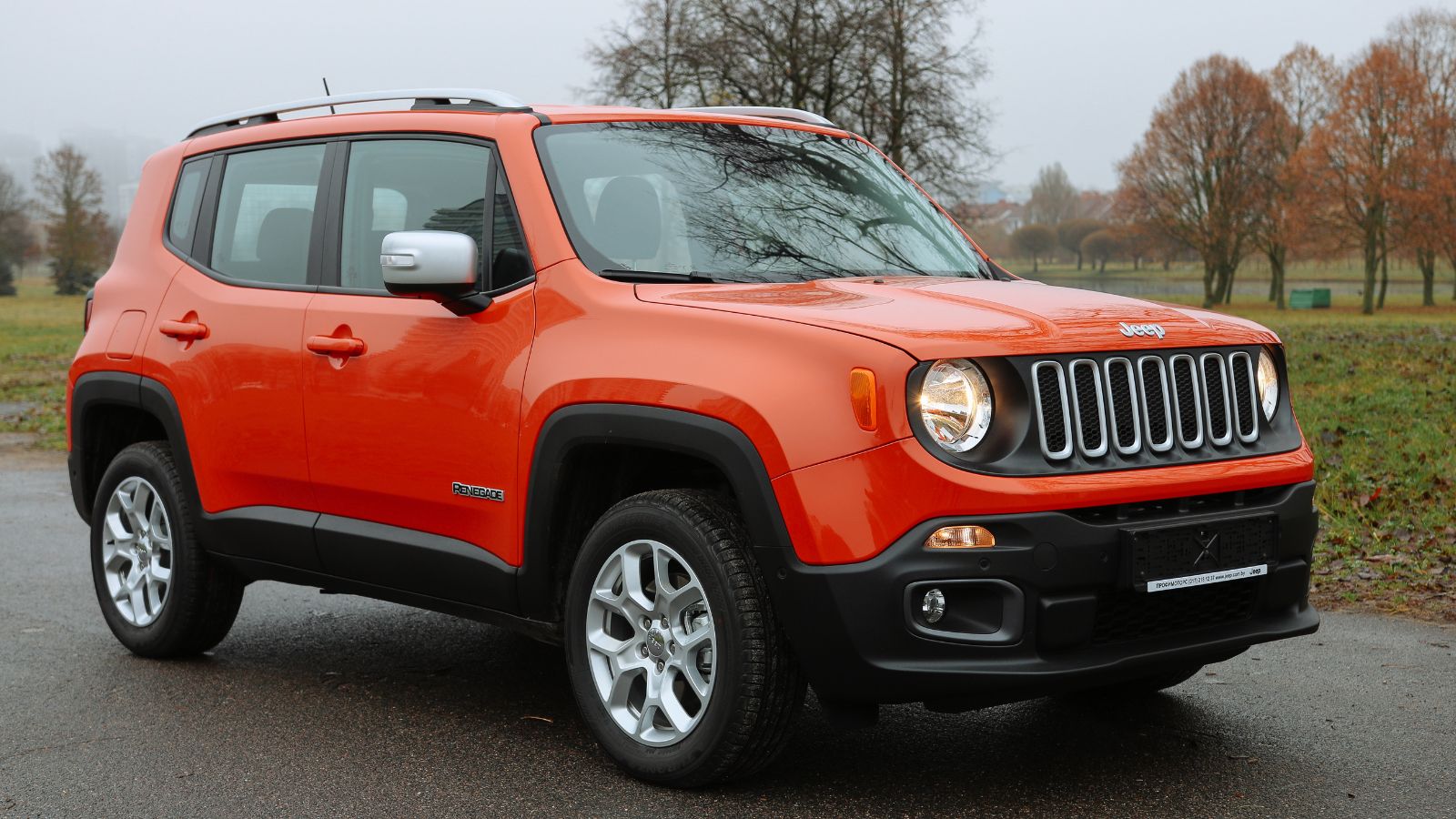
The Jeep badge suggests strong off-road ability. The Renegade does not fully live up to that image. Lower trims lack advanced Four-Wheel Drive systems. The base setup struggles on icy inclines. Tire choice from the factory also hurts performance. Many come with all-season tires that are not winter-friendly. The small size makes it easy to slide in crosswinds. Drivers expect rugged confidence but feel instability instead. The Trailhawk version improves things, but most buyers do not choose it. Marketing creates expectations that the base model cannot meet.
Nissan Rogue
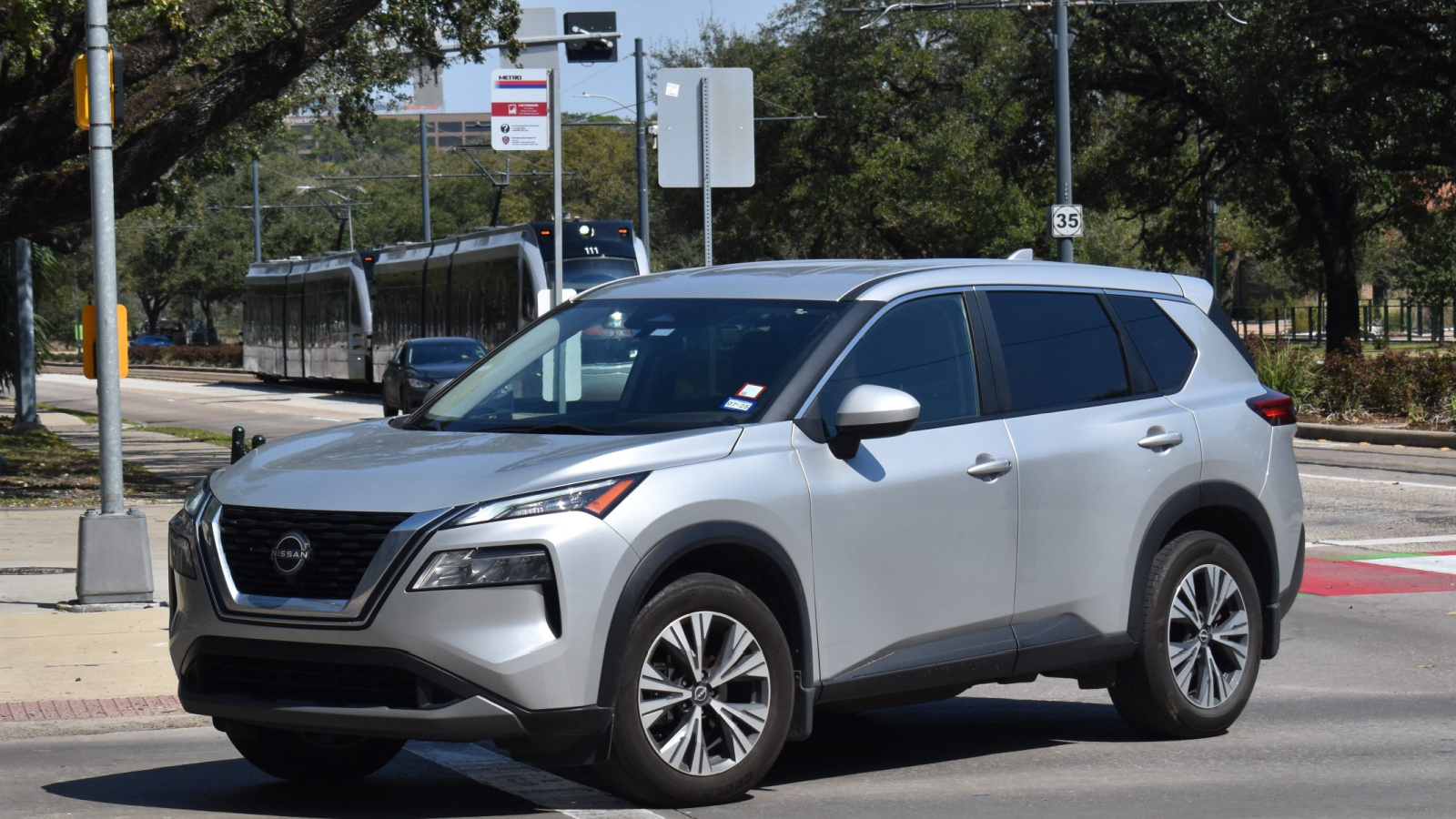
The Nissan Rogue is a popular family SUV. Its All-Wheel Drive system focuses on efficiency first. That means it reacts slowly to slipping wheels. In the snow, that delay becomes noticeable. Drivers often feel the front wheels struggle before help arrives. The vehicle also uses softer suspension tuning. That leads to floaty handling on icy roads. Steering feedback is limited, which reduces confidence. The Rogue works fine in light snow conditions. Heavy snow or hills reveal its weaknesses quickly.
Ford EcoSport
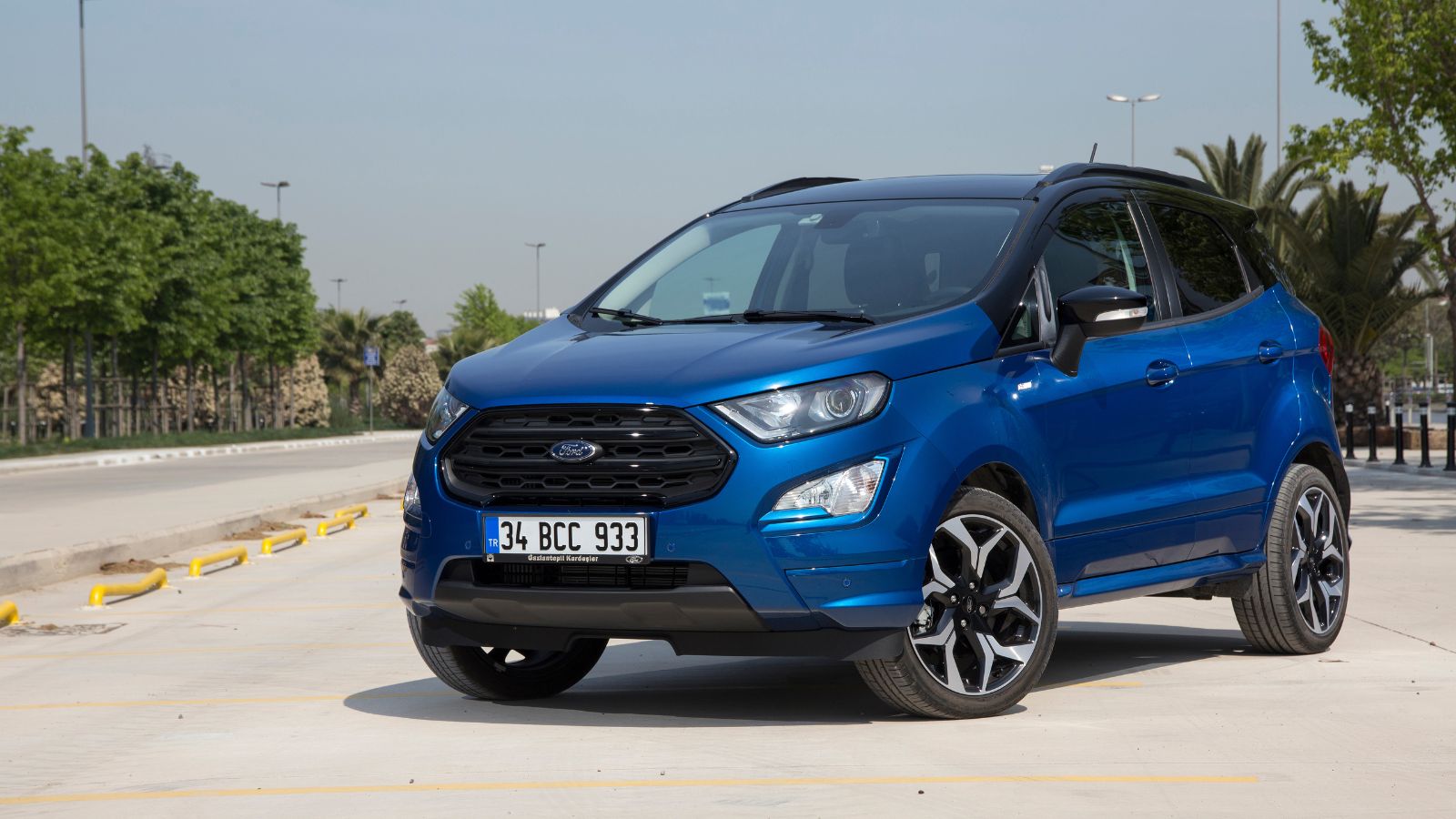
The Ford EcoSport carries SUV styling in a small package. It sits higher than a hatchback, but not by much. Ground clearance is still limited for snow conditions. Its All-Wheel Drive system lacks refinement. Power delivery can feel uneven when traction drops. The short wheelbase makes it unstable on icy surfaces. Drivers report sudden corrections from stability control. That creates a jerky driving experience. The narrow tires also reduce grip. It looks ready for winter, but it does not deliver consistent confidence.
Chevrolet Trax
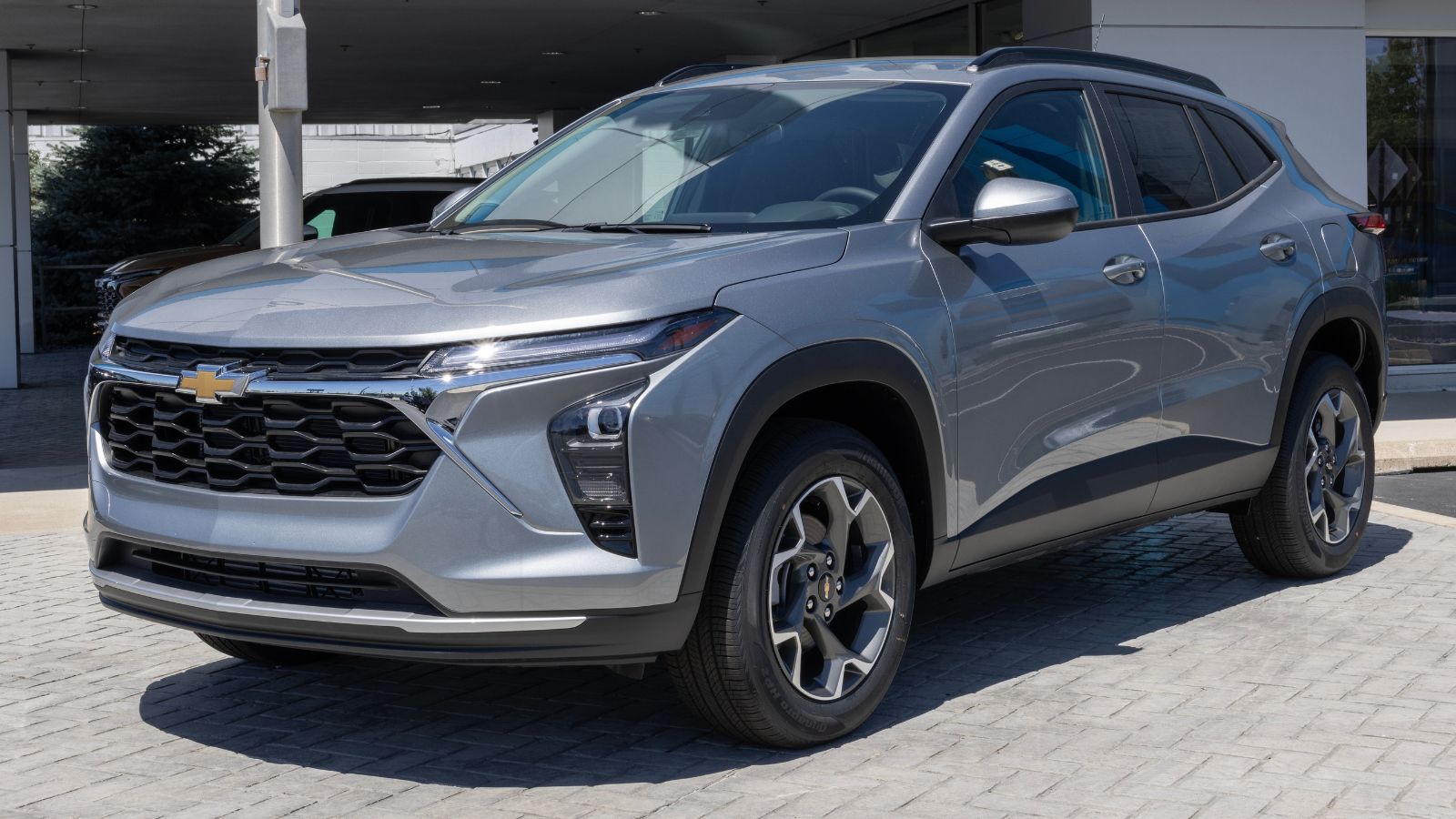
The Chevrolet Trax is often marketed as a city SUV. Its small size works well in tight spaces. Snow driving tells a different story. The All-Wheel Drive system reacts slowly to slipping wheels. It struggles to maintain traction on icy inclines. The engine lacks strong low-end torque. That makes it harder to climb slippery hills smoothly. Drivers often need more throttle than expected. That increases wheel spin. The overall experience feels underpowered and uncertain. Winter driving demands more capability than the Trax offers.
Honda HR-V
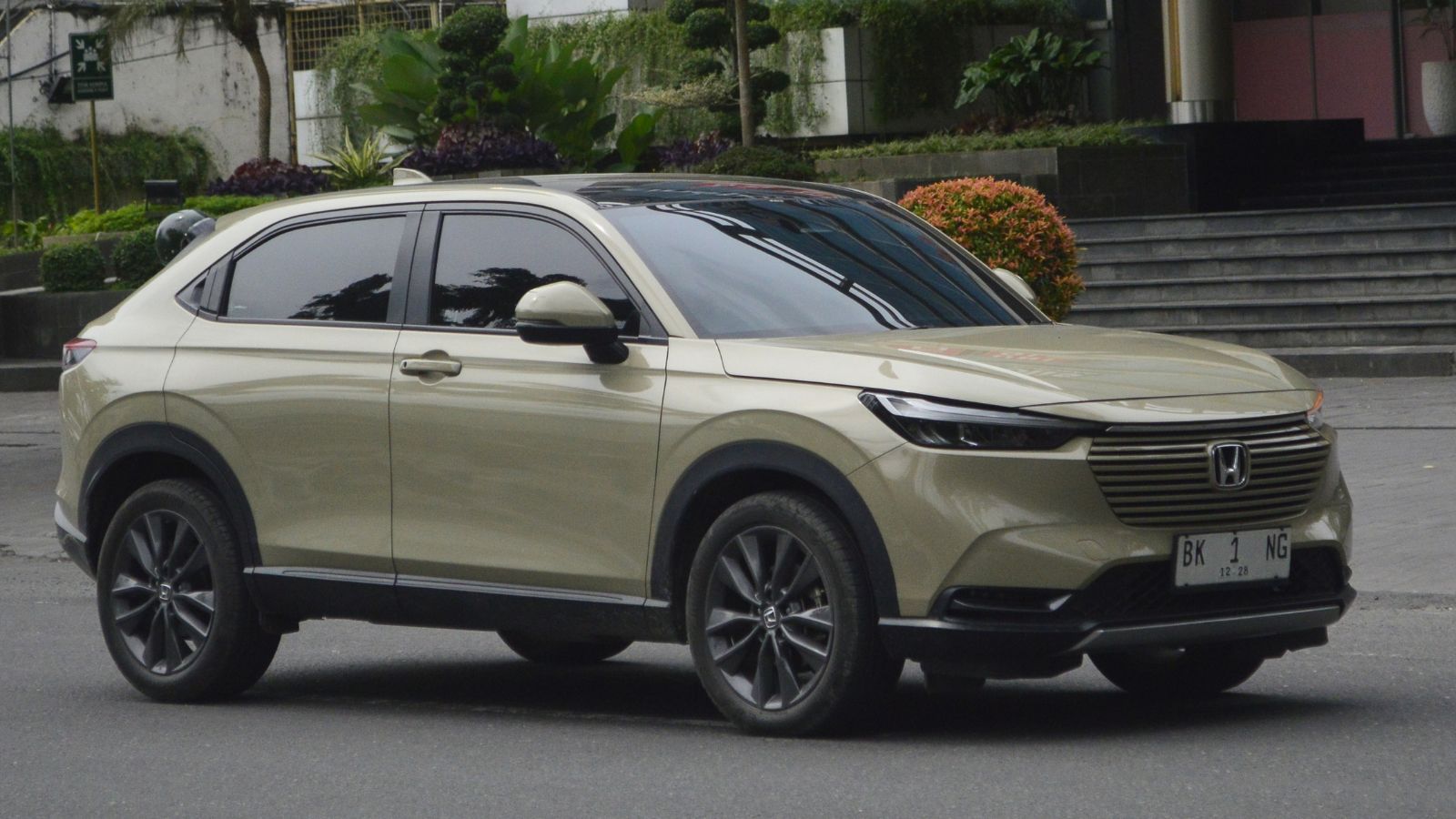
The Honda HR-V is known for reliability and practicality. Its All-Wheel Drive system is not very aggressive. It activates only after detecting a slip. That delay reduces confidence on icy roads. The vehicle also uses a modest engine. Acceleration feels slow, especially in slippery conditions. Drivers may push harder on the throttle. That leads to more wheel spin. Ground clearance is average, not impressive. Snow buildup can still become an issue. The HR-V handles light snow well. It struggles when conditions become more challenging.
Toyota RAV4 Hybrid
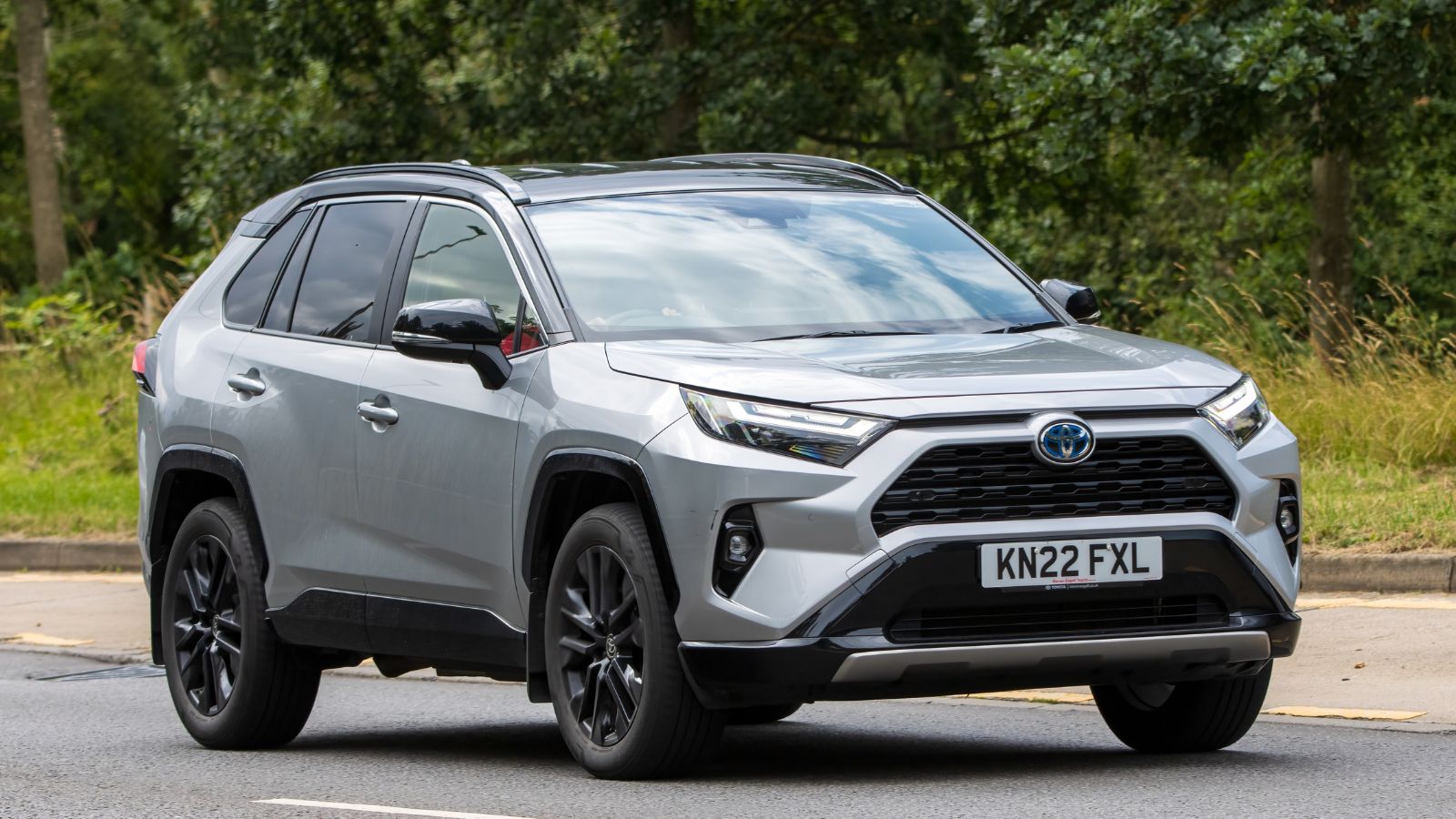
The Toyota RAV4 Hybrid uses an electric motor for the rear wheels. It sounds advanced and efficient. In snow, it can feel inconsistent. The rear motor engages based on demand, not constantly. That creates uneven power distribution at times. Drivers may notice hesitation before traction improves. The system works best at lower speeds. Higher speeds reduce its effectiveness. The hybrid setup also adds weight. That affects stopping distances on icy roads. It is efficient, but not as confidence-inspiring as expected.
Subaru BRZ
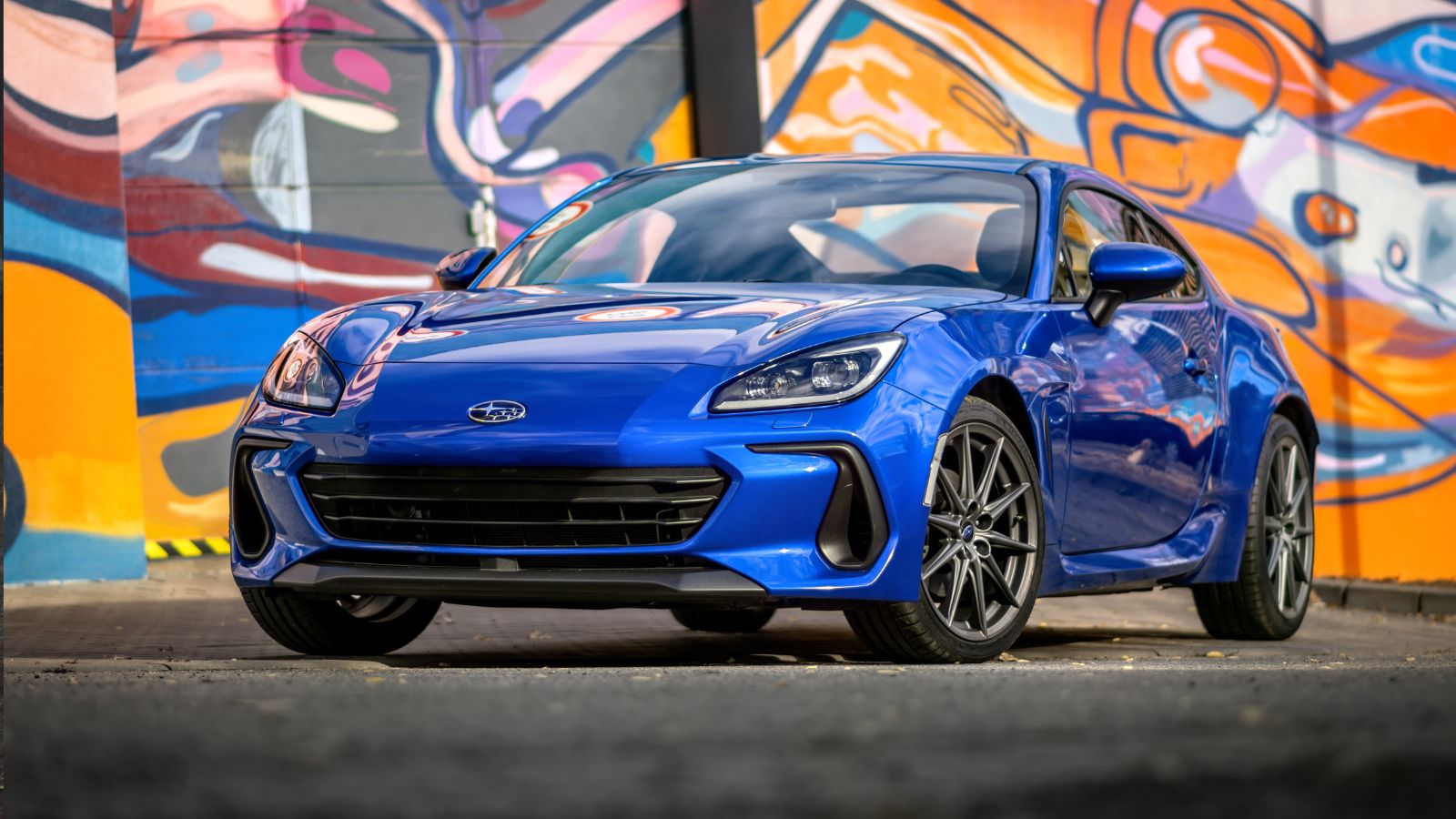
The Subaru BRZ comes from a brand known for All Wheel Drive. This model is different. It uses Rear Wheel Drive only. That makes it tricky in snowy conditions. The low ground clearance limits usability in deeper snow. Its sporty tires are not winter-focused. Even with winter tires, it requires careful driving. The lightweight design can feel unstable on ice. Drivers need strong skills to manage traction. Marketing focuses on fun driving, not winter capability. Snow driving demands caution and patience.
Tesla Model 3
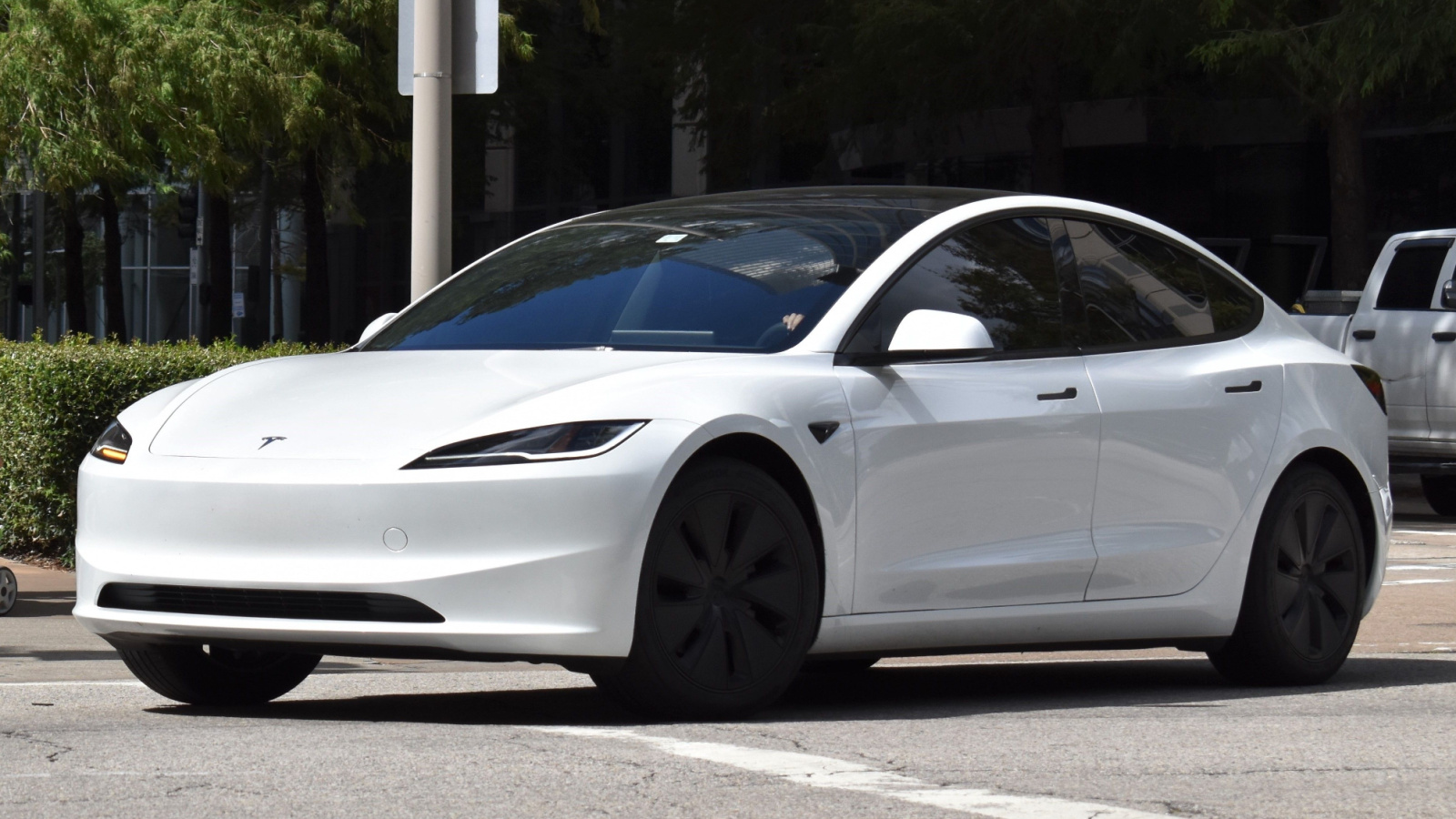
The Tesla Model 3 offers quick acceleration and modern tech. Its performance can feel unpredictable in the snow. Instant torque can cause sudden wheel spin. The traction control system works hard to manage it. Drivers often notice jerky power delivery on ice. The low ground clearance limits performance in deeper snow. Regenerative braking also changes driving behavior. It can unsettle the car on slippery roads. Learning to manage it takes time. The Model 3 works, but it is not as effortless as advertised.
BMW X2
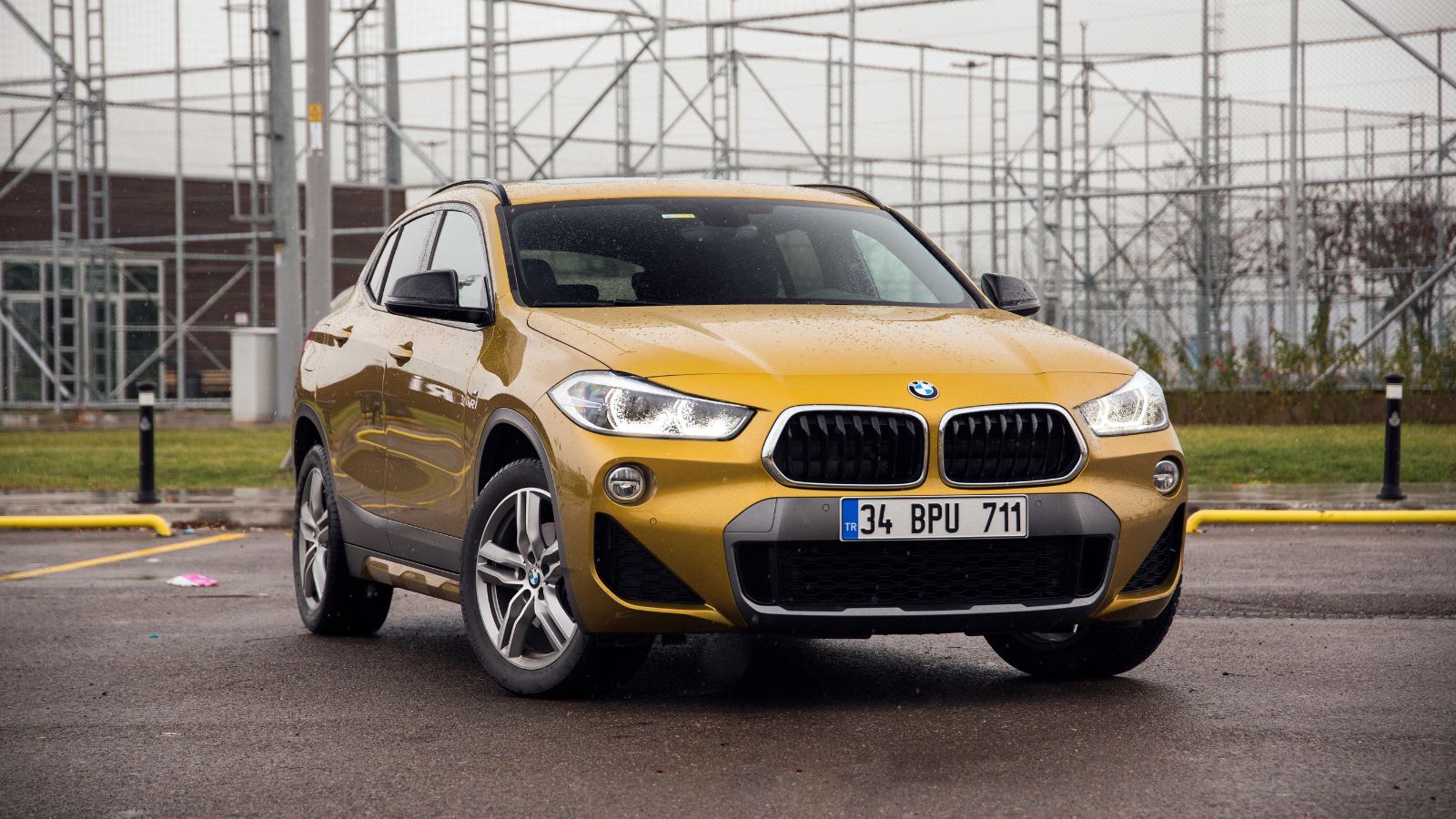
The BMW X2 has sporty styling and sharp handling. Snow reveals its compromises quickly. The suspension tuning is firm for performance driving. That reduces comfort and grip on uneven icy roads. The All-Wheel Drive system favors rear bias. That can lead to slight oversteer in slippery conditions. Drivers expecting stability may feel surprised. Tire choices from the factory also lean toward performance. They lack proper winter grip. The X2 feels confident on dry pavement. Snow driving requires more attention and care.
Mercedes-Benz GLA
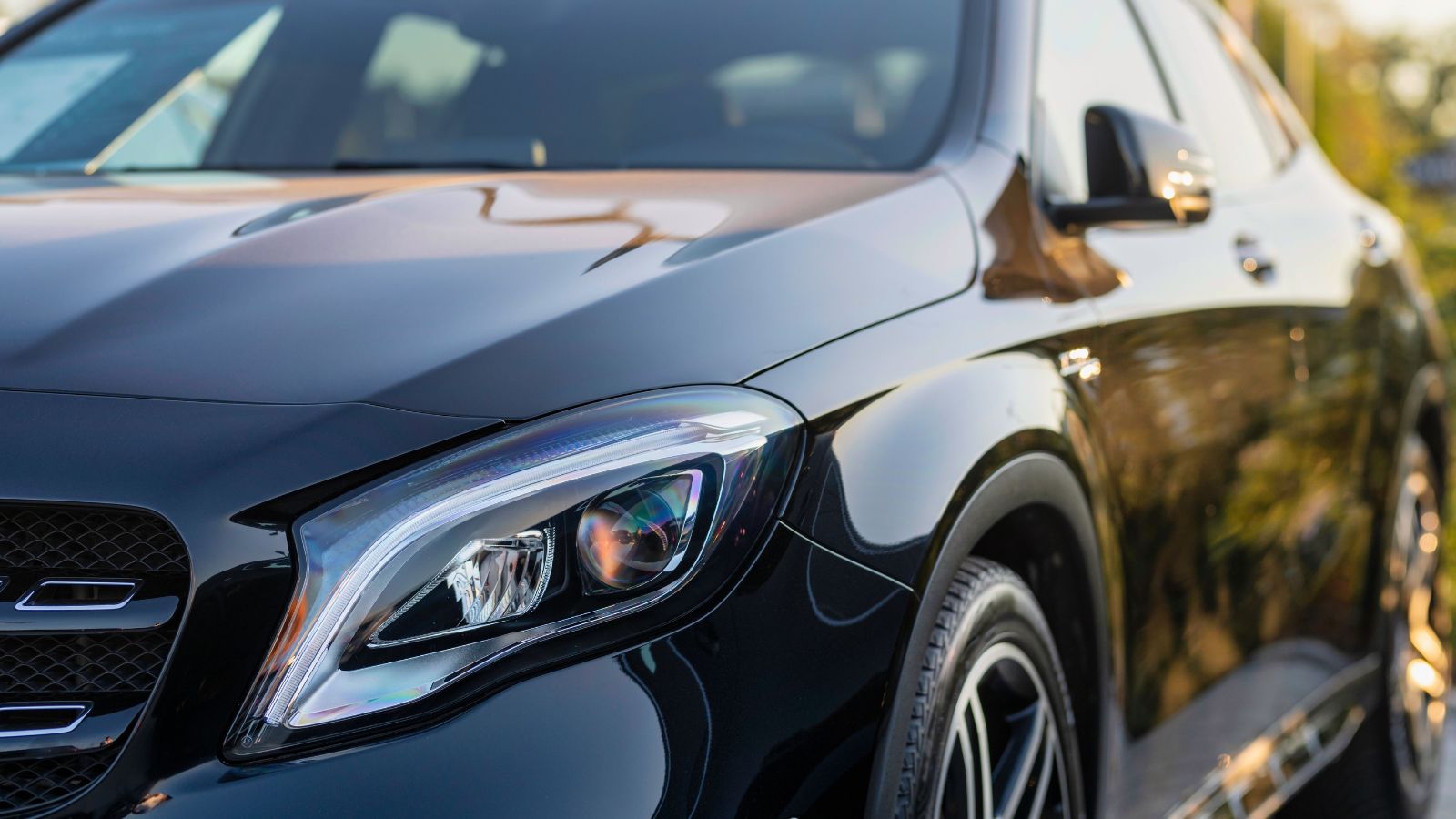
The Mercedes-Benz GLA looks like a premium crossover. Its small size limits its winter capability. Ground clearance is not impressive for snowy roads. The All-Wheel Drive system focuses on smoothness. It does not react aggressively to slip. Drivers may notice delayed traction correction. The steering also feels light and less connected. That reduces confidence on ice. Luxury features do not compensate for traction limits. It handles light snow fine. Heavy snow exposes its weaknesses quickly.
Kia Seltos
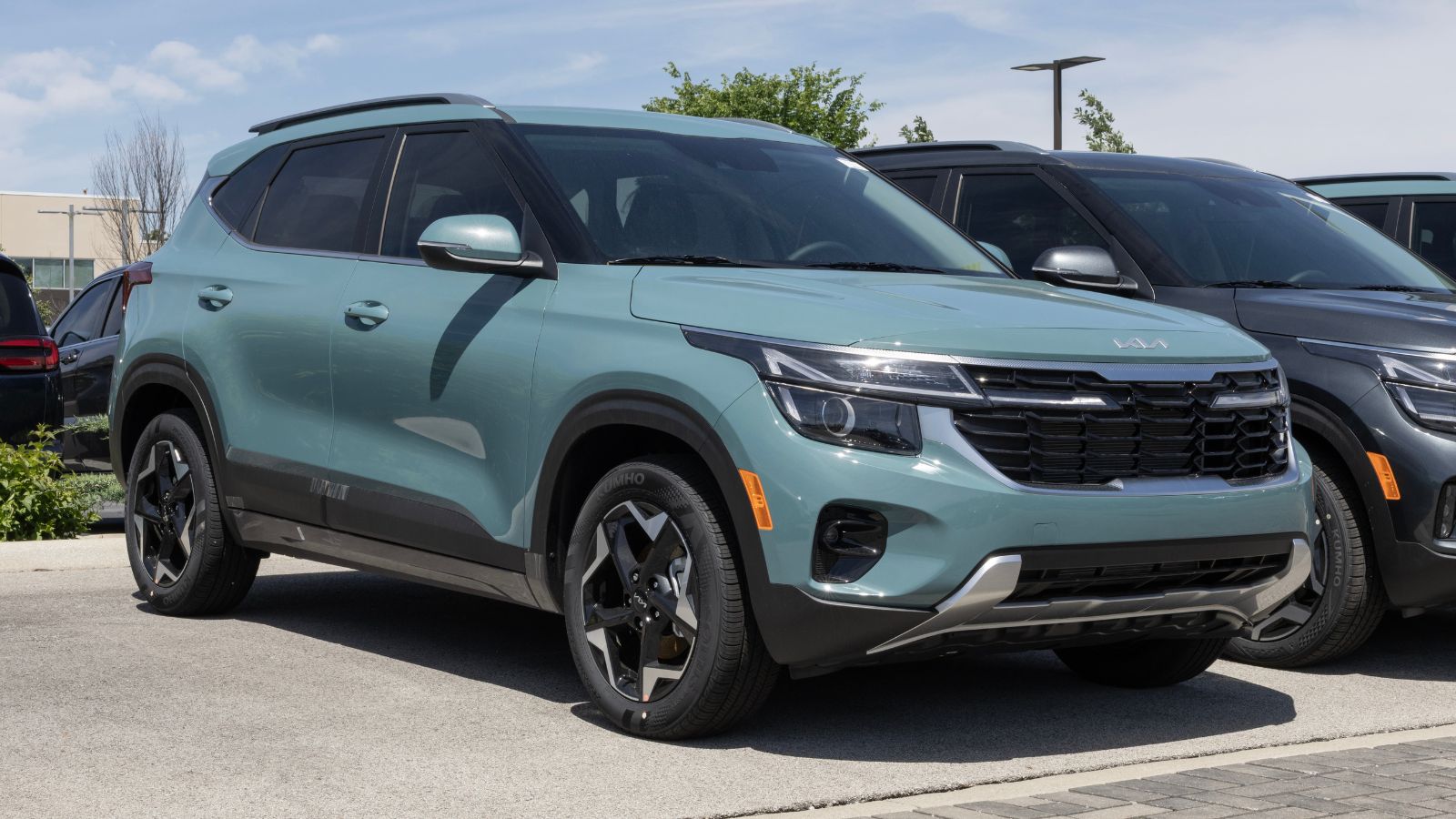
The Kia Seltos offers strong value and modern features. Its all-wheel drive system performs well in moderate conditions. Deep snow creates challenges for it. Ground clearance is not as high as expected. Snow buildup under the vehicle becomes a problem. The system also prioritizes fuel efficiency. That limits how aggressively it distributes power. Drivers may feel hesitation when accelerating on ice. It remains stable in light snow. Tough winter conditions highlight its limitations.
Volkswagen Taos
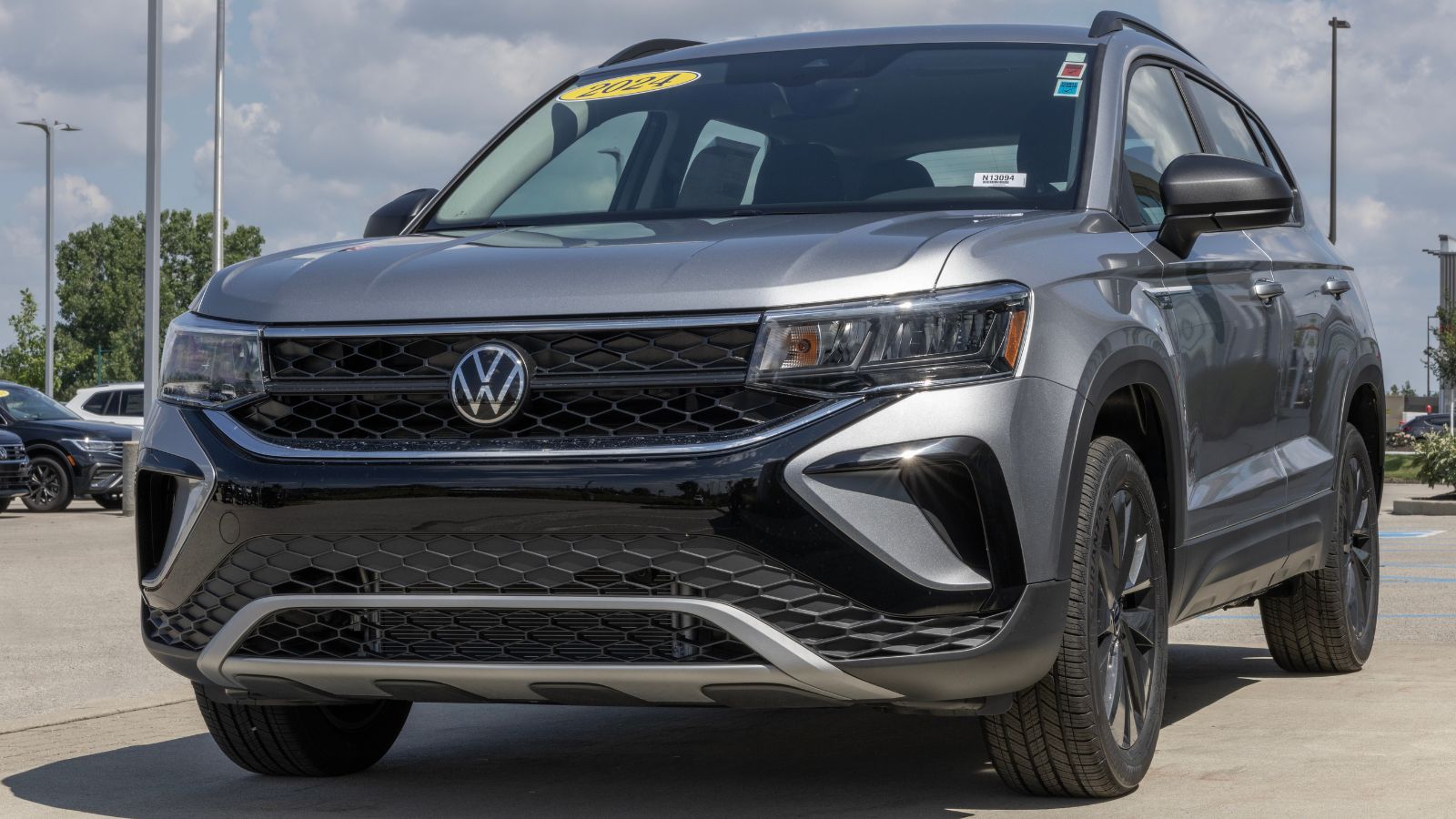
The Volkswagen Taos has a practical design and spacious interior. Its AWD system is decent but not exceptional. It reacts rather than anticipates wheel slip. That delay affects traction on icy roads. The engine also has a slight lag. That makes smooth acceleration harder in slippery conditions. Drivers often feel a pause before power arrives. Steering feedback is limited, reducing driver confidence. It performs fine in mild snow. Challenging winter roads require more effort.
Jeep Compass
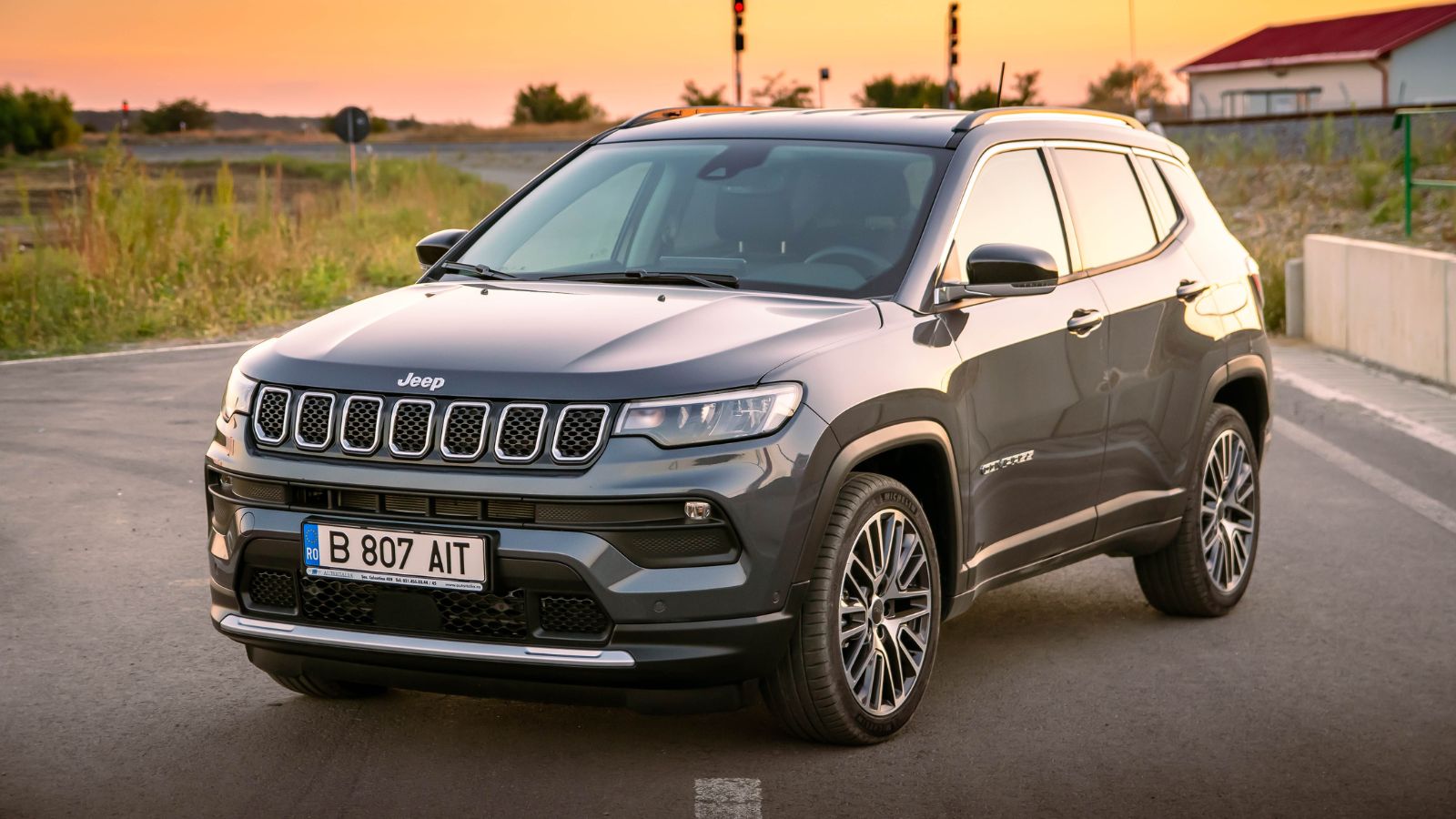
The Jeep Compass carries strong brand expectations. Lower trims do not meet those expectations fully. The basic AWD system lacks advanced features. It struggles more than expected on icy inclines. Tire quality from the factory also plays a role. Many owners switch to better winter tires. The suspension tuning feels soft on snow-covered roads. That reduces stability during quick maneuvers. The Trailhawk version performs better. Most buyers, however, experience the standard setup.
Ford Escape Hybrid
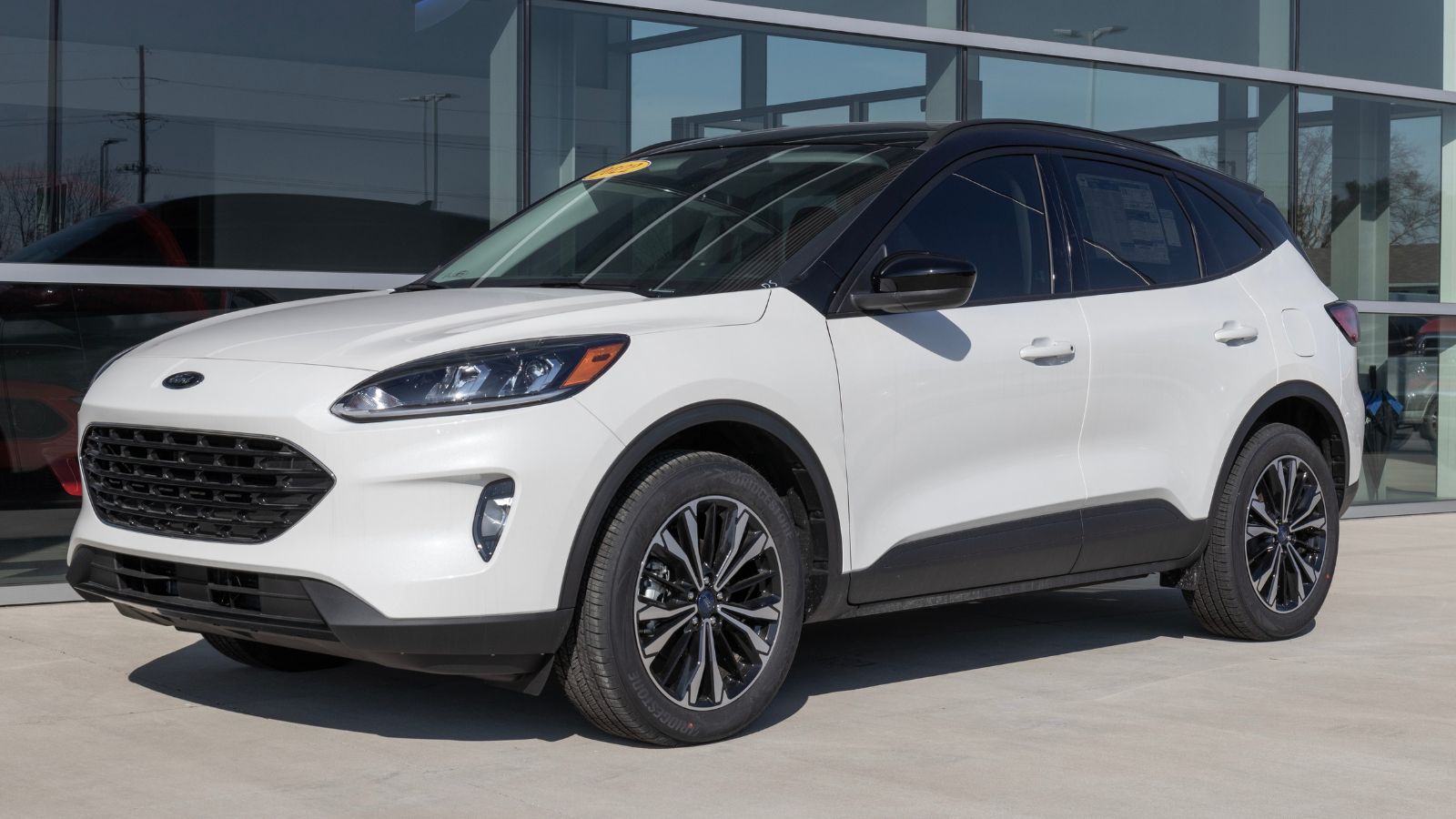
The Ford Escape Hybrid focuses on efficiency. Its AWD system works differently from traditional setups. It uses electric assistance for the rear wheels. That can feel inconsistent in slippery conditions. Drivers may notice uneven power distribution. The system also limits power during low-traction situations. That affects hill climbing performance. The added weight impacts braking distances on ice. It works well in light snow conditions. Tough winter scenarios expose their compromises.
Chevrolet Blazer
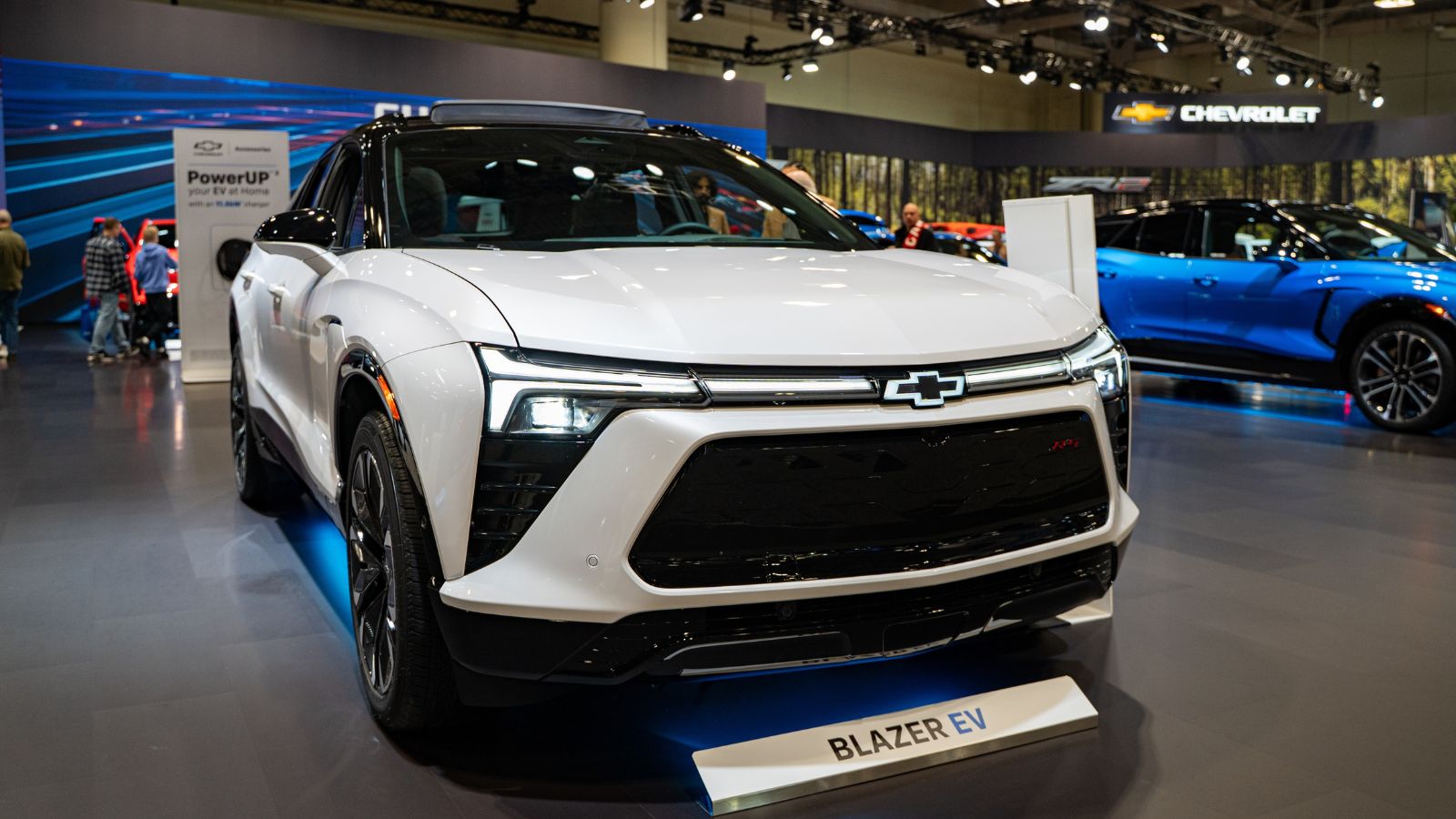
The Chevrolet Blazer emphasizes style over rugged ability. Its AWD system is tuned for on-road comfort. Snow driving reveals its limits quickly. The wide tires reduce pressure on the road surface. That lowers grip in snowy conditions. Steering can feel vague on ice. Drivers often rely heavily on electronic aids. The vehicle feels stable but not planted. It performs adequately in light snow. Deep snow and hills highlight its weaknesses.
Lexus UX
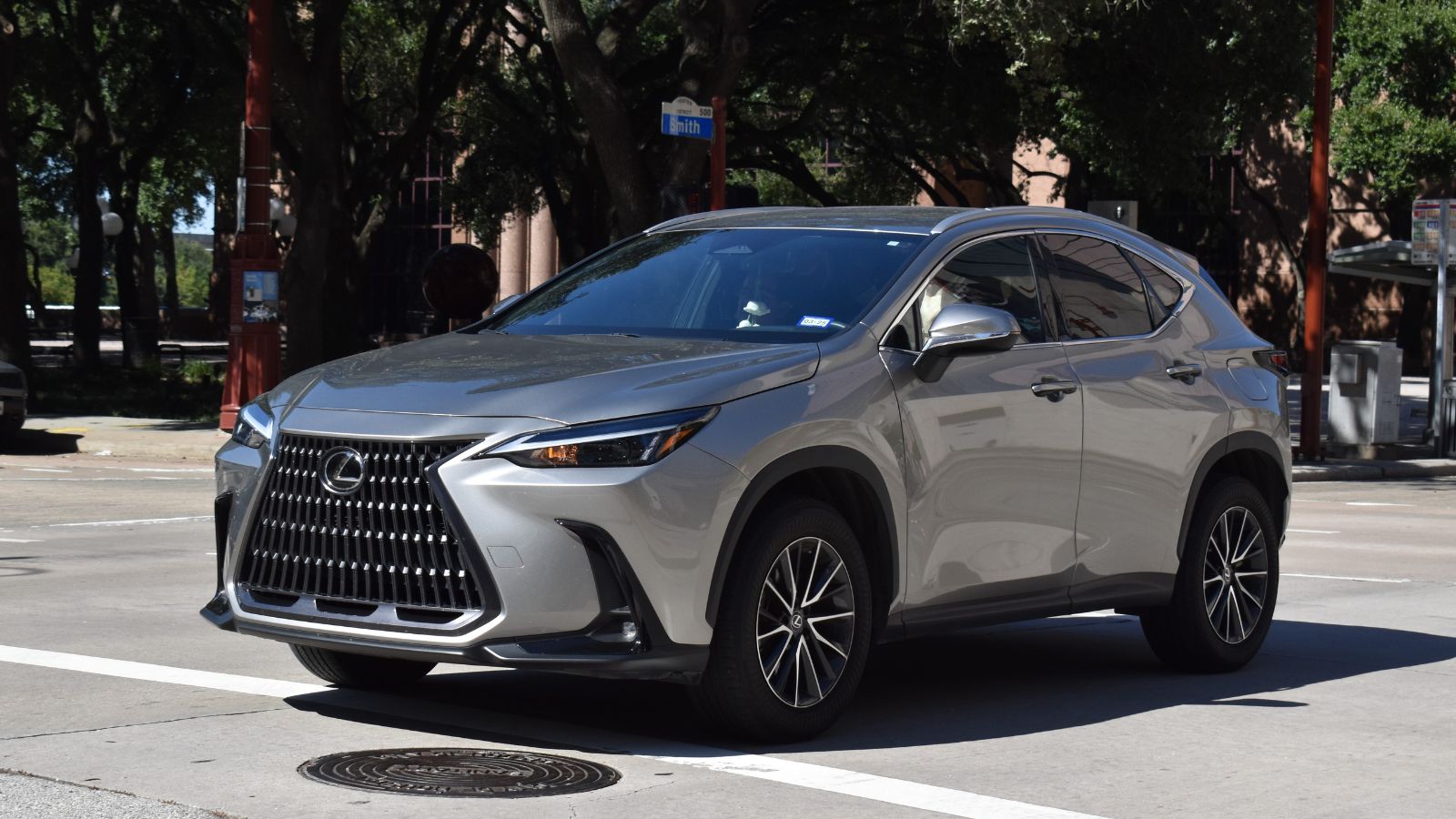
The Lexus UX is a compact luxury crossover. Its AWD system that uses an electric rear motor. That setup limits power to the rear wheels. In snow, that can reduce effectiveness. Drivers may feel delayed engagement when traction drops. Ground clearance is also quite low. Snow buildup becomes a concern quickly. The focus on efficiency affects performance in harsh conditions. It is comfortable and quiet. Winter capability does not match its premium image.
Nissan Kicks
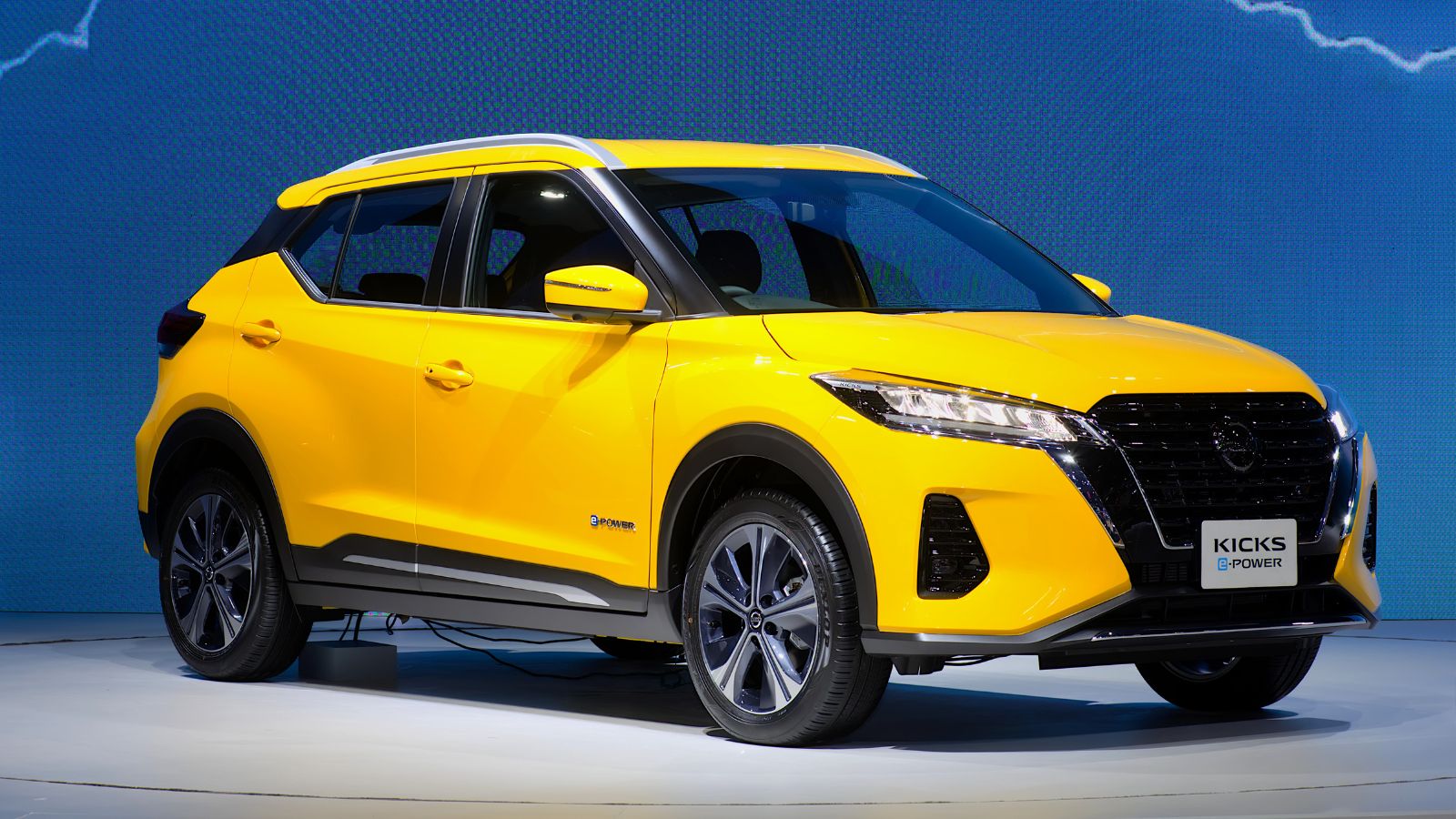
The Nissan Kicks is designed as an urban crossover. It does not offer All Wheel Drive. That alone limits its winter performance. The Front Wheel Drive system struggles on icy roads. Traction control cannot replace mechanical grip. The lightweight design can feel unstable in strong winds. Snow-covered inclines become difficult to climb. Drivers need careful throttle control at all times. It works well in dry cities. Snow driving demands more than it can provide.
Mini Countryman
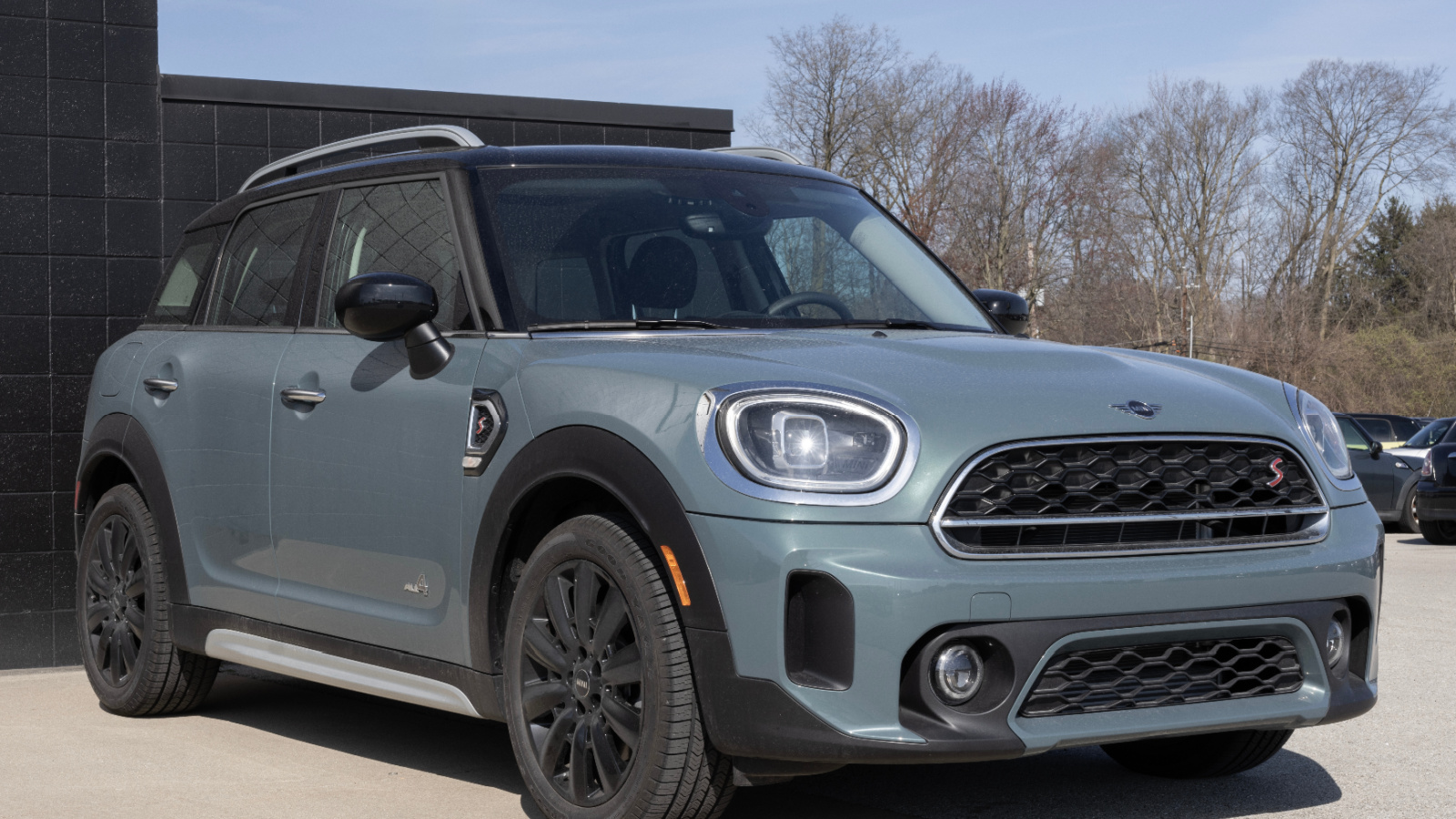
The Mini Countryman offers unique styling and fun handling. Its AWD system is capable but not perfect. The sporty suspension tuning affects comfort on snow. It can feel stiff and unsettled on uneven surfaces. Steering is sharp, which can be tricky on ice. Drivers may overcorrect easily. Ground clearance is still limited for deeper snow. The playful nature works against it in winter. It requires careful and attentive driving.
Range Rover Evoque
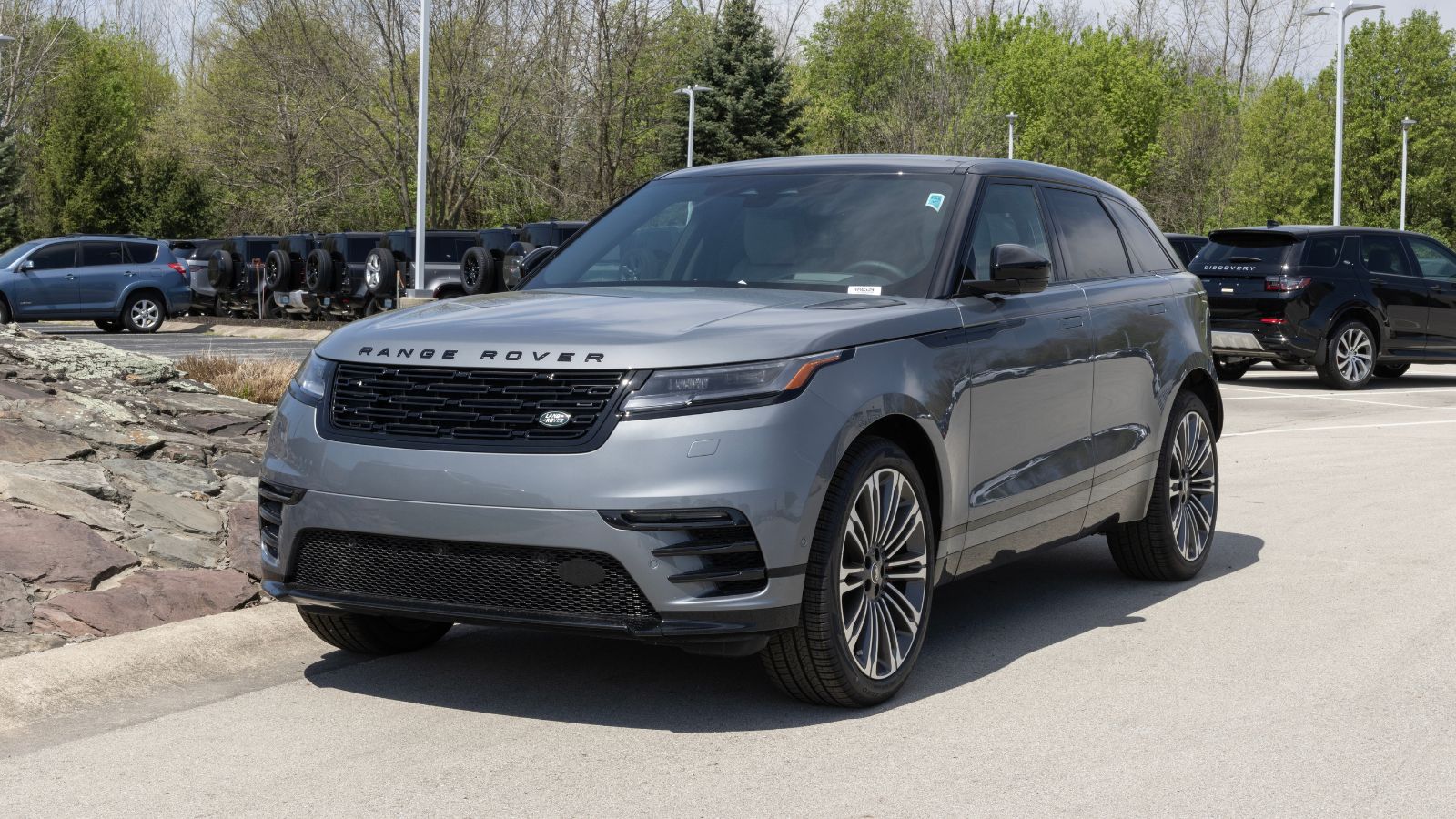
The Range Rover Evoque looks ready for tough terrain. Its design suggests strong off-road ability. Real-world snow driving feels different. The low-profile tires reduce grip in winter conditions. The AWD system is advanced but tuned for comfort. It does not always react aggressively to a slip. Drivers may feel delayed responses on icy roads. Ground clearance is also lower than expected. It handles light snow well. Harsh winter conditions reveal their limits.
22 Things Canadians Do to Their Cars in Spring That Mechanics Hate

Spring brings relief to many Canadian drivers after months of snow, freezing temperatures, and icy roads that put serious strain on vehicles. As temperatures rise across the country, drivers begin washing cars, switching tires, and preparing vehicles for warmer weather and upcoming road trips. However, mechanics across Canada notice the same mistakes every spring when drivers attempt to recover from winter damage. Road salt, potholes, and harsh winter driving conditions often leave vehicles with hidden problems that drivers ignore. Some spring habits even create new mechanical issues that could have been avoided with proper maintenance. Here are 22 things Canadians do to their cars in spring that mechanics hate.