
























Canadian SUV shopping has entered a more uncomfortable phase: sticker prices may look manageable at first glance, but longer loans, higher borrowing costs, fuel bills, insurance, luxury trims, and add-on packages can turn the monthly payment into something far heavier than expected. Even when used prices soften, many popular SUVs still carry the kind of transaction prices that make affordability fragile.
Here are 15 SUVs that can become payment shock traps in Canada, especially when buyers stretch for upper trims, larger engines, plug-in systems, premium features, or three-row space they only use occasionally.
Jeep Grand Cherokee 4xe
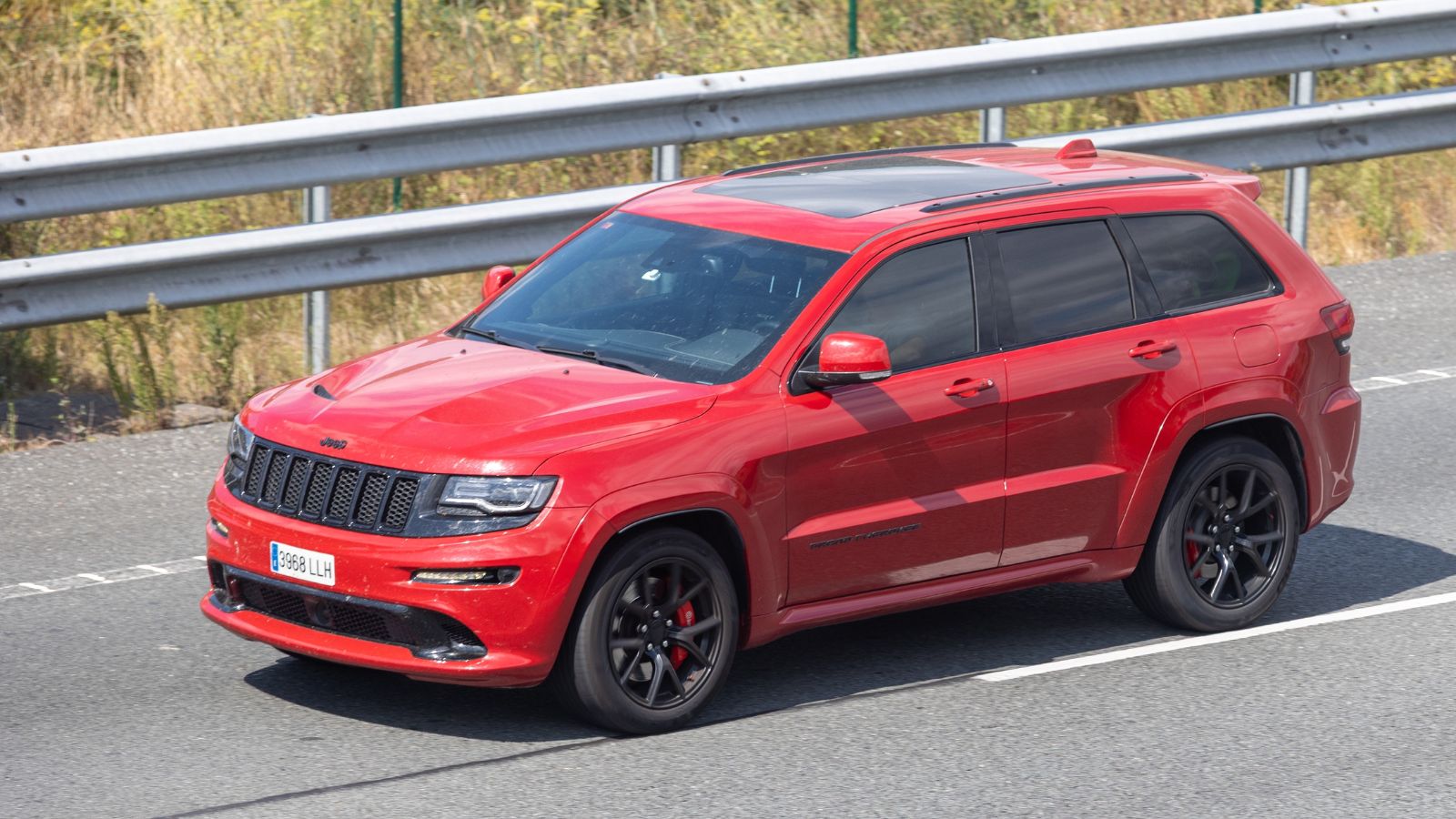
The Jeep Grand Cherokee 4xe looks like a clever compromise: a premium-feeling SUV with plug-in capability, serious torque, and enough all-weather confidence for Canadian roads. The trap is that the payment often starts from a higher base than shoppers expect. Plug-in hybrid hardware, luxury-oriented trims, and Jeep’s off-road image can push the financed amount into territory where the fuel-saving story no longer feels simple.
The other surprise is that real-world savings depend heavily on charging habits. A household with a driveway charger and short daily trips may benefit, but apartment dwellers or highway-heavy drivers may use the gasoline engine far more often. With gasoline-only fuel consumption that can look closer to a conventional SUV once the battery is depleted, the 4xe can become expensive in both directions: premium purchase price up front, ordinary fuel bills afterward.
Toyota Grand Highlander Hybrid Max
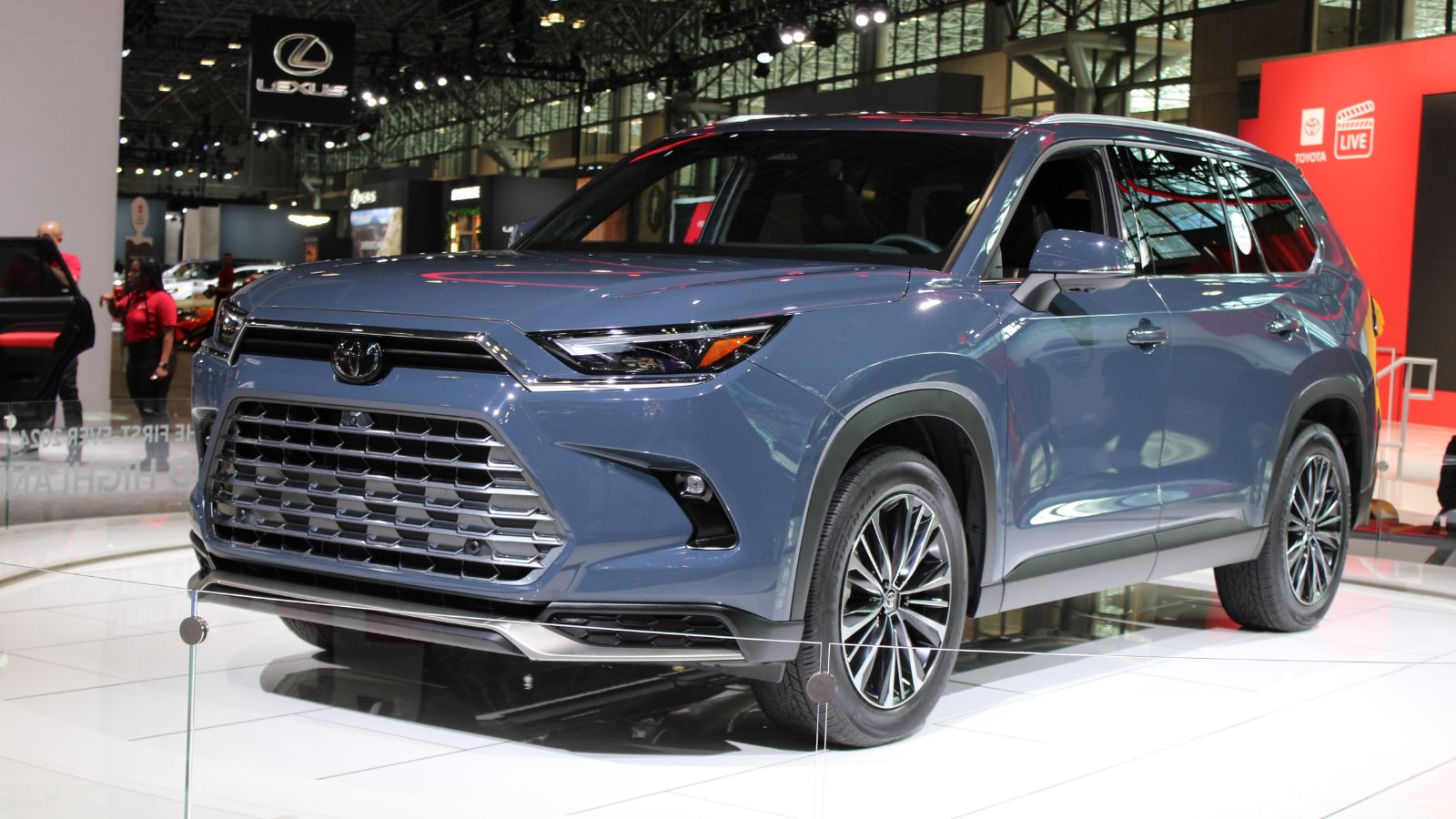
The Toyota Grand Highlander Hybrid Max carries the appeal of Toyota reliability, three-row practicality, and hybrid performance. For families replacing a minivan or aging crossover, it can seem like the responsible upgrade. The catch is that the Hybrid Max version is not the same affordability play as Toyota’s thriftier hybrid models. It is tuned for power, with 362 combined horsepower, and it sits higher in the lineup.
That difference matters when monthly payments are already sensitive to loan size. The regular Grand Highlander Hybrid is the fuel-saver; the Hybrid Max is the quicker, pricier choice. Natural Resources Canada ratings around 8.8 L/100 km combined are respectable for the size, but not dramatically low enough to erase the premium for many households. Add winter tires, freight, tax, and financing, and the “hybrid” label can hide a surprisingly heavy ownership cost.
Mazda CX-90 PHEV
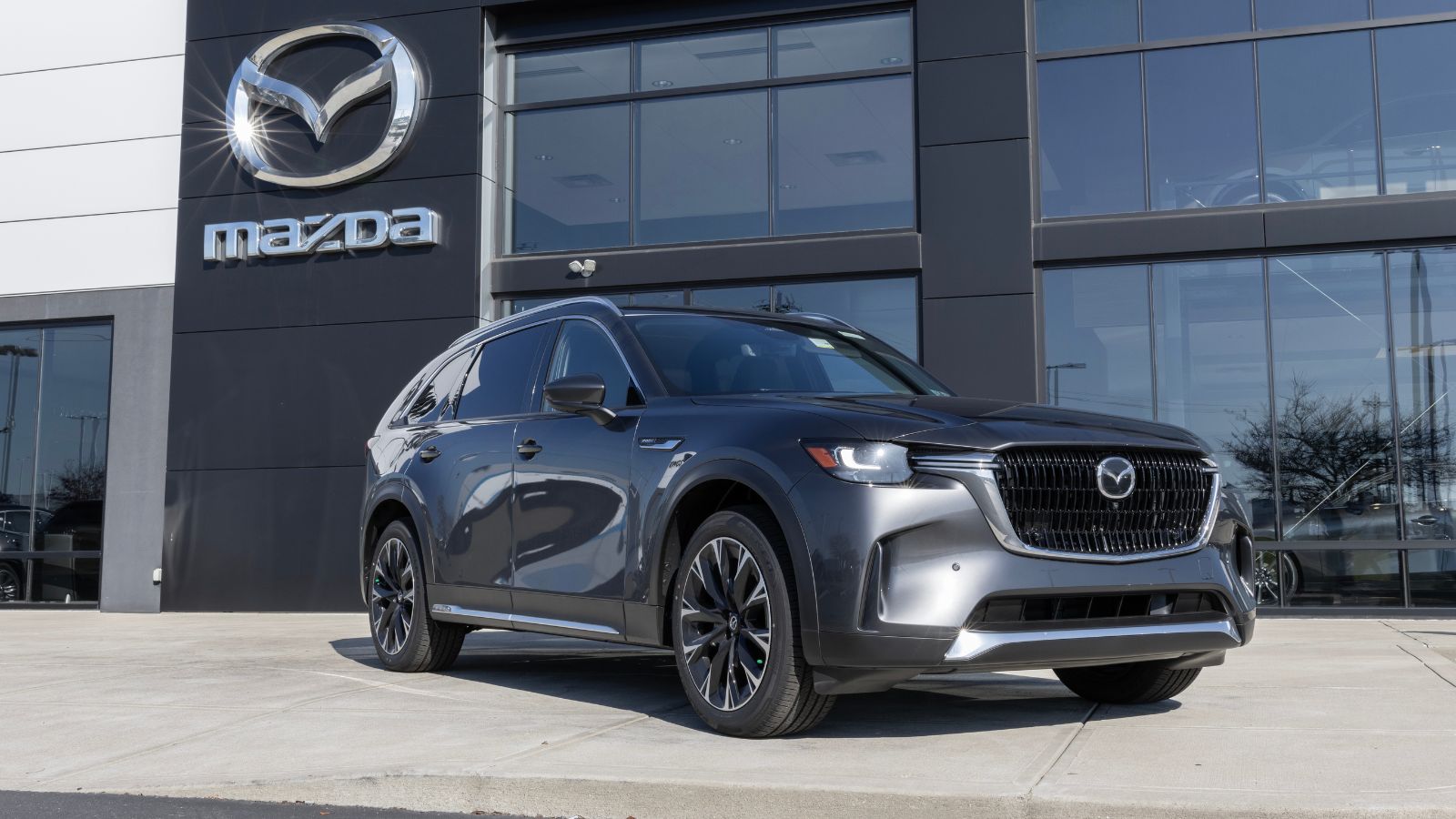
The Mazda CX-90 PHEV appeals to buyers who want something more refined than a typical family hauler without jumping fully into a luxury badge. Its plug-in hybrid system, upscale cabin, and three-row layout give it a polished feel. But that polish comes with a payment risk: the PHEV versions sit above many mainstream three-row SUVs, and well-equipped trims can quickly move beyond what buyers originally planned.
The human side is easy to picture. A family test-drives it on a Saturday, loves the quiet electric launch, and rationalizes the higher payment as future fuel savings. But those savings depend on regular charging and short electric-friendly driving. When used as a long-distance commuter, winter road-trip vehicle, or school-and-hockey shuttle without consistent charging, the gasoline fuel economy becomes more relevant. In that case, the plug-in badge may not soften the monthly burden enough.
Hyundai Palisade
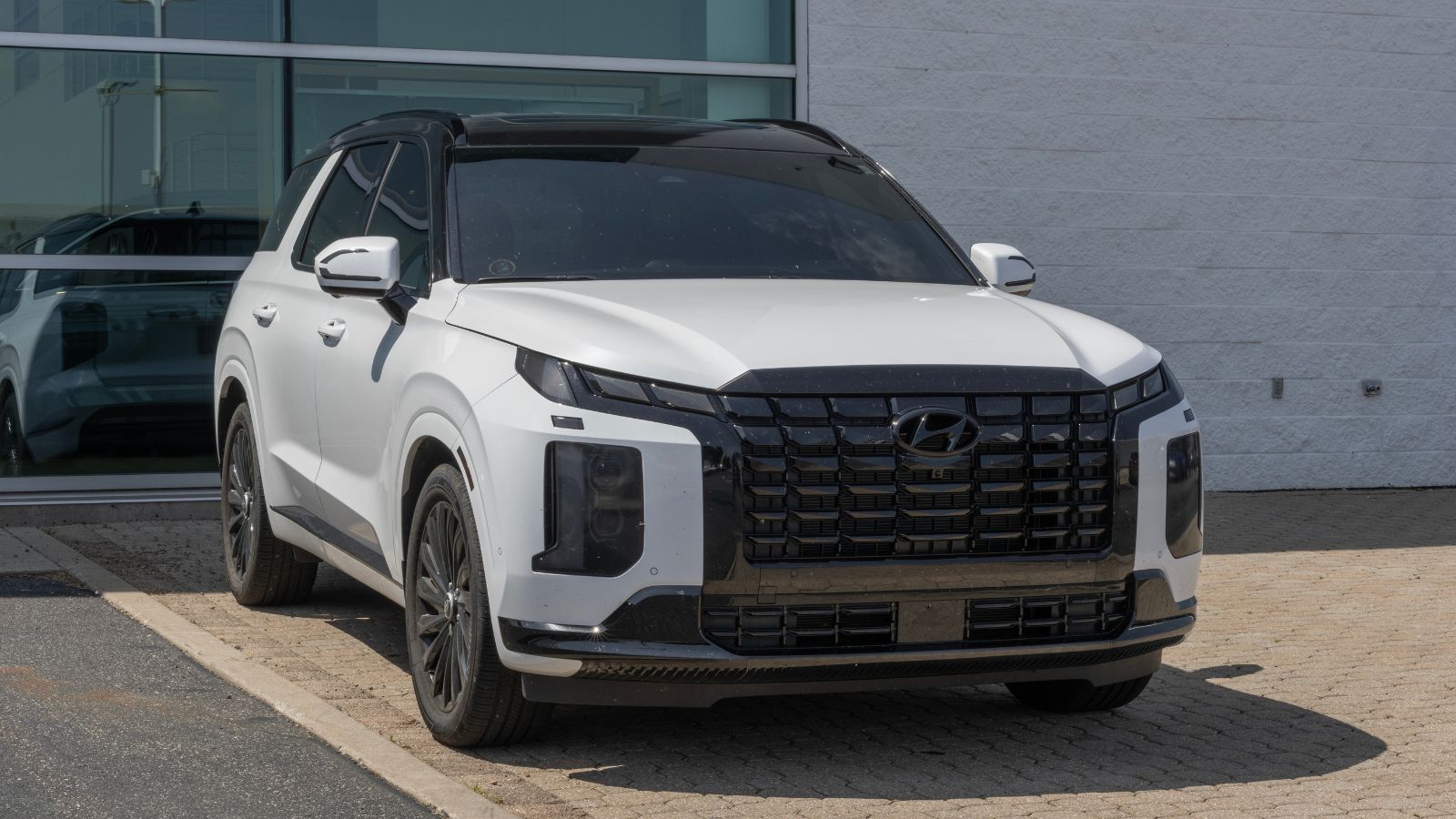
The Hyundai Palisade has earned attention by feeling more upscale than its badge once suggested. That is part of the payment shock problem. Buyers may enter the showroom expecting a value-oriented three-row SUV, then gravitate toward higher trims with quilted materials, bigger screens, all-wheel drive, and family-friendly comfort features. By the time the build resembles the model people actually want, the payment can look far less “value” than expected.
The new-generation Palisade also brings hybrid availability, which improves the fuel story but can raise the transaction price. Gas models still carry consumption figures that are not small for Canadian families dealing with urban traffic, winter idling, and long weekend driving. A Palisade can be a strong family vehicle, but buyers who focus only on equipment-per-dollar may overlook how quickly insurance, fuel, and financing turn that upscale feel into a premium monthly commitment.
Kia Telluride
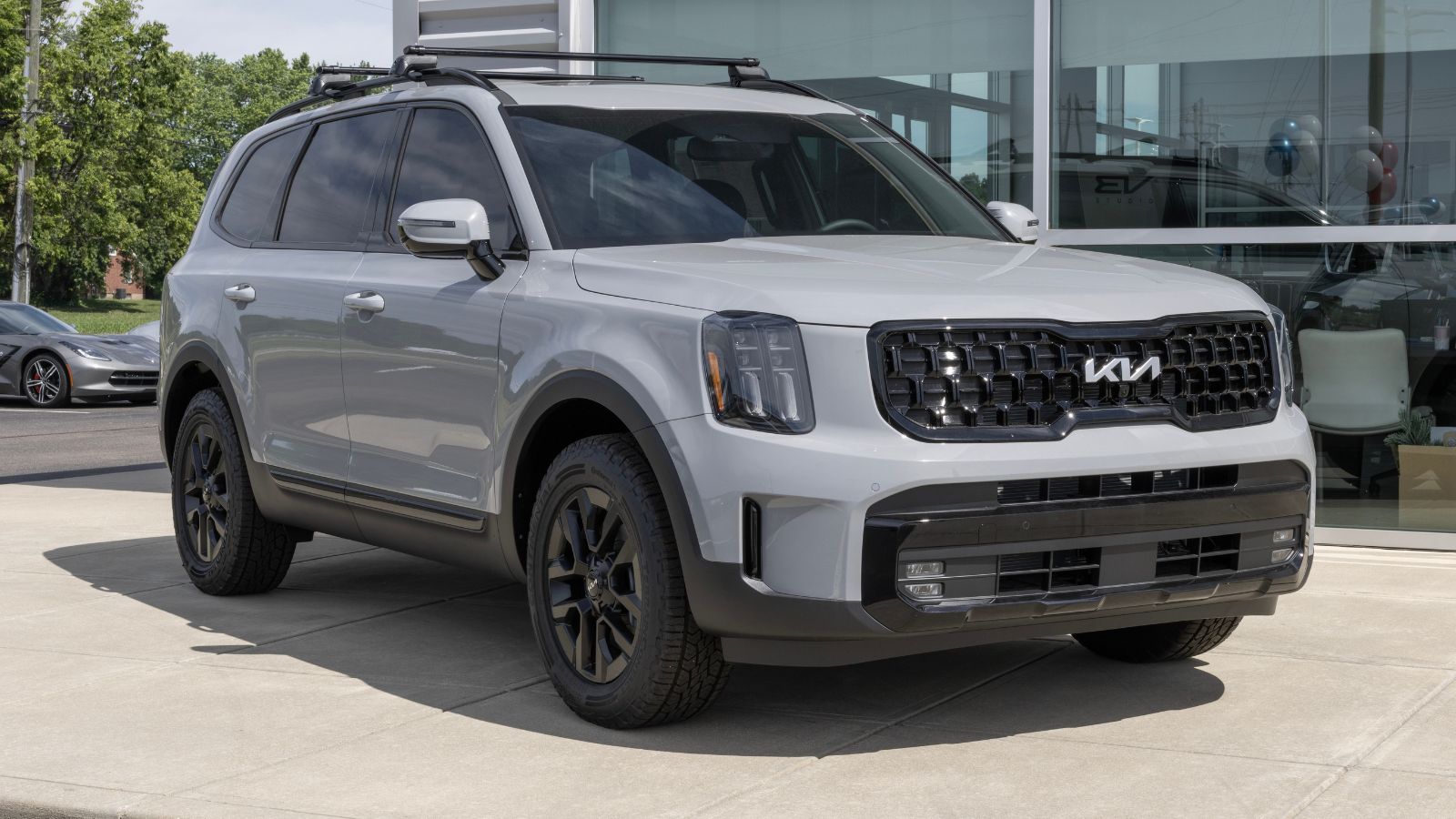
The Kia Telluride became popular because it offered space, design, and comfort without the traditional luxury-brand price. That reputation can now work against shoppers. Popularity keeps demand strong, and upper trims with all-wheel drive, larger wheels, leather seating, and driver-assistance packages can land close to more established premium alternatives. The badge may feel practical, but the payment may not.
Fuel economy is another part of the shock. The Telluride’s V6 is smooth and useful for a loaded three-row SUV, yet combined consumption around the high-11 L/100 km range for AWD versions is a reminder that it is not a small family crossover. Families moving from a compact SUV can feel the difference at the pump immediately. The Telluride remains appealing, but its “smart buy” image can blur the real cost of owning a large, well-equipped gasoline SUV.
Honda Pilot
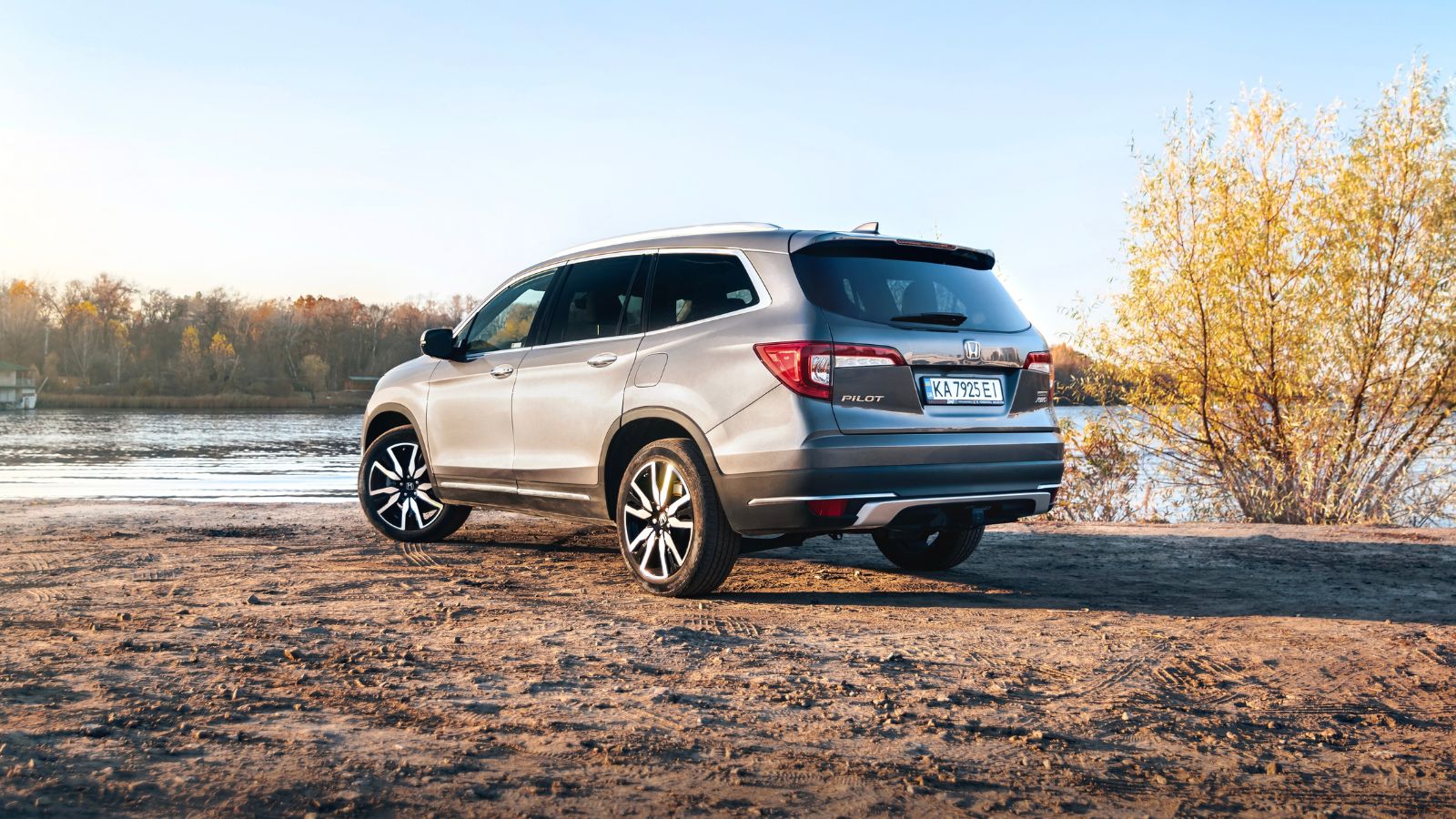
The Honda Pilot is often treated as the safe choice: roomy, familiar, and backed by Honda’s reputation. That confidence can make buyers less defensive about price. The problem is that three-row family SUVs have moved upmarket, and the Pilot’s refreshed trims bring more technology and comfort than older shoppers may expect. The monthly payment can climb quickly once all-wheel drive and higher trims enter the conversation.
A Pilot also tends to attract buyers who keep vehicles for a long time, which can make a larger loan feel acceptable. But a longer ownership plan does not erase the first five years of payments. The V6 powertrain is proven, yet fuel consumption remains closer to traditional three-row SUV territory than hybrid-family-hauler territory. For households already juggling childcare, groceries, and mortgage renewals, the Pilot’s sensible image can mask a very real cash-flow squeeze.
Ford Explorer
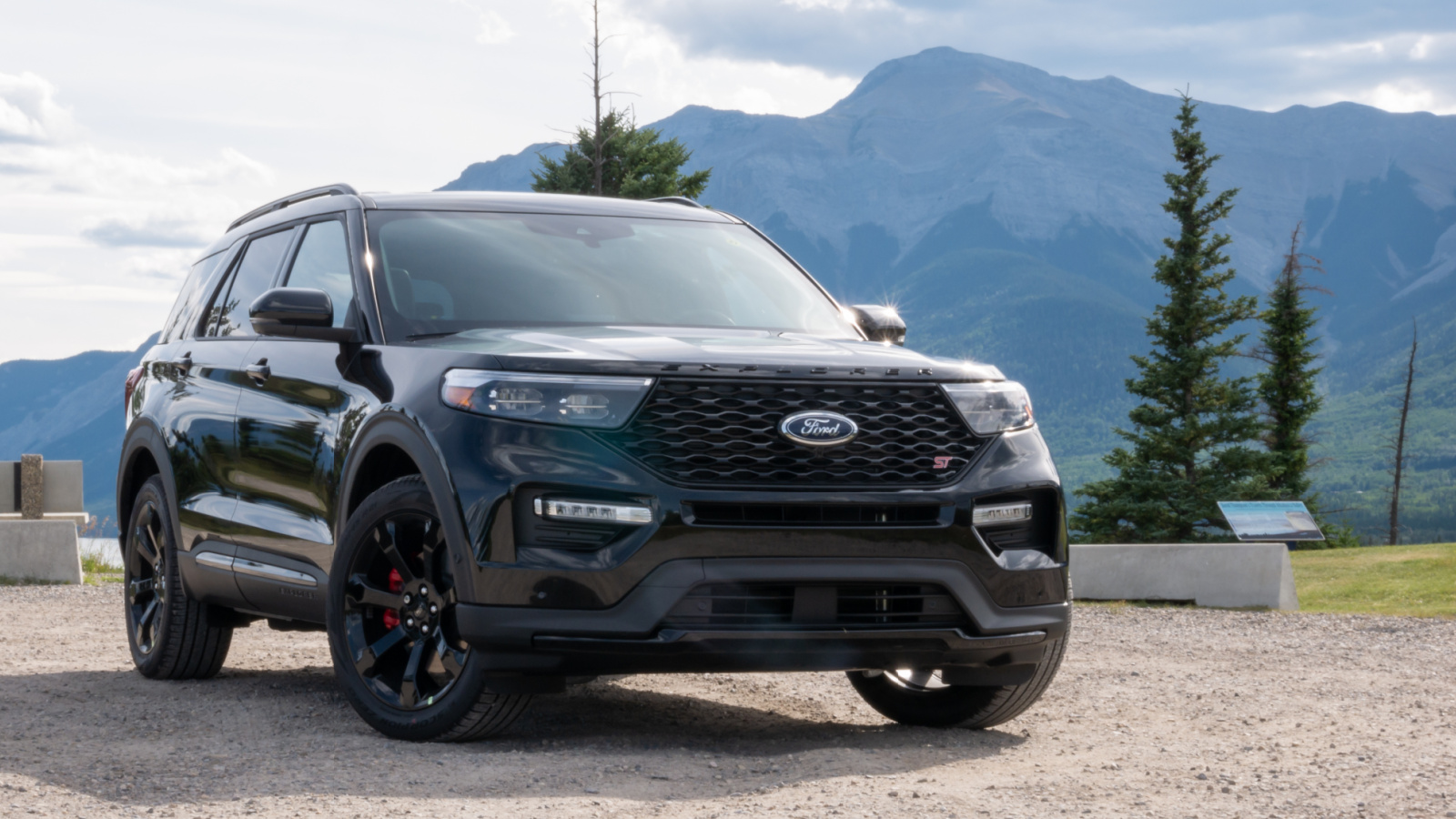
The Ford Explorer carries a familiar name in Canada, and that familiarity can make it feel like a default family SUV. Yet the modern Explorer is not a simple budget utility vehicle. Turbocharged engines, standard or available four-wheel drive, large infotainment screens, and performance-oriented trims can push it into a much higher monthly payment band than expected.
The payment shock becomes sharper when buyers compare the base idea of an Explorer with the version they actually want. A lower trim may look manageable online, but families often move toward ST-Line, Tremor, or ST-style equipment for the look, power, and features. Fuel consumption also rises with stronger engines, with V6 performance versions rating noticeably higher than the base turbo-four. The result is a vehicle that begins as a practical choice but can become a costly emotional upgrade.
Volkswagen Atlas
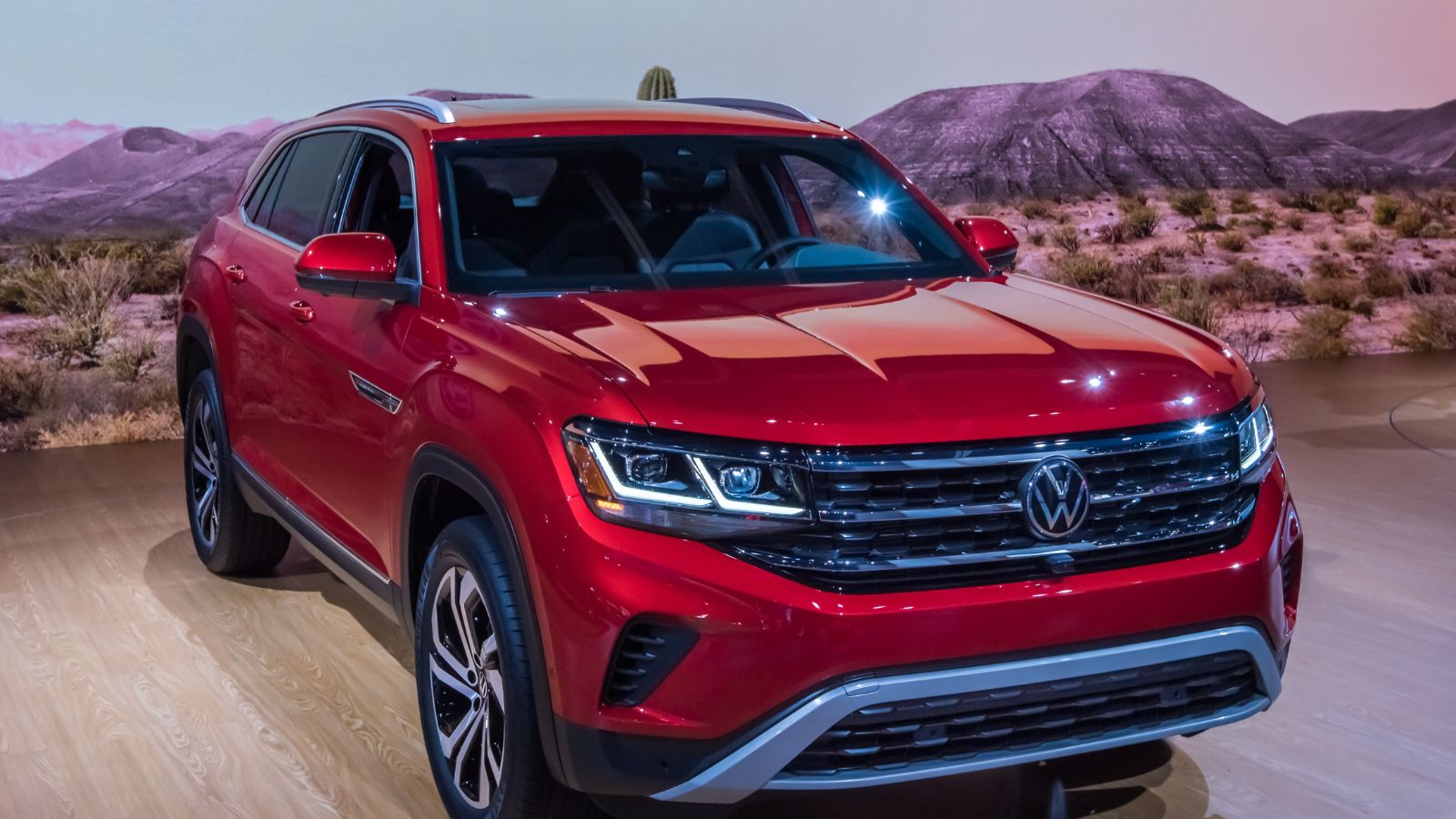
The Volkswagen Atlas sells a convincing story: adult-friendly space, a clean cabin design, and a driving feel that seems more mature than some three-row competitors. The danger is that shoppers can underestimate the cost of a large turbocharged SUV with European-brand servicing expectations and popular comfort packages. A well-equipped Atlas can feel premium without wearing a premium badge, and that is where payments creep upward.
Its 2.0-litre turbo engine helps simplify the lineup, but the Atlas is still a large vehicle. Combined fuel consumption around 10.7 L/100 km means it is not likely to feel inexpensive for families doing mostly city driving. It may suit households that truly need room for passengers and cargo, but buyers stepping up from a compact SUV may be surprised by the full ownership profile: larger tires, higher fuel use, and a payment that reflects its size.
Nissan Pathfinder
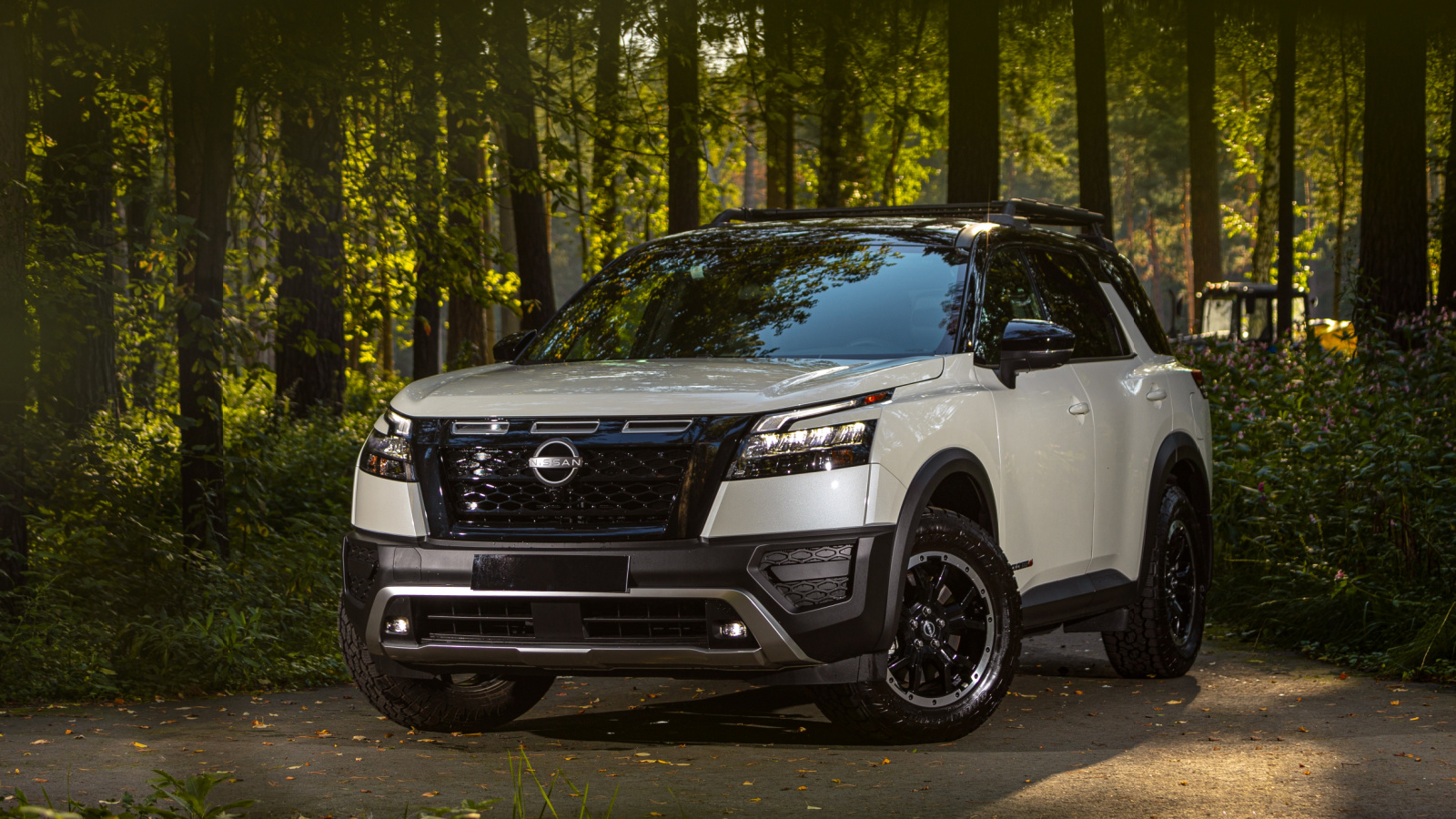
The Nissan Pathfinder often enters the conversation as a practical, no-nonsense three-row SUV. It has a strong towing image, a familiar V6, and a cabin that works well for families. Payment shock appears when buyers move past the lower trims and into Platinum or Rock Creek-style models, where the price can start to resemble more premium choices.
The Pathfinder’s ownership story also depends on how it is used. For families towing small trailers, hauling gear to cottages, or driving in winter conditions, the capability has value. But that capability brings fuel use, tire costs, and higher financed amounts. Combined ratings around 10.8 to 11.2 L/100 km for many AWD versions mean it is not a cheap daily commuter. The Pathfinder is useful, but usefulness does not always equal affordability when the loan term stretches.
Subaru Ascent
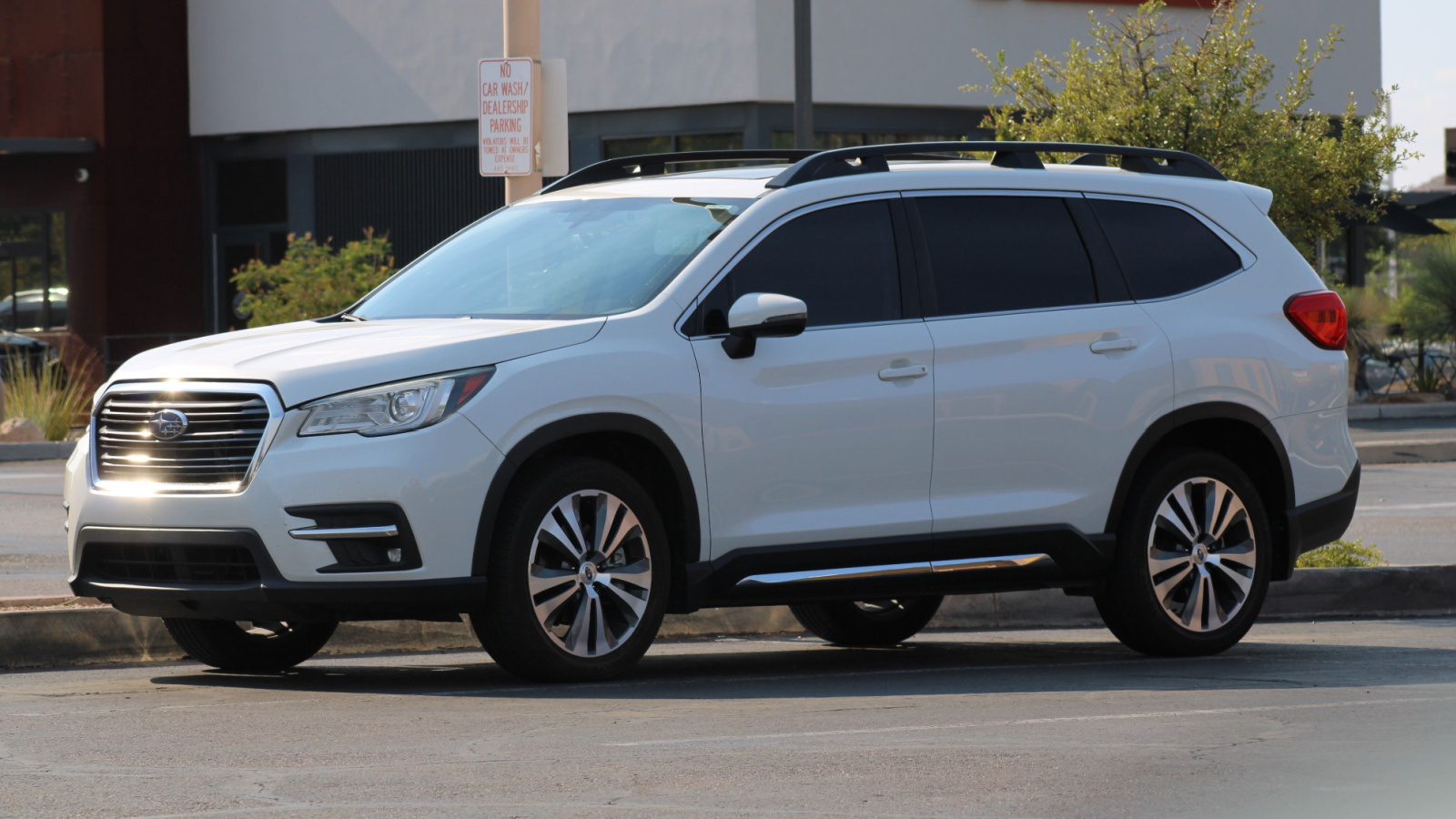
The Subaru Ascent draws buyers who want standard all-wheel drive, family capacity, and a brand associated with bad-weather confidence. In Canada, that formula is powerful. The payment trap is that the Ascent can feel like a modest, outdoorsy purchase while still carrying the costs of a large three-row SUV. Standard AWD is valuable, but it is not free in the ownership equation.
Fuel economy around 11.0 L/100 km combined for many versions can surprise shoppers coming from an Outback, Forester, or compact crossover. Add winter tires, roof accessories, child-seat duty, and possible long-distance vacation use, and the monthly budget becomes more crowded. The Ascent is not flashy, which may make buyers less cautious. But quiet practicality can still create payment shock when the vehicle is financed like a full-size family commitment.
Chevrolet Tahoe
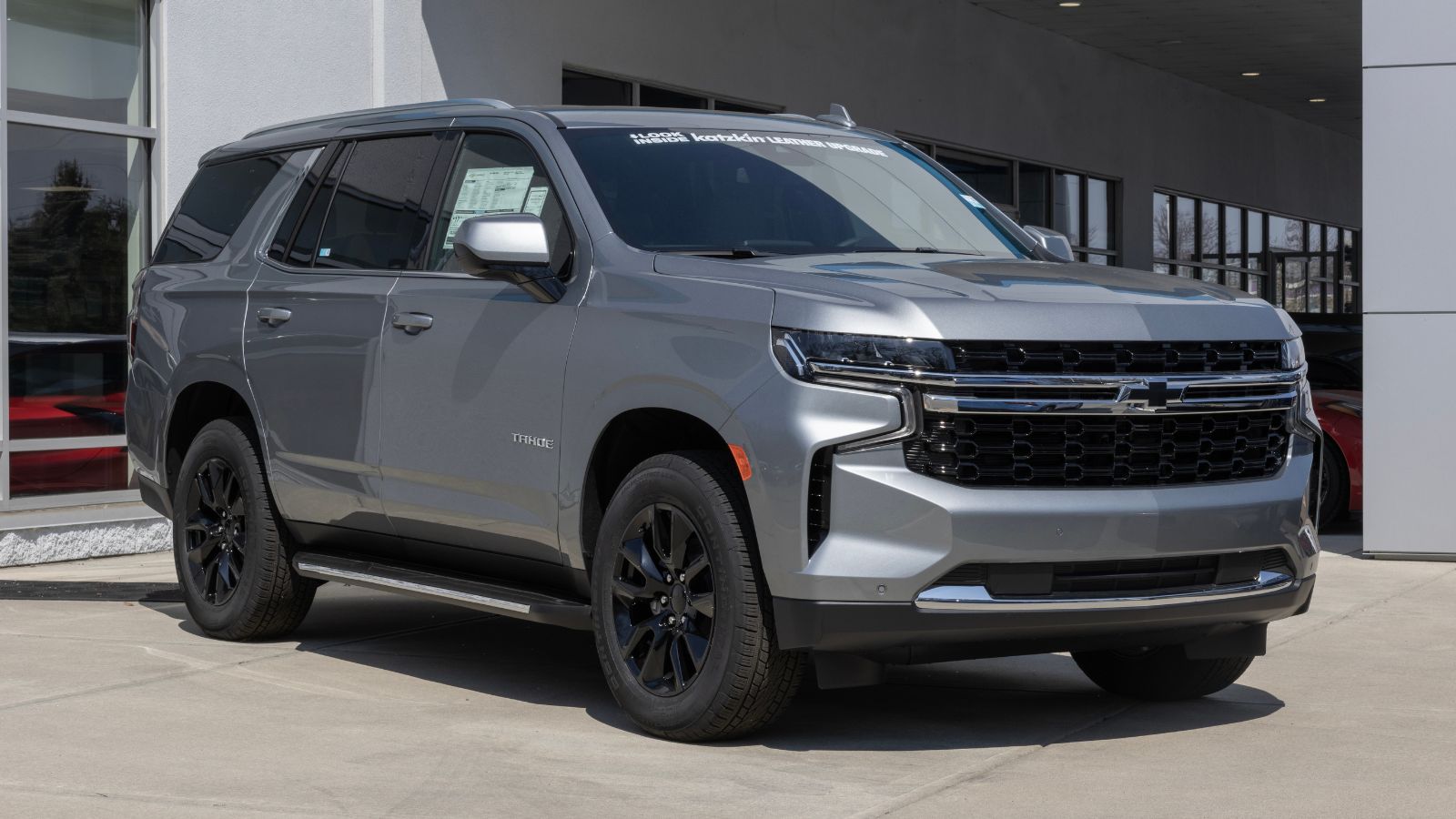
The Chevrolet Tahoe is a serious SUV for serious space needs. It can seat a large family, tow, haul, and handle long highway drives with ease. The issue is that many households admire that capability without needing it every week. In Canada, where parking, fuel, and insurance can already be expensive, the Tahoe can become a payment shock trap almost immediately.
Its starting price is already high compared with mainstream three-row crossovers, and upper trims can move deep into luxury territory. Fuel consumption for gasoline versions can be heavy, especially in city driving. A Tahoe makes sense for large families, rural drivers, towing households, and buyers who truly use its size. For a suburban family that mostly runs errands and occasional road trips, the monthly payment may feel like paying for capacity that spends too much time unused.
GMC Yukon
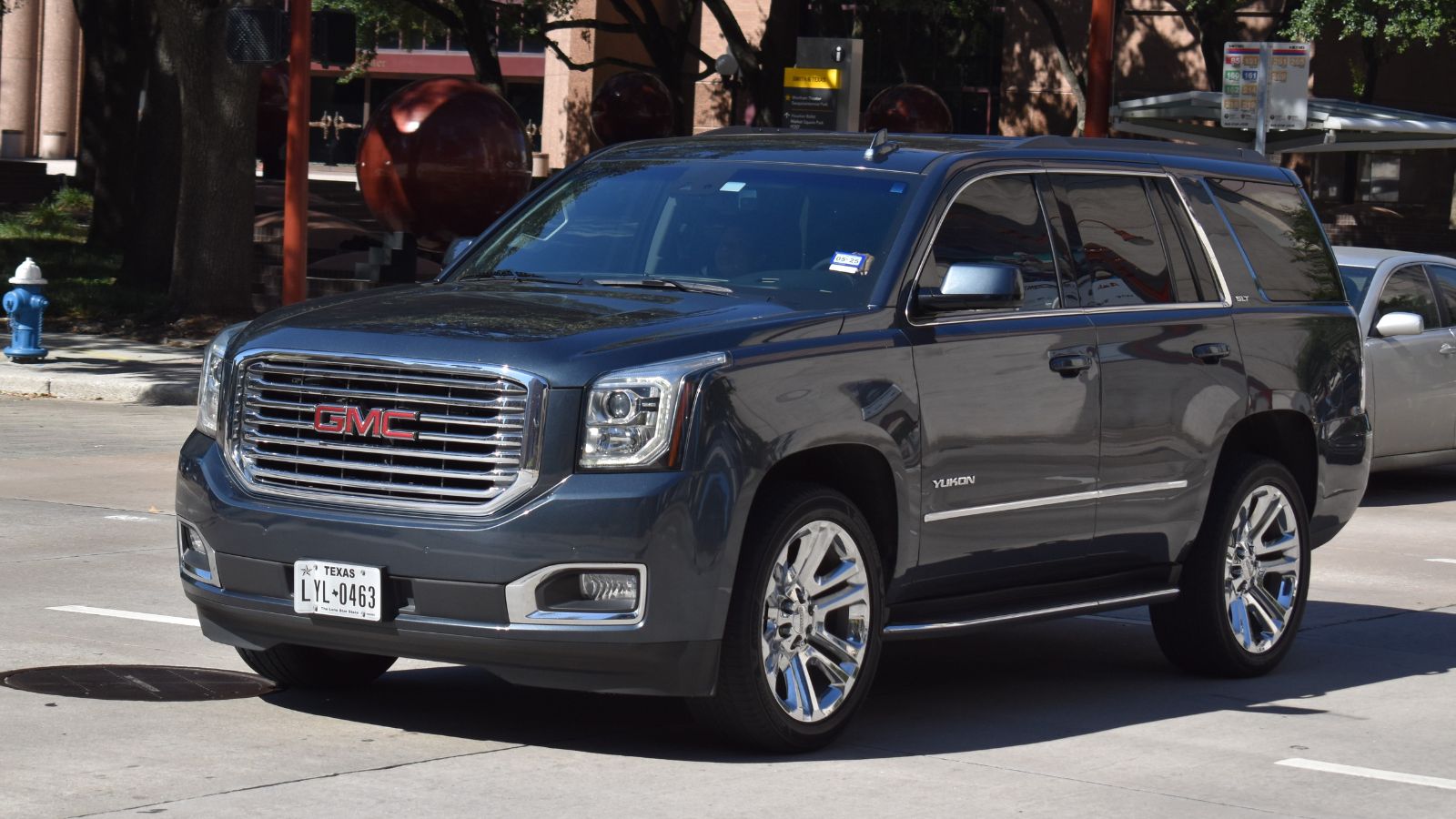
The GMC Yukon overlaps with the Tahoe mechanically, but its positioning can make the payment shock even sharper. GMC’s design, Denali branding, and premium cabin options encourage buyers to see it as both utility vehicle and luxury statement. That combination is expensive. The Yukon may start as a practical family or towing solution, then become a high-trim purchase loaded with comfort technology.
The numbers reinforce the risk. Gasoline V8 versions can sit around the mid-14 L/100 km combined range, depending on configuration, while Yukon XL models add even more size and weight. Diesel versions may improve highway efficiency, but they can also carry higher upfront costs and maintenance considerations. For buyers who need the space, it is a capable machine. For those who mainly want the image, the payment can become difficult to defend.
Acura MDX

The Acura MDX can feel like the disciplined luxury choice: more premium than a mainstream SUV, but often less expensive than German rivals. That middle ground is exactly where payment shock can hide. Buyers may justify the upgrade as a long-term family vehicle with strong resale appeal, then add A-Spec, Platinum Elite, or Type S equipment that pushes the payment much higher.
Fuel and maintenance expectations also matter. The MDX uses premium positioning, and some trims recommend premium unleaded fuel. Type S versions bring stronger performance and higher consumption, making the monthly cost more than just the loan. The MDX is comfortable, polished, and genuinely useful, but Canadian buyers comparing it against a Pilot or Highlander may underestimate how much the premium badge changes insurance, fuel, tire, and financing costs.
Lincoln Aviator
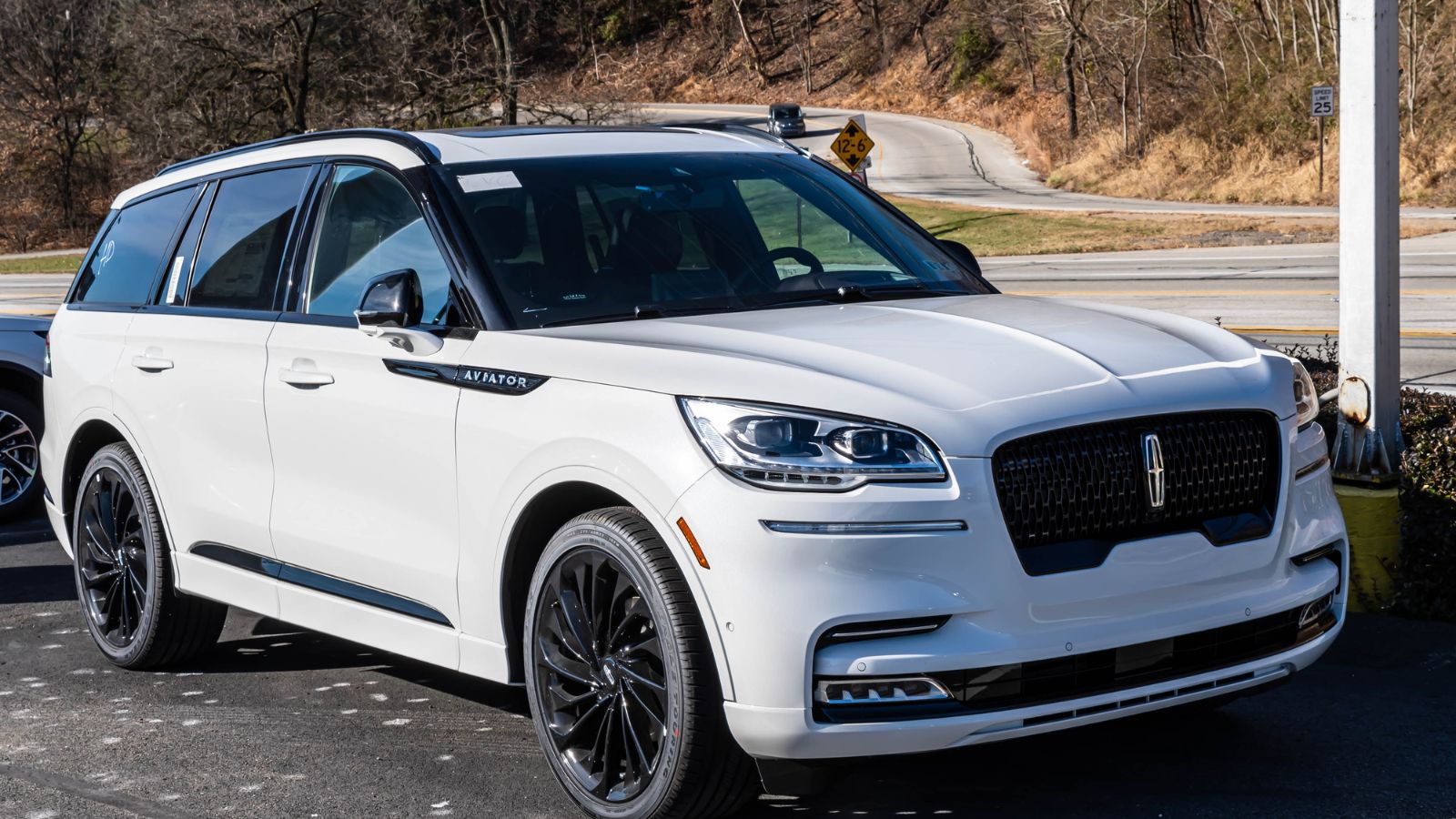
The Lincoln Aviator is the kind of SUV that can win people over quickly. It has a quiet cabin, strong twin-turbo V6 power, three-row seating, and a luxury feel that makes a long commute or winter highway trip calmer. But the same features that make it appealing also make it a payment shock candidate. Luxury financing, large wheels, premium tires, and high trim prices can make the monthly number feel closer to a mortgage add-on than a car payment.
Its combined fuel consumption around 11.9 L/100 km also underlines the cost of moving a powerful luxury SUV every day. For a buyer replacing an older mainstream crossover, the leap can be dramatic. The Aviator may feel like a reward purchase, especially after years of practical vehicles. But unless the budget accounts for fuel, insurance, and luxury-brand upkeep, the comfort can come with a very uncomfortable monthly reminder.
BMW X5
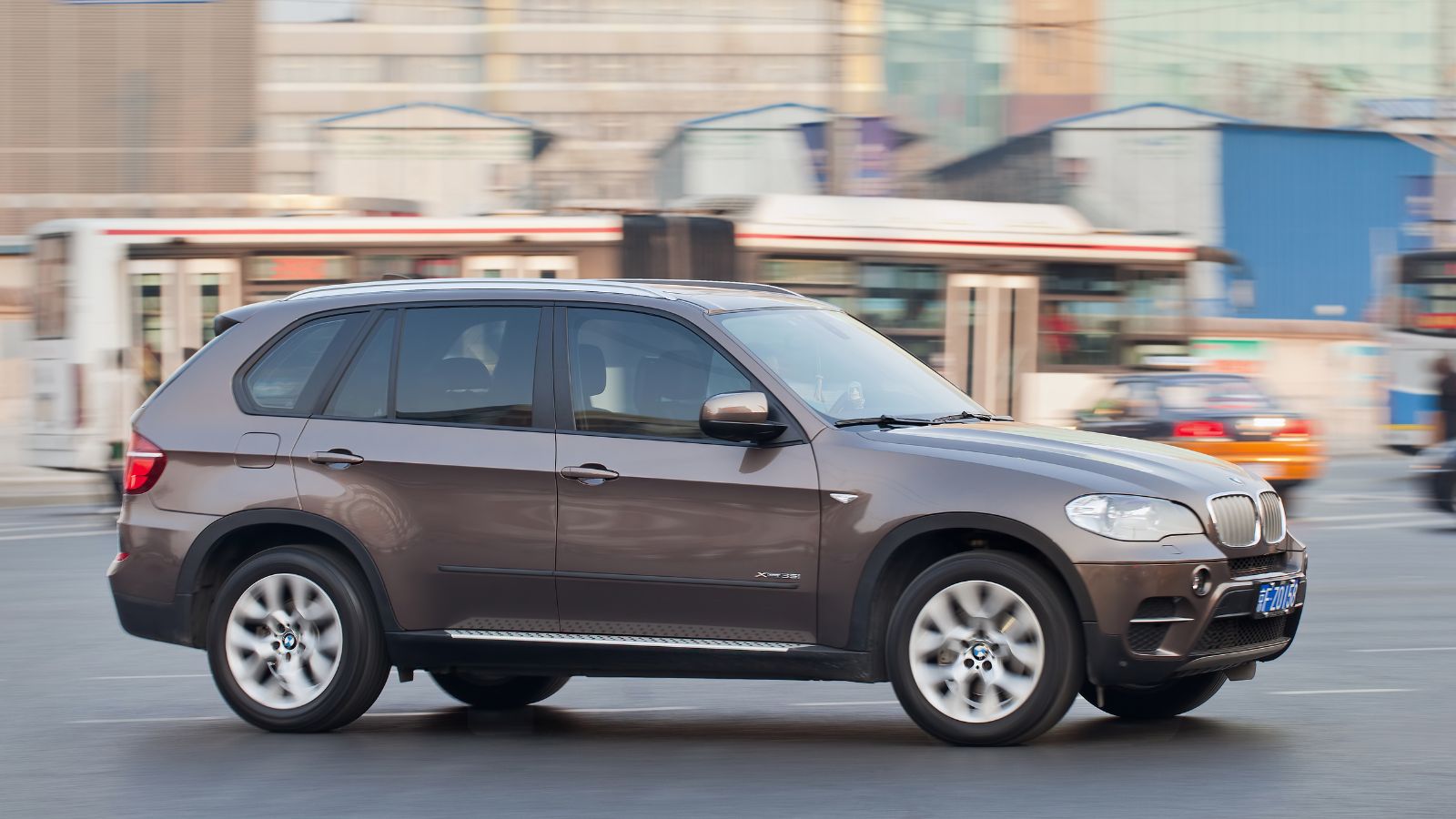
The BMW X5 is one of the most tempting payment shock traps because it blends status, performance, and everyday usefulness so well. It feels practical enough to justify and luxurious enough to desire. In Canada, where shoppers often value all-wheel drive and year-round confidence, the X5 can appear to be a sensible premium SUV rather than a splurge.
The trap is that the entry price is only the beginning. Packages, wheel upgrades, advanced driver-assistance features, plug-in hybrid variants, and performance trims can dramatically change the financed amount. Even the efficient xDrive40i still carries luxury insurance, maintenance, tire, and repair expectations. The plug-in xDrive50e can reduce fuel use for disciplined chargers, but its higher price complicates the savings calculation. The X5 may be excellent, but excellence does not prevent payment shock when the loan is stretched.
22 Things Canadians Do to Their Cars in Spring That Mechanics Hate

Spring brings relief to many Canadian drivers after months of snow, freezing temperatures, and icy roads that put serious strain on vehicles. As temperatures rise across the country, drivers begin washing cars, switching tires, and preparing vehicles for warmer weather and upcoming road trips. However, mechanics across Canada notice the same mistakes every spring when drivers attempt to recover from winter damage. Road salt, potholes, and harsh winter driving conditions often leave vehicles with hidden problems that drivers ignore. Some spring habits even create new mechanical issues that could have been avoided with proper maintenance. Here are 22 things Canadians do to their cars in spring that mechanics hate.