

























Used-car prices in Canada have cooled from their wildest pandemic-era peaks, but “cooler” does not always mean affordable. Some models still carry stubborn premiums because of reputation, limited supply, hybrid demand, family practicality, off-road image, or simple nameplate loyalty. The result is a market where certain five-year-old vehicles can still feel surprisingly close to new-vehicle money once taxes, financing, winter tires, and dealer fees enter the picture. These 16 used cars stand out because their asking prices often feel disconnected from age, mileage, or wear, especially for Canadian buyers trying to stretch budgets in 2026.
Toyota Tacoma
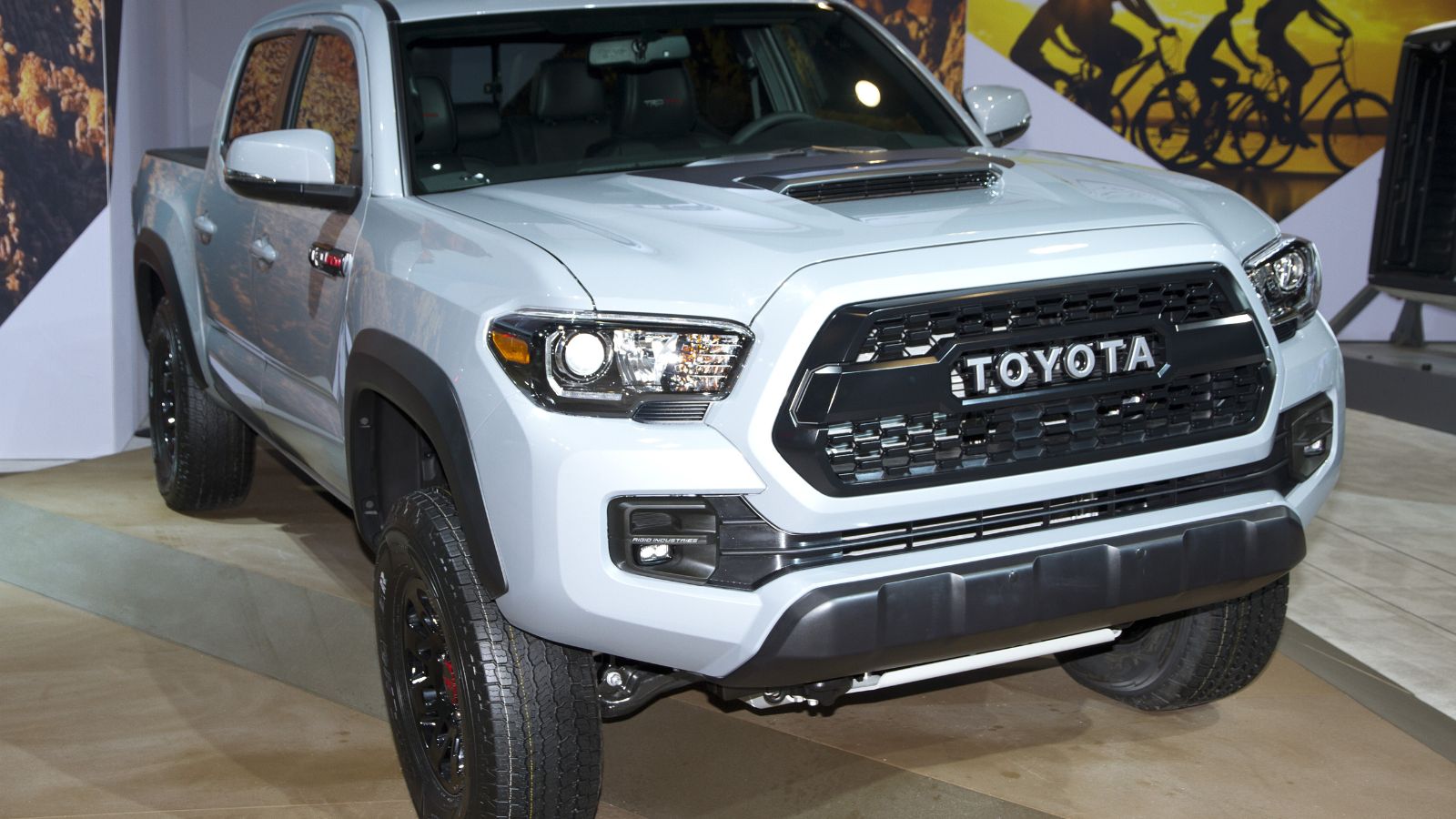
The Toyota Tacoma remains one of the clearest examples of a used vehicle that refuses to become cheap. In Canada, its reputation for toughness, simplicity, and long-term durability keeps demand high among tradespeople, cottage owners, outdoor drivers, and buyers who want a midsize truck without stepping into full-size pickup costs. Canadian Black Book recognized the Tacoma in its 2025 retained-value awards, reinforcing why used examples can still sit at eye-watering prices even after years of use.
The frustration is that many older Tacomas are not exactly plush. Some have dated interiors, firm rides, high mileage, and fuel economy that feels closer to a full-size truck than a compact runabout. Yet clean 4×4 versions, especially crew-cab models, still attract buyers quickly. For shoppers comparing a used Tacoma against newer rivals with better cabins and incentives, the Toyota tax can feel especially hard to justify.
Toyota 4Runner
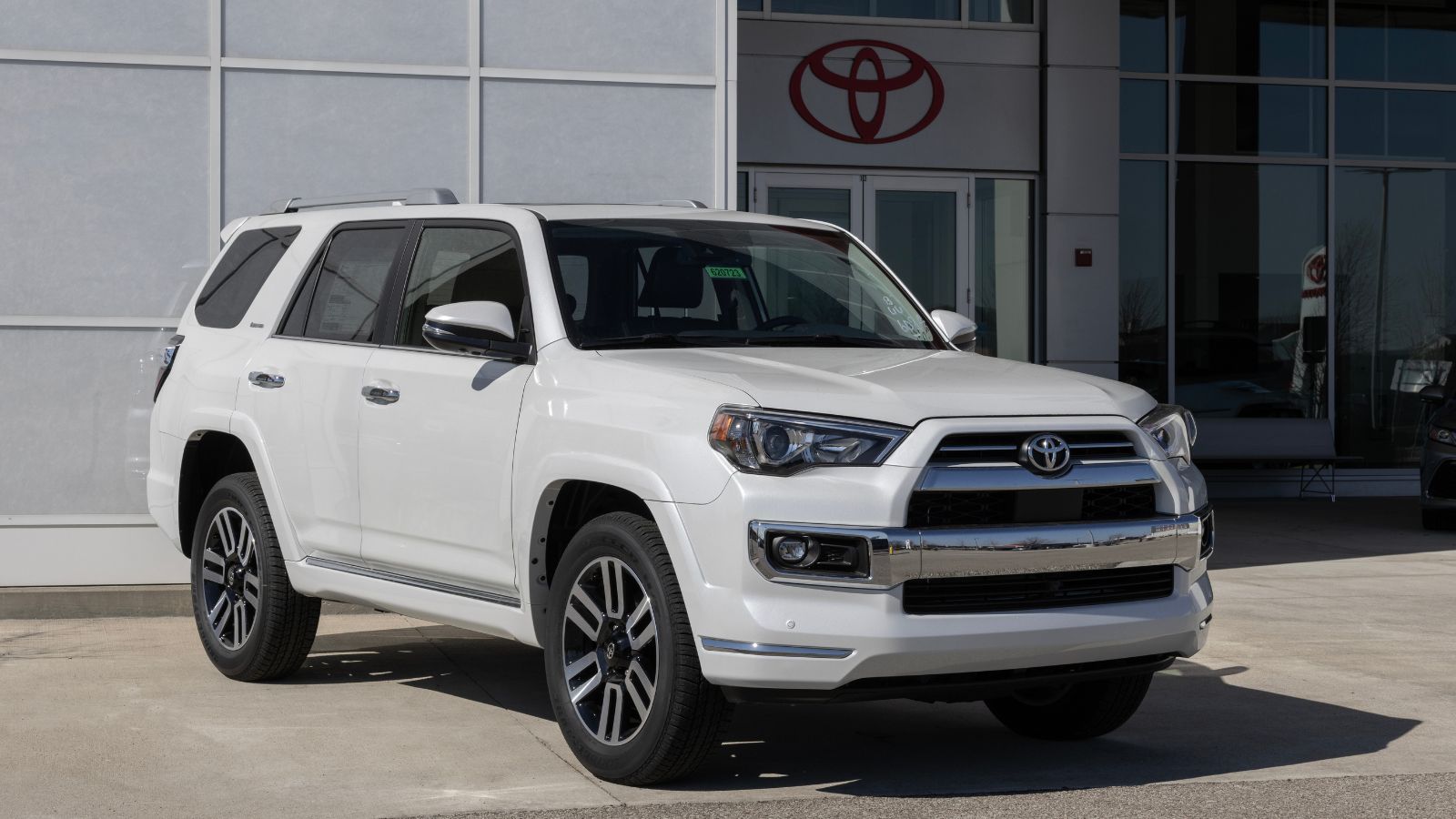
The Toyota 4Runner is aging gracefully in resale terms, even if its design and fuel economy feel from another era. Its body-on-frame construction, off-road credibility, and long-standing reliability reputation have created a loyal Canadian following. Canadian Black Book named the 4Runner among its strongest retained-value winners, and broader depreciation studies consistently show it as one of the slowest-depreciating SUVs on the market.
That strong value retention is exactly why used shoppers can feel trapped. A five- or six-year-old 4Runner may still command enough money to make newer crossovers look sensible by comparison. The cabin is rugged rather than modern, fuel use can be punishing, and older examples may lack the latest driver-assistance technology. Still, demand from camping families, backroad drivers, and winter-conscious buyers keeps prices unusually sticky.
Toyota RAV4 Hybrid
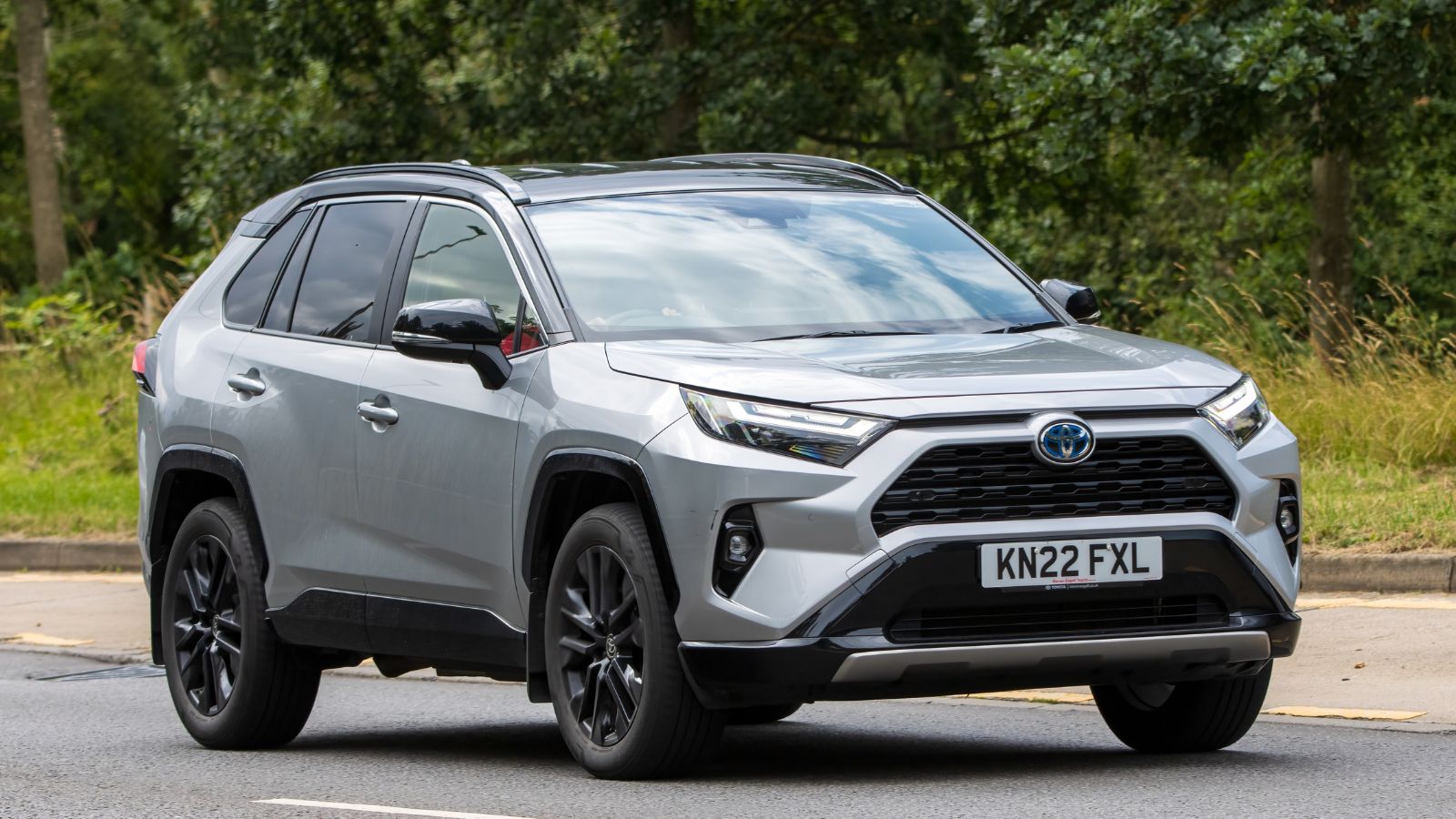
The Toyota RAV4 Hybrid has become a resale-value heavyweight because it hits several Canadian priorities at once: fuel efficiency, all-weather confidence, practicality, and Toyota’s reliability image. With gas prices still capable of moving sharply and many buyers hesitant about full EV ownership, a used RAV4 Hybrid can look like the safe middle ground. That popularity has helped keep asking prices elevated.
The problem is that the used premium can make the math less convincing. A buyer drawn in by lower fuel costs may discover that the upfront price wipes out years of savings compared with a less-hyped compact SUV. High-demand trims can be especially stubborn, and certified pre-owned examples often carry dealership premiums. The RAV4 Hybrid may be rational on paper, but its used-market pricing can still feel overheated.
Honda Civic
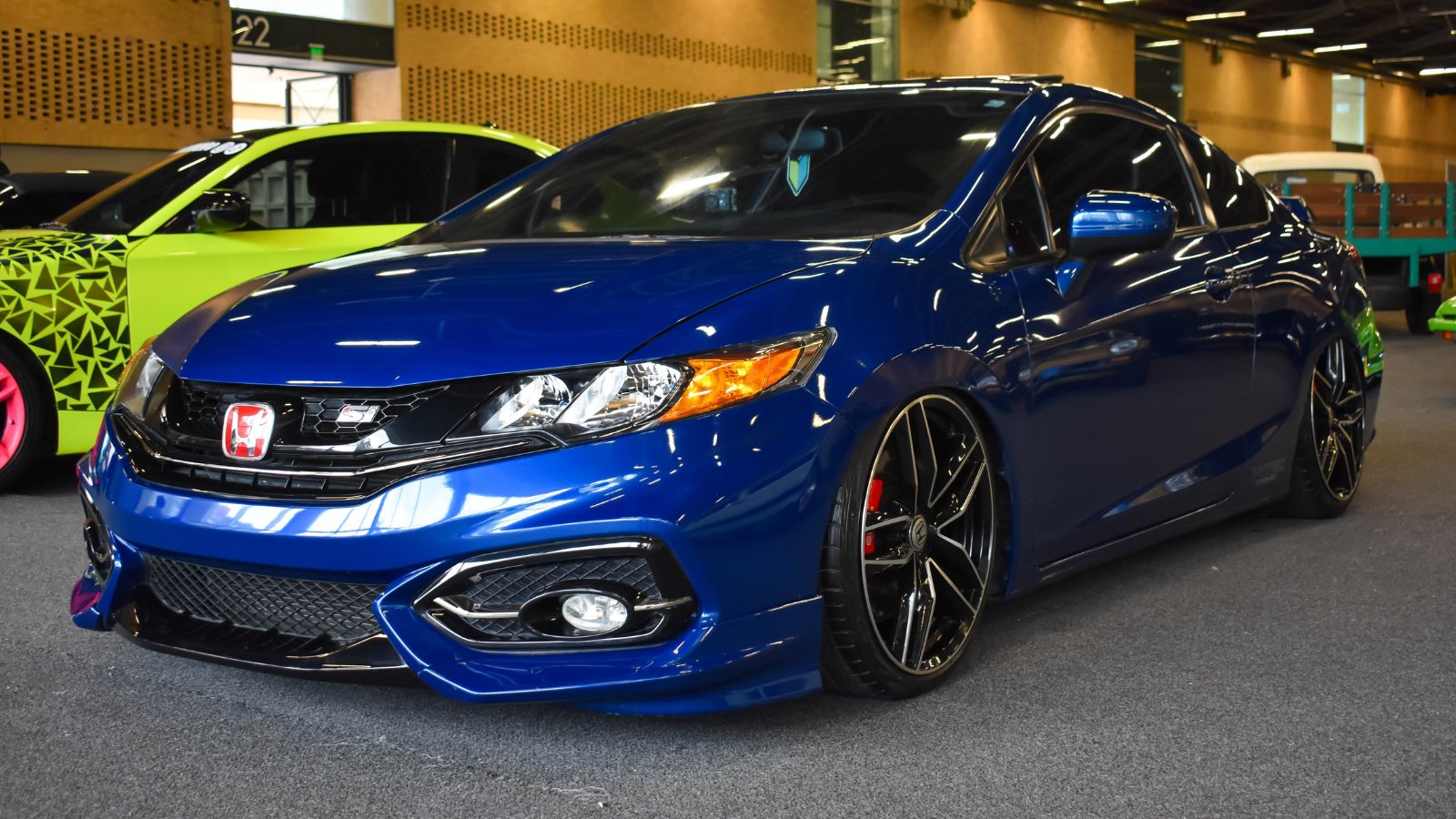
The Honda Civic has long been the default answer for Canadians who want a practical, efficient, reliable compact car. That reputation remains powerful, and AutoTrader named the Civic and Civic Hybrid its 2026 Best Overall Car in Canada. With smaller affordable cars disappearing from new-vehicle lineups, used Civics have become even more attractive to commuters, students, new drivers, and families trying to avoid SUV pricing.
That broad demand keeps used prices firm, especially for low-kilometre sedans and hatchbacks. The Civic is not rare, but clean examples with good service records often vanish quickly. Buyers may see five-year-old Civics priced uncomfortably close to newer compact alternatives, particularly when dealer financing and fees are included. The car itself is sensible; the resale premium is what can make it feel shockingly expensive.
Honda CR-V
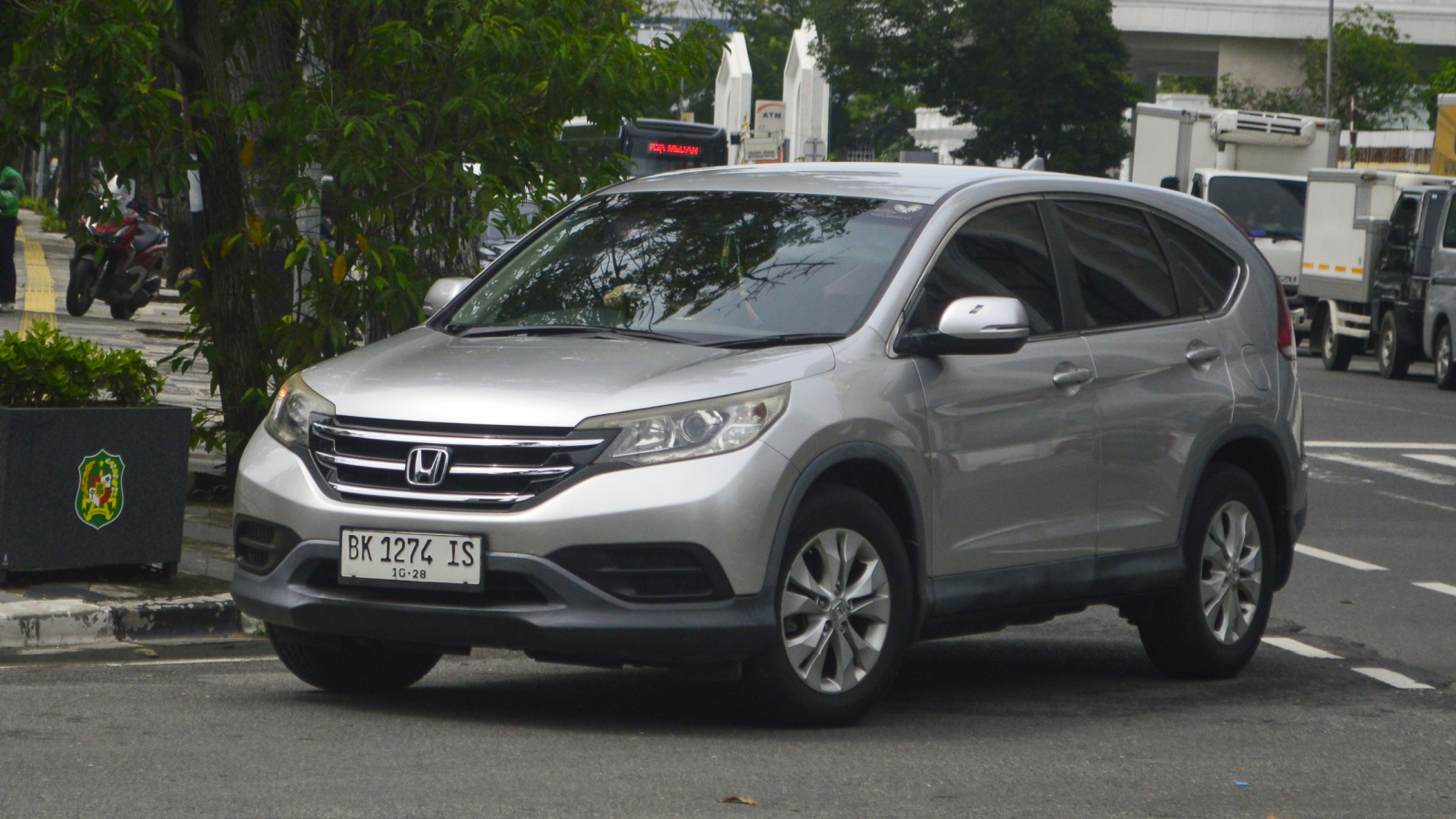
The Honda CR-V remains one of Canada’s most trusted compact SUVs, and that trust is expensive on the used market. It offers the right mix of space, fuel economy, visibility, and everyday usability, which keeps family buyers circling back even when prices seem high. In a market where compact SUVs dominate shopping lists, a clean CR-V with moderate mileage can still command a strong premium.
The challenge is that older CR-Vs are not immune to age-related costs. Tires, brakes, suspension work, and winter equipment can quickly add to the bill. Some shoppers also find that used CR-V prices overlap with newer competitors that may offer longer warranty coverage or fresher technology. The CR-V is rarely a foolish purchase, but its popularity can make the deal feel much less budget-friendly than expected.
Toyota Corolla
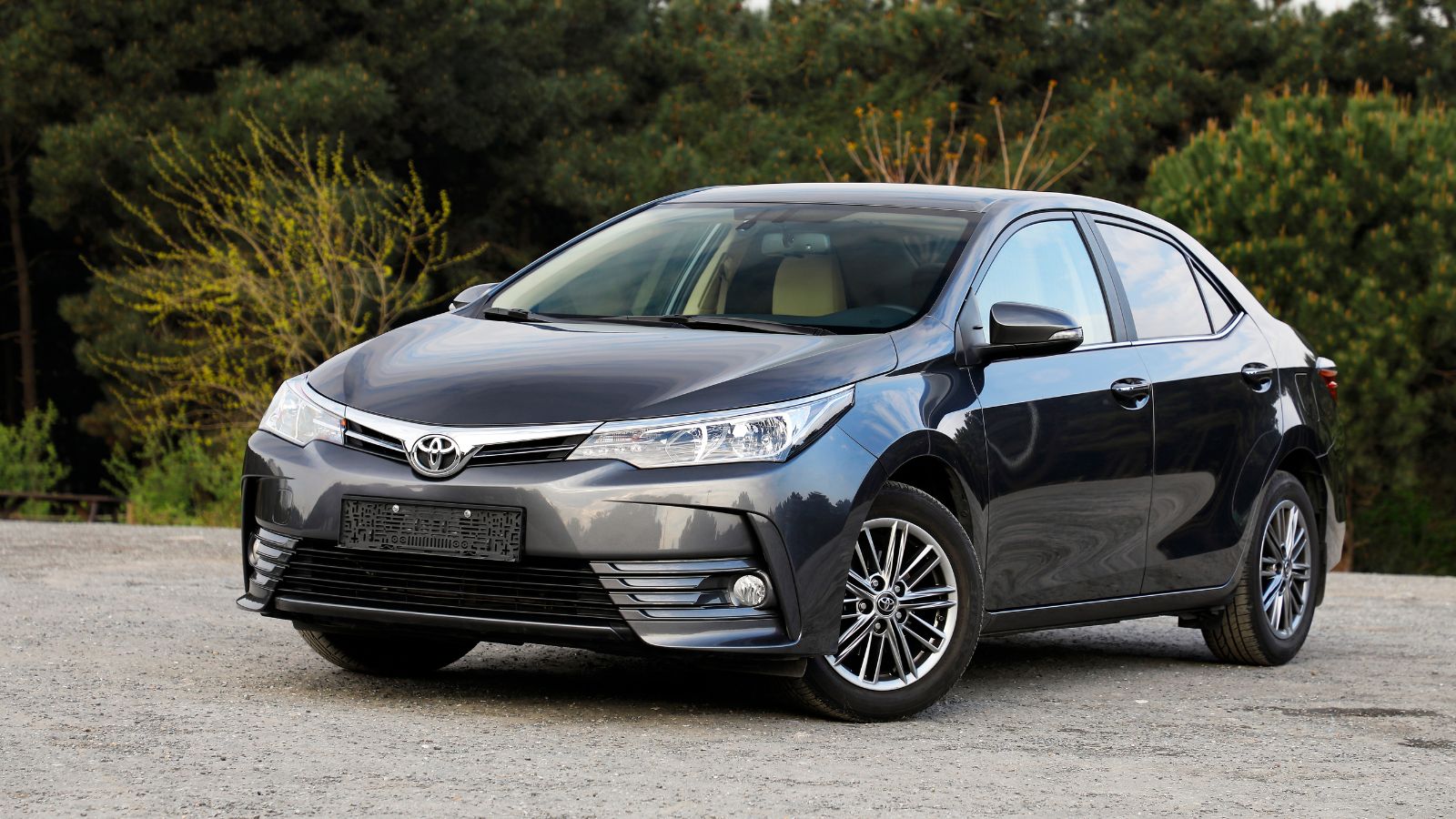
The Toyota Corolla is supposed to be the affordable, no-drama answer. In Canada’s used market, however, its reputation has turned into pricing power. Canadian Black Book recognized the Corolla in its retained-value awards, and that matters because many buyers see it as a low-risk vehicle for commuting, rideshare use, student transportation, and long-term ownership. Demand remains broad across age groups and provinces.
The sticker shock comes from how little some used Corollas seem to depreciate. A basic sedan with steel wheels, modest horsepower, and years of commuting behind it can still carry a surprisingly confident asking price. Buyers paying a premium for reliability may still need to budget for maintenance, winter tires, and financing costs. The Corolla’s strength is predictability, but predictable ownership does not always mean a bargain entry price.
Toyota Sienna
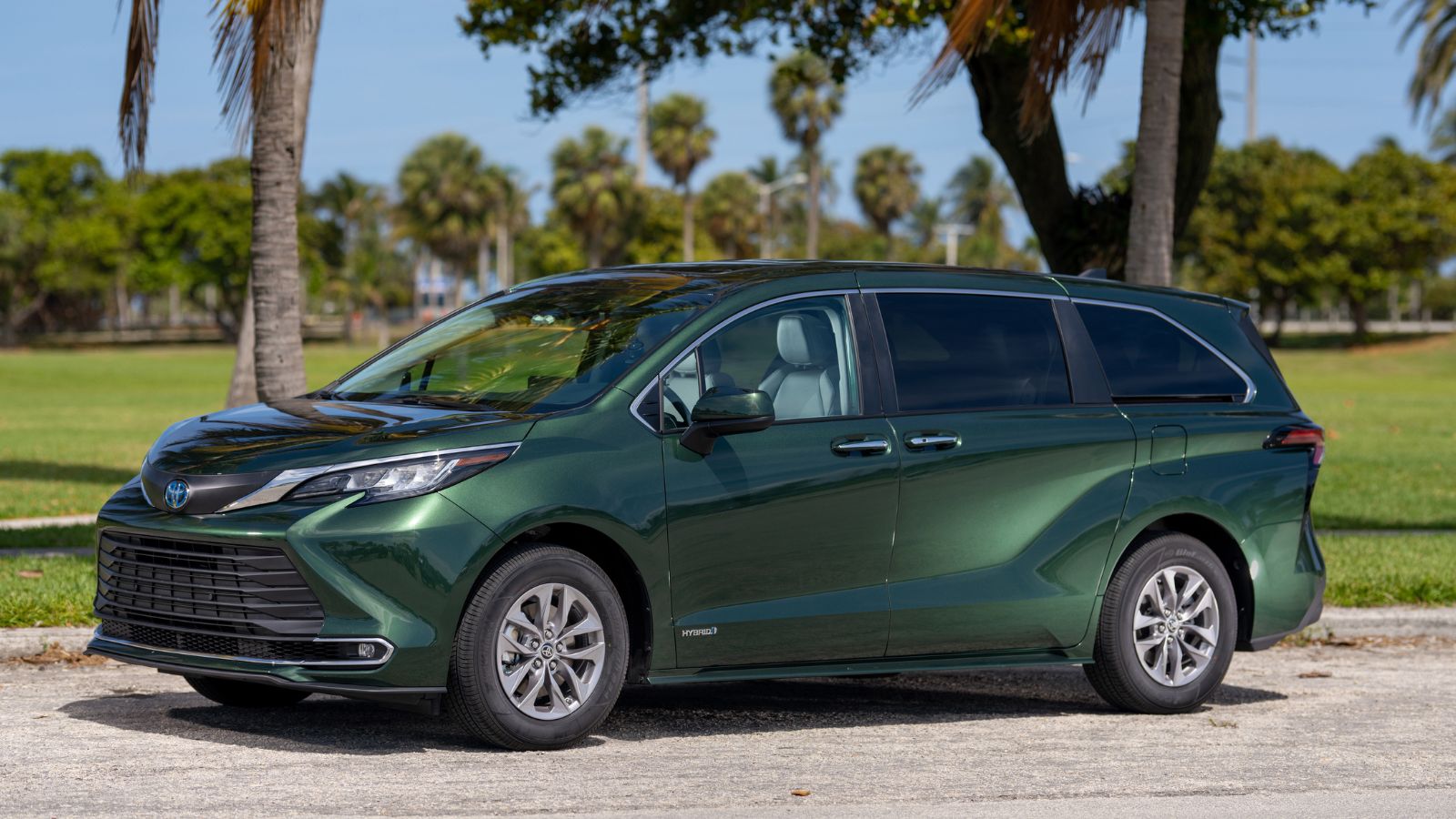
The Toyota Sienna has become one of the most stubbornly expensive used family vehicles in Canada. Since newer Siennas moved to hybrid-only power, fuel-conscious families began viewing them as rare practical machines: minivan space with better efficiency than many three-row SUVs. Add Toyota’s reputation and limited minivan competition, and used examples can look almost untouchable.
For growing families, the appeal is obvious. Sliding doors, cargo space, three usable rows, and lower fuel consumption make the Sienna close to ideal. But that desirability keeps prices high even on older vans with plenty of kilometres. A family trying to avoid new-vehicle pricing may find that used Siennas still stretch the budget dramatically. In many listings, practicality carries a luxury-like premium.
Lexus RX
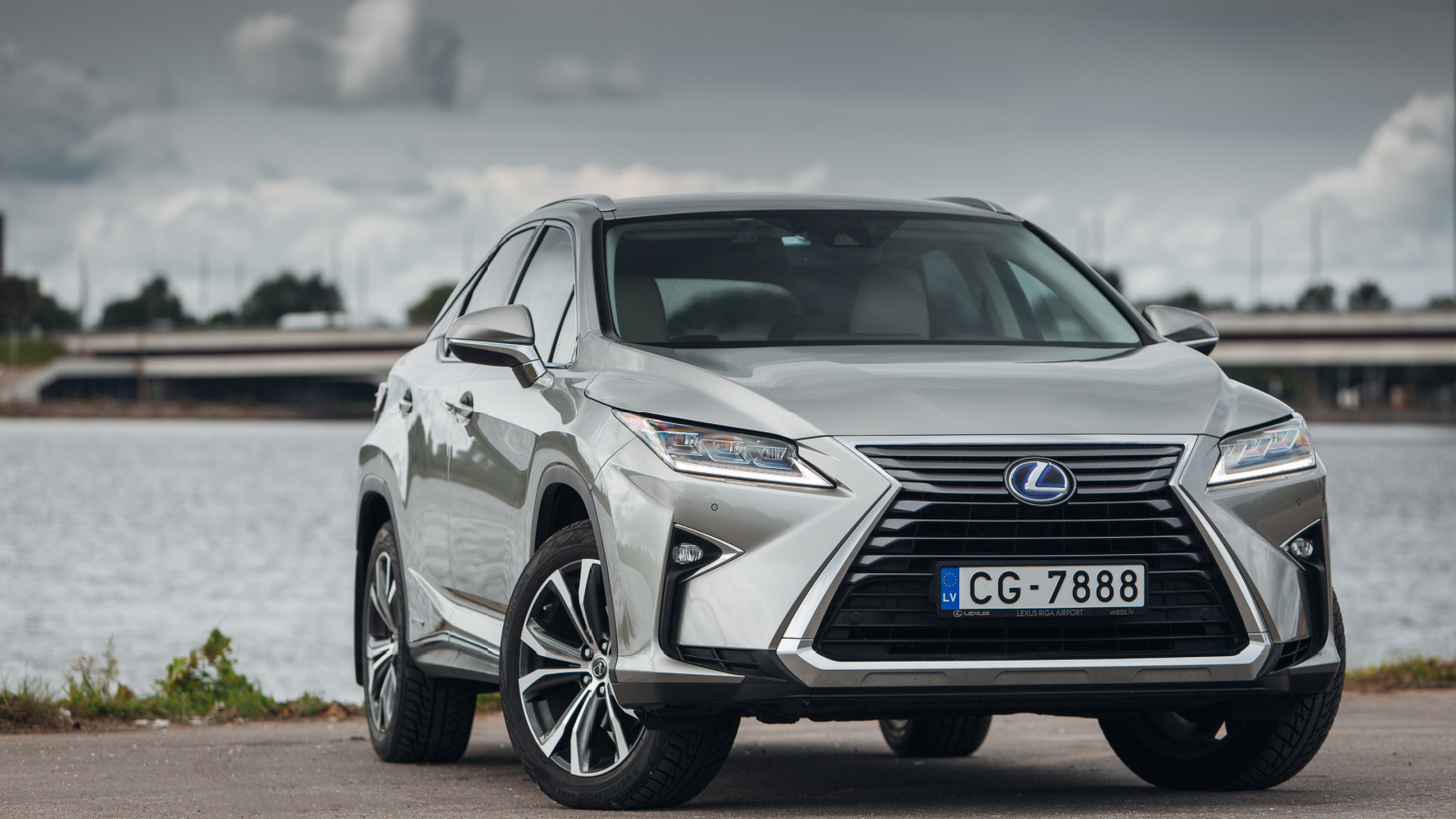
The Lexus RX holds its value because it blends Toyota-family reliability with luxury-brand comfort. In Canada, it appeals to buyers who want a quieter, more refined SUV without the repair-cost anxiety sometimes associated with European luxury models. Depreciation studies regularly show the RX performing well compared with many midsize luxury SUVs, and that helps explain why older examples can still feel expensive.
The issue is that “reliable luxury” is still luxury. Used RX buyers may face higher tire costs, premium features that are expensive to repair, and insurance or maintenance bills above mainstream SUV levels. Clean, well-optioned RX models often attract buyers who want comfort without drama, which keeps asking prices firm. The RX may be a smart used luxury pick, but it is rarely the bargain people hope to find.
Ford Maverick
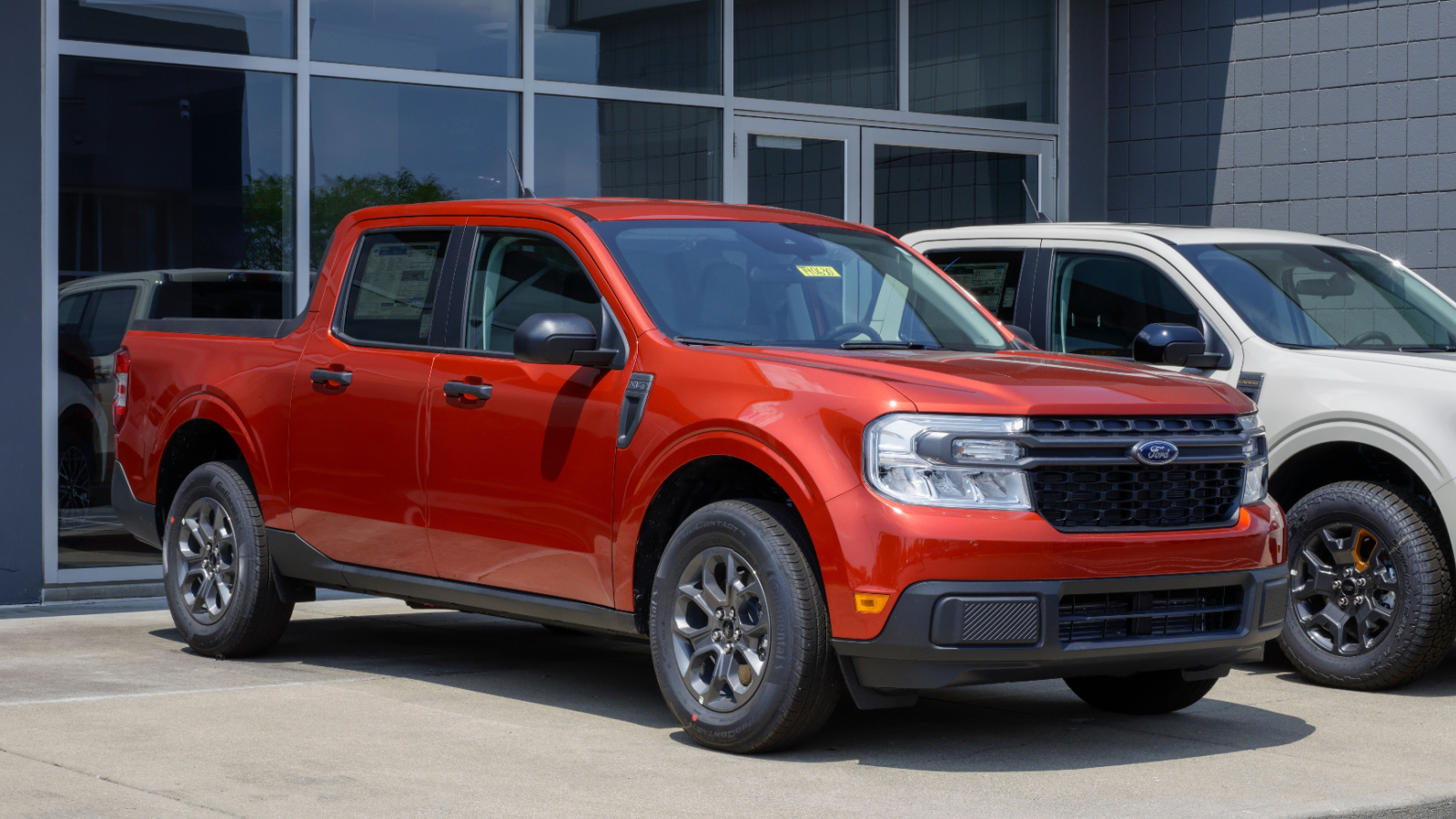
The Ford Maverick disrupted the market by promising pickup practicality in a smaller, more affordable package. In Canada, that formula landed perfectly: urban-friendly size, useful bed, efficient engine choices, and a starting price that originally made it feel like a budget breakthrough. AutoTrader recognized the Maverick and Maverick Hybrid among Canada’s standout trucks, which only added to its visibility.
Used prices remain frustrating because demand has often outrun supply. Buyers who missed early orders may find used Mavericks priced with very little discount from new, especially hybrid versions. That can feel strange for a compact truck with modest towing ability and a relatively simple interior. The Maverick is clever and useful, but used-market enthusiasm can turn a value-focused truck into an unexpectedly pricey purchase.
Subaru Crosstrek
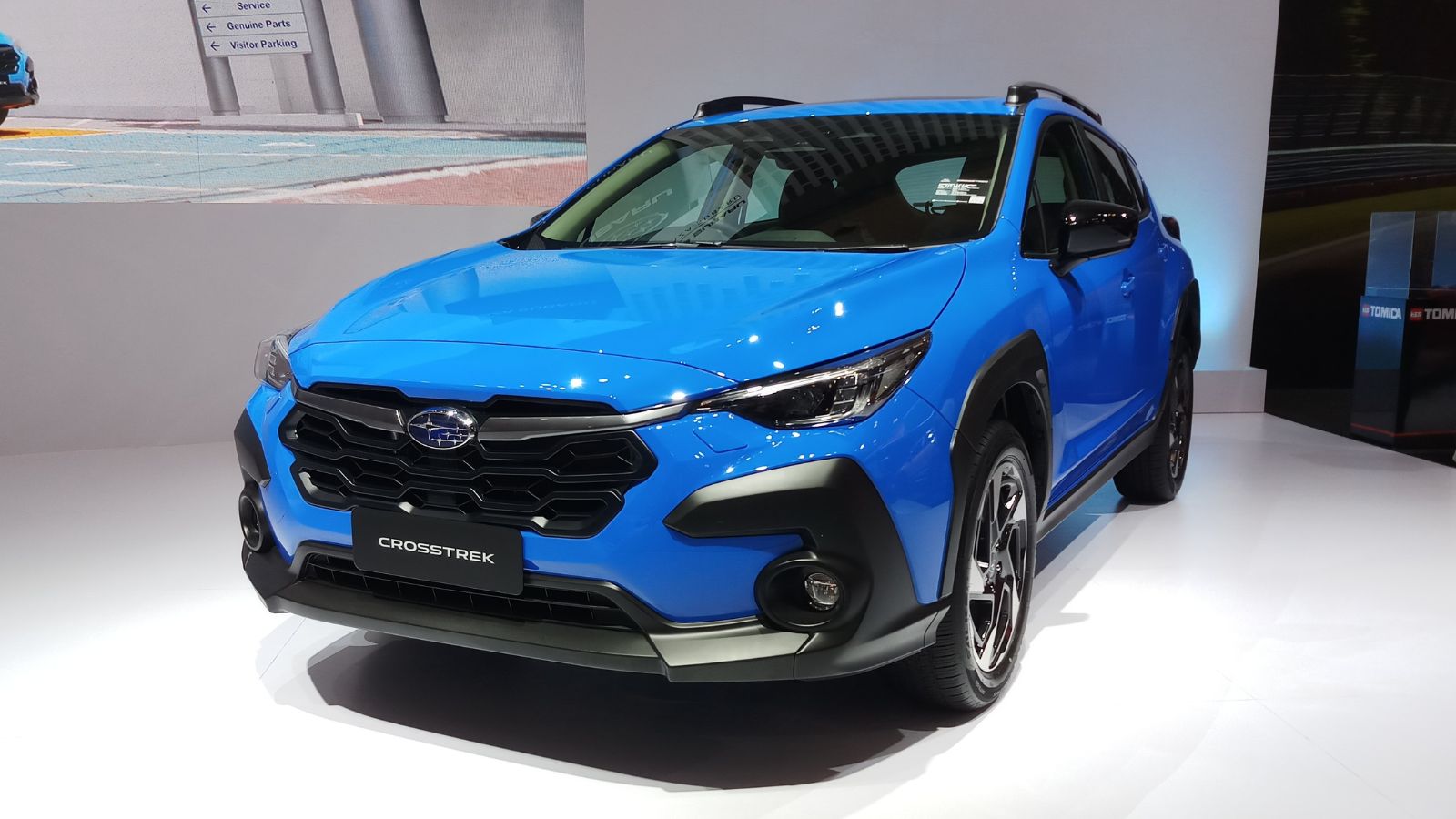
The Subaru Crosstrek has a particularly strong Canadian identity because standard all-wheel drive, compact size, and winter-friendly marketing match local needs. It appeals to city drivers who ski, camp, commute through snow, or simply want a small crossover that feels more capable than a regular hatchback. That steady demand has helped used Crosstreks stay expensive relative to their size and power.
The tension is that the Crosstrek is practical, not premium. Older models can feel slow, cargo space is limited, and high-demand trims may not come cheap. Buyers often pay extra for the Subaru badge and AWD system, even when other compact SUVs offer more room or stronger engines for similar money. In snowy provinces, the Crosstrek’s resale strength can make it feel far pricier than its humble footprint suggests.
Mazda CX-5
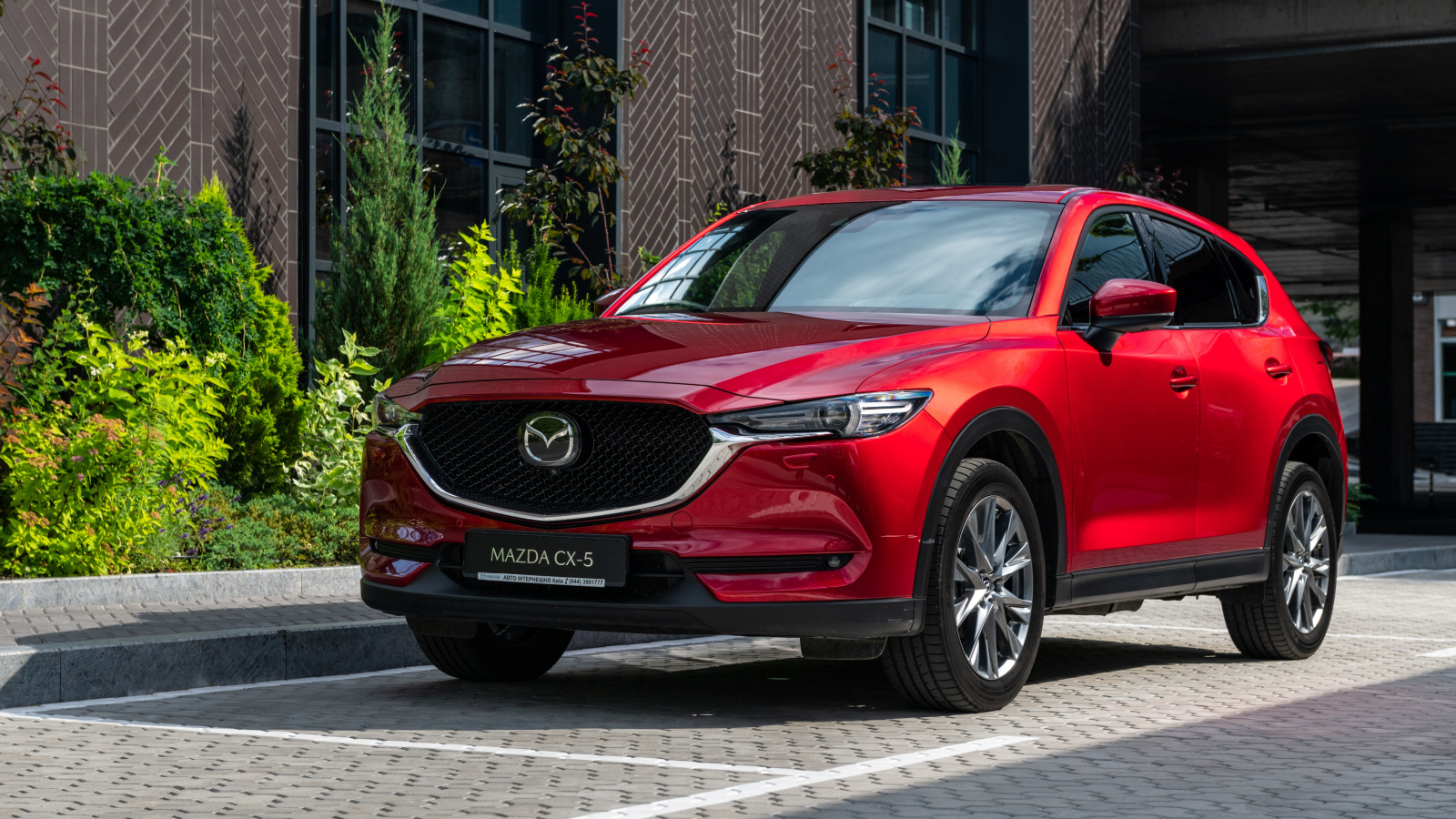
The Mazda CX-5 is not always the most expensive compact SUV, but strong demand for its upscale feel keeps good used examples from becoming cheap. Canadian buyers often like that it feels more polished than many mainstream rivals, with sharp steering, attractive interiors, and a quieter cabin. For shoppers priced out of luxury SUVs, the CX-5 can seem like the tasteful compromise.
That reputation can inflate expectations and asking prices. Higher trims with turbo engines, leather, and all-wheel drive may still command serious money, while older examples can carry repair and tire costs similar to larger SUVs. Some buyers may also find rear-seat and cargo space tighter than expected. The CX-5 feels special for a mainstream vehicle, but that very appeal keeps used pricing firmer than many bargain hunters anticipate.
Jeep Wrangler

The Jeep Wrangler occupies a resale world of its own. Its open-air character, off-road image, and customization culture keep demand high even when fuel economy, noise, and ride comfort are not especially practical. Depreciation studies consistently place the Wrangler among vehicles that hold value unusually well, which is great for sellers but difficult for used buyers.
In Canada, Wranglers often carry premiums for hardtops, winter tire packages, lift kits, larger wheels, and off-road accessories. Those extras may look exciting in a listing but do not always improve daily livability. A used Wrangler can also invite careful inspection, especially if it has seen trail use, corrosion exposure, or heavy modifications. The emotional pull is strong, but the used prices can feel wildly ambitious for such a compromise-heavy vehicle.
Kia Telluride
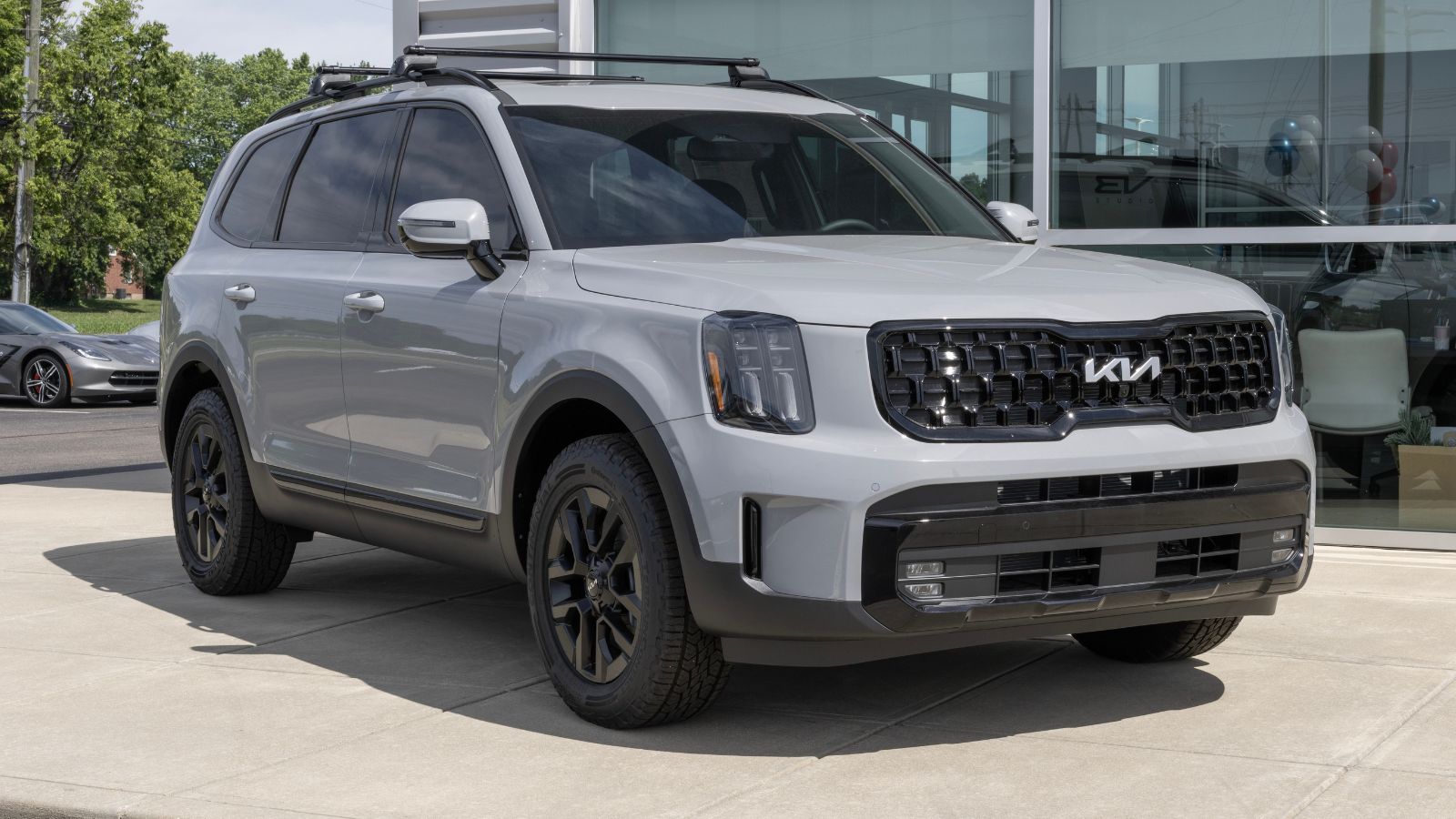
The Kia Telluride shares much of the Palisade’s appeal but adds a rugged design that has made it especially desirable. It quickly developed a reputation as a family SUV that looked more expensive than it was, and that perception has carried into used listings. Well-equipped Tellurides remain attractive to Canadian families seeking space, comfort, and road-trip practicality.
The issue is that strong demand has narrowed the usual used-car discount. A few years of age and mileage may not reduce the price as much as expected, particularly for higher trims with desirable seating layouts and technology packages. Buyers may also compare used Tellurides against newer rivals with fresh warranties and updated safety features. The Telluride is appealing, but used prices can still feel inflated by reputation.
Toyota Prius
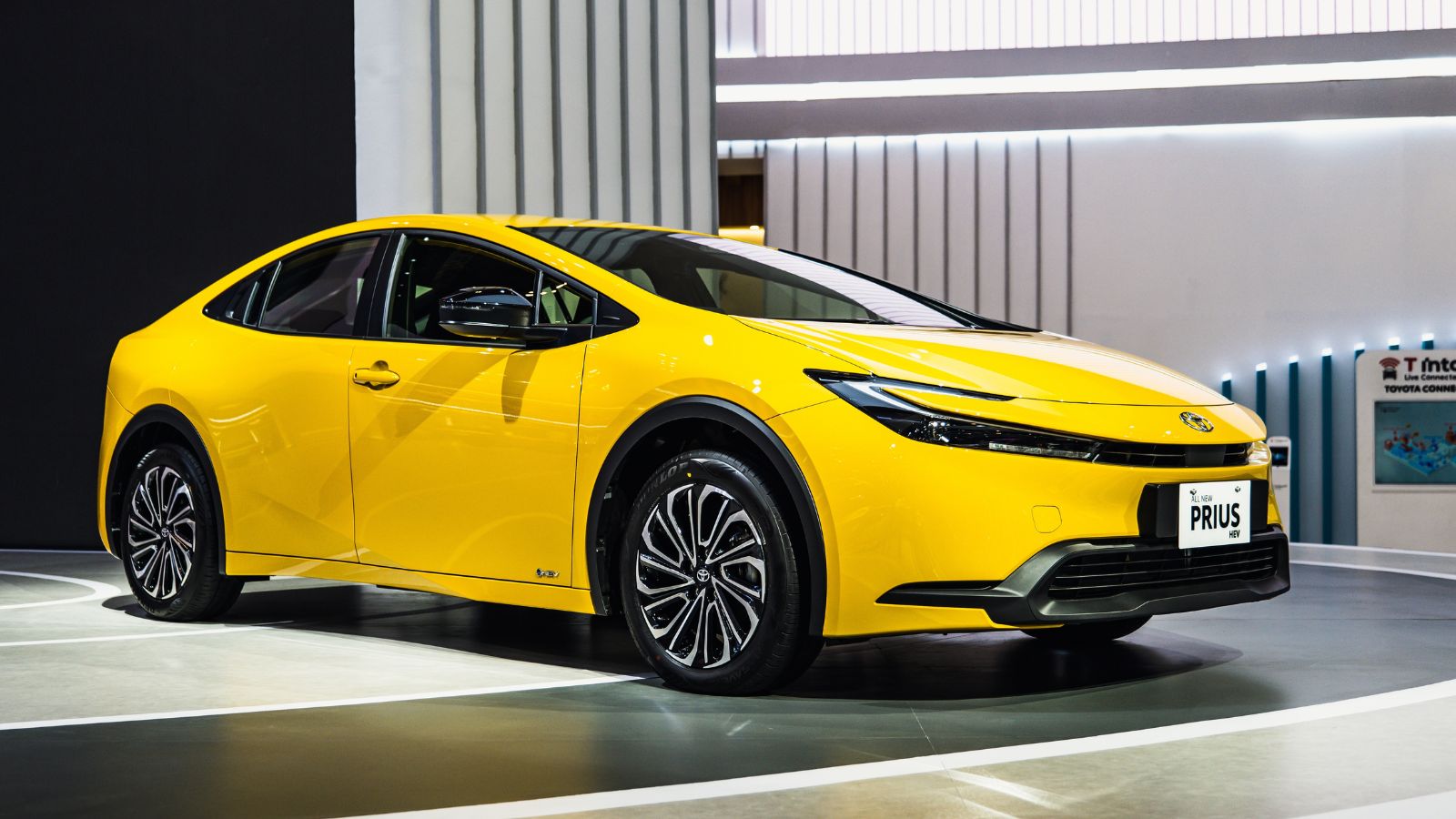
The Toyota Prius has never been glamorous, but used prices can still surprise because efficiency remains valuable. With fuel costs unpredictable and many drivers still unsure about charging infrastructure, a proven hybrid hatchback has a clear purpose. Toyota’s hybrid reputation also gives the Prius a level of confidence that many older electrified vehicles do not enjoy.
That confidence often comes at a premium. A used Prius with years of taxi-like commuting potential can still command strong money if the battery health appears solid and the service history is clean. Buyers may overlook the plain interior, modest acceleration, and aging infotainment because the fuel savings feel tangible. The Prius proves that practicality can be expensive when enough people want the same low-risk answer.
Toyota Highlander Hybrid
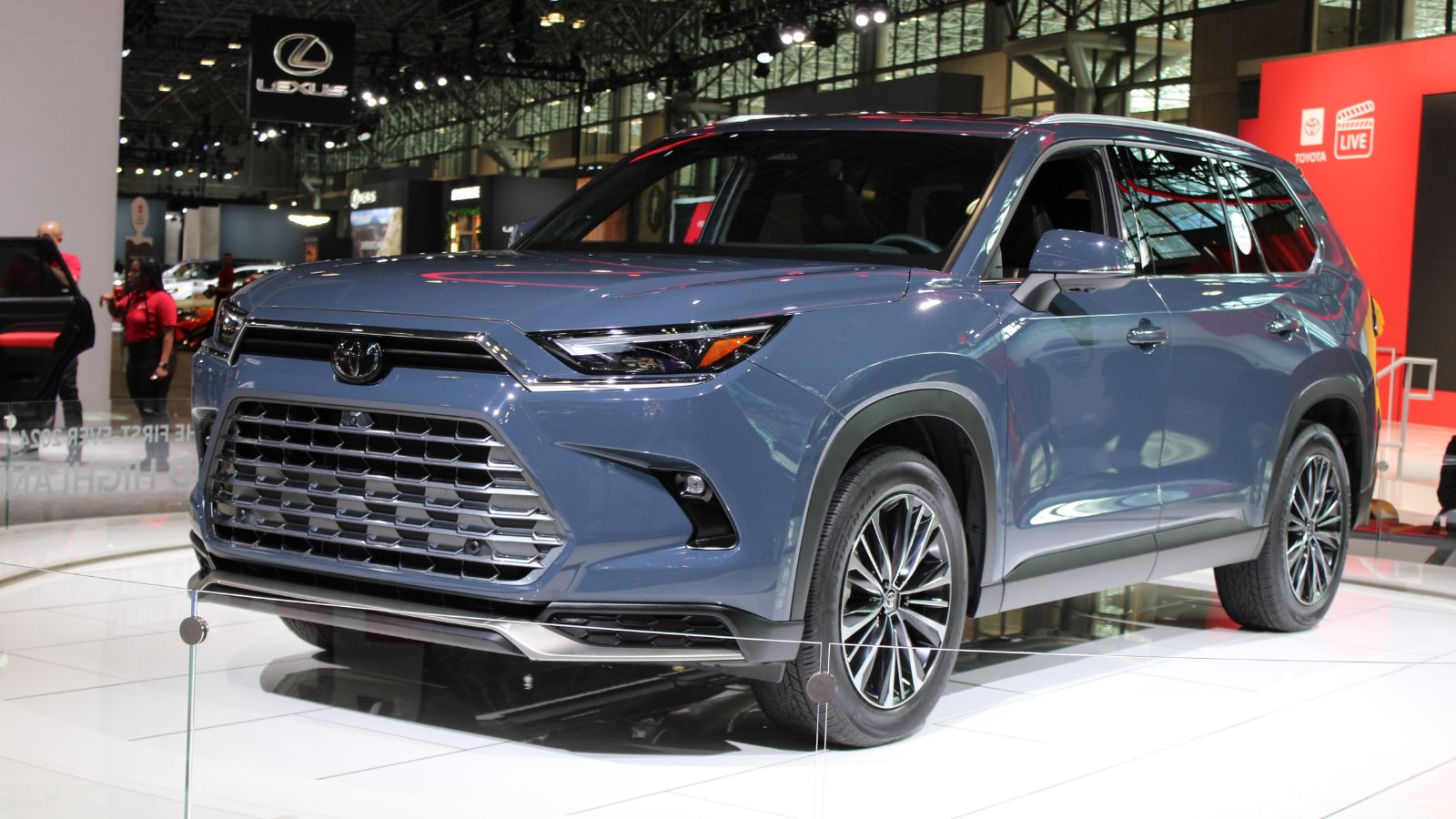
The Toyota Highlander Hybrid is another used vehicle that benefits from an almost perfect Canadian family formula: three rows, available all-wheel drive, Toyota reliability, and better fuel economy than many large SUVs. For households that need space but dislike minivan styling, it has become a highly desirable compromise. That desirability keeps used prices stubbornly elevated.
The frustrating part is that older Highlander Hybrids can still ask luxury-adjacent money, especially in higher trims. Families may find themselves paying a premium for fuel efficiency before accounting for maintenance, tires, insurance, and financing. Cargo space behind the third row is also not minivan-like, despite the price. The Highlander Hybrid is sensible, but its used-market strength can make it feel more expensive than its family-friendly image suggests.
Ford F-150
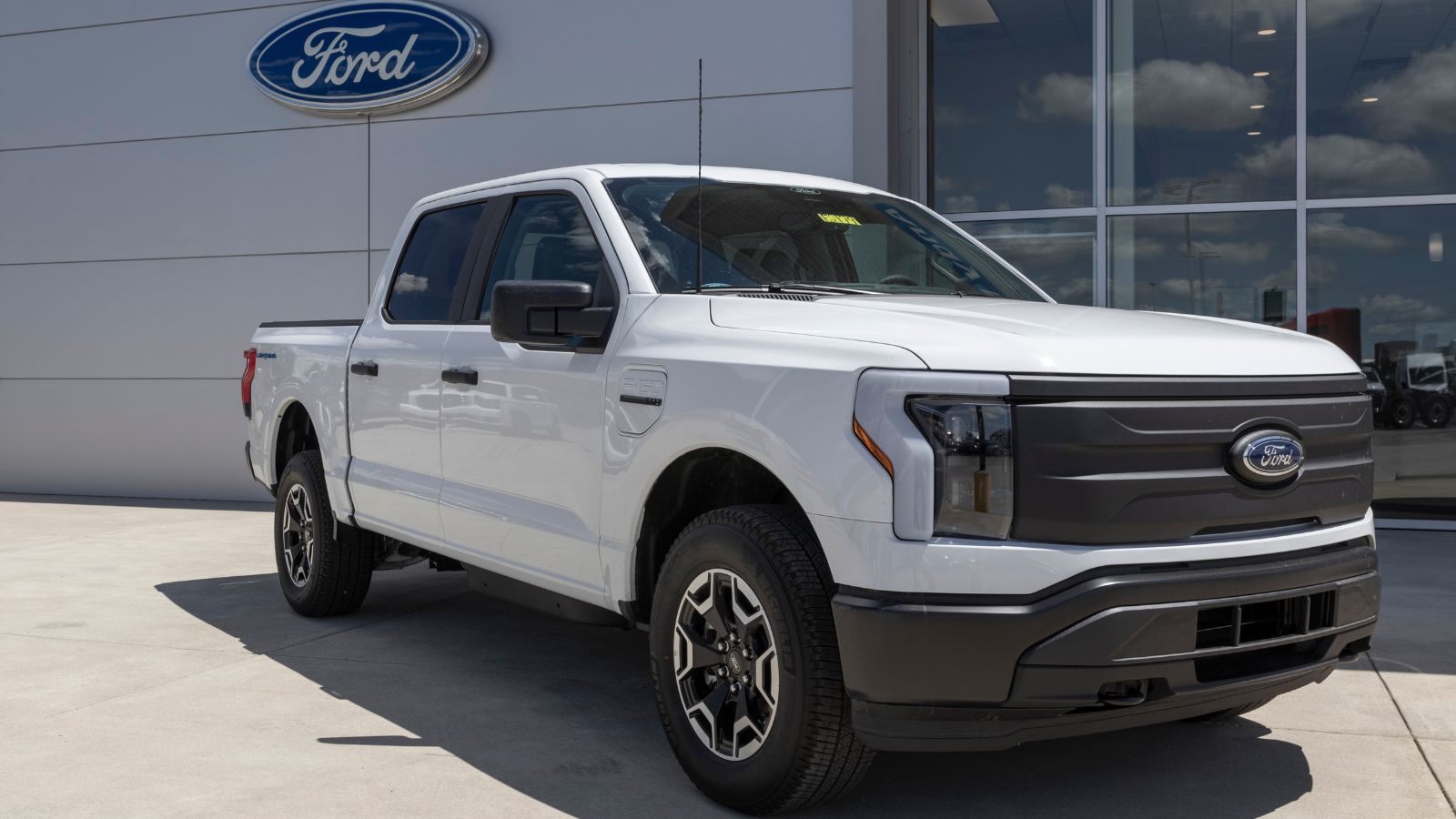
The Ford F-150 is everywhere in Canada, but abundance does not always mean cheap. It remains one of the country’s most searched and shopped vehicles, and demand from contractors, rural households, towing users, and families keeps the used market active. Certain trims, engine combinations, and crew-cab 4×4 configurations still hold firm, especially when buyers want capability without paying new-truck prices.
The catch is that used F-150 listings can vary wildly. A truck may look affordable until mileage, trim, accident history, rust, tires, fuel use, and financing are considered. Higher trims can stay shockingly expensive, and work-ready trucks with desirable engines are not always discounted much. The F-150’s popularity creates choice, but it also keeps the best examples from becoming true bargains.
22 Things Canadians Do to Their Cars in Spring That Mechanics Hate

Spring brings relief to many Canadian drivers after months of snow, freezing temperatures, and icy roads that put serious strain on vehicles. As temperatures rise across the country, drivers begin washing cars, switching tires, and preparing vehicles for warmer weather and upcoming road trips. However, mechanics across Canada notice the same mistakes every spring when drivers attempt to recover from winter damage. Road salt, potholes, and harsh winter driving conditions often leave vehicles with hidden problems that drivers ignore. Some spring habits even create new mechanical issues that could have been avoided with proper maintenance. Here are 22 things Canadians do to their cars in spring that mechanics hate.