

























Winter grime can make a vehicle look neglected, but the bigger risk is often the wash itself. The most damaging winter car-wash mistake is washing a vehicle in freezing conditions without properly drying the places where water hides: door seals, locks, mirrors, handles, trim gaps, brake areas, sensors, and the undercarriage. What begins as a quick cleanup can turn into frozen doors, jammed hardware, paint scratches, sensor problems, or trapped salty moisture. These 10 winter car-wash risks explain why timing, drying, and wash choice matter as much as removing road salt.
Washing Right Before a Deep Freeze
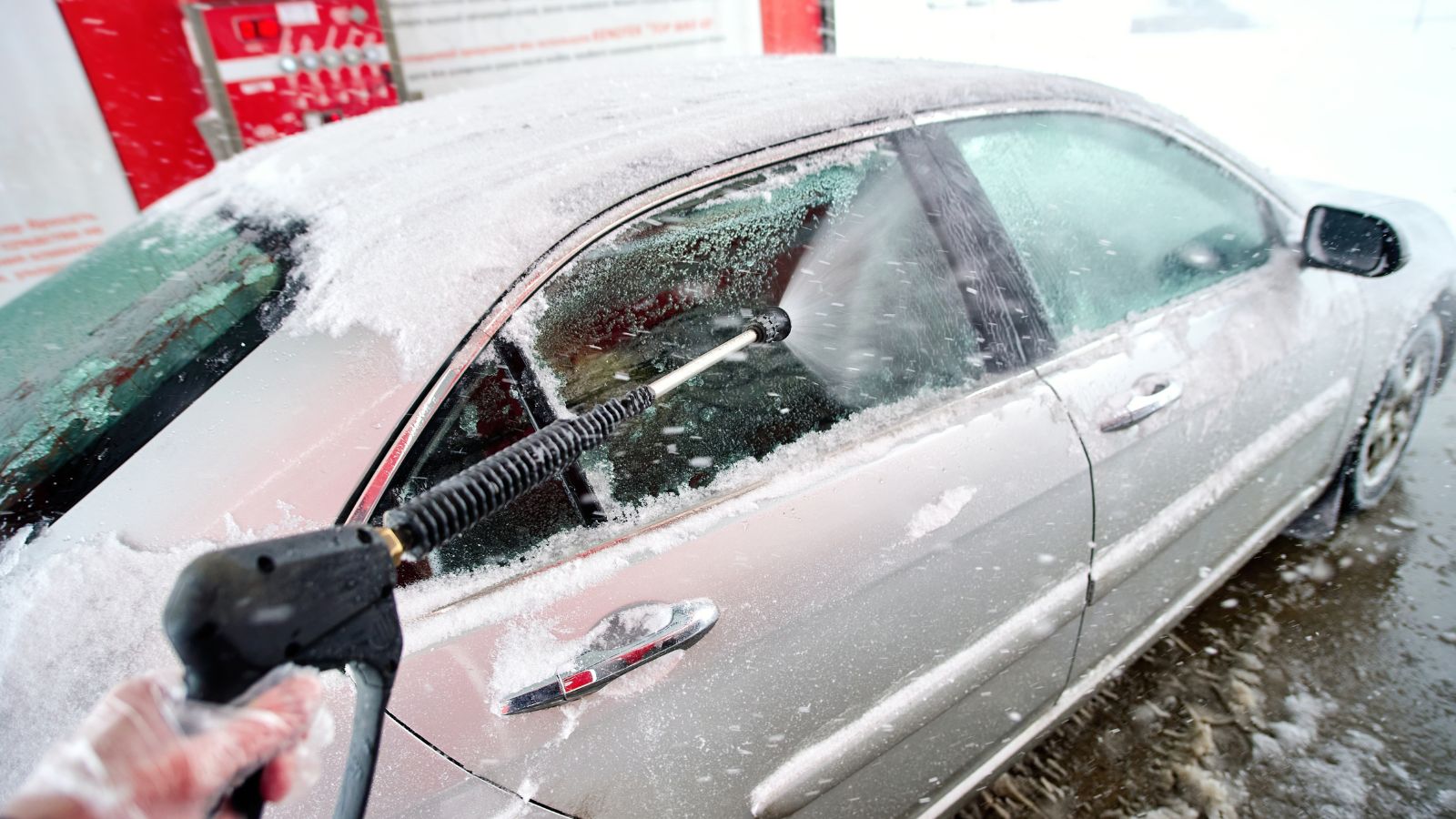
The mistake often begins with timing. A driver pulls into a wash bay after a salty commute, sees the car come out glossy, and assumes the job is done. But if the temperature is already below freezing, or is expected to drop quickly overnight, leftover water can harden in door seals, locks, handles, fuel doors, mirror housings, and trunk gaps. The vehicle may look clean from ten feet away while small pockets of water are quietly turning into ice.
That ice can create more than a morning inconvenience. A frozen door can tear weatherstripping when forced open, and a frozen handle can strain plastic linkages. In older vehicles, lock cylinders can seize. In newer vehicles, flush handles and power-folding mirrors add more tight spaces where water can linger. The safer habit is to wash during a mild spell, drive long enough afterward to shed water, and dry the obvious trouble spots before parking.
Skipping the Door Seals
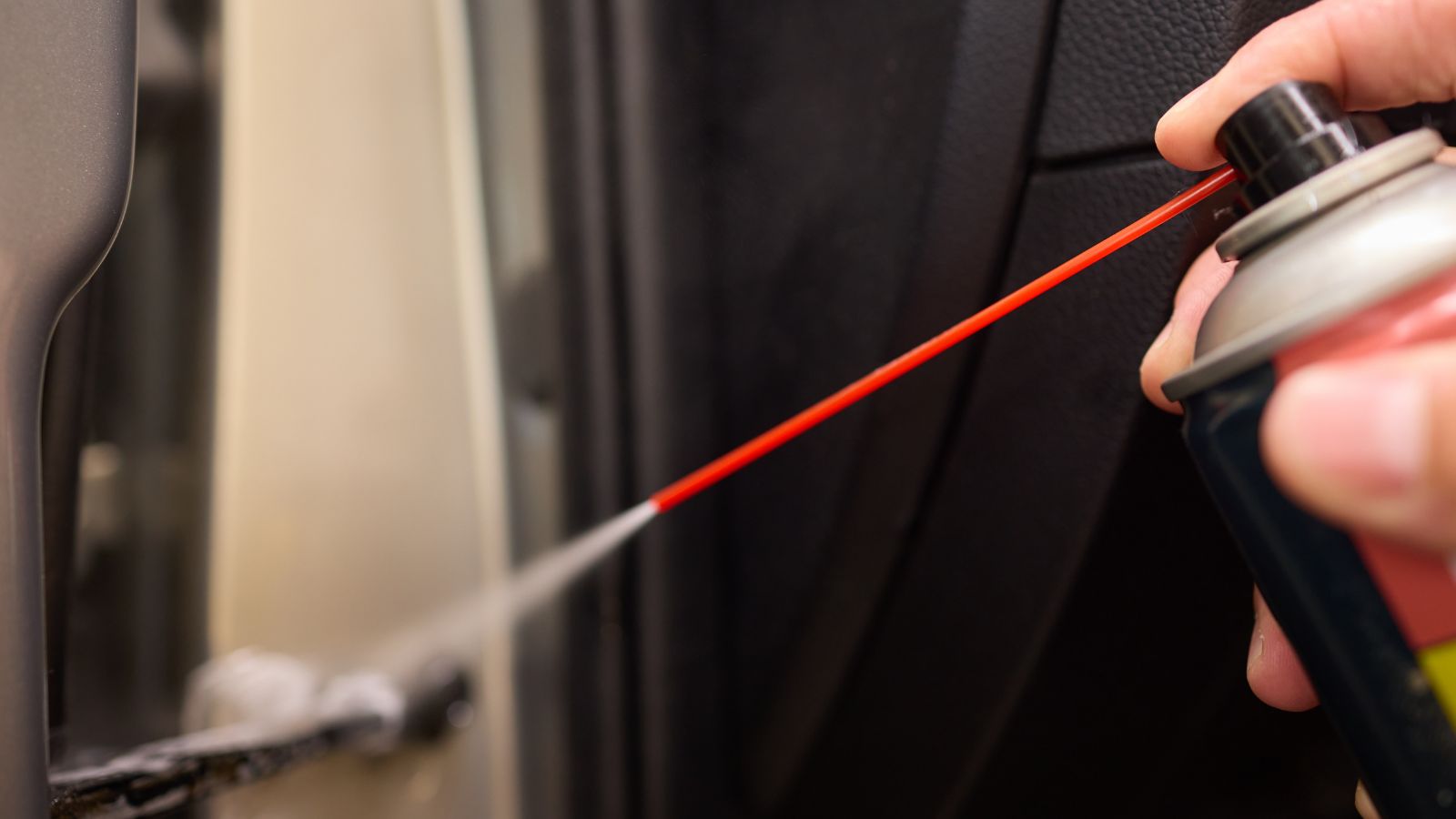
Door seals are easy to ignore because they are not part of the shiny exterior. Yet they are among the first places winter washing can go wrong. Rubber weatherstripping is designed to keep water out of the cabin, but it also creates narrow channels where moisture can sit after a wash. When the temperature falls, that moisture can freeze the door shut along the seal. A person pulling harder on the handle may feel as if the latch is broken, when the real problem is ice bonding the rubber to the frame.
The damage usually happens when force is used. A strong tug can stretch, split, or loosen the seal, especially on older rubber that has already been stiffened by age and cold. Once a seal no longer sits properly, wind noise, water leaks, and foggy windows can follow. A soft towel around the door jambs after washing is a small step, but in winter it can prevent a surprisingly annoying repair.
Forgetting the Undercarriage
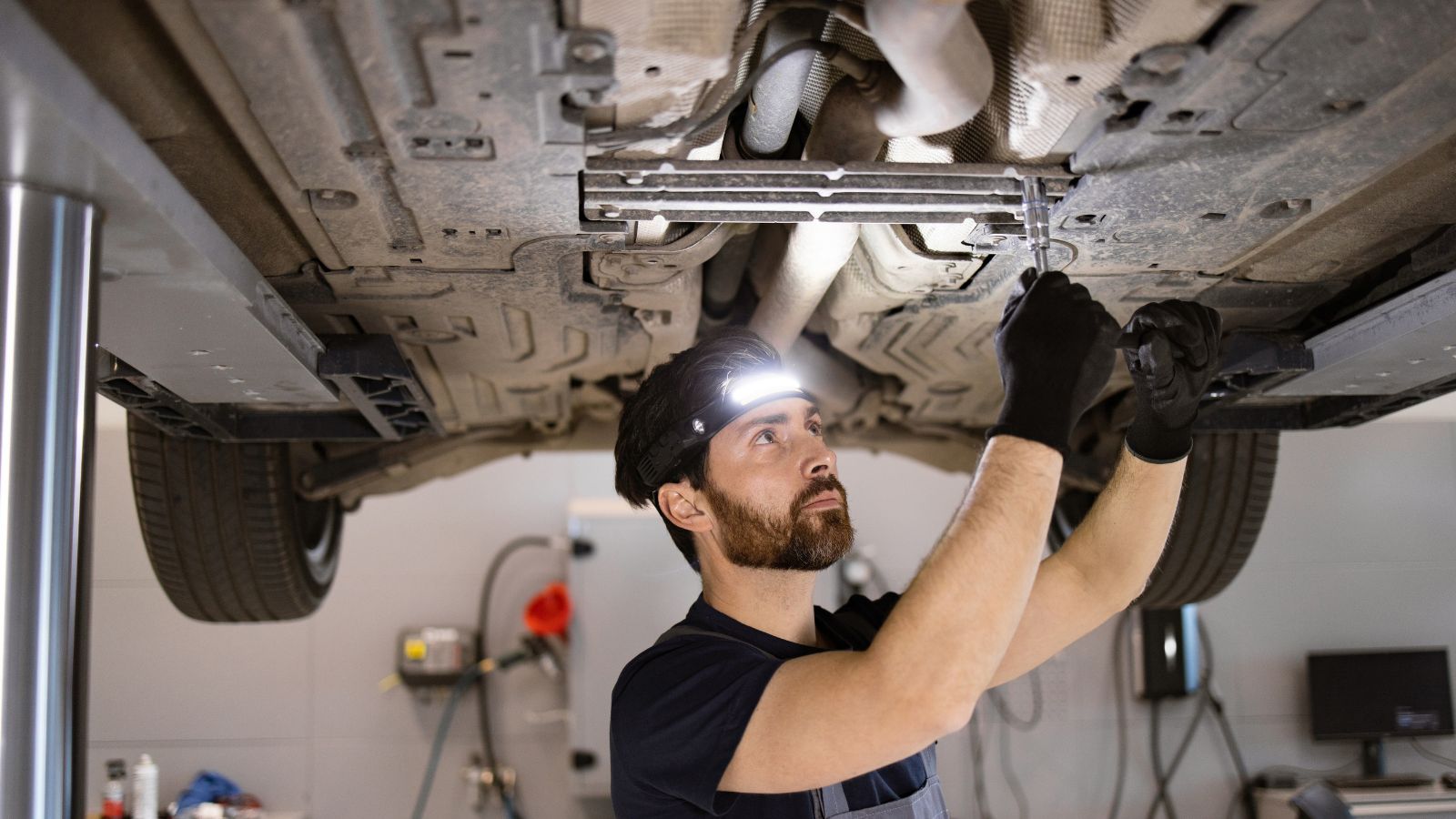
Many winter drivers wash the paint and glass but skip the underside, which is where road salt often does its worst work. Salt spray collects on brake lines, suspension parts, subframes, rocker panels, exhaust components, and fasteners. These areas are rarely inspected during a normal walkaround, so corrosion can build quietly for months. A vehicle may still look clean in the driveway while its underside is carrying the remains of several storms.
The mistake is not washing in winter; it is washing only the visible panels. A proper winter wash should include an underbody rinse when road salt or brine has been used. That does not mean blasting delicate areas at close range with extreme pressure, but it does mean rinsing the places where salt collects. Drivers who plan to keep a vehicle for many years often learn this lesson late, when rusted brake lines, seized bolts, or corroded suspension hardware turn routine repairs into expensive jobs.
Using Brush Washes on a Gritty Vehicle
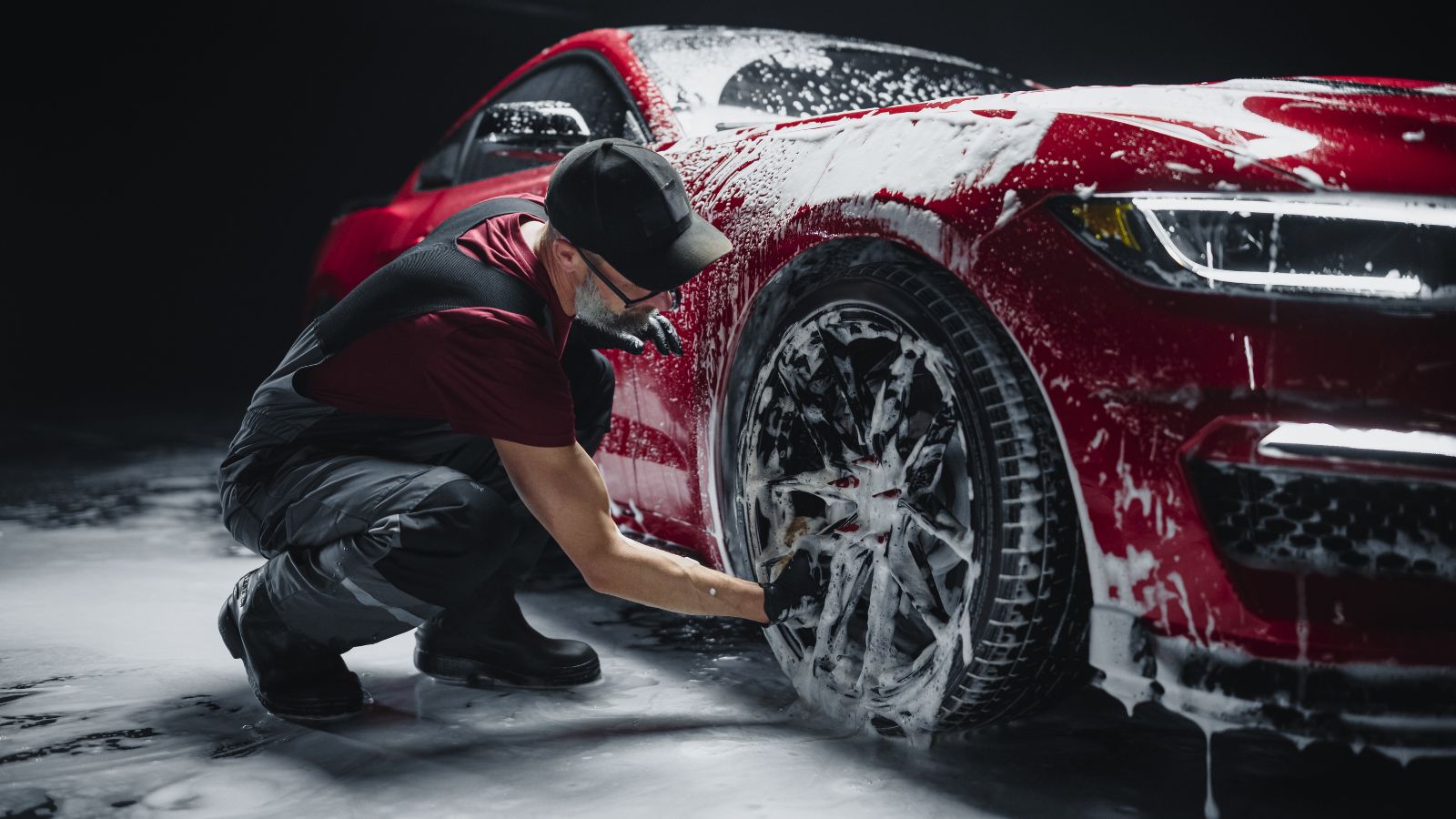
Winter grime is not just dirty water. It often contains sand, salt crystals, road grit, and small abrasive particles thrown up by traffic. When a vehicle covered in that film goes through a brush-style automatic wash, the cleaning material can drag grit across the paint. Even when the scratches are tiny, they can dull the finish over time. Dark paint tends to show the swirl marks first, especially under gas-station lights or winter sun.
A touchless wash is not perfect, but it reduces the risk of physical contact with grit. The trade-off is that heavy winter grime may not come off completely without pre-rinsing or a more careful hand wash. The worst combination is a dirty vehicle, stiff winter residue, and aggressive brushes that have already cleaned many other cars. A driver may think the wash is saving time, while the paint slowly accumulates fine scratches that become obvious only after spring detailing.
Letting Water Freeze Around Brakes and Wheels
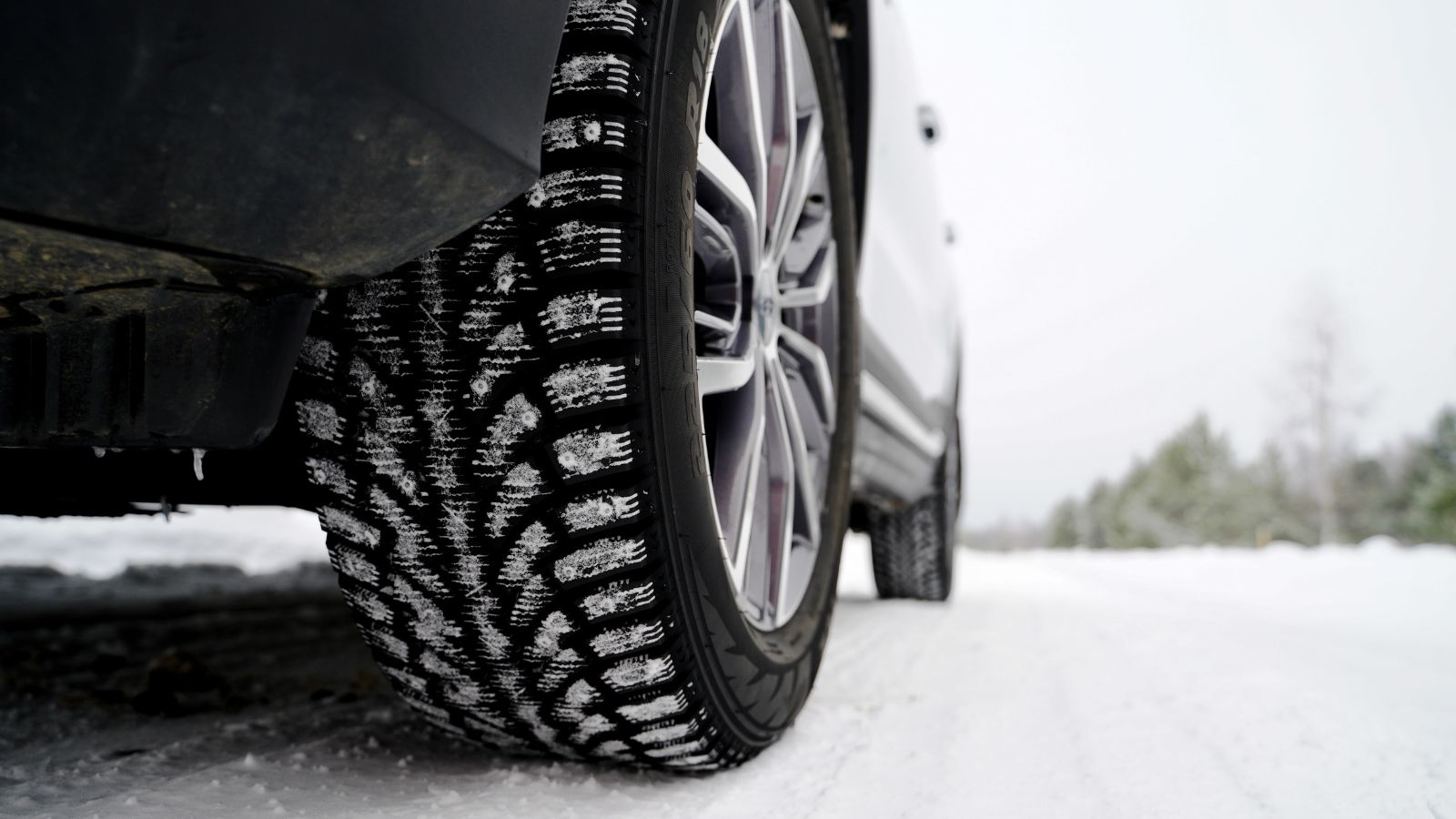
Wheels and brakes collect a heavy mix of slush, salt, and road grit. After a wash, water can sit around calipers, rotors, parking brake components, wheel wells, and lug areas. Most of it will drain away, but in freezing temperatures some moisture can remain. If the vehicle is parked immediately afterward, ice can form around components that were warm only a short time earlier. The next drive may begin with grinding sounds, stuck parking brake behavior, or vibration until the ice clears.
This is one reason winter washing should not end with a quick park-and-lock routine. A short drive after the wash can help shed water from rotating parts and warm surfaces. Drivers should also avoid setting a manual parking brake in conditions where it may freeze, unless the vehicle’s design and parking situation require it. The key point is simple: clean wheels are useful, but trapped water around cold hardware can create problems that were not there before the wash.
Ignoring Sensors, Cameras, and Radar Areas

Modern vehicles rely on cameras, radar units, ultrasonic sensors, and parking-assist equipment that are often mounted behind or near bumpers, grilles, mirrors, windshields, and rear panels. Winter roads coat those areas with salt film and slush. A wash can restore visibility for the sensors, but only if the areas are actually cleaned and dried properly. A quick exterior rinse may leave a hazy film over a backup camera or packed slush around parking sensors.
The mistake is assuming technology will work through whatever winter leaves behind. A blocked camera may turn a clear display into a blurry mess. Parking sensors may beep constantly or fail to detect obstacles. Forward-facing systems can also be affected if snow, ice, or grime covers the windshield area or front grille. After a winter wash, the driver should check cameras, sensor circles, and grille openings before leaving. The safest systems still need a clean view of the road.
Washing With Hot Water on Frozen Glass or Paint
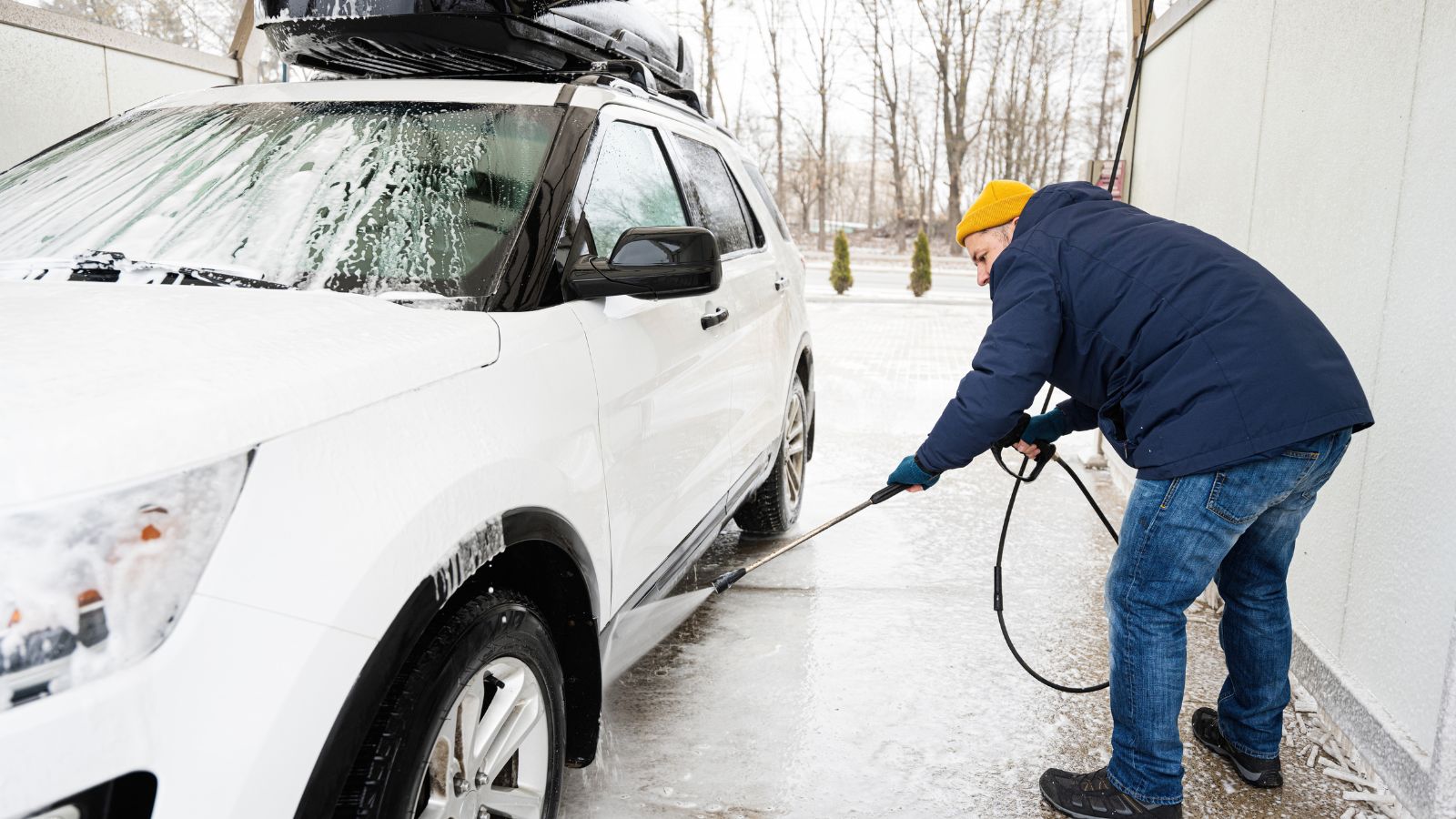
Hot water feels like the obvious enemy of ice, but sudden temperature changes can be risky for glass and painted surfaces. A windshield already weakened by a small chip can be more vulnerable when heat is applied unevenly. Paint and trim also expand and contract with temperature changes, and winter already stresses materials through repeated freeze-thaw cycles. A wash that uses warm water in a controlled system is different from pouring very hot water onto frozen glass at home.
The safer approach is gradual. Let the vehicle warm normally, clear snow and ice with proper tools, and avoid shocking frozen surfaces with boiling or extremely hot water. The same logic applies to mirrors, lights, and plastic trim, which can become brittle in extreme cold. A person trying to save five minutes may create a crack or loosened trim piece that costs far more than a careful thaw would have required.
Parking Immediately After the Wash
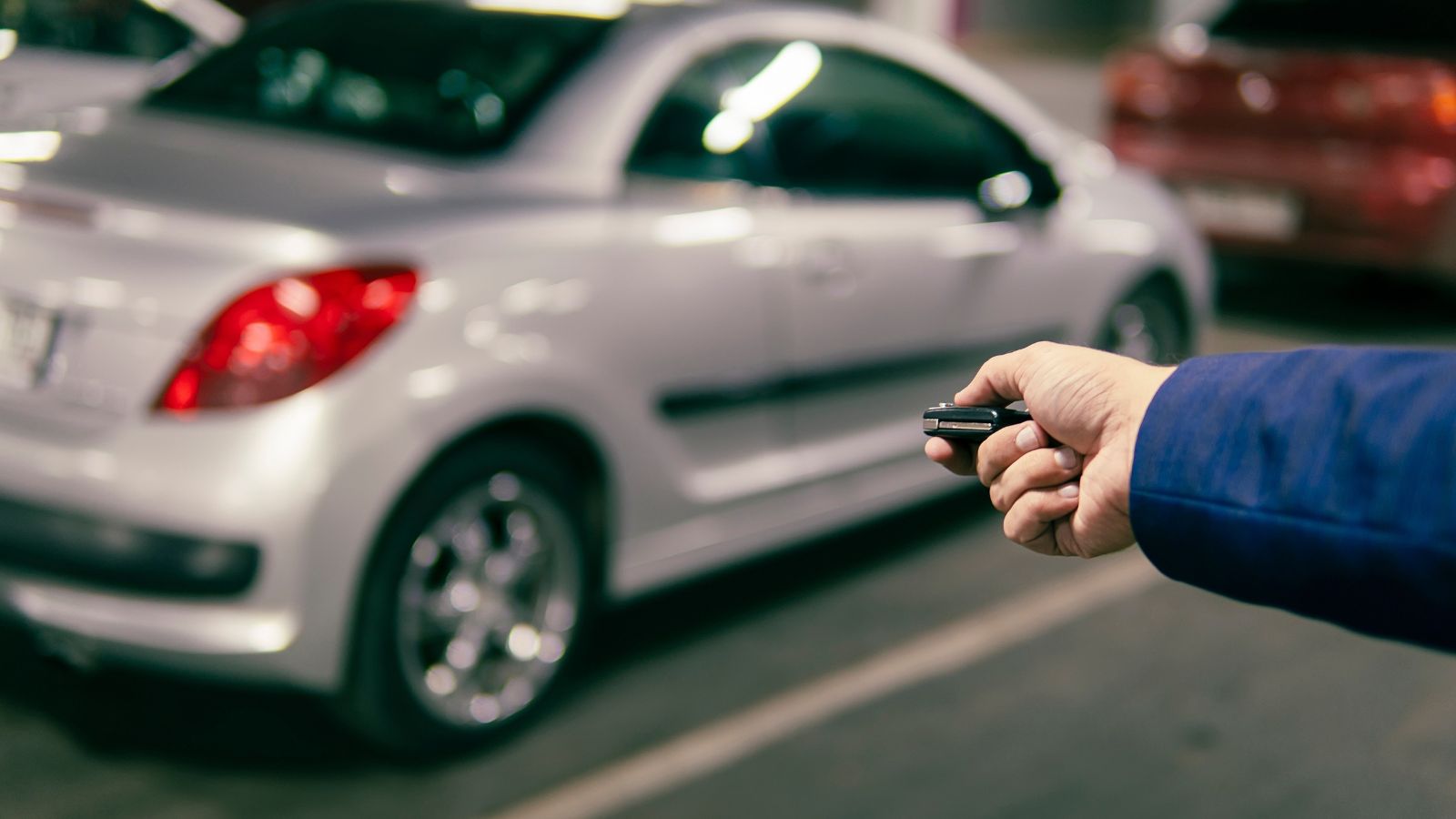
A winter wash should not end the moment the vehicle exits the bay. Parking immediately afterward gives water more time to settle into seams and freeze. The most common trouble spots include door bottoms, trunk channels, fuel doors, charging-port doors on EVs, sliding-door tracks, mirror joints, and license-plate brackets. These are small areas, but they are exactly where water can cling after the visible panels appear dry.
A brief drive helps airflow remove water from the body and wheels. Opening and closing the doors once after drying the jambs can also help prevent seals from bonding overnight. For vehicles with power-folding mirrors, it may be wise to leave them unfolded if the manual allows it and freezing rain is expected. The habit is not complicated: wash, dry the vulnerable areas, drive briefly, and avoid trapping fresh moisture before a cold night.
Forgetting EV Charging Ports and Hidden Compartments
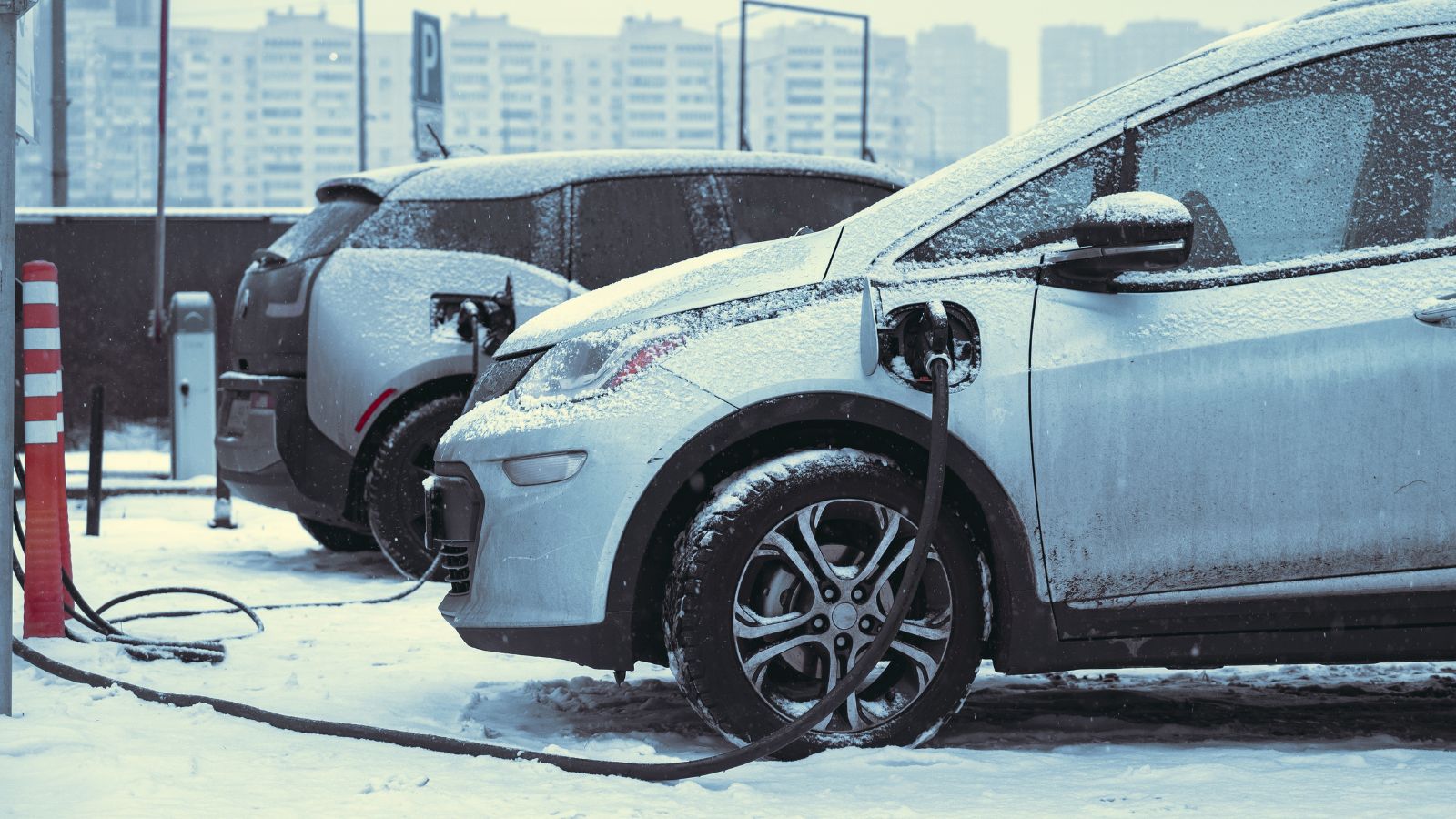
Electric vehicles add another winter-wash detail: the charging-port door and connector area. Water can enter around the flap, hinge, latch, or seal during a wash. If the vehicle is parked outside afterward, moisture can freeze and make the port difficult to open. Plug-in hybrids face the same concern. Fuel doors on gasoline vehicles can also freeze, but an EV charging port may be used daily, making a frozen flap more disruptive.
The solution is not avoiding winter washes. It is treating access doors as drying points. After washing, owners should check the charging-port area, fuel door, hood seam, and trunk channels for trapped water. Some vehicles have manufacturer instructions about automatic washes, high-pressure sprays, charging equipment, or freezing conditions, so the owner’s manual matters. A small amount of attention can prevent a clean vehicle from becoming a cold-weather headache at the exact moment it needs to be charged.
Waiting Too Long Between Winter Washes
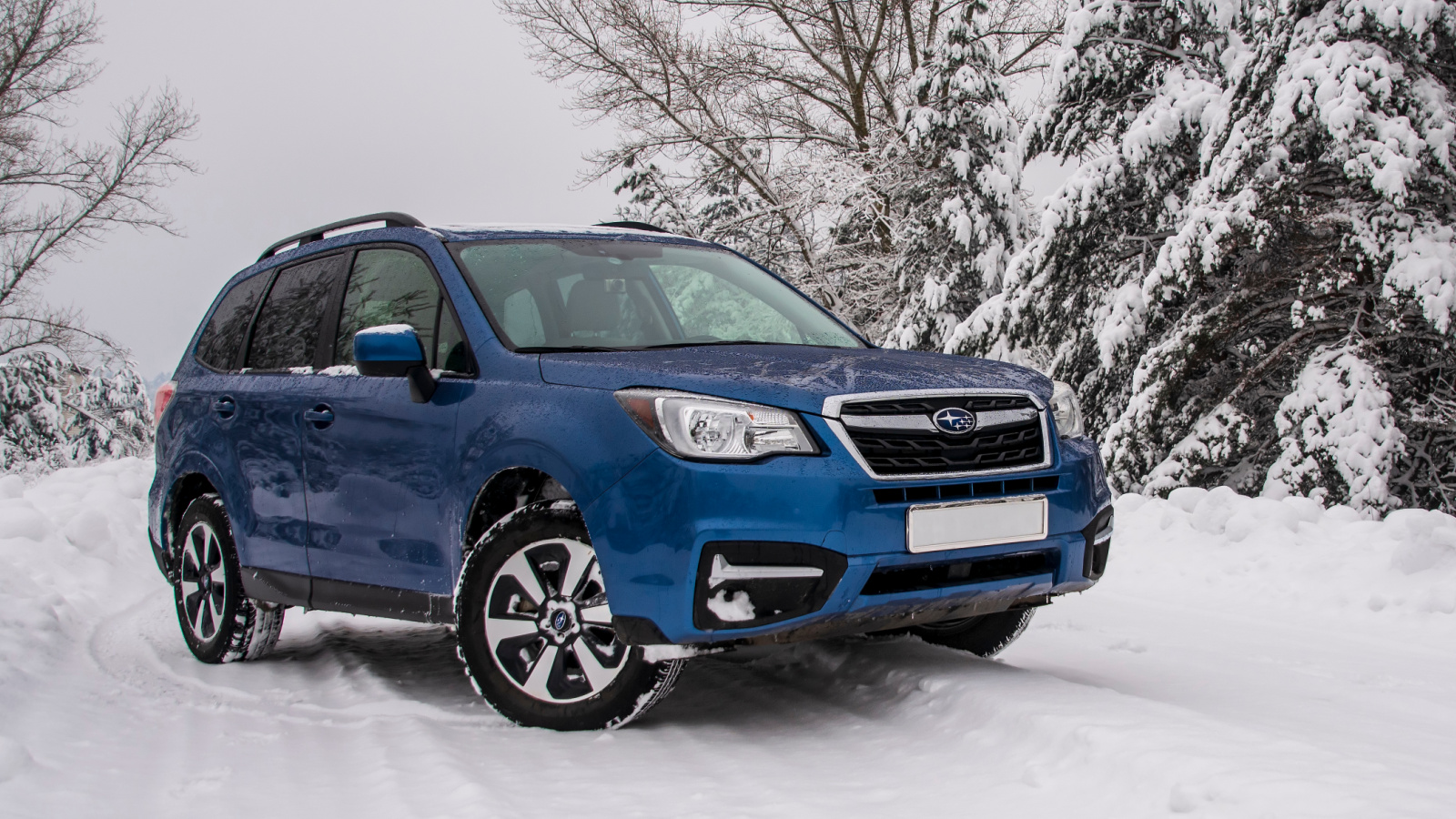
The opposite mistake is also common: avoiding car washes all winter because of freezing fears. That can be just as damaging. Road salt, calcium chloride, magnesium chloride, sand, and brine cling to the body and undercarriage after storms. When mixed with moisture, chloride-based de-icers accelerate corrosion on exposed metal. A vehicle that is never rinsed may avoid frozen door seals, but it invites long-term rust in areas that are harder to see and more expensive to repair.
The best winter routine balances both risks. Wash during milder parts of the day, choose a wash that includes an undercarriage rinse, avoid harsh brushes when the vehicle is gritty, and dry seals, handles, mirrors, sensors, and access doors before parking. Winter washing is not the problem. The real mistake is treating it like a summer wash, when cold temperatures turn leftover water and trapped salt into a damaging combination.
22 Things Canadians Do to Their Cars in Spring That Mechanics Hate

Spring brings relief to many Canadian drivers after months of snow, freezing temperatures, and icy roads that put serious strain on vehicles. As temperatures rise across the country, drivers begin washing cars, switching tires, and preparing vehicles for warmer weather and upcoming road trips. However, mechanics across Canada notice the same mistakes every spring when drivers attempt to recover from winter damage. Road salt, potholes, and harsh winter driving conditions often leave vehicles with hidden problems that drivers ignore. Some spring habits even create new mechanical issues that could have been avoided with proper maintenance. Here are 22 things Canadians do to their cars in spring that mechanics hate.