


























Canadian car prices are no longer moving in one clean direction. New-vehicle prices have eased from recent peaks, used inventory is improving, and some high-demand models are finally facing more normal competition. Yet payments, insurance, fuel, interest rates, theft risk, and incentive changes can still turn a familiar nameplate into a costly decision.
These 18 cars Canadians may be better off skipping until prices settle are not bad vehicles. Many are popular, capable, and well-reviewed. The concern is timing. When a model carries strong demand, uncertain incentives, elevated insurance exposure, or fast-changing resale values, waiting can sometimes be the more financially disciplined move.
Toyota RAV4 Hybrid
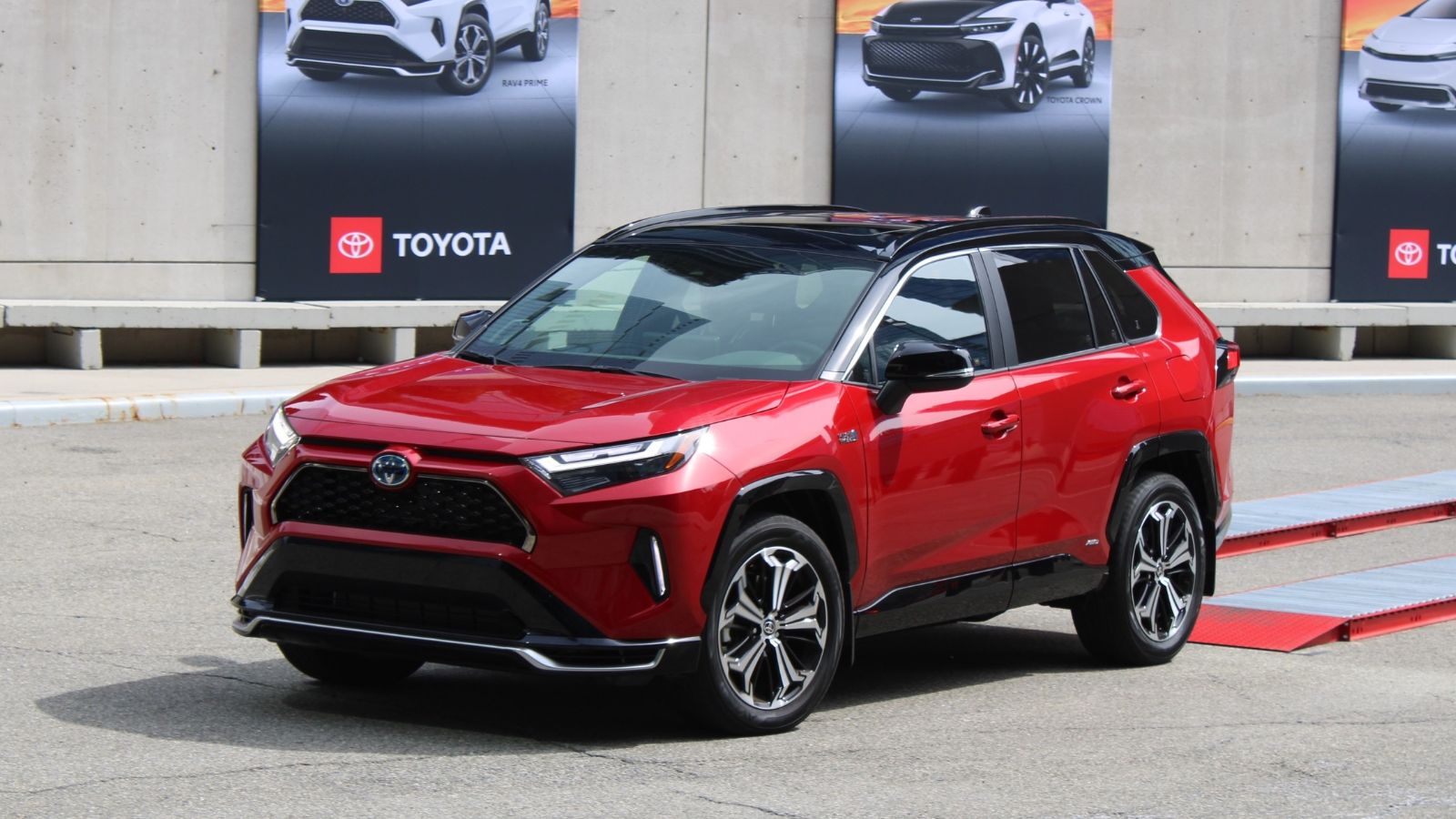
The Toyota RAV4 remains one of Canada’s most trusted compact SUVs, which is exactly why pricing can stay stubborn. Demand is deep, resale values are strong, and shoppers often treat the RAV4 Hybrid as the “safe” choice before comparing payment math carefully. That reputation can limit discounts, especially on trims with all-wheel drive, winter-friendly features, or popular colours.
The issue is not the vehicle’s quality. It is the premium attached to buying into a crowded queue. With used-vehicle listings rising and average used prices easing year over year, patience may give shoppers more leverage. A family replacing an older crossover may find that a slightly less-hyped hybrid SUV delivers similar fuel savings without the RAV4 tax.
Honda CR-V Hybrid
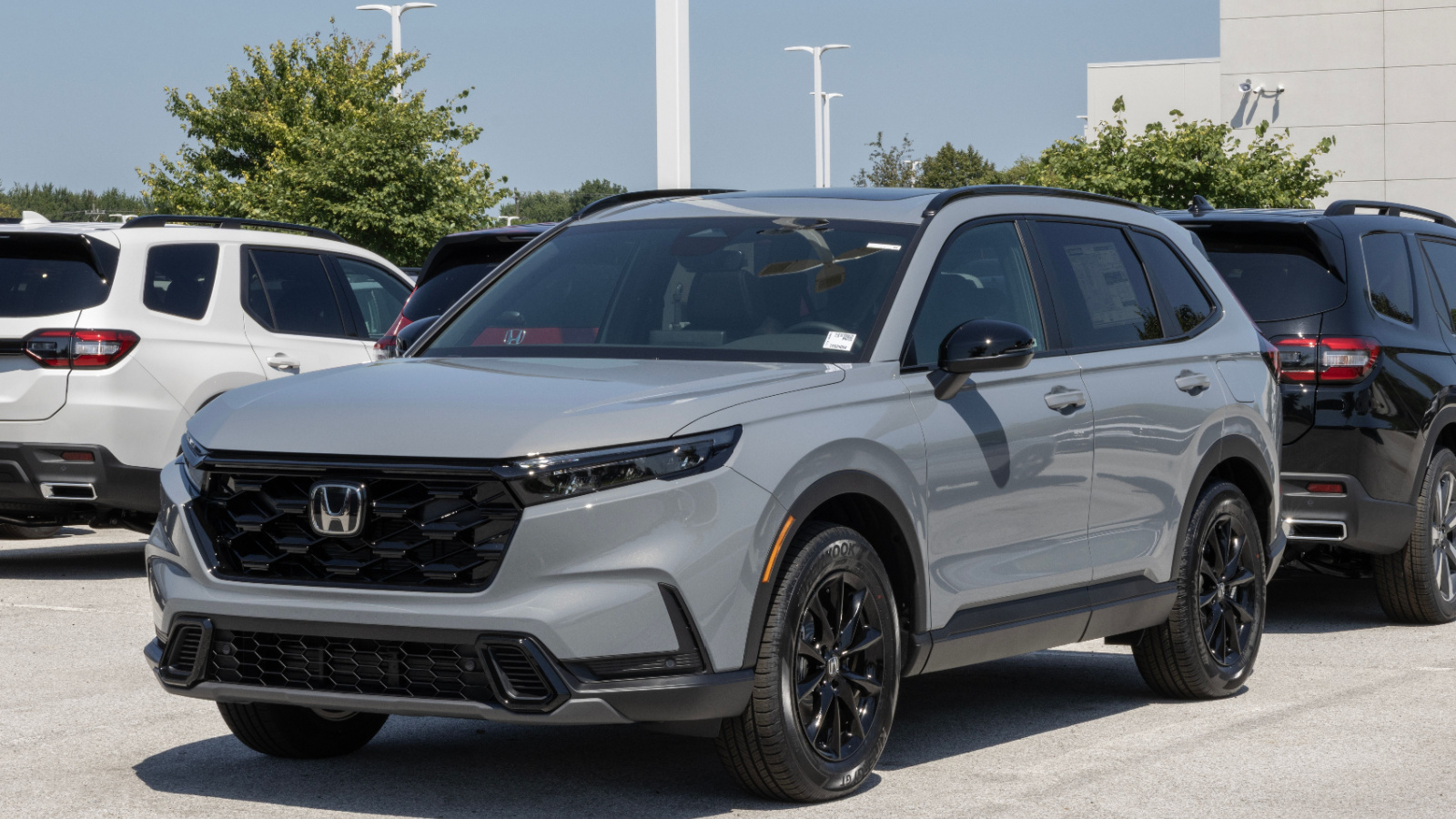
The Honda CR-V Hybrid has become a go-to Canadian family vehicle because it blends space, comfort, fuel efficiency, and brand trust. Honda Canada reported strong CR-V sales in 2025, and the hybrid version stood out as one of the country’s most successful electrified models. That popularity helps explain why shoppers may still encounter firm pricing.
For many households, the CR-V Hybrid makes sense only if the deal is disciplined. Insurance, financing, winter tires, accessories, and higher trims can push the payment well beyond the “practical SUV” image. Until supply gives buyers more room to negotiate, Canadians may want to compare it against gas-only compact SUVs, used hybrids, or less in-demand competitors.
Ford F-150
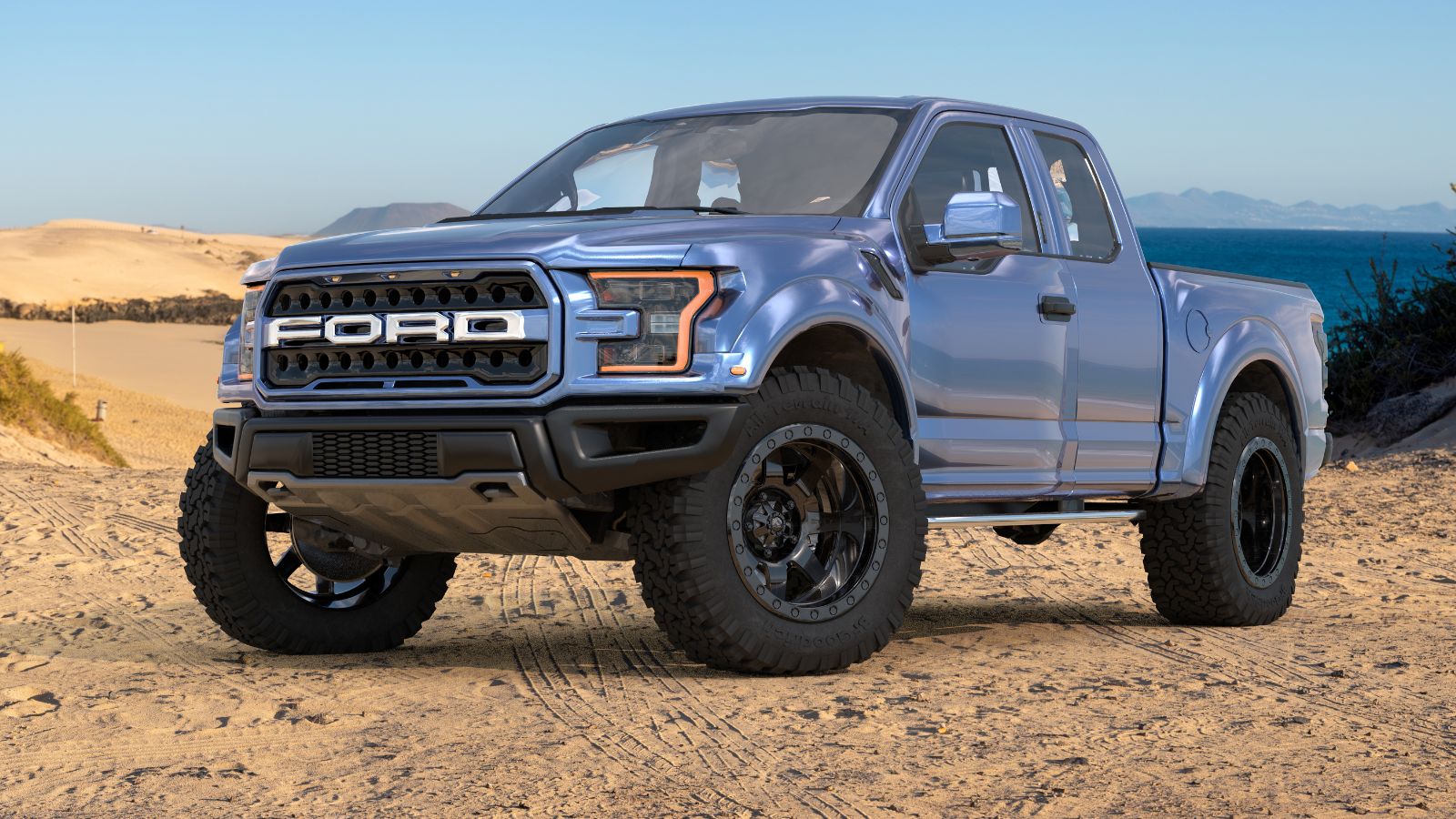
The Ford F-150 is a Canadian staple, often topping search and sales lists. Its usefulness is obvious: towing, payload, winter confidence, worksite credibility, and family-hauling comfort in crew-cab form. But strong popularity does not automatically make every F-150 a smart buy at today’s payment levels, especially when higher trims can become luxury-priced trucks.
The risk is buying too much truck during a market reset. A Lariat, Platinum, Tremor, or heavily optioned 4×4 can carry a payment that feels manageable at signing but heavy once fuel, insurance, tires, and interest are added. As inventory normalizes, shoppers who do not urgently need full-size capability may be rewarded by waiting for incentives or broader used supply.
Ram 1500
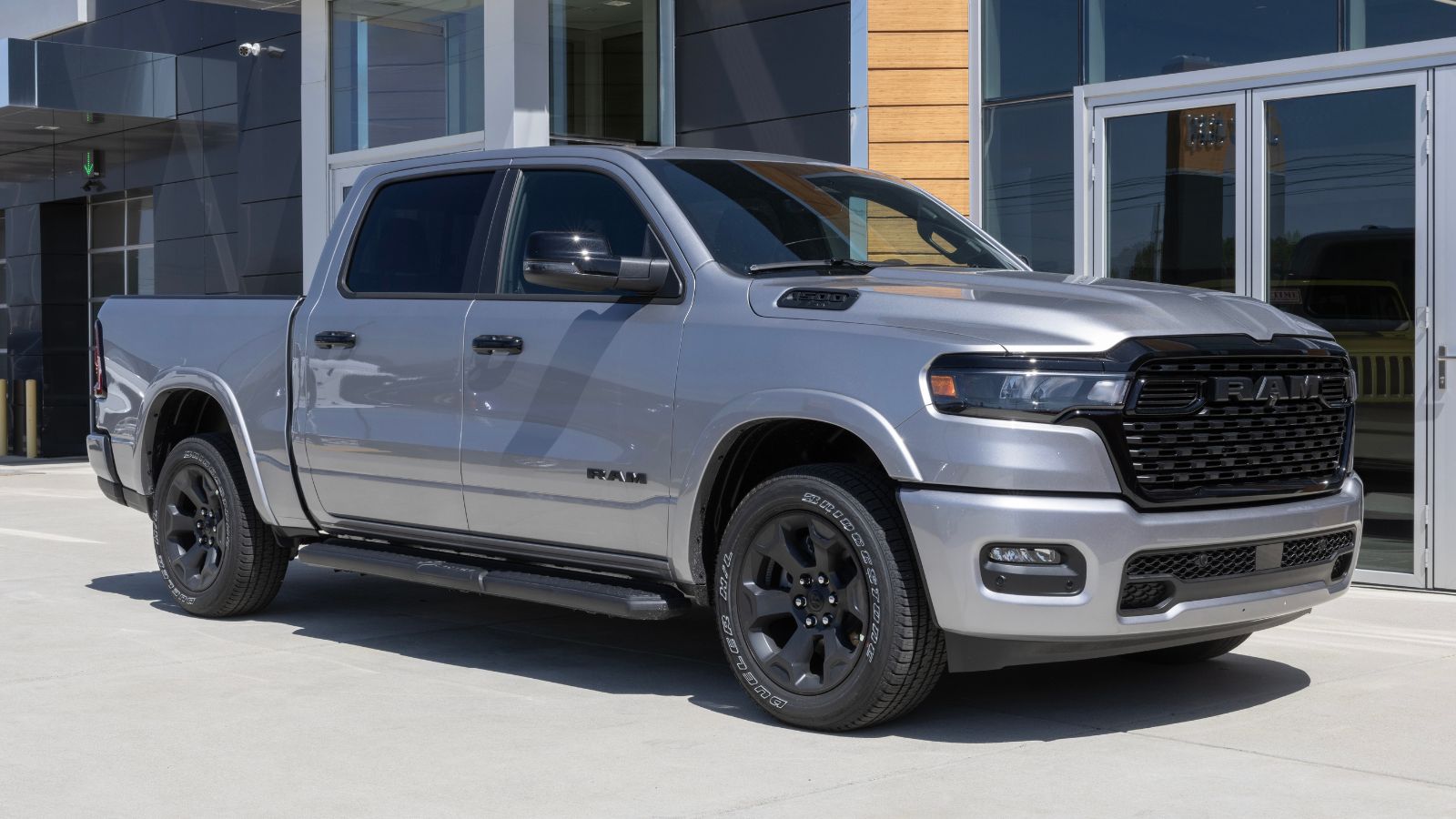
The Ram 1500 has long appealed to Canadians who want a smoother-riding pickup with a more upscale cabin than the old work-truck stereotype. It is comfortable, capable, and often tempting when dealers advertise aggressive payment structures. That temptation can be risky when shoppers focus on the biweekly amount instead of the full cost.
Full-size trucks can depreciate quickly when incentives return or fuel costs climb. The Ram also competes in a segment where discounts can change sharply depending on inventory, model-year transitions, and regional demand. Canadians who are not hauling regularly may be better off pausing until pricing settles, especially on higher trims with luxury interiors and expensive wheel-and-tire packages.
GMC Sierra 1500
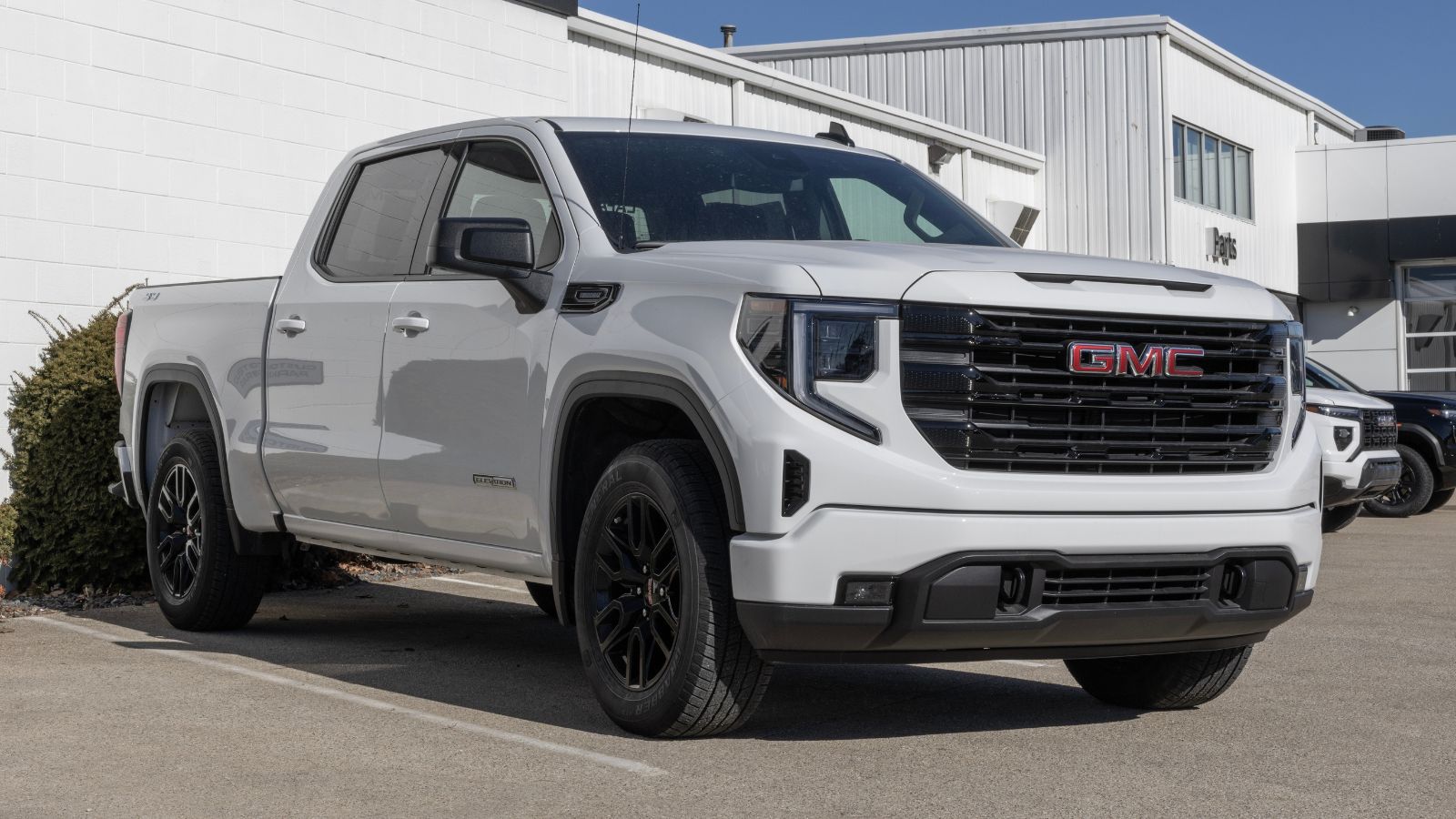
The GMC Sierra carries a more premium image than many mainstream pickups, and that can make its pricing feel more resilient than shoppers expect. Denali and AT4 trims are particularly expensive, with features that make sense for some buyers but inflate payments dramatically for others. In Canada, where trucks remain popular, image can keep asking prices high.
The bigger concern is timing. When new-truck incentives shift, used values can adjust quickly. A shopper buying a high-trim Sierra before discounts expand may find similar trucks advertised more aggressively months later. For buyers who want capability rather than status, waiting could open up better deals on lightly used models or lower trims with the same essential utility.
Chevrolet Silverado 1500
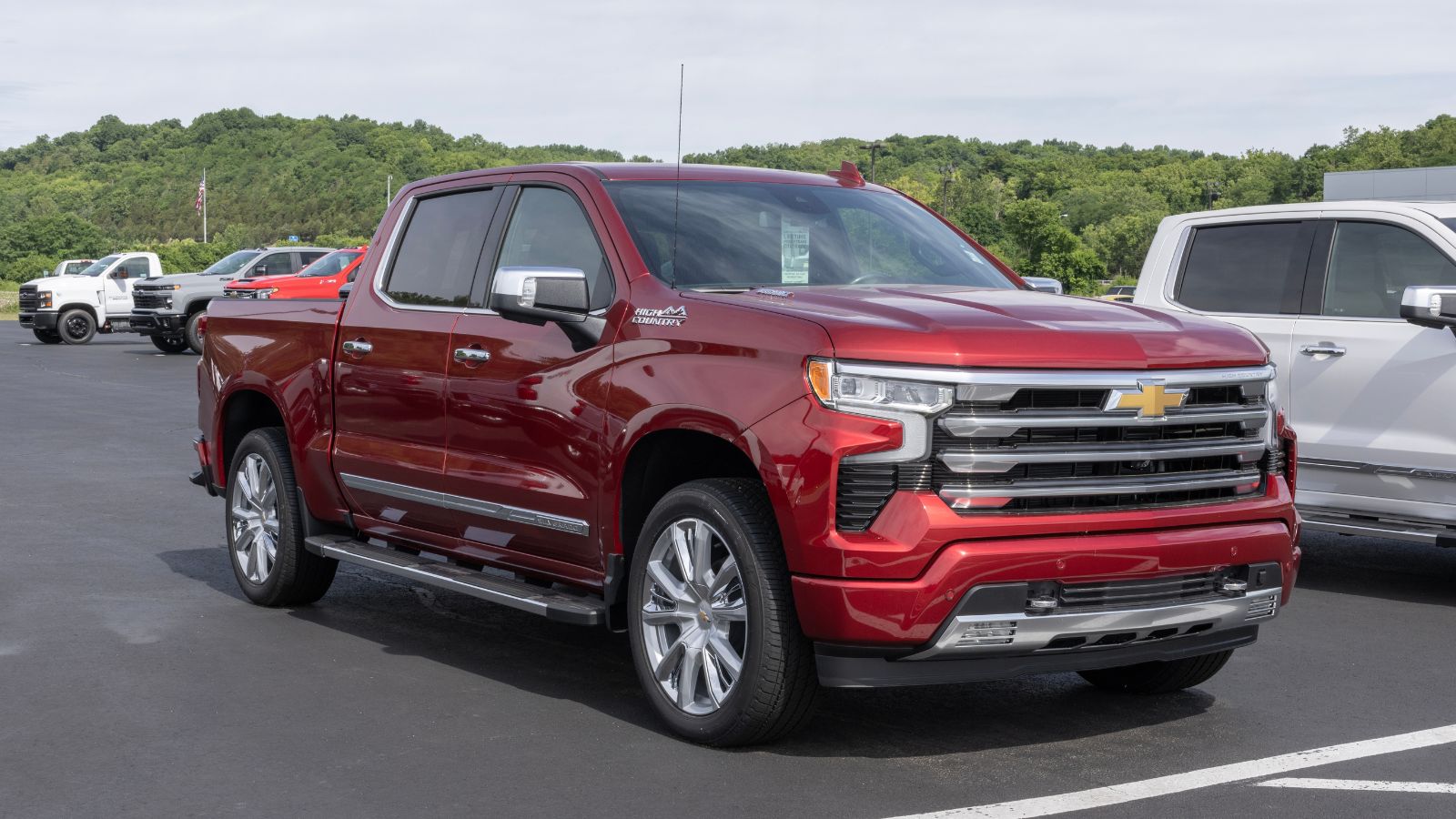
The Chevrolet Silverado is another full-size pickup that can look like a rational purchase because it is familiar, capable, and widely available. That wide availability can be good for negotiating, but it can also create confusion. Two trucks with the same badge may differ sharply in engine, axle, cab, bed, package, and real-world ownership cost.
Canadians may want to be careful before paying near-peak prices for a Silverado that does not perfectly fit their needs. Fuel costs, large tires, insurance, and longer loan terms can make the “deal” less attractive. If inventory continues improving, stronger factory incentives or used-market softness could make waiting a practical move.
Toyota Tacoma
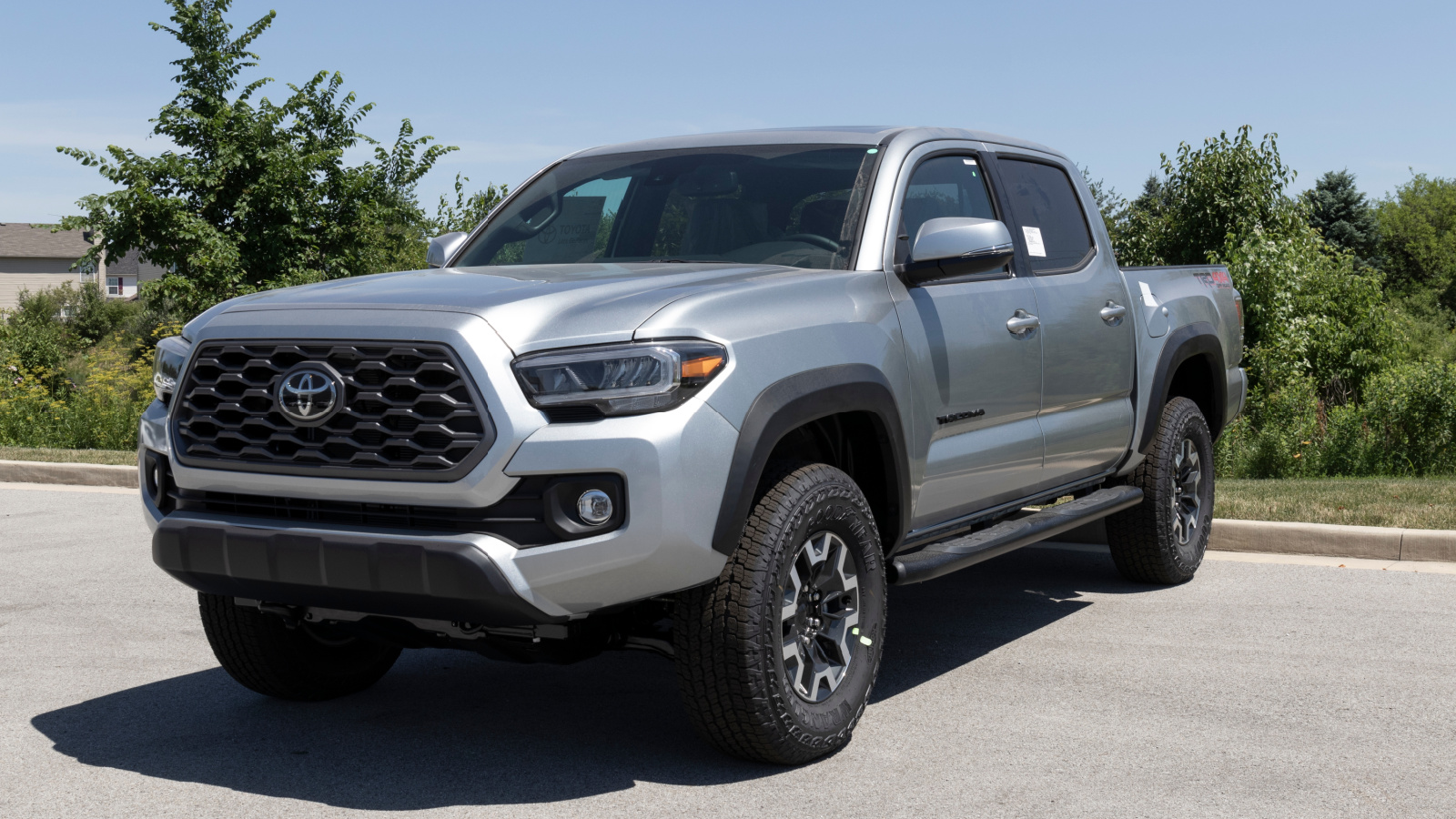
The Toyota Tacoma has a reputation that borders on myth: durable, rugged, and unusually strong on resale. That history helps older Tacomas hold value and gives new ones a loyal following. However, the redesigned Tacoma has moved up in price, and Canadian shoppers looking at 4×4 Double Cab models can quickly reach serious monthly payments.
The Tacoma is worth caution because demand and reputation can outrun value. Buyers who mainly commute, run errands, or visit cottage roads a few weekends a year may not need to pay a Tacoma premium. As more redesigned trucks enter the used stream and competitors fight harder, waiting may reveal whether today’s prices are durable or inflated by early-cycle excitement.
Ford Bronco

The Ford Bronco has the kind of personality that makes rational budgeting harder. It looks adventurous in a driveway, carries genuine off-road hardware, and has become a lifestyle purchase as much as a transportation choice. That combination can keep prices firm on desirable trims, especially with Sasquatch packages, larger tires, and special editions.
For many Canadians, the Bronco’s real-world cost is bigger than the sticker. Fuel economy, tire replacement, insurance, accessories, and winter practicality all deserve attention. A shopper drawn in by the image may discover that a more ordinary SUV would be easier to live with. Until pricing and used supply calm further, waiting can prevent paying extra for excitement.
Jeep Wrangler 4xe

The Jeep Wrangler 4xe is one of the most interesting vehicles on the market because it blends plug-in hybrid driving with iconic off-road design. In theory, it offers electric commuting and trail credibility. In practice, its value depends heavily on incentives, charging habits, fuel prices, and how much a buyer actually uses its unique capability.
This is a model where timing matters. Federal EV incentive rules changed, provincial programs vary, and plug-in hybrid resale values can shift as consumers compare them with full EVs and regular hybrids. Canadians who cannot charge easily at home may pay for technology they do not fully benefit from. Waiting can clarify used values and available rebates.
Tesla Model Y
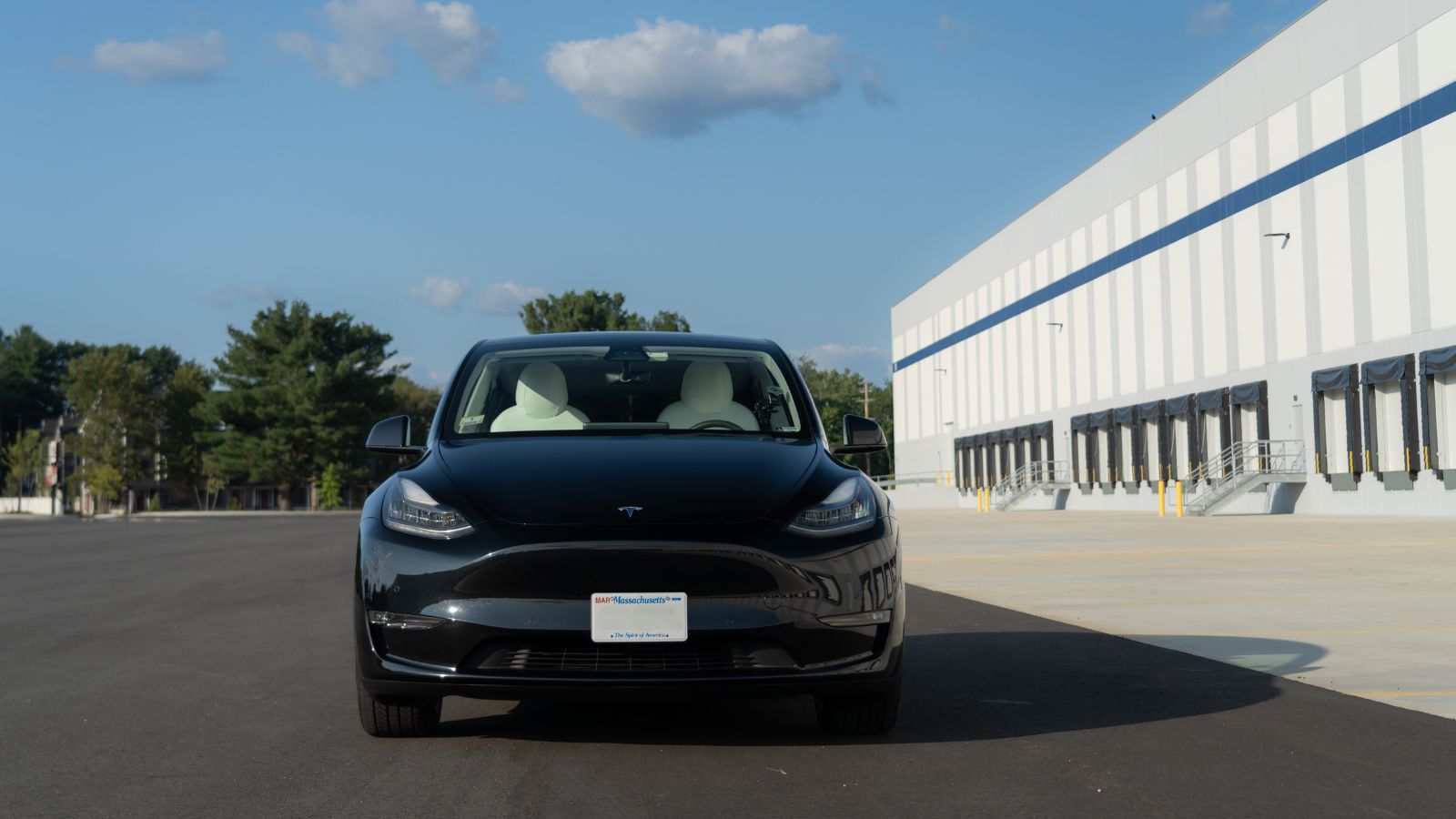
The Tesla Model Y remains one of the best-known EVs in Canada, with strong performance, charging access, and broad recognition. But it also sits in one of the fastest-changing parts of the market. EV incentives, pricing strategies, eligibility rules, used EV values, and competition from Hyundai, Kia, Ford, Chevrolet, and Volkswagen can all move quickly.
The risk is not that the Model Y lacks appeal. It is that buyers may purchase just before another price adjustment, incentive change, or wave of used supply. Canadians without home charging face an additional practicality test. For shoppers who can wait, the EV market’s volatility may make patience especially valuable before locking into a long loan.
Ford F-150 Lightning
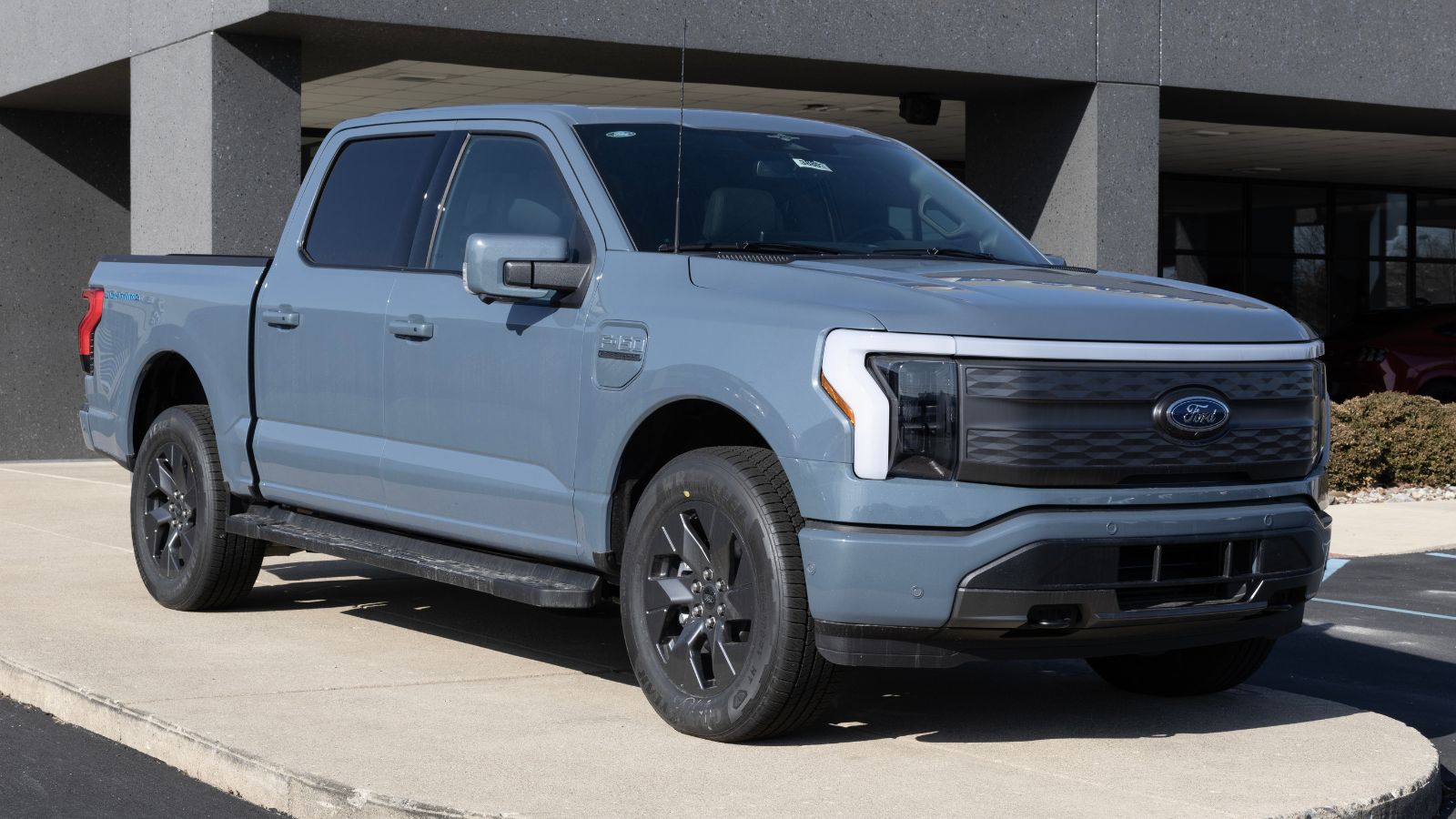
The Ford F-150 Lightning is impressive on paper: electric torque, pickup practicality, and the familiar F-Series shape. For the right household or business, it can be a useful tool. Yet electric trucks remain a complicated purchase in Canada, where cold weather, towing range, charging access, and fast-changing EV policy all affect value.
The Lightning also competes with discounted gas trucks and an expanding used EV market. A buyer attracted to low operating costs must still consider purchase price, charger installation, insurance, winter range, and resale uncertainty. Until electric pickup demand becomes more predictable, Canadians who do not need one immediately may be better off watching prices from the sidelines.
Hyundai Ioniq 5
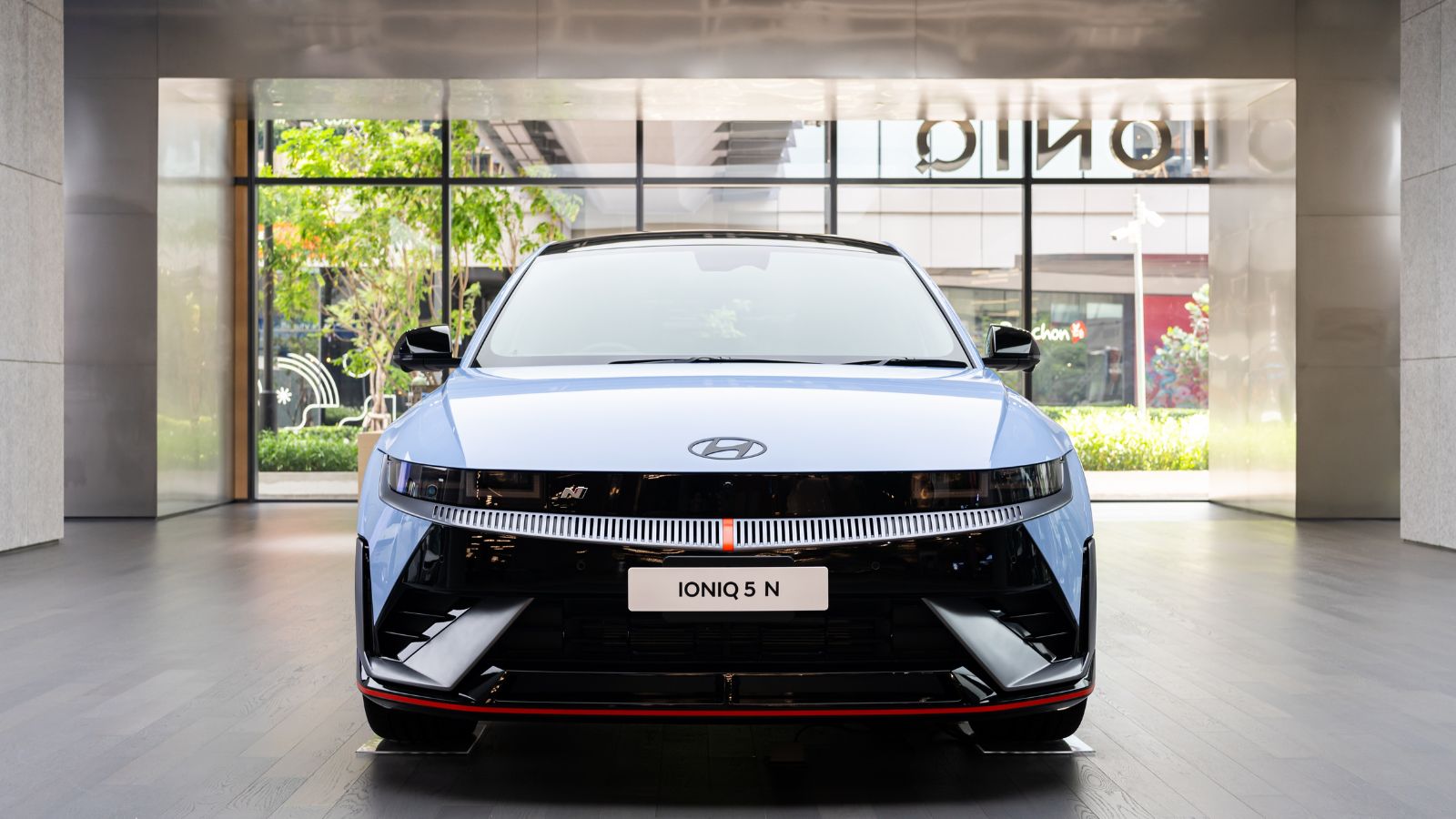
The Hyundai Ioniq 5 is one of the more compelling EVs available, thanks to its fast-charging capability, roomy cabin, and distinctive design. It has helped make EVs feel less niche and more family-friendly. But desirable EVs can still be difficult to value when incentives, charging infrastructure, and used-market depreciation are changing at the same time.
For Canadians, the Ioniq 5 is worth waiting on if the deal relies too heavily on projected fuel savings. Those savings are real for some drivers, especially with home charging, but less certain for renters, condo owners, and long-distance commuters relying on public chargers. A calmer market could make both new and used examples easier to compare.
Kia EV6
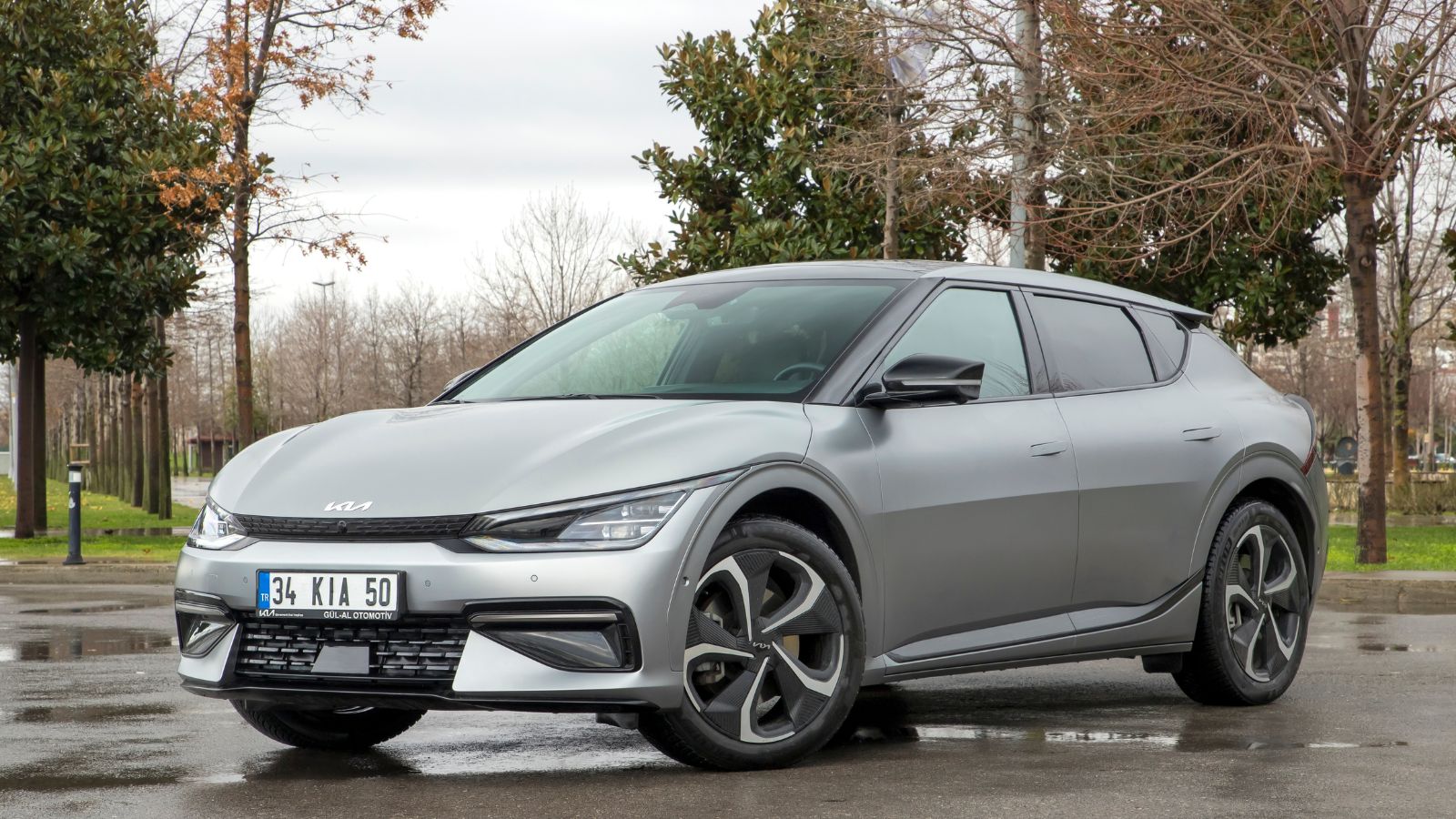
The Kia EV6 shares many strengths with the Hyundai Ioniq 5, including modern EV architecture and quick charging. It also carries a sportier personality, which can make higher trims appealing to buyers who want something more exciting than a typical crossover. That appeal can come at a premium when shoppers move beyond base configurations.
The caution is that EV pricing is still settling. New incentive programs, changing eligibility, and growing used EV supply can affect monthly payments and resale expectations. Canadians should be especially careful if the EV6 is being stretched into a long loan. Waiting may reveal whether current asking prices reflect lasting demand or a market still recalibrating.
Volkswagen ID.4
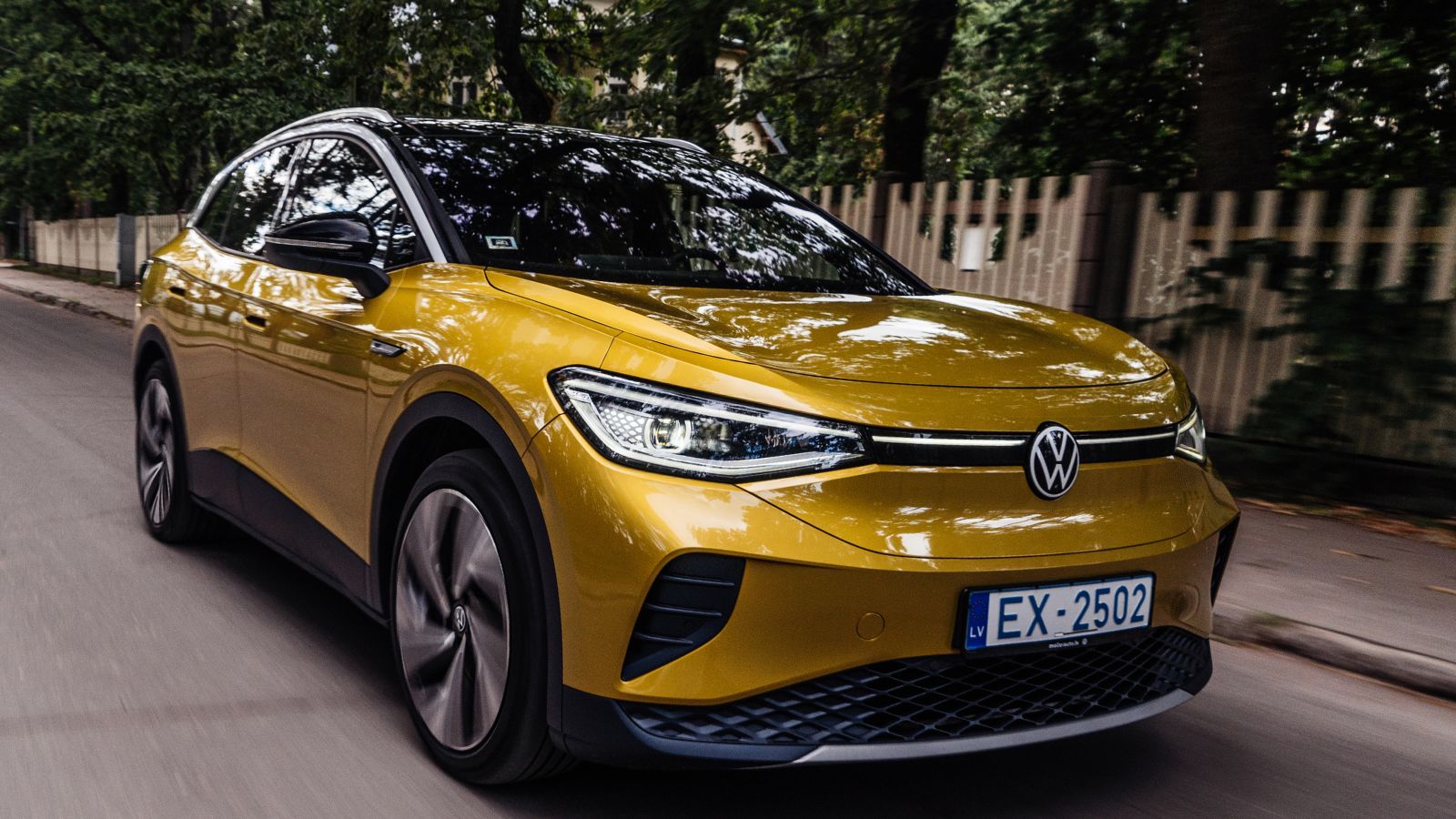
The Volkswagen ID.4 targets the heart of the Canadian compact SUV market: practical size, familiar brand, and full-electric operation. It can be a sensible EV for households with home charging and predictable driving patterns. However, it competes in a segment where shoppers now have more choices than they did only a few years ago.
That competition matters because EV values can move quickly when incentives, inventory, and technology improve. The ID.4 may face pressure from newer rivals with faster charging, longer range, or more aggressive pricing. Canadians considering one may want to compare lease terms, used prices, and charging needs carefully before buying. In a settling market, patience can protect against overpaying.
Nissan Ariya
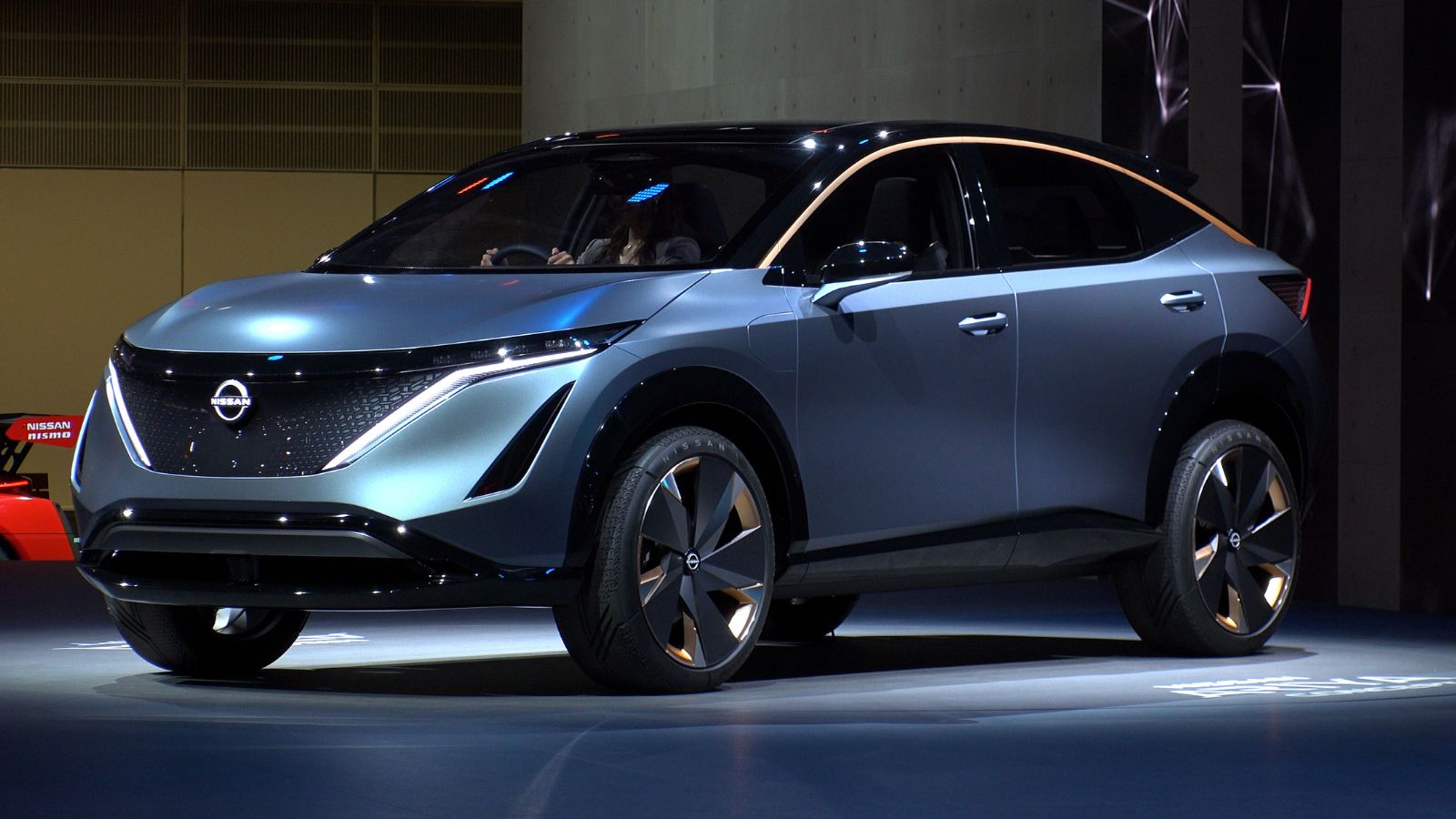
The Nissan Ariya arrived as a more refined, upscale EV crossover than the earlier Leaf, with a quieter cabin and available all-wheel drive. It is a comfortable choice for shoppers who want an EV without chasing the most futuristic interface. Still, it entered a competitive field where price sensitivity is growing fast.
The challenge is value clarity. EV shoppers are comparing range, charging speed, incentives, warranty coverage, and resale risk more closely than before. If dealers need to work harder to move inventory, pricing could become more attractive. Canadians who like the Ariya’s comfort-first approach may benefit from waiting until discounts, used examples, and competitor pricing become easier to judge.
Toyota Sienna
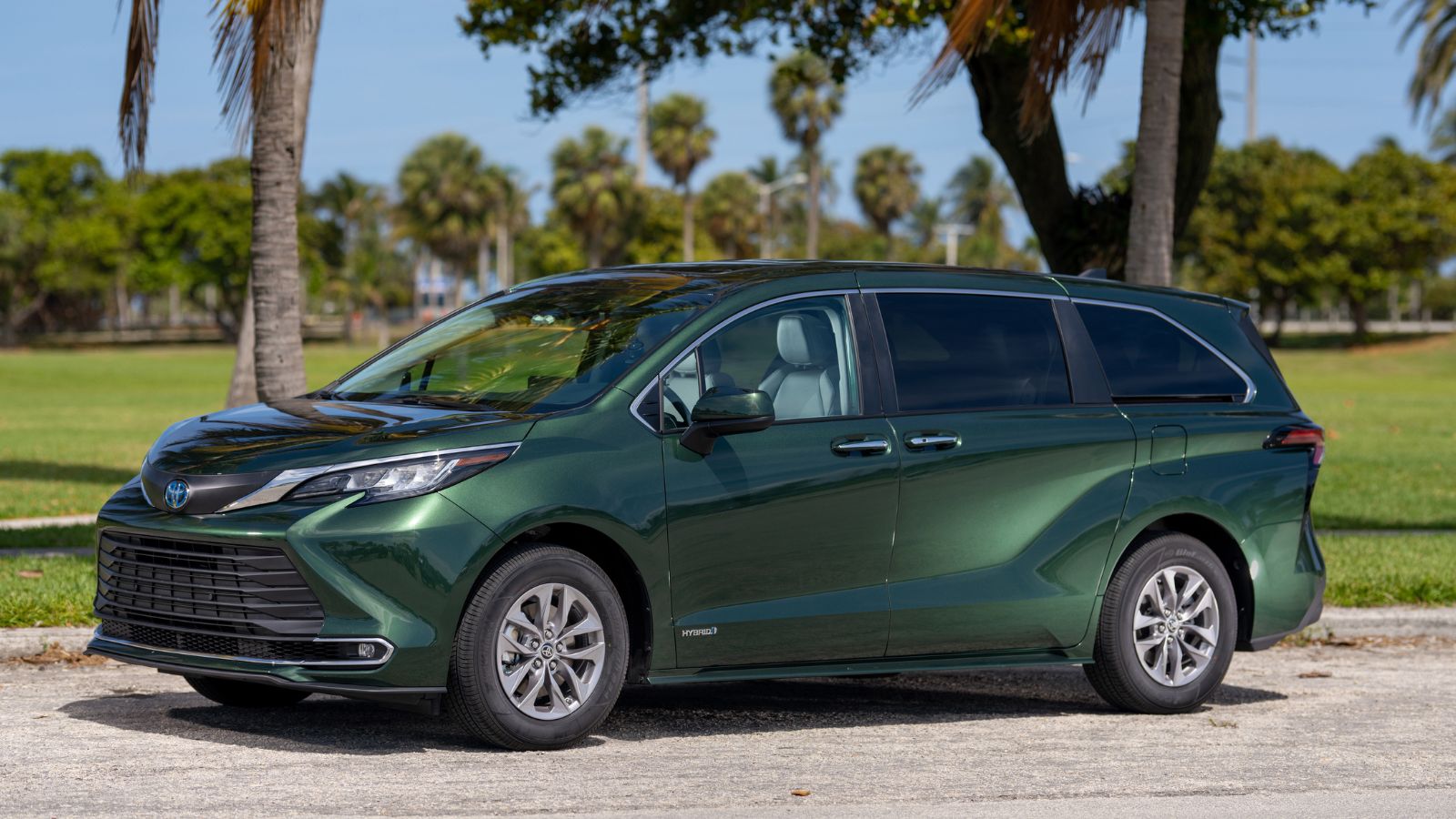
The Toyota Sienna is one of the most practical family vehicles in Canada, especially because it is hybrid-only and offers available all-wheel drive. For parents, rideshare drivers, and multi-generational households, it can be close to ideal. That usefulness has supported high demand and, at times, limited supply.
The problem is that minivans with strong reputations can become surprisingly expensive. A family trying to escape SUV compromises may find the Sienna’s payment higher than expected, especially on upper trims. Since used inventory has been improving across the broader market, waiting could bring more choice. Buyers who do not need a van immediately may avoid paying scarcity-driven pricing.
Honda Civic Hybrid
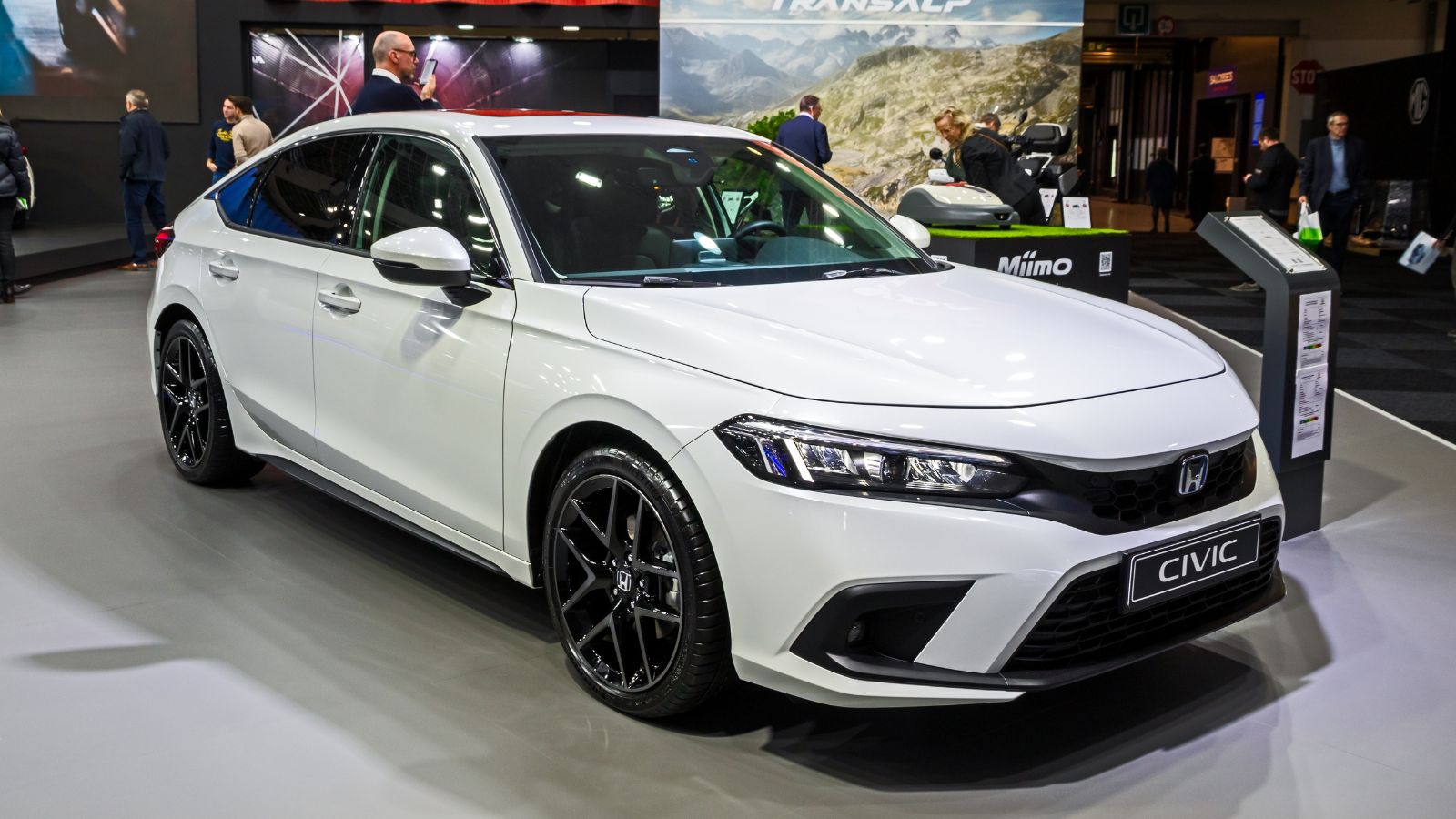
The Honda Civic remains a Canadian institution, and the hybrid version adds fuel efficiency without asking drivers to adopt full EV habits. Honda has highlighted the Civic’s continued strength in Canada, and the hybrid’s award recognition has only added attention. That can make early pricing less forgiving.
For commuters, the Civic Hybrid may still be excellent. The caution is paying too much for the “obvious” answer when compact-car choices are thinner than they used to be. Statistics Canada has reported that passenger-car sales have continued declining while light trucks gained share, which can affect availability and pricing. Canadians may want to wait for more inventory before paying a premium.
Subaru Crosstrek
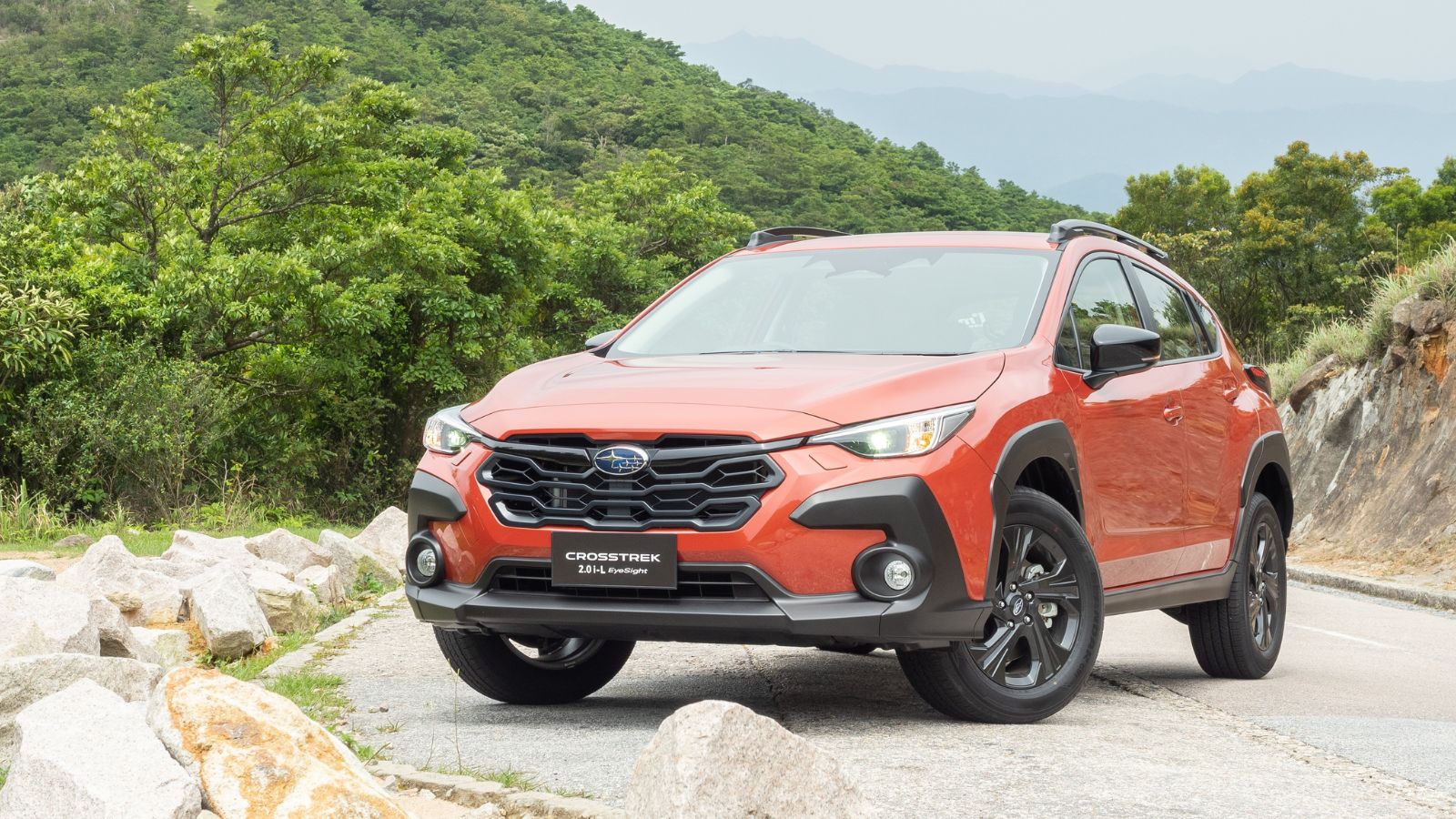
The Subaru Crosstrek is well suited to Canadian life: compact size, standard all-wheel drive, useful ground clearance, and a reputation for winter confidence. It is popular with urban drivers who ski, hike, camp, or simply want something that feels secure in February. That popularity can keep used examples expensive.
The Crosstrek’s issue is that demand often makes it feel like a bargain even when it is not. A lightly used model can sometimes sit uncomfortably close to new pricing, especially with desirable trims. Canadians who can delay may find better value as more small SUVs enter the used market and buyers regain bargaining power.
Mazda CX-50 Hybrid
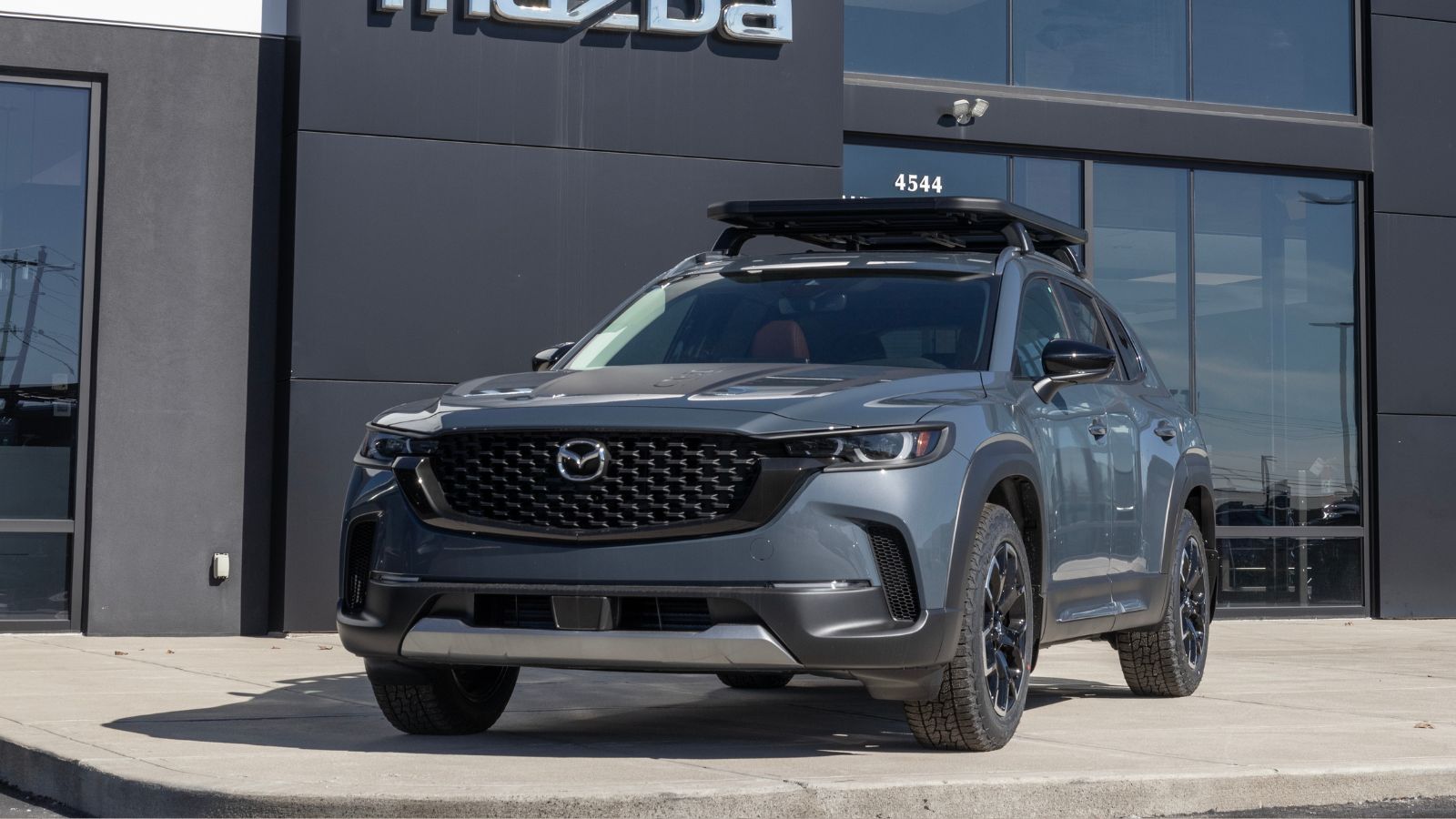
The Mazda CX-50 Hybrid adds fuel economy to one of Mazda’s more stylish crossovers, giving it appeal for drivers who want something more refined than the average compact SUV. It also benefits from the broader Canadian shift toward light trucks and SUVs. That demand can keep fresh hybrid models from being deeply discounted early.
The reason to wait is simple: new hybrid entries often need time to find their true market price. Early buyers may pay for novelty, limited supply, or trim scarcity. As more competitors arrive and used examples appear, pricing should become easier to judge. Canadians who like the CX-50 Hybrid’s mix of design and efficiency may gain leverage by not rushing.
22 Things Canadians Do to Their Cars in Spring That Mechanics Hate

Spring brings relief to many Canadian drivers after months of snow, freezing temperatures, and icy roads that put serious strain on vehicles. As temperatures rise across the country, drivers begin washing cars, switching tires, and preparing vehicles for warmer weather and upcoming road trips. However, mechanics across Canada notice the same mistakes every spring when drivers attempt to recover from winter damage. Road salt, potholes, and harsh winter driving conditions often leave vehicles with hidden problems that drivers ignore. Some spring habits even create new mechanical issues that could have been avoided with proper maintenance. Here are 22 things Canadians do to their cars in spring that mechanics hate.