

























Winter leaves behind more than dirty snowbanks. It batters suspension parts, drains batteries, and hides damage under layers of salt. When spring finally arrives, many Canadian drivers focus on road trips and warmer weather. They forget their vehicles just survived months of punishment. Small oversights in March and April often turn into expensive repairs by June. Spring maintenance is less about polish and more about prevention. Here are 22 spring car mistakes Canadians make every year (that cost hundreds).
Waiting Too Long to Swap Winter Tires
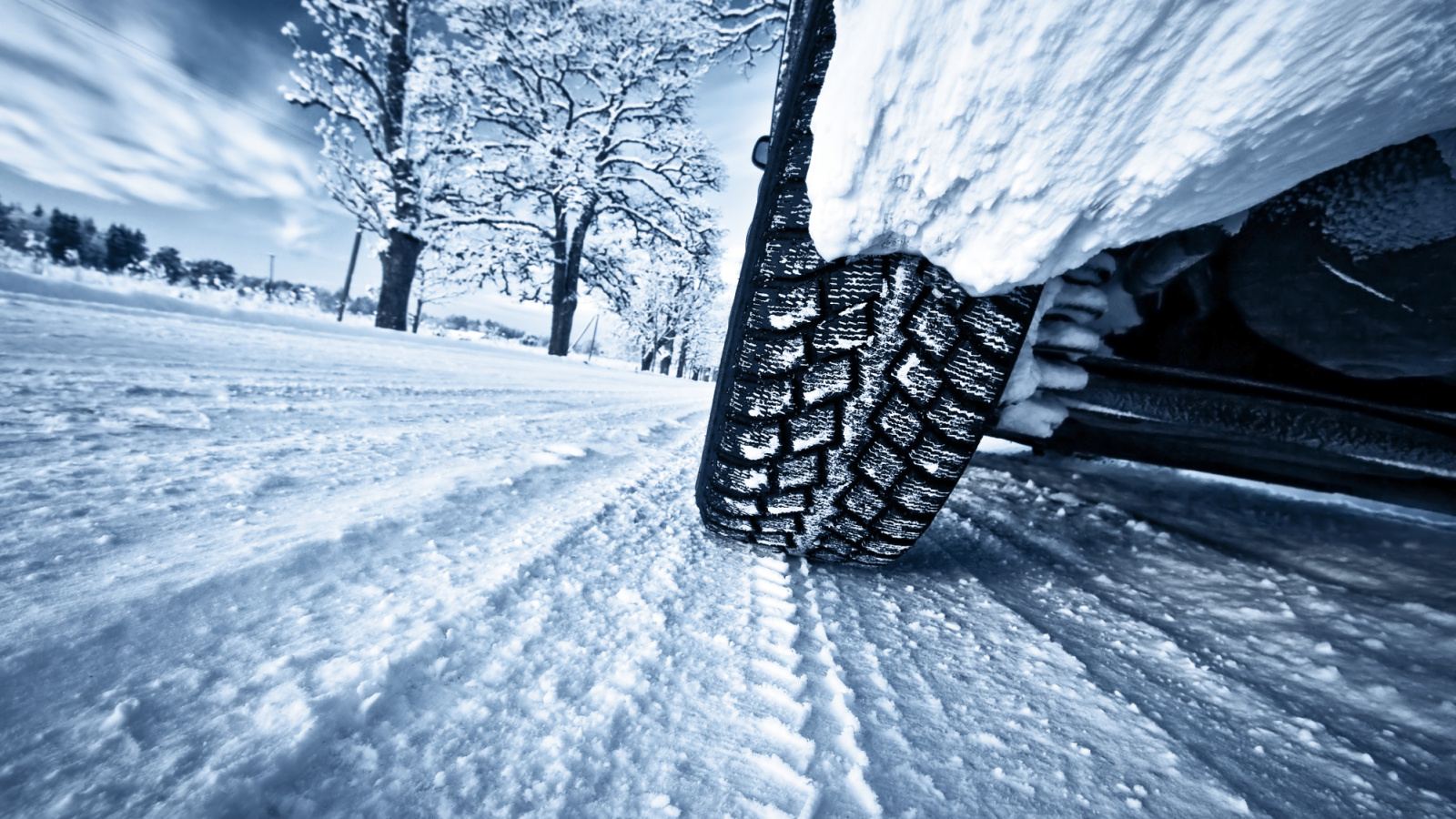
Many Canadians keep winter tires on well into late spring. It feels harmless, but it adds wear. Winter tires use softer rubber compounds designed for cold pavement. Once temperatures stay above seven degrees, the rubber degrades faster. You lose tread life and fuel economy simultaneously. Handling can also feel vague during emergency braking. Delaying the switch shortens the lifespan of both tire sets. Book your changeover early. Inspect each tire for uneven wear or cracks. Storing them properly also matters. A simple delay can quietly cost hundreds.
Ignoring Pothole Damage
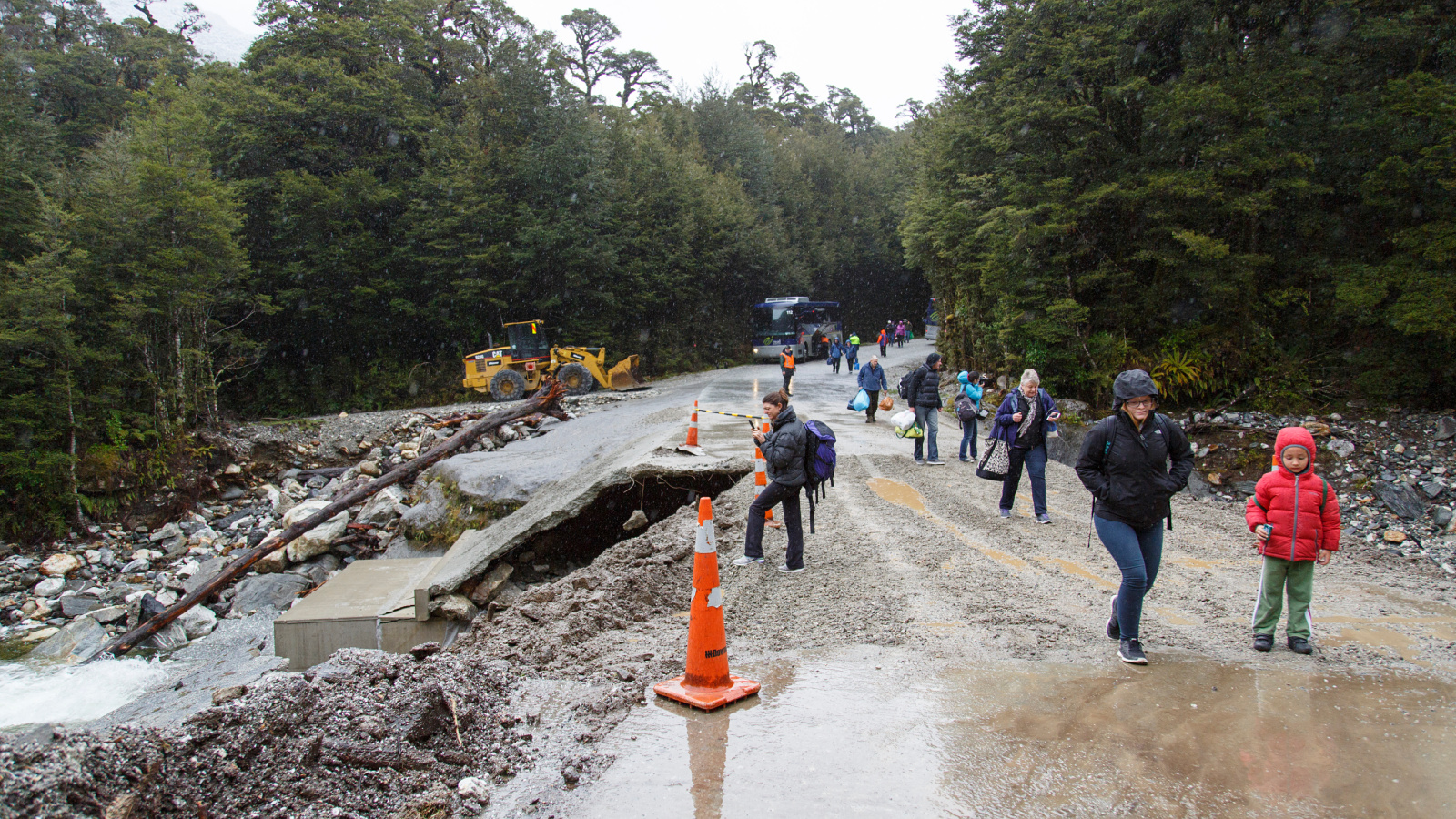
Spring reveals craters that winter created. Hitting potholes can bend rims or knock wheels out of alignment. Many drivers ignore subtle vibrations or a steering pull. Those signs rarely fix themselves. Misalignment wears tires unevenly and stresses suspension parts. Left unchecked, small impacts lead to bigger repairs. Get an alignment check after rough winter driving. Inspect rims for cracks or dents. Even minor damage can worsen over time. Addressing it early protects tires and steering components. Waiting too long often means replacing parts that could have been saved.
Skipping a Post-Winter Undercarriage Wash
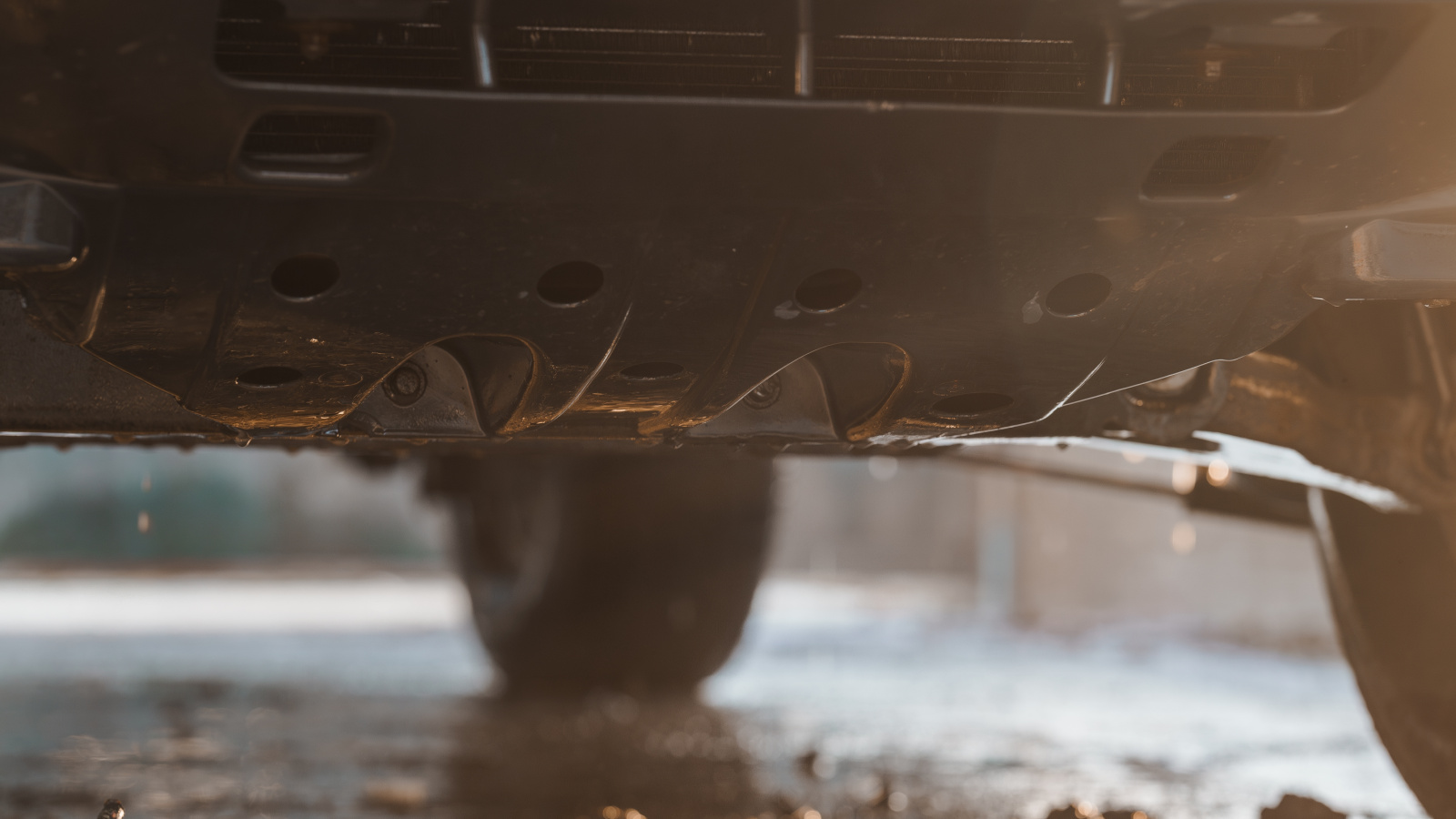
Road salt clings to metal surfaces long after snow melts. If not washed away, it keeps corroding brake lines and suspension parts. Many drivers stop washing once temperatures rise. That is when rust continues spreading. A thorough undercarriage rinse removes salt buildup. Pay attention to wheel wells and frame rails. Corrosion repairs are rarely cheap. Brake lines and fuel lines can rust through without warning. A few dollars at a car wash beats replacing structural components. Spring is the right time to clean what winter left behind.
Forgetting to Check the Battery
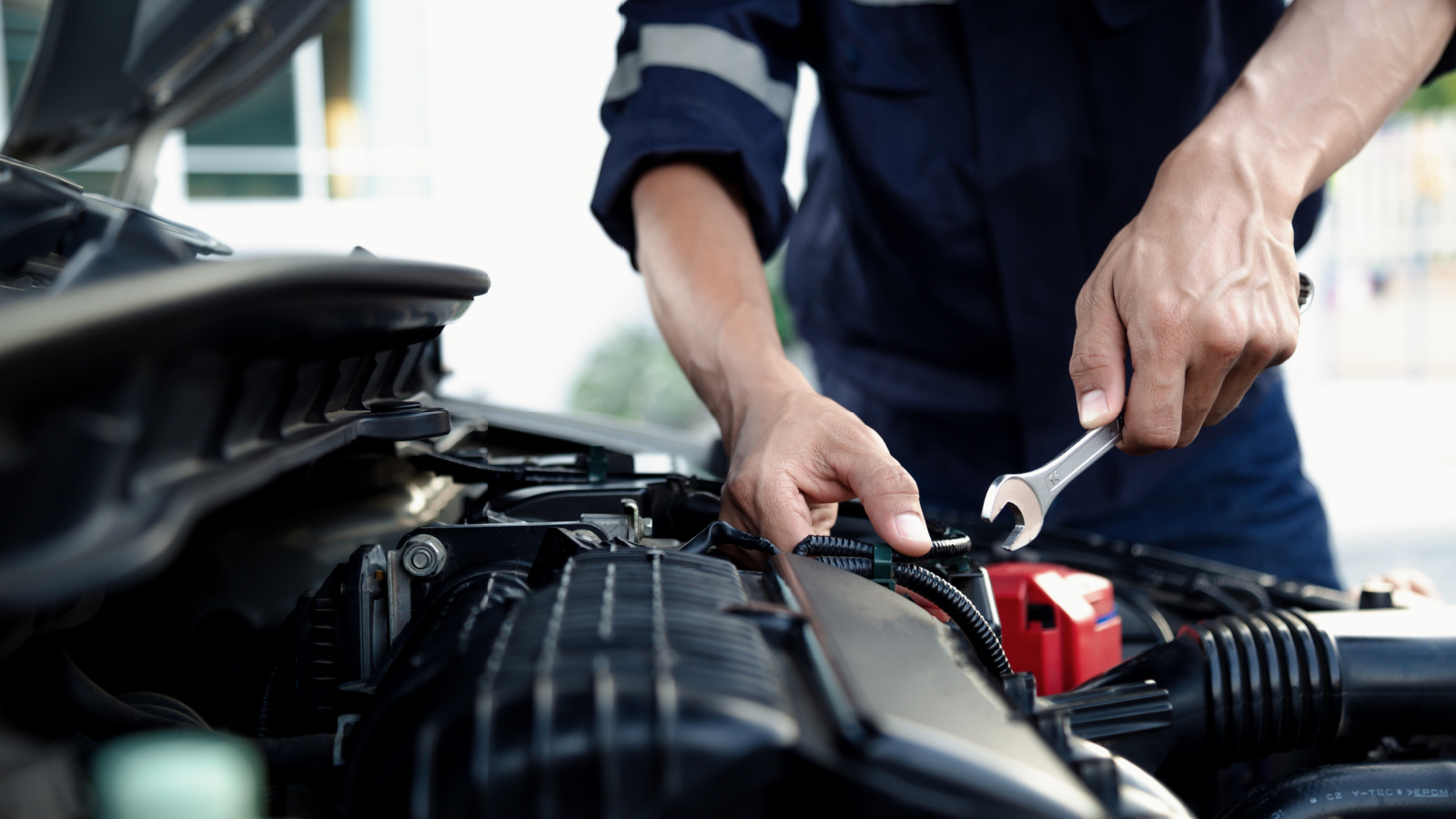
Cold weather drains battery strength. Spring warmth can hide a weak battery temporarily. Many drivers assume everything is fine once the car starts. Corrosion on terminals may still be present. Loose connections cause intermittent problems. Testing the battery takes minutes at most shops. Replacing it before failure avoids towing charges. Clean terminals and tighten clamps during inspection. A battery that barely survived winter may not last summer. Ignoring warning signs leads to roadside frustration. Preventive checks cost far less than emergency service calls.
Delaying Brake Inspections
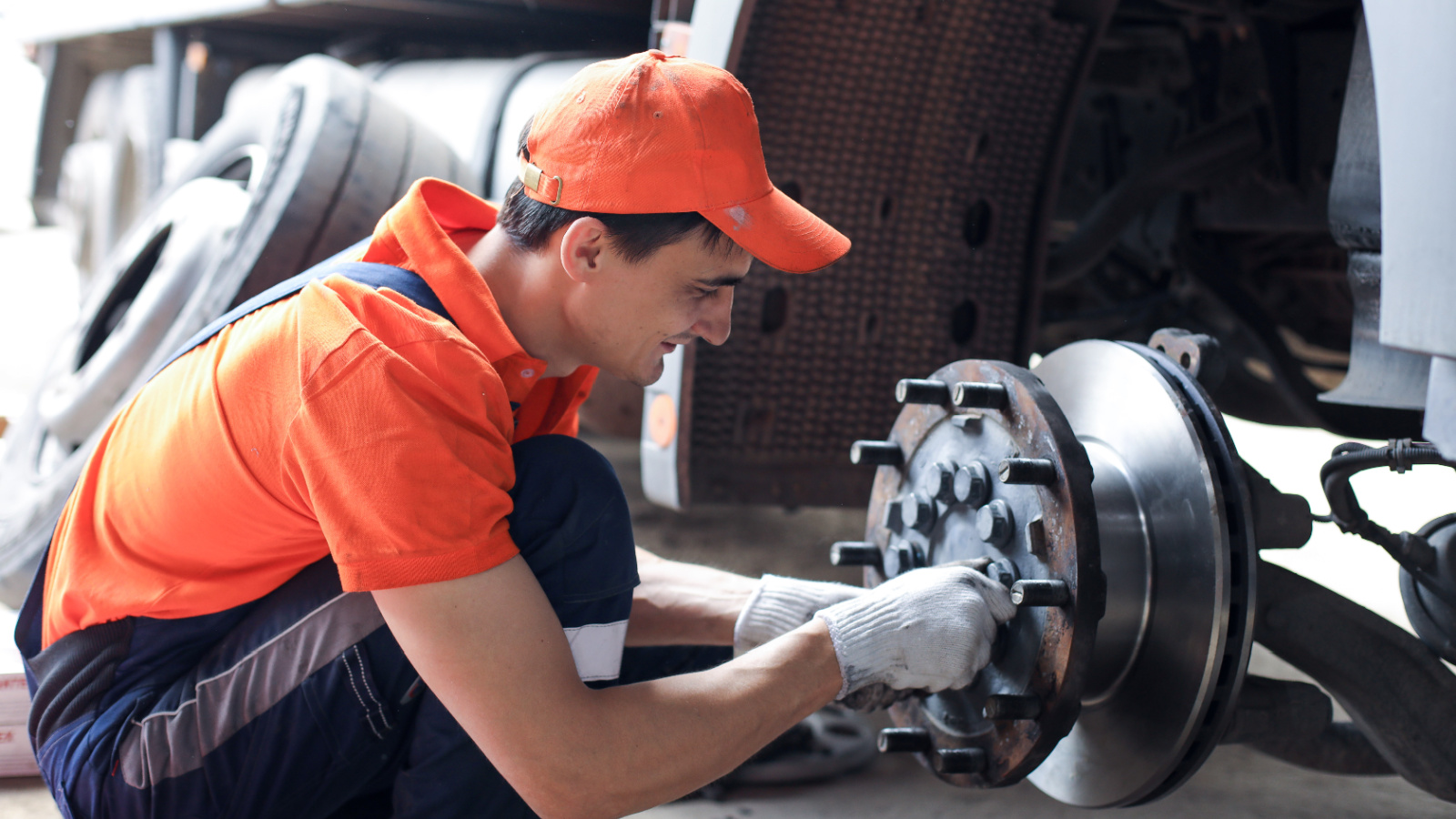
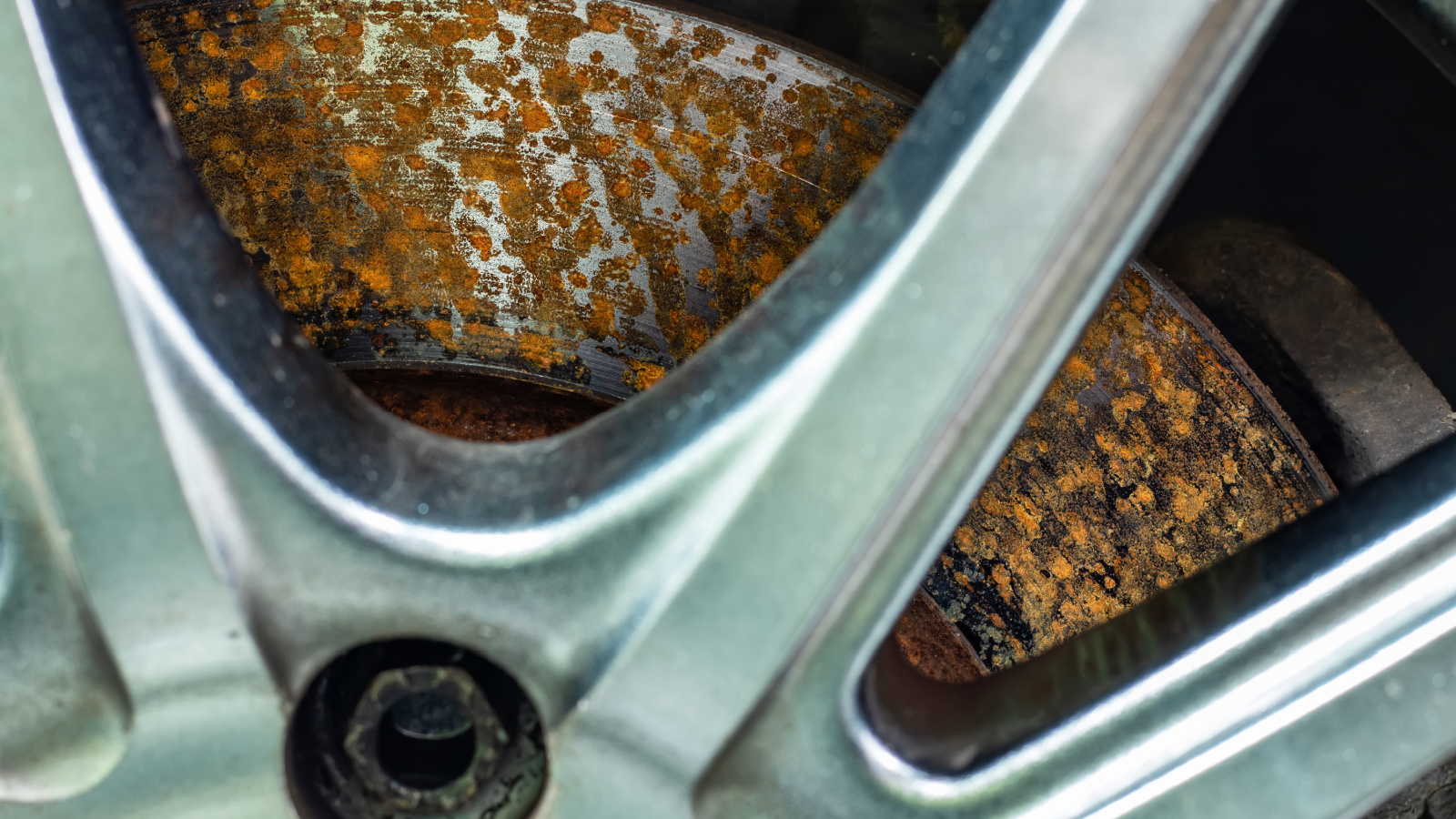
Winter driving wears brakes faster than expected. Salt and moisture contribute to corrosion on rotors. Grinding noises or squealing should not be ignored. Some drivers wait until brake performance worsens. By then, rotors may require replacement, too. Inspect pads and rotors each spring. Look for uneven wear or rust buildup. Brake repairs grow more expensive when delayed. Stopping power is not something to gamble with. Early service keeps costs manageable and improves safety. Spring is a logical time to schedule this inspection.
Overlooking Windshield Damage
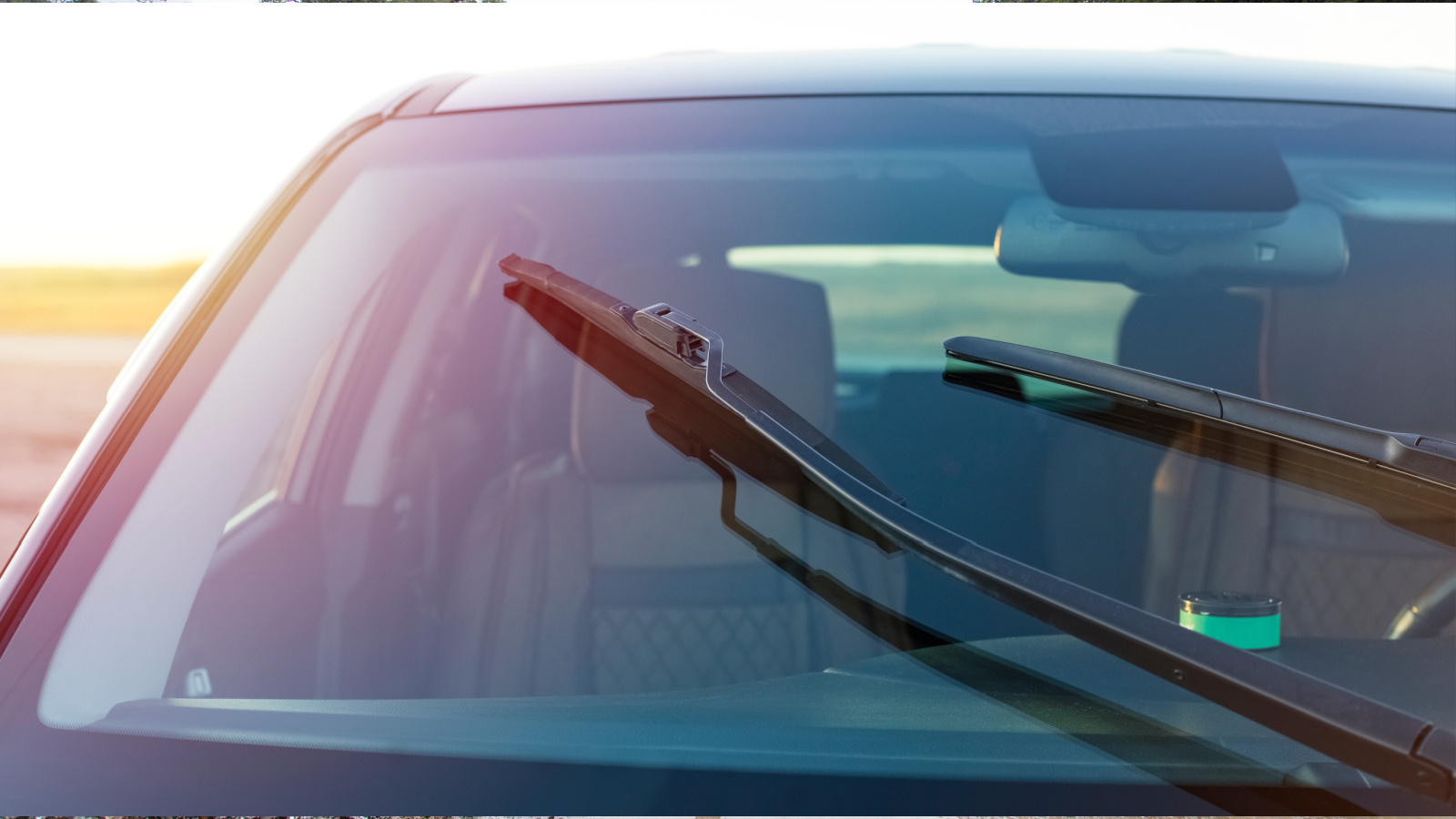
Small chips often appear after winter highway driving. Gravel and debris leave marks that seem minor. Many drivers postpone repairs once temperatures rise. Heat can expand small cracks quickly. A tiny chip can become a full windshield replacement. Repairing chips early costs far less than replacing glass. Visibility also improves when damage is fixed. Spring sunlight highlights imperfections more clearly. Addressing them early saves both money and stress. Ignoring minor damage often leads to bigger expenses later in the season.
Neglecting Fluid Checks
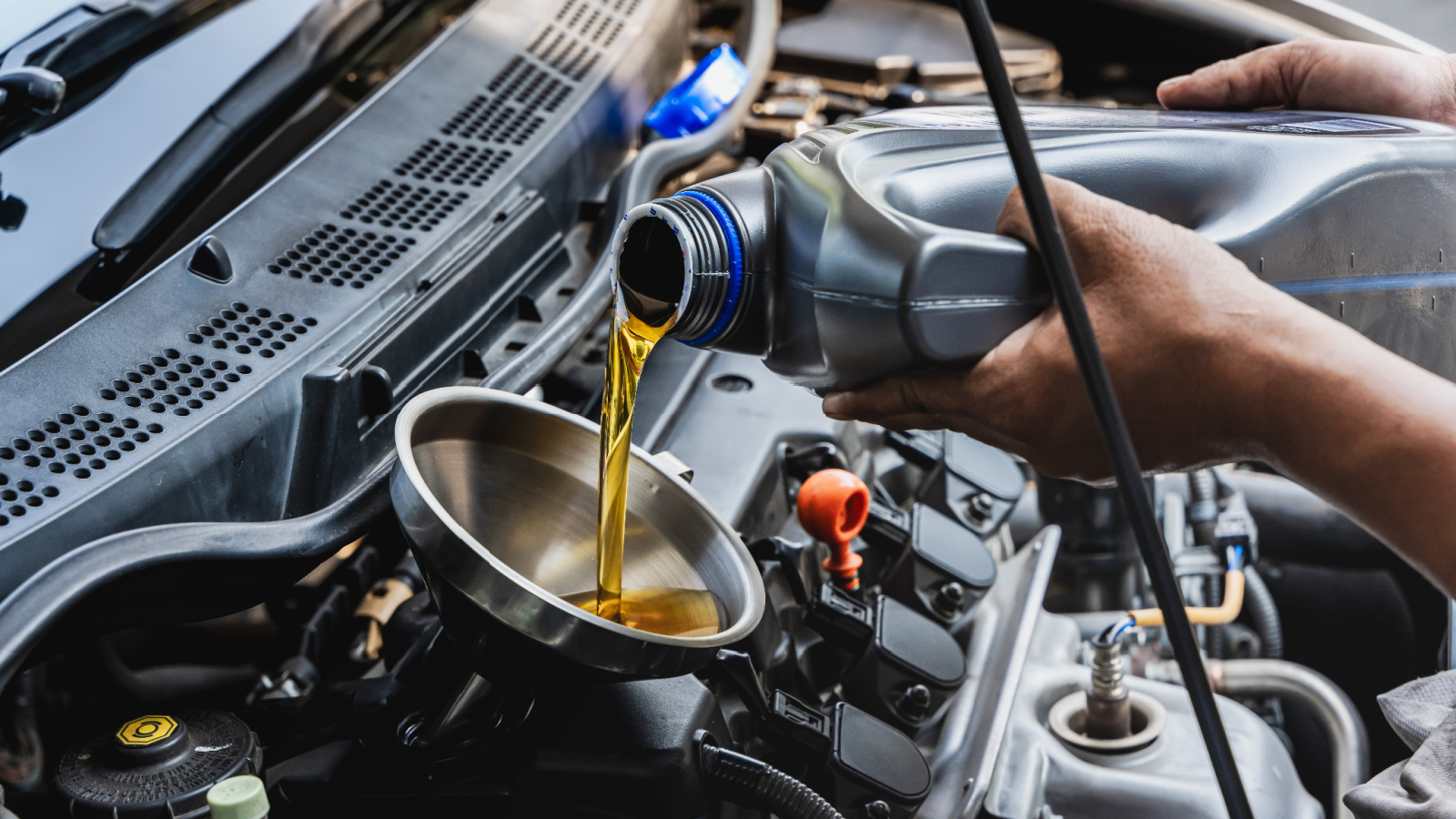
Fluids work harder during the winter months. Engine oil, coolant, brake fluid, and transmission fluid all deserve attention. Some drivers assume winter service covers everything. Levels may have dropped over time. Leaks sometimes develop unnoticed. Checking fluids takes only minutes. Top up or replace as needed. Dirty fluids reduce performance and increase wear. Small leaks grow worse when ignored. Catching problems early prevents costly repairs. Spring maintenance should include a full fluid inspection. Skipping it leaves your vehicle vulnerable.
Ignoring Suspension Noises
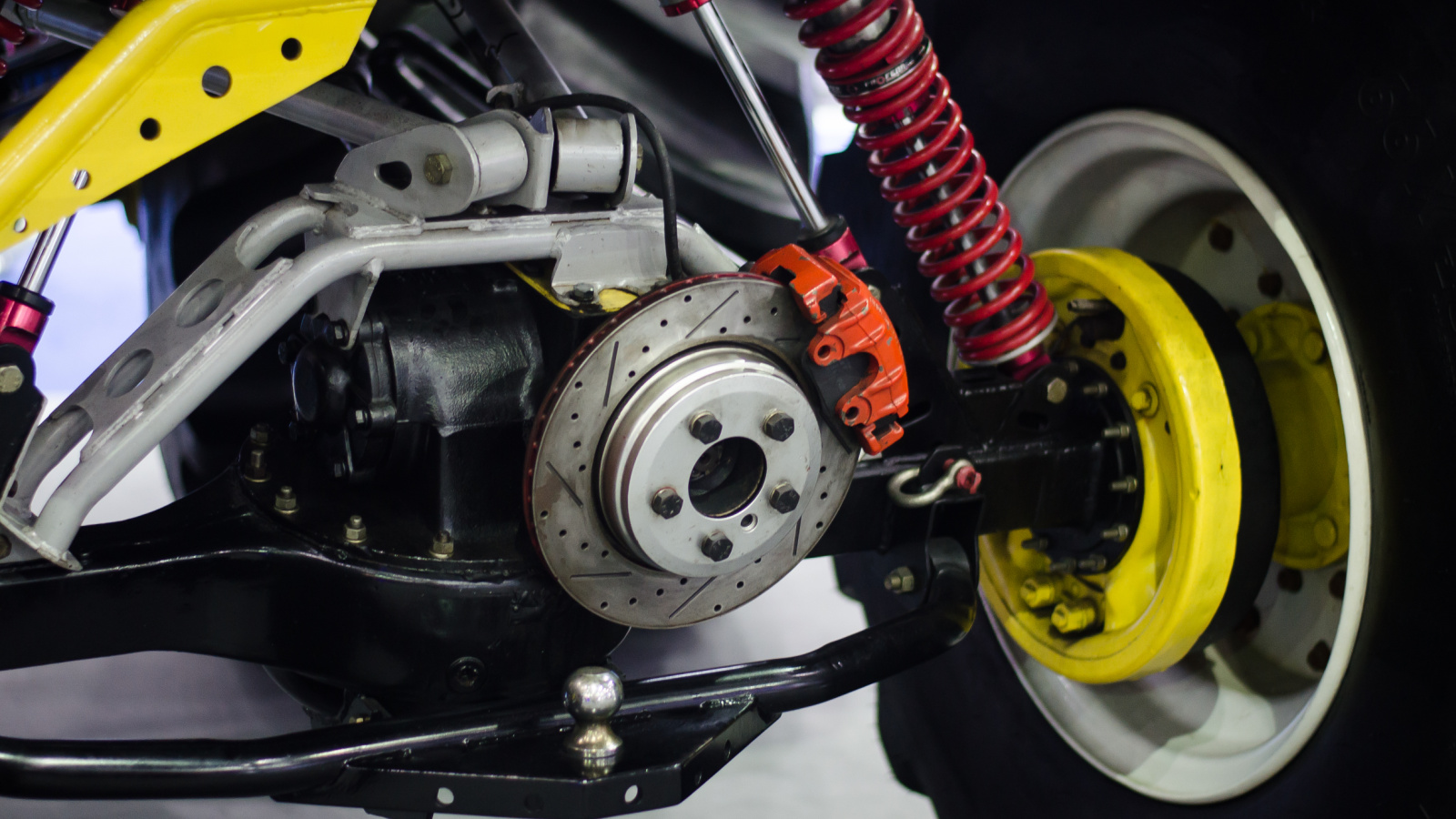
Clunks and rattles often appear after rough winter roads. Many drivers turn up the radio instead of investigating. Suspension components suffer from salt exposure and pothole impacts. Worn bushings or ball joints do not improve on their own. Driving with damaged parts increases tire wear. It can also affect steering response. Have unusual noises inspected promptly. Replacing one worn component is cheaper than replacing several. Spring is when suspension damage becomes obvious. Ignoring it often leads to larger repair bills.
Forgetting to Replace Wiper Blades
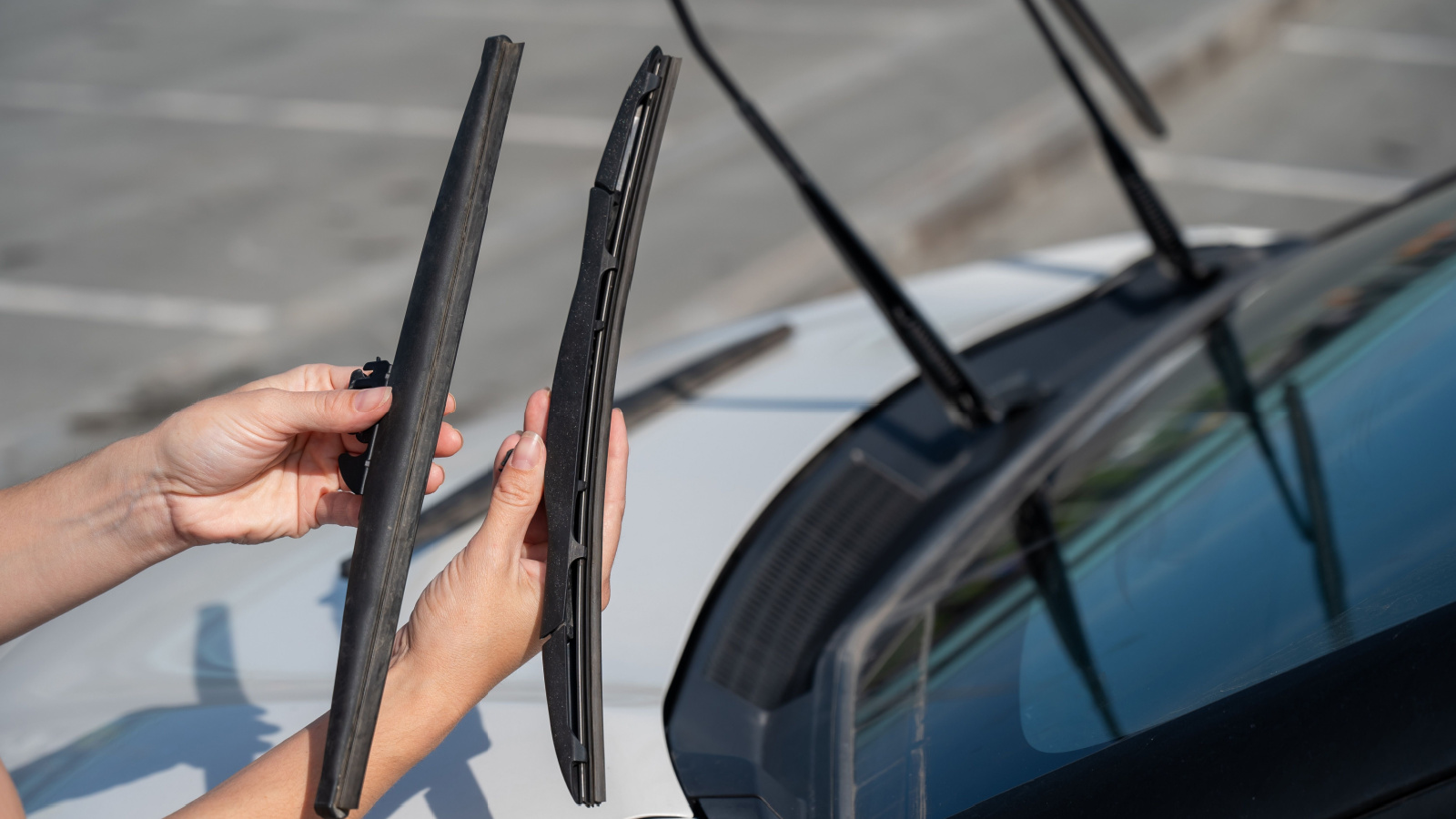
Winter ice and snow strain wiper blades. By spring, rubber edges are often cracked. Streaking during rain reduces visibility. Many drivers tolerate poor performance for months. Replacing blades is inexpensive and simple. Clear vision matters during sudden spring showers. Inspect washer fluid levels at the same time. Consider switching to the summer formula fluid. Neglecting basic visibility maintenance can increase accident risk. Wiper blades are cheap compared to collision repairs. A small purchase now prevents bigger problems later.
Skipping Air Filter Replacement
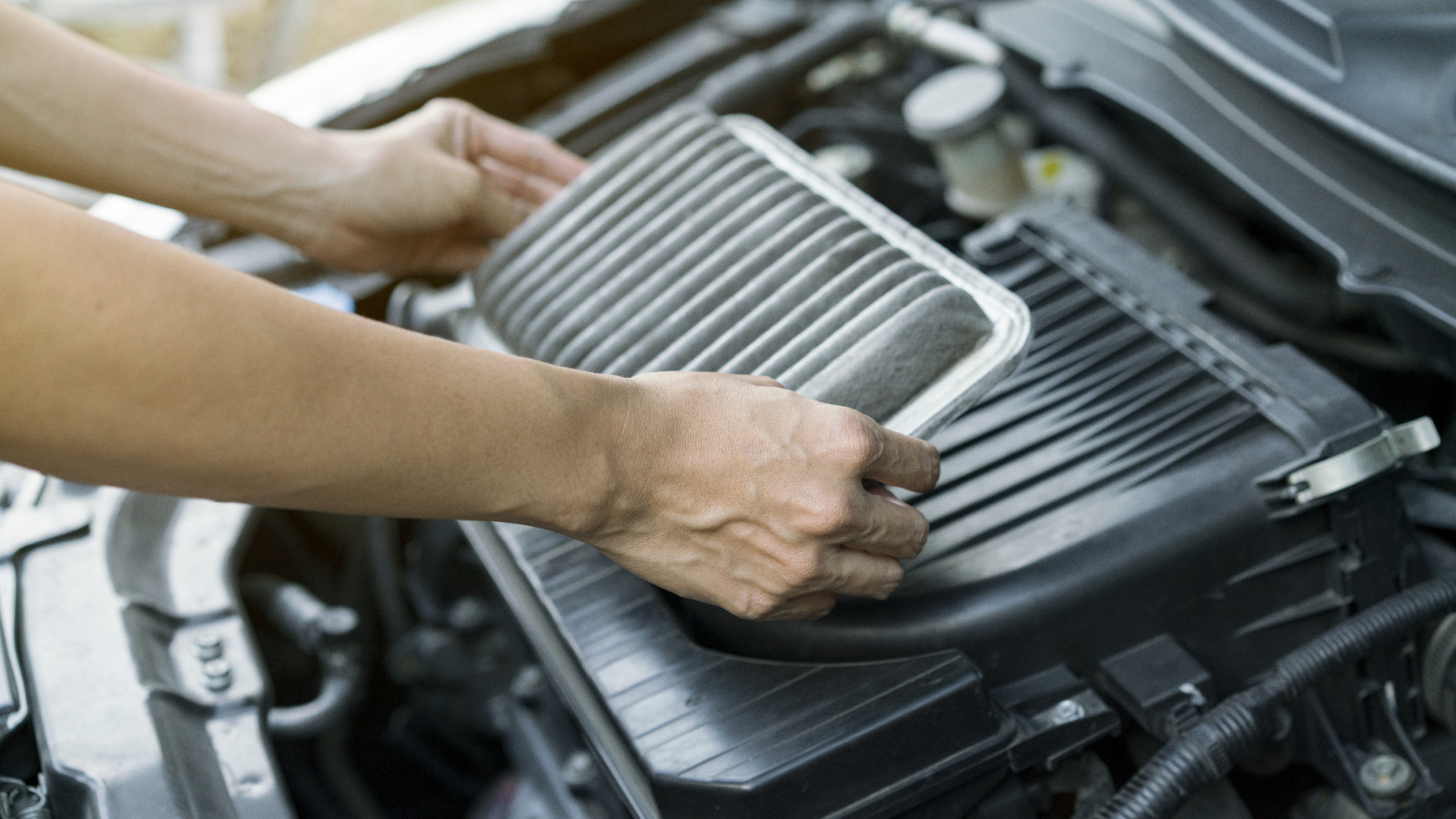
Air filters collect debris year-round. Winter driving adds extra dust and grime. A clogged engine air filter reduces fuel efficiency. It can also affect acceleration. Cabin air filters trap salt particles and pollen. Many drivers forget about them entirely. Replacing both filters improves airflow. It may even reduce strain on the engine. Spring allergies make cabin air filters more important. These parts are affordable and easy to change. Ignoring them can lead to unnecessary fuel costs.
Delaying Tire Pressure Adjustments

Temperature changes affect tire pressure significantly. As the weather warms, pressure rises naturally. Some drivers never recheck after winter. Overinflated or underinflated tires wear unevenly. Handling also suffers when the pressure is incorrect. Use a reliable gauge to measure each tire. Adjust according to manufacturer recommendations. Proper pressure improves fuel economy. It also extends tread life. Skipping this step leads to premature tire replacement. Spring is the right time to recalibrate after months of fluctuating temperatures.
Ignoring Rust Spots
Small rust bubbles appear harmless at first glance. Many drivers postpone repairs until later. Rust spreads beneath paint quickly once exposed. What starts as a minor spot can become structural damage. Spring moisture accelerates corrosion. Treat rust early with sanding and touch-up paint. Professional repair costs less when damage is limited. Waiting allows corrosion to expand. Bodywork becomes far more expensive over time. Addressing small blemishes now saves money later.
Forgetting to Check Alignment
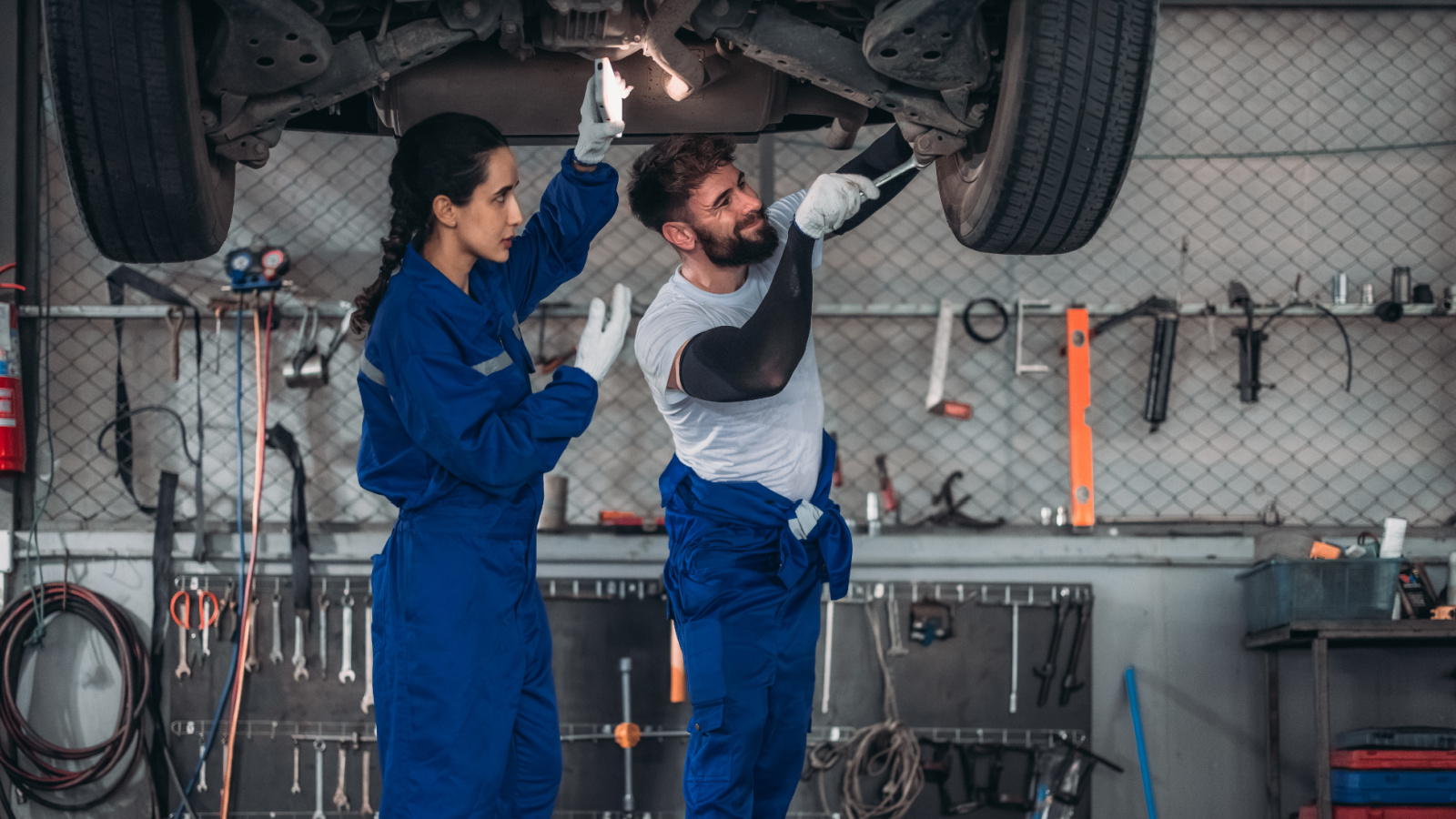
Rough winter roads throw wheels out of alignment easily. You may notice uneven steering or drifting. Ignoring these signs increases tire wear. Fuel efficiency can also decline slightly. Alignment checks are affordable preventive measures. They extend tire life significantly. Many shops offer spring inspection packages. Scheduling one early avoids larger expenses. Driving with poor alignment strains suspension parts. That strain compounds over time. A simple adjustment prevents premature tire replacement.
Not Cleaning Interior Salt Residue

Salt not only damages metal. It also affects carpets and floor mats. Leaving salt residue causes staining and odors. Moisture trapped in carpets can promote rust underneath. Remove mats and wash them thoroughly. Vacuum and shampoo carpets if needed. Interior neglect reduces resale value later. Spring cleaning should include more than the exterior. Protecting the cabin costs little. Ignoring buildup allows damage to accumulate quietly. Small steps now preserve long-term value.
Postponing Oil Changes
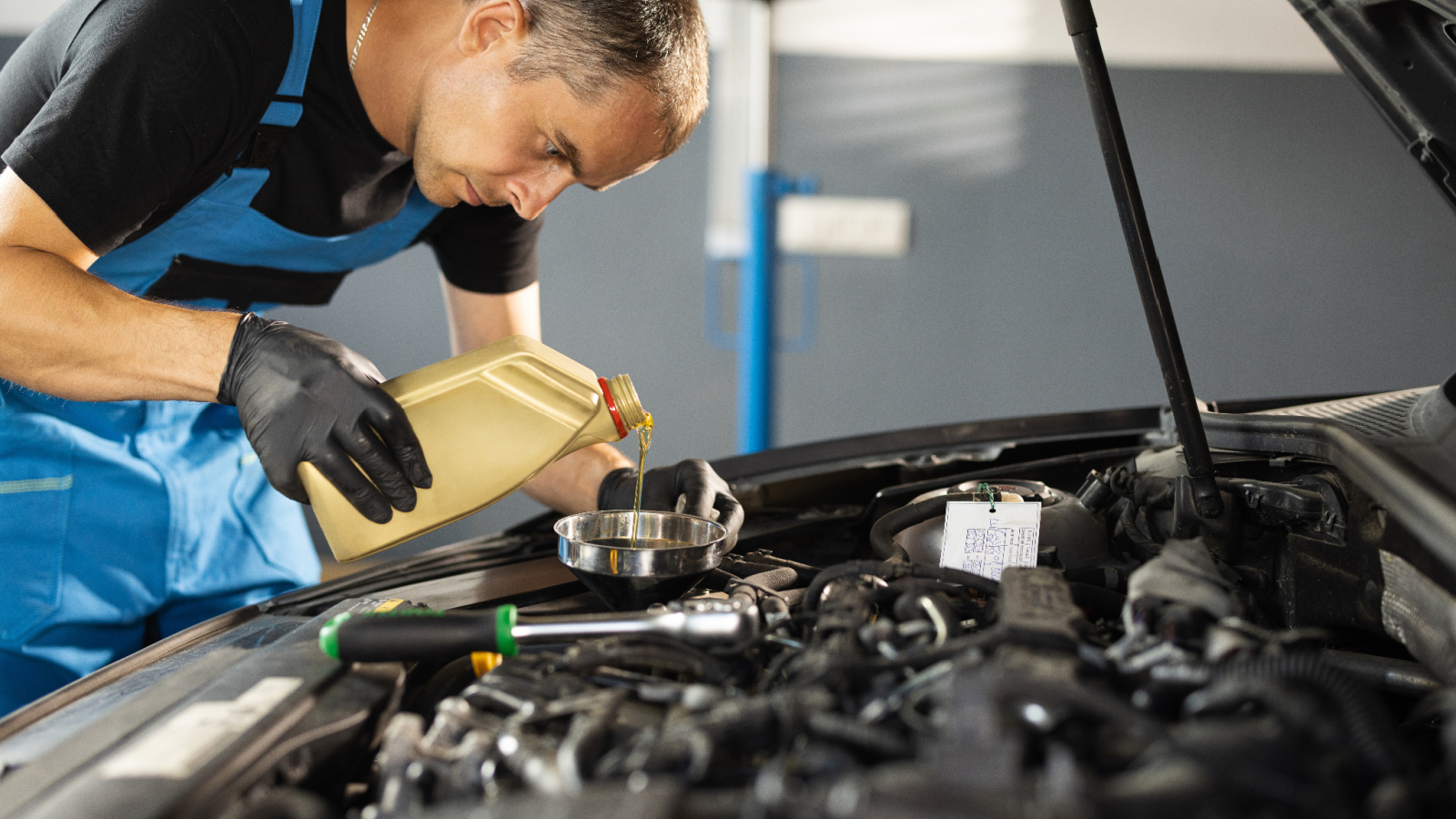
Some drivers stretch oil change intervals after winter. Cold starts and short trips stress engine oil. Contaminants build up during harsh weather. Delaying service increases engine wear gradually. Fresh oil keeps components lubricated properly. Check manufacturer recommendations for intervals. Spring is a logical checkpoint after heavy winter use. Skipping service may not show immediate damage. Over time, it leads to costly engine repairs. Routine oil changes remain one of the cheapest maintenance steps available.
Forgetting to Inspect Belts and Hoses
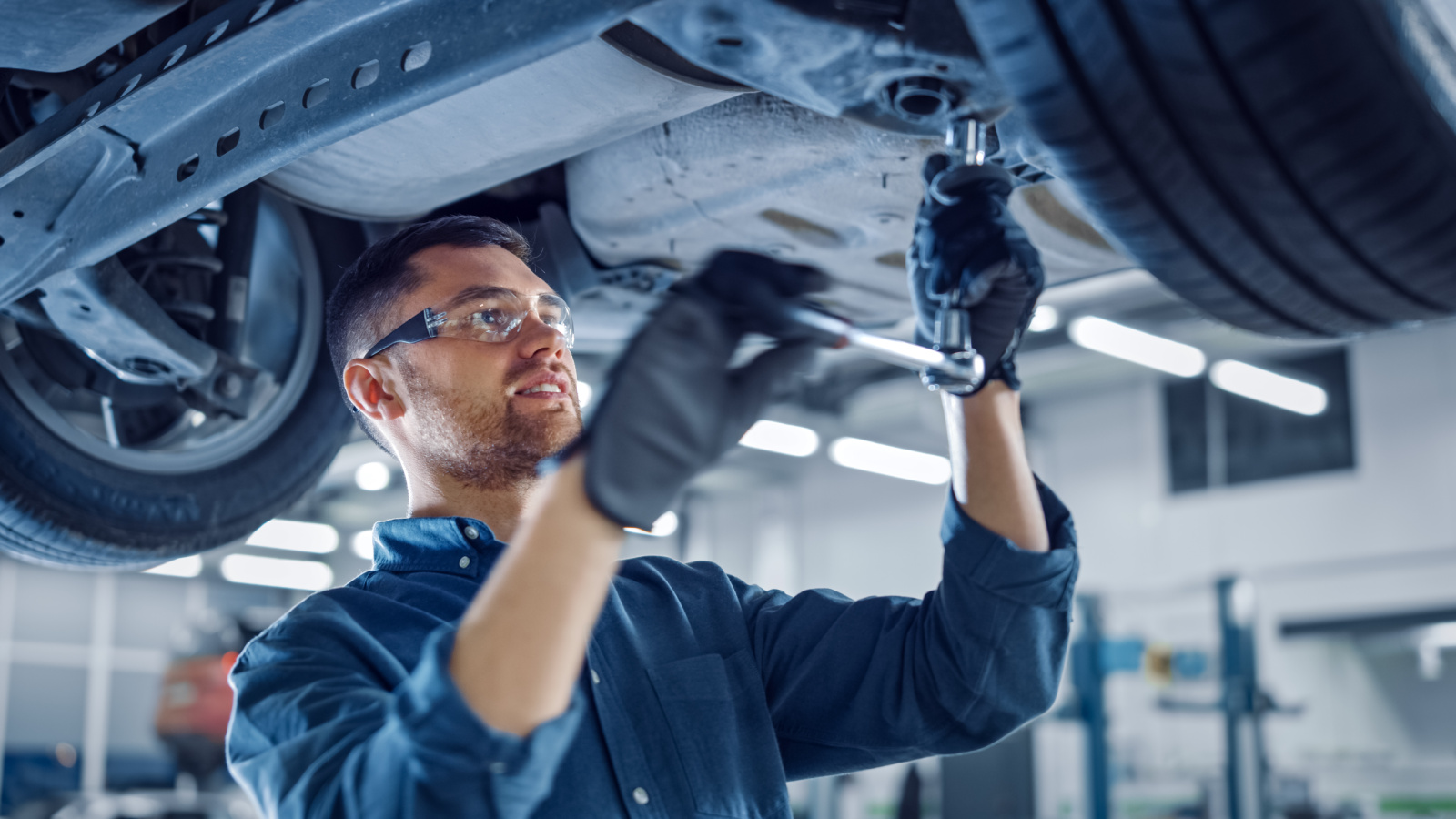
Cold temperatures make rubber brittle. Belts and hoses may develop cracks over winter. These issues are easy to miss. Spring warmth can worsen existing damage. A cracked hose can suddenly leak. Replacing worn belts costs far less than engine repairs. Inspect for fraying or swelling. Listen for squealing sounds at startup. Early replacement prevents roadside breakdowns. Many failures happen without warning. Spring checks reduce that risk significantly.
Ignoring Warning Lights

Dashboard lights sometimes appear briefly in winter. Drivers may dismiss them once conditions improve. Warning lights signal underlying problems. Ignoring them does not solve anything. Modern vehicles store diagnostic codes. A quick scan reveals useful information. Addressing small issues early prevents larger failures. Engine or sensor problems rarely disappear alone. Spring maintenance should include investigating any alerts. Waiting often results in more expensive repairs.
Skipping AC System Checks
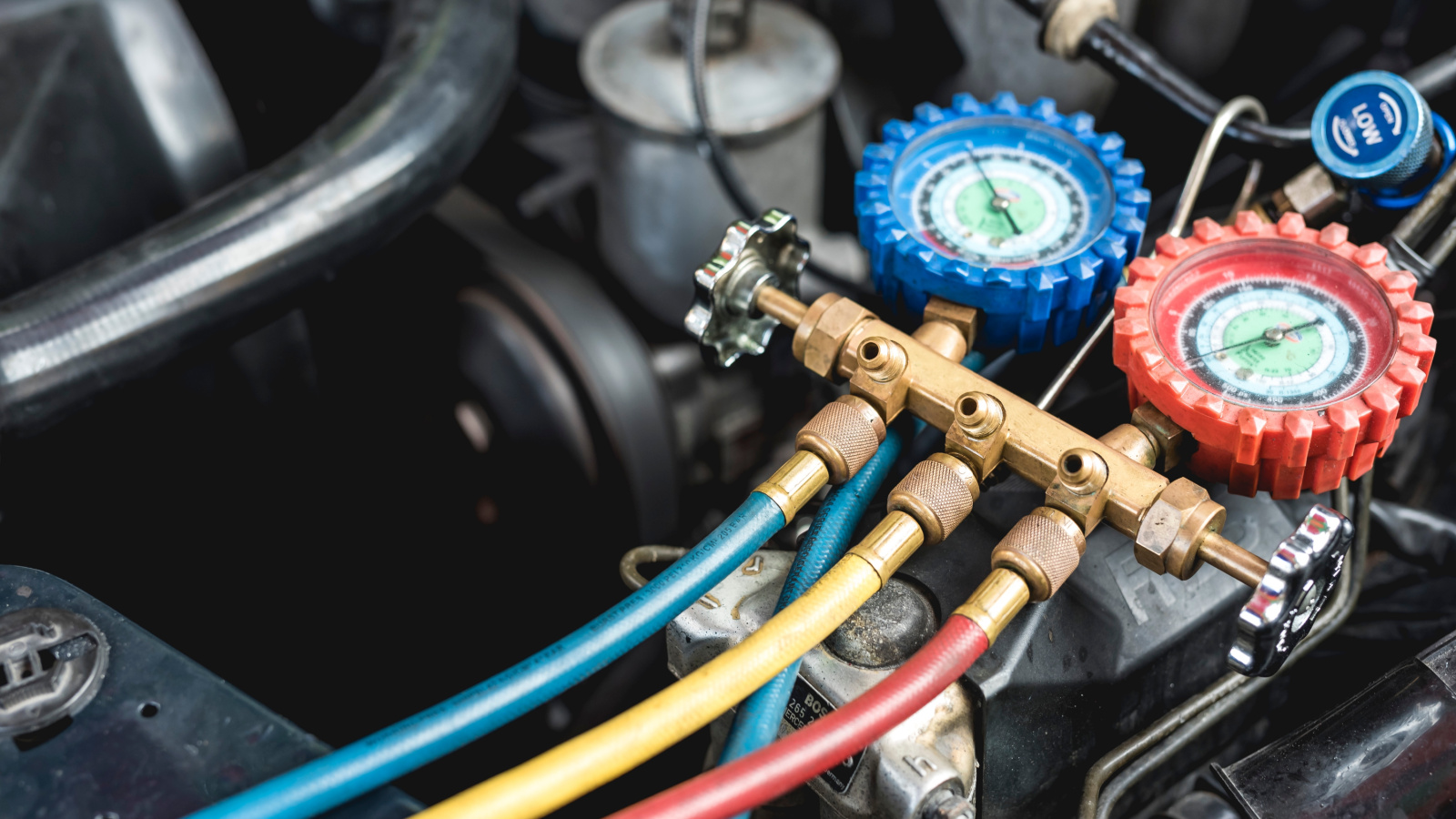
Air conditioning sits unused for months. When summer heat arrives, problems surface. Some drivers discover leaks too late. Running the system briefly in spring helps identify issues. Weak airflow may indicate low refrigerant. Unpleasant odors suggest mold buildup. Servicing early avoids peak season pricing. AC repairs grow costlier when components fail completely. A simple inspection keeps the system functioning properly. Ignoring it leads to uncomfortable drives later.
Failing to Update Insurance Coverage

Spring often brings new driving habits. Road trips and longer commutes become common. Some drivers forget to review coverage levels. Changes in usage may affect premiums. Adjusting coverage prevents gaps later. Insurance reviews take little time. You may discover outdated information. Incorrect details can complicate claims. Updating policies annually is wise. Overlooking this step can cost money in the event of an accident. Spring offers a practical reminder.
Not Checking Spare Tire Condition
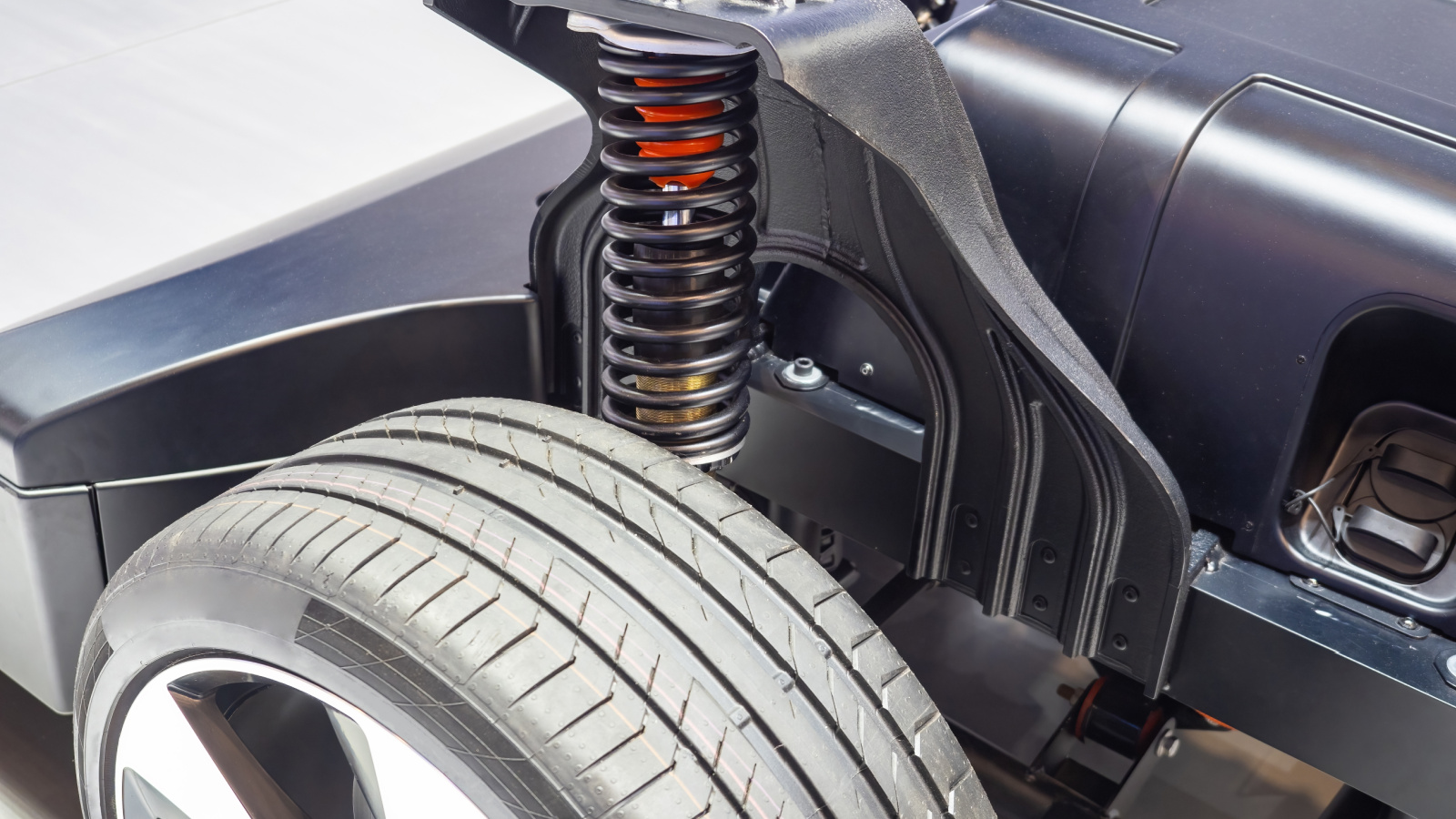
Spare tires sit unused for years. Pressure drops gradually over time. Many drivers never inspect them. Discovering a flat spare during an emergency is frustrating. Check pressure and tread condition each spring. Inspect the jack and tools as well. Replacing a neglected spare costs more than maintenance. Roadside assistance is not always immediate. Preparation reduces stress significantly. A few minutes of inspection prevent bigger problems.
Ignoring Recalls and Service Bulletins
Manufacturers issue recalls throughout the year. Some drivers received mail notices. Checking online databases is simple. Unaddressed recalls can lead to mechanical failure. Repairs under recall are usually free. Ignoring them risks safety and future expenses. Spring is a convenient time to verify status. Staying informed protects both wallet and passengers. Overlooking recalls can result in preventable breakdowns. A quick search offers peace of mind.
Delaying Professional Inspection Altogether
Many drivers rely on quick visual checks in their driveway. That approach often misses hidden wear. Technicians can spot early signs of leaks, corrosion, and loose components. Spring is the ideal time for a full inspection after months of harsh conditions. Combining several small fixes into one visit reduces labor costs. Skipping this step increases the risk of sudden breakdowns. Emergency repairs usually cost far more than planned maintenance. Booking one thorough spring inspection helps catch problems early and keeps repair bills manageable.