
























Canadian drivers often expect a practical car to age with quiet dignity: manageable repairs, predictable resale value, and no nasty surprises once the odometer climbs. But some models that looked sensible, stylish, efficient, or affordable when new have become more complicated as years, winters, recalls, depreciation, and repair bills have piled up.
These 15 cars stand out because ownership can become more frustrating than many Canadians expected. Some struggle with known mechanical trouble spots, some have suffered from weak resale demand, and others simply became harder to justify once real-world costs caught up with the original promise.
Ford Focus
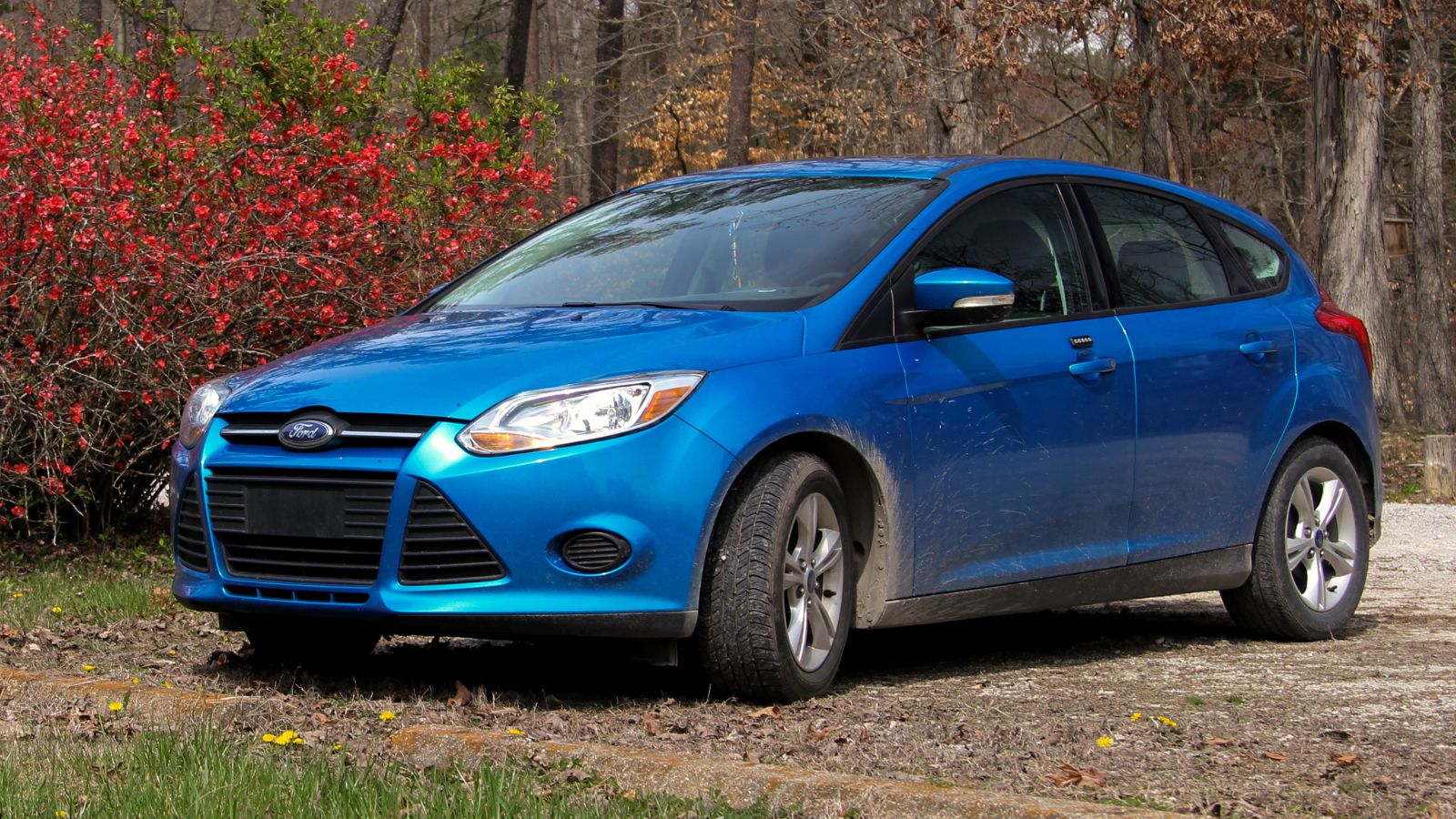
The Ford Focus once looked like an easy win for Canadians who wanted a compact car with sharp handling, decent fuel economy, and a lower entry price than many Japanese rivals. In cities such as Toronto, Montréal, and Vancouver, it made sense as a commuter car that could fit into tight parking spaces while still feeling more substantial than a bare-bones economy hatchback. The problem is that many automatic-equipped models from the 2012–2016 era became closely associated with Ford’s PowerShift dual-clutch transmission.
That transmission turned a lot of used Focus listings into cautionary tales. Reports of shuddering, hesitation, delayed acceleration, and repeated clutch or control-module repairs damaged buyer confidence. For Canadians shopping used, the issue is not just whether a specific car still drives acceptably today; it is whether the next owner inherits a reputation that hurts resale value. A manual Focus can still be enjoyable, but the automatic version aged into a car many shoppers now inspect with extra suspicion.
Ford Fiesta
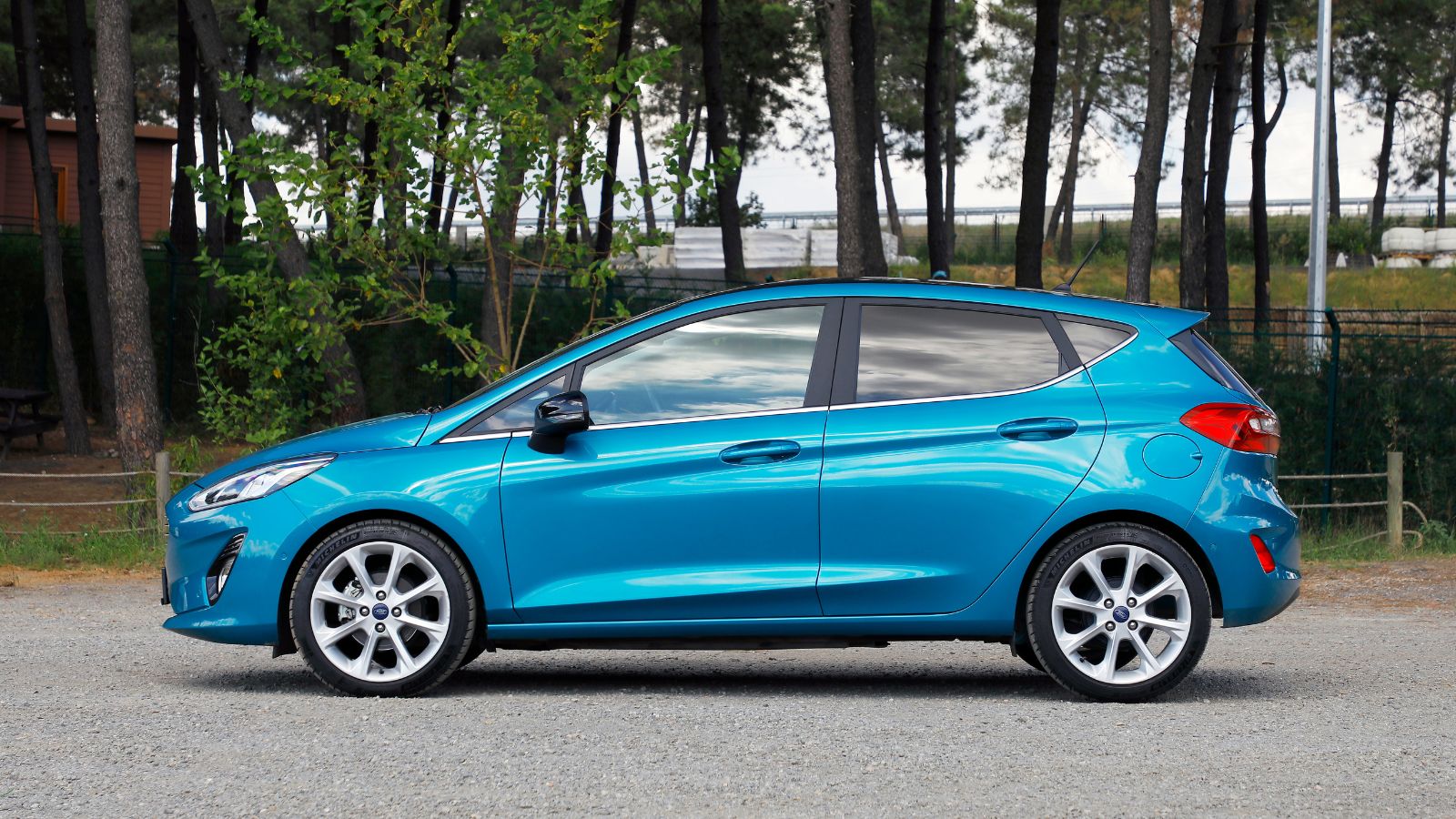
The Ford Fiesta had the ingredients of a charming small car: playful steering, low fuel consumption, and a footprint perfect for dense neighbourhoods and university towns. It was especially appealing when gas prices climbed, and many Canadian buyers saw it as a smart alternative to larger, thirstier vehicles. As a used car, however, the automatic Fiesta’s reputation became tied to the same PowerShift transmission concerns that hurt the Focus.
That matters because small cars are supposed to feel inexpensive to own. When a budget hatchback starts carrying the risk of transmission complaints, repeated service visits, or poor resale confidence, the original value story becomes harder to defend. A Fiesta with a manual gearbox can still be a lively little runabout, but many automatic examples age with a cloud over them. In a market where Toyota Yaris, Honda Fit, and Mazda2 shoppers prize simplicity, the Fiesta’s trouble-prone reputation makes it feel older than its actual model year.
Nissan Altima
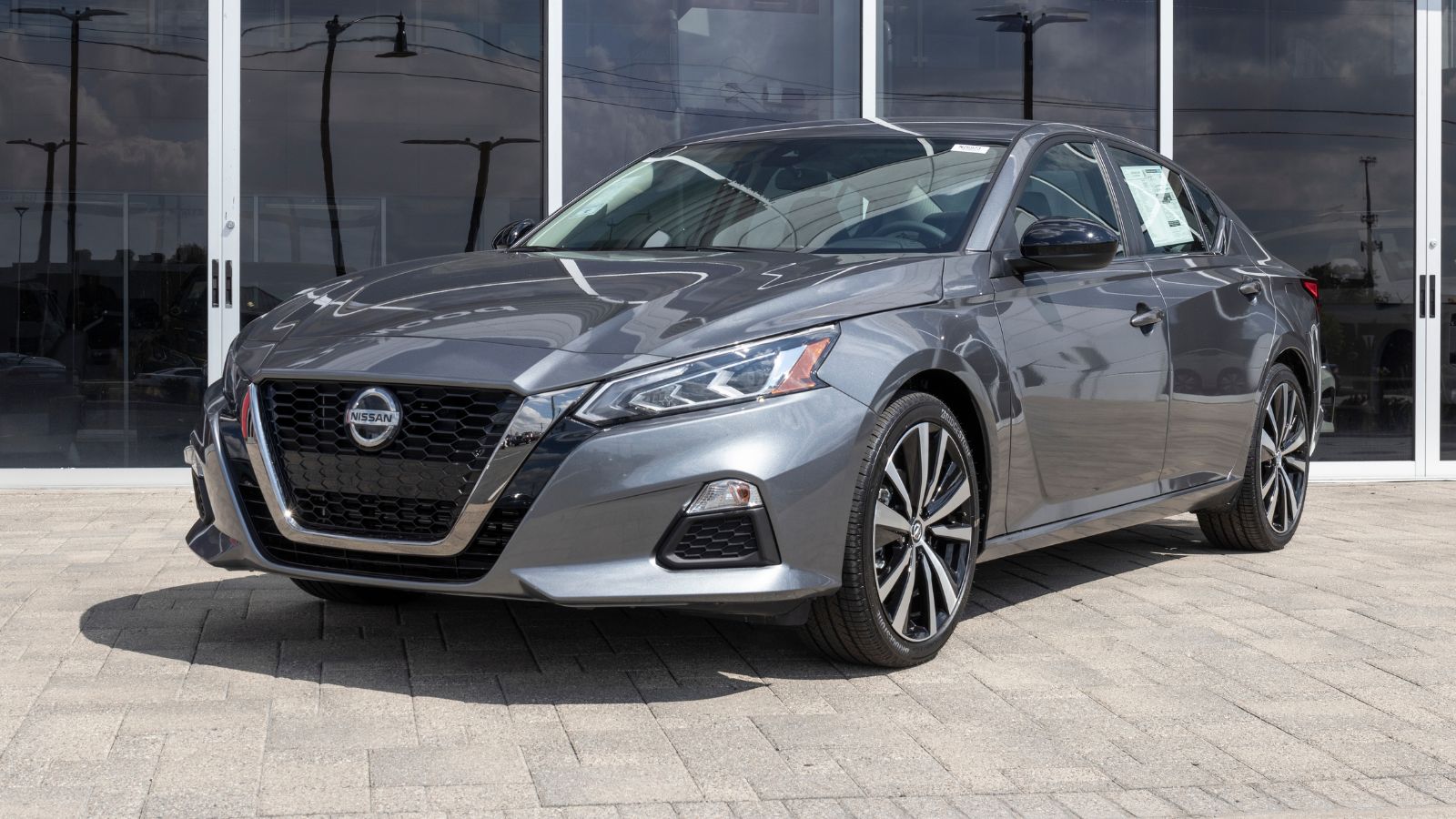
The Nissan Altima spent years as a comfortable, roomy midsize sedan with an approachable price, and many Canadians bought one expecting relaxed highway driving and reasonable running costs. On paper, it seemed like a practical family or commuter choice, especially for those who wanted more space than a compact car without moving into an SUV. The trouble is that many used Altimas are now judged first by three letters: CVT.
Nissan’s continuously variable transmissions became a major concern across several models, and the Altima was one of the nameplates that drew attention from warranty extensions and settlement activity. Even when a particular car has no current symptoms, buyers often ask about transmission service history, fluid changes, heat-related wear, and whether repairs were done before warranty coverage expired. For Canadians planning long drives between cities or summer cottage runs, that uncertainty can make an otherwise comfortable sedan feel like a gamble rather than a bargain.
Nissan Sentra
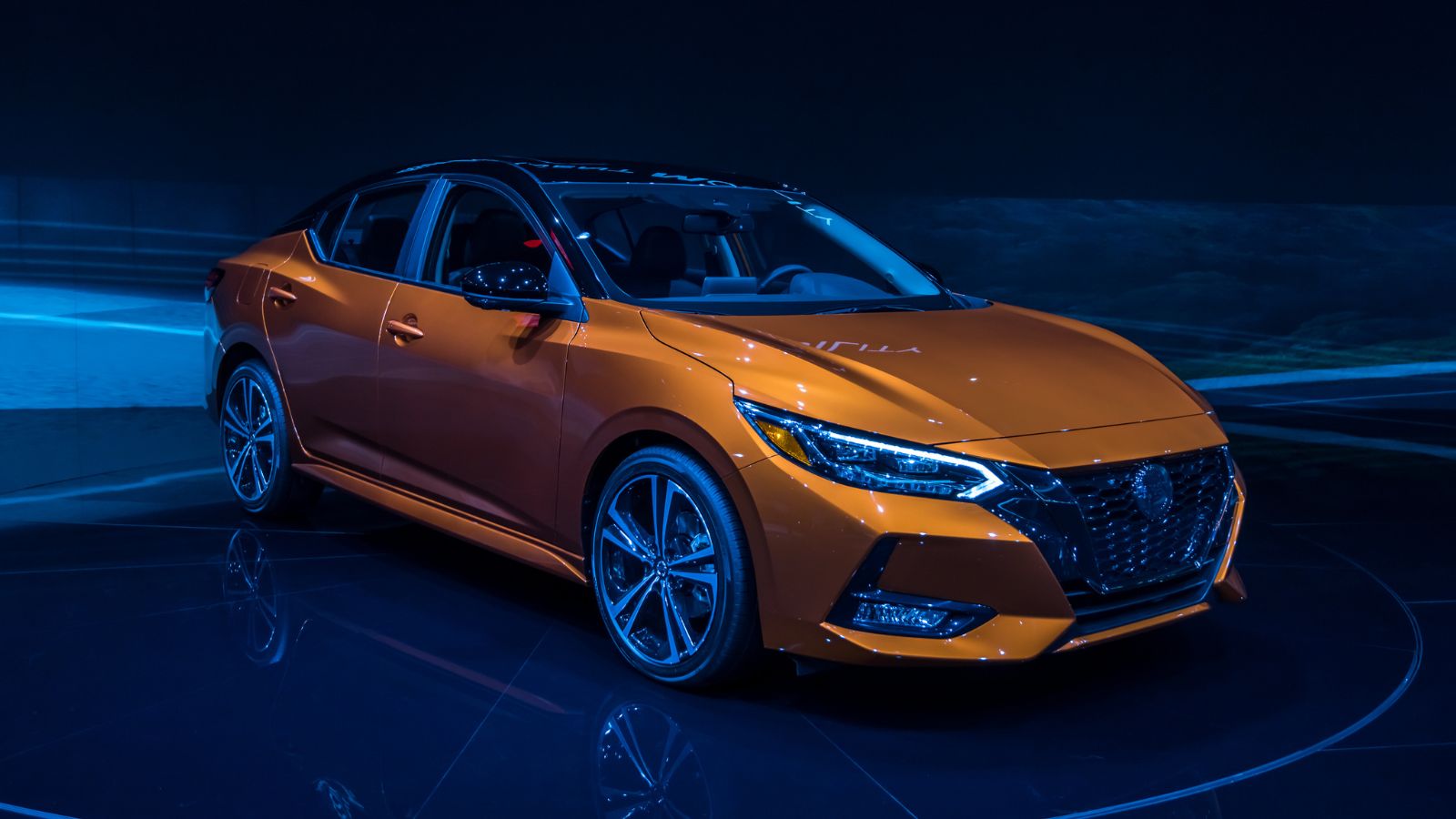
The Nissan Sentra has long appealed to practical shoppers who want a simple sedan with decent space, good fuel economy, and a low purchase price. Used examples often look tempting because they can be cheaper than comparable Corollas or Civics, and that price gap can make the Sentra seem underrated at first glance. But the same CVT concerns that affected Nissan’s reputation also followed many Sentras into the used market.
This is where the aging problem becomes psychological as much as mechanical. A compact sedan is supposed to be easy to recommend, easy to maintain, and easy to resell. Once buyers start worrying about transmission longevity, the car’s low asking price can look less like a deal and more like a warning label. In Canada, where winter commuting, stop-and-go traffic, and long highway stretches can all stress drivetrains differently, the Sentra’s value depends heavily on maintenance records and whether the transmission feels smooth under real driving conditions.
Chevrolet Cruze
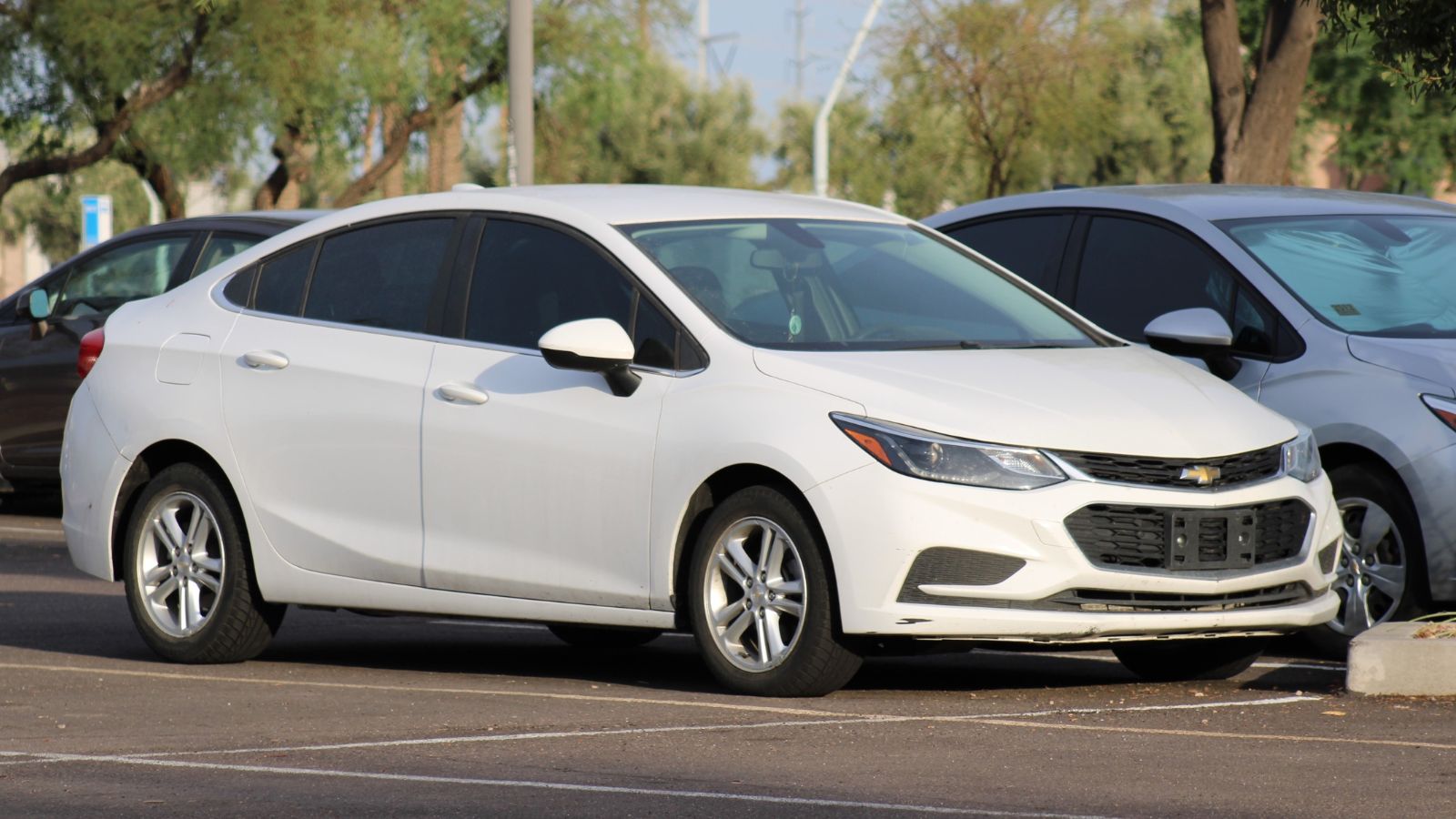
The Chevrolet Cruze arrived with a strong pitch: a compact sedan or hatchback with solid styling, available turbo power, and a domestic-brand dealer network that stretched across Canada. It was common in rental fleets, commuter lots, and suburban driveways, which helped make parts and used examples easy to find. But as the earliest models aged, the Cruze developed a reputation for ownership annoyances that could make the savings feel less impressive.
Many owners and used-car shoppers have learned to look closely for coolant leaks, turbo-related issues, oil leaks, and neglected maintenance. The Cruze is not automatically a bad buy, especially if serviced carefully, but it is not the carefree compact some buyers expected. A low purchase price can quickly lose its shine if the car needs repeated cooling-system work or engine-related repairs. For Canadians comparing it with a Corolla, Civic, or Mazda3, the Cruze often has to be meaningfully cheaper to justify the added uncertainty.
Kia Optima
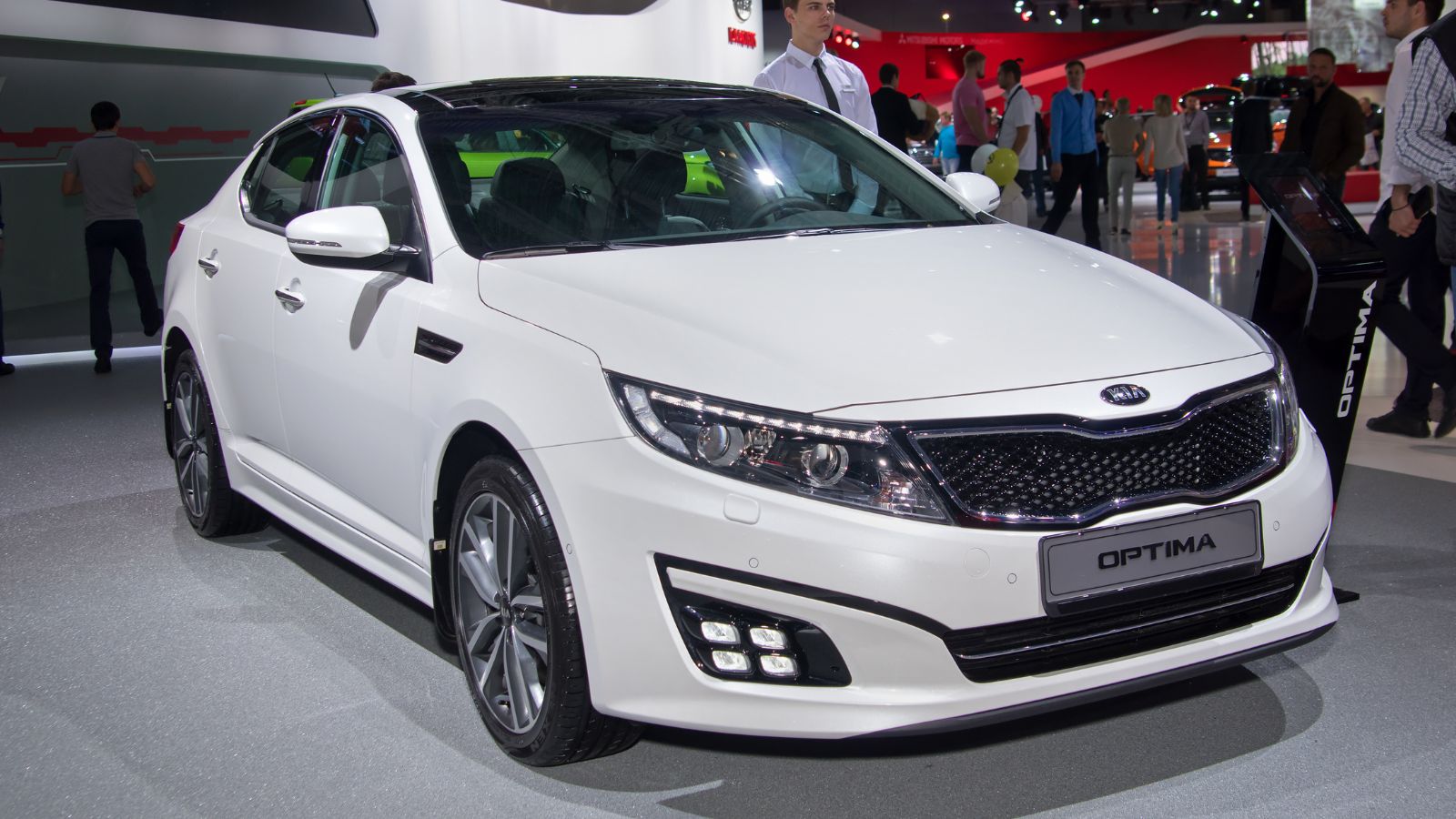
The Kia Optima followed a similar path to the Sonata: stylish, well equipped, and surprisingly upscale for the money. It gave Canadian families a midsize sedan that looked more expensive than it was, especially in higher trims with leather, panoramic roofs, and strong infotainment features. For buyers used to older perceptions of Kia, the Optima felt like proof that the brand had changed. But some of that goodwill faded as engine concerns became part of the used-car conversation.
The Optima’s connection to Hyundai-Kia engine settlements means older examples require careful history checks. A buyer may want to know whether the knock-sensor software update was completed, whether any engine work was performed, and whether the car remains eligible for extended coverage. Those details can make a big difference in resale confidence. In practical terms, an Optima with documentation can still offer value, but one with unclear service records can feel risky enough that shoppers may move toward a Camry, Accord, or Mazda6 instead.
Chrysler 200
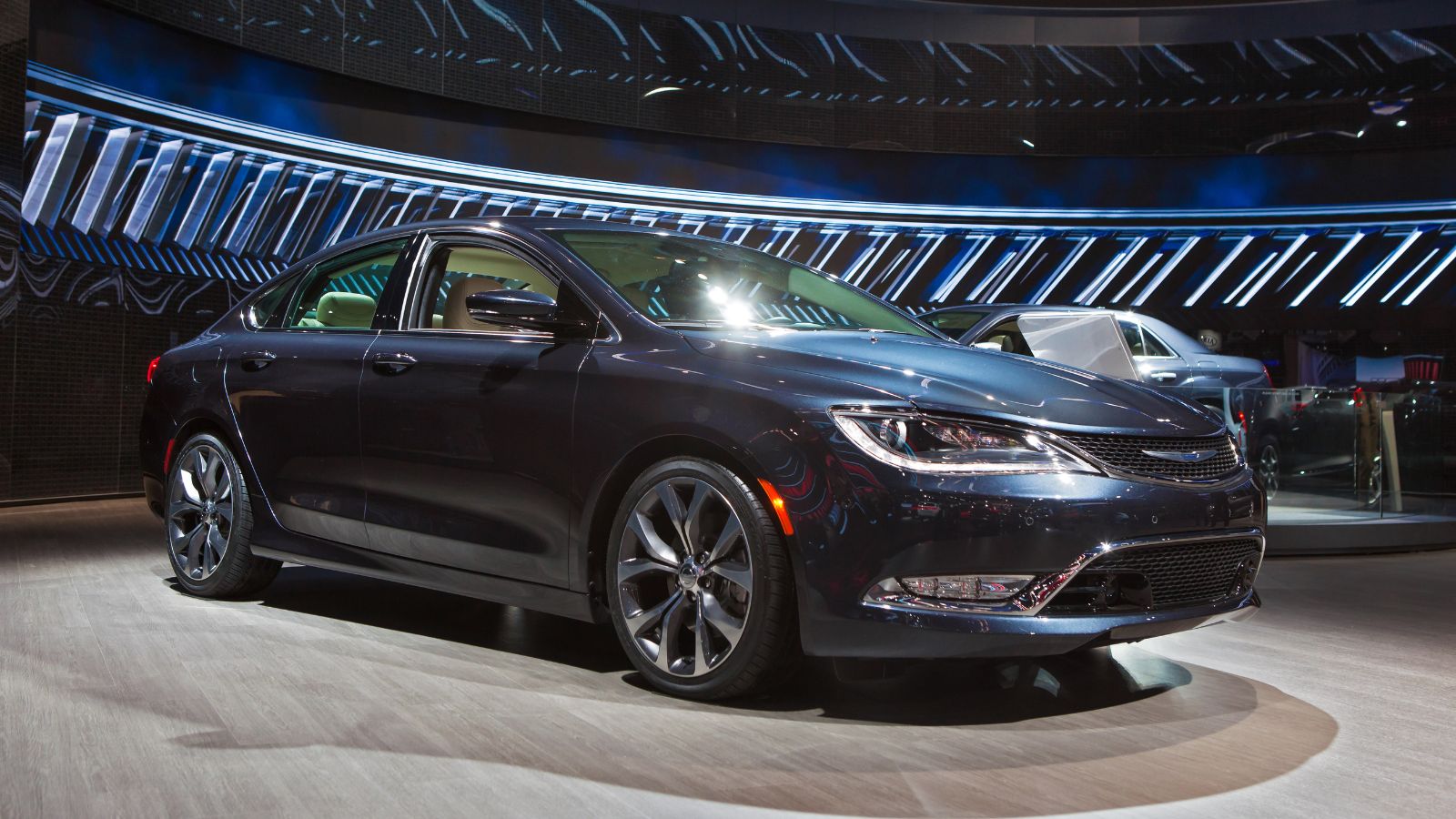
The Chrysler 200 looked promising when it returned with sleeker styling, a nicer cabin, and available V6 power. It was positioned as a more polished midsize sedan, and Canadian buyers could find well-equipped versions at attractive prices. The problem is that the car’s short production run and mixed reputation made it age quickly. When a vehicle disappears from showrooms after only a few years, shoppers often start wondering about resale demand, parts support, and long-term desirability.
The 2015–2017 Chrysler 200 also became linked to FCA’s nine-speed automatic transmission discussions and recalls in certain applications. Even drivers who liked the car’s comfort often noticed that resale values were not especially kind. For Canadians browsing used sedans, a Chrysler 200 can appear loaded for the money, but that discount often reflects market hesitation. A car that once tried to compete with mainstream sedan leaders now feels more like a niche used buy requiring extra care.
Dodge Dart
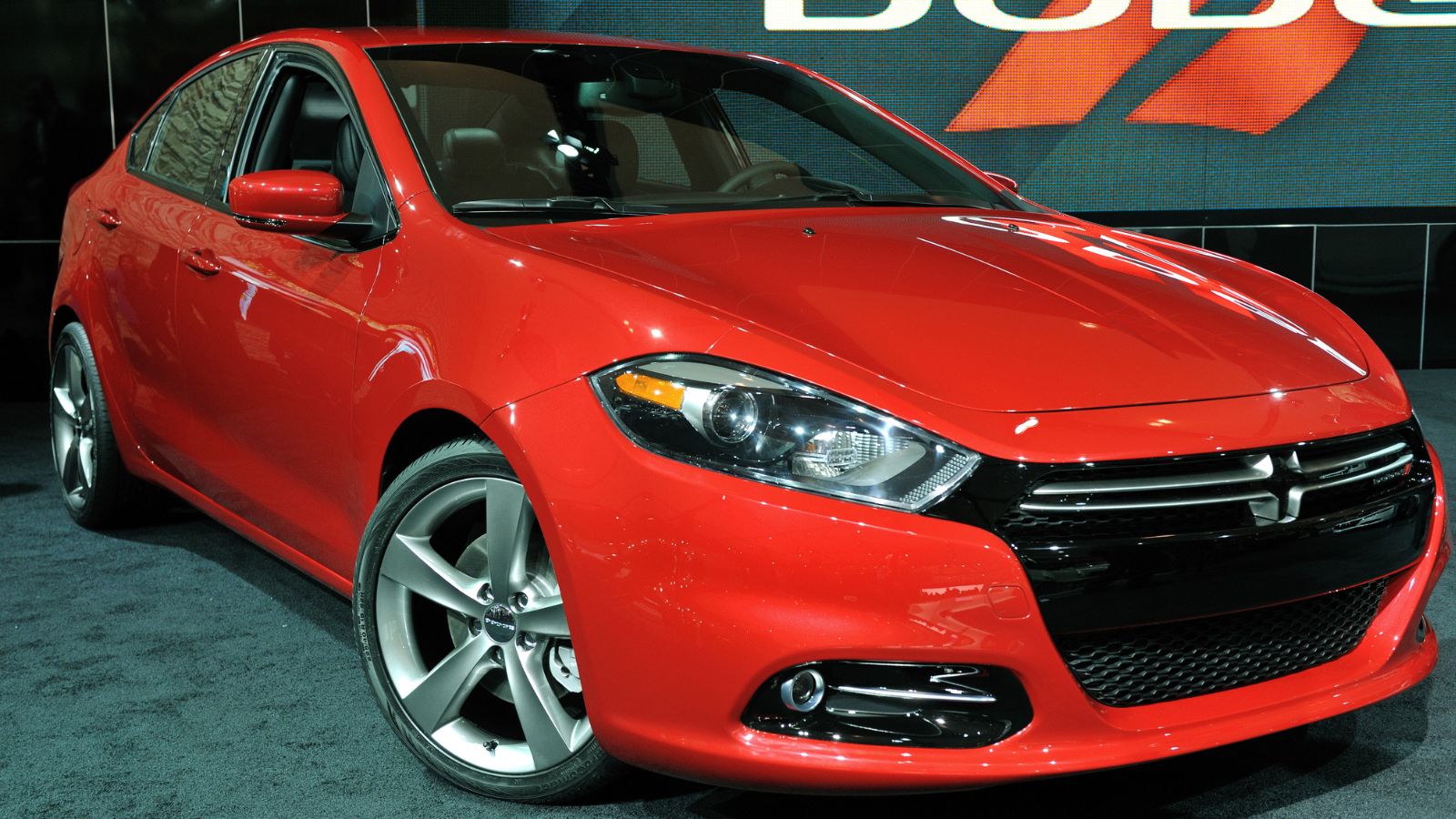
The Dodge Dart was supposed to give Dodge a serious compact sedan again. It had Italian-derived underpinnings, bold styling, and a name that carried nostalgic weight. For Canadians wanting something different from a Civic or Corolla, the Dart looked like a fresh alternative. Unfortunately, the car never built the reputation needed to become a lasting used-market favourite, and production ended after a short run from the 2013 to 2016 model years.
That short lifespan matters. Cars that disappear quickly can become harder to sell, especially if the brand shifts away from that segment entirely. The Dart also faced recalls and reliability concerns that made shoppers cautious. In 2025, news that a handful of “new” Darts were still being sold years after discontinuation only reinforced how oddly the model has lingered. For Canadians, the Dart may still function as basic transport, but it aged more like an abandoned experiment than a long-term compact contender.
Volkswagen Jetta
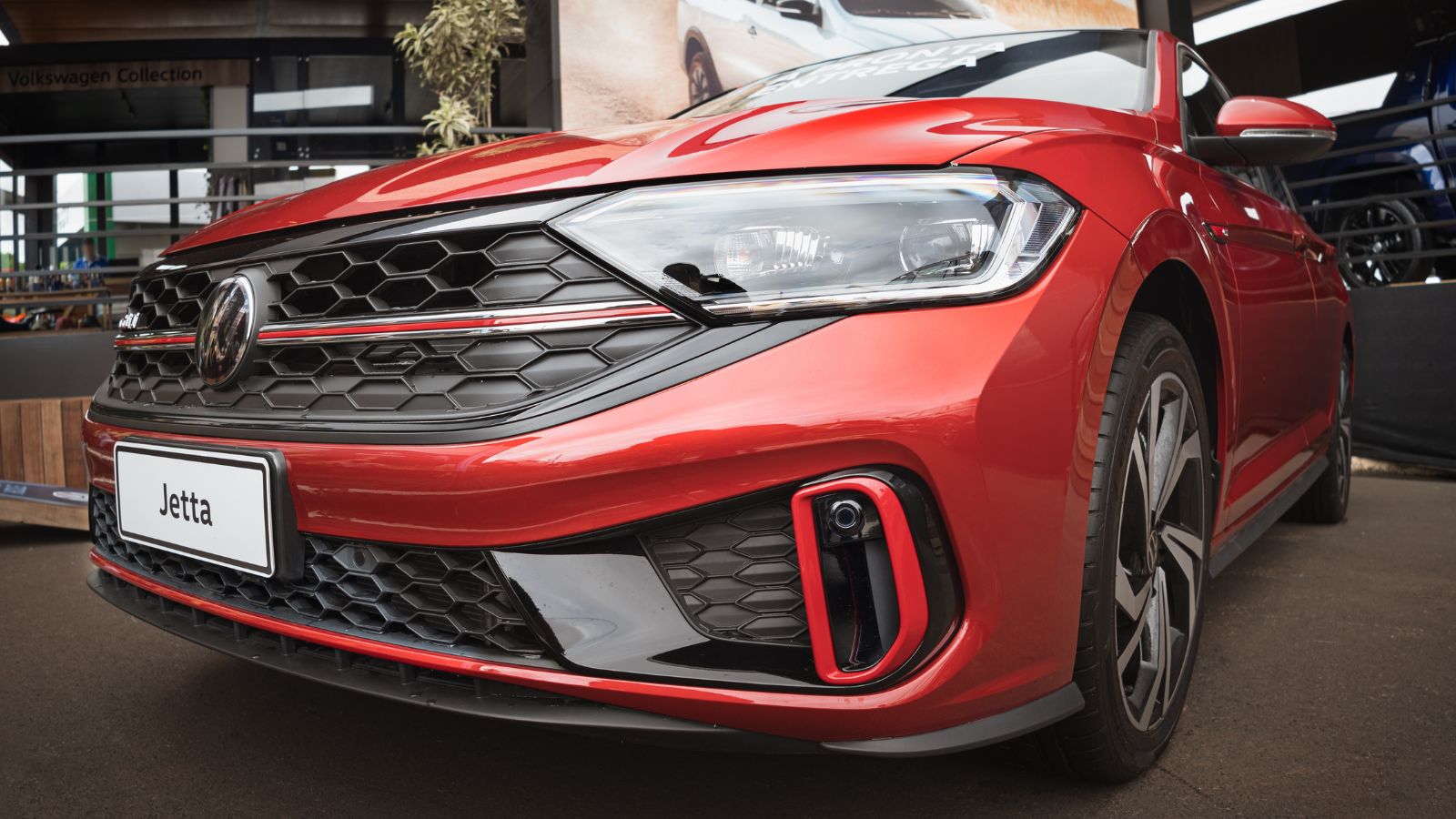
The Volkswagen Jetta has always had a loyal Canadian following because it feels more European than many compact sedans. The cabin, road feel, and available turbocharged engines gave it a premium edge that appealed to buyers who wanted something more grown-up than a typical economy car. But some older Jetta and related Volkswagen models became associated with timing-chain tensioner concerns, especially on certain EA888 engine applications.
That kind of issue can turn a nice-driving used car into a higher-stakes purchase. If a timing-chain system fails, the repair can be far more expensive than routine maintenance, and buyers often need to verify whether updates or repairs have already been completed. The Jetta can age beautifully when maintained properly, but it is less forgiving of neglect than simpler compact rivals. In Canada, where used-car shoppers often want predictable winter transportation, that maintenance sensitivity can make older turbocharged Jettas feel riskier than expected.
Mini Cooper
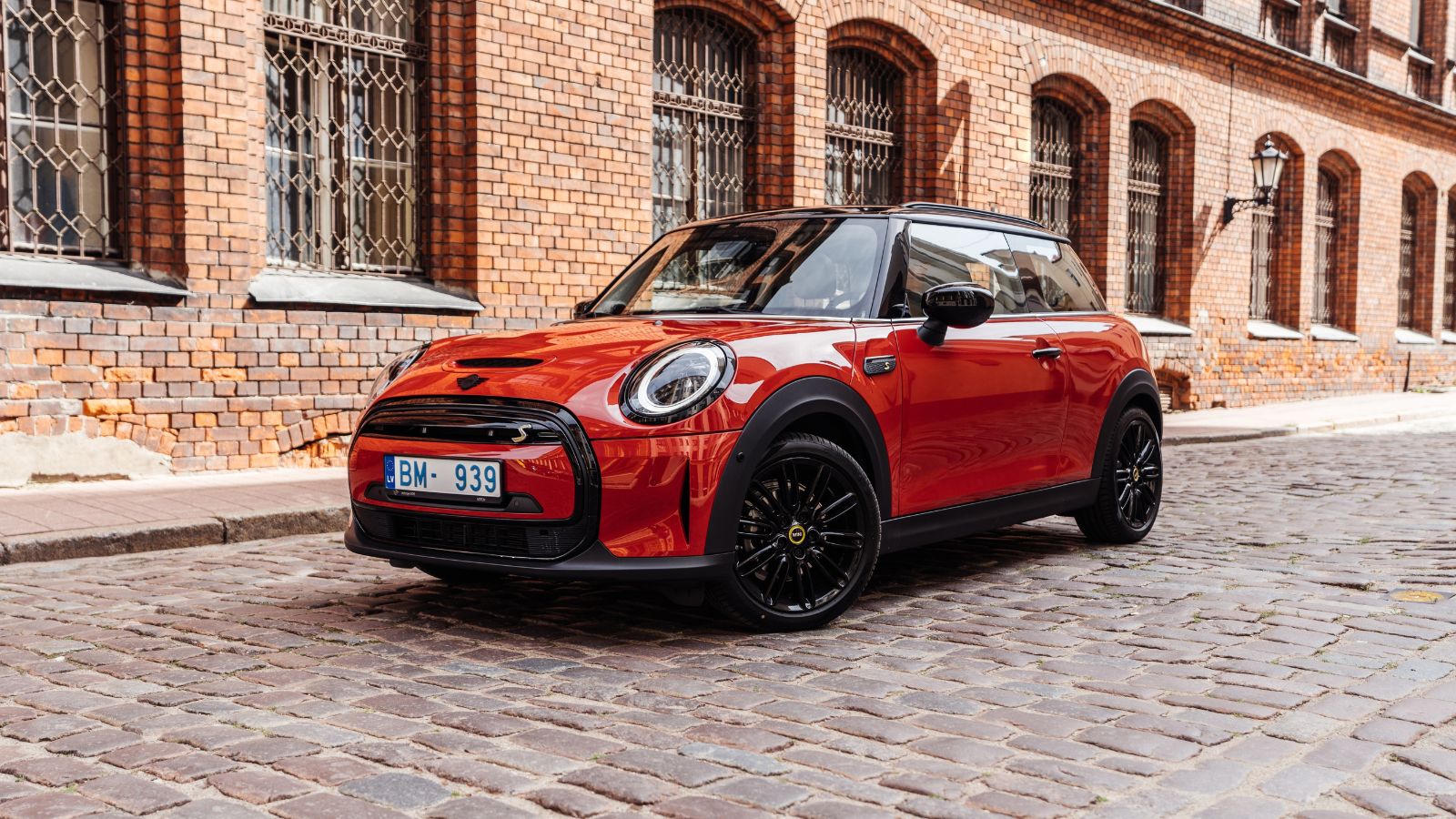
The Mini Cooper has personality that few small cars can match. It is fun to drive, easy to park, and distinctive enough to make an ordinary commute feel more special. That charm has helped many Canadians overlook its tight rear seat, small cargo area, and firm ride. But charm does not erase repair bills, and some older Mini Cooper generations became known for expensive issues, including timing-chain-related complaints on certain models.
The Mini’s aging problem is that it is often bought emotionally and maintained like an economy car. That mismatch can become costly. Premium-brand engineering, cramped engine bays, and specialized parts can make repairs more expensive than buyers expect from such a small vehicle. A well-maintained Mini can still be a delight, especially for someone who values driving feel over practicality. But neglected examples can turn into expensive toys, particularly when Canadian winters expose worn suspension, weak batteries, and deferred maintenance.
Nissan LEAF
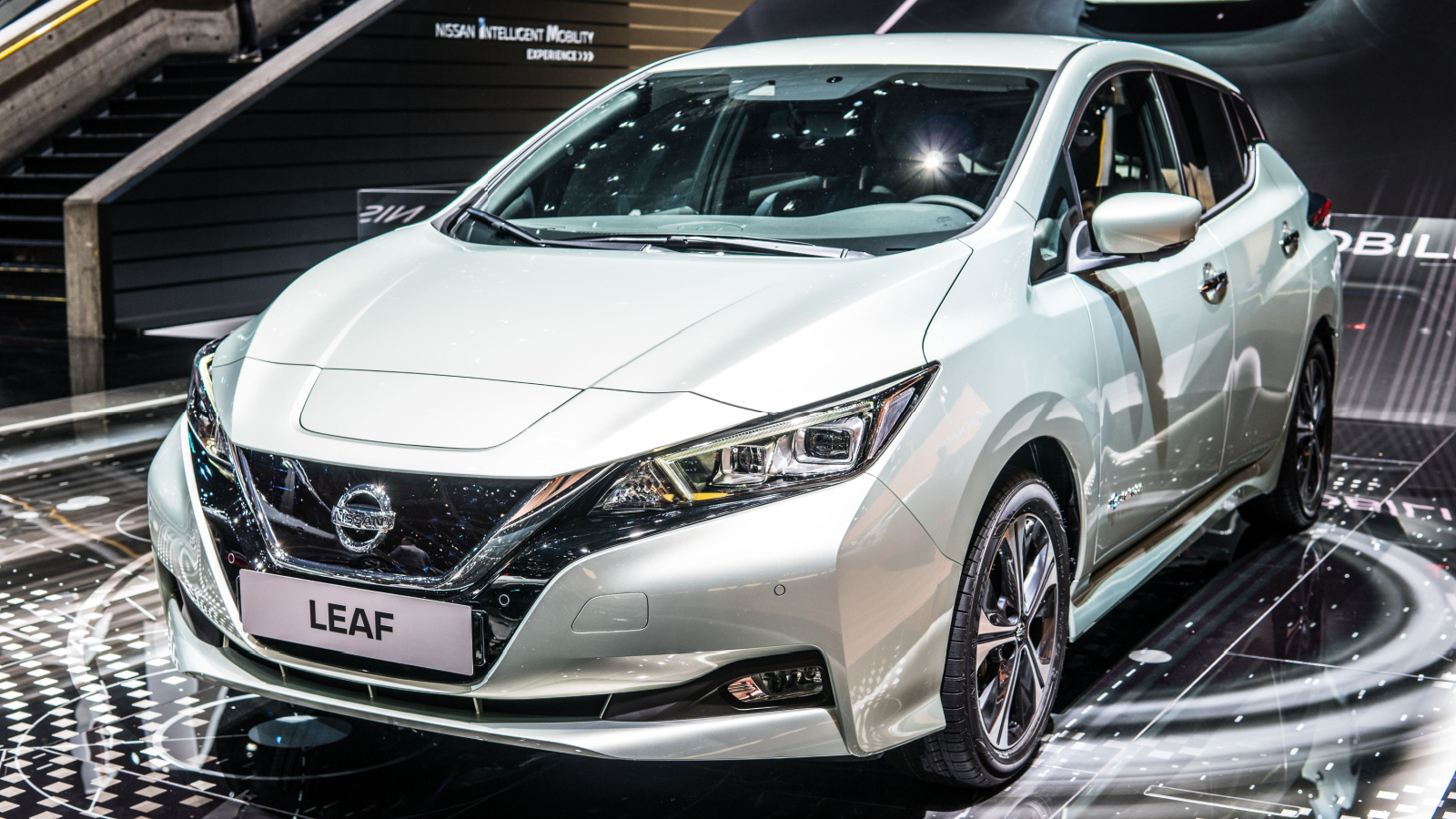
The Nissan LEAF deserves credit for making electric driving accessible long before many rivals entered the market. For Canadians with short commutes and home charging, older LEAFs can still make sense as second cars. They are quiet, simple to drive, and inexpensive to run when the battery is healthy. But the LEAF’s early advantage has also become part of its aging problem because EV technology moved quickly after it arrived.
Older LEAFs have to compete with newer EVs that offer longer range, faster charging, better thermal management, and more confidence in winter driving. Cold weather can reduce EV range significantly, and that matters in much of Canada. Used LEAF values also face pressure from battery-health concerns and the arrival of more capable electric models. A cheap LEAF can be a smart urban tool, but it may age poorly for drivers expecting flexible road-trip ability or strong resale value.
Tesla Model S
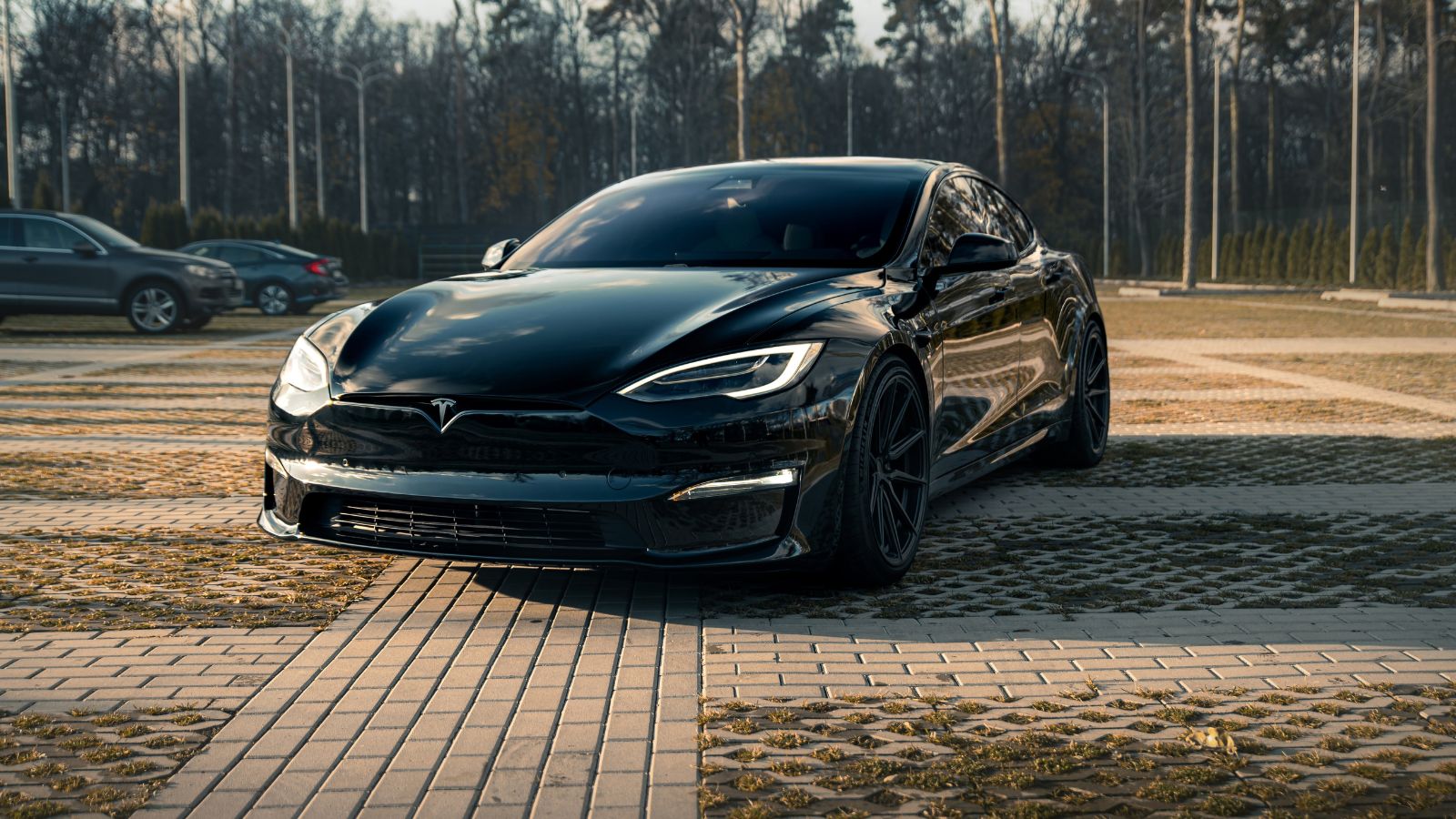
The Tesla Model S once looked like the future arriving early: fast, quiet, high-tech, and capable of making gasoline luxury sedans feel outdated overnight. In Canada, it gave early EV adopters a premium electric car with real range and access to Tesla’s charging network. But the oldest Model S examples are now deep into their second decade, and their aging profile is more complicated than the original excitement suggested.
Luxury EVs can depreciate sharply, and used Model S ownership can involve expensive components, aging screens, air suspension concerns, door-handle issues, battery questions, and changing software expectations. Tesla’s over-the-air updates are a strength, but they do not eliminate every hardware concern. For Canadians shopping used, the key issue is whether the car’s price properly reflects its age, battery condition, service history, and repair risk. A Model S can still feel futuristic, but older examples no longer feel automatically ahead of the curve.
BMW 3 Series

The BMW 3 Series has long been the sport-sedan benchmark, and many Canadians have bought used examples hoping to get premium performance for mainstream money. The temptation is obvious: sharp steering, refined engines, upscale interiors, and badges that still carry status. But depreciation can make a used BMW look cheaper than it really is. The purchase price may fall quickly, while maintenance and repair expectations remain firmly in premium territory.
That gap is where the aging disappointment often begins. Tires, brakes, suspension parts, electronic modules, oil leaks, cooling-system components, and dealer-level diagnostics can all cost more than buyers coming from mainstream sedans expect. A carefully maintained 3 Series can still be deeply rewarding, but the wrong one can become a lesson in why luxury cars depreciate. In Canada, winter tires, pothole damage, and corrosion-prone hardware can add another layer of cost to an already demanding ownership experience.
Fiat 500
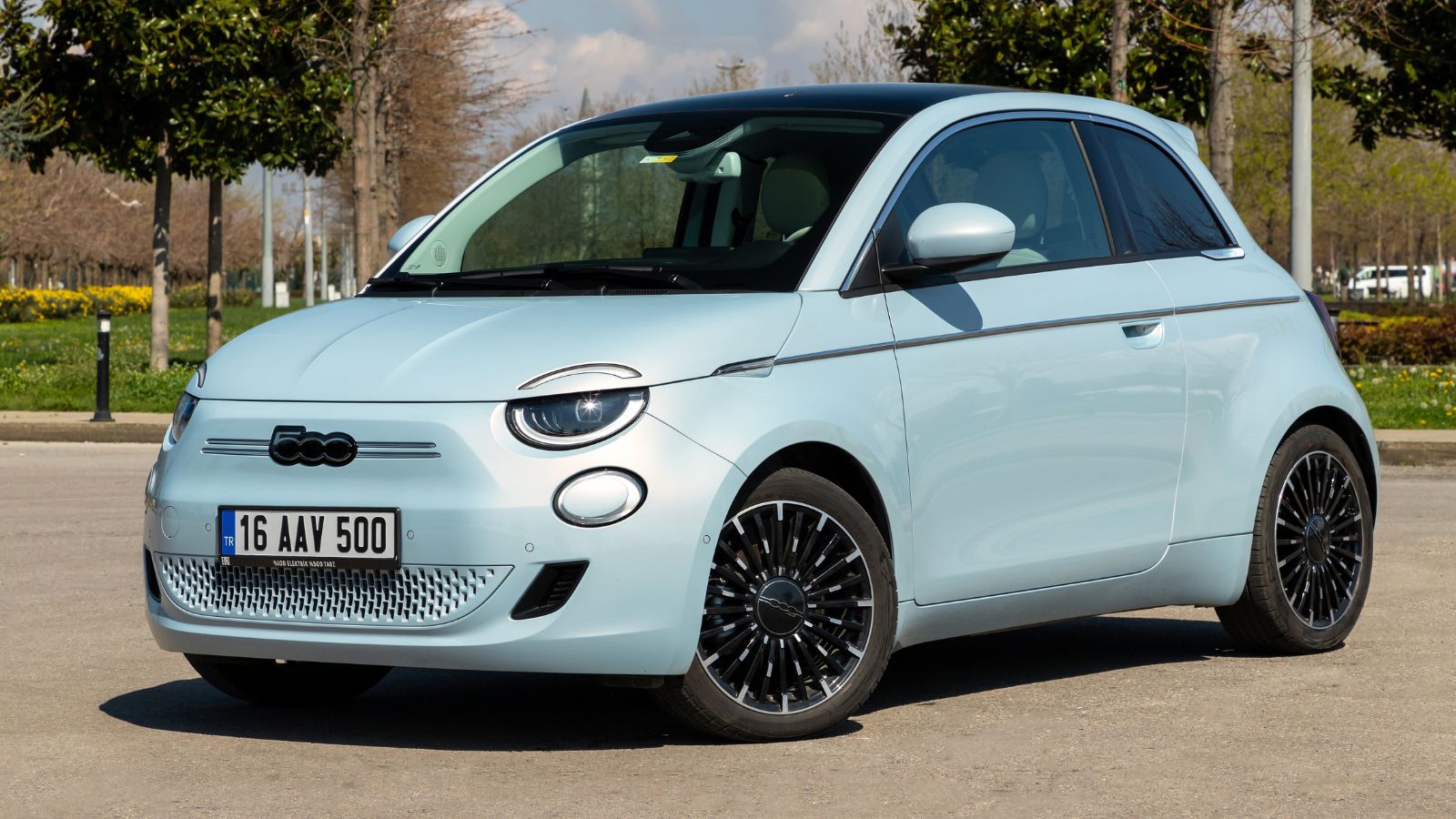
The Fiat 500 won attention with retro styling, tiny-car charm, and city-friendly dimensions. In dense Canadian neighbourhoods, it seemed perfect for tight parking and short urban trips. The Abarth version added character with its raspy exhaust and playful performance. But the 500’s small size, niche appeal, and brand retreat from parts of the North American market made it age in a way many buyers did not anticipate.
A used Fiat 500 can still be inexpensive and fun, but it is not as universally practical as a Honda Fit, Toyota Yaris, or Mazda2. Rear-seat space is limited, cargo room is modest, and winter confidence depends heavily on tires and maintenance. Resale values can also be soft because the buyer pool is narrow. For Canadians who love the look, the 500 may still make sense as a city car. For everyone else, it can feel like a cute purchase that became harder to justify with time.
22 Things Canadians Do to Their Cars in Spring That Mechanics Hate

Spring brings relief to many Canadian drivers after months of snow, freezing temperatures, and icy roads that put serious strain on vehicles. As temperatures rise across the country, drivers begin washing cars, switching tires, and preparing vehicles for warmer weather and upcoming road trips. However, mechanics across Canada notice the same mistakes every spring when drivers attempt to recover from winter damage. Road salt, potholes, and harsh winter driving conditions often leave vehicles with hidden problems that drivers ignore. Some spring habits even create new mechanical issues that could have been avoided with proper maintenance. Here are 22 things Canadians do to their cars in spring that mechanics hate.