























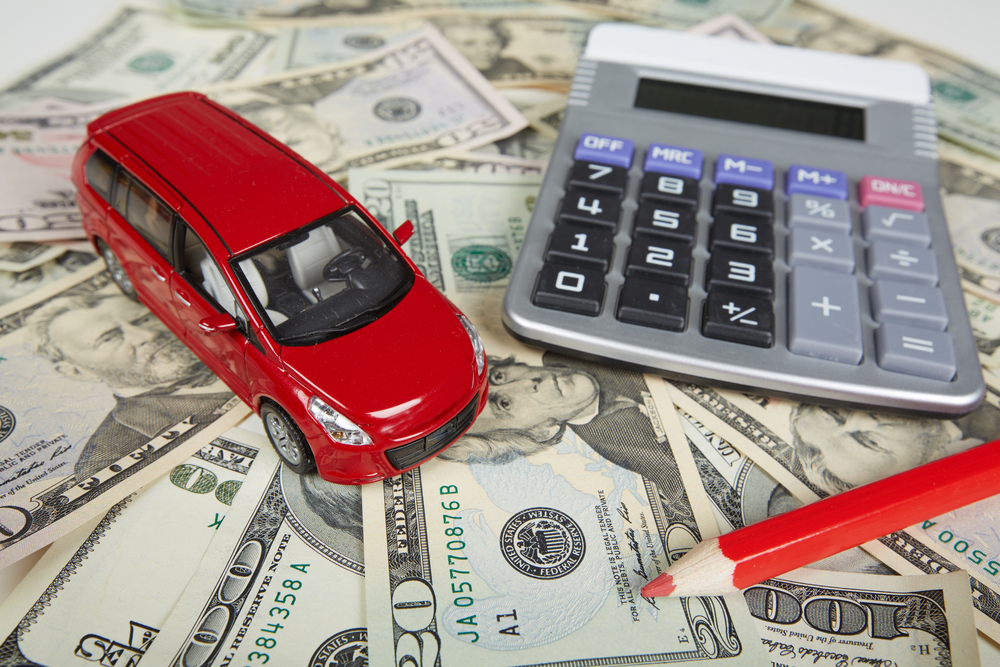
Buying a car in Canada rarely ends at the sticker price. Many buyers focus on monthly payments and interest rates. Few study the long list of charges added at the dealership desk. Some fees are legitimate and required. Others are vague, padded, or poorly explained. A buyer may notice them only after signing the contract. These small charges can quietly add hundreds or thousands to the total price. The problem grows worse when buyers rush the paperwork process. Here are 24 car dealership fees Canadians are paying without realizing it.
Documentation Fee

Documentation fees appear on almost every dealership contract in Canada. The charge supposedly covers the processing and filing of paperwork. Dealers often claim that the fee covers administrative work. In reality, the paperwork takes only minutes. Many buyers assume this fee is required by law. It is not regulated in most provinces. Fees can range from $300 to more than $900. The amount varies widely between dealerships selling the same vehicle. Buyers rarely question it during negotiations. Some dealers refuse to remove it but may reduce the car price instead. Always ask what the fee covers before signing. Documentation charges often hide easy profit.
Dealer Preparation Fee

Dealer preparation fees claim to cover the cost of preparing the vehicle for delivery. The charge often appears on both new and used car purchases. Preparation typically includes washing the car and checking fluids. These tasks take little time for service staff. Many manufacturers already pay dealerships for basic preparation work. Despite this, buyers still see extra charges on invoices. Fees often range between $100 and $500. Some dealerships include vague descriptions that confuse customers. Buyers assume preparation is mandatory before driving away. In many cases, the cost is simply added profit. Ask whether preparation is already included in the vehicle price.
Administration Fee

Administration fees look similar to documentation charges but appear as separate line items. Dealers describe them as costs for internal processing. The explanation often remains vague. Buyers rarely receive details about what the fee covers. The charge sometimes duplicates work already included in other fees. Amounts usually range from $200 to $600. Some dealerships apply the fee automatically during financing discussions. Customers may focus on loan terms and overlook the added cost. The charge may not appear until the final bill. Always review every line in the purchase agreement. Administration fees often hide among other routine-looking costs.
Vehicle Registration Handling Fee
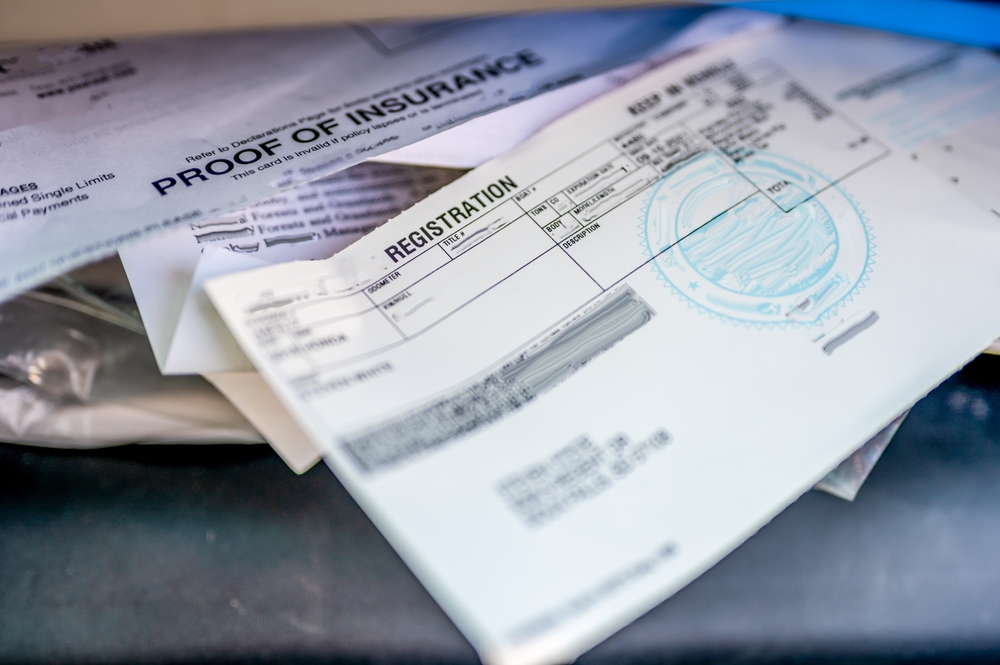
Many dealerships charge a fee for submitting vehicle registration paperwork. The dealer usually handles the process with the provincial registry office. The task involves filing forms and paying the government registration fee. The government fee itself is legitimate. The dealership handling charge often adds extra cost. Buyers may pay an additional $50 to $200 for this service. Some provinces allow dealerships to charge the fee freely. Others limit how much dealers can add. Customers sometimes assume the charge comes from the government. In reality, the dealership sets the amount. Ask for a breakdown between government registration costs and dealer service charges.
VIN Etching Fee
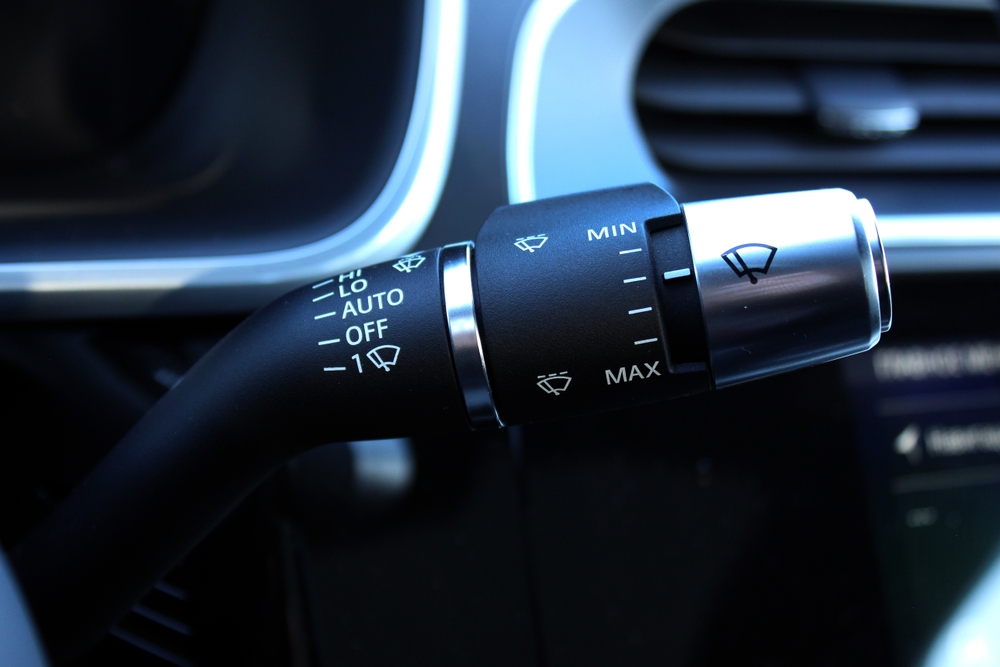
VIN etching involves engraving the vehicle identification number on windows. Dealers claim the service deters theft and helps police recover stolen cars. Many dealerships automatically add the charge to purchase contracts. Fees typically range from $200 to $500. Insurance companies sometimes offer small discounts for vehicles with VIN etching. The discount rarely matches the cost of the service. Some buyers never requested the option in the first place. Dealers may say the service was already completed on the vehicle. Customers still have the right to question the charge. VIN etching can become an expensive add-on with little real value.
Tire and Rim Protection Fee
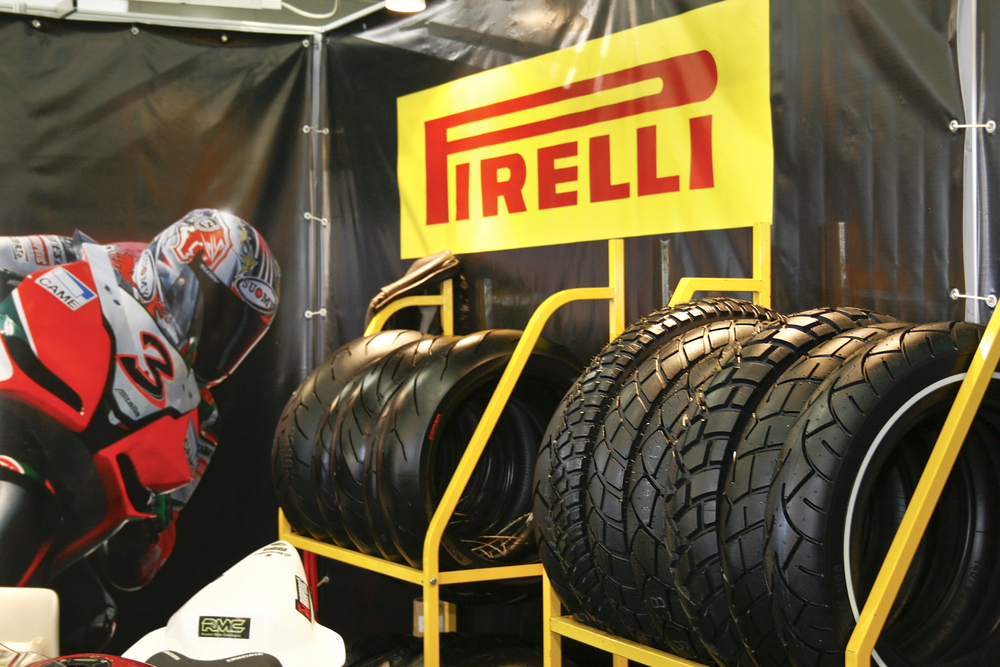
Tire and rim protection plans promise coverage for damage caused by potholes or road debris. Canadian roads, especially after winter, often suffer from pothole damage. Dealers use this fact during sales pitches. The protection plan can cost between $400 and $900. Coverage terms vary widely between providers. Some plans limit how many repairs a driver can claim. Others exclude cosmetic wheel damage entirely. Buyers sometimes think the plan comes from the vehicle manufacturer. In reality, many dealerships sell third-party protection products. Drivers who rarely hit potholes may never use the coverage. Carefully read the policy before paying for protection.
Paint Protection Package
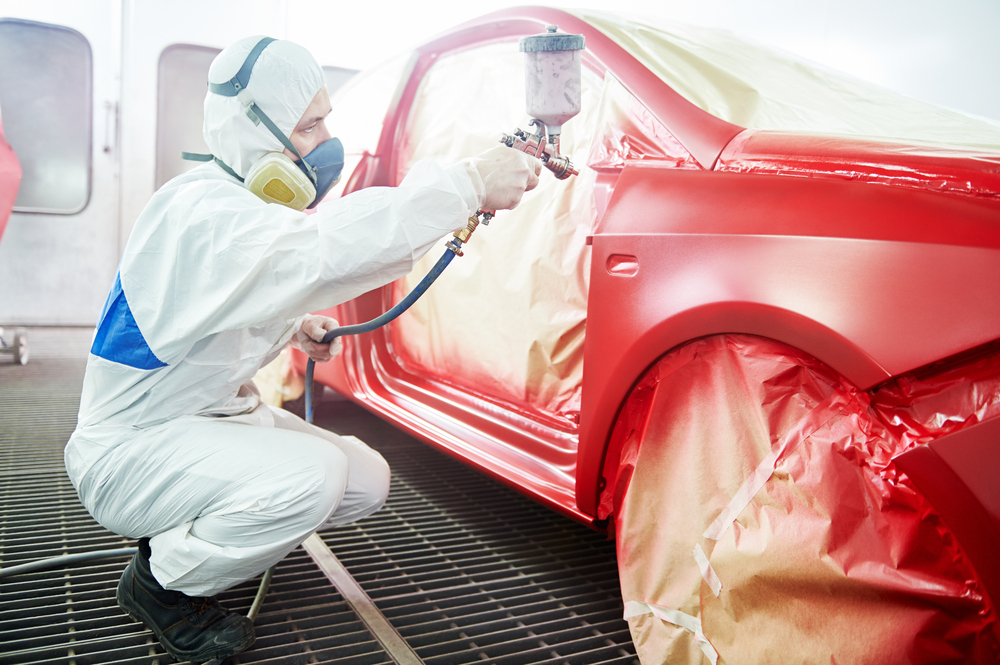
Paint protection packages often include wax coatings or synthetic sealants. Dealers claim the treatment protects against weather and road salt. Canadian winters make this offer sound appealing. The cost often ranges from $500 to over $1,200. The actual materials cost much less. Many detailing shops offer similar treatments for lower prices. Some dealerships apply the coating quickly before delivery. Buyers may believe the package comes from the manufacturer. Most treatments are applied by dealership staff. The protection rarely lasts as long as promised. Regular washing and waxing can provide similar benefits. Always compare detailing prices outside the dealership.
Nitrogen Tire Inflation Fee

Some dealerships advertise nitrogen-filled tires as a premium feature. Nitrogen is supposedly more consistent in maintaining tire pressure than regular air. The benefit exists but remains small for most drivers. Dealerships sometimes charge $50 to $150 for the service. Air already contains about 78 percent nitrogen. The difference rarely matters in everyday driving. Tire pressure changes mostly due to temperature swings. Drivers can refill tires with normal air at any service station. Many buyers never notice the nitrogen charge on the bill. Dealers may include it in preparation packages. Ask whether the service is optional before paying.
Key Replacement Protection Fee
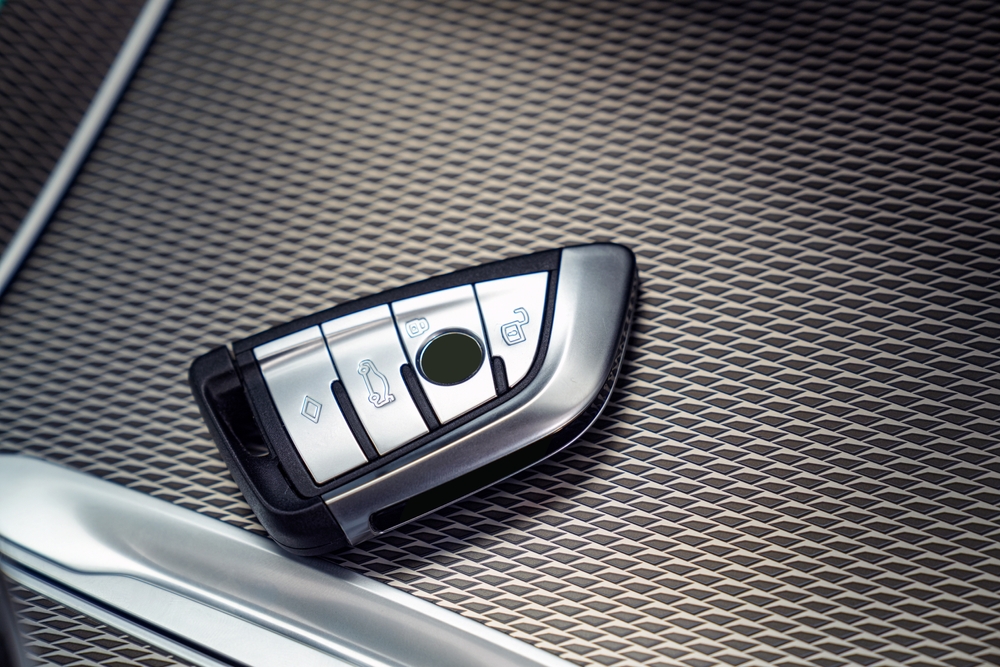
Modern car keys contain electronic chips and remote features. Replacing a lost key can cost several hundred dollars. Dealerships often sell key protection programs to cover replacement costs. The plan usually costs between $200 and $600. Coverage often lasts several years. Some policies limit the number of replacements allowed. Buyers may already have similar coverage through insurance. The dealership rarely mentions this possibility. Customers may assume the protection comes from the manufacturer. Many plans come from third-party warranty companies. Always compare the cost of replacement keys before purchasing the protection program.
Wheel Lock Fee
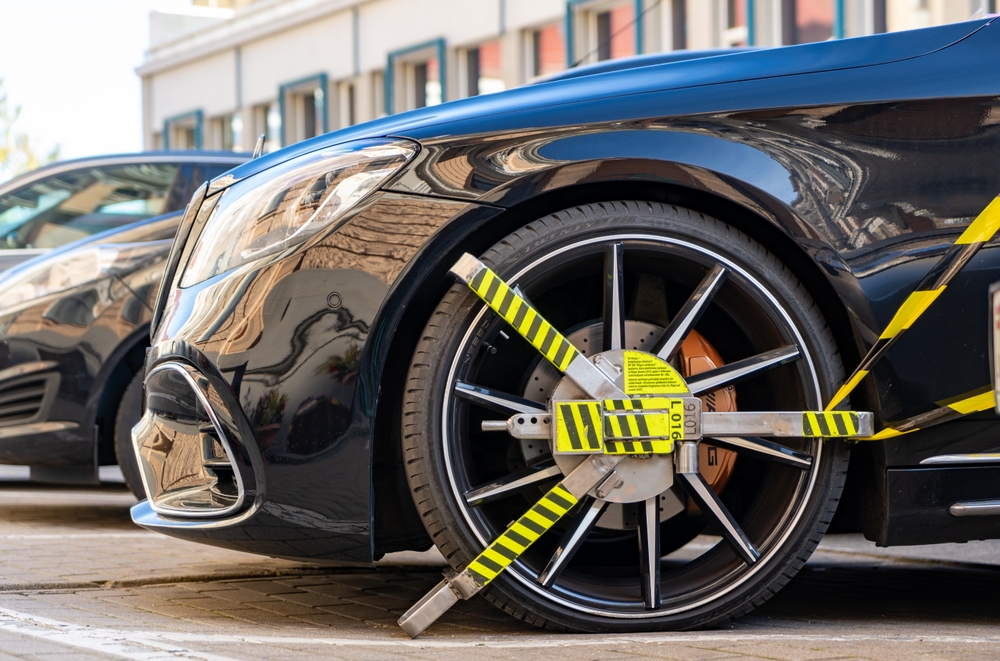
Wheel locks replace one lug nut on each wheel. The special lock prevents thieves from easily removing the wheels. Dealers often install wheel locks during vehicle preparation. Buyers later see a $50 to $150 charge on the invoice. The product itself costs far less online. Some vehicles already include wheel locks as standard. Many buyers never requested the installation. The dealership may claim the locks were added for safety. Drivers living in low-theft areas may not need them. Always confirm whether the locks were optional. Removing the charge may slightly reduce the purchase price.
Anti-Theft Registration Fee
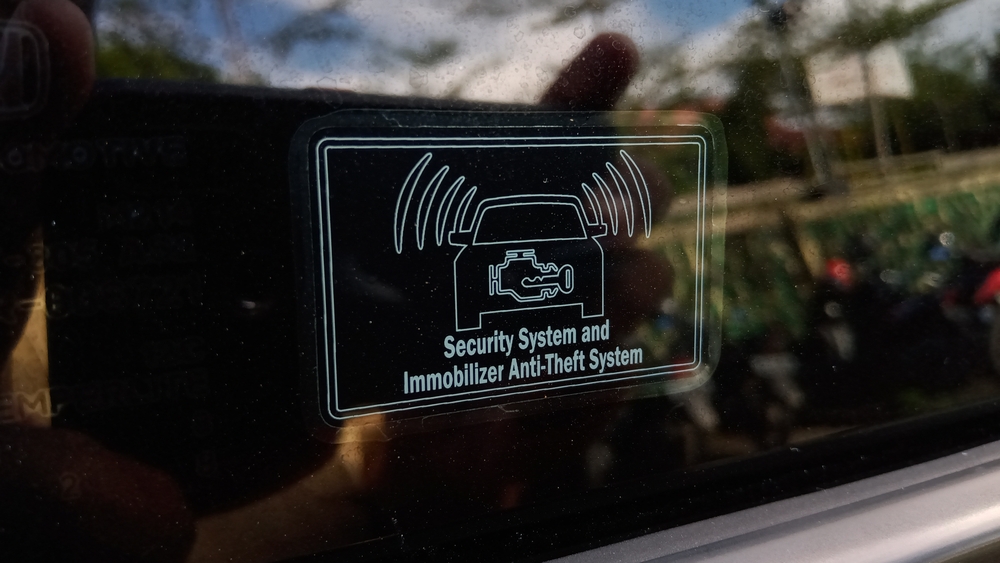
Dealerships often enroll vehicles in theft recovery databases. Programs track stolen vehicles using registration numbers. Dealers may charge $200 to $400 for this enrollment. The service sometimes provides decals placed on windows. These decals supposedly discourage thieves. Many buyers never receive details about how the system works. Some programs simply record vehicle information in a database. Law enforcement already tracks stolen vehicles through national systems. Customers rarely realize they paid for duplicate services. Always ask what benefits the program actually provides. The anti-theft registration fee can quietly inflate the final bill.
Loan Processing Fee

Financing a vehicle through the dealership may include a loan processing charge. The fee covers paperwork related to the financing agreement. Dealers sometimes present it as a lender requirement. In many cases, the dealership sets the amount. Fees usually fall between $200 and $500. Buyers focused on monthly payments may overlook the extra cost. The charge appears near the end of the financing documents. Some lenders do not charge any processing fee. Customers can often negotiate the removal of the charge. Always ask whether the lender or dealership imposed the fee.
Extended Warranty Markup
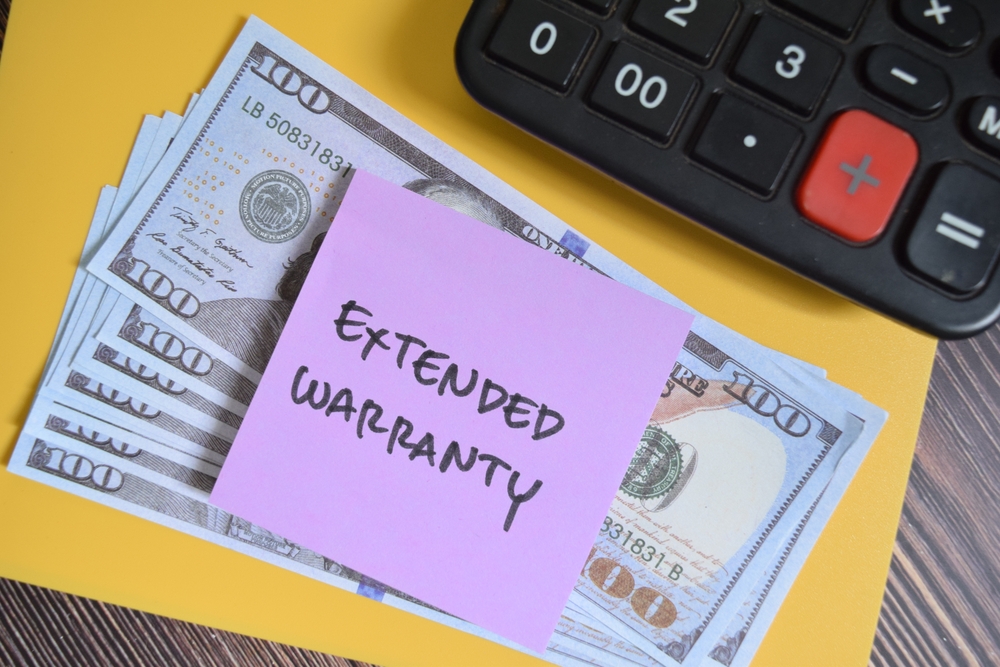
Extended warranties promise coverage after the factory warranty expires. Many dealerships strongly recommend these plans during financing discussions. The warranty itself comes from the manufacturer or a third-party company. Dealers often add significant markups to prices. A plan costing $1,200 wholesale might sell for $2,000. Buyers rarely see the base cost. Sales staff present the warranty as essential protection. Some vehicles already have reliable track records. Drivers may never need the extra coverage. Compare prices from other dealerships before buying. Warranty costs can vary widely for the same vehicle model.
Dealer Advertising Fee

Dealer advertising fees appear on some purchase agreements. The charge supposedly covers local marketing and promotions. Dealers claim they recover advertising costs through the fee. Buyers might see charges between $100 and $500. Customers rarely receive proof of how the money is used. Some manufacturers already include marketing support in dealership agreements. The fee may appear automatically in the vehicle price breakdown. Many buyers assume the charge comes from the manufacturer. In reality, the dealership sets the amount. Always ask whether the fee can be removed during negotiations.
Fuel Charge
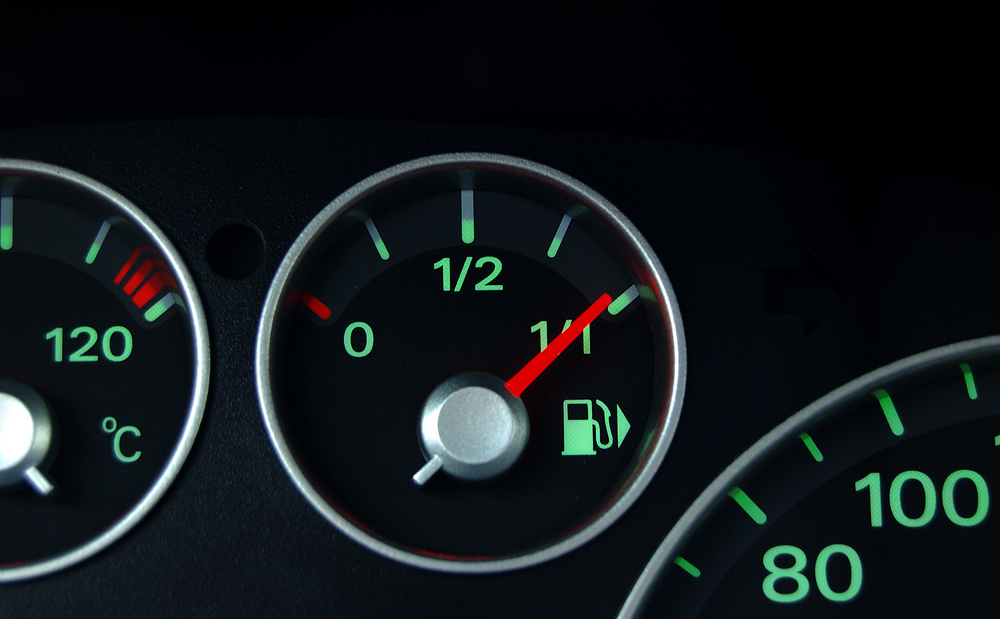
Most buyers expect a full tank of fuel with a new vehicle purchase. Some dealerships add a fuel charge instead. The cost usually appears as $50 to $150 on the invoice. Dealers claim it covers the fuel used before delivery. Buyers often believe the fuel comes free with the car. The charge sometimes appears even when the tank is only half full. Customers rarely notice the line item during paperwork. Dealers may include it in preparation packages. Always check the fuel level before leaving the lot. Question the charge if the vehicle arrives with little fuel.
Safety Inspection Fee
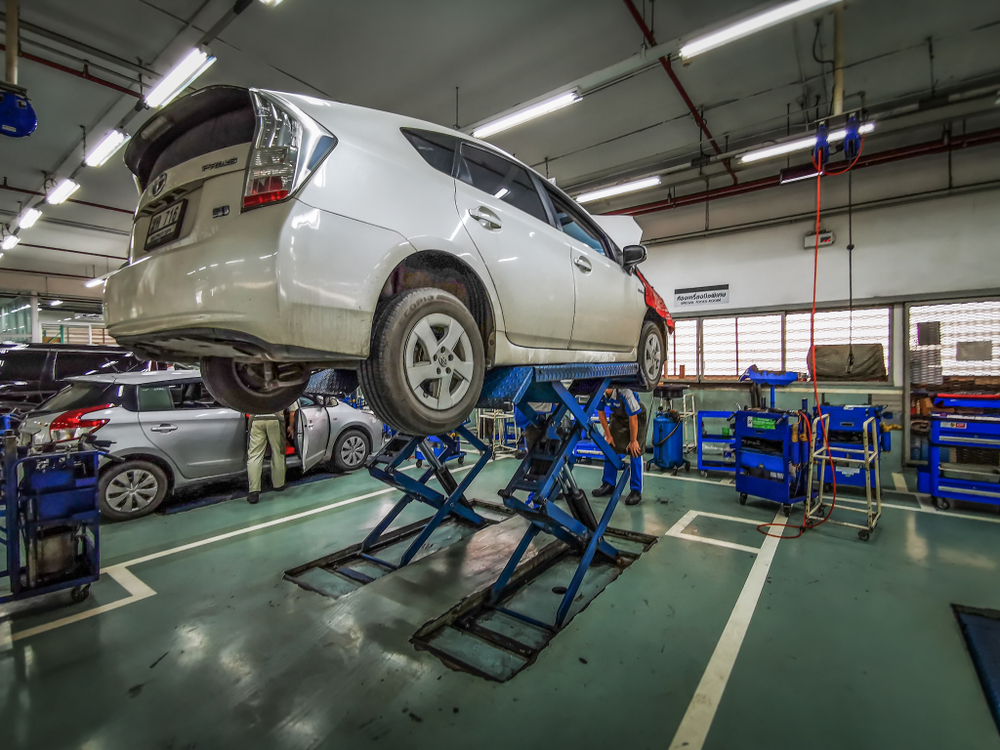
Used vehicles often require safety inspections before sale. The inspection checks brakes, lights, and other essential components. Some provinces require this step before registration. Dealerships sometimes charge extra for performing the inspection. Fees may range from $100 to $200. The inspection cost may already be included in the vehicle price. Buyers may unknowingly pay twice for the same service. Dealers rarely explain whether the fee covers government requirements. Always ask if the inspection was mandatory or optional. Clarifying this detail can prevent unnecessary charges.
Delivery Fee Add On
Manufacturers include freight or destination charges in vehicle pricing. These fees cover transportation from the factory to the dealership. Some dealers add extra delivery-related charges on top. Buyers may see an additional delivery handling fee. The charge might range from $100 to $400. Customers often assume it comes from the manufacturer. In reality, the dealership sets the extra amount. The fee sometimes appears under vague descriptions. Buyers focused on financing terms may miss the charge. Always compare the dealer invoice with the manufacturer price breakdown.
Credit Insurance Fee

Credit insurance protects the loan if the buyer becomes unable to pay. Coverage may include job loss, illness, or disability. Dealerships sometimes offer this insurance during financing discussions. The cost can add hundreds to the loan balance. Monthly payments increase slightly but remain noticeable over time. Many buyers already carry similar protection through workplace benefits. The dealership may not mention these alternatives. Customers sometimes think the insurance is required for loan approval. Most lenders do not require it. Always confirm whether credit insurance is optional before agreeing.
Gap Insurance Markup

Gap insurance covers the difference between the loan balance and vehicle value after a total loss. Many lenders recommend it for new vehicles. Dealerships often sell the coverage during financing. Prices at dealerships can reach $600 or more. Insurance companies sometimes offer the same coverage for far less. Buyers may not realize they have other purchasing options. Dealers may imply that the coverage must be purchased immediately. The pressure occurs during the final paperwork stage. Take time to compare prices before accepting the offer. Gap insurance may cost less through your regular insurer.
Interior Protection Package
Interior protection packages promise stain-resistant treatments for seats and carpets. Dealers often apply a spray coating before delivery. The package may include fabric protection or leather conditioning. Prices often range between $300 and $800. The treatment itself costs much less at professional detailers. Some vehicles already use stain-resistant materials from the factory. Buyers rarely receive proof of how the product was applied. Many customers assume the treatment lasts several years. Regular cleaning can provide similar results. Always ask whether the package was optional.
Window Tint Fee
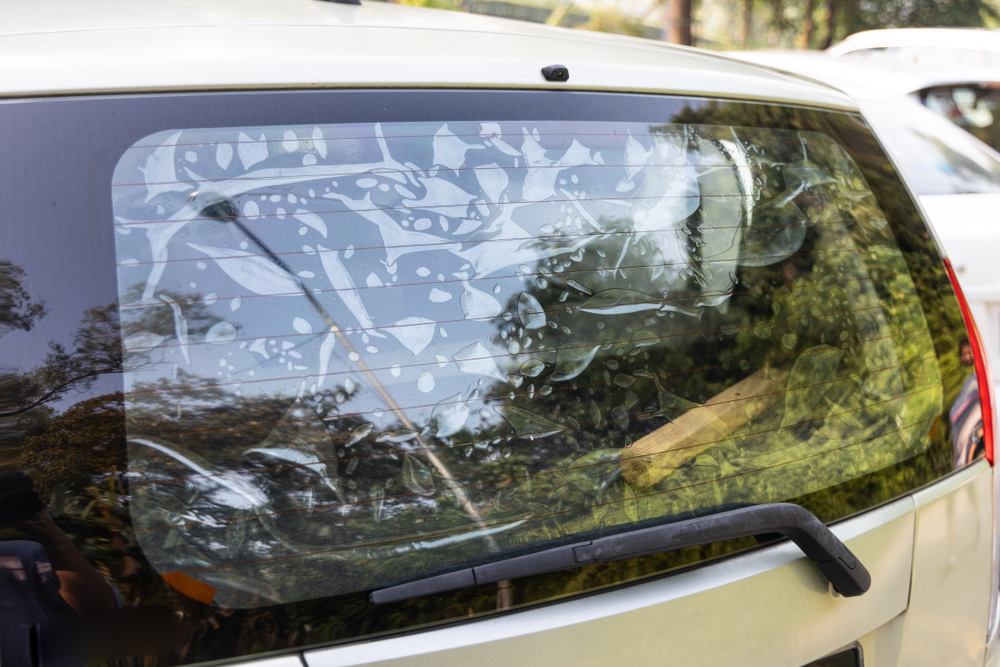
Some dealerships install window tint before placing vehicles on the lot. Buyers may see a tint charge on the purchase agreement. The price often ranges from $200 to $600. Independent tint shops usually charge less for the same work. The dealership may claim the tint was already applied. Buyers sometimes believe they must accept the charge. Customers can often request that the fee be removed during negotiations. Not all drivers want tinted windows. Provincial regulations also limit tint darkness. Always confirm whether the tint installation was optional.
Electronic Filing Fee

Electronic filing allows dealerships to submit paperwork digitally to government offices. The process speeds up registration and title transfers. Some dealerships charge customers for the convenience. Fees typically range between $25 and $75. The charge seems small, but it still adds to the total cost. Buyers rarely question minor fees during contract signing. Many government systems already support electronic filing without extra cost. The dealership may simply pass the expense to customers. Always ask if the fee reflects an actual government charge. Small administrative costs can accumulate quickly.
Dealer Inspection Certification Fee

Dealers often advertise certified pre-owned vehicles as safer purchases. Certification requires inspections and repairs before resale. Some dealerships charge extra for the certification label. Fees can reach several hundred dollars. Buyers may assume certification is included in the price. The added charge sometimes appears near the final paperwork stage. Certification standards vary between manufacturers. Some programs provide extended warranties and roadside assistance. Others offer limited benefits. Always ask what the certification includes. Understanding the details helps determine whether the fee is worthwhile.
Vehicle Transfer Fee

Vehicle transfer fees appear when dealers move cars between locations. Large dealership groups often shift inventory between cities. The dealer may charge the buyer for this transfer. Fees usually range from $100 to $500, depending on distance. Buyers may not request the transfer themselves. The dealership might move the vehicle to complete the sale. Customers sometimes think the fee is unavoidable. In many cases, it is negotiable. Always ask whether the dealer requested the transfer or the buyer did. Clarifying responsibility may remove the charge.
22 Groceries to Grab Now—Before another Price Shock Hits Canada

Food prices in Canada have been steadily climbing, and another spike could make your grocery bill feel like a mortgage payment. According to Statistics Canada, food inflation remains about 3.7% higher than last year, with essentials like bread, dairy, and fresh produce leading the surge. Some items are expected to rise even further due to transportation costs, droughts, and import tariffs. Here are 22 groceries to grab now before another price shock hits Canada.
22 Groceries to Grab Now—Before another Price Shock Hits Canada