























Most Canadians glance at a warranty and assume everything major is covered. The truth is less comforting. Automakers pack warranties with limits, exclusions, and conditions buried in small print. Some parts have shorter coverage than the headline warranty suggests. Others require strict maintenance records or dealer service visits. Miss those details, and you could face large repair bills. Many drivers only learn this after a claim gets rejected. A warranty still helps, but only if you understand the rules behind it. Here are 15 vehicles with warranty fine print Canadians keep missing.
Toyota RAV4
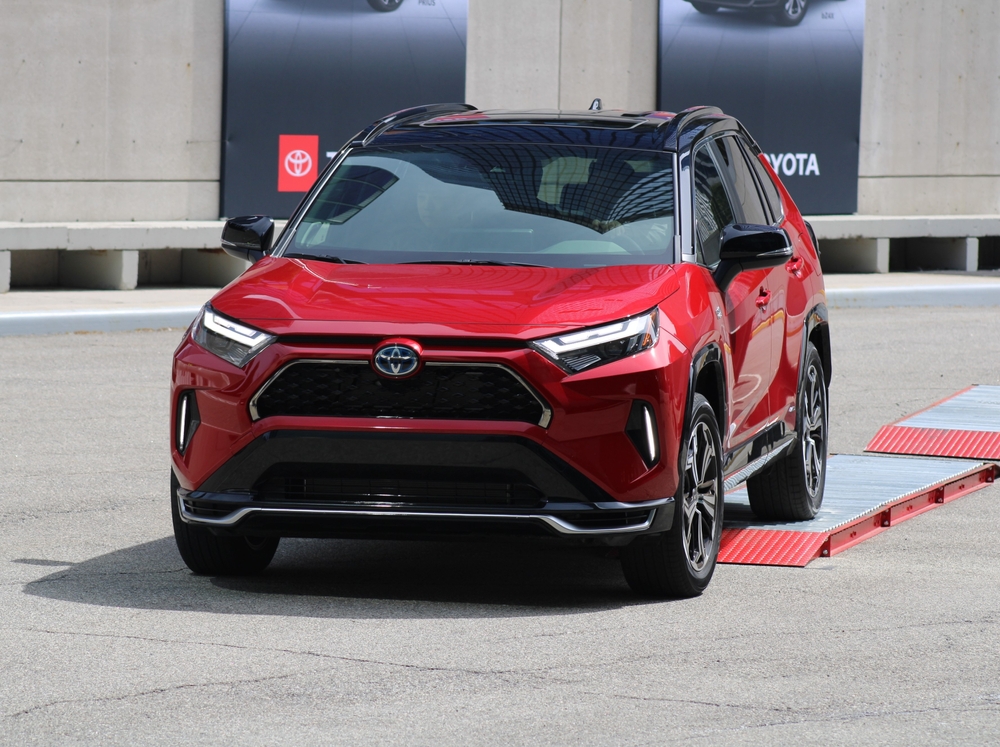
The Toyota RAV4 has a strong reputation for reliability. Many buyers assume that means generous warranty protection. Toyota’s basic warranty in Canada covers three years or 60,000 kilometers. The powertrain is covered for five years or 100,000 kilometers, whichever comes first. The fine print appears with wear items and electronics. Infotainment systems often receive shorter coverage. Hybrid battery coverage is longer, yet conditions apply. Owners must follow strict maintenance schedules. Missing service intervals can weaken claims. Toyota also excludes certain seals and gaskets after shorter periods. Many drivers assume everything mechanical is covered equally. It is not. The RAV4 remains dependable, but its warranty coverage varies more than many Canadians expect.
Honda CR-V
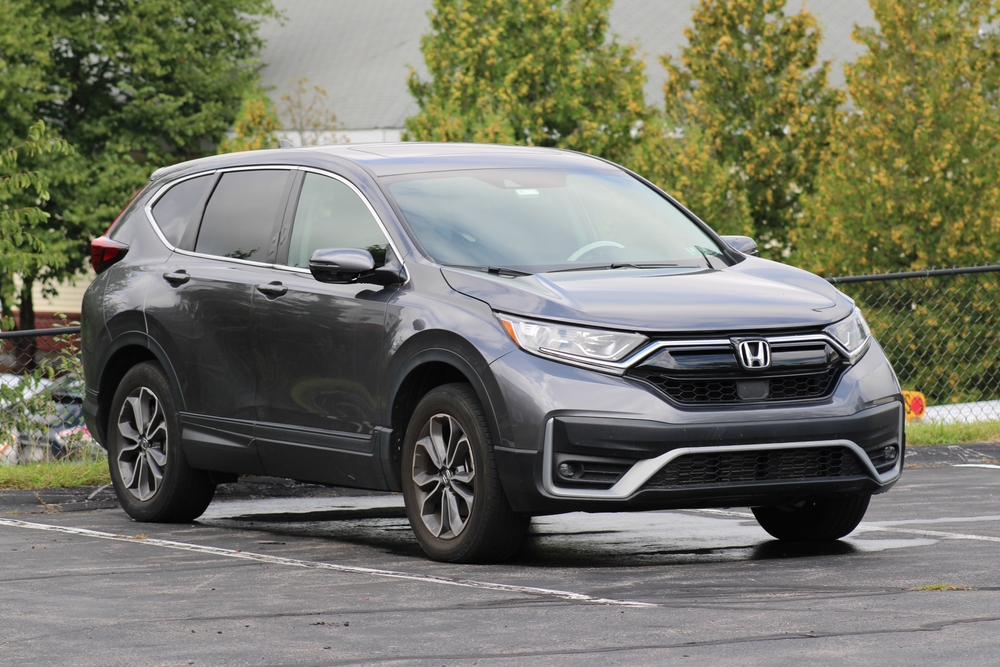
The Honda CR-V sells extremely well across Canada. Buyers trust Honda for durability. The warranty structure still contains details that many drivers overlook. Honda provides three years or 60,000 kilometers of comprehensive coverage. The powertrain extends to five years or 100,000 kilometers. That sounds simple until exclusions appear. Audio units and navigation systems sometimes have limited terms. Batteries and brake components count as wear items. Warranty claims can also require documented maintenance. Owners using independent shops must keep receipts. Missing paperwork creates problems during claims. Some drivers assume Honda’s reputation means fewer restrictions. The CR-V warranty works well, yet its fine print surprises owners more often than expected.
Ford F-150
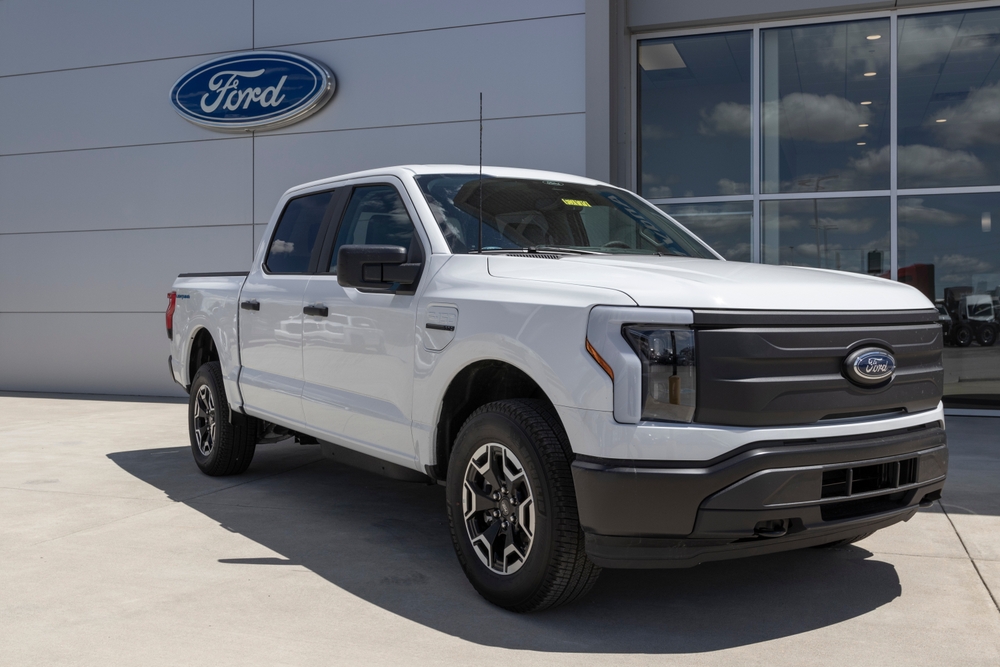
The Ford F-150 dominates Canadian truck sales. Buyers expect a strong warranty backing from such a popular vehicle. Ford provides three years or 60,000 kilometers of bumper coverage. The powertrain receives five years or 100,000 kilometers. The details become complex with turbocharged engines. EcoBoost models require careful oil maintenance records. Missing intervals can trigger claim disputes. Certain sensors and electronics fall under shorter protection periods. Suspension components also face limits because trucks experience heavy loads. Towing damage can fall outside warranty coverage. Some owners discover these rules after mechanical trouble appears. The F-150 warranty still protects major parts, but many drivers underestimate how closely Ford reviews maintenance history.
Chevrolet Silverado
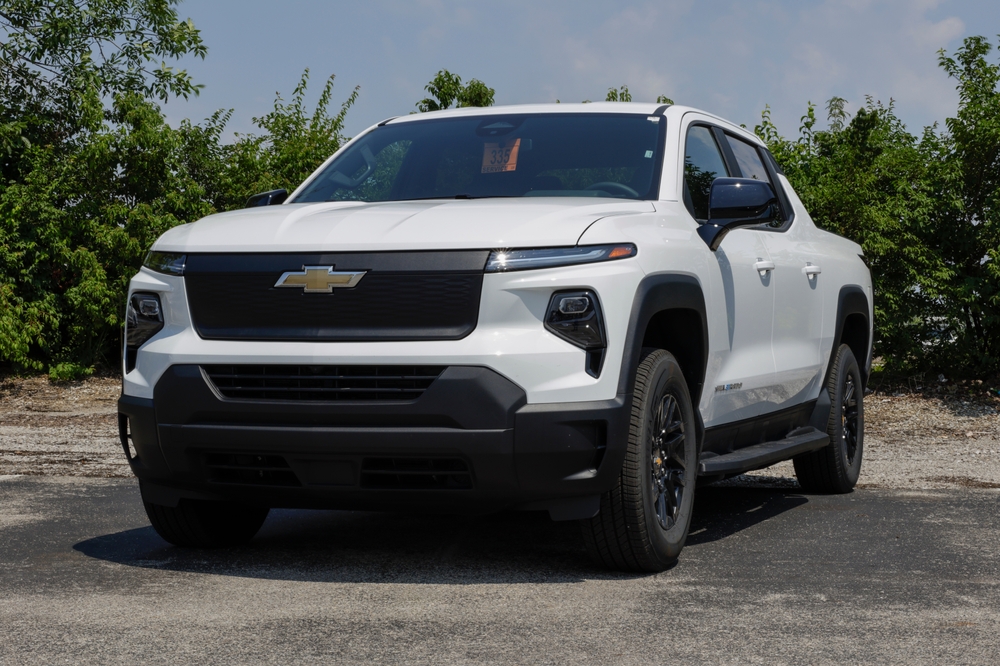
The Chevrolet Silverado competes directly with the F-150. Its warranty structure looks nearly identical on paper. Chevrolet offers three years or 60,000 kilometres of full coverage. The powertrain lasts five years or 100,000 kilometres. Problems arise with diesel models and emissions equipment. Some emission parts carry separate coverage rules. Diesel exhaust components also require proper maintenance. Heavy towing may complicate certain warranty claims. Suspension wear can appear earlier with work trucks. Chevrolet sometimes classifies those items as normal wear. Many owners assume heavy-duty trucks receive stronger coverage. The Silverado still provides reasonable protection. Yet several limits hide inside warranty documents that most drivers rarely read.
Tesla Model 3
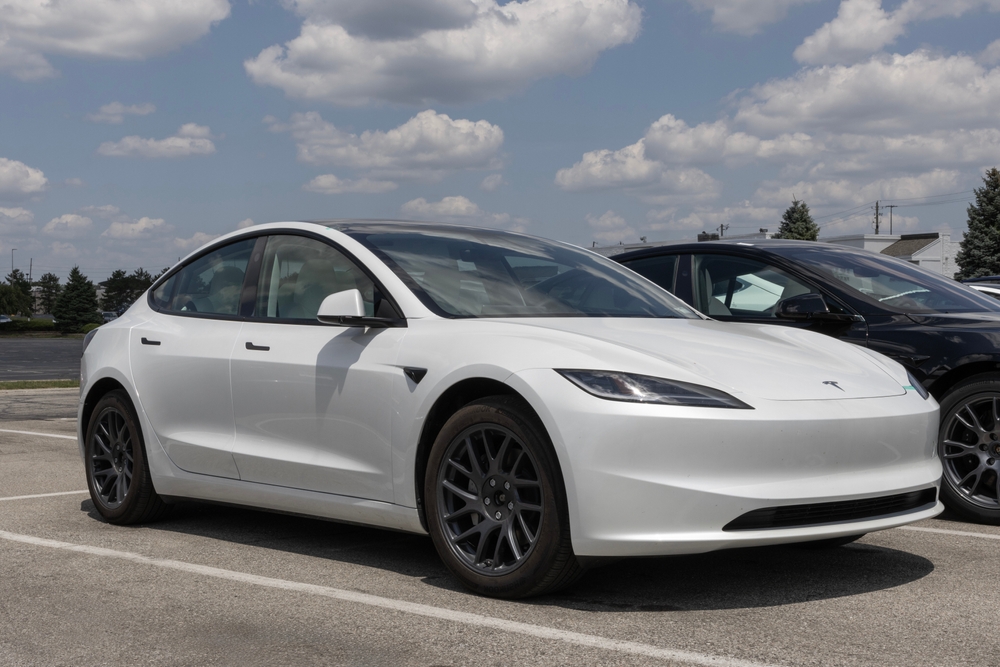
The Tesla Model 3 carries one of the more unusual warranty structures. Electric vehicles change how coverage works. Tesla provides four years or 80,000 kilometres of basic coverage. The battery and drive unit receive longer protection. That portion extends eight years with mileage limits. Owners often assume every battery problem qualifies. The fine print introduces conditions. Battery degradation must reach specific thresholds before replacement. Software-related issues also create confusion. Many problems are addressed through updates instead of warranty repairs. Interior items have shorter coverage periods. Tesla owners enjoy fewer mechanical parts. The Model 3 warranty still includes technical conditions many buyers overlook when purchasing an electric vehicle.
Kia Sportage
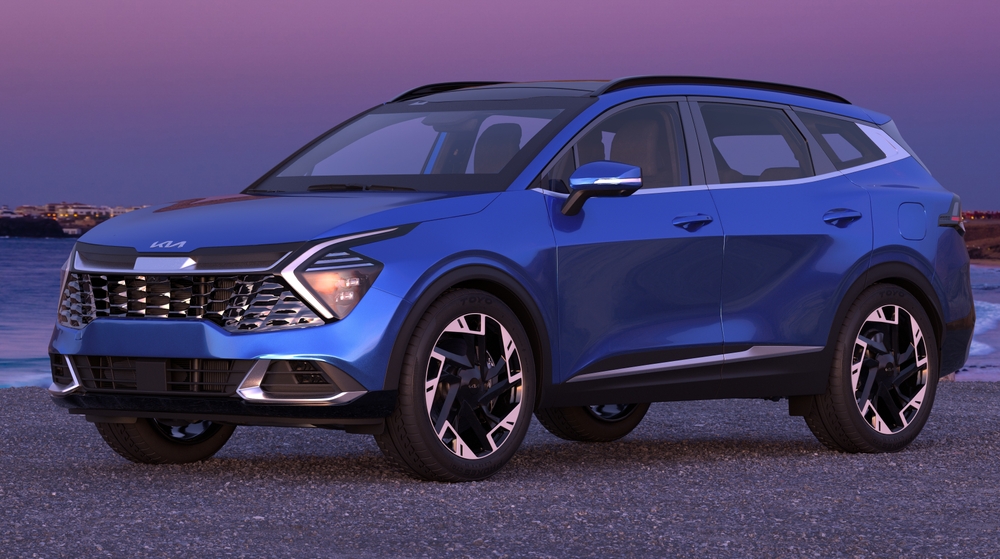
The Kia Sportage shares mechanical roots with the Hyundai Tucson. It also promotes a five-year or 100,000-kilometre warranty. Canadian buyers see that headline and assume strong protection everywhere. Warranty documents introduce limits. Wear items such as brakes and clutch parts receive minimal coverage. Electronics sometimes carry shorter warranty periods. Infotainment components fall into this category. Engine repairs require proof of proper oil maintenance. Missing service records weaken claims. Some owners also misunderstand corrosion coverage rules. Rust protection applies only under specific conditions. The Sportage remains a solid value option. Still, the warranty contains more exclusions than many buyers realize during the purchase process.
Jeep Wrangler
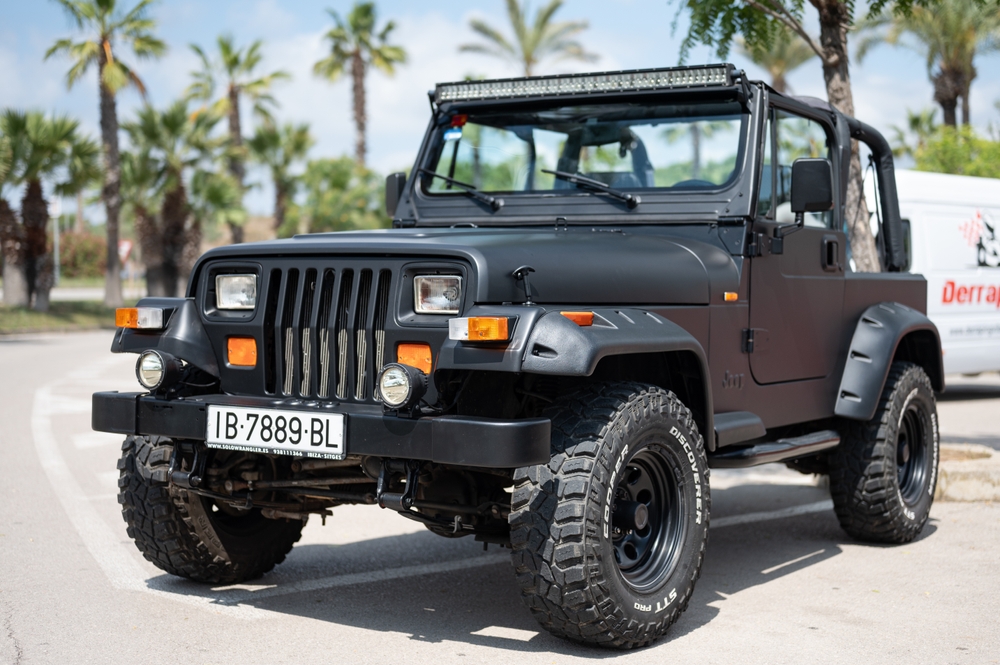
The Jeep Wrangler attracts buyers who enjoy off-road driving. That lifestyle creates unique warranty concerns. Jeep offers three years or 60,000 kilometres of comprehensive coverage. The powertrain receives five years or 100,000 kilometres. Problems appear with off-road modifications. Lift kits and larger tires affect warranty claims. Jeep may deny coverage if modifications contribute to failures. Suspension components also face heavy stress during trail driving. Those parts sometimes fall under wear exclusions. Water damage becomes another complicated area. Deep water crossings can void certain protections. Wrangler owners often customize their vehicles quickly. The warranty still exists, but modifications can quietly reduce the protection many drivers expect.
Subaru Outback
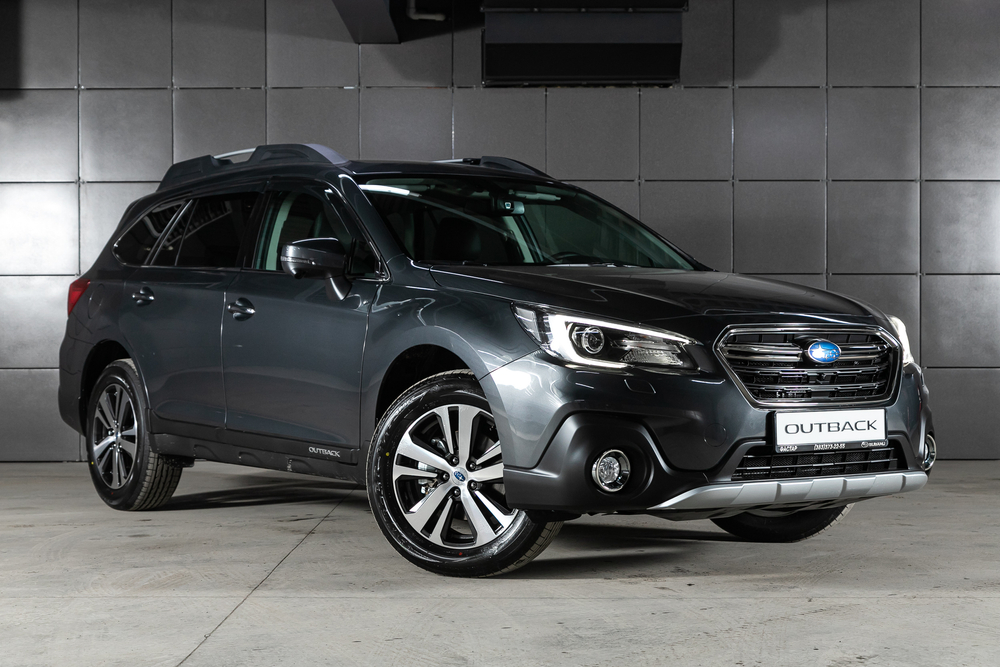
The Subaru Outback remains popular in snowy Canadian regions. Buyers appreciate its All Wheel Drive system. Subaru provides three years or 60,000 kilometres of comprehensive coverage. The powertrain lasts five years or 100,000 kilometres. Warranty limits appear around drivetrain components. All Wheel Drive systems require careful maintenance. Tire replacement rules also matter. Subaru recommends matching tires to protect the drivetrain. Uneven tires may affect warranty claims for differential damage. Infotainment screens sometimes receive limited protection periods. Owners also need documented maintenance services. Missing oil change records can create disputes. The Outback stays dependable for many drivers. Its warranty conditions simply demand closer attention than most people expect.
Nissan Rogue
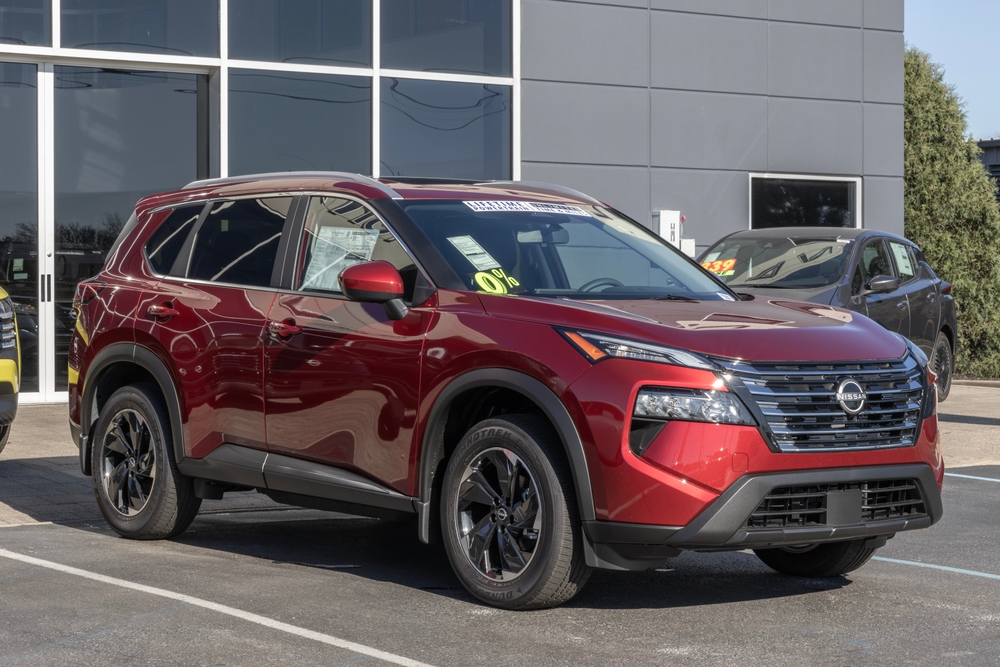
The Nissan Rogue competes directly with the CR-V and RAV4. Its warranty coverage follows a similar structure. Nissan provides three years or 60,000 kilometres of full coverage. The powertrain extends to five years or 100,000 kilometres. Transmission coverage often raises questions. Older Rogue models used continuously variable transmissions. Some drivers experienced failures outside warranty periods. Nissan later expanded coverage for certain components. Newer models still require proper maintenance records. Transmission fluid service may affect warranty claims. Electronics and infotainment systems carry shorter coverage limits. Many buyers assume powertrain protection covers every transmission issue. The Rogue warranty works normally, yet drivers sometimes misunderstand where that protection ends.
BMW X3
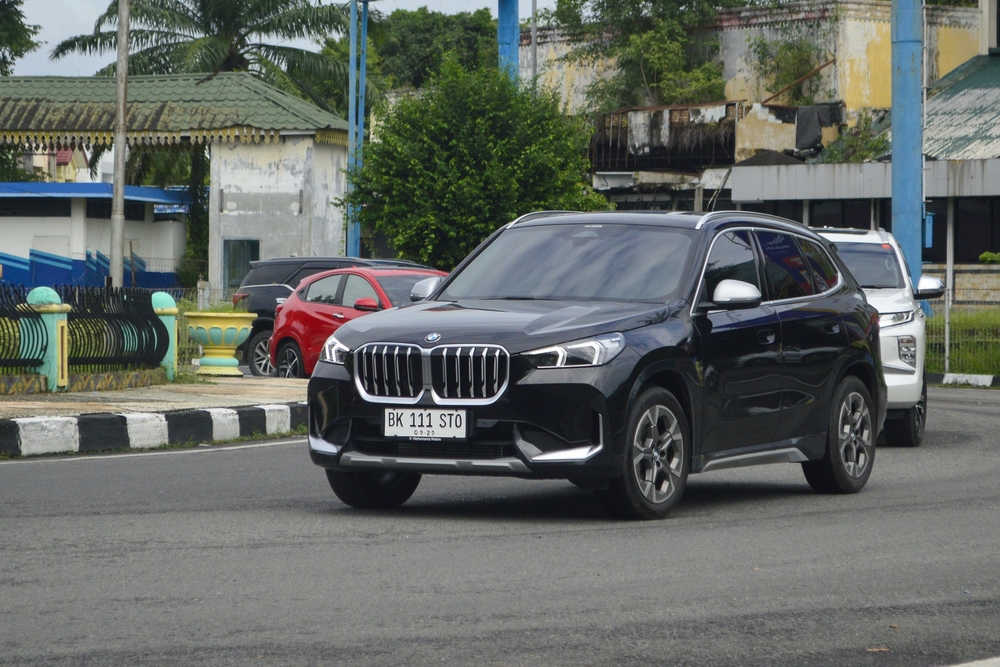
Luxury vehicles often appear to offer stronger warranty protection. The BMW X3 tells a more complicated story. BMW includes four years or 80,000 kilometres of coverage. That warranty covers most vehicle components. Maintenance programs used to come included. Many Canadian buyers assume that still applies. Newer BMW models removed some free service plans. Owners must now pay for several maintenance items. Brake components fall outside warranty coverage due to wear classification. Electronics also carry specific exclusions. Luxury vehicles contain many electronic systems. Repairs can become expensive after warranty expiration. The X3 remains enjoyable to drive. The warranty fine print simply requires careful reading before purchase.
Mercedes-Benz GLC
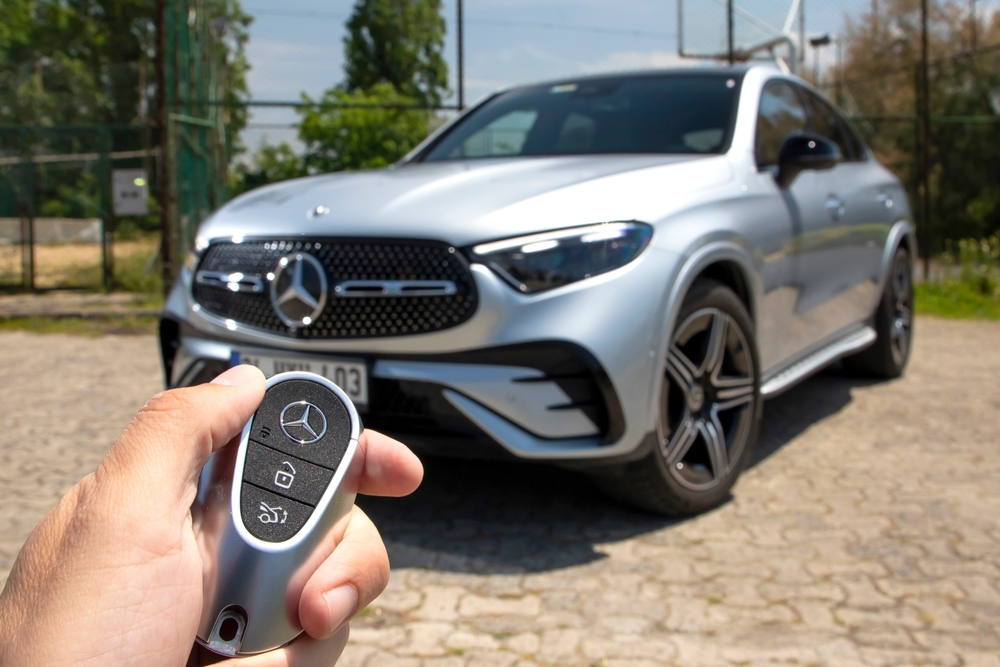
The Mercedes-Benz GLC competes with the BMW X3 in Canada. Buyers expect premium treatment from the brand. Mercedes provides four years or 80,000 kilometres of coverage. That headline sounds generous. The details involve electronics and interior features. Modern Mercedes vehicles rely heavily on digital systems. Screens, sensors, and software can create complicated warranty discussions. Some interior trim components receive limited protection. Owners also face maintenance expectations. Missing scheduled services may affect claims. Luxury vehicles require precise care schedules. The GLC offers refined driving and comfort. The warranty still includes technical conditions that many buyers overlook while focusing on the brand’s reputation.
Volkswagen Tiguan
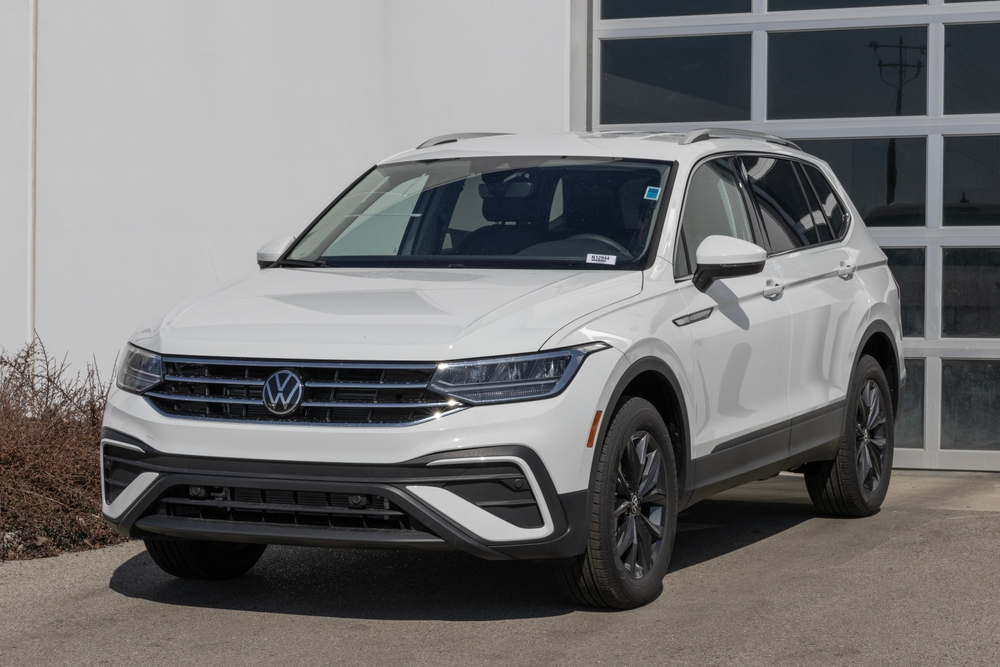
The Volkswagen Tiguan once carried one of the longest warranties in the industry. Volkswagen later reduced that coverage. Current models offer four years or 80,000 kilometres. Buyers sometimes assume the older warranty still applies. That confusion appears during resale purchases. Certified pre-owned vehicles follow different warranty rules. Certain electrical components carry shorter coverage limits. Turbocharged engines also require strict maintenance intervals. Missing oil services can complicate warranty claims. Volkswagen engines rely heavily on clean lubrication. Documentation becomes important during repairs. The Tiguan continues to attract families with space and value. Warranty conditions simply require closer attention than many drivers expect.
Ram 1500
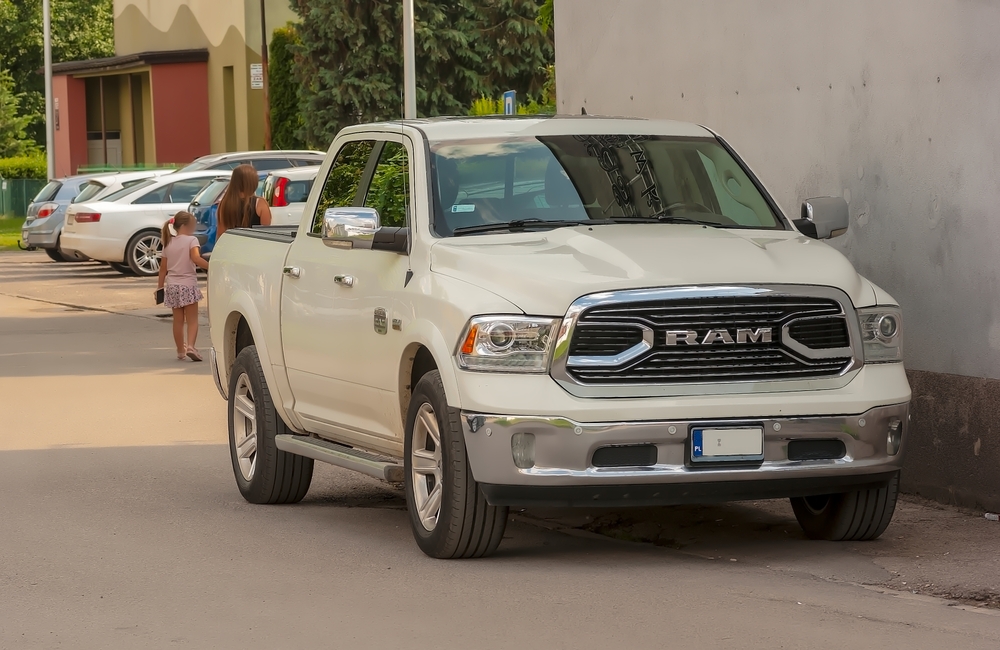
The Ram 1500 remains a strong competitor in the Canadian truck market. Ram offers three years or 60,000 kilometres of comprehensive coverage. The powertrain warranty extends to five years or 100,000 kilometres. Truck owners often push vehicles harder than passenger cars. Ram includes limits around heavy towing and modifications. Suspension components receive less coverage because of workload demands. Diesel engines also involve additional warranty rules. Emission systems carry separate terms. Owners sometimes misunderstand those details. Truck warranties appear simple at first glance. The Ram 1500 still provides solid protection. Drivers simply need to read the documentation carefully before assuming every repair qualifies for coverage.
Mazda CX-5
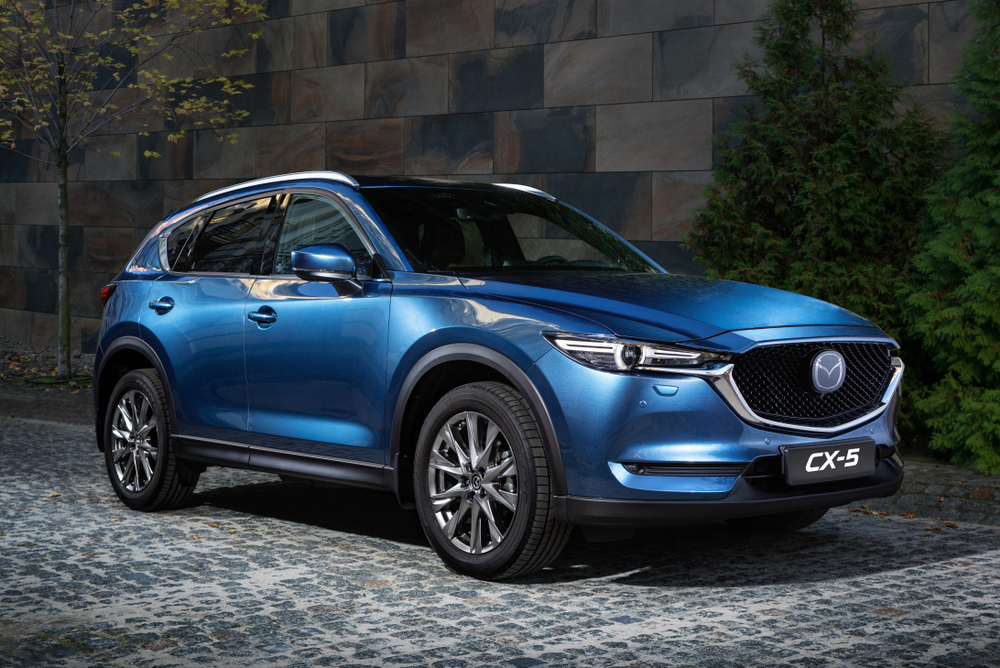
The Mazda CX-5 remains one of Canada’s best-selling compact SUVs. Buyers often praise its driving feel and reliability. Mazda offers three years or 60,000 kilometres of comprehensive coverage. The powertrain lasts five years or 100,000 kilometres. The fine print appears around electronics and wear items. Infotainment components sometimes carry shorter protection periods. Turbocharged engines also require careful oil maintenance. Missing service documentation may affect claims. Mazda expects owners to follow scheduled maintenance intervals. Rust coverage also includes specific conditions. Corrosion protection only applies under defined circumstances. The CX-5 remains a strong everyday SUV. The warranty simply contains more conditions than many buyers realize.
22 Groceries to Grab Now—Before another Price Shock Hits Canada

Food prices in Canada have been steadily climbing, and another spike could make your grocery bill feel like a mortgage payment. According to Statistics Canada, food inflation remains about 3.7% higher than last year, with essentials like bread, dairy, and fresh produce leading the surge. Some items are expected to rise even further due to transportation costs, droughts, and import tariffs. Here are 22 groceries to grab now before another price shock hits Canada.
22 Groceries to Grab Now—Before another Price Shock Hits Canada