

























Winter quietly punishes vehicles. Cold starts strain engines. Salt eats metal. Potholes hit suspension parts harder than most drivers notice. Many problems stay hidden until warmer weather arrives. That is why mechanics often recommend a full post-winter check. Small issues caught early stay cheap and simple. Ignore them, and repairs grow quickly. Spring is the right moment to look over the parts that winter stresses most. Tires, fluids, brakes, and electronics all deserve attention after months of cold roads. Here are 27 things your mechanic wants you to check right after winter ends.
Tire Pressure
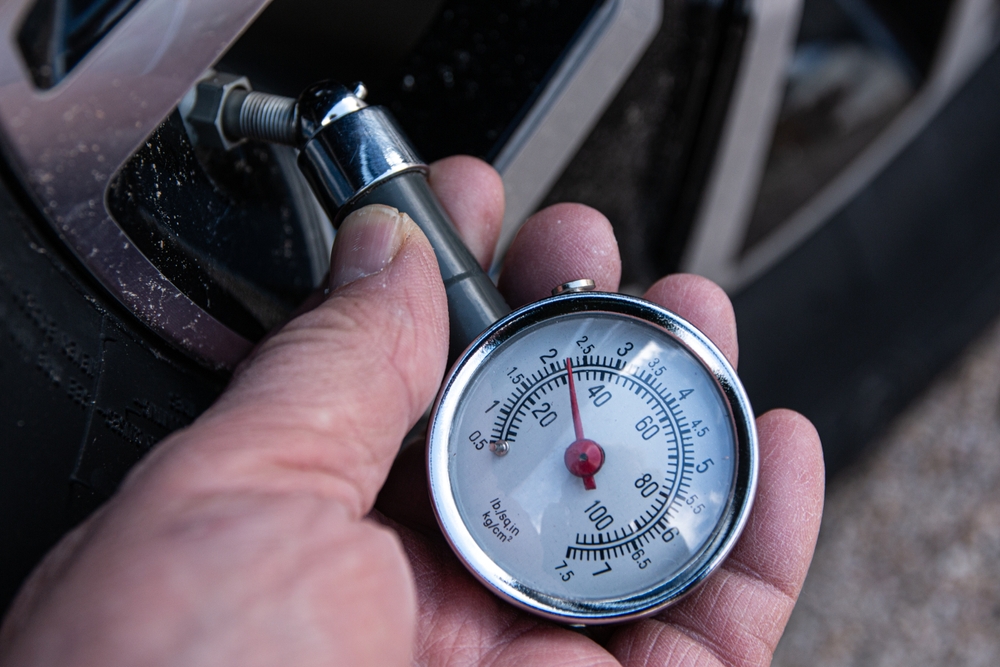
Cold air lowers tire pressure. Many drivers never adjust it after winter ends. When temperatures rise, pressure climbs again. Incorrect pressure changes handling and tire wear. Mechanics often find uneven wear during spring inspections. Tires with low pressure also hurt fuel economy. Overinflated tires ride harshly and grip less. Use the pressure listed inside the driver’s door frame. Check it when the tires are cold. Do not rely on dashboard warnings alone. Those systems often trigger late. A simple gauge costs little and takes seconds to use. Balanced pressure keeps tires lasting longer and helps the car track straight on warm spring roads.
Tire Tread Depth
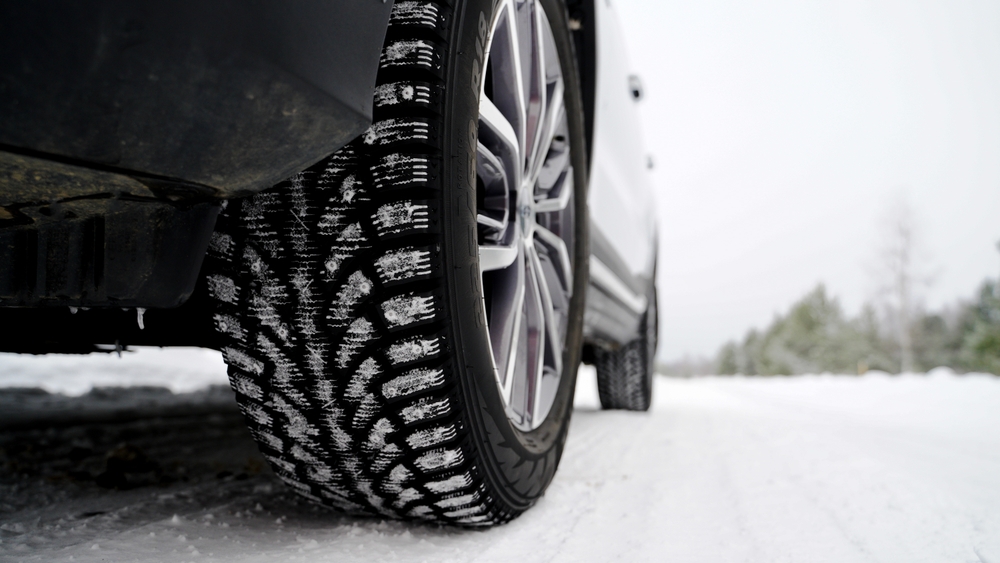
Winter roads grind tires faster than people realize. Ice, sand, and rough pavement slowly shave tread away. By spring, some tires reach unsafe levels. Mechanics often measure tread during seasonal inspections. A quick coin test works at home. Insert a coin into the tread groove. If most of it stays visible, the tread is wearing thin. Low tread weakens grip during rainstorms. Spring weather often brings heavy showers. Worn tires also extend the stopping distance. Drivers may not notice until sudden braking happens. Rotate tires if tread wear differs between front and rear. Replacing worn tires early helps avoid hydroplaning later.
Winter Tire Removal
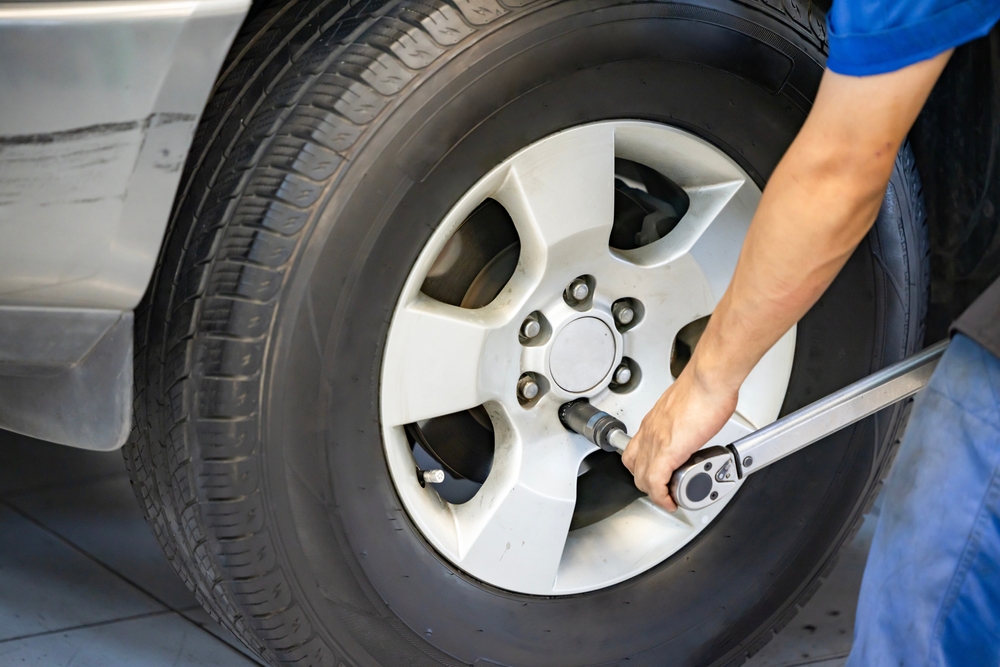
Many drivers forget to remove winter tires once temperatures climb. Winter tires soften in warm weather. Soft rubber wears quickly on dry pavement. The handling also becomes less stable at highway speeds. Mechanics often recommend switching tires around 7°C or warmer. Leaving winter tires on too long shortens their lifespan. The tread blocks flex more than summer tires. That increases road noise and fuel use. When removing winter tires, clean them before storage. Store them in a cool, dry place away from sunlight. Mark their previous position on the car. This helps balance wear when installing them next season.
Brake Pads
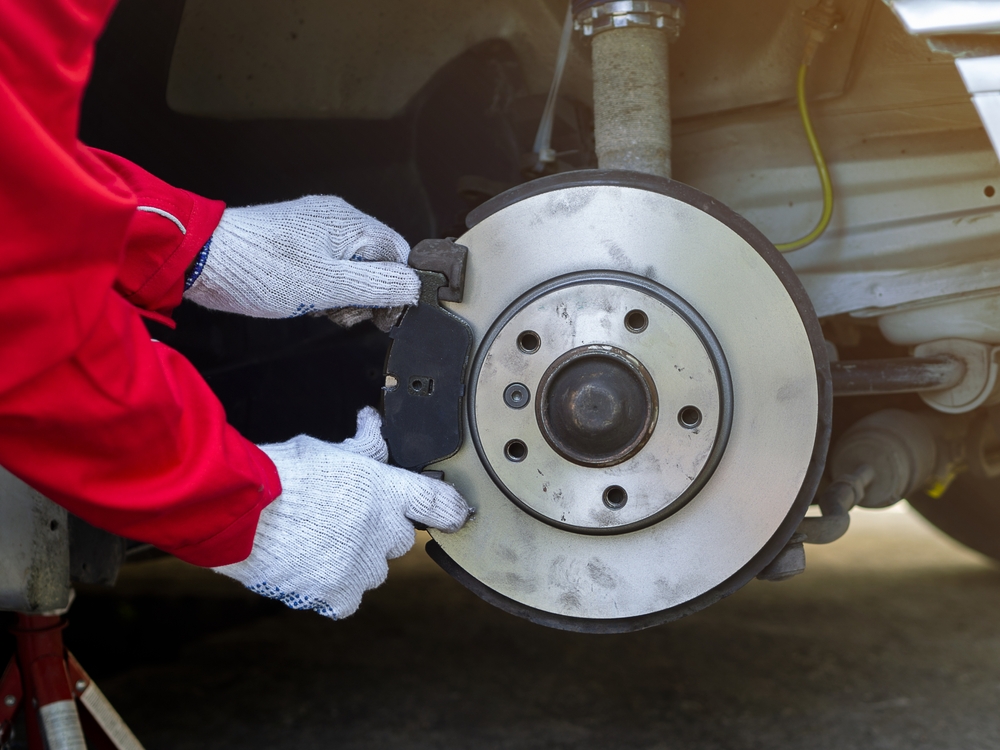
Winter driving punishes brake systems. Salt and moisture collect around pads and rotors. Mechanics often find rust buildup by spring. That rust can cause squeaking or vibration. Brake pads also wear faster during slippery driving. Drivers press the brake more often on icy roads. Check the pad thickness if you hear grinding or squealing. Thin pads damage rotors quickly. Replacing pads early prevents expensive repairs later. Look through the wheel spokes for a quick inspection. Pads should still show visible material. If braking feels weak or uneven, schedule a check. Brakes should always respond smoothly and predictably.
Brake Rotors
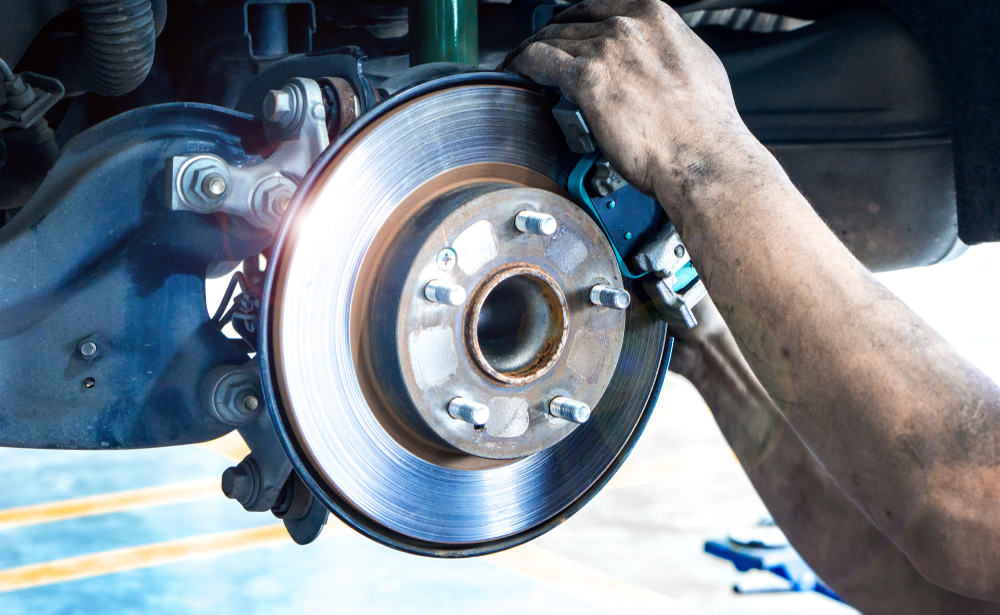
Rotors face harsh winter conditions. Road salt encourages rust to form quickly. Surface rust usually clears after a few stops. Deeper rust leaves grooves or rough patches. Drivers may feel shaking when braking at speed. Mechanics often resurface or replace rotors during spring visits. Thin rotors also overheat more easily. That weakens braking performance during emergency stops. Inspect rotors when switching tires or washing wheels. Deep scoring or discoloration signals wear. A professional inspection confirms rotor thickness. Balanced rotors help braking stay smooth and consistent. Ignoring rotor damage may lead to vibration through the steering wheel.
Engine Oil
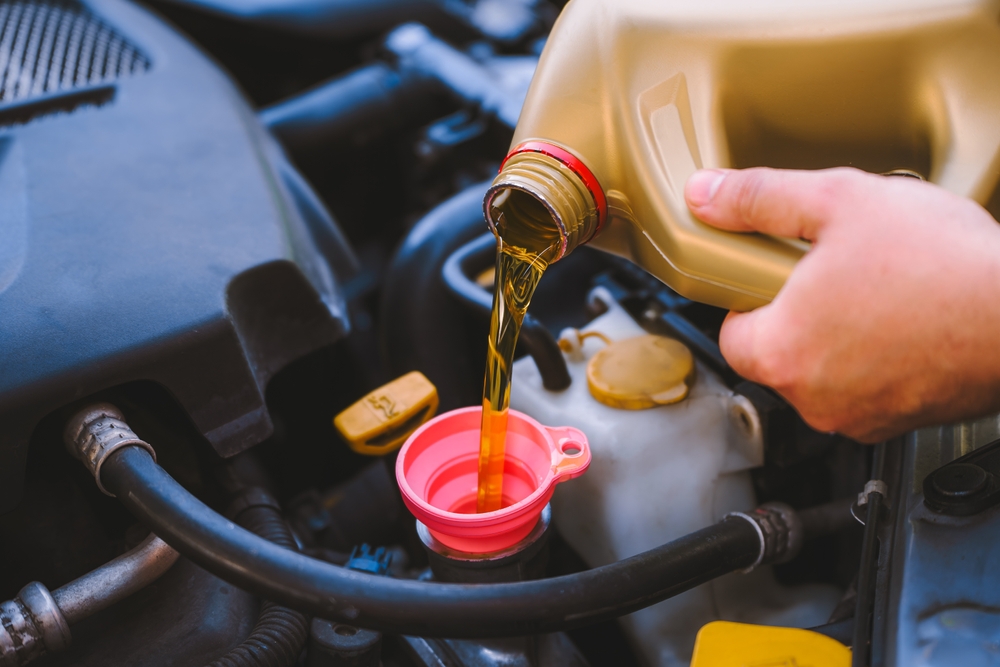
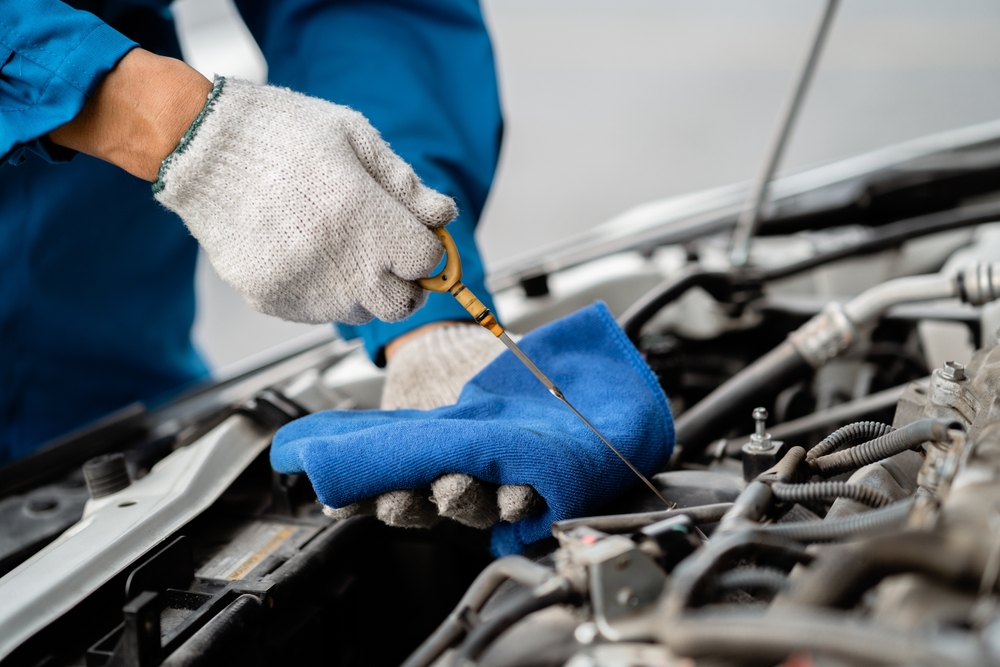
Cold weather thickens engine oil. Winter driving also includes many short trips. Short trips prevent oil from reaching full temperature. Moisture and fuel can build up inside the oil. Mechanics often recommend changing oil after winter. Fresh oil protects engine parts during warmer driving. Check the oil level using the dipstick. Low oil levels may signal slow leaks. Dark or gritty oil should be replaced soon. Always follow the oil grade listed in the manual. Using the wrong oil affects engine performance. Regular oil changes remain one of the simplest ways to extend engine life.
Windshield Wipers
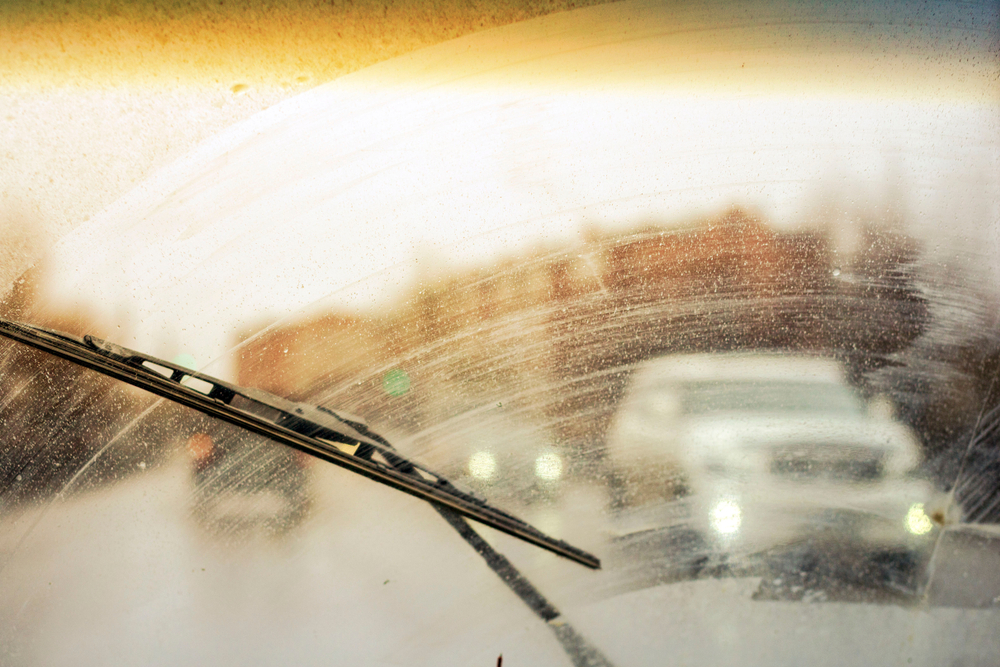
Winter ice hardens wiper blades. Snow scraping also damages their edges. Many blades lose flexibility over time. Streaking or skipping across the windshield signals wear. Mechanics often recommend replacing wipers twice each year. Spring is one of those times. Good visibility matters more during rainy months. Poor blades leave water lines that blur headlights. Replacement blades cost little and install quickly. Always check both front and rear wipers. Some drivers forget the rear blade entirely. Clean the windshield before installing new blades. Dirt can reduce their lifespan. Clear vision helps drivers react faster during sudden weather changes.
Windshield Washer Fluid
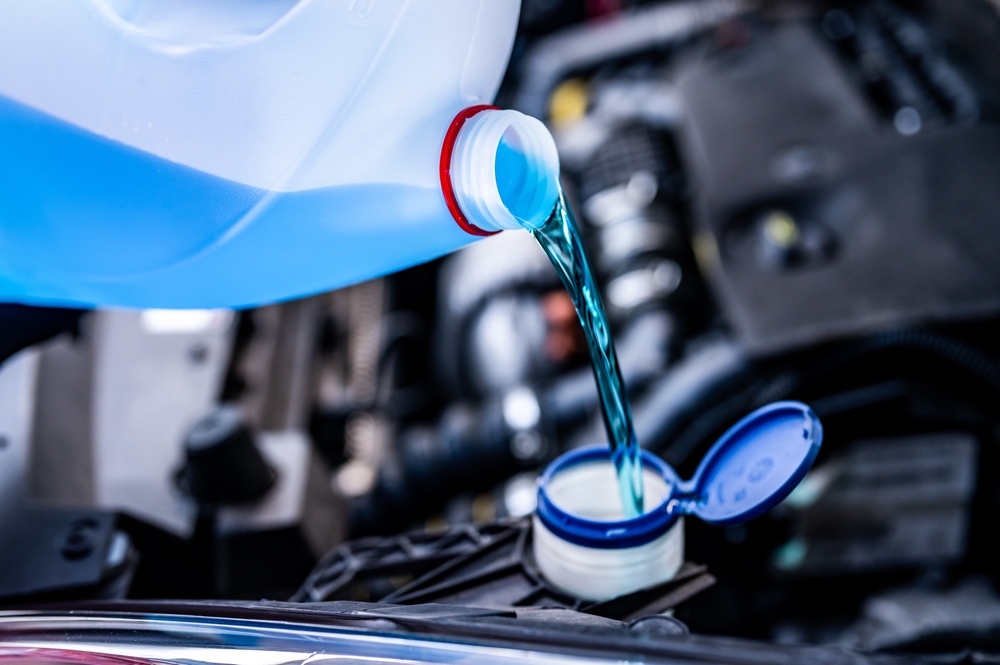
Washer fluid often runs low after winter driving. Slushy roads spray dirt onto windshields constantly. Many drivers forget to refill the reservoir afterward. Mechanics check the washer fluid during routine service. Spring roads still carry dust and salt residue. A full reservoir helps keep visibility clear. Use a fluid rated for both winter and summer use. Plain water freezes during cold nights. It also leaves streaks when mixed with dirt. Check the washer spray pattern on the windshield. Weak spray may signal clogged nozzles. Cleaning the nozzles takes only a pin or a small needle. Clear fluid spray keeps driving safer.
Car Battery
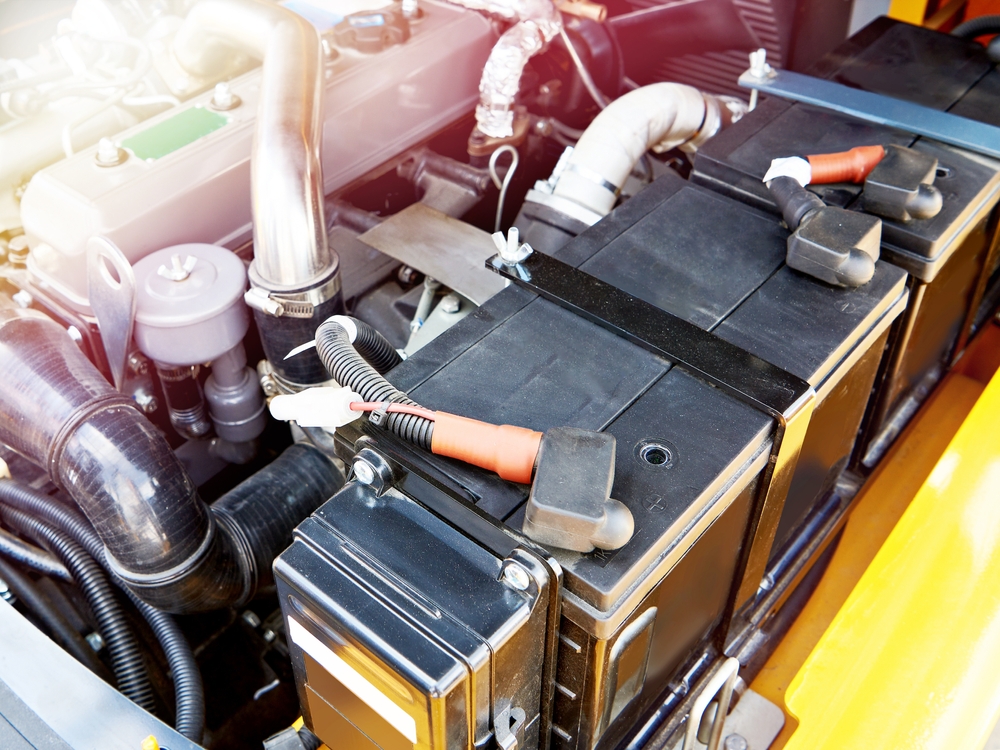
Cold weather drains battery strength. Winter starts to demand more power from aging batteries. Many batteries weaken without obvious signs. Mechanics often test batteries when winter ends. Slow engine cranking is one warning signal. Dim headlights also suggest declining battery power. Corrosion around terminal blocks interrupts electrical flow. Clean terminals using a brush and a baking soda mixture. Tighten loose connections carefully. Most car batteries last about three to five years. If yours is older, testing becomes even more important. A weak battery may fail suddenly during a warm day. Preventive testing avoids being stranded in a parking lot.
Battery Terminals
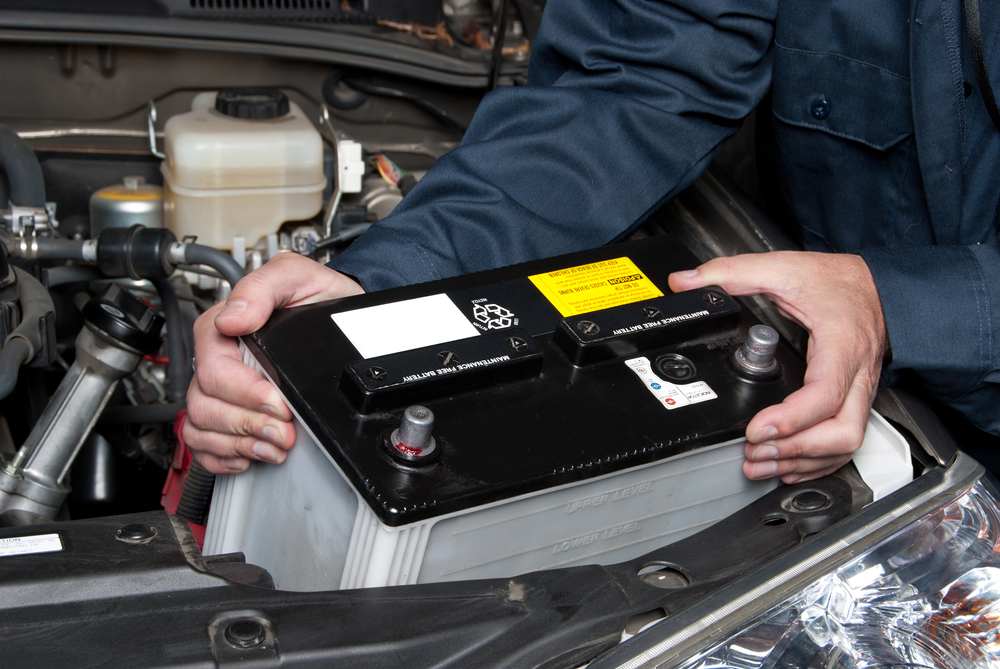
Battery terminals collect corrosion during winter. Salt and moisture accelerate that buildup. White or green powder around terminals signals corrosion. Mechanics clean these areas during routine inspections. Corrosion blocks electrical flow between the battery and vehicle systems. That can cause starting issues or warning lights. Cleaning terminals takes only a few minutes. Disconnect the battery before cleaning. Use a wire brush to remove buildup gently. Apply a thin protective grease afterward. This slows future corrosion. Secure terminals tightly once cleaning finishes. Loose connections can mimic battery failure. Regular checks help electrical systems operate smoothly throughout spring and summer.
Suspension Components
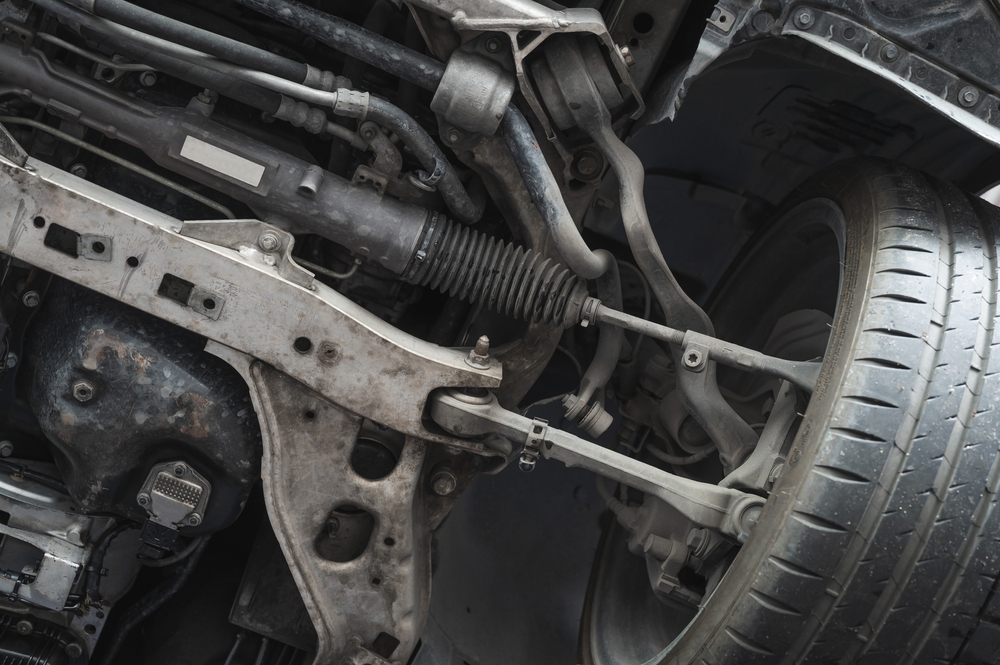
Potholes appear everywhere after winter. Frozen pavement cracks and shifts during the season. Suspension parts absorb the shock from these rough roads. Mechanics often find worn components in the spring. Listen for clunks or rattles over bumps. Those sounds may signal worn ball joints or control arms. The car should also track straight on smooth roads. Excess bouncing indicates weak shocks or struts. Uneven tire wear often links to suspension issues. Visual inspections sometimes reveal leaking shocks. Spring checks help catch damage early. Healthy suspension parts keep steering predictable and reduce tire wear during everyday driving.
Wheel Alignment
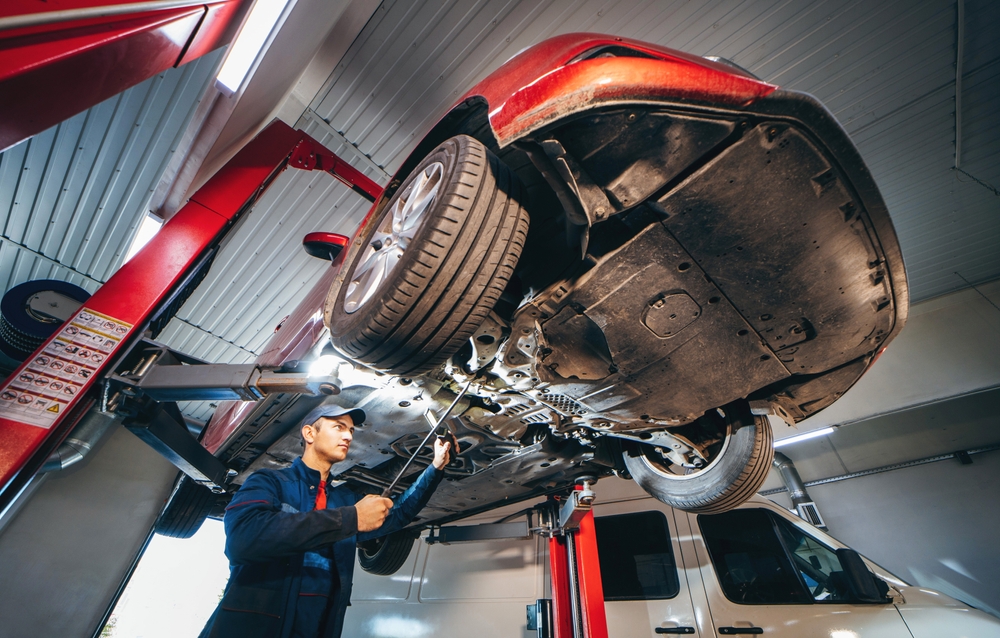
Winter potholes knock wheels out of alignment. Drivers may not notice the change immediately. A car pulling to one side signals alignment trouble. Crooked steering wheels also hint at problems. Mechanics measure alignment angles using special equipment. Misaligned wheels wear tires unevenly. They also increase fuel consumption. Steering may feel loose or unstable at highway speeds. Alignments usually take less than an hour. Many shops check alignment during seasonal tire changes. Fixing alignment early protects expensive tires. It also improves steering control. Drivers often notice smoother handling right after the adjustment.
Exhaust System
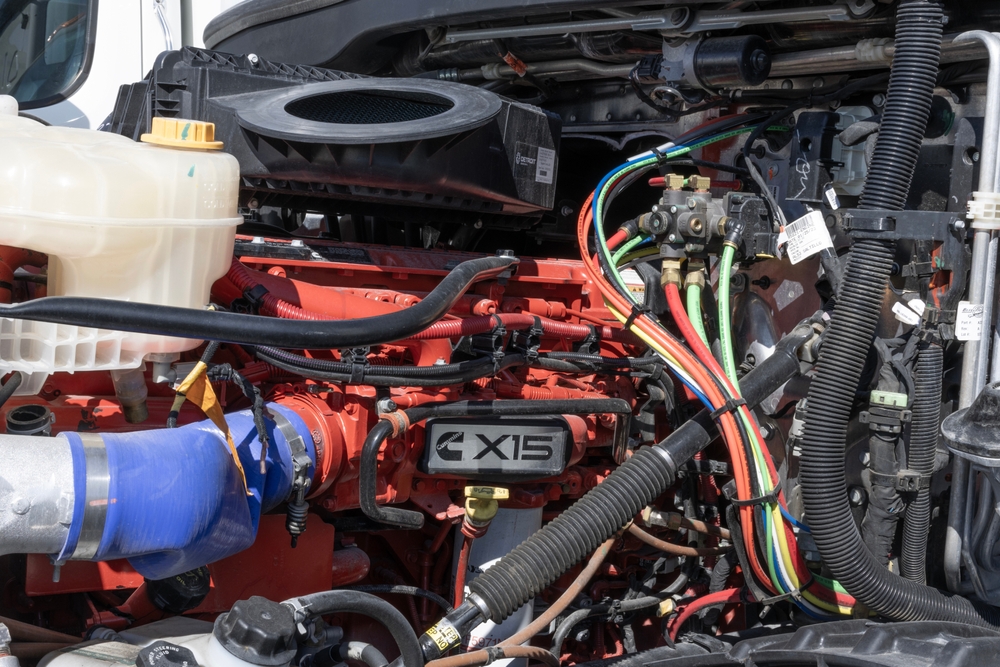
Salt exposure accelerates rust on exhaust components. Pipes and mufflers sit close to the road surface. Winter moisture collects around them easily. Mechanics inspect exhaust systems during spring service visits. Loud noises may signal holes in the exhaust. A strong fuel smell also deserves attention. Rusted brackets sometimes loosen the exhaust pipe. That causes rattling underneath the vehicle. Visual inspections often reveal rust patches or cracks. Early repair costs less than full replacement. Exhaust systems guide harmful gases away from passengers. Keeping them sealed and secure protects both performance and safety.
Cabin Air Filter
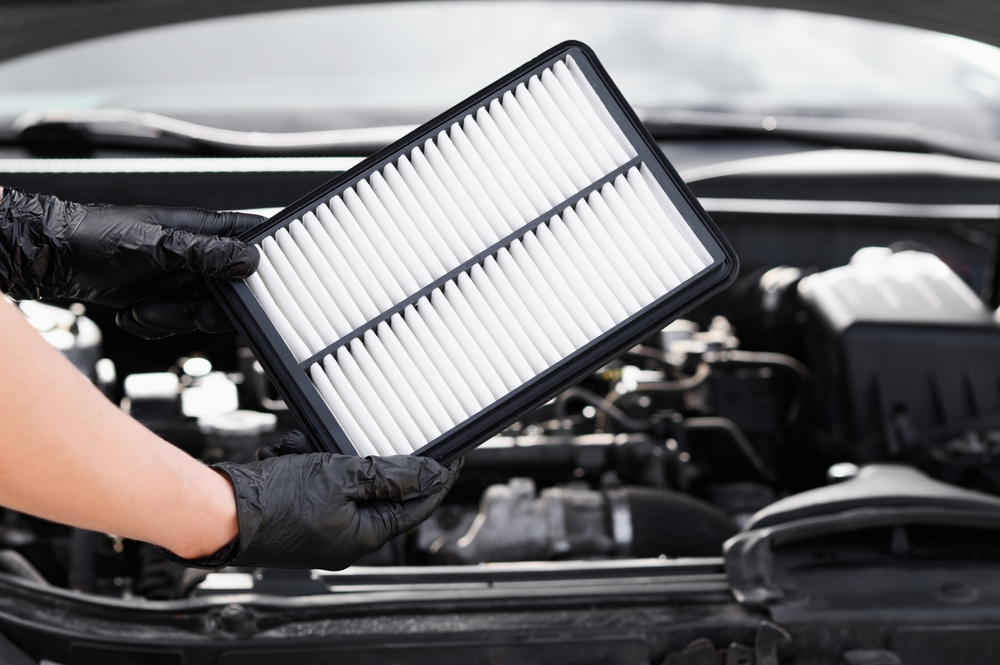
Cabin filters trap dust, pollen, and debris. Winter driving pushes salt particles into ventilation systems. By spring, filters often clog with dirt. Mechanics frequently replace cabin filters during seasonal service. Weak airflow from vents can signal blockage. Foggy windows also appear more often with dirty filters. Replacement usually takes only minutes. The filter sits behind the glove compartment in many cars. Clean air improves comfort during the spring allergy season. Drivers often notice stronger airflow immediately afterward. Regular filter replacement helps keep the heating and cooling system working properly throughout the year.
Engine Air Filter
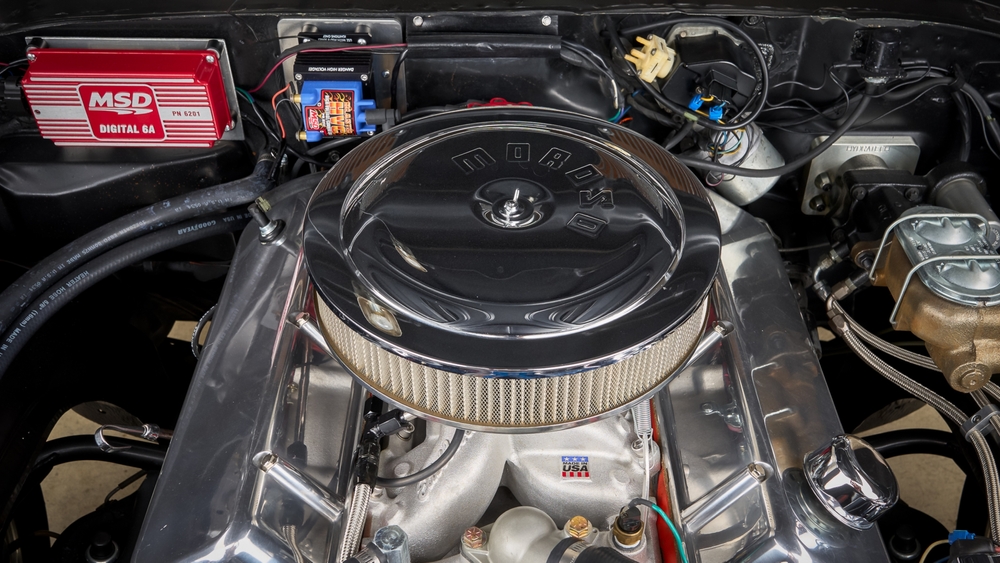
Engines need clean air for efficient combustion. Winter roads throw dust and debris into intake systems. Over time, filters trap this buildup. Mechanics check engine air filters during routine maintenance. A clogged filter restricts airflow to the engine. That can reduce fuel efficiency and performance. Drivers may notice slower acceleration. Replacement filters cost little compared to engine repairs. Inspect the filter during spring cleaning. If it appears dark or packed with dirt, replace it. Clean air supports smoother engine operation. Many drivers forget this simple maintenance item for years.
Coolant Level
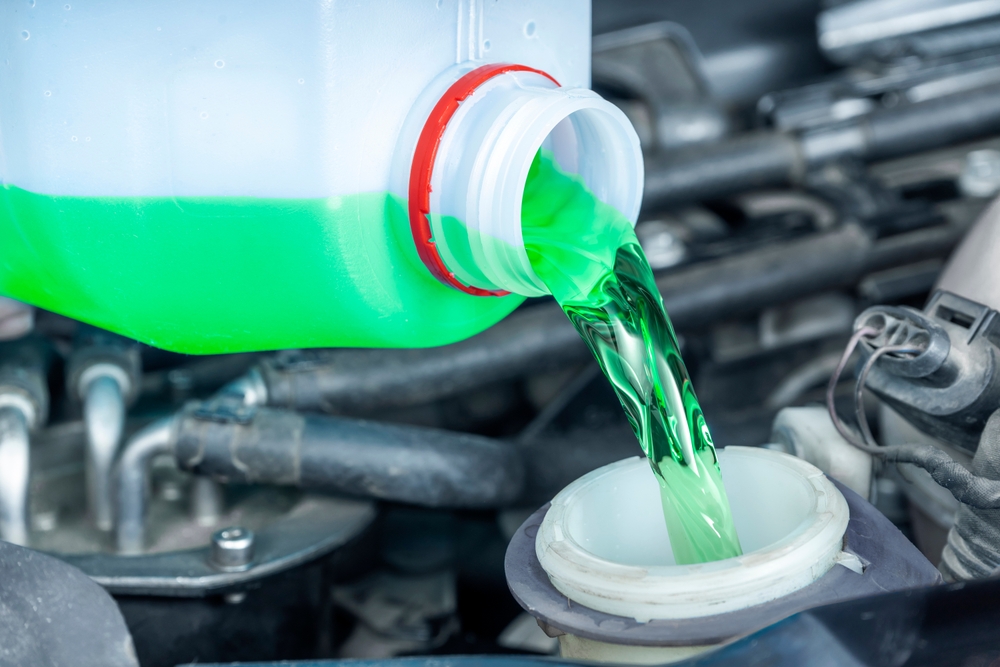
Coolant protects engines during both cold and warm weather. Many drivers focus on coolant only during winter. Spring is another good time to inspect it. Mechanics check the coolant level and condition regularly. Low coolant risks engine overheating in warm months. Look at the reservoir markings when the engine is cold. The fluid should sit between the minimum and maximum lines. Cloudy coolant may signal contamination. Different vehicles require specific coolant types. Mixing them may cause problems. If coolant disappears often, a leak might exist. Early repairs prevent larger engine issues later.
Radiator Condition
Radiators face heavy exposure to salt and debris. Winter driving often coats them with grime. That buildup blocks airflow through cooling fins. Mechanics often rinse radiators during spring service. Look through the grille for visible dirt or bent fins. A clogged radiator reduces cooling performance. Overheating becomes more likely during summer traffic. Gentle washing removes most debris safely. Avoid using high pressure directly on the fins. That can bend them easily. A clean radiator helps engines maintain steady temperatures. It also supports proper air conditioning performance when warmer weather arrives.
Transmission Fluid
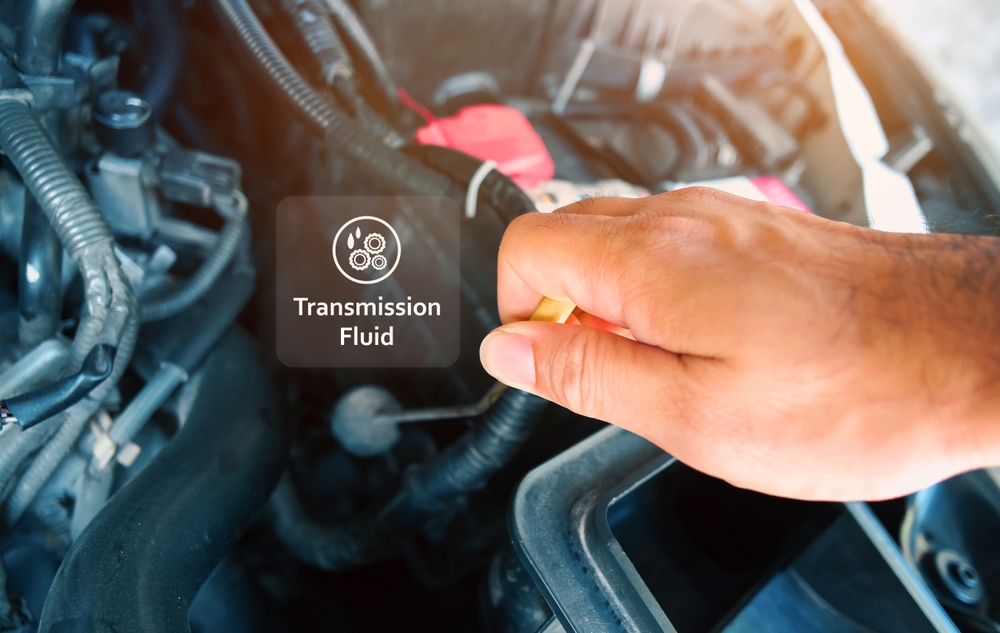
Cold temperatures affect transmission fluid performance. Winter driving may include frequent gear changes. Heavy loads during icy starts also stress transmissions. Mechanics check fluid levels during seasonal inspections. Low fluid can cause rough shifting or slipping. Transmission fluid should appear clear and reddish. Dark or burnt fluid signals wear. Many vehicles require fluid changes at specific mileage intervals. Ignoring those intervals risks costly repairs. Check the owner’s manual for guidance. Smooth shifting improves driving comfort and vehicle longevity. Early maintenance protects one of the most expensive systems in the car.
Power Steering Fluid
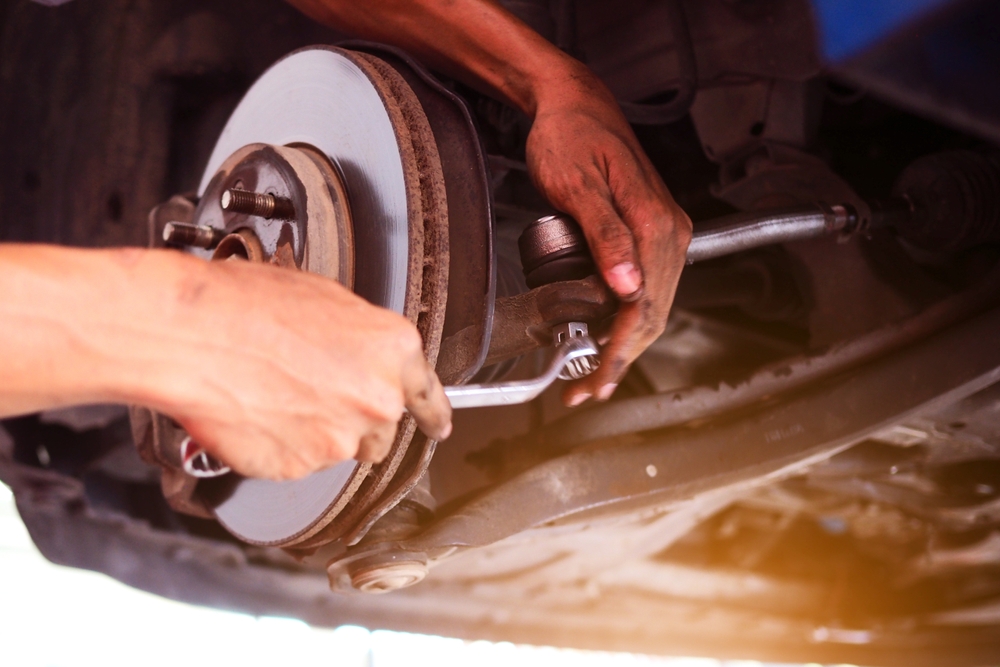
Steering systems rely on hydraulic fluid in many vehicles. Winter temperatures can thicken that fluid. Minor leaks may also appear after months of cold driving. Mechanics inspect steering fluid during spring service. Low fluid causes stiff steering or whining noises. The reservoir usually sits near the engine belt system. Fluid should remain within the marked range. Dirty fluid appears dark or cloudy. Fresh fluid improves steering smoothness. Steering systems face constant stress from potholes and rough roads. Proper fluid levels keep steering responsive and reduce strain on pumps and hoses.
Drive Belts
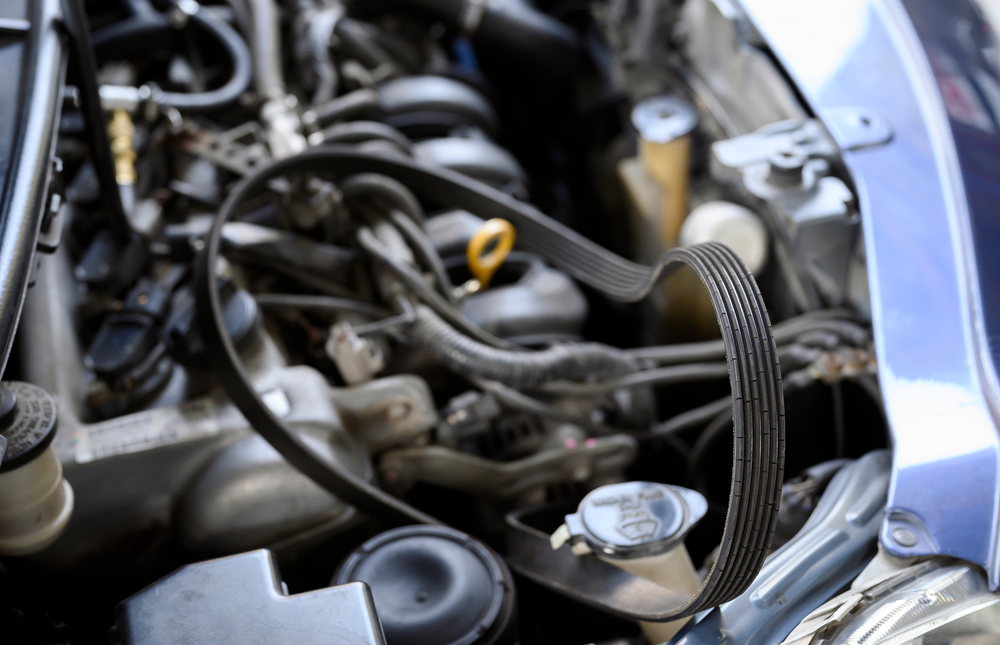
Engine belts run essential components. Alternators, power steering pumps, and air conditioning systems depend on them. Cold weather makes rubber belts stiff. Cracks may form after months of freezing temperatures. Mechanics inspect belts for wear during spring maintenance. Squealing sounds often signal belt problems. Visible cracks or frayed edges also indicate aging belts. Replacing belts early prevents sudden breakdowns. Broken belts can disable key systems instantly. Most belt inspections take only a few minutes. Healthy belts help engines run smoothly during longer spring and summer trips.
Hoses
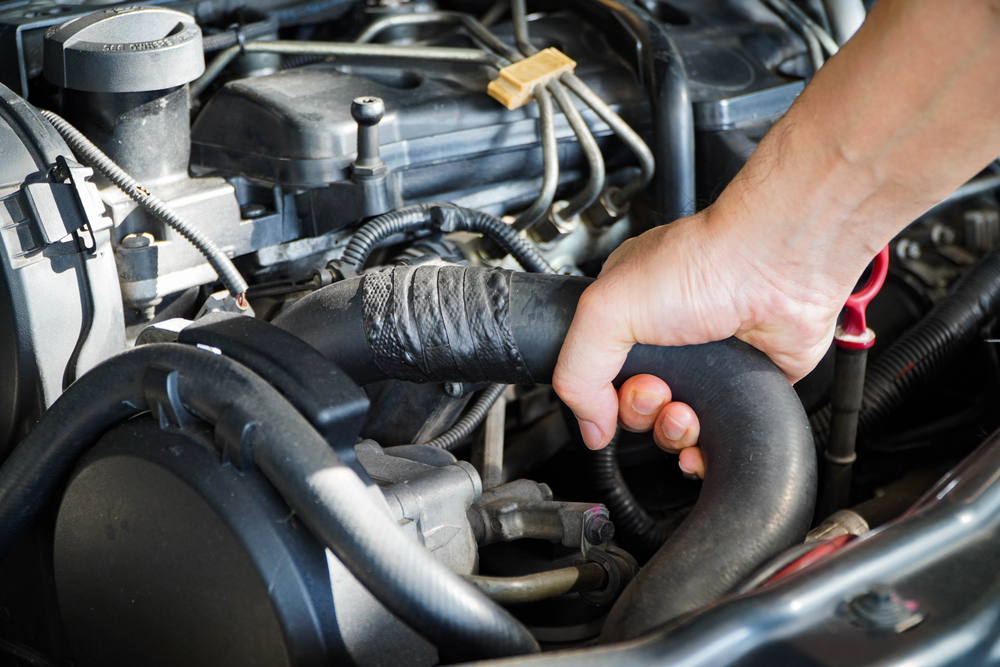
Rubber hoses carry coolant and other fluids through the engine. Winter temperature swings stress these parts heavily. Rubber expands and contracts during cold cycles. Over time, hoses develop cracks or soft spots. Mechanics squeeze hoses during inspections to check firmness. Bulging or brittle hoses signal trouble. Leaking coolant often traces back to aging hoses. Early replacement avoids roadside breakdowns. Hoses rarely fail without warning signs. Visual inspection usually reveals damage first. Spring maintenance is a smart time to check them. Healthy hoses help cooling systems maintain proper engine temperature.
Exterior Lights

Salt spray dulls headlight lenses during winter. Dirt also coats taillights and signal lights. Reduced brightness makes vehicles harder to see. Mechanics often check lighting systems during seasonal service. Walk around the vehicle and test every light. Ask someone to press the brake pedal during the test. Burnt bulbs should be replaced quickly. Cloudy headlight lenses may need polishing. Clear lighting improves visibility during rainy spring evenings. Proper signals also prevent confusion for other drivers. Bright, working lights support safer driving conditions for everyone on the road.
Undercarriage Rust
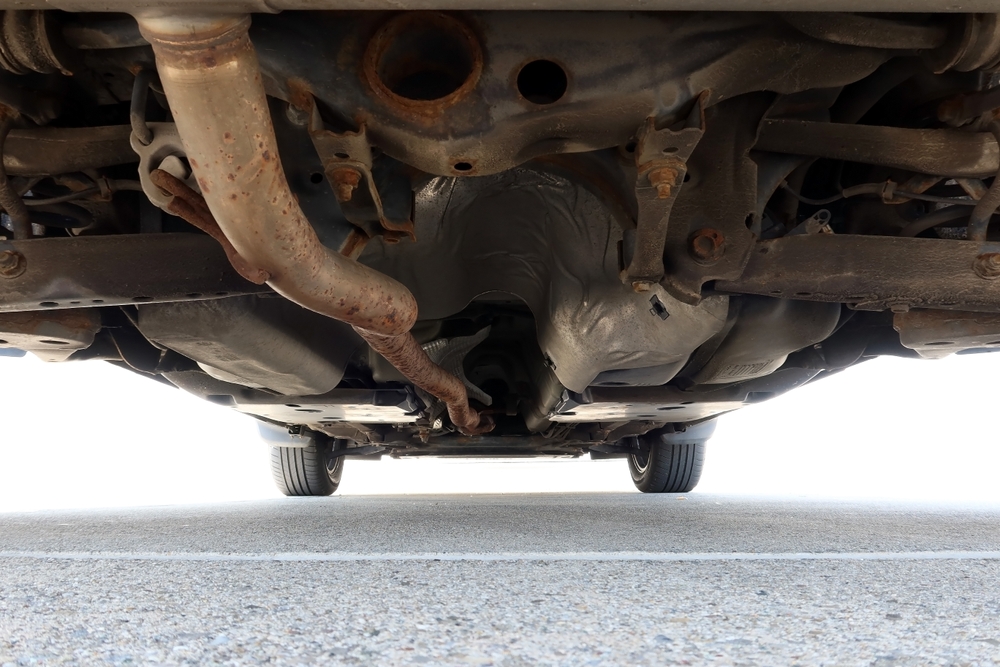
Salt accelerates rust underneath vehicles. Frame rails, brake lines, and suspension parts suffer most. Many drivers never inspect the underside of their cars. Mechanics often find corrosion beginning in hidden spots. A thorough wash removes leftover salt buildup. Some shops offer protective undercoating treatments. These coatings slow rust development. Early rust spots may still be treated easily. Severe rust weakens structural parts over time. Spring cleaning is the right moment to check underneath. Keeping the undercarriage clean extends the lifespan of many important components.
Fuel System
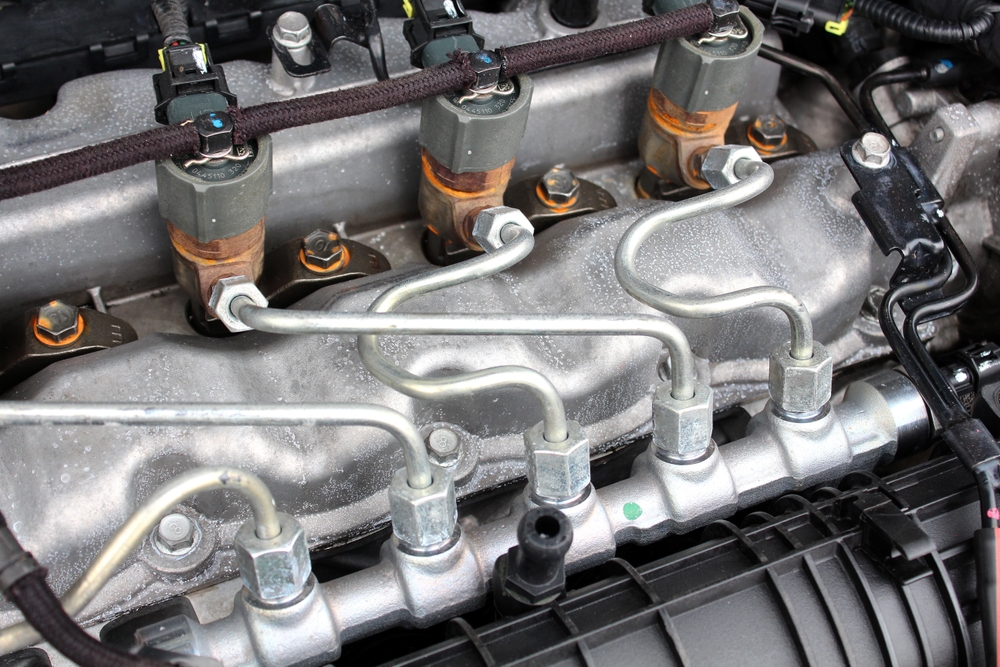
Winter fuel often contains additives for cold performance. Some vehicles accumulate moisture in fuel systems. Mechanics sometimes recommend fuel system cleaning during spring. Rough idling or hesitation may signal buildup. Fuel injectors work best when clean. High-mileage vehicles benefit from occasional cleaning treatments. Using quality fuel also reduces deposits. Mechanics may inspect fuel lines for leaks or rust. Fuel odors around the car deserve attention. Proper fuel flow supports efficient engine operation. Maintaining the fuel system helps engines run smoothly during longer warm-weather drives.
Air Conditioning System

Air conditioning sits unused during most winter months. Seals may dry slightly during that time. Mechanics test air conditioning systems during spring service. Weak cooling often appears when warm weather arrives. Run the system for several minutes during inspection. Listen for unusual noises from the compressor. Refrigerant levels may drop over time. Low refrigerant reduces cooling power. Early inspection avoids uncomfortable summer drives. Many drivers wait until heat waves begin. Checking the system early allows quick repairs. Comfortable cabin temperatures make long drives far more pleasant.
Spare Tire
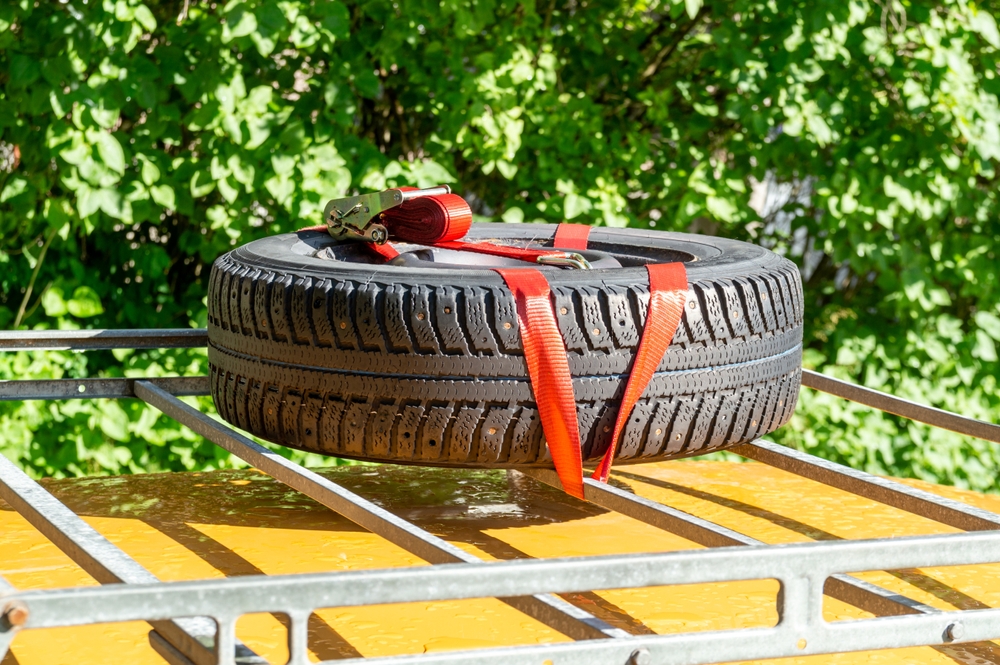
Many drivers forget the spare tire entirely. Winter temperature changes affect spare tire pressure, too. A flat spare becomes useless during emergencies. Mechanics often inspect spare tires during service visits. Check the pressure using the recommended level. Inspect the tire for cracks or damage. Also, confirm the jack and tools remain in place. Some vehicles use compact temporary spares. Those tires still need proper inflation. Being prepared saves time during roadside situations. A quick spare tire inspection takes only minutes but prevents frustration later.
Car Wash and Full Cleaning
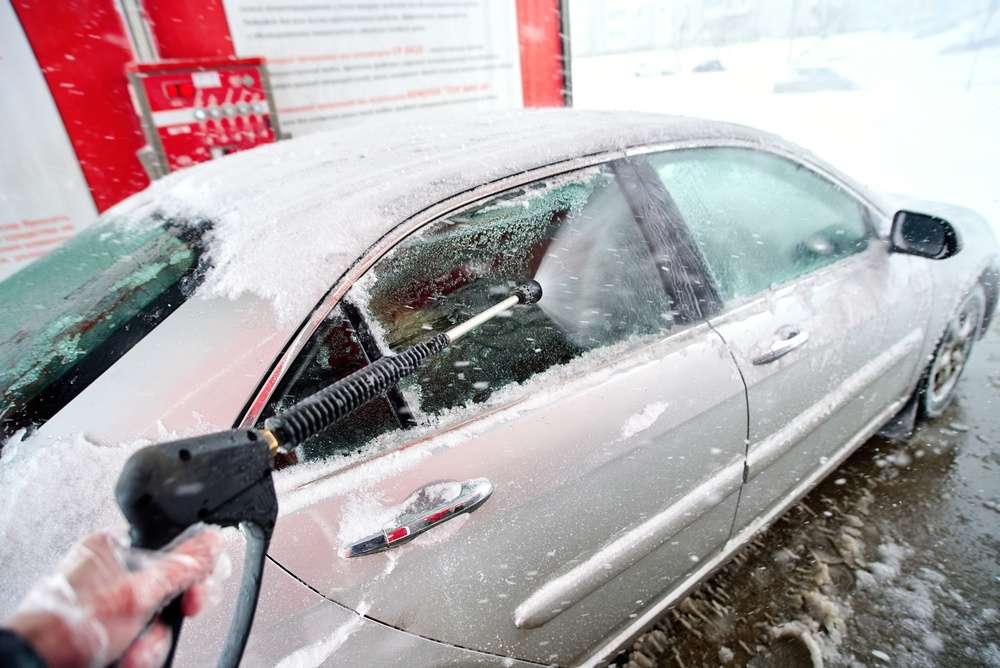
Winter leaves layers of salt, grime, and sand on vehicles. That residue slowly damages paint and metal surfaces. Mechanics often suggest a thorough spring wash. Pay special attention to wheel wells and the underbody. Automatic car washes usually include undercarriage sprays. Hand washing allows closer inspection of the paint. Small chips or scratches may appear after winter driving. Repairing them early prevents rust from forming. Clean cars also make it easier to spot fluid leaks. A fresh wash marks the start of spring driving and helps protect the vehicle.