

























Buying a car in Canada often looks simple on paper. Reviews praise comfort, power, or technology. Dealerships promise year-round capability. Then winter arrives with ice, salt, and brutal temperatures. Suddenly, the small weaknesses start showing. Some cars struggle with traction on packed snow. Others lose range, freeze door handles, or scrape low bumpers. Even luxury vehicles can feel unprepared once real weather hits. None of these models are bad car. They simply reveal flaws when conditions turn harsh. Understanding those weaknesses helps buyers avoid surprises. Here are 22 cars that should be great… but Canadian weather exposes their biggest flaw.
Tesla Model 3
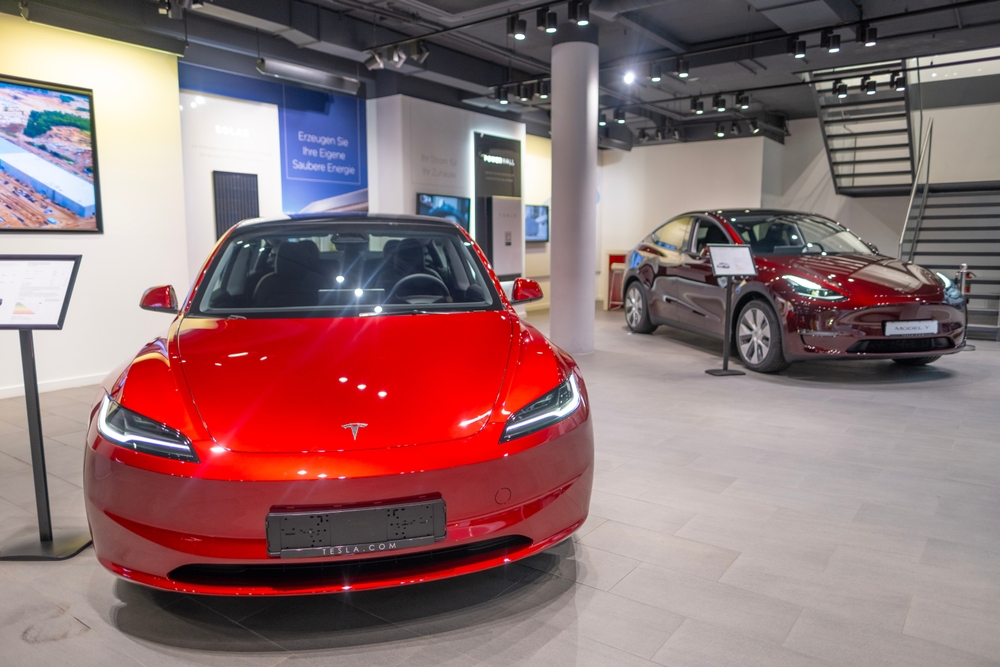
The Tesla Model 3 impresses buyers with speed, tech, and clean design. Many Canadians also like the lower running costs. Winter changes the experience more than expected. Battery range can drop sharply in cold temperatures. Drivers often report losing 25 to 40 percent of their expected range. Cabin heat uses extra battery power during freezing mornings. Charging also slows when temperatures fall below zero. Road salt can affect cameras and sensors used by driver assist systems. The car still works well overall. However, winter planning becomes part of daily driving. Many owners learn quickly that published range figures rarely match Canadian winter reality.
Chevrolet Camaro
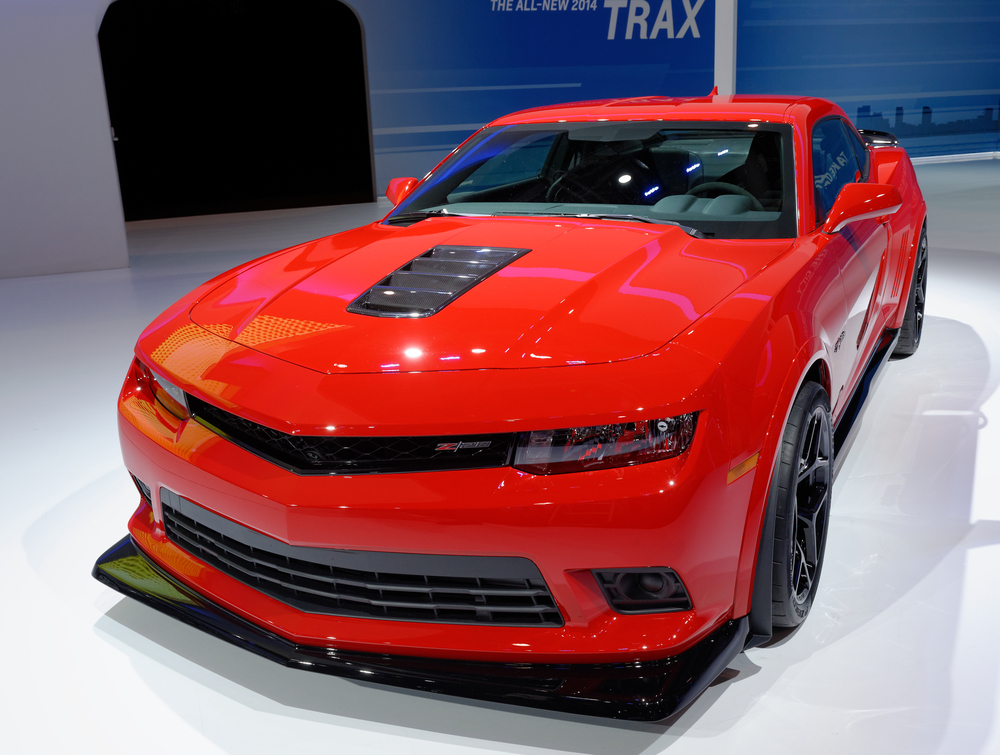
The Chevrolet Camaro looks perfect for summer roads and weekend drives. Strong engines and aggressive styling attract plenty of buyers. Canadian winters quickly expose its biggest weakness. The car sits very low to the ground. Snow buildup on city streets becomes a constant problem. Even shallow snow can scrape the front splitter. Rear Wheel Drive adds another challenge on icy roads. Winter tires help, but cannot fix ground clearance. Drivers often park the Camaro once snow arrives. Some owners switch to another vehicle for the winter months. The Camaro remains fun in warm weather. It simply feels out of place during a Canadian winter.
Toyota Prius
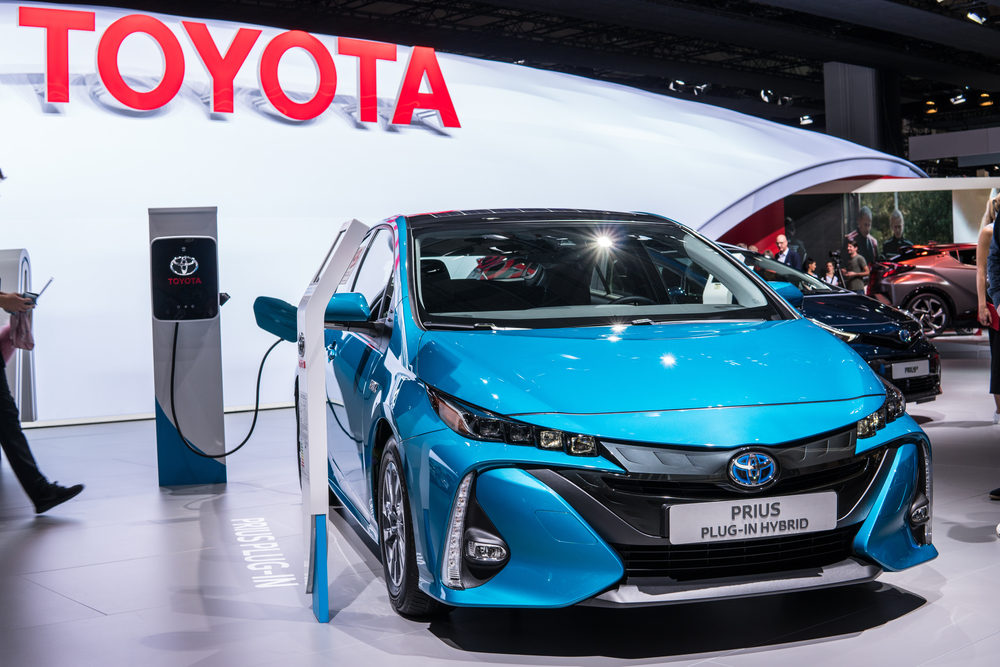
The Toyota Prius is famous for fuel savings and long-term reliability. Many Canadians choose it for daily commuting. Winter conditions reveal a surprising issue. The Prius rides quite low compared with many crossovers. Deep snow can push against the underside easily. Traction control also reacts quickly on icy roads. That response sometimes reduces power when drivers need momentum. Hybrid battery efficiency drops during extreme cold. Fuel savings shrink during the winter months. The cabin heater also relies heavily on the gasoline engine. Owners still appreciate the Prius overall. However, heavy snow days remind drivers that it was designed mainly for mild climates.
Mazda MX-5 Miata
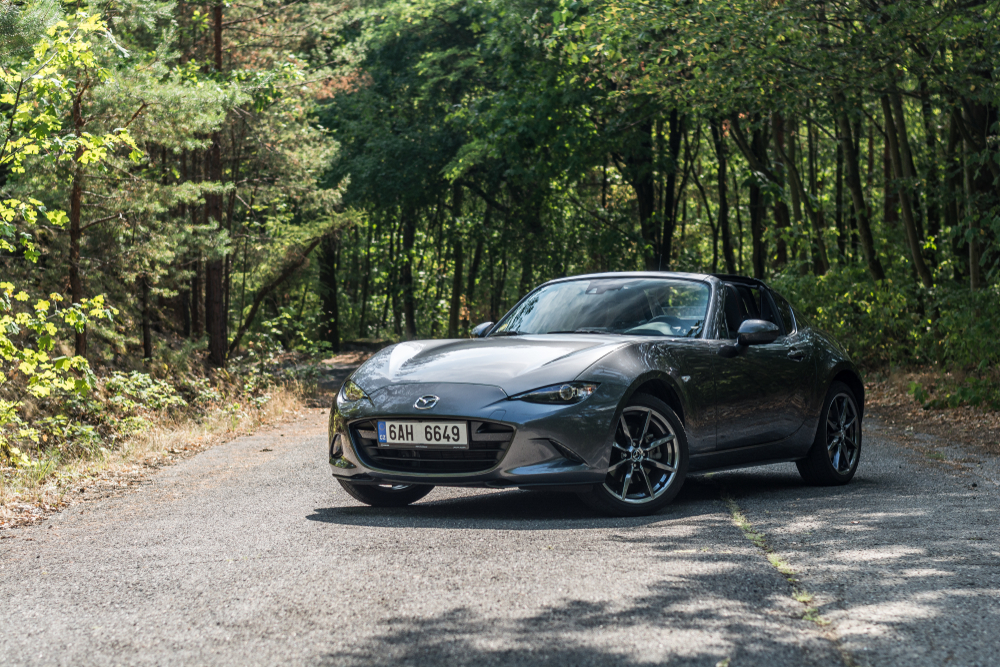
The Mazda MX-5 Miata remains one of the most loved sports cars. Drivers praise its light weight and sharp handling. Canadian winters reveal an obvious limitation. The Miata is extremely low and lightweight. Snow-covered roads reduce traction almost immediately. Rear Wheel Drive adds difficulty during icy conditions. Even with winter tires, the car struggles on steep hills. The small cabin also takes longer to warm during freezing mornings. Road salt can affect exposed metal parts underneath. Many owners treat the Miata as a summer toy. It shines during warm months. Winter driving often proves frustrating and risky for daily use.
Ford Mustang
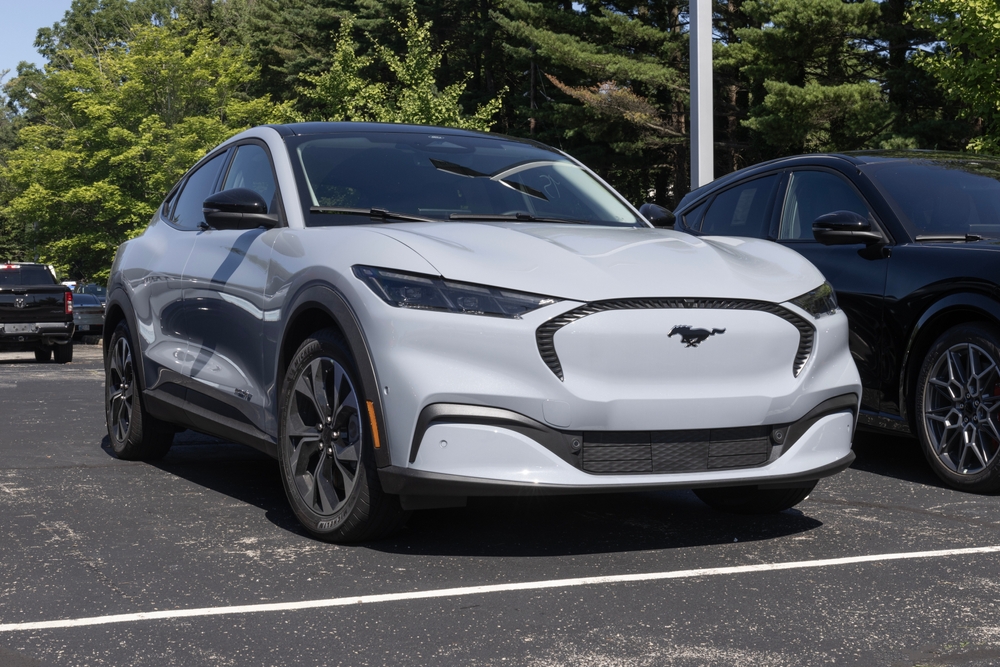
The Ford Mustang offers strong engines and a long muscle car legacy. Many Canadians love the sound and acceleration. Winter conditions quickly test its capabilities. Most Mustang models rely on Rear Wheel Drive. Snow and ice make traction unpredictable. The car can slide easily without careful throttle control. Wide performance tires add another challenge. Switching to winter tires helps, but does not solve everything. Ground clearance remains low for snowy streets. Cold temperatures also reduce battery performance during starts. Drivers who want year-round use often regret the choice. The Mustang delivers excitement. Canadian winters demand patience and caution.
BMW i4
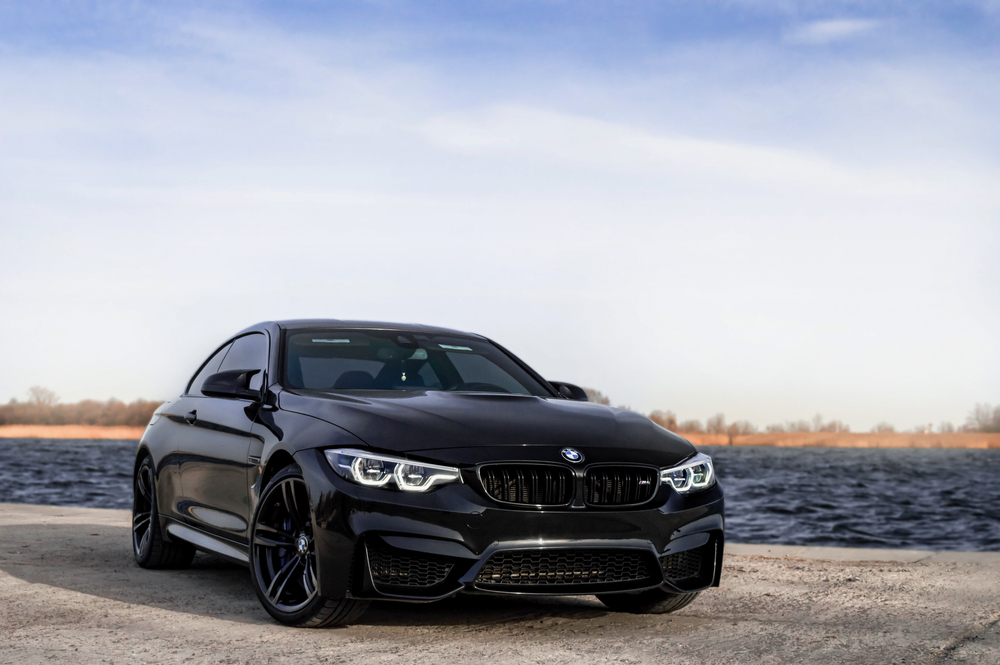
The BMW i4 blends electric driving with classic BMW comfort. Many buyers expect it to handle winter well. Cold weather exposes a familiar electric vehicle issue. Battery range drops noticeably in freezing temperatures. Drivers often see a 30 percent loss during long trips. Cabin heating requires extra energy during winter. Charging times also increase when batteries stay cold. Snow and road salt may affect parking sensors and cameras. Those systems sometimes need cleaning during storms. The i4 still drives smoothly on winter roads. However, long-distance planning becomes more complicated. Winter reminds owners that electric cars behave differently in extreme climates.
Nissan Leaf
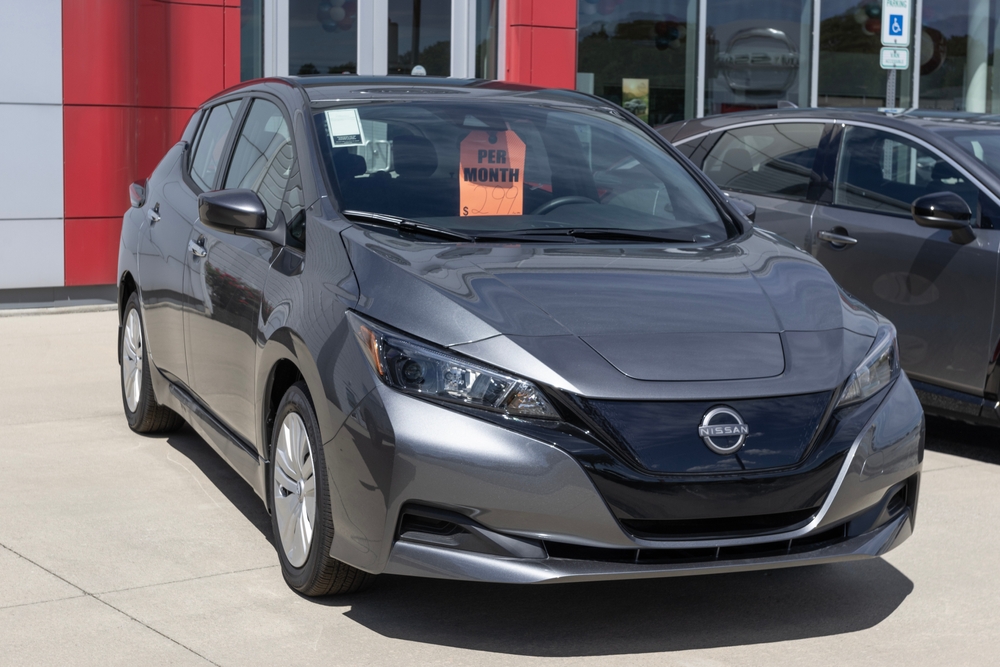
The Nissan Leaf helped popularize electric vehicles worldwide. Early models attracted many environmentally minded Canadians. Winter reveals one persistent weakness. The Leaf lacks an advanced battery cooling system. Extreme cold slows charging and reduces range significantly. Drivers may lose up to 40 percent of the expected distance. Cabin heat quickly drains the battery during long commutes. Fast charging also becomes less efficient in freezing temperatures. Owners often rely on preheating while plugged in. That strategy helps but requires planning. The Leaf remains affordable and simple to operate. Harsh winters highlight the limits of older electric vehicle battery technology.
Dodge Challenger
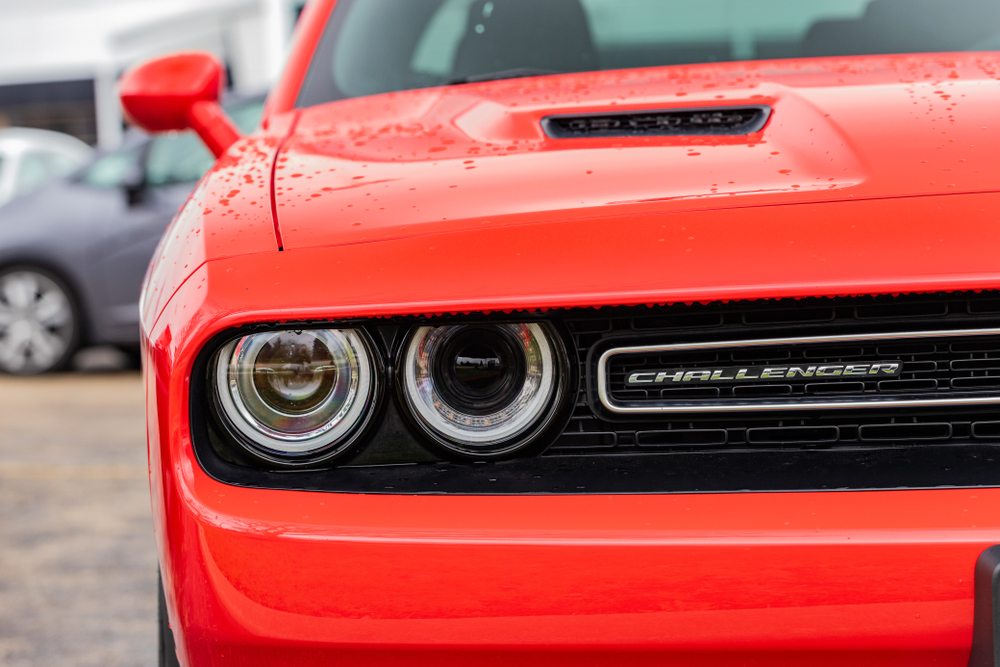
The Dodge Challenger delivers classic muscle car presence. Wide body styling and strong engines attract enthusiasts everywhere. Canadian winters expose several practical issues. Rear Wheel Drive struggles with icy intersections and snowy highways. The car is also very heavy compared with rivals. Weight does not always help traction during slippery conditions. Wide performance tires reduce grip in cold weather. The long hood limits visibility during snowstorms. Drivers sometimes misjudge distances on snowy roads. Winter tires improve control, but cannot change the car’s design. The Challenger feels powerful in summer. Winter roads often reveal their limitations quickly.
Honda Civic Type R
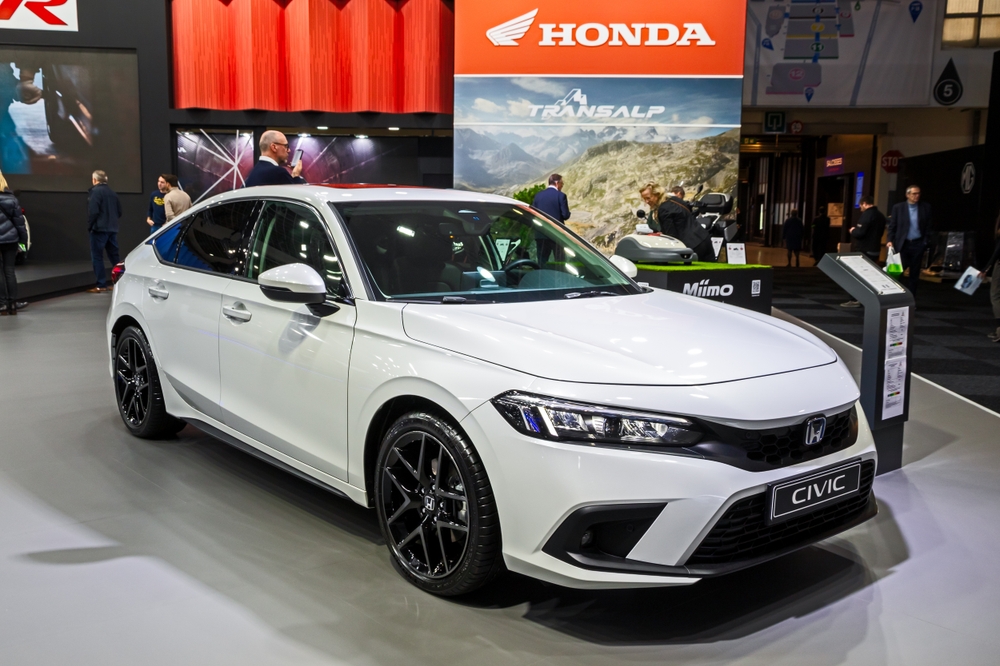
The Honda Civic Type R offers thrilling performance and sharp handling. Many drivers praise its track-inspired engineering. Canadian winters reveal a practical problem. The car rides extremely low for better aerodynamics. Snow buildup can damage the front lip easily. Performance tires lose grip quickly in cold weather. Switching to winter tires helps, but reduces handling feel. Road salt may also affect exposed metal parts underneath. Drivers must watch for ice chunks on highways. The Type R remains fun for spirited driving. However, winter conditions force owners to slow down and drive carefully.
Toyota GR86
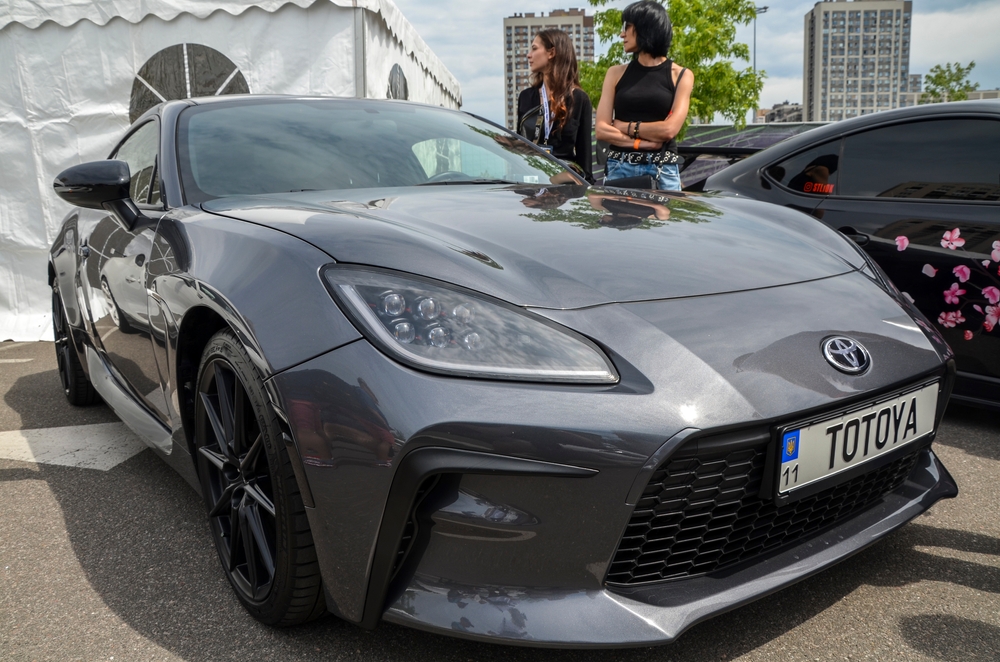
The Toyota GR86 focuses on driving balance and driver engagement. Enthusiasts love its lightweight design and Rear Wheel Drive layout. Canadian winters expose its biggest weakness quickly. The car lacks the traction needed for snowy roads. Even light snowfall can challenge the tires. Drivers often struggle when climbing icy hills. The GR86 also sits low to improve handling. Snow buildup under the car becomes a common issue. Winter tires improve grip, but cannot solve ground clearance limits. Many owners store their cars during the winter months. The GR86 excels on dry roads. Canadian winters remind drivers it prefers warmer climates.
Subaru BRZ
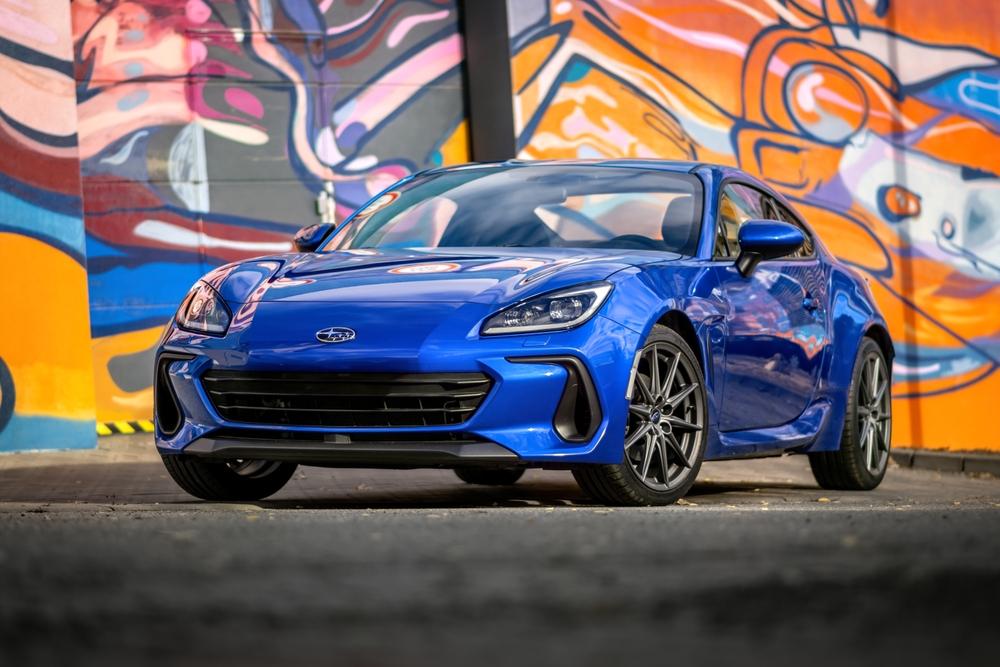
The Subaru BRZ surprises many buyers with its lack of All-Wheel Drive. Subaru is known for winter-friendly vehicles. The BRZ follows a different philosophy. It uses Rear Wheel Drive for better balance and steering feel. Snowy roads quickly reveal the trade-off. Traction drops when conditions turn icy. The car also sits low for sporty handling. Deep snow becomes difficult to manage. Winter tires help, but require careful driving habits. Drivers often expect more winter capability from the Subaru badge. The BRZ remains enjoyable on dry pavement. Winter conditions highlight its sports car priorities.
Tesla Model Y
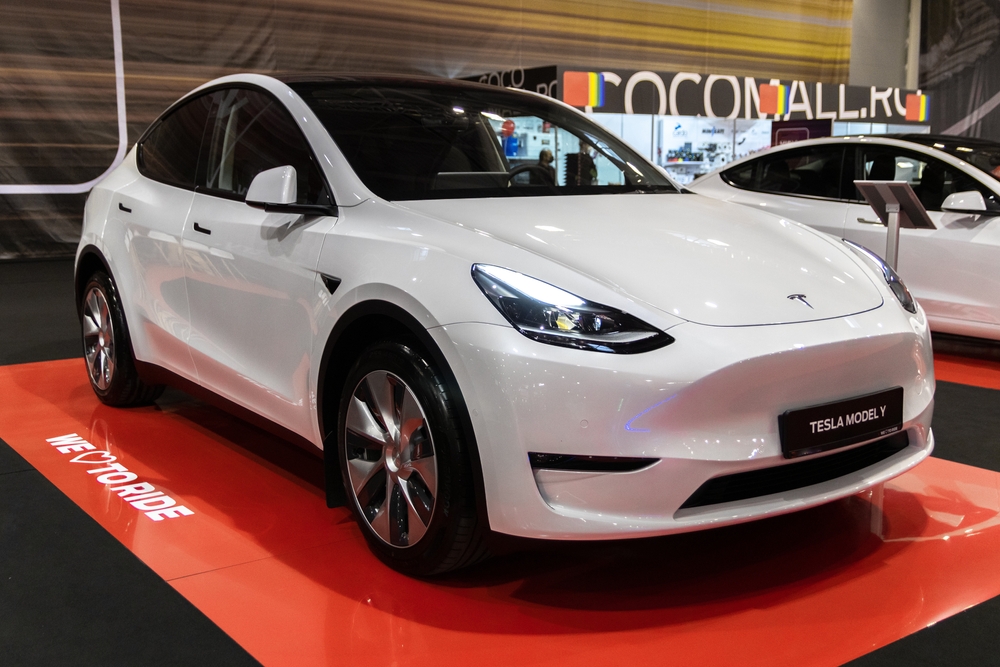
The Tesla Model Y is popular among Canadian families. Its interior space and technology attract many buyers. Winter reveals several electric vehicle realities. Battery range drops during freezing temperatures. Drivers often lose a large portion of the advertised distance. Cabin heating also uses significant battery energy. Charging slows when batteries remain cold. Snow can block cameras used by driver assist features. Drivers sometimes clean sensors during storms. All Wheel Drive versions improve traction on icy roads. The Model Y still handles winter conditions well overall. However, long winter trips require more planning than many buyers expect.
Jeep Wrangler
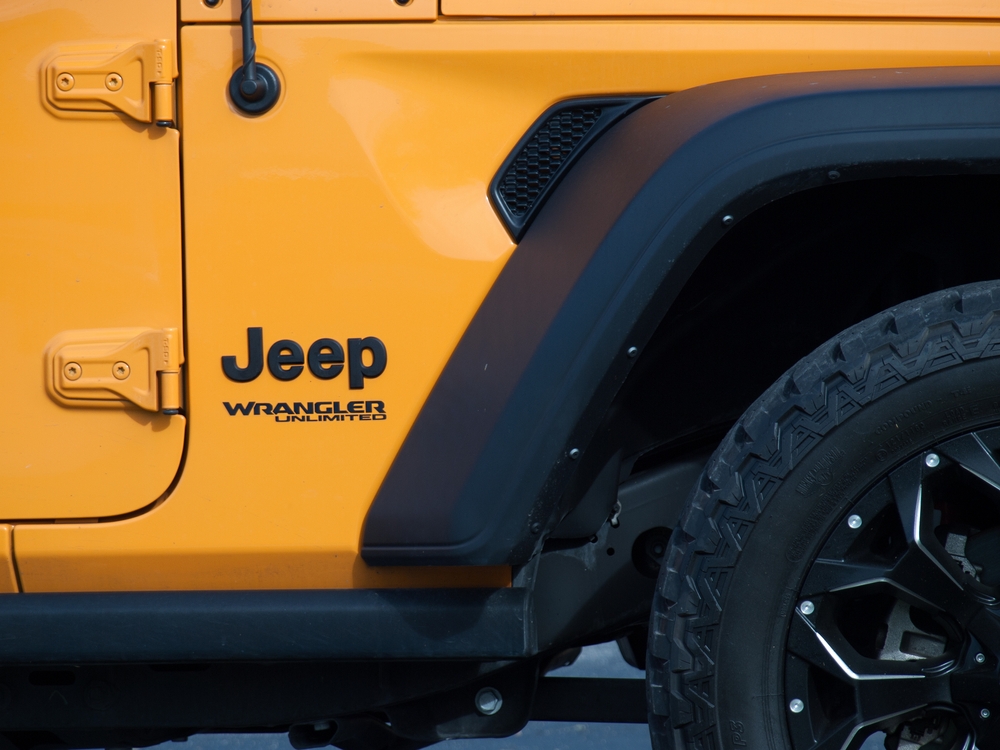
The Jeep Wrangler has a reputation for conquering rough terrain. Many Canadians assume it handles winter perfectly. Snow and ice expose a surprising weakness. The Wrangler uses a short wheelbase and tall shape. Those features reduce stability on icy highways. Steering can feel vague at higher speeds. Strong winds during winter storms also affect handling. The removable roof and doors add extra road noise. Cabin heat takes time during extremely cold mornings. The Wrangler still performs well off-road. Daily winter highway driving often feels tiring compared with more stable vehicles.
Kia Stinger
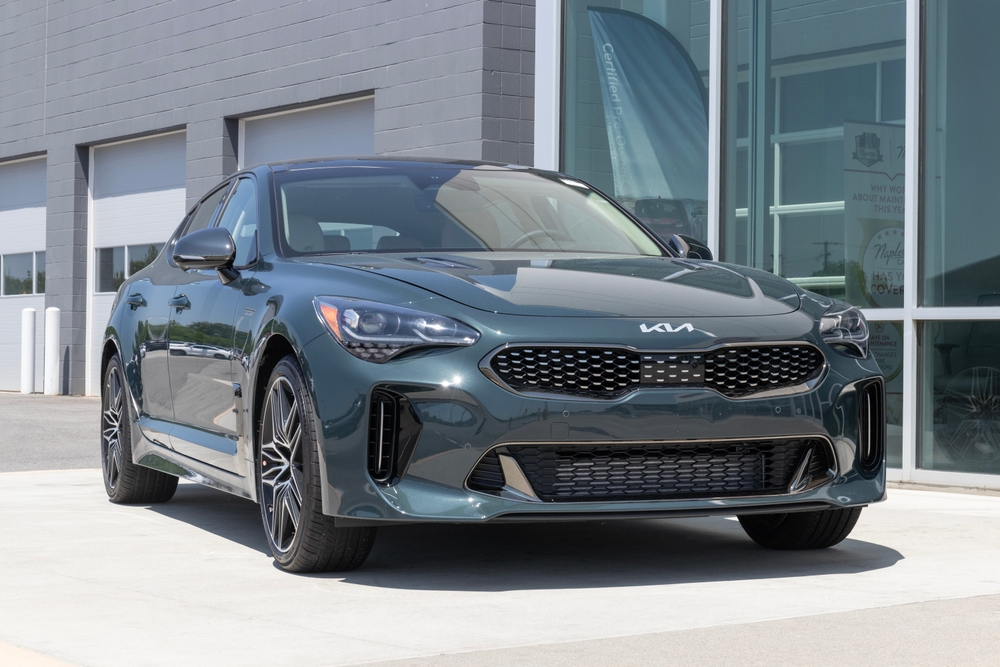
The Kia Stinger gained praise for its power and sharp design. Many drivers see it as a performance bargain. Canadian winters reveal a few drawbacks. Rear Wheel Drive versions struggle for traction on ice. Wide performance tires lose grip in freezing temperatures. Switching to winter tires improves control but changes handling feel. The car also rides low compared with many sedans. Deep snow can scrape the underbody. Road salt exposure becomes another concern during long winters. The Stinger remains fun during warm months. Winter conditions make it feel less practical for everyday commuting.
Mini Cooper
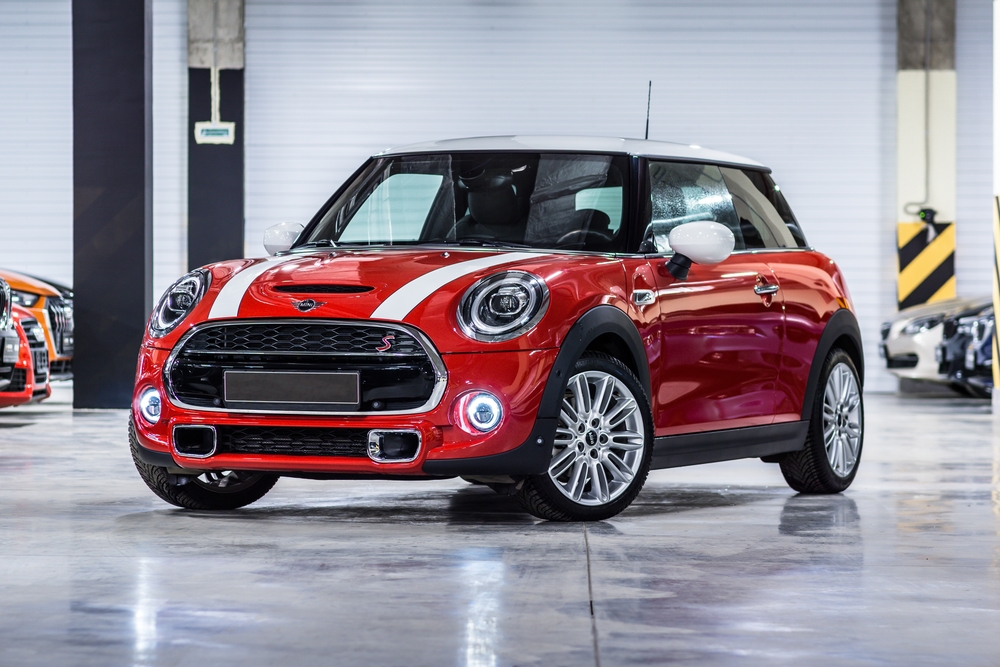
The Mini Cooper attracts drivers with its personality and tight handling. Its compact size works well in crowded cities. Winter exposes a few practical issues. The short wheelbase can feel twitchy on icy roads. Small wheels drop into ruts created by snow and slush. Ground clearance remains limited for deeper snowfall. Cabin space also warms slowly during freezing mornings. Drivers may feel bumps more on rough winter pavement. Winter tires improve traction, but cannot change the ride height. The Mini Cooper remains fun to drive. Canadian winters highlight the limits of its small design.
Chevrolet Bolt EV
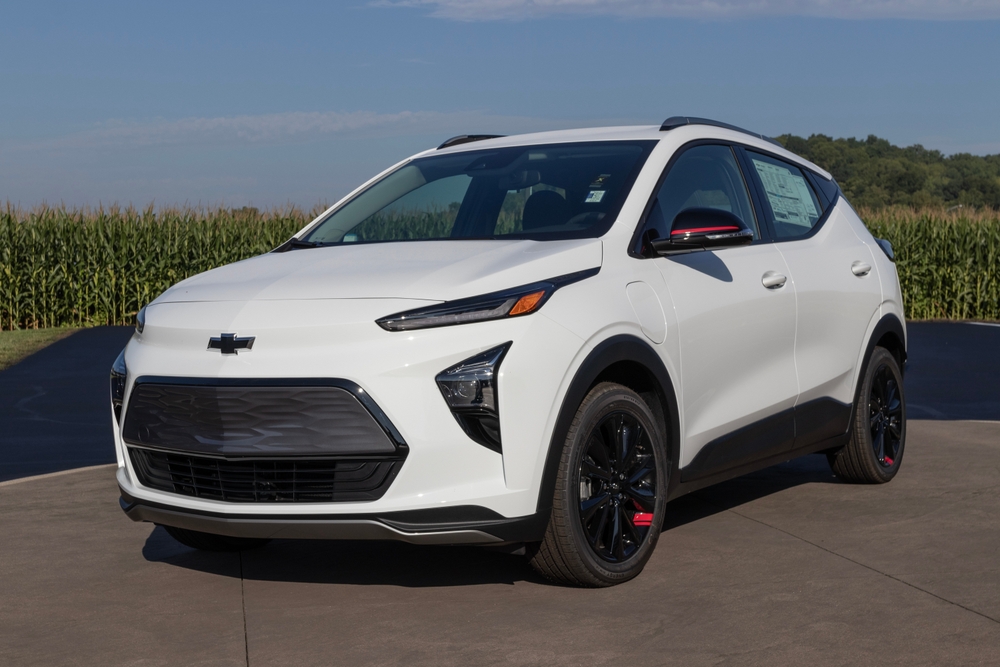
The Chevrolet Bolt EV gained popularity for its affordable electric driving. Many Canadians appreciate the long official range. Winter conditions change the numbers quickly. Cold temperatures reduce battery efficiency dramatically. Drivers often lose up to 35 percent of their expected range. Cabin heating adds more strain during long commutes. Charging speeds slow when batteries remain cold. Owners sometimes rely on heated seats instead of cabin heat. Snow and road salt also affect cameras and sensors. The Bolt EV still handles well on slippery roads. Winter travel simply requires more planning and patience.
Porsche 911
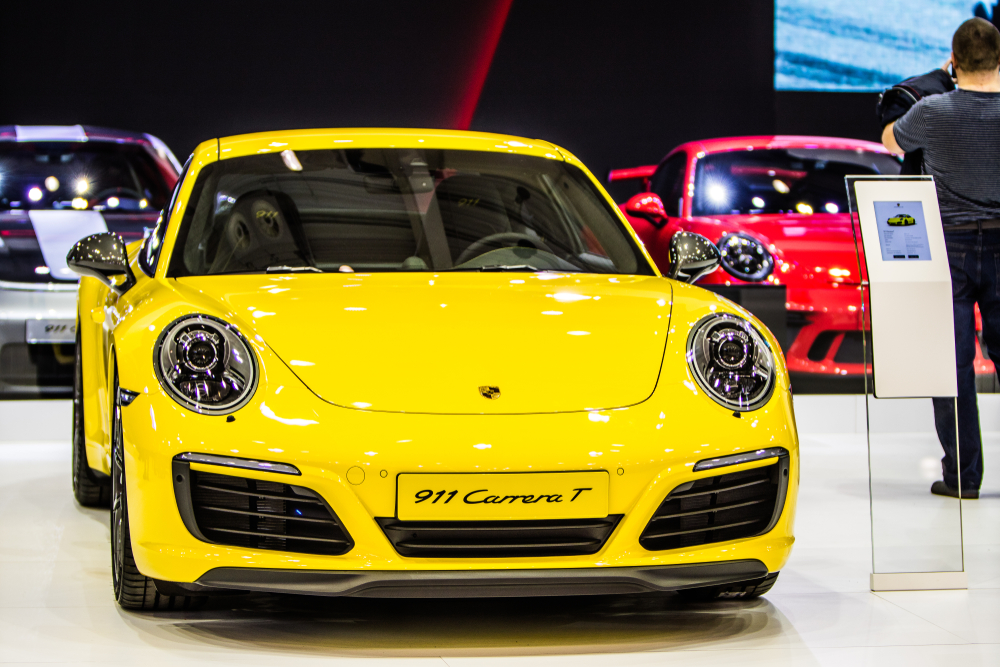
The Porsche 911 offers legendary performance and precision handling. Some drivers even use it daily year-round. Canadian winters reveal their biggest challenge. The car rides very low to the ground. Snow buildup quickly interferes with normal driving. Performance tires also struggle when temperatures fall. Winter tires improve grip but reduce handling sharpness. Road salt exposure can affect expensive body components. Drivers must also watch for hidden ice chunks on highways. The 911 still delivers strong traction with rear engine weight. Deep snow days remind owners that it remains a sports car first.
Toyota C-HR
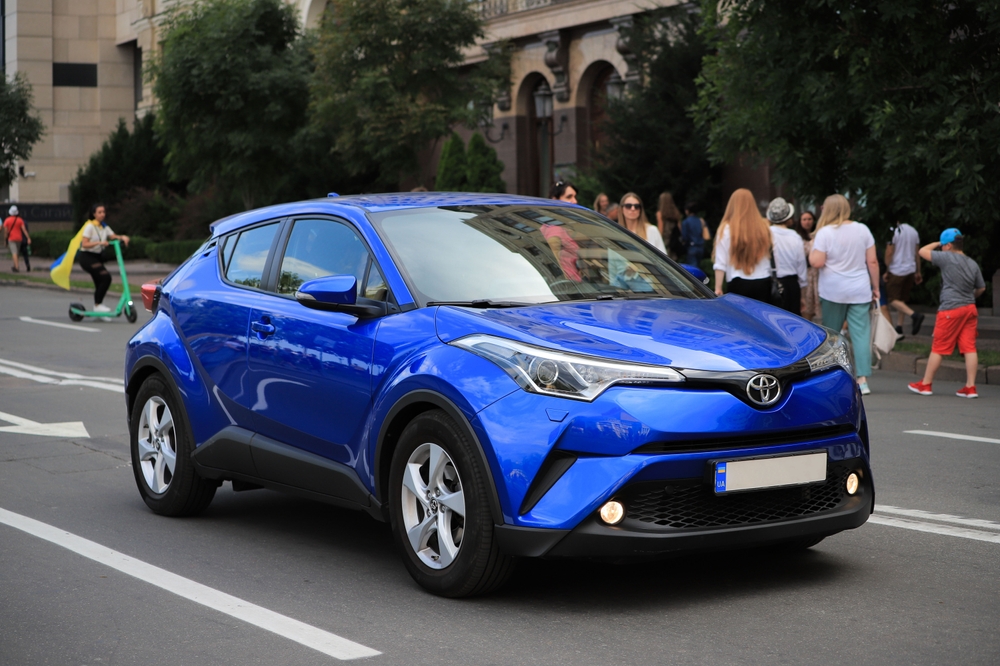
The Toyota C HR stands out with bold styling and compact size. Many buyers choose it for urban driving. Canadian winters reveal an unexpected limitation. The vehicle lacks All Wheel Drive entirely. Snowy roads reduce traction during heavy storms. Drivers must rely on careful throttle control. The sloping rear design also reduces rear visibility during snow buildup. Thick snow on the rear window becomes a frequent issue. Winter tires help improve grip considerably. Still, many buyers expect All Wheel Drive in a Canadian crossover. The C HR performs well in cities. Winter conditions highlight the missing feature.
Mercedes-Benz CLA
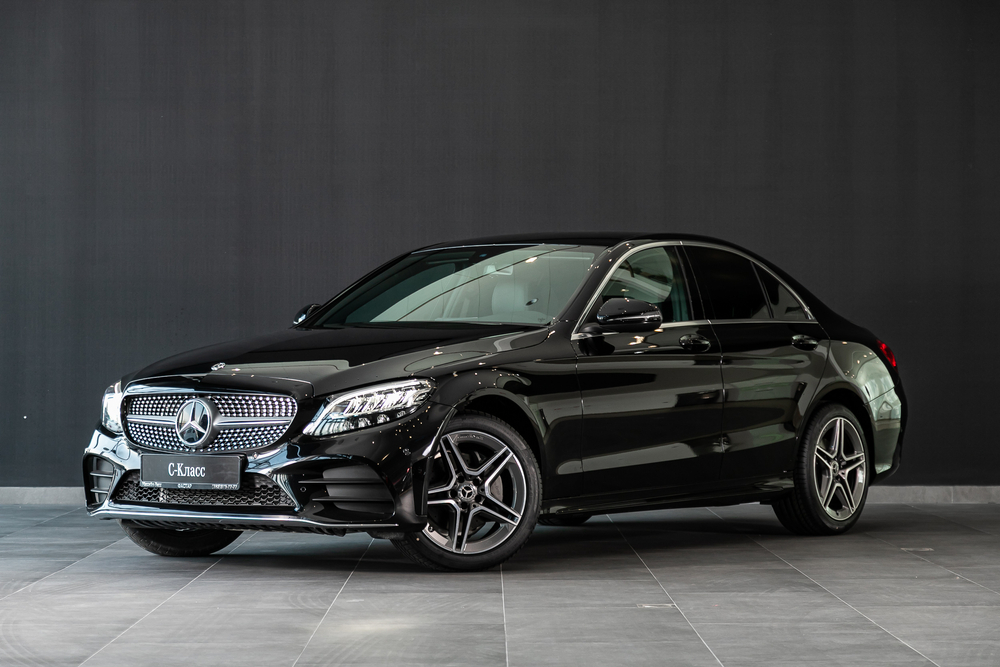
The Mercedes-Benz CLA attracts buyers with sleek styling and luxury branding. Many drivers expect strong winter performance. Canadian weather exposes a few limitations. The car sits lower than many competing sedans. Snow buildup becomes a problem during heavy storms. Rear Wheel Drive models struggle on icy roads. Even All Wheel Drive versions use wide tires. Those tires lose grip in extreme cold. The sloping roofline also reduces rear visibility during snow buildup. Winter tires improve traction significantly. Still, the CLA feels more comfortable in milder climates than harsh winters.
Ford Focus RS

The Ford Focus RS gained a strong reputation for rally-inspired performance. Many enthusiasts admire its powerful All Wheel Drive system. Canadian winters reveal a practical issue. The suspension sits very stiff and low. Snow-covered roads can feel rough and uncomfortable. Ice chunks may hit the underbody during storms. Wide performance tires struggle during freezing temperatures. Winter tires help, but reduce the car’s sharp handling. Cabin insulation also allows more road noise on rough winter pavement. The Focus RS remains thrilling on dry roads. Canadian winters remind drivers that it favors performance over comfort.