





















Car theft has become a major concern across Canada in recent years. Insurance claims tied to stolen vehicles keep climbing. Cities such as Toronto, Montreal, and Ottawa report thousands of thefts every year. Organized groups now target specific vehicles for export or resale. That rise in crime has pushed insurance companies to reward drivers who add protection. Many insurers now offer discounts for proven anti-theft upgrades. These upgrades often cost far less than a single deductible. Some even add daily convenience along with security. Here are 14 simple anti-theft upgrades that can lower your insurance in Canada (2026 edition).
Steering Wheel Locks
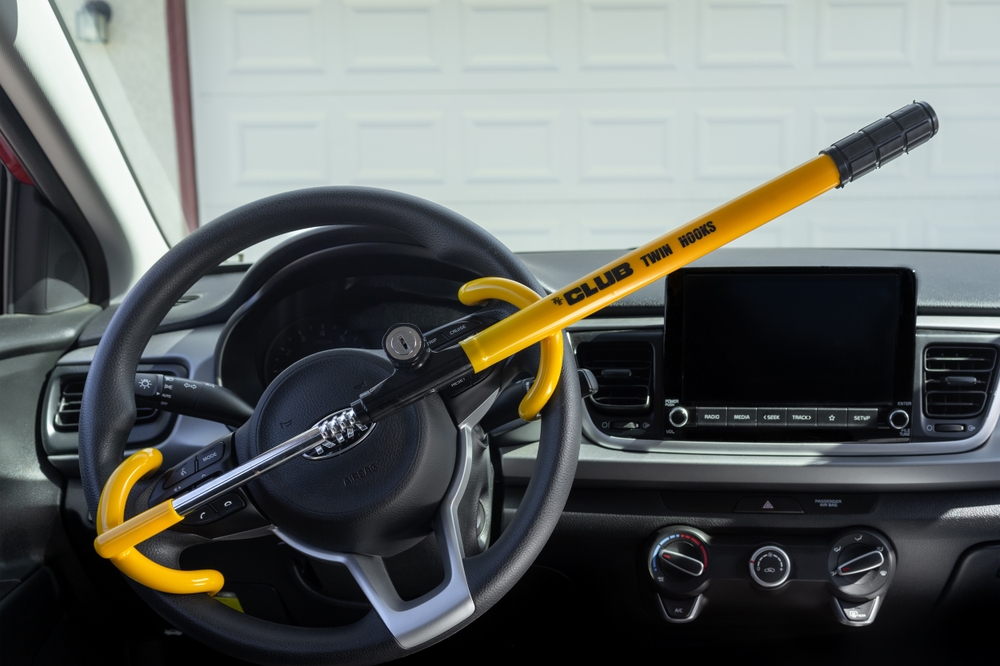
Steering wheel locks remain one of the simplest ways to discourage thieves. The bright metal bar is easy to spot through a window. That visibility alone often pushes criminals to move on. Many thieves prefer quick targets with fewer obstacles. A locked steering wheel adds time and effort. Popular models like The Club cost far less than advanced electronics. Some insurers recognize them as a valid theft deterrent. They work best when combined with other security upgrades. The device attaches in seconds and stores under a seat. For drivers parking on streets overnight, this simple tool adds strong visual protection.
GPS Tracking Devices
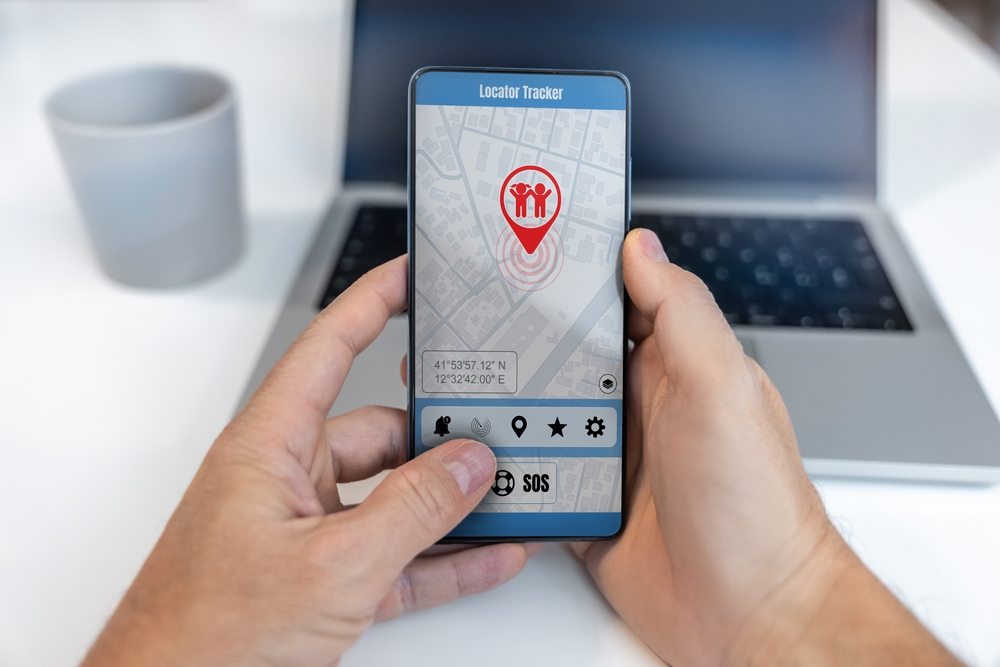
A GPS tracker can help locate a stolen vehicle quickly. Police recovery rates improve when a car broadcasts its location. Many devices connect to a phone app for live tracking. Some units alert owners if the car moves unexpectedly. Thieves often abandon vehicles once tracking becomes known. Insurance companies like these devices because they reduce total losses. Many systems cost under two hundred dollars. Subscription plans usually remain affordable each month. Hidden installation improves effectiveness against organized theft rings. Drivers also gain peace of mind during travel or long parking periods. That added security can translate into insurance discounts.
Aftermarket Immobilizers

An immobilizer prevents the engine from starting without authorization. Many modern vehicles include them, but older models often lack this protection. Aftermarket systems fill that gap at a reasonable cost. They interrupt the ignition or fuel system until a coded key appears. Thieves cannot simply hotwire the vehicle anymore. Installation typically takes less than two hours. Insurance providers often reward immobilizer upgrades with premium reductions. Organized theft groups prefer vehicles without these systems. The added barrier often sends them elsewhere. For drivers with vehicles built before 2015, this upgrade offers strong protection for a modest price.
Faraday Key Pouches

Keyless entry systems created a new type of theft called relay attacks. Criminals capture signals from key fobs inside homes. That signal can unlock and start the vehicle outside. A Faraday pouch blocks wireless signals completely. The pouch contains metal fabric that shields electronic communication. Drivers simply store their keys inside when not in use. These pouches cost less than twenty dollars. Many insurance brokers now recommend them. The upgrade requires no installation and no maintenance. Owners still keep the full convenience of keyless entry. Blocking signal theft can stop criminals before they even reach the driveway.
VIN Etching on Windows
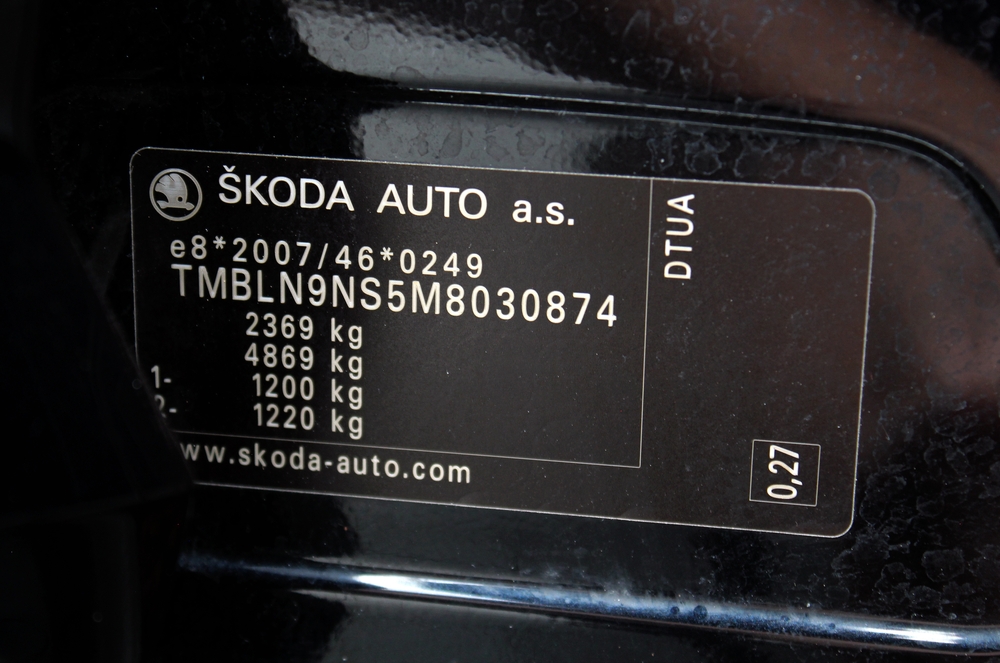
VIN etching places a vehicle identification number onto each window. Thieves dislike vehicles with marked glass panels. Removing etched windows requires time and extra cost. That extra effort makes the car less attractive to resale networks. Police also identify recovered vehicles faster with etched glass. The process uses a mild acid to engrave numbers permanently. Many dealerships offer the service during purchase. Independent shops also perform the upgrade at reasonable prices. Some insurance companies provide discounts for etched vehicles. The marking is subtle but powerful as a theft deterrent.
Wheel Locks
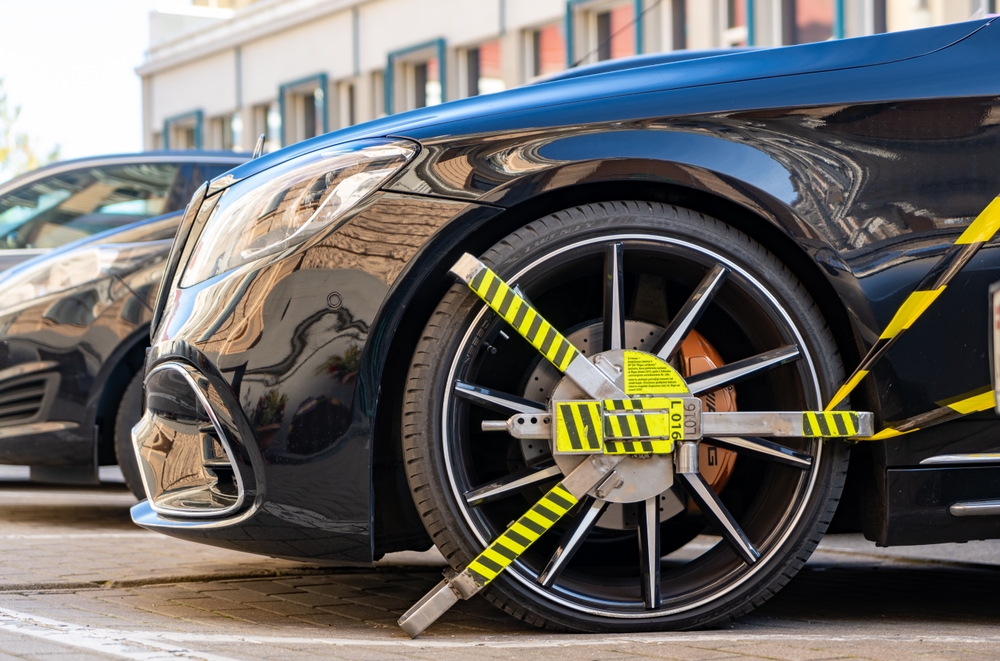
Wheel locks protect valuable rims and tires from theft. Many modern vehicles come with expensive alloy wheels. Criminals can remove them in minutes without protection. Wheel locks replace one lug nut per wheel with a unique pattern. Only the matching key can remove it. This simple upgrade frustrates quick theft attempts. The cost usually ranges between thirty and sixty dollars. Installation takes only a few minutes. Insurance companies appreciate upgrades that prevent parts theft. Losing wheels often leads to expensive claims. A small metal lock can stop a surprisingly common crime.
Dash Cameras with Parking Mode
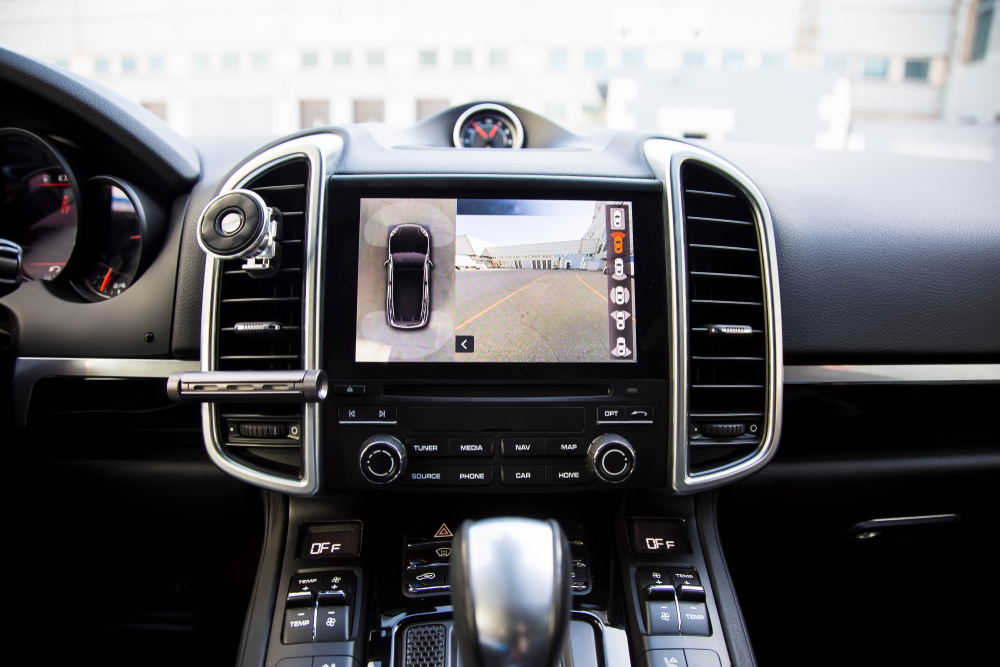
Dash cameras now include advanced parking surveillance. Many systems record motion around the car when parked. Some models send alerts to a smartphone instantly. That footage helps identify criminals during theft attempts. Cameras also discourage tampering when visible inside the cabin. Drivers gain extra evidence for insurance claims. Parking mode usually activates through motion or impact sensors. Installation is simple, and many kits remain affordable. Insurance companies recognize that recorded evidence improves investigations. A dash camera adds security both while driving and during overnight parking.
Secondary Car Alarms
Factory alarms exist in most modern vehicles. However, thieves often learn how to bypass them quickly. Aftermarket alarms add extra sensors and louder alerts. Some include shock detection or tilt monitoring. A strong siren draws attention immediately. Criminals prefer quiet theft operations without witnesses. Extra alarms increase the risk for them. Many systems connect to phone notifications as well. Installation by a professional improves reliability. Insurance companies sometimes reward vehicles with upgraded alarm systems. The noise alone can stop a theft attempt before it begins.
Driveway Security Cameras
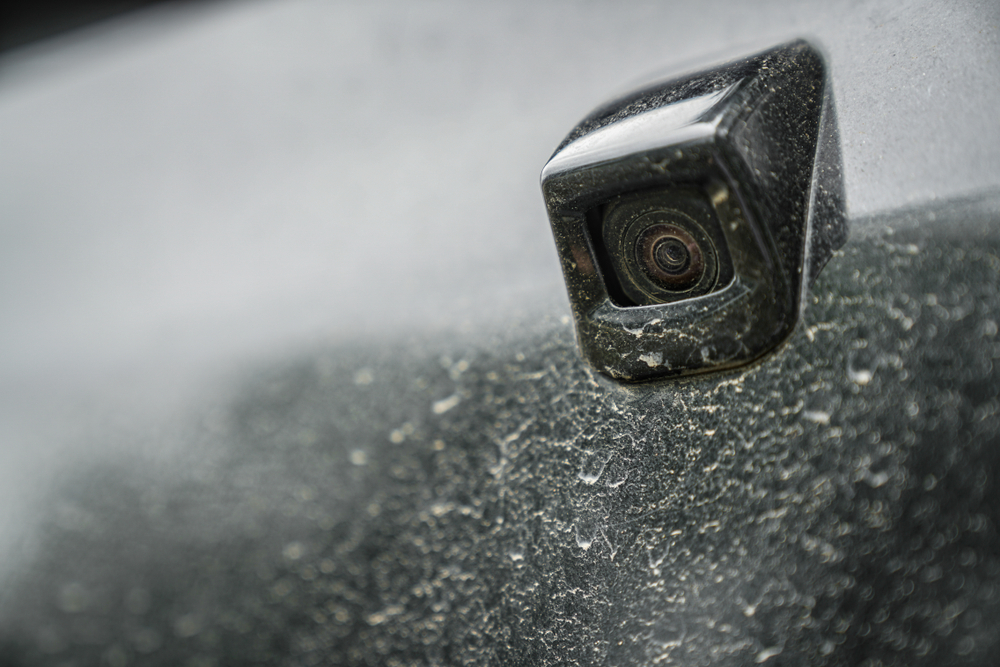
Vehicle theft often starts with scouting neighborhoods first. Security cameras capture suspicious activity before crimes occur. Visible cameras also discourage criminals from targeting a property. Many systems now include night vision and motion alerts. Video clips are sent directly to a smartphone. Drivers can monitor parked vehicles anytime. Police investigations benefit greatly from recorded footage. Camera prices dropped significantly in recent years. Some systems install without wiring. Insurance companies support home security measures tied to vehicle safety. Watching the driveway can protect more than just the car.
Smart Garage Door Openers
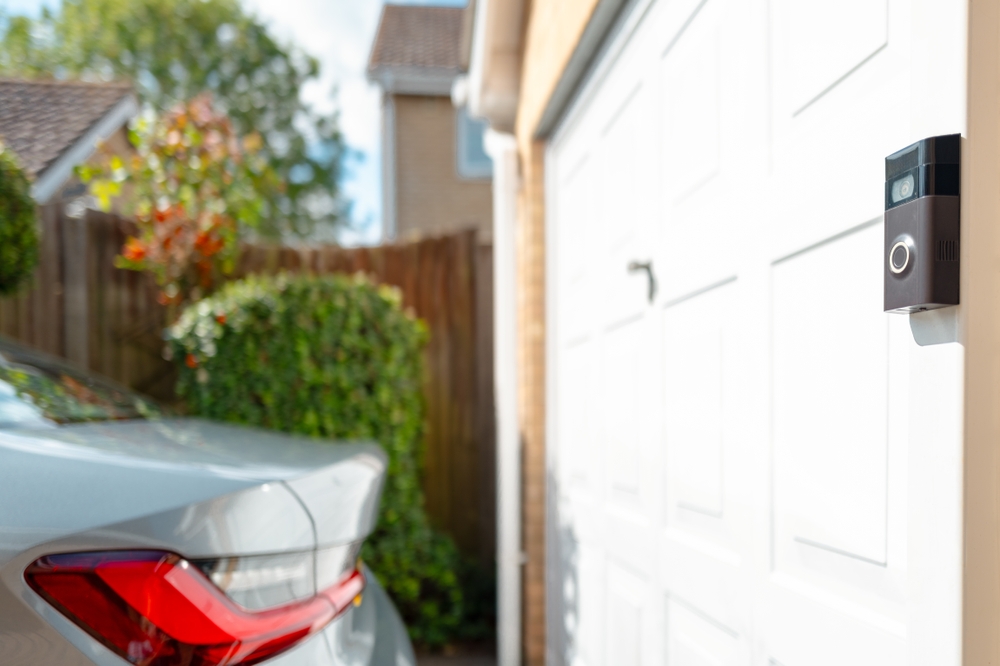
Garages offer strong protection, but only when doors stay secure. Smart garage openers add monitoring and remote-control features. Drivers receive alerts if the door opens unexpectedly. They can close it remotely using a phone. Some systems include activity logs for security tracking. This prevents accidental overnight openings. Thieves often check neighborhoods for open garages. Smart systems remove that risk quickly. Installation usually replaces the existing opener controller. Insurance companies value secure parking when calculating risk. A connected garage door strengthens home and vehicle security together.
Kill Switch Installation
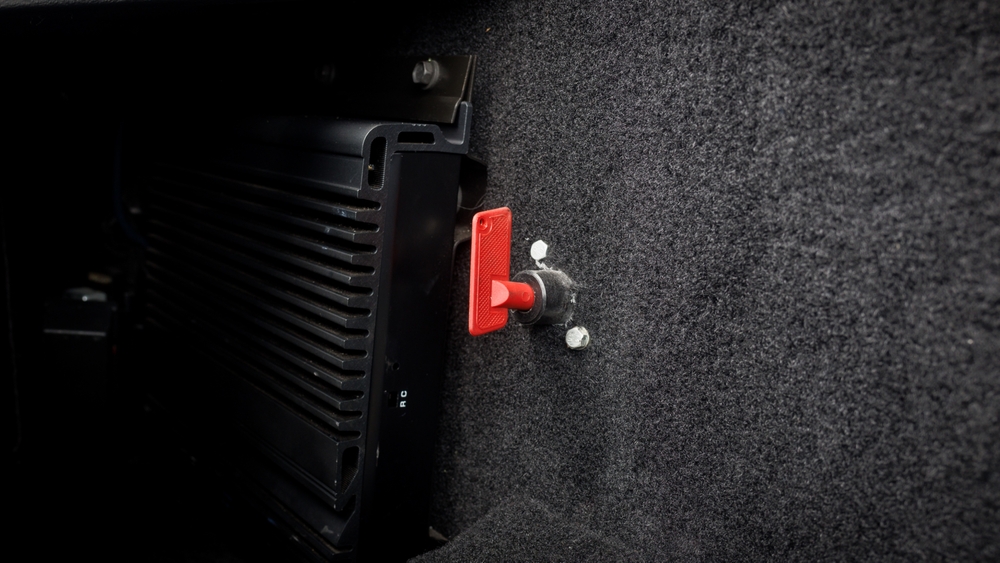
A kill switch hides inside the vehicle and blocks ignition power. Only the owner knows its location. Even if thieves unlock the car, the engine will not start. Installing the switch requires minimal wiring. Mechanics often place it under the dashboard or near the console. Criminals rarely spend time searching for hidden switches. They move on to easier targets quickly. The upgrade costs little compared with electronic systems. Insurance providers recognize the benefit of hidden deterrents. Drivers gain strong protection through a simple mechanical solution.
Tire Pressure Monitoring Caps with Locks
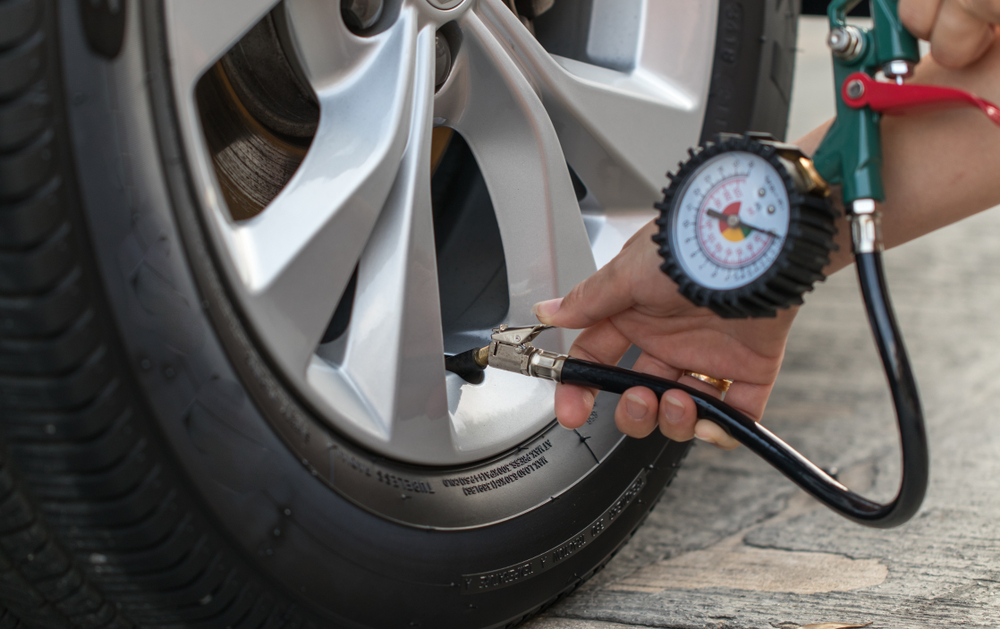
Many drivers overlook smaller theft risks tied to tires. Specialized valve caps include tiny locking systems. They prevent tampering or quick deflation attempts. Some criminals disable vehicles before stealing them later. Locked caps remove that easy tactic. These caps cost very little and install instantly. The small upgrade adds another minor barrier for thieves. While simple, every obstacle adds time during a theft attempt. Insurance companies like layered security approaches. Small protective measures combined often make a big difference.
Secure Key Storage at Home
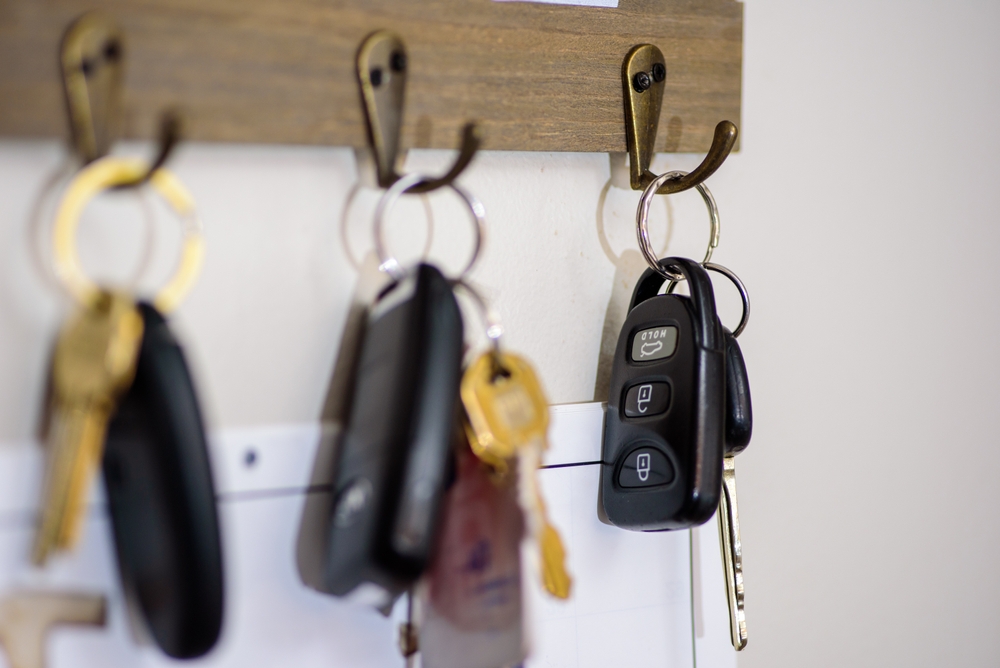
Vehicle security starts inside the home as well. Many thefts begin with keys left near front doors. Criminals sometimes break in simply to grab them. Storing keys in a locked drawer or safe reduces that risk. Families should also avoid labeling keys with vehicle details. Some owners install small key safes inside closets. This habit costs nothing yet prevents many theft attempts. Insurance adjusters often ask how keys were stored after a theft. Safe storage practices show responsible ownership and reduce risk.
Visible Security Stickers and Decals

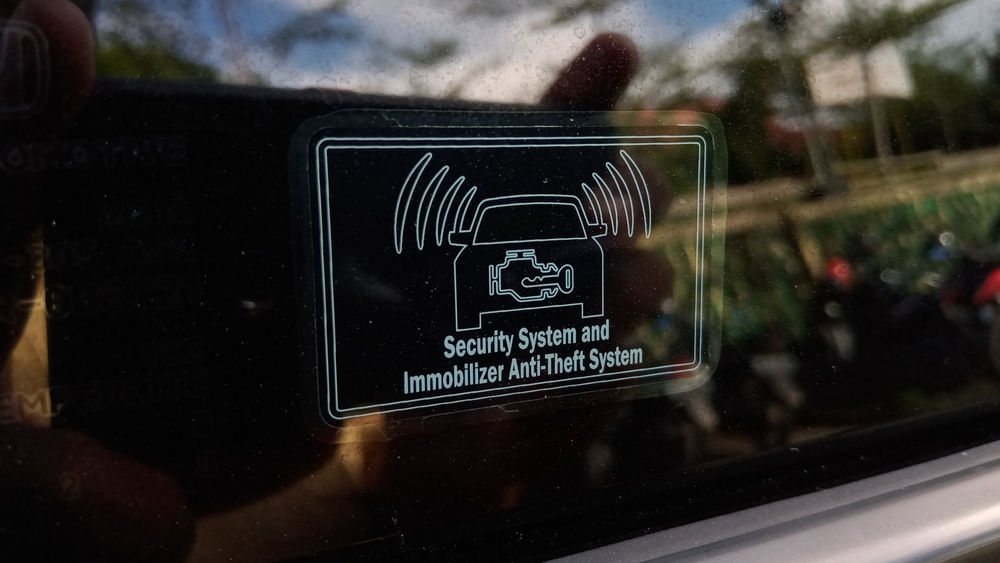
Security stickers may look simple, but they are effective deterrents. Many drivers display decals showing alarms or tracking systems. Criminals often avoid vehicles that advertise security features. Even when the sticker supports an existing upgrade, the visibility helps. A thief scanning a parking lot prefers the least protected car. Security decals send a warning without any electronics involved. Many alarm systems include them in the box. Drivers can also purchase generic versions online. A small visual cue can quickly redirect criminals elsewhere.