




















Car insurance companies track repair costs very closely. When a vehicle becomes expensive to fix after a crash, premiums often rise. Sometimes insurers quietly reduce coverage options for that model. Modern vehicles pack sensors, cameras, and complex electronics. Those features improve safety but sharply increase repair costs. A small accident may now require replacing entire assemblies rather than just one part. Labor costs and software calibration add even more expense. Insurers factor these trends into risk models every year. Here are 24 cars with repair bills so high they’re becoming “Uninsurable” for some drivers.
Tesla Model Y
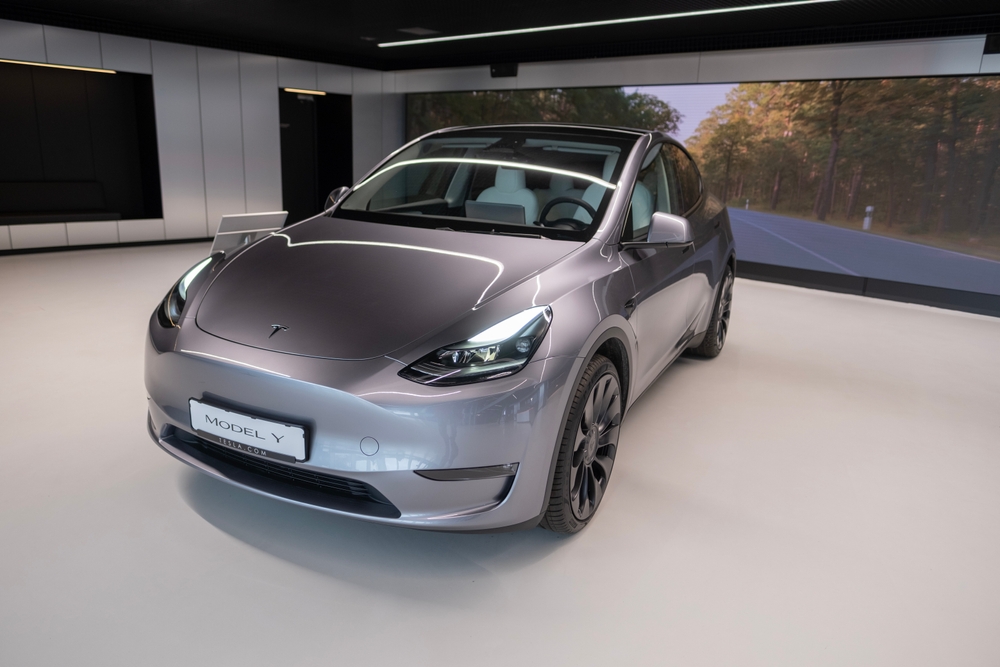
The Tesla Model Y sells in huge numbers across North America. High demand has not reduced repair expenses. Many repairs require replacing entire panels instead of fixing smaller sections. Tesla also uses large aluminum components. Those parts require specialized repair tools and trained technicians. Insurance data shows even minor crashes can cost thousands to fix. Cameras and sensors are embedded throughout the body panels. A damaged bumper may include radar or camera equipment. Recalibration adds more labor hours. Replacement parts sometimes take weeks to arrive. Insurance companies notice the pattern quickly. Premiums for some drivers have climbed sharply. The Model Y’s popularity does not make repairs cheap.
Tesla Model 3
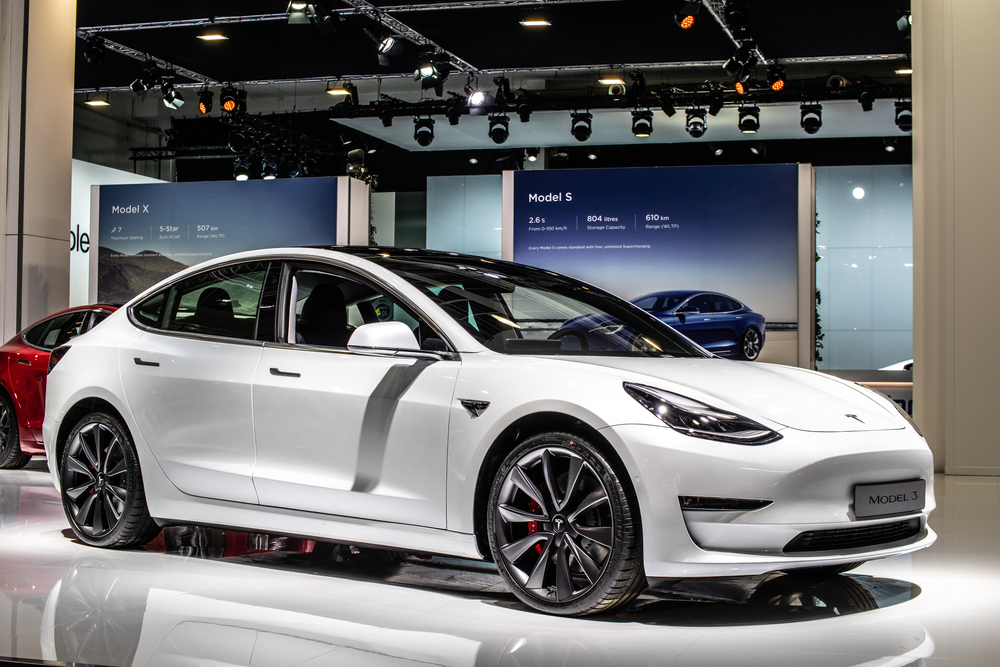
The Tesla Model 3 shares many repair challenges with the Model Y. Aluminum construction raises body repair costs. Battery protection structures complicate even simple collision work. Tesla also integrates sensors into many panels. Replacing those parts requires calibration after installation. Shops must use Tesla-approved repair procedures. Not every body shop can perform the work. Limited repair networks increase wait times and labor rates. Insurance data often lists the Model 3 among costly vehicles after crashes. Even bumper damage may require recalibration of the camera. Some insurers factor these expenses into higher premiums. Drivers sometimes discover coverage costs rising faster than expected.
Tesla Model S
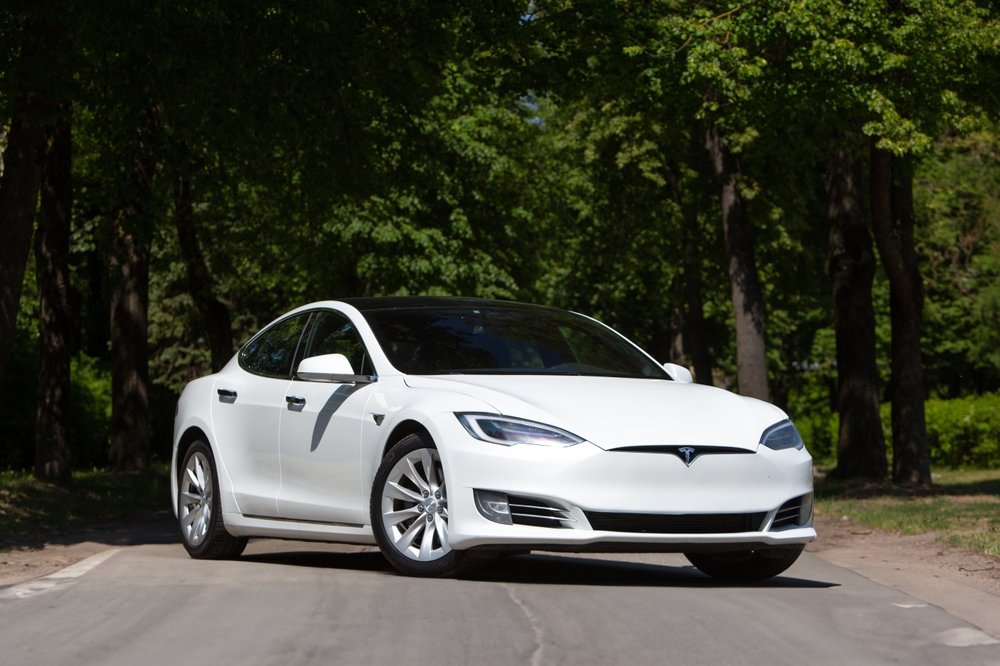
The Tesla Model S sits in the luxury EV category. Repair costs often reflect that status. Large aluminum panels make body repairs complex. Many collision shops prefer replacing panels instead of reshaping them. The vehicle also carries multiple radar sensors and cameras. Damage to one corner may affect several systems. Repair technicians must recalibrate safety features afterward. Labor hours increase quickly during this process. Replacement parts can be expensive and slow to source. Insurance companies monitor these costs carefully. High claim payouts can push premiums upward. Owners sometimes face insurance quotes that surprise them.
Tesla Model X
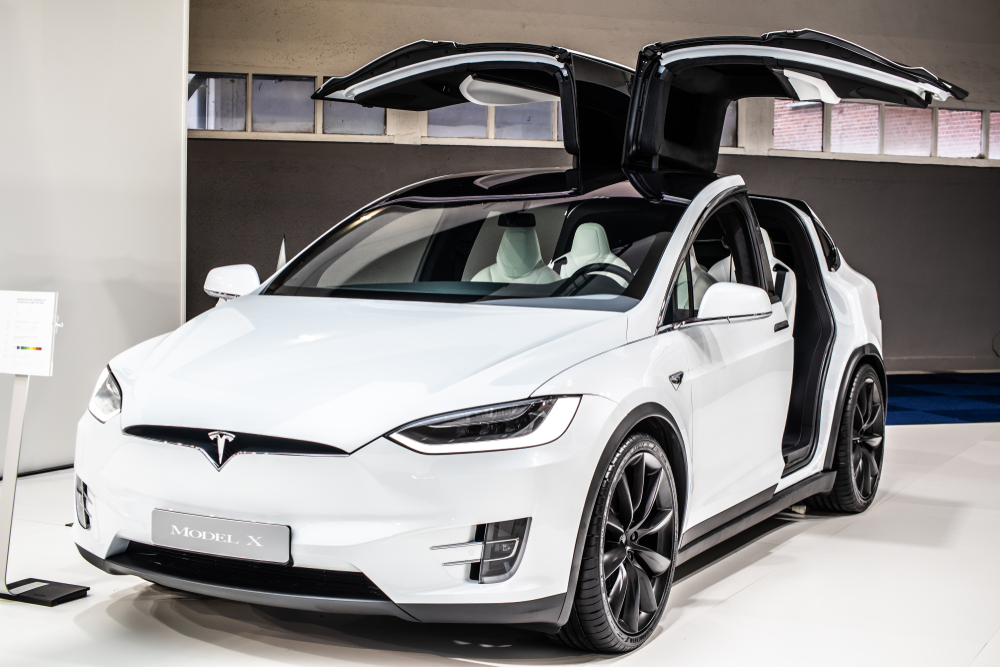
The Tesla Model X stands out for its Falcon wing doors. Those doors also create repair complications. Their hinges and sensors require precise alignment. Damage near the roof or door frame can become expensive quickly. Most of the vehicle’s body panels are aluminum. Aluminum repair requires specialized tools and techniques. The Model X also features many cameras and driver-assistance sensors. These parts must work perfectly after repairs. Recalibration can take hours of labor. Replacement doors alone can cost several thousand dollars. Insurance companies often view the Model X as high risk for costly claims.
Rivian R1T
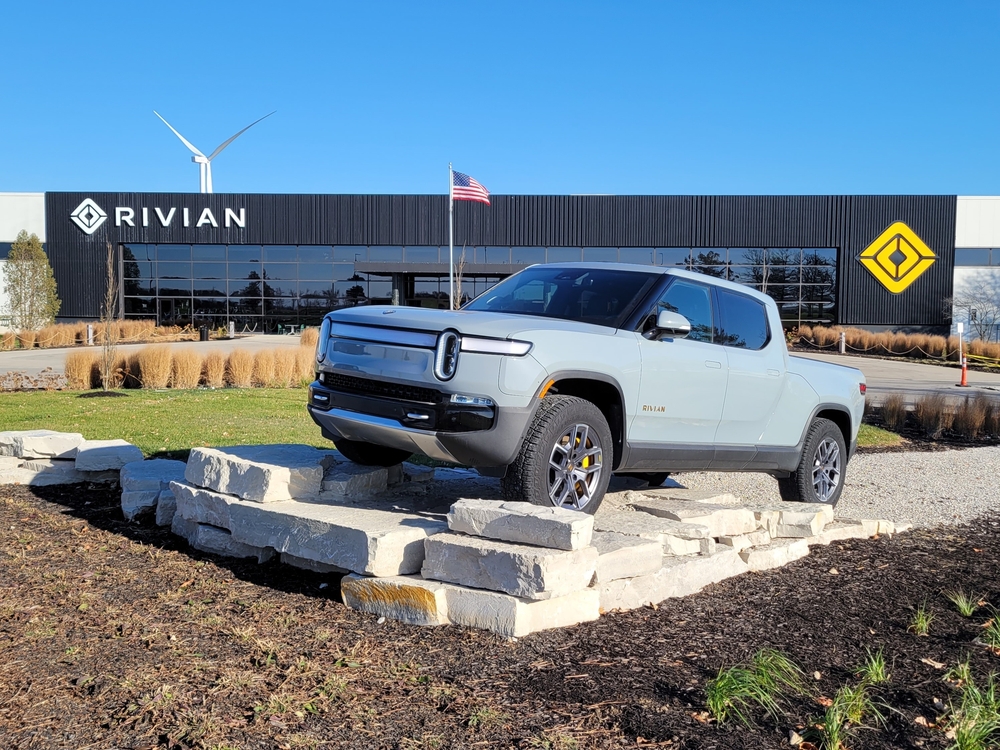
The Rivian R1T entered the market with strong demand. Early owners praise its performance and off-road capability. Repairs, however, have drawn attention from insurers. The truck uses unique body panels and lighting designs. Replacement parts can be expensive and sometimes scarce. Rivian’s service network remains limited compared to older brands. That limitation affects repair timelines and labor costs. Collision repairs often require factory-specific procedures. Some panels integrate sensors and cameras. Replacing those components increases repair bills quickly. Insurance companies track these claim costs carefully. Premiums for some R1T drivers reflect that growing expense.
Rivian R1S
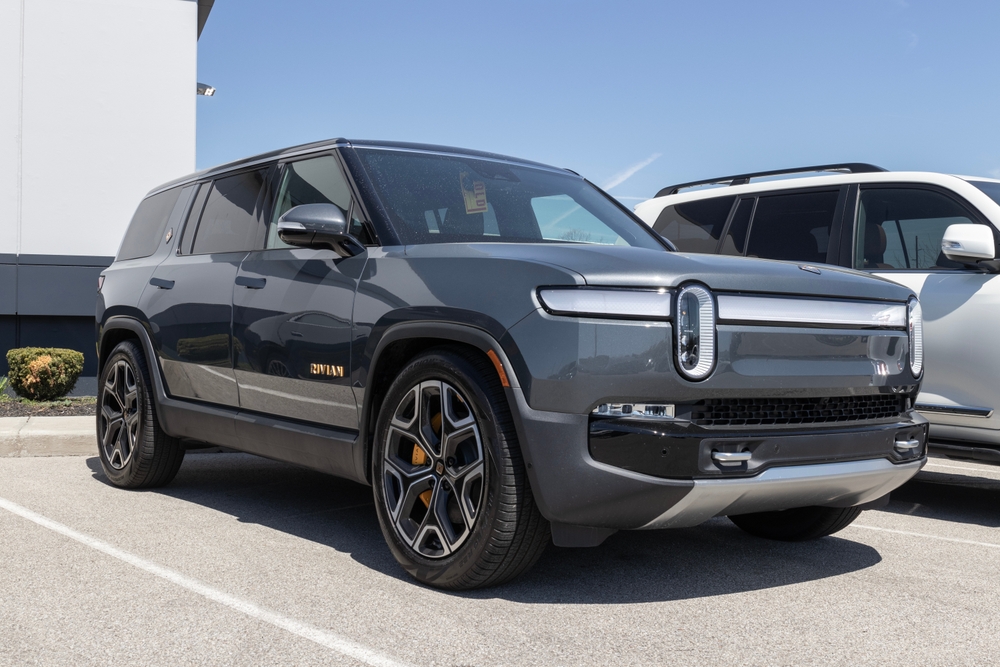
The Rivian R1S shares many parts with the R1T truck. Its large battery and aluminum structure increase repair complexity. Damage near the battery protection structure requires careful inspection. Some repairs require specialized Rivian service centers. Replacement lighting assemblies are also expensive. The SUV uses large LED units across the front. Even minor front-end damage can involve multiple parts. Sensors and cameras require calibration after replacement. Labor time grows quickly during this process. Insurance companies analyze claim costs closely. High repair bills have already affected premiums for some owners.
BMW iX
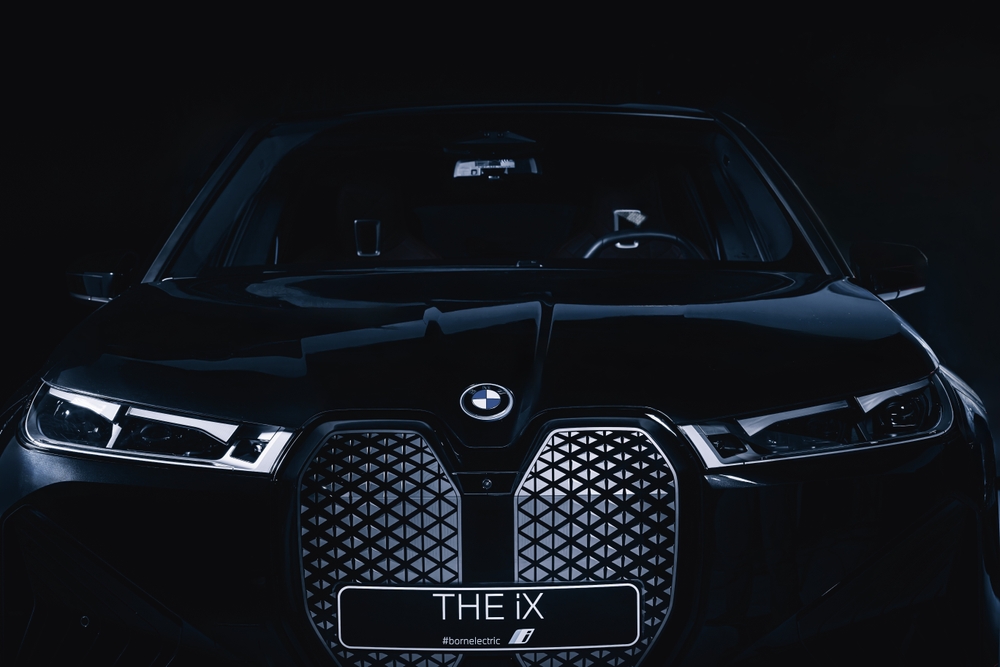
The BMW iX represents BMW’s modern electric SUV lineup. Its technology-heavy design increases repair costs. Carbon fiber reinforced plastic appears in several structural areas. Repairing that material is expensive and specialized. Body shops may replace sections rather than repair them. The iX also includes multiple cameras and radar sensors. Those parts sit behind panels and bumpers. Even small impacts may affect them. Replacement sensors require software calibration. Labor hours add up quickly during repairs. Insurance companies track these patterns. Premiums can rise for vehicles with frequent high claim costs.
BMW 7 Series
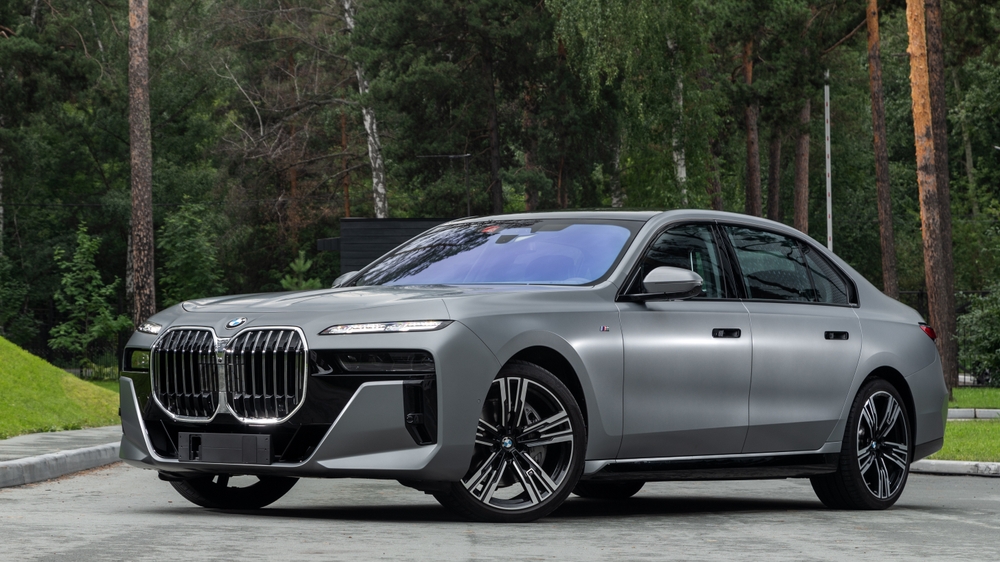
The BMW 7 Series remains a flagship luxury sedan. Its technology package is extremely extensive. Sensors, cameras, and radar systems surround the vehicle. Many are hidden behind bumpers and trim pieces. Damage to those areas becomes expensive quickly. Repair shops must recalibrate safety systems after replacement. The car also includes complex lighting systems. LED and laser headlights cost far more than traditional units. Even small front-end collisions can result in large repair bills. Insurance companies notice repeated high claims. Premiums sometimes reflect those trends for luxury sedans like this one.
Mercedes-Benz EQS
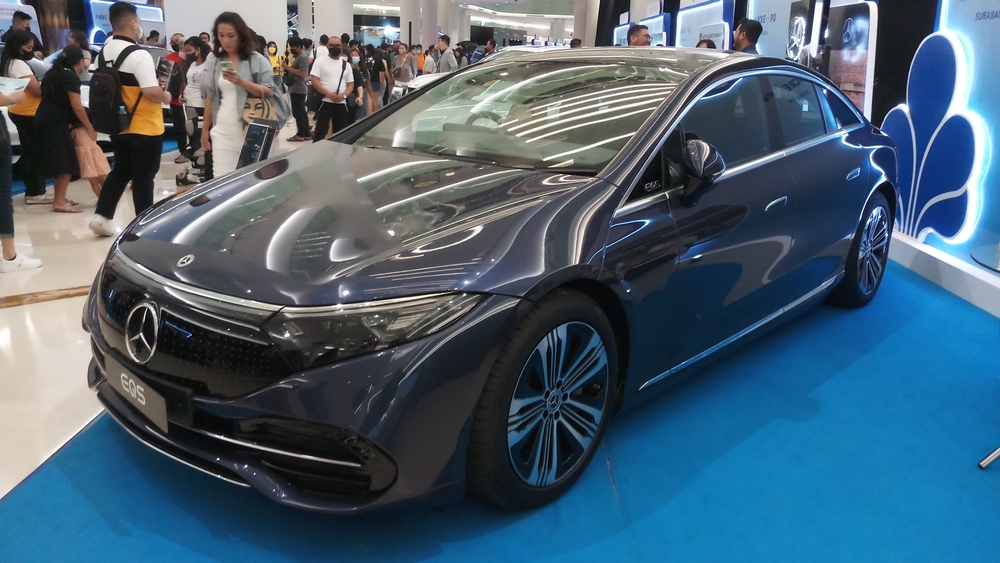
The Mercedes-Benz EQS features advanced electric vehicle engineering. Its large battery structure adds complexity during repairs. Technicians must inspect battery protection systems after accidents. The EQS also includes many driver assistance sensors. Cameras, radar units, and lidar components sit behind body panels. Damage to those panels often affects multiple systems. Replacement parts for luxury EVs remain costly. Repair procedures also require advanced diagnostic tools. Software updates may be needed after repairs. Labor time increases as systems are recalibrated. Insurance companies watch claim costs carefully. High payouts can influence insurance pricing.
Mercedes-Benz S-Class
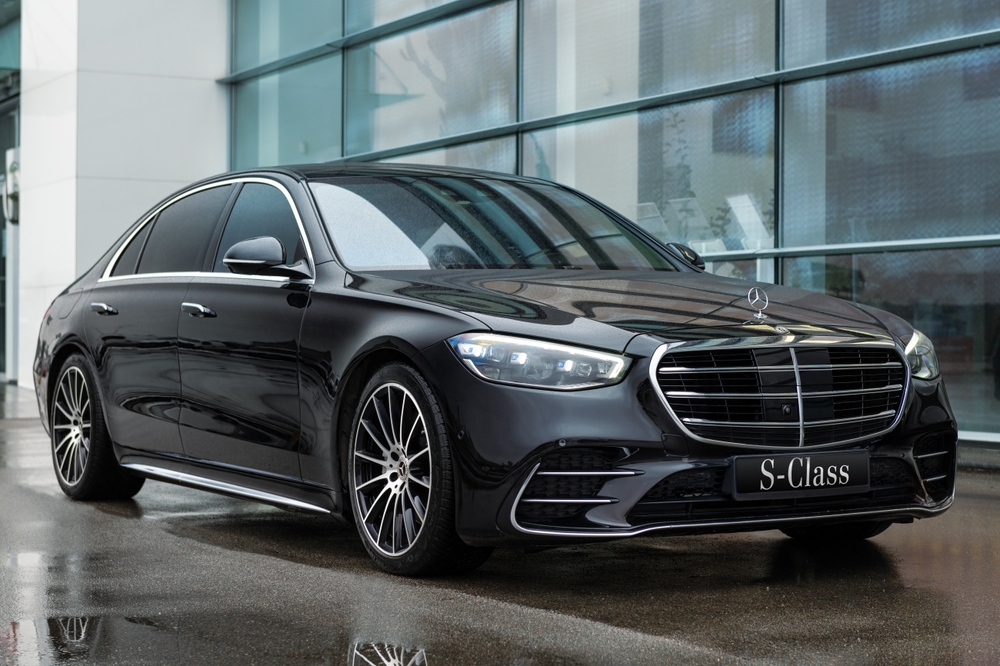
The Mercedes-Benz S-Class represents luxury engineering at its highest level. That complexity raises repair costs significantly. Many body panels hide sensors and cameras. A damaged bumper may involve several electronic systems. The S-Class also includes advanced suspension components. Those parts require precise alignment after collisions. Repair shops often need specialized diagnostic tools. Replacement headlights alone can cost thousands of dollars. Labor hours climb quickly when electronics require recalibration. Insurance companies factor these costs into risk models. Premiums may rise when vehicles consistently produce large claim payouts.
Audi e-tron GT
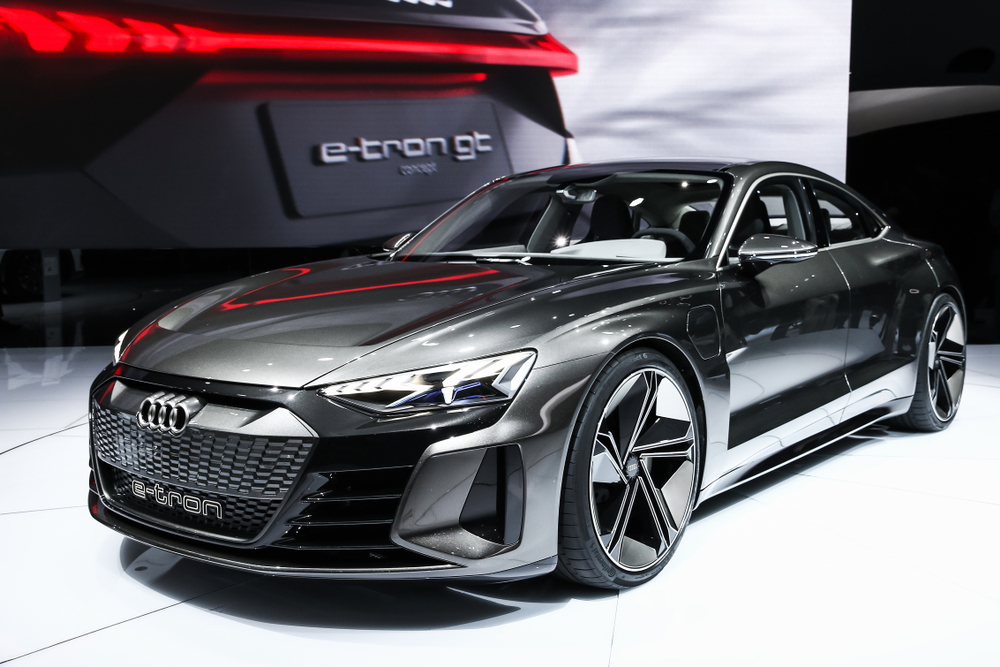
The Audi e-tron GT blends sports car performance with electric technology. Its sleek body design uses large aluminum panels. Repairing aluminum often requires replacement rather than reshaping. That approach raises parts costs quickly. The vehicle also contains multiple driver assistance sensors. Radar units and cameras hide behind exterior panels. Damage to those areas triggers additional repair steps. Calibration procedures must follow every replacement. Sports car tires and wheels also cost more than average. Insurance companies analyze total claim expenses carefully. Vehicles with frequent expensive repairs often receive higher insurance risk ratings.
Porsche Taycan
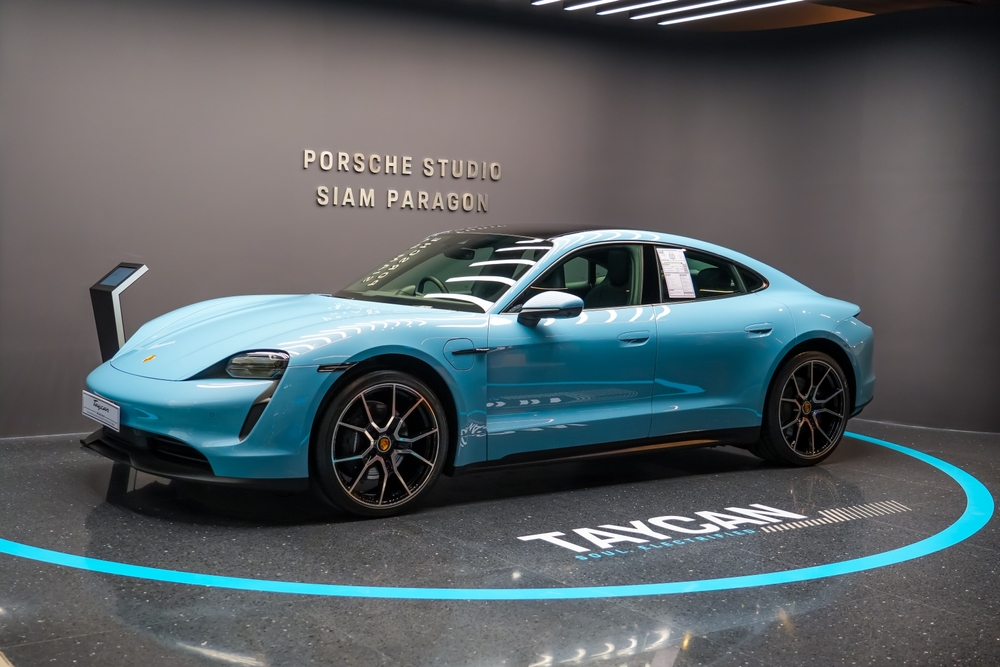
The Porsche Taycan delivers strong performance and advanced electric engineering. Its construction includes aluminum and high-strength materials. Repairing those materials requires specialized equipment. Many body shops cannot handle Taycan repairs easily. Porsche also installs multiple sensors and cameras throughout the vehicle. Even minor damage may involve several electronic systems. Replacement headlights and lighting units are expensive. Calibration procedures follow many repair steps. Labor costs rise quickly when specialized technicians are needed. Insurance companies track these high claim amounts. Premiums for performance EVs often reflect those repair expenses.
Ford F-150 Lightning
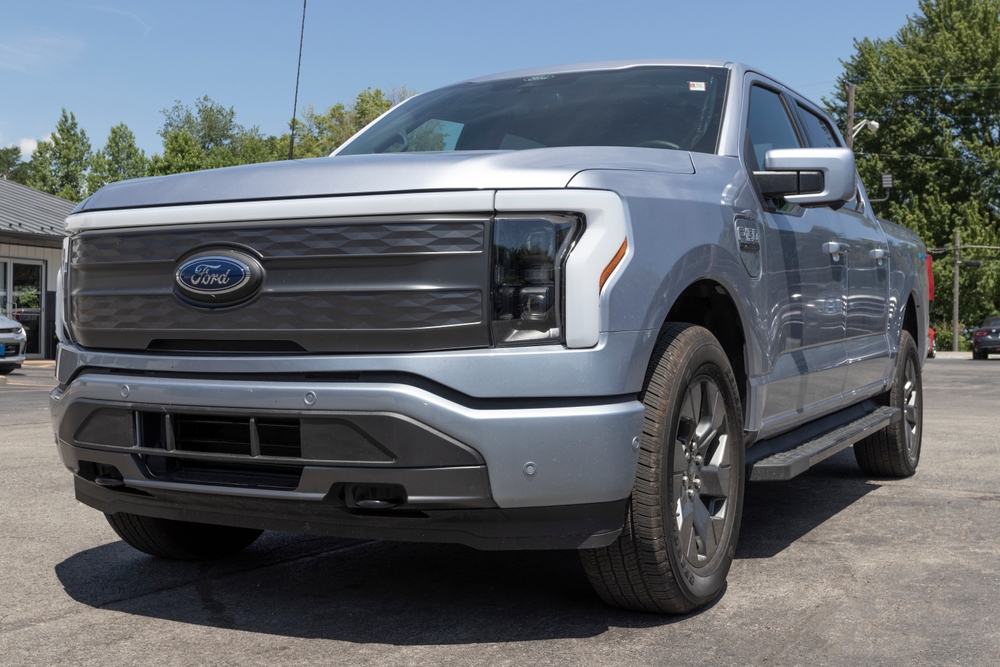
The Ford F-150 Lightning brought electric power to a familiar truck platform. Repair costs sometimes surprise owners after accidents. The truck includes large battery protection structures. Damage near the battery area requires careful inspection. The front end also carries many sensors. Cameras and radar units support driver assistance features. Replacing those parts requires recalibration procedures. Lighting assemblies on modern trucks are also expensive. Body panels can be large and costly to replace. Insurance companies evaluate claim data for new EV trucks closely. High repair bills may influence insurance pricing.
GMC Hummer EV
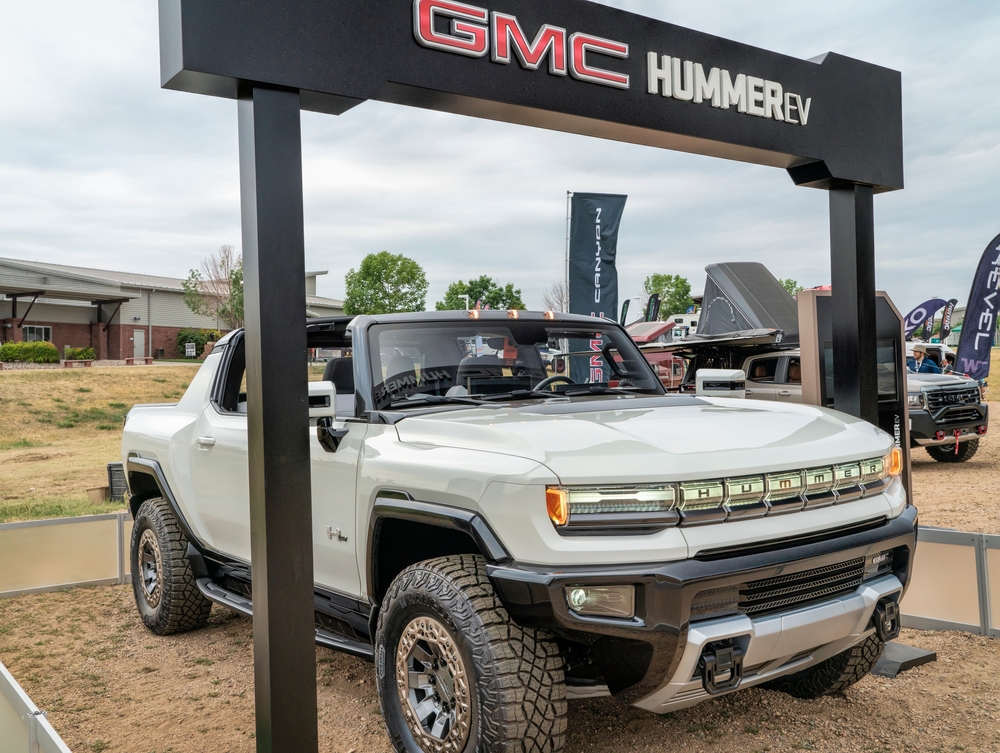
The GMC Hummer EV stands among the largest electric vehicles on sale. Its massive battery pack adds significant repair complexity. Technicians must inspect the battery structure after accidents. The truck also uses advanced suspension systems. Repairing those systems requires specialized knowledge. Large body panels increase replacement costs. Lighting assemblies stretch across the vehicle’s width. Replacing those units can become expensive quickly. Sensors and cameras support driver assistance features. Those systems need calibration after repairs. Insurance companies track claim payouts carefully. Large EV trucks sometimes generate higher repair bills than expected.
Cadillac Escalade
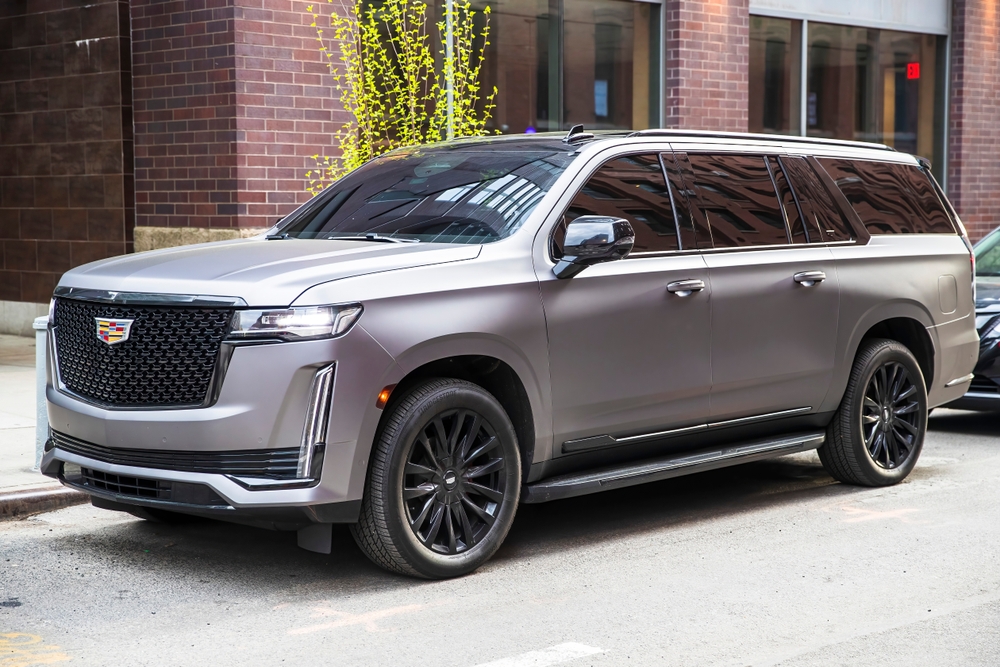
The Cadillac Escalade remains a popular luxury SUV. Its large size increases repair costs after collisions. Body panels cover wide areas of the vehicle. Replacing those panels can become expensive quickly. The Escalade also includes advanced driver assistance technology. Cameras and radar sensors sit behind trim and bumpers. Damage to those areas may affect several systems. Repair shops must recalibrate sensors afterward. Luxury interior components add further expense after accidents. Insurance companies review claim data regularly. Large luxury SUVs often produce higher repair payouts than smaller vehicles.
Range Rover
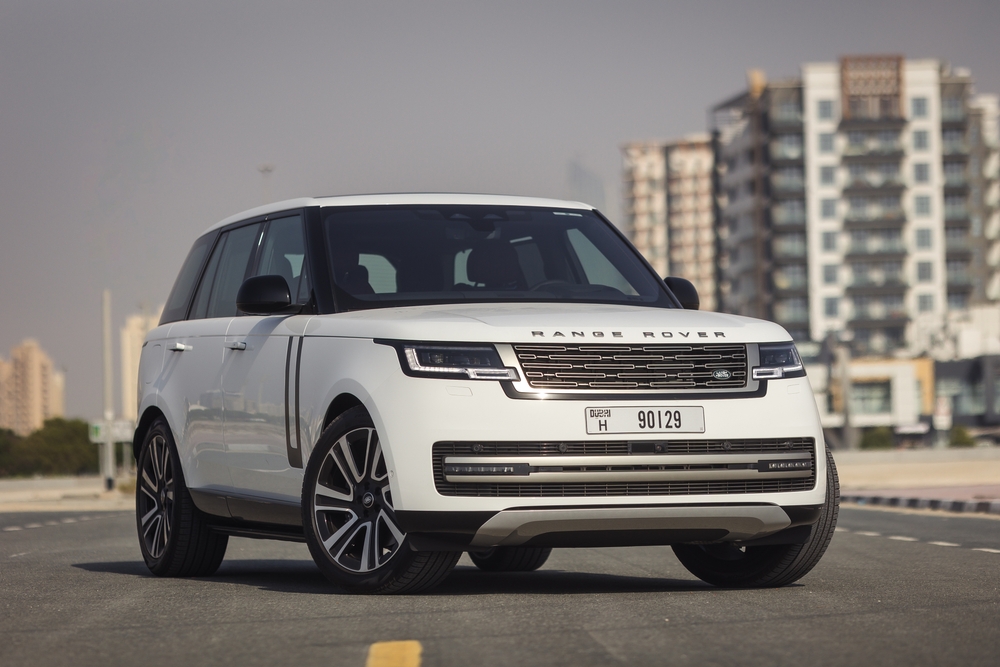
Range Rover models combine luxury with complex engineering. Their suspension systems include advanced air components. Damage to those parts can cost thousands to repair. Body panels often use aluminum construction. Aluminum repair requires specialized tools and training. Electronics also fill the vehicle’s interior and exterior. Sensors, cameras, and control modules connect many systems. Diagnosing faults can take significant labor time. Replacement parts for luxury SUVs remain expensive. Insurance companies track these repair patterns carefully. Premiums for some Range Rover drivers have increased as claim costs climb.
Range Rover Sport
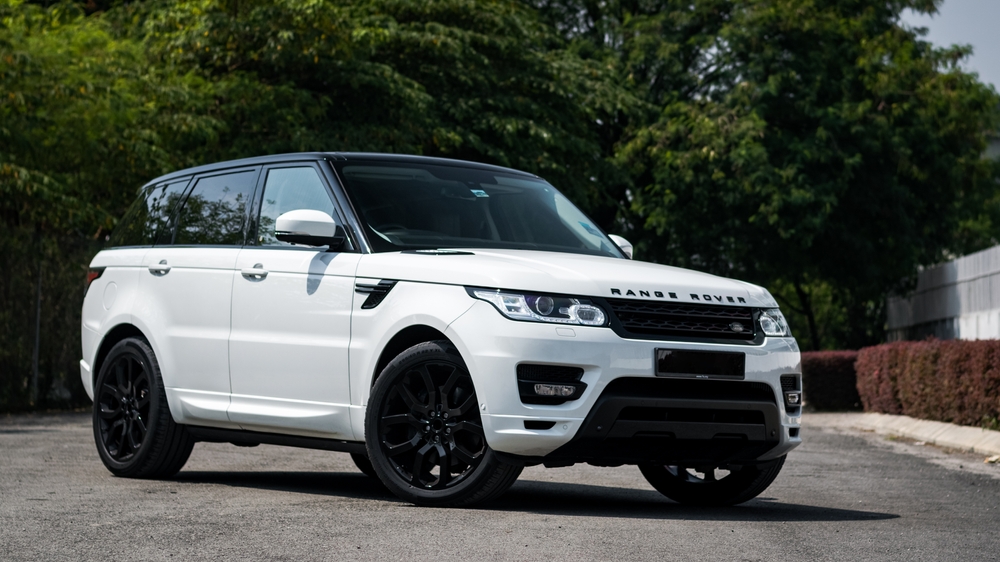
The Range Rover Sport shares many engineering traits with the full-size Range Rover. Its aluminum structure raises repair costs after accidents. Body panels often require full replacement. Suspension components include advanced air systems. Repairing those systems demands specialized equipment. The vehicle also includes many electronic safety features. Cameras and radar sensors support driver assistance systems. Replacement parts must be calibrated afterward. Labor time grows quickly during those steps. Insurance companies analyze claim costs across luxury SUVs. Vehicles with expensive repairs may see higher insurance premiums.
Kia EV6
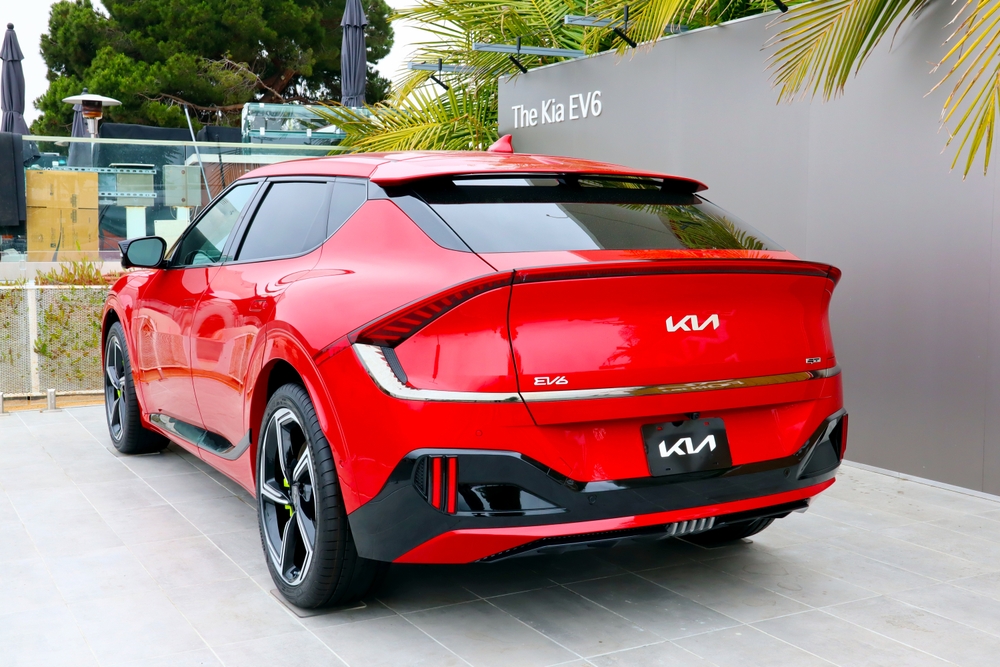
The Kia EV6 shares its platform with the Hyundai Ioniq 5. Both vehicles use advanced electric architecture. Body panels include complex shapes and materials. Replacing those parts can raise repair costs. Driver assistance sensors sit behind bumpers and trim. Damage to those areas often affects multiple systems. Calibration procedures follow most replacements. Lighting assemblies also use expensive LED technology. Even moderate collisions can require several new parts. Insurance companies analyze these claim costs carefully. Higher repair bills may eventually influence premiums for certain drivers.
Toyota RAV4 Prime
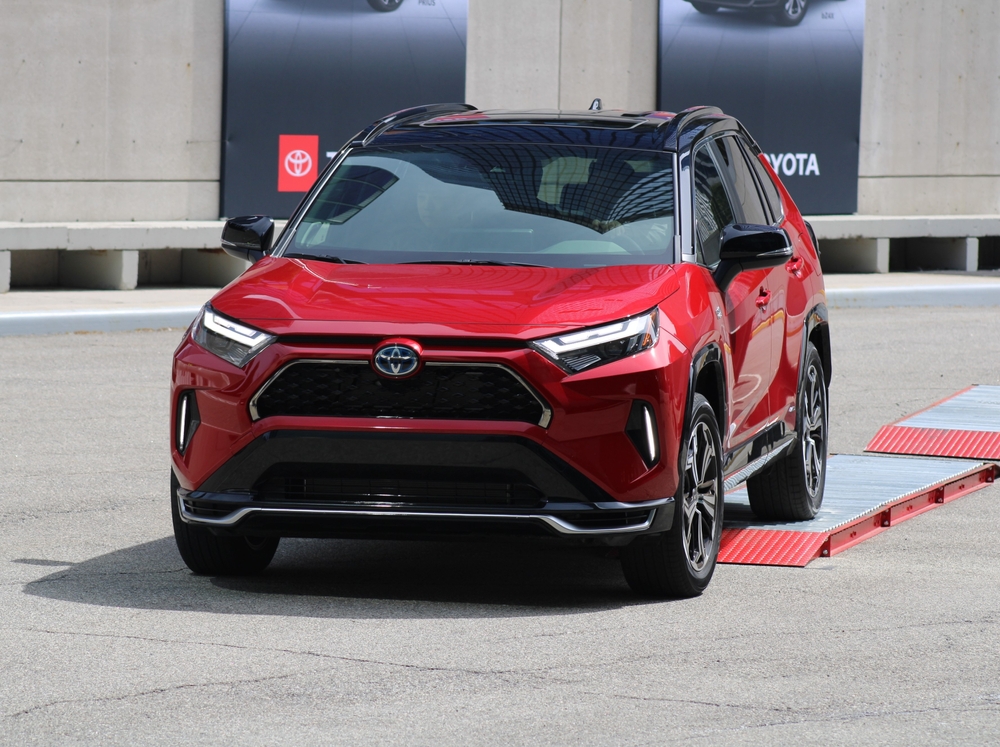
The Toyota RAV4 Prime blends hybrid technology with SUV practicality. Its dual powertrain system adds repair complexity. Technicians must inspect both electric and gasoline components after accidents. Battery cooling systems require careful handling during repairs. The vehicle also includes advanced safety sensors. Radar units sit behind the front grille. Damage to that area can affect several systems. Replacing parts often requires recalibration afterward. Labor time increases during those steps. Insurance companies consider these factors when reviewing claims. Hybrid systems sometimes raise repair costs compared to standard vehicles.
Jeep Wrangler 4xe
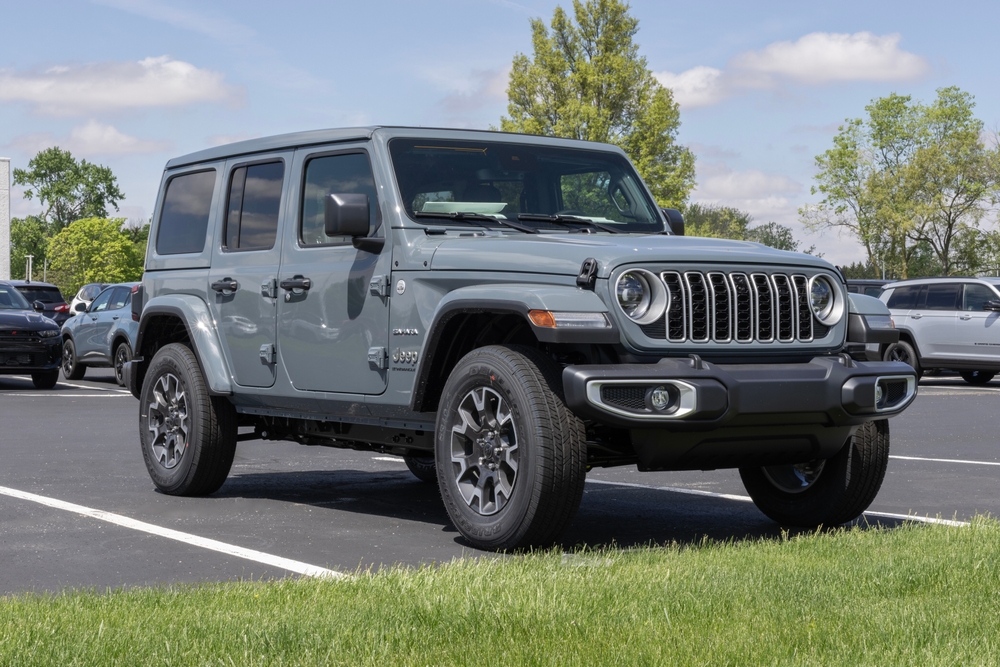
The Jeep Wrangler 4xe adds hybrid technology to a rugged platform. Off-road capability does not simplify repairs. The hybrid battery system requires careful inspection after accidents. Technicians must follow strict procedures during repairs. Suspension components designed for off-road use can be costly. The Wrangler also includes driver assistance sensors. Cameras and radar systems sit behind bumpers and trim. Damage to those parts increases repair bills quickly. Replacement components sometimes require recalibration. Insurance companies review claim data carefully. Hybrid off-road vehicles may produce higher repair costs.
Lucid Air
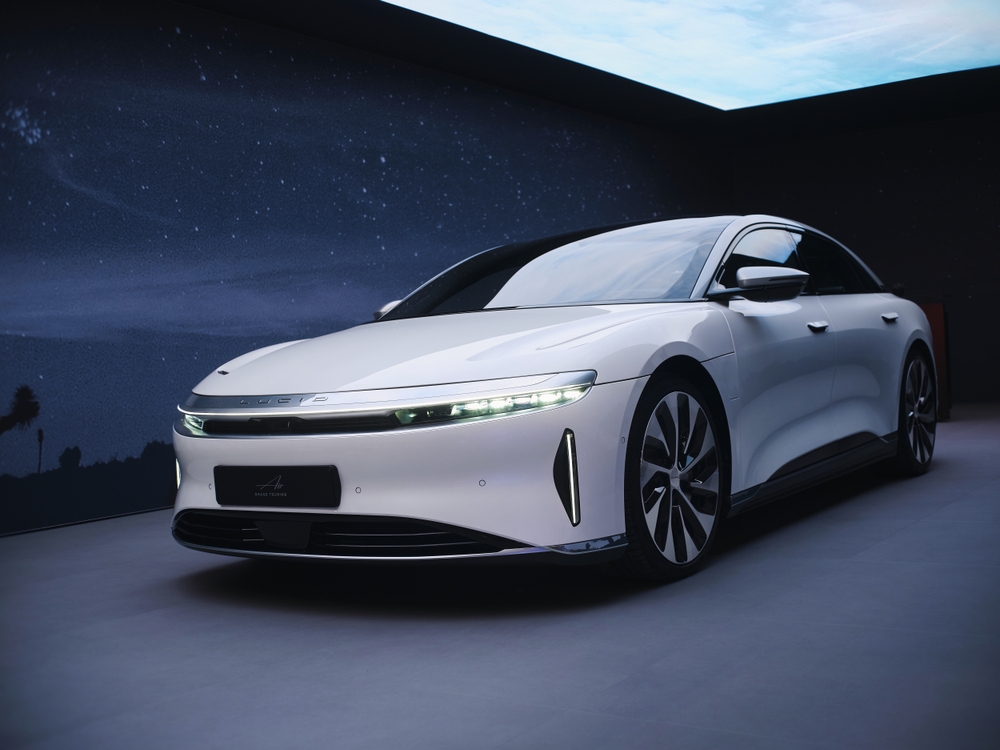
The Lucid Air entered the luxury EV market with impressive performance. Its advanced engineering also raises repair costs. The vehicle uses specialized components across its structure. Replacement parts may need to be ordered from limited suppliers. Repair shops with Lucid certification remain relatively few. That limitation increases labor costs and repair timelines. The car also contains numerous sensors and cameras. Damage to body panels can affect those systems. Calibration procedures follow most repairs. Insurance companies track claim payouts carefully. Luxury EVs with limited service networks often generate higher repair expenses.
Volvo XC90 Recharge
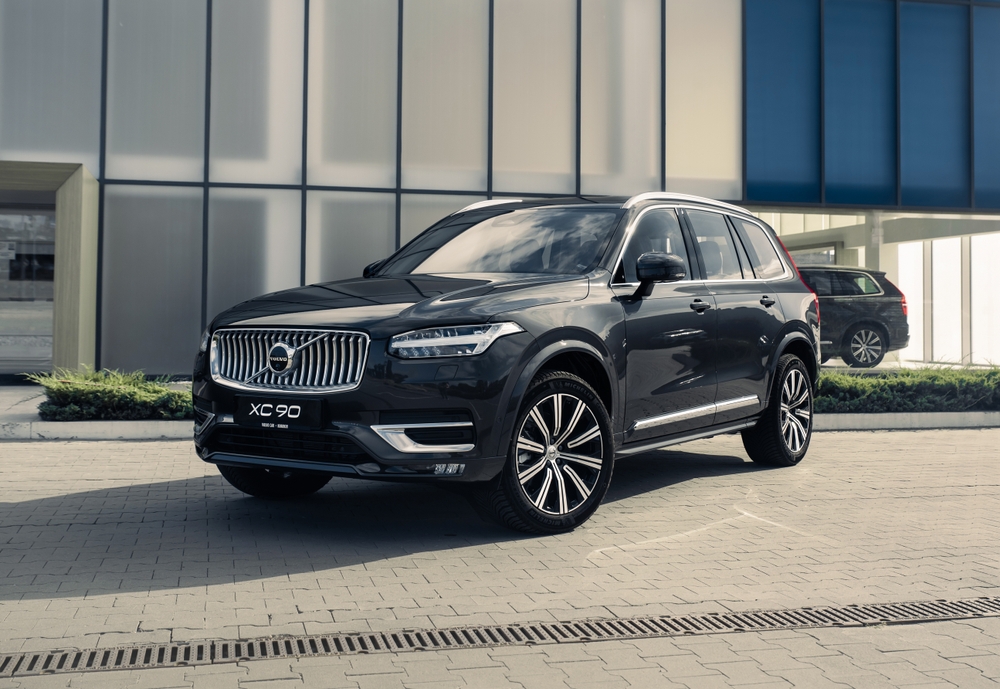
The Volvo XC90 Recharge combines plug-in hybrid technology with luxury features. Its powertrain includes electric and gasoline systems. Repairs sometimes involve both components. The SUV also contains extensive safety technology. Cameras and radar sensors support driver assistance features. Damage to those areas often requires calibration afterward. Replacement headlights and lighting units can be expensive. The vehicle’s battery system requires careful inspection after collisions. Labor time increases during those checks. Insurance companies analyze these repair costs carefully. Hybrid luxury SUVs sometimes generate higher claim payouts.
Subaru Outback
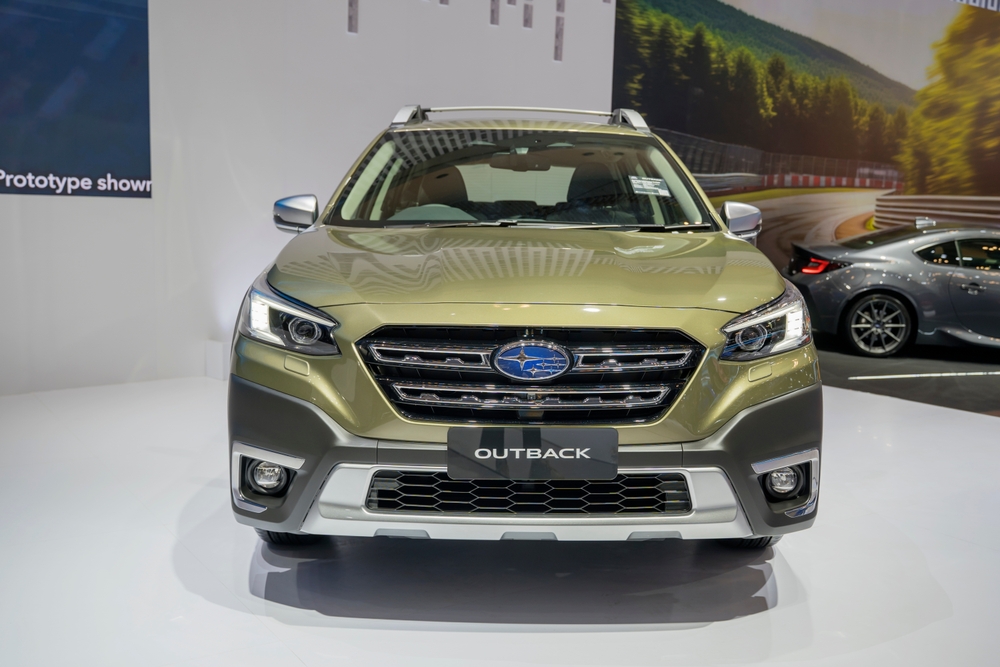
The Subaru Outback appears less complex than many luxury vehicles. Repair costs have continued to increase in recent years. Modern Outback models include extensive safety technology. Cameras support Subaru’s EyeSight driver assistance system. Damage near the windshield can affect those cameras. Replacement windshields now require calibration procedures. That process adds labor time and cost. Body panels also include high-strength steel structures. Repairing those parts may require replacement. Insurance companies track claim costs for common vehicles, too. Even practical models can become expensive when electronics enter the repair process.