
























Home insurance policies are built around risk, not trends. Yet many homeowners install flashy tech without first calling their insurer. A smart upgrade can lower risk, but the wrong one can raise questions fast. Some devices change how your home is wired, heated, monitored, or even rented out. Others add fire, water, or liability exposure you did not have before. If your insurer finds out after a claim, you could face higher premiums or denied coverage. Before you plug in or mount anything new, read this carefully. Here are 15 “tech add-ons” that sound cool but can void coverage or spike your premium.
Smart Home Security Systems with DIY Wiring

Smart alarms and cameras look like a win for safety. Insurers often like monitored systems. Trouble starts with DIY wiring. Many homeowners splice into electrical panels without permits. That can breach local codes. If a fire follows faulty wiring, a claim may face scrutiny. Some insurers require professional installation for discounts. Without proof, you may lose that benefit. Also, self-monitored systems may not qualify for savings. Always confirm documentation requirements. Keep receipts and inspection reports. Call your insurer before installation. A quick phone call can prevent a costly surprise later.
High-End Home Automation Hubs
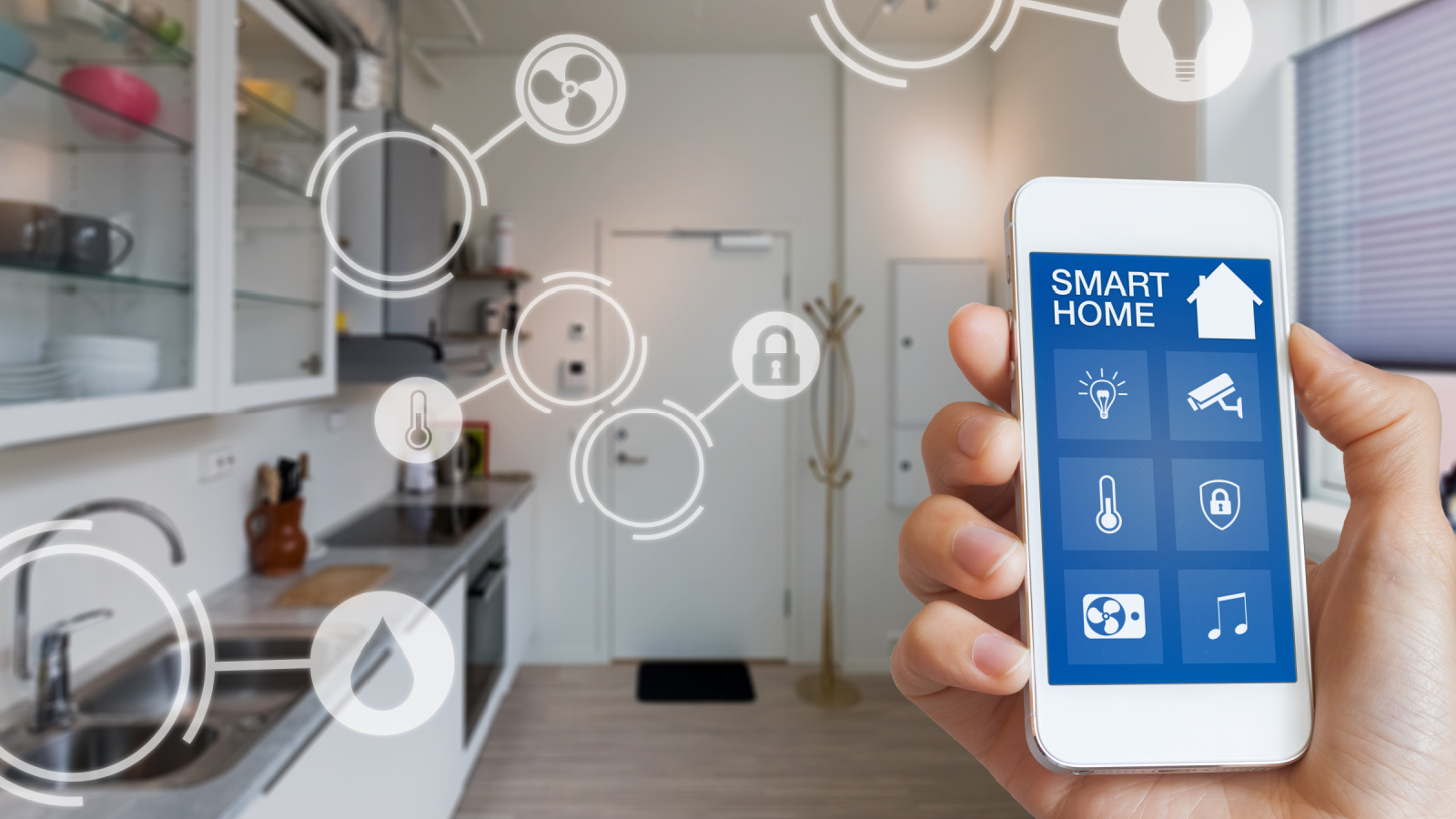
Central hubs that control lights, blinds, and locks are popular. They can also rewire core systems. Complex installations sometimes alter electrical loads. Insurers care about unapproved modifications. If the work was not permitted, coverage questions may follow. Automation tied to door locks raises liability concerns. Imagine a system glitch that traps a guest inside. Claims involving injury can get messy fast. Some insurers may adjust premiums after major upgrades. Always disclose structural or electrical changes. Transparency helps avoid disputes. Your policy depends on accurate risk details.
Backup Generators Installed Without Permits

Portable generators are common during outages. Permanent standby units are another matter. These systems connect to gas lines and panels. Improper installation can cause fires or carbon monoxide leaks. Insurers expect permits and inspections. Without them, a related claim may be denied. Some policies require notification of permanent equipment changes. Generators also increase the replacement value of the home. That can raise premiums. If fuel storage is involved, risk rises again. Before installation, speak with your insurer. Professional work and proper paperwork matter more than brand names.
Electric Vehicle Home Charging Stations

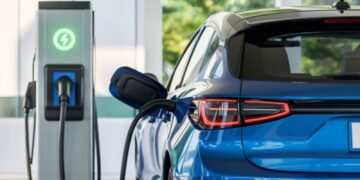
Home EV chargers are becoming normal. They draw significant power from your panel. Older electrical systems may struggle. Insurers look at fire risk from overloaded circuits. If a charger was installed without upgrades, problems can follow. Some companies require disclosure of high-capacity chargers. Premiums may rise due to higher electrical exposure. There is also liability if a visitor uses the charger. Confirm whether your policy limits cover that scenario. Hire a licensed electrician. Provide documentation to your insurer. Small steps now prevent claim disputes later.
Smart Water Leak Shutoff Systems
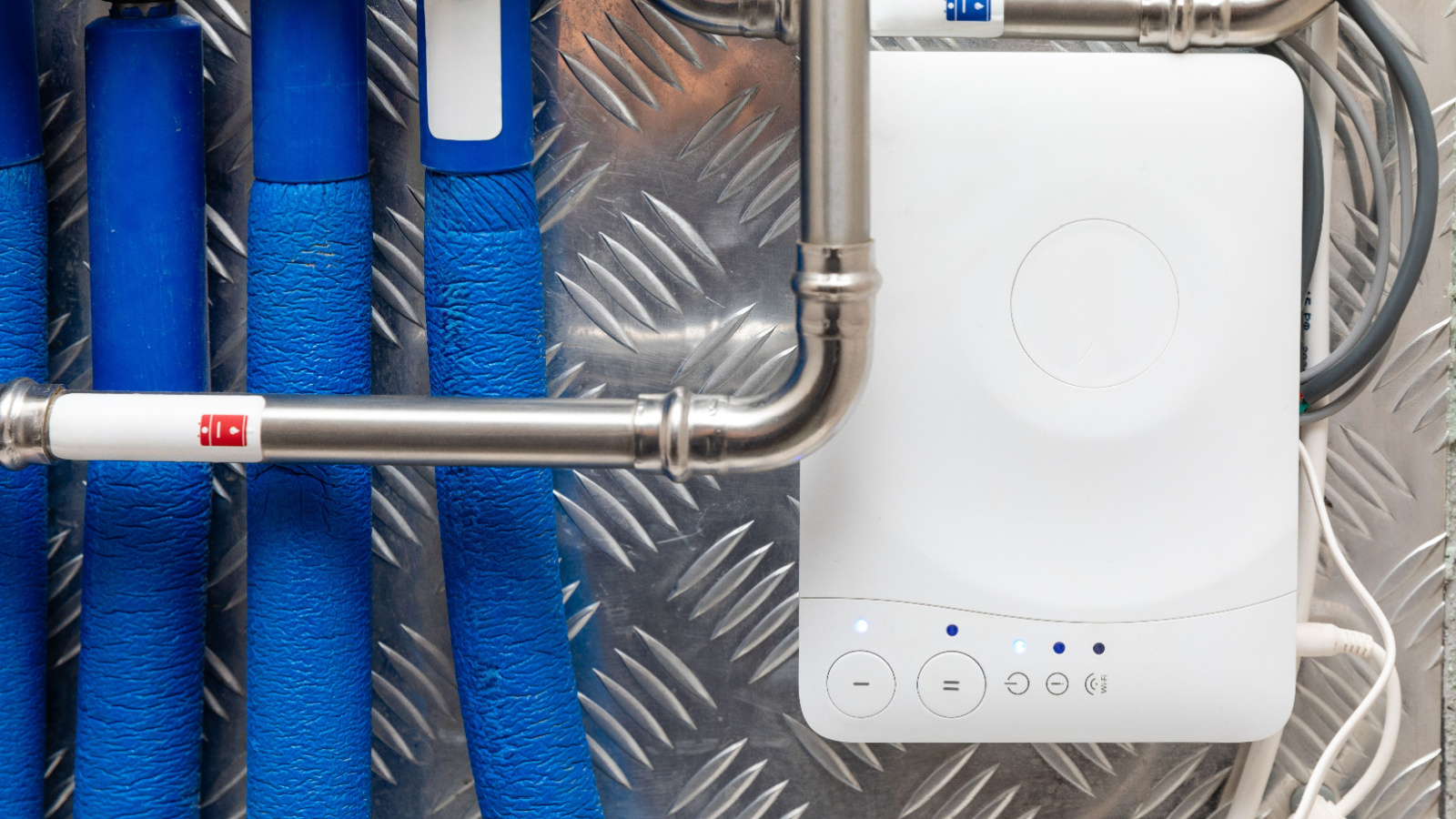
Water sensors and automatic shutoff valves sound like insurance-friendly devices. Many insurers offer discounts for them. Problems arise with faulty installation. Incorrect plumbing work can cause hidden leaks. If a system fails during freezing weather, damage can spread. Insurers may question maintenance records. Some policies require heat to be maintained in winter. Relying solely on automation can backfire. Always test systems regularly. Keep service logs and receipts. Notify your insurer about installation. A discount is helpful, but only when requirements are met.
Home Surveillance Cameras Covering Public Areas
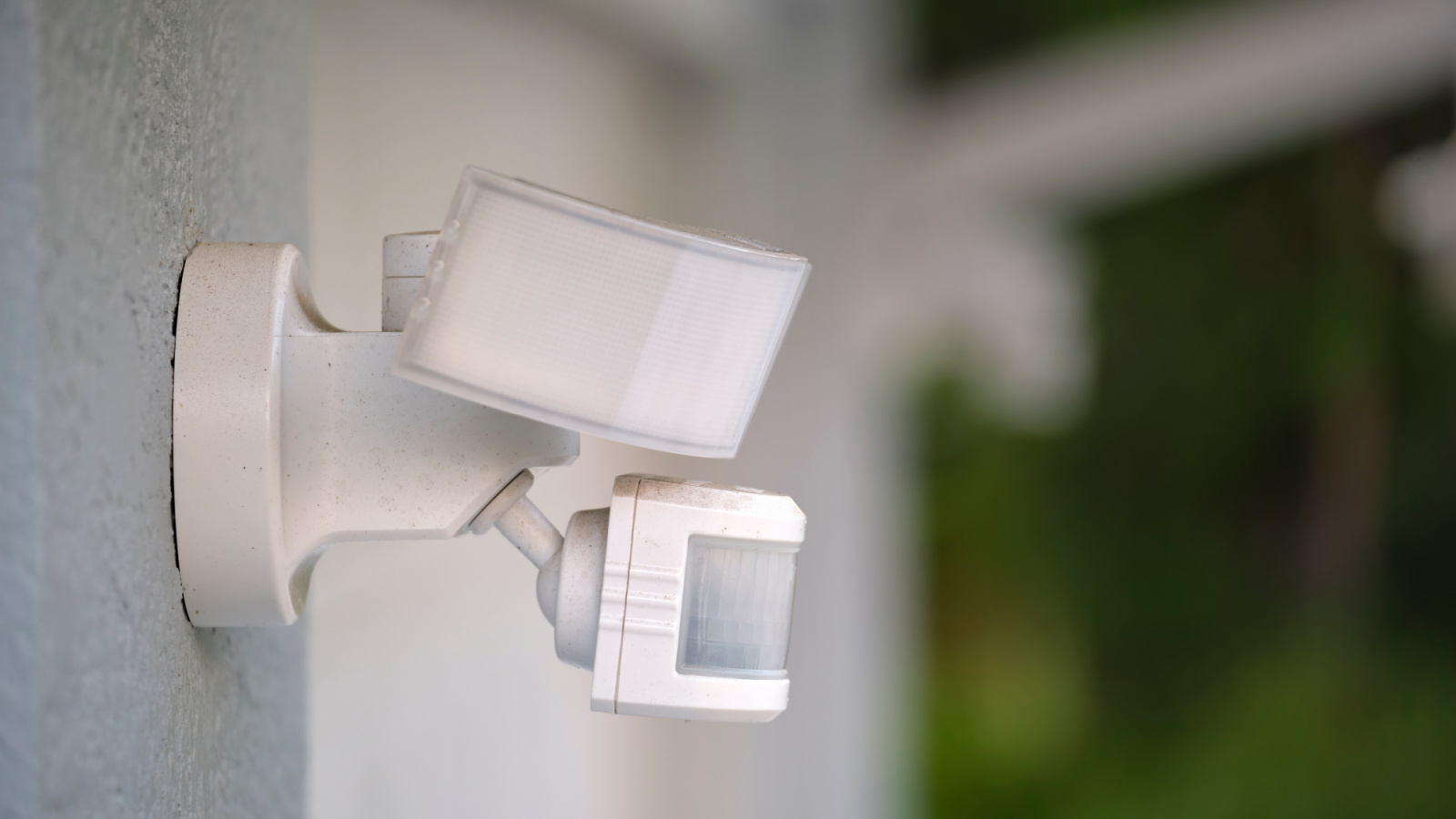
Outdoor cameras are common today. Coverage issues appear when cameras face public sidewalks. Privacy laws vary by region. If a neighbor claims invasion of privacy, liability coverage applies. Some policies exclude intentional acts. Improper signage can worsen disputes. Storing footage also creates data risks. A hacked system may expose personal information. Insurers may view large surveillance setups as higher liability. Disclose major security expansions. Check local regulations before installation. Technology should not create legal headaches. A simple camera can turn into a complex claim.
Smart Fireplaces and Electric Conversions
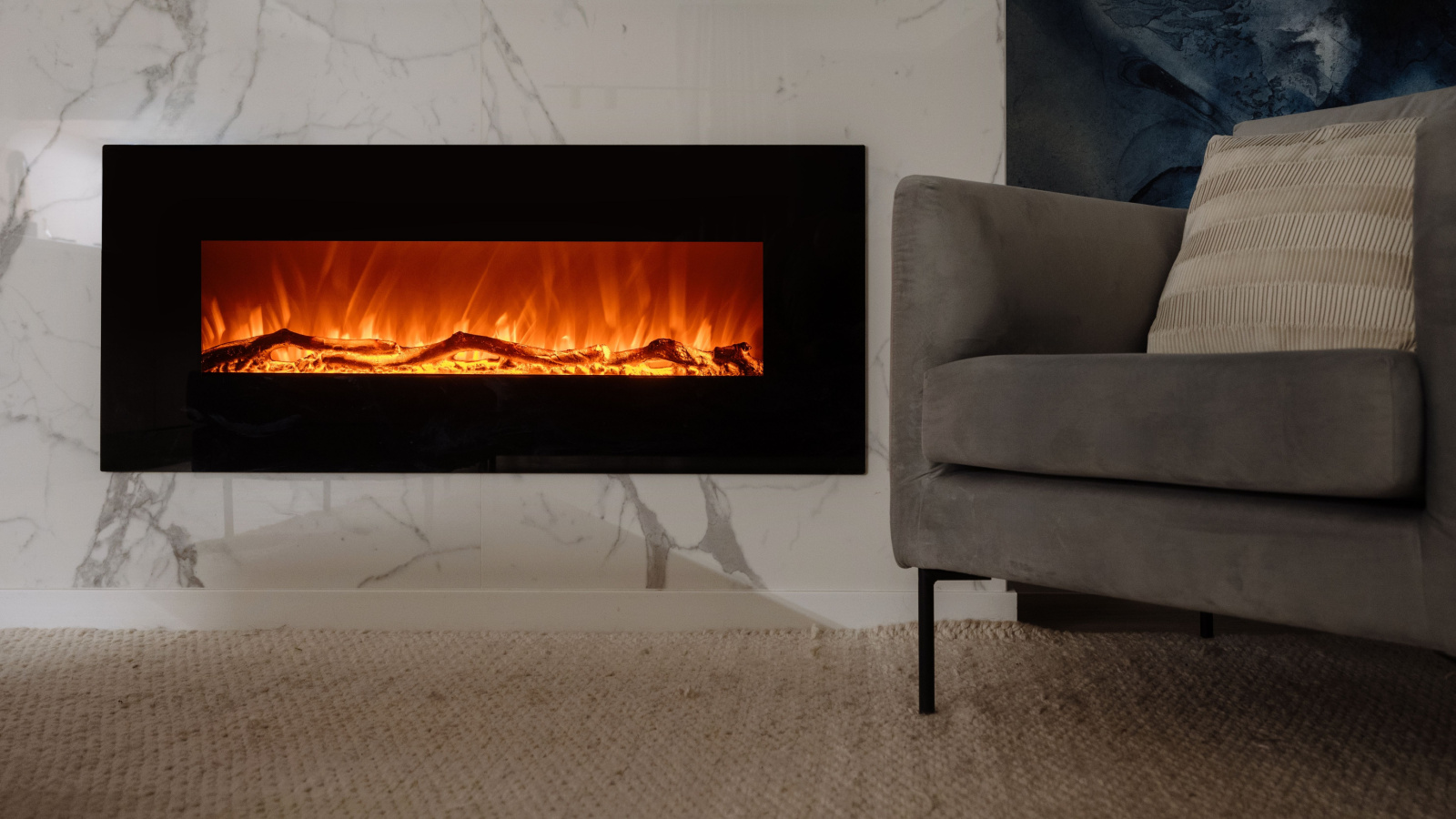
Electric fireplaces seem safer than wood-burning models. Installation errors still happen. Conversions often involve structural and electrical work. Insurers care about chimney alterations. If a fire occurs after a DIY retrofit, coverage could be challenged. Some insurers require inspections after fireplace changes. Ventless gas models also raise air quality concerns. Improper ventilation can cause property damage. Always obtain permits where required. Provide inspection proof to your insurer. A decorative upgrade should not risk your entire policy.
Home Server Rooms for Crypto Mining

Crypto mining setups consume heavy electricity. They generate heat and noise. Insurers see increased fire risk from constant load. Improper cooling can damage wiring. Some policies exclude business activity in a residence. Mining for profit may fall into that category. If classified as business use, coverage can shrink. Premiums may rise, or a rider may be required. Always disclose high-energy equipment. Ask if a home business endorsement is needed. Ignoring this step can void coverage entirely after a loss.
Short-Term Rental Smart Lock Systems
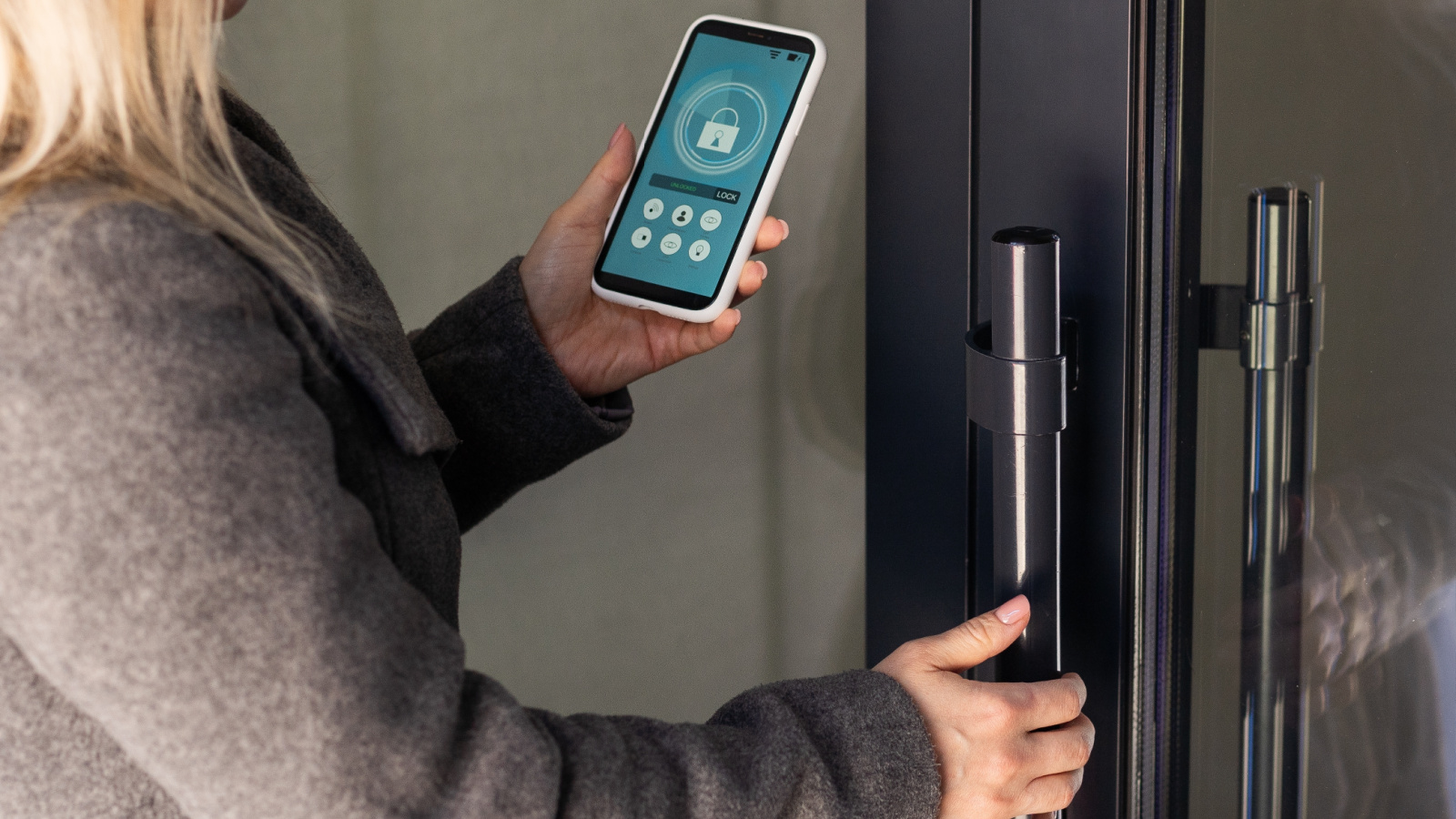
Smart locks make short-term rentals easy. Renting part of your home changes the risk. Many standard policies exclude commercial activity. Even occasional rentals may require special coverage. If a guest damages property, claims can be denied. Liability exposure increases with frequent turnover. Insurers want to know about rental platforms. A smart lock alone is not the issue. The activity it supports matters more. Inform your insurer before hosting guests. You may need a different policy altogether.
Advanced Home Theatres with Custom Wiring
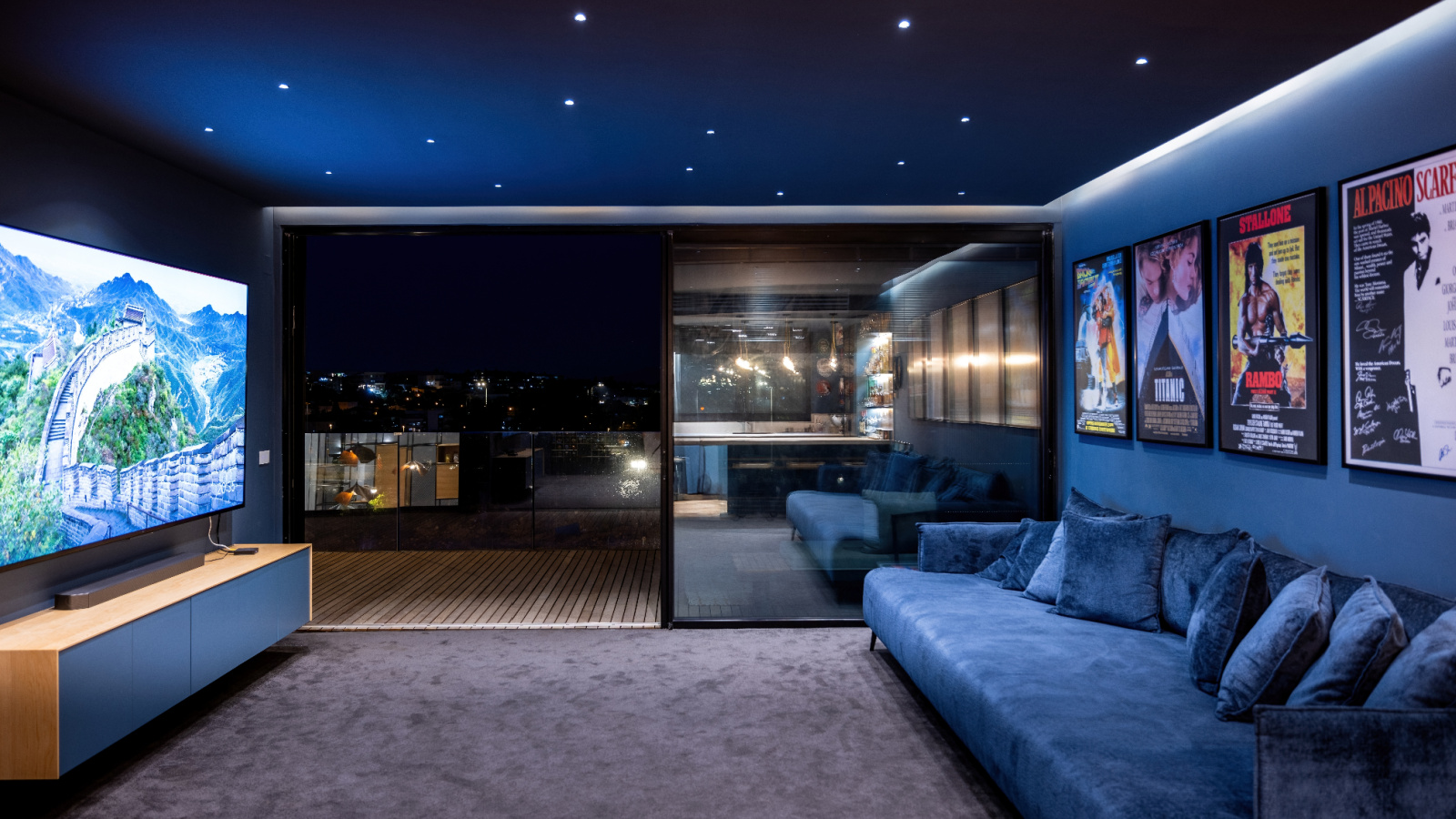
Custom theatres often require new circuits. Speakers get wired through walls and ceilings. Poor workmanship increases fire risk. Insurers may question unpermitted renovations. High-value electronics also raise content coverage needs. If limits are outdated, you may be underinsured. Water damage to expensive systems can exceed policy caps. Always review coverage limits after upgrades. Keep receipts for all equipment. Professional installation reduces risk. Documentation supports your claim if something goes wrong.
Drone Launch Pads on Residential Property
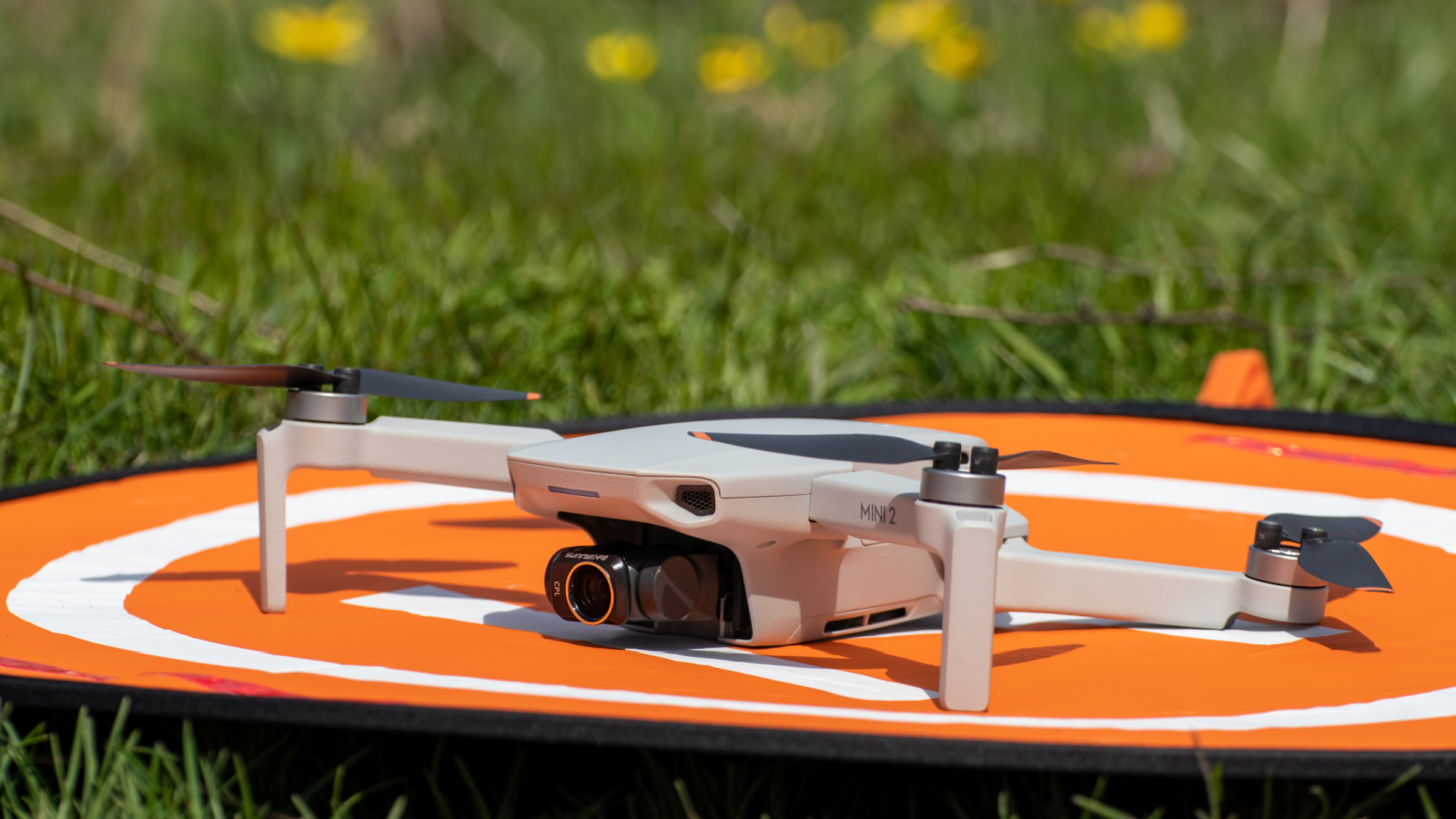
Some homeowners install rooftop drone pads. Drones create liability exposure. If a drone injures someone, claims may follow. Not all policies cover drone-related incidents. Commercial use is often excluded. Even hobby flights can cause disputes. Launch structures may alter roofing systems. Insurers care about structural modifications. If damage results from an added platform, coverage questions arise. Notify your insurer before adding unusual features. Ask about personal liability limits. A hobby should not put your home policy at risk.
Smart Irrigation Systems with Remote Controls

Automated irrigation reduces manual work. Faulty programming can cause flooding. Continuous leaks may go unnoticed. Some policies exclude gradual water damage. If sensors fail, you may face repair costs alone. Installation may require plumbing changes. Insurers want to know about major system additions. Overwatering can also damage foundations. Claims may hinge on maintenance proof. Test systems seasonally. Keep records of servicing. Simple landscaping tech can carry hidden exposure.
Solar Panel Installations Without Disclosure
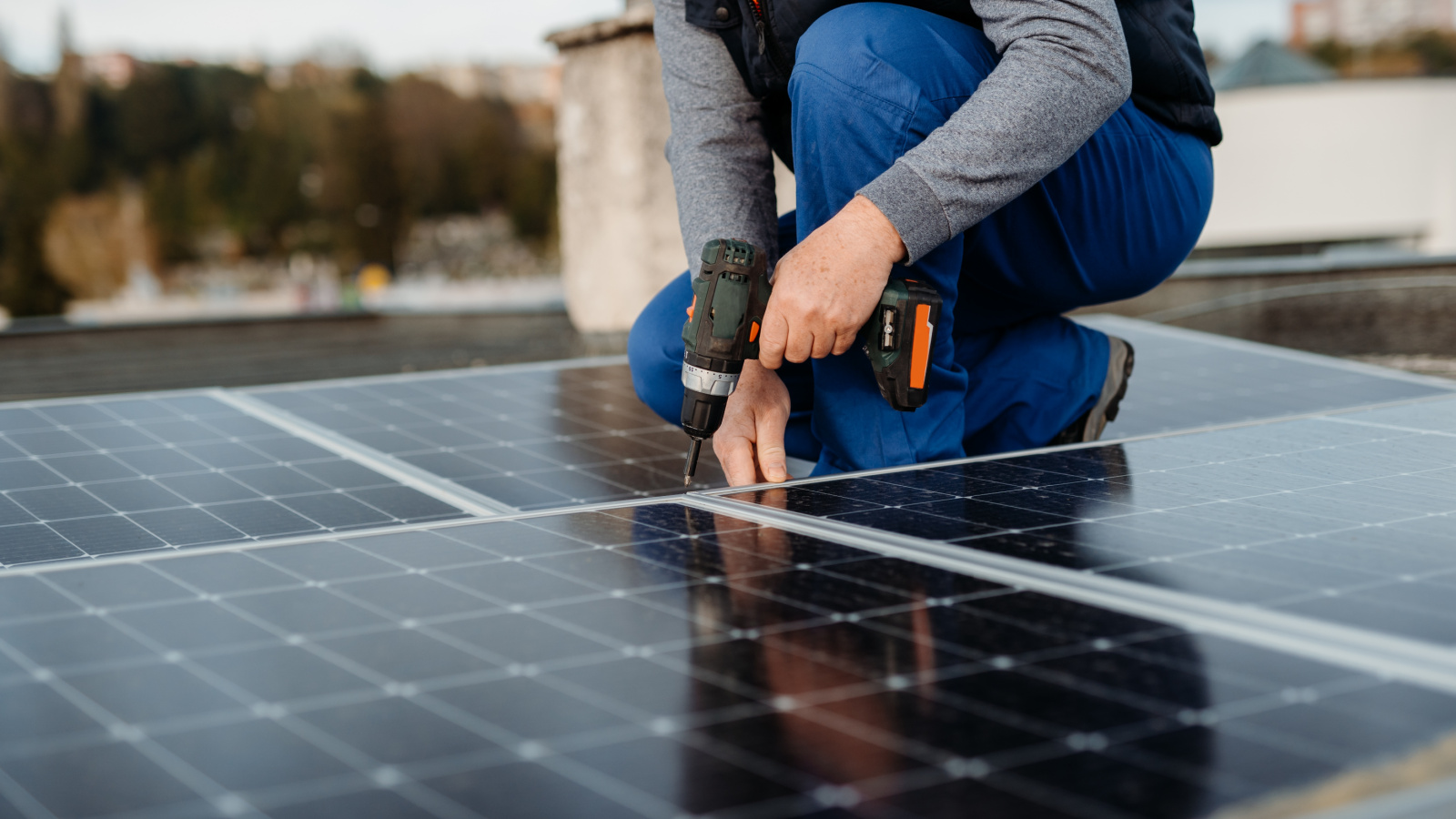
Solar panels change your roof structure. They affect wind and fire risk. Many insurers require notification before installation. Failure to disclose can void coverage. Panels increase replacement costs. Your dwelling limit may need adjustment. Improper mounting can cause roof leaks. Claims involving structural damage become complicated. Provide installation certificates to your insurer. Confirm whether panels are covered under dwelling or separate endorsements. Transparency prevents disputes during storm season.
Smart Home Gyms with Heavy Equipment

Connected treadmills and weight systems are popular. Heavy equipment can damage flooring. Some units require reinforced structures. Insurers may view structural changes as renovations. If a guest is injured, liability coverage applies. Certain policies limit coverage for injuries to fitness equipment. Professional installation helps document safety compliance. Keep purchase receipts and manuals. Notify your insurer about major upgrades. A personal gym adds value and exposure.
Artificial Intelligence-Powered Home Monitoring
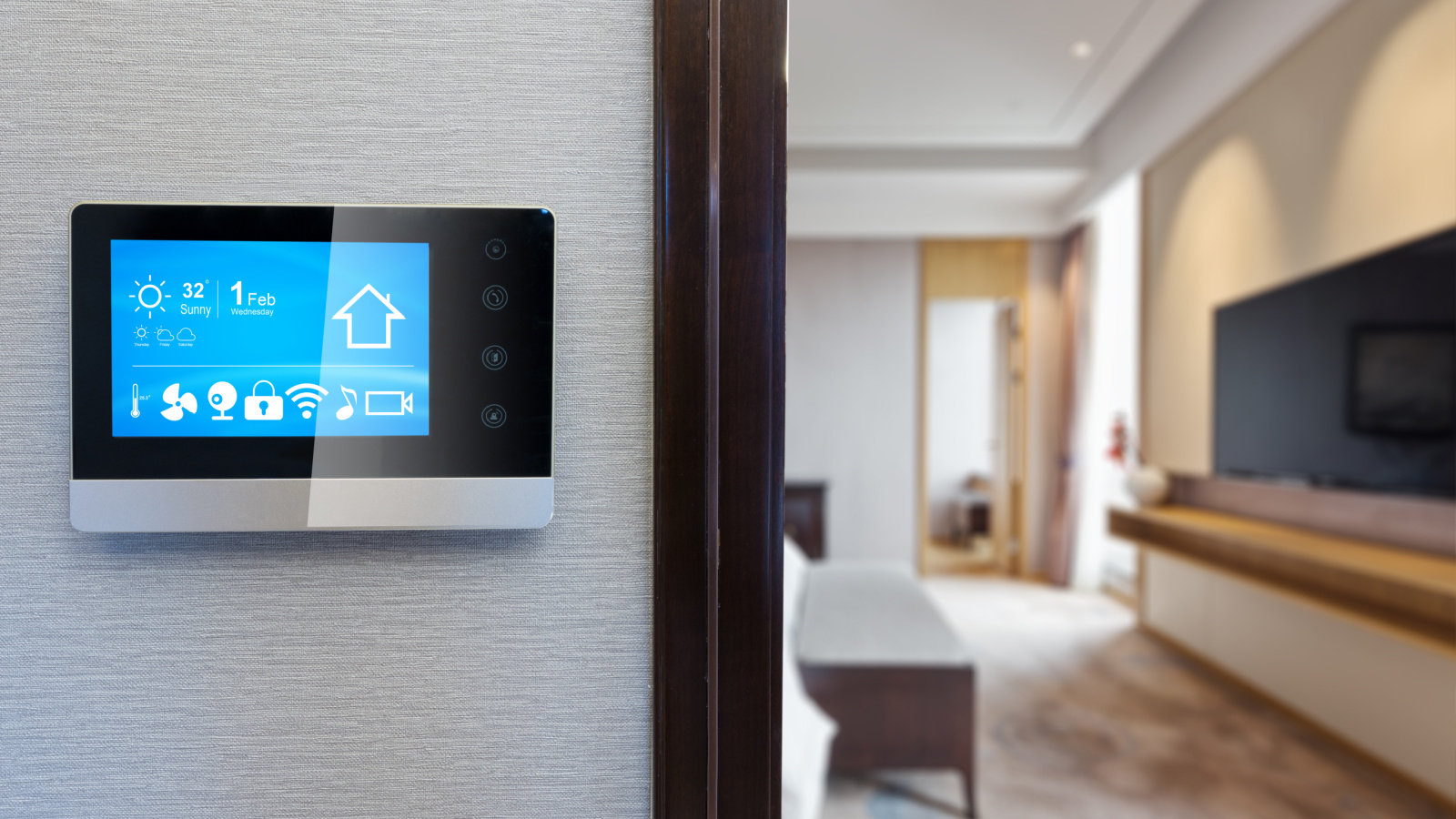
AI-powered monitoring systems analyze behavior patterns. They may control heating or locks automatically. Glitches can cause frozen pipes or lockouts. Insurers may question reliance on automated systems. Some policies require regular human oversight. Data breaches from connected systems raise liability risks. If personal data is exposed, coverage may be limited. Always read exclusions carefully. Confirm cyber coverage details with your insurer. Advanced monitoring should complement, not replace, basic home maintenance.