
























Canadian car ownership has a way of turning small expectations into recurring budget lines. A lower payment does not erase insurance. Better fuel economy does not remove maintenance. Even a paid-off vehicle keeps asking for registration, tires, parking, repairs, and the occasional unpleasant surprise. Across Canada, where weather, distance, insurance rules, and vehicle prices vary sharply by province, the real cost of driving often sits far beyond the sticker price.
Here are 17 car expenses Canadians keep hoping will disappear — but never do, from predictable seasonal costs to the quieter charges that show up only after the keys are already in hand.
Insurance Premiums That Refuse to Feel “Settled”
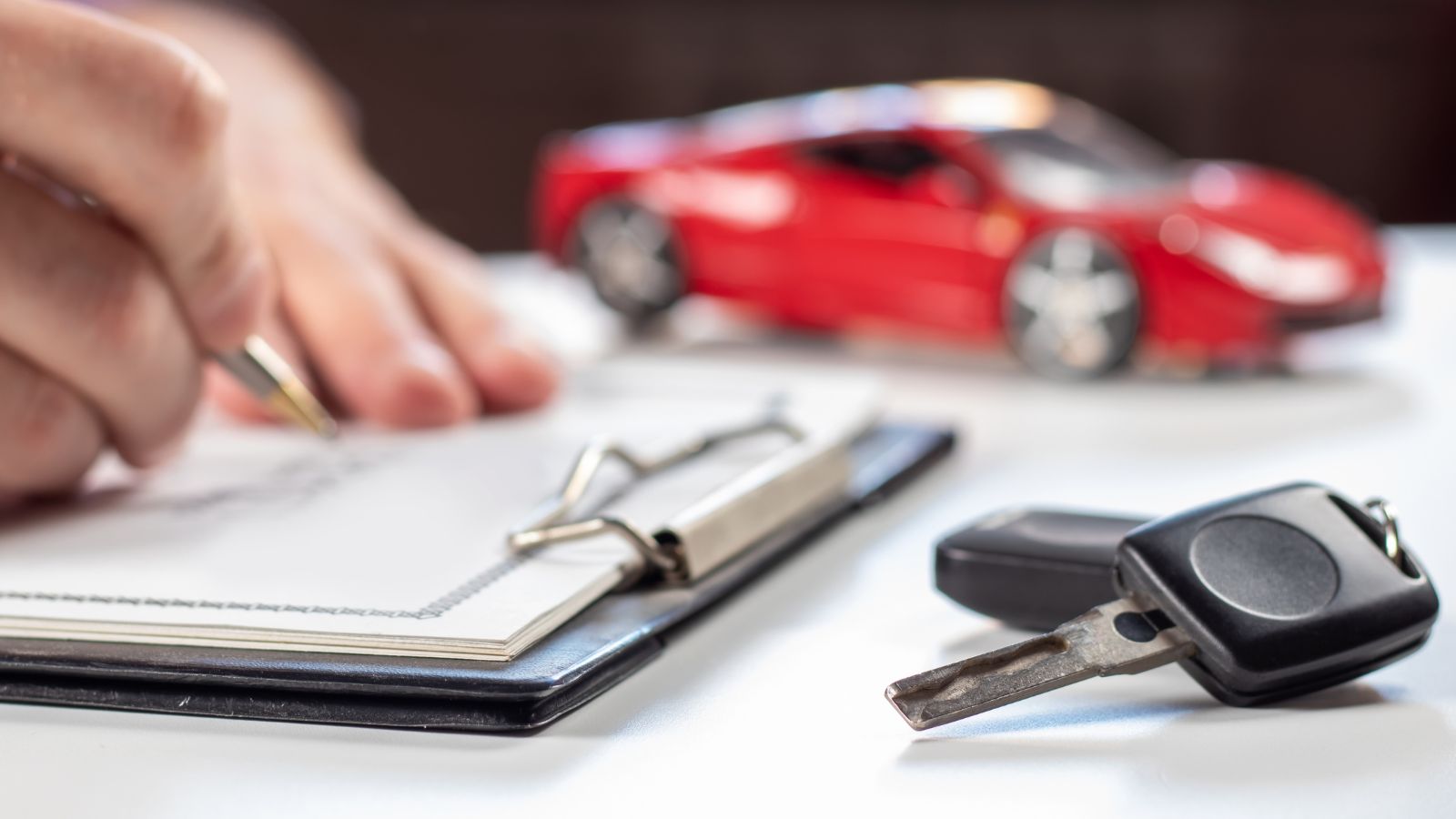
Auto insurance is one of the most stubborn ownership costs because it rarely behaves like a fixed utility bill. Even drivers with clean records can see premiums move because of broader claims costs, theft patterns, repair inflation, location, vehicle type, and provincial rules. A family in suburban Ontario, for example, may pay more than expected not because of reckless driving, but because the vehicle model is expensive to repair or commonly targeted by thieves.
The frustration is that insurance feels like a bill paid for something that may never happen. Yet the system is built around pooled risk, and the cost of repairing modern vehicles has climbed with sensors, cameras, advanced headlights, and electronic safety systems. Statistics Canada has linked recent pressure on personal auto premiums to higher claims costs, vehicle prices, repairs, parts, theft, and inflation. That makes the monthly premium less of a temporary nuisance and more of a permanent companion to owning a vehicle.
Fuel Costs That Keep Coming Back
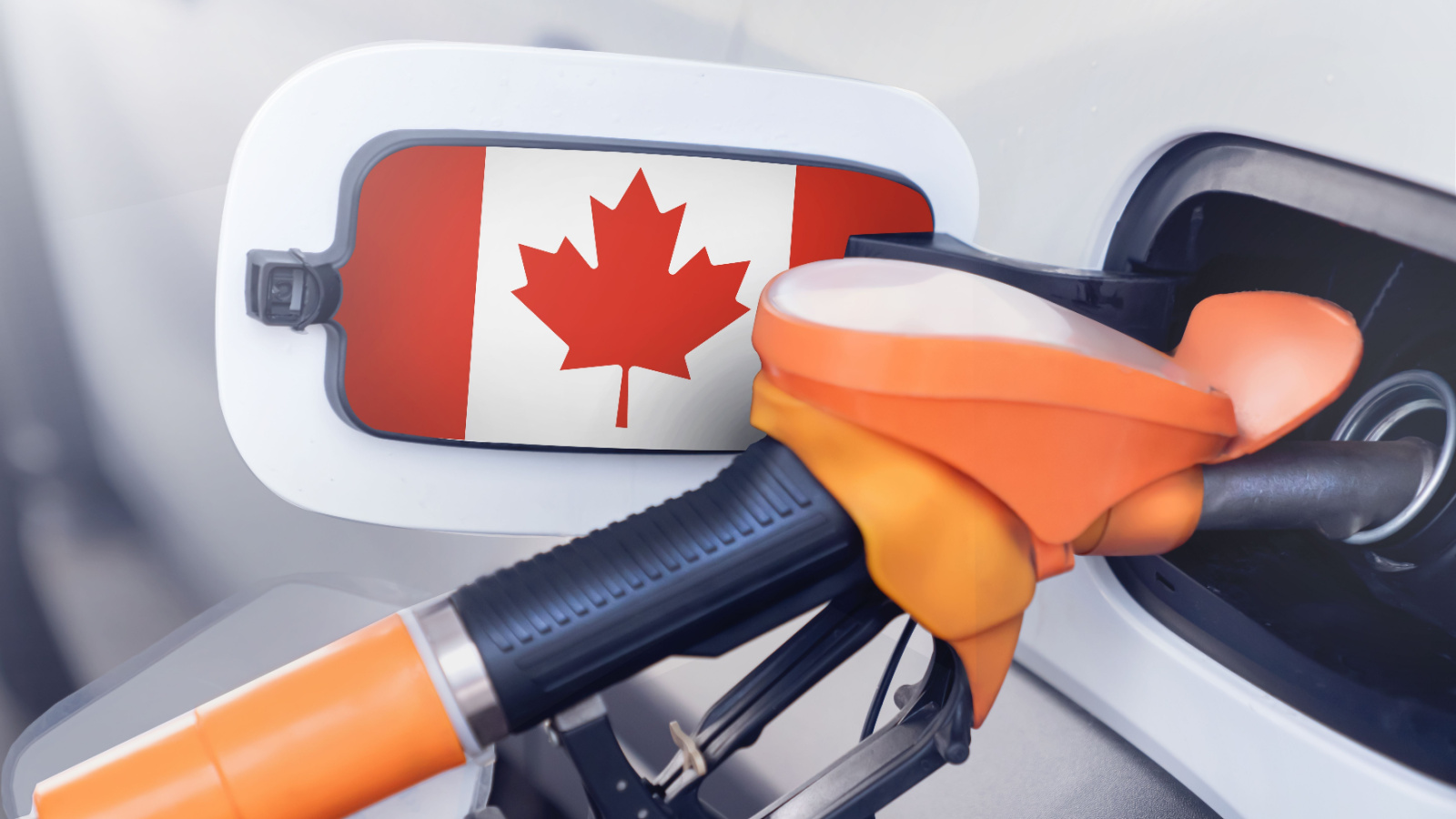
Fuel prices are one of the most visible car expenses because the bill arrives repeatedly and publicly. Every fill-up turns market shifts, taxes, refinery conditions, and local competition into a number on a roadside sign. Even when prices fall for a few weeks, Canadian drivers know the relief can disappear quickly, especially before long weekends, winter travel, or summer road-trip season.
Gasoline also has a way of punishing lifestyle choices. Larger SUVs, pickups, roof racks, winter idling, underinflated tires, and stop-and-go commuting all increase consumption. Natural Resources Canada tracks transportation fuel prices because fuel remains a central part of household transportation spending. Statistics Canada also publishes monthly gasoline price tables across Canadian cities, showing how much costs can differ by location. A commuter in Vancouver, a contractor in Alberta, and a rural driver in Atlantic Canada may all face different prices, but the pattern is the same: fuel never truly leaves the budget.
Maintenance That Starts Small and Becomes Routine
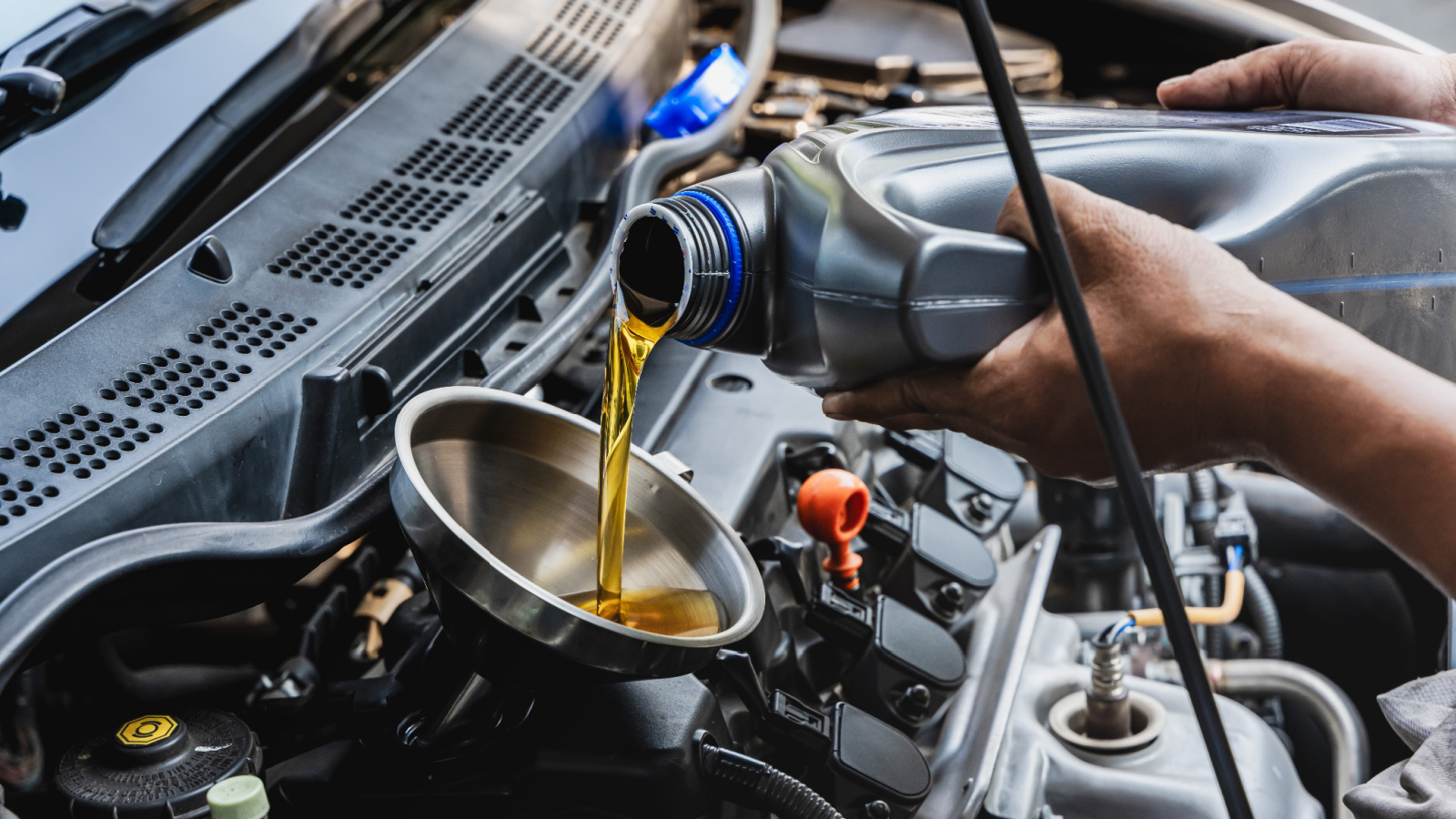
Oil changes, filters, brake inspections, fluid checks, alignments, wiper blades, and battery tests rarely feel dramatic on their own. The problem is repetition. A $90 service here and a $180 inspection there can become a steady annual drain, especially once a vehicle moves beyond its warranty period or passes the four-to-six-year mark.
Modern vehicles have become more reliable in many ways, but they have not become maintenance-free. Skipping routine service can turn minor wear into larger repairs, particularly in Canadian conditions where salt, potholes, cold starts, and temperature swings are hard on mechanical systems. J.D. Power’s Canadian service research looks at owners of vehicles four to twelve years old, which is exactly the stage when maintenance stops feeling optional. For many households, the cheapest month of car ownership is simply the month when nothing unusual happens.
Winter Tires and Seasonal Changeovers
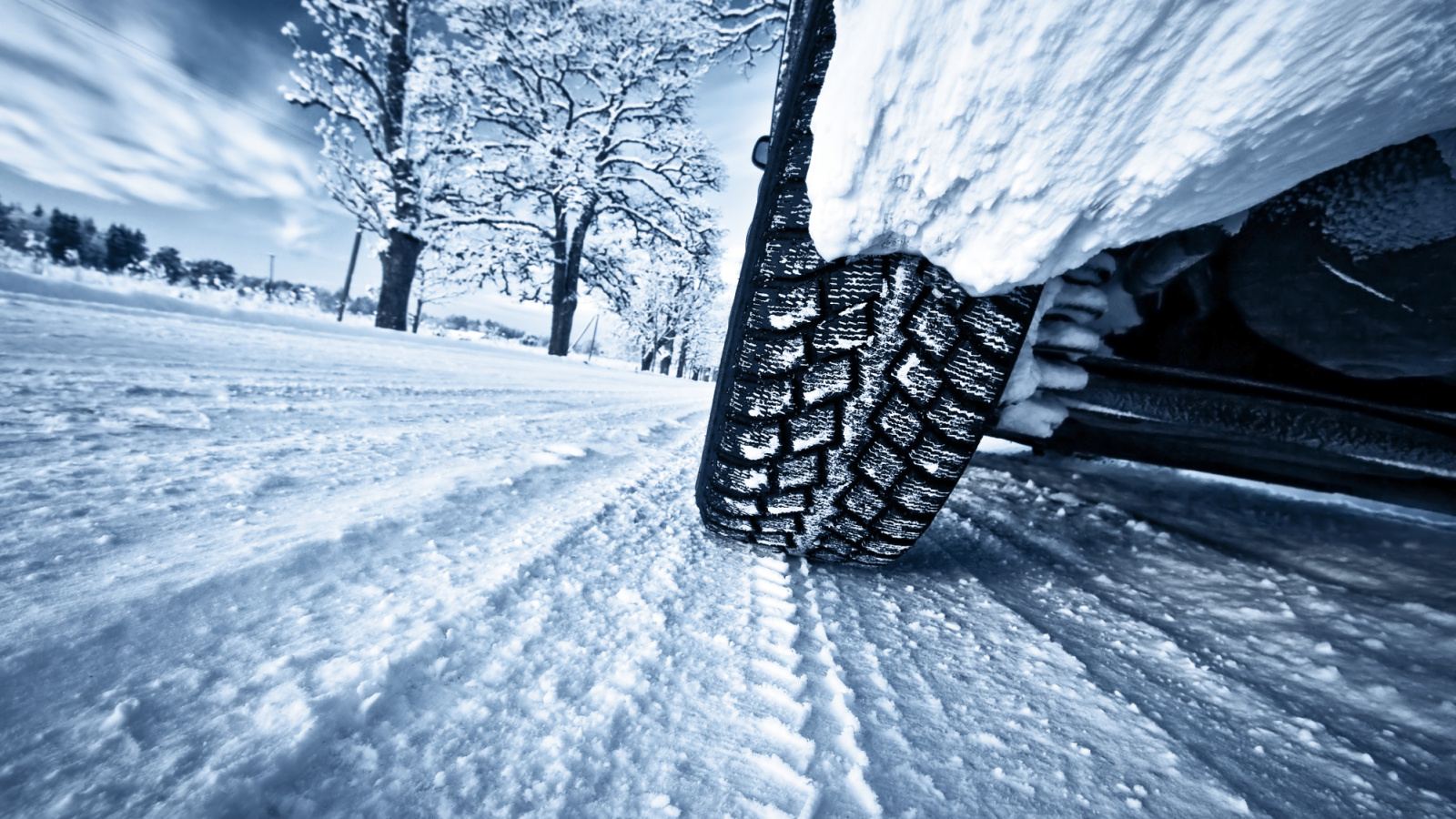
Winter tires are one of those costs many Canadians understand intellectually but still resent every fall. In Quebec they are mandatory during the winter driving season, while British Columbia requires winter tires or chains on many designated routes during colder months. Elsewhere, they may not be legally required, but icy roads, freezing rain, and hard-packed snow make them a practical necessity for many drivers.
The expense is not just the tires themselves. There are rims, sensors, balancing, installation, storage, and seasonal appointments. A driver may buy a set hoping the cost is finished, then face changeover fees twice a year and eventual replacement when tread depth wears down. Transport Canada recommends winter tires on all wheels for cold, snowy, or icy conditions, and notes that worn tires lose traction. The safety case is strong, but the invoice still arrives like clockwork.
Parking at Home, Work, and Everywhere Between
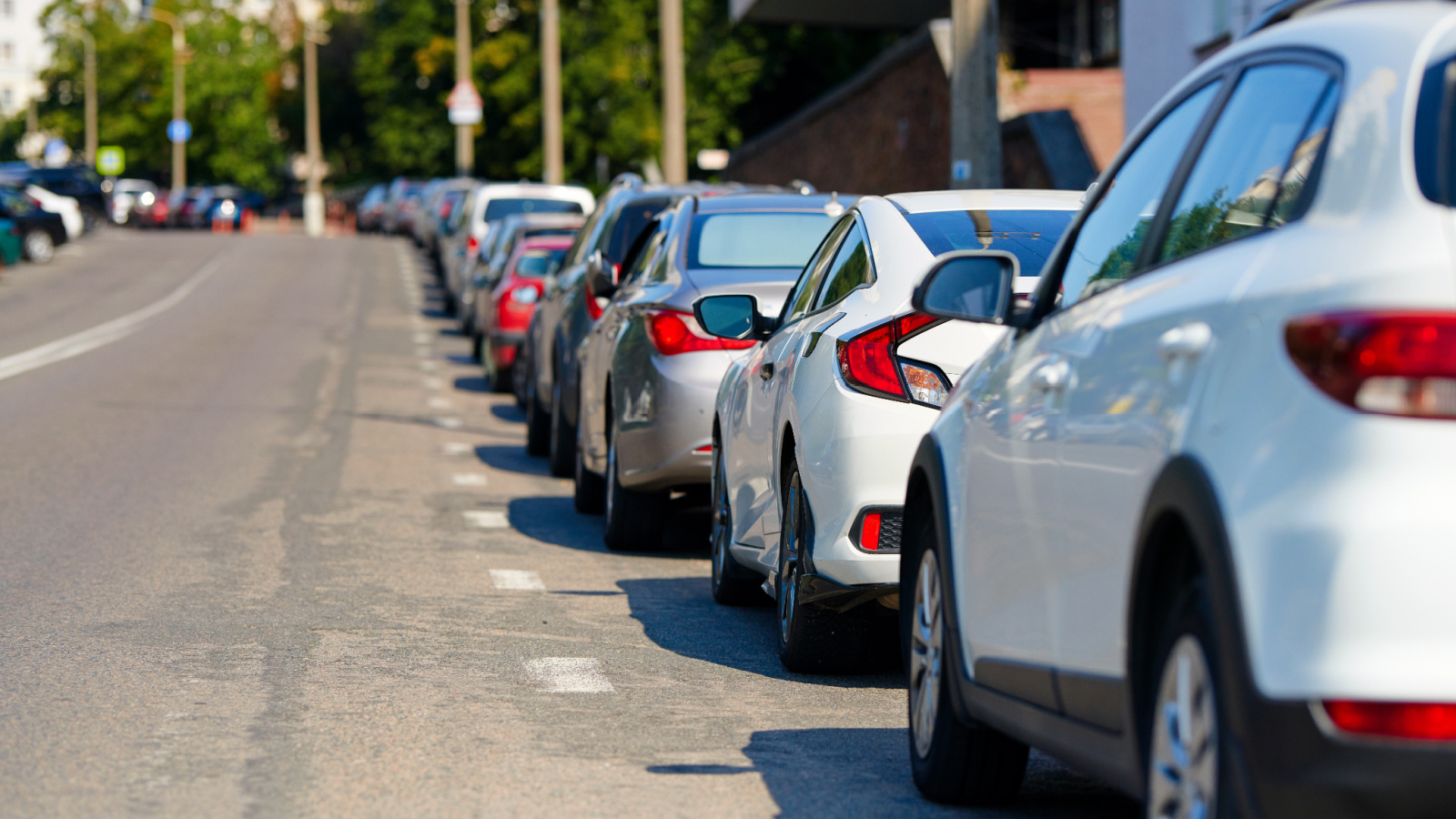
Parking is often treated as an urban problem, but it affects drivers in many forms. Apartment residents may pay monthly stall fees. Downtown workers may face daily lots or private garages. Homeowners without driveways may need permits. Even a quick errand can become more expensive when street parking, app fees, and time limits enter the picture.
Toronto’s residential on-street permit fees show how parking becomes a recurring municipal expense rather than a one-time inconvenience. In dense areas, private monthly parking can cost hundreds of dollars, and availability may be limited. The emotional sting is that parking does not improve the car, insure it, fuel it, or maintain it; it simply allows the vehicle to exist somewhere legally. For Canadians who drive into major city centres, the cost of stopping can feel almost as persistent as the cost of moving.
Registration, Licensing, and Government Fees
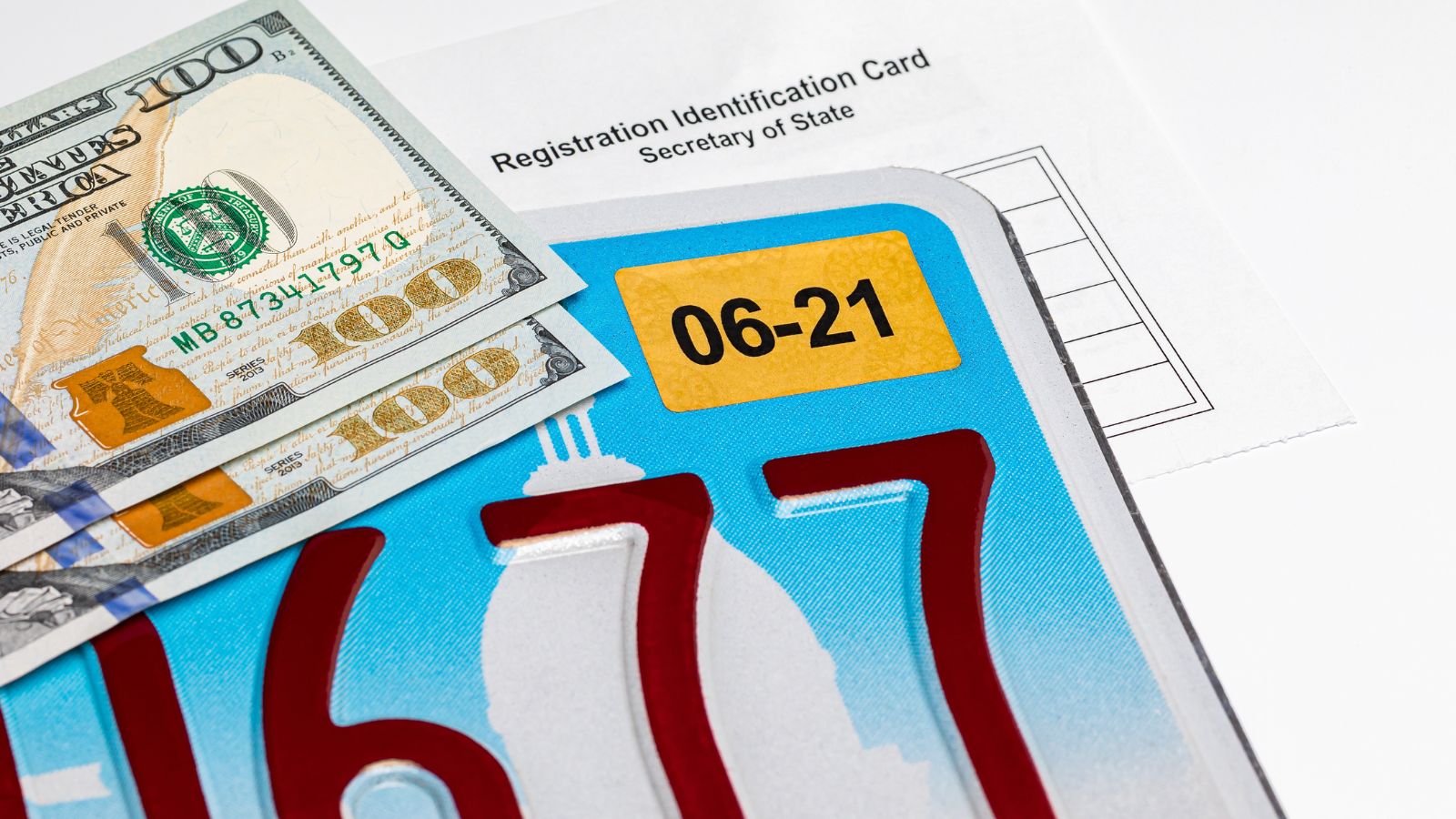
Vehicle registration and licensing fees are easy to forget until renewal time. They vary by province and territory, and some charges are modest enough to seem harmless in isolation. But when combined with plate fees, safety inspections, emissions-related requirements in certain contexts, driver licensing, and administrative charges, the paperwork side of ownership becomes another recurring cost.
The expense can be especially annoying because it often appears after the bigger purchase decision has already been made. A person may budget for the car payment and insurance, then realize that keeping the vehicle legally on the road involves more than simply having keys and coverage. Canada had 26.8 million registered road motor vehicles in 2024, according to Statistics Canada, showing just how widespread these recurring obligations are. Registration is not glamorous, but it is part of the permanent infrastructure of driving.
Depreciation That Happens Even When the Car Sits Still

Depreciation is the invisible expense that many owners do not feel until trade-in day. A vehicle can be washed, maintained, parked carefully, and driven gently, yet still lose value because newer models arrive, warranties expire, mileage accumulates, and buyer preferences shift. The owner may not write a monthly cheque for depreciation, but the cost appears when the vehicle is sold or replaced.
This is especially important in Canada because buyers have shifted heavily toward trucks, SUVs, vans, and multipurpose vehicles. Statistics Canada reported that trucks, including SUVs and vans, accounted for a very large share of new vehicle sales in 2025. Larger vehicles often carry higher purchase prices, which means more dollars exposed to depreciation. A paid-off vehicle can feel financially free, but its market value keeps moving in the background. The car may sit in the driveway, yet the resale clock keeps ticking.
Loan Interest That Outlives the Excitement of Buying

A car loan can make a vehicle feel affordable on signing day while quietly adding thousands of dollars over time. The monthly payment becomes familiar, but the interest portion is a real ownership cost, especially when buyers stretch loans over longer terms to keep payments manageable. The longer the term, the longer the driver remains financially tied to a depreciating asset.
Interest also affects used-car buyers differently than many expect. Used vehicles can carry higher financing rates than new ones because lenders view older collateral as riskier. Bank of Canada data tracks interest rates charged by chartered banks on lending in Canada, and broader credit reports have shown pressure on younger consumers and auto-loan delinquencies. For households already balancing rent, groceries, insurance, and fuel, financing costs can turn a reasonable-looking payment into a long financial commitment.
Repairs That Arrive Without Asking
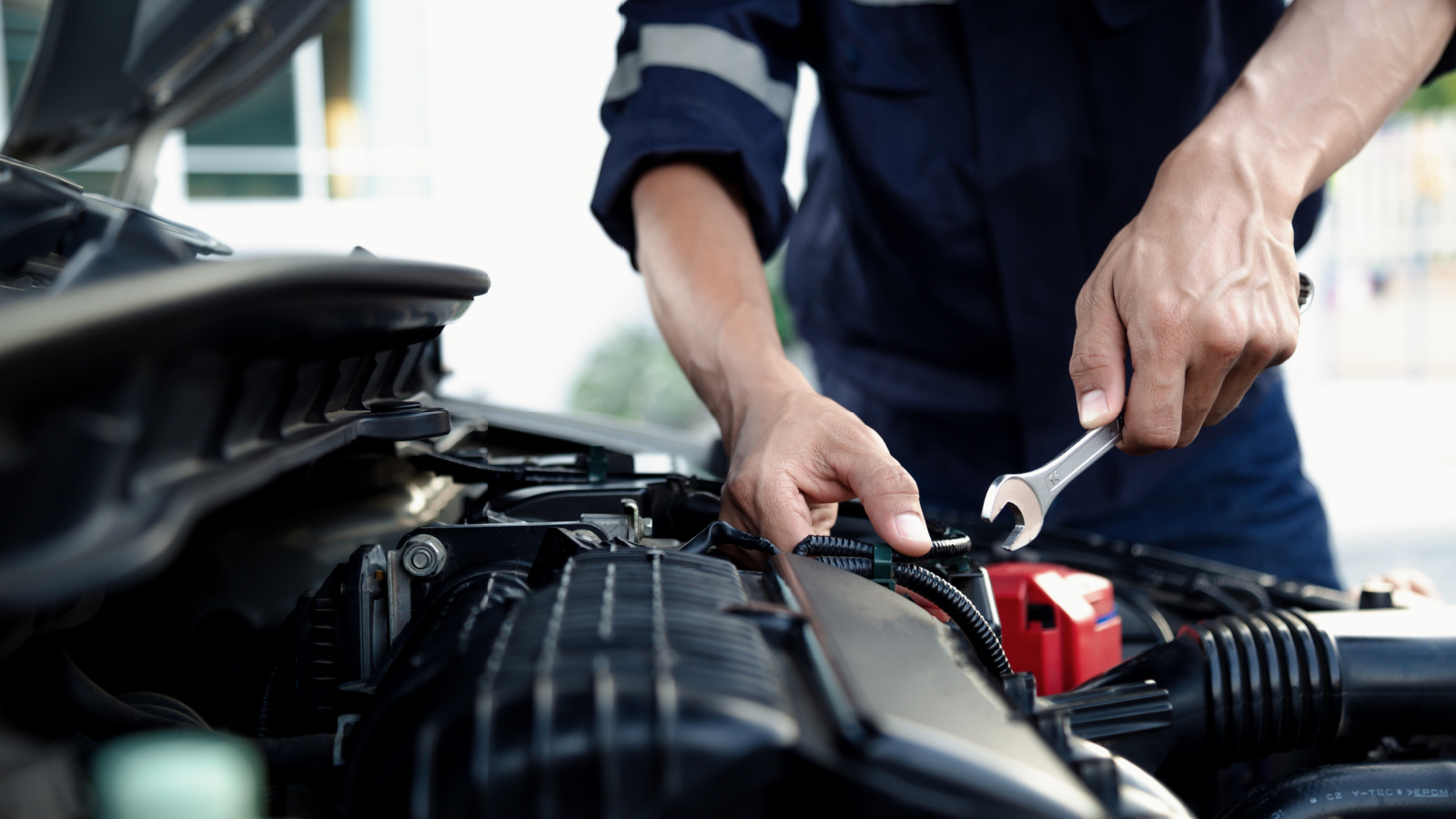
Repairs are different from maintenance because they often arrive without warning. A cracked windshield, seized caliper, failing alternator, broken suspension component, or check-engine light can turn an ordinary week into a financial scramble. In Canada, rough roads, salt corrosion, deep cold, and spring potholes all add stress to vehicles over time.
The cost of repairs has become more difficult to shrug off because parts and labour are not immune to inflation. Statistics Canada’s consumer price data tracks passenger vehicle maintenance and repair services, and its insurance-cost analysis points to rising repair and parts costs as one reason claims have become more expensive. A modern bumper may contain sensors. A windshield may support driver-assistance cameras. A small collision can therefore become a complex repair. The frustrating truth is that even careful drivers cannot budget repairs down to zero.
Tires Beyond the Winter Set
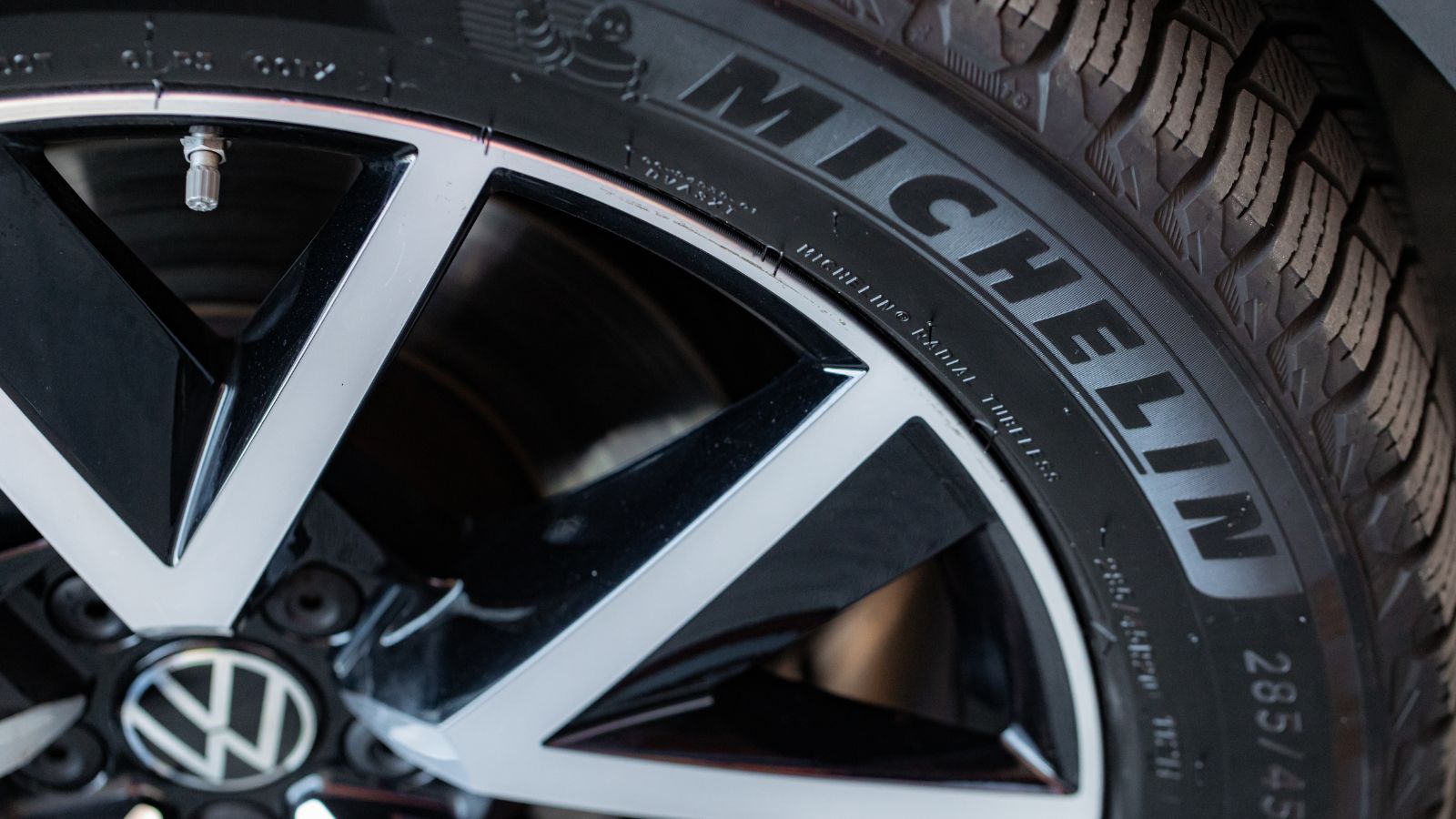
Winter tires get most of the attention, but all-season or summer tires also wear out, get punctured, age, and require balancing or rotation. A driver who switches seasonally is really managing two sets of rubber, not escaping tire costs. Add larger wheels, low-profile tires, or performance models, and replacement costs can climb quickly.
Tires are also tied to fuel economy and safety. Underinflation can reduce efficiency, uneven wear can signal alignment problems, and worn tread reduces grip in rain or snow. Transport Canada advises against using tires worn close to 4 millimetres of tread depth on snow-covered roads, reinforcing that replacement is not just a cosmetic decision. For a family with two vehicles, tire purchases can feel like they arrive in waves: one set this year, another next year, changeovers every season, and storage fees in between.
Car Washes, Rust Protection, and Salt Season Cleanup
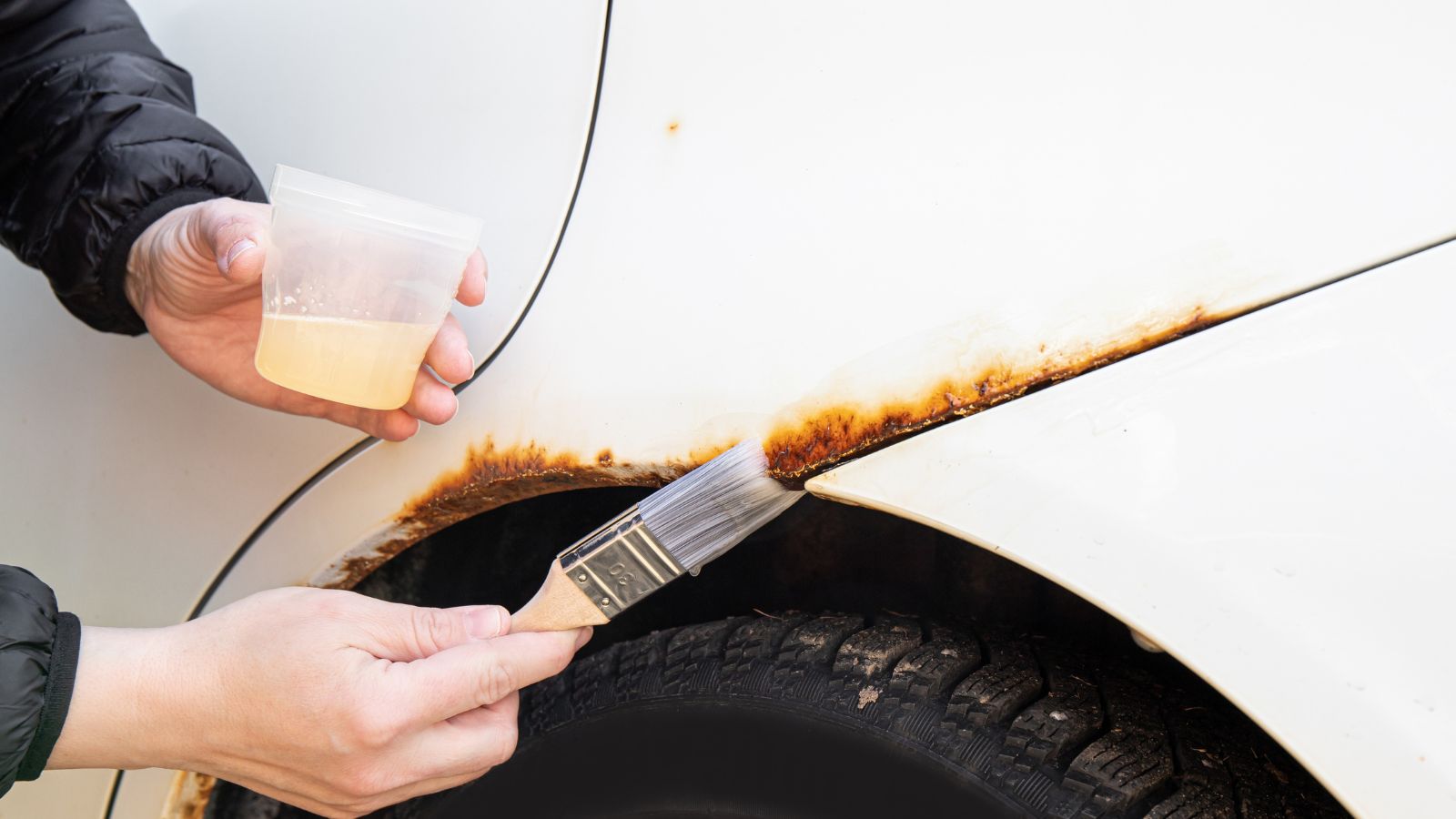
In much of Canada, washing a vehicle is not merely about appearance. Road salt, slush, sand, and grime can build up for months, especially in provinces with long winters and freeze-thaw cycles. Drivers who ignore salt may save money in the short term but risk corrosion around wheel wells, brake lines, undercarriages, and body panels later.
Rust protection is another expense owners debate. Some swear by annual oil sprays or electronic modules; others prefer regular underbody washing and careful inspection. The common thread is that winter climate creates maintenance pressure that warmer regions rarely face at the same intensity. A compact car in Halifax, a pickup in Sudbury, and a crossover in Winnipeg may all face different conditions, but salt and moisture are persistent enemies. The car wash bill may look optional, yet for many Canadian owners it becomes part of seasonal damage control.
Parking Tickets, Speed Cameras, and Small Fines

Few car expenses feel more irritating than fines because they often stem from a brief mistake. A snow-route sign missed during a storm, an expired meter, a school-zone camera, or a confusing downtown loading area can turn a short stop into a costly envelope. Unlike fuel or insurance, fines feel avoidable, which makes them sting more.
Municipal enforcement has also become more automated in many places. Camera-based systems can reduce dangerous behaviour, but they also make violations less dependent on an officer being present. For drivers, that means the bill can arrive days or weeks after the moment has passed. The amounts vary widely by city and offence, but the lesson is consistent: car ownership includes the cost of navigating local rules. Even careful drivers occasionally misread signs, underestimate time, or park during the wrong window.
Tolls, Bridges, Ferries, and Road Charges
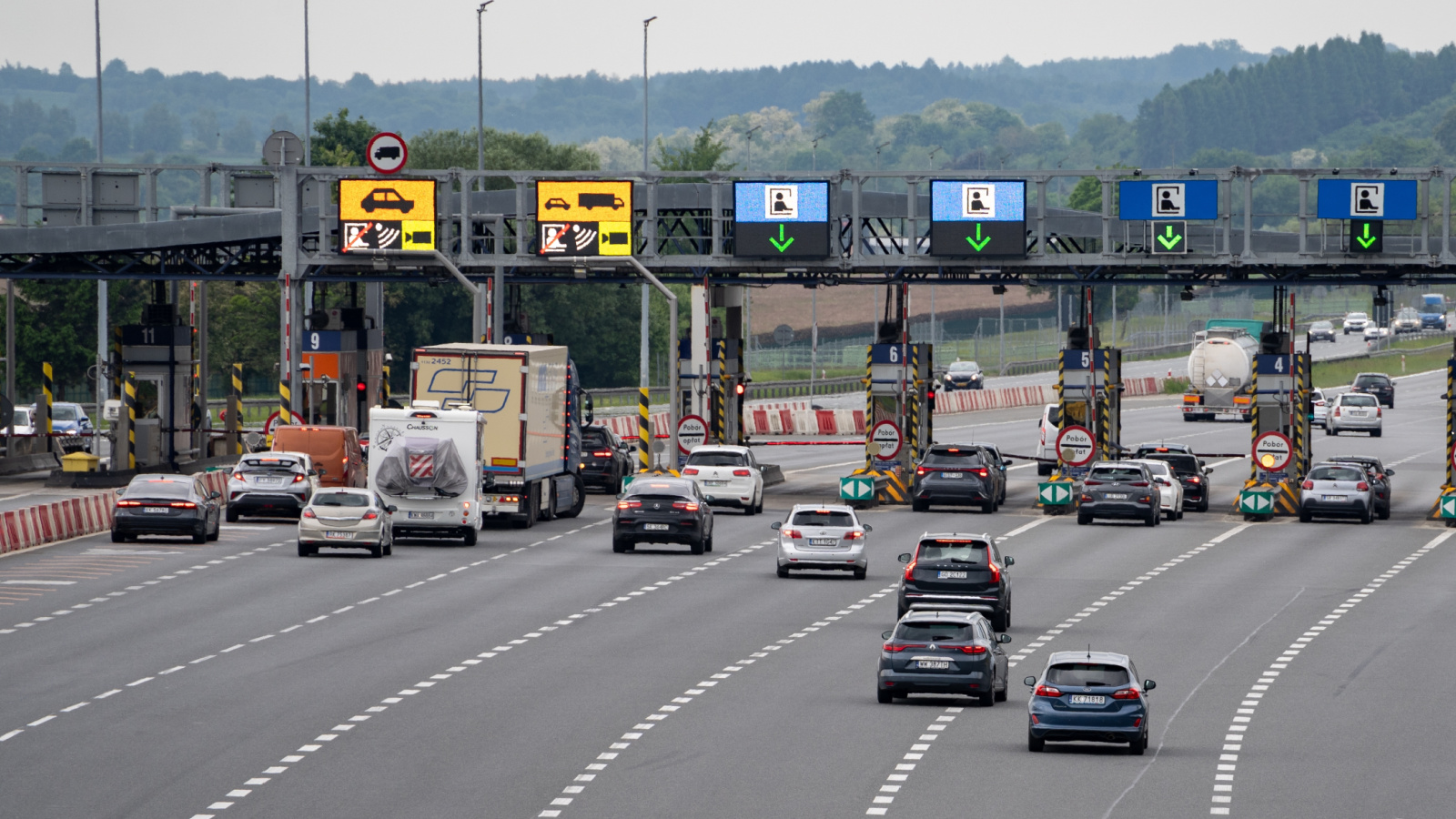
Canada does not have the same toll-road culture as some countries, but tolls and crossing fees still matter in specific regions. Some commuters encounter bridge or highway charges. Others rely on ferries, especially in coastal and island communities. For people who live near tolled infrastructure, the expense can become a routine part of getting to work, visiting family, or accessing services.
These costs are easy to underestimate because they often appear as small individual charges. A few dollars each way can become a meaningful monthly total when repeated five days a week. In some communities, there is no realistic alternative that saves both time and money. A driver may technically choose another route, but the detour can burn more fuel or add significant travel time. The result is another cost that feels optional on paper but unavoidable in real life.
Detailing, Cleaning, and Interior Wear
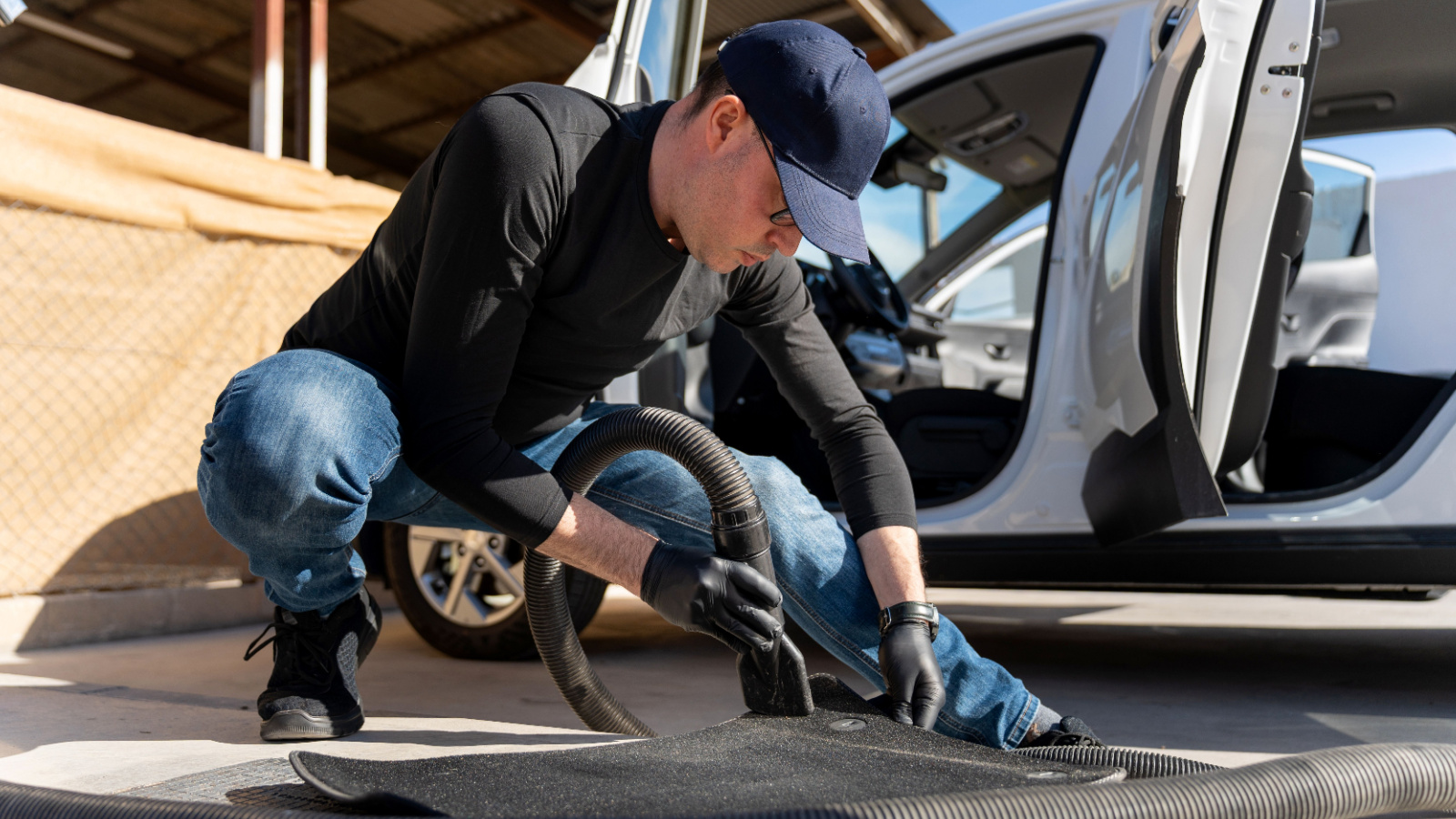
Interior cleaning does not sound like a serious expense until a vehicle becomes a family hauler, work vehicle, rideshare car, or winter commuter. Salt stains, coffee spills, pet hair, child seats, construction dust, and fast-food crumbs all leave evidence. Over time, the interior affects comfort, resale value, and the owner’s willingness to keep the car longer.
Professional detailing can cost far more than a basic wash because it involves upholstery, carpets, vents, trim, glass, and sometimes odour treatment. For leased vehicles, interior wear may also become a return-charge issue if damage exceeds normal use. Even owners who clean at home still buy mats, cleaners, vacuums, seat protectors, and organizers. The expense is not as unavoidable as insurance, but neglect has consequences. A vehicle used daily in Canadian weather rarely stays clean by accident.
Replacement Parts Made Pricier by Technology
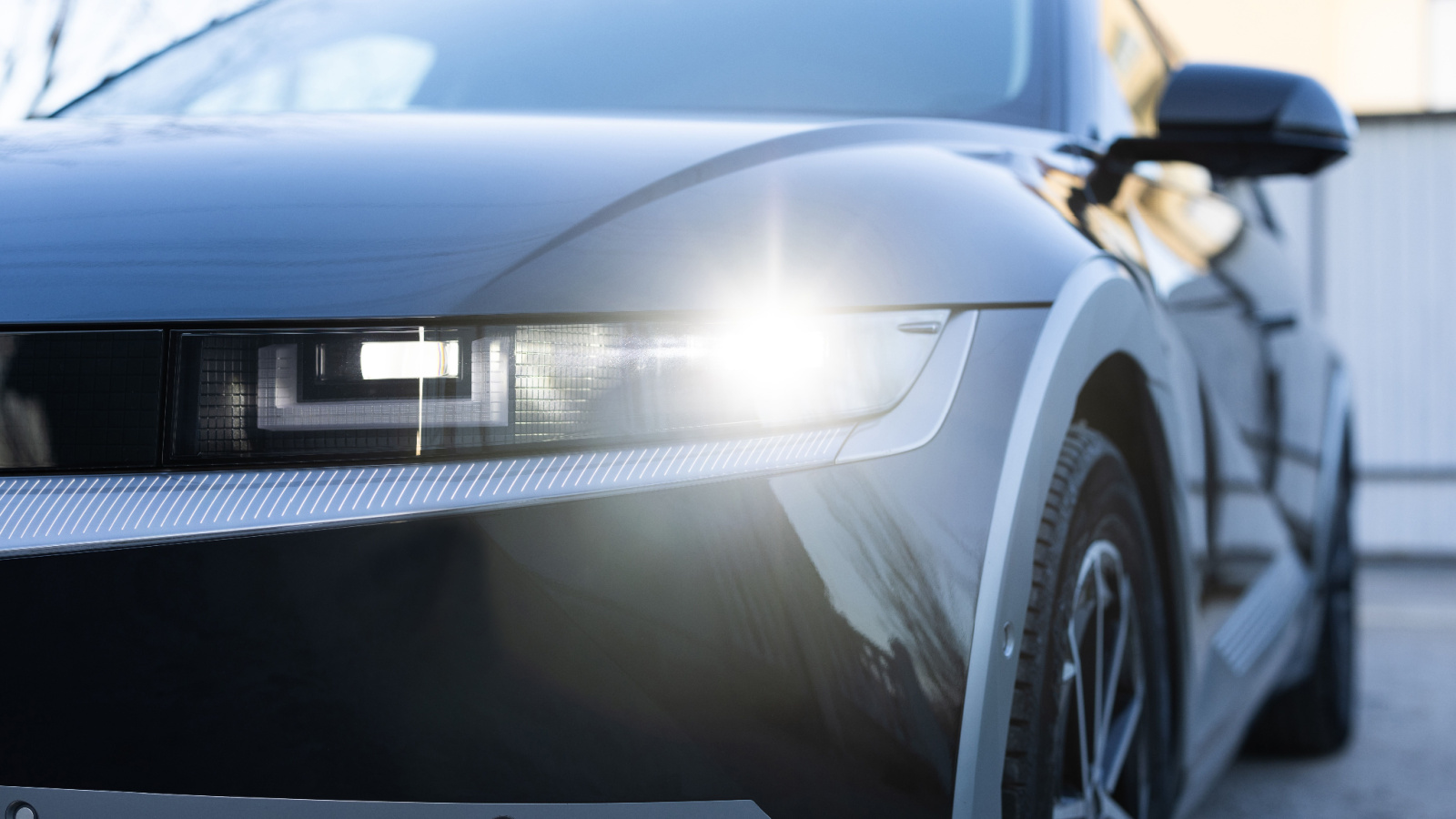
Modern cars are safer and more capable than older ones, but technology has made many replacement parts more expensive. A mirror may contain blind-spot sensors. A bumper may house radar. A windshield may require camera recalibration. LED headlights can cost far more than old halogen bulbs. Even a minor collision can involve electronics, diagnostics, and specialized labour.
This is one reason insurance and repair bills have become harder to separate. Statistics Canada’s analysis of auto insurance pressures points to rising repair costs, parts costs, vehicle prices, and claims complexity. The owner experiences the trend as a larger estimate from the repair shop. A scratch near a sensor is no longer just a scratch. A windshield chip is not always just glass. As vehicles become rolling computers, the price of restoring them after damage becomes part of the long-term cost of ownership.
EV Charging, Home Equipment, and Battery-Related Costs
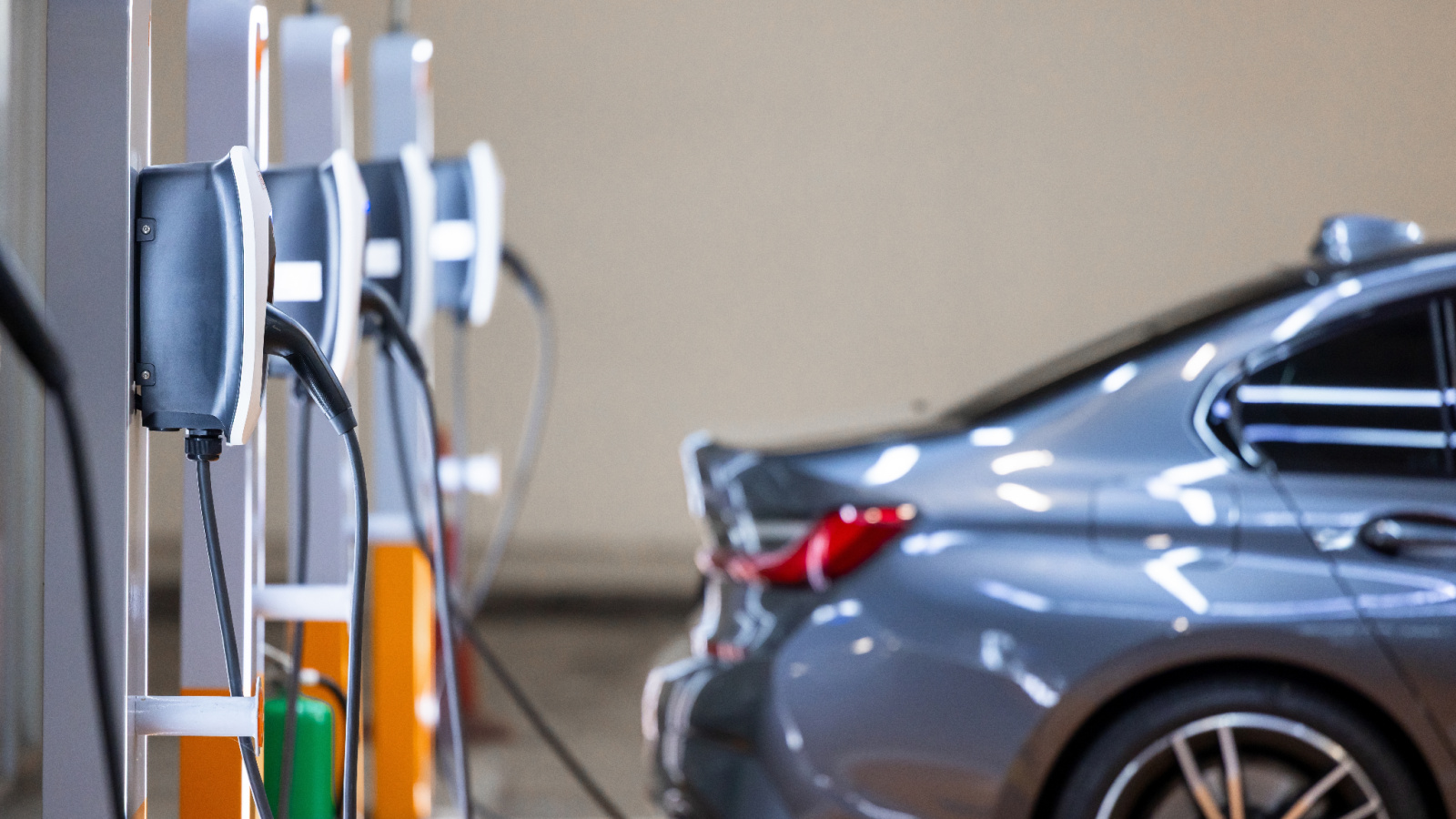
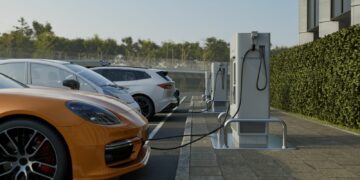
Electric vehicles can reduce or eliminate gasoline spending, but they do not make car expenses disappear. Home charging may require a Level 2 charger, electrical work, permits, panel upgrades, or condo-board approval. Public fast charging can cost more than expected, especially during road trips or in areas with limited competition. Cold weather can also reduce range, which matters in Canadian winters.
EV adoption is growing, but it is still part of a mixed market. Statistics Canada reported that 5.2% of light-duty vehicles registered in 2024 were electric, up from 3.9% in 2023. That growth brings new ownership habits rather than zero costs. Drivers may save on fuel and some maintenance, but they still pay for tires, insurance, depreciation, charging, software-related service, and eventual battery considerations. The expense changes shape; it does not vanish.
Unexpected Fees When Buying or Selling

The advertised price of a vehicle is rarely the final amount that changes hands. Taxes, dealer documentation fees, freight and delivery, inspection charges, lien checks, safety certificates, registration costs, and add-ons can reshape the deal. Even private sales involve paperwork, provincial tax rules, and sometimes repairs needed to pass inspection or satisfy a buyer.
Used-vehicle pricing has remained especially important in Canada. AutoTrader’s Q4 2025 Price Index reported that used vehicles ended the year at an average price of $35,201, up 2.0% year over year, with tariff-related activity contributing to higher average costs. That means buyers hoping for a bargain may still face a market where “used” does not automatically mean cheap. Selling is not free either; cleaning, listing, inspection, and negotiation all carry time or money costs.
Emergency Roadside Costs and “Just in Case” Spending
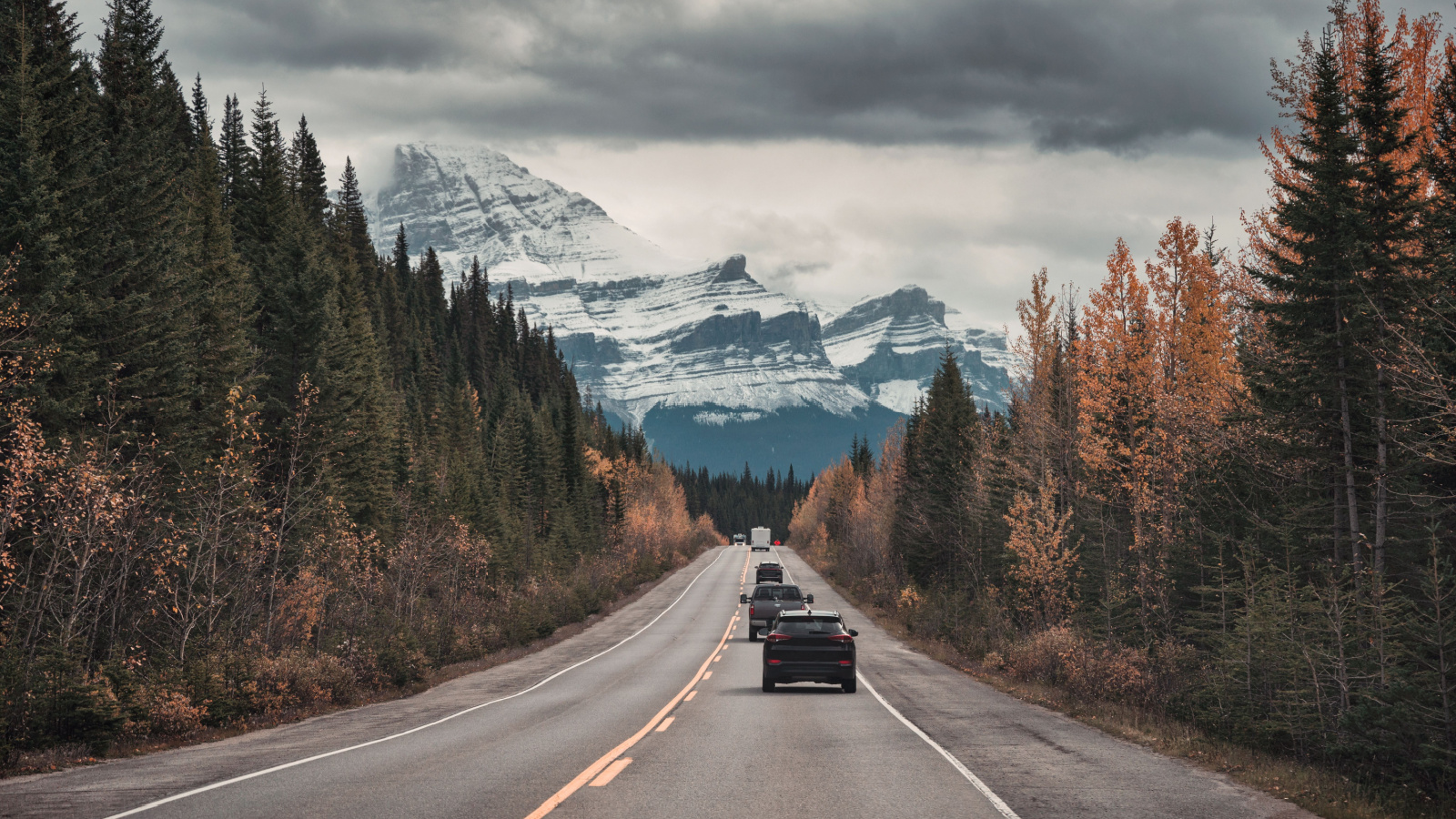
Roadside expenses live in the category of costs people hope never to use. Towing, lockouts, dead batteries, flat tires, fuel delivery, winching, and emergency repairs can be rare, but when they happen, they are urgent. A vehicle stranded in freezing weather or on a rural highway is not a situation where most drivers can shop patiently for the lowest price.
Many Canadians pay for roadside assistance through an auto club, insurance add-on, credit card, or manufacturer plan. That annual fee can feel unnecessary during quiet years, then suddenly feel essential after one tow. The geography of Canada makes this especially relevant: long distances, severe winters, and rural routes can turn minor mechanical trouble into a serious logistical problem. Emergency spending is the final reminder that owning a car is not only about planned costs. It is also about paying for uncertainty.
22 Things Canadians Do to Their Cars in Spring That Mechanics Hate

Spring brings relief to many Canadian drivers after months of snow, freezing temperatures, and icy roads that put serious strain on vehicles. As temperatures rise across the country, drivers begin washing cars, switching tires, and preparing vehicles for warmer weather and upcoming road trips. However, mechanics across Canada notice the same mistakes every spring when drivers attempt to recover from winter damage. Road salt, potholes, and harsh winter driving conditions often leave vehicles with hidden problems that drivers ignore. Some spring habits even create new mechanical issues that could have been avoided with proper maintenance. Here are 22 things Canadians do to their cars in spring that mechanics hate.