
























Modern cars promise seamless screens, fast connections, and smart features. Reality often feels different. Drivers deal with laggy menus, frozen maps, and random disconnects. Cold weather in Canada makes things worse. Screens take longer to respond, and glitches appear more often. Some systems bury simple controls deep inside menus. Others struggle with basic smartphone pairing. Even expensive vehicles are not immune to these issues. Owners expect better, especially when paying premium prices. Here are 21 vehicles with infotainment systems Canadians complain about the most.
Ford Explorer
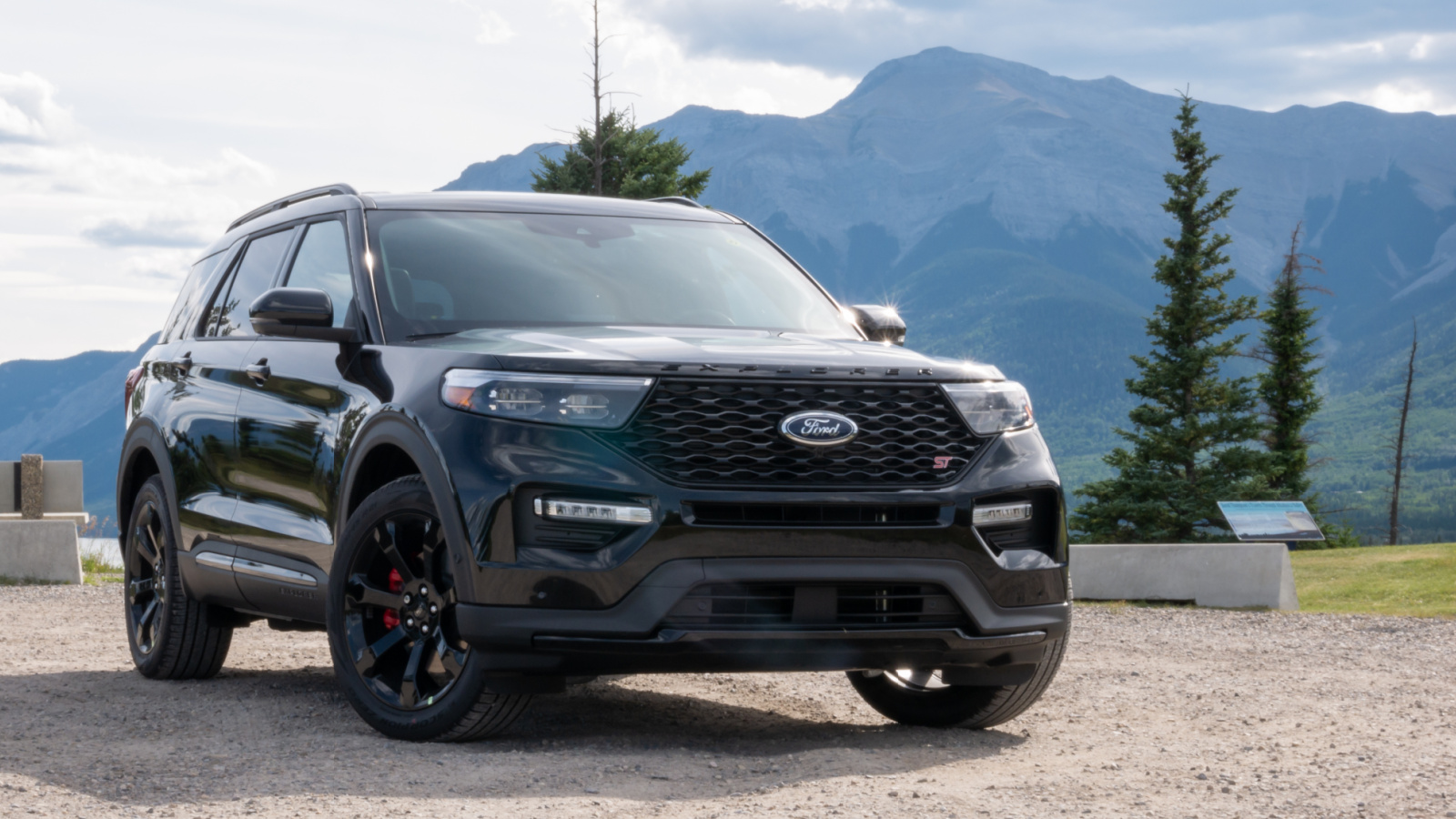
The Ford Explorer, priced around $50,000 to $65,000 in Canada, often frustrates drivers with its SYNC system. Owners report slow startup times during winter mornings. The screen can freeze while switching between apps. Some drivers say Apple CarPlay disconnects randomly. Voice commands rarely understand simple requests. Menu layouts feel cluttered and confusing. Physical buttons are limited, which makes quick changes harder. Software updates have improved things, but complaints still surface. Many drivers expect smoother performance at this price. Instead, they get lag and occasional crashes. It feels outdated compared to rivals that offer quicker, cleaner interfaces.
Chevrolet Silverado 1500
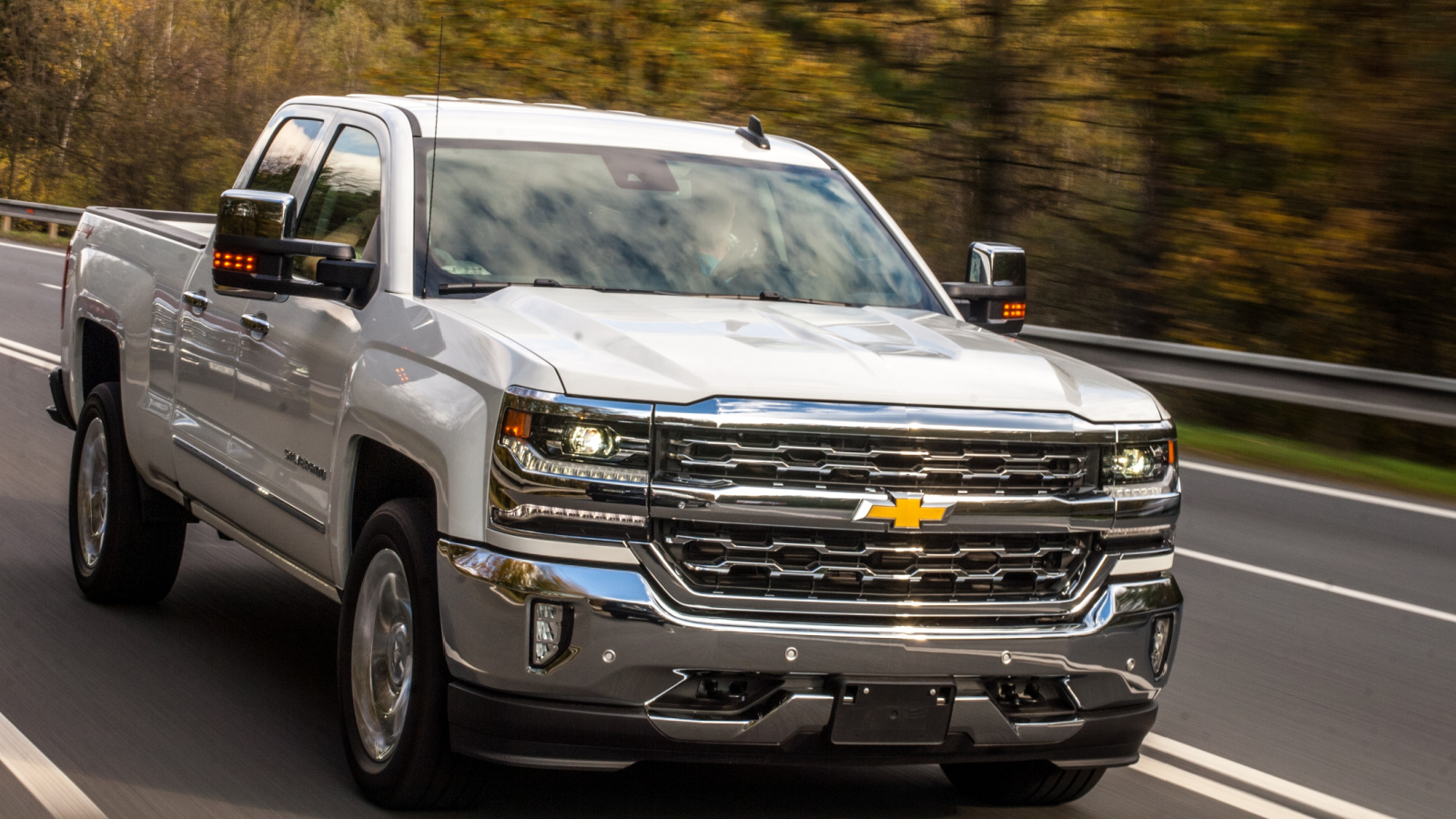
The Chevrolet Silverado 1500 starts near $48,000 and climbs past $80,000. Despite its price, infotainment complaints remain common. The system sometimes takes too long to load navigation. Bluetooth connections drop without warning. Some owners report touch inputs not registering properly. The interface looks modern but lacks consistency. Switching between screens can feel clunky. Cold weather makes responsiveness worse. Truck buyers rely on quick access to features, but delays slow everything down. Software bugs appear after updates as well. Drivers expect reliability from a work truck. Instead, they deal with small annoyances that add up daily.
Jeep Grand Cherokee
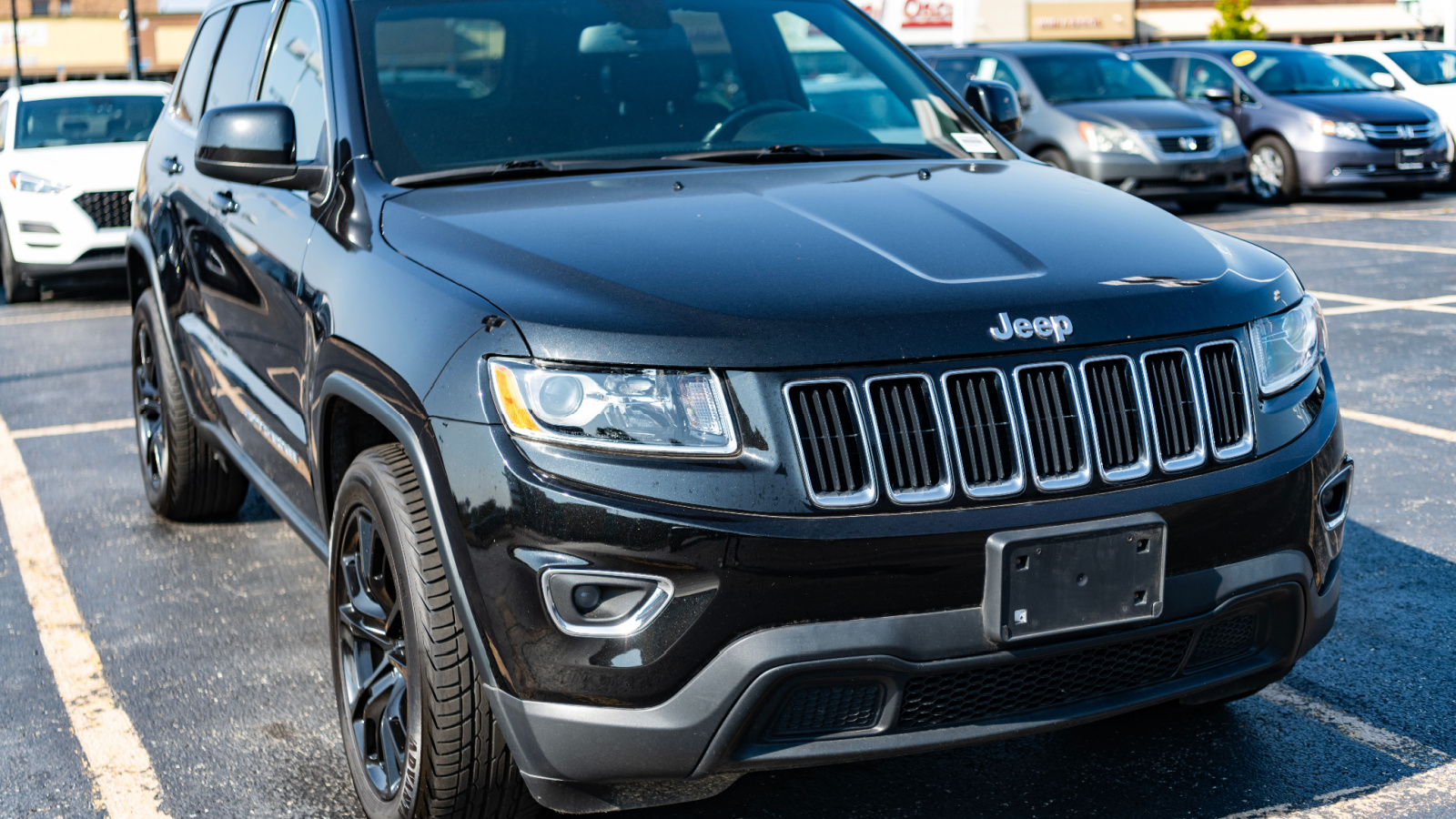
The Jeep Grand Cherokee ranges from $55,000 to over $80,000. Its infotainment system looks sharp but can be unreliable. Owners often mention lag when opening menus. The touchscreen sometimes ignores inputs. Navigation freezes mid-route in colder conditions. Wireless connections are inconsistent for some users. There are many features, but accessing them takes time. Too many layers hide simple settings. Drivers report system resets while driving. That can interrupt music or navigation suddenly. Jeep has improved software in newer models, yet complaints continue. Many feel the system tries to do too much without doing the basics smoothly.
Volkswagen Tiguan
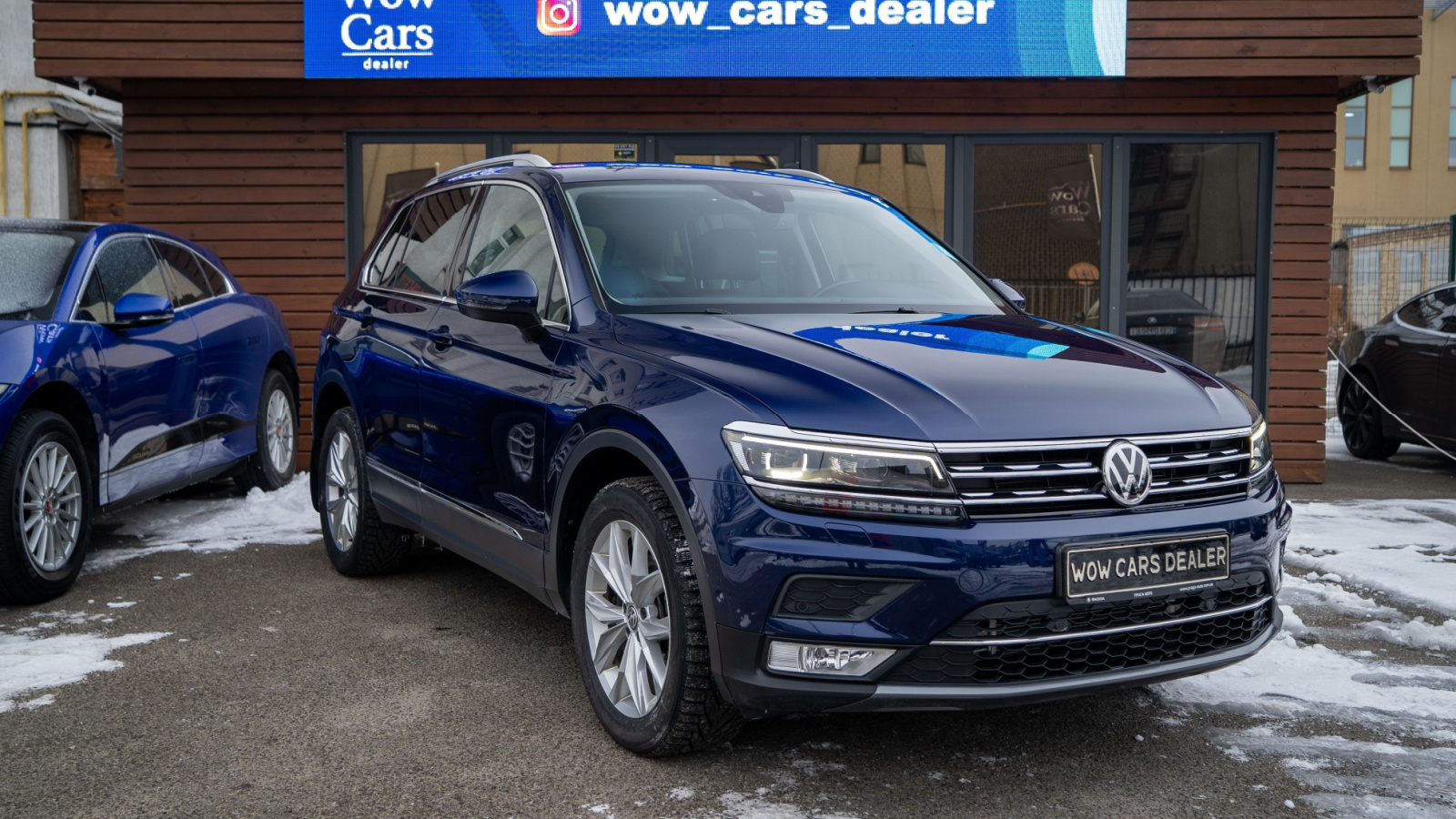
The Volkswagen Tiguan costs roughly $35,000 to $45,000. It uses a clean-looking interface that frustrates some drivers. Touch-sensitive controls replace traditional buttons. These controls respond poorly in cold weather. Drivers often tap multiple times before anything happens. The system can lag when switching between apps. Volume sliders are hard to use without looking away. Apple CarPlay works, but not always smoothly. Some users report random disconnects. The layout looks simple, yet usability feels complicated. Many owners say physical knobs would solve most issues. Instead, the system prioritizes style over everyday convenience.
Subaru Outback
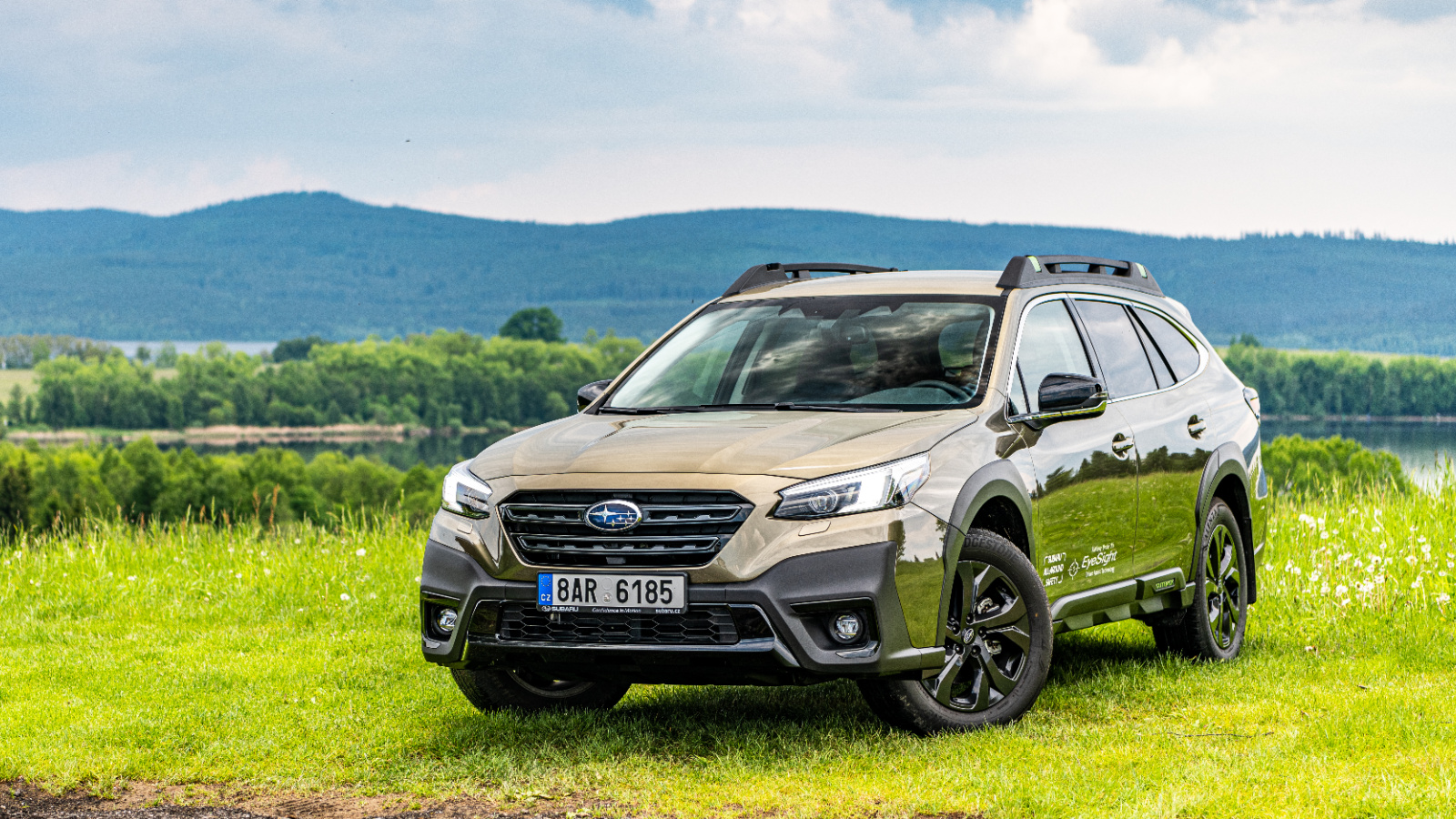
The Subaru Outback sits between $35,000 and $45,000. Its large vertical screen draws attention but causes complaints. The system can be slow to respond after startup. Climate controls are embedded in the screen, which frustrates drivers. Adjusting the temperature takes multiple taps. Some users report lag when scrolling menus. Apple CarPlay sometimes loads slowly. The screen also attracts fingerprints easily. In winter, responsiveness drops further. Drivers prefer simple controls in rough conditions. Subaru has released updates, but problems still appear. Many owners say the system feels unfinished for an otherwise dependable vehicle.
Toyota Tundra
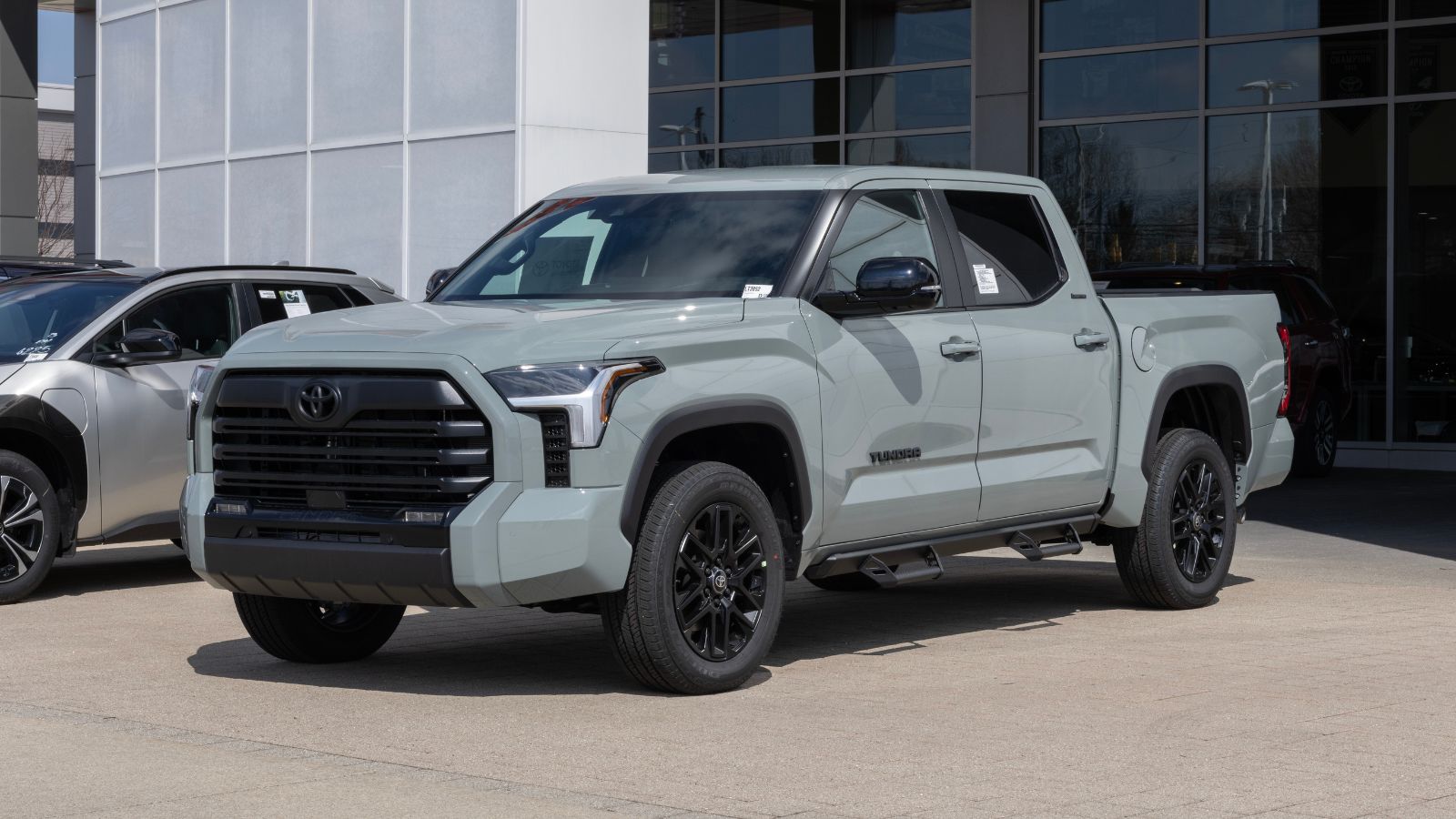
The Toyota Tundra starts near $55,000 and can exceed $75,000. Its infotainment system has improved recently, but it still gets complaints. Some drivers notice lag when opening apps. Voice recognition struggles with accents and commands. The screen occasionally freezes during navigation. Wireless connectivity works inconsistently for some users. The interface looks modern but lacks smooth transitions. Cold starts make the system slower. Truck owners rely on quick responses, especially on the job. Delays become frustrating over time. Toyota’s reputation for reliability sets high expectations. The infotainment system does not always meet those expectations.
Honda CR-V
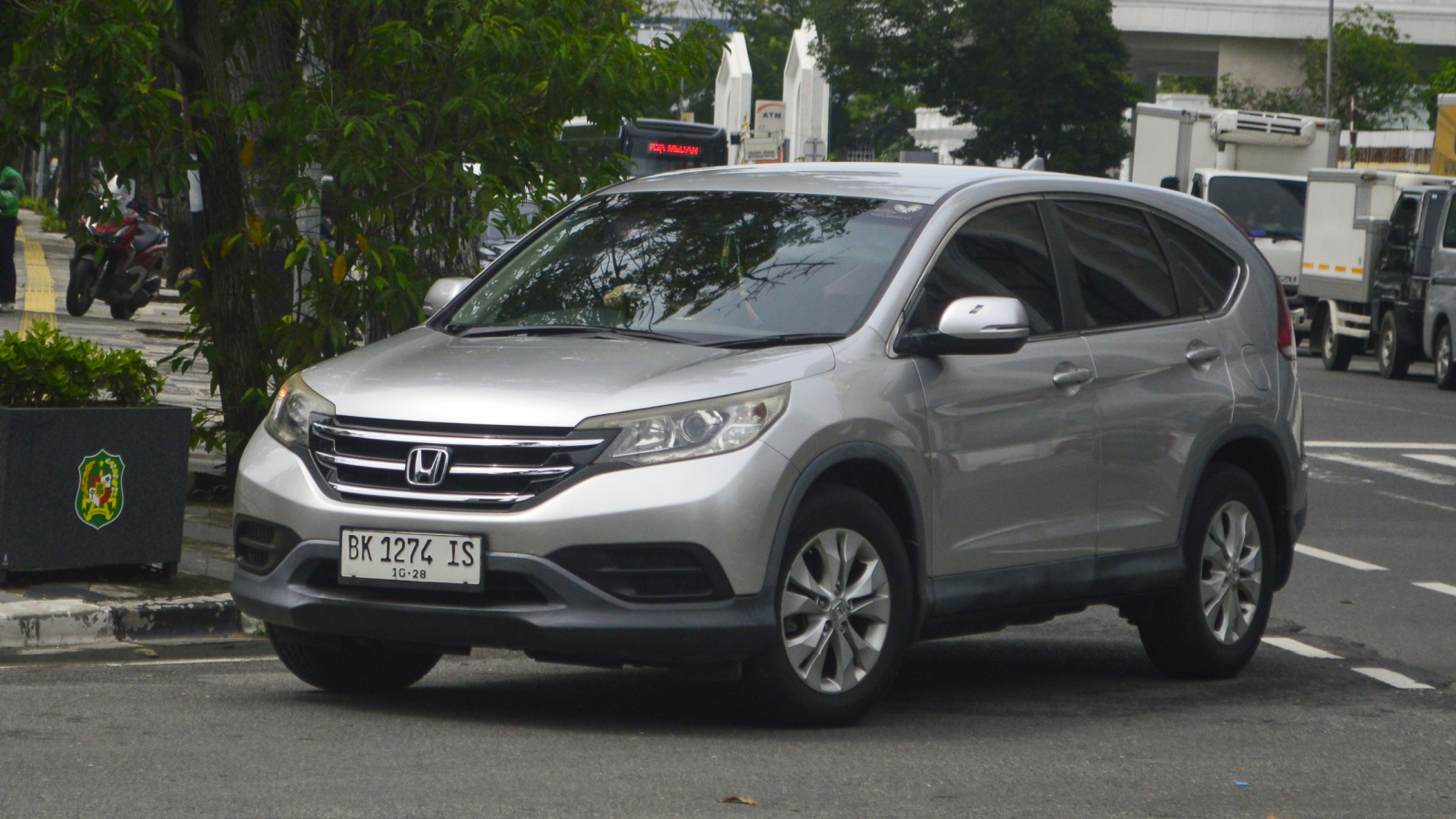
The Honda CR-V ranges from $34,000 to $45,000. It is known for practicality, not flashy tech. However, its infotainment system still draws criticism. The screen feels small compared to rivals. Menu navigation can feel dated and slow. Apple CarPlay works, but sometimes disconnects. Touch inputs occasionally lag behind user actions. Drivers also mention limited customization options. The interface looks simple but lacks polish. Cold weather can slow response times slightly. Owners expect better integration in a popular SUV. Instead, the system feels basic and slightly behind newer competitors in this segment.
Nissan Rogue
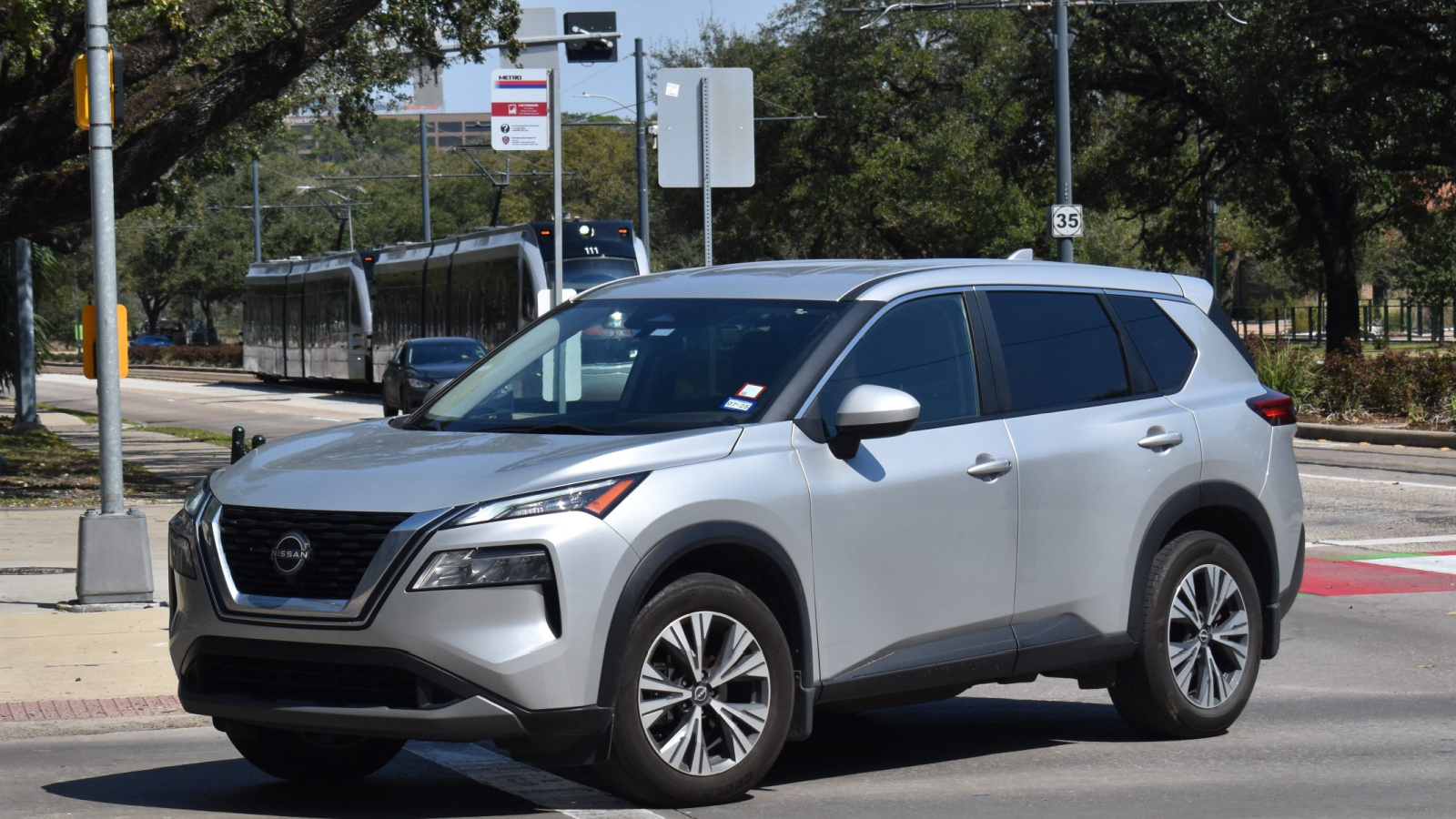
The Nissan Rogue is priced between $33,000 and $45,000. Its infotainment system looks modern but has mixed feedback. Some drivers report slow boot times. The screen can lag when switching apps. Voice commands often miss simple instructions. Apple CarPlay occasionally disconnects without warning. The interface feels cluttered despite its design. Menu navigation takes longer than expected. Cold conditions make responsiveness worse. Drivers want quick access while driving. Instead, they deal with delays and confusion. Nissan has improved visuals, but usability still needs work. Many owners feel the system needs refinement.
Mazda CX-50
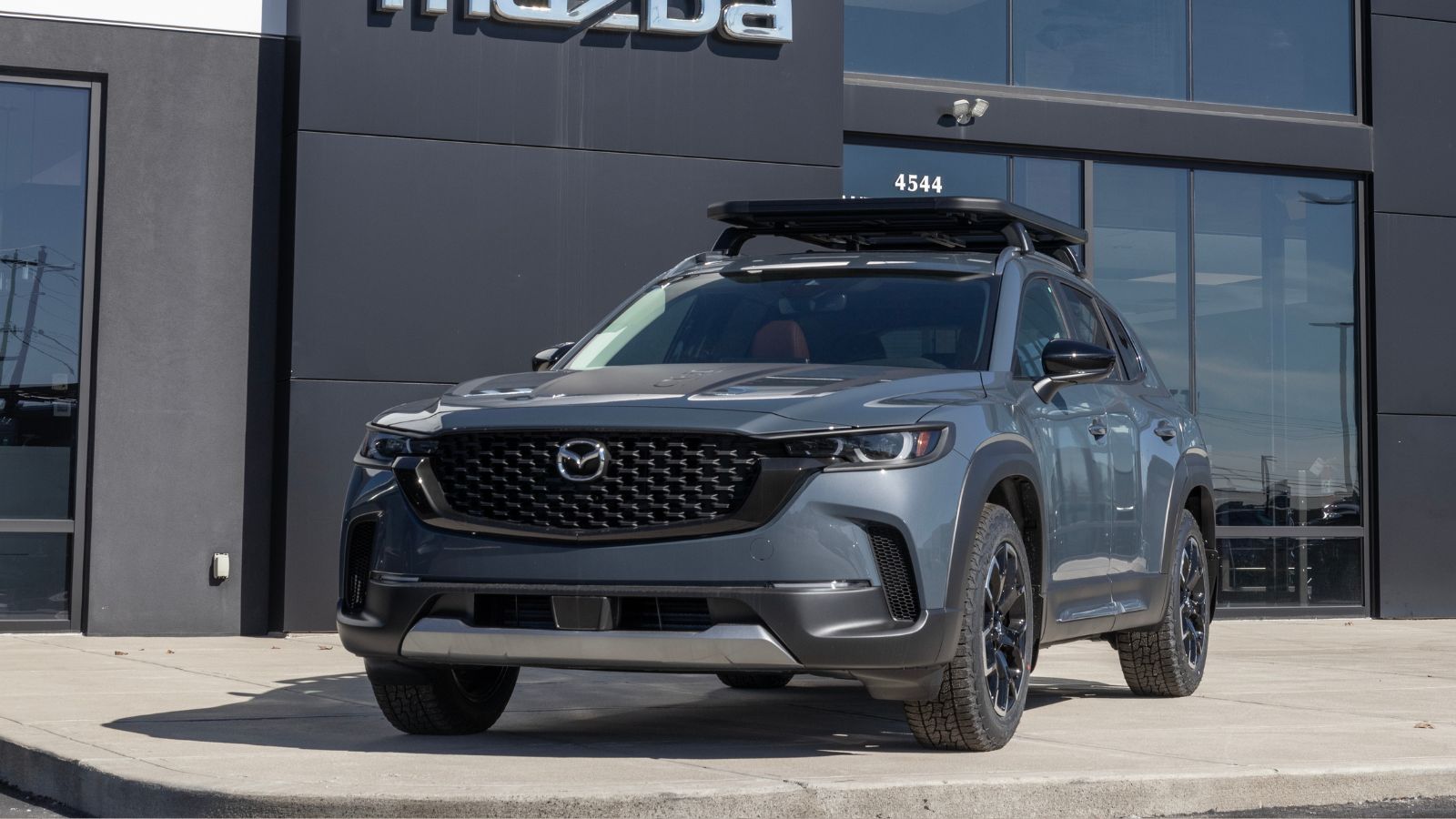
The Mazda CX-50 costs about $38,000 to $50,000. Its infotainment system avoids touch in favor of a rotary dial. Some drivers appreciate this approach, but others struggle with it. Navigating menus using the dial can feel slow. Apple CarPlay works well, but takes time to learn. The screen is not touch-enabled while driving, which frustrates some users. The interface looks clean but requires practice. Cold weather does not affect it much, yet usability remains divisive. Drivers used to touchscreens may find it limiting. The system works differently, and not everyone enjoys that change.
Hyundai Tucson
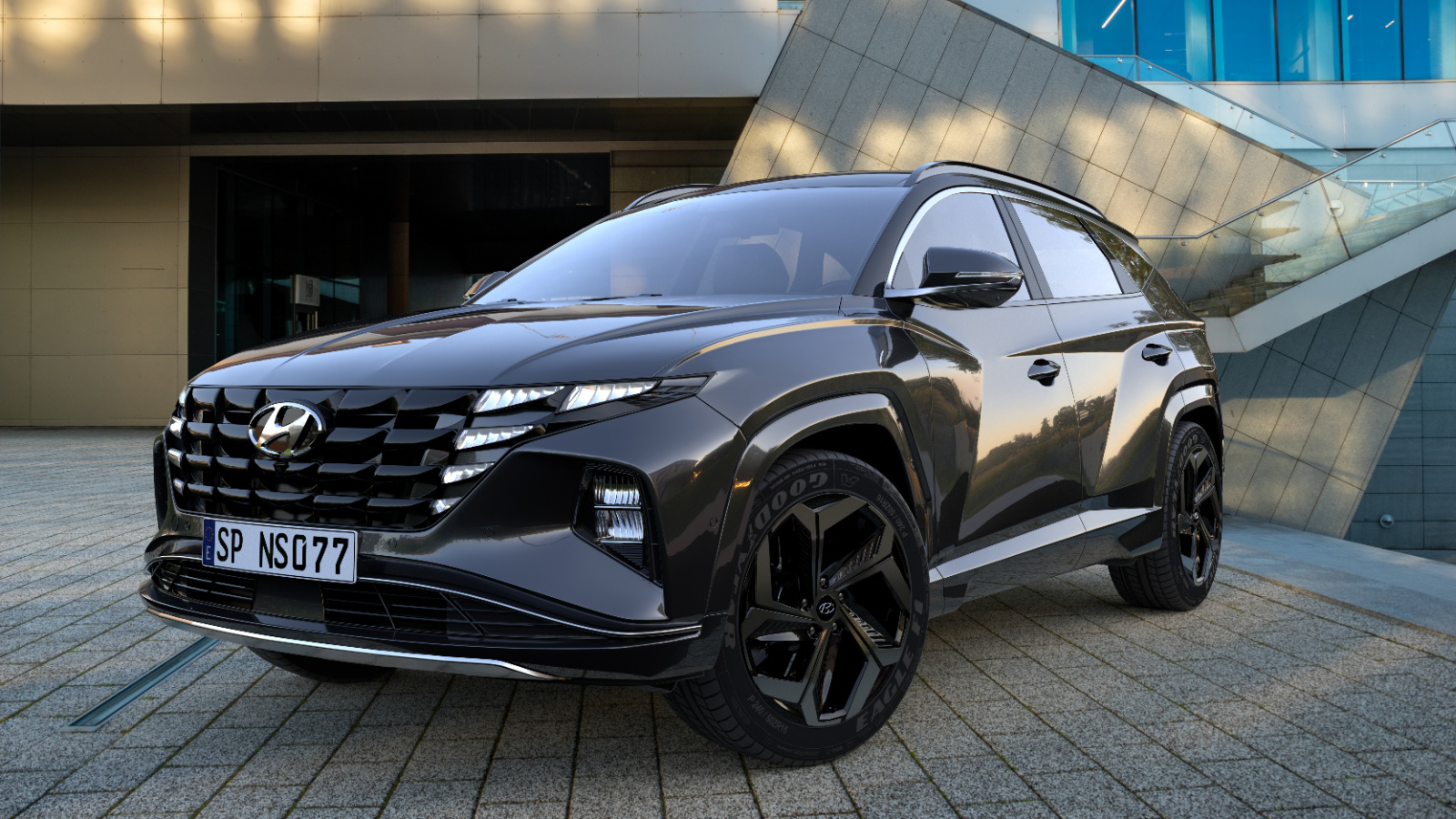
The Hyundai Tucson ranges from $34,000 to $45,000. It features a sleek infotainment setup with touch-sensitive controls. Many drivers complain about the lack of physical buttons. Touch controls can be unresponsive in cold weather. Fingerprints build up quickly on glossy surfaces. The system sometimes lags during startup. Apple CarPlay works, but wired connections are required in some trims. The interface looks modern but feels distracting. Adjusting settings takes more attention than expected. Drivers prefer simpler layouts for daily use. The Tucson delivers style, but usability does not always match expectations.
Kia Sportage
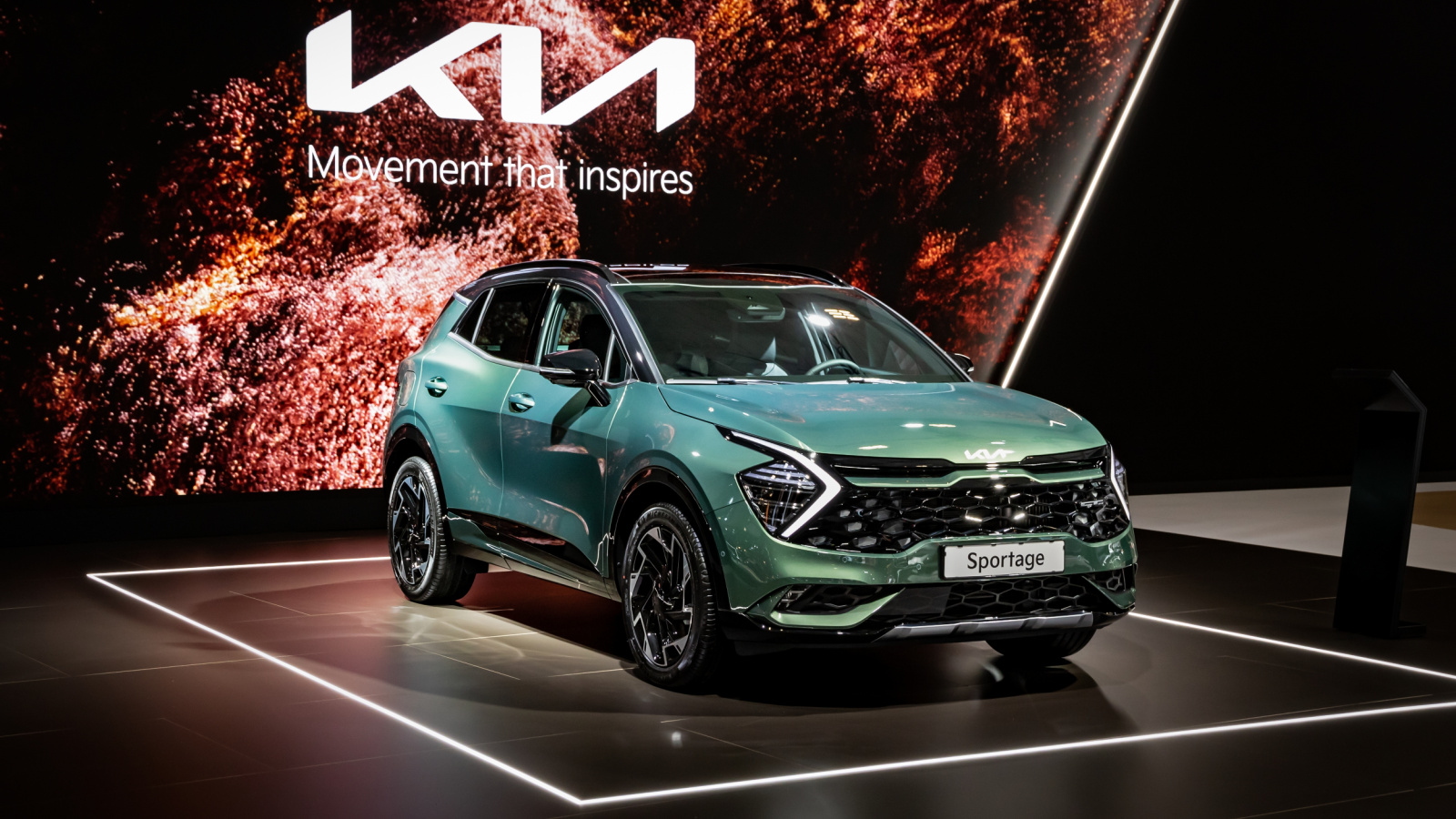
The Kia Sportage costs between $32,000 and $45,000. Its infotainment system is similar to that of Hyundai models. Drivers report lag when switching between menus. Touch-sensitive panels can be confusing at first. Climate and media controls share the same area, which leads to errors. Apple CarPlay works well, but is not always wireless. The screen looks sharp but collects smudges easily. Cold weather affects responsiveness slightly. Owners appreciate the design but question practicality. The system tries to combine many functions in one space. That design choice leads to frustration during everyday driving.
BMW X5
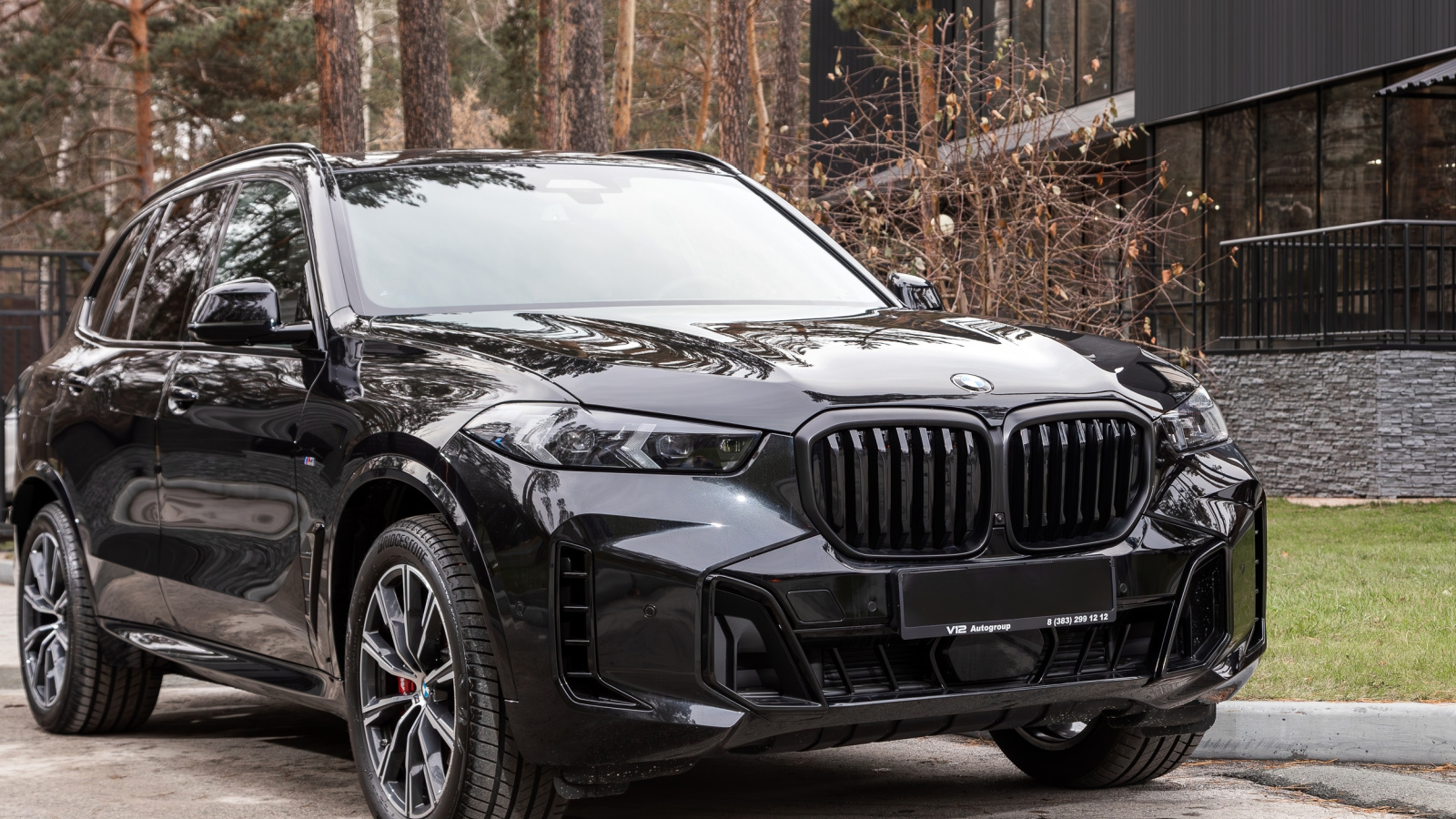
The BMW X5 starts near $85,000 and can exceed $100,000. At this price, expectations are very high. The iDrive system is powerful but complex. New users often feel overwhelmed by menus. Some functions require multiple steps to access. Gesture controls rarely work consistently. Drivers report occasional lag when loading apps. Wireless connections can drop unexpectedly. The system offers many features but lacks simplicity. Cold weather can slow initial startup slightly. Owners expect seamless performance in a luxury SUV. Instead, they spend time learning a system that feels overly complicated.
Mercedes-Benz GLC
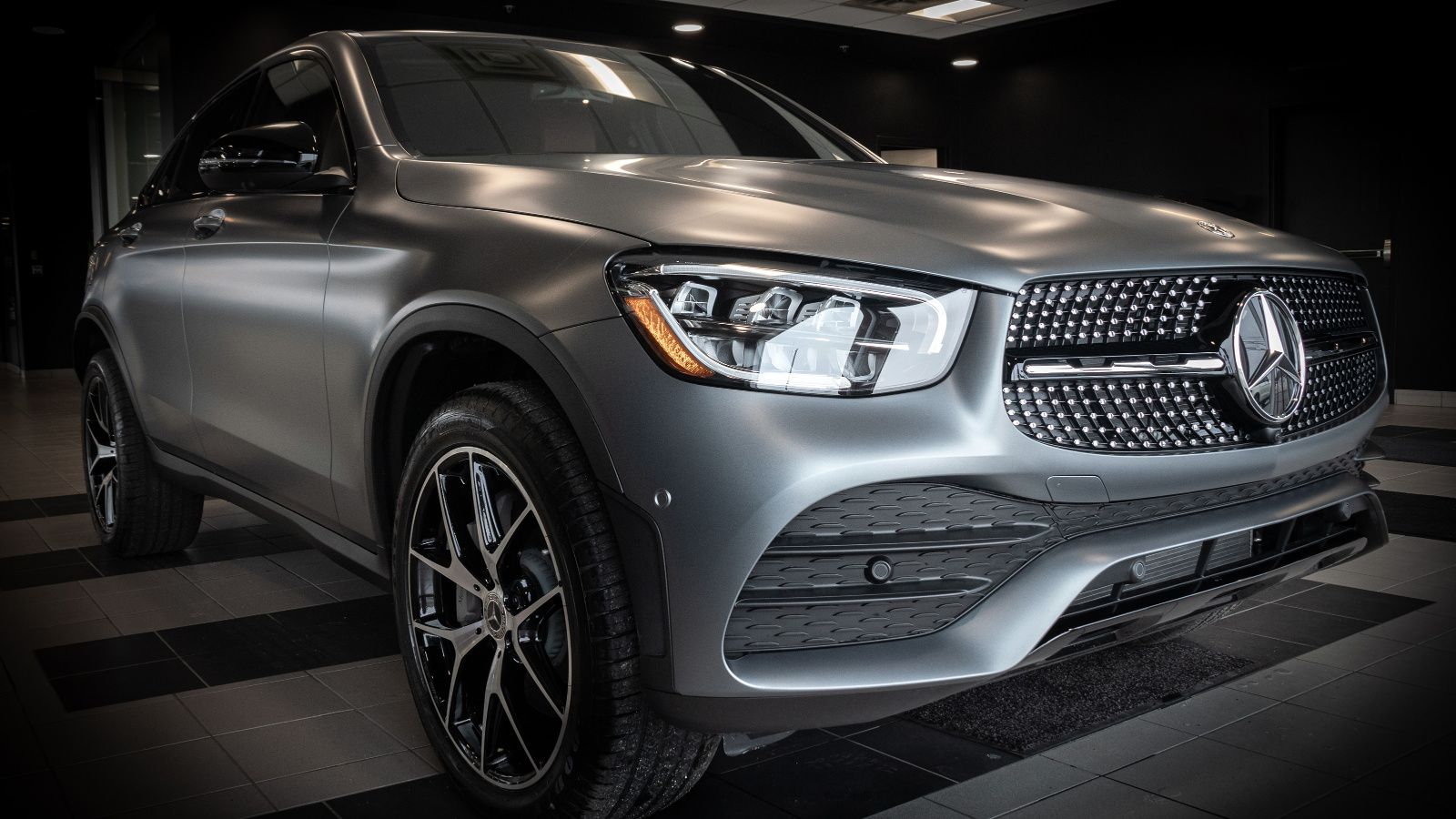
The Mercedes-Benz GLC costs around $60,000 to $75,000. Its MBUX system looks impressive but draws mixed feedback. Voice commands sometimes misunderstand basic phrases. The touchpad controls can feel awkward. Menu layers make simple tasks take longer. Some drivers report lag during startup. Wireless connectivity is not always stable. The screen looks premium, but it can distract drivers. Cold weather slows responsiveness slightly. Owners expect effortless interaction in a luxury vehicle. Instead, they face a learning curve. The system offers many features, but does not always deliver smooth usability.
Audi Q5
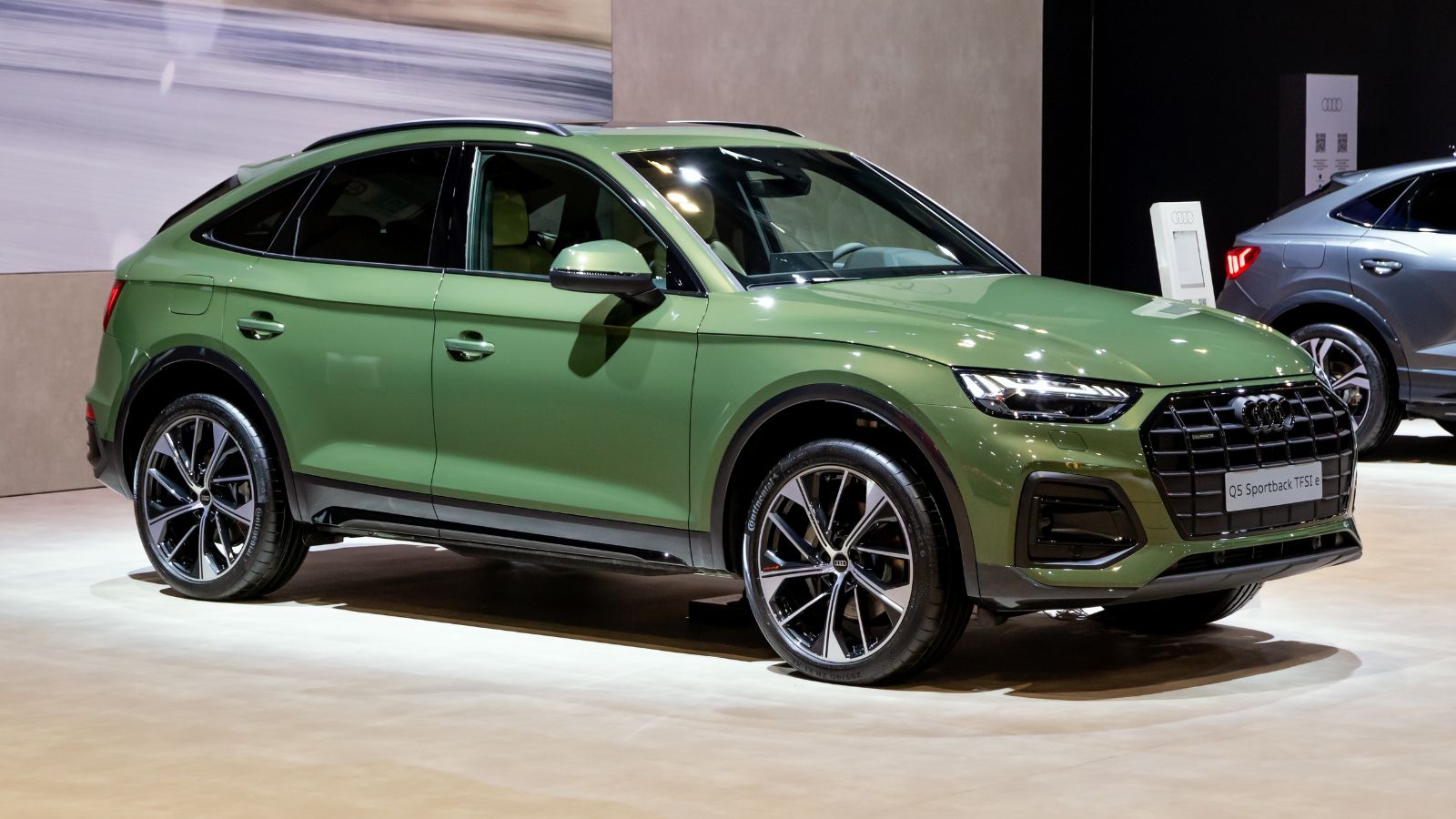
The Audi Q5 ranges from $55,000 to $70,000. Its infotainment system looks clean and modern. However, drivers report occasional lag when switching apps. Touchscreen controls require attention while driving. Physical knobs are limited, which affects usability. Apple CarPlay works well, but it can disconnect at times. The interface is logical but not always quick. Cold weather impacts response speed slightly. Drivers expect precision from Audi. Instead, they get minor delays and distractions. The system works fine overall, but small issues stand out more at this price point.
Tesla Model Y
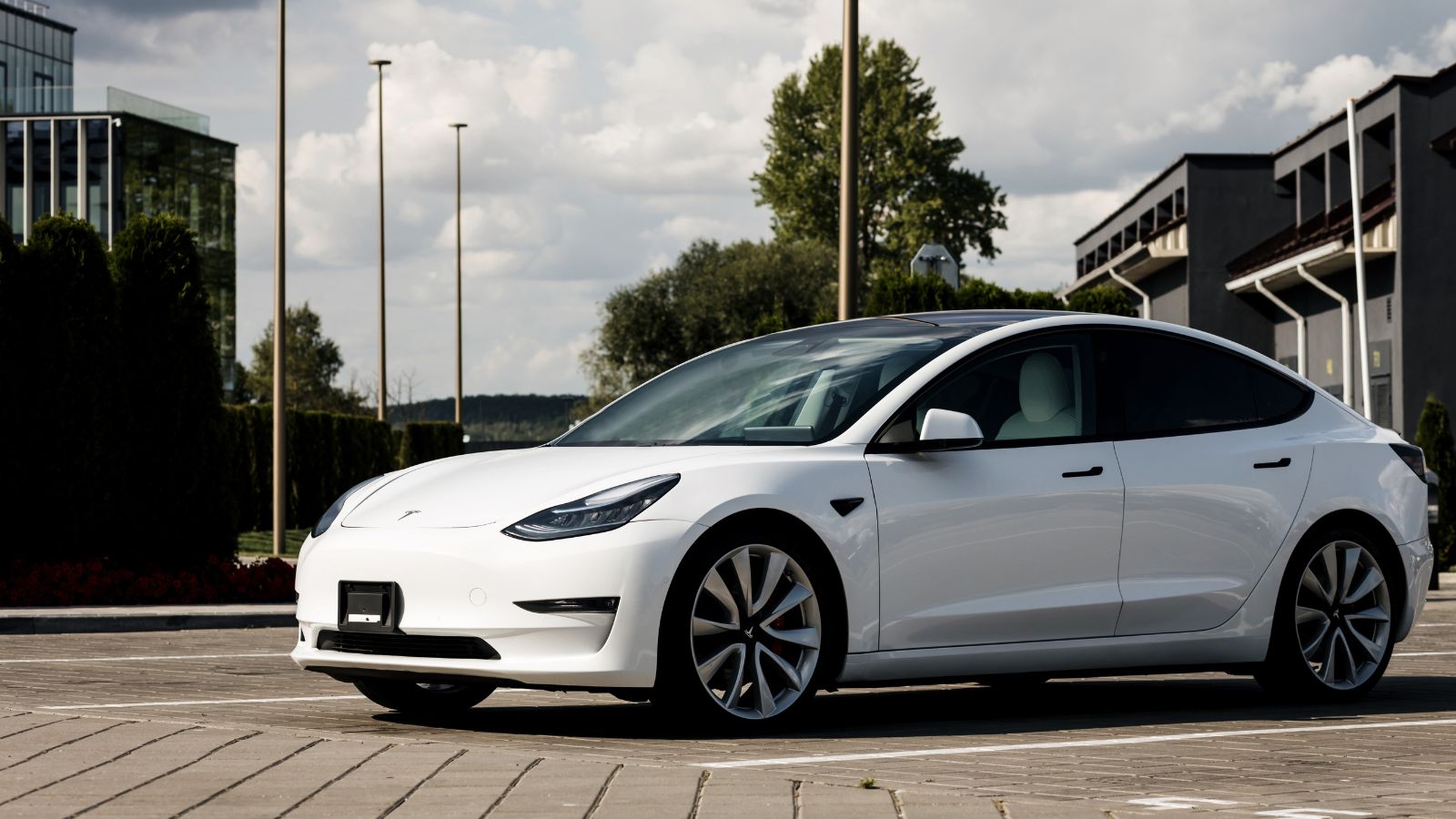
The Tesla Model Y starts near $60,000 and can reach $80,000. Its infotainment system controls almost everything. That design leads to complaints from some drivers. Basic functions like wipers are hidden in menus. The touchscreen can lag occasionally after updates. Drivers rely heavily on software, which is not always stable. Cold weather affects battery and screen response. There are no physical buttons for quick adjustments. Some owners enjoy the simplicity, while others find it distracting. The system is advanced but requires constant attention. That trade-off does not suit every driver.
Ram 1500
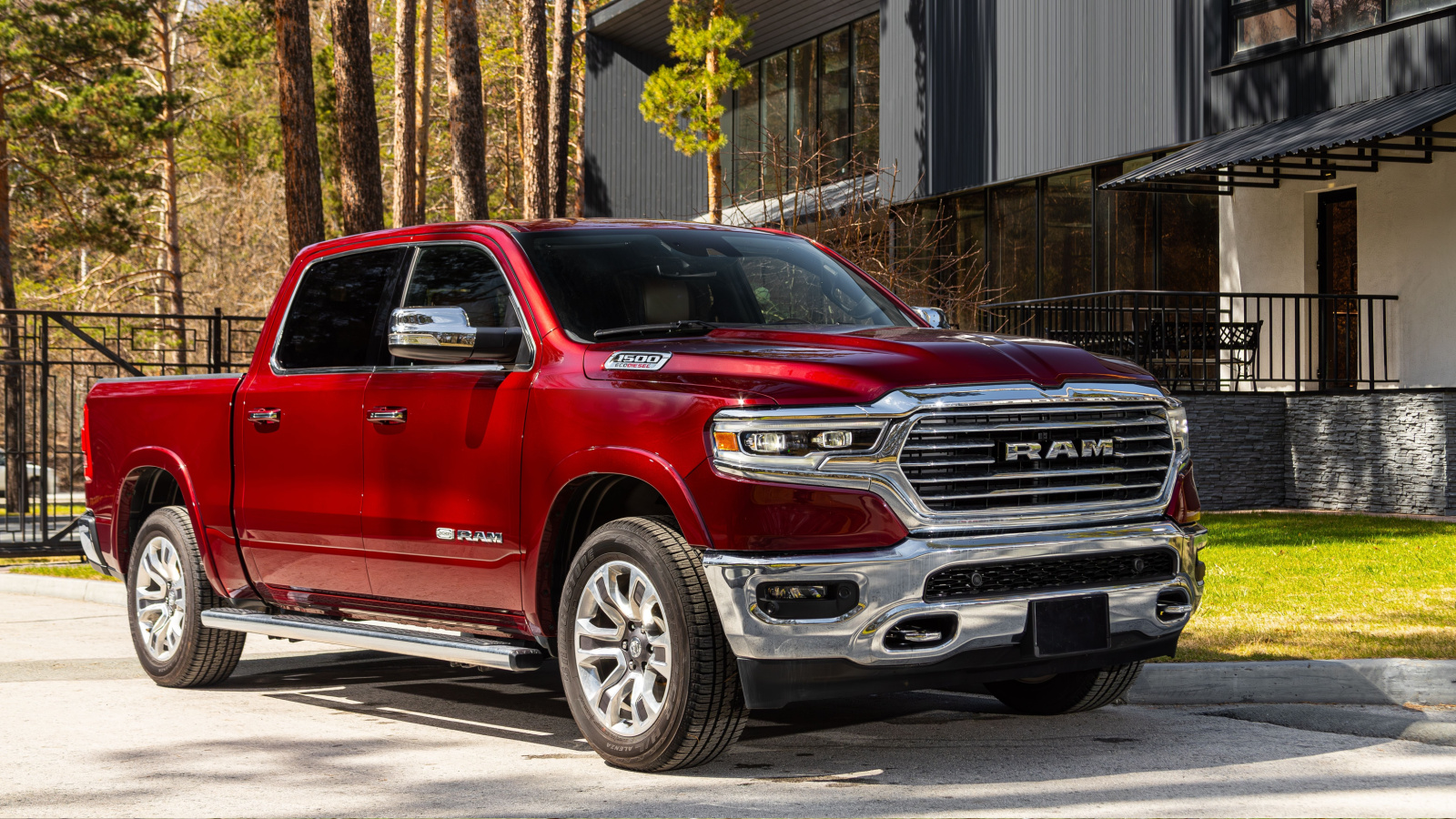
The Ram 1500 costs between $50,000 and $85,000. Its large touchscreen stands out immediately. While impressive, it also draws criticism. Some drivers report slow app opening times. The screen can freeze during heavy use. Wireless connections occasionally drop. Menu navigation feels crowded with options. Cold weather can affect responsiveness slightly. Truck owners expect durability and simplicity. Instead, they get a system that sometimes struggles under load. Updates have improved stability, but complaints remain. The large display looks great, yet performance does not always match its size.
GMC Sierra 1500
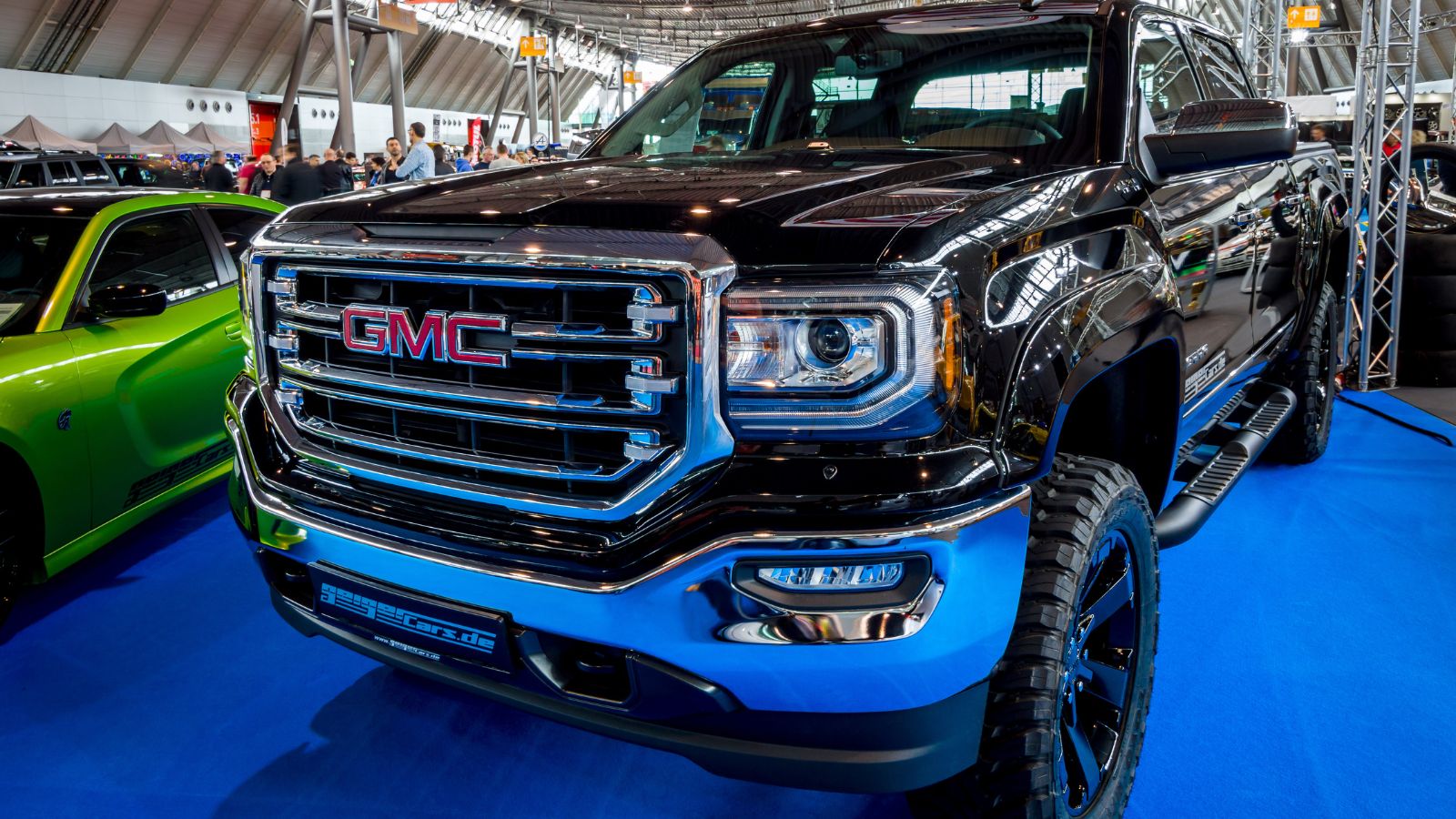
The GMC Sierra 1500 ranges from $52,000 to $85,000. Its infotainment system shares traits with Chevrolet models. Drivers report similar issues with lag and connectivity. The screen sometimes delays input responses. Bluetooth connections drop unexpectedly. Navigation can take time to load. The interface looks modern but feels inconsistent. Cold weather makes performance slightly worse. Owners expect smooth operation in a premium truck. Instead, they deal with small software problems. These issues may seem minor, but they happen often. Over time, they reduce the overall ownership experience.
Ford Mustang Mach-E
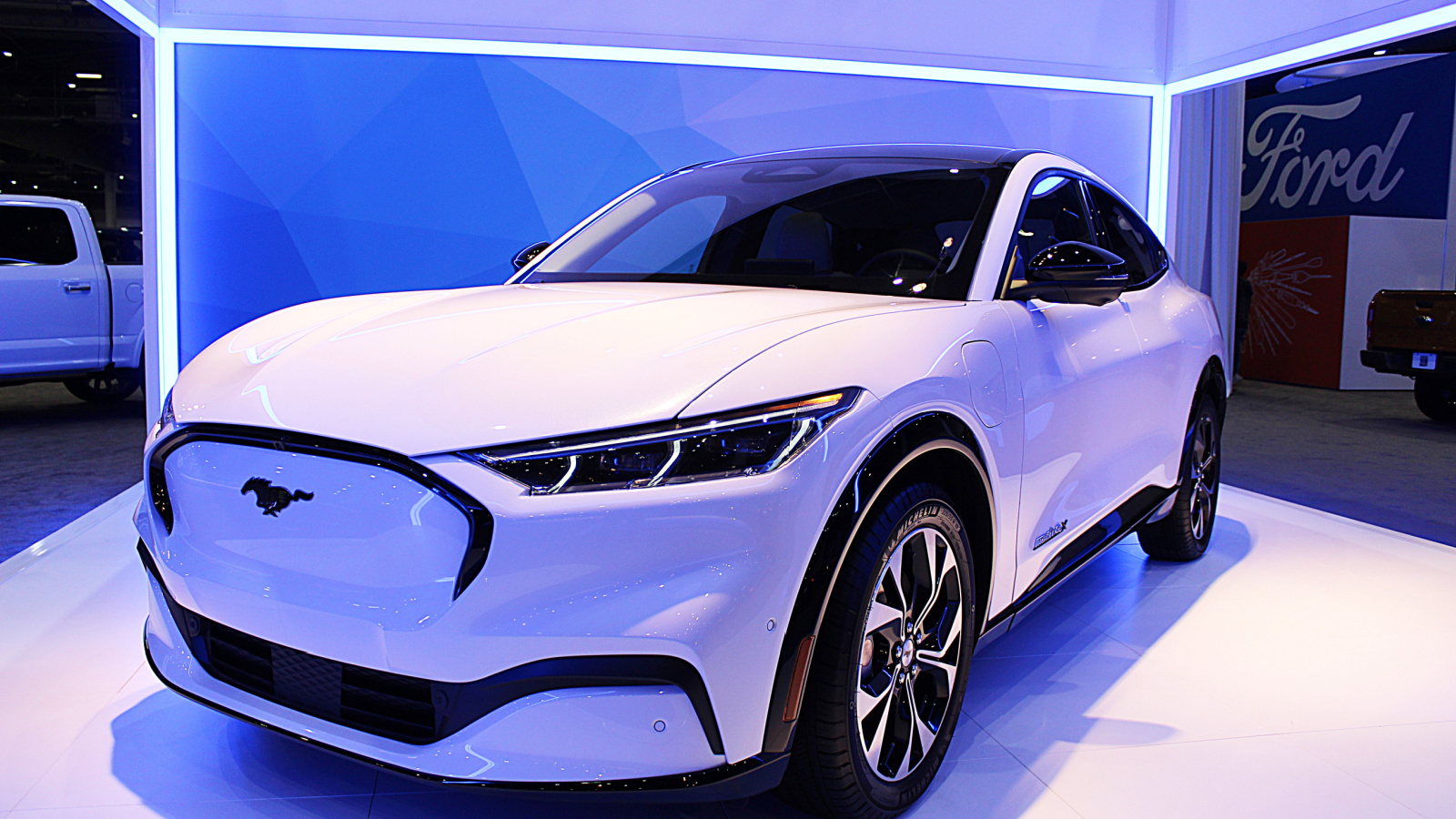
The Ford Mustang Mach-E starts around $55,000 and goes above $75,000. Its large vertical screen draws attention quickly. However, drivers report lag when switching between functions. The system can freeze during updates. Wireless connections sometimes fail. Climate controls are embedded in the screen, which frustrates users. Cold weather affects response times more noticeably. The interface looks modern but feels slow at times. Drivers expect smooth performance from an electric vehicle. Instead, they experience delays that break the flow of driving. Software updates help, but issues still appear.
Volvo XC60
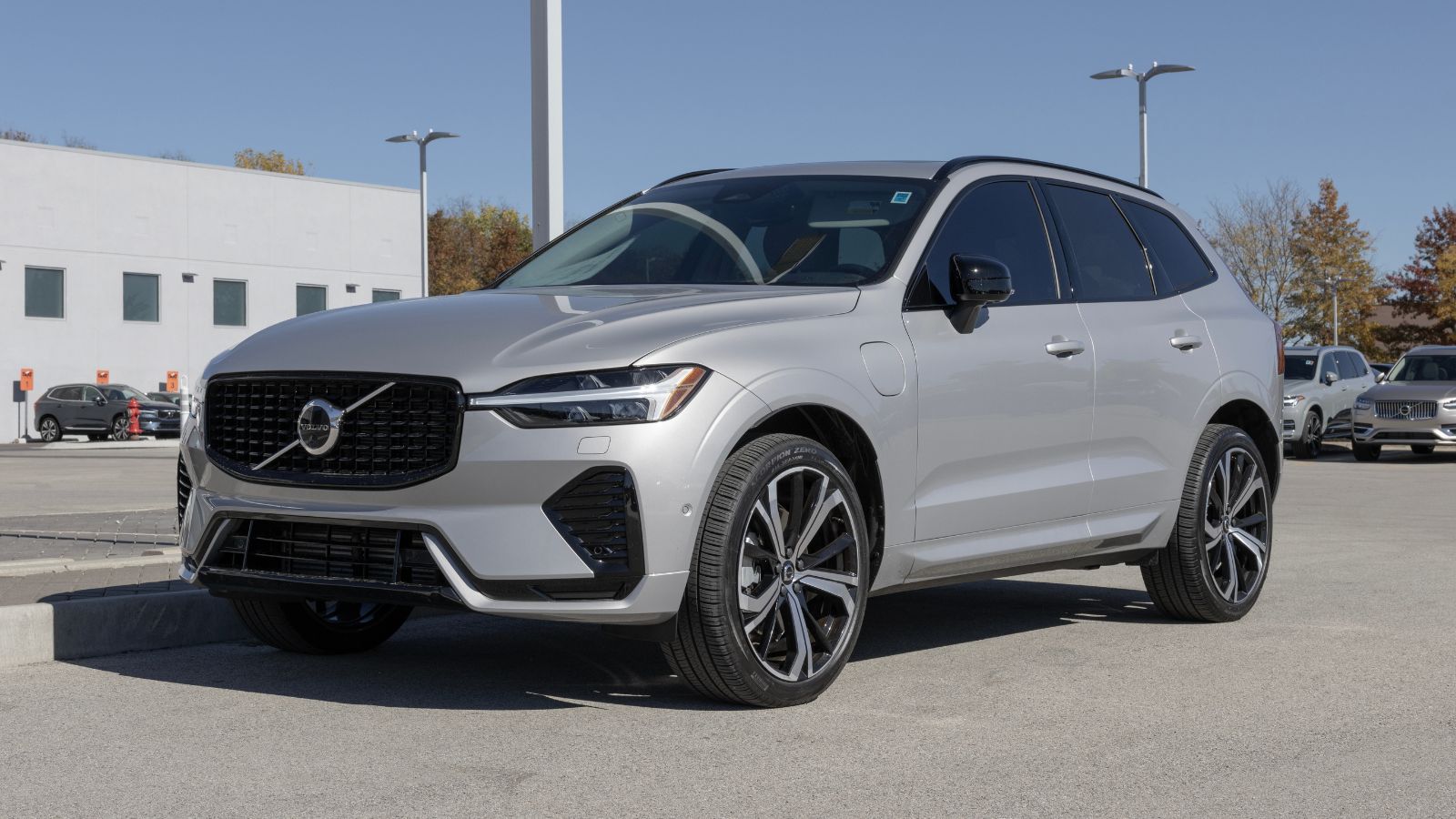
The Volvo XC60 costs between $55,000 and $70,000. Its Google-based infotainment system offers strong features. However, some drivers report lag during startup. Apps take time to load in colder conditions. Voice commands work well but are not perfect. The system occasionally freezes during use. Menu navigation feels simple but not always fast. Wireless connectivity can drop occasionally. Drivers expect seamless tech in a luxury SUV. Instead, they face minor delays. These issues are not constant, but they appear often enough to be noticed.
Land Rover Range Rover Evoque
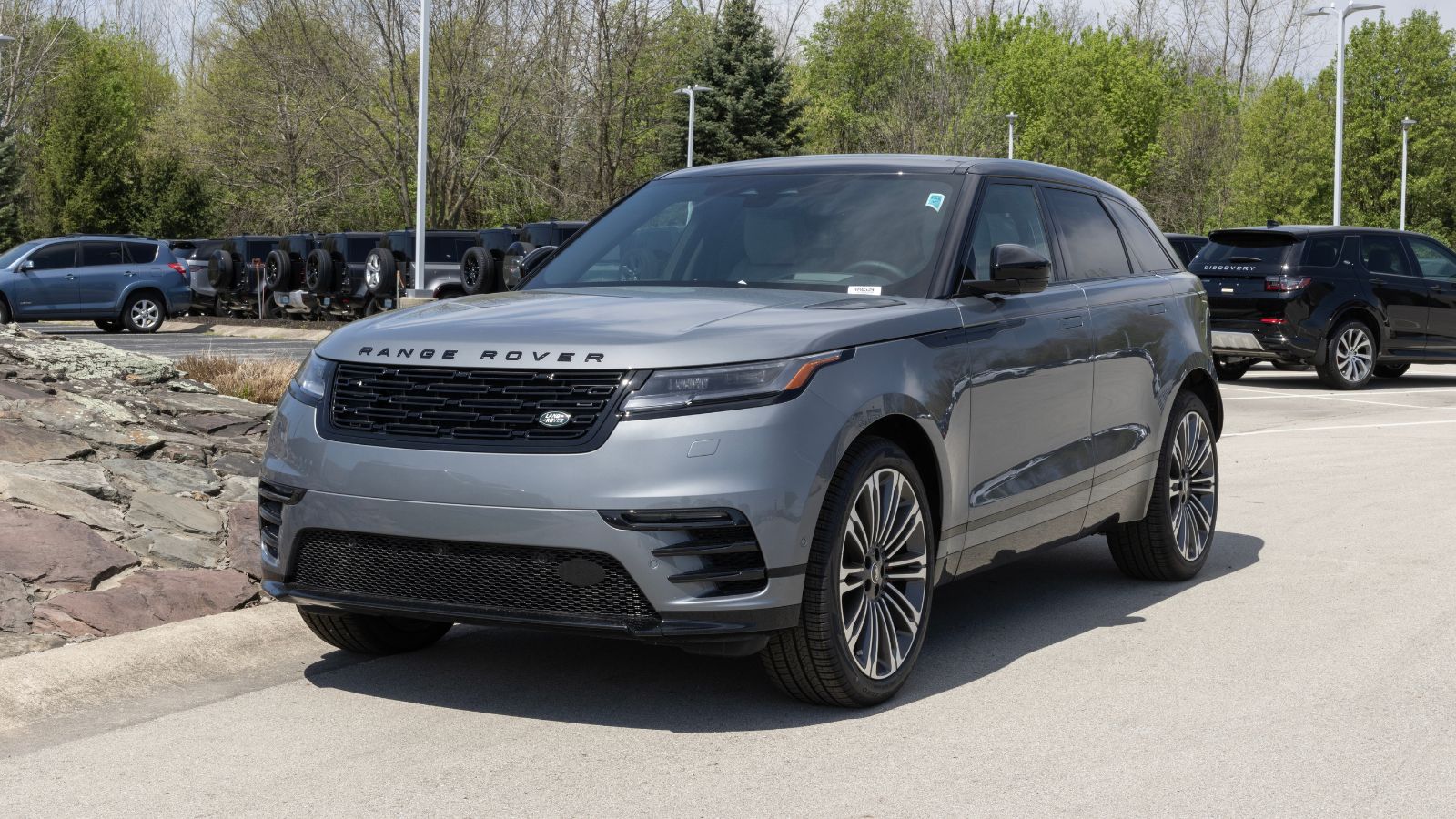
The Range Rover Evoque starts near $60,000 and can exceed $75,000. Its infotainment system looks premium, but struggles with reliability. Drivers report slow responses when switching screens. The system can freeze unexpectedly. Touch controls require attention while driving. Wireless connections are inconsistent for some users. Cold weather worsens performance. Menu navigation feels complicated at times. Owners expect luxury-level smoothness. Instead, they deal with software quirks. These issues reduce confidence in the system. The design looks impressive, but usability does not always match the price.
Infiniti QX50
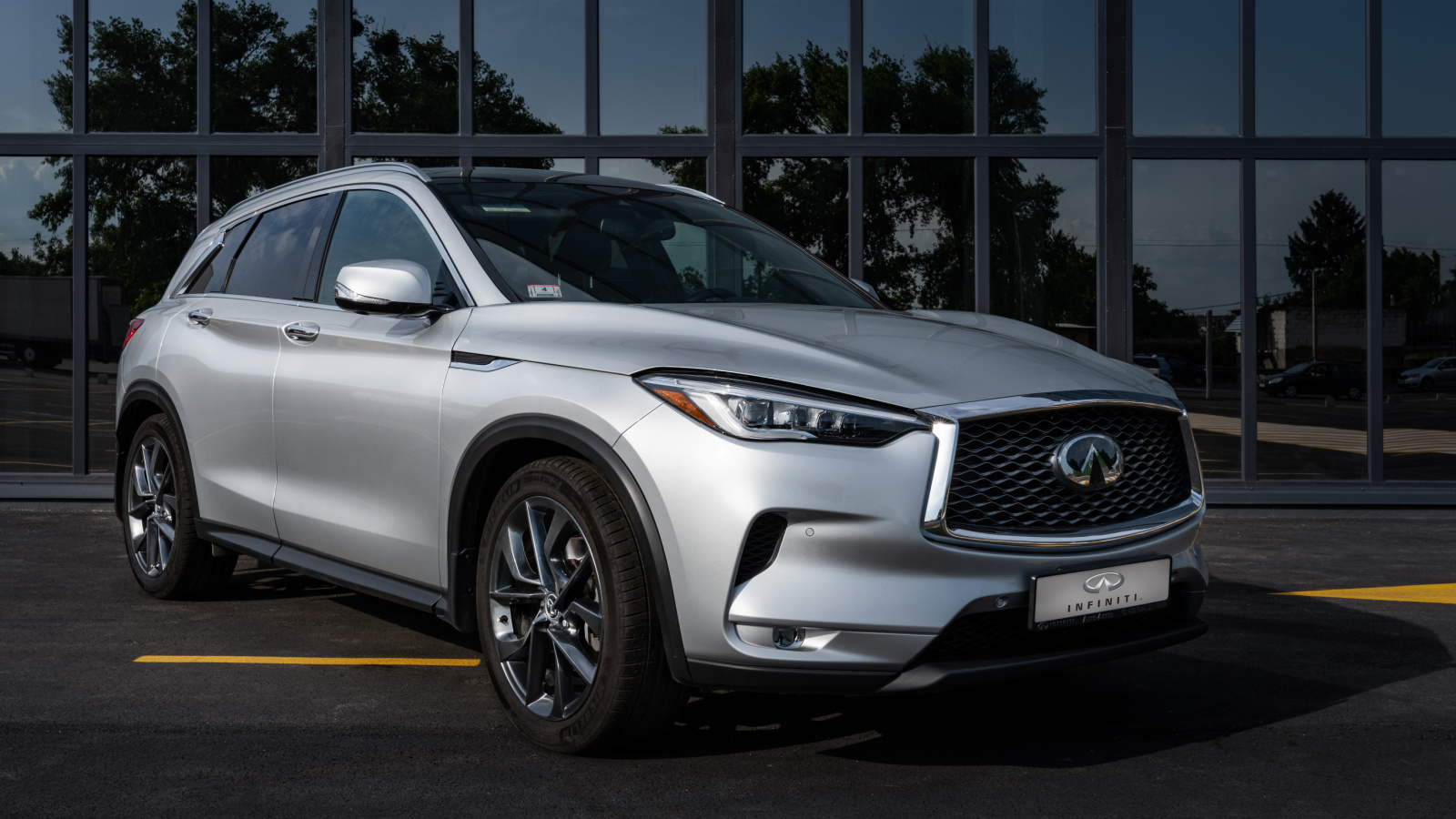
The Infiniti QX50 costs between $50,000 and $60,000. Its dual-screen infotainment setup draws mixed reactions. Drivers find it confusing to use both screens together. Switching between functions takes extra effort. The system can lag during startup. Apple CarPlay works, but feels slower than expected. The interface looks dated compared to rivals. Cold weather slightly affects responsiveness. Owners expect a premium experience at this price. Instead, they get a system that feels outdated. The dual-screen idea looks unique, but it does not improve everyday usability.
22 Things Canadians Do to Their Cars in Spring That Mechanics Hate

Spring brings relief to many Canadian drivers after months of snow, freezing temperatures, and icy roads that put serious strain on vehicles. As temperatures rise across the country, drivers begin washing cars, switching tires, and preparing vehicles for warmer weather and upcoming road trips. However, mechanics across Canada notice the same mistakes every spring when drivers attempt to recover from winter damage. Road salt, potholes, and harsh winter driving conditions often leave vehicles with hidden problems that drivers ignore. Some spring habits even create new mechanical issues that could have been avoided with proper maintenance. Here are 22 things Canadians do to their cars in spring that mechanics hate.