






















City driving in Canada is rough on cars. Stop-and-go traffic wears parts faster. Cold weather makes rubber stiff and less forgiving. Potholes and salt add more stress to suspension and wheels. Some cars handle this better than others. Heavier vehicles and performance setups tend to burn through brakes and tires quickly. That means more frequent replacements and higher costs over time. Before buying, it helps to know which models demand more upkeep. Here are 26 cars that eat brakes and tires in city driving (Canada edition).
Toyota Tacoma
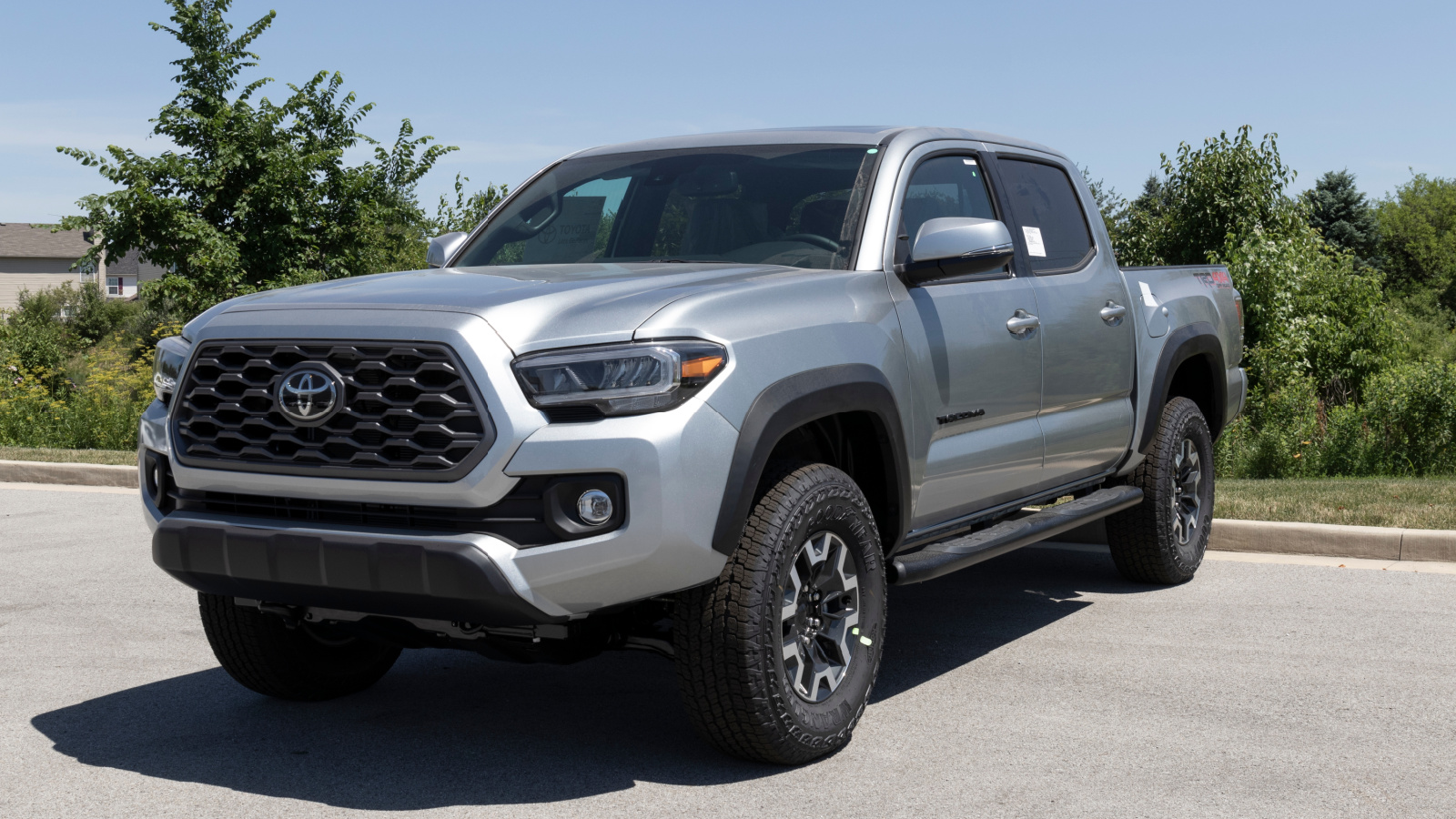
The Toyota Tacoma starts at $48,000 in Canada. It is built tough, but feels heavy in daily driving. That weight puts pressure on the brakes in stop-and-go traffic. The rear drum setup does not always help with smooth braking. Owners often report uneven wear across pads. Tires also wear quickly due to the stiff suspension setup. City bumps and potholes make things worse. The truck’s off-road focus does not translate well to urban streets. Frequent braking increases heat buildup. That shortens pad life noticeably over time.
Jeep Wrangler
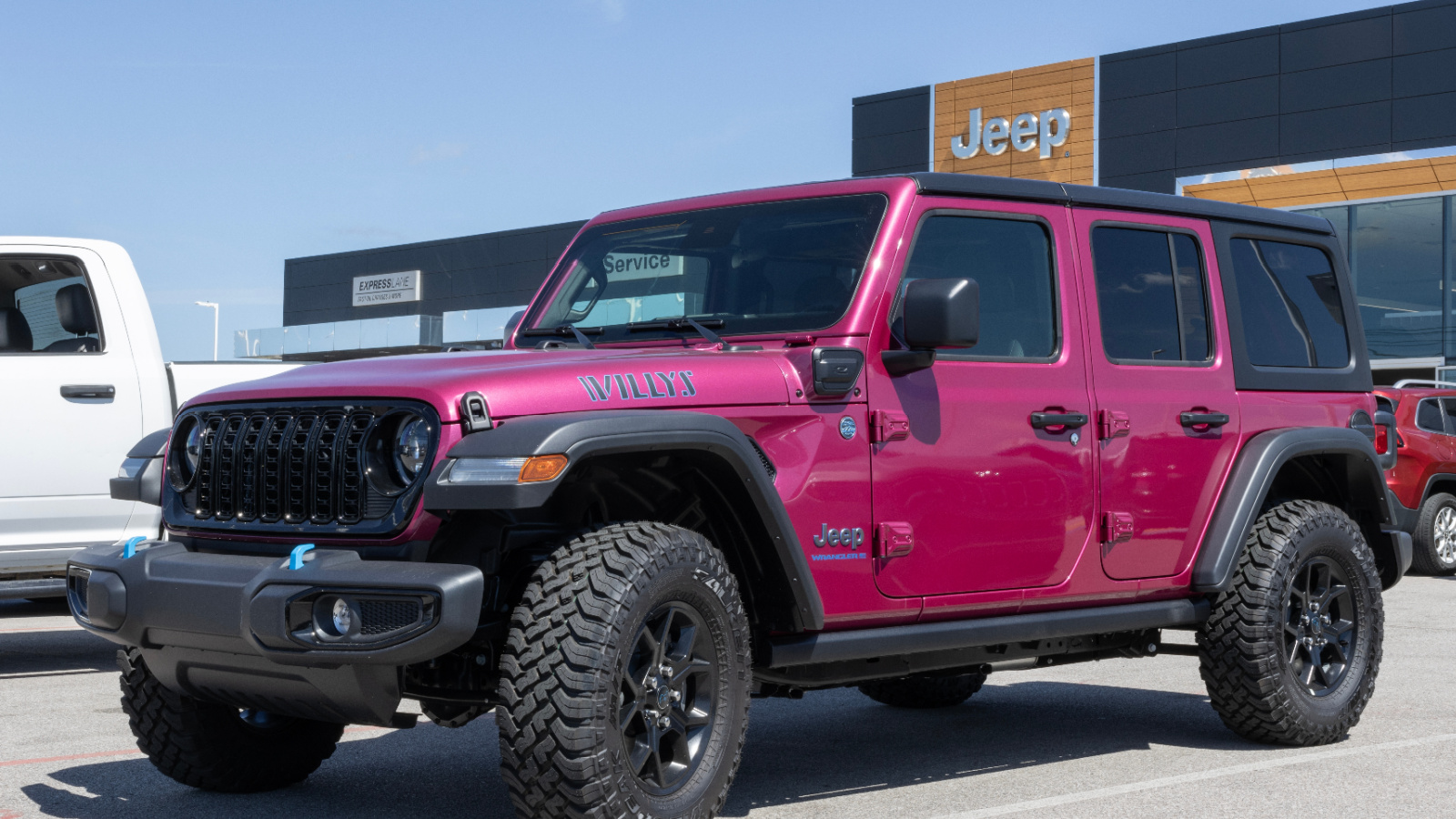
The Jeep Wrangler starts around $42,000. It is not designed for smooth city driving. Solid axles and high ride height affect braking stability. The brakes work harder to stop this upright vehicle. Tire wear increases due to aggressive tread patterns. Many owners use all-terrain tires year-round. These wear faster on pavement. Short wheelbase models feel jumpy in traffic. Frequent stops increase brake fade. Winter driving adds extra strain on components. The Wrangler looks fun, but it demands more maintenance in urban conditions. Expect more frequent replacements than average SUVs.
Ford F-150
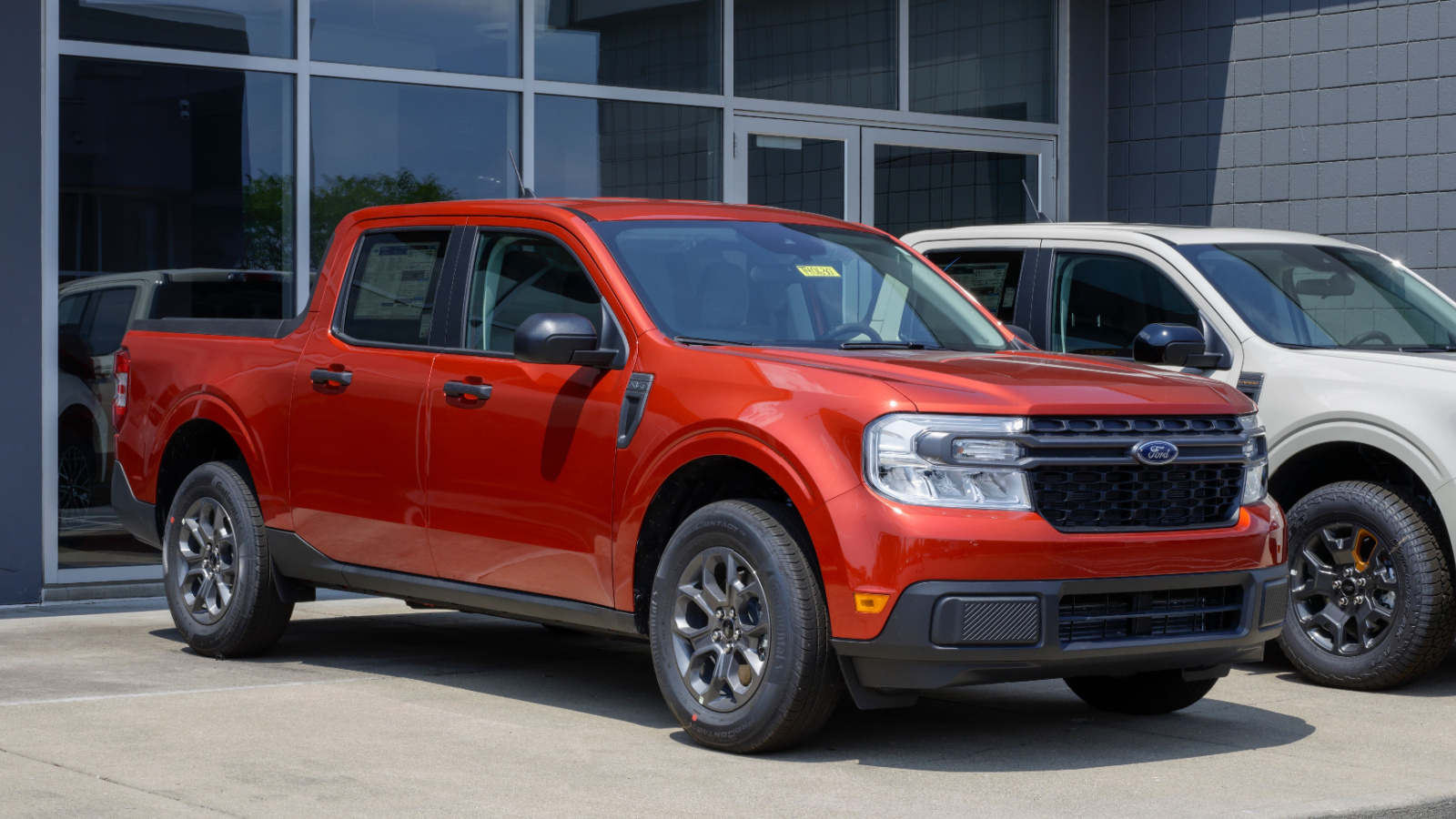
The Ford F-150 begins at $49,000. It is a large truck with serious weight. Even basic trims feel heavy in city driving. The brakes need more force to stop it repeatedly. That leads to faster pad wear over time. Tire wear also increases due to size and torque. City corners and tight turns add extra stress. Many drivers notice uneven tread wear patterns. Frequent hauling makes it worse. Stoplights and traffic jams amplify brake usage. It is a capable truck, but urban use increases maintenance costs quickly.
Chevrolet Silverado 1500
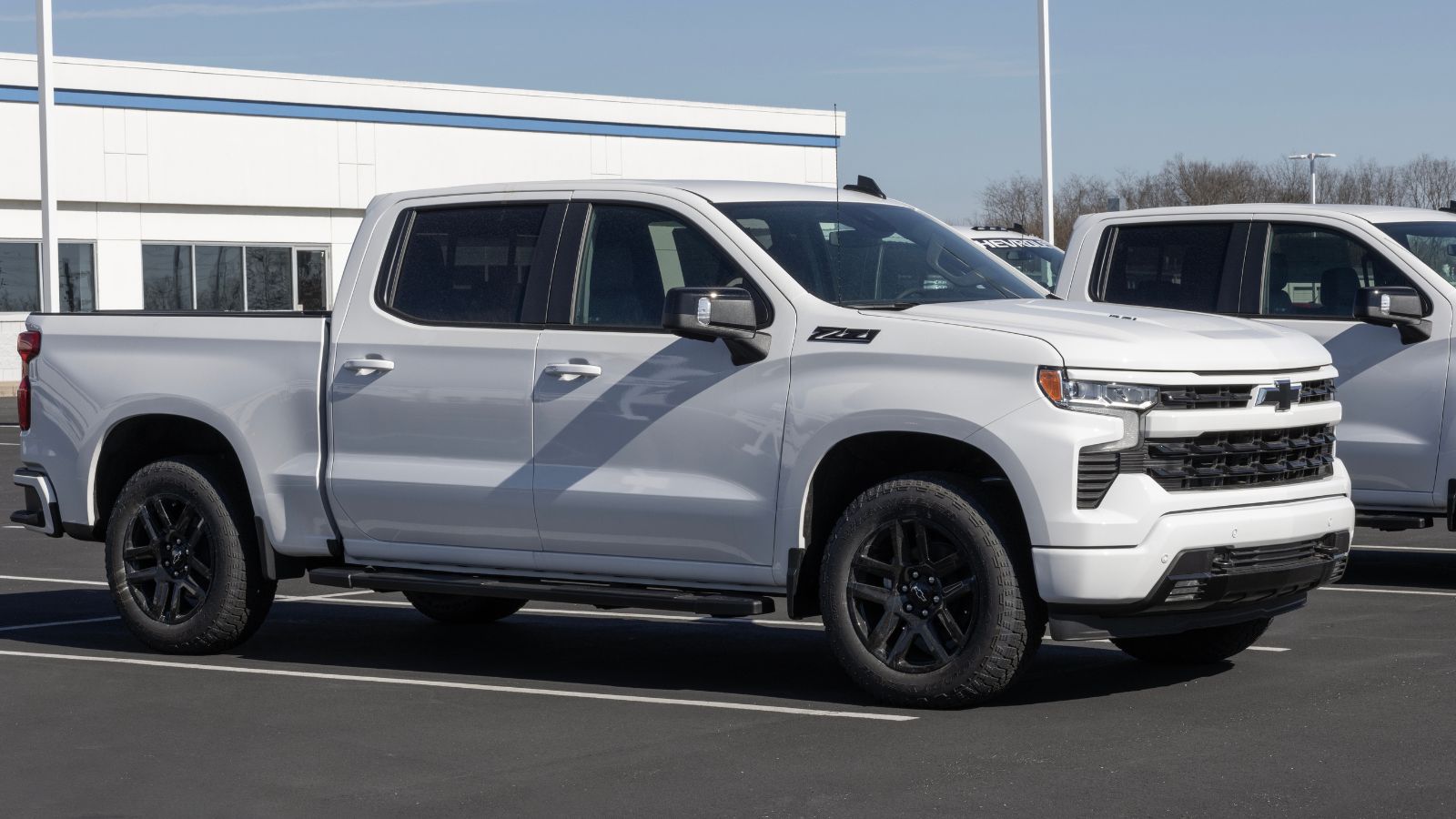
The Chevrolet Silverado 1500 starts around $50,000. It shares similar issues with other full-size trucks. Its weight puts constant strain on braking systems. Pads and rotors heat up quickly in traffic. That reduces lifespan noticeably. Tires also wear faster due to the torque output. City roads with potholes add more stress. The suspension setup is not ideal for constant stopping. Owners often report earlier replacements than expected. Winter salt exposure accelerates wear and tear. It is strong for work, but expensive to maintain in cities.
RAM 1500
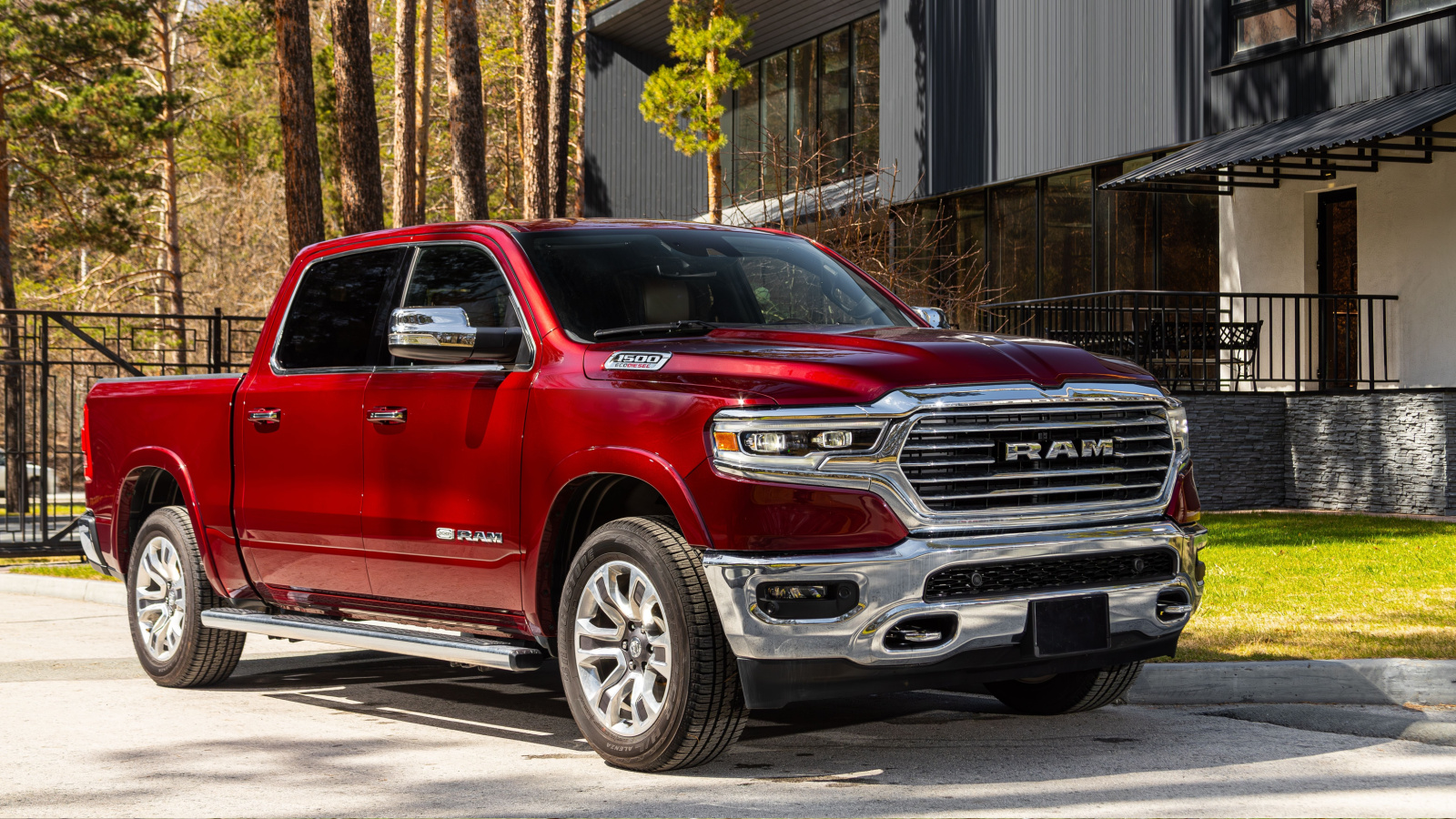
The RAM 1500 starts at $52,000. It offers a smooth ride but remains heavy. That weight affects brake longevity in traffic. Frequent stops cause faster wear on pads. The truck’s torque also impacts tire lifespan. Rear tires often wear unevenly. City driving does not suit its size well. Tight streets and parking add more strain. Brake components heat up quickly in stop-and-go situations. Winter conditions make it worse. Maintenance intervals are shorter than those for highway driving. Owners often face higher upkeep costs over time.
BMW X5
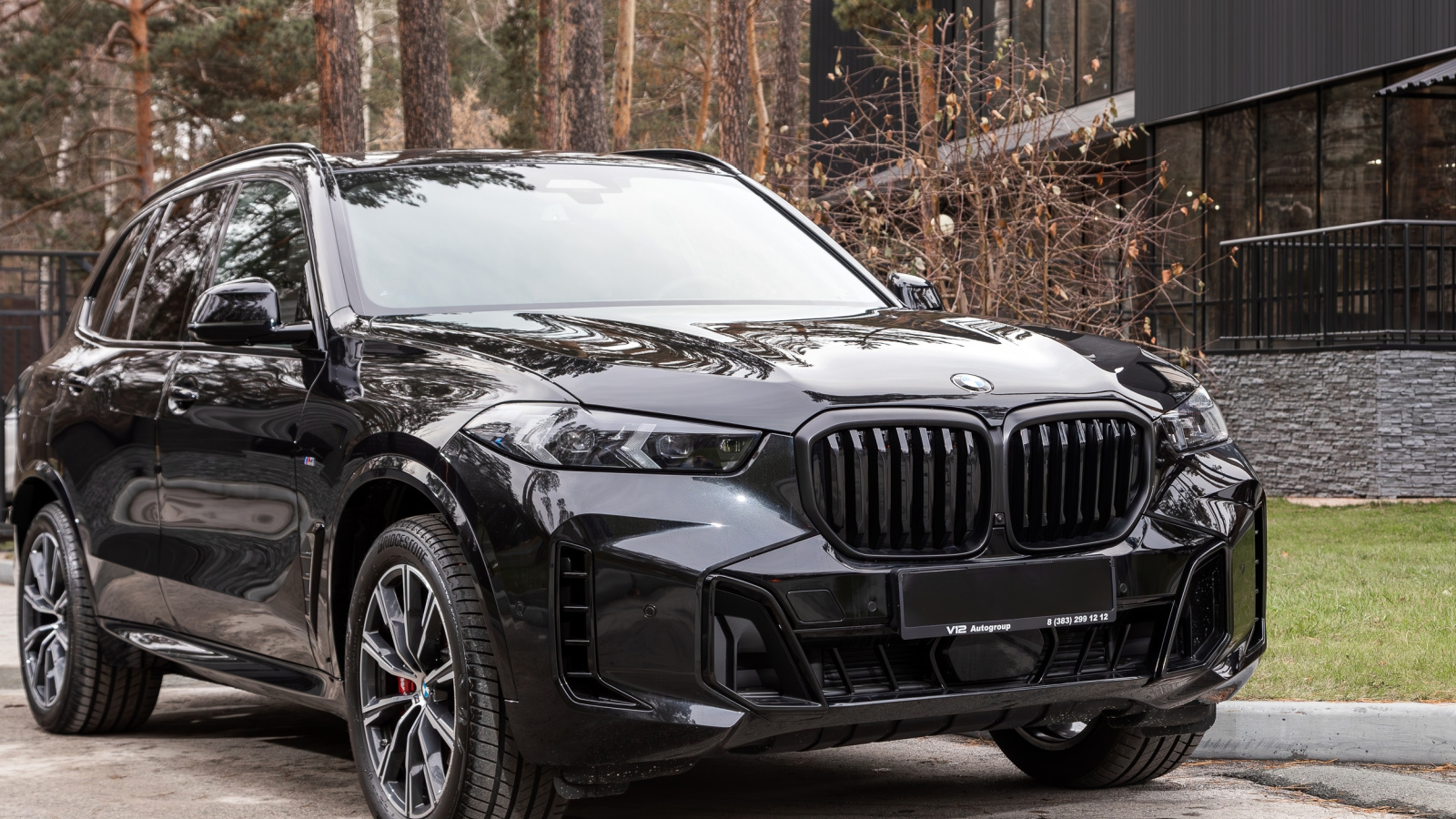
The BMW X5 starts around $75,000. It combines luxury with strong performance. That performance increases brake usage in city driving. Heavy curb weight adds more stress on stopping systems. Brake pads wear faster than those in average SUVs. Tires also degrade quickly due to sporty tuning. Wide tires increase grip but reduce lifespan. Frequent acceleration and braking amplify wear. Replacement costs are also higher than those of mainstream brands. Winter driving adds another layer of strain. It feels refined, but maintenance can add up quickly in urban use.
Audi Q7
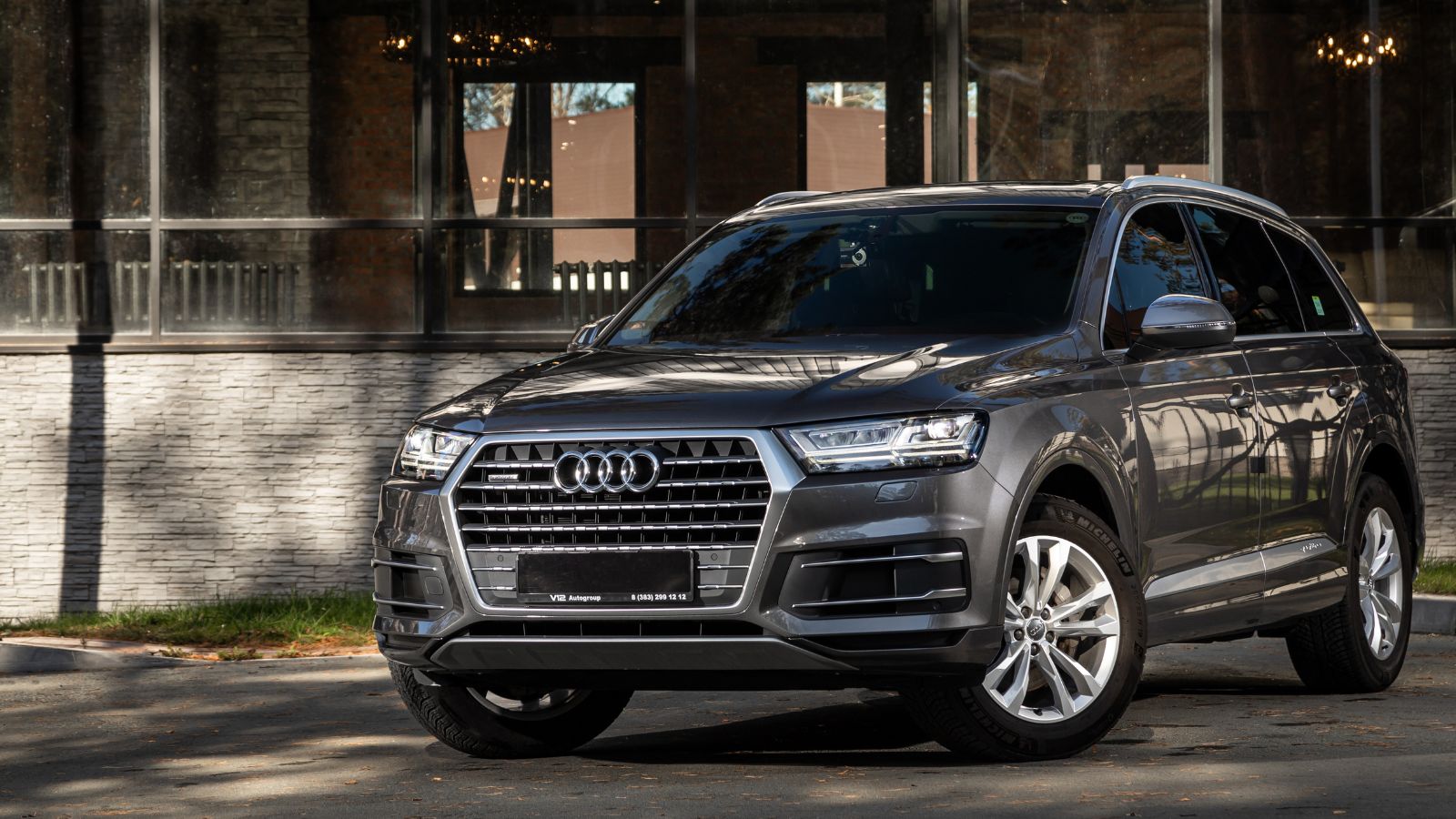
The Audi Q7 starts at $78,000. It is a large luxury SUV with strong power. Its weight affects brake performance in traffic. Pads and rotors wear faster during daily commutes. The Quattro system adds traction but increases tire wear. Uneven wear can appear over time. City driving exaggerates these patterns. Replacement parts are also expensive. Cold weather stiffens tire compounds. That reduces lifespan further. Frequent braking builds heat quickly. Owners often notice shorter intervals between replacements. It is comfortable, but upkeep is not cheap.
Mercedes-Benz GLE
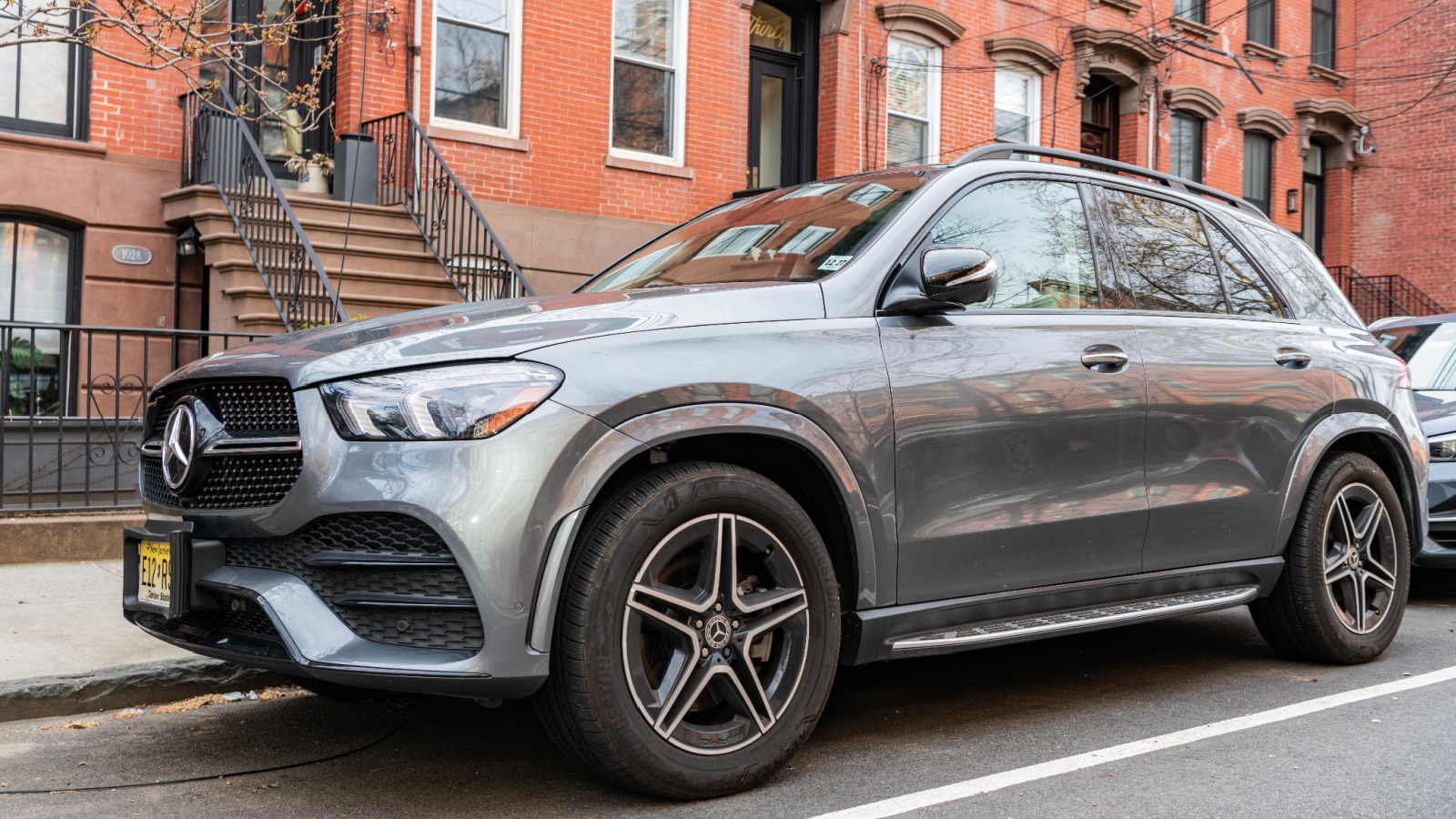
The Mercedes-Benz GLE starts around $80,000. It feels smooth but carries significant weight. That weight impacts braking efficiency in city use. Brake pads wear faster in stop-and-go traffic. Tires also show quicker wear due to size and tuning. The vehicle’s performance focus adds to this effect. Urban driving increases heat buildup in brakes. Replacement costs are higher than those of average SUVs. Winter conditions make wear patterns worse. The GLE remains refined, but maintenance demands are noticeable. Expect more frequent service visits.
Tesla Model Y
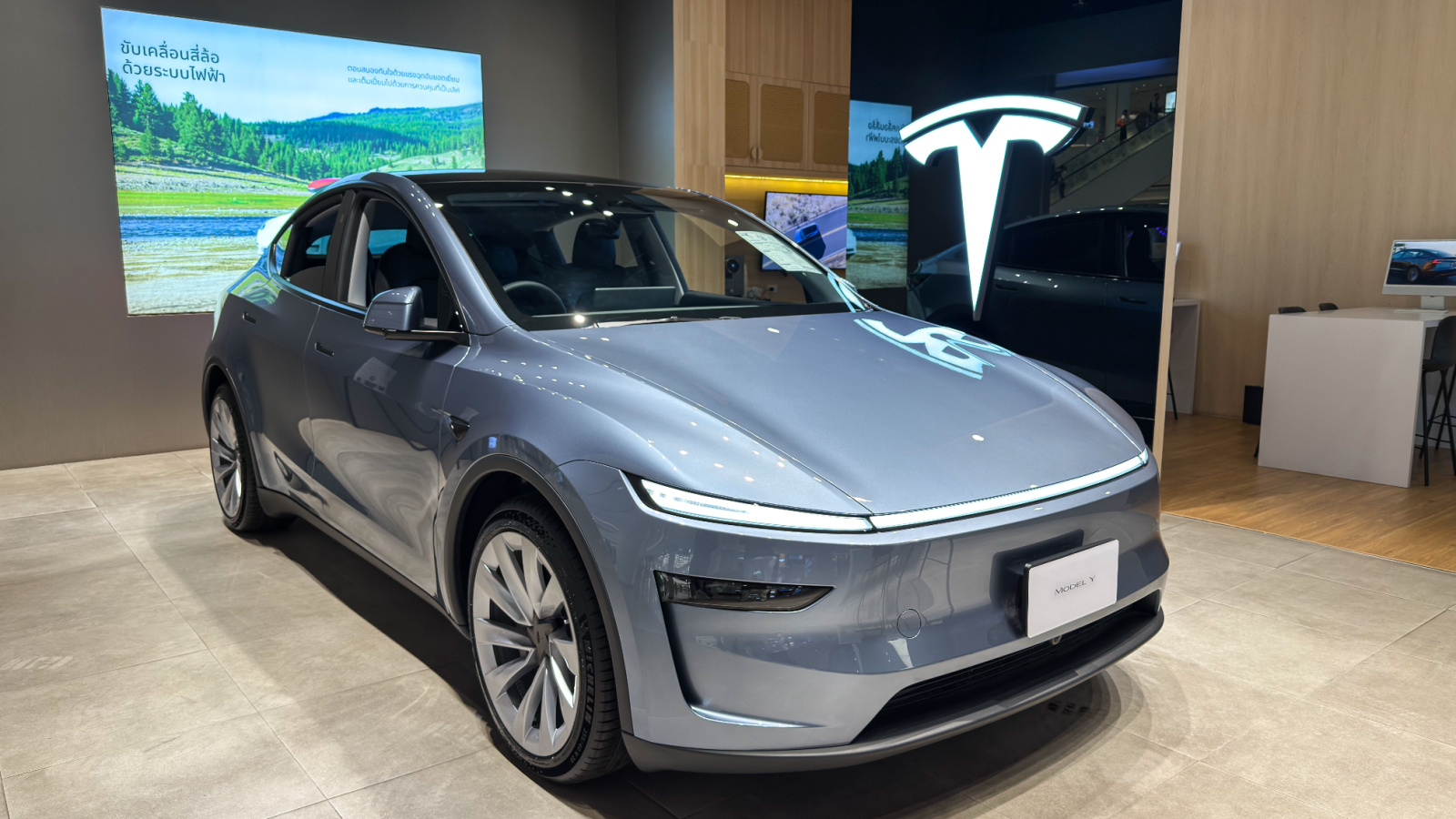
The Tesla Model Y starts near $60,000. Regenerative braking reduces some wear. However, the vehicle’s weight still affects tires. Instant torque leads to faster tread wear. Many owners report frequent tire replacements. The heavy battery pack adds extra strain. City driving with frequent stops still impacts brakes. Though pads last longer, rotors can rust in winter. Cold climates affect tire grip and durability. Replacement costs are not low. It is efficient, but tire wear remains a common concern in urban settings.
Tesla Model 3 Performance
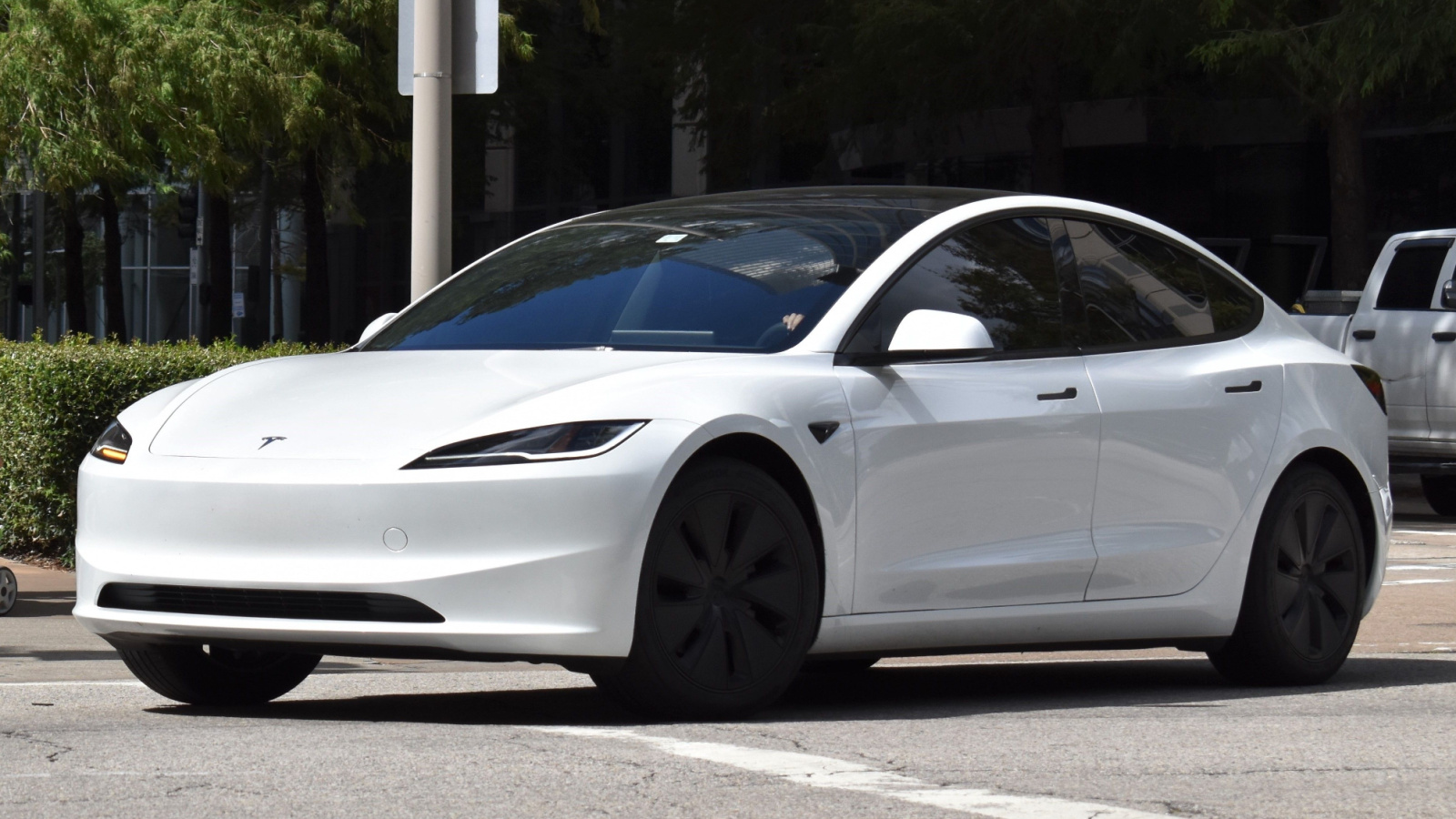
The Tesla Model 3 Performance starts around $70,000. It delivers quick acceleration. That power affects tire lifespan significantly. Rear tires often wear faster than expected. The vehicle’s weight also plays a role. Regenerative braking helps reduce pad wear. However, aggressive driving negates that benefit. City traffic increases stop-and-go cycles. That stresses components over time. Winter roads reduce traction and increase wear. Owners often replace tires more frequently. It feels quick and sharp, but maintenance costs still appear.
Subaru WRX
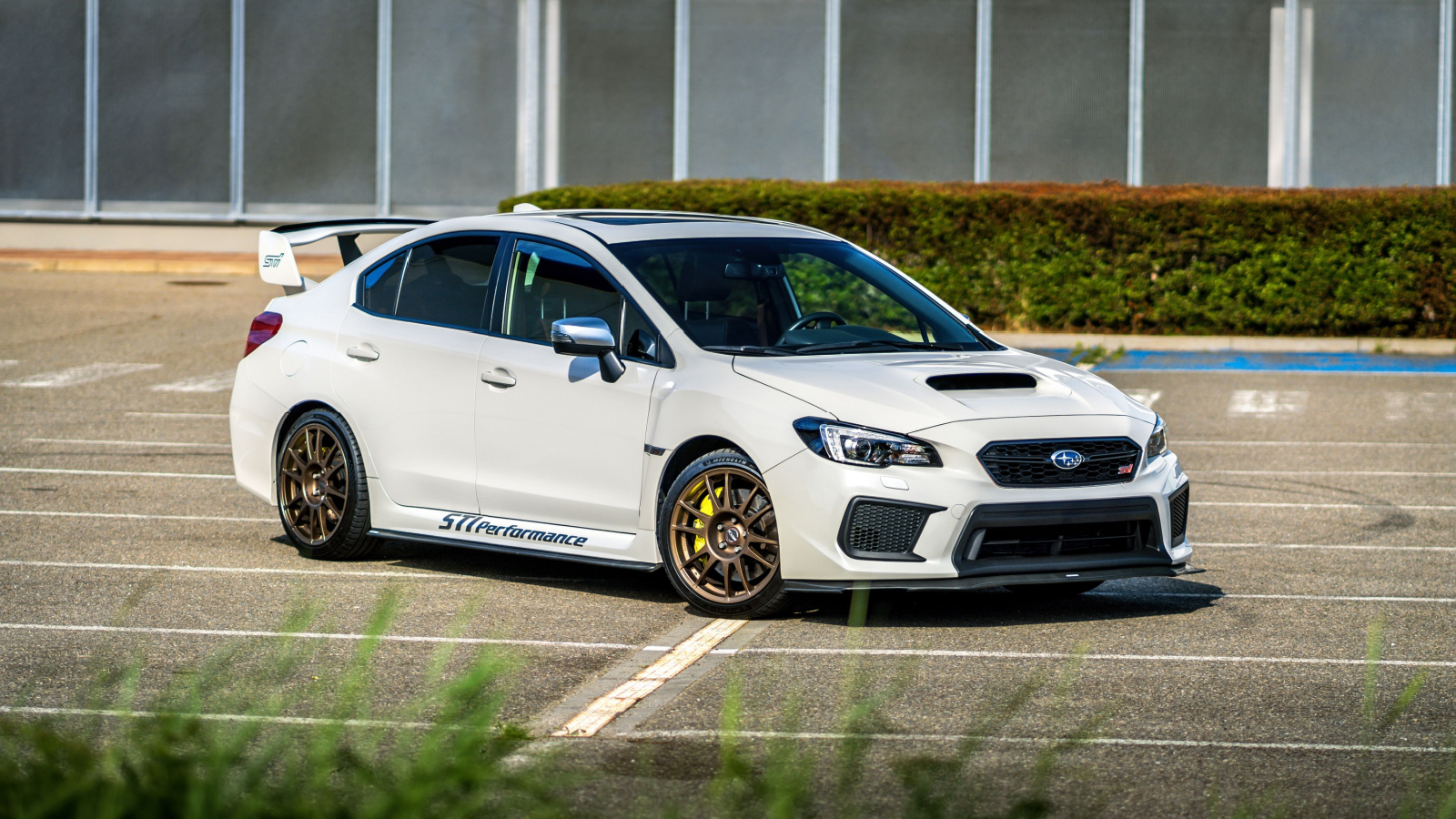
The Subaru WRX starts at $36,000. It is tuned for performance driving. That setup affects daily wear in cities. Brakes are used more aggressively in traffic. Pads wear faster than standard sedans. All Wheel Drive adds extra tire wear. Uneven tread patterns can develop over time. Short trips increase heat cycles in brakes. Winter conditions make it worse. Replacement costs are moderate but frequent. It is fun to drive, but urban use shortens component life noticeably.
Volkswagen Golf R
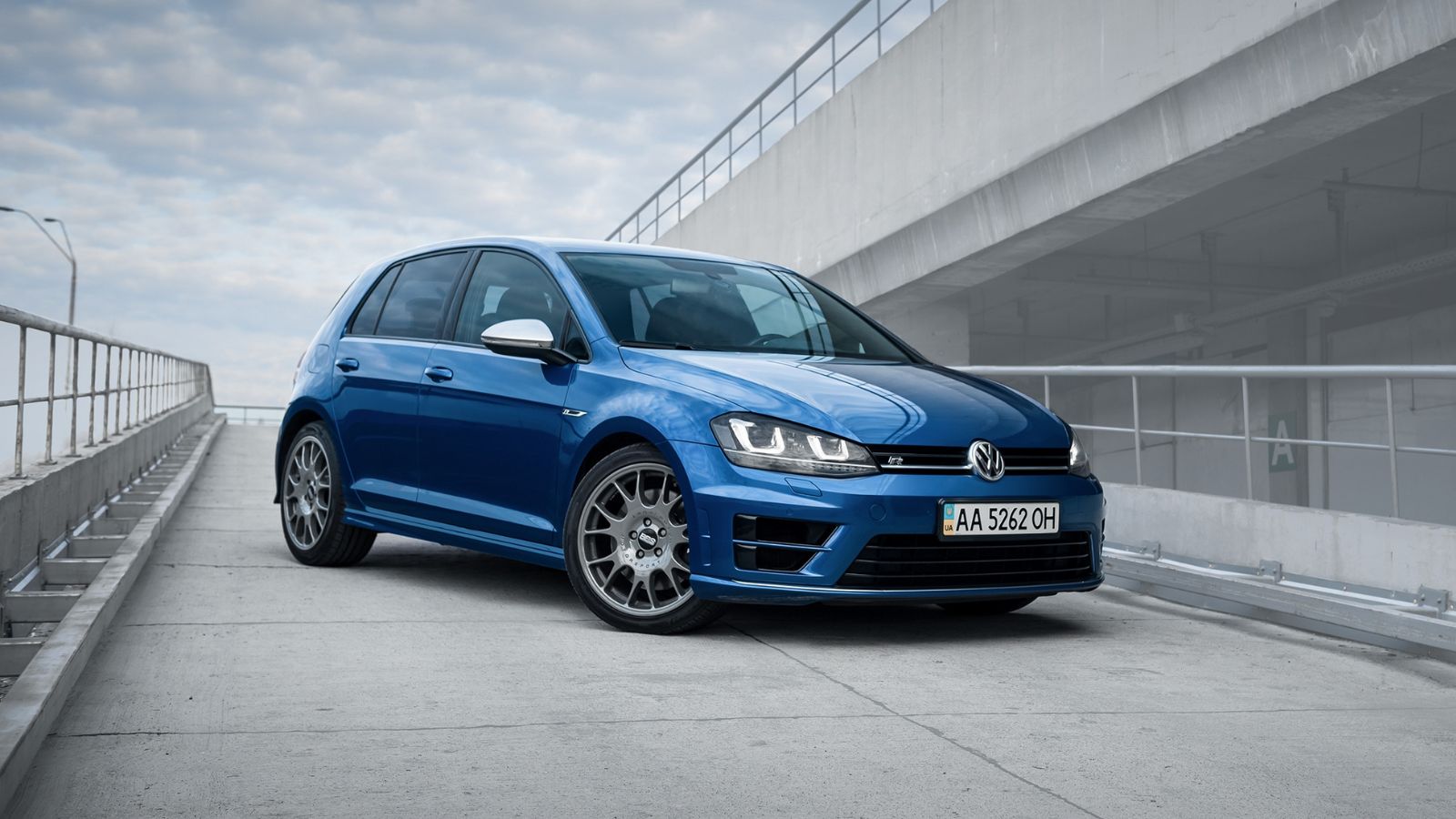
The Volkswagen Golf R starts around $47,000. It offers strong performance in a compact size. That power increases stress on the brakes. Frequent stops accelerate pad wear. Tires also wear faster due to grip levels. All Wheel Drive contributes to even but quicker wear. City driving amplifies these patterns. Replacement intervals are shorter than those of regular hatchbacks. Cold temperatures affect rubber compounds. That reduces durability further. It feels sharp, but upkeep rises in urban conditions. Expect higher maintenance than typical compact cars.
Dodge Charger R/T
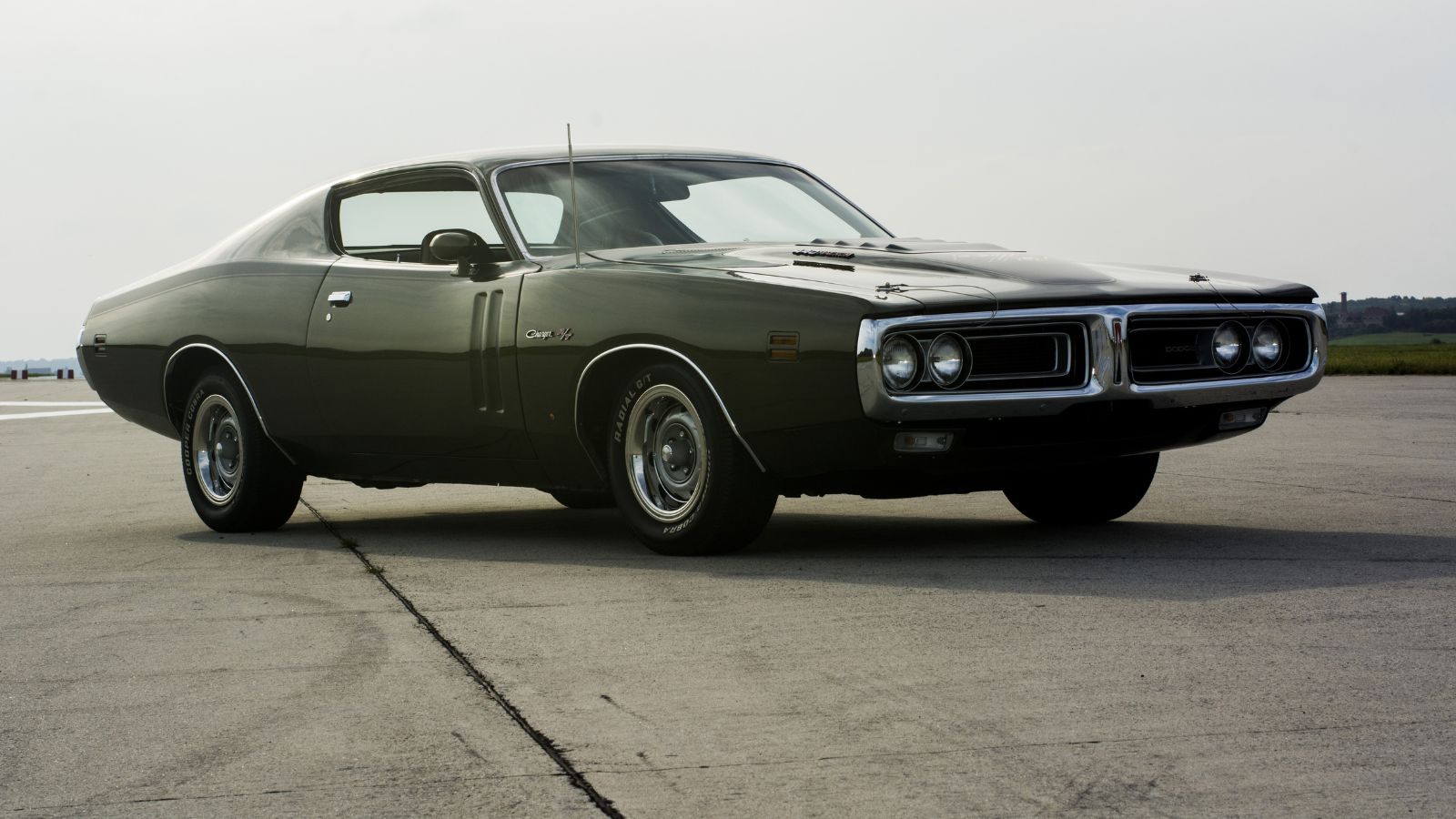
The Dodge Charger R/T starts at $55,000 in Canada. It is a large sedan with a V8 engine. That power adds stress during daily driving. The car feels heavy in stop-and-go traffic. Brake pads wear faster due to frequent hard stops. Rotors also heat up quickly in city conditions. Rear tires struggle with torque and wear sooner. Short trips increase heat cycles in braking systems. Winter roads reduce traction and increase strain. Replacement costs are not cheap. It delivers strong performance, but urban driving increases maintenance needs over time.
Dodge Challenger
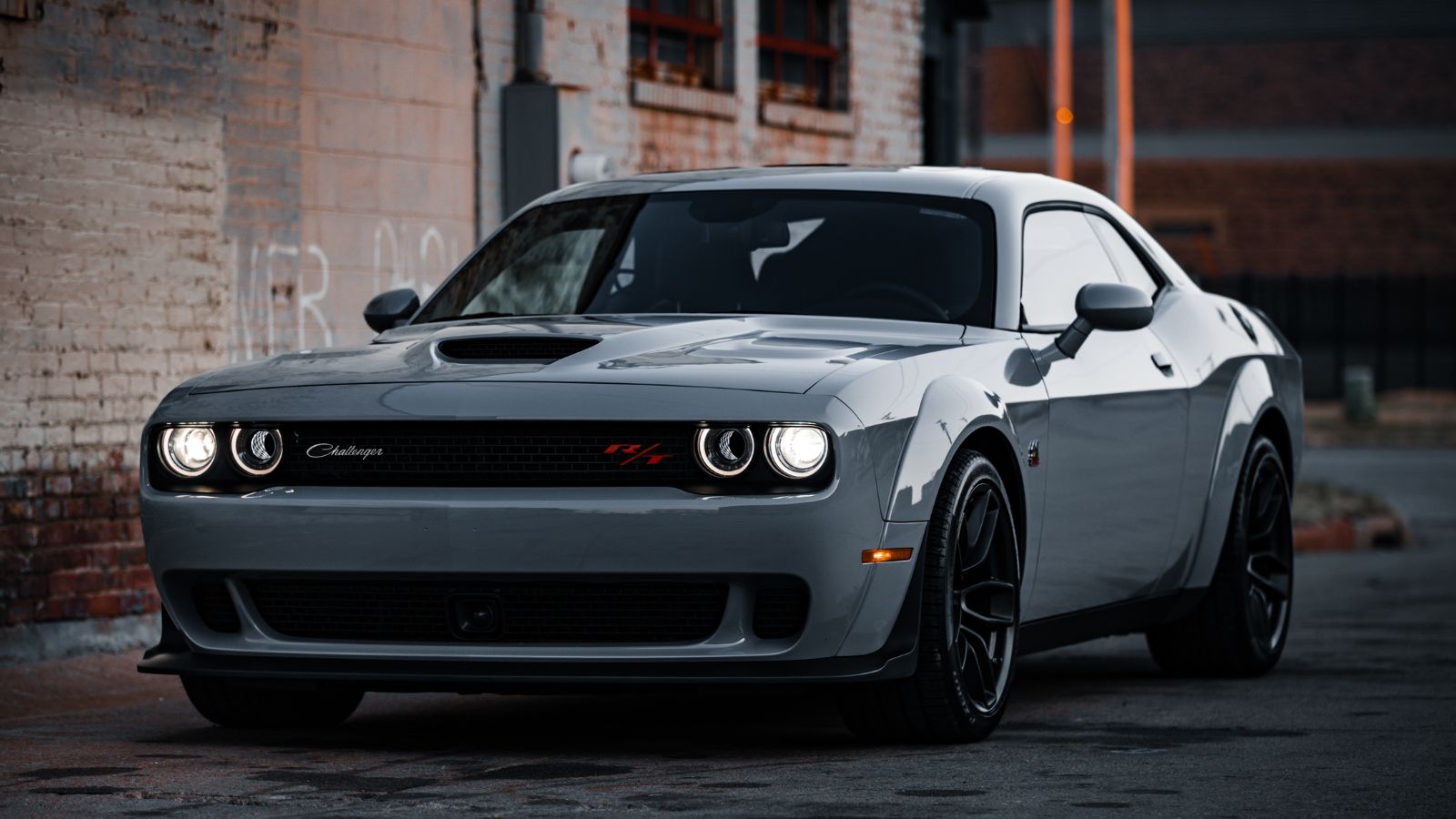
The Dodge Challenger starts around $50,000 in Canada. It shares its platform with the Charger. Its wide body and weight affect braking performance. Frequent stops wear brake pads faster than average. The car’s torque significantly impacts the rear tire’s lifespan. Wide tires improve grip but reduce durability. City roads with potholes add more stress. Brakes heat up quickly during daily commutes. Cold weather stiffens tire compounds and reduces lifespan. Replacement parts cost more than standard coupes. It looks bold and powerful, but upkeep rises in urban driving conditions over time.
Ford Mustang GT
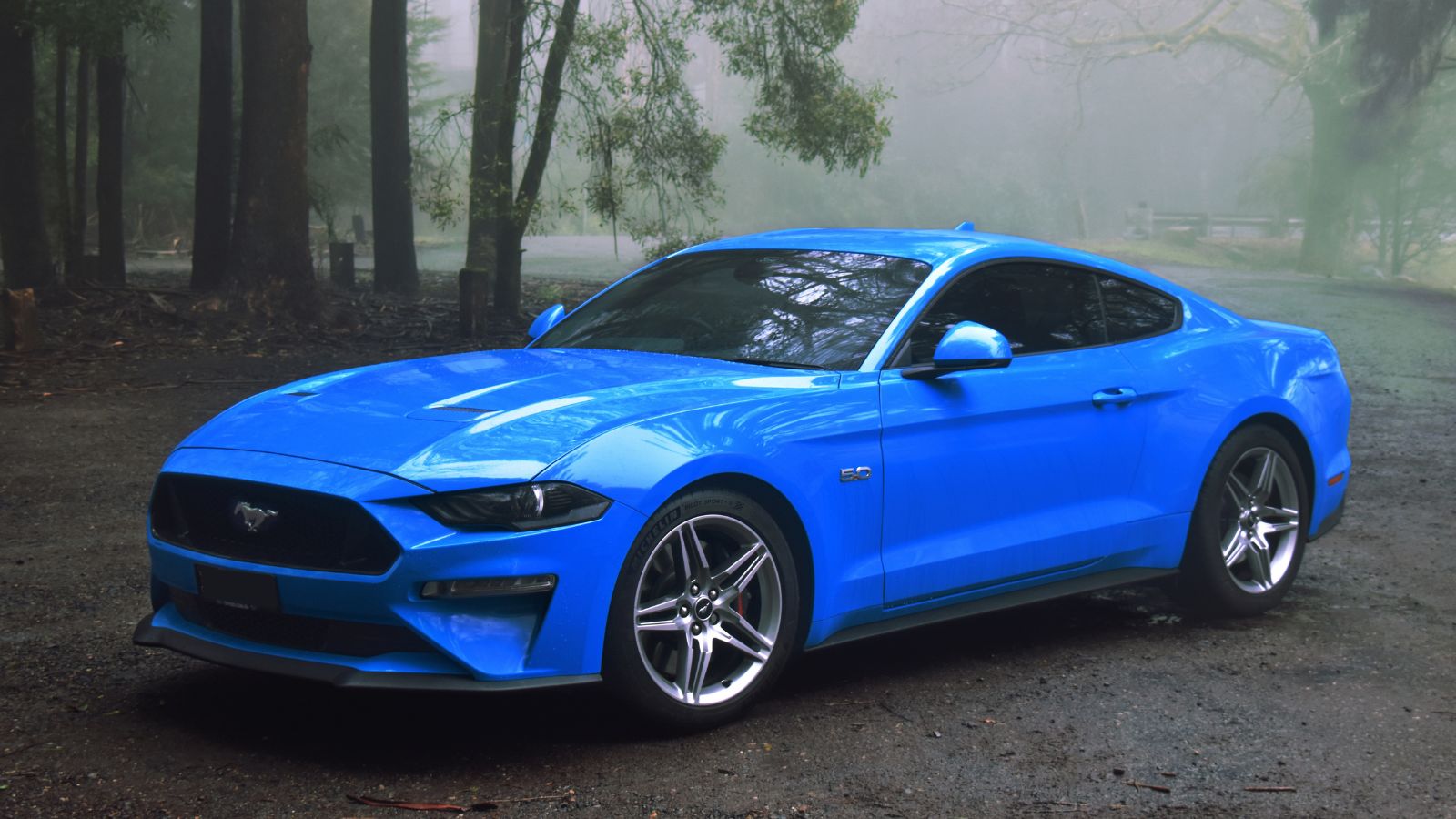
The Ford Mustang GT starts at $52,000 in Canada. It is a performance coupe with strong acceleration. That power affects tire wear more than expected. Rear tires often wear faster in city driving. Frequent braking also shortens pad lifespan. The car’s weight adds pressure during stop-and-go traffic. Short drives increase brake heat cycles. Winter conditions reduce grip and increase wear. Replacement costs can add up over time. It feels exciting behind the wheel, but daily urban use leads to more frequent maintenance and higher ownership costs.
Chevrolet Camaro SS

The Chevrolet Camaro SS starts around $54,000 in Canada. It is tuned for sharp performance and quick response. That setup increases stress on braking systems. Pads wear faster during repeated stops in traffic. Tires also degrade more quickly due to high grip levels. City roads with uneven surfaces add more strain. Replacement costs are higher than those of average coupes. Cold weather affects tire durability and traction. Frequent short trips increase wear patterns. It feels precise and engaging, but upkeep becomes more noticeable when used primarily for year-round urban driving.
Mazda CX-9
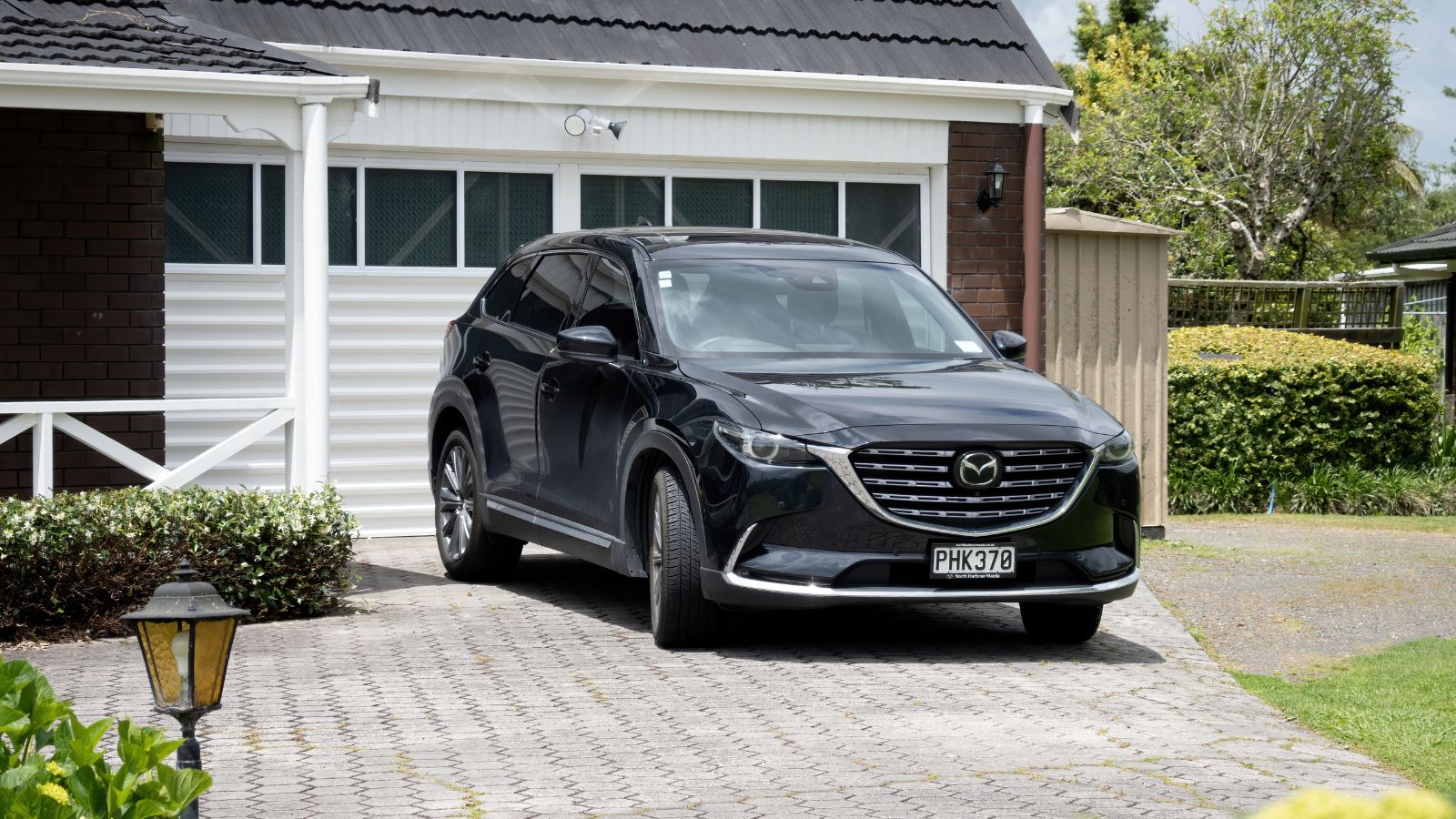
The Mazda CX-9 starts at $46,000 in Canada. It is lighter than some rivals but still sizeable. That size impacts brake wear during daily commutes. Frequent stops in traffic increase pad usage. Tires also wear faster due to the weight distribution. City roads with bumps and potholes add extra stress. Replacement intervals are moderate but noticeable. Winter conditions increase strain on components. The vehicle remains smooth and comfortable for families. However, urban driving still leads to more frequent maintenance compared to smaller crossovers over time.
Honda Pilot
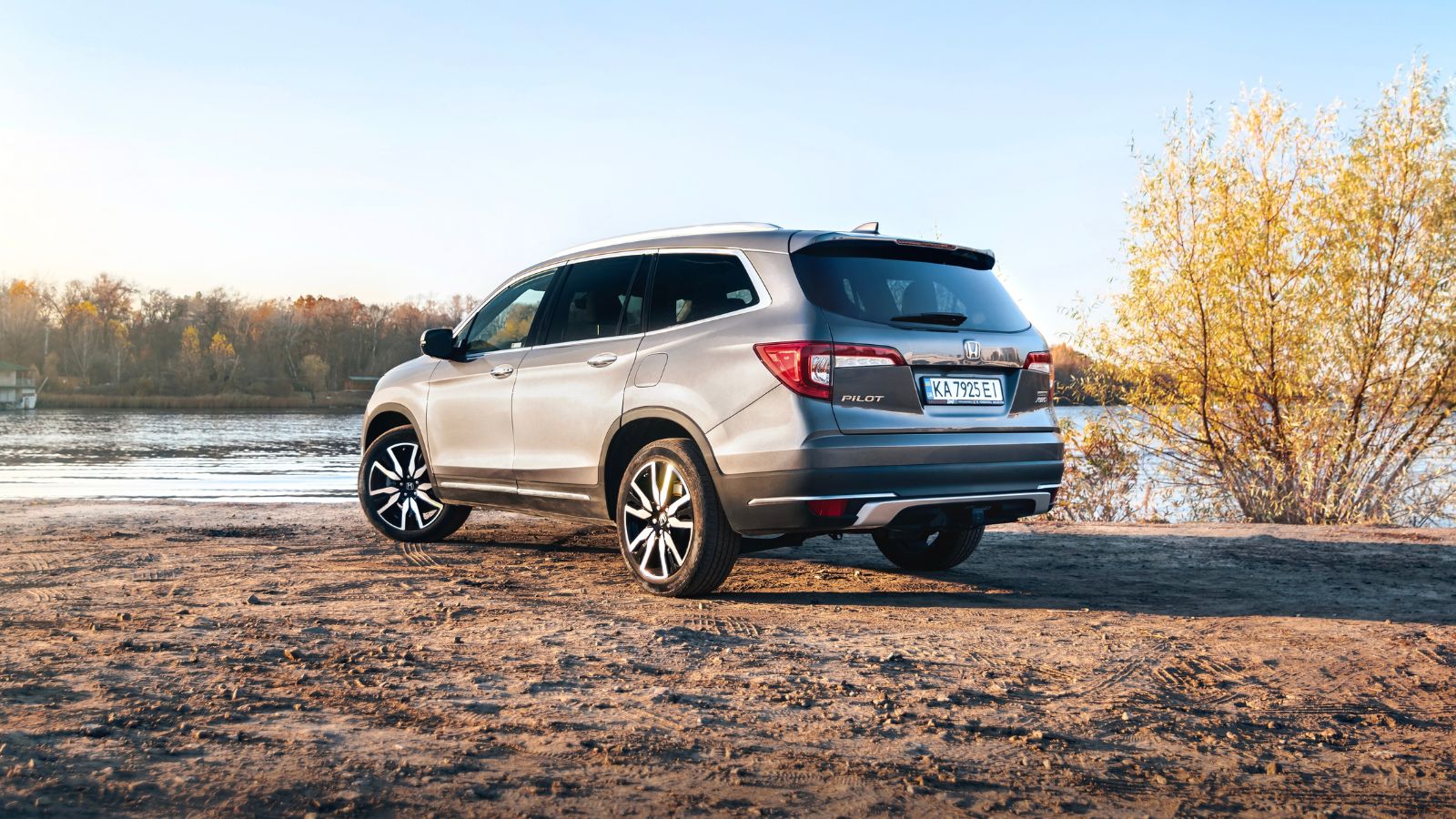
The Honda Pilot starts around $50,000 in Canada. It is a practical SUV with three rows. Its weight affects brake lifespan in city driving. Pads wear faster during frequent stops and starts. Tires also show quicker wear patterns over time. Urban roads increase stress on suspension and wheels. Replacement costs remain reasonable but occur more often. Winter conditions add another layer of strain. The Pilot is reliable and easy to live with. However, daily commuting in traffic still increases maintenance needs compared to lighter vehicles.
Toyota Highlander
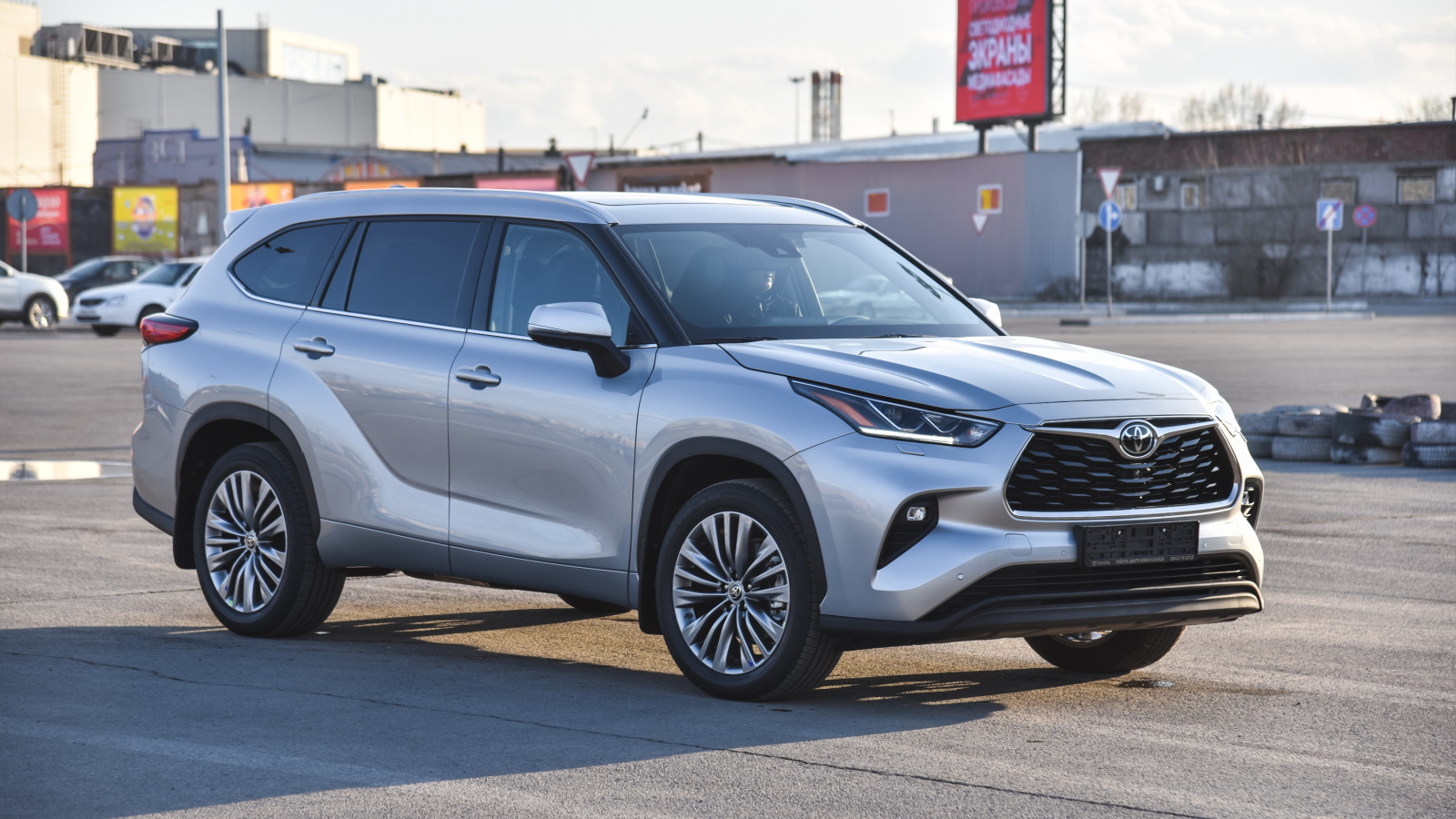
The Toyota Highlander starts at $48,000 in Canada. It is a popular family SUV with steady demand. Its weight affects braking efficiency in traffic conditions. Pads wear faster in stop-and-go driving. Tires also degrade more quickly than those in smaller vehicles. City roads with rough patches increase wear further. Replacement intervals shorten over time. Winter driving adds more strain to components. The Highlander remains dependable and practical. However, urban use still leads to a higher maintenance frequency than compact crossovers in similar price ranges.
Nissan Pathfinder
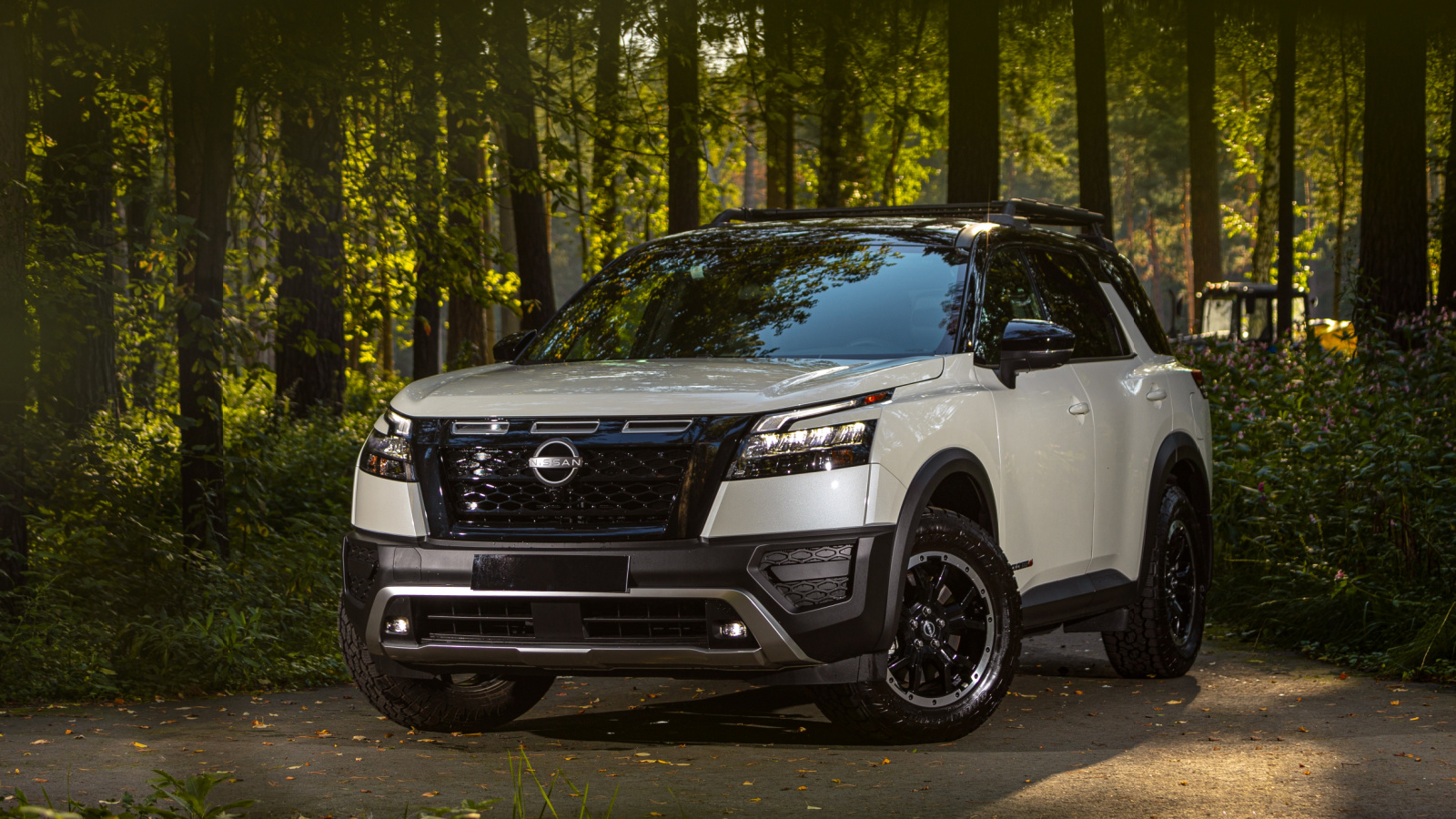
The Nissan Pathfinder starts at around $47,000 in Canada. It is a midsize SUV with solid build quality. Its weight impacts brake wear during daily driving. Pads wear faster under repeated stops in traffic. Tires also show quicker wear patterns over time. City conditions amplify these effects significantly. Replacement costs are moderate but recurring. Winter roads increase strain on both tires and brakes. The Pathfinder offers good practicality and comfort. However, urban commuting still requires more frequent maintenance than smaller, lighter alternatives.
Hyundai Palisade
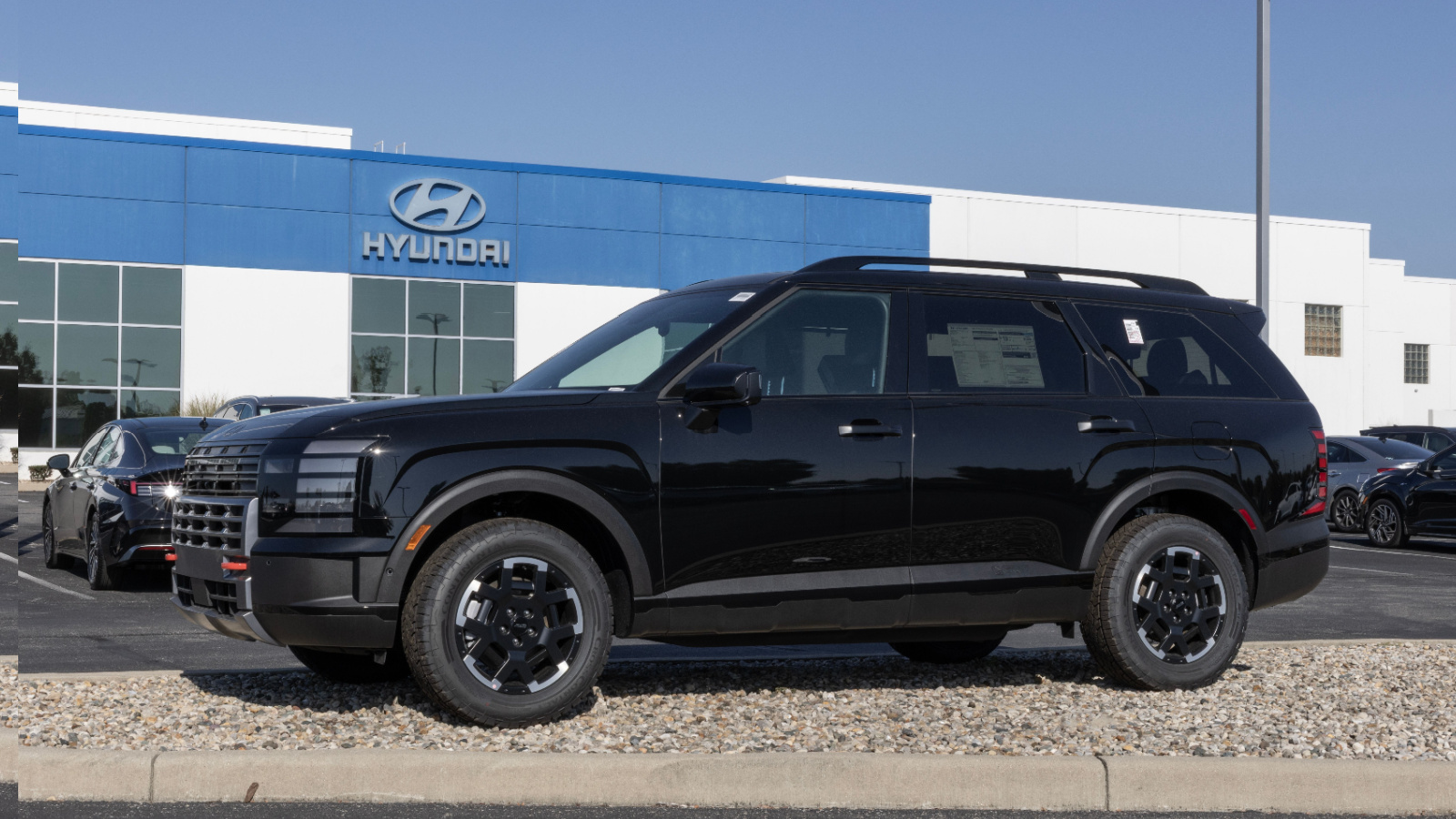
The Hyundai Palisade starts at $50,000 in Canada. It is a large SUV with a premium feel. Its size and weight affect braking performance in cities. Pads wear faster during daily commutes with frequent stops. Tires also degrade more quickly due to vehicle mass. City roads add more stress to suspension components. Replacement intervals shorten over time. Winter conditions increase wear patterns further. The Palisade remains comfortable and well-equipped. However, urban use leads to higher maintenance costs than compact SUVs, which weigh less and have simpler setups.
Kia Telluride
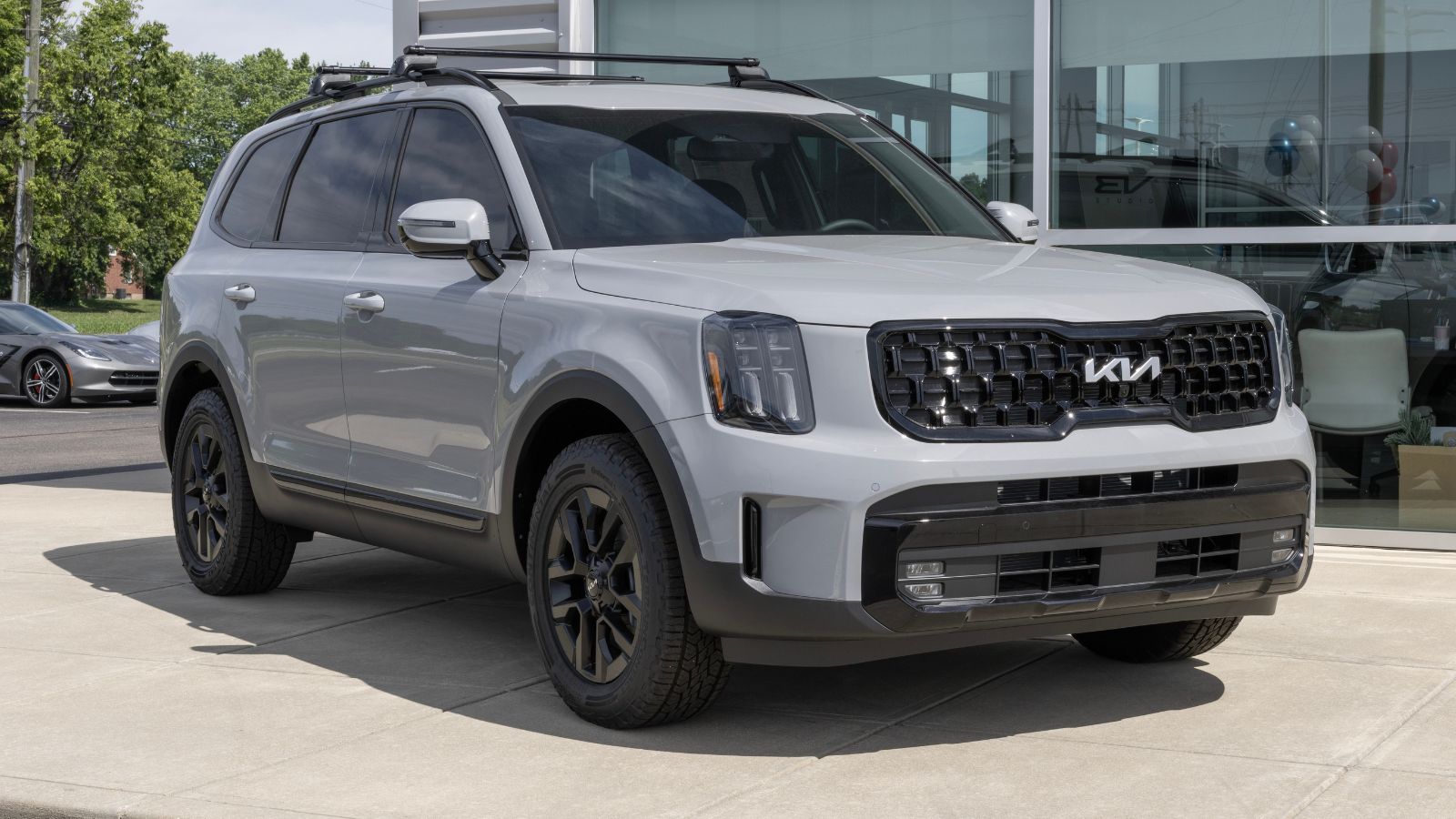
The Kia Telluride starts around $49,000 in Canada. It shares its platform with the Palisade. Its weight impacts brake life in stop-and-go traffic. Pads wear faster during daily urban driving. Tires also show quicker wear patterns due to size. City conditions increase strain on both systems. Replacement costs are moderate but occur more often. Winter driving adds additional stress to components. The Telluride feels refined and spacious. However, frequent commuting still increases maintenance needs compared to smaller crossovers and lighter vehicles in similar segments.
Land Rover Defender
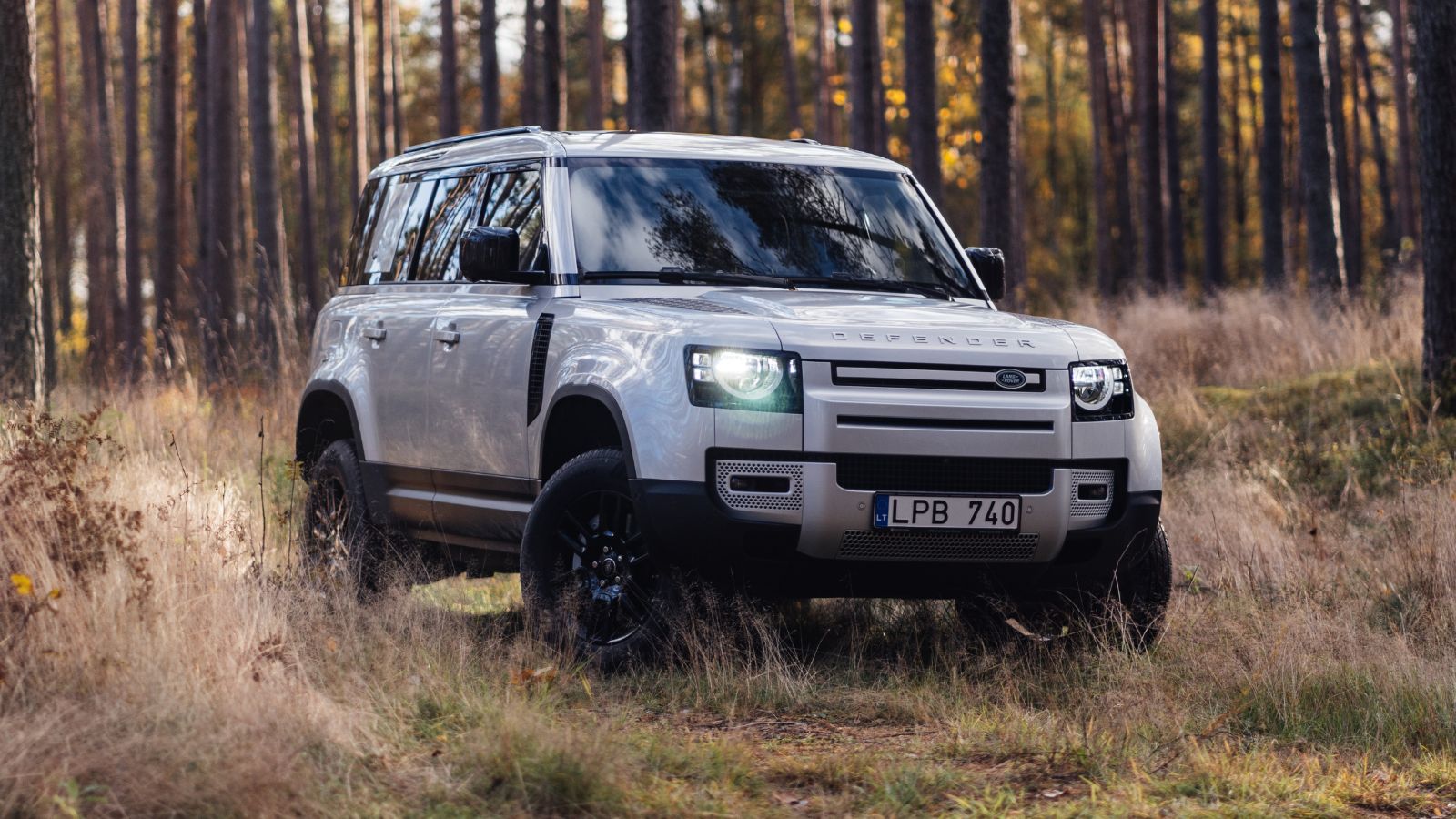
The Land Rover Defender starts at $85,000 in Canada. It is built for off-road strength and durability. That design affects daily city driving comfort. Its weight impacts brake wear during frequent stops. Pads wear faster under urban conditions. Tires also degrade quickly due to size and tread type. Replacement costs are higher than those of most SUVs. City roads increase stress on components. Winter conditions add more strain. The Defender feels capable and rugged. However, urban driving leads to higher maintenance and shorter component lifespan overall.
Porsche Cayenne
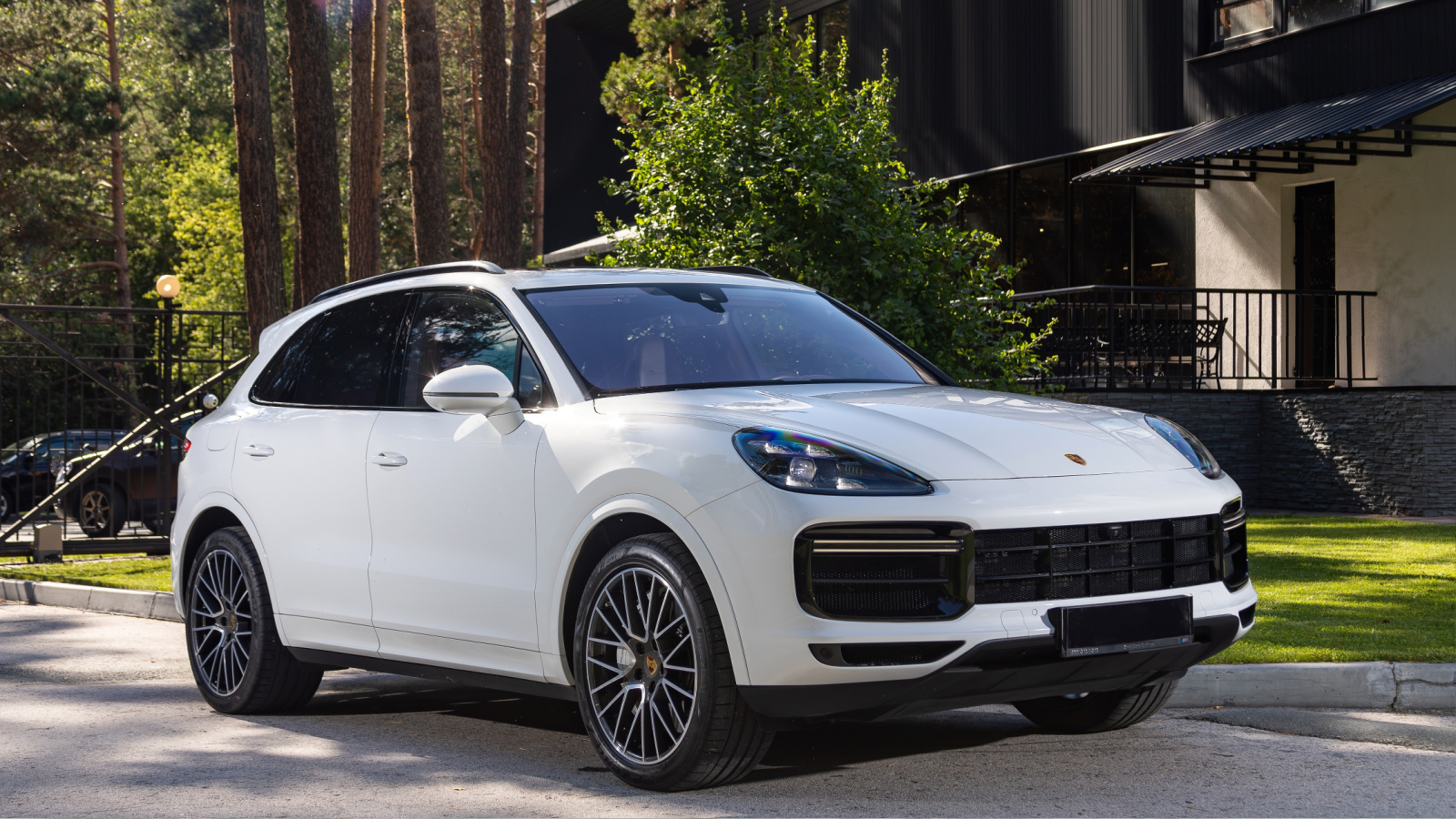
The Porsche Cayenne starts around $95,000 in Canada. It blends luxury with strong performance. That performance increases stress on brakes and tires. Pads wear quickly during repeated stops in traffic. Tires also degrade faster due to grip and width. Replacement costs are significantly higher than those of average SUVs. Frequent braking builds heat in the system. City driving amplifies these effects. Winter conditions worsen wear patterns further. The Cayenne feels refined and quick. However, daily urban use leads to frequent maintenance and higher long-term ownership costs.
Infiniti QX60
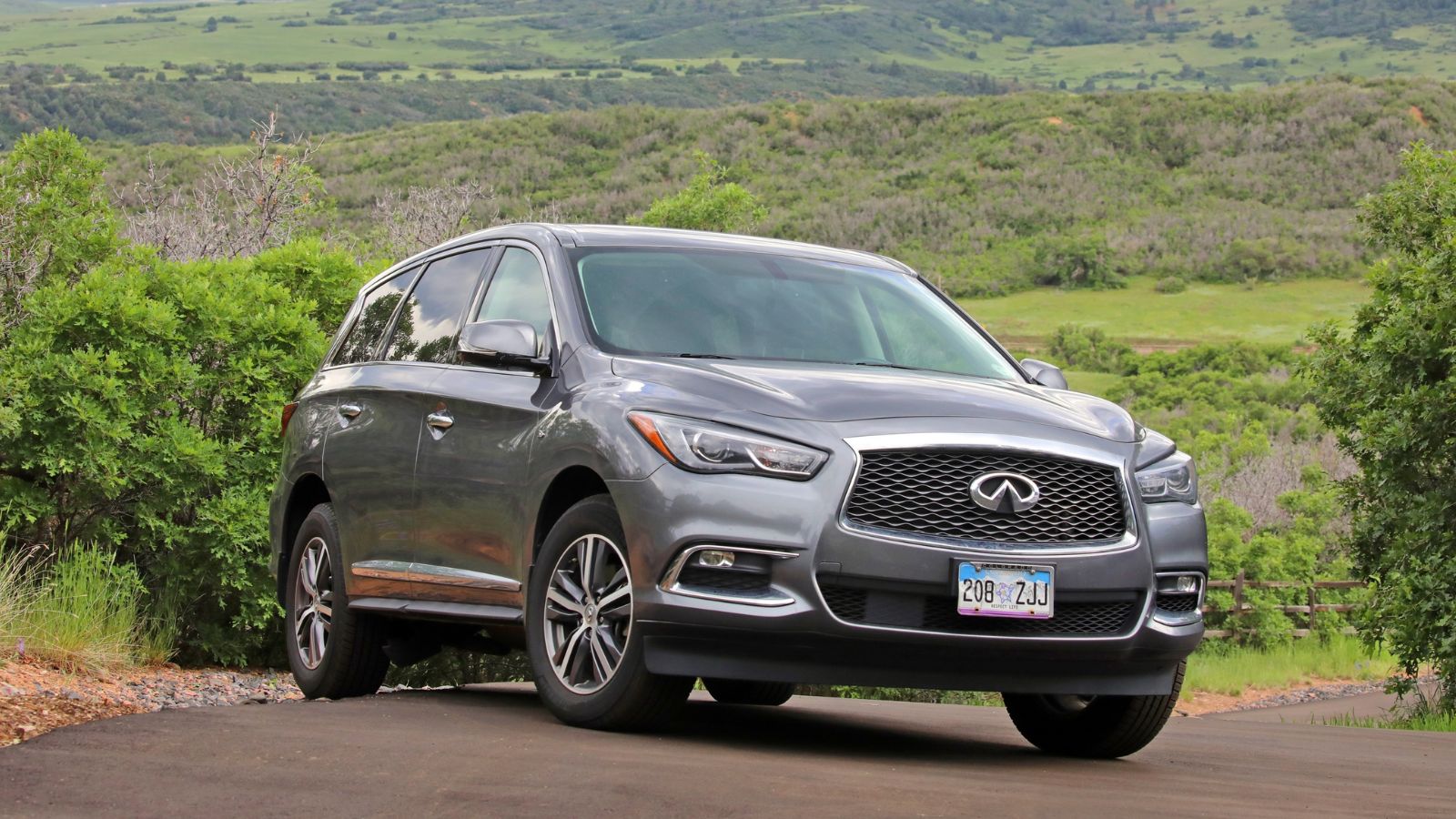
The Infiniti QX60 starts at $55,000 in Canada. It is a midsize luxury SUV with smooth driving manners. Its weight impacts braking efficiency in urban conditions. Pads wear faster during frequent stops in traffic. Tires also show quicker wear patterns over time. City roads increase stress on suspension and wheels. Replacement costs are moderate but recurring. Winter driving adds more strain to components. The QX60 remains comfortable and practical for families. However, urban use still increases maintenance needs compared to lighter crossovers in similar segments.
Chevrolet Tahoe
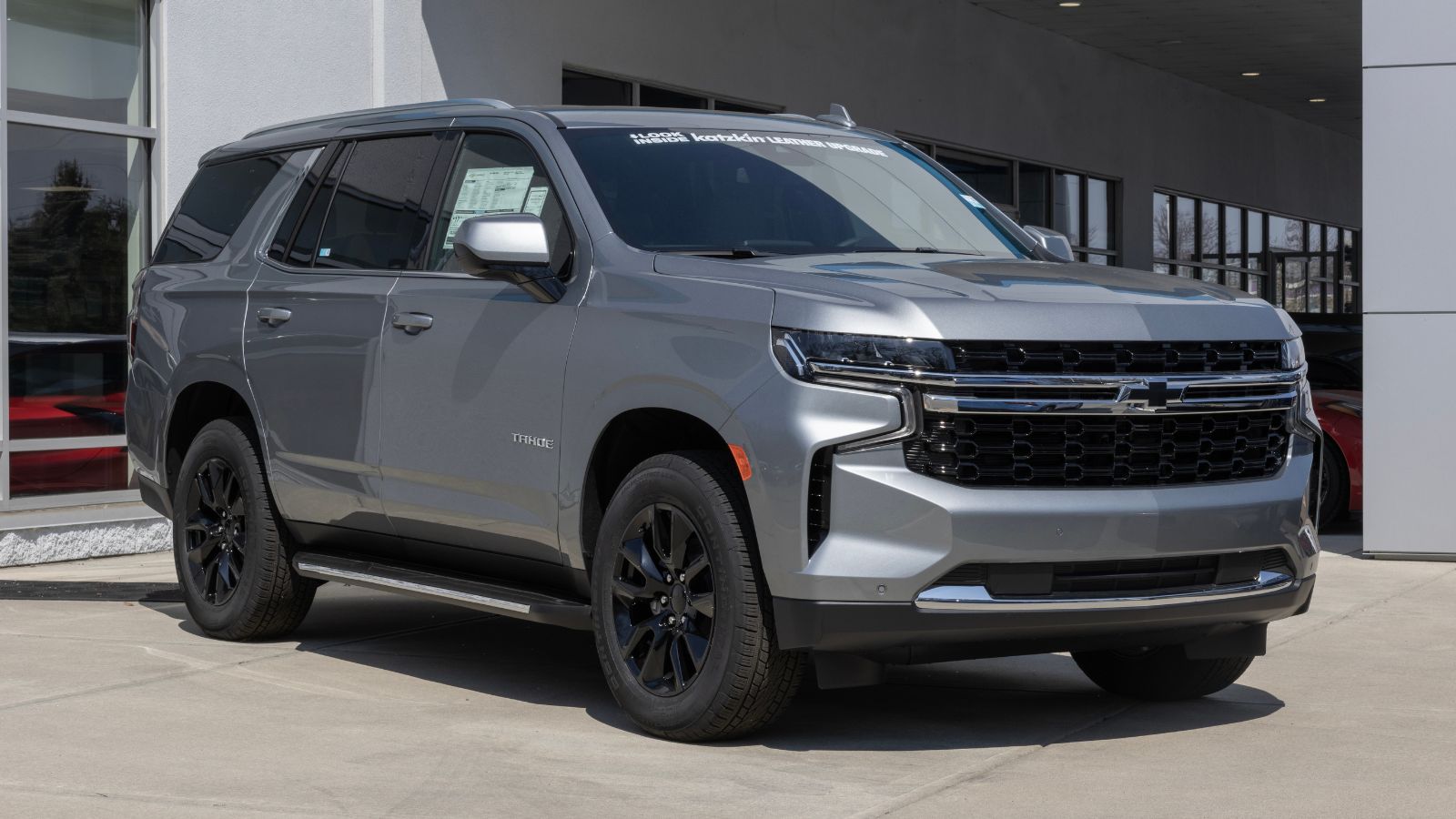
The Chevrolet Tahoe starts around $75,000 in Canada. It is a full-size SUV with significant weight. That weight affects brake life in city driving conditions. Pads wear faster during daily commutes with frequent stops. Tires also degrade quickly due to size and load. City streets further increase stress on components. Replacement costs are higher than those of smaller SUVs. Winter conditions worsen wear patterns. The Tahoe feels spacious and powerful on the road. However, urban use leads to frequent maintenance and higher ownership costs over time.
22 Things Canadians Do to Their Cars in Spring That Mechanics Hate

Spring brings relief to many Canadian drivers after months of snow, freezing temperatures, and icy roads that put serious strain on vehicles. As temperatures rise across the country, drivers begin washing cars, switching tires, and preparing vehicles for warmer weather and upcoming road trips. However, mechanics across Canada notice the same mistakes every spring when drivers attempt to recover from winter damage. Road salt, potholes, and harsh winter driving conditions often leave vehicles with hidden problems that drivers ignore. Some spring habits even create new mechanical issues that could have been avoided with proper maintenance. Here are 22 things Canadians do to their cars in spring that mechanics hate.