


























Sticker prices can be misleading. A car may look affordable on paper, yet financing tells a different story. Interest rates, insurance, depreciation, and hidden fees can quietly raise monthly payments. Many buyers focus on the base price and are then surprised by the approval time. Some models also carry higher borrowing costs due to demand or resale risk. Add taxes, dealer add-ons, and longer loan terms, and the numbers climb fast. This list breaks down vehicles that seem budget-friendly but feel expensive once financing is factored in. Here are 24 vehicles that look cheap… until you try to finance them in Canada.
Nissan Kicks
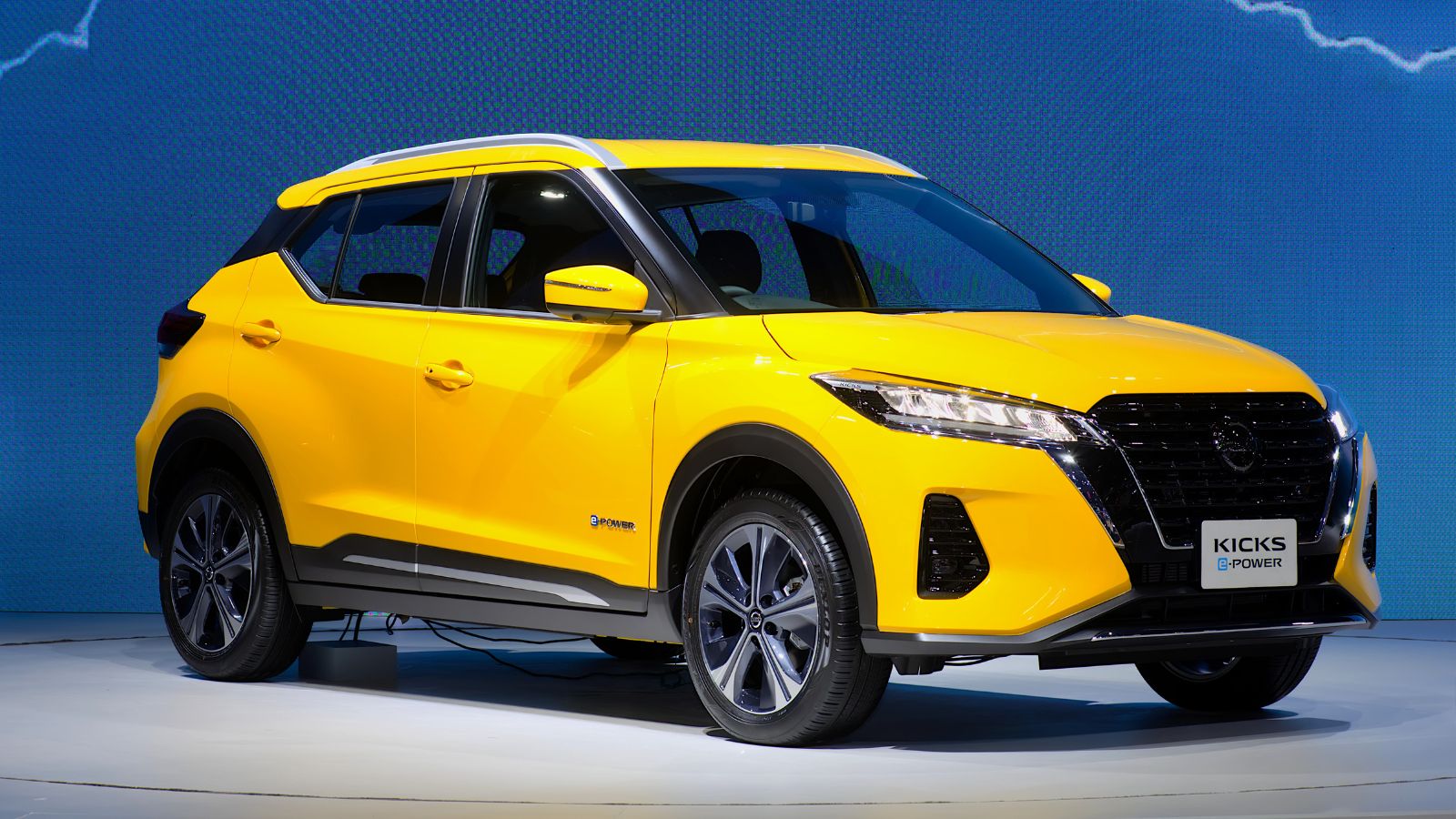
The Nissan Kicks starts at $24,000 in Canada. That price looks friendly for first-time buyers. Financing changes the tone quickly. Interest rates tend to be higher on entry-level crossovers. Lenders see limited resale strength compared to rivals. Insurance also adds pressure due to urban usage trends. Many buyers stretch loan terms to manage payments. That increases total interest paid over time. Add winter tires, freight, and dealer fees. The monthly cost rises faster than expected. It feels cheap at first glance, but financing reveals a heavier burden than buyers planned.
Hyundai Venue
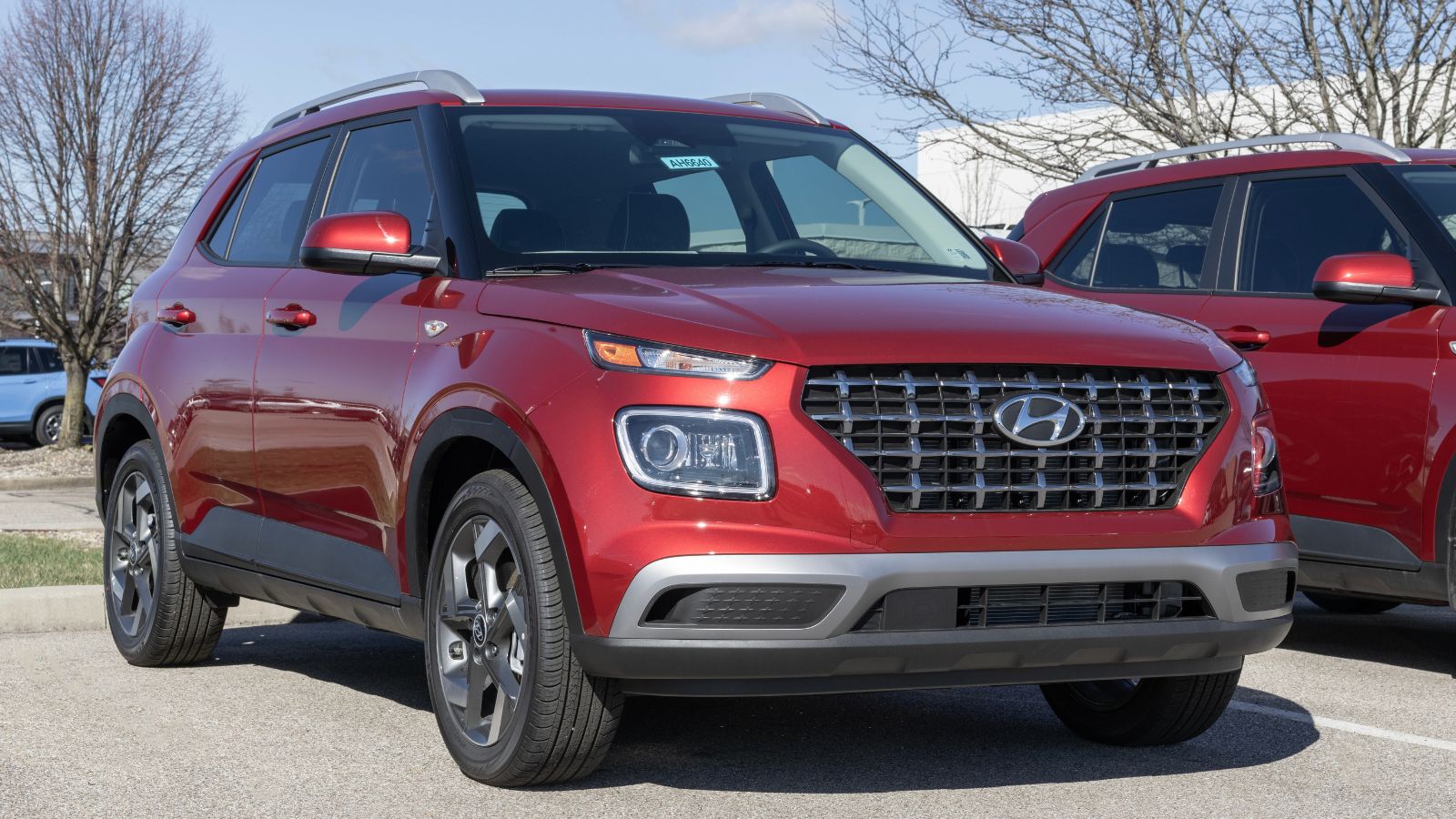
The Hyundai Venue lists around $22,500. It seems like a smart budget pick. Financing tells another story. Lower-priced vehicles often carry higher interest percentages. Lenders offset risk with stricter terms. The Venue also depreciates quickly in the early years. That impacts loan-to-value ratios. Buyers may need larger down payments. Insurance in cities like Toronto can be higher than expected. Add taxes and extended warranties. Monthly payments creep up without warning. What starts as a low entry price turns into a longer financial commitment than most expect.
Mitsubishi Mirage
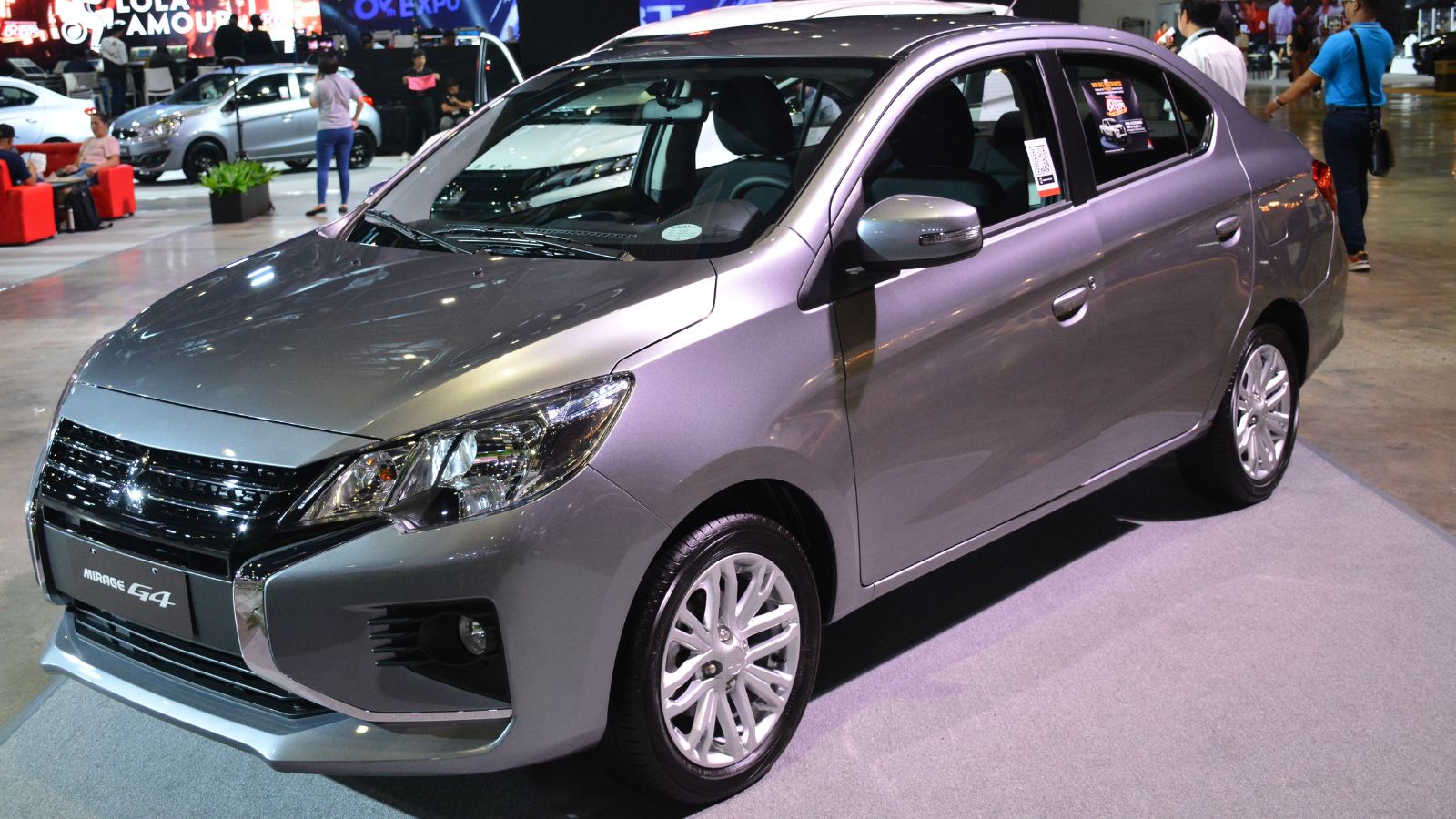
The Mitsubishi Mirage costs about $17,000 new. It looks like the cheapest option available. Financing shifts that perception quickly. Lenders often assign higher rates to ultra-budget cars. The Mirage also suffers from weak resale value. That increases the risk for financing companies. Buyers may face stricter approval conditions. Longer loan terms become common. Interest adds up over time. Insurance savings do not fully offset these costs. Add delivery fees and taxes. The Mirage remains affordable upfront, but financing stretches its total cost beyond what buyers anticipate.
Chevrolet Spark
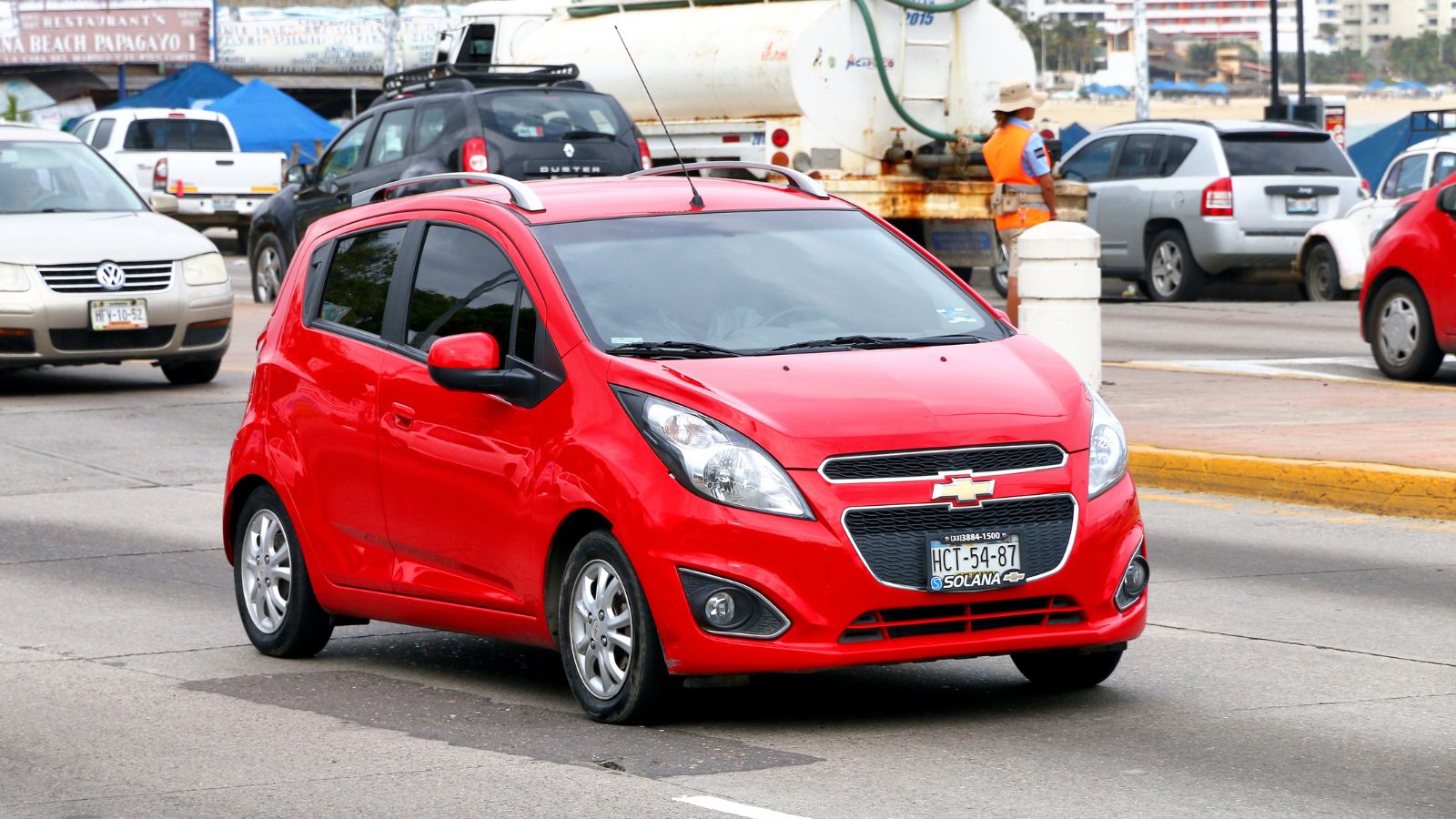
The Chevrolet Spark originally sold for around $16,000. It felt like an easy entry point. Financing makes it less appealing. Used models now dominate the market. Interest rates on used cars are higher than those on new ones. Lenders also limit loan lengths for older vehicles. Monthly payments stay high despite the low purchase price. Maintenance risks further increase lender caution. Insurance can surprise younger buyers. Add dealer certification fees and taxes. The Spark may look cheap, but financing removes much of that advantage quickly.
Kia Soul
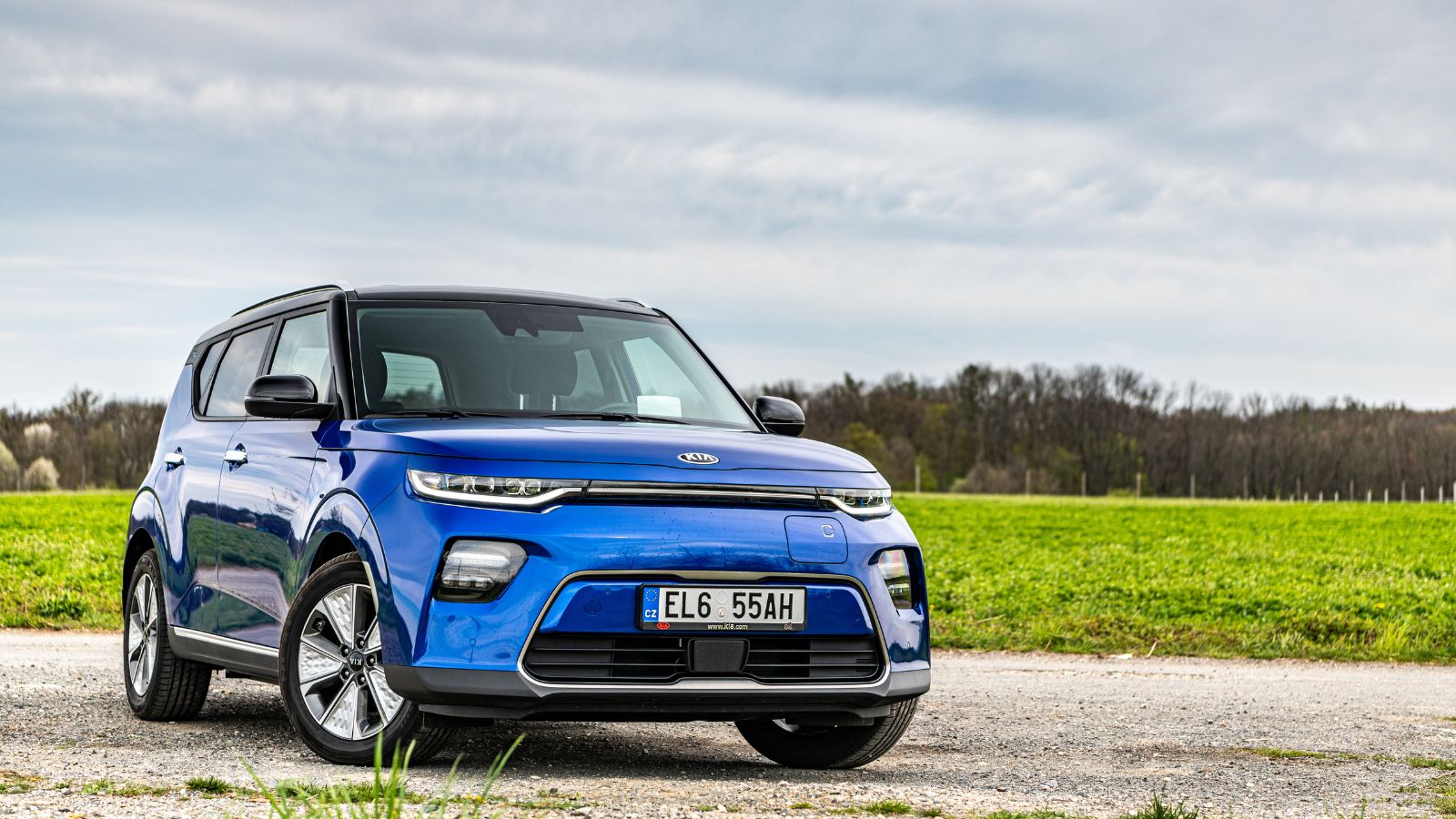
The Kia Soul starts around $26,000. It appears affordable for its size and features. Financing adds complexity. Demand for the Soul keeps resale values uneven. Lenders adjust rates based on market trends. Insurance costs are moderate but not low. Buyers often add packages that raise the price. That increases loan amounts quickly. Longer terms push total interest higher. Add winter readiness costs and taxes. The Soul looks like a deal on paper, yet financing reveals a more expensive ownership path than expected.
Nissan Versa
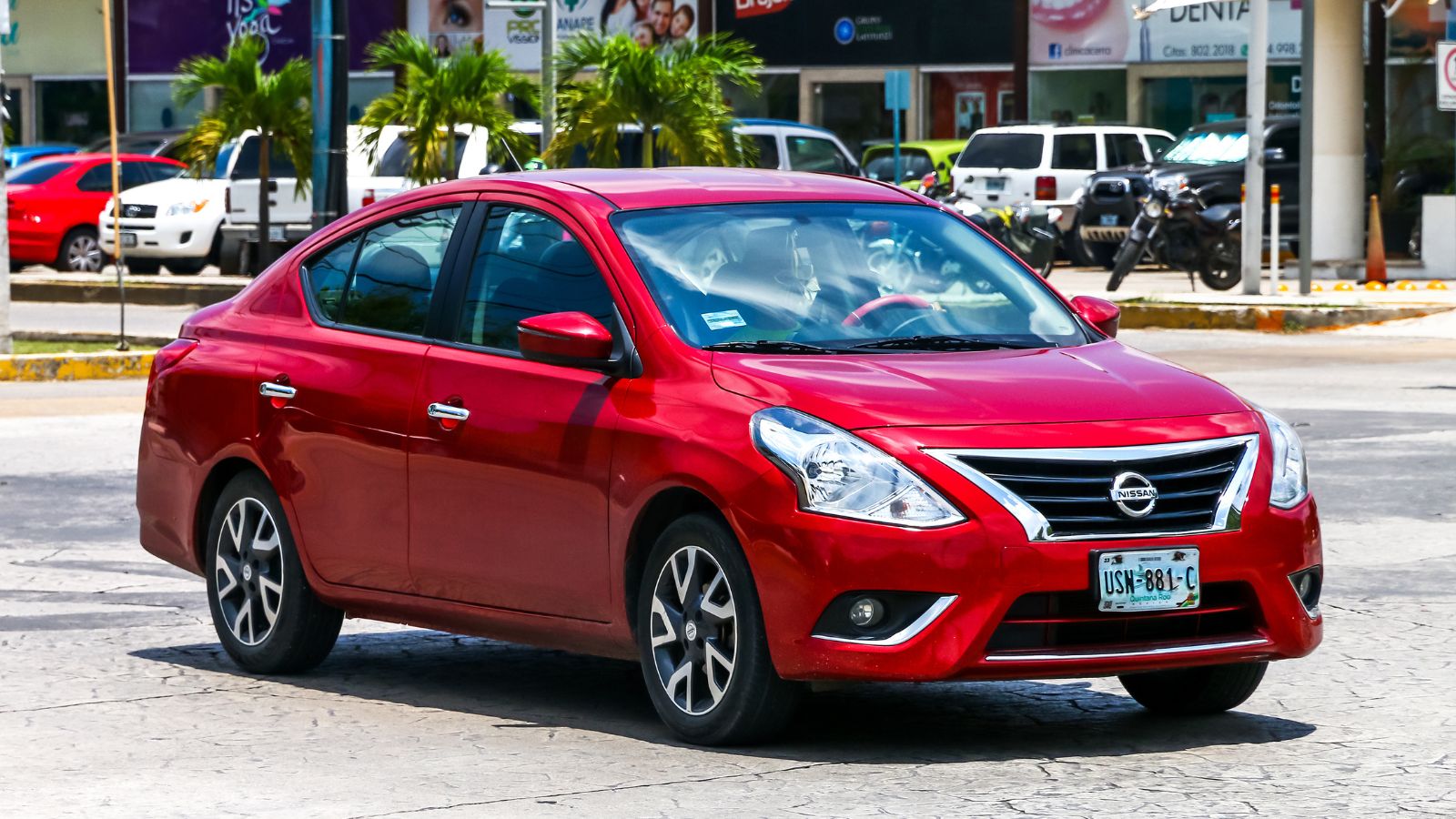
The Nissan Versa is priced at around $21,000. It attracts budget-conscious buyers easily. Financing shifts the math. Entry-level sedans often carry higher borrowing rates. Lenders view them as lower-margin assets. Depreciation in the first years remains steep. That affects financing approvals and terms. Buyers may need stronger credit profiles. Insurance remains reasonable but not minimal. Add freight, documentation fees, and taxes. The final monthly cost climbs. The Versa still feels affordable upfront, yet financing adds layers that reduce its perceived savings.
Toyota Corolla
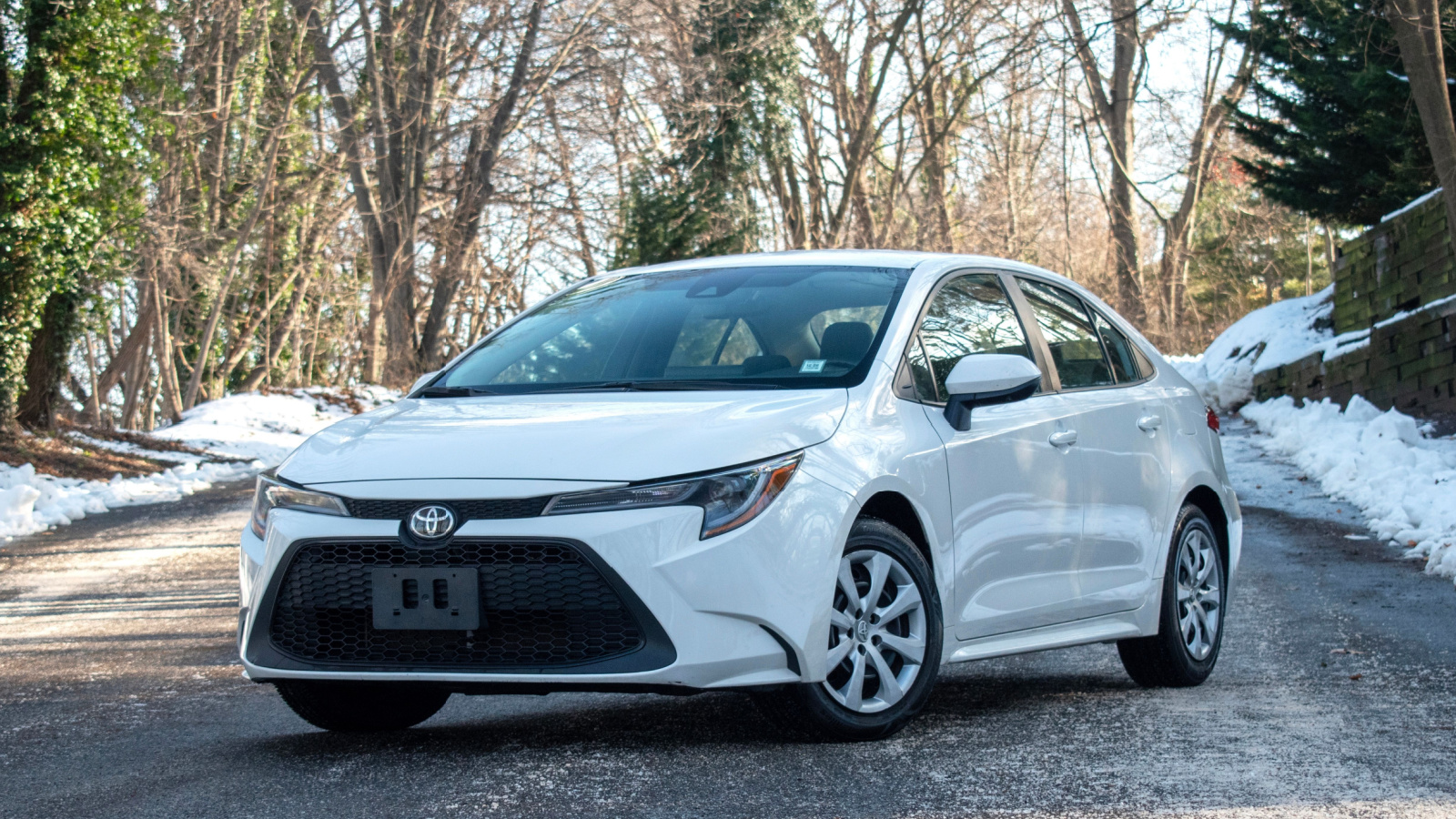
The Toyota Corolla starts around $25,500. It carries a strong reliability reputation. Financing still raises costs. High demand keeps prices firm across trims. Dealers rarely discount popular models. Buyers often finance near full MSRP. Interest adds up over longer terms. Insurance stays average but not low. Hybrid variants push pricing above $30,000. That increases loan amounts quickly. Add taxes and dealer add-ons. The Corolla feels reasonable at first, yet financing makes it more expensive than expected for many buyers.
Honda Civic
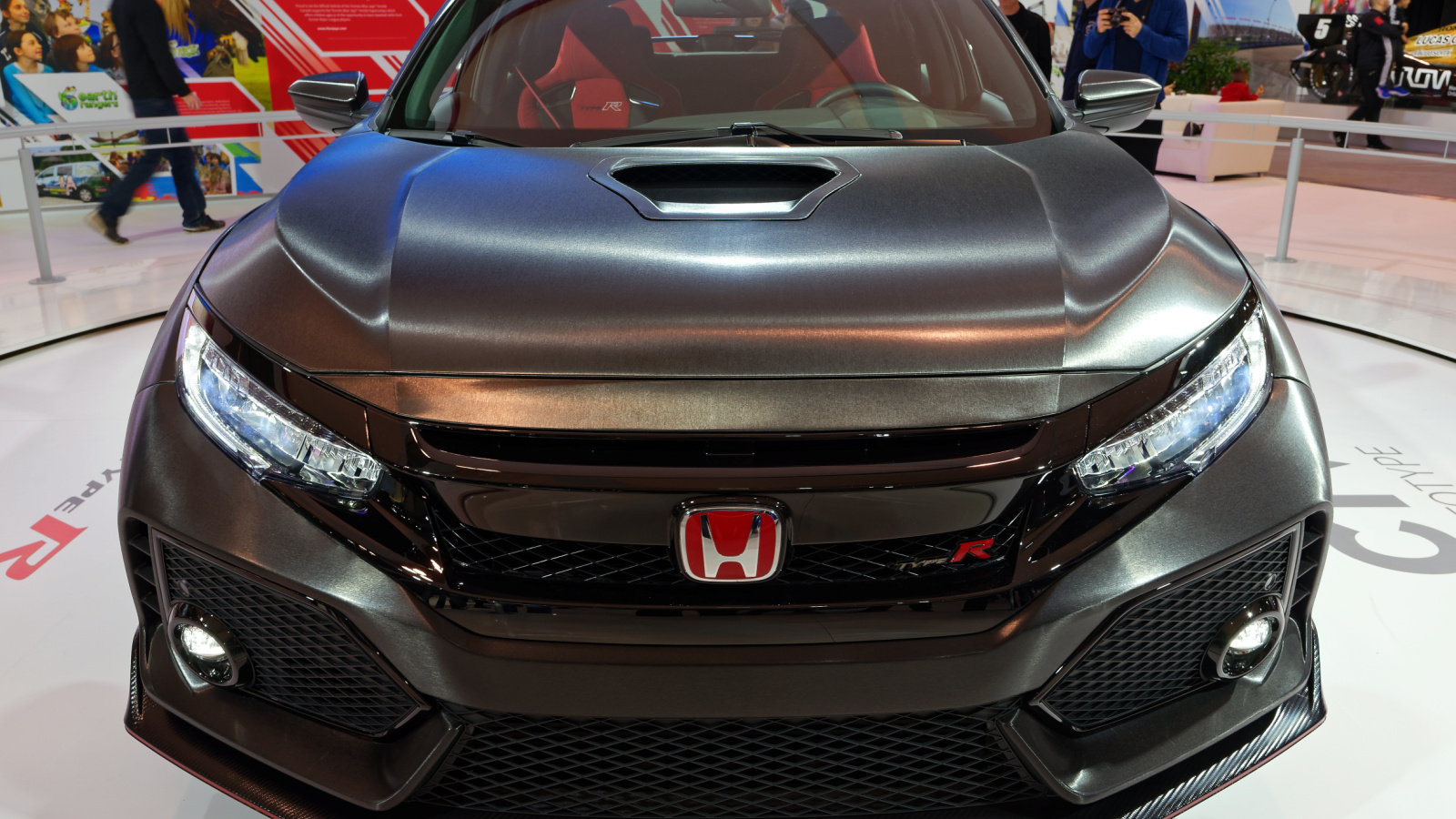
The Honda Civic begins at $27,000. It remains a top seller in Canada. Financing can stretch budgets quickly. Strong resale value keeps prices high. Dealers rarely negotiate heavily. Buyers often accept higher loan amounts. Interest costs grow over extended terms. Insurance in urban areas can rise sharply. Sport trims easily exceed $32,000. Add taxes and extras. Monthly payments climb beyond expectations. The Civic looks manageable upfront, yet financing reveals a more demanding cost structure over time.
Kia Forte
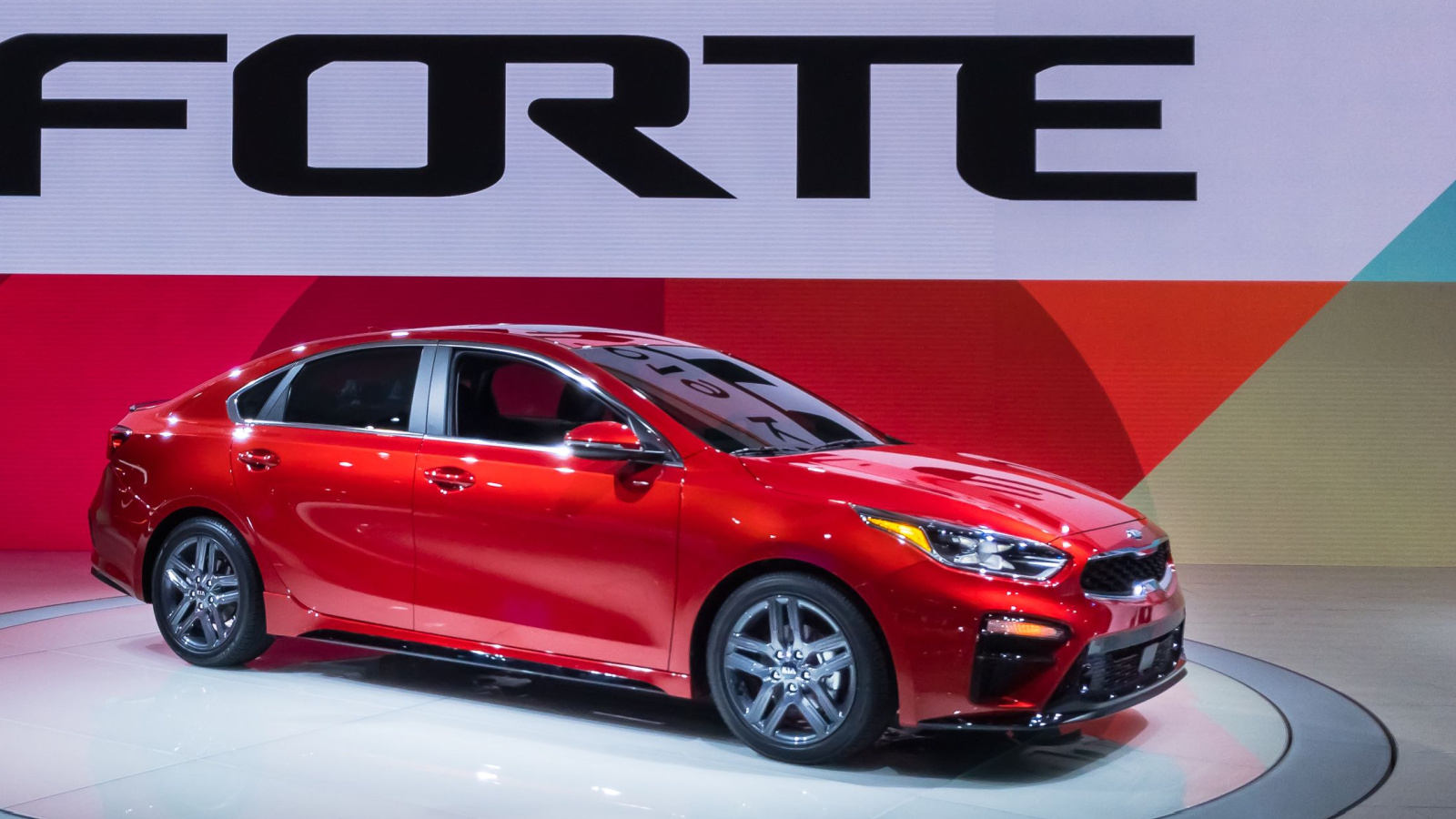
The Kia Forte costs about $24,500. It appears like a valuable alternative. Financing changes the equation. Incentives vary depending on credit profiles. Some buyers face higher interest rates. Depreciation in early years impacts lender confidence. That leads to stricter financing terms. Insurance remains moderate but not low. Feature upgrades quickly increase the price. Add taxes and delivery fees. Monthly payments rise faster than expected. The Forte initially looks like a bargain, yet financing narrows that advantage significantly.
Hyundai Elantra
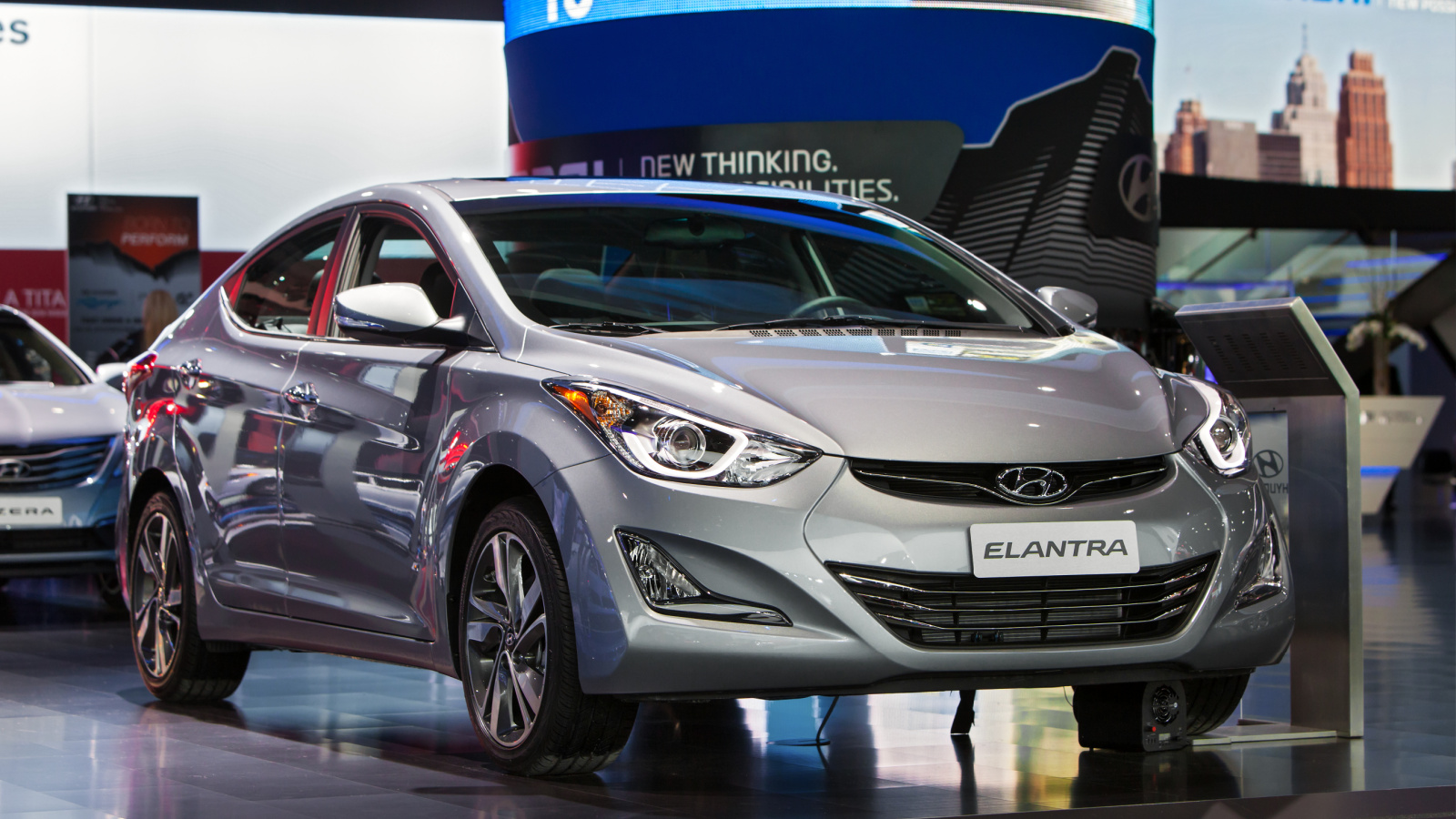
The Hyundai Elantra starts at $25,000. It offers modern styling and features. Financing can still surprise buyers. Entry-level trims often require add-ons for comfort. That raises the loan amount quickly. Interest rates vary based on demand. Hybrid models cross $30,000 easily. Insurance costs remain average, not minimal. Buyers often extend loan terms to manage payments. Total interest grows over time. Add taxes and dealer charges. The Elantra feels affordable upfront, yet financing pushes it into a higher monthly range.
Subaru Impreza
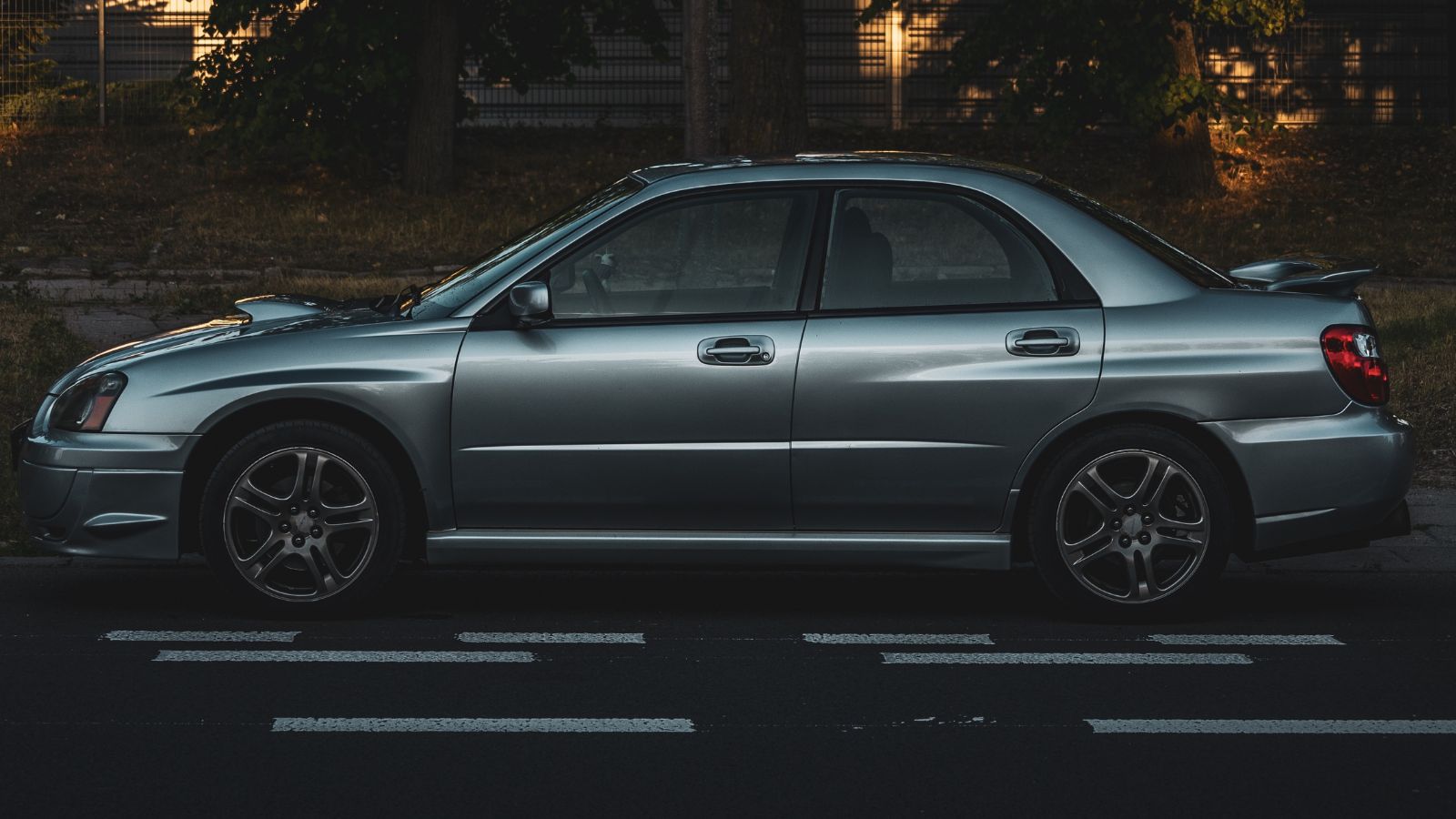
The Subaru Impreza starts around $27,000. Standard all-wheel drive adds appeal. Financing still raises costs. AWD vehicles often carry higher insurance premiums. Fuel economy also affects long-term expenses. Buyers finance higher trim levels for features. That increases loan amounts quickly. Interest builds across longer terms. Resale value is steady but not exceptional. Add taxes and winter equipment costs. Monthly payments grow beyond expectations. The Impreza seems practical at first, yet financing reveals a more expensive ownership experience.
Mazda3
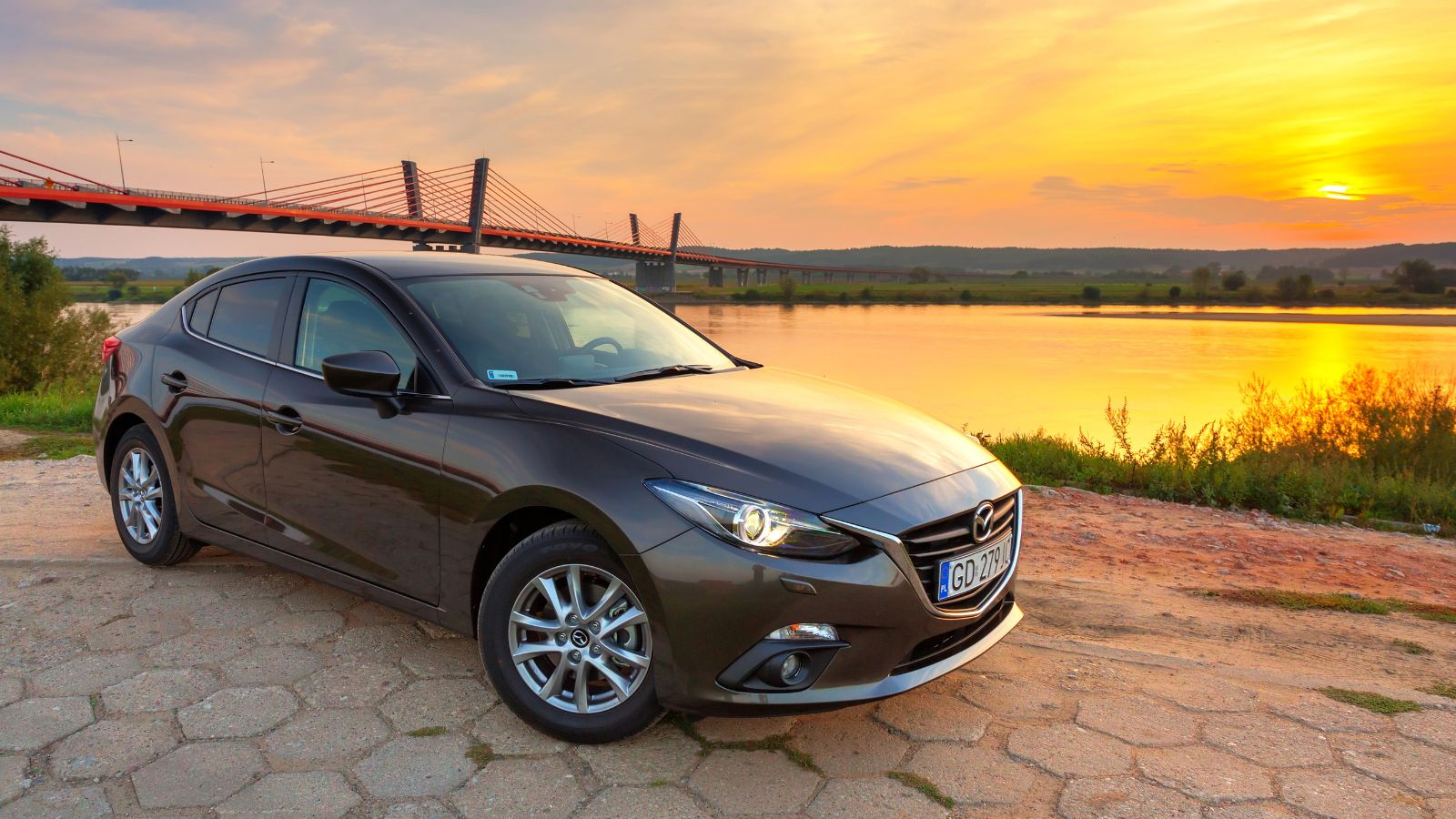
The Mazda3 begins at $26,500. It offers a premium-like design at a lower price. Financing adds pressure. Higher trims easily exceed $34,000. Many buyers choose AWD versions. That increases loan amounts quickly. Interest costs grow across extended terms. Insurance rates can rise due to repair costs. Maintenance for premium features adds to ownership expenses. Add taxes and options. Monthly payments climb faster than expected. The Mazda3 feels upscale for the price, yet financing reduces its affordability advantage.
Volkswagen Jetta
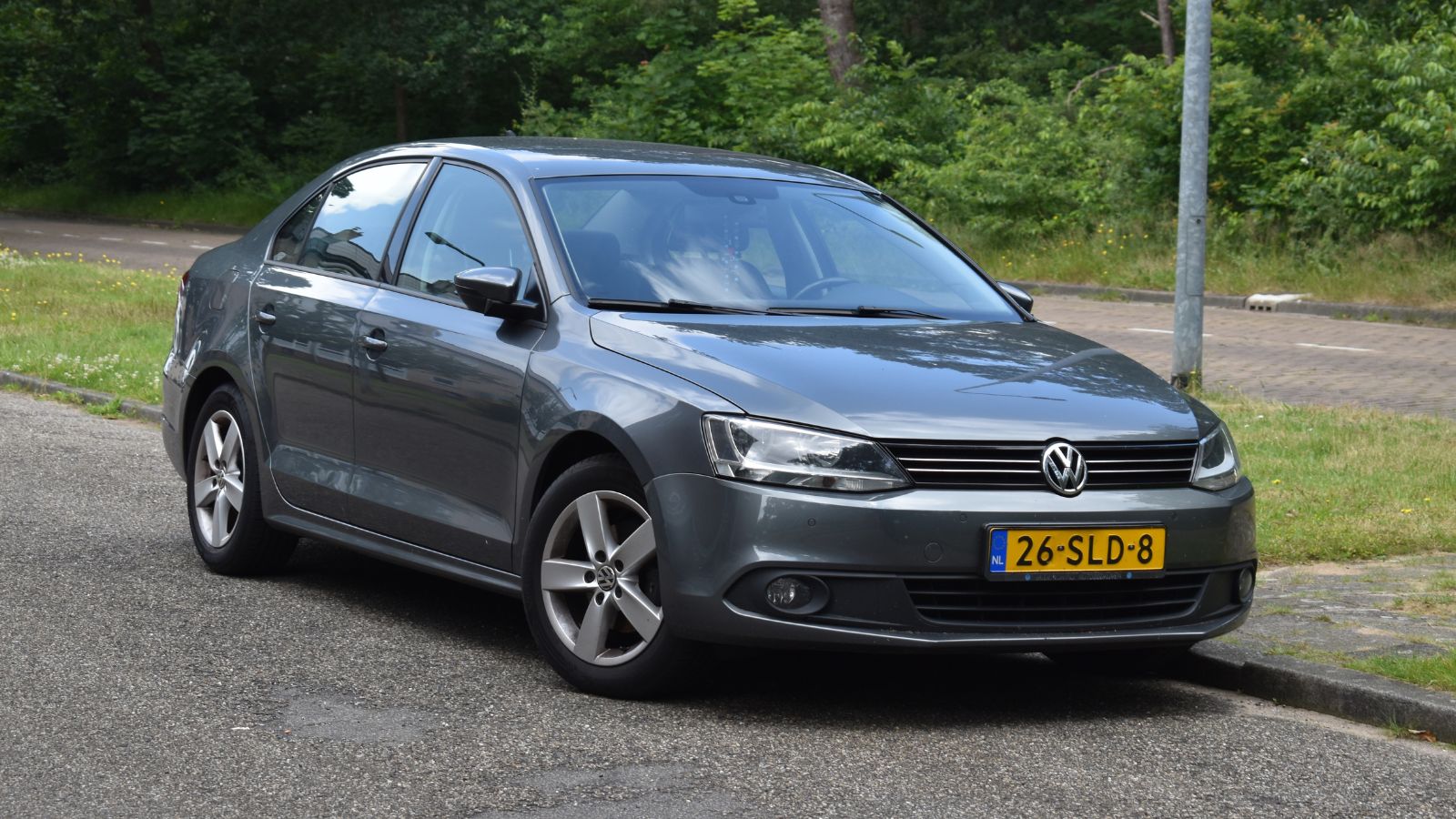
The Volkswagen Jetta starts around $24,800. It seems like a refined budget sedan. Financing shifts the perception. European brands often carry higher repair costs. Lenders consider long-term risk factors. Interest rates may be slightly higher. Insurance can also vary by location. Buyers often add packages that raise pricing. That increases loan values quickly. Add taxes and delivery fees. Monthly payments grow steadily. The Jetta looks affordable up front, yet financing adds costs that many buyers overlook initially.
Chevrolet Trailblazer
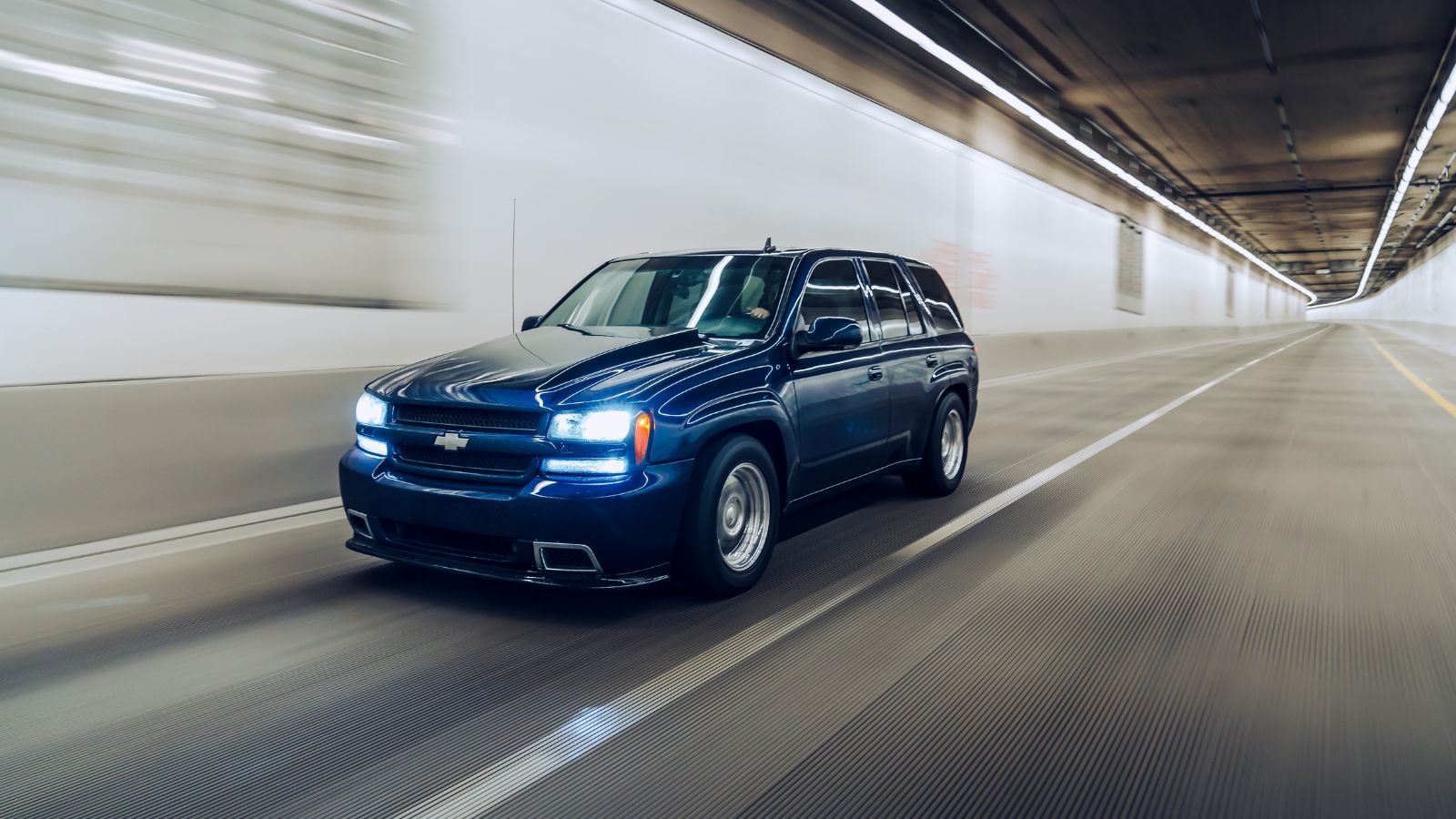
The Chevrolet Trailblazer starts at $27,500. It looks like a practical crossover option. Financing adds complexity. Demand fluctuates across trims and regions. Lenders adjust rates accordingly. Insurance remains moderate but not low. Buyers often upgrade trims for features. That raises loan amounts quickly. Interest costs increase over longer terms. Add taxes and dealer add-ons. Monthly payments rise beyond expectations. The Trailblazer feels accessible at first, yet financing reveals a more expensive commitment.
Ford EcoSport
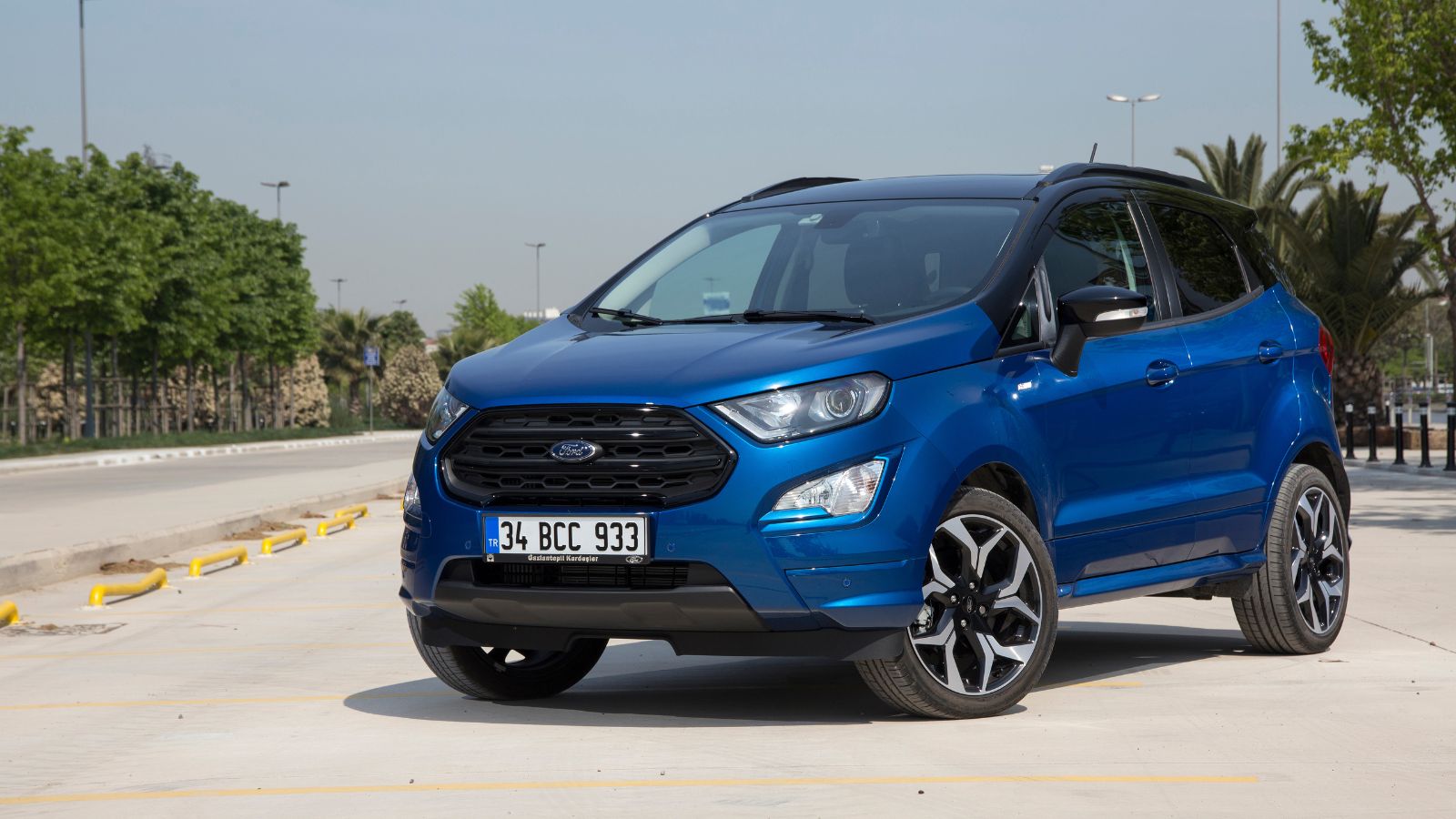
The Ford EcoSport was originally priced around $25,000. It appears affordable in the used market. Financing tells a different story. Used SUVs carry higher interest rates. Lenders limit loan durations. Monthly payments remain elevated despite lower prices. Reliability concerns also affect lender decisions. Insurance varies based on usage and age. Add certification fees and taxes. Total ownership costs increase quickly. The EcoSport looks budget-friendly upfront, yet financing reduces its appeal for many buyers.
Jeep Renegade
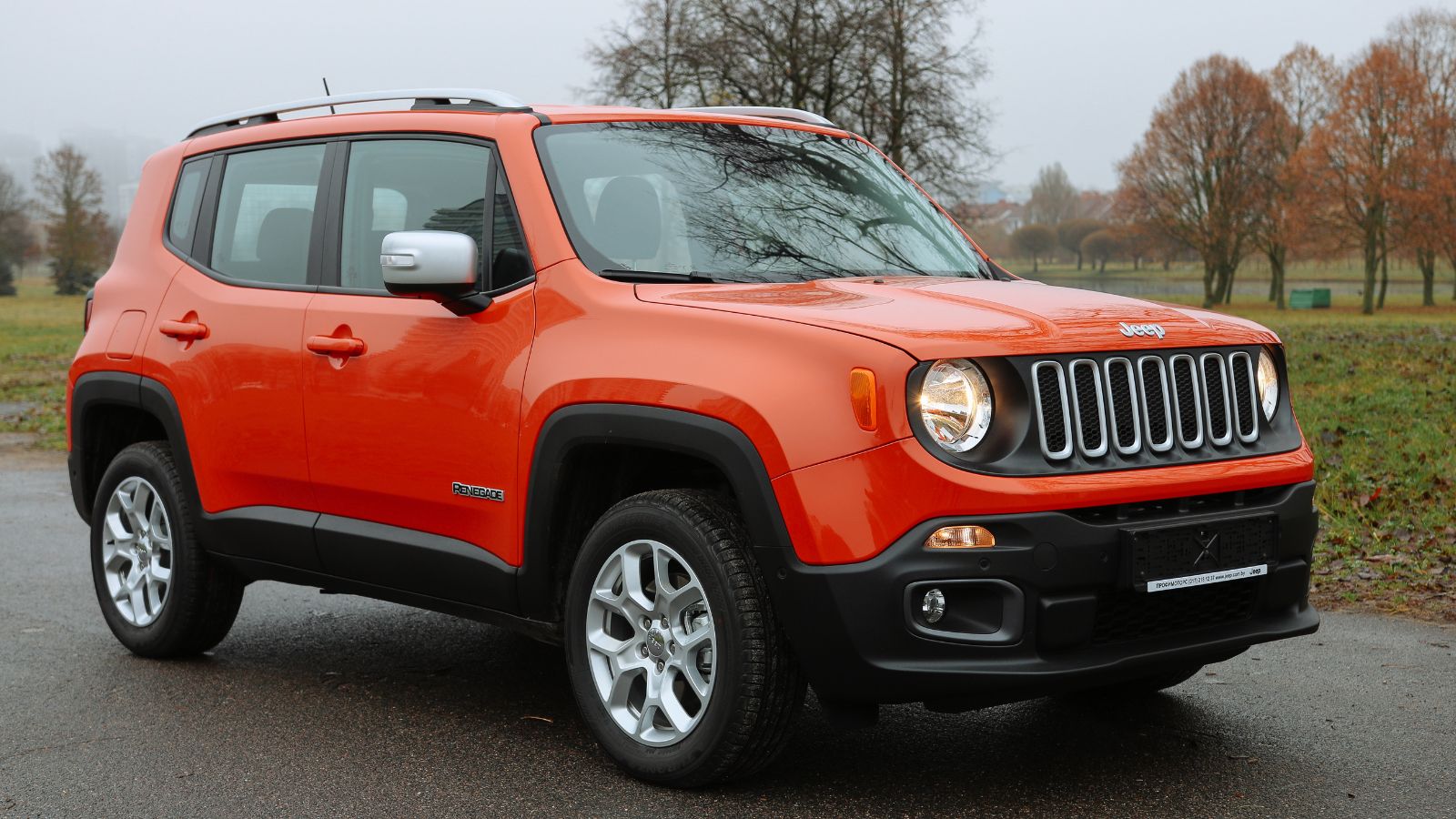
The Jeep Renegade starts at $31,000. It offers rugged styling at a smaller size. Financing pushes costs higher. Fuel economy is not strong for the segment. Insurance can be higher due to brand perception. Buyers often choose off-road packages. That increases loan amounts quickly. Interest builds over longer terms. Maintenance costs also factor into lender risk. Add taxes and extras. Monthly payments climb. The Renegade looks fun and affordable, yet financing reveals a heavier financial load.
Toyota C-HR
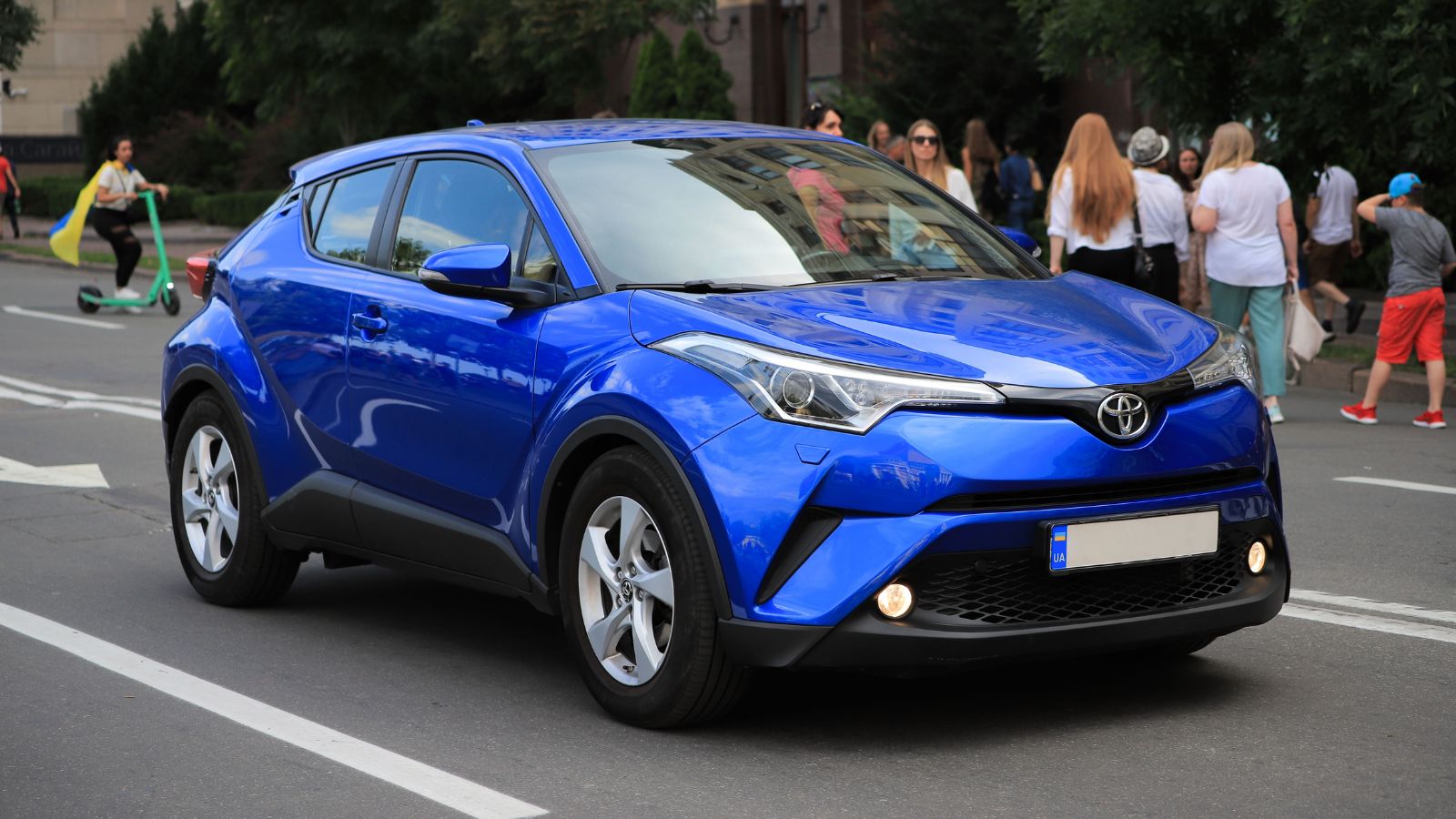
The Toyota C-HR was priced around $28,000 before discontinuation. It remains popular in the used market. Financing adds challenges. Used vehicles face higher interest rates. Limited availability drives prices up. Buyers may overpay due to demand. Insurance stays moderate but not low. Loan terms are often shorter. Monthly payments remain higher than expected. Add taxes and dealer fees. The C-HR looks stylish and affordable, yet financing reduces its value advantage significantly.
Nissan Sentra
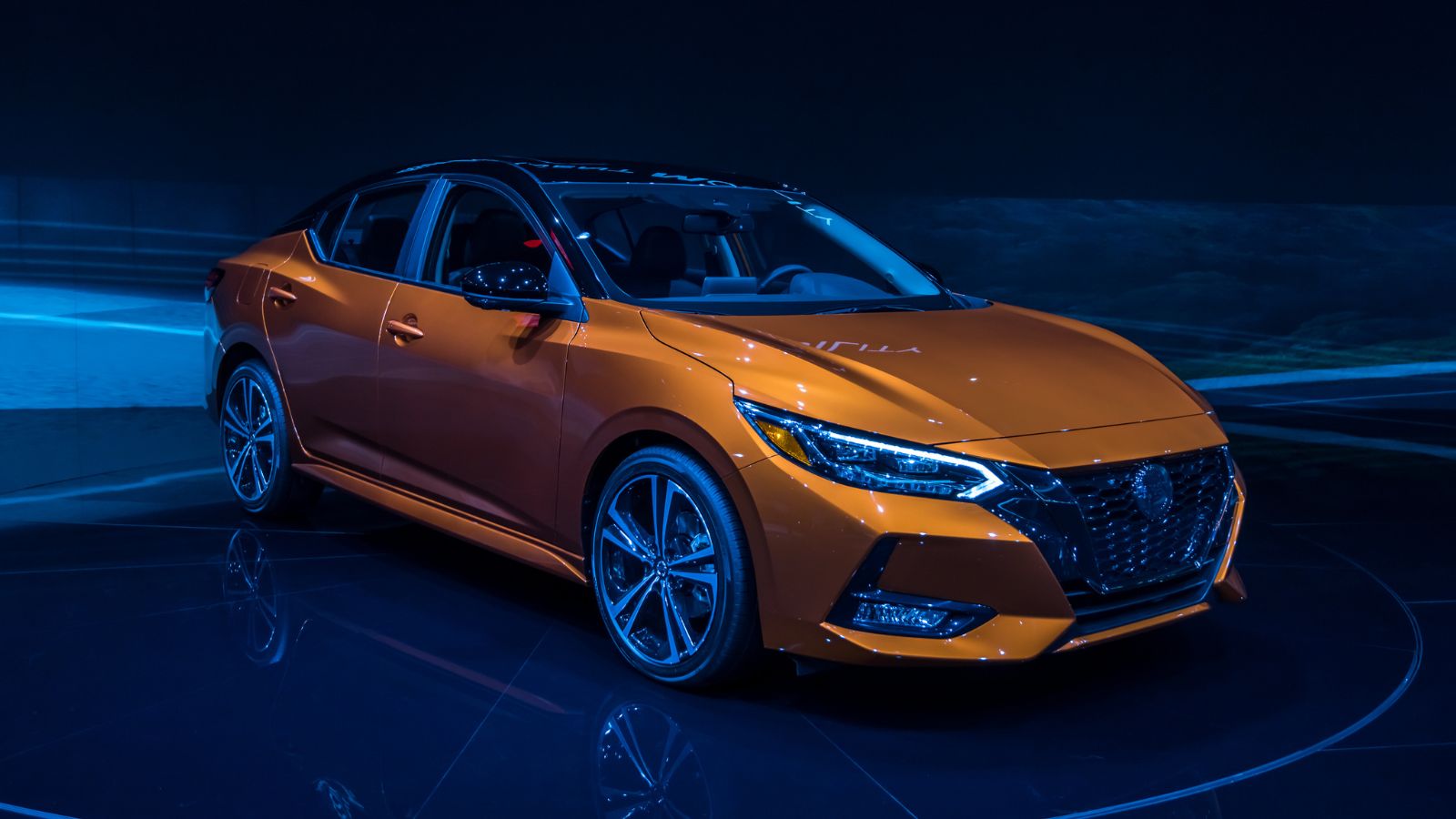
The Nissan Sentra starts at $24,500. It seems like a balanced choice. Financing reveals hidden costs. Depreciation in the early years remains noticeable. Lenders adjust rates to manage risk. Buyers often add features that increase pricing. That raises loan amounts quickly. Interest costs build across longer terms. Insurance remains average. Add taxes and delivery charges. Monthly payments grow steadily. The Sentra looks affordable up front, yet financing narrows the gap between it and more expensive rivals.
Dodge Charger
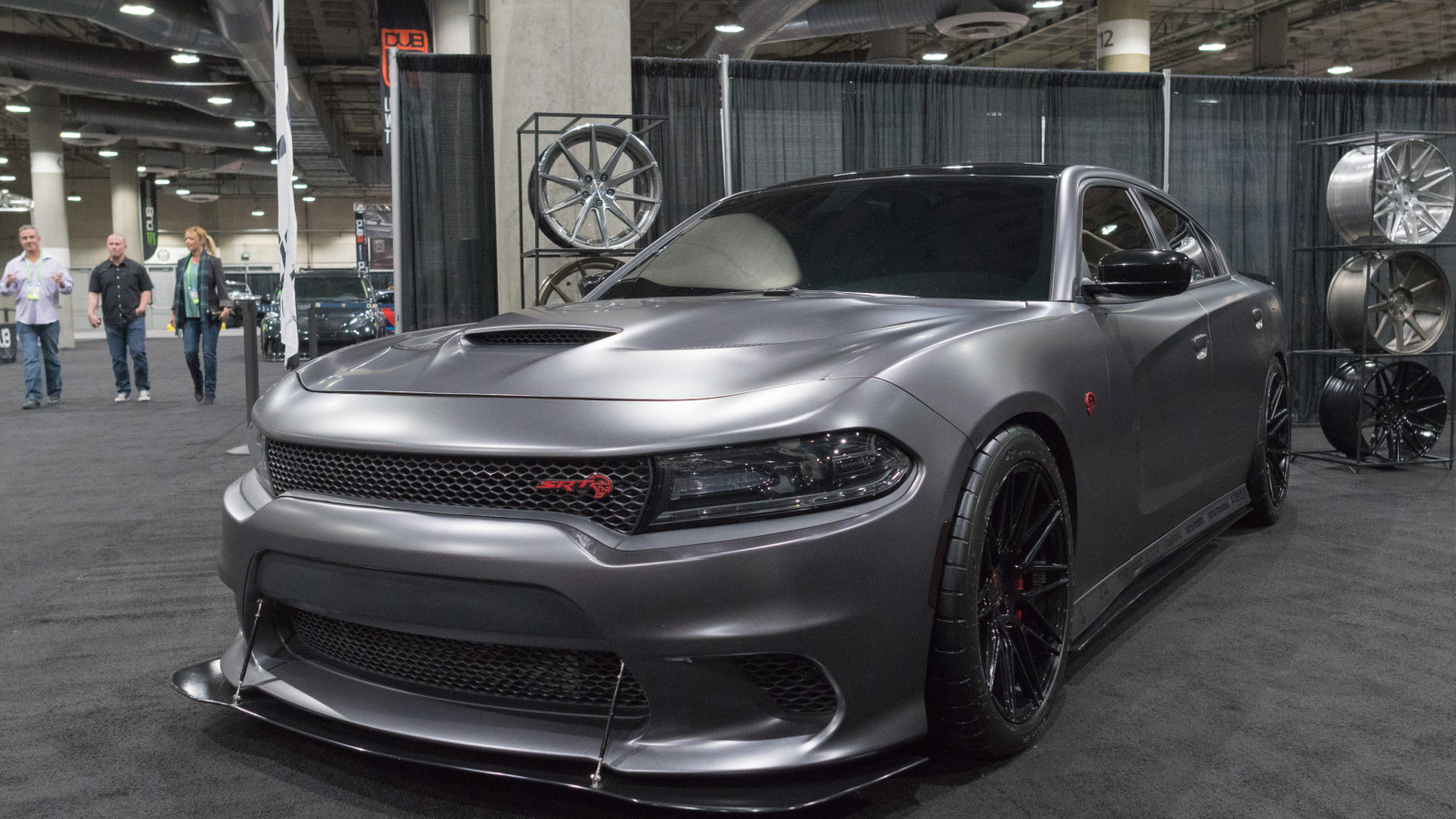
The Dodge Charger starts at $40,000. Base trims seem accessible for a large sedan. Financing tells another story. Insurance costs are high due to the company’s reputation for performance. Fuel expenses also affect total ownership. Buyers often choose higher trims above $50,000. That increases loan amounts quickly. Interest builds significantly over time. Add taxes and extras. Monthly payments climb sharply. The Charger looks attainable at first, yet financing turns it into a more expensive commitment.
Ford Mustang
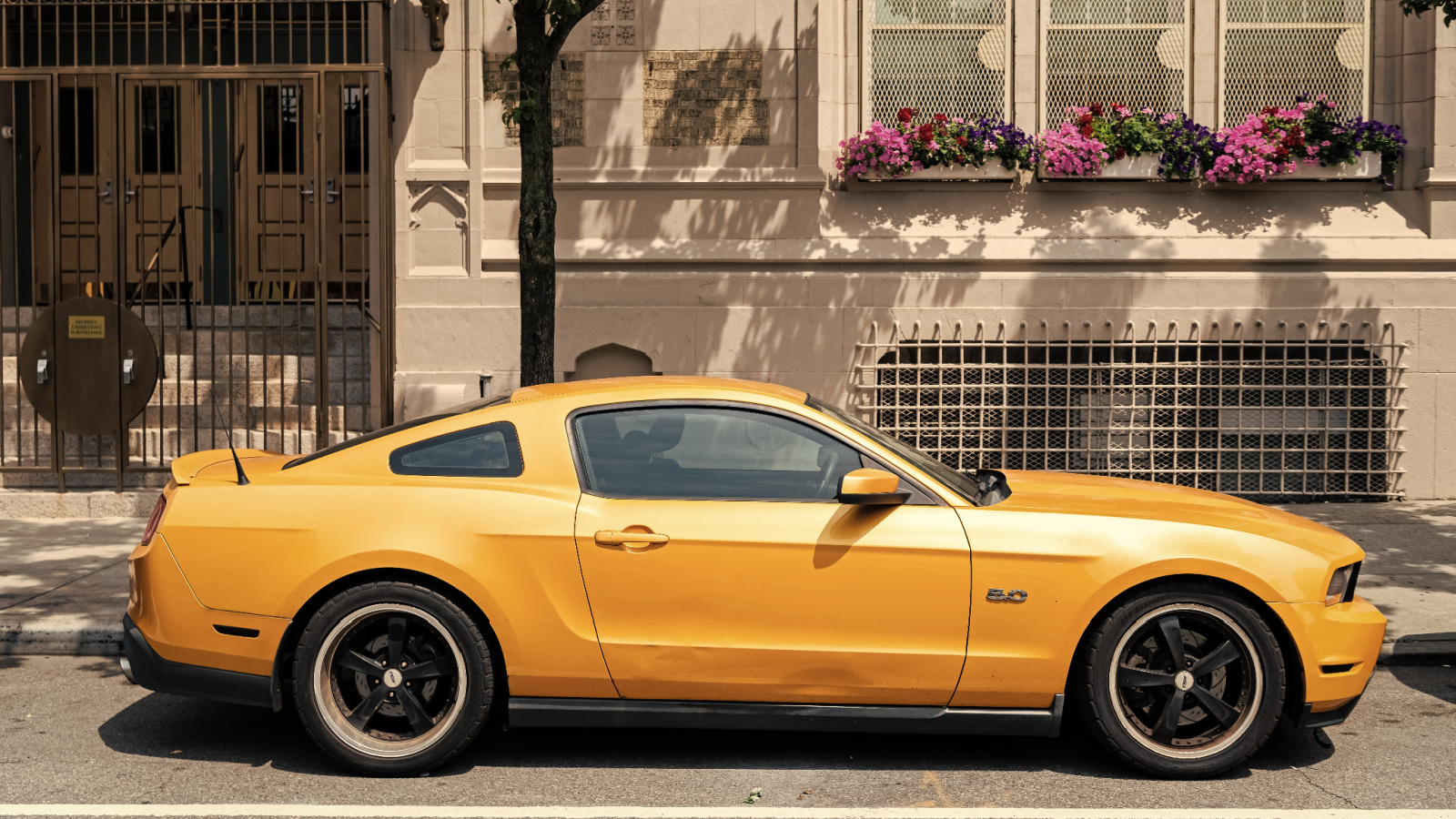
The Ford Mustang starts at $39,000. It attracts buyers with performance and style. Financing adds pressure. Insurance rates are high for sports cars. Fuel costs also impact budgets. Many buyers upgrade to V8 models above $50,000. That increases loan amounts quickly. Interest costs grow over longer terms. Add taxes and performance options. Monthly payments rise steeply. The Mustang feels within reach initially, yet financing makes ownership more expensive than expected.
Mini Cooper

The Mini Cooper starts around $32,000. It looks small but premium. Financing highlights its true cost. Maintenance and repair costs are higher than average. Lenders consider these risks. Interest rates may be slightly elevated. Insurance can also increase due to parts pricing. Buyers often add customization options. That raises loan amounts quickly. Add taxes and extras. Monthly payments climb steadily. The Mini feels playful and affordable, yet financing shows a more premium price reality.
Fiat 500X

The Fiat 500X was priced at around $30,000. It stands out with unique styling. Financing introduces challenges. Limited market demand affects resale value. Lenders adjust rates accordingly. Insurance varies but can be higher. Used inventory dominates availability. That increases borrowing costs. Add taxes and certification fees. Monthly payments stay elevated. The 500X looks different and affordable, yet financing reduces its overall appeal for many buyers.
Subaru Crosstrek

The Subaru Crosstrek starts at $30,000. It offers strong practicality and AWD. Financing still raises costs. High demand keeps prices firm. Buyers rarely find significant discounts. Interest builds across longer loan terms. Insurance remains moderate but not low. Hybrid variants exceed $36,000. That increases loan values quickly. Add taxes and extras. Monthly payments climb beyond expectations. The Crosstrek feels reasonable upfront, yet financing shows a more expensive ownership path.
Toyota RAV4
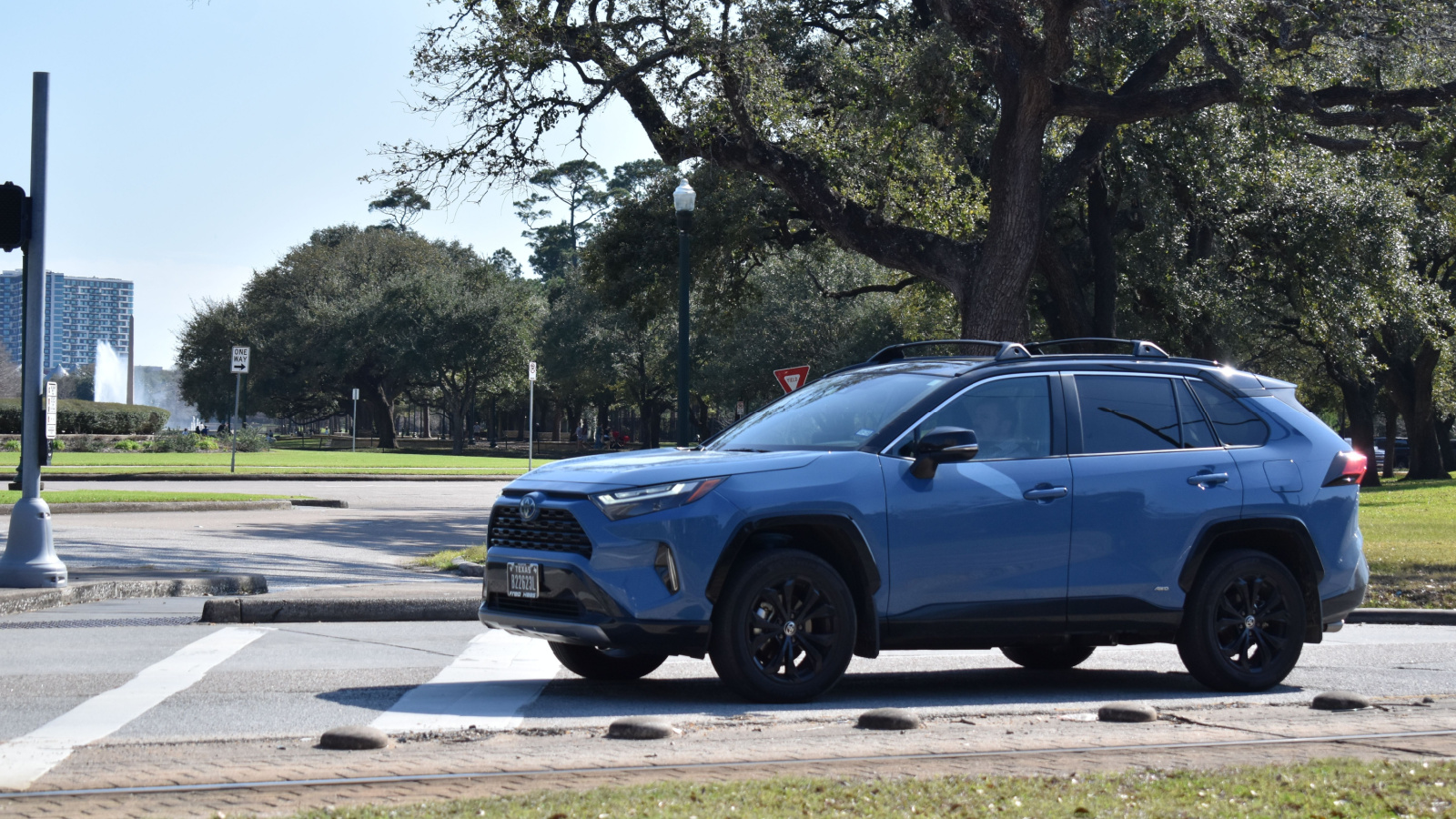
The Toyota RAV4 starts around $32,000. It remains one of Canada’s top sellers. Financing can stretch budgets quickly. Strong demand keeps prices high. Dealers rarely offer major discounts. Buyers often finance near full MSRP. Hybrid trims easily exceed $40,000. That increases loan amounts significantly. Interest grows over extended terms. Add taxes and extras. Monthly payments rise beyond expectations. The RAV4 looks practical and affordable, yet financing reveals a higher long-term cost.
22 Things Canadians Do to Their Cars in Spring That Mechanics Hate

Spring brings relief to many Canadian drivers after months of snow, freezing temperatures, and icy roads that put serious strain on vehicles. As temperatures rise across the country, drivers begin washing cars, switching tires, and preparing vehicles for warmer weather and upcoming road trips. However, mechanics across Canada notice the same mistakes every spring when drivers attempt to recover from winter damage. Road salt, potholes, and harsh winter driving conditions often leave vehicles with hidden problems that drivers ignore. Some spring habits even create new mechanical issues that could have been avoided with proper maintenance. Here are 22 things Canadians do to their cars in spring that mechanics hate.