


























Windshield durability matters a lot in Canada due to the harsh driving conditions on highways. Loose gravel, road debris, and winter salt can increase the risk of cracks. Some vehicles appear more prone to windshield damage than others. Small chips can quickly turn into larger cracks, especially during temperature changes. This leads to frequent repairs or replacements, which can add to ownership costs. Many drivers notice repeated issues even with careful driving. Tracking which models face these problems helps in making better decisions. It also helps current owners take preventive steps. Here are 19 cars with windshields that crack constantly on Canadian highways.
Honda Civic (2016–2021)
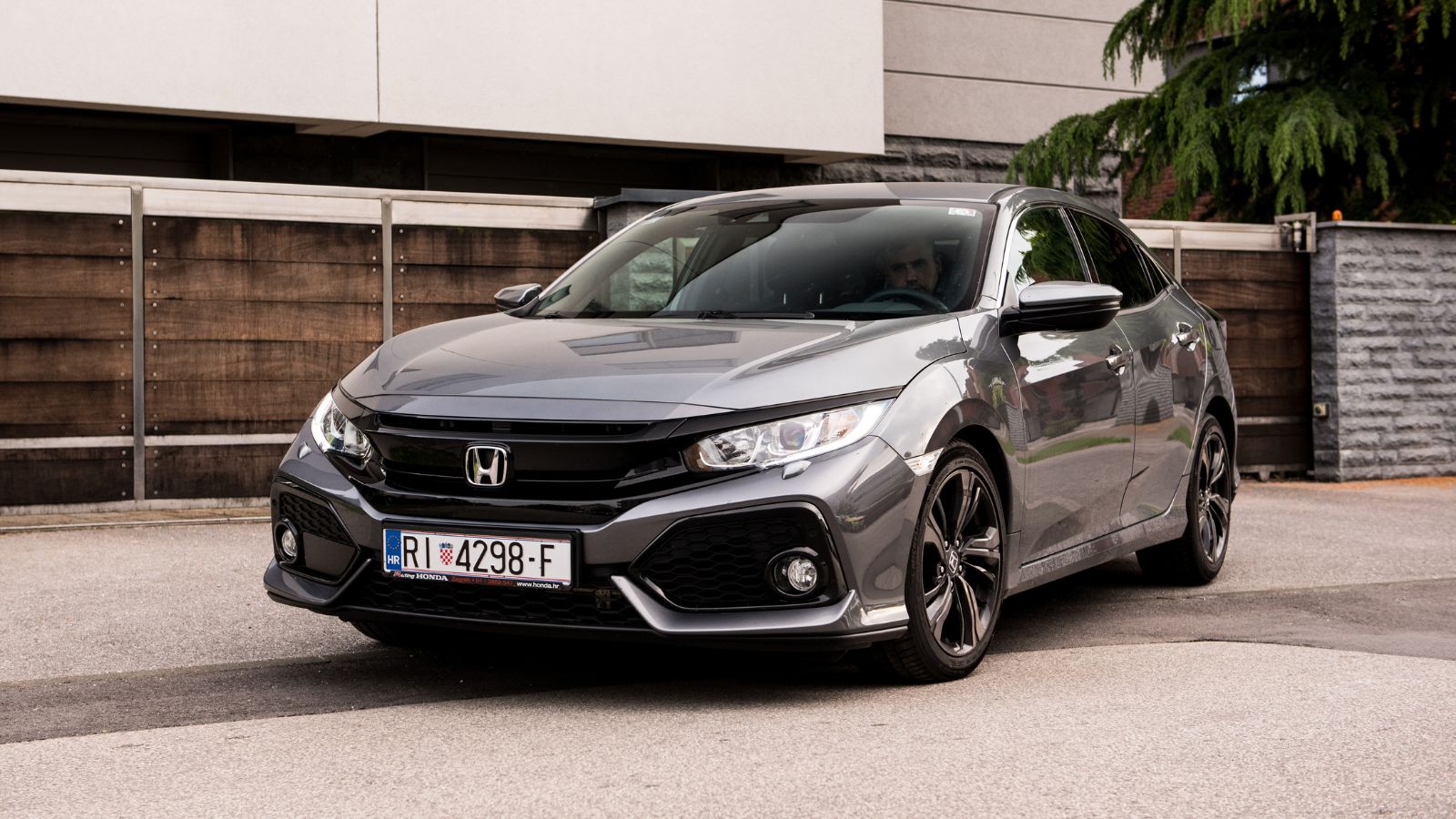
Honda Civics from these years have had recurring concerns about windshield cracking. Many drivers notice chips forming easily while driving on the highway. In Canada, loose gravel and winter road debris increase the chances of impact. Even small stones can leave visible marks on the glass. Once a chip appears, temperature changes can cause it to spread quickly. Cold weather followed by heating inside the car adds extra stress. The windshield design may also make it more exposed to direct impact. Tracking small chips early helps in reducing further damage. Repairing them quickly can prevent full replacement. However, some owners still report repeated issues. This model shows how regular driving conditions can affect windshield durability over time.
Honda CR-V (2017–2022)
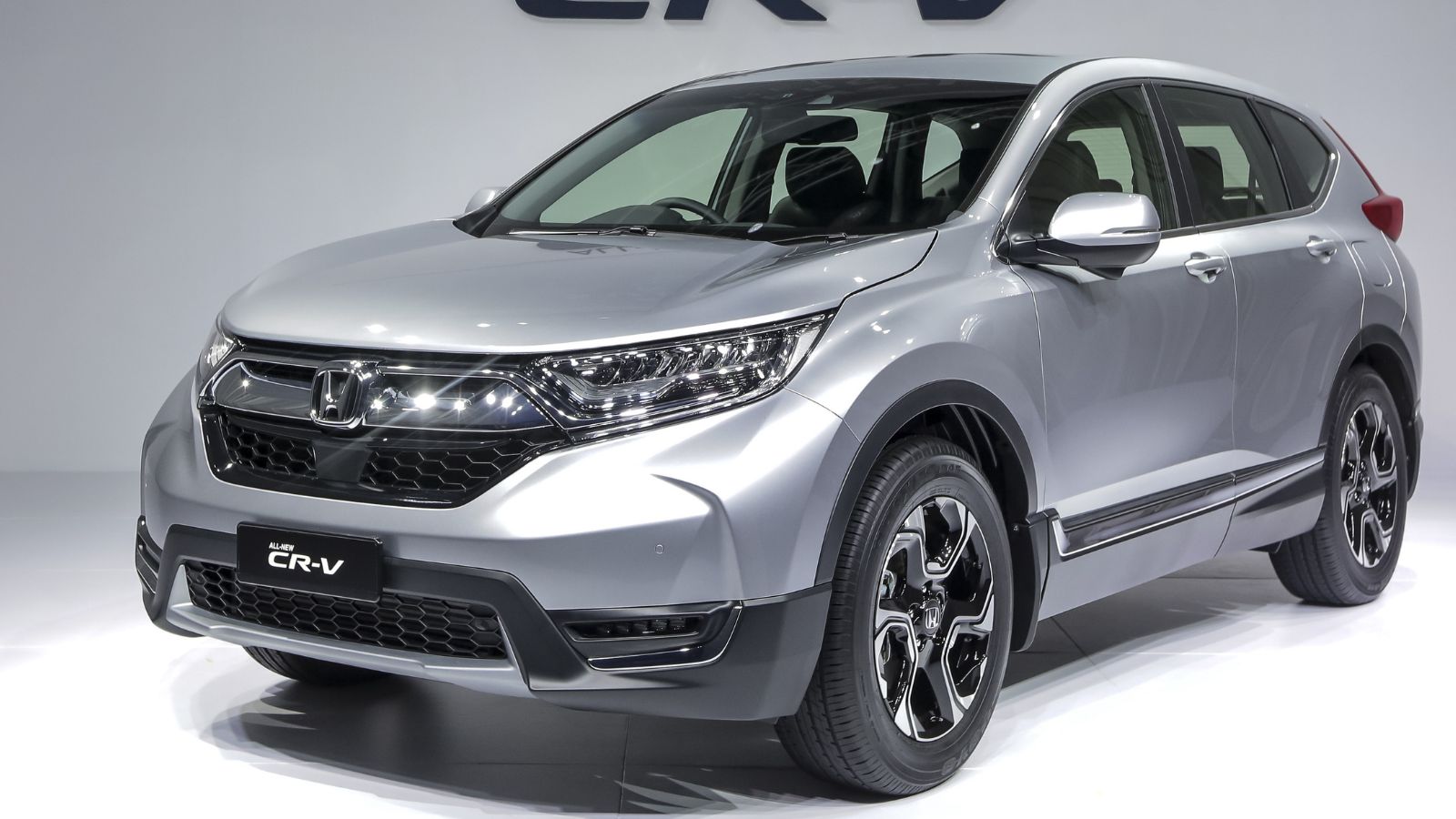
The Honda CR-V has also shown patterns of windshield cracking across several model years. Some drivers report cracks forming without a strong impact. In Canadian conditions, rapid temperature changes can make the glass more sensitive. Highway driving adds exposure to gravel and debris. A larger windshield size may also increase the chances of impact. Once a small chip forms, it can expand faster than expected. Tracking early signs helps in managing repairs more effectively. Some drivers choose protective films for added safety. However, these may not fully prevent damage. Replacement costs can add up with repeated issues. This model reflects how both environment and design can influence windshield performance.
Toyota Corolla (2014–2020)
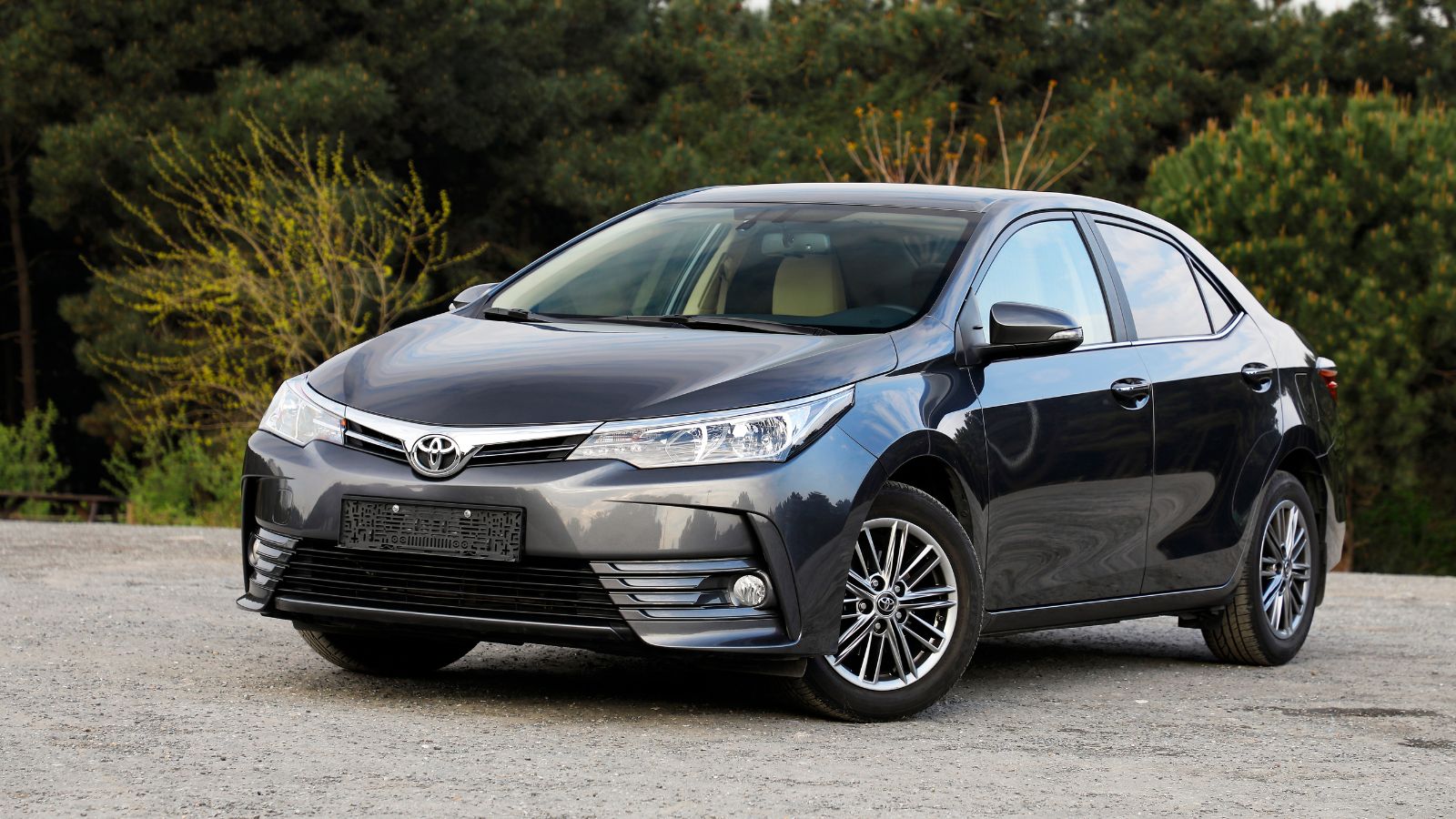
The Toyota Corolla is known for reliability, yet some drivers report frequent windshield chips. These often occur while driving on highways in Canada. Loose gravel and salt can increase the chances of damage. The windshield may show chips even from minor impacts. Once damage starts, temperature shifts can cause cracks to spread. Cold weather and heating inside the vehicle add stress to the glass. Tracking chips early helps in limiting the damage. Quick repairs can prevent larger cracks from forming. However, repeated incidents are still reported in some cases. This model shows how common road conditions can affect windshield durability over time.
Toyota RAV4 (2016–2022)
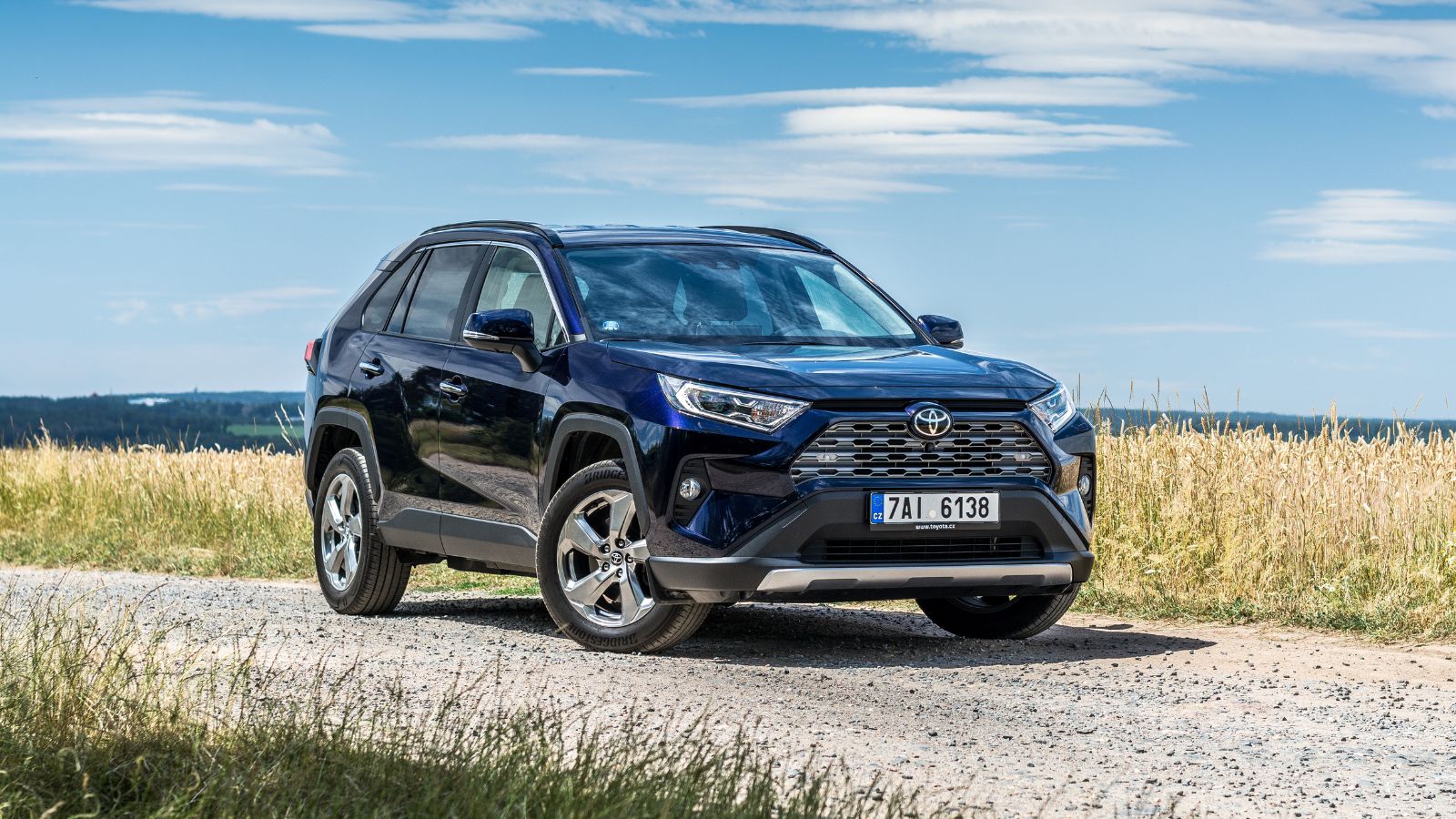
The Toyota RAV4 has also been linked to windshield cracking concerns. Drivers often notice chips forming easily on the highway. In Canada, road salt and gravel increase exposure to impact. The larger windshield surface may make it more vulnerable. Once a chip appears, it can spread quickly due to temperature changes. Tracking damage early helps in reducing repair costs. Some owners use protective coatings to reduce risk. However, these may not fully prevent cracking. Replacement may become necessary if damage spreads across the glass. This model highlights how vehicle design and driving conditions can affect windshield durability.
Subaru Forester (2017–2022)
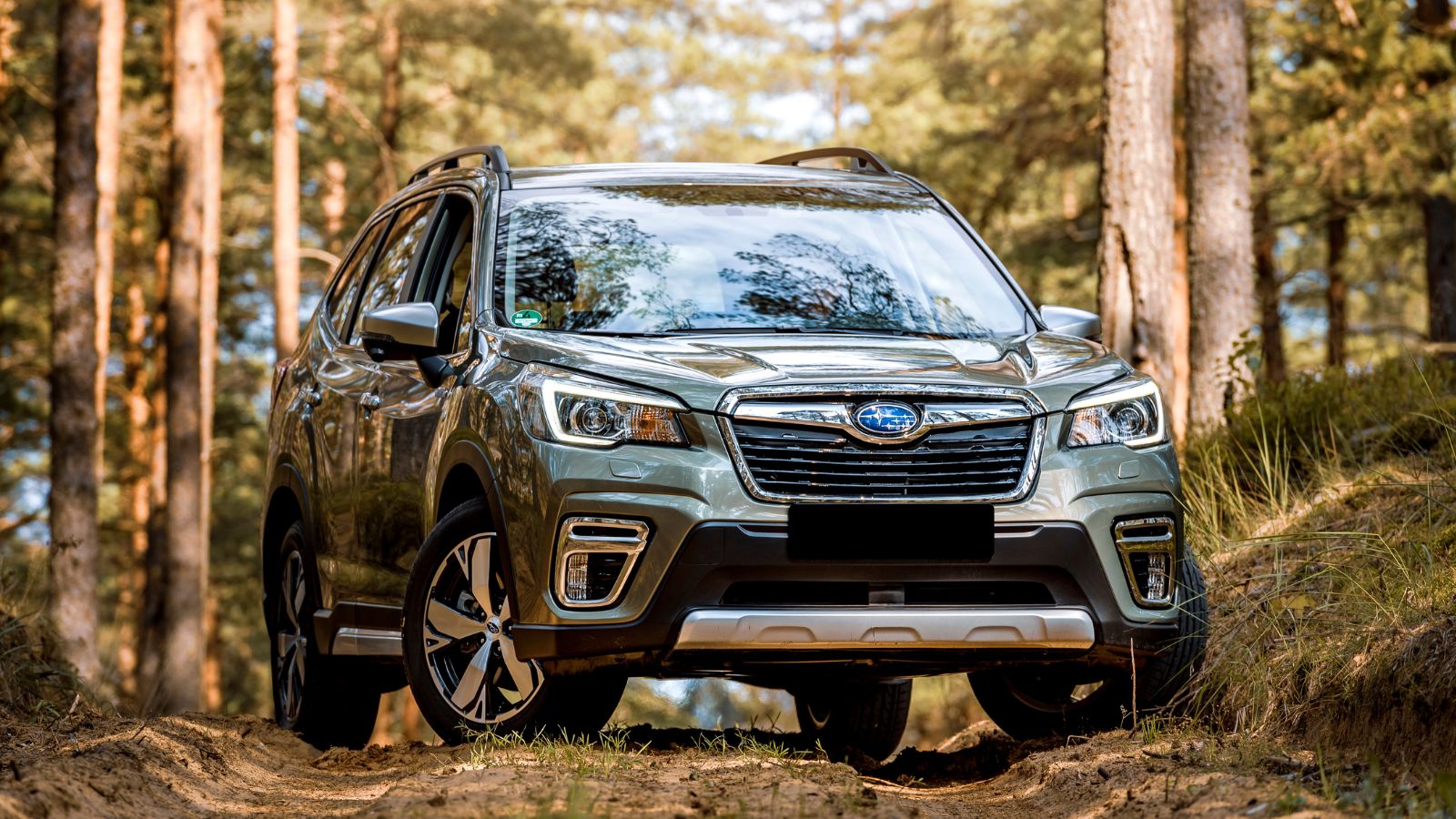
The Subaru Forester has been associated with frequent windshield cracking issues. Some drivers report cracks forming from very small impacts. In certain cases, cracks appear without clear external damage. Canadian weather conditions can increase this risk. Cold temperatures and rapid changes add stress to the glass. Highway driving with debris further increases exposure. Once a crack starts, it may spread quickly across the windshield. Tracking early chips helps in taking action sooner. Repairing them early may reduce further damage. However, some owners have reported repeated replacements. This model shows how sensitive windshield design can be under daily driving conditions.
Subaru Outback (2018–2022)
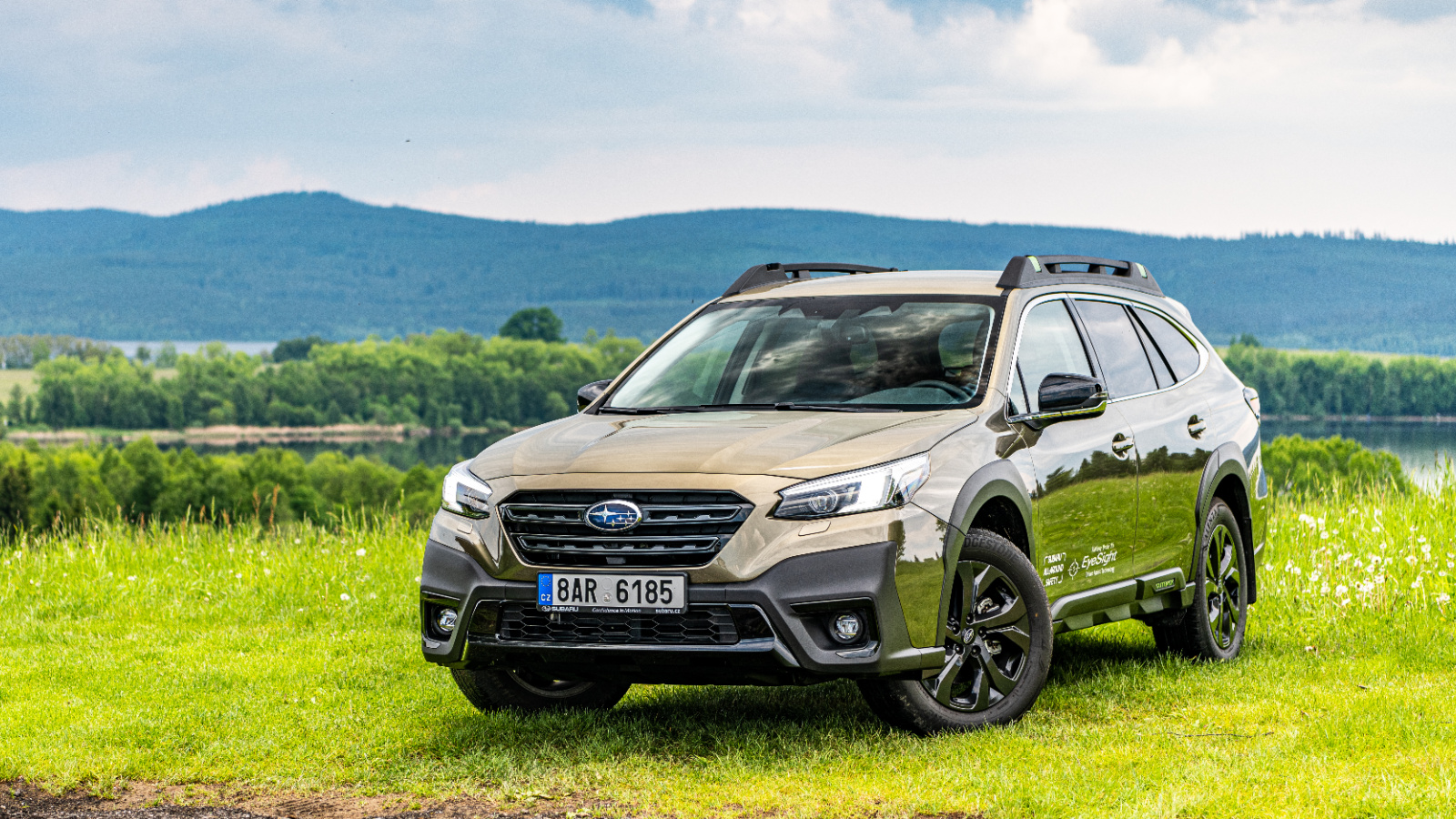
The Subaru Outback shows similar windshield concerns to the Forester. Drivers have reported cracks forming earlier than expected. Some cracks begin at the edges and spread across the glass. In Canada, temperature shifts and road debris increase the chances of damage. The larger windshield area may also increase exposure. Once a small chip appears, it can expand quickly. Tracking these signs helps in managing repairs early. Protective films may reduce impact in some cases. However, they may not fully prevent cracking. Replacement costs can increase with repeated issues. This model highlights how modern windshield designs can be more affected by everyday driving conditions.
Mazda CX-5 (2017–2022)
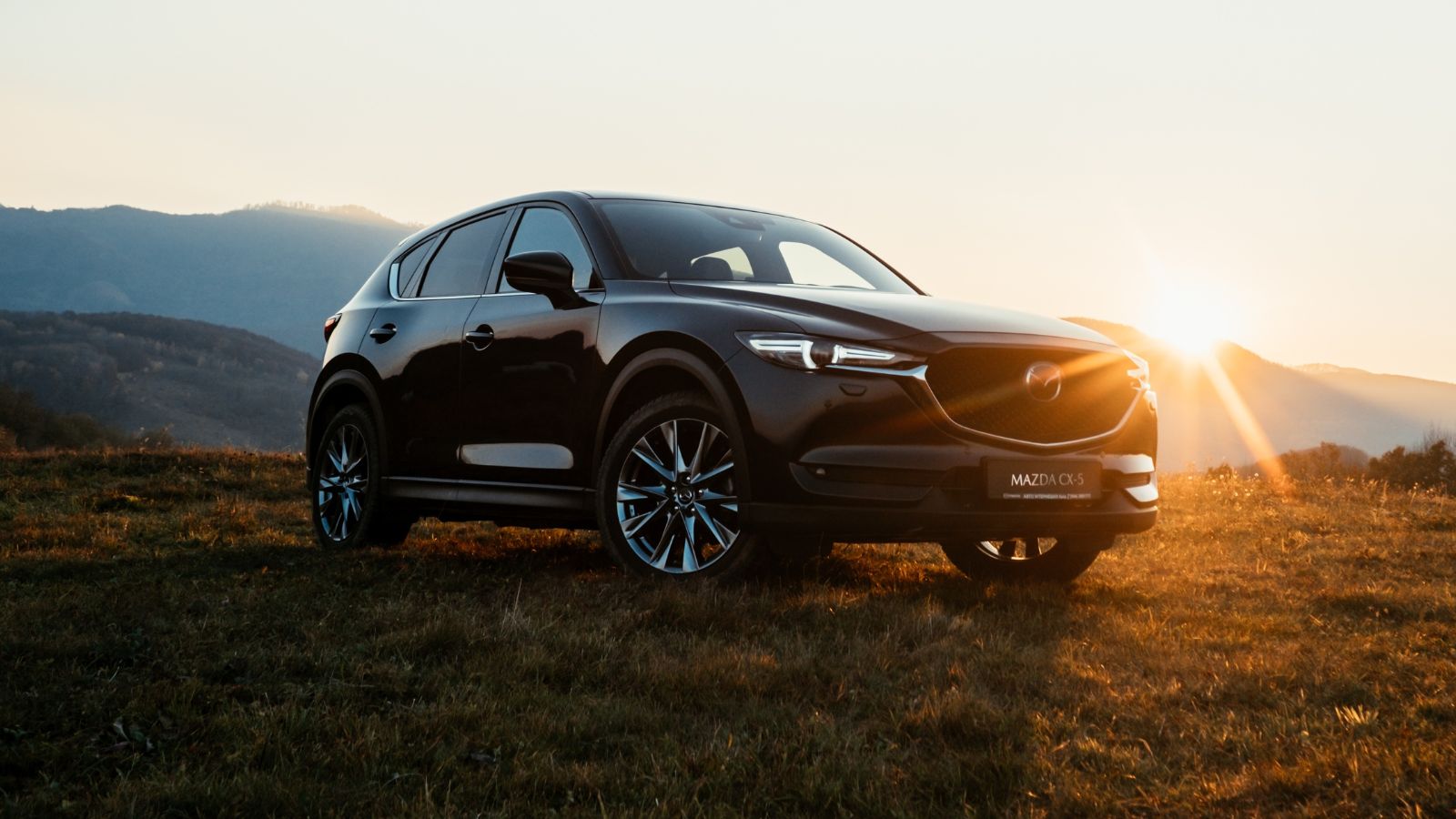
The Mazda CX-5 has been reported to chip its windshield during regular highway driving. Many drivers notice small chips forming from minor debris. In Canada, gravel roads and winter salt increase exposure to impact. The windshield design may make it more vulnerable to direct hits. Once a chip forms, temperature changes can cause it to spread quickly. Cold weather followed by heating inside the vehicle adds stress. Tracking small damage early helps in reducing further issues. Quick repairs can prevent full replacement. However, repeated chipping has been noted by some owners. This model shows how daily driving conditions can affect windshield durability over time.
Mazda3 (2014–2018)
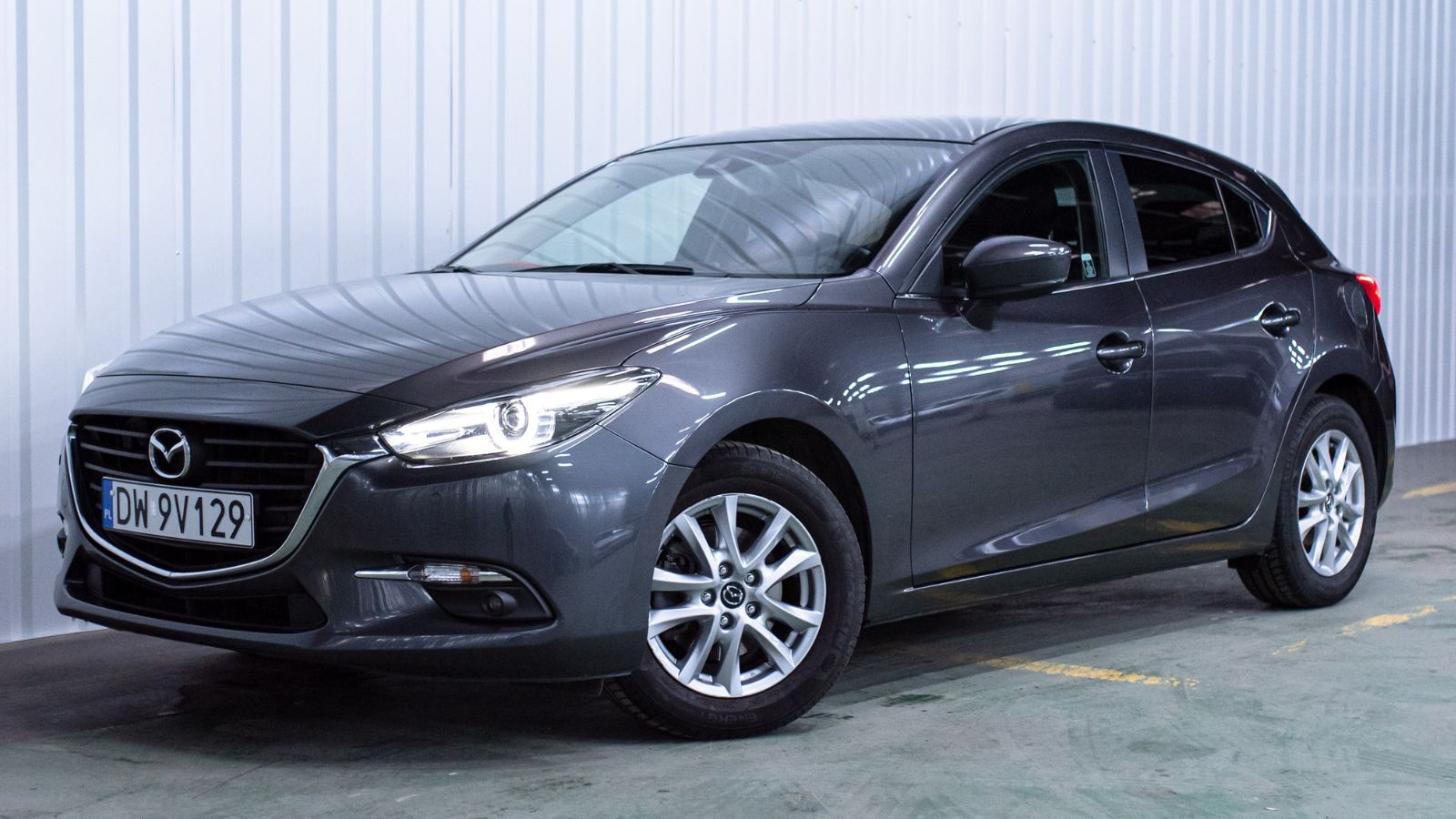
The Mazda3 has also been linked to windshield cracking concerns in recent years. Drivers often report chips forming from small stones on highways. Canadian road conditions can make this issue more noticeable. Salt and debris increase the chances of surface damage. Once a chip appears, it can expand due to temperature changes. The windshield may show visible damage even from a light impact. Tracking these issues helps in managing repairs early. Some owners use protective films for added support. However, these may not fully prevent cracking. This model illustrates how regular use and environmental factors can influence windshield performance.
Hyundai Tucson (2016–2021)
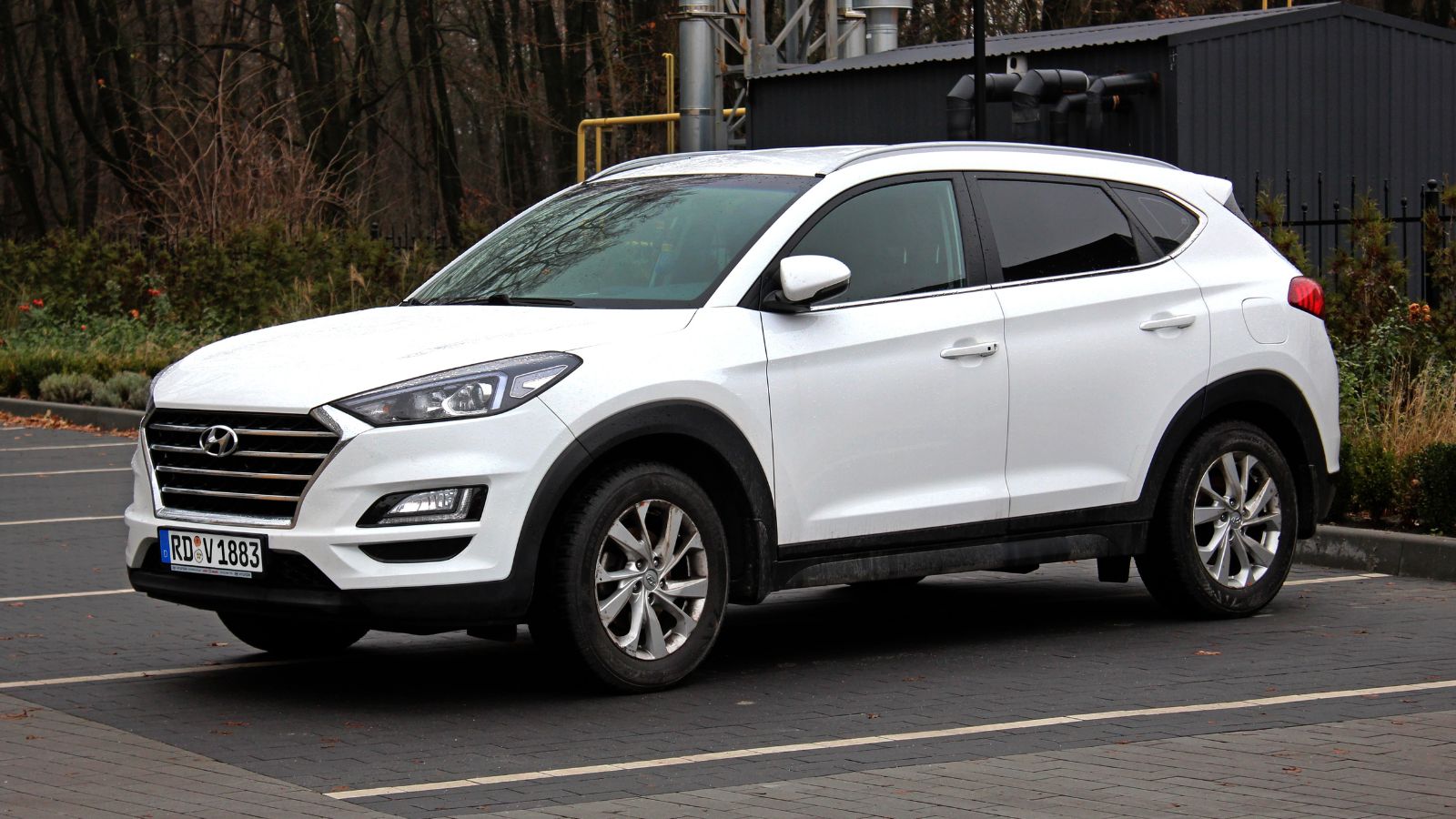
The Hyundai Tucson has shown patterns of windshield chipping and cracking in some model years. Drivers report damage appearing during normal highway use. In Canada, gravel and winter debris increase the risk. The windshield surface may be more sensitive to impact. Once a small chip forms, it can spread with temperature changes. Cold weather and heating inside the car add extra pressure. Tracking early signs helps in reducing long-term damage. Repairs should be made quickly to prevent the spread. Some owners still report recurring issues. This model highlights how environmental conditions can affect windshield durability.
Hyundai Santa Fe (2017–2022)

The Hyundai Santa Fe has also faced concerns related to windshield cracking. Owners have noticed chips forming easily while driving on the highway. A larger windshield size may increase exposure to debris. In Canada, road salt and gravel add to the problem. Once a chip appears, it can spread faster than expected. Temperature changes can further weaken the glass. Tracking small damage early helps in limiting repairs. Protective coatings may offer some support. However, they may not fully prevent cracks. Replacement may become necessary in some cases. This model shows how size and driving conditions can impact windshield performance.
Kia Sportage (2017–2022)
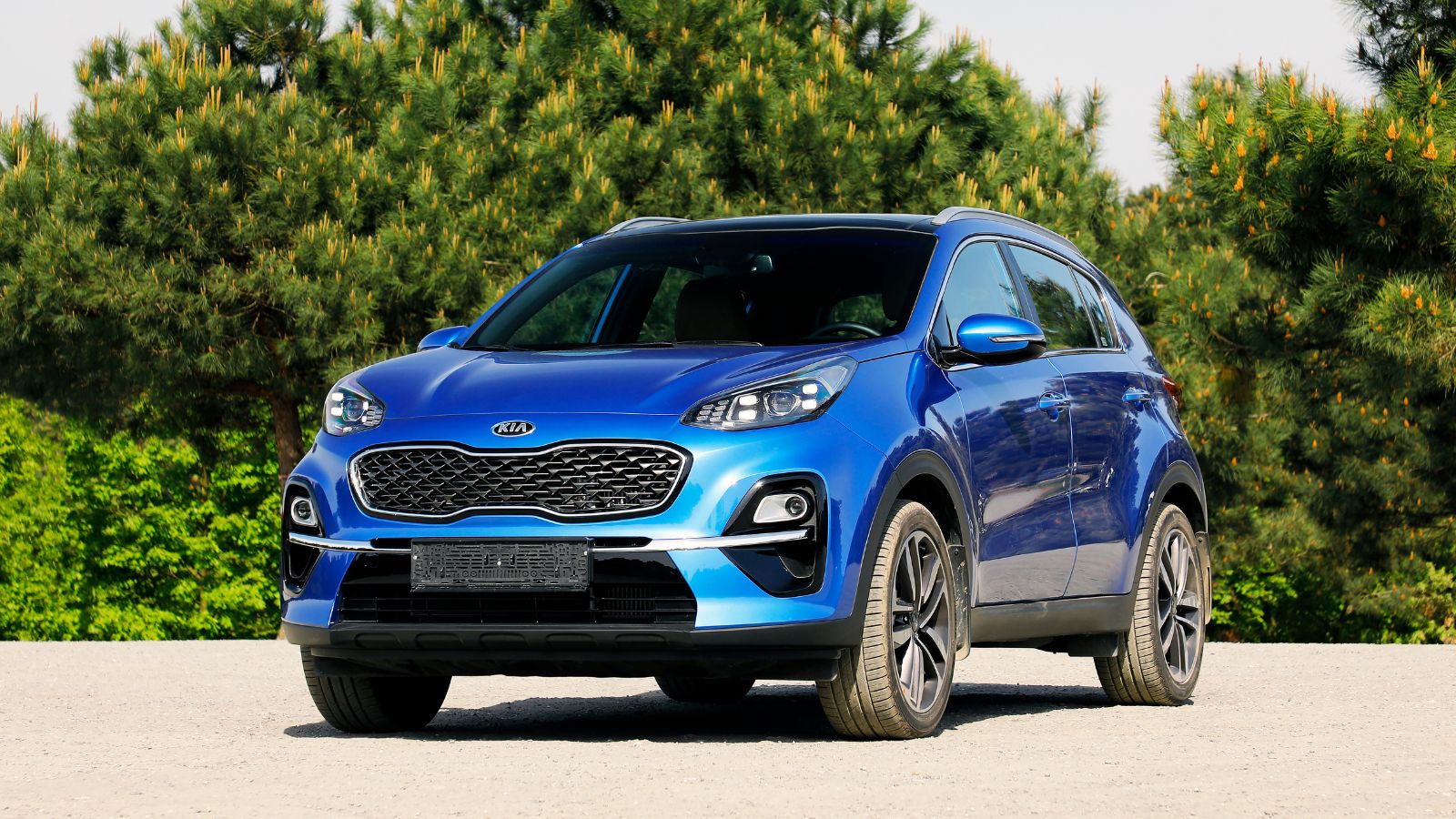
The Kia Sportage has been reported to develop windshield chips under regular use. Drivers often notice damage from small stones on highways. Canadian conditions can increase the frequency of these impacts. Salt and debris can weaken the glass surface over time. Once a chip forms, it may expand with temperature changes. Tracking early damage helps in managing repairs. Quick fixes can prevent larger cracks. However, some owners report repeated issues. Protective films may reduce exposure in certain areas. This model reflects how everyday driving can affect windshield durability.
Kia Forte (2014–2019)
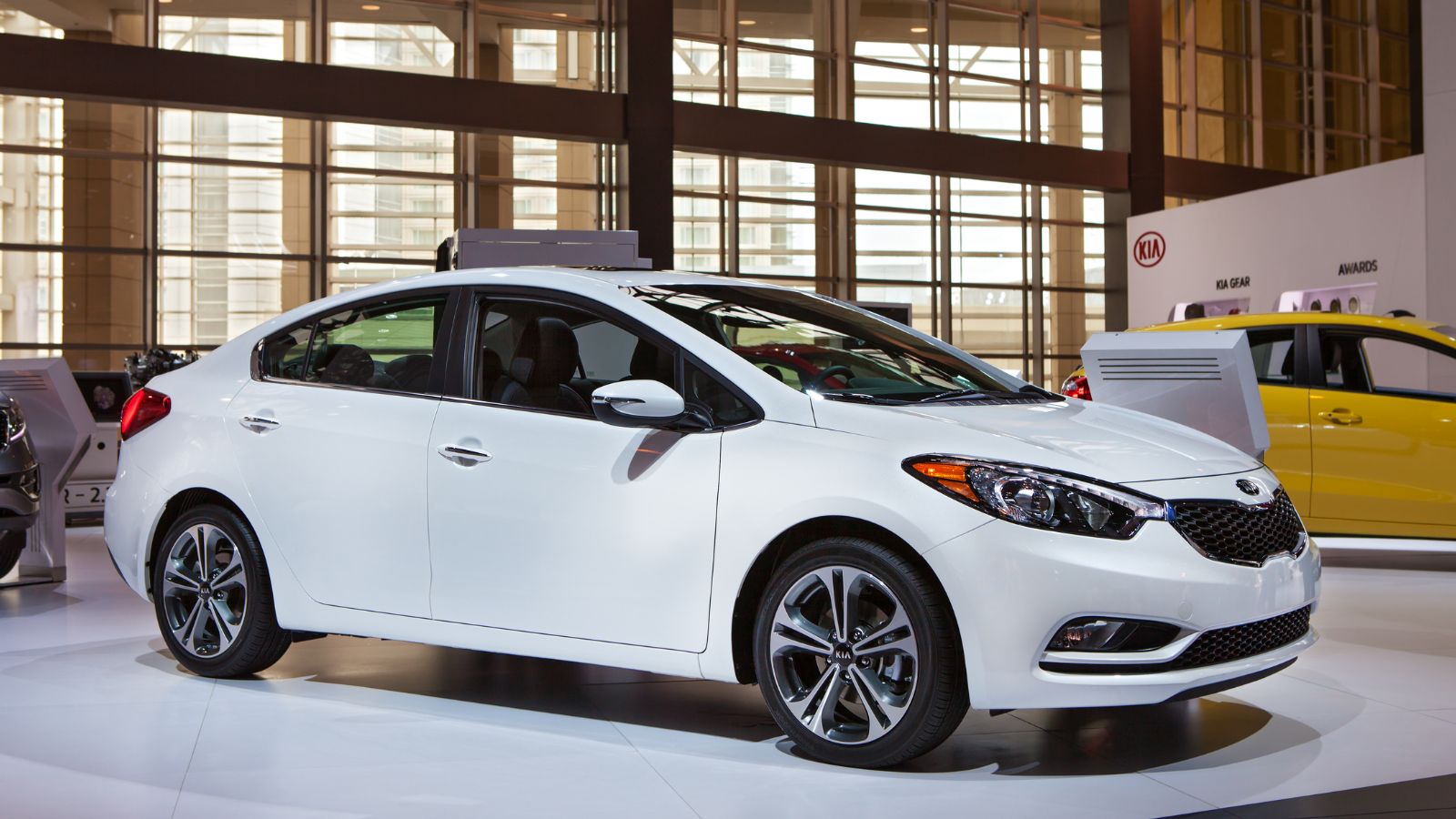
The Kia Forte has also seen complaints related to windshield cracking. Drivers report chips forming from minor impacts. In Canada, highway debris increases the chances of damage. The windshield may be more sensitive to small stones. Once a chip appears, it can spread quickly due to temperature shifts. Cold weather and heating inside the car add stress. Tracking these issues helps in reducing long-term costs. Repairing chips early is important. However, repeated problems have been noted in some cases. This model shows how consistent exposure to road conditions can impact windshield strength.
Ford F-150 (2015–2022)
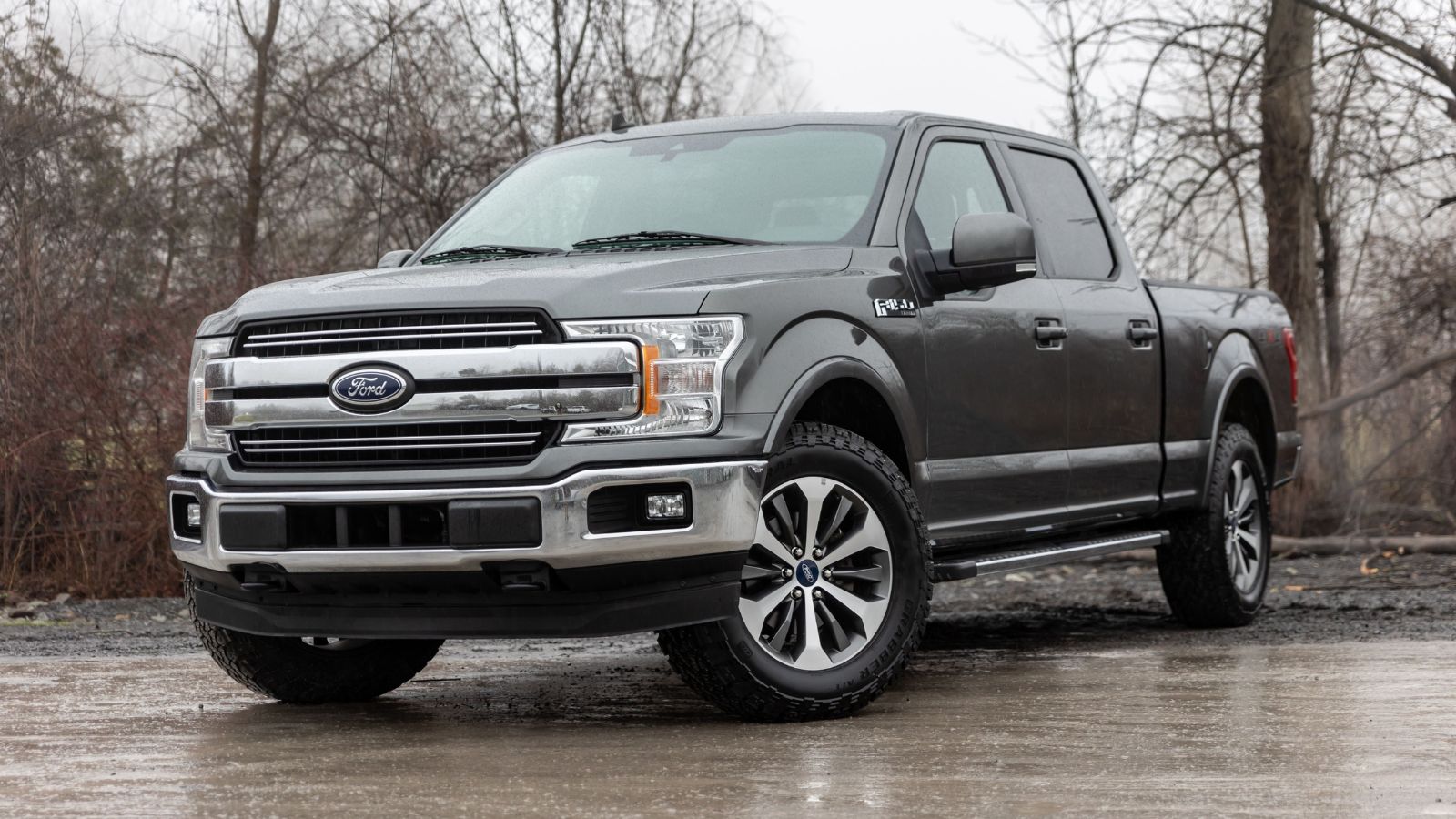
The Ford F-150 has also been linked to windshield chipping and cracking concerns. Large windshield size increases exposure to debris. In Canada, gravel roads and winter conditions add to the risk. Drivers often report chips forming during highway travel. Once damage starts, it can spread due to temperature changes. Cold weather and heating cycles further weaken the glass. Tracking early chips helps in preventing larger cracks. Some owners use protective films for added protection. However, they may not fully prevent damage. This model highlights how vehicle size and usage can affect windshield durability.
Ford Escape (2017–2022)
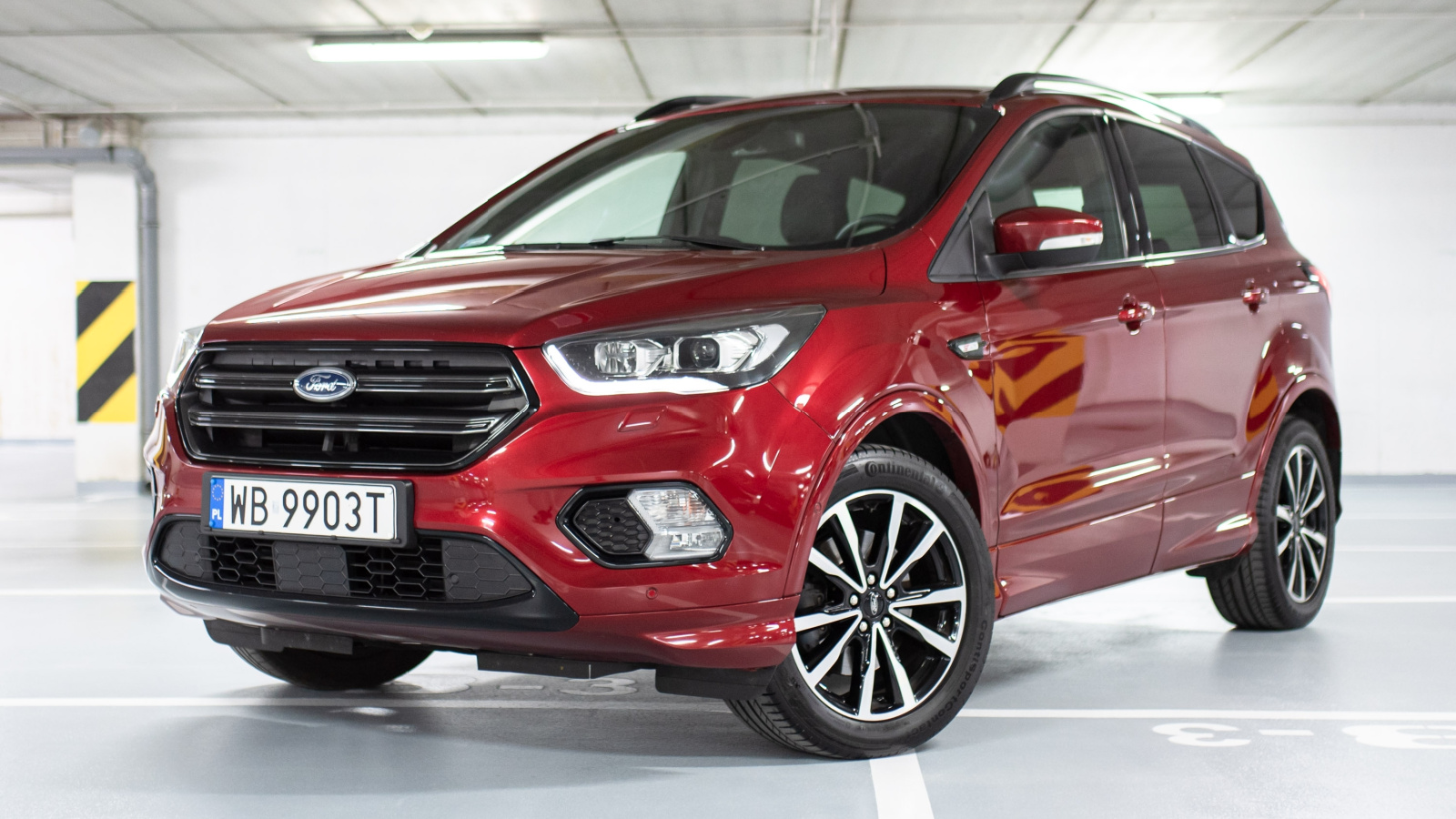
Ford Escapes from these years have been reported to chip windshields during regular highway use. Many drivers notice small chips forming from minor debris. In Canada, loose gravel and winter salt increase the chances of impact. The windshield angle may also make it more exposed to flying stones. Once a chip appears, temperature changes can cause it to spread quickly. Cold weather followed by cabin heating adds extra stress to the glass. Tracking early damage helps in preventing larger cracks. Quick repairs can reduce the need for replacement. However, repeated chipping has been reported by some owners. This model shows how daily driving conditions can affect windshield durability.
Chevrolet Silverado (2014–2021)
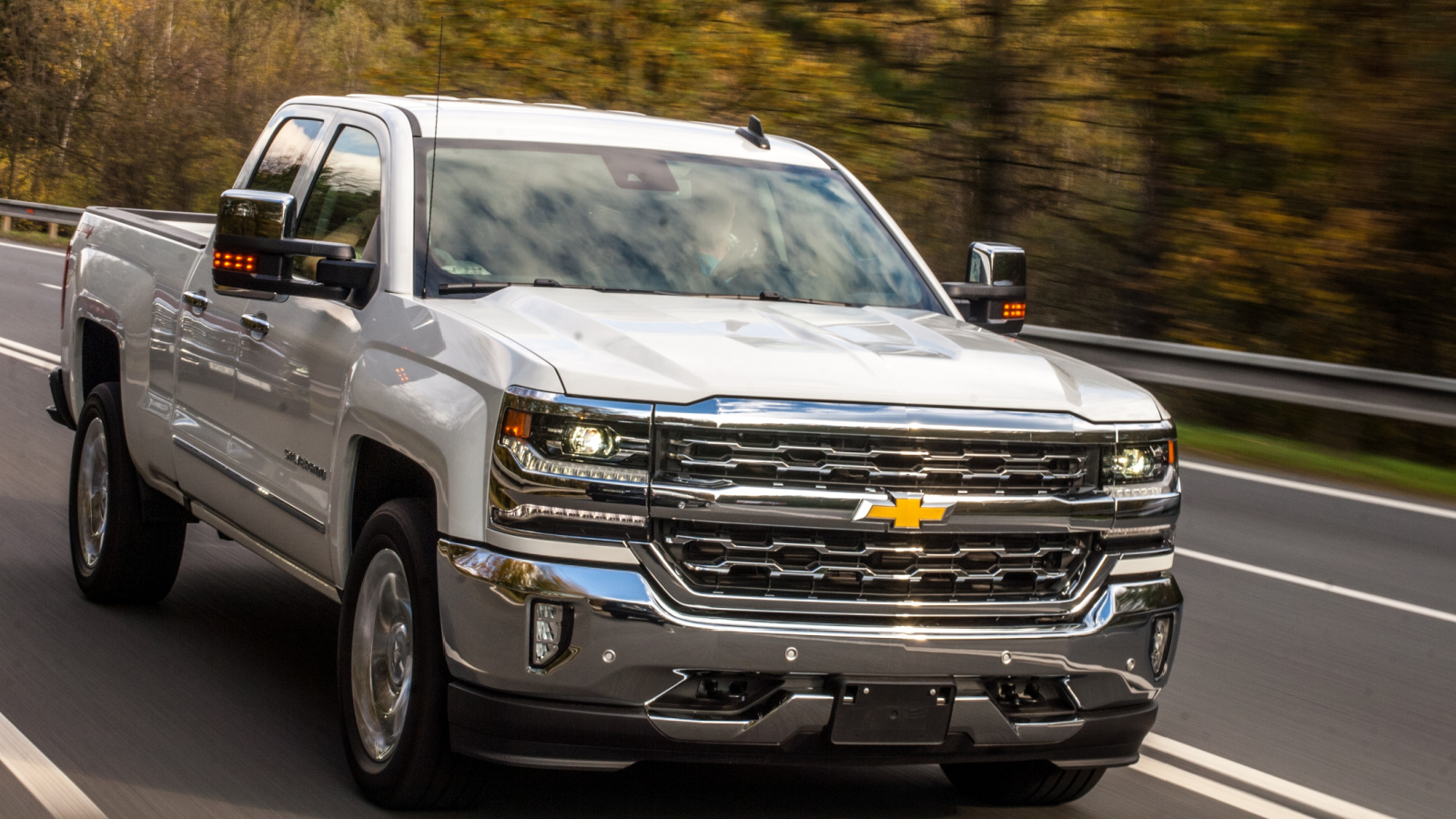
The Chevrolet Silverado has also been linked to windshield cracking concerns across several years. Large windshield size increases exposure to debris on highways. In Canada, gravel and road salt make this issue more noticeable. Drivers often report chips forming even from small impacts. Once damage starts, it can spread quickly due to temperature changes. Cold weather can further weaken the glass. Tracking chips early helps in managing repairs. Some owners use protective films for added protection. However, they may not fully prevent damage. Replacement costs can increase with repeated issues. This model reflects how size and usage can influence windshield performance.
Chevrolet Equinox (2018–2022)
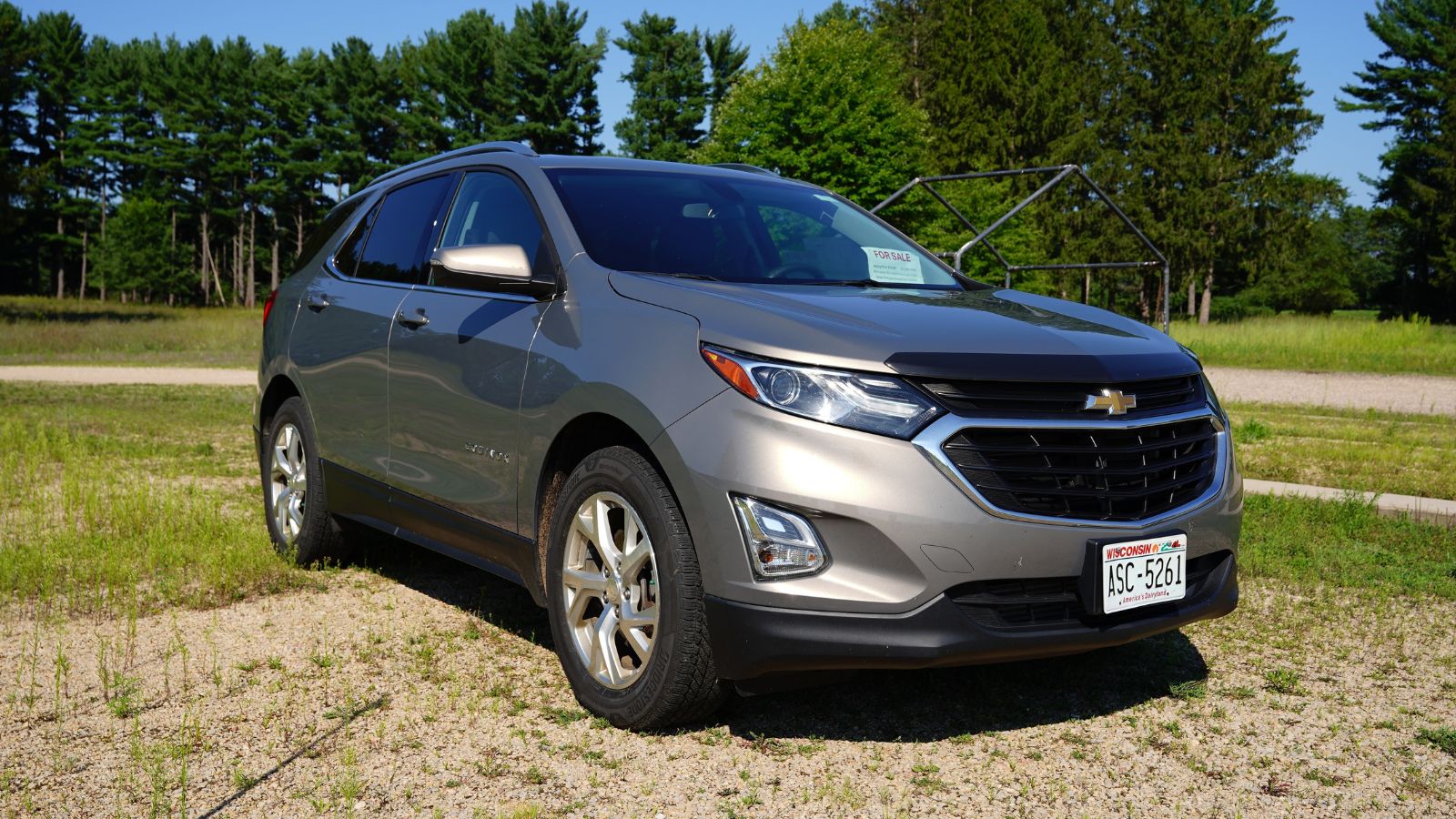
The Chevrolet Equinox has exhibited windshield-chipping patterns in recent model years. Drivers report damage appearing during normal highway driving. In Canada, loose gravel and winter debris increase the risk. The windshield may be more sensitive to smaller impacts. Once a chip forms, it can expand due to temperature changes. Heating and cooling cycles add stress to the glass. Tracking early signs helps in reducing long-term costs. Repairing chips quickly can prevent larger cracks. However, some drivers have noted repeated issues. This model highlights how regular driving conditions can impact windshield durability.
Tesla Model 3 (2018–present)
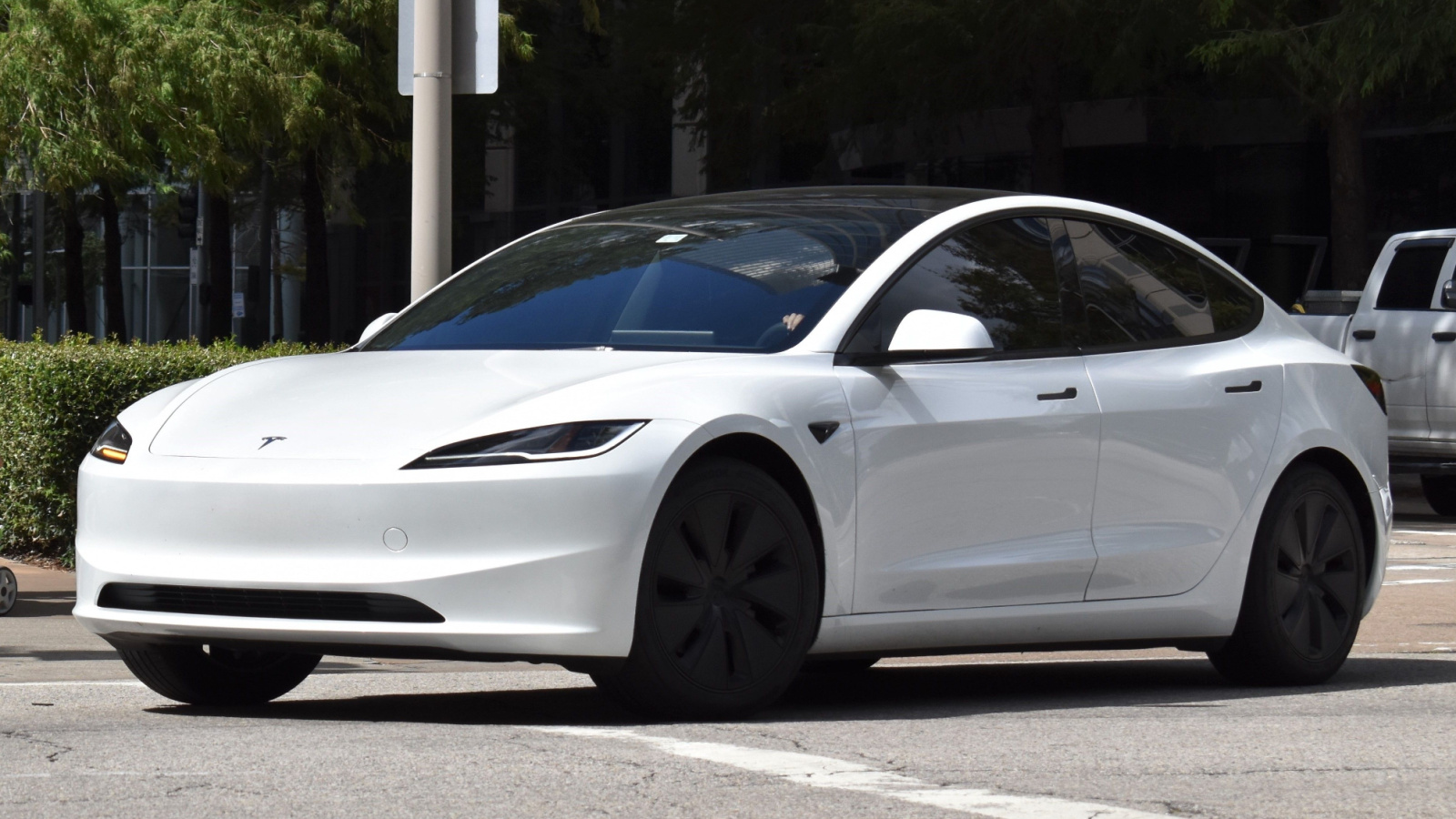
The Tesla Model 3 has received attention for concerns about windshield chipping. Some owners report chips forming easily during highway use. In Canada, gravel roads and salt exposure increase the impact. The windshield design and glass thickness may make it more vulnerable. Once a chip appears, it can spread quickly due to temperature changes. Cold weather and heating inside the vehicle add pressure to the glass. Tracking damage early helps in managing repairs. Many owners use protective films to reduce risk. However, this adds to overall costs. This model shows how modern design can influence windshield durability.
Jeep Grand Cherokee (2016–2022)
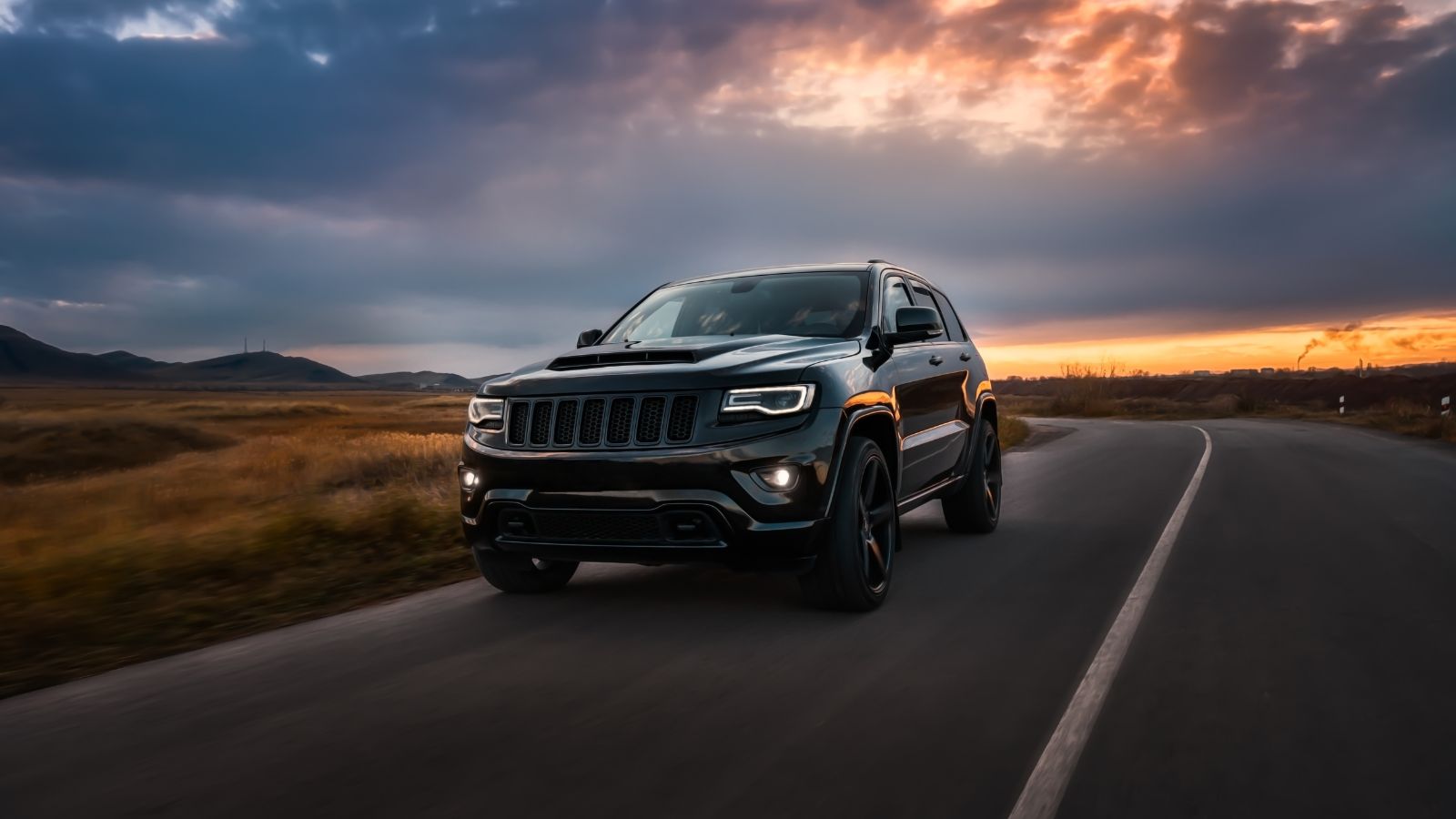
The Jeep Grand Cherokee has also been reported to have windshield cracking. Drivers often notice chips forming from small stones on highways. In Canada, off-road use and rough terrain increase exposure to debris. The windshield may be more prone to visible damage. Once a chip appears, it can spread quickly with temperature changes. Cold weather and heating cycles weaken the glass. Tracking early damage helps in reducing repair costs. Some owners choose protective coatings for added support. However, these may not fully prevent cracking. This model reflects how usage conditions can affect windshield performance.
Jeep Wrangler (2018–present)
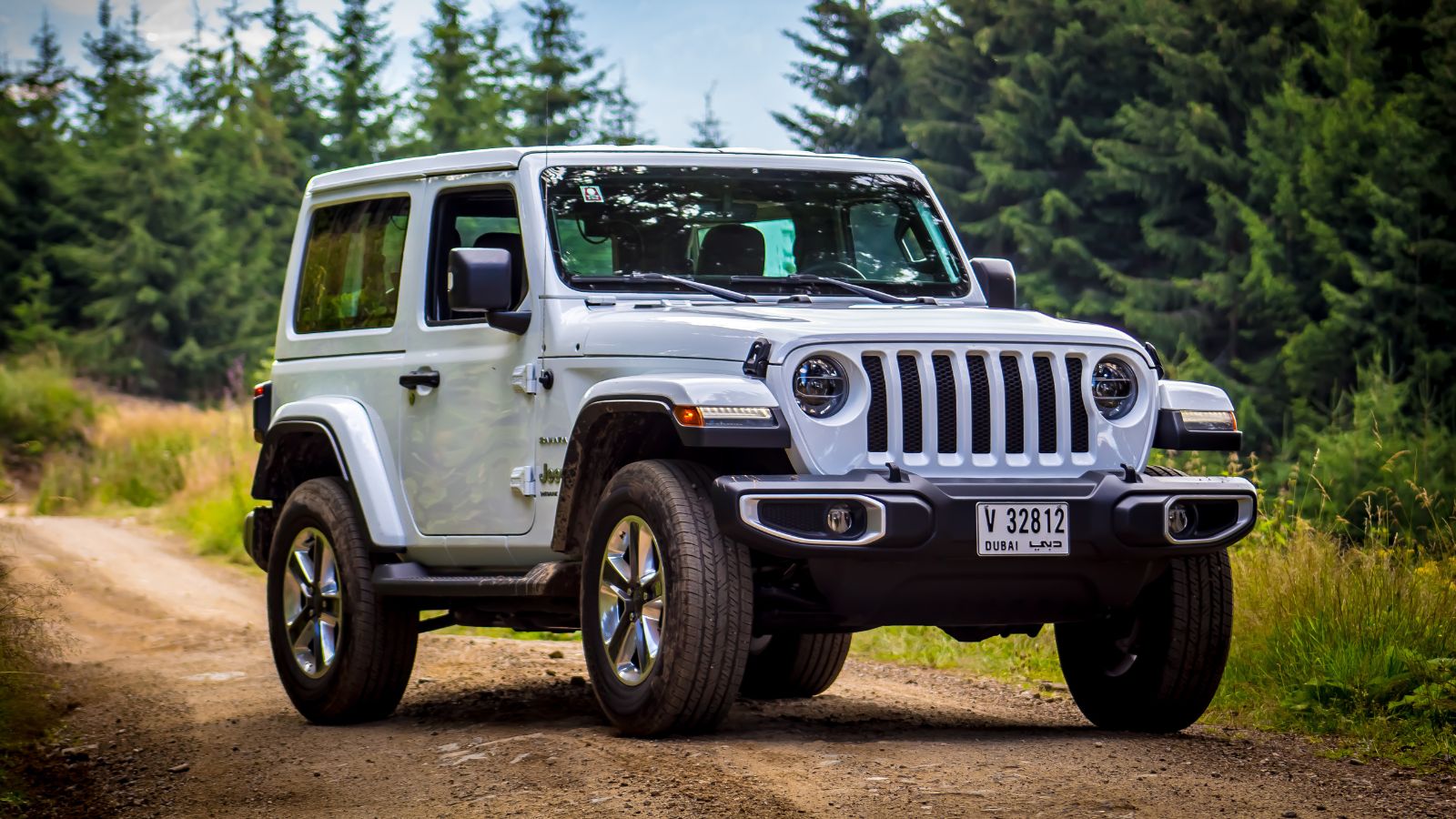
The Jeep Wrangler is known for its upright windshield design, which increases exposure to debris. Drivers often report frequent chips and cracks on the highway. In Canada, gravel roads and winter salt add to the problem. The flat windshield surface takes direct impact from stones. Once a chip forms, it can spread quickly due to temperature changes. Cold conditions and heating inside the vehicle add stress. Tracking small damage early helps in managing repairs. Protective films may reduce impact, yet they may not prevent all damage. This model highlights how design plays a key role in windshield durability.
22 Things Canadians Do to Their Cars in Spring That Mechanics Hate

Spring brings relief to many Canadian drivers after months of snow, freezing temperatures, and icy roads that put serious strain on vehicles. As temperatures rise across the country, drivers begin washing cars, switching tires, and preparing vehicles for warmer weather and upcoming road trips. However, mechanics across Canada notice the same mistakes every spring when drivers attempt to recover from winter damage. Road salt, potholes, and harsh winter driving conditions often leave vehicles with hidden problems that drivers ignore. Some spring habits even create new mechanical issues that could have been avoided with proper maintenance. Here are 22 things Canadians do to their cars in spring that mechanics hate.