


























Buying an EV in Canada used to feel like a math problem. Prices were high, winters were harsh, and charging felt uncertain. Now rebates are back, and the equation looks different. Federal and provincial incentives can knock thousands off the sticker price. Charging networks have improved in most provinces. Range anxiety is still real, but many newer EVs handle cold better than expected. Some models now deliver strong value without feeling like compromises. If you pick carefully, ownership costs can make sense. Here are 16 EVs that actually make sense in Canada now that rebates are back.
Chevrolet Bolt EV
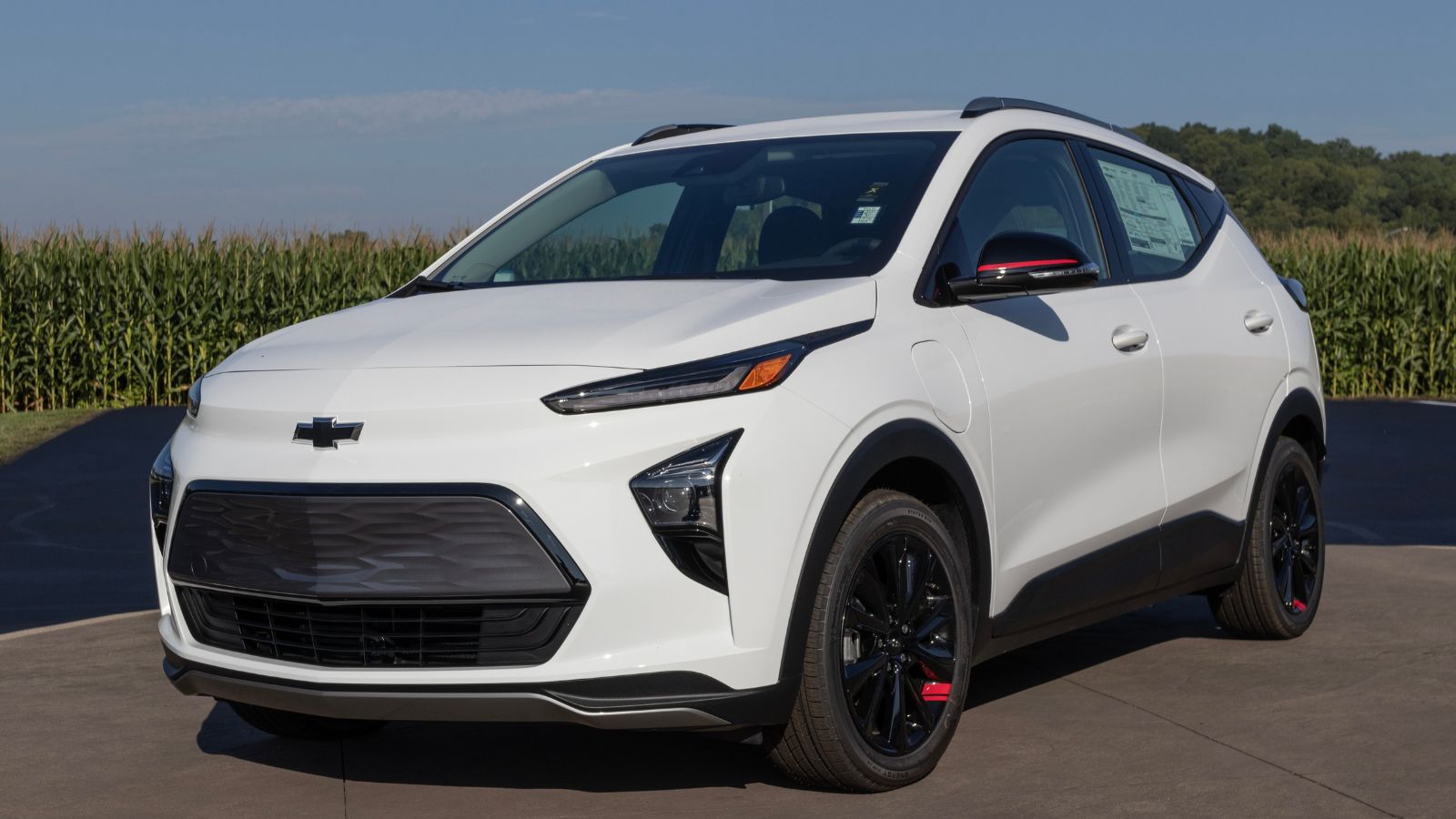
The Chevrolet Bolt EV remains one of the cheapest ways into electric driving. Pricing in Canada used to start around $41,000 before incentives. Rebates can push the effective price into the low $30,000 range. That changes everything for budget buyers. The range sits near 417 kilometers, which holds up well for daily use. Winter drops are noticeable, but still manageable. Charging speeds are not class-leading, though most owners charge at home anyway. The simple interior may not impress luxury shoppers. Still, low running costs and proven reliability make it a practical choice across most provinces.
Chevrolet Bolt EUV
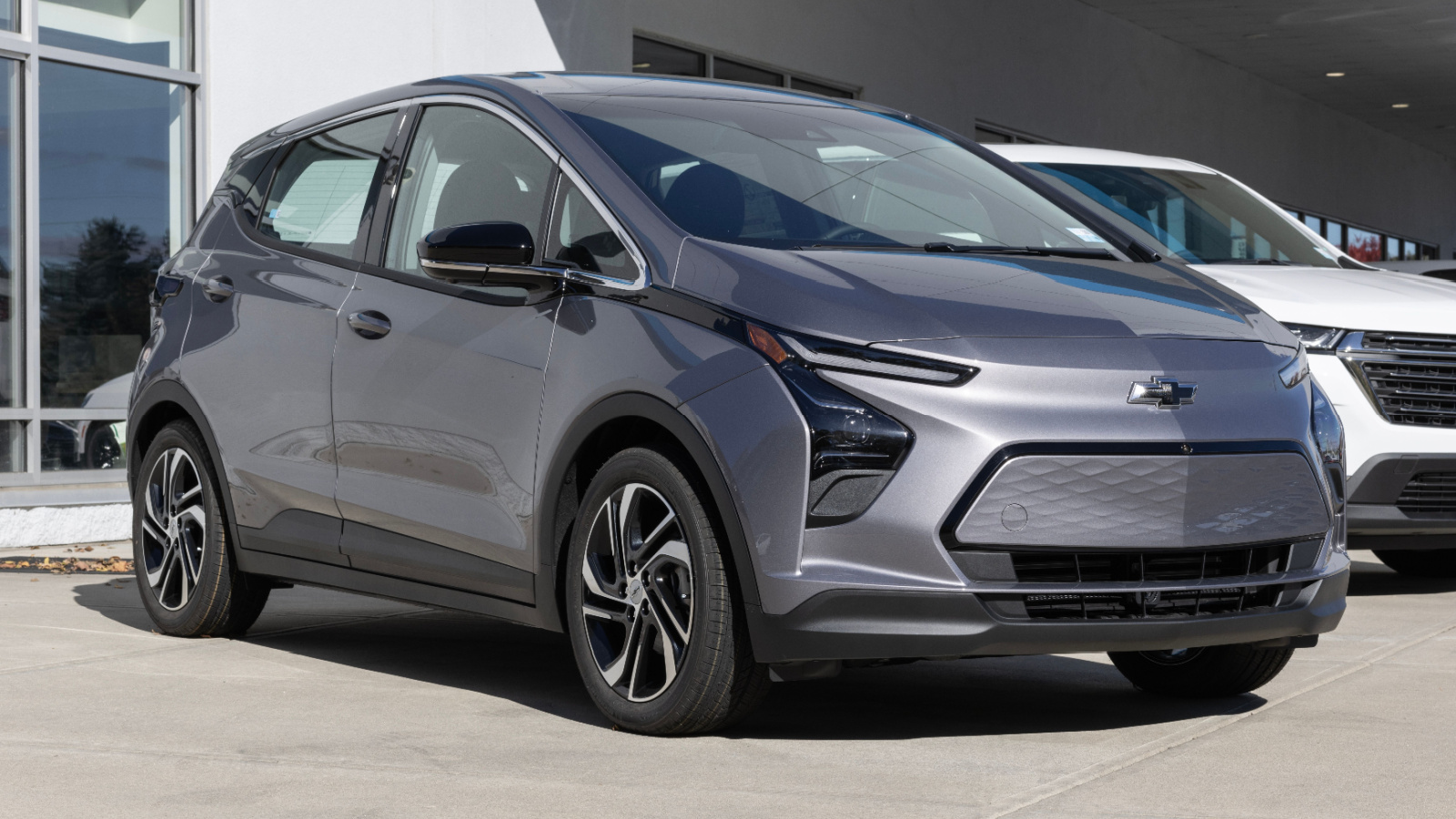
The Bolt EUV builds on the regular Bolt with more space and a better driving position. It starts close to $43,000 before incentives. After rebates, it lands within reach of many compact SUV buyers. Range is similar to the smaller Bolt, which keeps expectations consistent. Interior upgrades add comfort without pushing costs too high. Super Cruise is available on higher trims, which feels rare at this price. Fast charging is still not its strength. However, for city-focused drivers, that may not matter much. It suits buyers who want a familiar crossover shape without overspending.
Hyundai Kona Electric
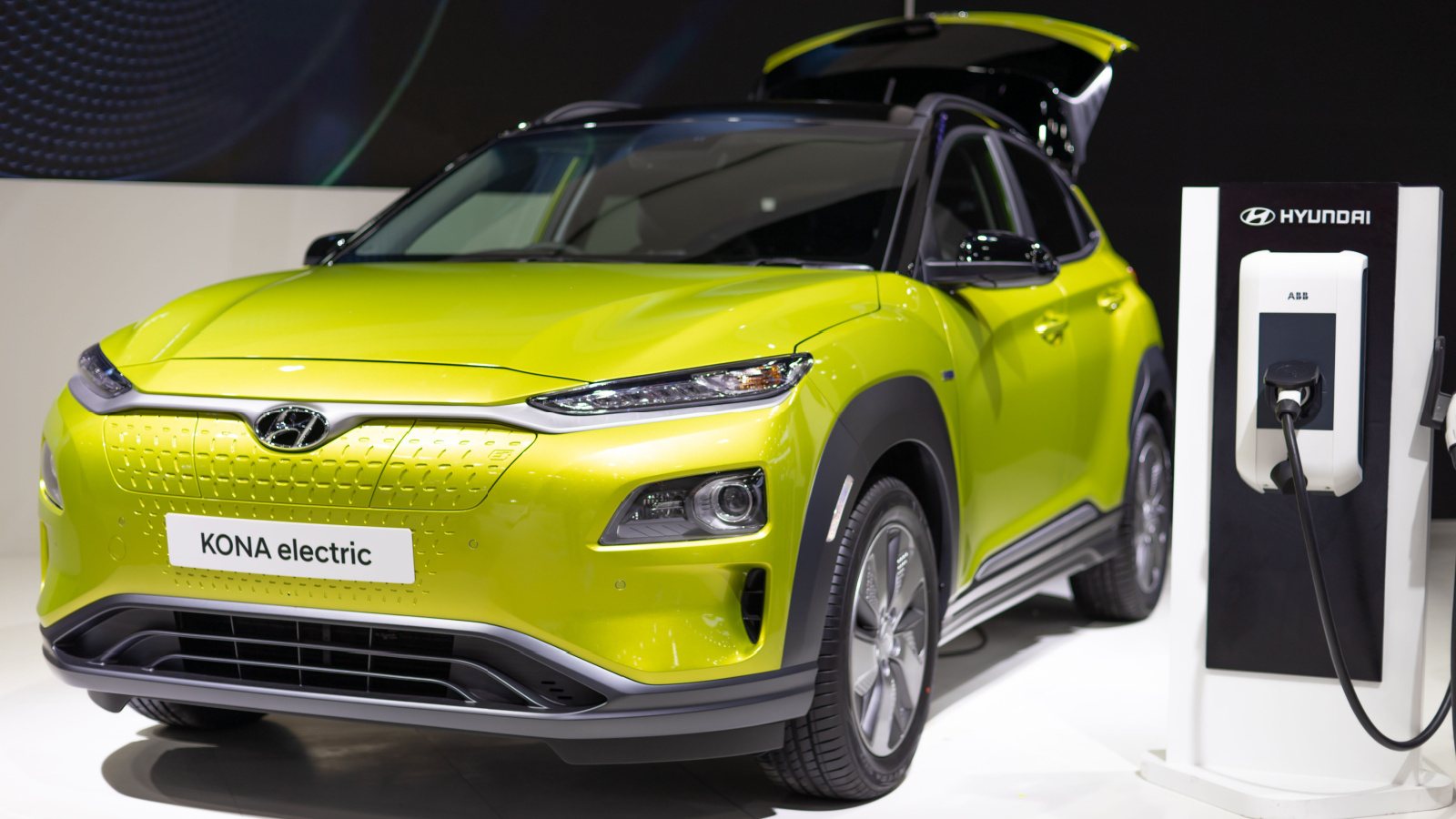
The Hyundai Kona Electric has been a steady seller for good reason. Pricing starts near $46,000 before incentives in Canada. Rebates help bring it closer to gas-powered rivals. The range sits at around 415 kilometers, which remains competitive. Cold weather does impact efficiency, but heat pump systems help. The compact size works well in cities and tight parking spots. Cabin design feels modern without going overboard. Charging speeds are decent, though not leading the segment. It appeals to buyers who want something familiar, easy to drive, and not overly expensive once incentives apply.
Kia Niro EV
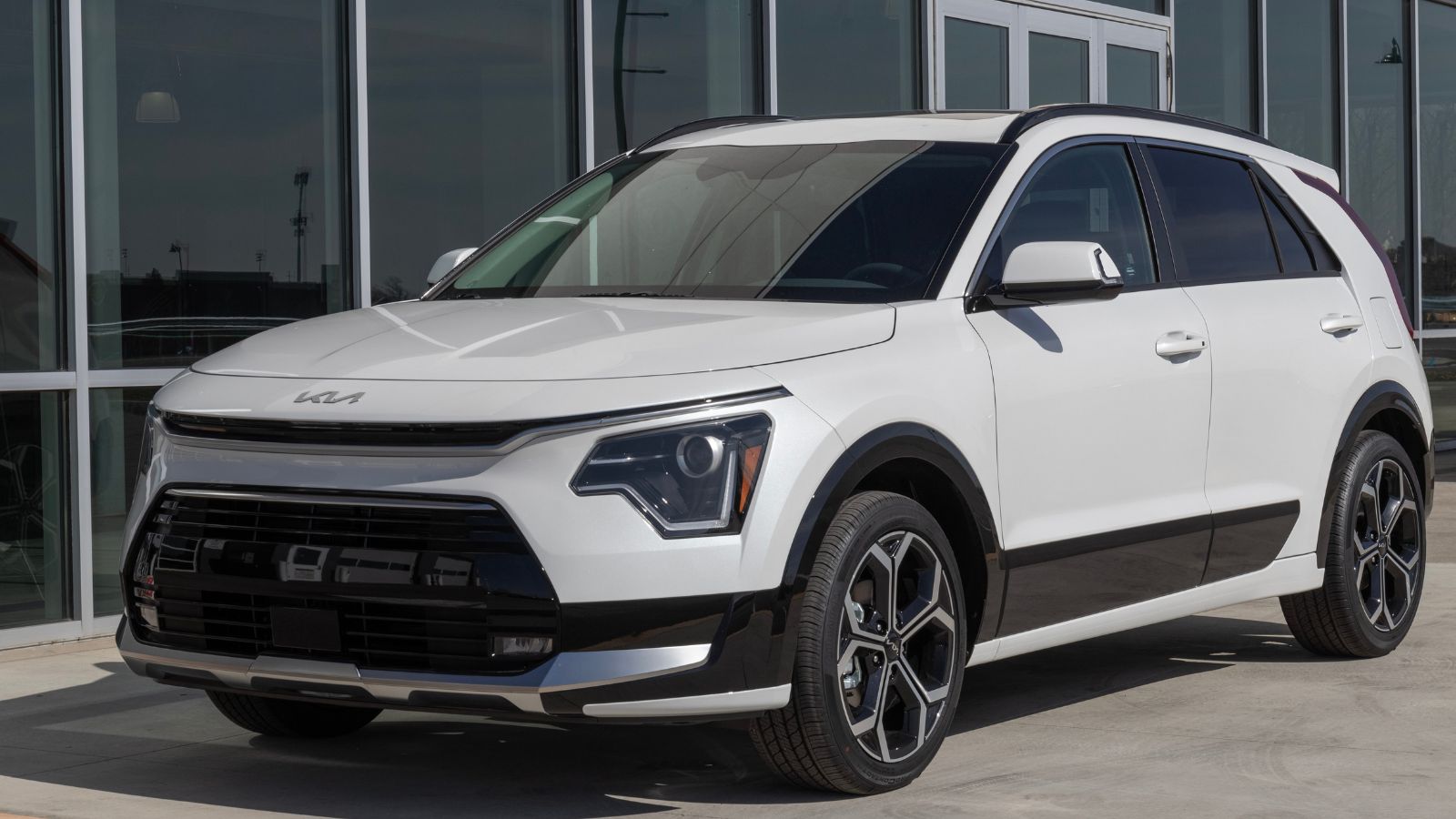
The Kia Niro EV lands in a sweet spot between price and usability. Canadian pricing starts around $45,000 before incentives. Rebates lower the effective cost into a more reasonable range. The driving range is 407 kilometers. That makes it usable for most commutes and weekend drives. Interior space is practical, with good rear seat comfort. Tech features are easy to understand and use. Charging performance is solid for the class. It may not stand out in any one area. Still, it avoids major weaknesses, which is often what buyers want.
Tesla Model 3
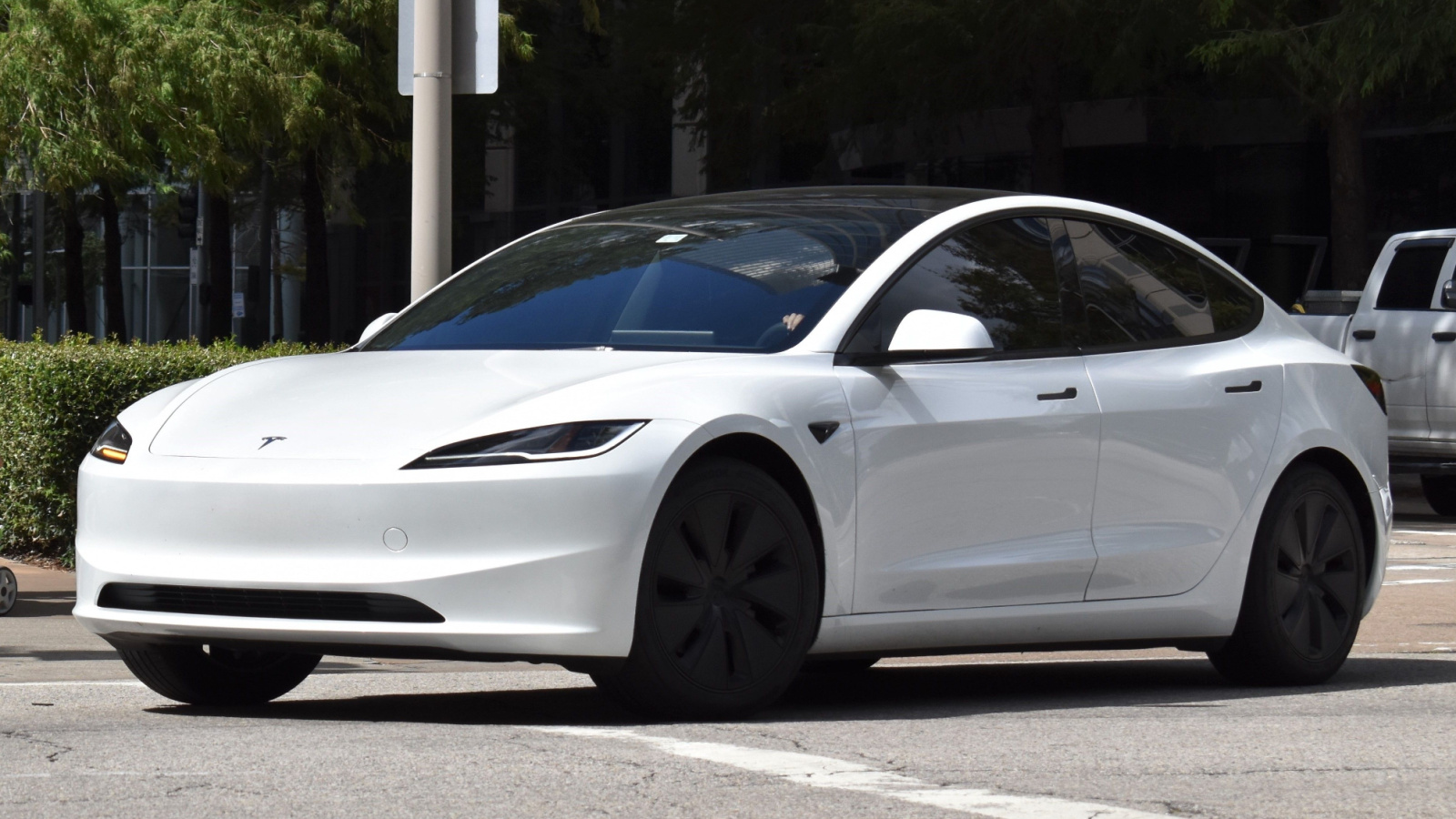
The Tesla Model 3 continues to attract buyers with its balance of price and tech. Canadian pricing starts around $53,000 for the rear-wheel-drive version. Some trims qualify for incentives, which helps reduce the gap. Range can exceed 430 kilometers depending on the variant. Access to the Supercharger network remains a major advantage. Winter performance has improved with software updates and heat pump systems. The minimalist interior divides opinion, but many adapt quickly. For drivers who want strong charging access and solid range, it remains one of the easier EVs to live with.
Tesla Model Y
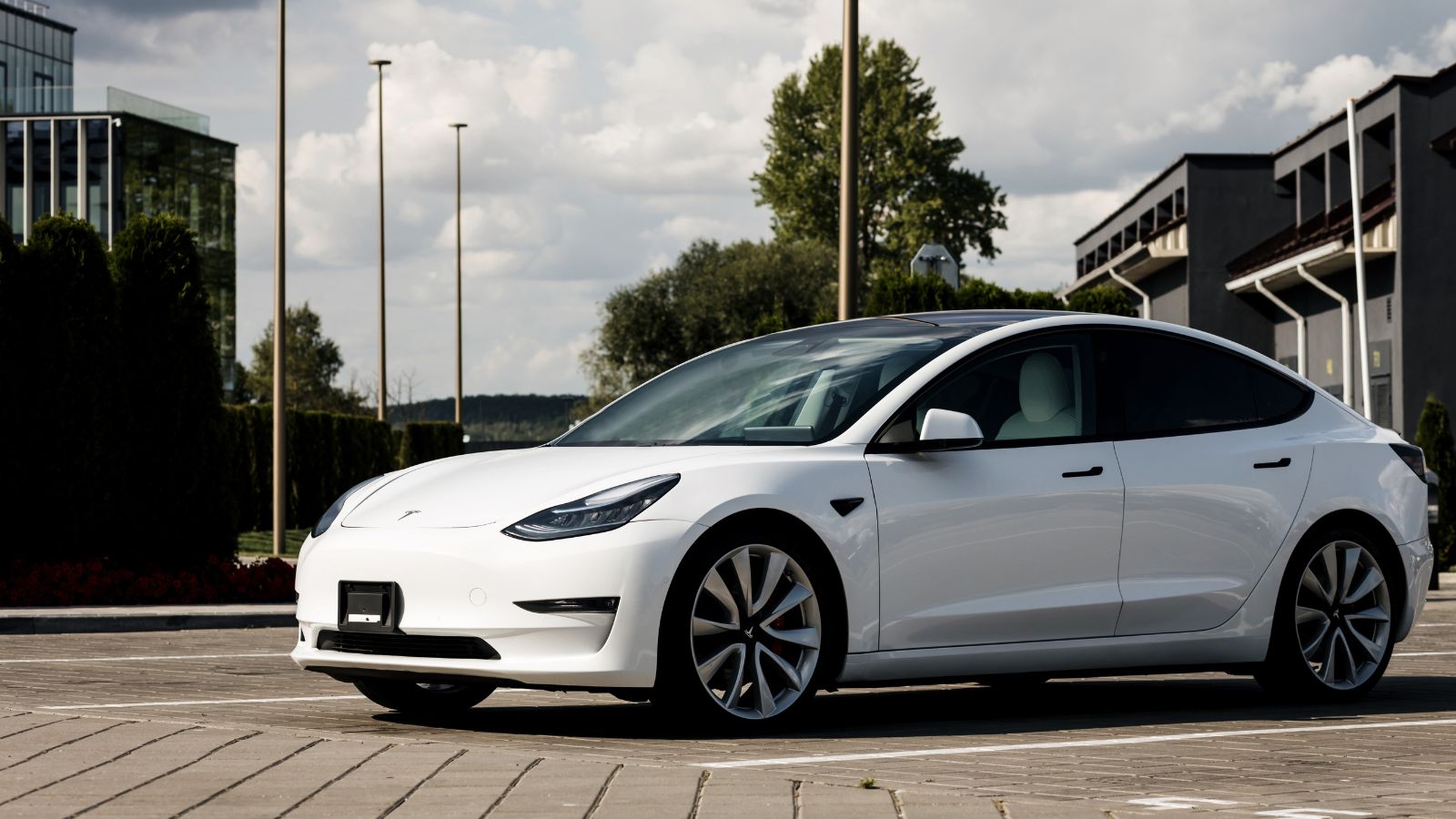
The Tesla Model Y offers more space while keeping familiar tech features. Pricing in Canada starts around $60,000 before incentives. Some configurations may still qualify depending on timing and policy changes. The range sits close to 500 kilometers for certain trims. That helps reduce stress during colder months. Cargo space is generous, which suits families and road trips. The Supercharger network again plays a big role in convenience. Ride quality can feel firm on rough roads. Still, for buyers wanting a practical electric SUV with strong infrastructure support, it remains a popular option.
Volkswagen ID.4
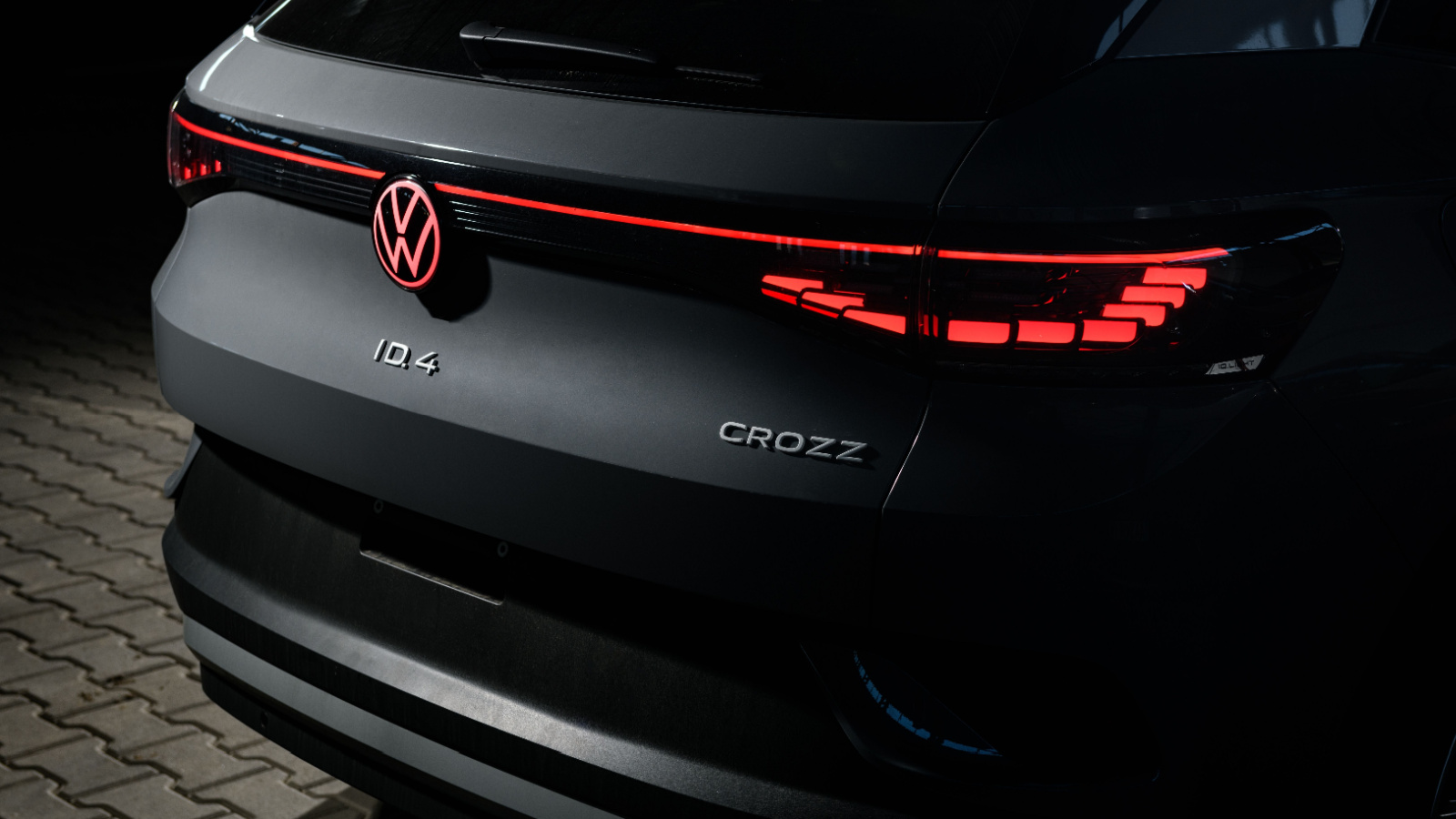
The Volkswagen ID.4 targets mainstream SUV buyers transitioning to electric. Canadian pricing begins near $48,000 before incentives. Rebates make it competitive against gas-powered crossovers. The range reaches about 443 kilometers depending on the model. The interior focuses on space and comfort rather than flashy design. Ride quality is smooth, which suits long drives. Charging speeds are acceptable, though not the fastest available. Software has improved over time, addressing early complaints. It feels familiar to drive, which helps first-time EV buyers. That familiarity often matters more than headline numbers.
Ford Mustang Mach-E
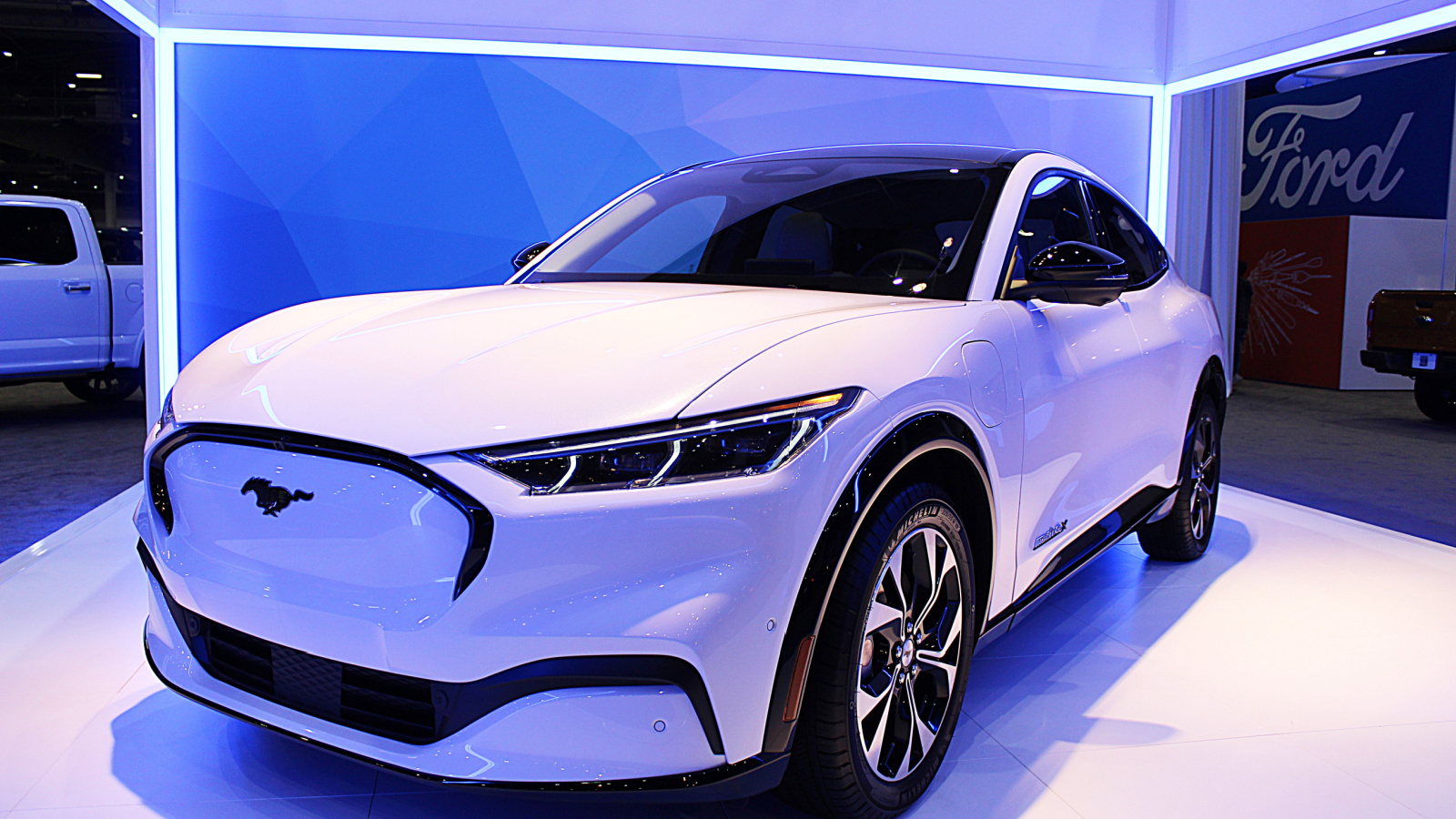
The Mustang Mach-E blends performance with everyday usability. Canadian pricing starts around $57,000 before incentives. Rebates help narrow the gap compared to premium SUVs. Range varies widely, from about 400 to over 500 kilometers. That depends on battery and drivetrain choices. Interior quality feels solid, with a large central screen. Driving dynamics are lean and sporty, though not extreme. Charging access is improving through partnerships with major networks. Winter efficiency drops are noticeable but manageable. It suits buyers who want something more engaging than a typical electric crossover.
Hyundai Ioniq 5
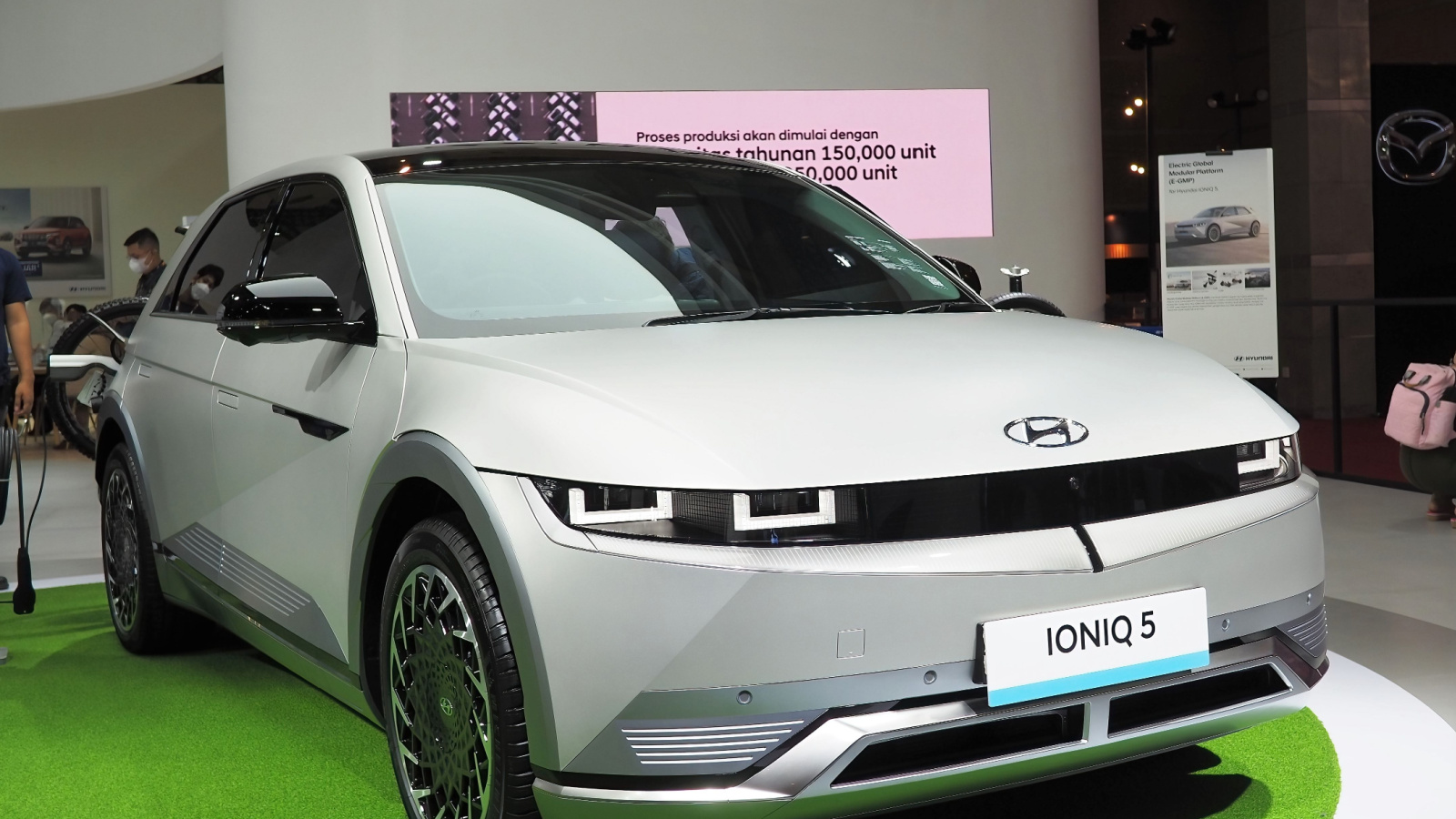
The Hyundai Ioniq 5 stands out for its design and fast-charging capability. Pricing in Canada starts near $55,000 before incentives. Rebates help offset the higher entry point. The range can reach about 488 kilometers depending on the version. Ultra-fast charging is a key strength, reducing wait times significantly. The cabin feels open, with a flat floor and flexible seating. Ride comfort is tuned well for daily driving. Winter performance benefits from efficient thermal management. It works well for buyers who want modern design and shorter charging stops during longer trips.
Kia EV6
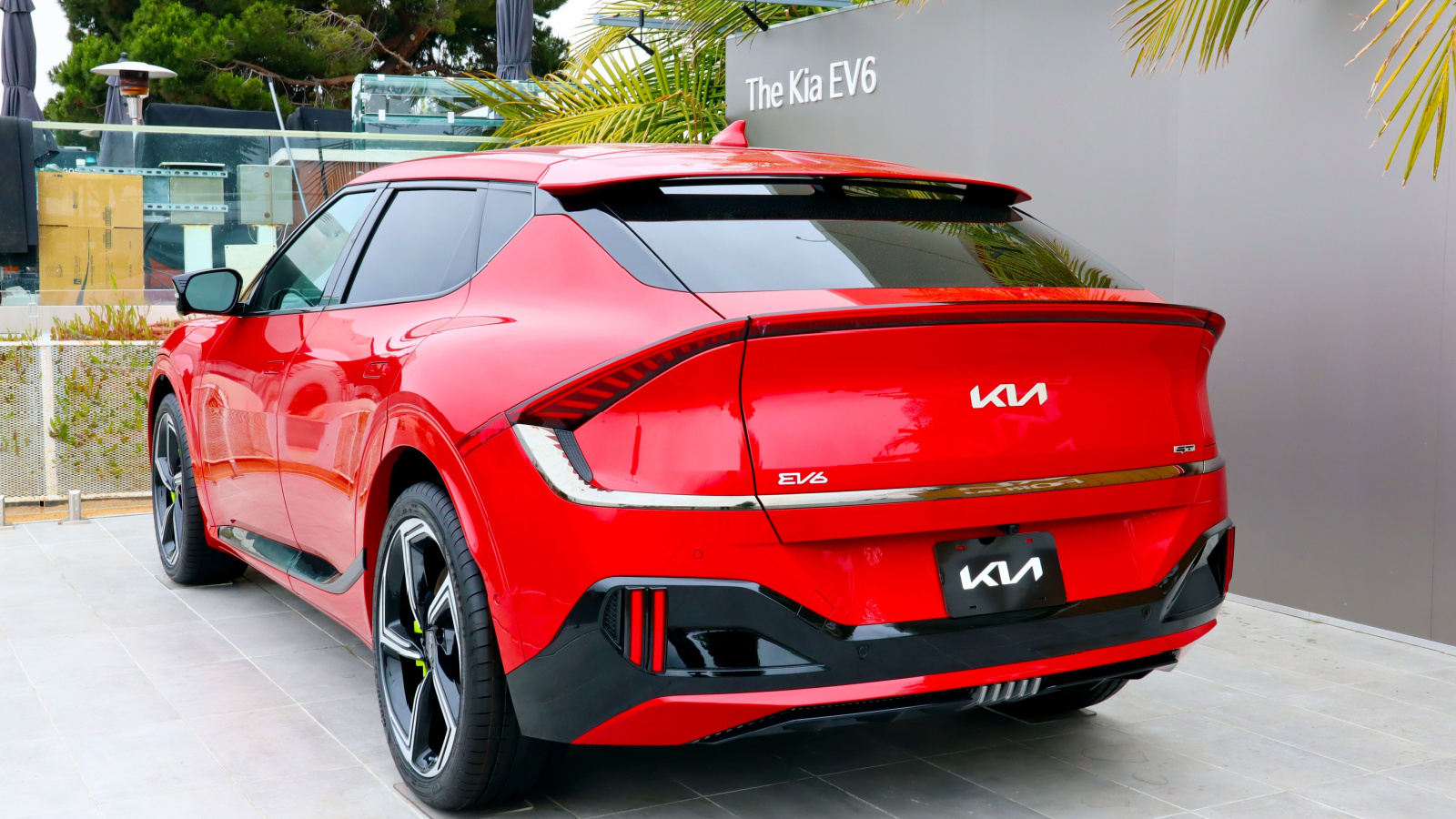
The Kia EV6 shares its platform with the Ioniq 5 but feels more performance-focused. Canadian pricing starts around $56,000 before incentives. Rebates make certain trims more appealing. The range sits close to 499 kilometers in ideal conditions. Fast-charging capability matches that of its Hyundai sibling. The design leans sportier, inside and out. Handling feels sharper than most electric crossovers. Interior materials are solid, though space is slightly tighter. Winter range loss exists, as expected. Still, strong charging speeds and engaging driving manners make it a good fit for drivers wanting something lively.
Nissan Leaf
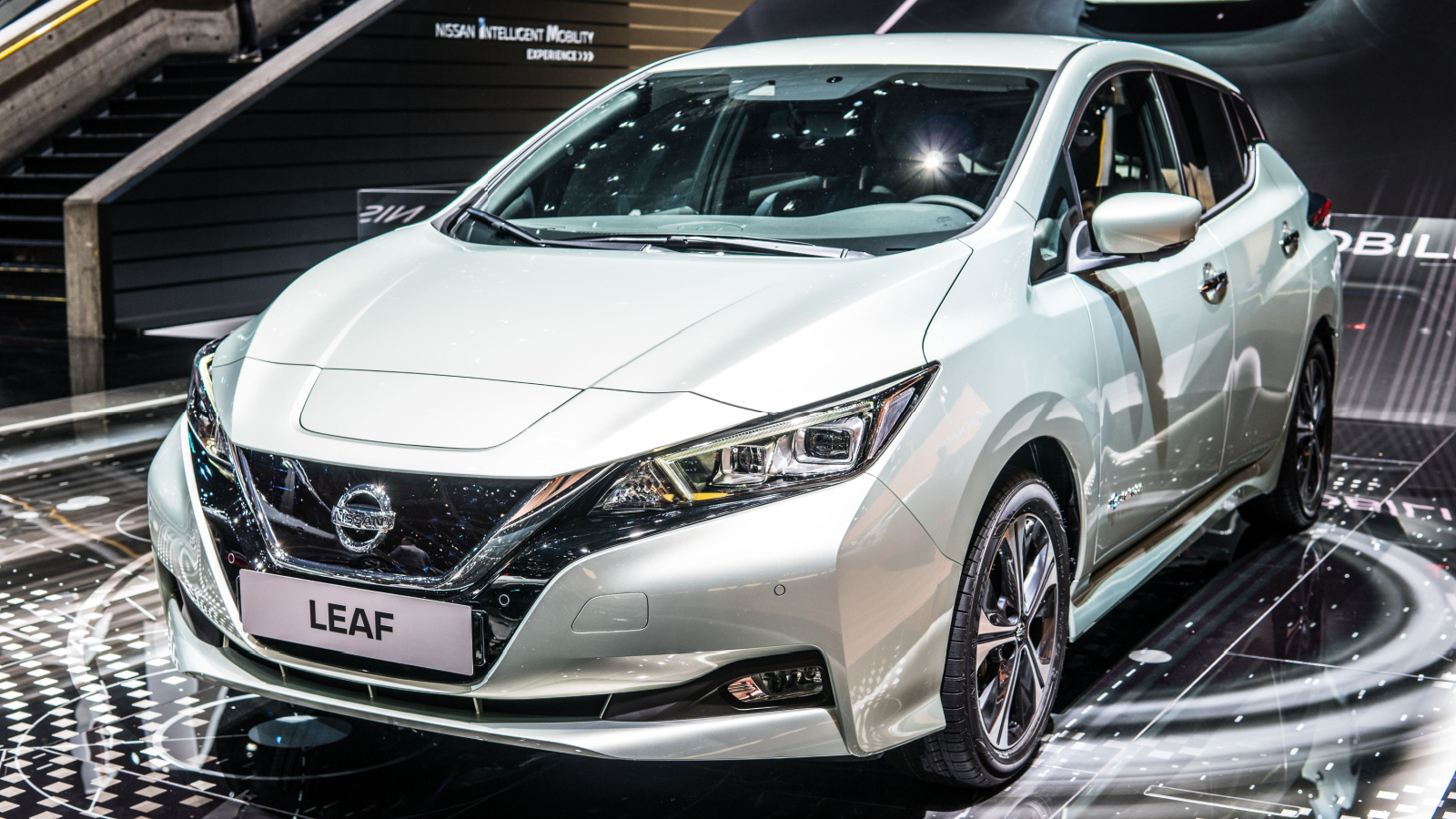
The Nissan Leaf remains one of the most accessible EVs in Canada. Pricing starts around $41,000 before incentives. Rebates can significantly reduce the effective price. The range varies between 240 and 342 kilometers, depending on the version. That makes it better suited for city driving than long trips. Charging uses the CHAdeMO standard, which is less common now. Interior design feels dated compared to newer rivals. However, reliability and ease of use remain strong points. For buyers with predictable daily routes, it still offers a simple and affordable way into electric ownership.
Toyota bZ4X
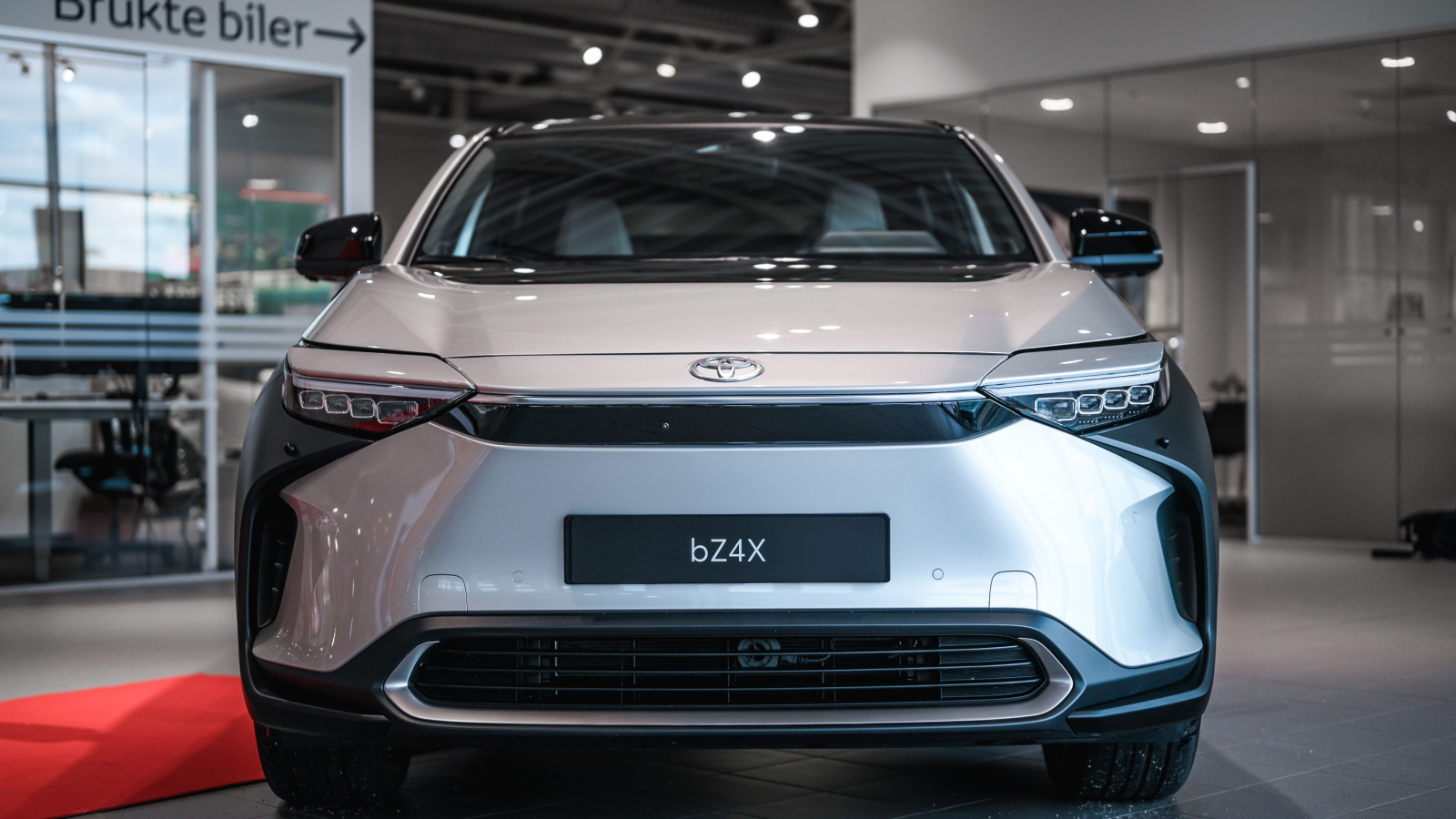
The Toyota bZ4X focuses on comfort and brand familiarity. Canadian pricing starts near $50,000 before incentives. Rebates bring it closer to other compact electric SUVs. The range sits around 406 kilometers for Front Wheel Drive versions. All Wheel Drive models sacrifice some distance. The ride is quiet and composed, which suits daily commuting. Interior quality is solid, though not luxurious. Charging speeds are moderate compared to rivals. Toyota’s reputation for reliability attracts cautious buyers. It works best for those who value familiarity and do not need the fastest charging or longest range.
Subaru Solterra
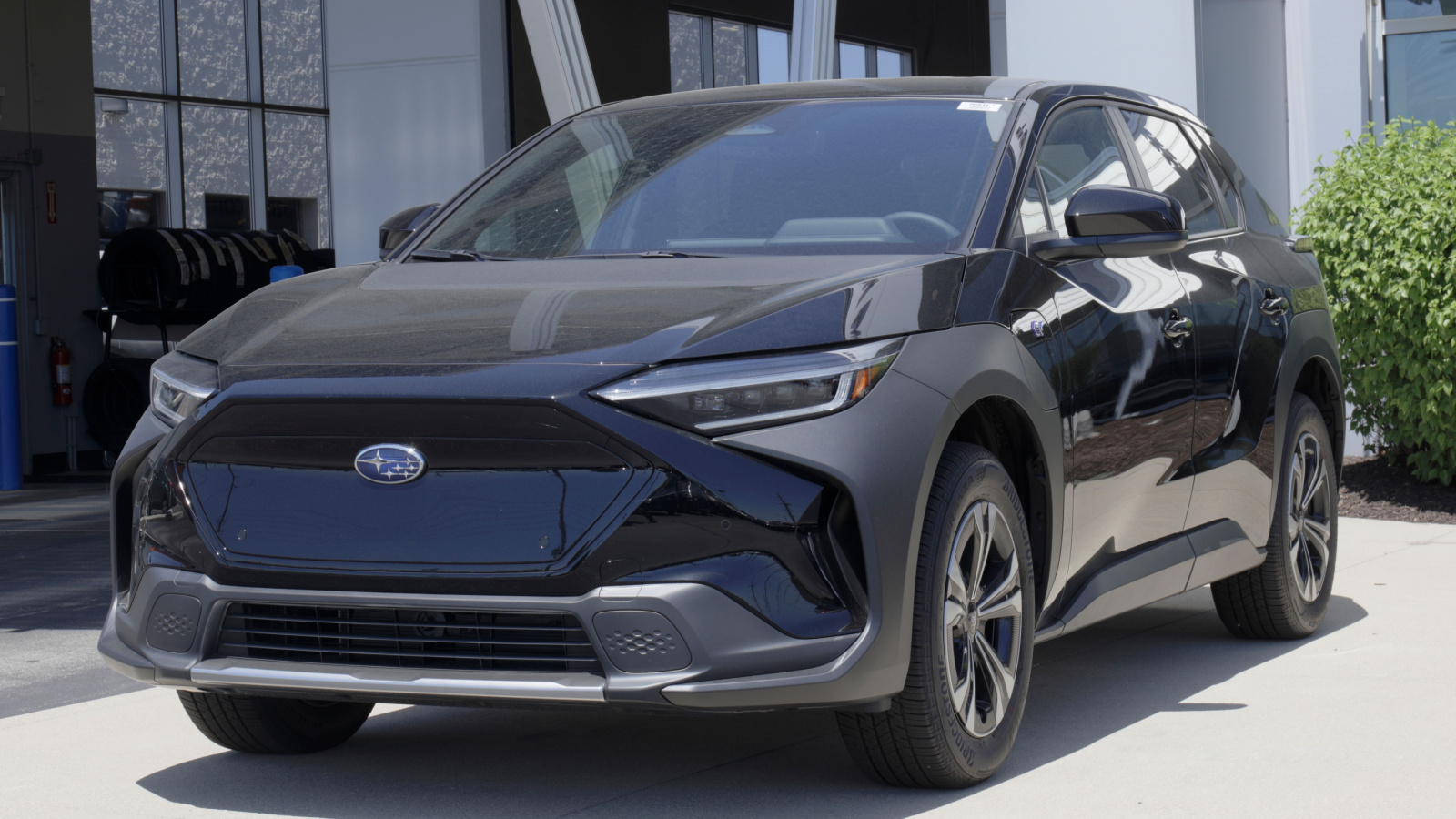
The Subaru Solterra shares much with the Toyota bZ4X but adds brand-specific touches. Pricing in Canada begins around $51,000 before incentives. Rebates help keep it competitive. The range is close to 360 kilometers, lower than some rivals’. Standard All Wheel Drive is a key selling point for Canadian winters. Ground clearance is higher than that of typical EVs, adding confidence on rough roads. Charging speeds remain average at best. Interior layout mirrors the Toyota closely. It suits buyers who prioritize traction and familiarity over maximum range or charging performance.
Polestar 2
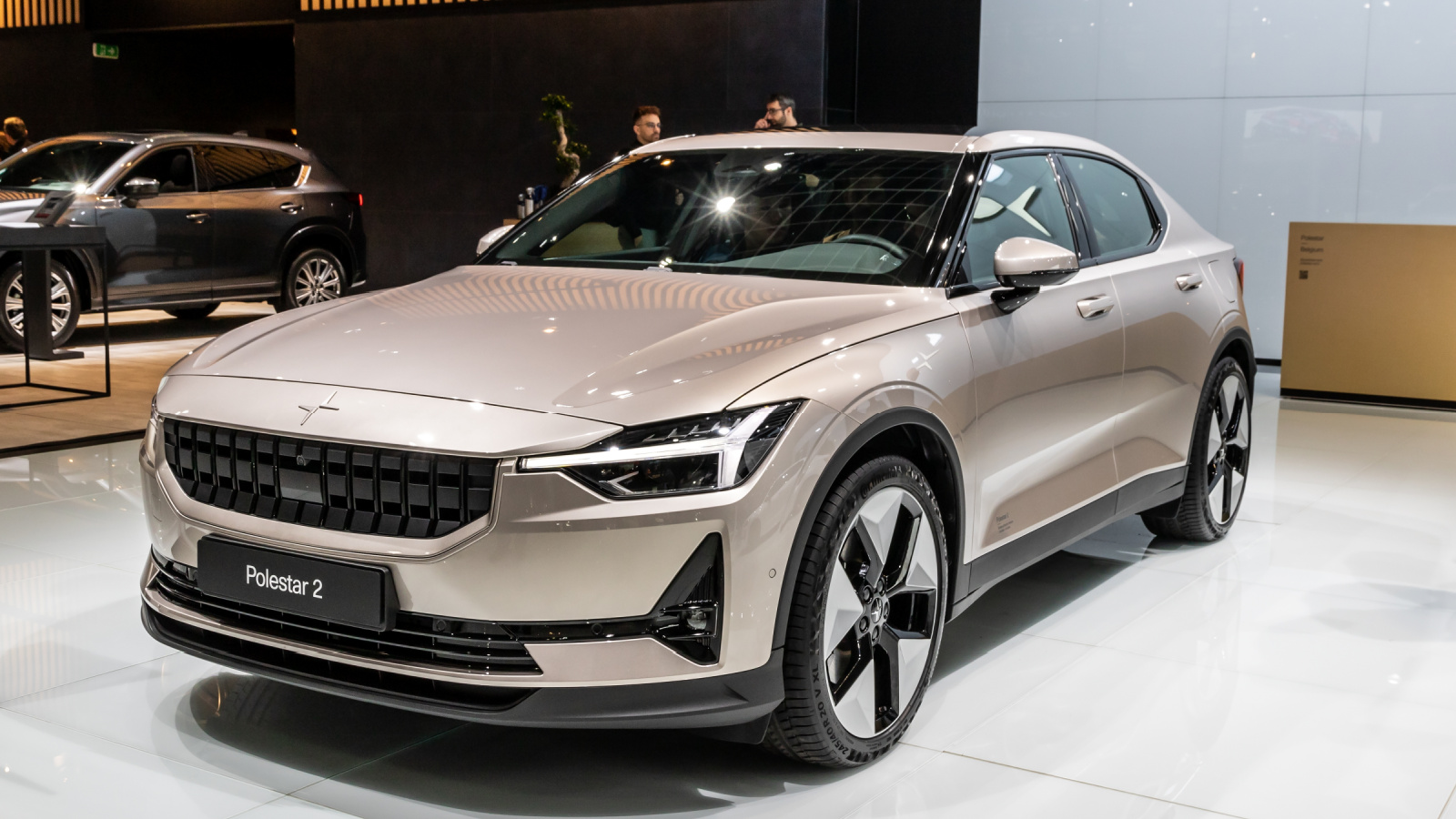
The Polestar 2 offers a more premium feel without going fully luxury priced. Canadian pricing starts around $55,000 before incentives. Some versions may qualify depending on the configuration. Range can exceed 435 kilometers in certain trims. The interior uses clean materials and a simple layout. Driving feel is composed, with a focus on balance rather than extremes. Google-based infotainment works smoothly for most users. Charging speeds are competitive within the segment. It appeals to buyers who want something different from mainstream brands without stepping into much higher price brackets.
Ford F-150 Lightning
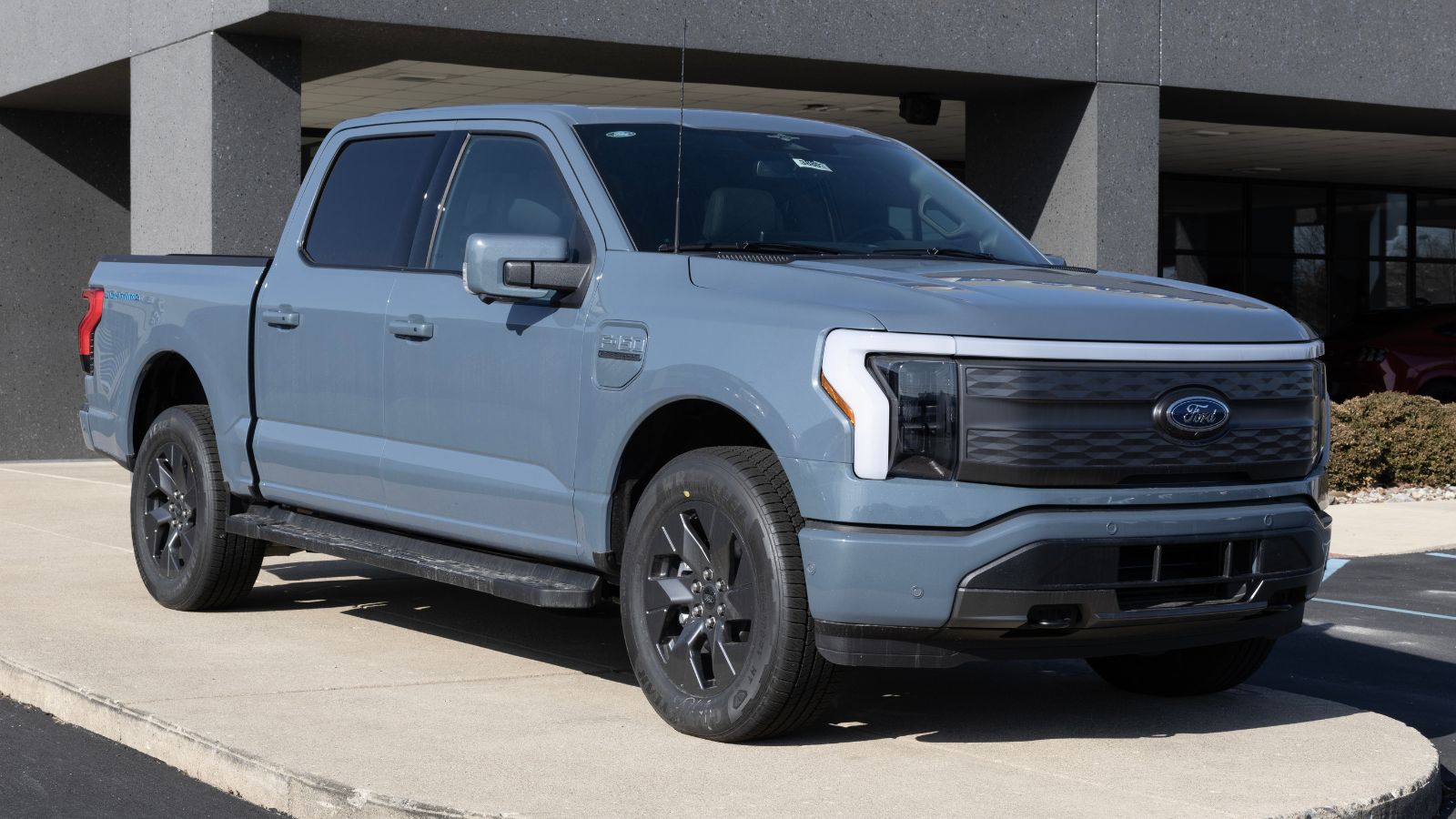
The F-150 Lightning brings electric power to a familiar Canadian favourite. Pricing starts around $62,000 before incentives. Rebates may apply to certain trims, depending on limits. The range varies between roughly 370 and 515 kilometers. That depends on battery size and configuration. Towing significantly reduces range, which buyers should consider. The cabin remains spacious and practical, like the gas version. Home backup power features add extra value for some households. Charging infrastructure for trucks is still growing. Still, it makes sense for buyers already considering a pickup.
Kia Soul EV
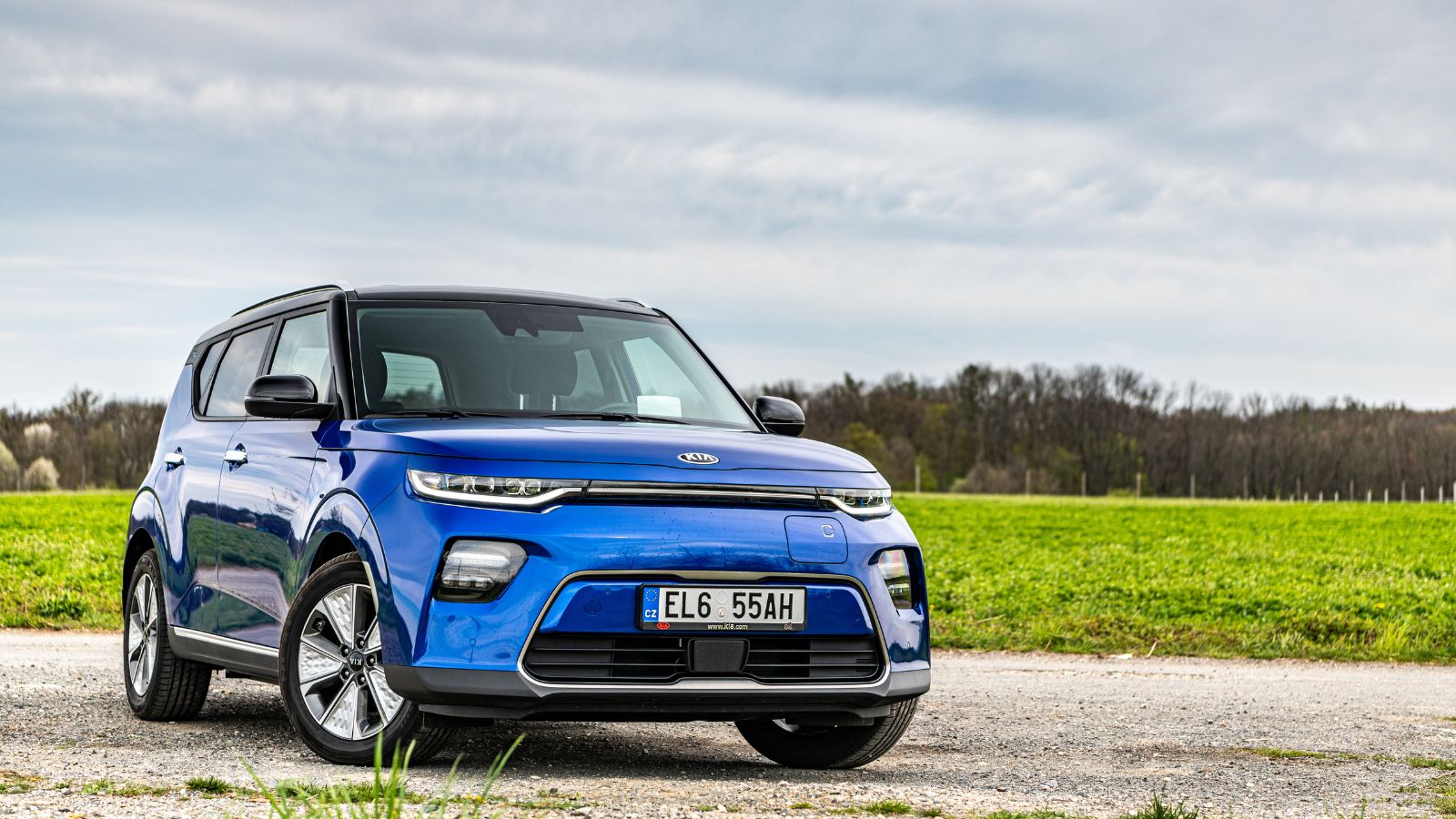
The Kia Soul EV continues to serve a niche audience in Canada. Pricing starts near $44,000 before incentives. Rebates help keep it competitive with small crossovers. Range sits around 383 kilometers, which works for most daily needs. The boxy shape creates useful interior space. Driving feels relaxed rather than sporty. Charging speeds are adequate for the class. Availability can be limited in some provinces. Still, for buyers wanting something compact yet practical, it remains a sensible option. It quietly delivers what many drivers actually need without chasing trends.
22 Things Canadians Do to Their Cars in Spring That Mechanics Hate

Spring brings relief to many Canadian drivers after months of snow, freezing temperatures, and icy roads that put serious strain on vehicles. As temperatures rise across the country, drivers begin washing cars, switching tires, and preparing vehicles for warmer weather and upcoming road trips. However, mechanics across Canada notice the same mistakes every spring when drivers attempt to recover from winter damage. Road salt, potholes, and harsh winter driving conditions often leave vehicles with hidden problems that drivers ignore. Some spring habits even create new mechanical issues that could have been avoided with proper maintenance. Here are 22 things Canadians do to their cars in spring that mechanics hate.