























Canadian vehicle shoppers are entering summer 2026 with a tougher equation than a glossy payment quote can show. Fuel prices have jumped, borrowing costs remain meaningful, used prices are easing unevenly, and some popular models carry extra ownership wrinkles around theft exposure, recalls, depreciation, charging convenience, insurance, or real-world running costs.
This look covers 18 vehicles Canadians may regret buying before summer 2026—not because every model is a bad vehicle, but because timing matters. A vehicle that made sense when gas was cheaper, rebates were clearer, inventories were tighter, or resale values looked stronger can feel very different once cottage trips, insurance renewals, road-trip fuel bills, and repair appointments arrive.
Hyundai Ioniq 5
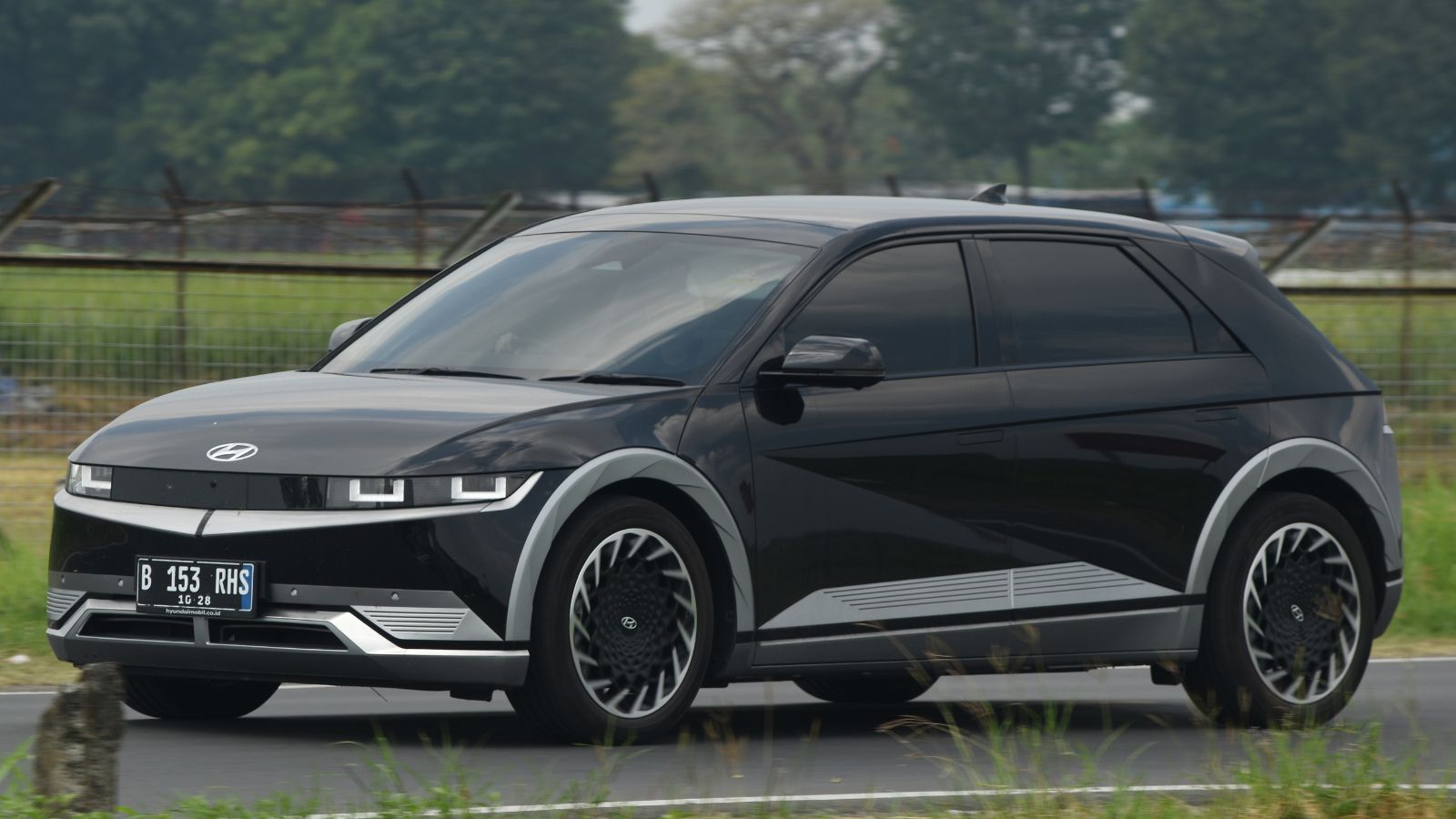
The Hyundai Ioniq 5 is one of the most appealing EVs sold in Canada. Its design is distinctive, charging speed can be excellent, and the cabin feels airy and modern. For buyers ready for an EV, it can be a rewarding choice. The caution before summer 2026 is that used EV prices and high-voltage component concerns require careful checking. A cheap-looking Ioniq 5 may still be a good deal, but only if recall work, battery health, charging history, and warranty coverage are clearly understood.
Transport Canada has documented Hyundai ICCU-related recall issues where the 12-volt battery may not charge properly and the vehicle can enter reduced-power mode. That issue has been a major discussion point among Ioniq 5 shoppers. The vehicle’s strengths remain real, especially for drivers with home charging and predictable routes. Regret is more likely for buyers who treat it like a normal used crossover and skip EV-specific due diligence. A pre-purchase inspection should include software updates, recall status, and charging performance.
Ford F-150 Raptor R
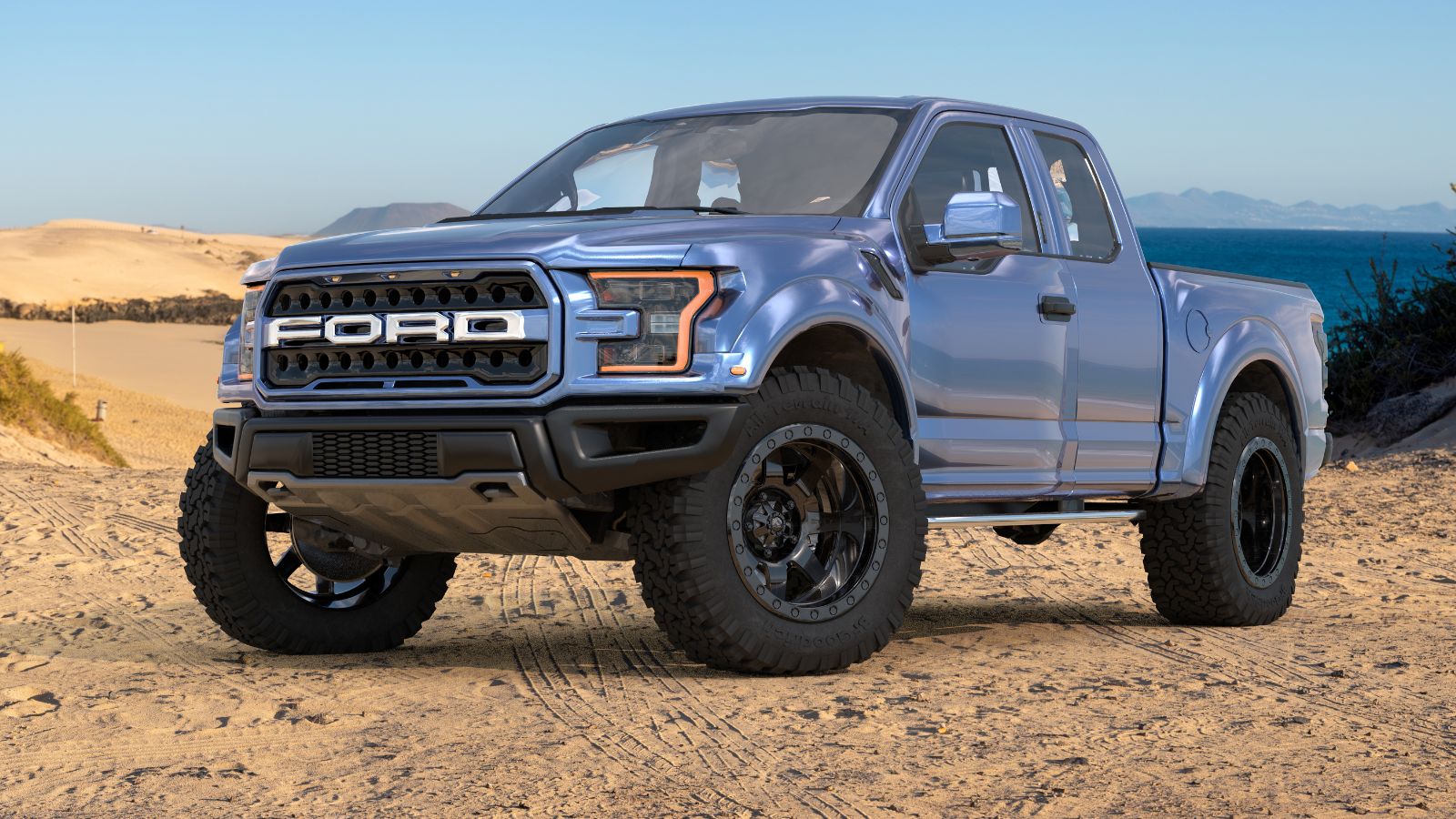
The Ford F-150 Raptor R is thrilling in the way only a supercharged V8 off-road truck can be. It has huge power, serious presence, and the kind of acceleration that makes a full-size pickup feel almost absurd. The regret risk arrives when the truck is used for ordinary Canadian life: commuting, Costco runs, highway drives, and summer weekends where fuel receipts pile up faster than expected. With premium-truck pricing already high, the Raptor R can feel less like a dream truck and more like a rolling luxury expense.
Fuel is the obvious pressure point. Canadian fuel-price data showed national averages around the high-$1.80s per litre in mid-May 2026, and the Raptor R sits among the least fuel-efficient new vehicles available in Canada. Buyers drawn in by performance videos may not fully price in tires, brakes, insurance, and depreciation. For drivers who rarely use its desert-running capability, a less extreme F-150, a hybrid truck, or even a well-equipped midsize pickup may deliver more value.
Ram 1500
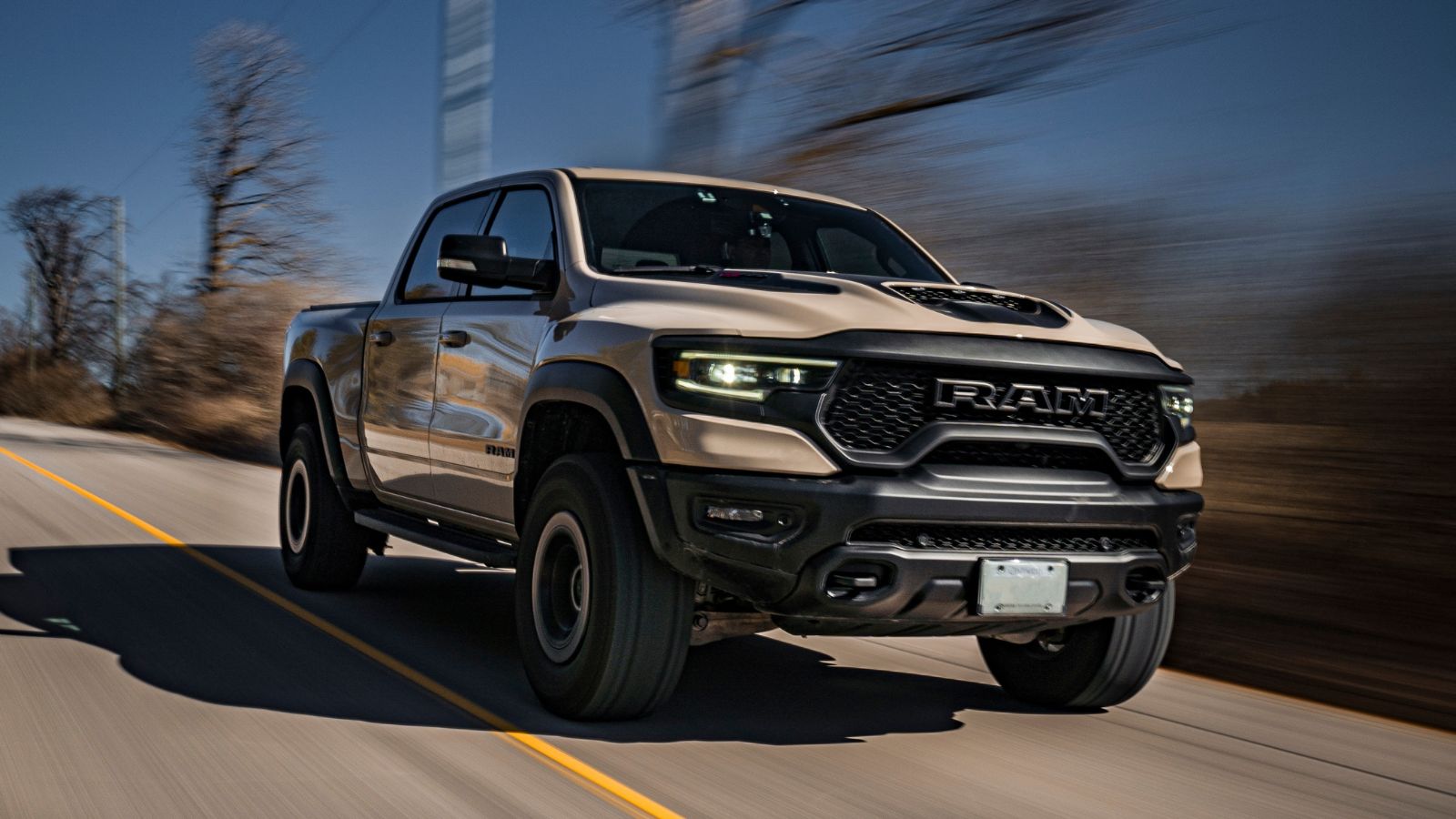
The Ram 1500 has long appealed to Canadians who want comfort with truck capability. Its cabin can feel more like a premium SUV than a work vehicle, and the available powertrains make it useful for towing, rural driving, and family trips. The problem before summer 2026 is that many buyers may be paying for more truck than they truly need, especially when fuel costs and insurance are already straining household budgets. A big pickup used mainly for errands can turn into an expensive habit.
Theft exposure also matters. The Ram 1500 appeared near the top of Canada’s most-stolen-vehicle rankings, which can influence insurance costs and the hassle factor in high-risk regions. Add summer road trips, urban parking, and the cost of larger tires, and the ownership picture becomes more complicated. For buyers who need towing, payload, and winter confidence, the Ram still makes sense. For shoppers buying it because “a truck seems useful,” regret can arrive quickly once the monthly payment meets fuel and insurance reality.
Toyota RAV4
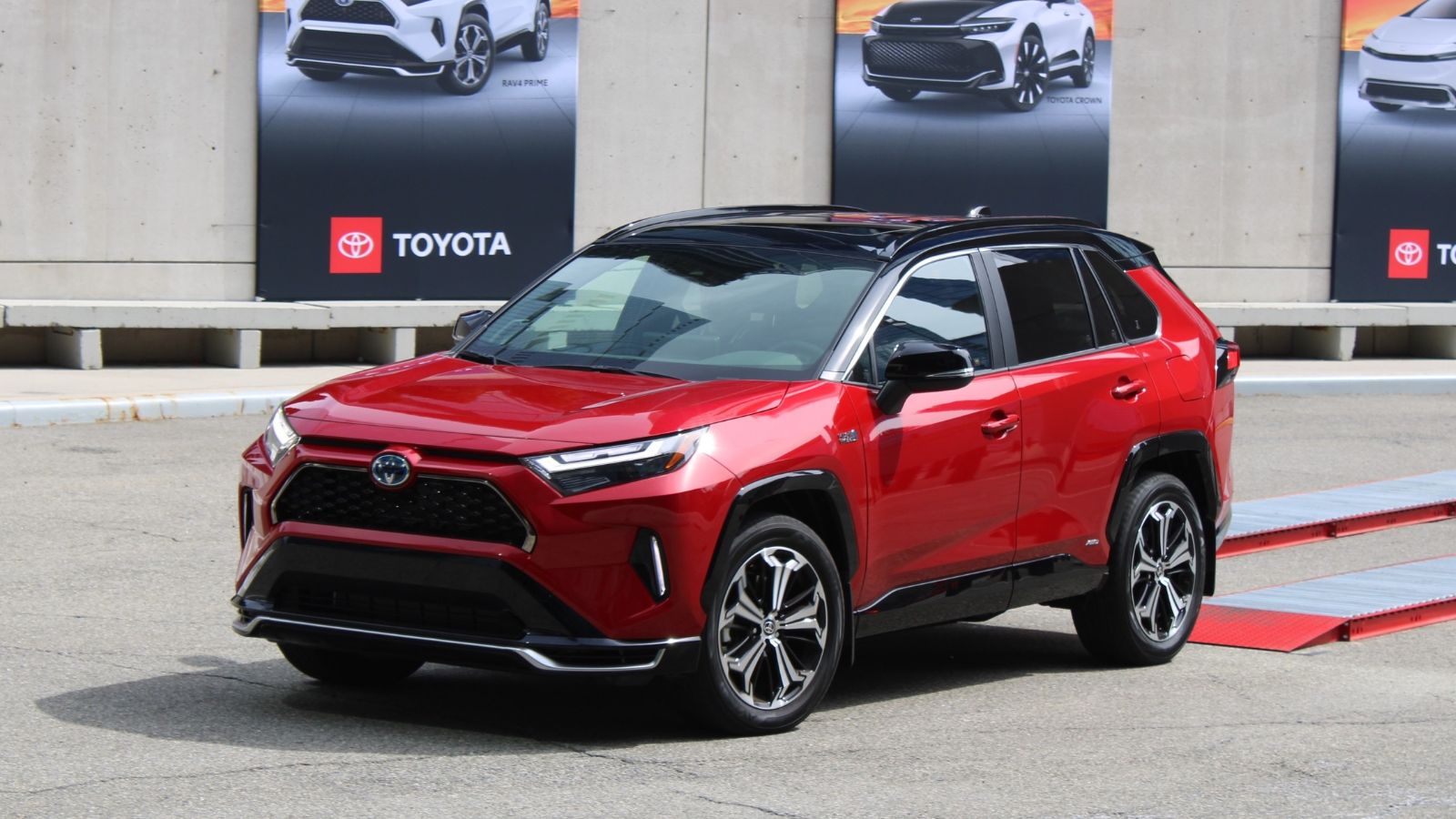
The Toyota RAV4 is not an obvious regret pick because it is practical, efficient, and trusted. That popularity is exactly the problem. In Canada, demand for RAV4s has kept prices firm, and the model has become highly visible to thieves. A buyer who stretches to buy one before summer 2026 may discover that the “safe choice” comes with insurance pressure, anti-theft add-ons, and less negotiation room than expected. A used RAV4 can sometimes cost close enough to a new one that the value case weakens.
The RAV4 also illustrates the risk of paying a reliability premium without checking the full ownership picture. Families may love the size, fuel economy, and resale strength, but those advantages are not free. In some markets, waiting for more inventory or comparing the RAV4 against the Mazda CX-5, Subaru Forester, Hyundai Tucson Hybrid, or Honda CR-V Hybrid may reveal better value. The regret is not that the RAV4 is weak; it is that buyers can overpay for certainty.
Honda CR-V
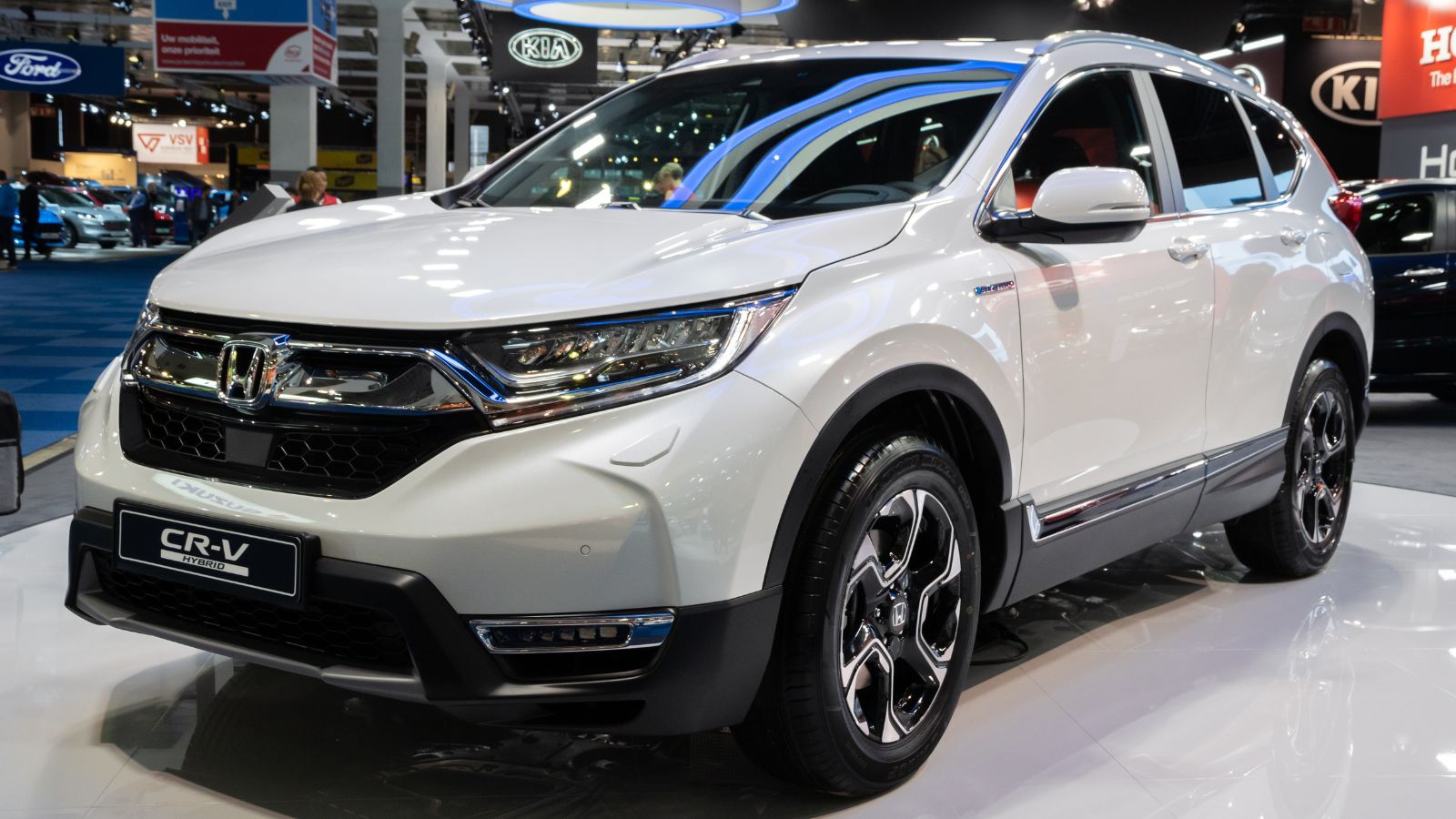
The Honda CR-V remains one of Canada’s default family SUVs. It is roomy, sensible, and easy to recommend, especially for households moving out of sedans or smaller crossovers. But before summer 2026, that popularity brings a catch. The CR-V has appeared prominently in Canadian auto-theft discussions, particularly in Ontario, and theft exposure can create extra costs that are not always obvious during a test drive. Buyers may focus on cargo space and fuel economy while underestimating insurance premiums.
There is also the pricing issue. A well-equipped CR-V Hybrid can climb into territory where shoppers begin comparing it with larger SUVs or near-luxury crossovers. That can create disappointment if the vehicle is used mostly for short trips and the buyer expected a bargain. The CR-V is still a fundamentally strong choice, but a rushed purchase can be costly. Before summer travel begins, Canadians may want to compare insurance quotes, theft-prevention requirements, and actual dealer discounts rather than assuming the badge alone guarantees value.
Toyota Highlander
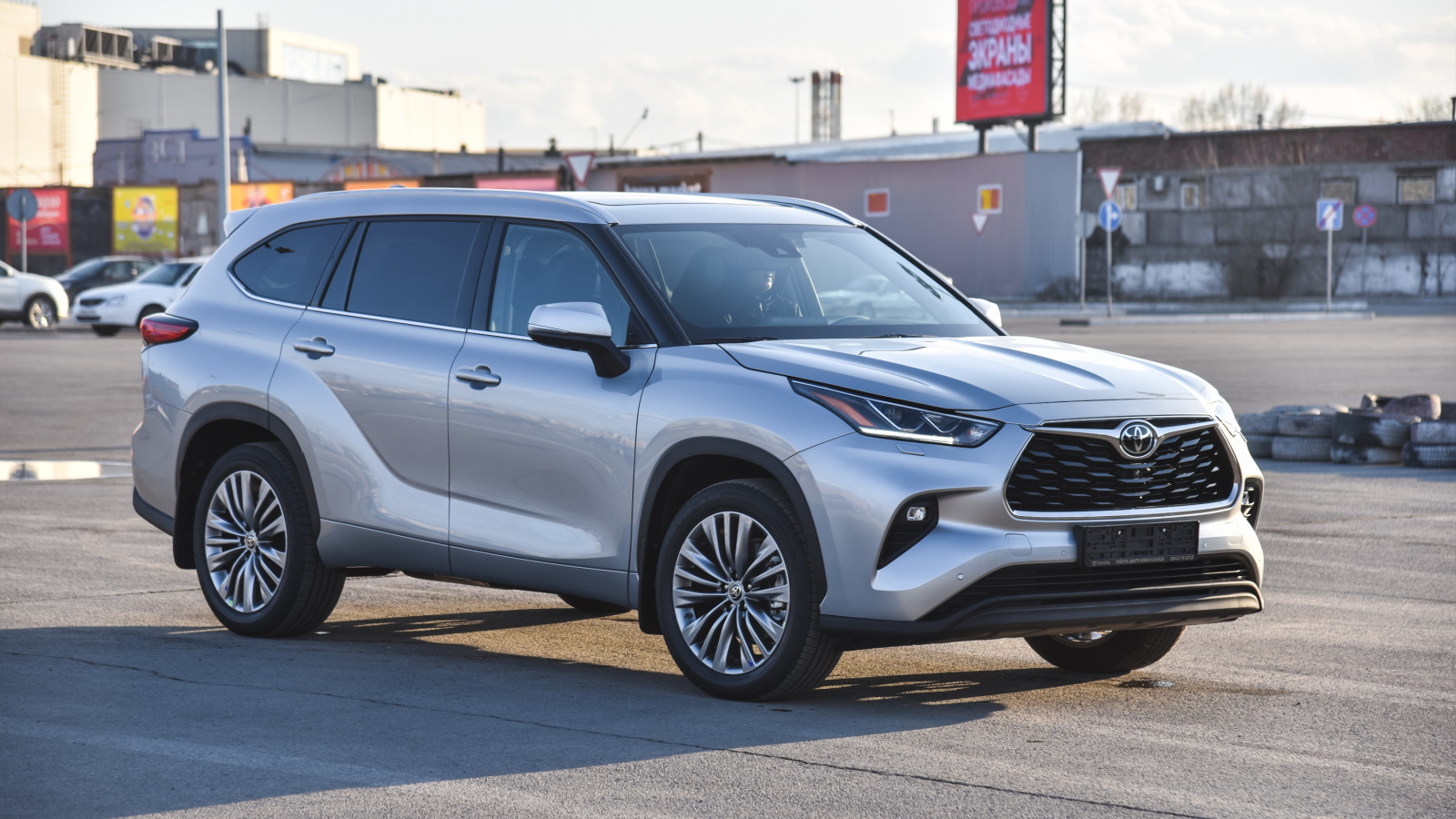
The Toyota Highlander has a strong Canadian reputation because it blends family space, available hybrid efficiency, and Toyota resale strength. It is especially attractive to buyers who want three rows without moving into a minivan. The regret risk is that used Highlanders can command stubbornly high prices, while theft exposure has been a repeated concern in Canadian rankings. A family buying one before summer may feel protected by resale value, then get surprised by insurance conditions or the cost of replacing it if stolen.
The Highlander also faces internal competition from the Grand Highlander, Sienna, and other three-row options. A buyer who needs true third-row comfort may find the regular Highlander tighter than expected once kids, grandparents, sports bags, and vacation luggage are loaded. Hybrid versions can be excellent, but they often carry higher asking prices. The smart move is to treat the Highlander as a premium family tool, not an automatic bargain. Regret tends to come when buyers pay top dollar and still compromise on space.
Lexus RX
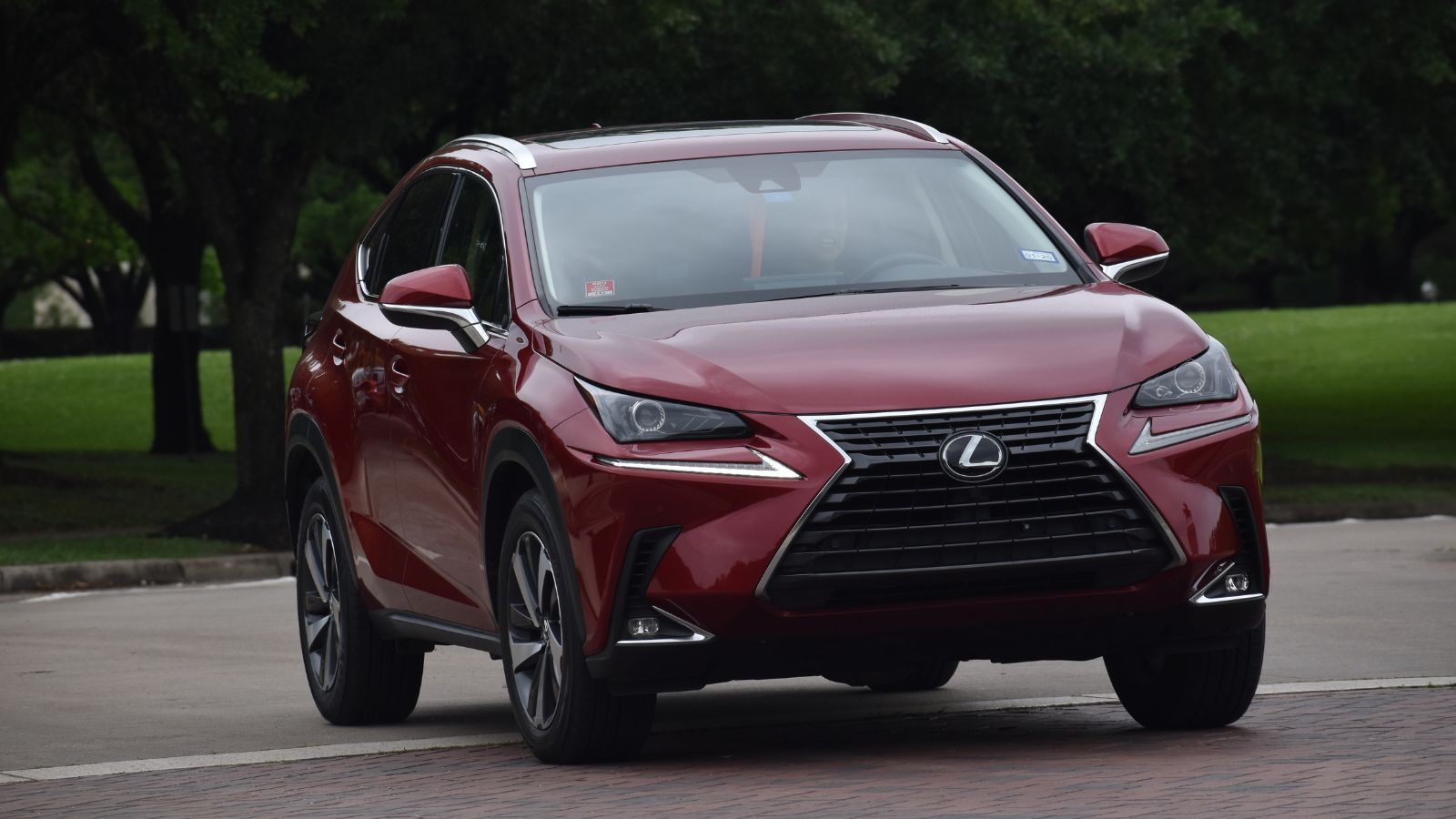
The Lexus RX has a loyal following for good reason. It is quiet, comfortable, and historically strong on dependability and resale. For many Canadians, it feels like the sensible luxury SUV. The concern before summer 2026 is that the RX is also one of the vehicles frequently discussed in relation to theft risk, especially in Ontario and other high-theft markets. Luxury-brand repair costs, higher insurance premiums, and anti-theft requirements can change the ownership math quickly.
A used RX can also be expensive because buyers trust the nameplate. That may be justified for long-term ownership, but not every buyer benefits equally. Someone using it mainly for short city trips might absorb luxury-level costs without enjoying much more utility than a mainstream hybrid SUV provides. The RX still makes sense for shoppers prioritizing comfort, refinement, and long-term reliability. The regret risk appears when a buyer assumes Lexus ownership will be low-stress without checking local insurance, theft-prevention requirements, and out-of-warranty repair pricing.
Jeep Wrangler
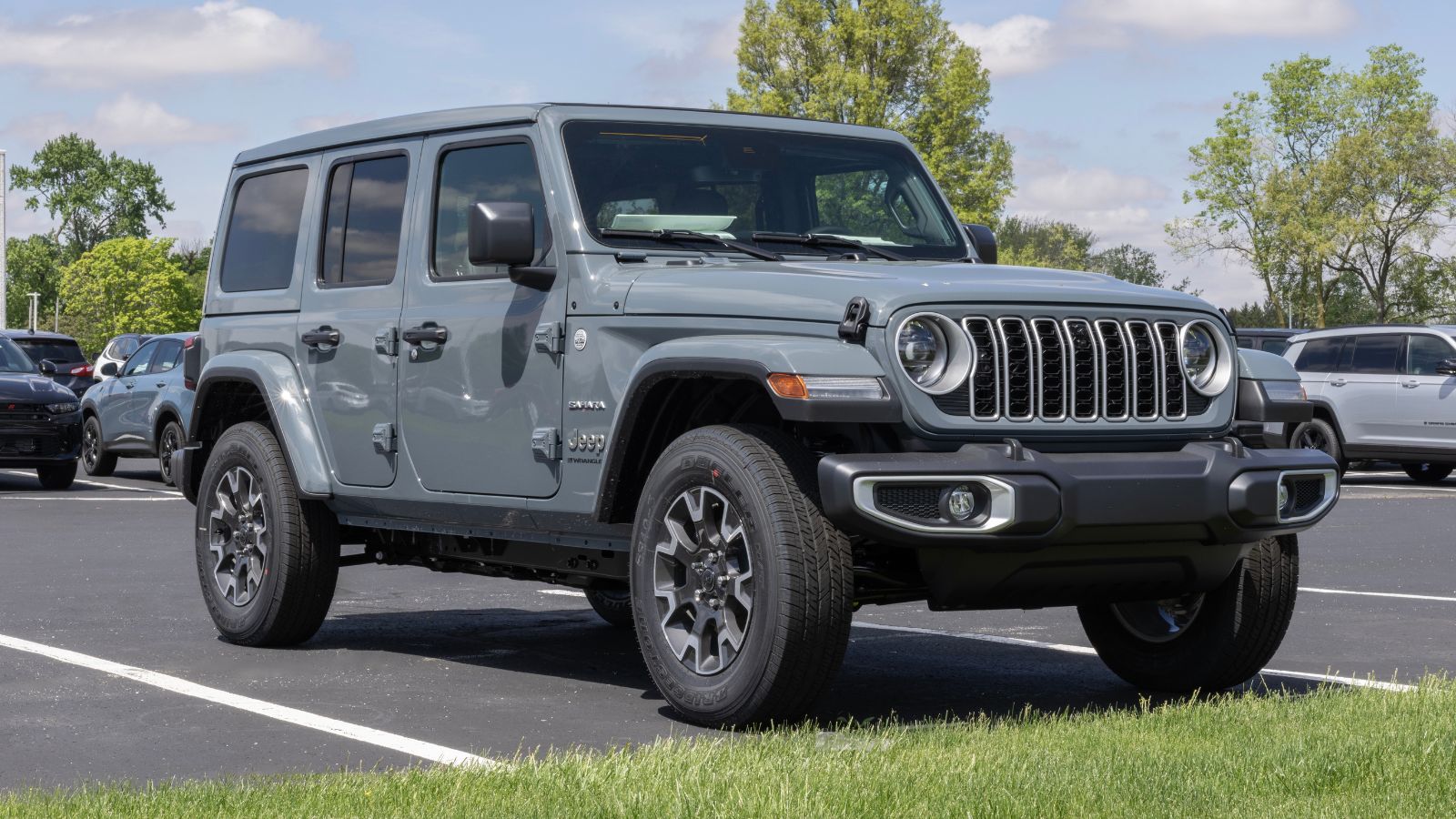
The Jeep Wrangler is one of the most emotionally appealing vehicles on Canadian roads. It promises open-air driving, cottage-road confidence, and an image that ordinary crossovers cannot match. Summer is when the Wrangler sells the dream best: roof panels off, doors removed, and weekend adventures in mind. The regret often arrives after the excitement fades and the daily compromises become clearer. Wind noise, ride firmness, fuel use, cargo limits, and winter tire costs can feel bigger than expected.
The Wrangler has also appeared on Canadian most-stolen-vehicle lists, adding another ownership factor in some provinces. Buyers who genuinely use its off-road ability may accept the trade-offs happily. But many Wranglers spend most of their time in traffic, parking lots, and school pickup lanes. That is where the price can feel harder to justify. A shopper buying one before summer should be honest about how often the vehicle will actually leave pavement. If the answer is rarely, the regret risk rises.
Jeep Grand Cherokee 4xe
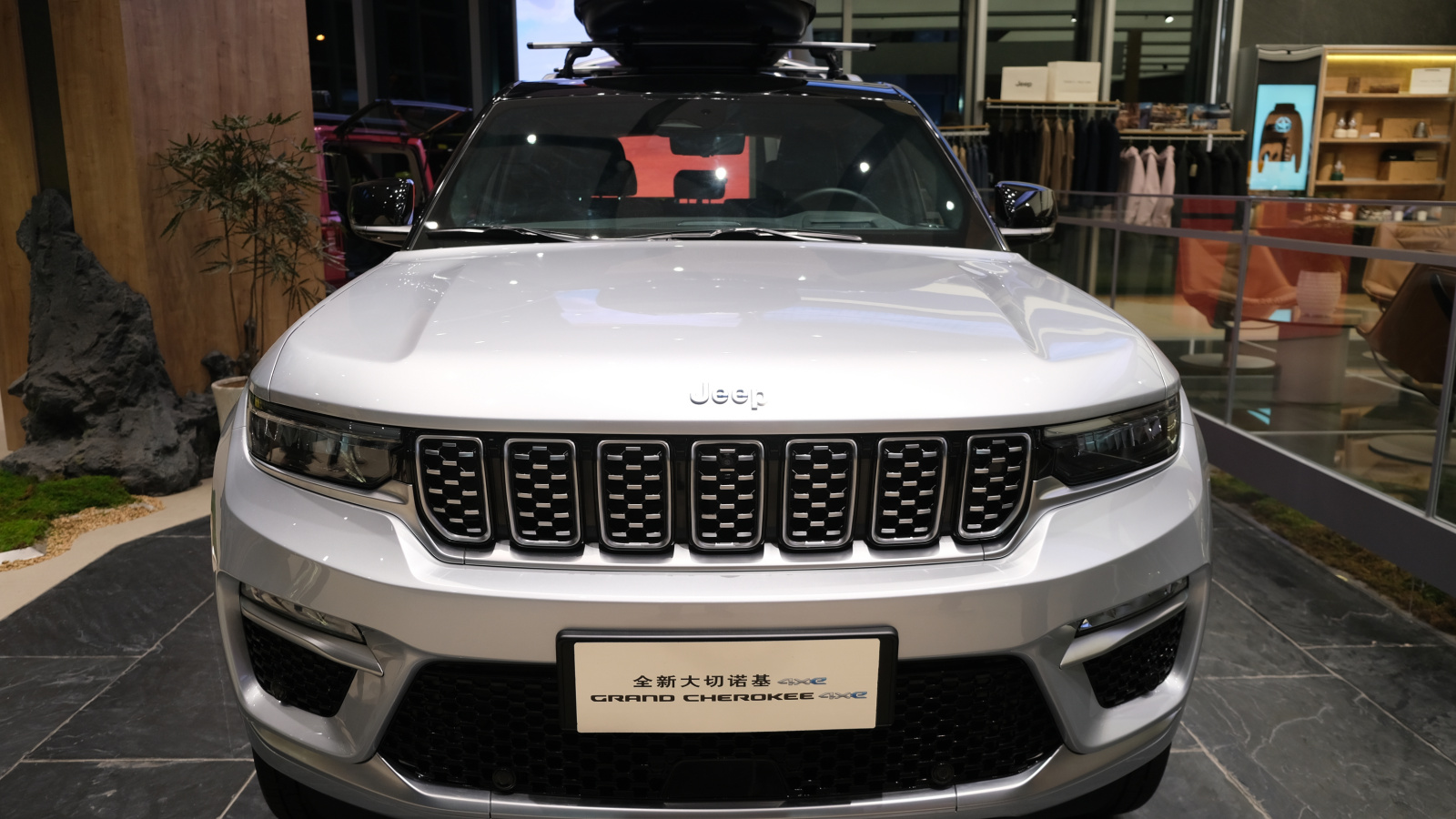
The Jeep Grand Cherokee 4xe looks like a clever compromise: premium SUV comfort, Jeep branding, and plug-in hybrid efficiency for short trips. In theory, it should be ideal for Canadian families who want electric commuting without giving up gasoline range. The concern is complexity. Plug-in hybrids combine internal-combustion hardware, high-voltage battery systems, charging equipment, and software. When everything works smoothly, the result can be impressive. When recalls or service delays occur, ownership can become more stressful than expected.
Transport Canada recall notices involving Jeep 4xe models have included high-voltage battery fire-risk language and engine-related concerns for certain plug-in hybrid vehicles. That does not mean every Grand Cherokee 4xe is unsafe or unreliable, but it does mean buyers should verify recall completion carefully before signing. The regret risk grows for shoppers who cannot charge at home, because the fuel-saving promise becomes weaker. A conventional Grand Cherokee, hybrid rival, or fully electric SUV may be more predictable depending on driving habits.
Land Rover Range Rover
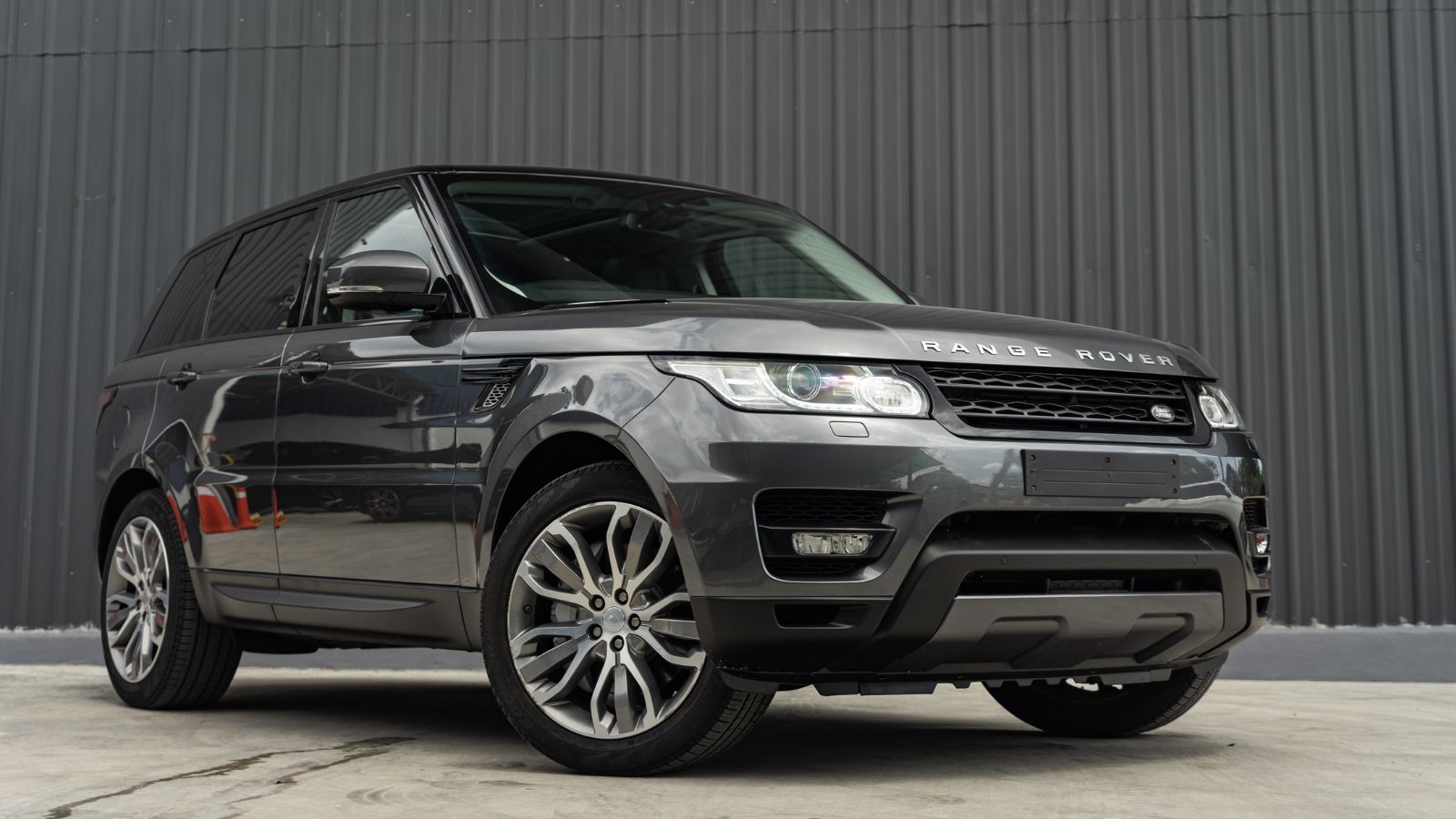
The Range Rover has prestige few SUVs can match. It looks expensive because it is expensive, and it offers a mix of luxury, capability, and status that continues to attract Canadian buyers. The regret risk before summer 2026 is that ownership costs can be punishing. Insurance, tires, brakes, depreciation, and repair bills can all land at luxury-flagship levels. For buyers stretching into a used example, the purchase price may be only the beginning of the story.
Theft exposure is another serious consideration. Range Rover models have appeared in Canadian theft rankings, and high-end SUVs can attract extra insurer scrutiny. Reliability perceptions also matter: Consumer Reports’ 2026 brand report placed Land Rover near the bottom of its brand rankings. A Range Rover may still make sense for buyers with the budget and patience for premium maintenance. But it is risky as an image-driven purchase. Summer road trips are less relaxing when every warning light feels expensive.
Chevrolet Tahoe / GMC Yukon
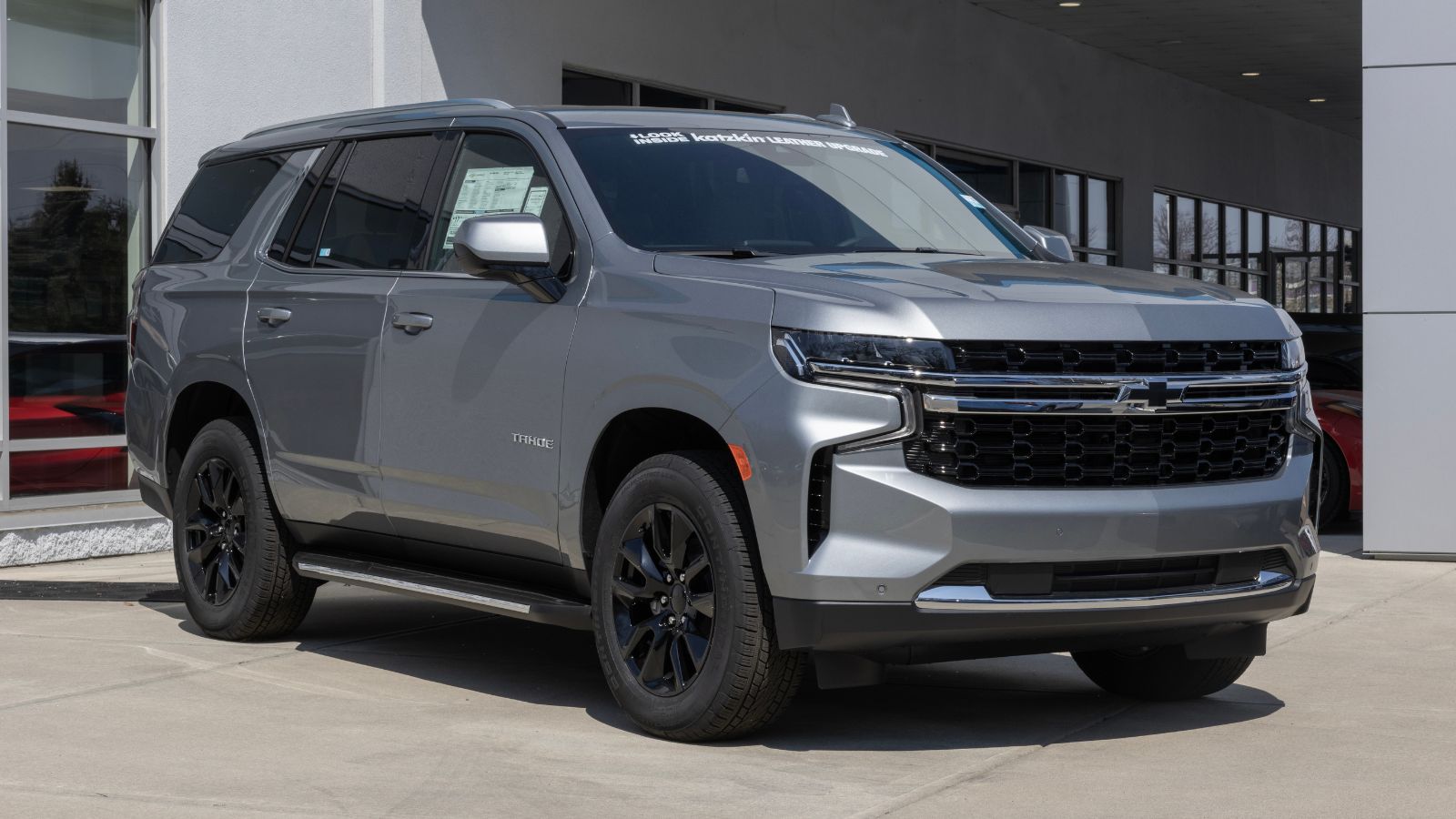
The Chevrolet Tahoe and GMC Yukon are highly capable family haulers. They can tow, carry people and gear, handle long highways comfortably, and make sense for large families or rural drivers. The issue is that many Canadians buy big SUVs for occasional needs, then pay full-time costs. Fuel consumption, parking difficulty, insurance, tires, and purchase prices can all feel outsized once daily use begins. Before summer 2026, high fuel prices make that trade-off sharper.
Theft exposure has also been a concern for full-size GM SUVs in Canadian data. A Yukon or Tahoe can be excellent for towing a boat, hauling a trailer, or moving a large family to the lake. But for drivers who only need three rows a few times a year, a minivan, midsize three-row SUV, or hybrid family vehicle may be easier to live with. Regret usually comes when a buyer pays for maximum capability but uses only a fraction of it.
Ford F-150 Lightning
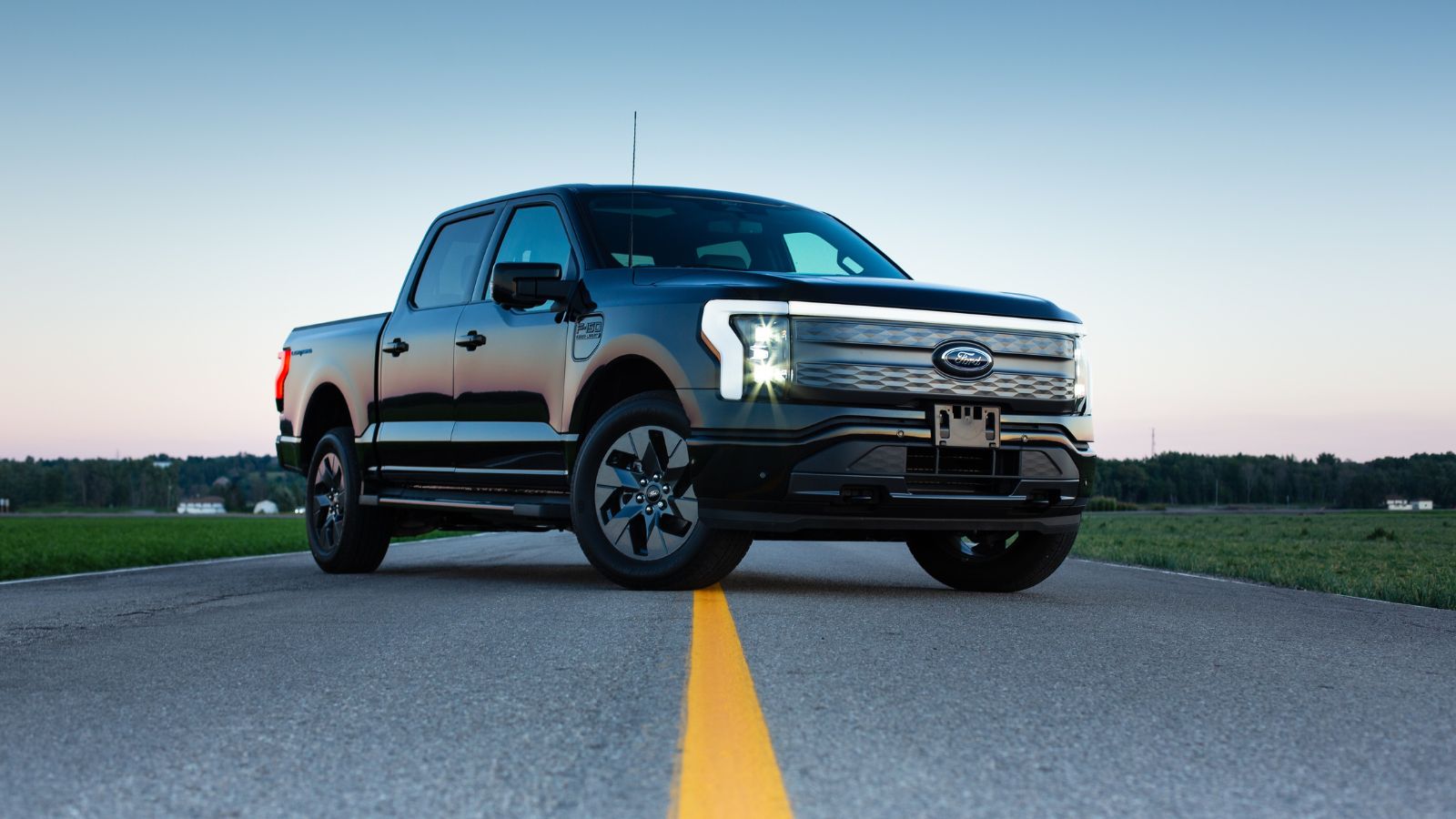
The Ford F-150 Lightning is one of the most interesting trucks in Canada because it combines pickup practicality with electric torque. It can be smooth, quick, and useful for job sites or home backup scenarios when properly equipped. The hesitation before summer 2026 is not about the concept; it is about fit. Highway towing, cold-weather range, charging availability, and real-world payload use can affect satisfaction. Buyers moving from a gasoline F-150 may need to adjust expectations.
There have also been recall considerations affecting some F-150 Lightning models, including software-related issues. More broadly, electric pickup depreciation and changing EV incentives can make timing tricky. A buyer who pays a premium and later sees used values soften may feel trapped, especially if the truck’s range drops noticeably while towing or carrying loads. The Lightning can be excellent for predictable routes and home charging. It may disappoint shoppers expecting it to behave exactly like a gas truck on long summer trips.
Tesla Model Y
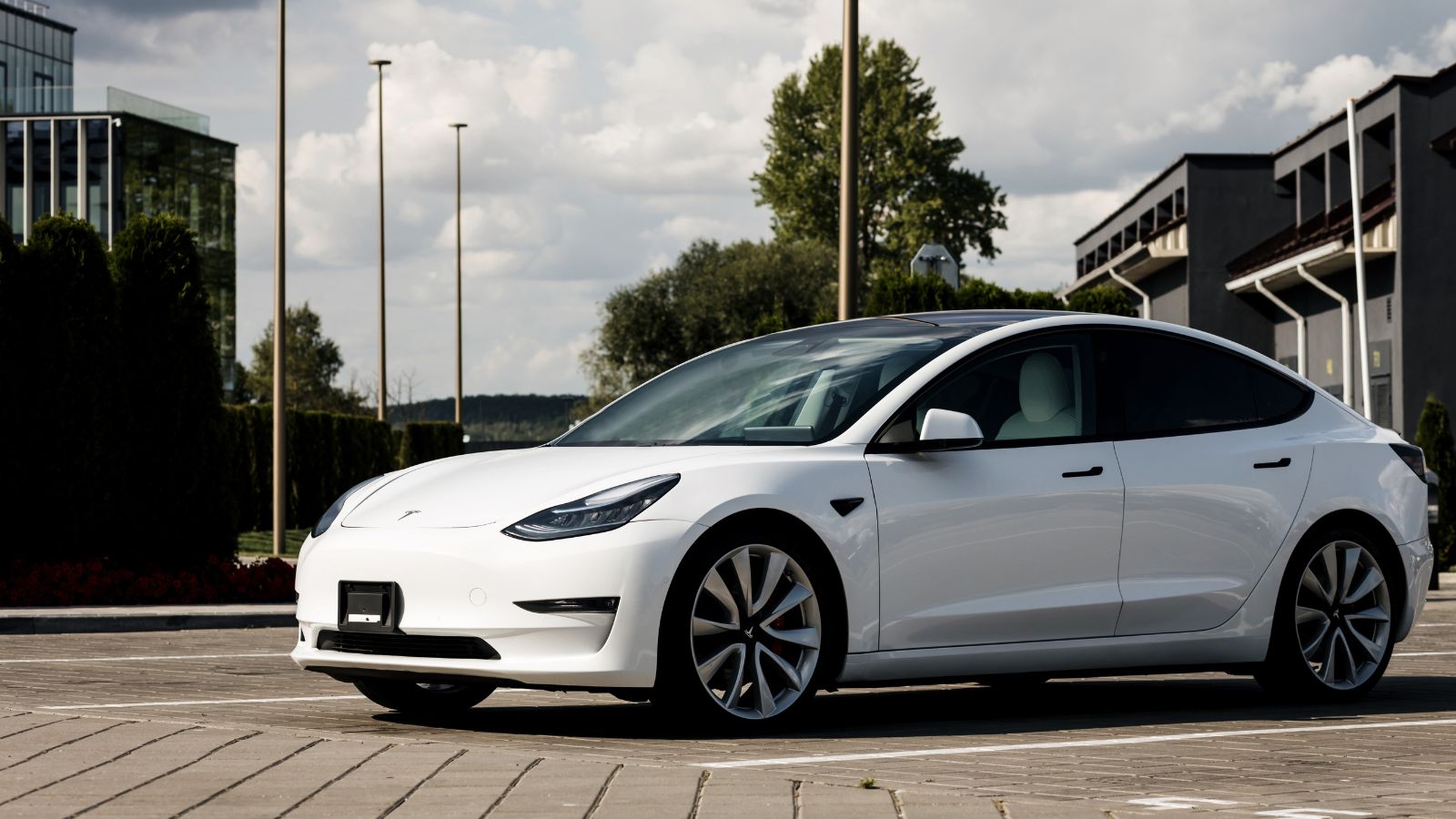
The Tesla Model Y remains one of the most recognizable electric SUVs in Canada. It offers strong acceleration, useful range, and access to Tesla’s charging network, which remains a meaningful advantage for road trips. The regret risk comes from timing and volatility. Tesla pricing has shifted significantly in recent years, and used EV values have been more unpredictable than those of many gasoline SUVs. A buyer who rushes before summer may discover that a slightly newer, updated, or better-priced example appears soon after.
There are also recall and software considerations. Tesla has issued recalls involving rearview-camera display problems affecting Model Y and other models, often addressed through software updates. That may be less disruptive than a traditional repair, but it reminds buyers that modern EV ownership is tied closely to software and hardware versions. The Model Y can be a smart purchase for home chargers and frequent EV users. It may frustrate shoppers who mainly want stable resale value and traditional ownership simplicity.
Kia EV6
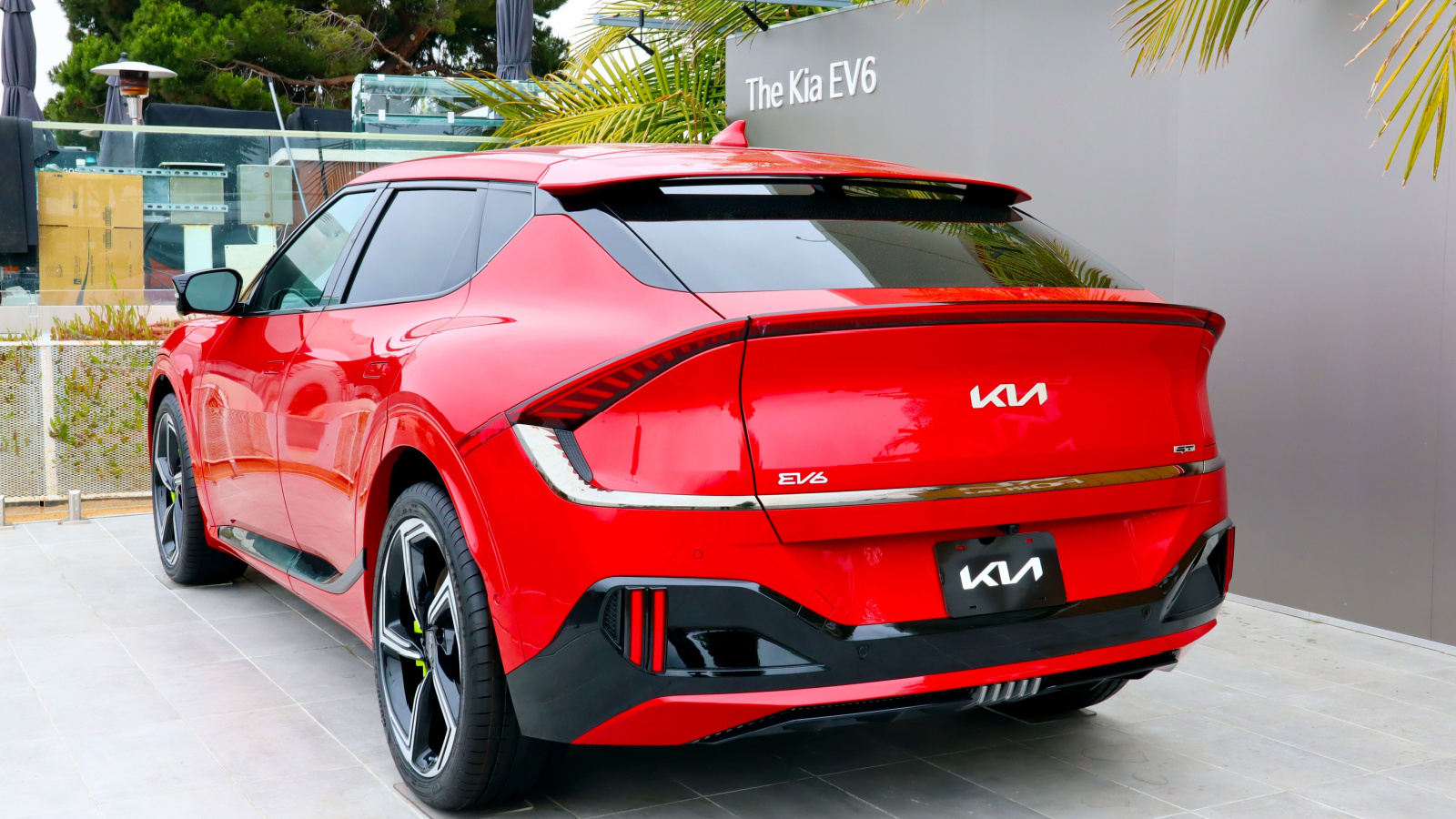
The Kia EV6 shares much of the Ioniq 5’s appeal: fast charging, sharp styling, strong performance, and a genuinely modern driving experience. It can feel like a premium EV without always carrying a premium badge. But before summer 2026, Canadians considering a used EV6 should be careful about service history and recall completion. EVs are often cheaper to run day to day, yet a high-voltage or charging-system concern can create anxiety if parts or appointments are delayed.
Transport Canada recall information and Canadian reporting have discussed ICCU-related concerns for Kia EV6 models. That does not make the EV6 a poor vehicle, but it raises the importance of documentation. Buyers should confirm whether the relevant software updates, inspections, or component replacements have been completed. The EV6 can be excellent for households with charging access and a dealer nearby. The regret risk increases for shoppers stretching financially, relying heavily on public charging, or assuming all EV ownership is automatically low-maintenance.
Volkswagen ID.4
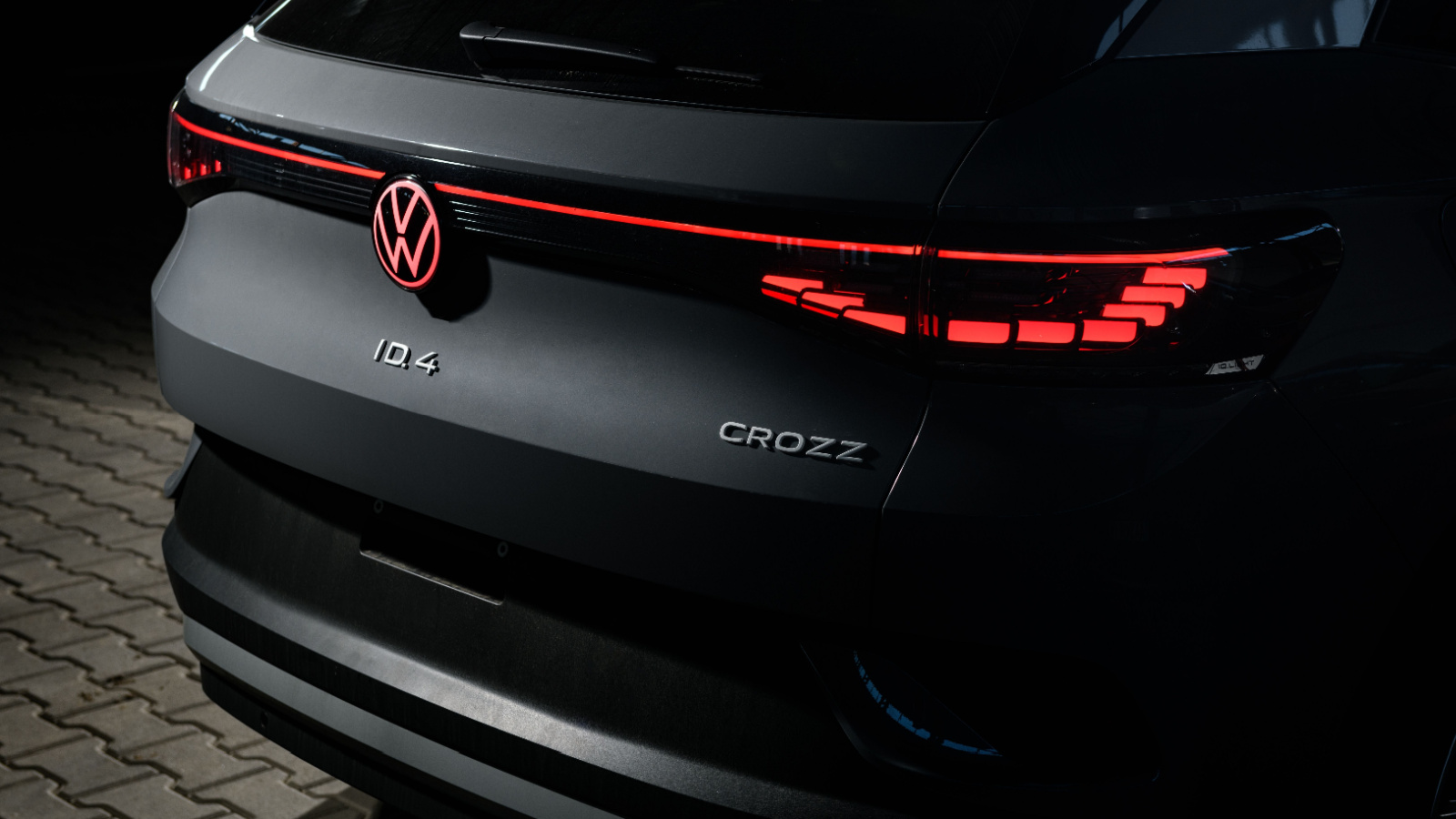
The Volkswagen ID.4 is practical, comfortable, and sized well for Canadian families moving into electric driving. It has a more conventional feel than some EVs, which many buyers appreciate. The concern before summer 2026 is that several recall notices and charging-related ownership realities can complicate the decision. Some Transport Canada recall notices for ID.4 models have referred to high-voltage battery module issues and fire-risk precautions, including limits on charging or parking guidance until repairs are completed for affected vehicles.
That kind of notice can be especially frustrating for an EV owner because charging flexibility is central to the ownership experience. A gasoline vehicle with a recall may still function normally while waiting for parts, but an EV battery-related recall can change how and where the vehicle is used. The ID.4 may still be a good fit when priced properly and fully updated. Regret becomes more likely if a buyer chooses one mainly because it is discounted, without confirming recall status and battery-service history.
Kia EV9
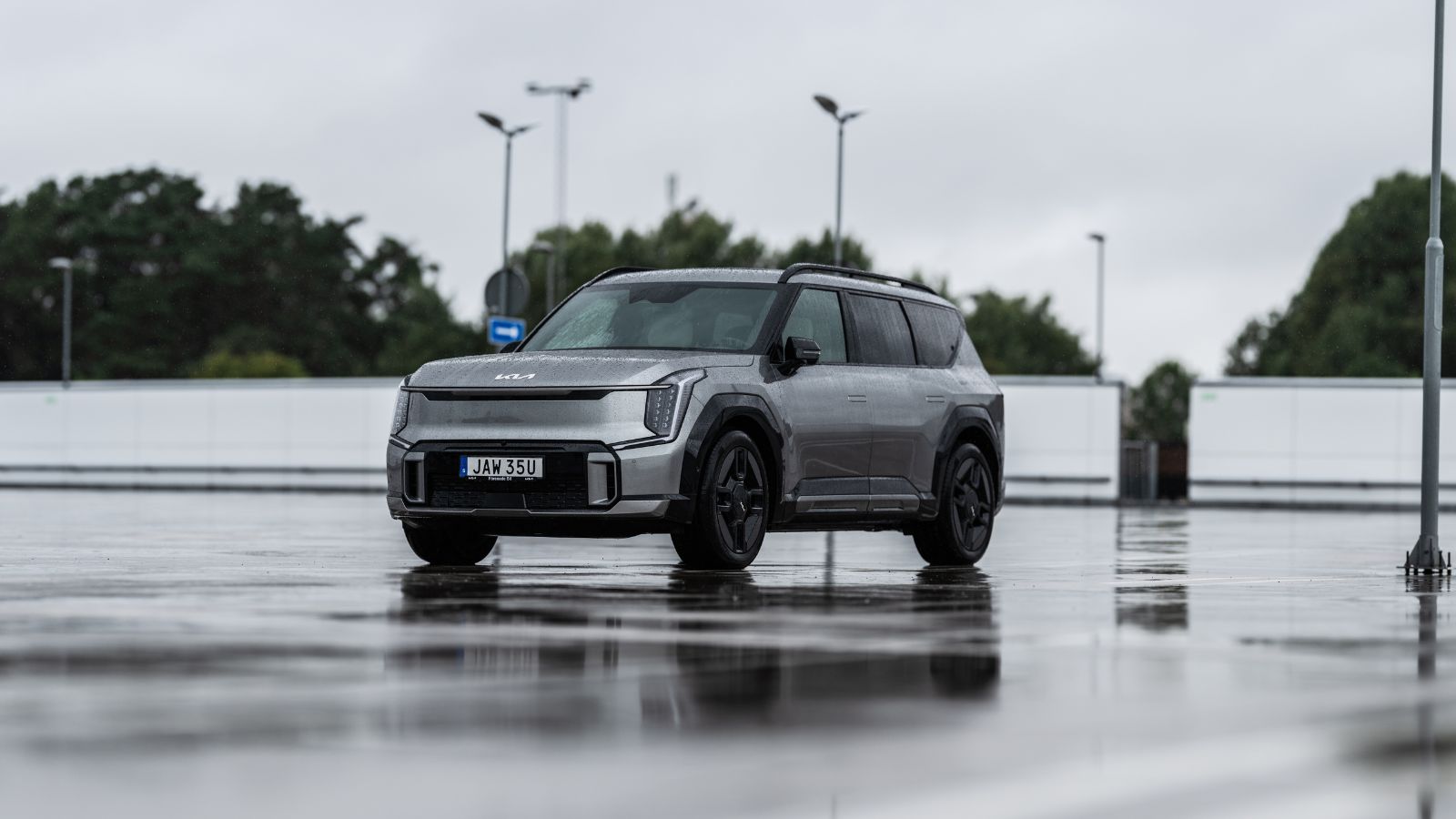
The Kia EV9 is one of the most compelling three-row electric SUVs in Canada. It gives families a rare EV option with real space, modern styling, and strong road-trip potential when charging plans are realistic. The regret risk is that it is still an expensive, relatively new model in a fast-changing segment. Early adopters often pay more, absorb faster depreciation, and face more uncertainty around recalls, software updates, and long-term service support than buyers who wait for the market to settle.
Transport Canada recall notices involving Kia models have included display and seat-mounting issues affecting certain vehicles, including EV9-related campaigns. Kia noted in one recall that affected vehicles had not been delivered to customers, but shoppers should still verify any specific VIN. The EV9 can be a smart family EV for households with home charging and realistic road-trip expectations. It may disappoint buyers who expect three-row electric ownership to be as simple, cheap, and flexible as a mature gasoline SUV.
Hyundai Santa Fe
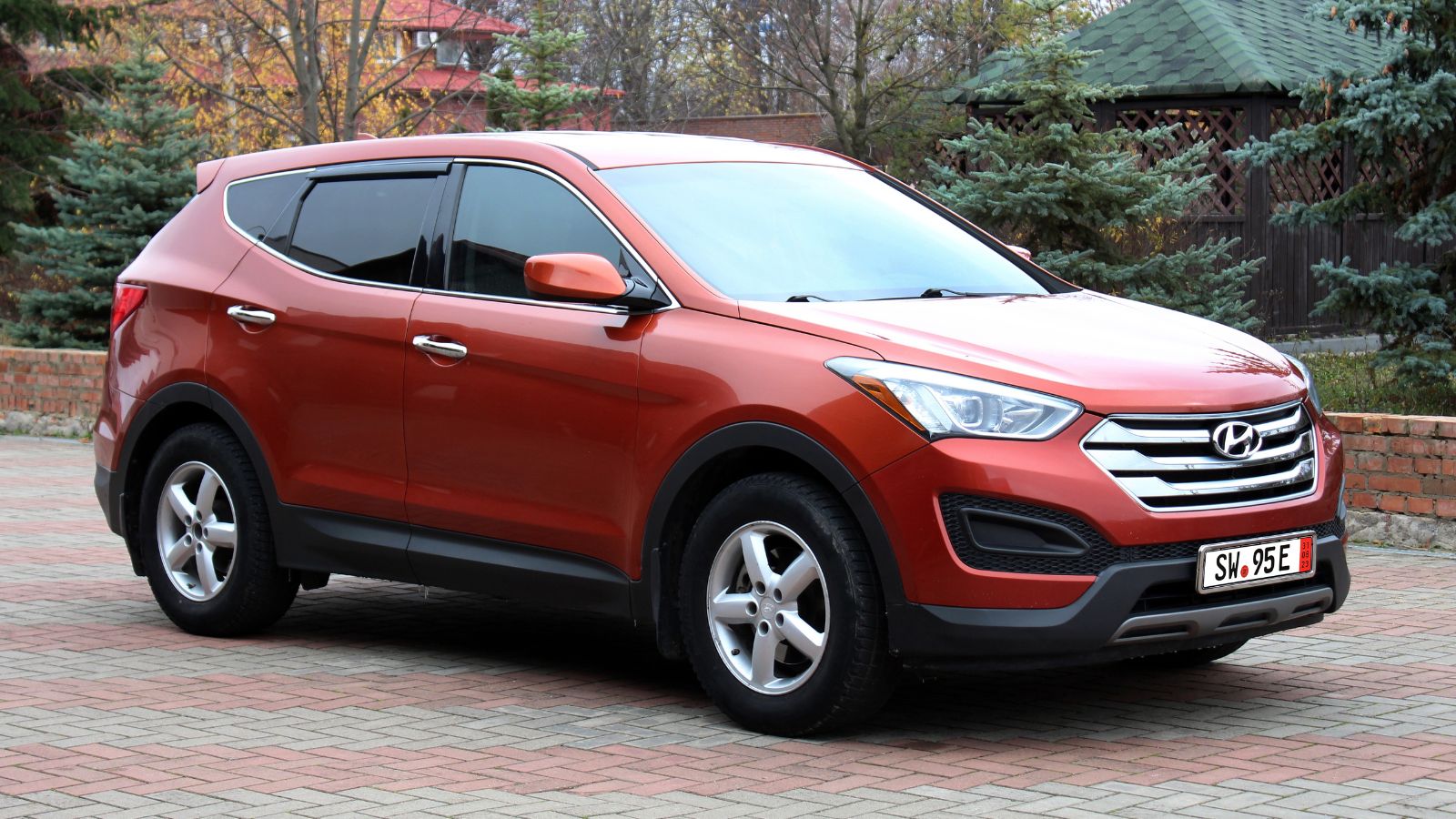
The redesigned Hyundai Santa Fe stands out with boxy styling, a useful cabin, and available hybrid powertrains. It is exactly the kind of SUV Canadians may consider before summer: family-ready, adventure-looking, and fresh on the market. The regret risk comes from early-model timing. New designs can bring enthusiasm, but they can also bring recalls, supply constraints, or teething issues that become clearer only after more owners put kilometres on them.
Transport Canada issued recall information in 2026 involving certain Hyundai vehicles, including airbag sensor and side-curtain airbag concerns on affected models. Buyers should not panic, but they should avoid assuming a new redesign is automatically trouble-free. The Santa Fe may be a strong choice for families who want space without moving to a huge SUV. Regret is more likely for shoppers who buy at peak excitement, pay close to full price, and do not compare insurance, fuel economy, third-row usability, and recall status before delivery.
Volkswagen Taos
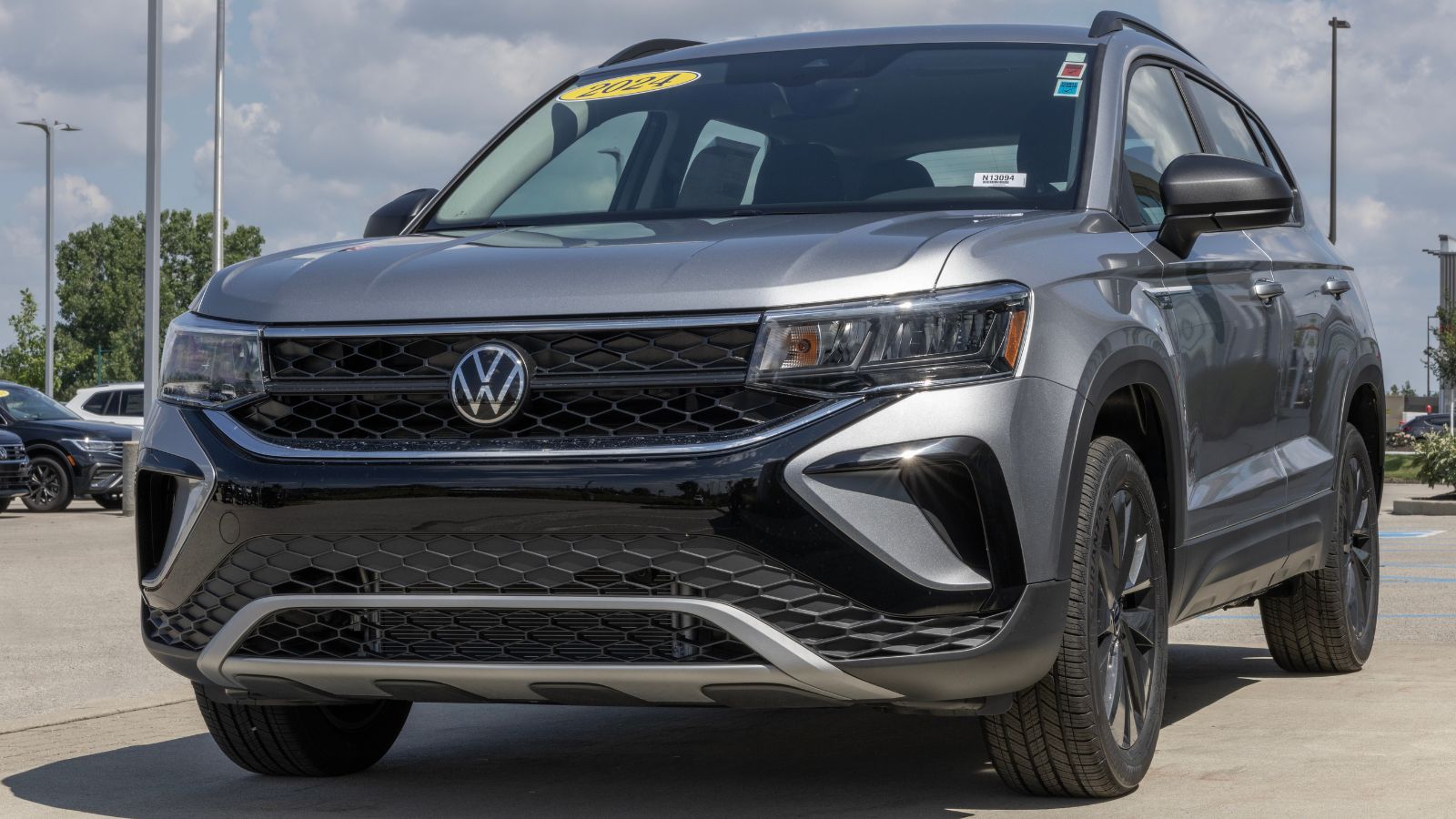
The Volkswagen Taos attracts buyers because it offers small-SUV practicality, a roomy cabin, and a European badge at a relatively approachable price. It can look like a smart alternative to more expensive compact crossovers. The regret risk before summer 2026 is that the Taos competes in a segment where buyers often expect low running costs and simple reliability. If ownership includes software annoyances, recall visits, premium-priced maintenance, or weaker resale than expected, the value proposition can fade.
Volkswagen has had several recent recall notices across its lineup, and Consumer Reports has historically treated reliability and owner satisfaction as major factors in its vehicle evaluations. The Taos should be assessed carefully against rivals such as the Toyota Corolla Cross, Honda HR-V, Mazda CX-30, Subaru Crosstrek, and Hyundai Kona. A low monthly payment is not enough if long-term confidence is weak. Buyers may regret choosing the Taos mainly for brand feel if a more proven rival offers lower risk.
Nissan Ariya
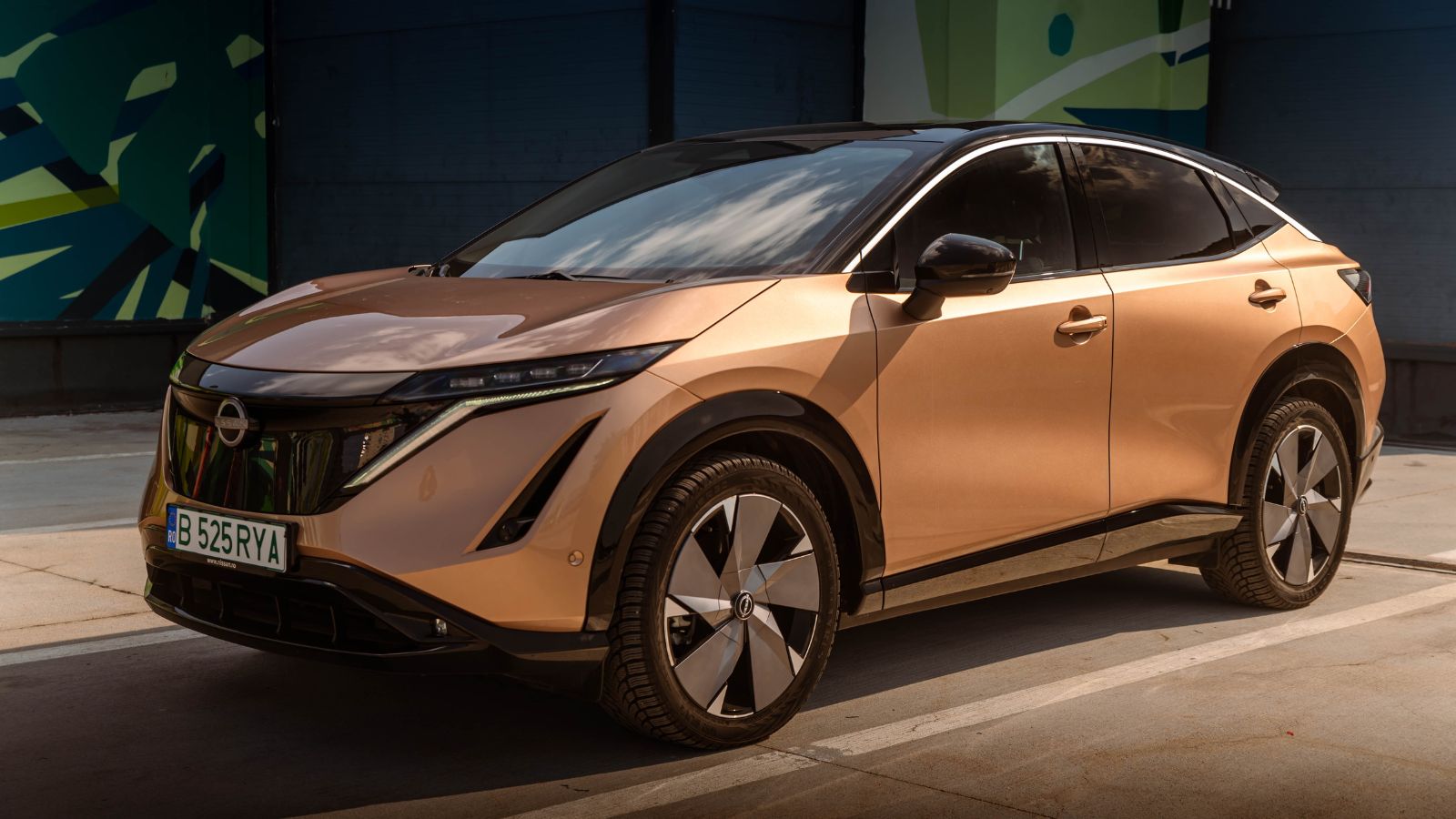
The Nissan Ariya is comfortable, quiet, and more refined than some shoppers expect. It gives Nissan a serious electric crossover, and its cabin can feel calm and premium. The problem before summer 2026 is market positioning. The Ariya faces heavy pressure from the Tesla Model Y, Hyundai Ioniq 5, Kia EV6, Volkswagen ID.4, and newer EVs arriving with stronger charging stories or sharper pricing. A buyer may like the Ariya on a test drive, then later find resale and charging comparisons less flattering.
EV shopping in 2026 is especially sensitive to incentives, inventory, and depreciation. A vehicle that looks discounted may be discounted for a reason: slower demand, aging tech, or stronger competitors. The Ariya can still suit drivers who value comfort over maximum charging speed or brand buzz. Regret is more likely for buyers who do not compare real-world charging networks, road-trip routes, warranty terms, and used EV price trends. In a fast-moving EV market, timing can matter as much as the badge.
22 Things Canadians Do to Their Cars in Spring That Mechanics Hate

Spring brings relief to many Canadian drivers after months of snow, freezing temperatures, and icy roads that put serious strain on vehicles. As temperatures rise across the country, drivers begin washing cars, switching tires, and preparing vehicles for warmer weather and upcoming road trips. However, mechanics across Canada notice the same mistakes every spring when drivers attempt to recover from winter damage. Road salt, potholes, and harsh winter driving conditions often leave vehicles with hidden problems that drivers ignore. Some spring habits even create new mechanical issues that could have been avoided with proper maintenance. Here are 22 things Canadians do to their cars in spring that mechanics hate.