






















Owning a vehicle used to mean budgeting for fuel, insurance, and the occasional service visit. Now, repair costs are quietly becoming the biggest financial shock. Modern cars pack advanced tech, turbocharged engines, and complex electronics that fail in expensive ways. Parts shortages and rising labor rates are only making things worse. Many owners are reaching a breaking point, choosing to sell rather than fix. Some models are hit harder than others, especially luxury and performance vehicles. Before you commit to a used or new purchase, it helps to know which ones drain wallets fast. Here are 18 vehicles with repair costs so high they’re pushing owners to sell.
Land Rover Range Rover
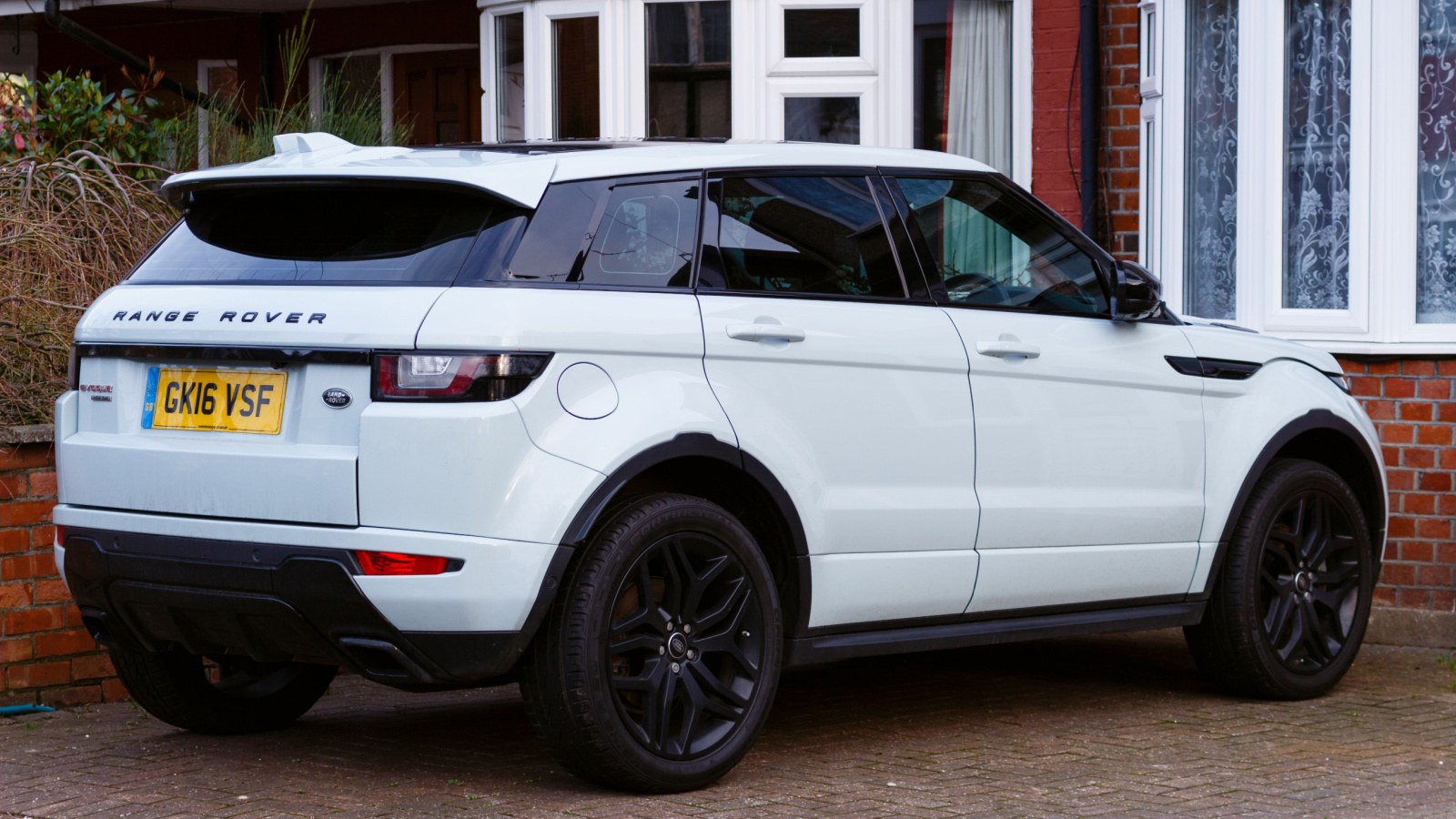
A new Land Rover Range Rover can easily cost $120,000. That price does not protect you from repair bills. Air suspension failures are common and cost thousands to fix. Electrical glitches appear without warning and take time to diagnose. Parts are expensive and often delayed. Labor costs rise because repairs require specialized tools. Owners report repeated visits for the same issue. Warranty coverage helps, but only for a limited time. Once it ends, costs stack quickly. Many drivers decide that selling is cheaper than maintaining long-term reliability.
BMW 7 Series
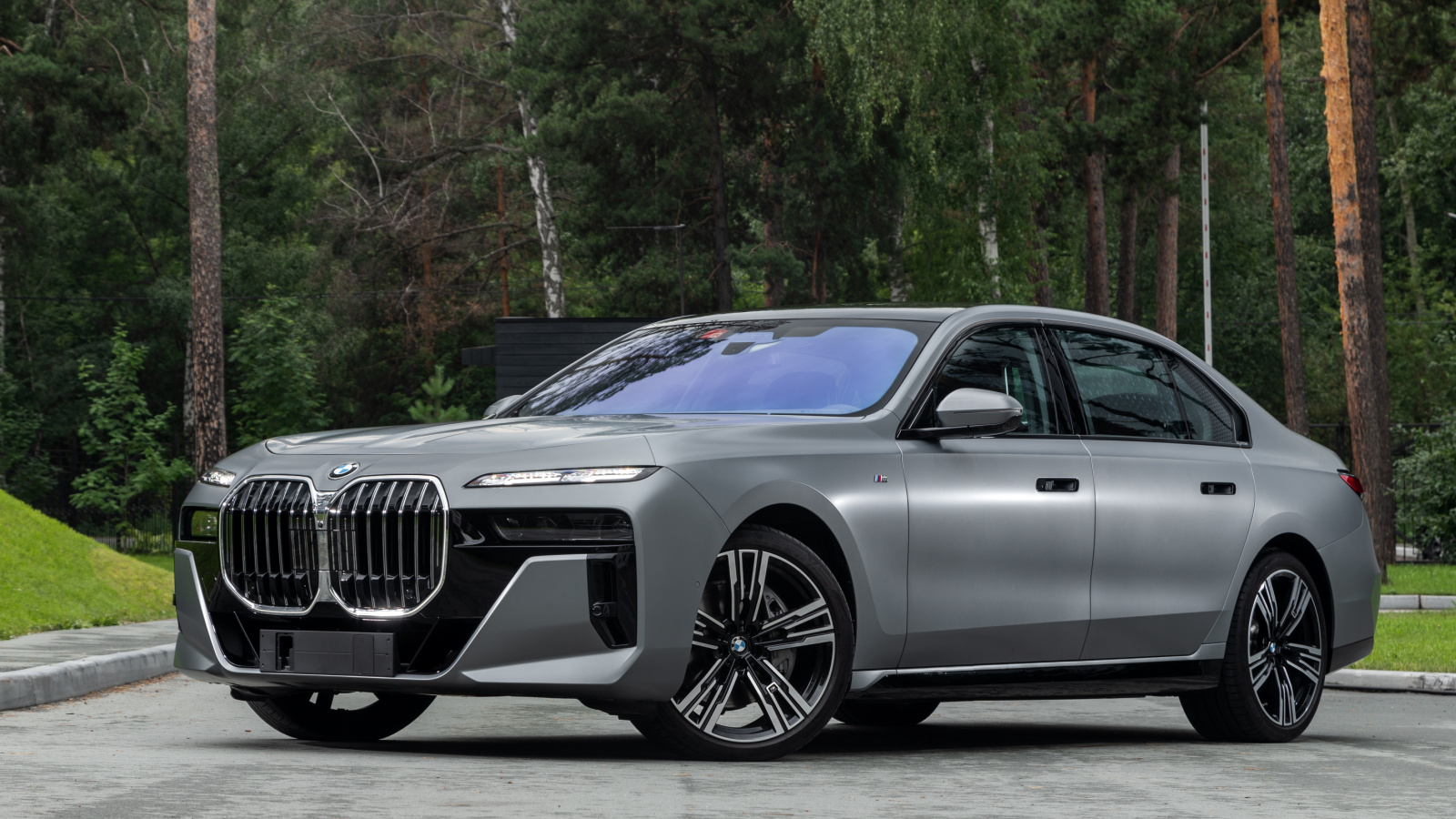
The BMW 7 Series starts near $100,000 and climbs quickly with options. Repairs can feel just as premium. Air suspension components wear out and cost a fortune. Complex electronics control almost every feature inside the cabin. When they fail, diagnosis alone can cost hundreds. Turbocharged engines add another layer of expense. Oil leaks and cooling system issues are not rare. Labor charges are high because access is tight. Owners often face bills that rival monthly payments. Many choose to sell before major repairs begin to stack up.
Mercedes-Benz S-Class
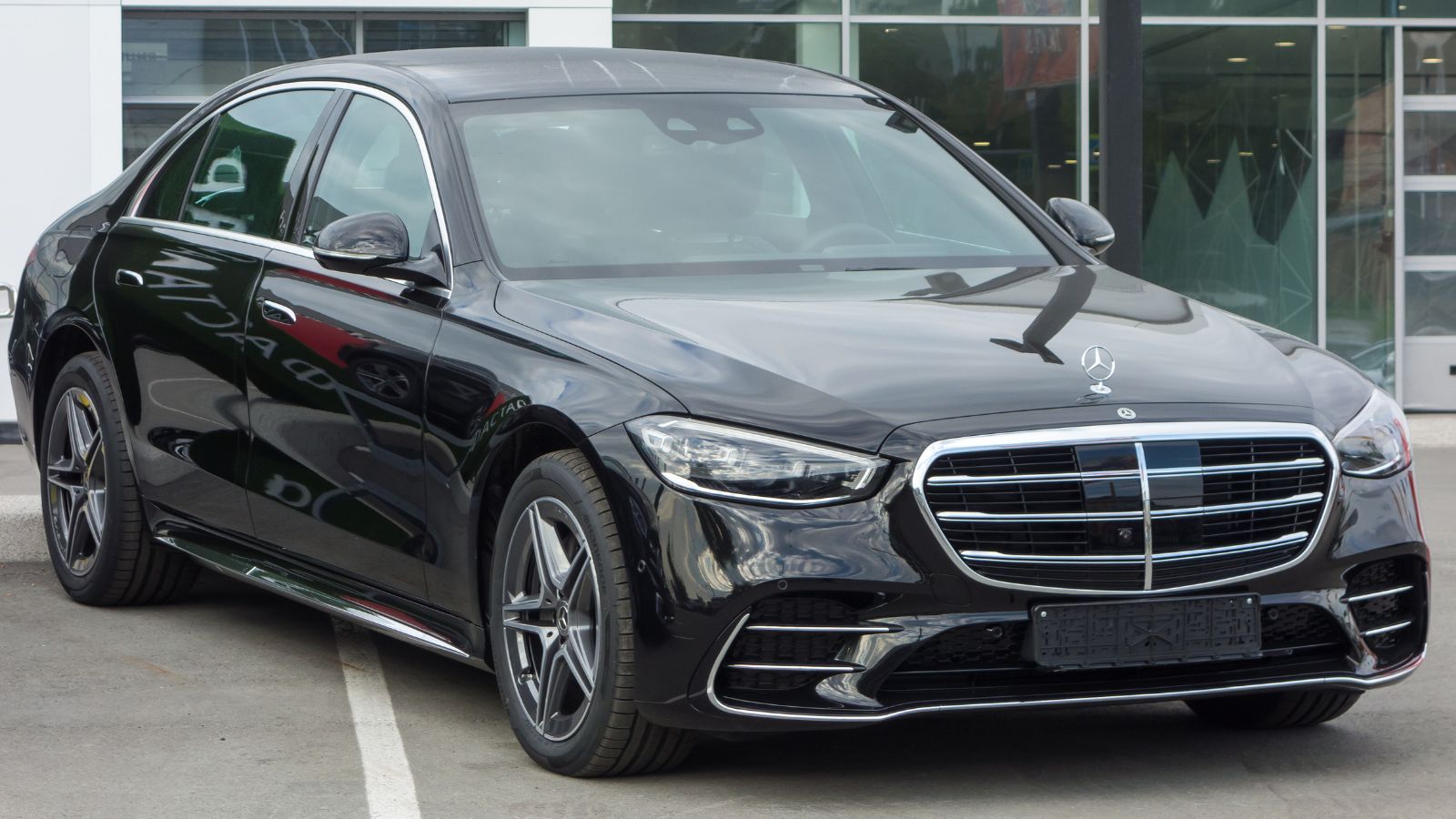
A new Mercedes-Benz S-Class often exceeds $115,000. It delivers comfort but demands expensive upkeep. Advanced driver systems rely on sensors that fail over time. Each replacement can be costly. Air suspension repairs are frequent and costly. Interior electronics are impressive but fragile. Even small faults trigger expensive fixes. Routine maintenance costs more than average vehicles. Owners often feel trapped between comfort and cost. After a few years, many decide to sell rather than deal with rising repair bills.
Audi Q7
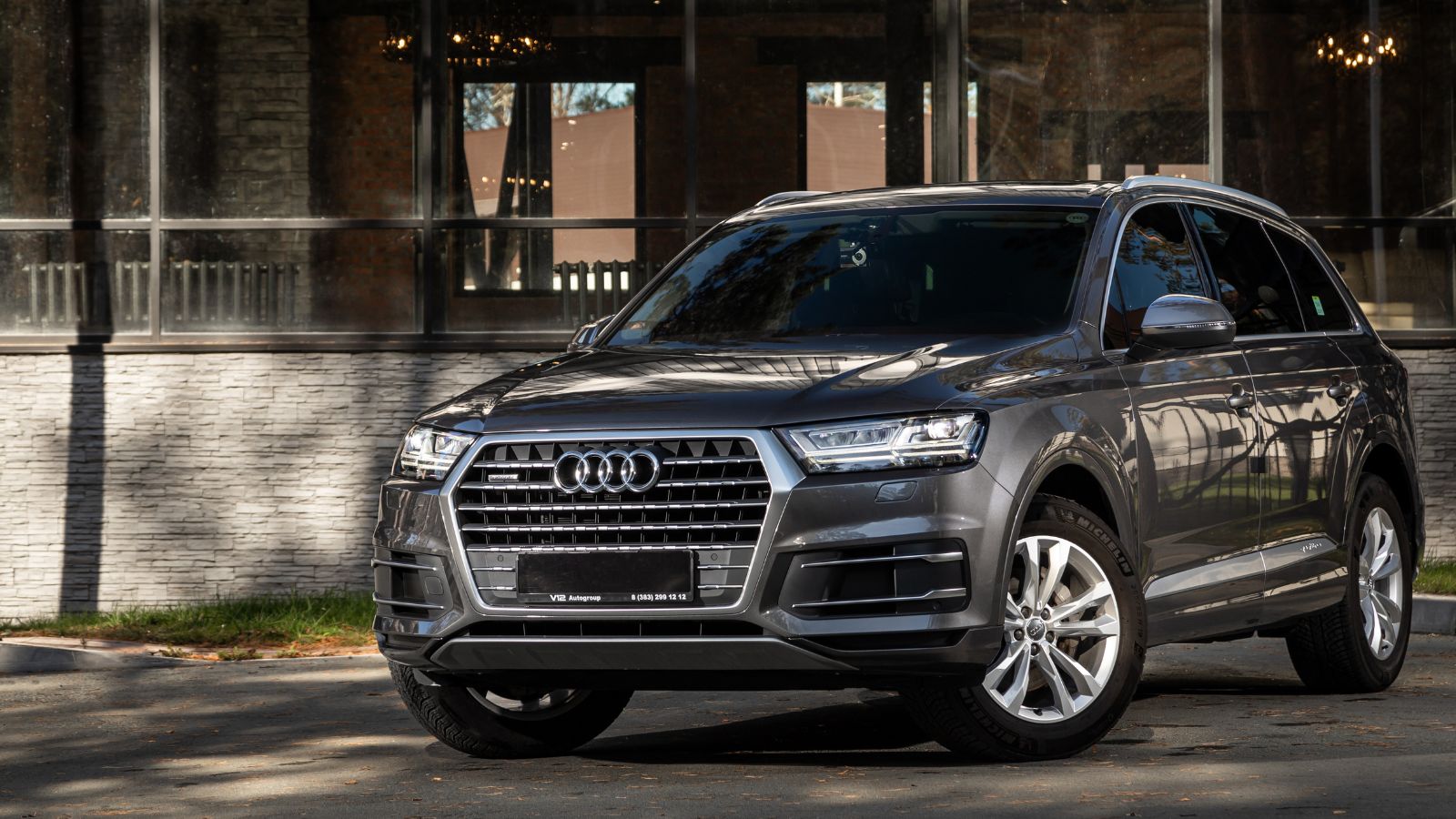
The Audi Q7 starts around $70,000, but hides long-term expenses. Timing chain issues can arise and be costly to fix. Oil leaks are another common complaint. The vehicle’s electronics add complexity to every repair. Labor costs increase because of tight engine packaging. Suspension components wear faster than expected. Replacement parts are expensive and not always available quickly. Owners report frequent visits to the shop. Over time, repair costs begin to outweigh ownership benefits. Selling becomes a practical decision.
Porsche Cayenne

A new Porsche Cayenne can easily exceed $85,000. Performance comes with costly maintenance demands. Brake systems alone can cost thousands to replace. Transfer case issues are widely reported. Suspension components wear out under aggressive driving. Parts are priced at a premium level. Labor charges reflect the brand’s performance engineering. Even minor repairs feel expensive. Owners often enjoy the drive but dislike the bills. Many decide to sell once major repairs appear on the horizon.
Tesla Model S
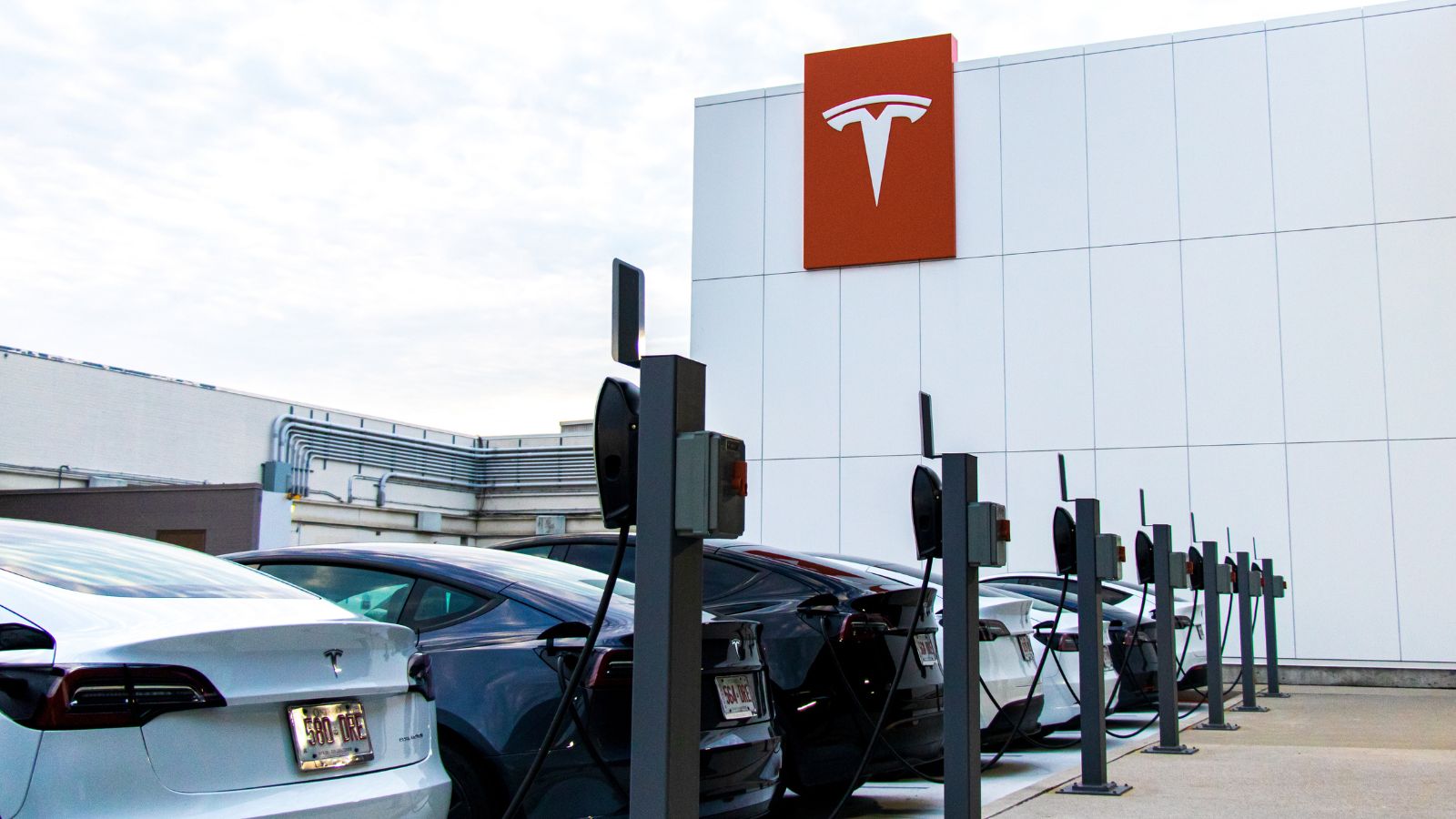
The Tesla Model S starts at $90,000 in many markets. Electric vehicles reduce some maintenance, but not all costs. Battery replacements are extremely expensive outside of warranty. Suspension problems have been reported by many owners. Repairs often require authorized service centers. Parts availability can cause delays. Body repairs are costly due to the aluminum construction. Software issues sometimes require paid fixes. Insurance premiums are also higher. Some owners sell early to avoid long-term repair uncertainty.
Jeep Grand Cherokee
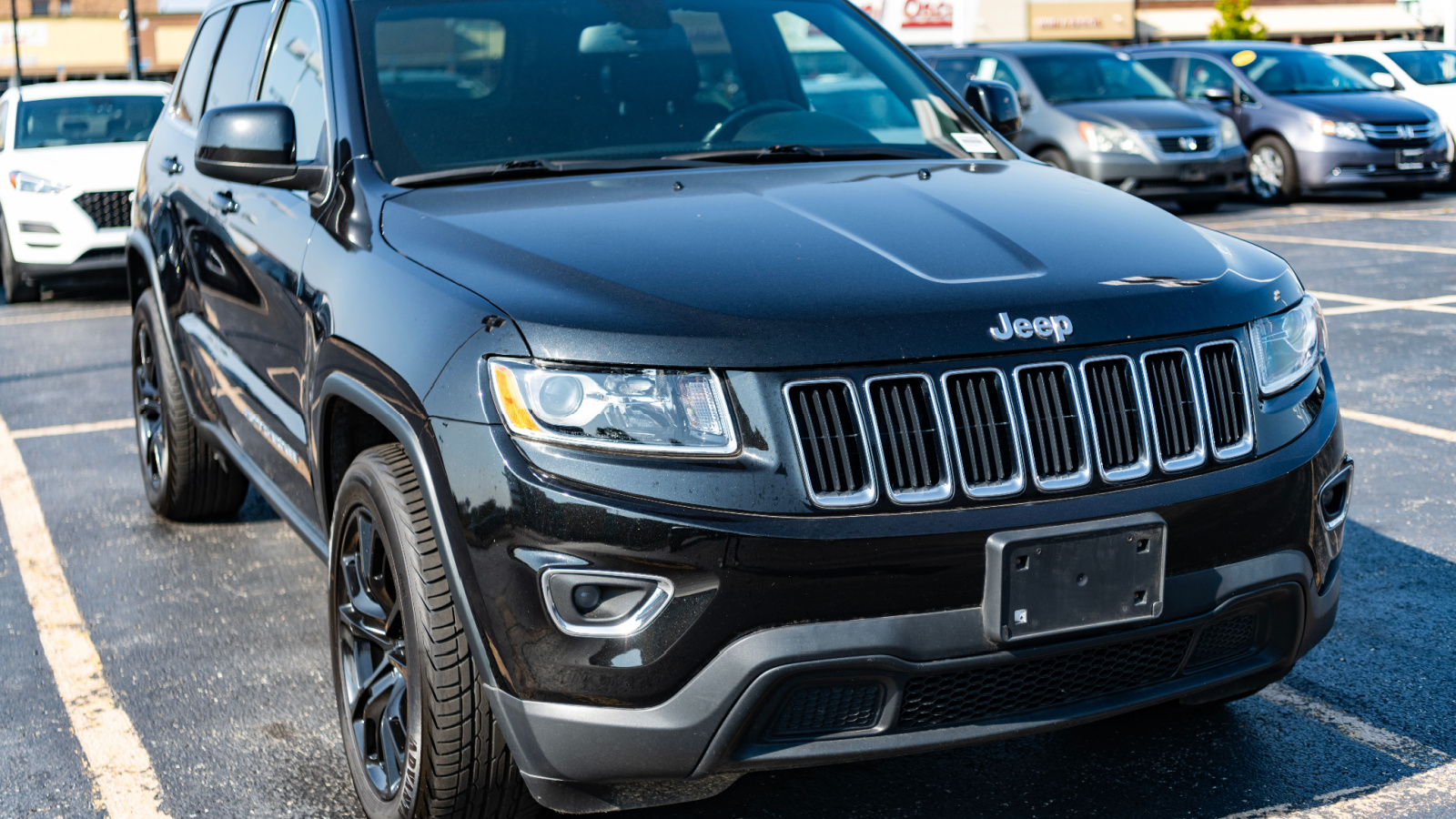
The Jeep Grand Cherokee can reach $65,000 for higher trims. Repair costs vary but can rise quickly. Transmission issues are a frequent complaint. Electrical faults appear in infotainment systems. Suspension wear becomes noticeable over time. Parts are not always cheap despite the brand’s popularity. Labor costs increase with complex trims. Owners often face repeated repairs within a few years. Reliability concerns push some to sell earlier than planned. The ownership experience can feel unpredictable.
Ford F-150 (EcoBoost)
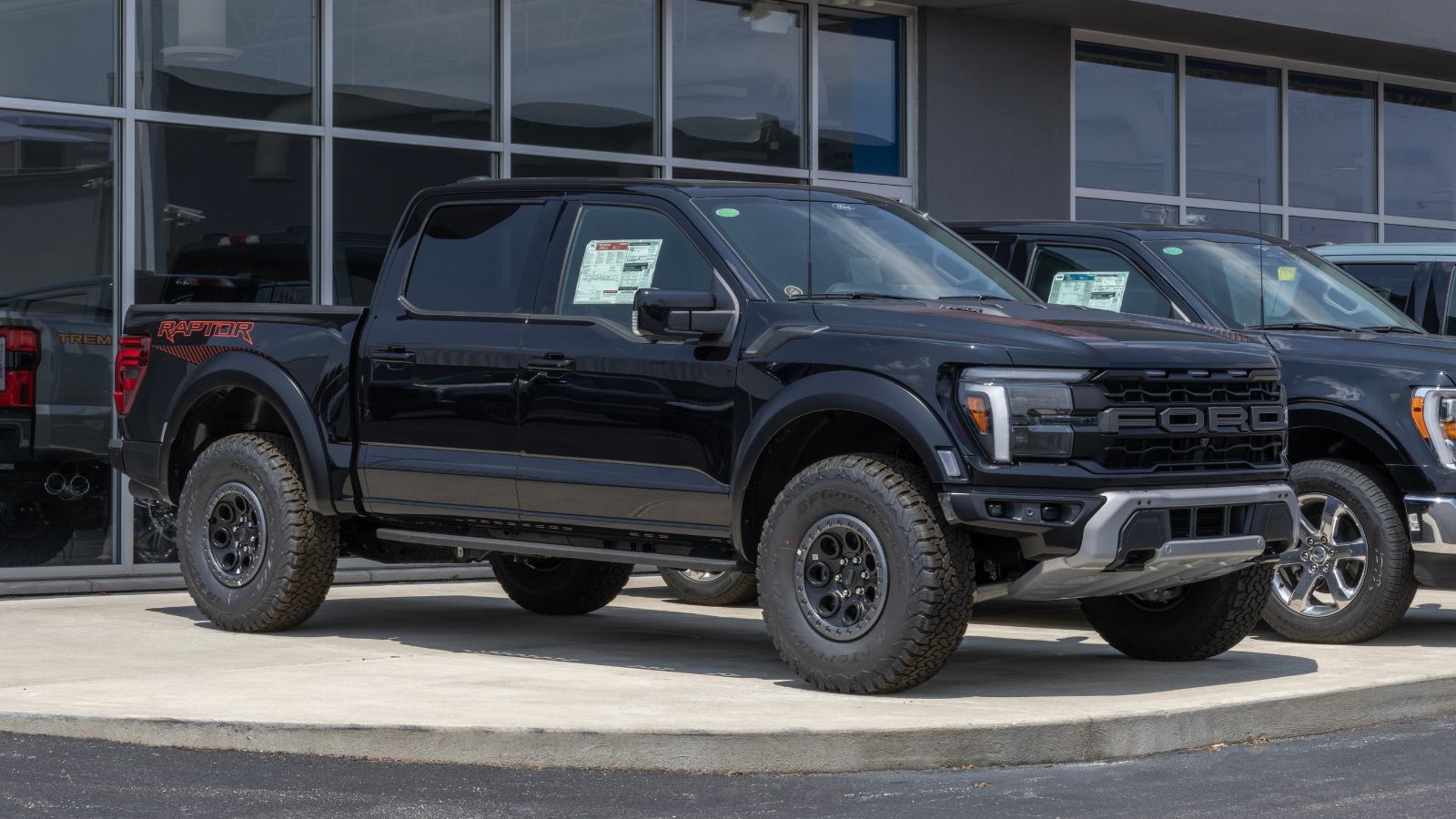
A well-equipped Ford F-150 can exceed $70,000. The EcoBoost engine adds power but also complexity. Turbochargers can fail and cost thousands to replace. Timing chain stretch is another known issue in high-mileage trucks. Repairs often require skilled labor and longer shop time. Parts prices are not low, especially for newer models. Trucks used for towing wear faster. Owners report repeat visits for engine-related fixes. Costs rise steadily over time. Many choose to sell before facing major engine repairs.
Chevrolet Suburban
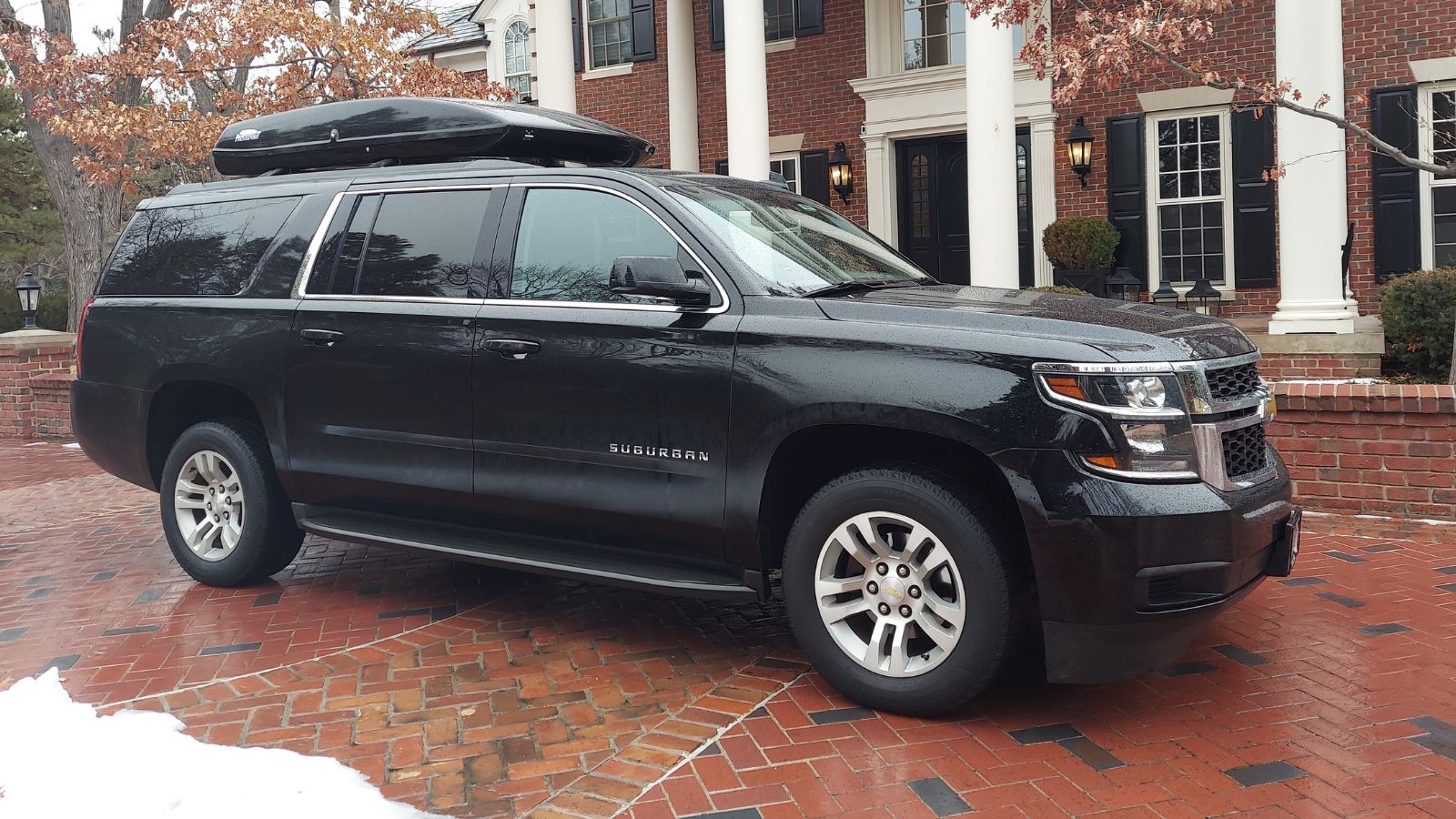
The Chevrolet Suburban can cost over $80,000 new. It offers space but brings heavy repair expenses. Transmission problems are reported in older and high-mileage models. Suspension components wear quickly due to the vehicle’s weight. Fuel system repairs can also be expensive. Parts are large and priced accordingly. Labor costs are higher because of size and complexity. Repairs often take longer than expected. Owners face growing bills as vehicles age. Many decide to sell rather than fund ongoing repairs.
Nissan Altima
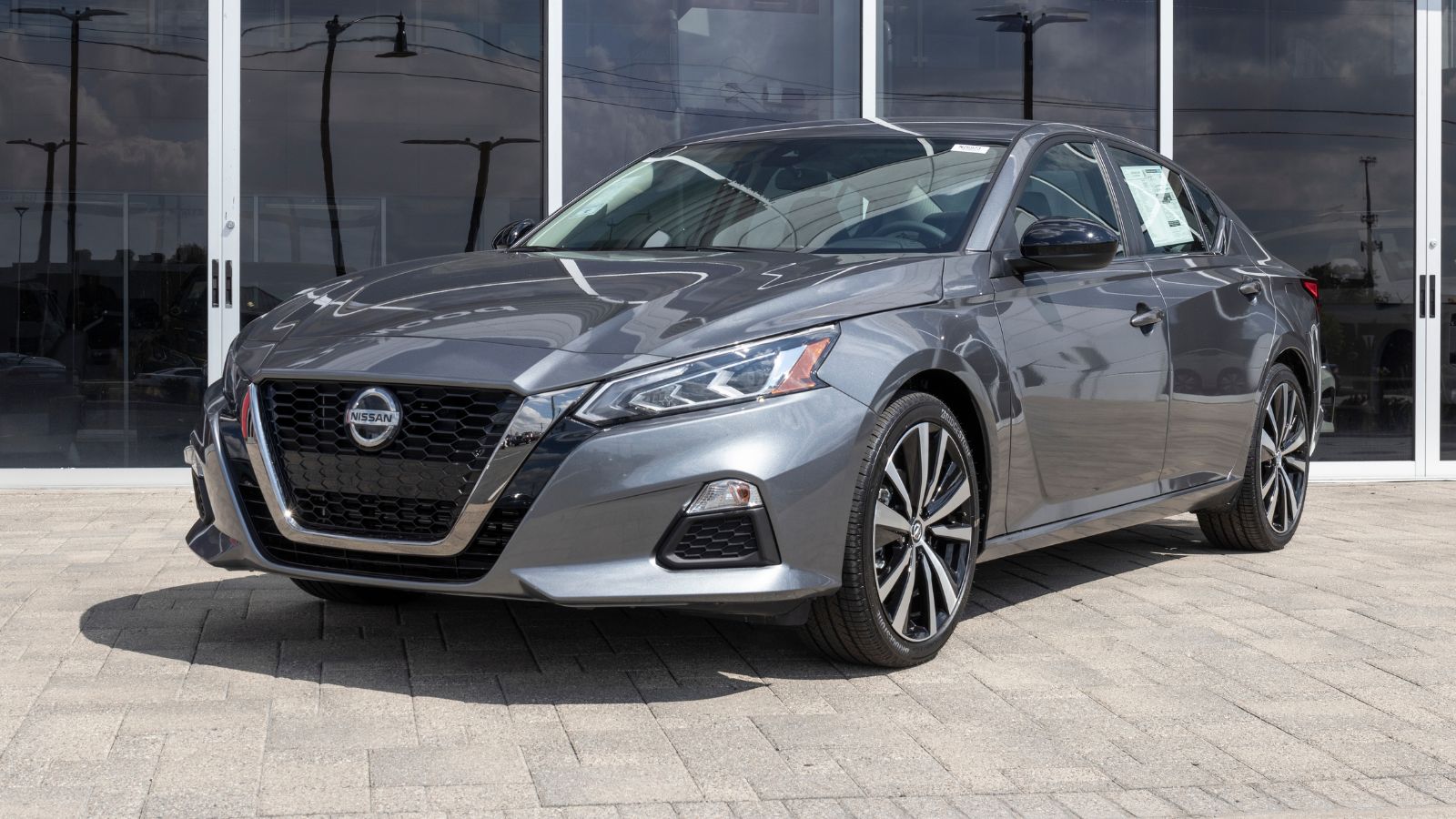
The Nissan Altima starts around $30,000. It looks affordable but hides a costly weakness. The CVT transmission is the main concern for many owners. Failures can happen earlier than expected. Replacement usually means installing a new unit. That cost can be significant for a mid-range sedan. Repairs are not always permanent. Some owners face repeat issues after replacement. Warranty helps, but only for a limited time. Many choose to sell before another transmission problem appears.
Dodge Journey
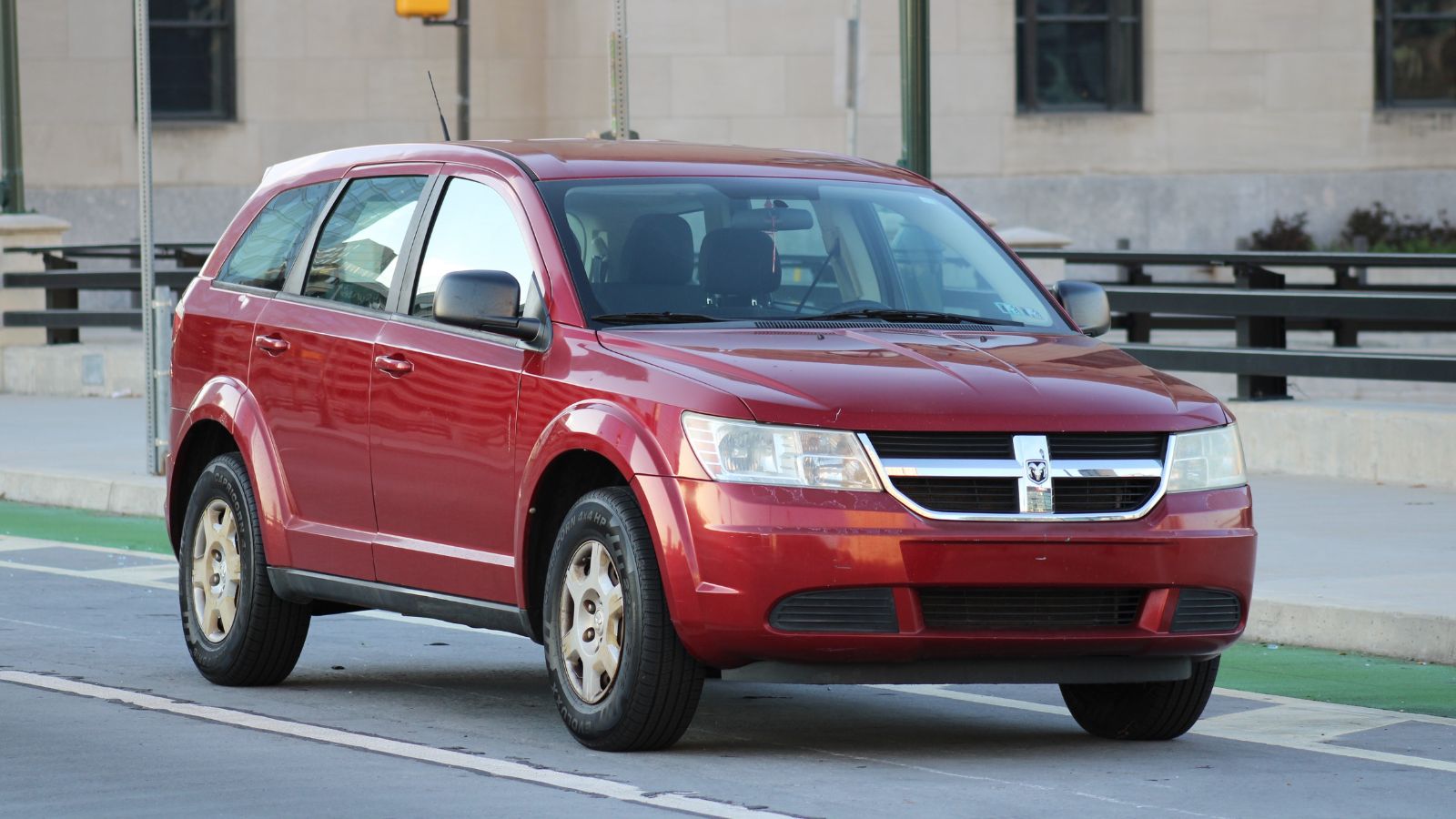
The Dodge Journey was priced under $35,000 when new. Its low price did not mean low repair bills. Engine troubles appear as mileage increases. Electrical issues are frequently reported by owners. Interior parts also wear out quickly. Repairs often come in clusters rather than one issue at a time. Parts quality has been called into question over the years. Labor costs add up with repeated visits. Owners often feel the value is not worth continued spending. Many decide to sell instead.
Mini Cooper

A new Mini Cooper can exceed $35,000. Its compact size hides expensive repair needs. Turbocharged engines add complexity to routine fixes. Oil leaks and cooling system failures are common complaints. Parts cost more than expected for a small car. Tight engine bays increase labor time. Repairs often require specialized tools and expertise. Owners report frequent service visits over time. Costs accumulate quickly and feel disproportionate. Many choose to sell rather than keep paying for recurring repairs.
Volkswagen Tiguan
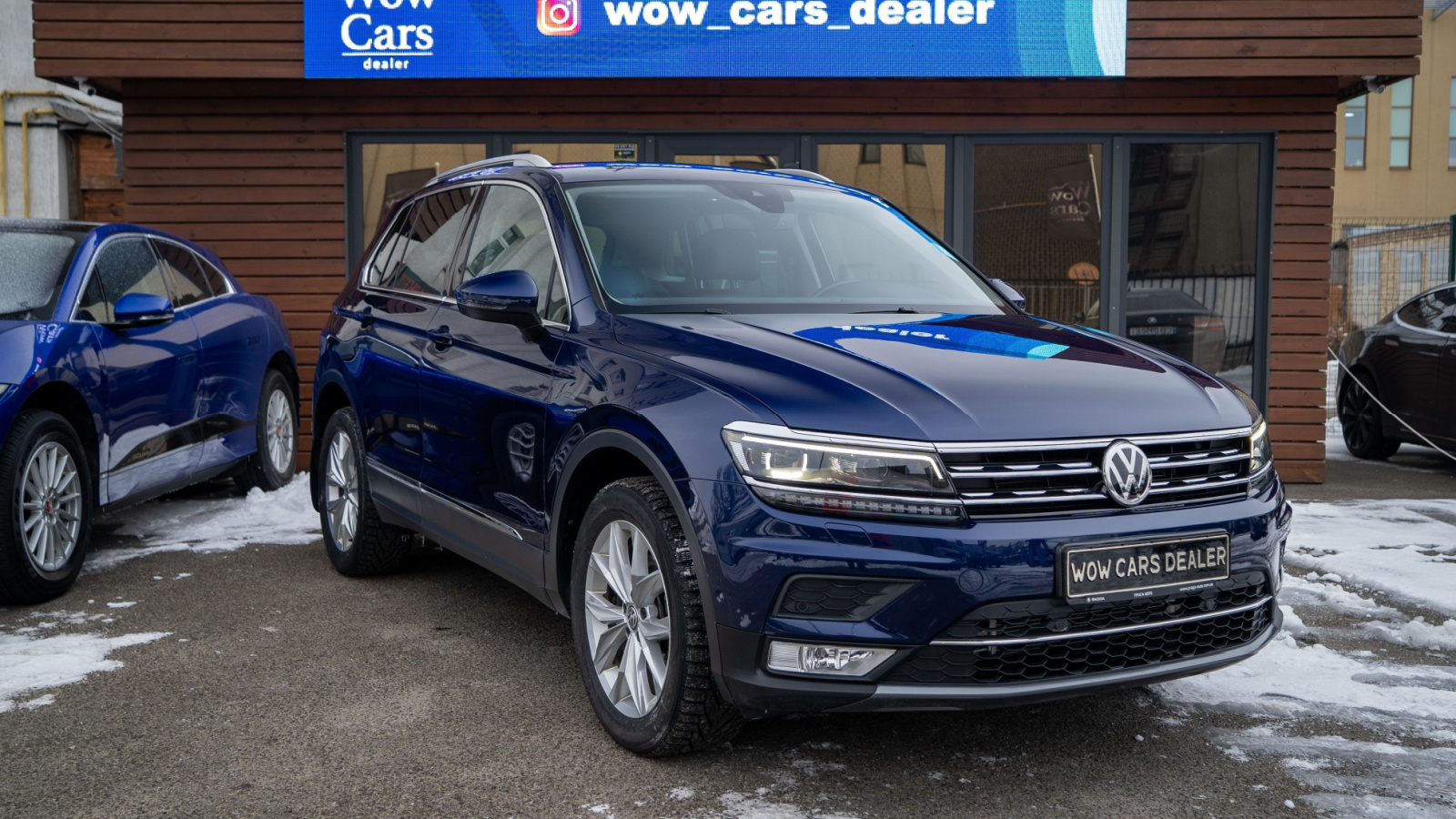
The Volkswagen Tiguan starts at $35,000. It offers practicality but carries some repair risks. Timing chain problems can become expensive quickly. Oil consumption issues are reported in certain models. Electronics can fail without warning and require costly fixes. Parts are not always cheap for this segment. Labor charges increase with complexity. Owners often deal with several minor issues together. These small repairs add up over time. Many decide to sell before larger problems develop.
Chrysler 300
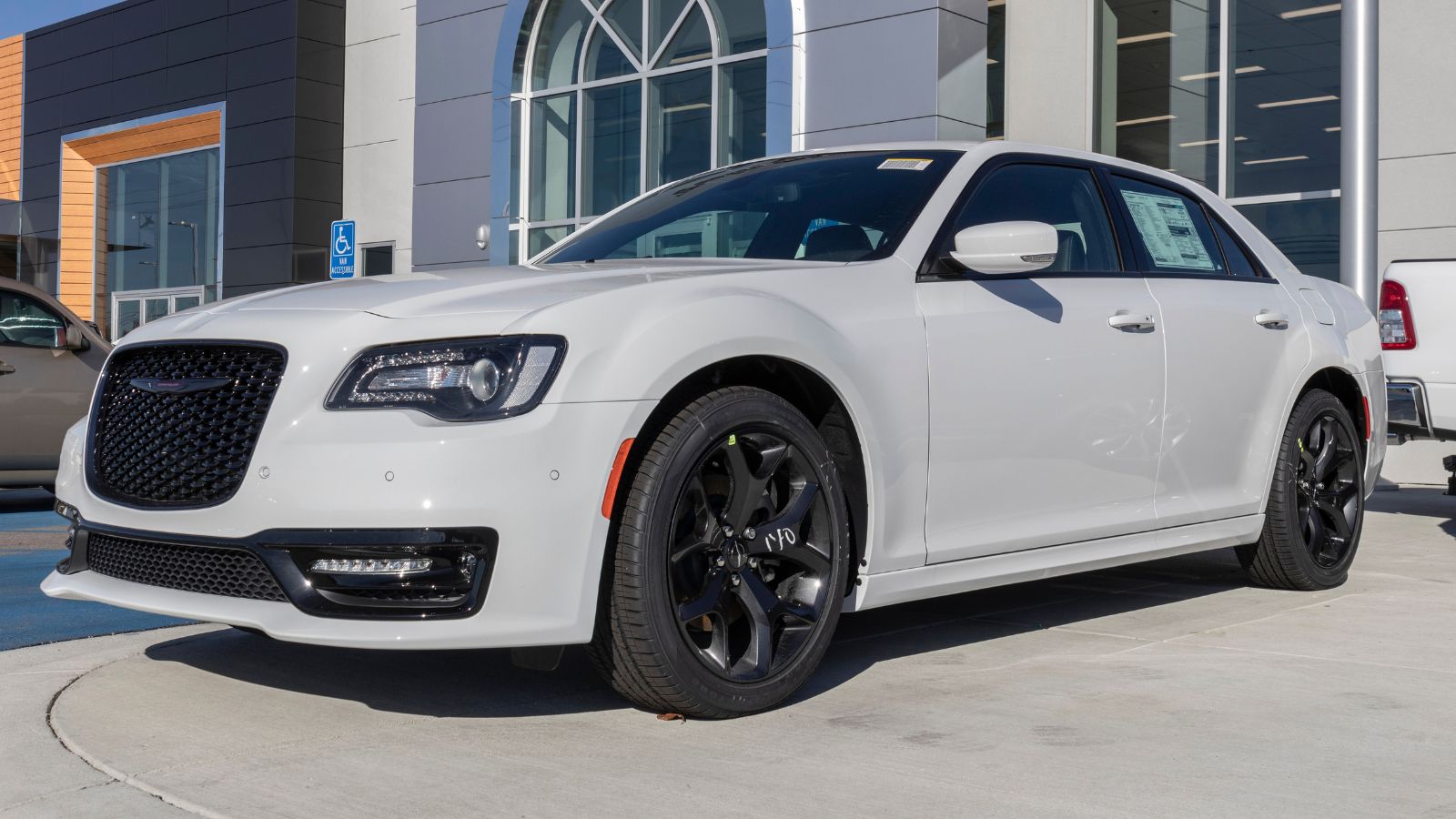
The Chrysler 300 once started around $40,000. Repair costs tend to rise as the car ages. Transmission issues are commonly mentioned by owners. Electrical faults affect comfort and infotainment features. Suspension wear becomes noticeable after years of use. Parts availability can vary by region. Labor charges are not always low. Owners often face repeated fixes rather than one-time repairs. Reliability concerns grow with mileage. Many choose to sell rather than continue repairs.
Ram 1500
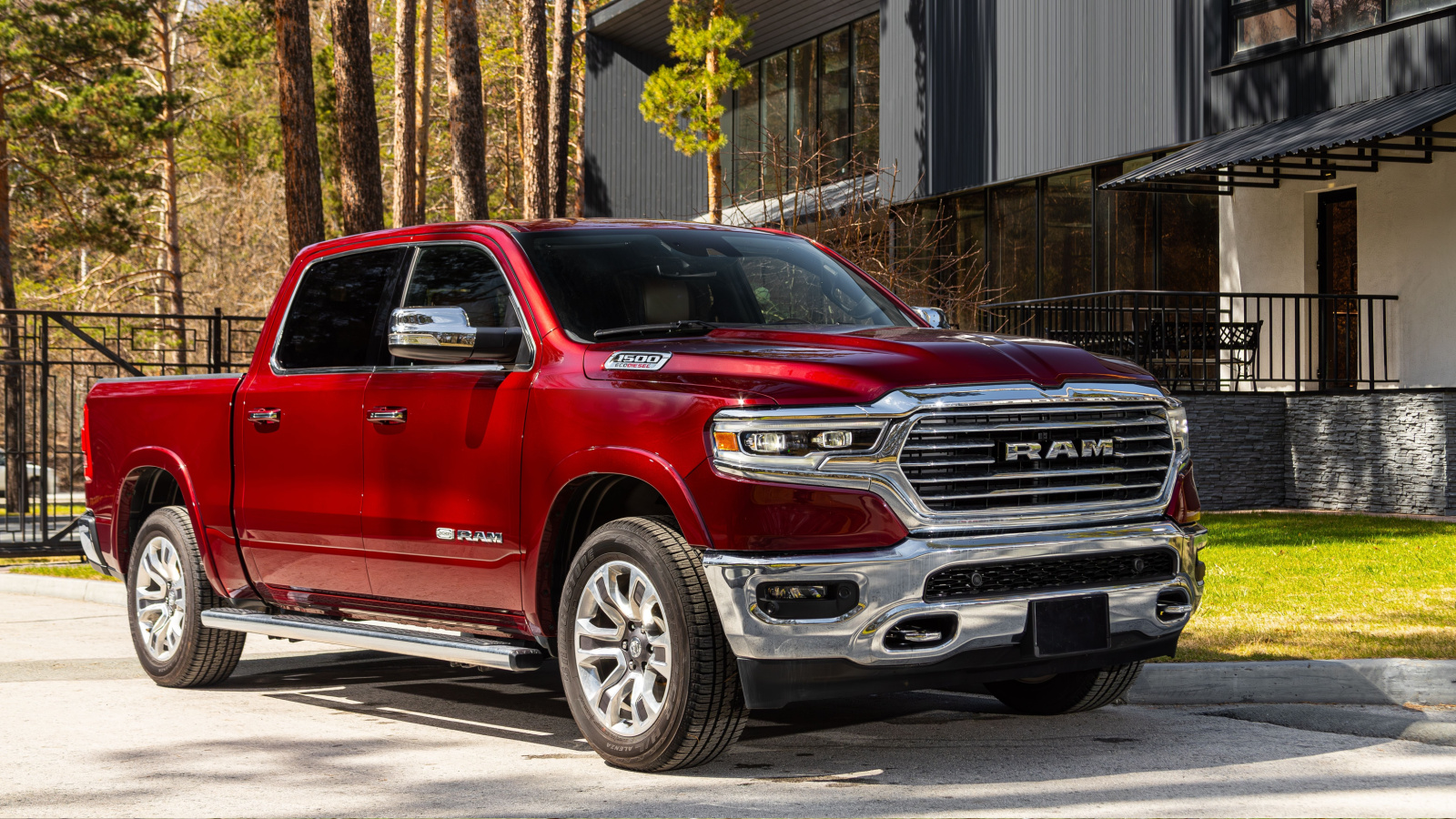
A new Ram 1500 can exceed $75,000. It offers comfort but can be costly to maintain. Air suspension failures are expensive to repair or replace. Electrical issues affect newer models more often. Engine problems appear in high-mileage trucks. Parts and labor costs increase with each repair. Trucks used for towing wear faster than average. Owners report rising maintenance bills each year. Costs begin to outweigh benefits. Many decide to sell before major repairs arrive.
Hyundai Sonata

The Hyundai Sonata starts at $30,000. It delivers value but has some costly issues. Engine failures have been reported in certain model years. Warranty coverage helps with early ownership. Repairs outside warranty become expensive quickly. Parts costs have increased in recent years. Labor charges depend on the severity of the issue. Owners sometimes face unexpected major repairs. These costs can exceed the car’s value. Many choose to sell rather than invest more money.
Jaguar XF
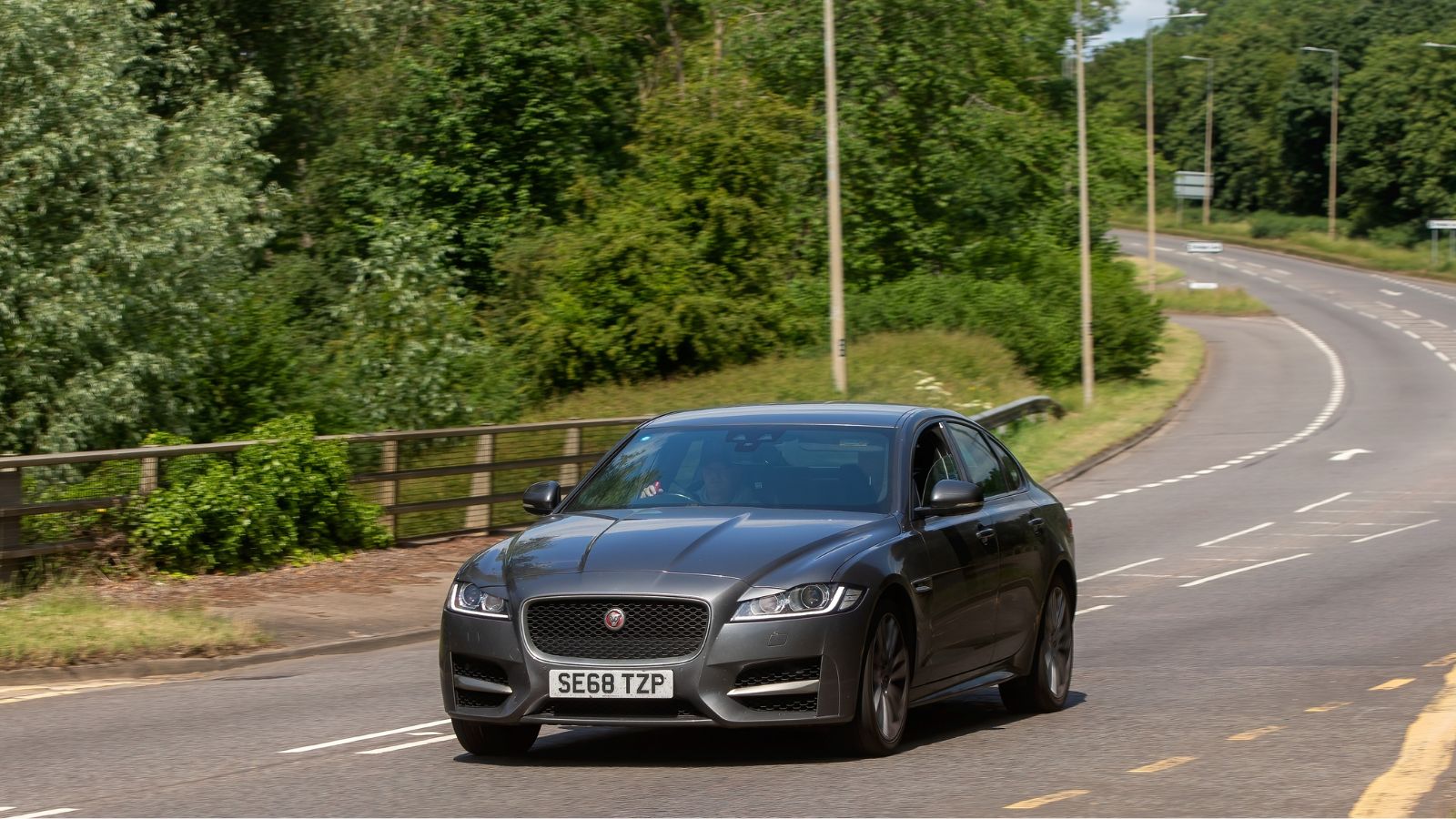
A new Jaguar XF can reach $65,000. It offers style but comes with repair challenges. Electrical issues are widely reported by owners. Parts are expensive and sometimes hard to source. Labor costs are high due to the complexity of the systems. Reliability ratings are mixed across model years. Owners often deal with repeated service visits. Costs build faster than expected over time. Maintenance becomes difficult to justify. Many decide to sell before facing larger mechanical failures.
Chevrolet Cruze
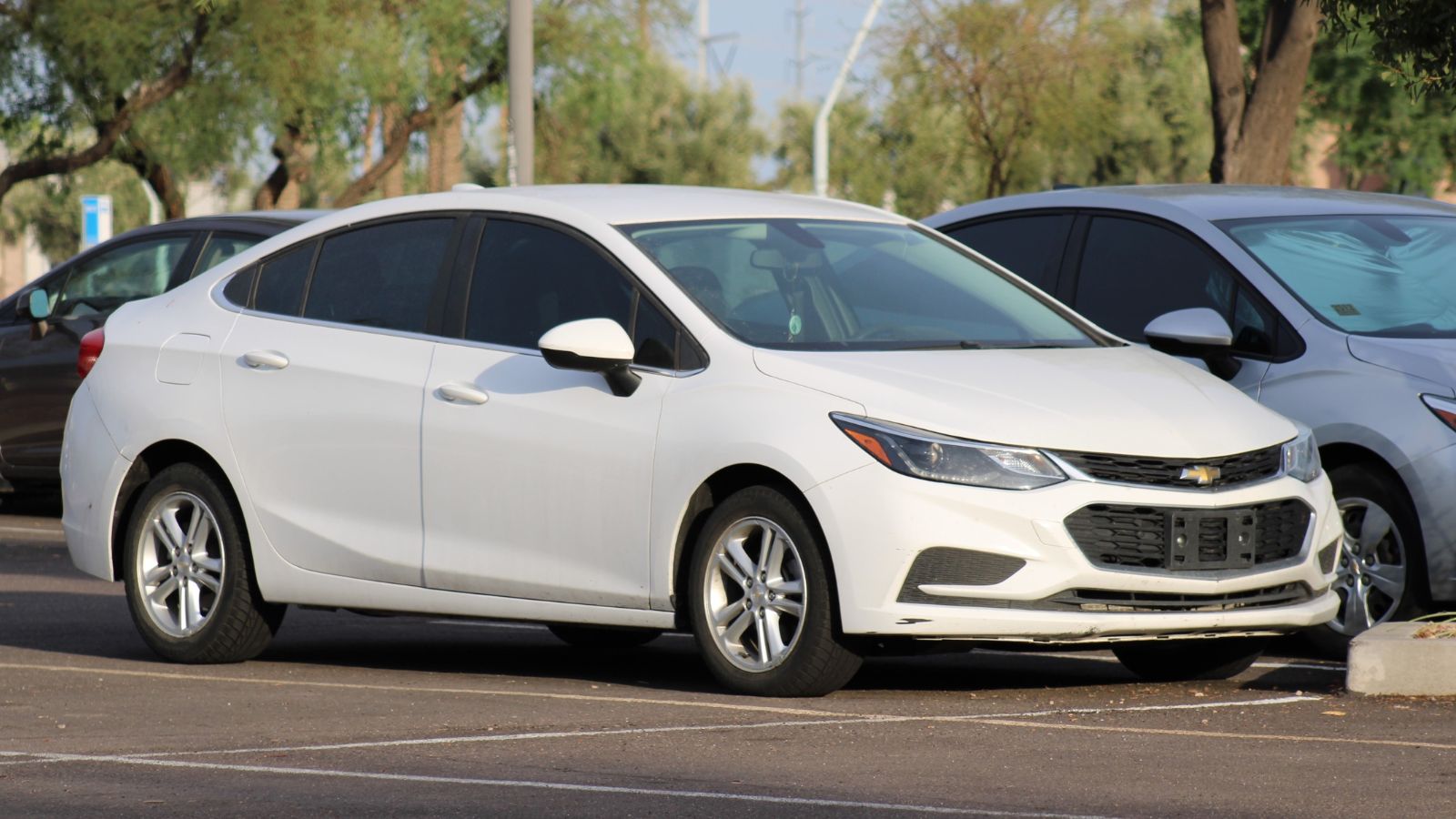
The Chevrolet Cruze was priced at around $25,000 new. It seems affordable but carries hidden repair costs. Cooling system failures are common in many units. Turbo issues appear in certain engines. Parts are moderately priced, but repairs happen often. Owners handle repeat visits to address ongoing problems. Labor costs increase with each issue. Reliability concerns grow as mileage rises. Expenses begin to exceed expectations. Many choose to sell rather than continue dealing with repairs.
22 Things Canadians Do to Their Cars in Spring That Mechanics Hate

Spring brings relief to many Canadian drivers after months of snow, freezing temperatures, and icy roads that put serious strain on vehicles. As temperatures rise across the country, drivers begin washing cars, switching tires, and preparing vehicles for warmer weather and upcoming road trips. However, mechanics across Canada notice the same mistakes every spring when drivers attempt to recover from winter damage. Road salt, potholes, and harsh winter driving conditions often leave vehicles with hidden problems that drivers ignore. Some spring habits even create new mechanical issues that could have been avoided with proper maintenance. Here are 22 things Canadians do to their cars in spring that mechanics hate.