
























Canadian roads can feel familiar until a small habit turns into an expensive reminder that traffic rules are more detailed than many drivers assume. A quick glance at a phone, a rolling stop, a covered licence plate, or a forgotten winter-tire deadline may seem minor in the moment, but enforcement can be strict and penalties can add up quickly.
Across Canada, provinces and territories set many of the everyday road rules that shape what drivers can and cannot do. These 21 driving habits show how ordinary behaviour behind the wheel can lead to fines, demerit points, licence consequences, higher insurance costs, or vehicle-related penalties without much warning.
Holding a Phone at a Red Light
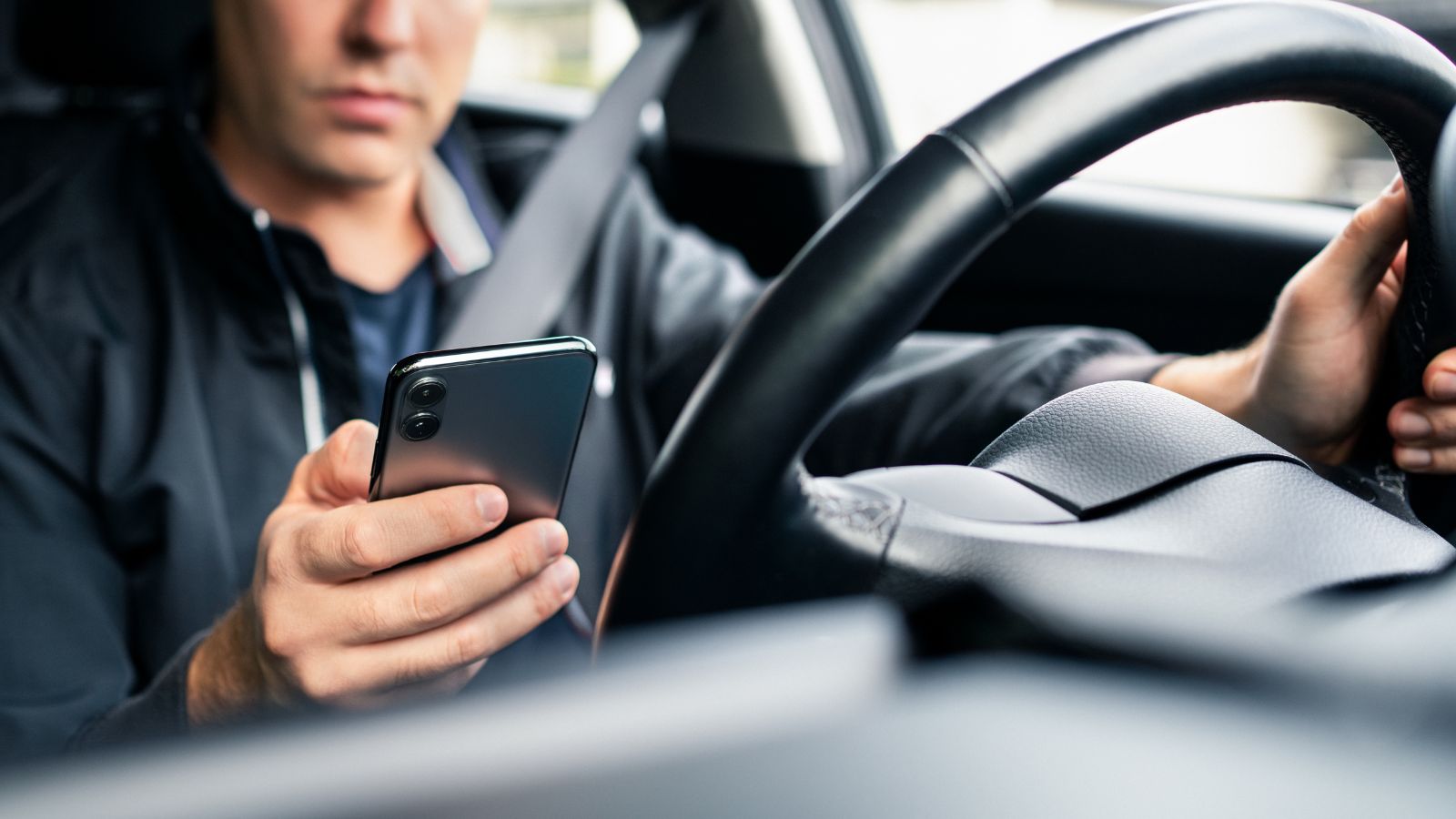
Many drivers assume a stopped vehicle means a quick phone check is harmless, especially at a long red light or railway crossing. In several provinces, that assumption can be expensive. Distracted-driving rules often apply while the vehicle is on the road, even when it is temporarily stopped in traffic. The key issue is not whether the car is moving, but whether the driver is operating it while handling a device.
This catches people during everyday moments: checking a map, reading a message, changing a playlist, or tapping a notification before the light turns green. Ontario, Alberta, and British Columbia all treat distracted driving seriously, with fines and demerit points that can exceed the cost of many routine car repairs. A driver may think the engine is idling safely, but enforcement can still view the behaviour as illegal device use.
Programming GPS After Pulling Away
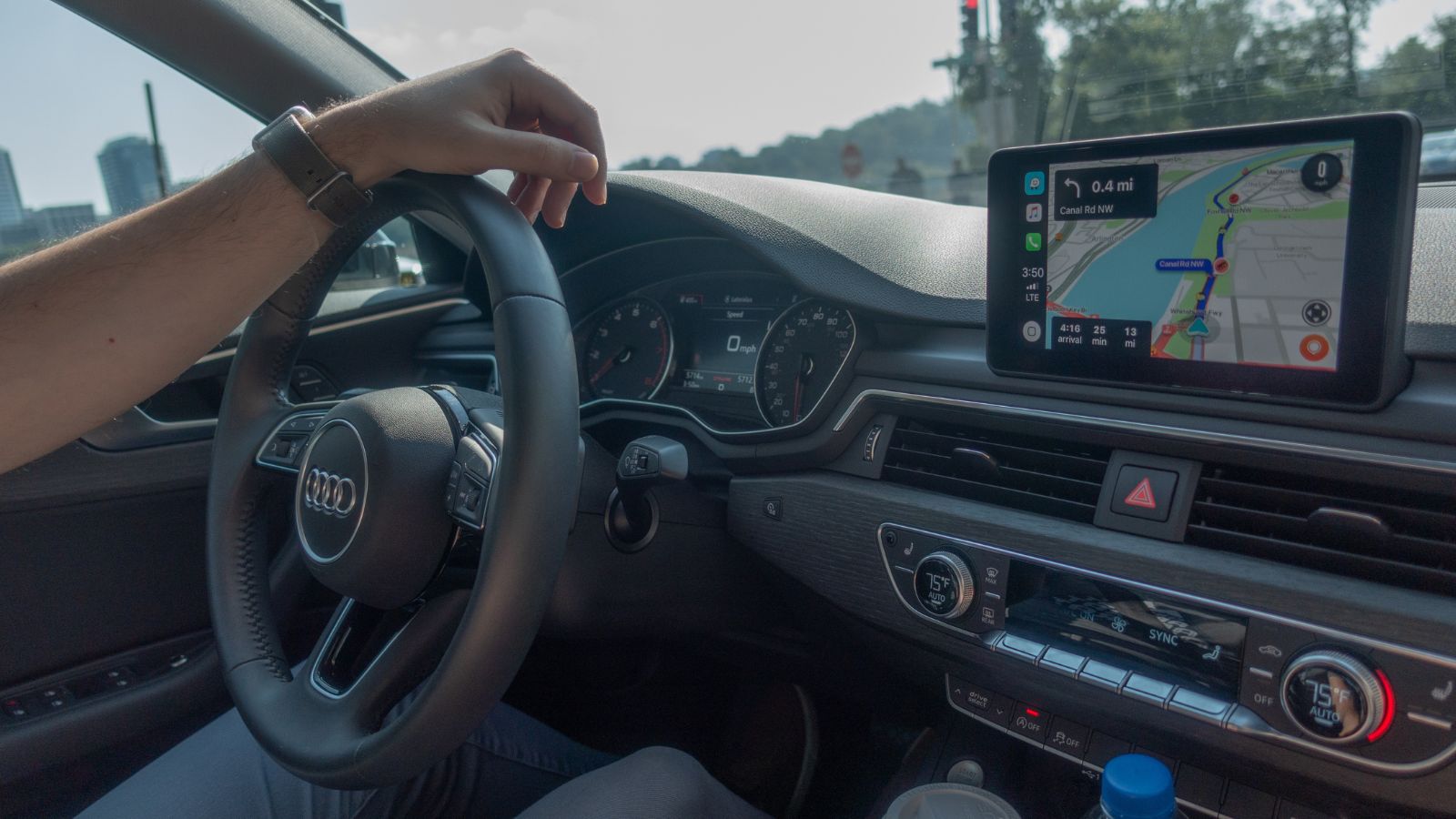
Navigation apps are useful, but entering a destination after leaving the driveway can fall under distracted-driving rules. Drivers sometimes start moving and then realize the route is wrong, the phone has not connected, or the map needs a last-minute adjustment. Even a few taps can be enough to attract attention from police if the device is being handled while the vehicle is in traffic.
The safer habit is setting the route before shifting out of park, then relying on voice guidance or a passenger once the trip starts. Some provinces allow limited hands-free use, but the rules can be narrower than drivers expect. A mounted phone does not automatically make every interaction legal. If a driver is still manipulating the screen, the “hands-free” defence may not help much.
Wearing a Seatbelt Incorrectly
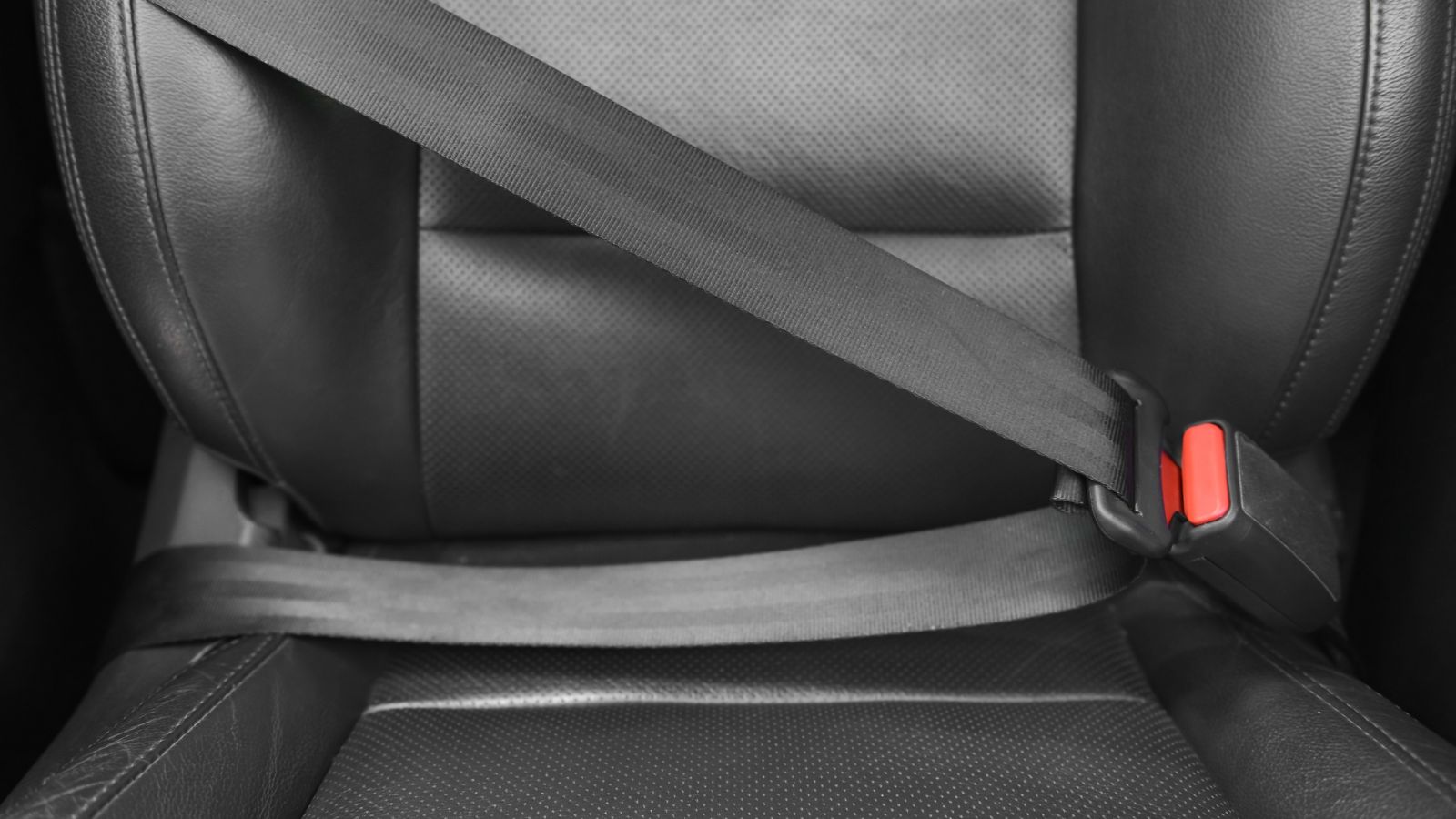
Seatbelt laws do not only cover whether the belt is clicked. A driver can still run into trouble if the belt is worn improperly, tucked under the arm, placed behind the back, or used in a way that defeats its safety purpose. This often happens on short trips, in delivery driving, or when bulky winter clothing makes the shoulder belt feel uncomfortable.
The fine may seem like the main problem, but the bigger issue is risk. Seatbelts are designed to spread crash forces across stronger parts of the body, and improper use can make injuries worse. Drivers are also commonly responsible for ensuring younger passengers are properly restrained. A quick school drop-off or grocery run does not change that responsibility, even if the destination is only a few blocks away.
Letting Children Ride Without the Right Restraint
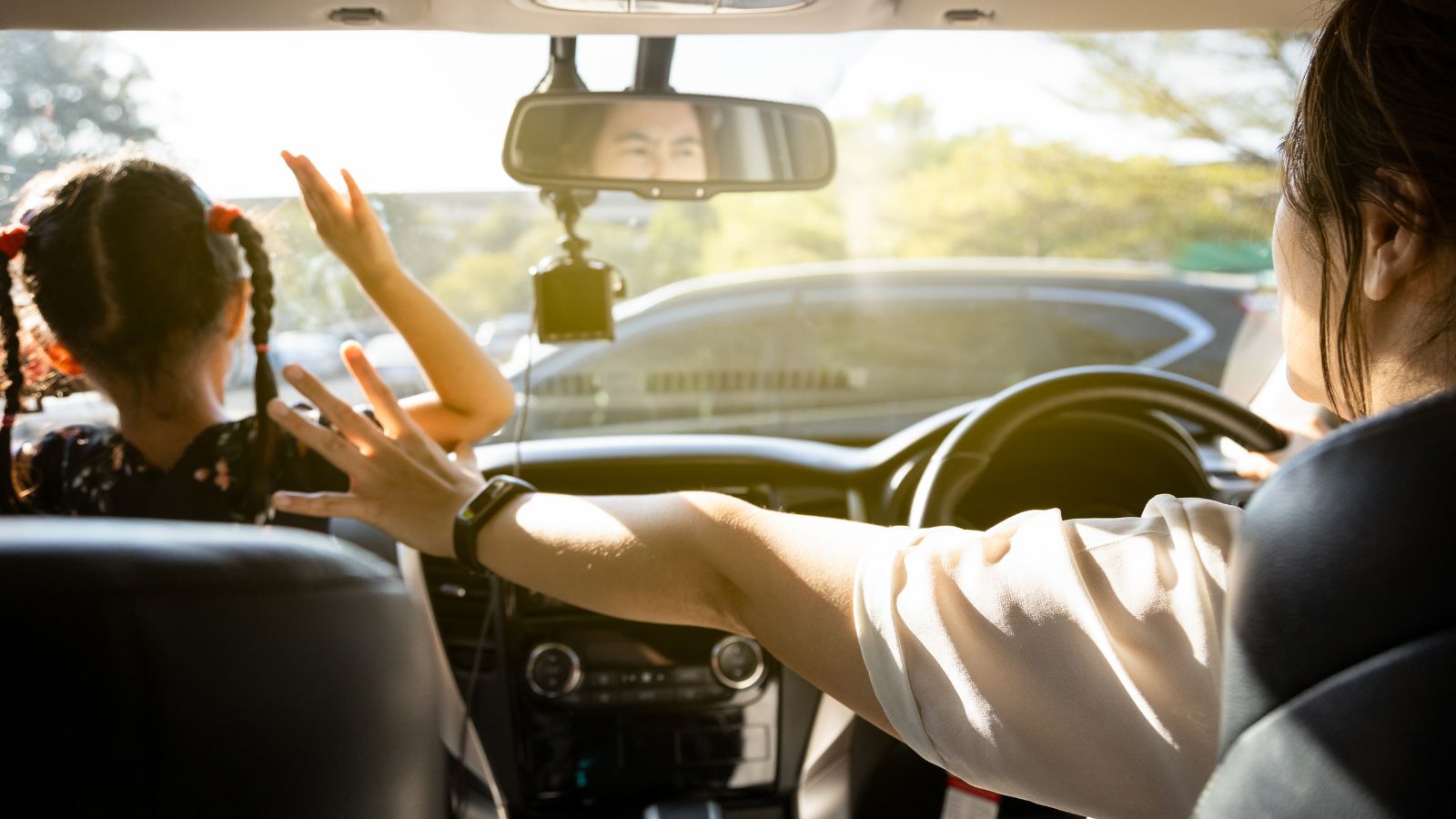
A child who has outgrown one seat but is not ready for an adult belt can create a legal and safety issue. Booster-seat and child-restraint rules vary by province, but they generally require children to be secured in a restraint suitable for their age, height, weight, and development. The mistake often comes from assuming a child is “big enough” because they no longer want a booster.
The risk becomes clear during carpools, family visits, or rides with grandparents, when the correct seat is not already in the vehicle. A driver may be fined even if the trip was spontaneous and the child was only travelling a short distance. Proper installation matters too. A car seat that is present but incorrectly used can still fail to meet the standard expected by enforcement and safety officials.
Rolling Through Stop Signs
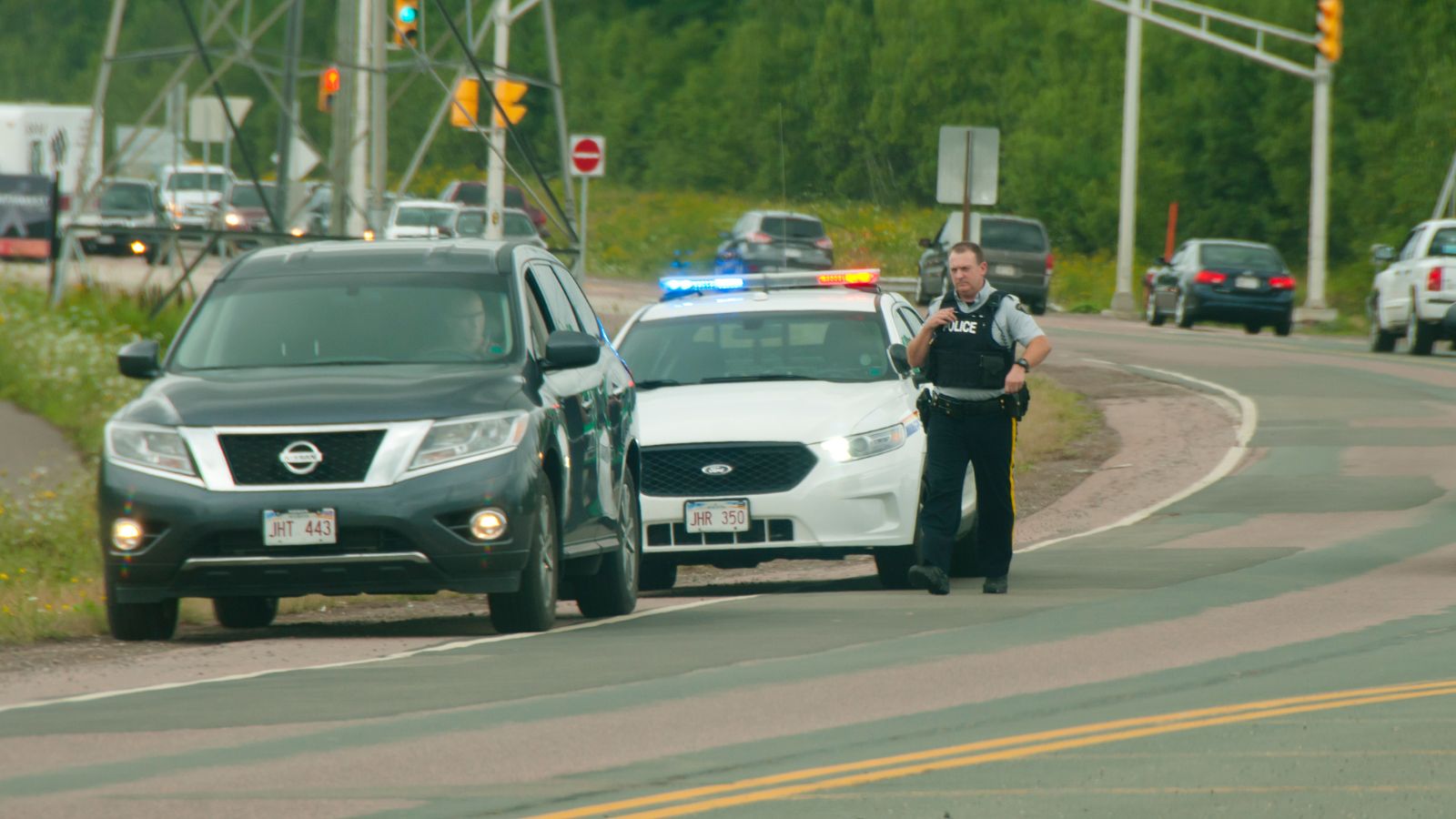
A rolling stop is one of the most common habits that feels minor until it is ticketed. Drivers often slow nearly to a stop at quiet residential intersections, glance both ways, and continue moving. The problem is that traffic law generally expects a complete stop, not a pause that still carries the vehicle forward. The difference can be obvious to an officer watching from nearby.
This habit is especially risky near schools, crosswalks, and four-way stops, where pedestrians and cyclists may rely on predictable driver behaviour. A rolling stop can also lead to a failure-to-yield situation if another road user enters the intersection. Many drivers treat stop signs as routine street furniture, but they are among the clearest places where a small shortcut can become a fine.
Turning Right on Red Without Fully Stopping
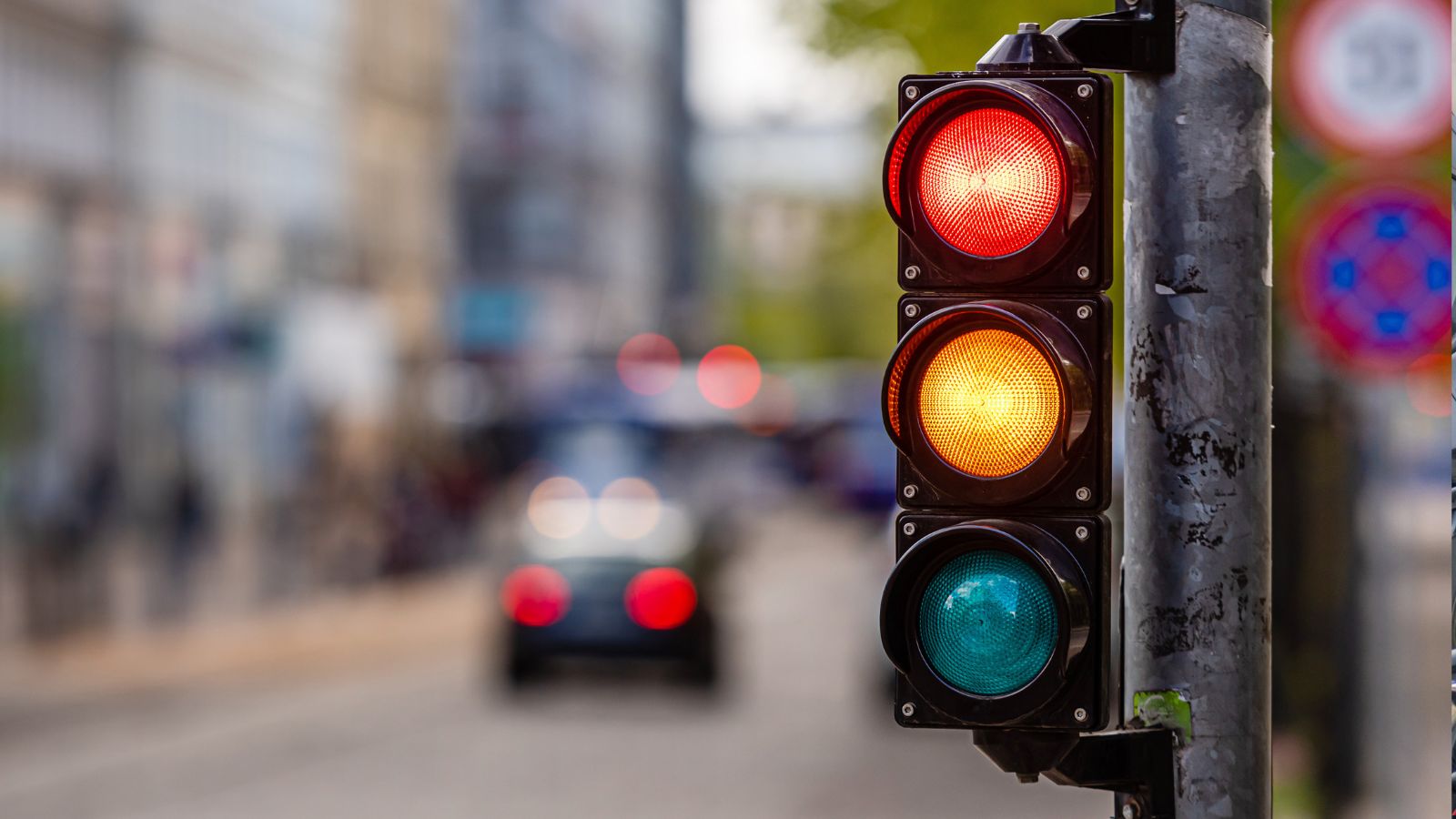
Right turns on red are allowed in many Canadian locations, but they are not a free pass to coast through an intersection. Drivers must stop first, check for prohibitions, yield to pedestrians and other traffic, and proceed only when safe. The habit of slowing and turning in one smooth motion can look efficient, but it may be treated as failing to obey the red signal.
This mistake is common when traffic behind is impatient or when the driver is familiar with the intersection. It becomes more serious near crosswalks because pedestrians may have the walk signal while drivers are looking left for a gap in traffic. A proper stop gives time to check both directions, read signs, and avoid turning into a person who is legally crossing.
Failing to Yield at Pedestrian Crossovers
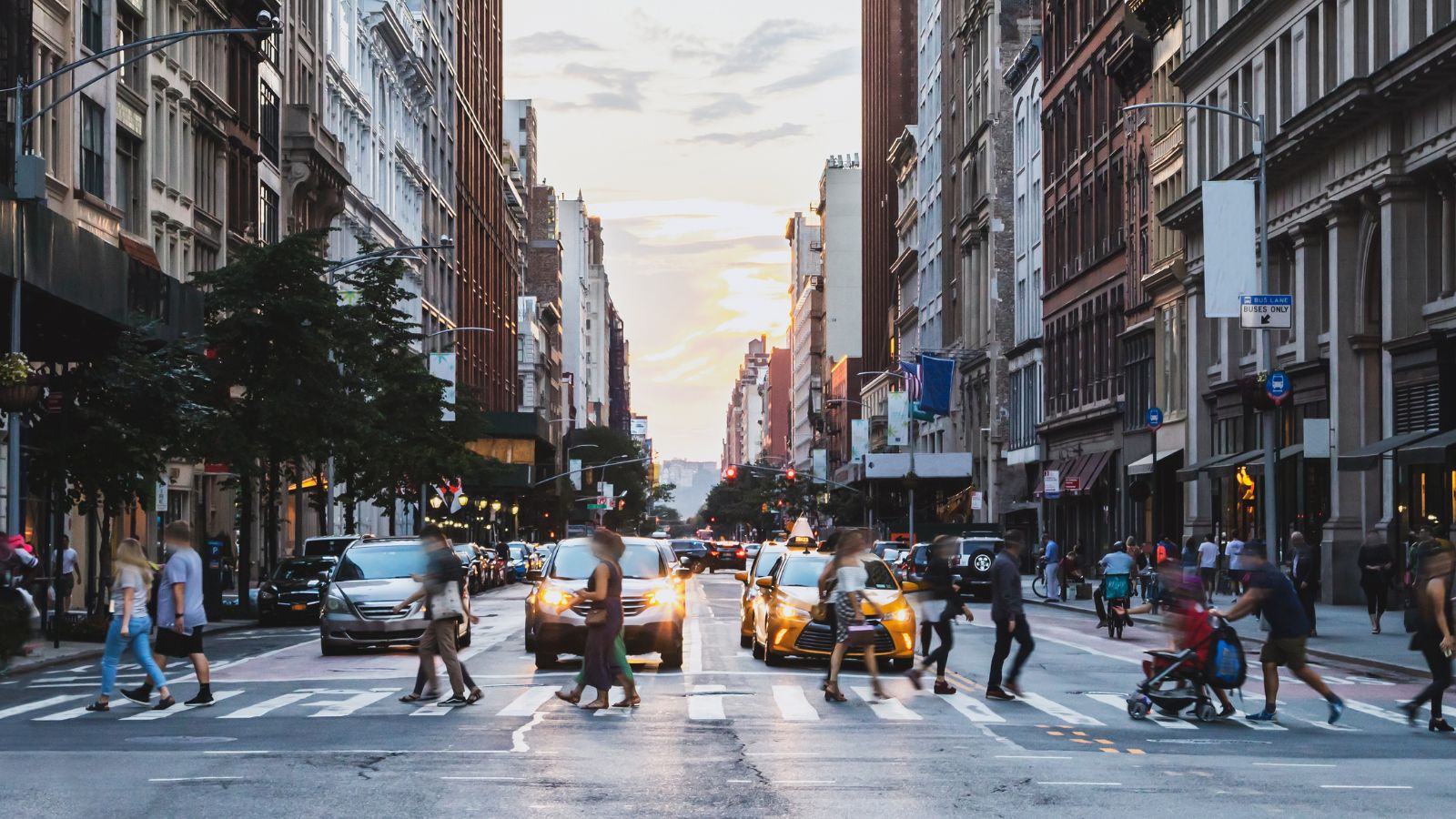
Pedestrian crossovers are not the same as informal crossing points. In provinces such as Ontario, drivers must stop and wait until pedestrians and school crossing guards have fully crossed as required by the rules. The mistake comes when drivers stop briefly, see the pedestrian pass their lane, and then proceed while the person is still in the roadway.
This can happen on multi-lane streets where drivers focus only on the lane directly ahead. It is also common near schools, transit stops, and neighbourhood shopping areas. Enforcement can be strict because crossovers are designed to create predictable protection for people walking. A driver who creeps forward too early may think the path is clear, but the law can still view that movement as unsafe or premature.
Passing a School Bus With Flashing Lights
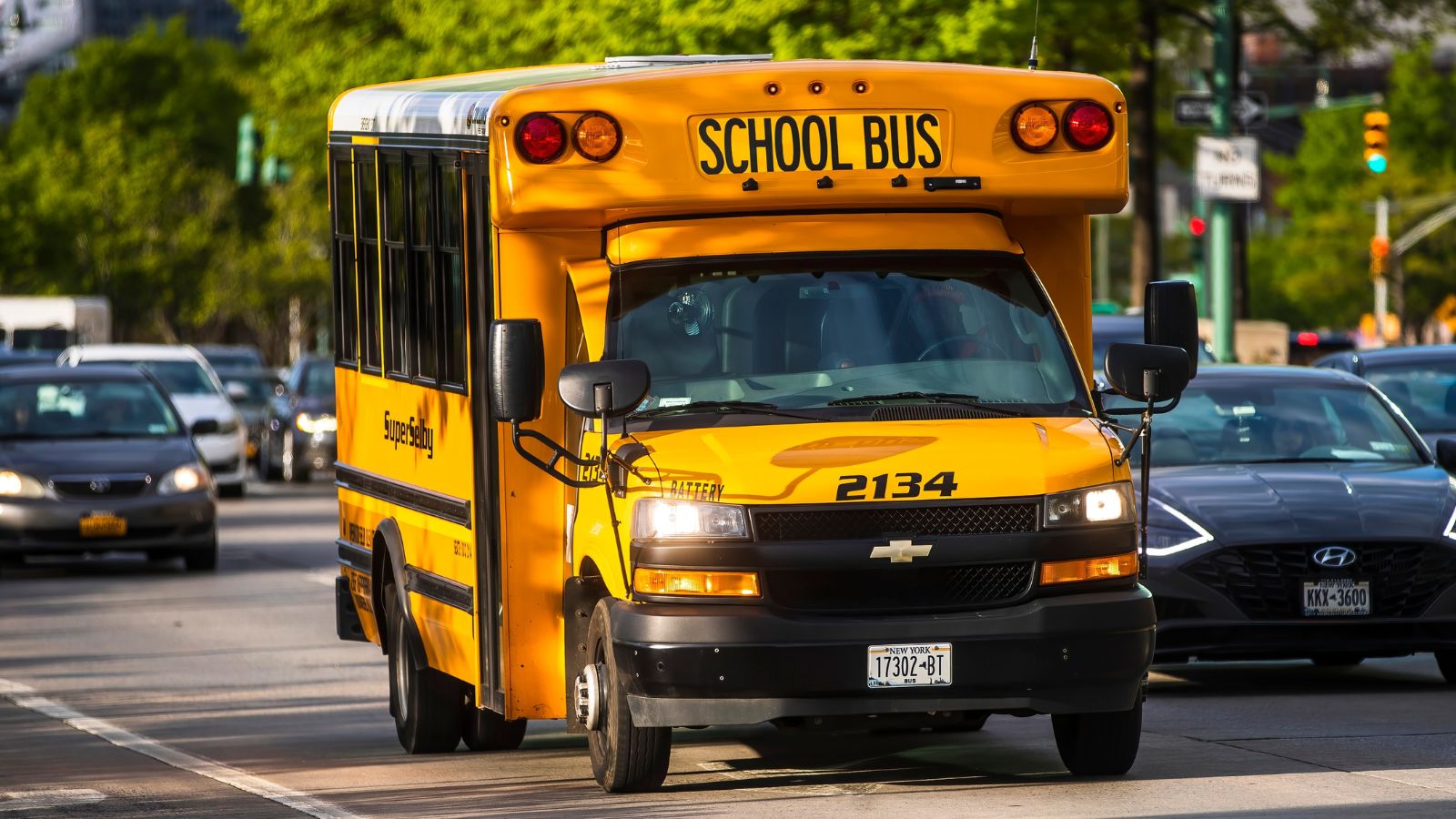
Few traffic violations carry the same moral weight as passing a stopped school bus with red lights flashing. It can happen when a driver is distracted, confused by a divided road, or unsure whether the rule applies in the opposite direction. In many situations, vehicles travelling both ways must stop unless the road design creates a specific exception.
The penalties can be steep because children may be crossing from unpredictable directions. A driver does not need to hit anyone for the offence to matter. In Ontario, even the registered vehicle owner can face fines in some circumstances when the driver is not identified. That means lending a car or sharing a family vehicle can create consequences if someone ignores a school bus stop arm.
Not Slowing Down or Moving Over for Emergency Vehicles
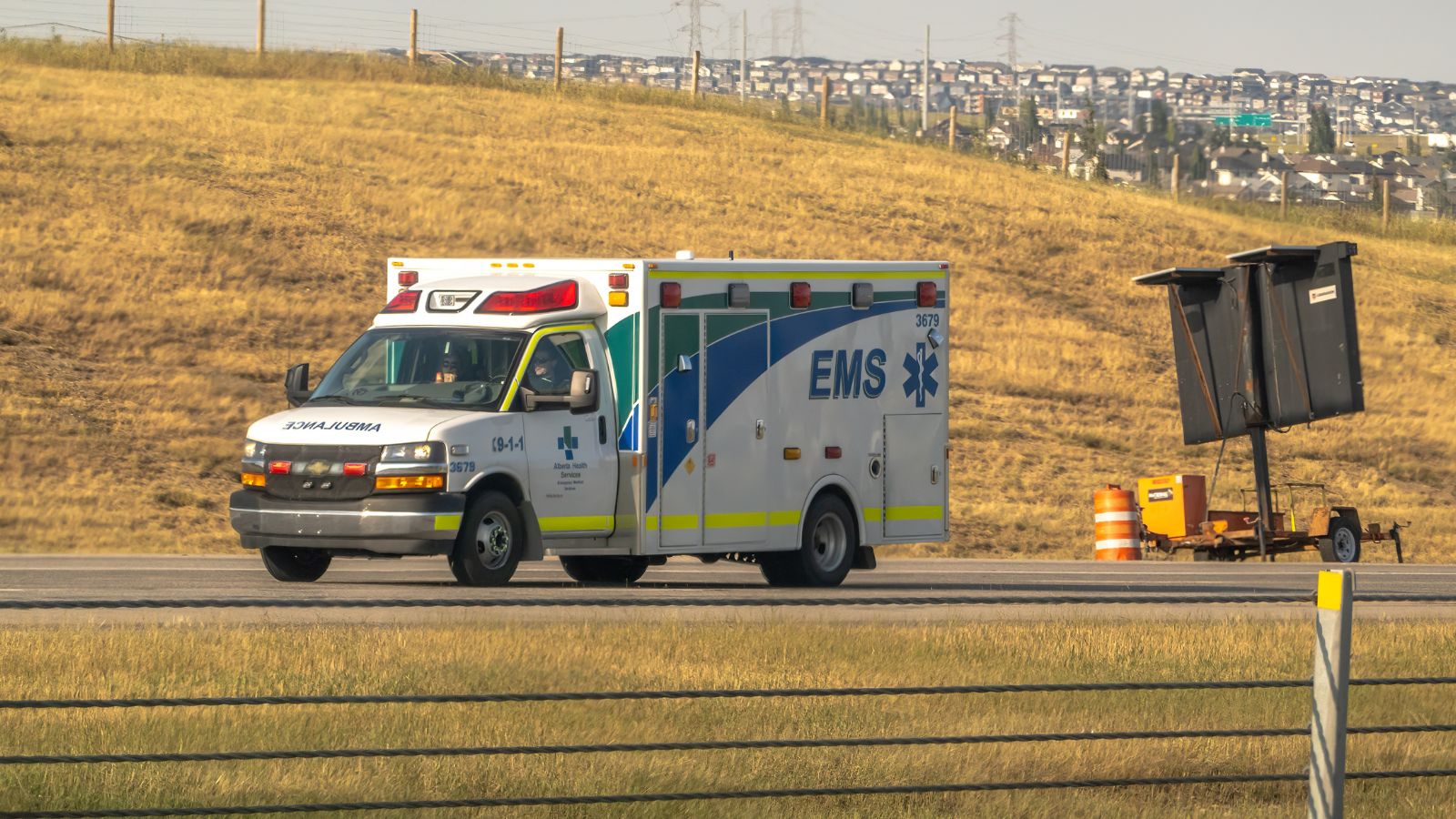
Many Canadians know they must pull over for an approaching ambulance, fire truck, or police vehicle with lights and sirens. Fewer remember that roadside emergency vehicles, tow trucks, and certain service vehicles may also trigger slow-down or move-over duties. The exact rules vary by province, but the purpose is consistent: create space for people working beside traffic.
This habit often fails on highways, where drivers see flashing lights ahead but wait too long to change lanes. If another lane is available and safe, moving over may be required. If not, slowing down is still expected. A driver who maintains speed because traffic is flowing can be fined, and the offence can also carry demerit points or other consequences depending on the jurisdiction.
Speeding Just a Little in Lower-Speed Zones

A few kilometres per hour over the limit may feel routine, but lower-speed areas leave less margin for error. School zones, community safety zones, construction areas, and dense neighbourhood streets are often watched more closely because pedestrians and cyclists are nearby. The “everyone was doing it” explanation rarely helps when a posted limit is clear.
Speeding penalties vary widely by province and by how far the driver is over the limit. The practical cost can go beyond the ticket if demerit points or insurance consequences follow. In places with automated enforcement, a driver may not even be stopped at the roadside. The ticket can arrive later, turning an ordinary commute into proof that small speed increases still count.
Drifting Into Stunt-Driving Territory
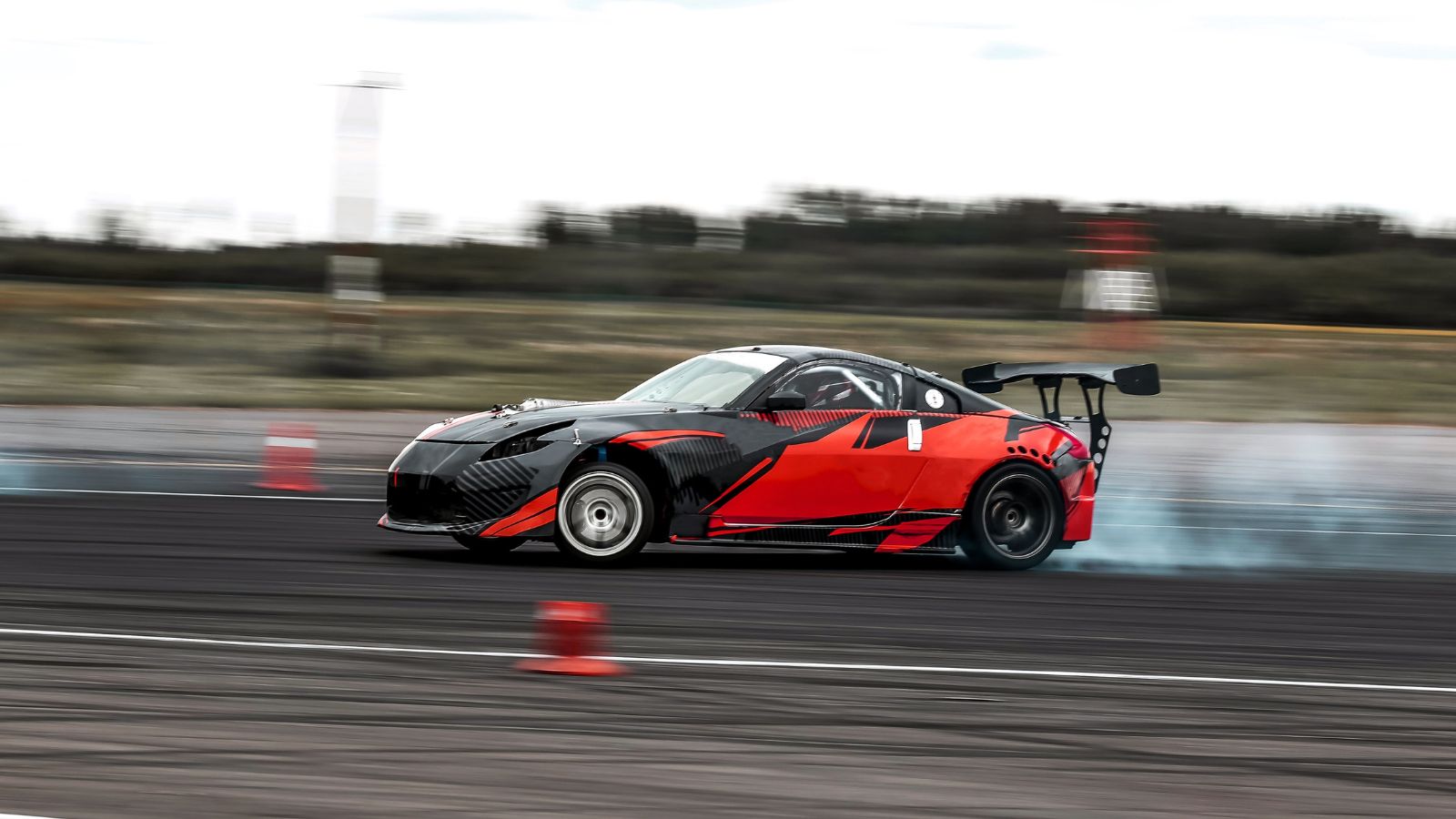
Some drivers think stunt-driving charges are reserved for street racing, burnouts, or dramatic highway behaviour. In Ontario, very high speeds alone can qualify, including driving 40 km/h or more over the limit where the posted limit is under 80 km/h, or 50 km/h or more over in other situations. Driving 150 km/h or more can also trigger stunt-driving treatment in Ontario.
This matters because a driver on an open rural road may not feel like a “stunt driver” while accelerating to pass or make up time. The legal label, however, can depend on the measured speed rather than the driver’s intention. The consequences can be much more serious than an ordinary speeding ticket, including roadside licence suspension, vehicle impoundment, court exposure, and substantial financial penalties.
Blocking or Covering the Licence Plate
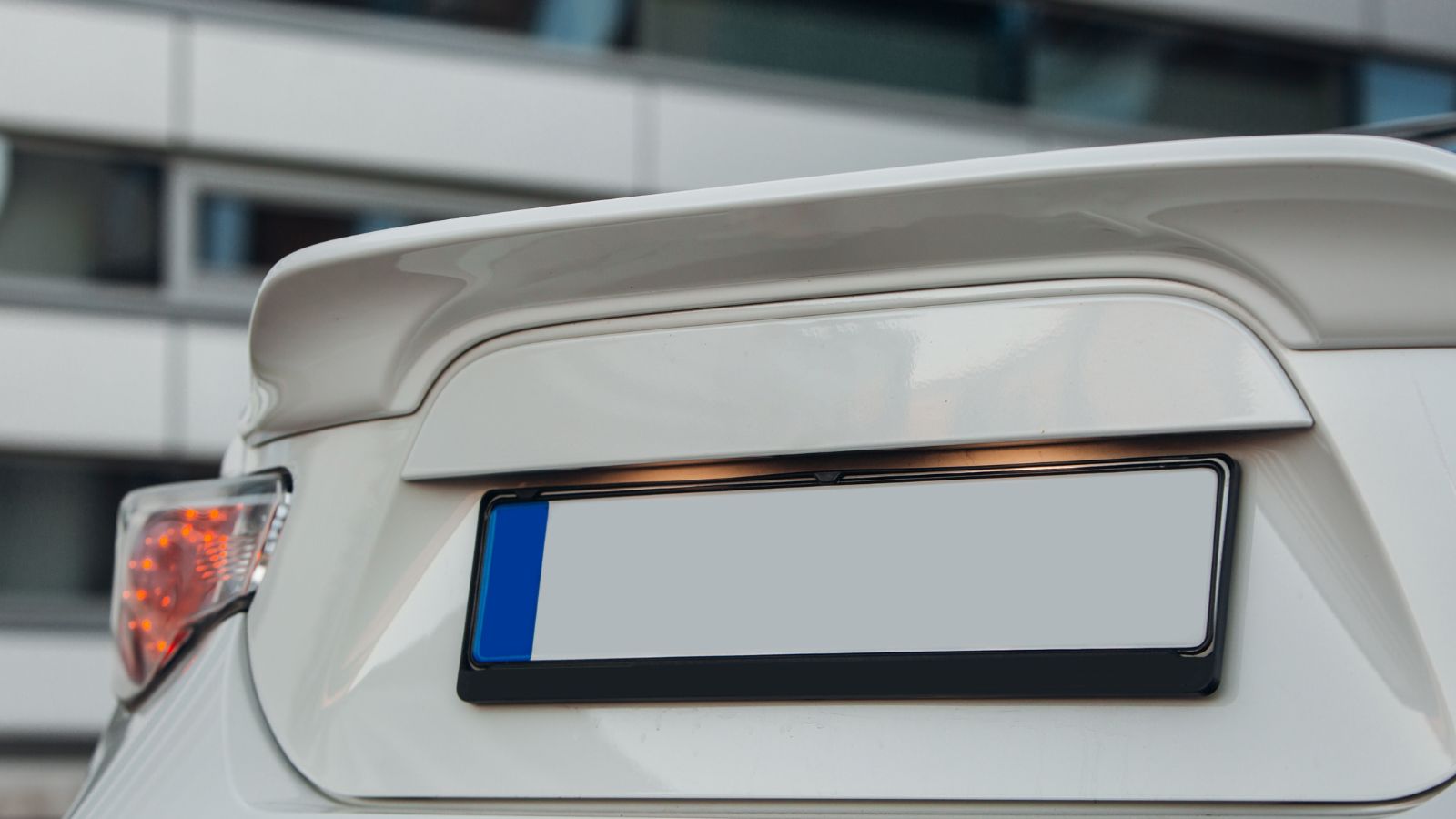
Licence-plate covers, tinted shields, dirt, snow, bike racks, trailer hitches, and decorative frames can all create trouble if they make the plate difficult to read. Drivers may not realize that a plate must remain visible not only to the human eye but, in some jurisdictions, to enforcement cameras as well. A cover sold in a store is not automatically legal on the road.
This issue becomes common in winter, after muddy cottage roads, or when aftermarket accessories are installed without checking the view from behind. A driver might consider it a cosmetic detail, but police may treat it as an obstructed plate. With more automated enforcement and tolling systems, clear plate visibility has become a practical enforcement priority rather than a minor technicality.
Driving With Snow or Ice Still on the Vehicle
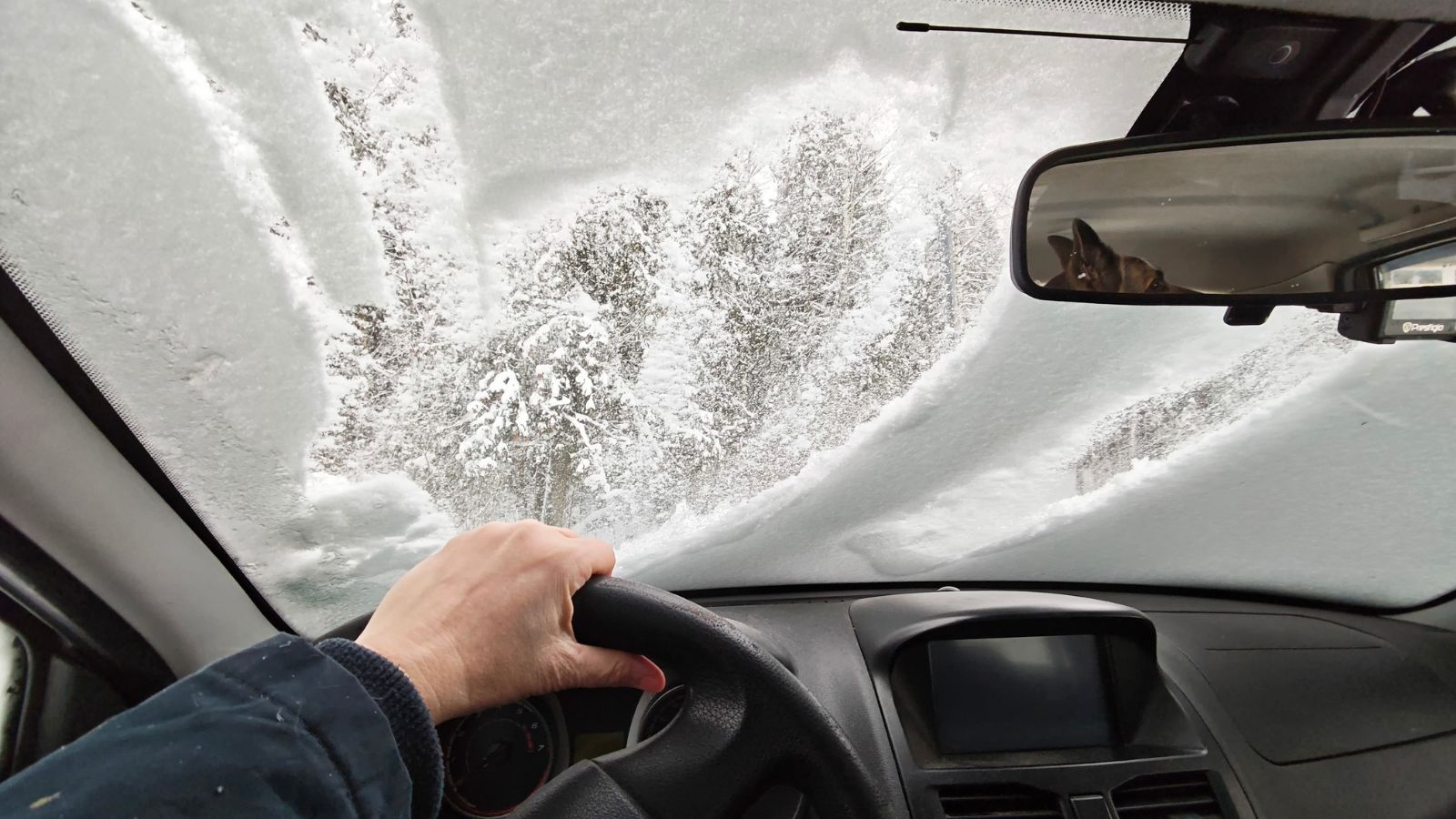
Clearing only a small patch of windshield may save time on a freezing morning, but it can create a fine risk and a safety risk. Snow left on the roof, hood, lights, mirrors, or windows can reduce visibility or fly off into traffic. A driver may think the defroster will handle the rest, but the vehicle can already be unsafe before it leaves the driveway.
The most familiar example is a sheet of roof ice sliding backward onto another vehicle or forward onto the windshield during braking. Even powdery snow can obscure brake lights or signal lights. The habit is especially common during rushed commutes after overnight snowfall. Taking a few extra minutes to clear the vehicle can prevent both a ticket and a dangerous surprise at speed.
Forgetting Quebec’s Winter Tire Deadline
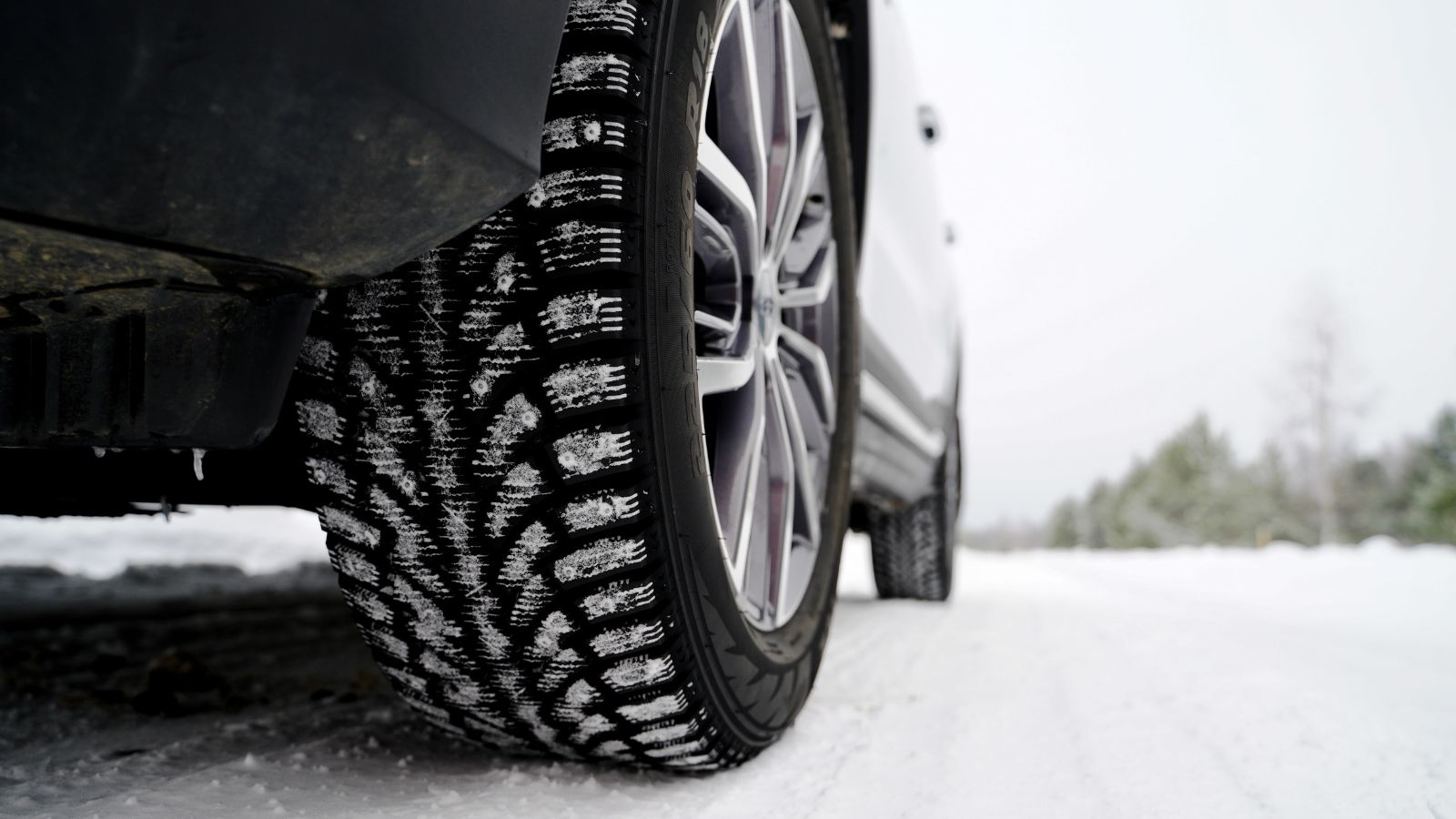
Quebec has one of the clearest winter-tire rules in Canada: most motor vehicles registered in the province must have winter tires during the mandated winter period. Drivers who recently moved, borrowed a vehicle, rented locally, or delayed tire appointments may not realize how quickly the deadline turns into an enforceable requirement. The rule is not just a recommendation for snowy days.
The fine can apply even before a major storm if the calendar requirement is in force. This catches people during mild Decembers, when roads may look clear and all-season tires still feel adequate. The point of the rule is preparedness across the season, not reacting after the first bad commute. For Quebec drivers, tire planning is as much a legal habit as a maintenance habit.
Driving Too Close Behind Another Vehicle
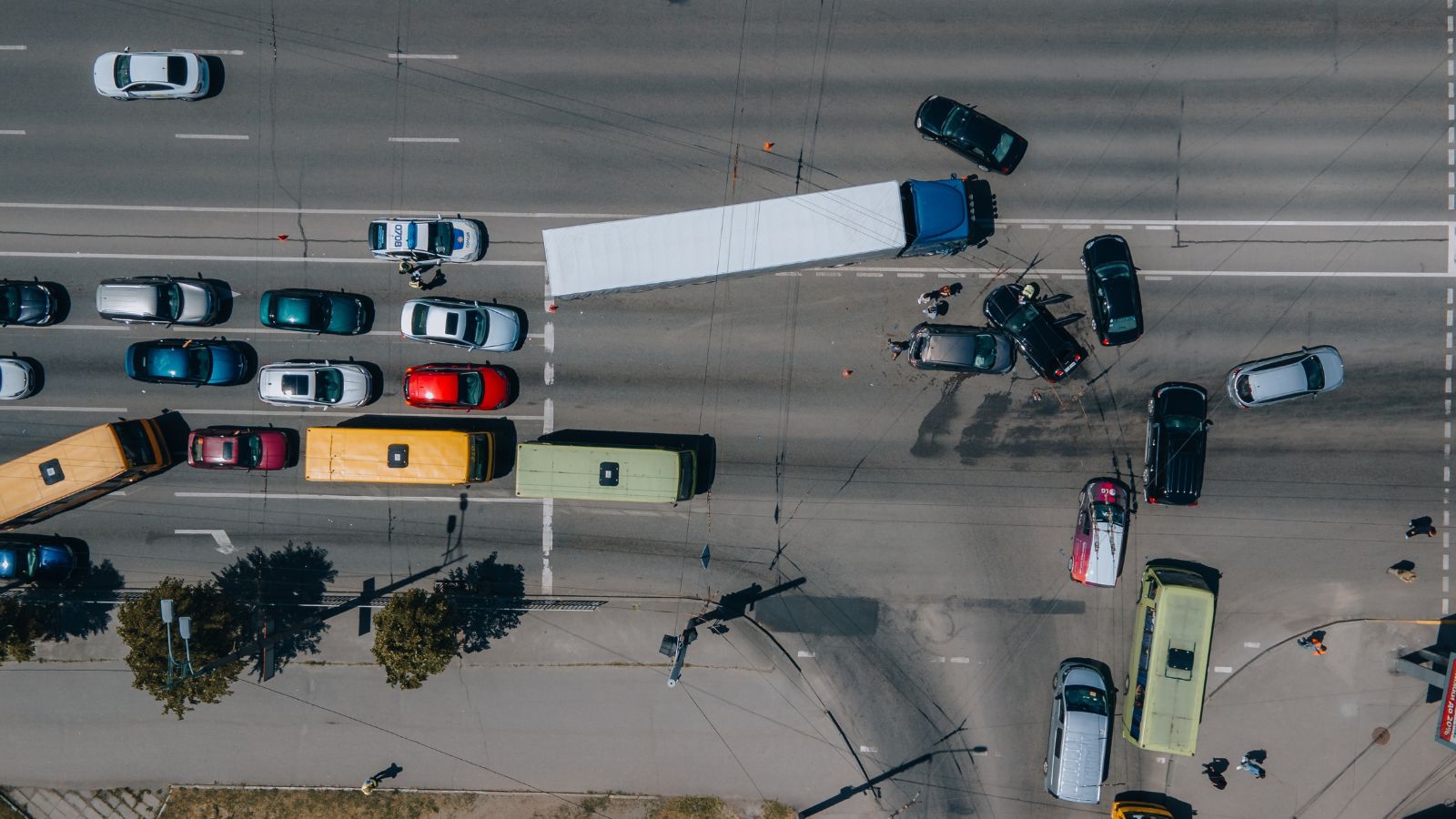
Tailgating is often treated as impatience, but it can become a charge when it leaves too little space to stop safely. The habit appears in heavy traffic, on rural highways behind slower vehicles, or when drivers pressure someone in the passing lane. Even if no collision occurs, following too closely can be seen as aggressive or unsafe driving.
The danger rises in rain, snow, darkness, or near construction zones where sudden braking is common. A driver who feels in control may not account for reaction time, road surface, or the braking ability of the vehicle ahead. Police do not need to wait for a crash to act. A visible lack of following distance can be enough to turn a routine drive into a roadside discussion.
Failing to Signal Lane Changes or Turns
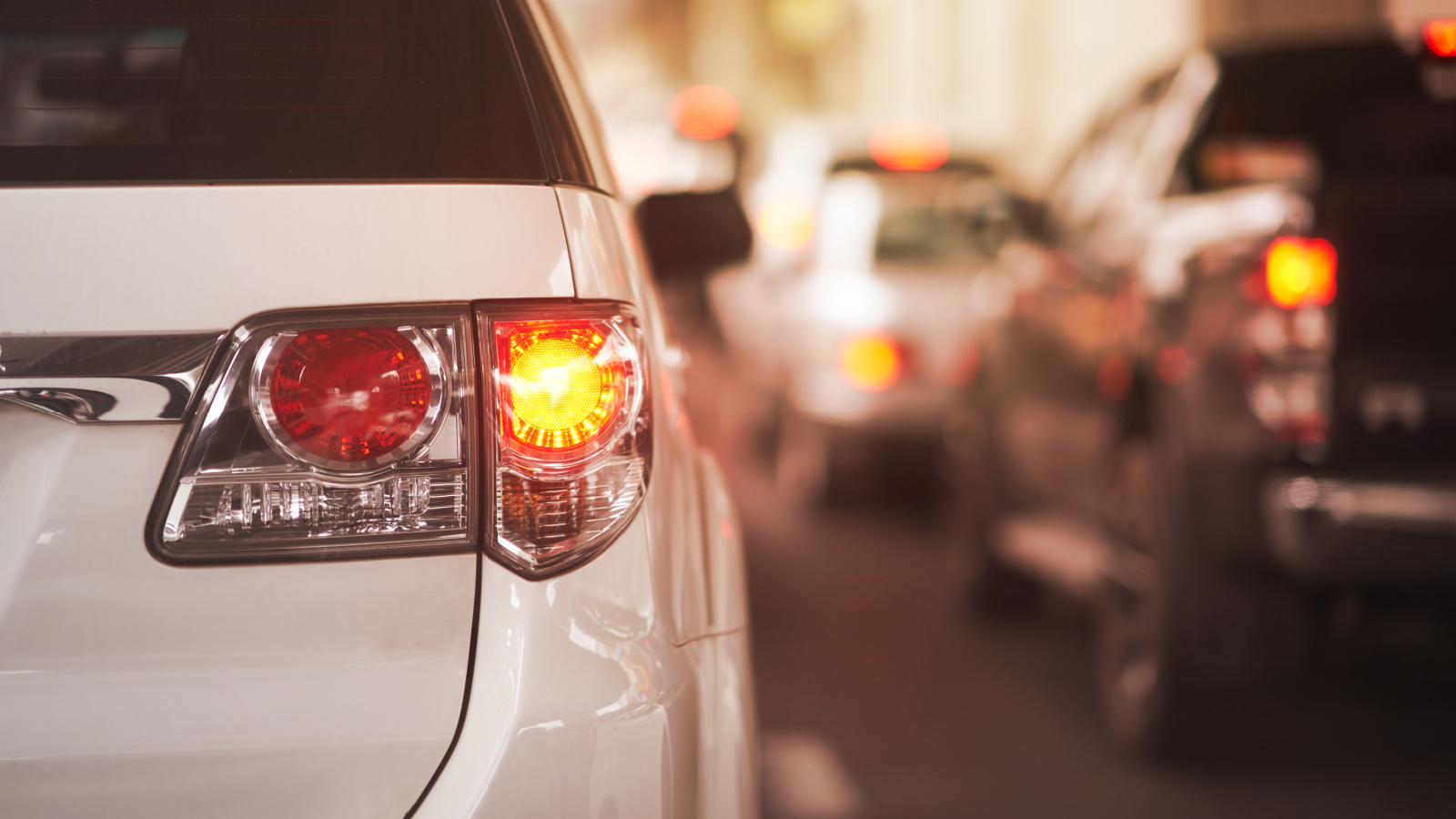
Signals are easy to treat as optional when traffic is light, but they are a legal communication tool. Drivers who change lanes, turn, leave the curb, enter a roundabout, or move through parking-lot exits without signalling can create confusion for everyone nearby. The risk is not only the ticket; it is the unpredictability that causes close calls.
This habit is especially noticeable in roundabouts and on multi-lane urban roads. A driver may know exactly where they intend to go, but others do not. Pedestrians, cyclists, transit operators, and nearby drivers all rely on signals to judge timing and space. A missed signal can look like a harmless omission until it forces someone else to brake, swerve, or hesitate.
Misusing HOV or Reserved Lanes
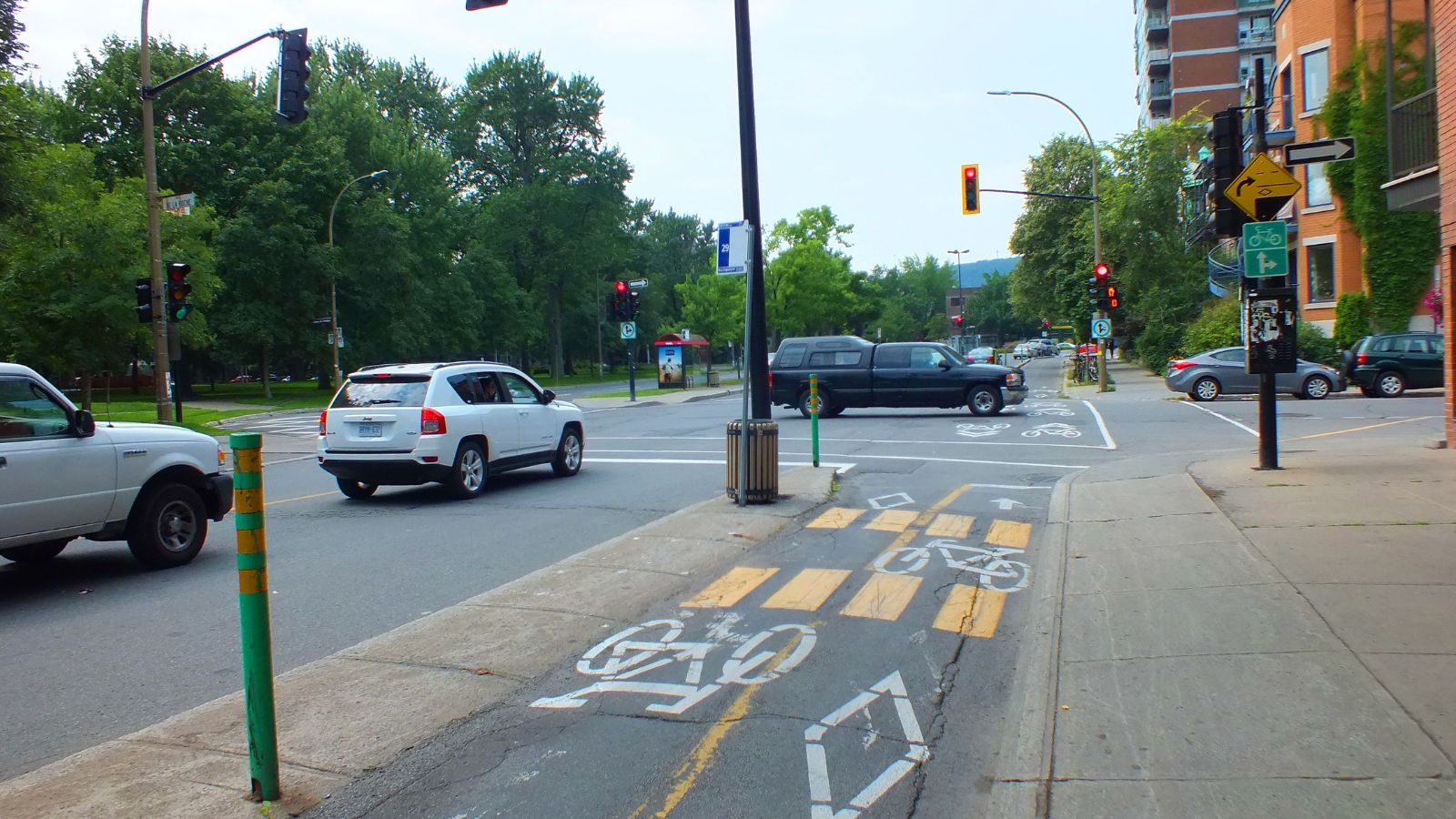
High-occupancy vehicle lanes, bus lanes, bike lanes, and reserved routes often have posted rules that change by time, vehicle type, or number of occupants. Drivers can be fined for entering too early, staying too long, using the lane with too few passengers, or crossing solid markings where entry is restricted. The confusion is understandable, but signs usually control the outcome.
The habit often starts with a driver trying to turn right, pass congestion, or follow a navigation app that does not explain local lane rules clearly. In busy cities, a reserved lane may be designed to protect transit reliability or cyclist safety. Using it as a shortcut can delay buses, endanger vulnerable road users, and attract enforcement in places where cameras or targeted patrols are common.
Parking or Stopping Where It Blocks Safety
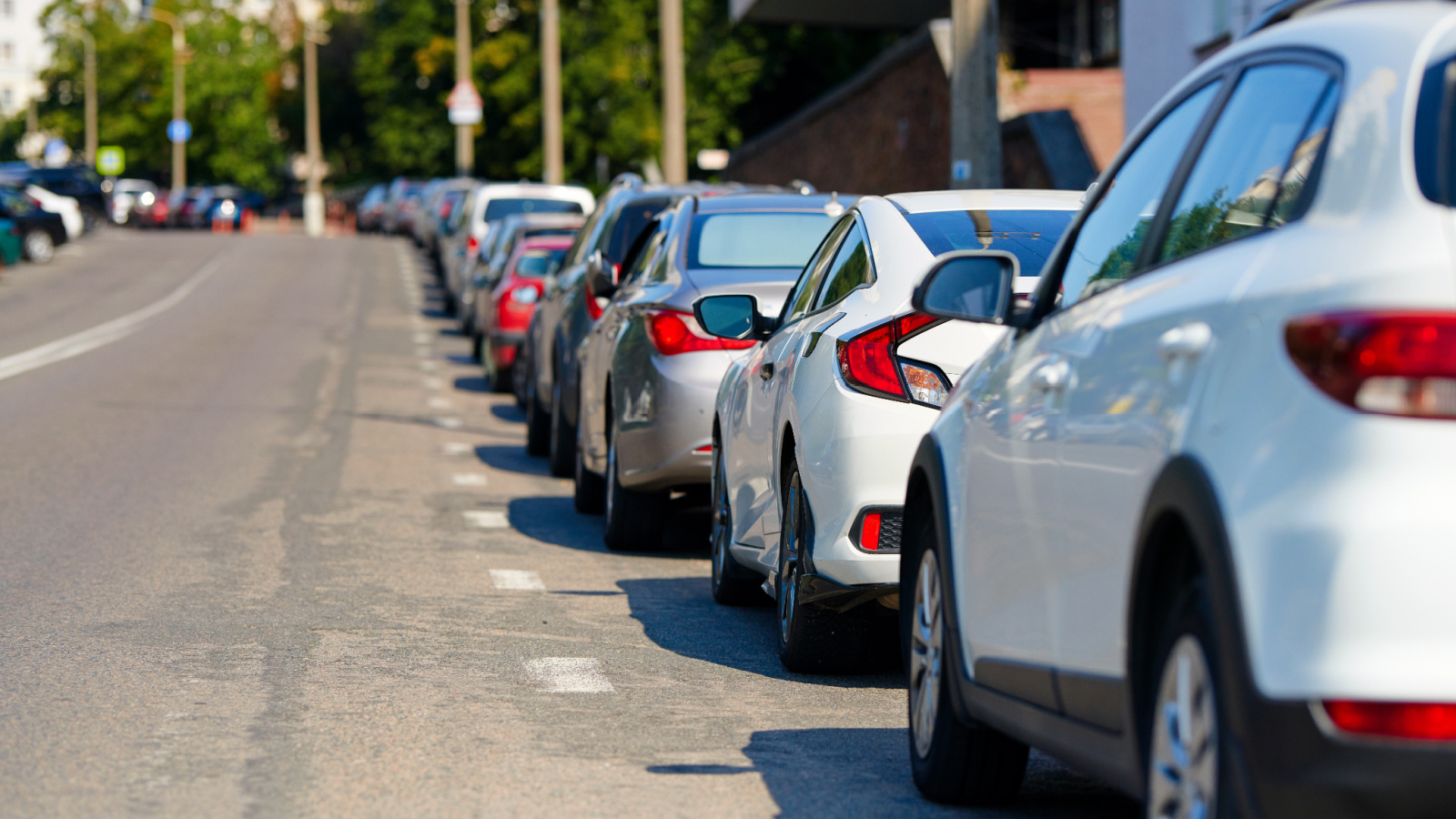
Many drivers think of parking tickets as separate from driving habits, but stopping in the wrong place can happen while actively operating a vehicle. Blocking a fire hydrant, stopping in a bike lane, pausing in a no-stopping zone, or waiting in a signed school area can trigger fines. Delivery stops and rideshare pickups make this especially tempting.
The driver may plan to stay only “one minute,” but enforcement does not always depend on intent or duration. A blocked bike lane can push cyclists into traffic, and a stopped vehicle near a crosswalk can hide pedestrians from approaching drivers. The habit feels convenient because the engine is still running, yet the law may treat the vehicle as stopped, parked, or obstructing traffic.
Driving With Burned-Out Lights
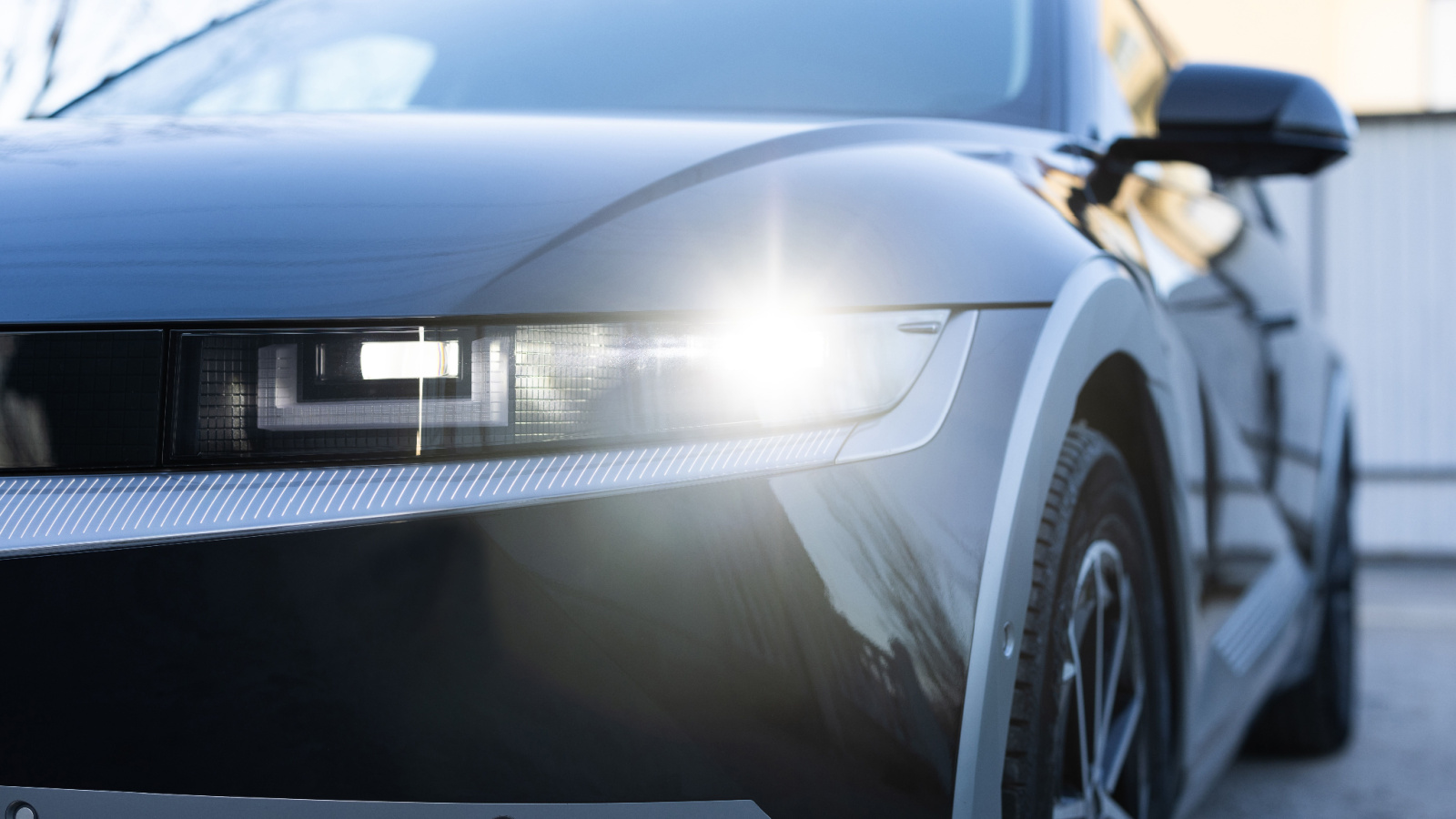
A burned-out headlight, brake light, signal light, or licence-plate light can go unnoticed for weeks because drivers rarely see their own vehicle from outside. The problem is more than cosmetic. Lights communicate braking, turning, vehicle width, and presence in poor visibility. A driver who cannot signal properly may be fined even if the bulb failed recently.
This is common after winter driving, when vibration, salt, moisture, and short daylight hours make lighting problems easier to miss. A quick reflection check in a window or garage door can reveal many issues before police do. Modern vehicles may show dashboard warnings, but not every failure is obvious. A small bulb can become a traffic stop if it makes the vehicle less visible or predictable.
Letting Pets Interfere With Driving

A loose dog on a driver’s lap may look affectionate, but it can interfere with steering, braking, mirrors, and attention. Some provinces treat pet-related interference as a distracted-driving or unsafe-operation issue, especially if the animal blocks access to controls or obstructs the driver’s view. The driver may not think of it as “distraction” because no phone is involved.
The risk is easy to imagine: a pet jumps toward a window, slips underfoot, or reacts to another animal outside. Even a calm pet can become unpredictable during sudden braking. Securing animals in carriers or appropriate restraints protects the pet and reduces the chance of a fine. It also avoids the awkward explanation that the vehicle was under control while a living distraction was moving around the cabin.
Driving With an Unsafe Load
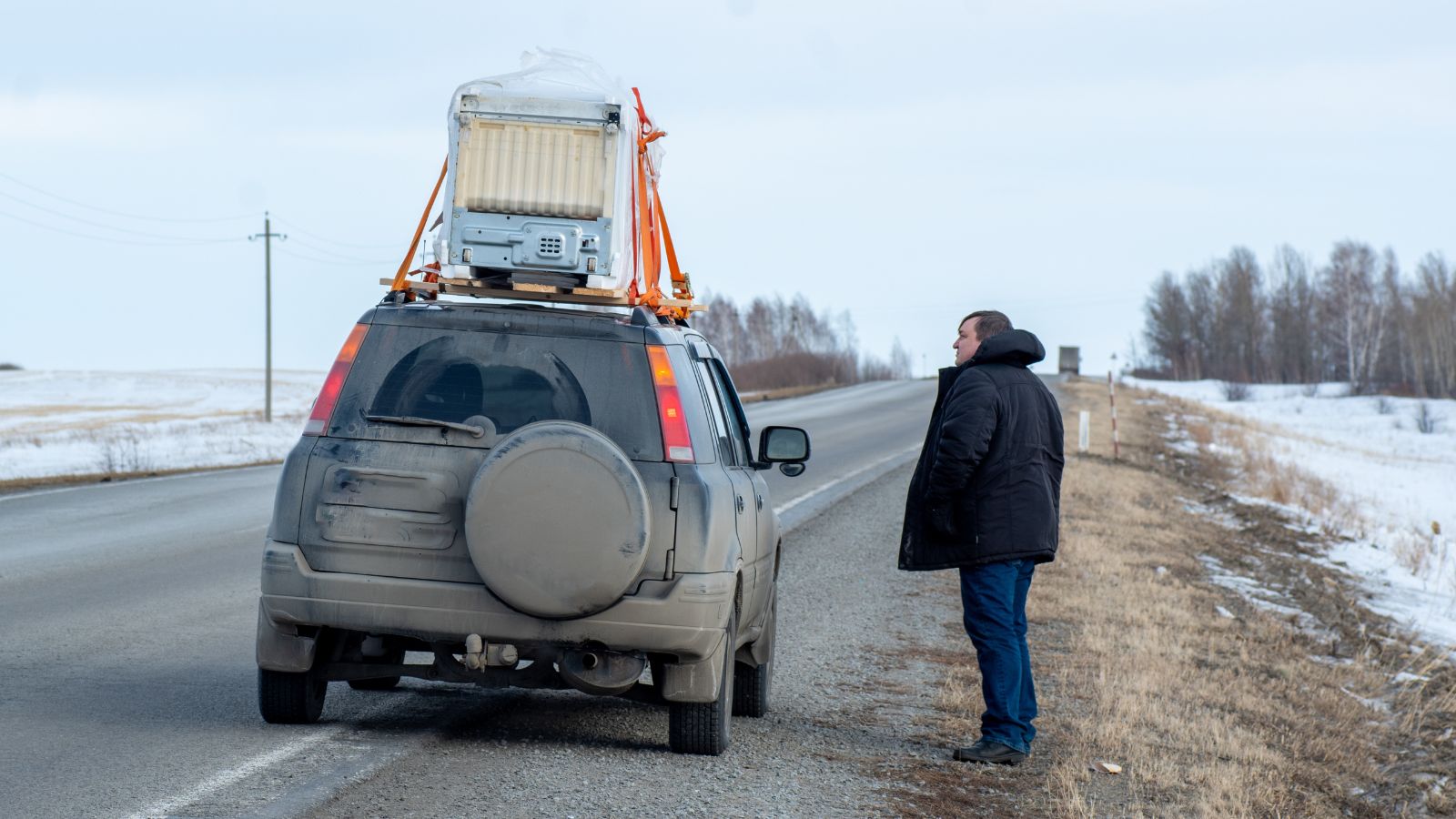
A mattress tied loosely to a roof, lumber sticking out without proper marking, or tools sliding around in a pickup bed can lead to enforcement. Drivers are responsible for securing cargo so it does not fall, shift, block visibility, or endanger others. The rule applies beyond commercial trucking; everyday household trips can create the same problem.
This habit often appears during moves, renovation runs, dump trips, or cottage weekends. A driver may rely on one rope or a friend’s quick knot, then discover at highway speed that wind behaves differently than expected. An unsecured load can cause crashes, road debris, or damage to following vehicles. Police may ticket before anything falls if the load appears unsafe or improperly secured.
Ignoring Licence Restrictions
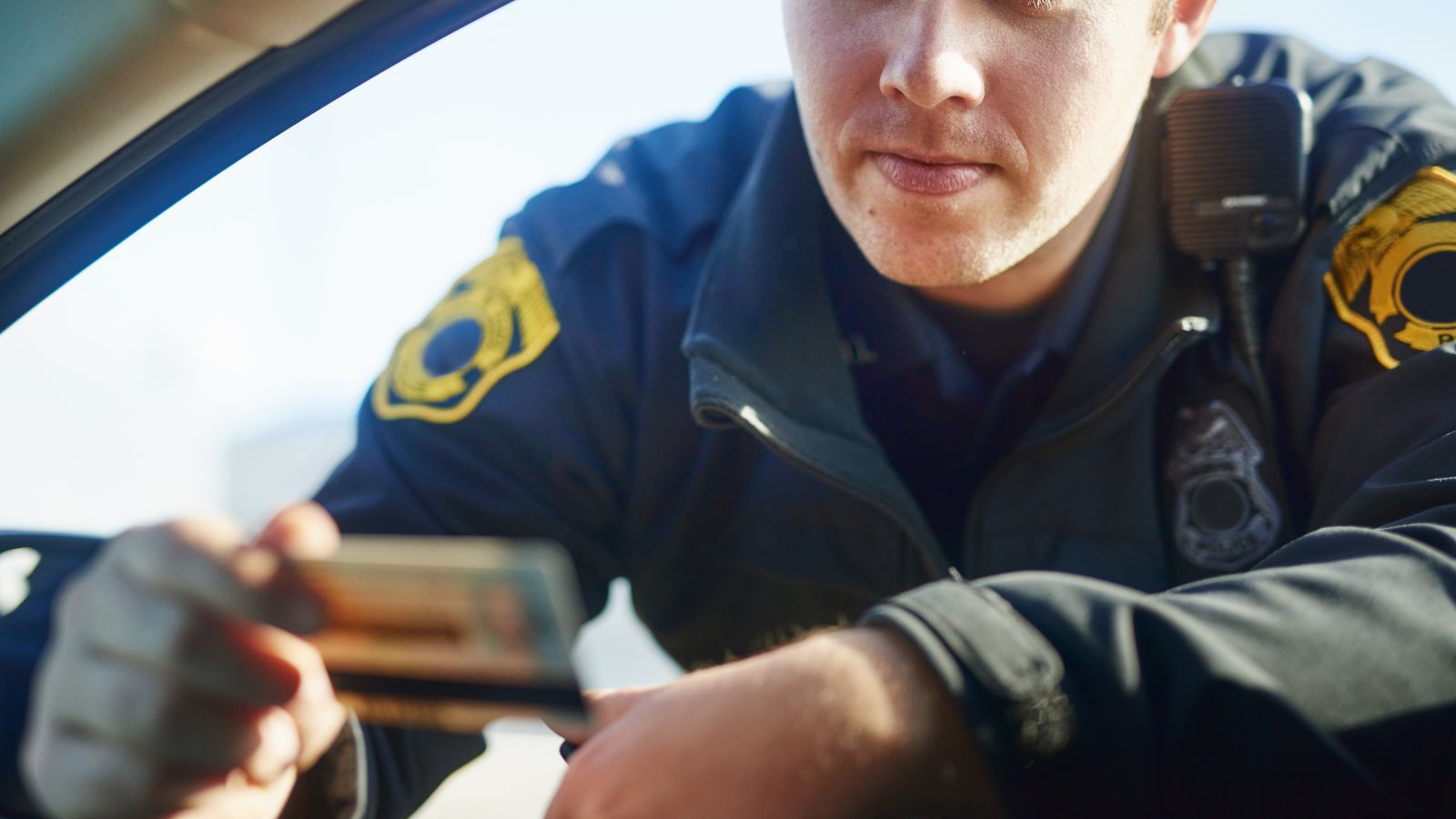
Graduated licensing rules can include passenger limits, zero alcohol or drug requirements, display decals, supervised driving conditions, or restrictions on when and where a novice driver may drive. A driver who recently passed a test may forget that the licence still carries conditions. Parents and friends may also misunderstand the rules and pressure a novice into a trip that is not allowed.
This can lead to fines, points, warnings, probation, or licence consequences depending on the province and the driver’s stage. The habit is especially risky for young drivers giving friends rides at night or new residents transferring licences. The vehicle may be legally insured and mechanically sound, but the driver’s privileges still define what is allowed behind the wheel.
Driving Without Required Documents or Valid Status
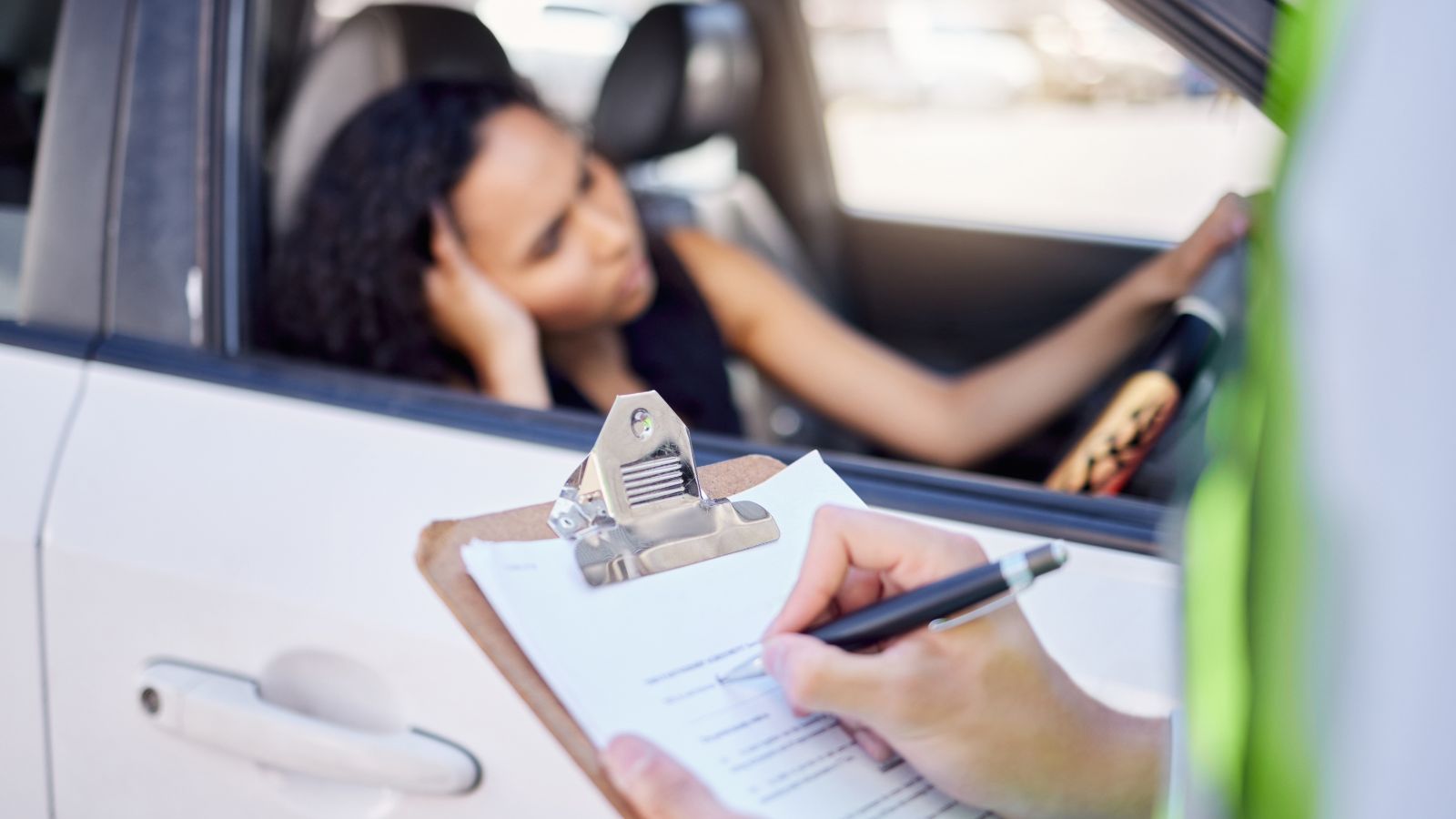
A person can drive safely and still be fined if the legal paperwork is not in order. Common issues include expired registration, missing proof of insurance, an invalid permit, or a licence that has been suspended without the driver fully understanding the status. Renewal reminders can be missed after moving, changing email addresses, or sharing a vehicle with family.
The consequences can be more serious than a simple inconvenience. In many provinces, driving while suspended or uninsured can involve heavy penalties, vehicle consequences, and long-term cost increases. This habit is not about bad driving technique; it is about treating administrative details as background chores. A quick check before a road trip or annual renewal period can prevent an expensive roadside surprise.
22 Things Canadians Do to Their Cars in Spring That Mechanics Hate

Spring brings relief to many Canadian drivers after months of snow, freezing temperatures, and icy roads that put serious strain on vehicles. As temperatures rise across the country, drivers begin washing cars, switching tires, and preparing vehicles for warmer weather and upcoming road trips. However, mechanics across Canada notice the same mistakes every spring when drivers attempt to recover from winter damage. Road salt, potholes, and harsh winter driving conditions often leave vehicles with hidden problems that drivers ignore. Some spring habits even create new mechanical issues that could have been avoided with proper maintenance. Here are 22 things Canadians do to their cars in spring that mechanics hate.