
























A used vehicle on Facebook Marketplace can look like a bargain in the morning and become a financial headache by evening. Private listings often move quickly, prices can appear more flexible than at dealerships, and sellers may seem ordinary enough to trust. But a vehicle is not a used sofa or a spare phone; it carries ownership history, safety risks, debt obligations, insurance questions, and repair costs that may not show up in a few photos.
These 20 checks focus on the details Canadians should review before money changes hands. From verifying the VIN and liens to spotting suspicious profiles, rushed sellers, hidden damage, and incomplete paperwork, each step helps separate a fair private sale from a costly mistake.
Match the VIN Everywhere It Appears
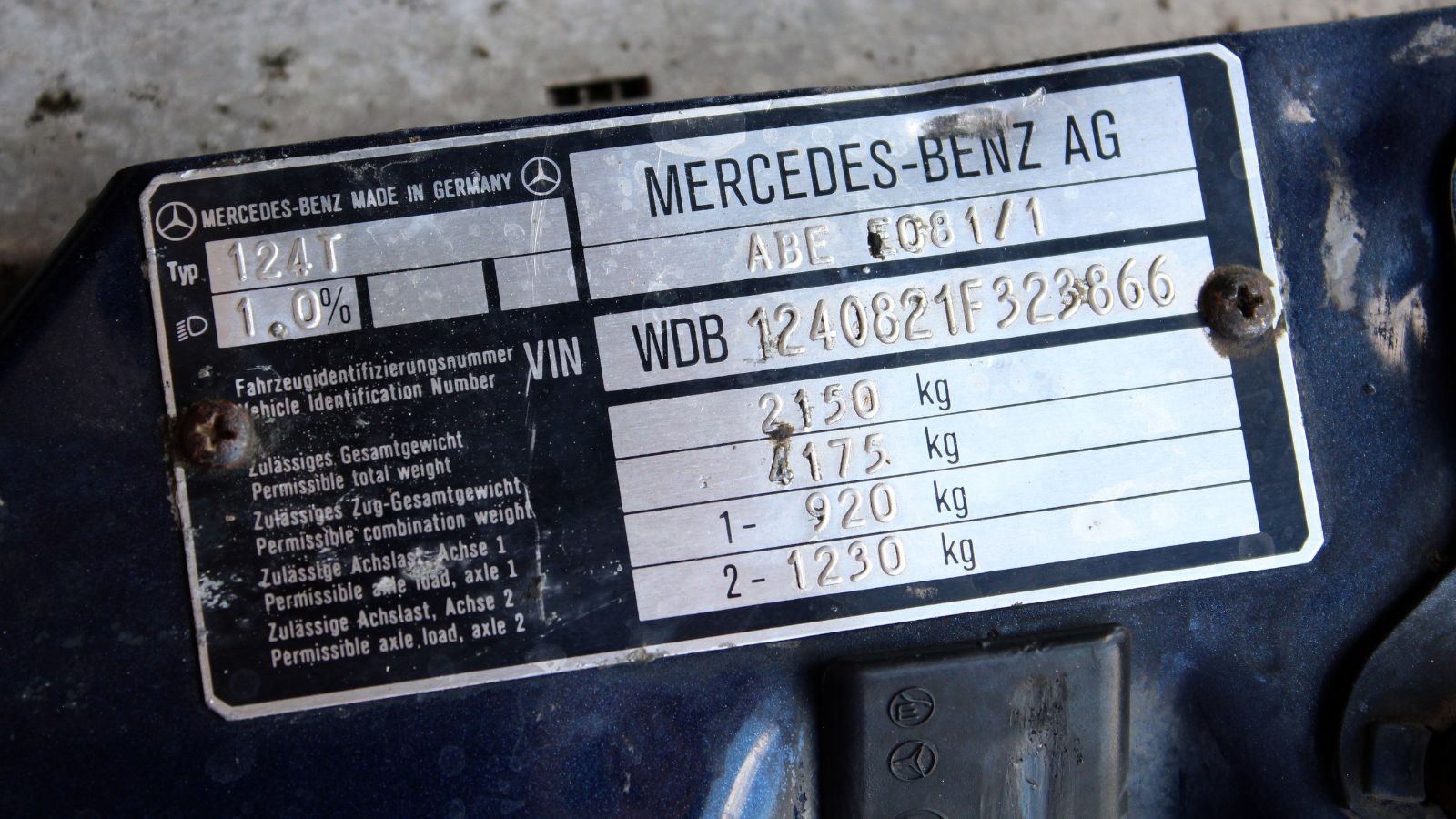
The vehicle identification number should be treated like the car’s fingerprint. It usually appears on the dashboard near the windshield, inside the driver’s door area, on registration documents, insurance papers, and vehicle-history reports. If even one digit does not match, the sale deserves immediate caution. A Marketplace seller may say it is a typo, but a mismatched VIN can also point to title problems, stolen parts, cloning, or careless paperwork.
A buyer once noticing a single wrong character on a registration form may feel overly cautious asking questions. That caution is exactly the point. VIN cloning and title manipulation are real enough that law enforcement and consumer agencies regularly warn buyers to verify identity in multiple places. A clean-looking truck with matching plates can still hide a complicated past. The safest move is to compare the VIN in person before ordering a report, before arranging payment, and again before signing anything.
Run a Proper Vehicle History Report

A vehicle history report is not perfect, but it can reveal major warning signs that photos and a short test drive will never show. The report may include registration history, accident claims, branding such as salvage or rebuilt status, odometer readings, and sometimes service records. For private sales, it creates a basic paper trail before a buyer starts relying on a stranger’s explanation.
The key is to order the report independently from a recognized Canadian provider rather than clicking a link sent by the seller. Marketplace scams sometimes involve fake vehicle-report websites designed to steal credit card or personal information. A legitimate seller should not need the buyer to use a strange link. If the seller becomes aggressive about a specific report site, that pressure is a warning sign. A real report should match the VIN, the vehicle description, the province history, and the mileage story being presented.
Check for Liens Before Paying

A lien means someone else may still have a financial claim against the vehicle. In plain terms, the seller might not fully own what is being sold. If a buyer purchases a vehicle with unpaid debt attached, the creditor may still have rights over it, and the buyer could be left fighting a problem that began before the sale. That is why lien searches matter so much in Canadian private sales.
The process differs by province, but the principle is the same: search before payment, not afterward. Ontario’s Used Vehicle Information Package includes lien-related information, Quebec buyers are directed to check the RDPRM, and Alberta and British Columbia buyers can use provincial registry processes or vehicle-history services. A seller who says “there used to be a loan, but it is gone now” should be able to provide proof of discharge. Without written confirmation, the bargain price may be hiding someone else’s unpaid balance.
Confirm the Seller Is the Legal Owner

The person answering Marketplace messages should be the same person listed on the ownership documents, registration, and bill of sale. If the seller claims the vehicle belongs to a cousin, roommate, former partner, or absent parent, the transaction becomes riskier. There may be a harmless explanation, but private vehicle sales require clean authority to sell, not vague verbal permission.
This check also helps identify curbers, which are unlicensed sellers who pose as private owners while repeatedly selling vehicles for profit. A curber may avoid dealer rules, disclosure obligations, and accountability by pretending the sale is casual. Asking for identification that matches the ownership document is not rude; it is normal due diligence. If the seller refuses, rushes the conversation, or says the registered owner cannot attend the transfer, the buyer should slow down. A vehicle can look perfect and still become impossible to register if the legal ownership chain is broken.
Read the Provincial Paperwork Rules

Buying a private vehicle in Canada is not one national process. Ontario buyers should know about the Used Vehicle Information Package. Alberta private sales require a standard bill of sale for ownership transfer. British Columbia buyers commonly complete ICBC transfer and tax forms through an Autoplan broker. Quebec buyers should understand SAAQ registration steps and checks for debt or inspection status.
That provincial variation matters because Marketplace listings often cross city or provincial borders. A seller near a border may be using paperwork from another jurisdiction, and the buyer may not realize what is needed until registration day. The safest approach is to check the province’s official requirements before the meeting. A missing document can delay insurance, registration, plates, or tax processing. Worse, it can expose a seller who never had the authority or intention to complete a proper transfer.
Watch for a Price That Is Too Far Below Market

A below-market price does not automatically mean fraud. A seller may be relocating, dealing with repairs, or trying to move an older vehicle quickly. Still, vehicles priced far below comparable listings deserve extra scrutiny. Scammers rely on urgency and excitement, especially when a buyer believes a rare deal will disappear in minutes.
The comparison should include trim level, mileage, accident history, drivetrain, location, season, and condition. A clean all-wheel-drive SUV in winter, for example, should not be priced like a high-mileage project car unless something explains the gap. Buyers should compare similar listings across Marketplace, dealer inventory, Canadian valuation tools, and classified sites. If the seller discourages questions by saying “first with cash gets it,” the low price may be bait. A fair deal can survive a history check, lien check, inspection, and proper paperwork.
Inspect the Listing Photos for Missing Details

Marketplace photos can be revealing, not only because of what they show but because of what they hide. A strong listing usually includes clear exterior shots from all sides, interior photos, odometer reading, tire condition, dashboard lights with the ignition on, engine bay, trunk or cargo area, and visible wear points. A listing with only flattering angles may be avoiding rust, mismatched panels, warning lights, or interior damage.
Lighting matters as well. Wet pavement, nighttime photos, heavy filters, or distant shots can make scratches and paint differences harder to see. A buyer should ask for specific additional photos before arranging a meeting, especially of the VIN plate, ownership document with personal details covered, tire tread, rocker panels, and underbody rust areas. A genuine private seller may need time to provide them. A suspicious seller often becomes irritated because the listing was designed to create momentum, not transparency.
Meet in a Safe, Public Location

A vehicle purchase usually requires a larger payment than an ordinary Marketplace exchange, so the meeting location matters. Police services and community safety groups often recommend public places, and some communities provide transaction zones near police stations. A bright, camera-covered location reduces the risk of robbery, pressure tactics, or uncomfortable negotiations at a private home.
There is still a practical challenge: vehicles need to be inspected and test-driven. A good compromise is to meet first in a public place, verify the seller and vehicle, then proceed to a mechanic or agreed test-drive route. Buyers should avoid secluded lots, late-night appointments, and situations where the seller brings several unknown people. Bringing a trusted friend is sensible, especially when carrying a bank draft or arranging payment. A legitimate seller should understand that caution protects both sides of the transaction.
Do Not Skip the Independent Inspection

A pre-purchase inspection can feel inconvenient when the vehicle appears clean, but it is one of the strongest protections in a private sale. A mechanic can spot leaks, worn suspension, brake issues, frame damage, diagnostic trouble codes, poor collision repairs, rust, and warning lights that may have been cleared temporarily. The inspection cost is small compared with an engine, transmission, hybrid battery, or structural repair.
The inspection should be independent, not performed by the seller’s friend or a shop the seller insists on using. If a seller refuses any inspection, that refusal says as much as the mechanic might have. Some buyers worry that asking for an inspection will cost them the deal. That may happen, but losing a risky vehicle is not the same as losing a good one. A solid private-sale vehicle should be able to sit on a hoist and answer questions.
Check the Odometer Story Carefully
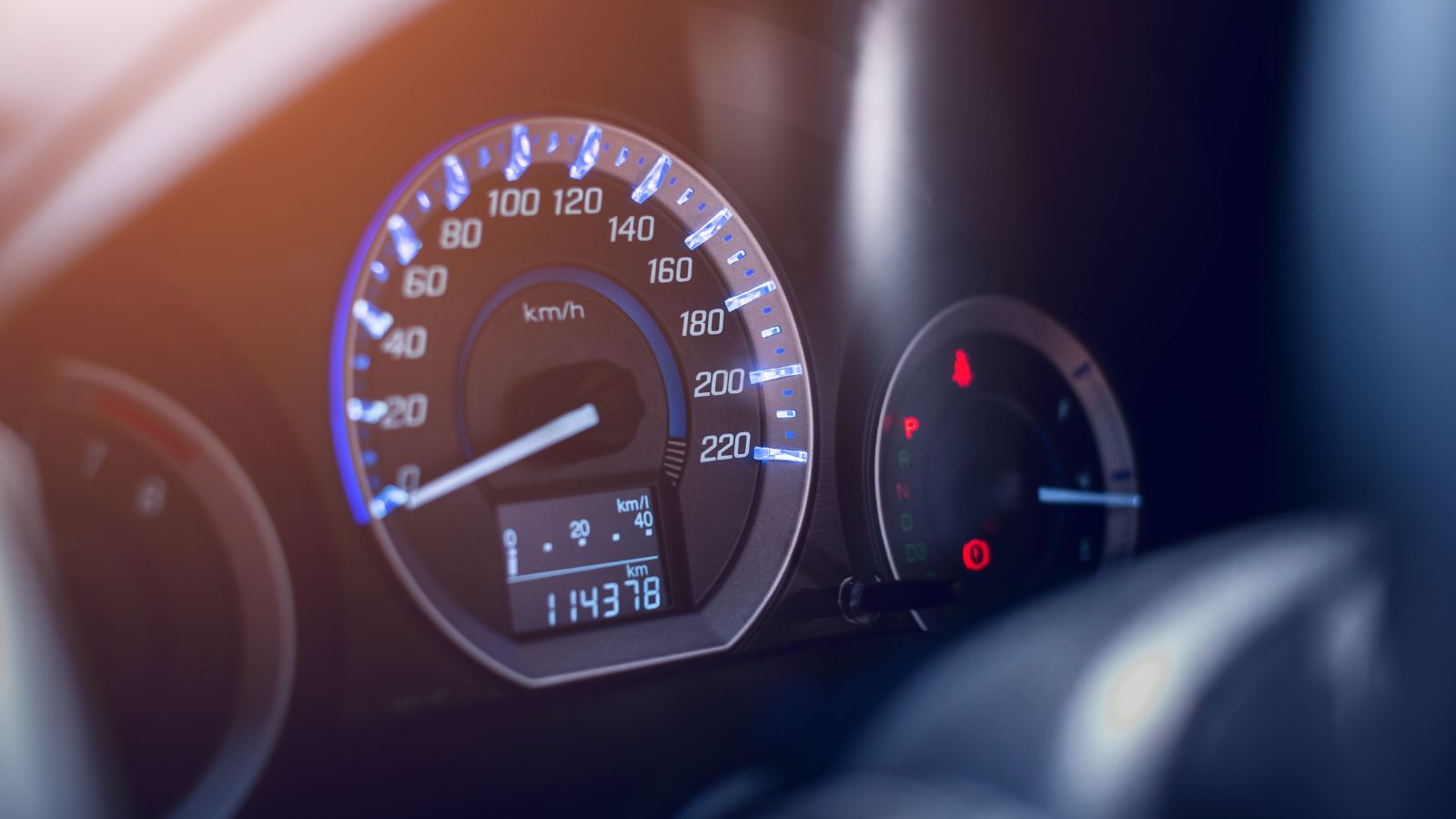
Low mileage can make a listing more attractive, but it should also invite verification. Odometer readings should make sense across service records, oil-change stickers, emissions documents where applicable, vehicle-history reports, and the vehicle’s physical condition. A car showing low kilometres but heavy seat wear, polished pedals, cloudy headlights, and a tired steering wheel deserves a second look.
Odometer tampering is not just an old used-car myth. Consumer protection organizations continue to warn about it because digital odometers can still be manipulated or replaced. Mileage affects price, maintenance timing, warranty assumptions, and safety expectations. A buyer should ask why the kilometres are unusually low, whether the vehicle sat unused, and whether maintenance was still performed by time rather than distance. A low number on the dashboard is only useful when the rest of the story supports it.
Look Closely for Accident Repairs
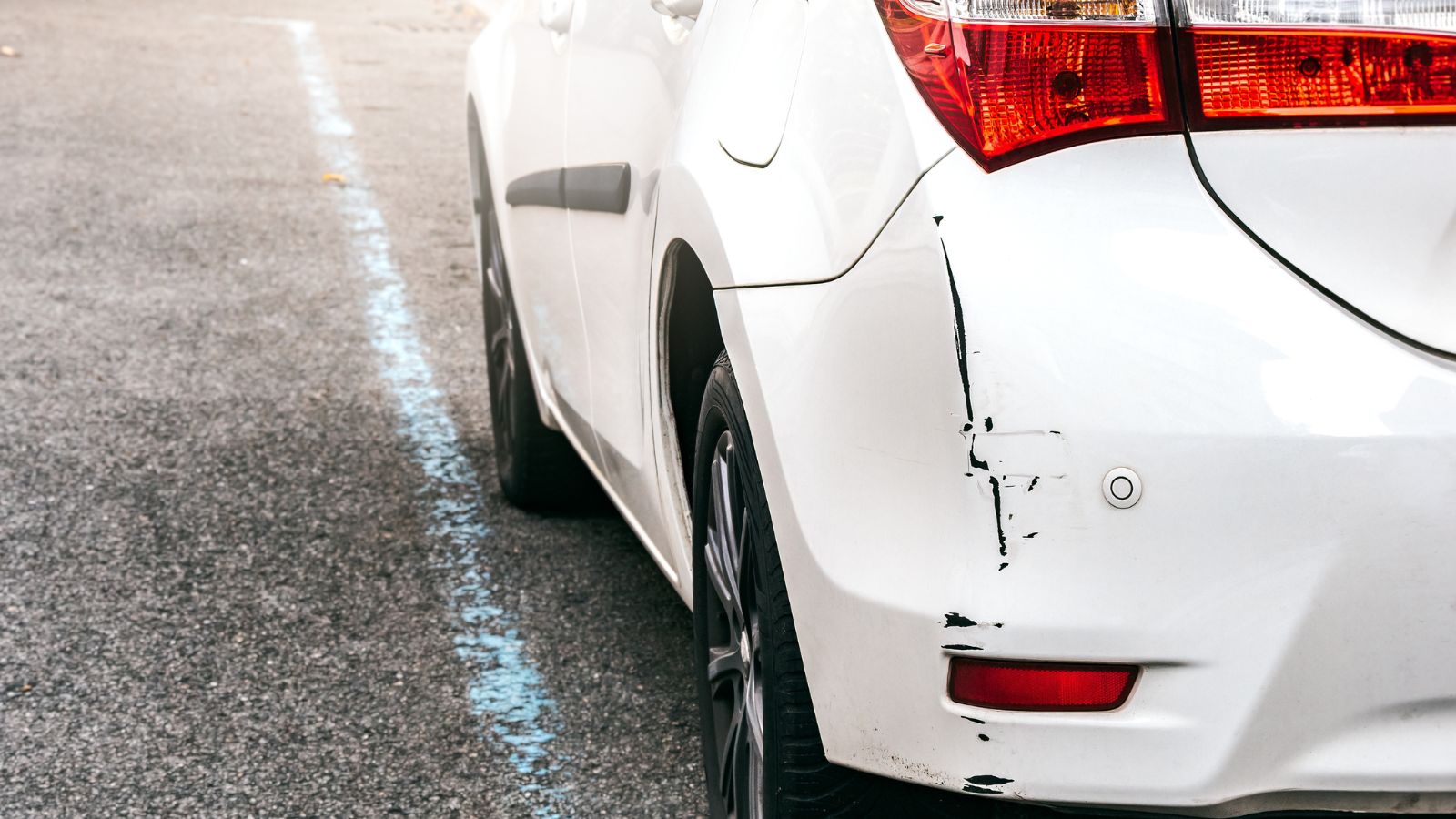
A vehicle can be repaired after a collision and still serve well, but hidden crash damage changes the risk. Buyers should look for uneven panel gaps, mismatched paint, overspray on rubber trim, fresh undercoating in one area, replaced headlights on only one side, trunk floor ripples, and doors that do not close cleanly. These details can reveal repairs that never made it into a simple seller description.
The concern is not cosmetic perfection; it is structural and safety uncertainty. Airbag deployment, frame damage, poorly repaired crumple zones, and water leaks can turn a cheap vehicle into an expensive liability. The seller may say “just a small fender bender,” but documentation should support that claim. A history report, body-shop invoice, and mechanical inspection can help determine whether the repair was minor or serious. When the story keeps changing, the safest interpretation is that the vehicle is not being fully disclosed.
Examine Rust Like a Long-Term Cost
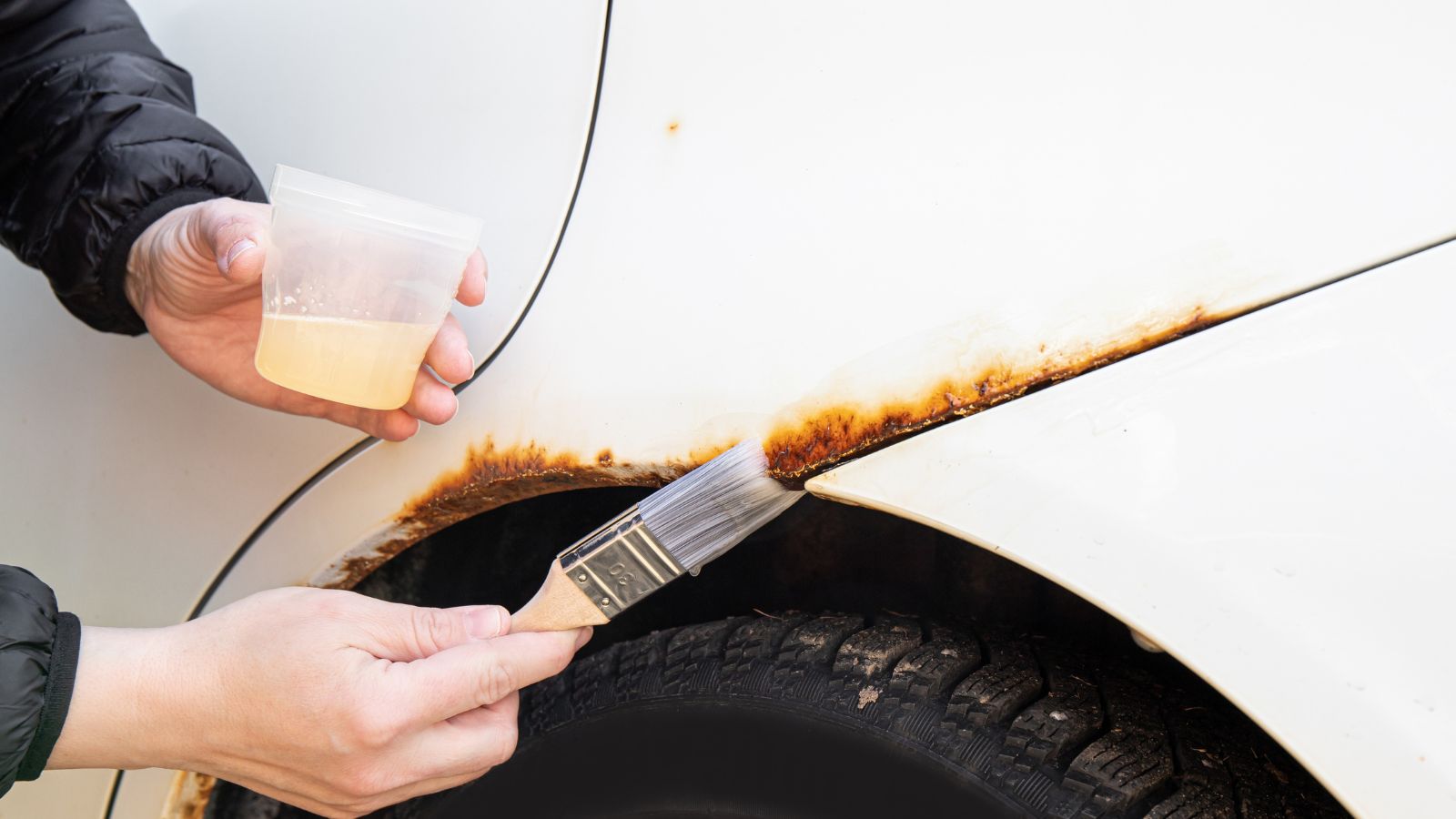
Rust is not just a cosmetic issue in much of Canada. Road salt, freeze-thaw cycles, coastal moisture, and long winters can accelerate corrosion, especially around rocker panels, wheel arches, brake lines, subframes, suspension mounts, and underbody seams. A shiny exterior can still hide rust underneath, particularly if the vehicle has been freshly washed or undercoated before sale.
The expensive part is that rust often spreads beyond what is visible during a quick walkaround. A small bubble near a wheel arch may be harmless, or it may indicate deeper corrosion behind the panel. Structural rust can affect safety inspections, resale value, and repair decisions. Buyers should bring a flashlight, inspect the lower body carefully, and ask a mechanic to check the underside on a lift. A Canadian winter beater can still be useful, but its price should reflect the corrosion honestly.
Test Drive Beyond the Block

A five-minute loop around a quiet street is not enough. A useful test drive should include cold start, city traffic, stop-and-go braking, moderate acceleration, highway speed if safe, turns, reverse gear, parking maneuvers, and rough pavement. Different problems appear under different conditions. A transmission may shift smoothly at low speed but hesitate on the highway. A wheel bearing may only hum at higher speeds.
The test drive should begin before the engine is warm. If the seller has already warmed the vehicle, ask why. Cold starts can reveal weak batteries, smoke, engine noise, misfires, or warning lights. Buyers should also test heat, air conditioning, wipers, lights, infotainment, cameras, windows, locks, seat controls, and charging ports. These small items become annoying quickly, and modern electronics can be expensive. A proper test drive is not joyriding; it is evidence gathering.
Verify Recalls and Safety Issues
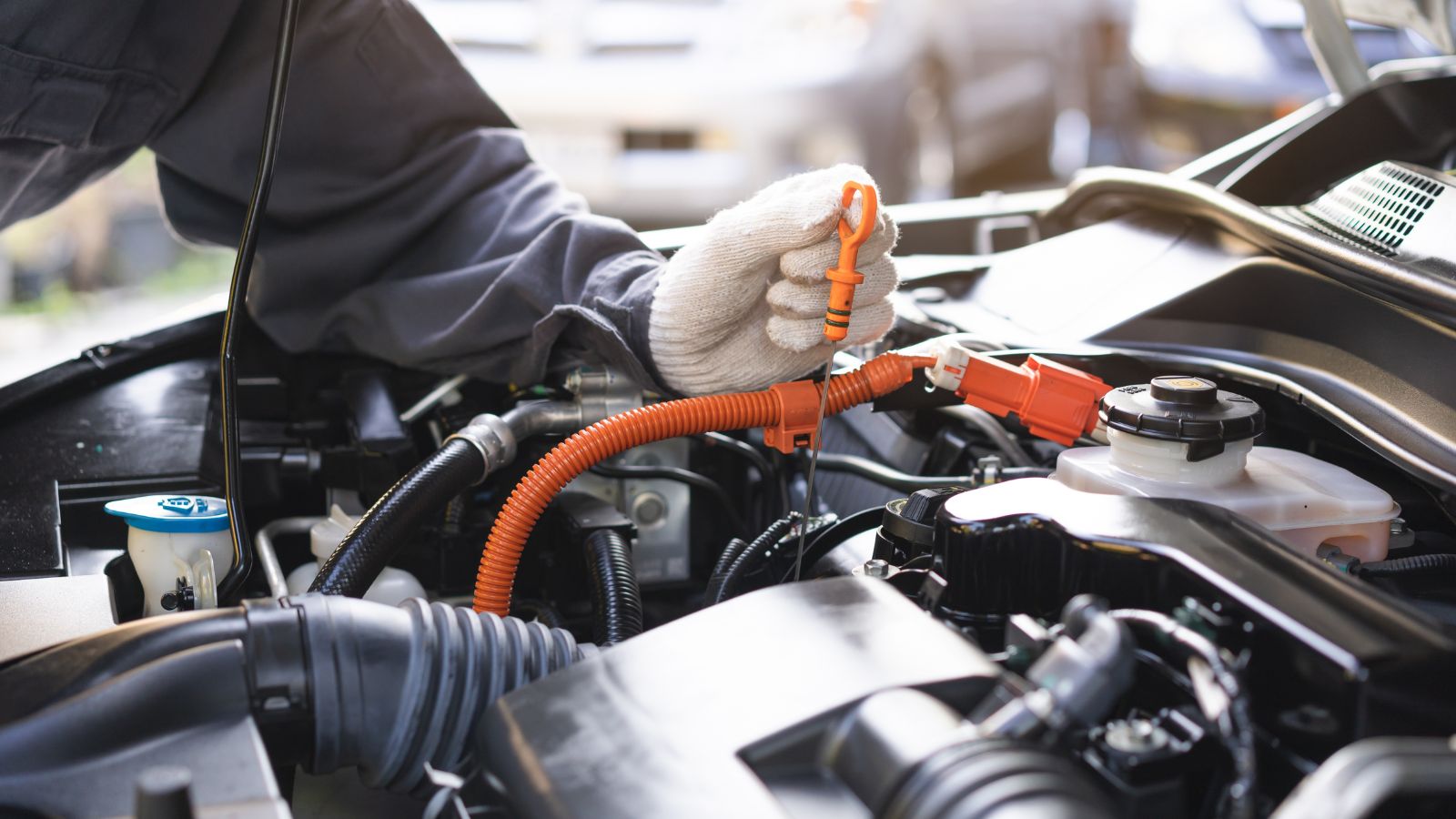
Open recalls matter because they can involve brakes, airbags, seatbelts, fuel systems, steering components, software, or fire risks. Transport Canada provides recall information, and manufacturers often allow VIN-based recall searches. A used vehicle may have changed owners several times, meaning recall notices may never have reached the current driver or were simply ignored.
A recall does not automatically ruin a purchase. Many are repaired at no cost by the manufacturer, depending on eligibility and parts availability. The issue is whether the buyer knows about it before paying. If a seller says the recall was completed, there should be a dealer invoice or service record. For older vehicles, parts delays or previous missed notices can complicate timing. A buyer planning to use the vehicle for commuting, family travel, or towing should not inherit unresolved safety work without understanding it first.
Ask for Maintenance Records
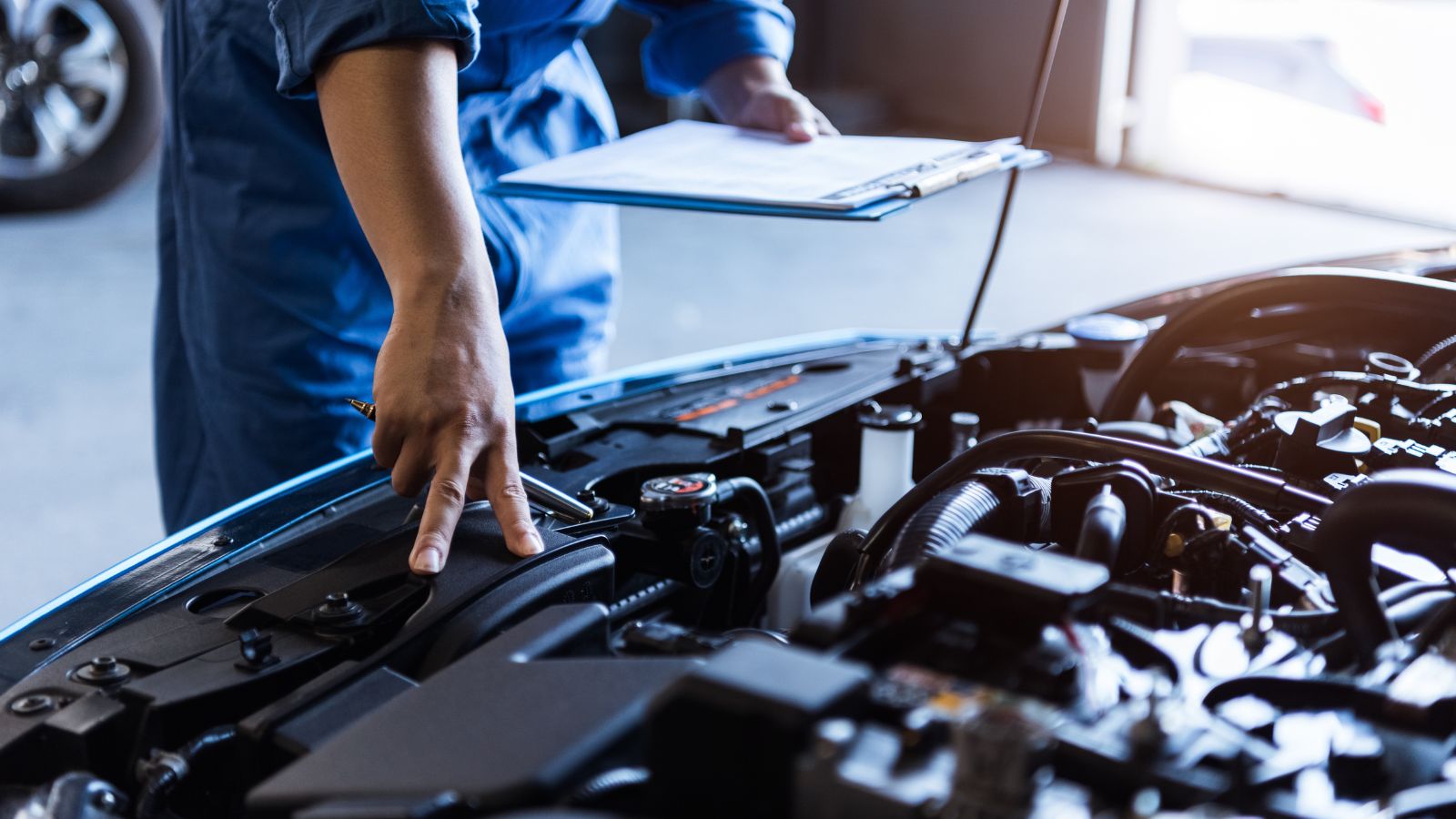
Maintenance records show how the vehicle was treated when nobody was planning to sell it. Oil changes, brake work, transmission service, coolant service, tire rotations, battery replacement, timing belt work, and recall repairs all help build trust. A seller with a folder of invoices is not guaranteeing perfection, but the paperwork makes the story easier to verify.
The absence of records is not always a deal-breaker, especially for older vehicles. Some owners do basic maintenance themselves. But then the price should reflect the uncertainty, and the inspection becomes even more important. Buyers should be cautious when a seller claims “dealer maintained” but cannot name the dealer, produce invoices, or show digital service entries. Maintenance history also helps identify upcoming costs. A cheap vehicle needing tires, brakes, fluids, and suspension work may not be cheap once it reaches the driveway.
Confirm Insurance and Registration Costs First

A Marketplace price is only the entry point. Insurance, registration, taxes, safety requirements, repairs, and fuel or charging costs can change the real affordability of a vehicle. Some models cost more to insure because of theft rates, repair costs, performance ratings, parts prices, or driver-claim history. A buyer should get an insurance quote using the exact year, make, model, trim, and VIN before committing.
This matters especially for newer trucks, luxury SUVs, performance vehicles, imported models, and vehicles with rebuilt status. A buyer may negotiate a great purchase price and then discover the monthly insurance quote is uncomfortable. Provincial transfer taxes and registration processes also vary, so cash set aside for the vehicle itself may not cover the full transaction. A careful buyer treats the advertised price as one line in a larger ownership budget, not the final number.
Be Cautious With Rebuilt or Salvage Branding

A rebuilt or salvage brand can explain why a vehicle is cheaper than similar models. These brands usually mean the vehicle suffered serious damage or was written off before being repaired and returned to the road under specific rules. Some rebuilt vehicles are repaired well, but they require more investigation than a clean-title vehicle.
The questions should be specific: What caused the brand? Was it collision, flood, fire, theft recovery, or hail? Who repaired it? Are there invoices and inspection documents? Were airbags deployed? Has alignment been checked? Will insurance cover it normally? Buyers should also expect weaker resale value and possible financing or insurance limitations. A rebuilt vehicle may suit a mechanically knowledgeable buyer at the right price. It is rarely ideal for someone who simply wants predictable transportation without extra research.
Avoid Deposits Under Pressure

Scammers often use urgency to collect deposits before a buyer has seen the vehicle, checked the VIN, or verified ownership. The story may involve another buyer arriving soon, a sudden move, a family emergency, or a promise to “hold it” for a small e-transfer. Once the money is sent, the listing can disappear, and the profile may become unreachable.
A small deposit is sometimes part of a legitimate sale, but it should only happen after basic verification and with written terms. The buyer should know whether it is refundable, what vehicle it applies to, the seller’s full name, the VIN, and the deadline. Even then, caution is wise. Marketplace’s convenience can make informal payments feel normal, but a vehicle deposit is not casual. If the seller refuses inspection or paperwork until after receiving money, the buyer should walk away.
Choose a Safe Payment Method
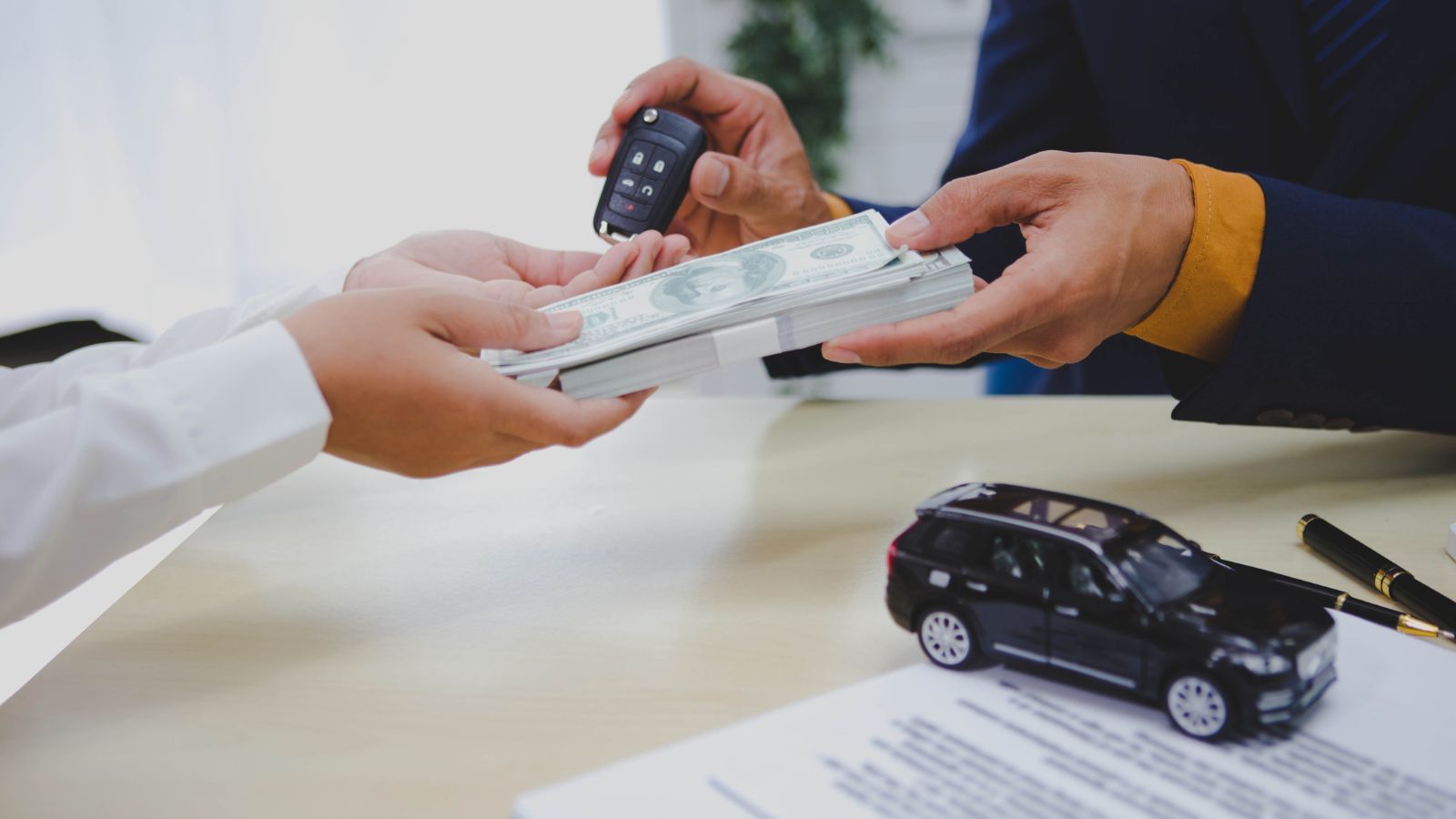
Payment should be planned before the meeting, not improvised in a parking lot. Large cash payments create personal safety risks and provide little recourse if the vehicle, paperwork, or seller turns out to be fraudulent. Bank drafts, certified funds, and in-branch verification can reduce some risks, although each method still requires caution. The buyer and seller may agree to meet at a bank so funds and identification can be checked together.
The exact best method can depend on the province, bank, timing, and seller comfort. What matters is avoiding vague arrangements such as partial cash now, balance later, gift cards, cryptocurrency, wire transfers to third parties, or payment before seeing the vehicle. A legitimate seller should be willing to complete payment alongside document signing and ownership transfer. If the seller insists on secrecy, speed, or an unusual payment channel, the financial risk is already too high.
Review the Bill of Sale Before Signing

The bill of sale should clearly identify the buyer, seller, vehicle, VIN, sale price, date, odometer reading, and any conditions of sale. Provincial forms may be required or strongly recommended, and some provinces have specific transfer documents. A vague handwritten note may not be enough if a registration issue or dispute appears later.
Buyers should be careful with wording such as “as is,” because private sales often leave limited options once the transaction is complete. If the seller promised winter tires, a second key, a safety certificate, recent repairs, or lien discharge, those details should be written down. Verbal promises can vanish quickly after payment. The document should also match the ownership paperwork and seller identification. A clean bill of sale does not fix a bad vehicle, but a messy one can turn a good vehicle into a bureaucratic problem.
22 Things Canadians Do to Their Cars in Spring That Mechanics Hate
Spring brings relief to many Canadian drivers after months of snow, freezing temperatures, and icy roads that put serious strain on vehicles. As temperatures rise across the country, drivers begin washing cars, switching tires, and preparing vehicles for warmer weather and upcoming road trips. However, mechanics across Canada notice the same mistakes every spring when drivers attempt to recover from winter damage. Road salt, potholes, and harsh winter driving conditions often leave vehicles with hidden problems that drivers ignore. Some spring habits even create new mechanical issues that could have been avoided with proper maintenance. Here are 22 things Canadians do to their cars in spring that mechanics hate.