


























For years, SUVs seemed to answer every automotive question: more room, a higher seating position, extra cargo flexibility, and a tougher image. But as vehicle prices, fuel costs, insurance bills, and daily driving frustrations keep adding up, the sedan is starting to look practical again rather than outdated. The shift is not about drivers suddenly rejecting SUVs entirely. It is about some households realizing that they rarely use the extra size they are paying for.
This look at the change covers 12 reasons sedans are getting a second look, from lower prices and better fuel economy to easier parking, simpler ownership, and a driving feel many people forgot they missed.
Affordability Is Pulling Buyers Back
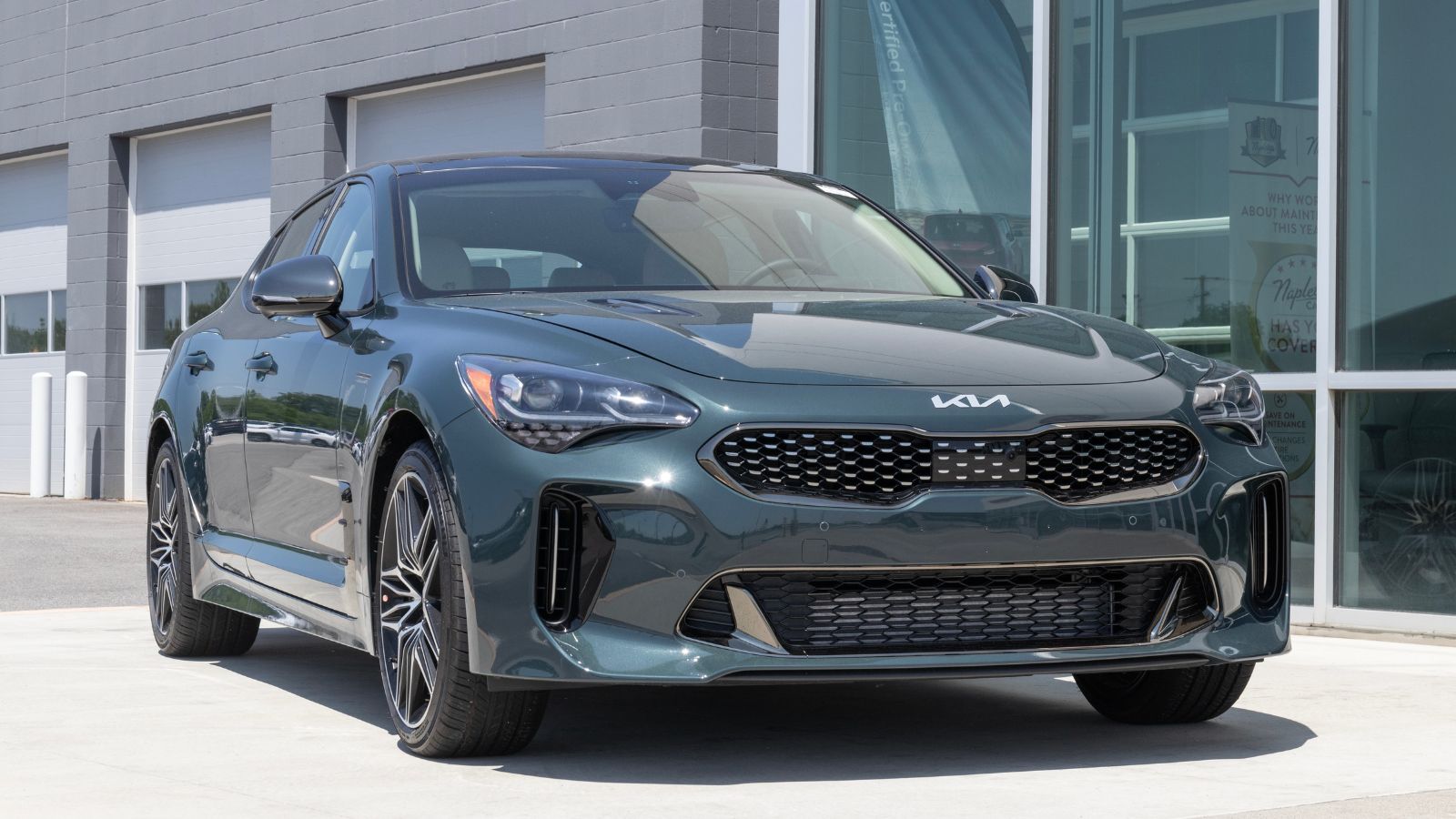
The first reason is simple: many SUVs have become expensive enough to make shoppers pause. In recent market data, compact cars have been thousands of dollars cheaper on average than compact SUVs, while midsize SUVs have carried much higher transaction prices than midsize cars. For households already dealing with higher loan payments, insurance premiums, and maintenance costs, that difference can reshape the entire shopping decision.
A driver who once stretched for a crossover may now look at a sedan and see a more manageable monthly payment. The appeal becomes especially clear for commuters, first-time buyers, retirees, and families that already have one larger vehicle at home. Instead of paying extra for unused cargo height or occasional all-wheel-drive confidence, a sedan can offer the same core job: reliable transportation with five seats and a lower entry price.
Fuel Economy Still Matters More Than Image
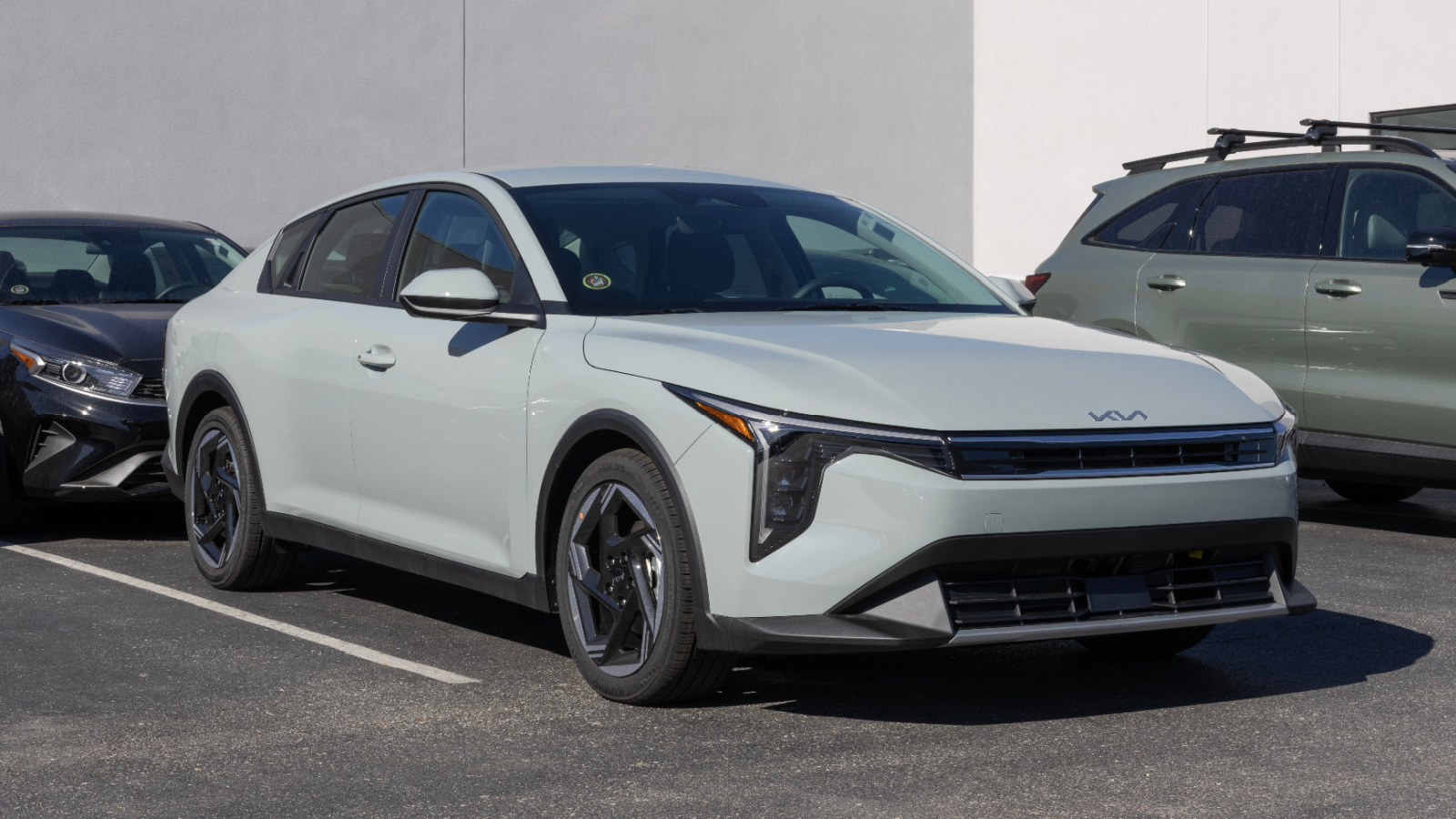
SUVs have become more efficient, especially with hybrid systems, but sedans still benefit from a basic physics advantage. They are usually lower, lighter, and more aerodynamic, which helps them use less fuel at highway speeds and in daily commuting. Even a few miles per gallon can matter when fuel bills are multiplied across years of school runs, work commutes, and weekend errands.
Hybrid sedans make that argument even stronger. Models such as the Toyota Camry Hybrid and Honda Accord Hybrid have helped remind buyers that fuel efficiency does not have to mean a tiny car or an uncomfortable cabin. For someone who spends most of the week driving alone or with one passenger, the practical question becomes hard to ignore: why burn extra fuel moving a taller, heavier body when a sedan covers the same routine with less effort?
Smaller Size Makes Daily Driving Easier
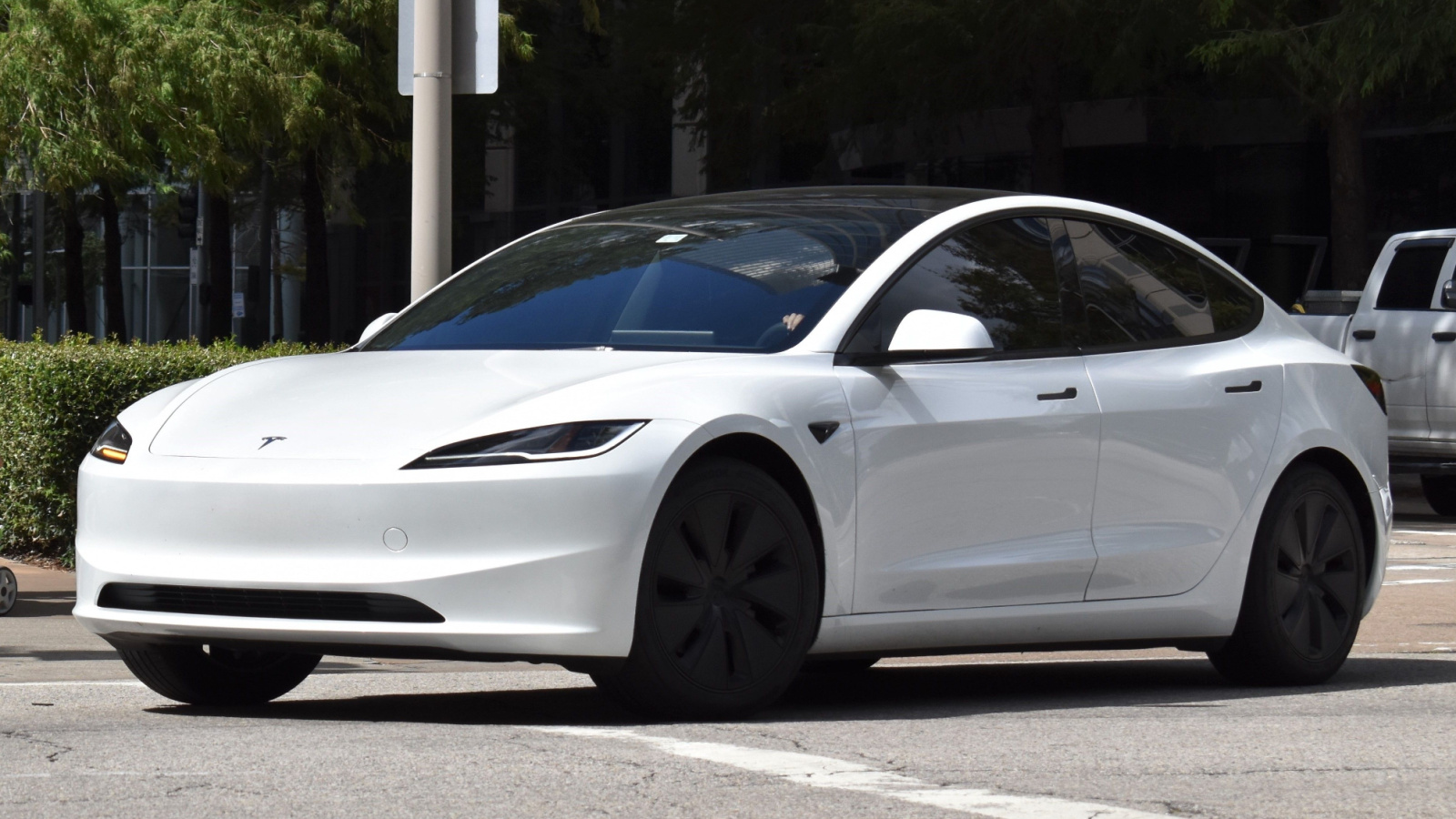
The SUV boom made large vehicles feel normal, but normal does not always mean convenient. Tight parking garages, narrow residential streets, crowded school pickup lanes, and older urban lots can make even compact SUVs feel bulkier than expected. Sedans often have lower ride heights, smaller footprints, and more predictable body movement, which can make everyday driving less stressful.
That advantage becomes noticeable in ordinary moments. Parallel parking takes less space. Pulling into a tight grocery-store spot feels less like a calculation. Turning through older neighborhoods or crowded downtown blocks can feel smoother. Drivers who moved into SUVs for the higher seating position sometimes return to sedans after realizing that confidence also comes from precision, visibility around the corners of the car, and knowing exactly where the vehicle ends.
Sedans Can Feel Better on the Road
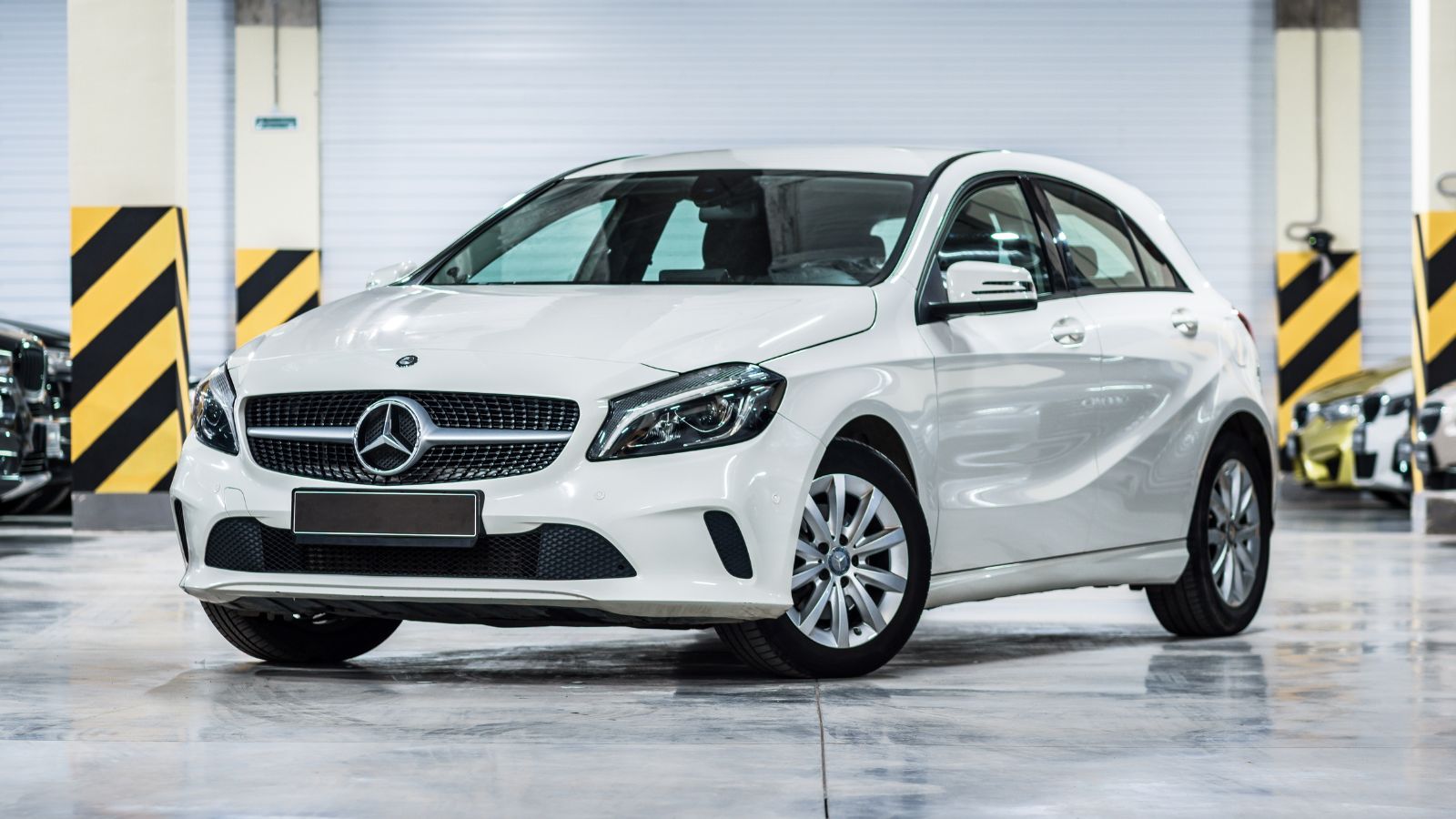
Many drivers forgot how different a sedan can feel until they got back into one. A lower center of gravity usually means less body roll, quicker steering response, and a more planted feel through turns. Crossovers have improved dramatically, but their taller bodies still tend to lean more, especially when the road gets curvy or the driver makes a quick lane change.
This does not mean every sedan is sporty or every SUV feels clumsy. The point is that sedans often deliver a calmer, more connected drive without needing expensive performance packages. A commuter who spends an hour a day on highways may appreciate the quieter, more settled feel. Someone coming out of a tall SUV may notice that a sedan feels less like managing a vehicle and more like simply driving one.
Insurance and Ownership Costs Are Getting More Attention
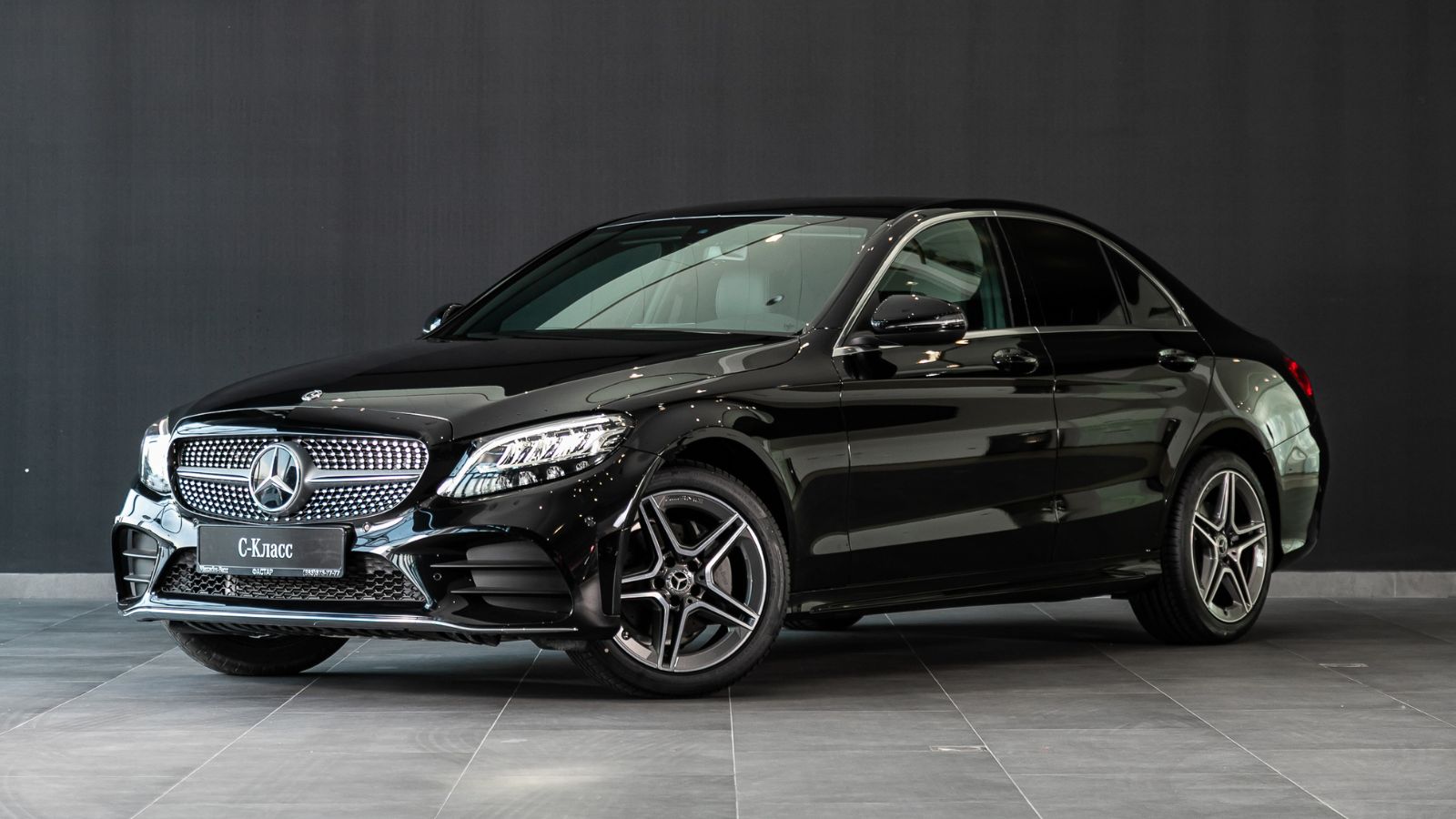
A vehicle’s purchase price is only the beginning. Insurance, depreciation, financing, fuel, maintenance, tires, registration, and repairs can all change the true cost of ownership. Recent ownership-cost data shows how much those categories can vary by vehicle type, fuel type, and size. Medium SUVs, pickups, and electric vehicles can carry higher costs in several categories, even when the monthly payment looks manageable at first.
Sedans can be appealing because they often keep the overall package simpler. Tires may be smaller, fuel use may be lower, and the initial price may reduce financing charges. Insurance still depends heavily on location, driver profile, claims history, trim, theft risk, and repair costs, so no body style is automatically cheapest. Still, buyers are increasingly doing the full math instead of assuming an SUV is worth the premium.
Not Everyone Needs the Extra Space
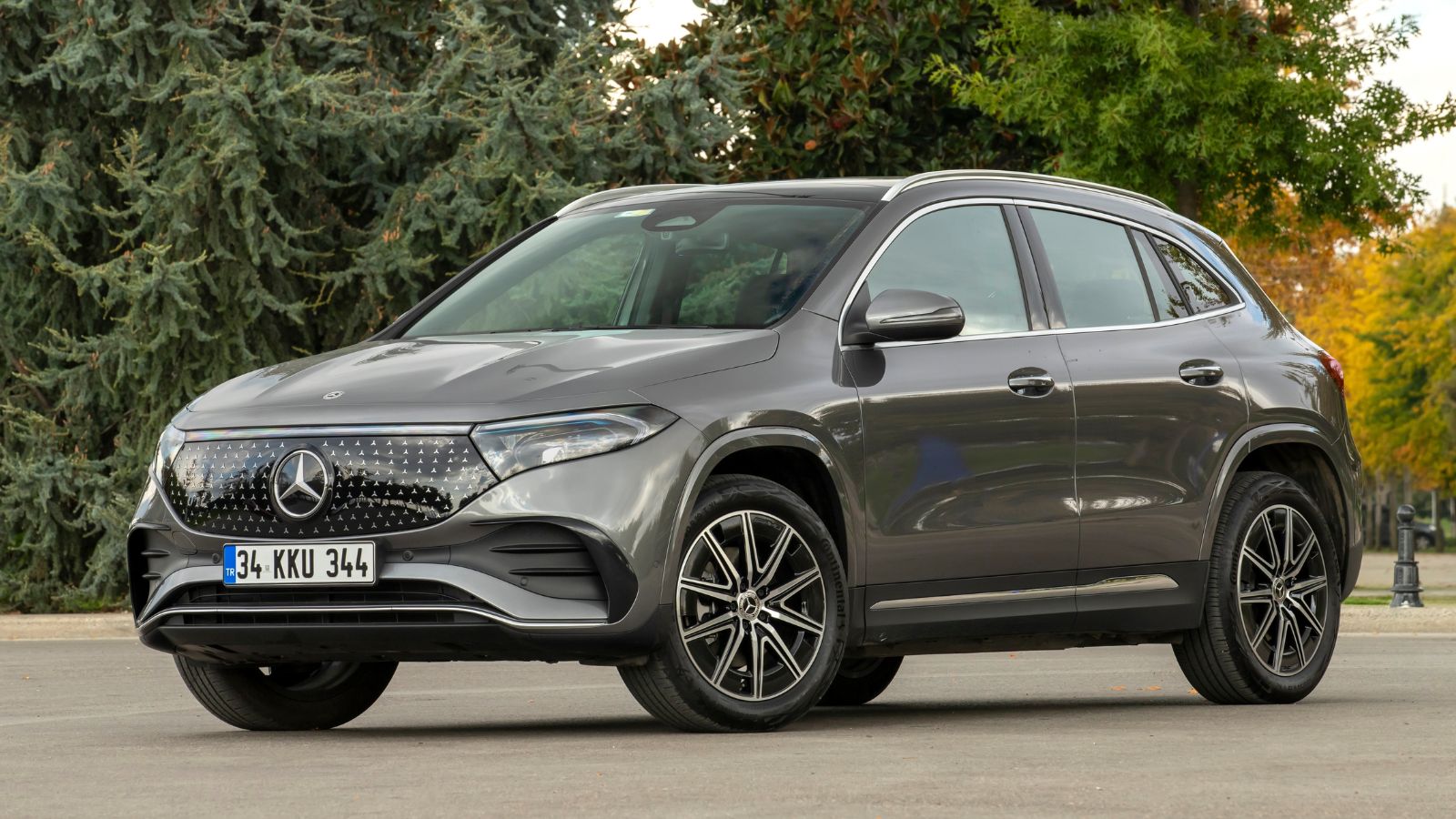
SUVs are excellent when their space is actually used. Families with multiple children, dog owners, road-trippers, tradespeople, and drivers hauling sports gear may genuinely need the cargo height and hatchback layout. But many SUV owners spend most days carrying a laptop bag, groceries, or one passenger. For them, the extra room becomes more of a habit than a necessity.
Sedans still offer usable trunks, folding rear seats in many models, and comfortable seating for four or five people. A midsize sedan can handle airport runs, weekly shopping, and long commutes without feeling cramped. The question many drivers are asking is no longer whether SUVs are useful. It is whether that usefulness appears often enough to justify higher costs, larger dimensions, and extra fuel use.
The “SUV Fatigue” Factor Is Real
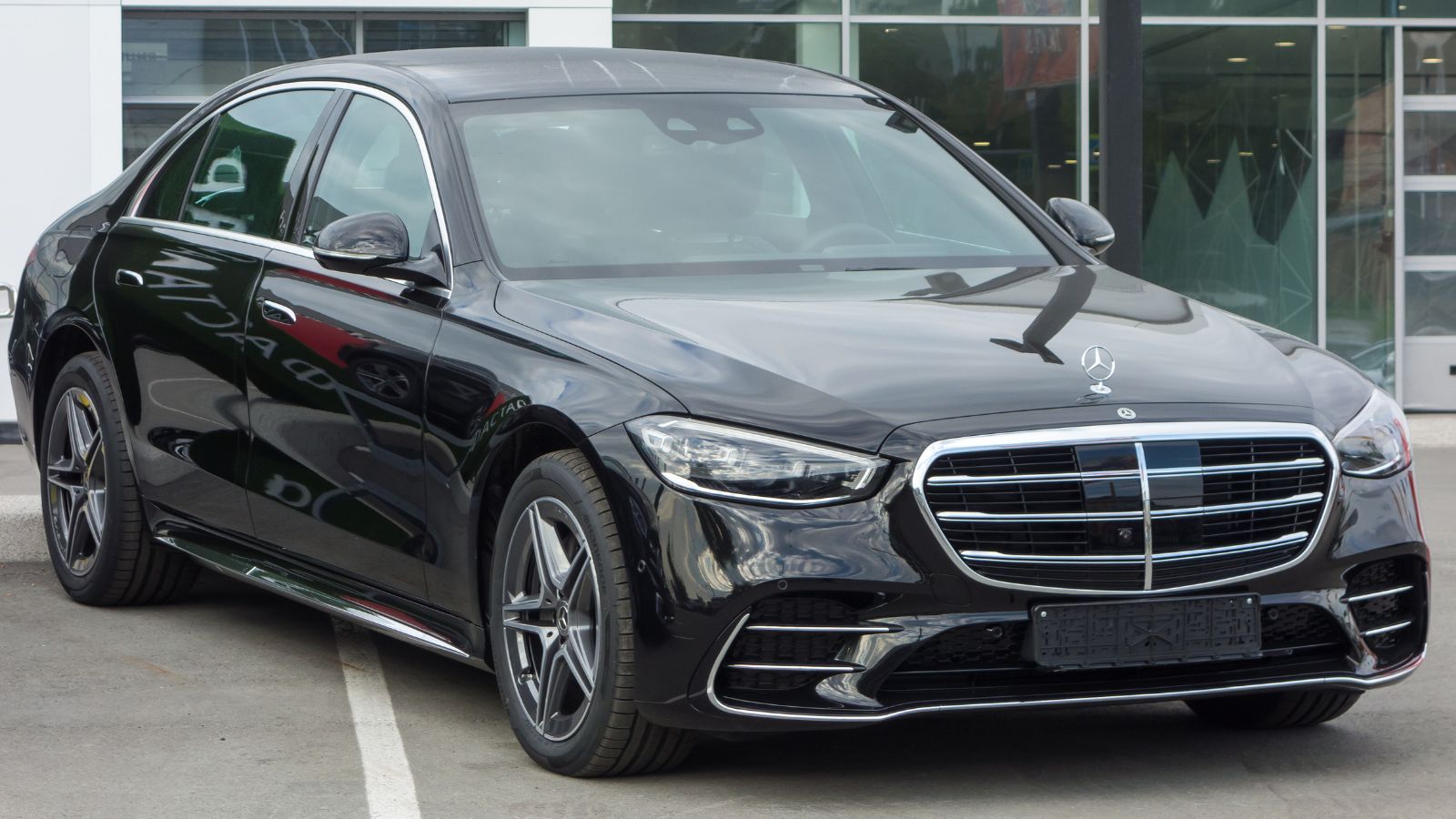
After years of crossovers filling driveways, school lots, rental fleets, and dealership rows, some drivers simply want something different. Automotive analysts have started using phrases like “SUV fatigue” to describe buyers who feel that many crossovers now look and feel alike. The sedan, once considered ordinary, can suddenly appear cleaner, lower, and more distinctive.
This is partly generational. Younger shoppers who grew up around SUVs may not see them as aspirational in the same way their parents did. Some are drawn to sedans because they feel more efficient, less bulky, and less predictable. Style alone rarely decides a purchase, but it can tip the scale when the practical case is already strong. A lower, sleeker car can feel like a deliberate choice rather than the default.
Safety Concerns Are Becoming More Nuanced
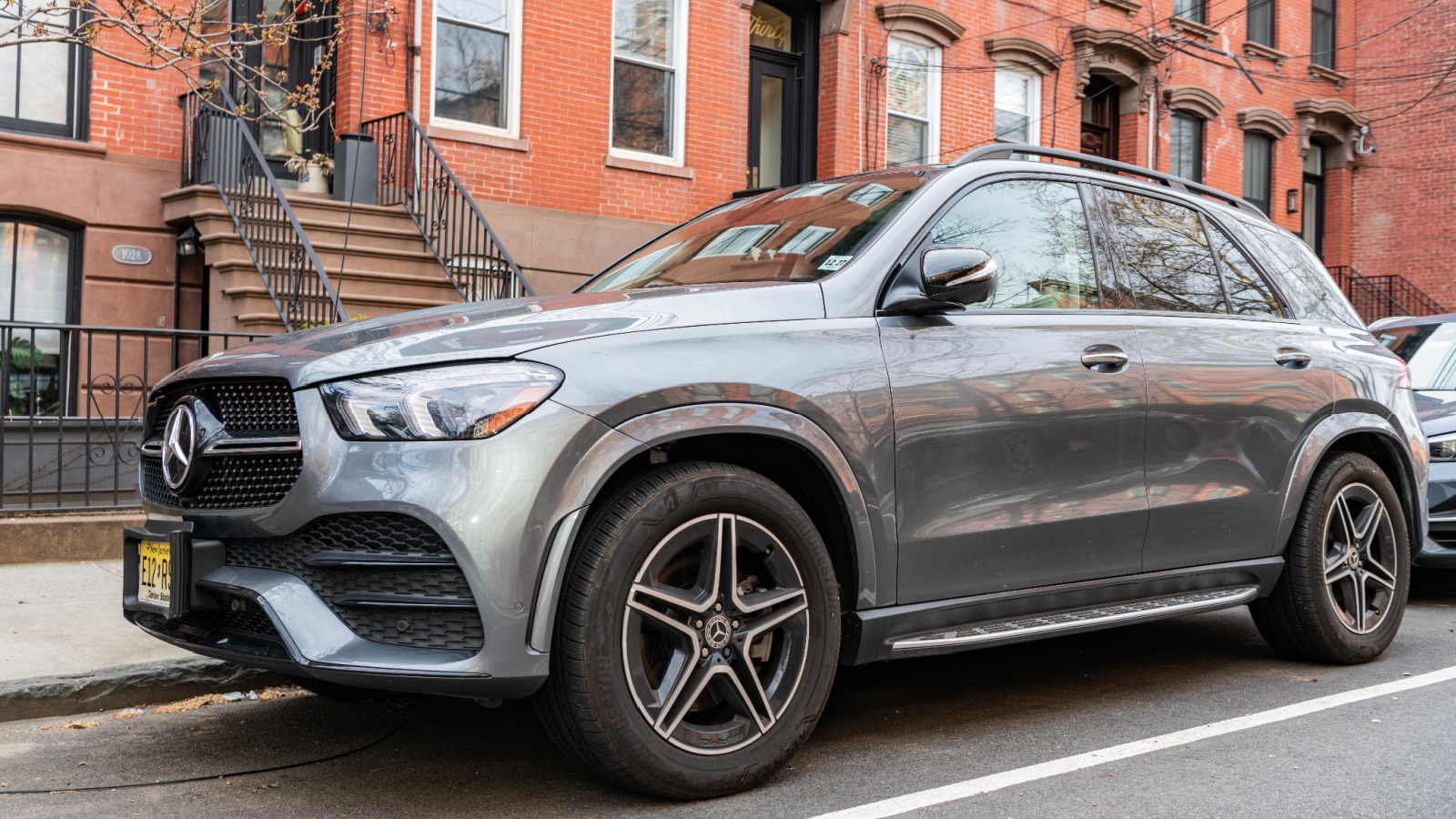
For years, many buyers equated bigger with safer. There is some truth behind that instinct: larger, heavier vehicles can provide occupants with advantages in certain crashes. But safety is not only about the people inside one vehicle. Research has also drawn attention to the risks taller front ends can pose to pedestrians and cyclists, especially at higher speeds.
That nuance matters in cities, suburbs, school zones, and neighborhoods with more walking and cycling. Some drivers are reconsidering whether they need the tallest vehicle available for daily errands. Modern sedans can still offer strong crash-test performance, advanced driver-assistance features, automatic emergency braking, blind-spot warnings, and lane-keeping systems. The conversation is shifting from “bigger is always safer” to “the right vehicle depends on the crash scenario, the road environment, and the driver.”
Better Sedans Are Still Available
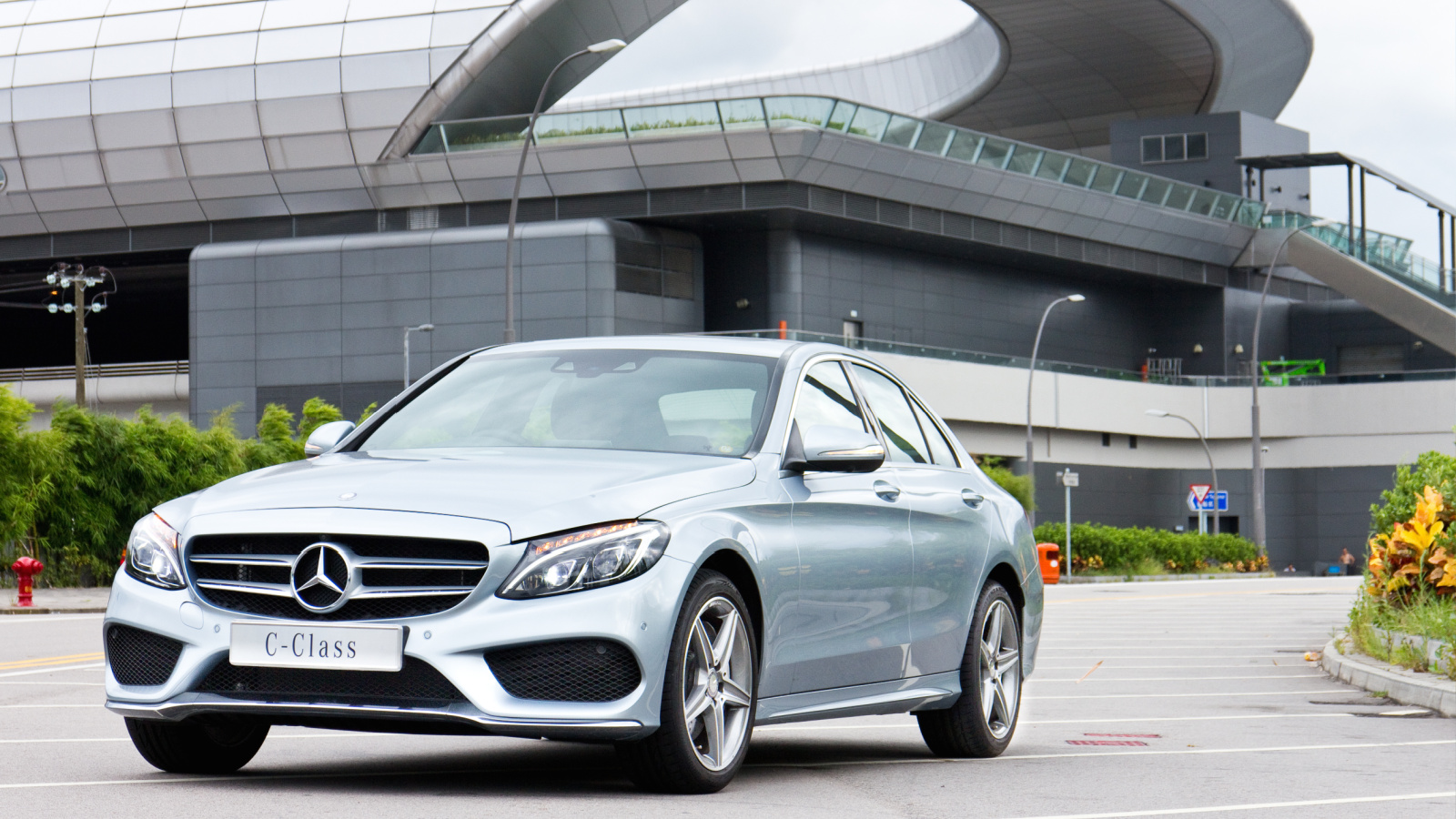
The sedan market is smaller than it used to be, but it has not disappeared. Toyota, Honda, Hyundai, Kia, Nissan, Volkswagen, BMW, Mercedes-Benz, and other brands continue to sell sedans in various price ranges. Compact and midsize choices such as the Corolla, Civic, Elantra, K4, Sentra, Jetta, Camry, and Accord still cover a wide range of budgets and comfort expectations.
The reduced selection may even work in sedans’ favor. With fewer nameplates competing, the remaining models often have to be genuinely strong to survive. Many now include large screens, modern safety systems, hybrid options, refined cabins, and efficiency ratings that would have seemed ambitious years ago. For buyers who assumed sedans were outdated, a current test drive can be surprising.
Technology Problems Make Simpler Cars Appealing
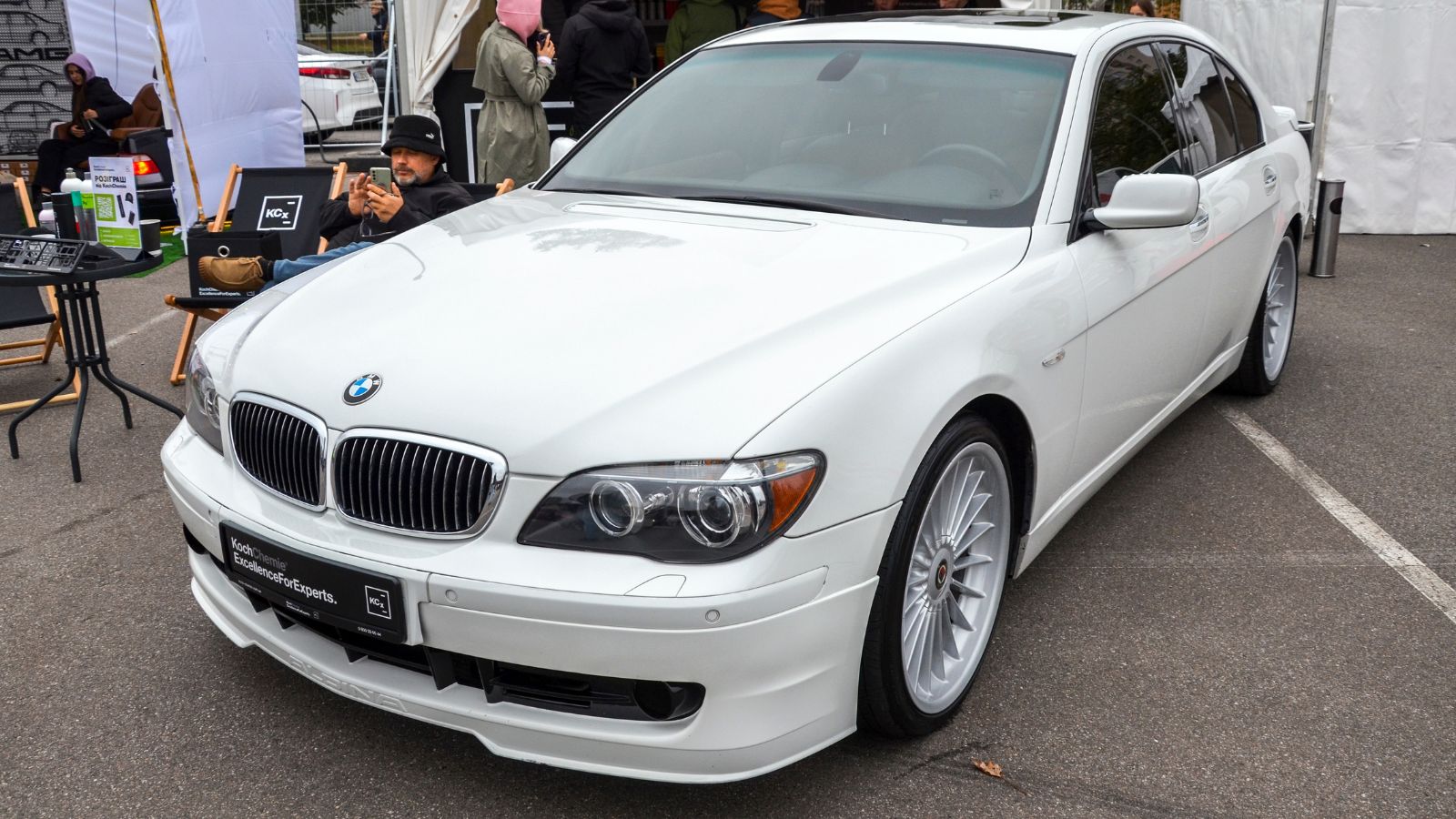
Modern vehicles are increasingly defined by software, screens, sensors, apps, and over-the-air updates. Those features can be useful, but dependability studies have also shown that infotainment and software-related issues remain major sources of owner complaints. Some drivers returning to sedans are not rejecting technology; they are looking for a vehicle that feels less complicated and less expensive to repair.
A sedan is not automatically simpler than an SUV, especially at luxury levels. However, many mainstream sedans are sold in practical trims with proven hybrid systems, straightforward controls, and fewer heavy-duty components than larger SUVs. For a driver who wants heated seats, smartphone integration, good fuel economy, and reliable commuting rather than off-road modes and oversized wheels, a sedan can feel refreshingly focused.
Retirees and Empty Nesters Are Downsizing Again
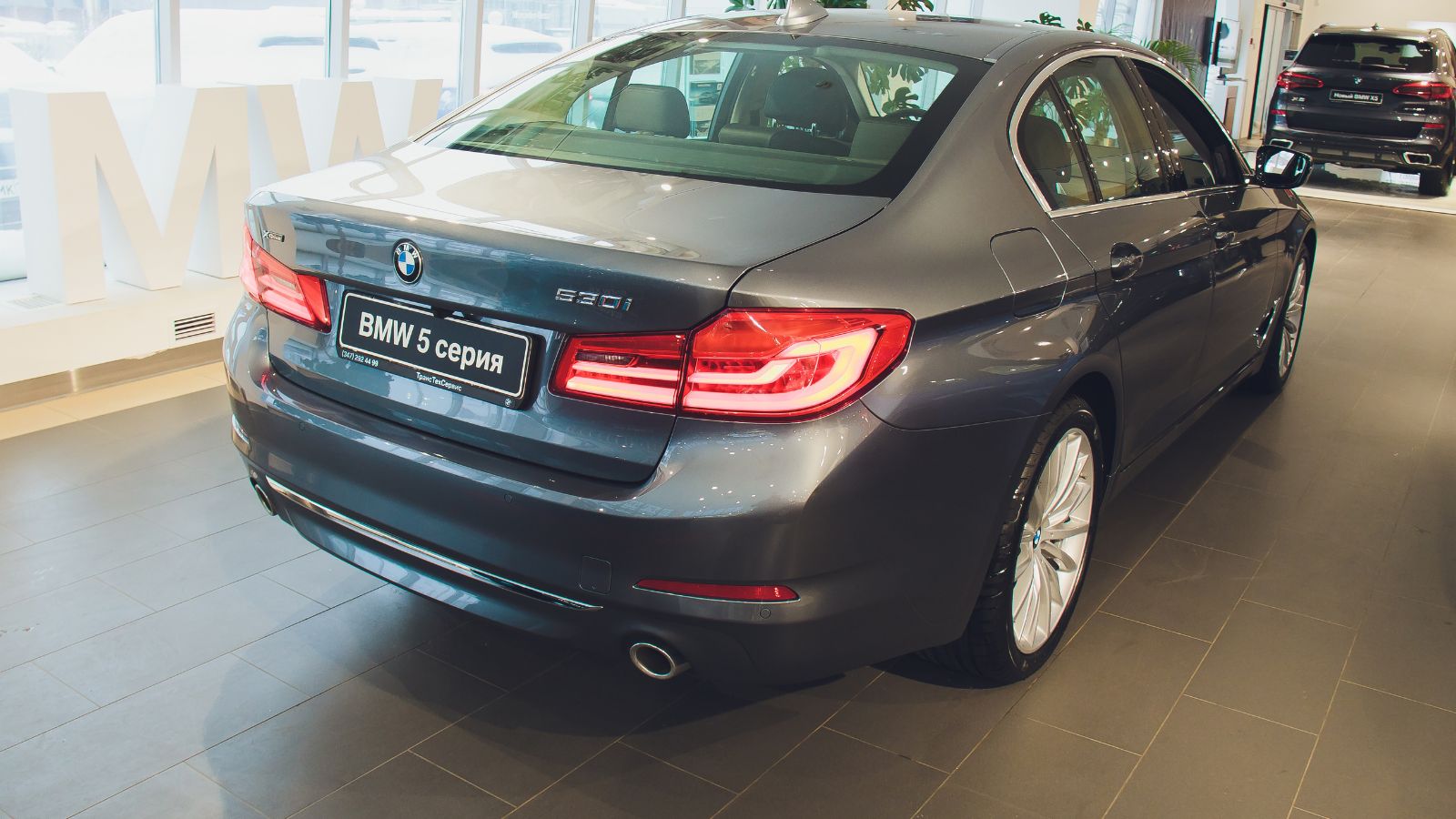
Many households bought SUVs during family years because they needed space for children, strollers, sports equipment, pets, or road trips. Once those needs fade, the same vehicle can feel unnecessarily large. Empty nesters may still want comfort and safety features, but not the climb-in height, tire costs, fuel use, or garage squeeze that came with a bigger SUV.
A sedan can make sense as a second-stage vehicle. It may be easier to maneuver, easier to wash, easier to park, and more pleasant on long highway drives. Some buyers also prefer a trunk because valuables are hidden from view, unlike an open cargo area in many SUVs. The move back to sedans is often less about nostalgia and more about matching the vehicle to a new season of life.
The Market May Be Ready for More Variety
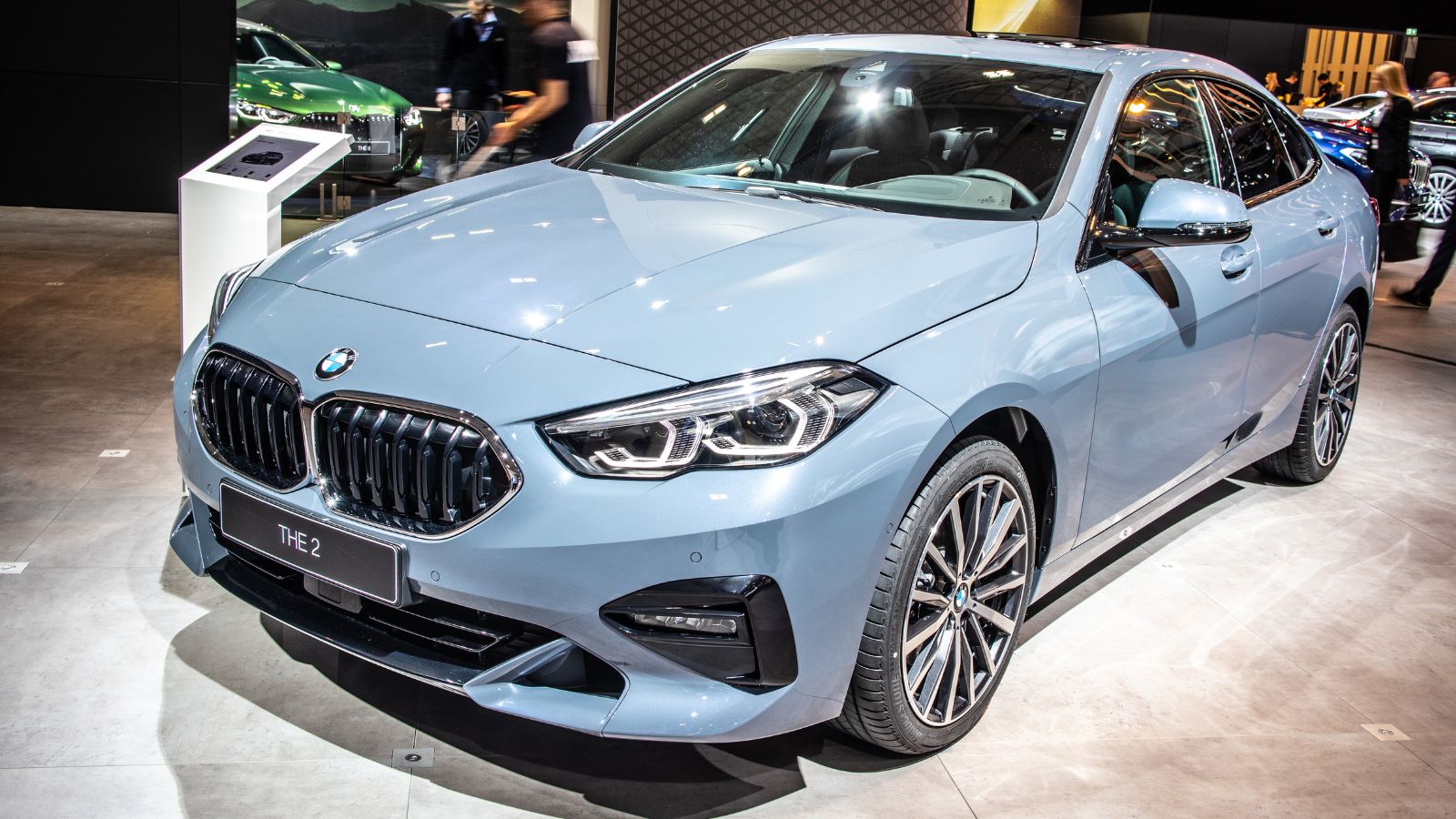
SUVs are not going away. They remain dominant in North America, and in Canada, multipurpose vehicles continue to account for a large share of new registrations. Still, the fact that SUVs dominate is exactly why sedans can regain attention. When everyone sells and drives a version of the same tall shape, buyers and automakers eventually start looking for white space.
Affordability could accelerate that shift. If manufacturers need lower-priced, more efficient vehicles to reach buyers squeezed by high payments, sedans offer a proven path. They do not need to replace SUVs to matter again. They only need to remind drivers that a lower, lighter, more efficient car can still be comfortable, modern, and practical for real life.
22 Things Canadians Do to Their Cars in Spring That Mechanics Hate

Spring brings relief to many Canadian drivers after months of snow, freezing temperatures, and icy roads that put serious strain on vehicles. As temperatures rise across the country, drivers begin washing cars, switching tires, and preparing vehicles for warmer weather and upcoming road trips. However, mechanics across Canada notice the same mistakes every spring when drivers attempt to recover from winter damage. Road salt, potholes, and harsh winter driving conditions often leave vehicles with hidden problems that drivers ignore. Some spring habits even create new mechanical issues that could have been avoided with proper maintenance. Here are 22 things Canadians do to their cars in spring that mechanics hate.