

























Modern cars no longer just move through traffic; they quietly measure it, remember it, and often report pieces of it elsewhere. Features sold as convenience, safety, theft protection, entertainment, or maintenance support can create a detailed picture of a driver’s habits without feeling like surveillance in the moment.
This piece covers 19 ways modern cars can track drivers in ways that are not always obvious. Some data stays inside the vehicle, some travels through connected services, and some may reach automakers, dealers, app providers, insurers, data brokers, or service partners. The issue is not that every feature is harmful, but that the trade-off is often hidden behind small print, app permissions, dashboard settings, or vague consent screens.
GPS Location Breadcrumbs
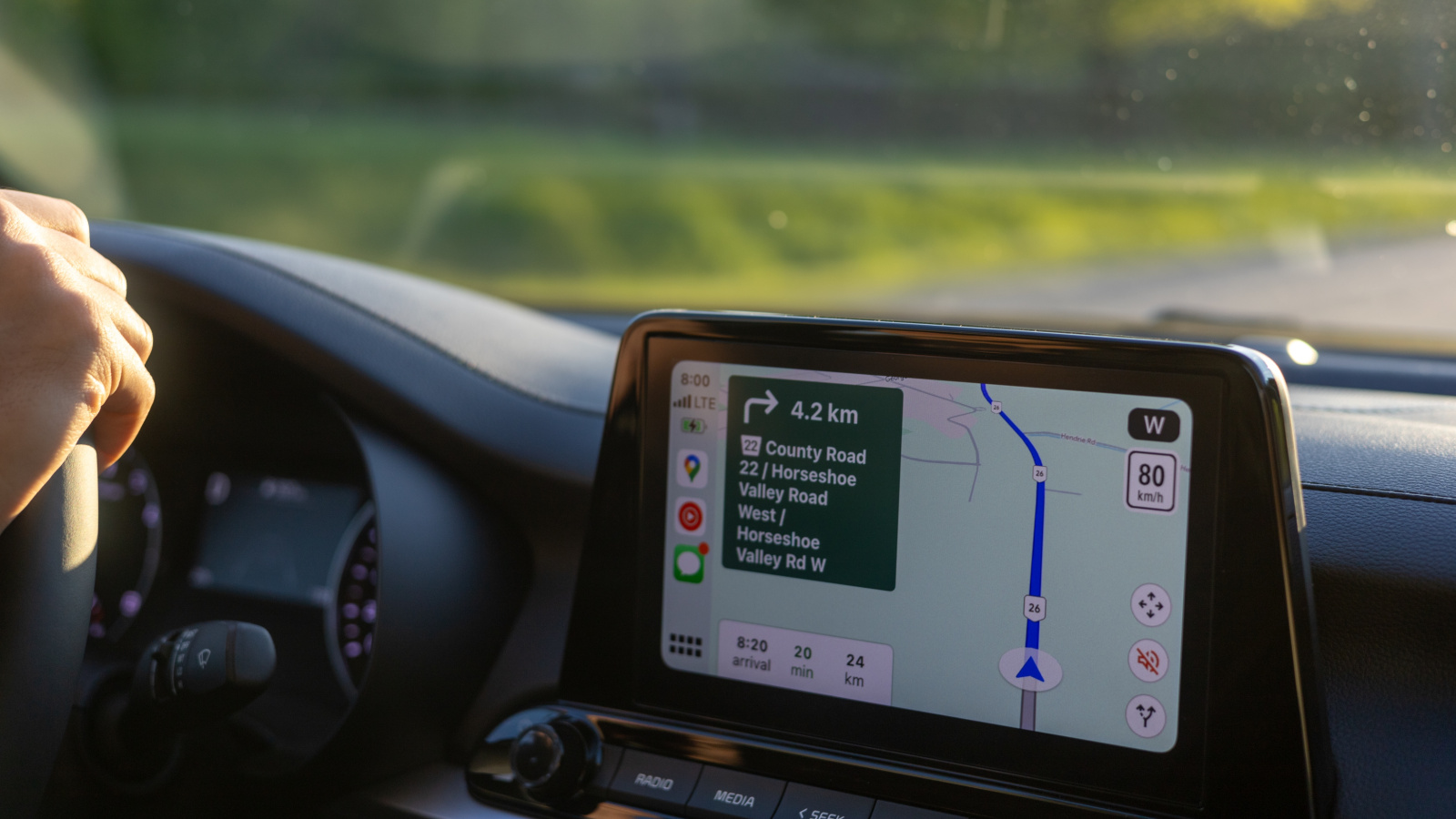
Built-in navigation and connected services can turn ordinary errands into a precise location history. A vehicle that knows where it is for maps, emergency response, stolen-vehicle recovery, or roadside assistance may also store or transmit where it has been. That can reveal repeated visits to workplaces, schools, medical offices, gyms, religious sites, or a relative’s home without the driver ever typing those places into a search bar.
The subtlety comes from how normal the feature feels. A driver taps “Home,” accepts live traffic, or uses a remote app to find the parked car after a concert. Behind that convenience, location can become one of the most sensitive data categories in the vehicle. A single trip may not say much, but a month of trips can outline a person’s routine with surprising clarity.
Remote Apps That Know Where the Car Is
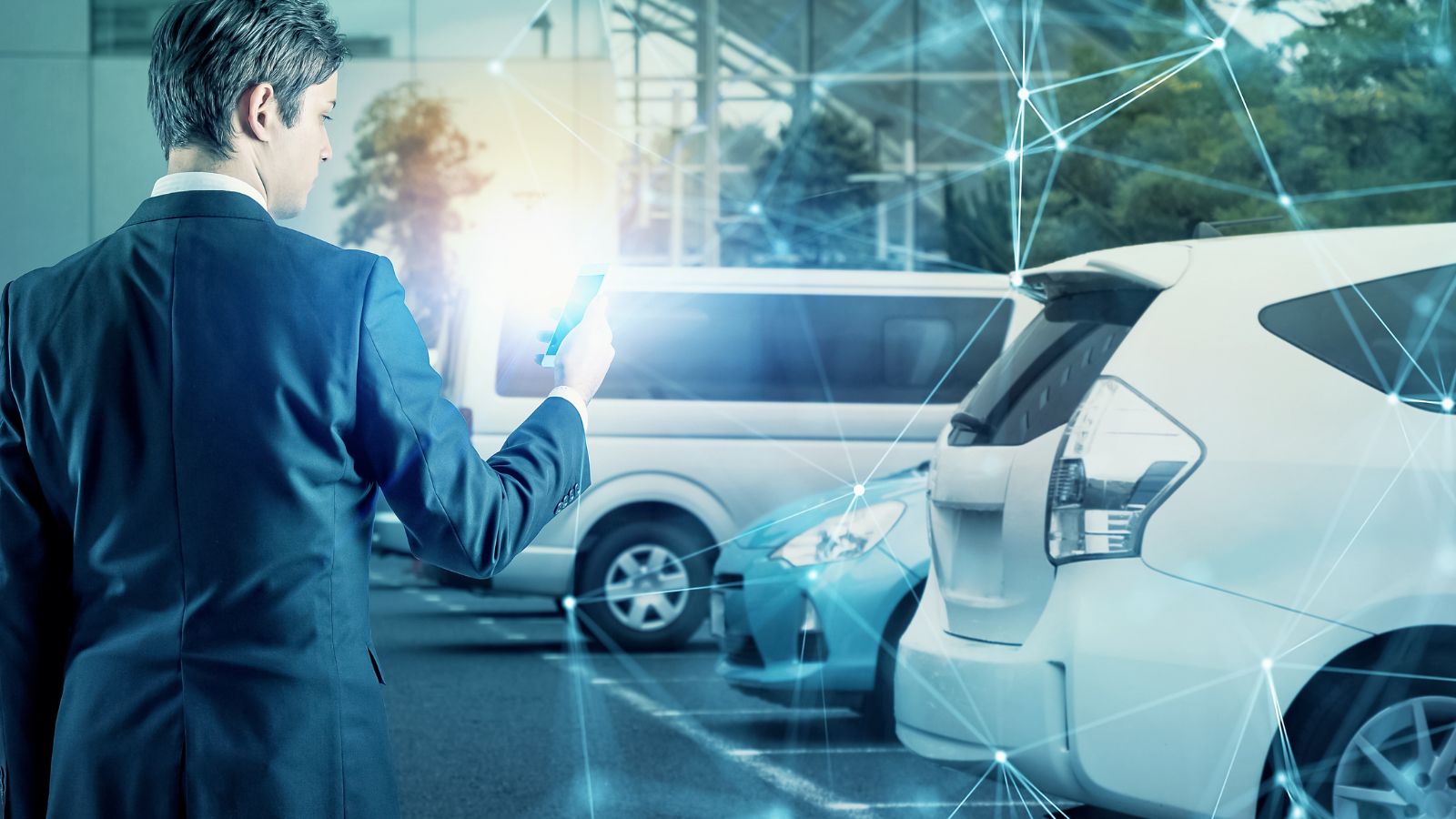
Automaker apps can be useful: locking doors from a restaurant table, checking fuel level from a couch, warming the cabin on a cold morning, or locating a vehicle in a crowded parking garage. Those same tools usually require the vehicle to stay connected to a cloud account that can identify the car and, in many cases, its current or recent location.
The tracking is not always obvious because it appears as a customer perk. A parent may use the app to check whether a teenager arrived safely, or a driver may use it to confirm the doors are locked. In domestic abuse situations, however, shared access to a connected-car account can become a serious safety risk because another person may monitor location or control functions without being physically near the vehicle.
Driving Behavior Scores
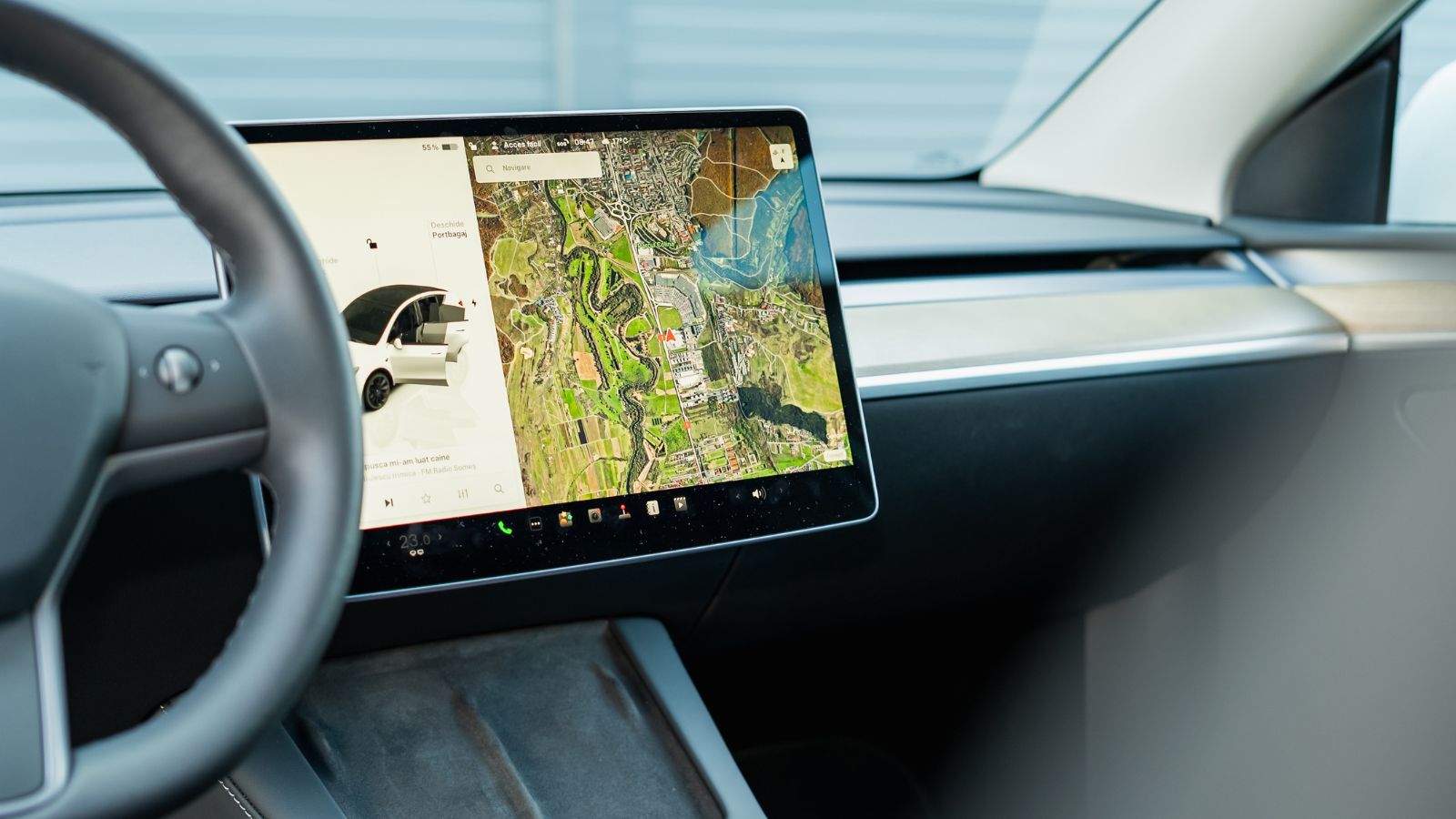
Many connected cars can measure how a person drives, not just where the car goes. Speeding, hard braking, rapid acceleration, seat-belt use, cornering, time of day, mileage, and route patterns can all become part of a driving profile. These measurements can be framed as safety coaching, fuel-efficiency feedback, or a way to qualify for insurance discounts.
The concern is that the score can travel farther than expected. A driver may think a dashboard alert is only helping smooth out braking, while the same behavior data could be used to estimate risk. The General Motors and OnStar case made this issue especially visible: regulators alleged that precise geolocation and driving behavior information was collected and sold without adequate consent. That turned an invisible feature into a national privacy warning.
Insurance-Linked Telematics
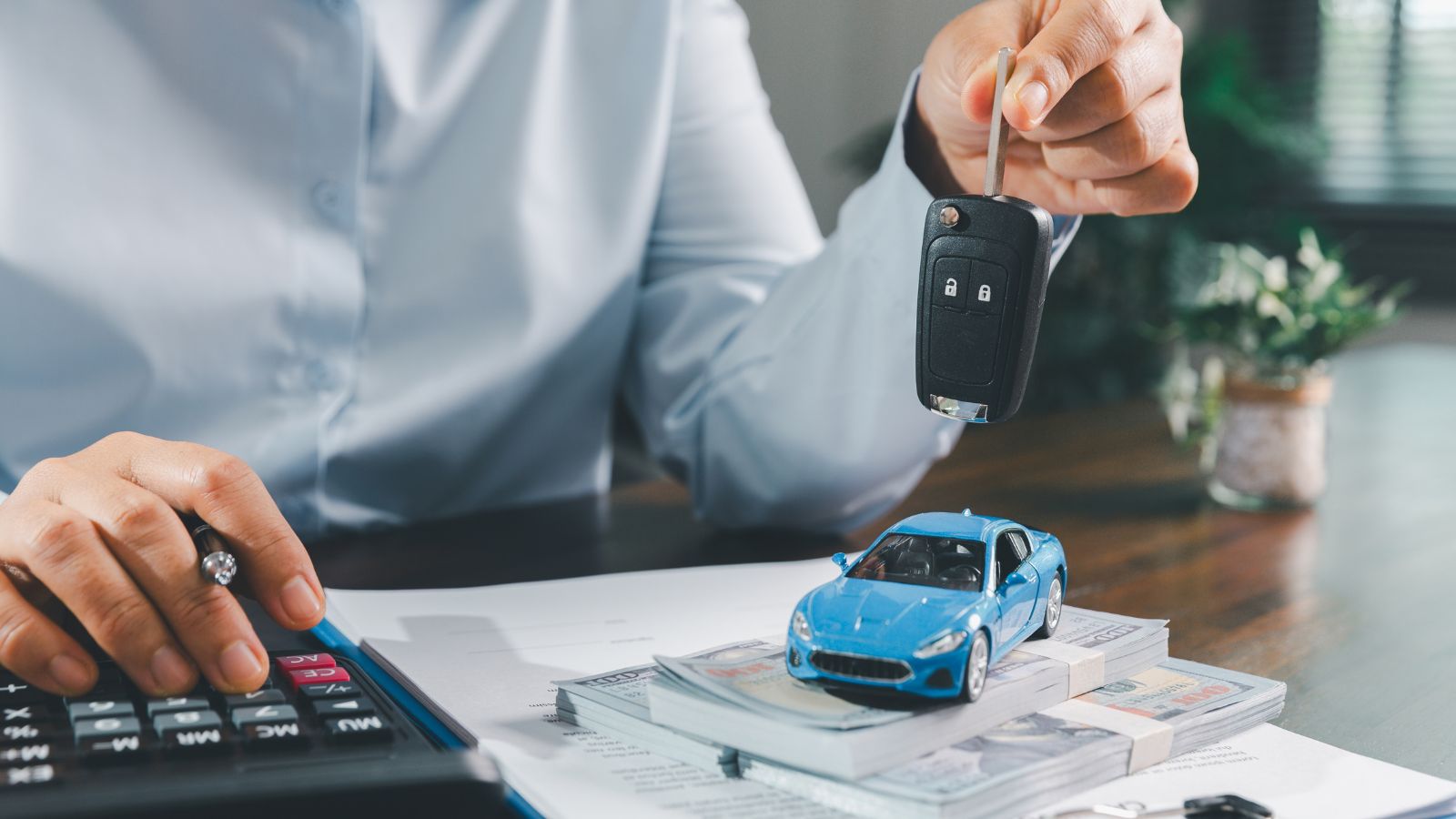
Insurance telematics no longer requires a plastic plug-in device under the dashboard. In some cases, a connected car can produce similar data on its own, then feed information into programs marketed around safer driving or personalized premiums. The selling point is simple: cautious drivers may save money. The hidden risk is that people may not fully understand what is being measured or who receives it.
A harsh braking event can come from reckless driving, but it can also come from avoiding a cyclist, a deer, or a sudden lane change by someone else. Late-night driving may mean risky behavior, or it may mean a nurse coming home from work. When car-generated data is reduced to a score, the context can disappear. That is why disclosure and consent matter as much as the technology.
Event Data Recorders
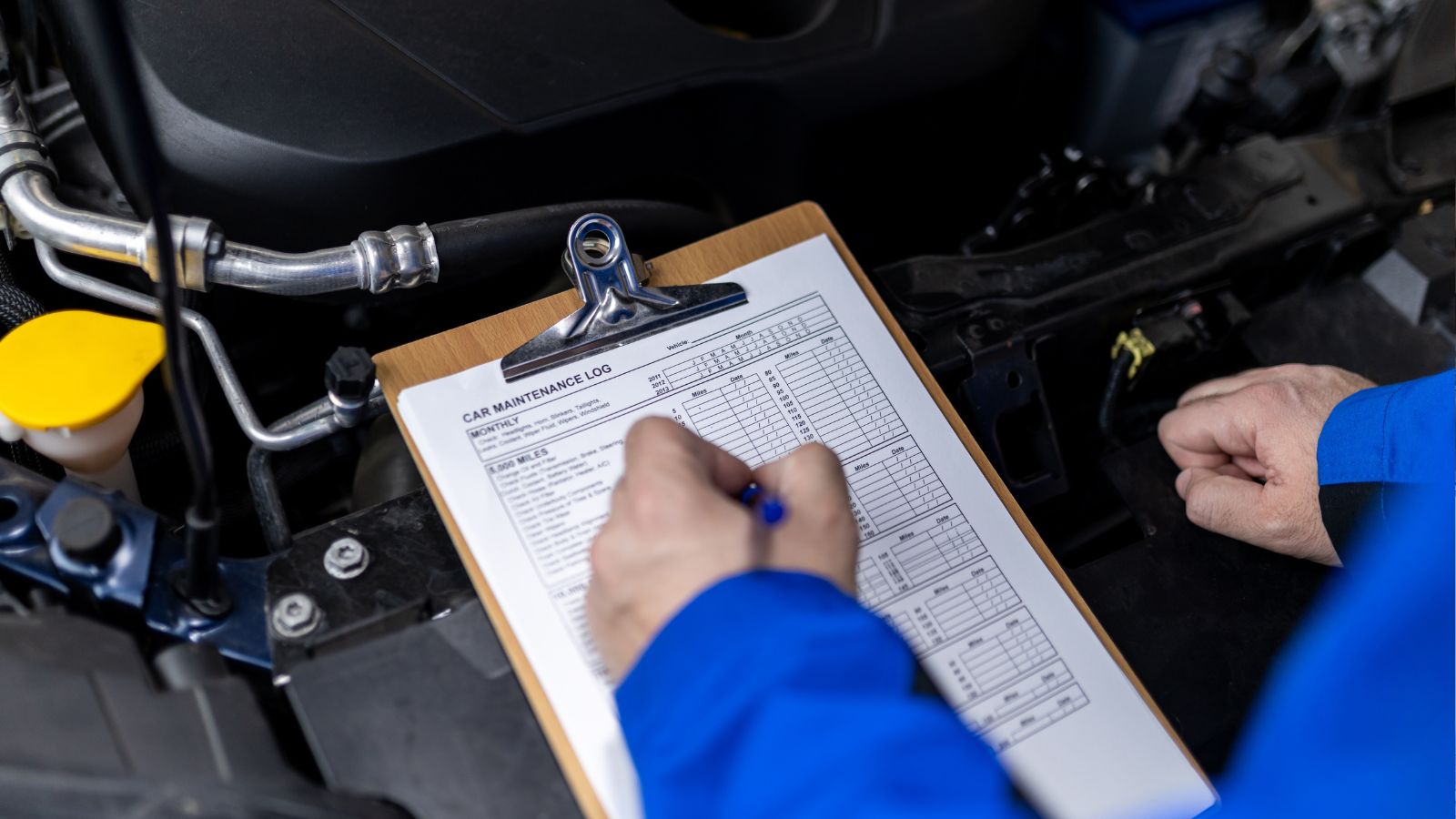
Event data recorders, often called automotive “black boxes,” are designed for crash analysis and safety research. When a triggering event occurs, they can preserve technical details such as vehicle speed, braking, throttle position, steering inputs, seat-belt status, and airbag deployment timing. These systems can help investigators reconstruct what happened in the seconds before and during a collision.
Most drivers do not think about this kind of tracking until after a crash. The data is not usually presented on the dashboard, and it is not part of the normal driving experience. Yet it can be important in insurance disputes, lawsuits, safety investigations, and vehicle design. Unlike a phone app, an event data recorder is built into the vehicle’s safety architecture, making it easy to forget it exists.
Synced Phone Contacts and Call Logs
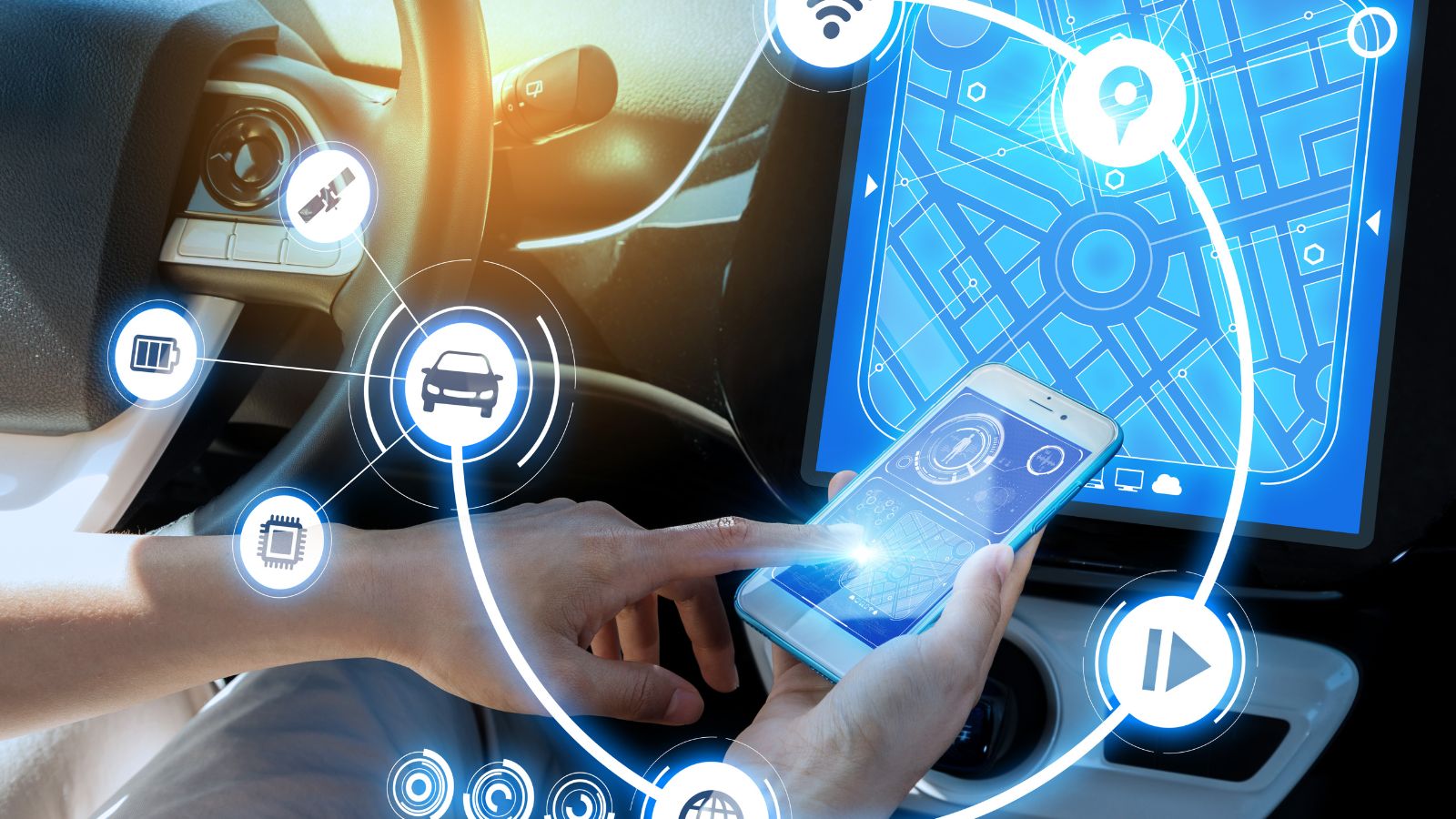
Pairing a phone with a car can feel routine. Bluetooth makes calls easier, displays contact names on the screen, and lets a driver answer without handling the phone. Depending on the system and settings, that convenience can involve copying or accessing contacts, call information, message metadata, or other phone-linked details inside the vehicle’s infotainment system.
This becomes especially sensitive when a car is borrowed, rented, sold, repossessed, or serviced. A driver may remember to remove sunglasses from the console but forget that the infotainment system may still hold paired-device information. A used vehicle can sometimes contain traces of prior owners’ digital lives. The privacy issue is not only what the automaker collects, but what the vehicle itself retains after people move on.
Voice Commands and In-Car Microphones
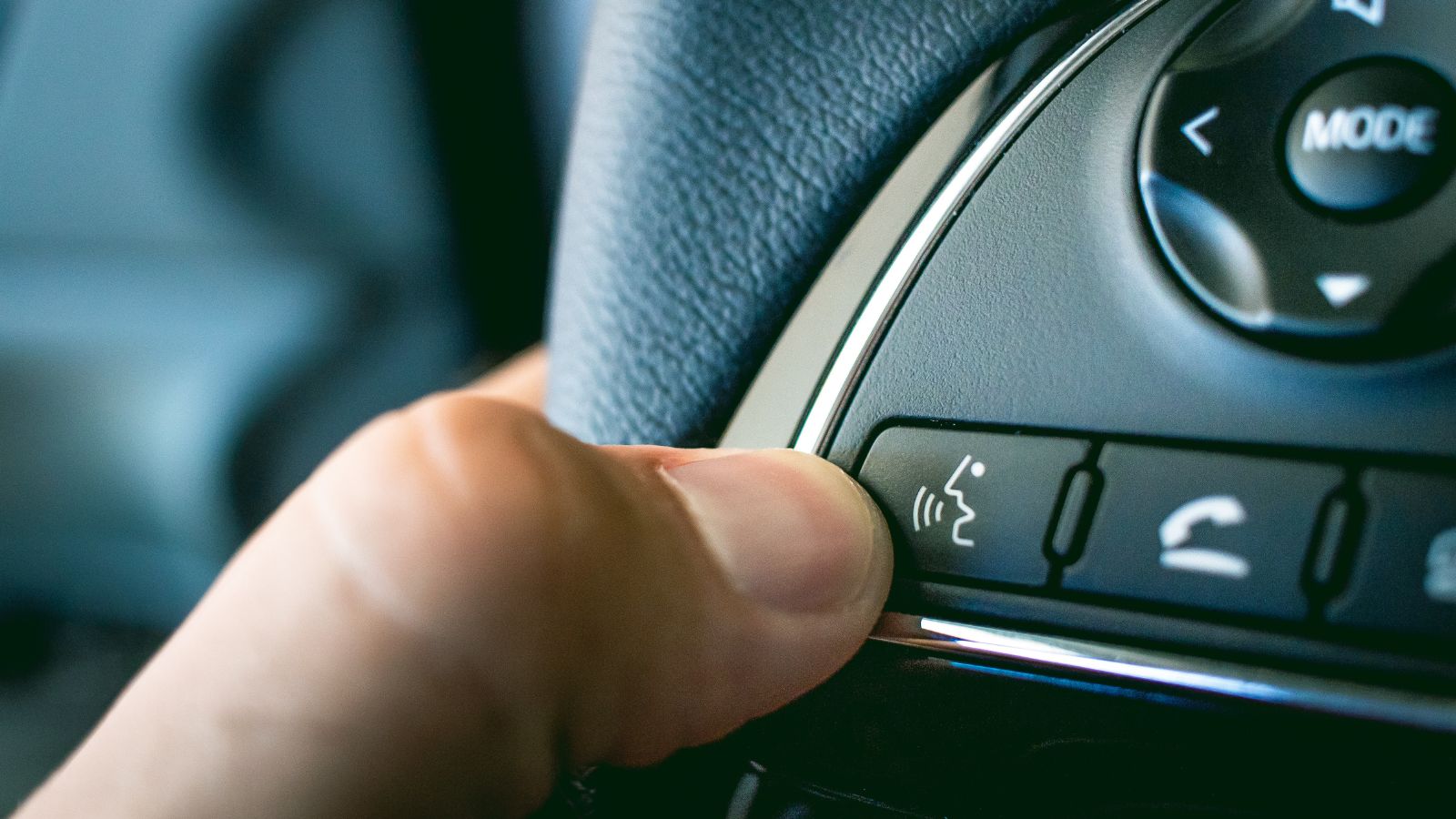
Voice assistants make cars feel more natural. Drivers can ask for directions, dictate a text, change music, or call someone without taking a hand off the wheel. To make that work, microphones listen for commands, systems process speech, and some services may store voice interactions, transcripts, or related usage data depending on the provider and settings.
The tracking is subtle because people experience it as convenience, not data collection. A quick command such as “navigate to the pharmacy” may combine voice input, destination data, account information, and location. Even when systems are designed to activate only after a wake phrase or button press, privacy questions remain: what is processed locally, what goes to the cloud, how long it is retained, and whether it is tied to an identifiable driver profile.
Driver-Facing Cameras
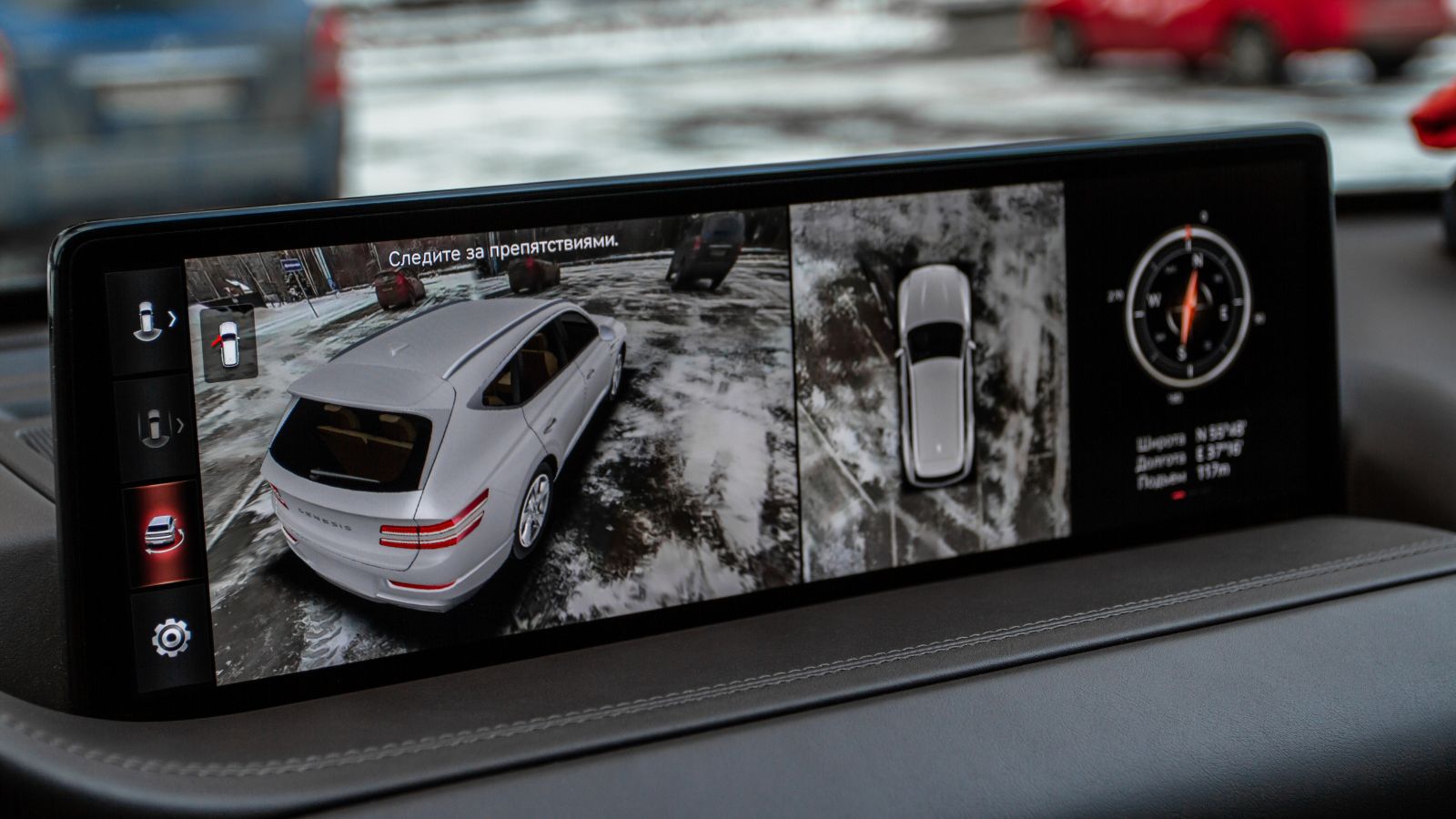
Driver-monitoring systems are increasingly common in vehicles with advanced driver-assistance features. Cameras and infrared sensors may track eye position, eyelid movement, head orientation, gaze direction, or whether the driver appears attentive. These systems can improve safety by warning distracted or drowsy drivers, especially when partial automation is active.
Still, a camera pointed at the driver changes the feel of the cabin. The system may be introduced as a safety requirement, but it can also create biometric or behavior-related data. A sleepy commute, a distracted glance at a child in the back seat, or repeated use of hands-free driving features can all become measurable events. The key privacy question is whether those measurements stay in the car or become part of a broader profile.
Occupant and Seat Sensors
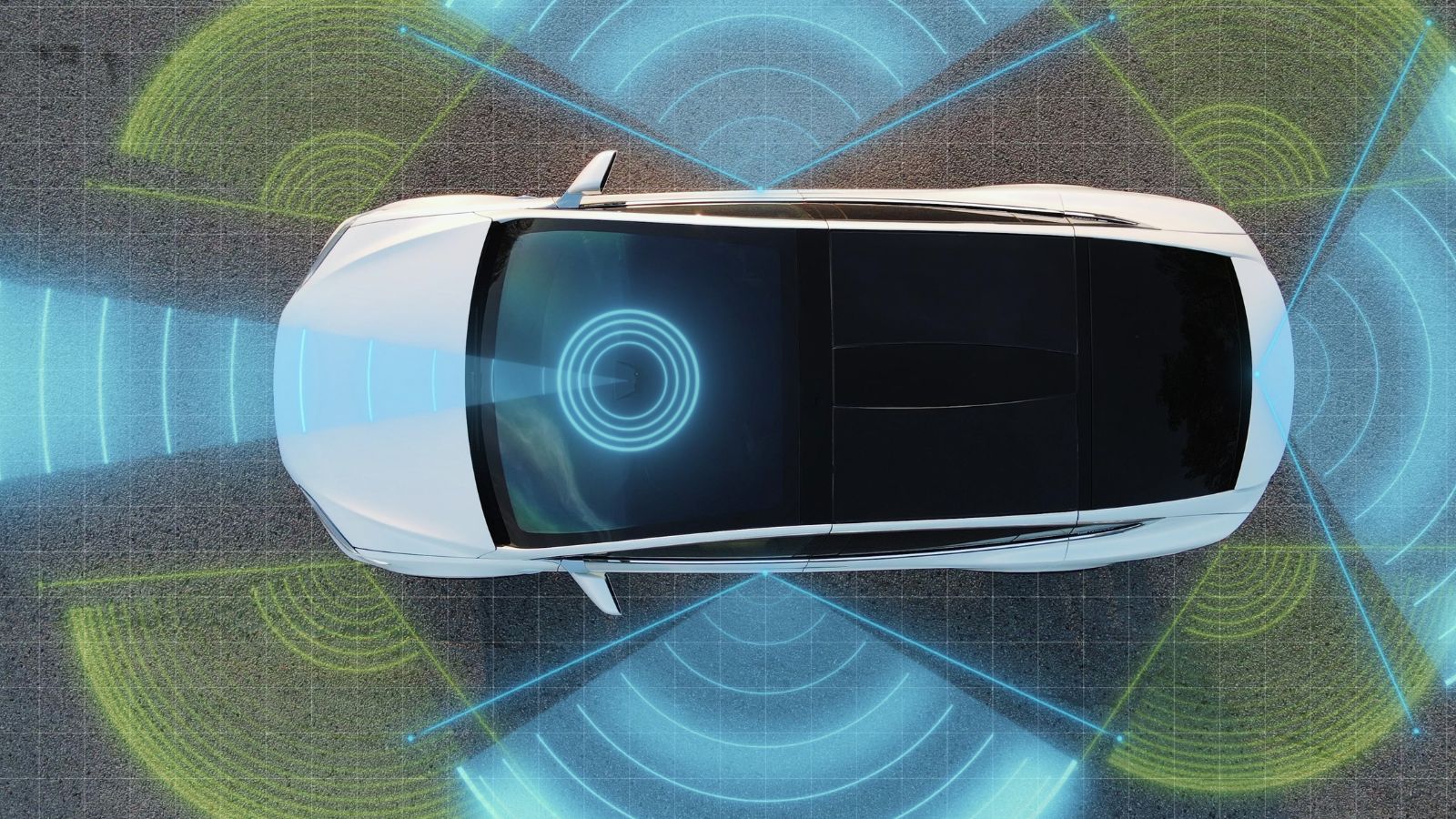
Modern vehicles sense more inside the cabin than many people realize. Seat-belt status, seat position, occupant classification, airbag readiness, child-seat warnings, and seat-weight-related signals can all be part of the safety system. Some newer digital platforms also handle climate, seat, and cabin-comfort data as part of the vehicle’s internal network.
Individually, these details may seem harmless. Together, they can suggest who was in the vehicle, where someone sat, whether passengers wore belts, and how the cabin was used. A family SUV, for example, may quietly know that the front passenger seat was occupied, the rear seat had a child, and the driver adjusted heated seats before leaving. Those details are collected for safety and comfort, but they can also enrich a data trail.
Navigation Searches and Destination History
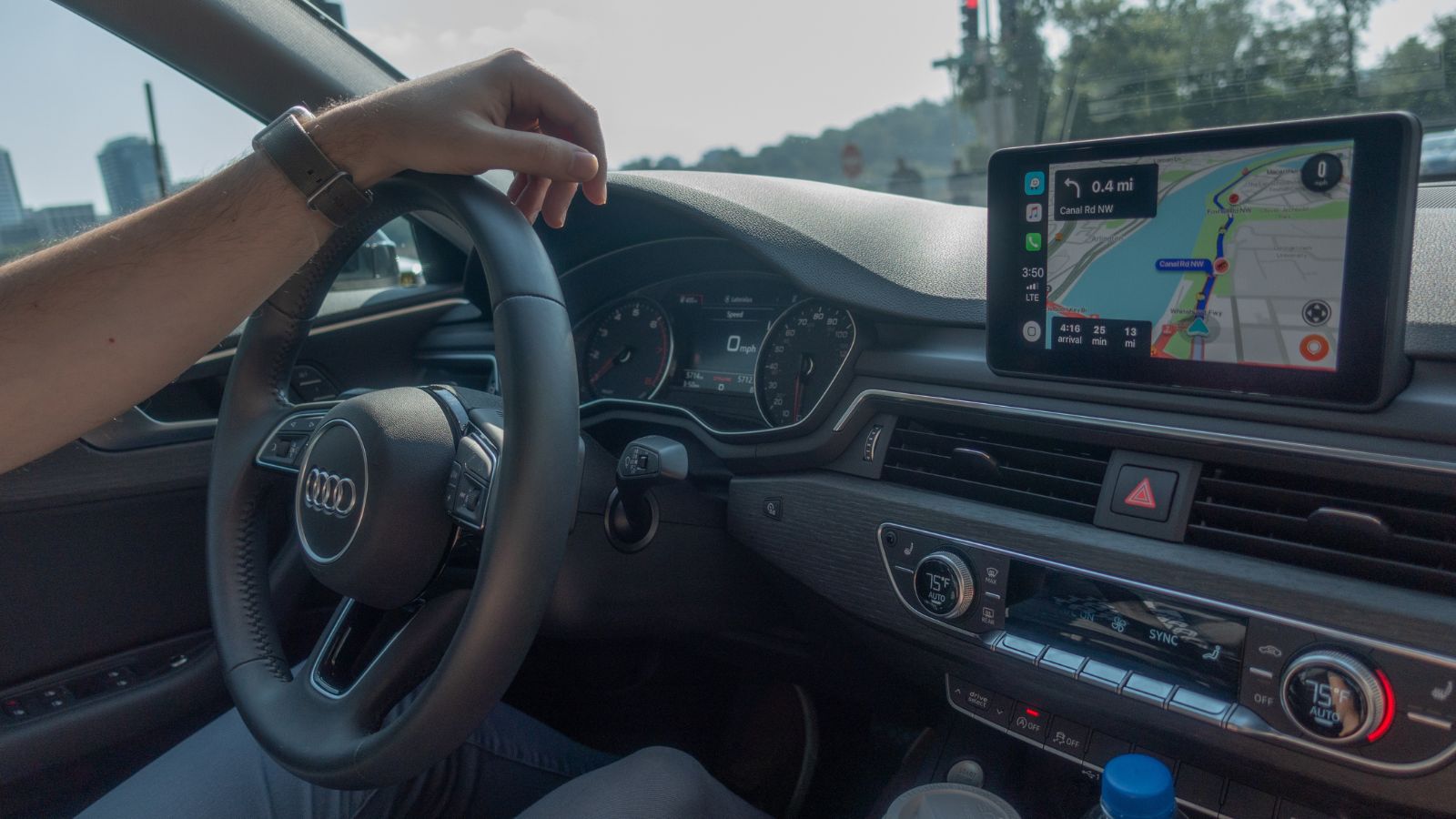
A car’s navigation system does more than draw a blue route line. It may store recent destinations, favorite addresses, searched businesses, charging stops, traffic preferences, and route choices. Even if a driver never opens a dedicated trip-history screen, the system may remember enough to make future suggestions feel effortless.
This can expose more than mileage. A driver’s navigation history can reveal repeated medical appointments, late-night stops, school drop-offs, political events, hotels, or financial trouble if visits to repair shops and lenders become frequent. The feature feels ordinary because people expect maps to remember preferences. The privacy concern is that destinations often reveal intent, relationships, habits, and stress points in a way raw odometer readings never could.
Bluetooth and Device Identifiers
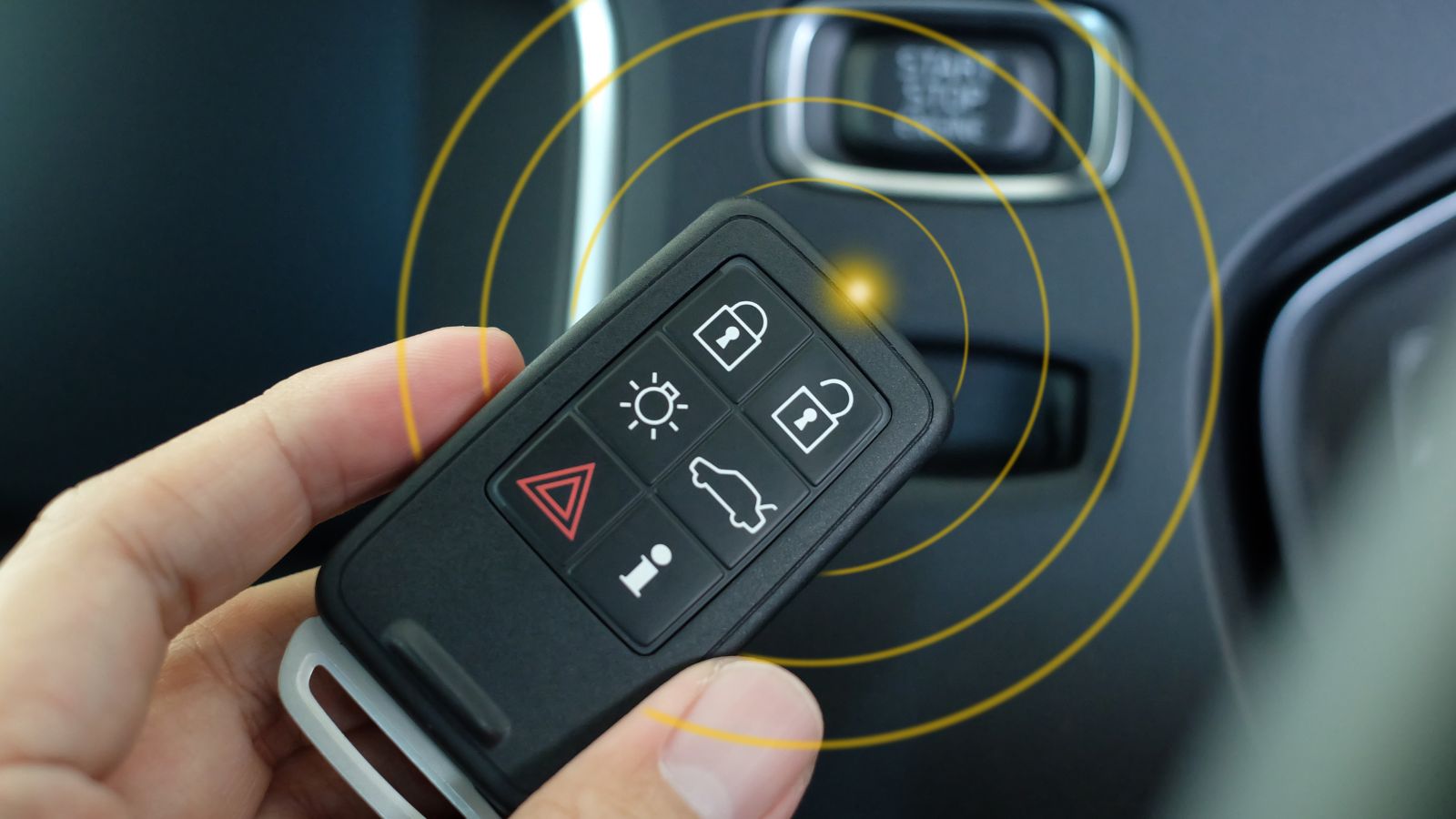
A car can recognize familiar phones, headphones, key fobs, and sometimes Wi-Fi hotspots. That recognition depends on identifiers that allow the vehicle to reconnect quickly. In daily life, this feels seamless: the audio resumes, the driver profile loads, and the car knows which phone should take calls.
Those connections can also reveal patterns. The vehicle may know which devices commonly travel together, which phone belongs to the primary driver, and whether a new device has appeared. In a shared family car, a paired phone can quietly identify who was likely behind the wheel. In a rental or fleet vehicle, device traces can become another overlooked layer of personal information unless deleted before the vehicle changes hands.
Mobile App Permissions Beyond the Car
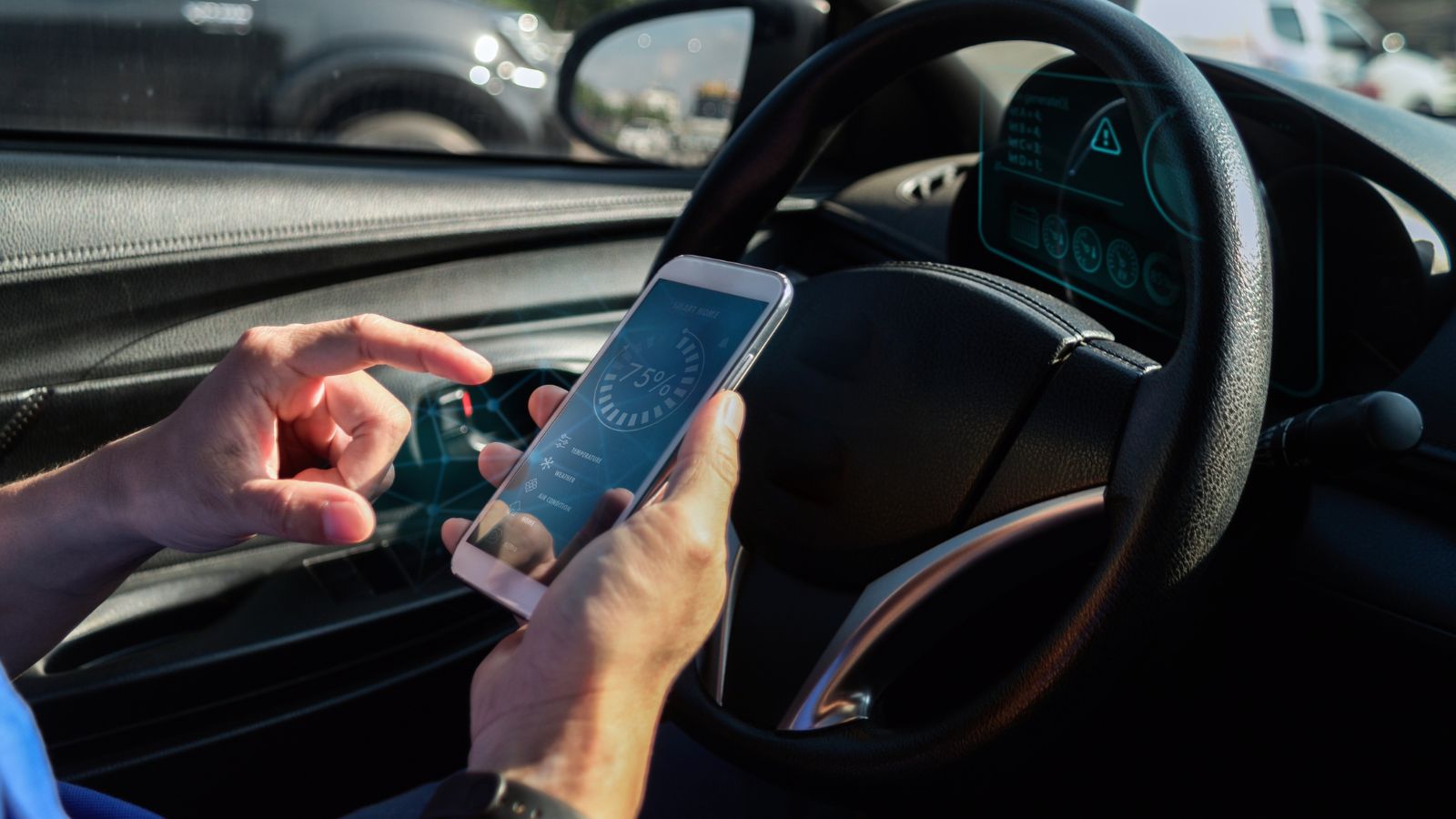
Connected-car apps live on smartphones, so they can request phone-level permissions that extend beyond the vehicle itself. Depending on the app, these may include location access, notifications, Bluetooth, contacts, camera, microphone, or background activity. Some permissions are necessary for useful features, but others can feel broad compared with the driver’s immediate goal.
The quiet part is the background connection. A person may install an app only to unlock a vehicle remotely, but the app ecosystem can include analytics, crash reporting, account identifiers, marketing tools, and service integrations. Even when the car is parked, the app may remain part of a larger data relationship. The driver sees a lock button; the system may see an account, a device, a location, and a pattern of use.
Over-the-Air Update Check-Ins
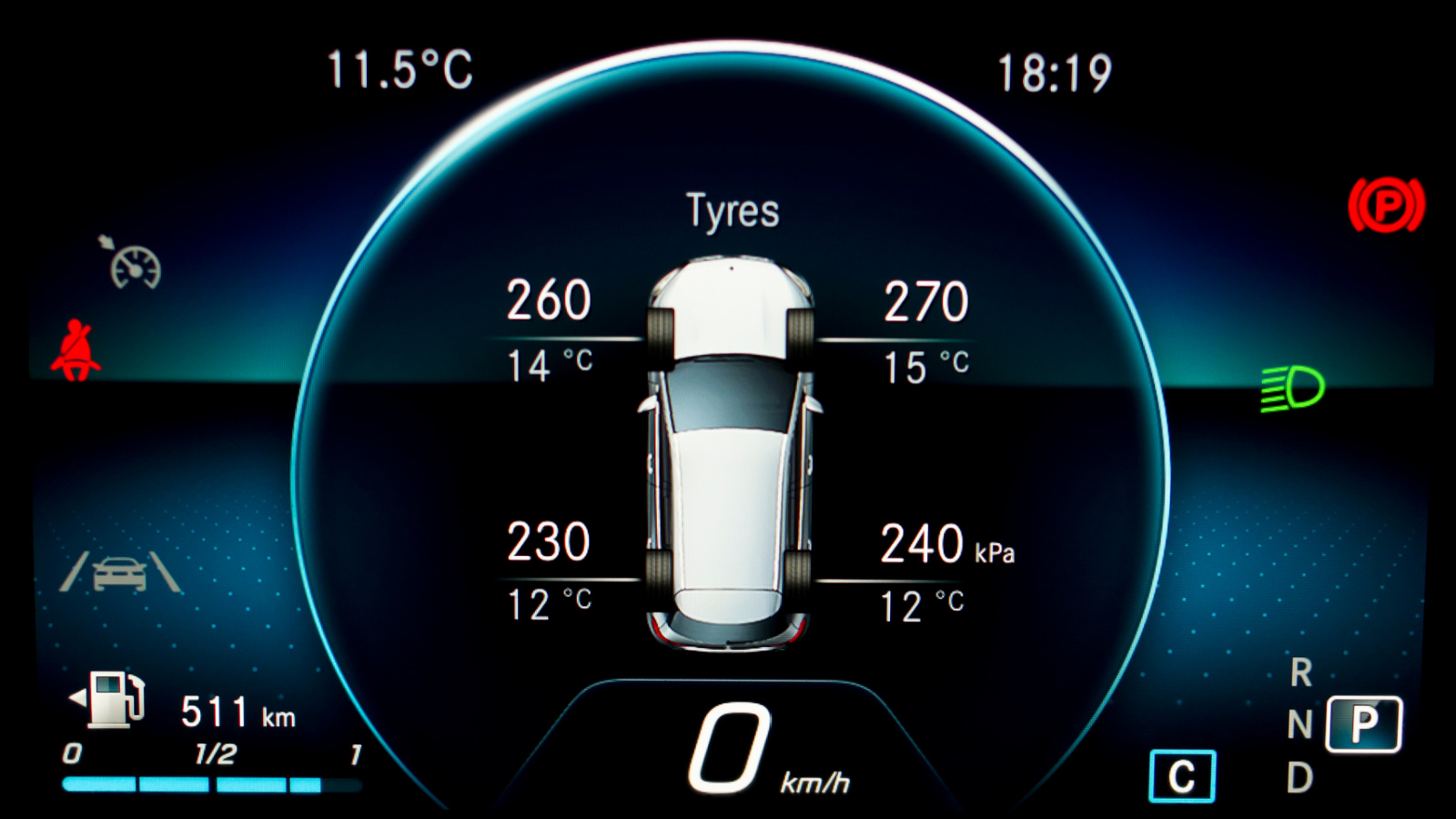
Over-the-air updates let automakers fix software, add features, and patch security issues without a dealership visit. To make that possible, the vehicle must identify itself, communicate software versions, confirm eligibility, and often report whether an update succeeded. This is practical and often beneficial, especially as cars become more software-defined.
The privacy concern is that regular check-ins can also confirm that a specific vehicle is active, connected, and using certain features. A car may send diagnostic and configuration data that helps the manufacturer manage updates, recalls, or performance issues. The driver may only notice a notification saying software is ready to install, while the underlying system has been maintaining an ongoing relationship between the vehicle, its VIN, its software state, and its connected account.
Vehicle Health and Diagnostic Data
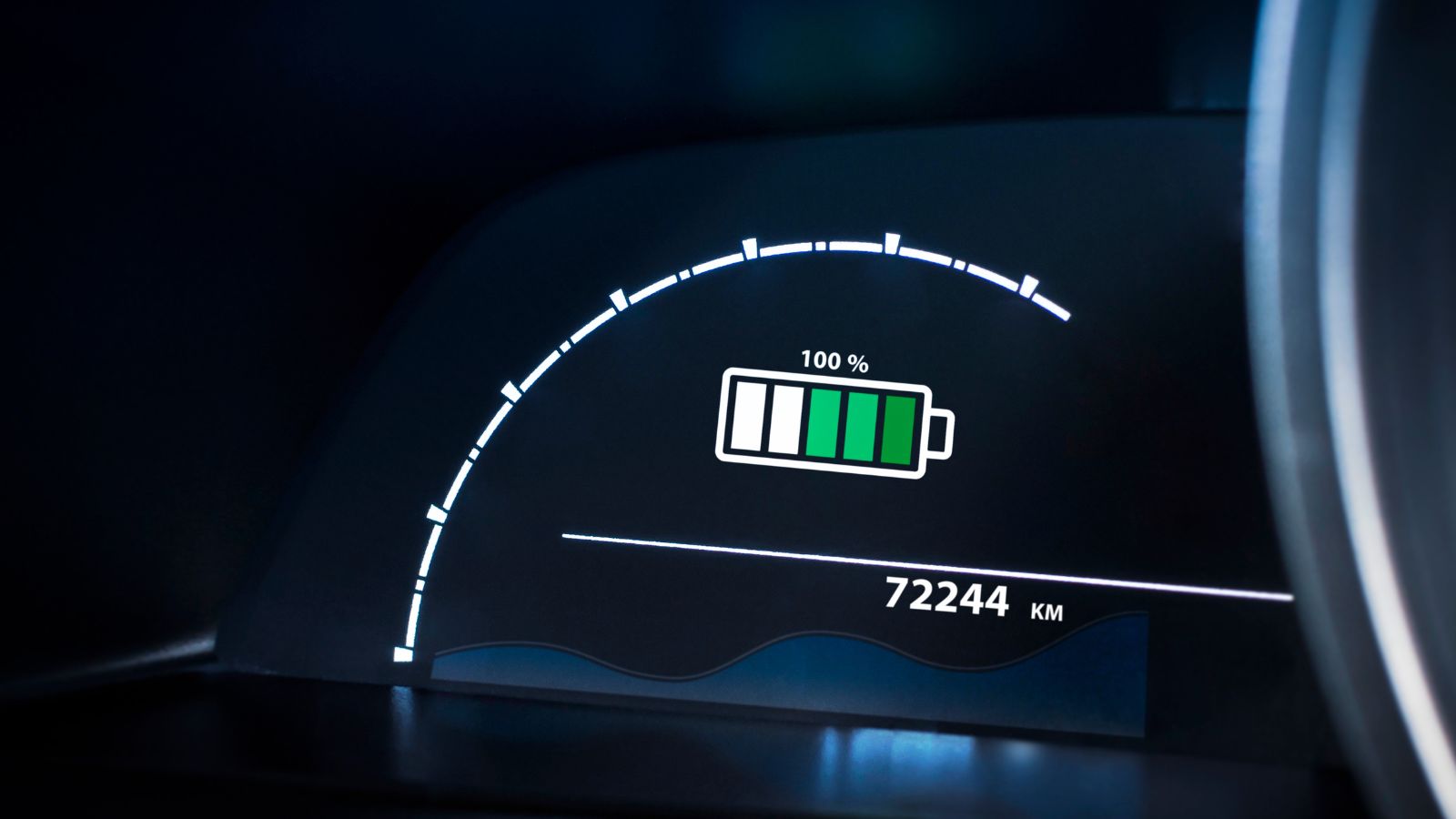
Modern cars constantly monitor their own systems. Engine performance, battery health, tire pressure warnings, emissions components, brake wear, fault codes, fluid levels, and sensor errors can all be logged. Dealers and automakers can use this information to improve reliability, diagnose problems, manage recalls, and recommend service.
That can be helpful when a check-engine light appears two days before a road trip. It can also reveal how the vehicle is used. High mileage, repeated short trips, harsh operating conditions, low battery state, missed maintenance, or frequent alerts can build a profile of ownership behavior. A driver may think of diagnostics as mechanical information, but vehicle health data can also say something about work patterns, finances, commute length, and how carefully a car is maintained.
Cameras and Sensors Watching the Road
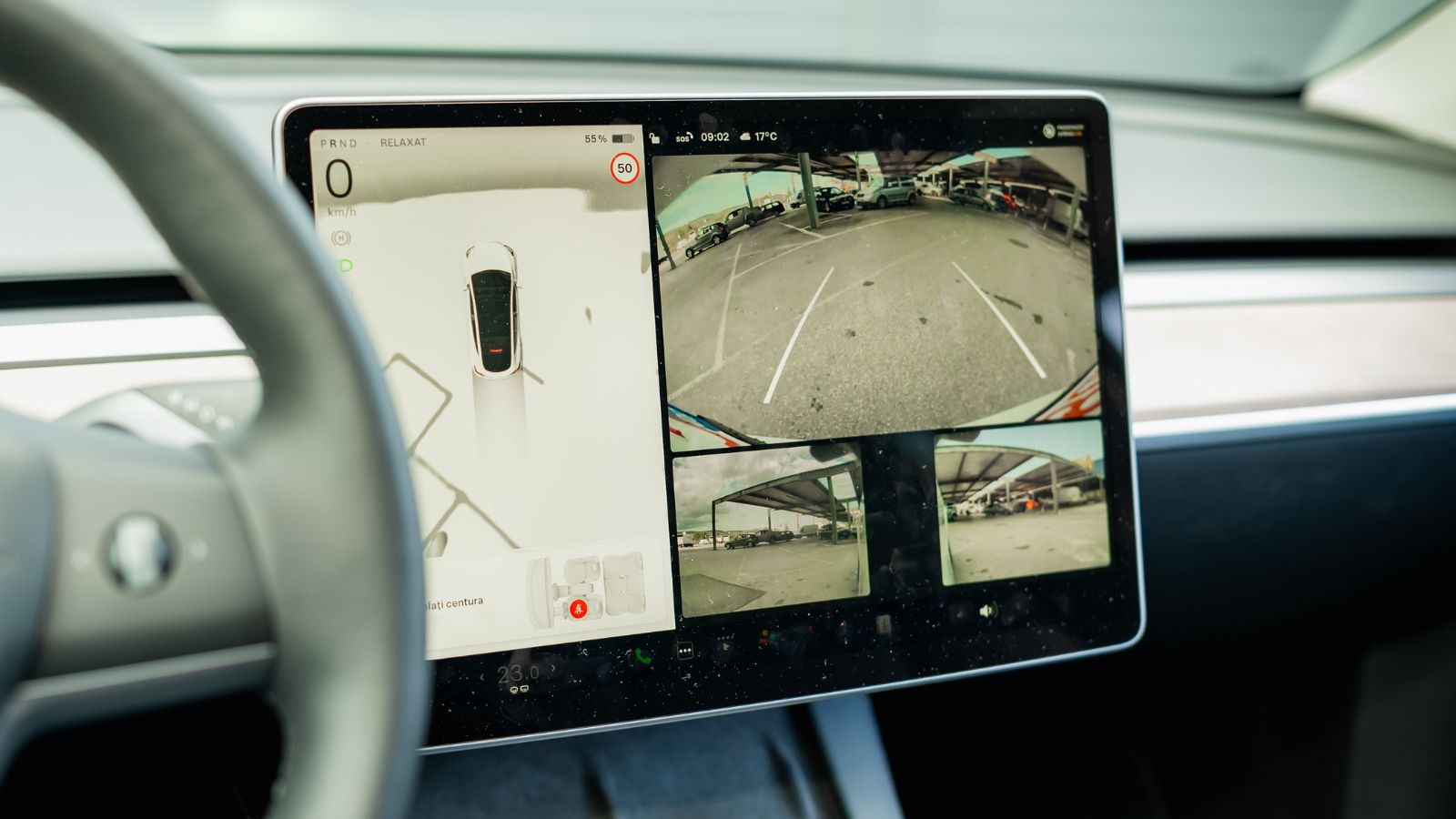
Advanced driver-assistance systems use cameras, radar, ultrasonic sensors, and sometimes lidar to detect lanes, vehicles, pedestrians, signs, and obstacles. These systems support features such as adaptive cruise control, automatic emergency braking, lane keeping, parking assistance, and traffic-sign recognition. The car is not only watching the road; it is interpreting it.
The tracking may not focus directly on the driver, but it still creates contextual data around the driver’s movement. Road scenes, traffic conditions, near-misses, lane markings, and environmental signals can become part of development or safety datasets in some systems. A driver may see a lane-centering icon and think only about convenience. Behind it is a sensor suite gathering information about where the car is, what surrounds it, and how the driver responds.
EV Charging Patterns
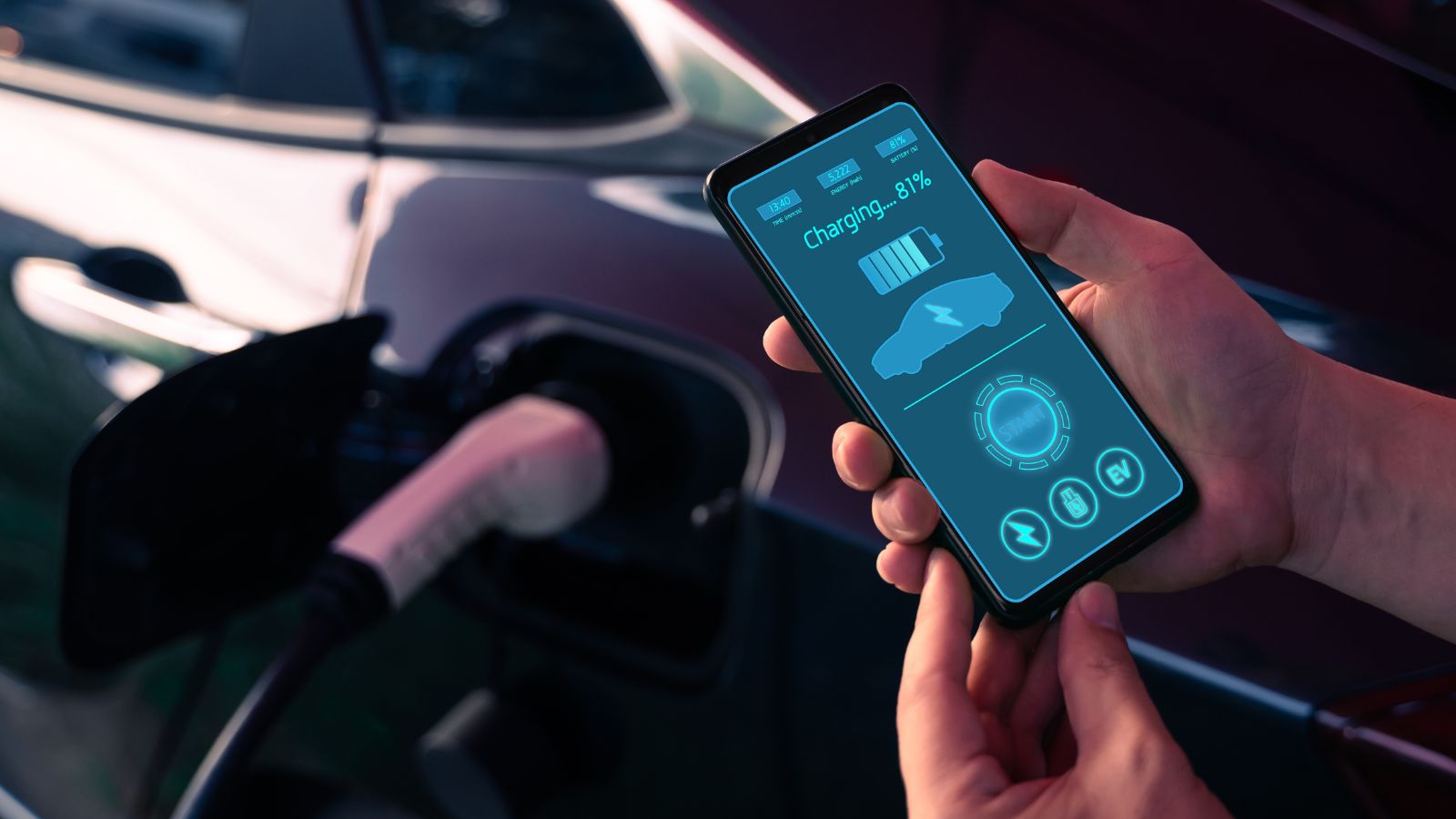
Electric vehicles add another layer of routine data: charging behavior. Charging records can show where a vehicle plugged in, when it charged, how long it stayed, how much energy it took, and sometimes which payment or membership account was used. Home charging, workplace charging, highway fast charging, and overnight hotel charging can each say something different about a driver’s life.
This matters because charging is closely tied to location and schedule. A commuter who charges every weekday at the same office garage has a pattern. A driver who fast-charges near a hospital every Thursday has another. EV charging data can help improve infrastructure and forecast energy demand, but it can also expose mobility habits. The privacy issue is not only the car; it is the network of charging providers, apps, payment systems, and vehicle accounts around it.
In-Car Purchases and Subscription Profiles
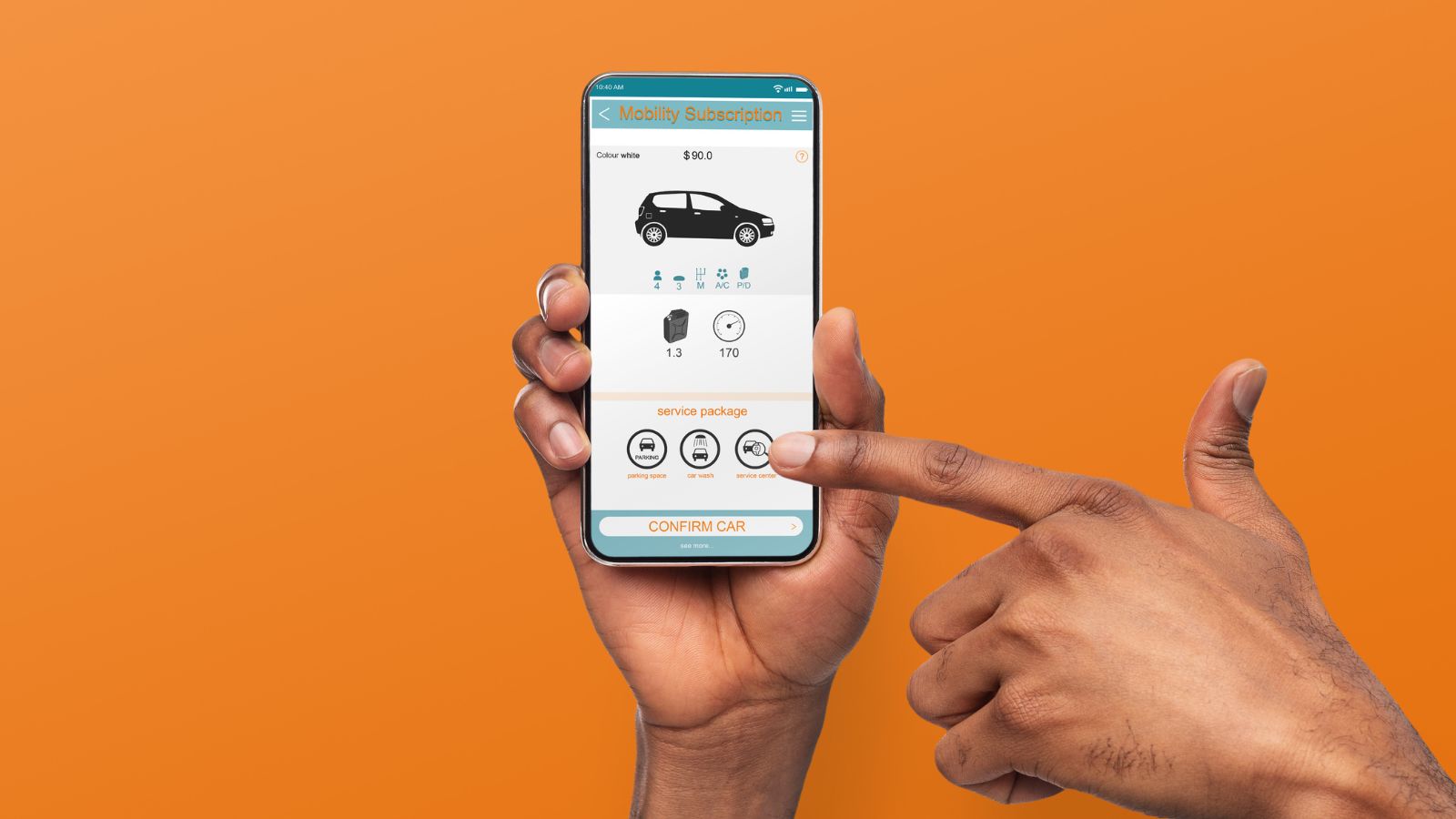
Cars increasingly include paid software features, connected subscriptions, streaming services, navigation packages, performance upgrades, parking payments, toll tools, and app-store-style ecosystems. Each purchase or subscription can link a driver’s identity, vehicle, payment method, location, feature preferences, and renewal behavior.
This can make the car feel less like a machine and more like a marketplace. A driver may buy heated-seat access, activate a connected navigation trial, or pay for a hands-free driving package. The transaction may seem small, but it adds to a profile of what the owner values, which features are used, and how likely the household is to pay for future upgrades. Over time, the cabin becomes both a transportation space and a consumer-data environment.
Vehicle-to-Everything Signals
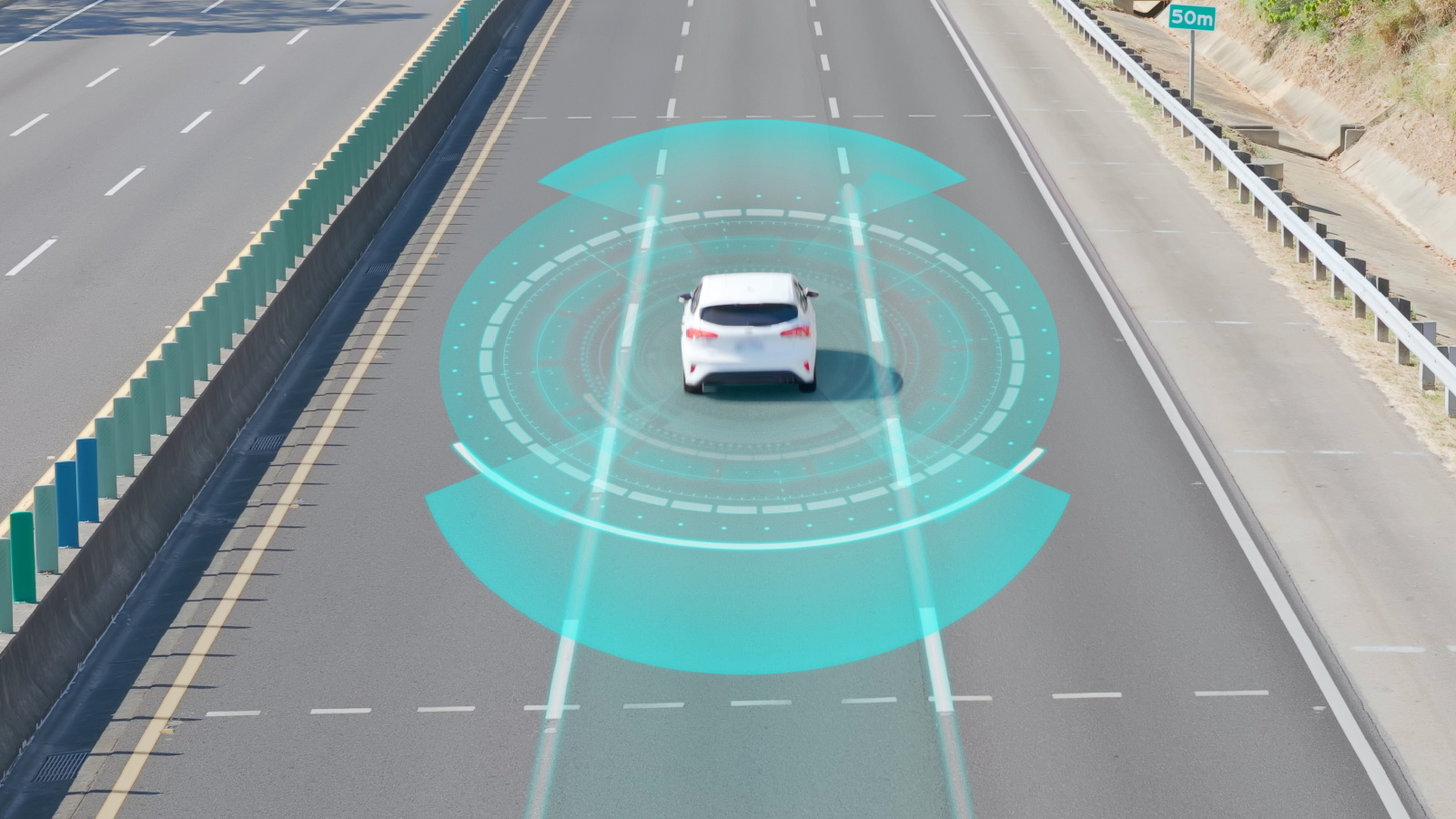
Vehicle-to-everything technology, often called V2X, is designed to let vehicles communicate with other vehicles, roads, traffic lights, work zones, cyclists, or infrastructure. The safety promise is significant: warnings about red-light runners, sudden braking, road hazards, or vulnerable road users could reduce crashes and improve traffic flow.
Privacy depends on how these systems are designed. Even if messages are not supposed to identify a person by name, repeated signals from a vehicle can raise questions about tracking, linkability, and location inference. A car that broadcasts safety messages every day on the same route could potentially create patterns if protections are weak. The technology is meant to make roads safer, but strong privacy safeguards are essential because movement data is inherently revealing.
Third-Party Infotainment Apps
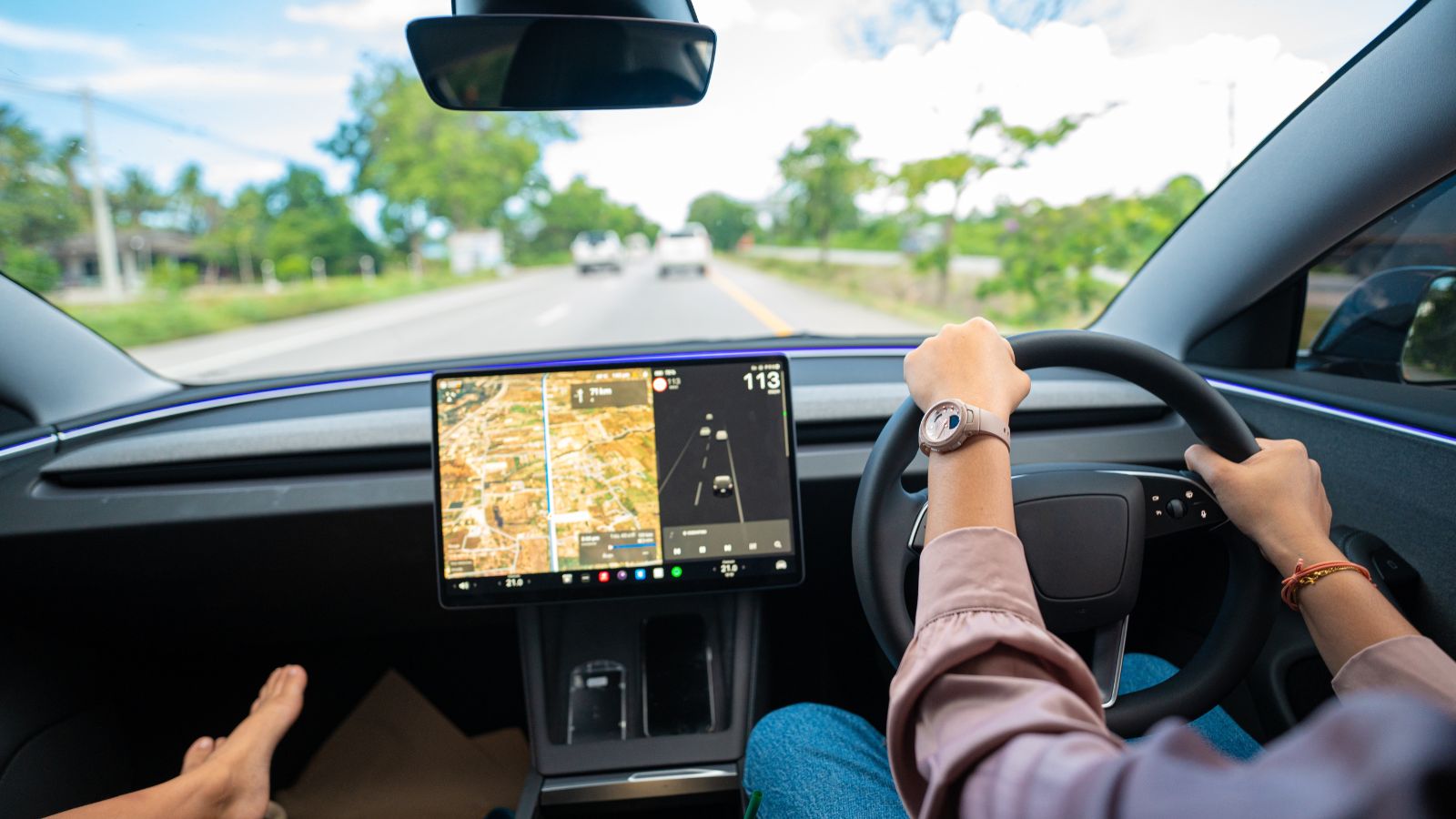
In-car app platforms can bring maps, music, podcasts, messaging, calendars, smart-home controls, and voice services into the dashboard. Some vehicles use embedded operating systems that run apps directly in the car rather than simply mirroring a phone. That gives drivers a smoother experience, but it can also create new paths for data collection.
The concern is fragmentation. A driver may understand the automaker has a privacy policy, but the map provider, music service, voice assistant, analytics vendor, and app platform may each have separate rules. Research on Android Automotive systems has found that vehicle properties such as speed, climate, model, and seat-related data can be collected by embedded platforms or apps. The result is a dashboard that feels unified while data responsibilities are split across several companies.
22 Things Canadians Do to Their Cars in Spring That Mechanics Hate

Spring brings relief to many Canadian drivers after months of snow, freezing temperatures, and icy roads that put serious strain on vehicles. As temperatures rise across the country, drivers begin washing cars, switching tires, and preparing vehicles for warmer weather and upcoming road trips. However, mechanics across Canada notice the same mistakes every spring when drivers attempt to recover from winter damage. Road salt, potholes, and harsh winter driving conditions often leave vehicles with hidden problems that drivers ignore. Some spring habits even create new mechanical issues that could have been avoided with proper maintenance. Here are 22 things Canadians do to their cars in spring that mechanics hate.