




















Canadian resale values are no longer being shaped by badge appeal alone. High borrowing costs, softer used-vehicle pricing, shifting EV incentives, expensive repairs, and changing buyer tastes are making some vehicles look less secure than their original window stickers suggested. A model can still be desirable, comfortable, or technologically impressive while quietly losing ground when trade-in time arrives.
Across Canada, the value battle is especially tough for vehicles caught between high purchase prices and uncertain second-hand demand. These 18 vehicles stand out because their ownership story can become less flattering after the first few years, especially when depreciation, financing pressure, battery concerns, fuel costs, insurance, and competing alternatives are all counted together.
Tesla Model 3
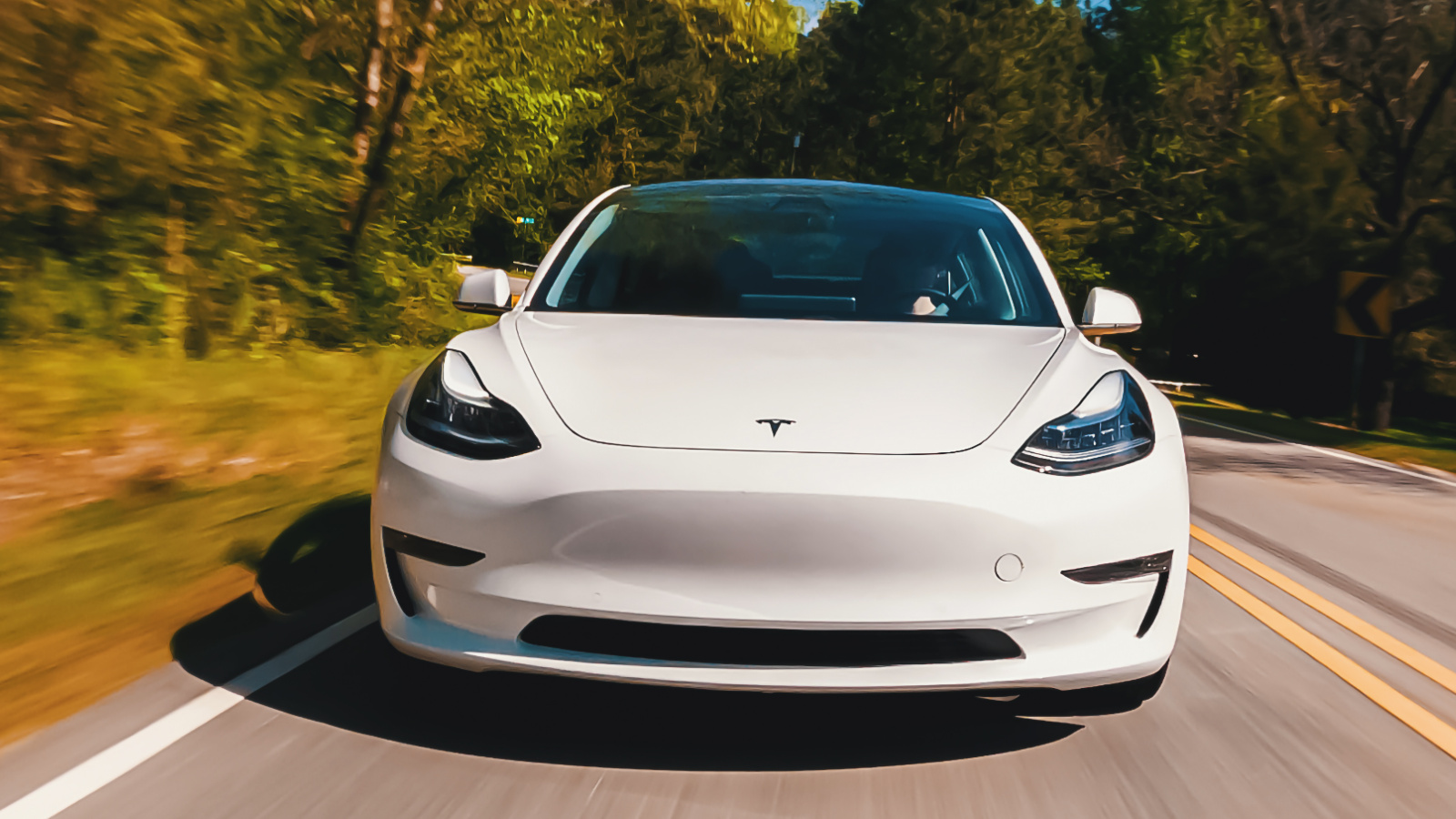
The Tesla Model 3 helped normalize electric driving in Canada, but its used-value story has become more complicated. Earlier buyers benefited from strong demand, limited EV supply, and generous incentive attention. That changed as Tesla adjusted pricing, more used examples entered the market, and shoppers started comparing the Model 3 against newer EVs with fresher interiors, longer warranty appeal, or different charging advantages.
The value risk is not that the Model 3 suddenly became undesirable. It remains quick, efficient, and supported by a strong charging network. The issue is that price volatility can punish owners who bought at higher transaction prices. A shopper trading in a 2021 or 2022 example may discover that the market now treats software features, battery health, paint condition, and remaining warranty coverage very differently than it did during the EV shortage years.
Tesla Model Y
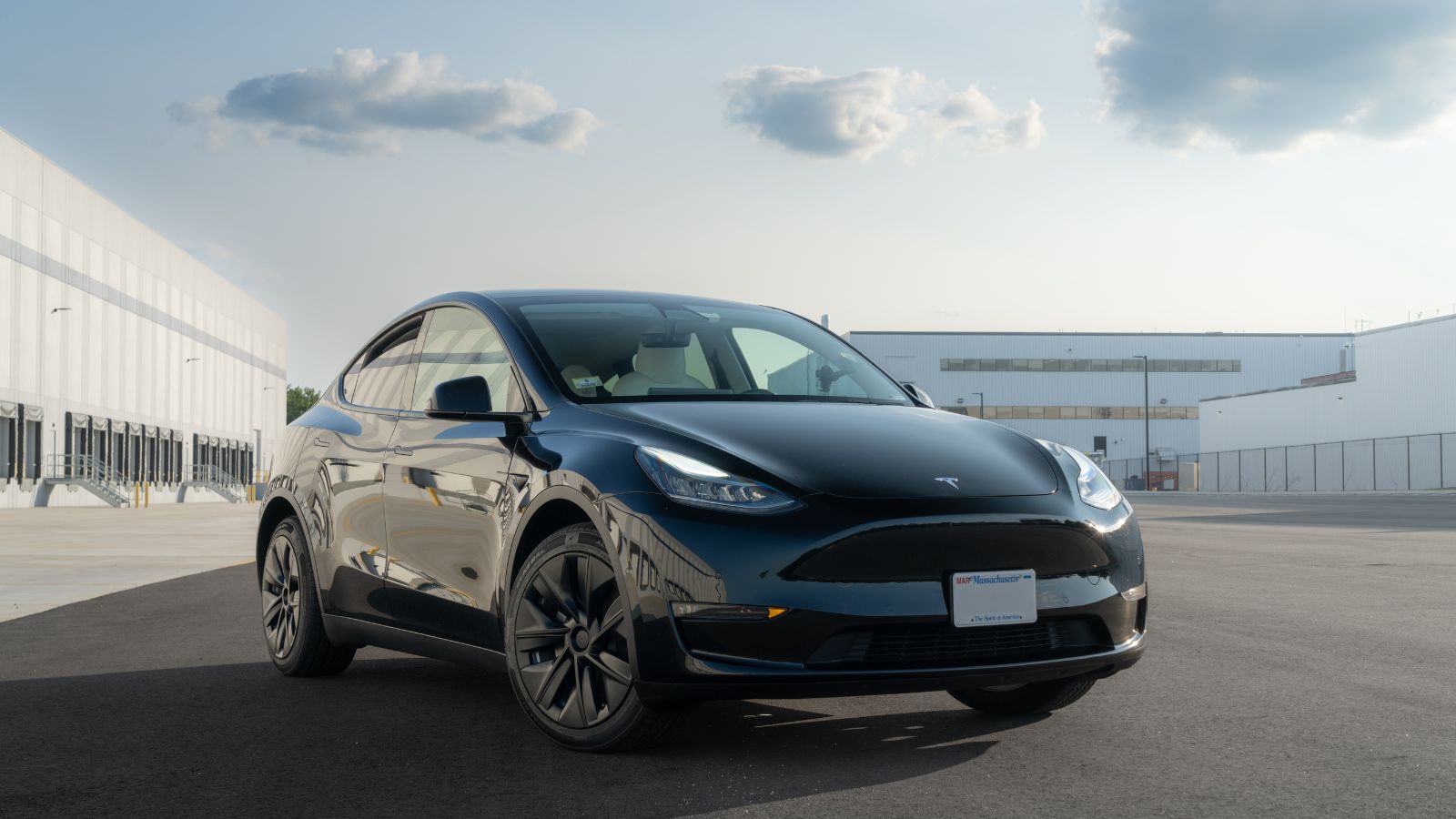
The Model Y became one of Canada’s most visible EV crossovers, but popularity can cut both ways. When a vehicle sells in large numbers, the used market eventually has plenty of inventory to choose from. That matters because buyers can compare nearly identical examples by mileage, battery condition, trim, and software package, which can put pressure on sellers who expect shortage-era prices.
The Model Y also faces a fast-moving competitive field. Hyundai, Kia, Ford, Volvo, BMW, and others have pushed hard into electric crossovers, while Tesla’s own price changes have reset buyer expectations. A household that bought a Model Y when demand felt unstoppable may still like the vehicle day to day, but trade-in math can feel less forgiving when newer or discounted alternatives make older examples look expensive.
Nissan Leaf
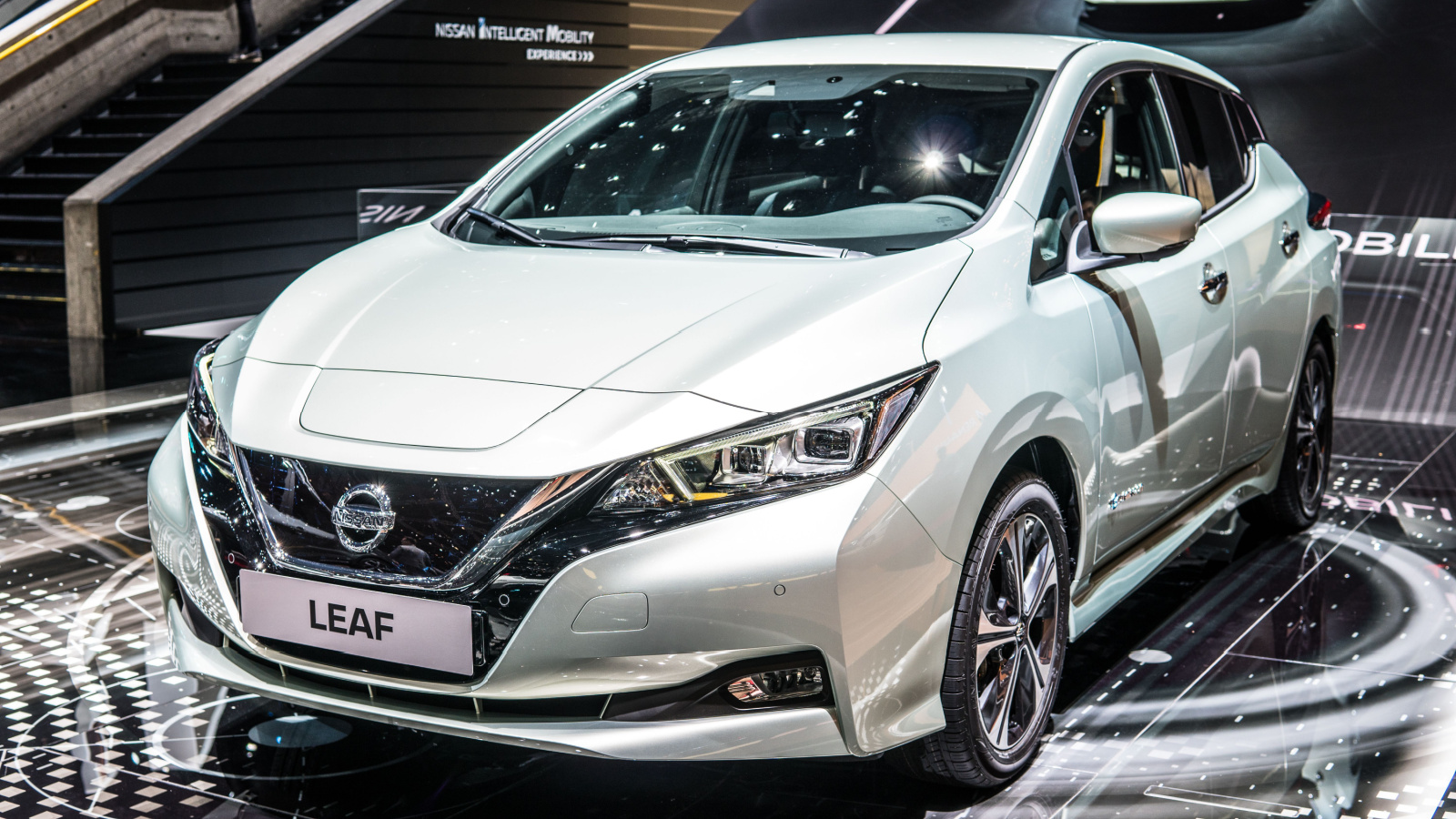
The Nissan Leaf deserves credit for being one of the earliest mainstream EVs, but early leadership does not always translate into strong resale power. Its biggest value challenge is perception around range, charging speed, and battery technology. Many Canadian buyers now shop EVs with longer range, faster charging, liquid-cooled battery systems, and broader road-trip usability.
For urban drivers, a used Leaf can still make sense as a low-cost commuter. The trouble arrives when sellers expect it to compete with newer EVs on value rather than price. Cold-weather range concerns matter in much of Canada, and older examples can look dated beside newer small EVs and plug-in hybrids. That combination often pushes the Leaf toward bargain status, even when the vehicle itself remains practical for short daily trips.
Chevrolet Bolt EV
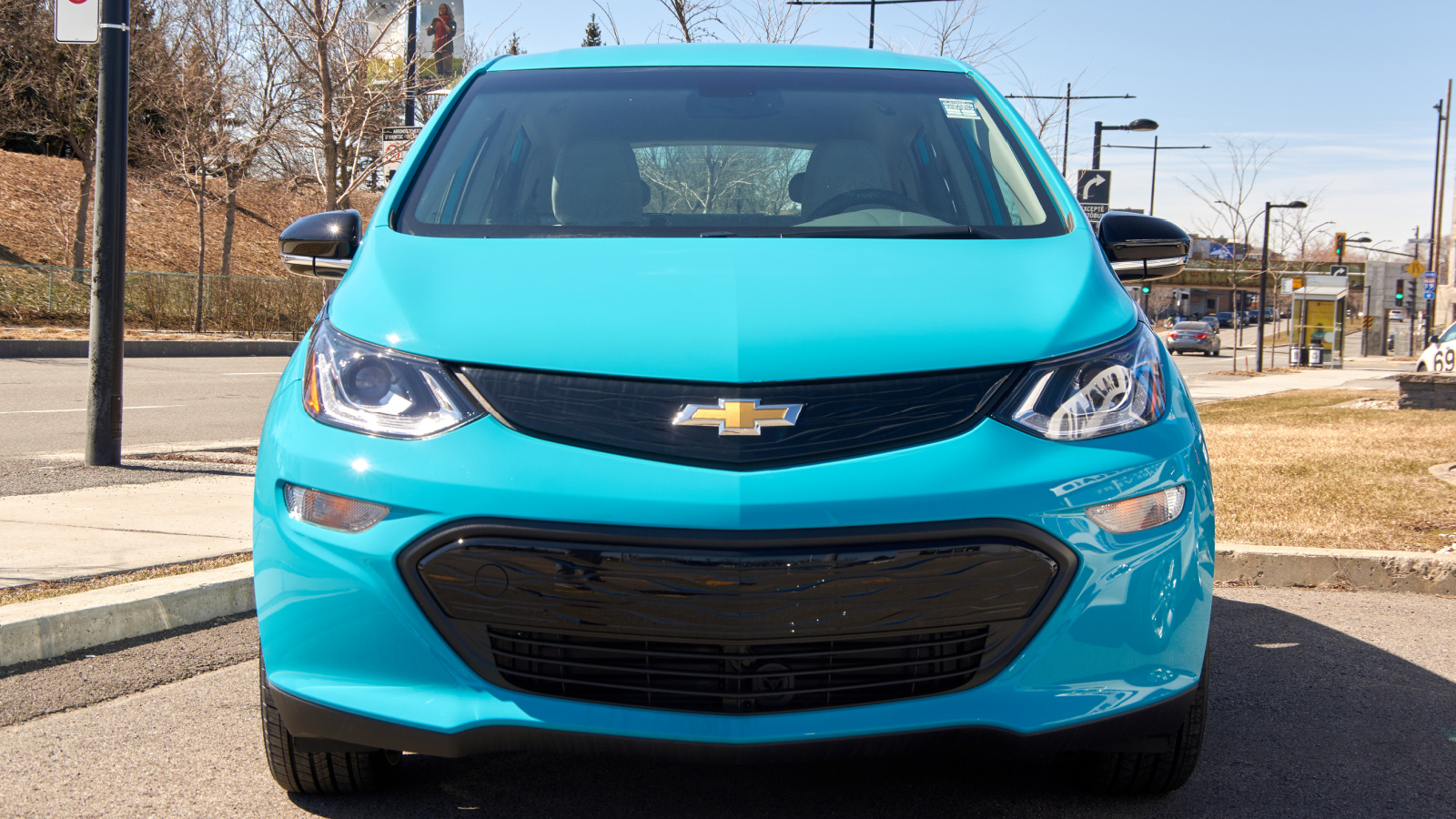
The Chevrolet Bolt EV built a loyal following because it offered useful range at a relatively attainable price. However, its resale story has been affected by two forces: the broader drop in used EV pricing and the long memory of battery-related recalls. Even after repairs and updated battery programs, many shoppers still ask extra questions before committing to a used Bolt.
That does not make the Bolt a bad car. In fact, it can be one of the smarter used EV buys when priced correctly. The concern is for original owners who paid near new-car pricing and later find the market treating the car as a value EV rather than a premium electric option. Once affordability becomes the Bolt’s main selling point, resale strength depends heavily on discounting.
Chevrolet Bolt EUV
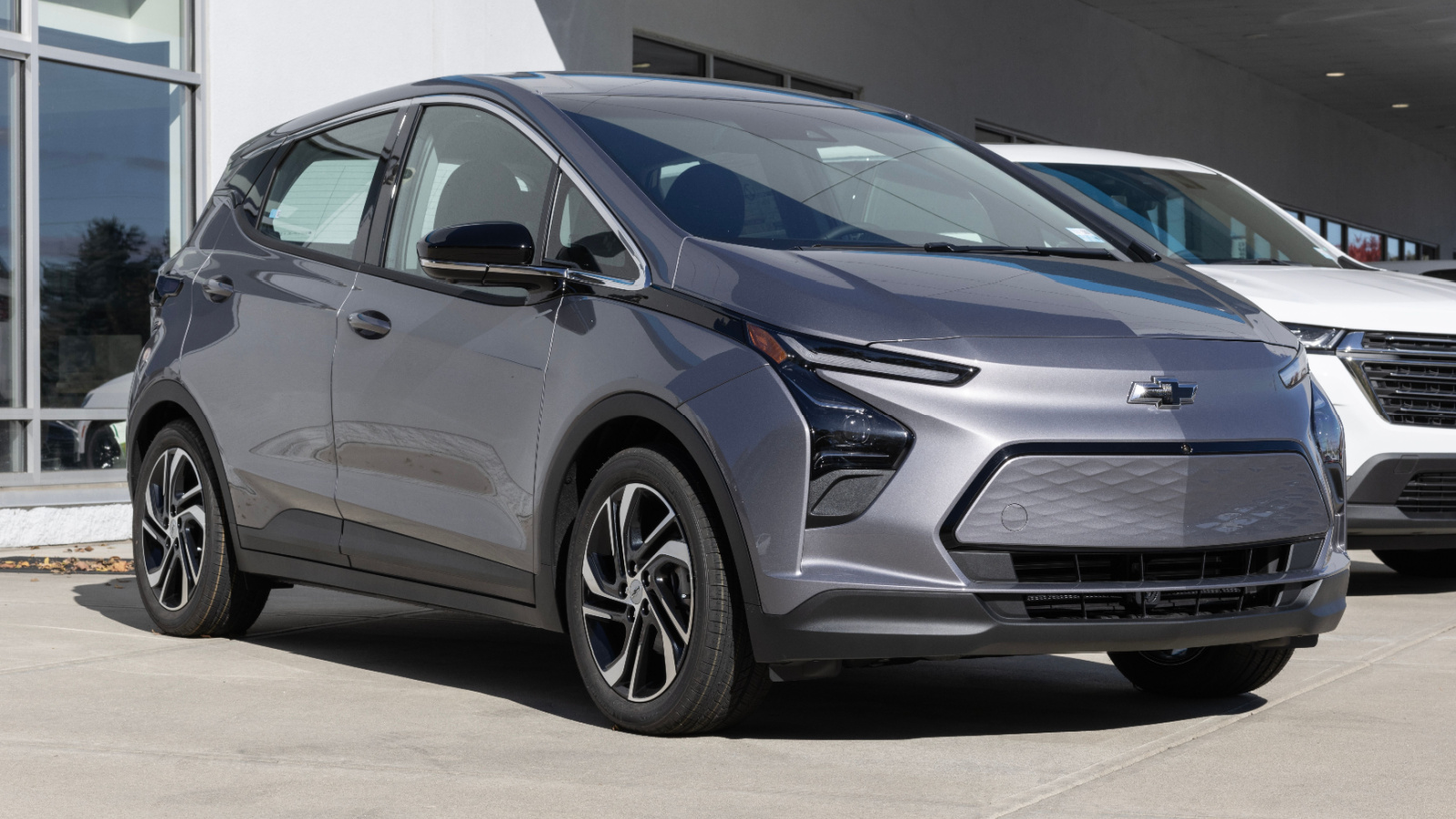
The Bolt EUV added more crossover-like space and a friendlier shape, but it still shares the same value pressures as the Bolt EV. Used buyers often compare it with newer electric crossovers, plug-in hybrids, and discounted gasoline SUVs. Even when the Bolt EUV’s range is adequate, its charging speed and discontinued status can weigh on buyer confidence.
For Canadian families, the Bolt EUV’s appeal is strongest when it is inexpensive enough to offset those concerns. That is good news for used shoppers, but less comforting for owners hoping for a strong trade-in. A model that becomes known as a budget-friendly EV can quickly lose pricing power, especially when dealers have to reassure buyers about battery history, warranty coverage, and long-term parts support.
Ford Mustang Mach-E
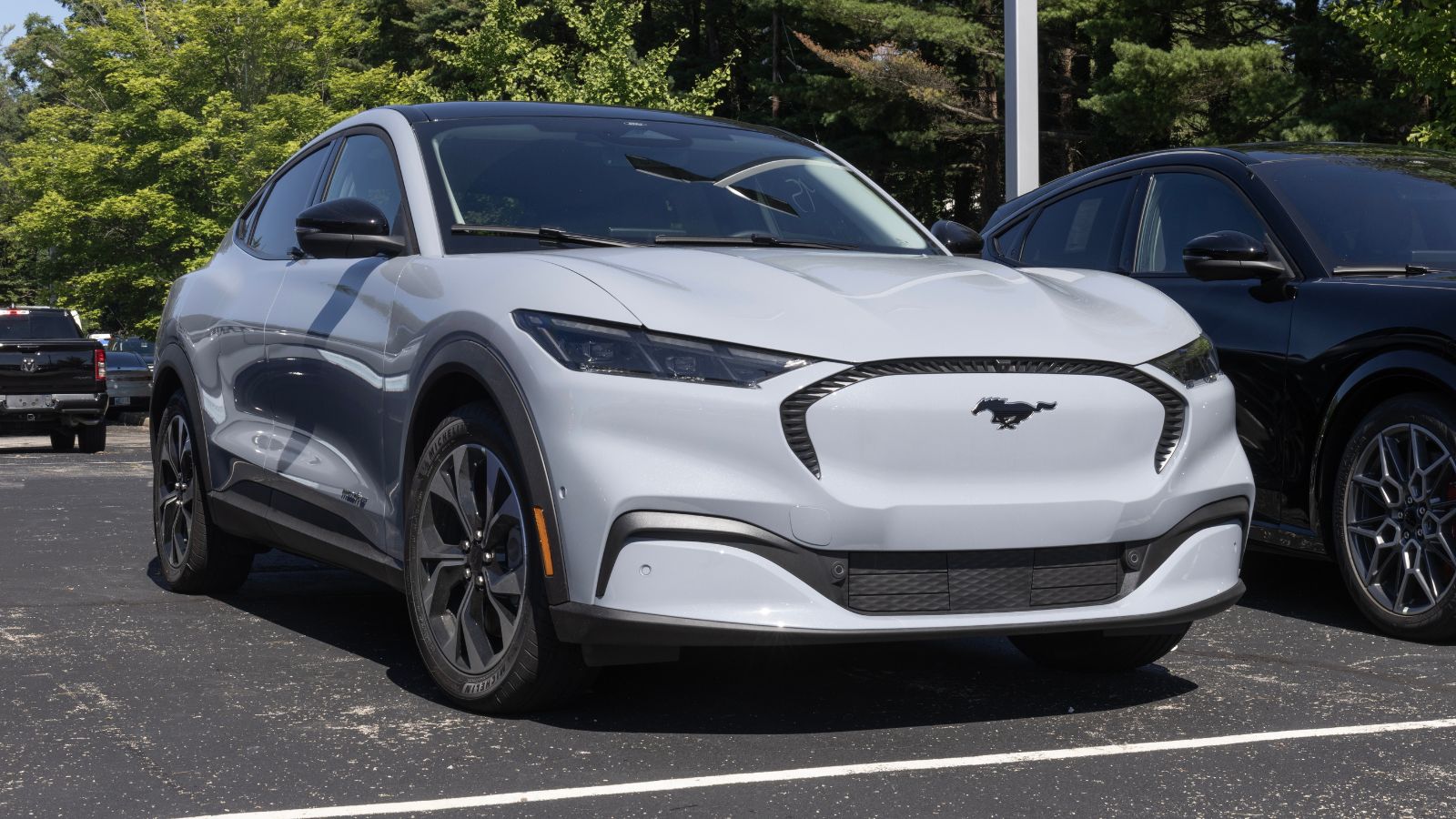
The Mustang Mach-E arrived with real excitement: strong performance, sharp styling, and a famous name. Yet its resale position has been challenged by EV price cuts, changing demand, and a market that increasingly separates “interesting EV” from “safe value bet.” When manufacturers lower new-vehicle prices, used examples often feel the impact quickly.
The Mach-E is still a compelling vehicle, especially in well-equipped trims. But the value battle becomes harder when shoppers see big gaps between original MSRP and current used pricing. A buyer who paid extra for a premium trim, extended range battery, or performance package may not recover much of that premium later. In Canada, where EV adoption varies sharply by province, regional demand can make trade-in offers feel inconsistent.
Hyundai Kona Electric
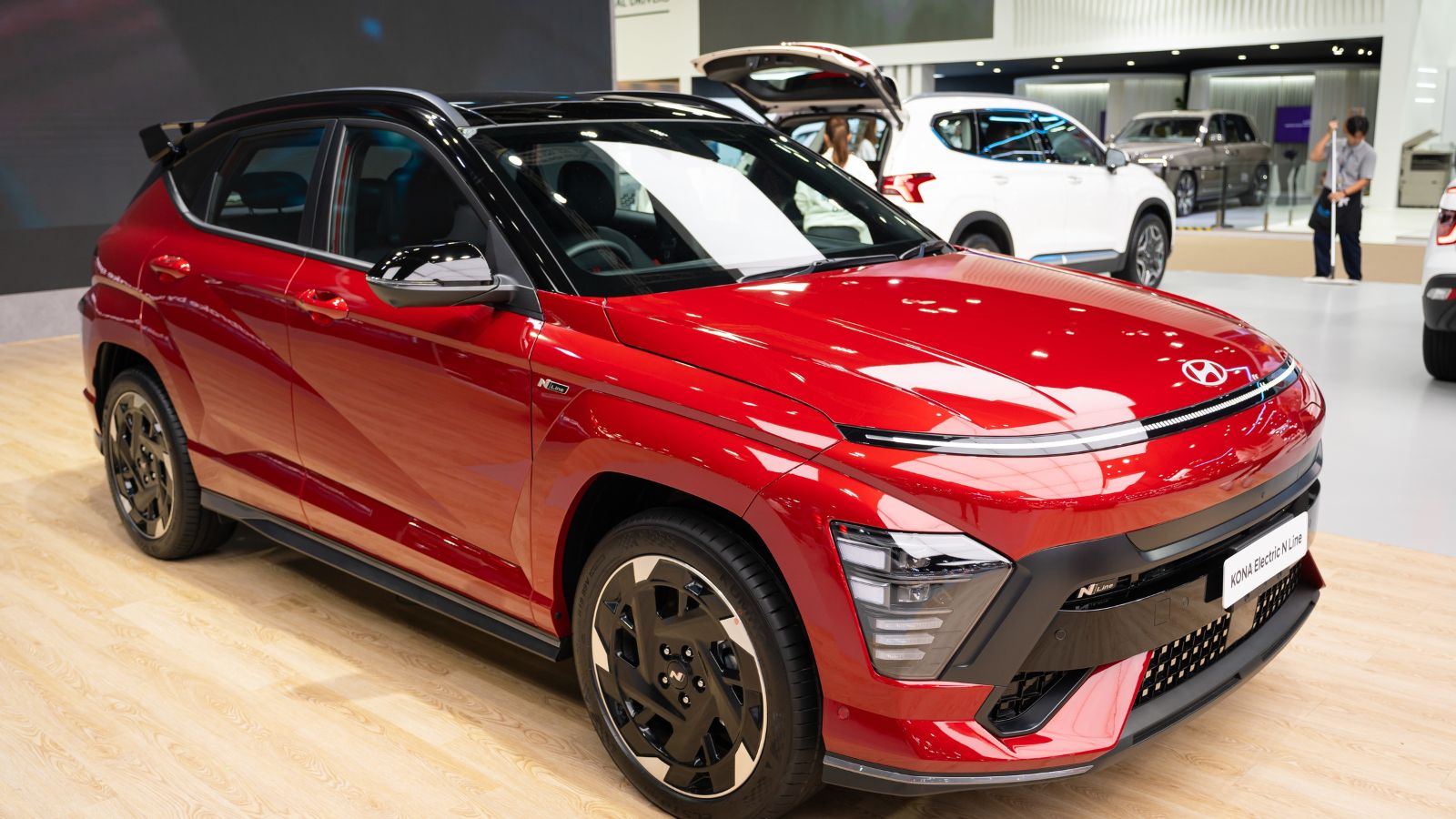
The Hyundai Kona Electric has a practical reputation, but it sits in a difficult part of the EV market. Its compact size makes it useful in cities, yet many buyers now expect EVs to offer more rear-seat space, faster charging, and a more crossover-like cabin. That can leave older Kona Electric models looking like efficient commuters rather than full family vehicles.
This matters because Canada’s used EV market is becoming more selective. Battery health, winter range, charging capability, and remaining warranty are all part of the conversation. The Kona Electric can still be a sensible used purchase at the right price, but that same affordability can hurt original owners. When buyers see it mainly as a discounted entry into EV ownership, resale values have less room to stand firm.
Kia Niro EV
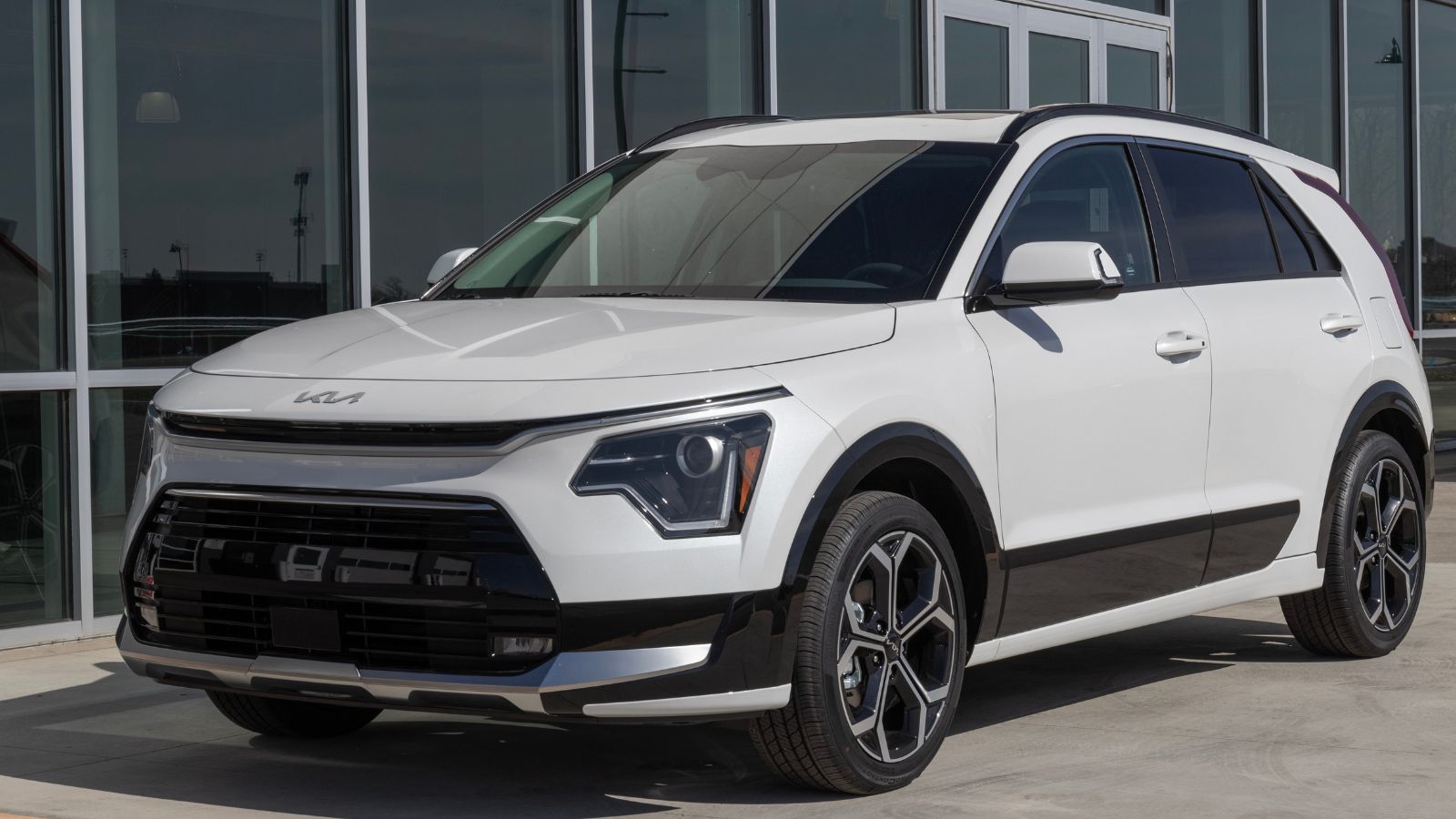
The Kia Niro EV has long appealed to buyers who want an electric vehicle without oversized styling or luxury pricing. Its problem is that the market around it has matured quickly. Newer EVs have more dramatic designs, quicker charging, and stronger brand buzz, while used shoppers often focus on price first when comparing compact electric crossovers.
The Niro EV’s quiet competence can actually work against it at trade-in time. It does many things well, but it may not create the same emotional pull as a Tesla, the same rugged image as an SUV, or the same newness advantage as more recent EV platforms. In Canada, where buyers are careful about winter range and charging access, a used Niro EV may need aggressive pricing to stand out.
Jeep Grand Cherokee 4xe
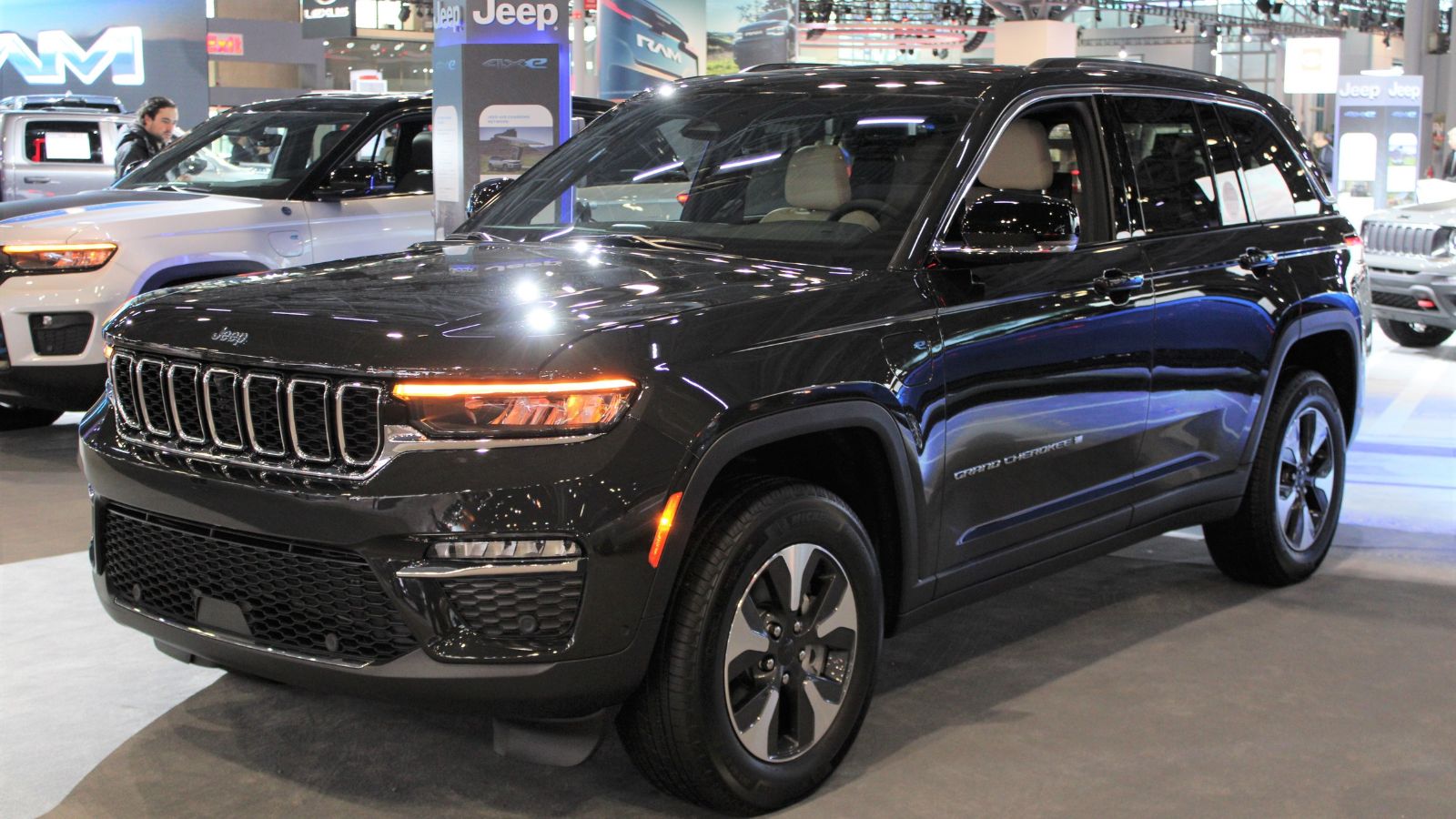
The Jeep Grand Cherokee 4xe looks attractive on paper because it combines premium SUV comfort with plug-in hybrid capability. However, the value equation can become less flattering when high original pricing, complex hybrid hardware, and reliability concerns enter the discussion. Used buyers may like the idea of electric commuting, but they often become cautious when repairs could be expensive.
The 4xe badge also depends heavily on how owners actually use it. Drivers who charge daily may see fuel savings, while those who rarely plug in are effectively carrying extra weight and complexity. At trade-in time, shoppers and dealers may focus less on the promise of plug-in driving and more on warranty status, recall history, battery condition, and the cost of future repairs.
Jeep Wrangler 4xe
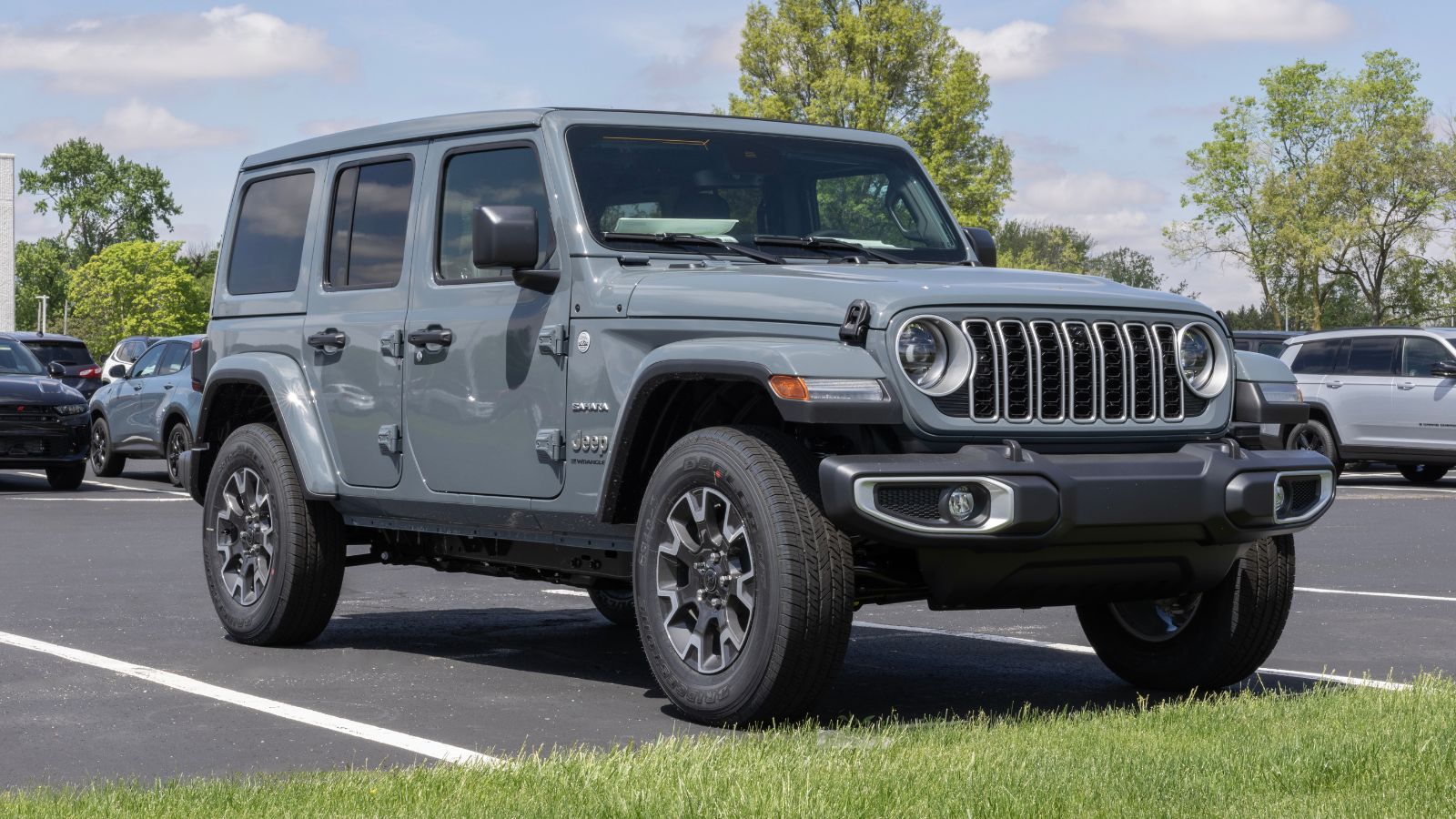
The Wrangler 4xe brought plug-in power to one of the most recognizable off-road vehicles in Canada. That novelty created excitement, but it also introduced a more complicated ownership story. Traditional Wrangler buyers value simplicity, ruggedness, and resale strength. A plug-in hybrid system adds appeal for some households, yet it also adds questions about battery performance, charging habits, and long-term durability.
The value battle is especially tricky because the Wrangler’s strong brand image can encourage buyers to overpay. A used shopper may still want the open-air experience and trail-ready look, but not necessarily at a premium for a complex electrified drivetrain. If recall concerns or battery-fire headlines linger in buyer memory, trade-in offers can become more cautious than owners expect.
Jeep Gladiator
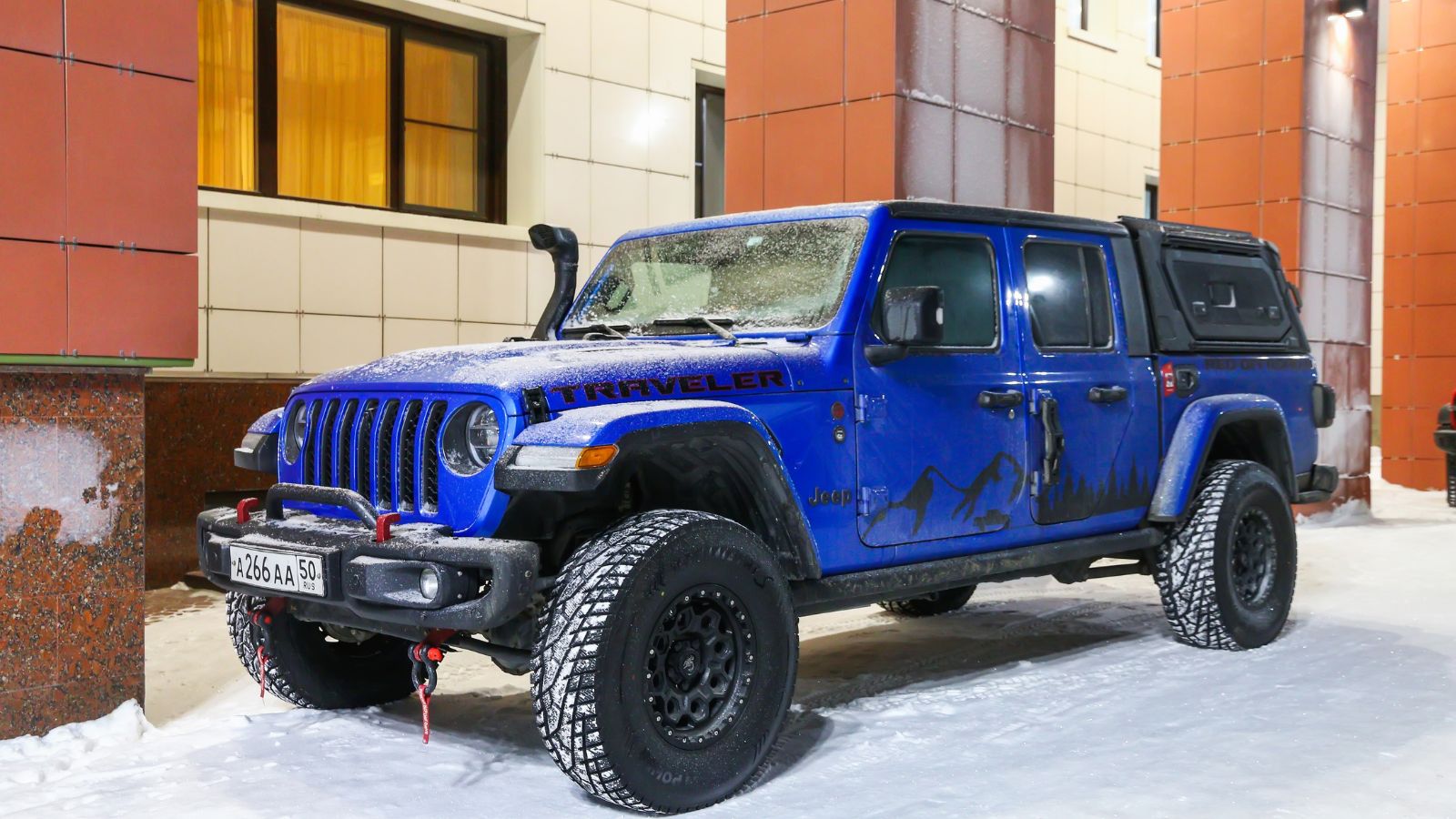
The Jeep Gladiator blends pickup utility with Wrangler personality, but that combination has not always translated into easy resale strength. It is more expensive and less refined than many midsize pickups, while also being less practical as a daily truck than some competitors. For buyers who truly want removable doors and off-road style, it is unique. For everyone else, it can feel like a niche product.
That niche quality matters in Canada’s used market. Shoppers looking for a dependable midsize pickup often compare payload, towing, fuel economy, cabin comfort, and long-term running costs. The Gladiator’s character is memorable, but character alone does not guarantee strong retained value. When demand narrows to enthusiasts, trade-in results can vary sharply by trim, colour, modifications, and local buyer appetite.
Dodge Durango
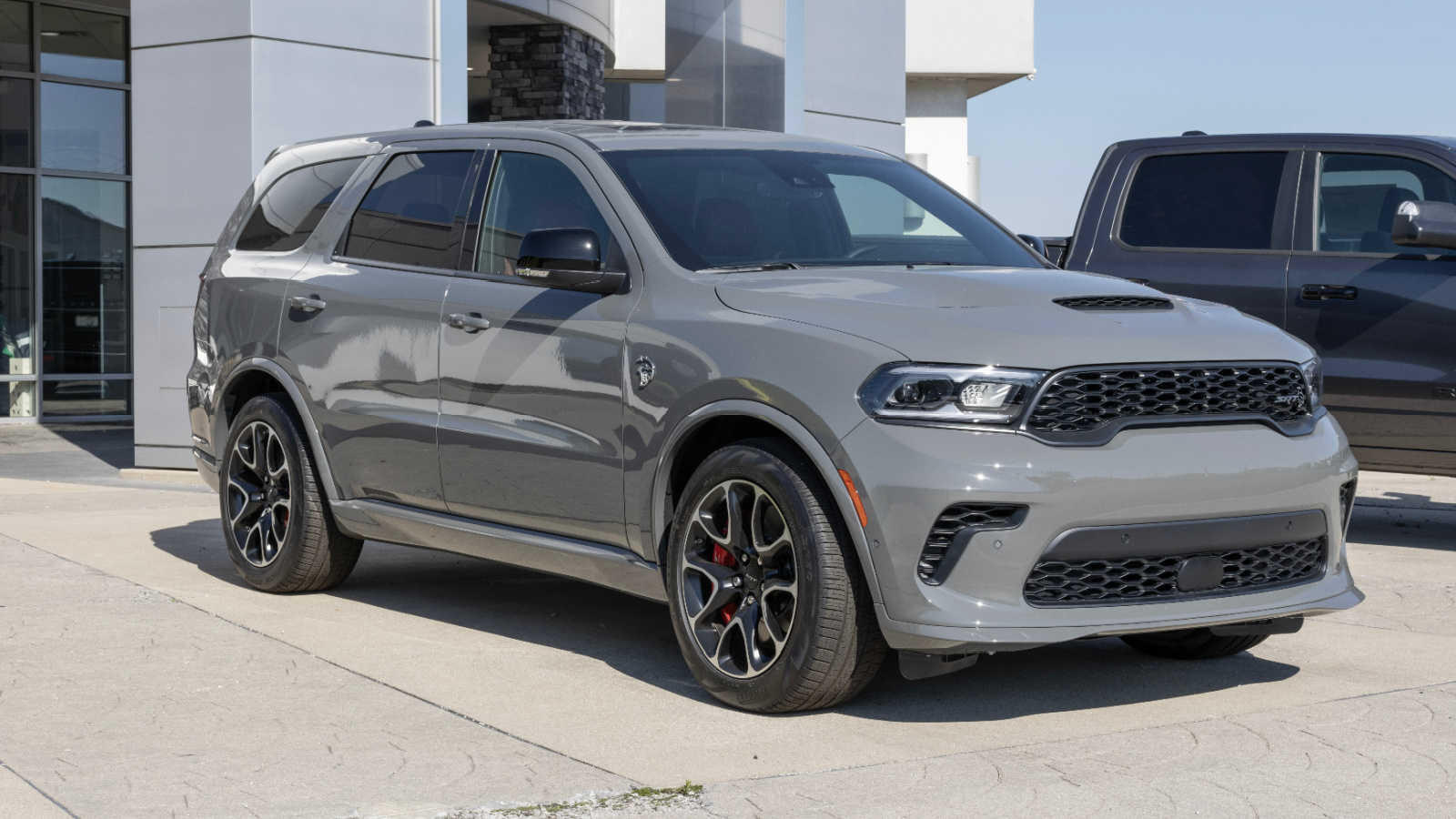
The Dodge Durango has presence, power, and family-hauling ability, but it faces a difficult value environment. Large gasoline SUVs are sensitive to fuel prices, insurance costs, and changing consumer priorities. The Durango’s older platform can also make it feel less fresh next to newer three-row SUVs with hybrid options, more advanced cabins, and stronger safety-tech packaging.
For some Canadian buyers, the Durango still makes sense as a roomy, muscular alternative to softer crossovers. The issue is that used values can weaken when shoppers start calculating fuel consumption and long-term maintenance alongside monthly payments. Higher-performance trims may attract fans, but mainstream versions can be harder to defend if similarly priced competitors offer newer technology, better efficiency, or stronger family-focused resale demand.
Ford Explorer
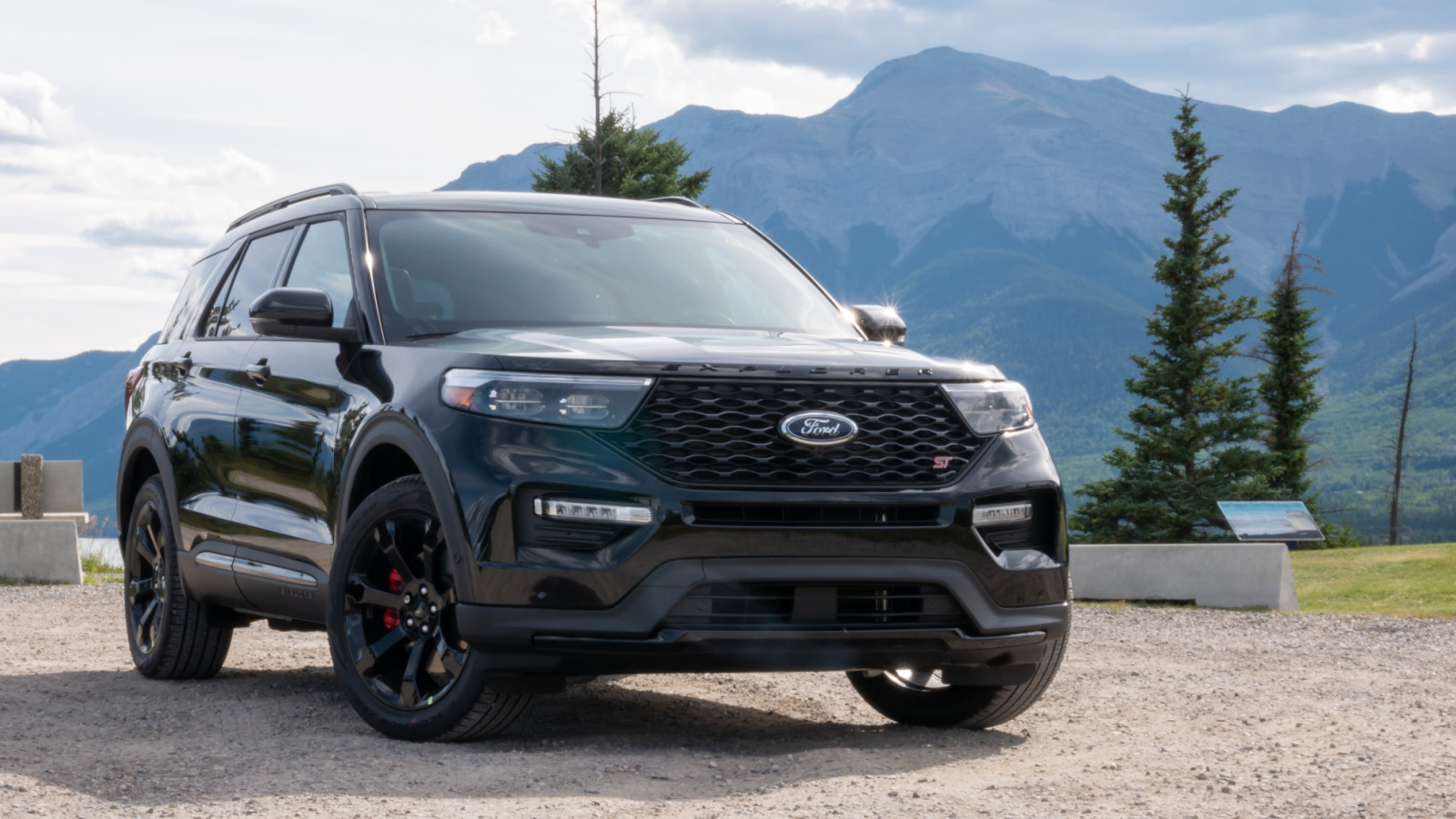
The Ford Explorer remains a familiar three-row SUV, but familiarity does not automatically protect resale value. The market is crowded with family SUVs, including strong options from Toyota, Honda, Hyundai, Kia, Mazda, and Subaru. When used buyers have that many alternatives, a vehicle needs a clear advantage in reliability, ownership costs, or pricing to avoid being squeezed.
The Explorer’s value challenge is tied to expectations. Families want space, safety, all-weather confidence, and predictable costs. If repair concerns or heavy depreciation become part of the conversation, a used Explorer may need a sharper price to compete. Fleet use, high mileage, and lower trims can add further pressure. It may still be a useful family vehicle, but the value battle is rarely won by size alone.
Nissan Rogue
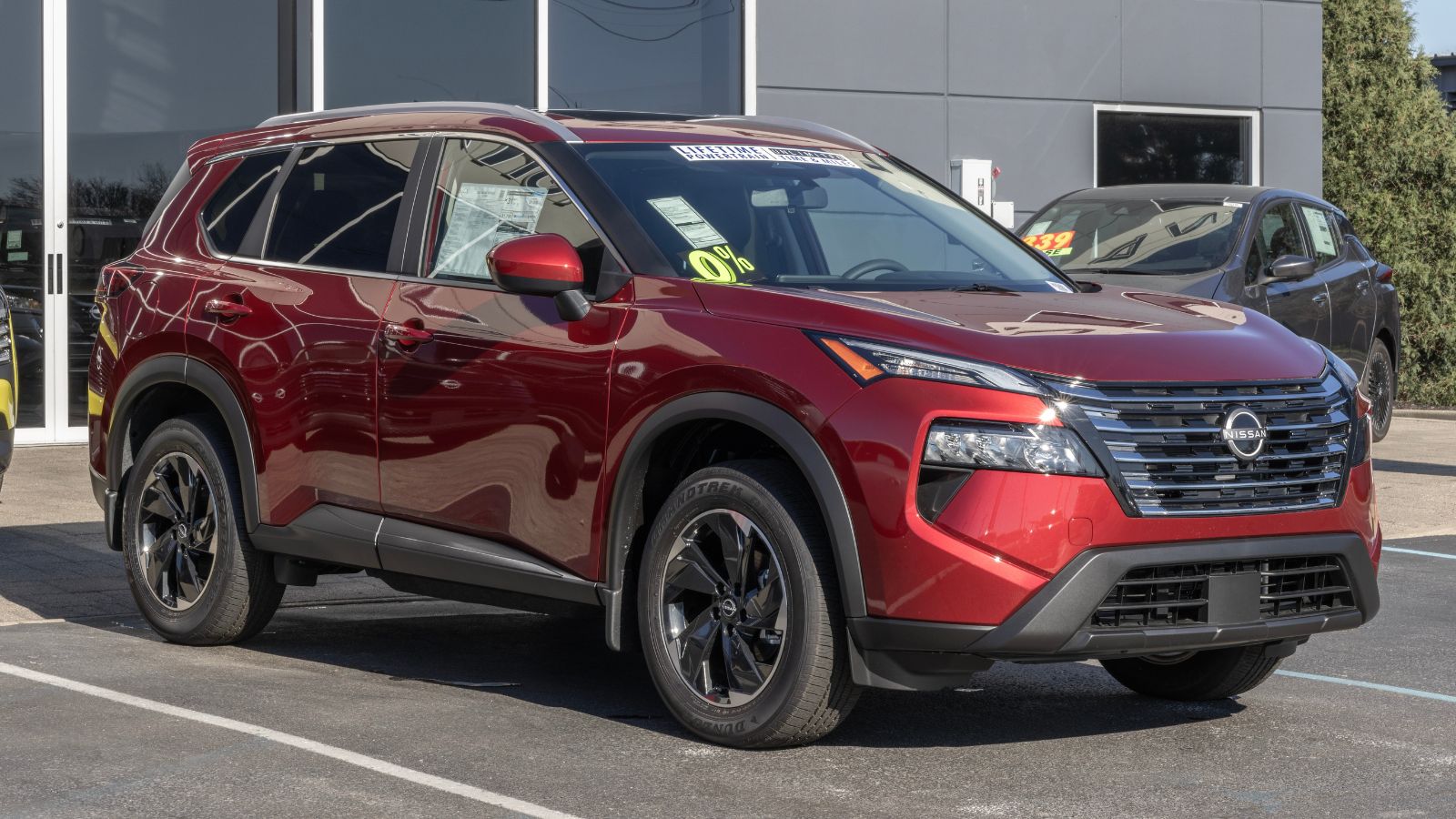
The Nissan Rogue is common on Canadian roads, which helps parts availability and shopper familiarity. However, high supply can also make resale values more competitive. When a used market has many similar Rogues available, buyers can be selective on mileage, accident history, trim, tires, and service records. Sellers with ordinary examples may have limited pricing power.
The Rogue’s challenge is not that it lacks appeal. It offers practical space, comfortable driving manners, and reasonable fuel economy. The issue is that compact SUV shoppers often compare it against resale leaders such as the Toyota RAV4, Honda CR-V, and Subaru Forester. If those rivals are seen as safer long-term bets, the Rogue may need to win on price, which quietly weakens its value position.
Mitsubishi Outlander PHEV
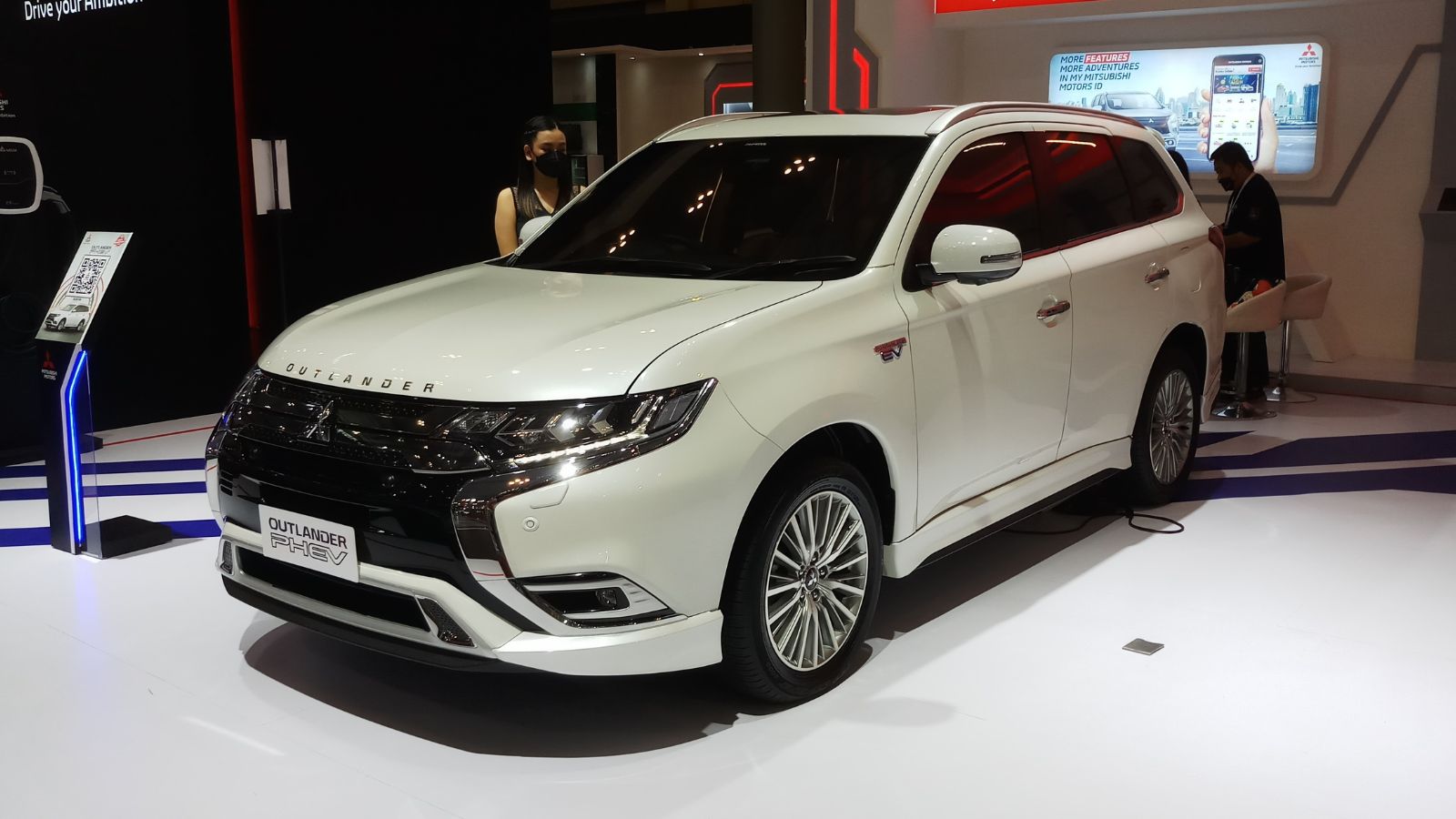
The Mitsubishi Outlander PHEV was early to Canada’s plug-in hybrid SUV market, and that gave it a useful head start. But early advantage can fade when competitors improve. Newer plug-in hybrids and conventional hybrids now offer stronger brand pull, better refinement, or broader dealer confidence. Used buyers may like the idea of electric errands and gasoline backup, but they still scrutinize battery health and long-term maintenance.
The Outlander PHEV’s value depends heavily on condition and local demand. In areas where charging is convenient and fuel costs are top of mind, it can remain appealing. In regions where buyers are less confident about plug-in ownership, trade-in offers can be more conservative. A vehicle that once felt rare and clever may now have to compete mostly on affordability.
Chrysler Pacifica Hybrid
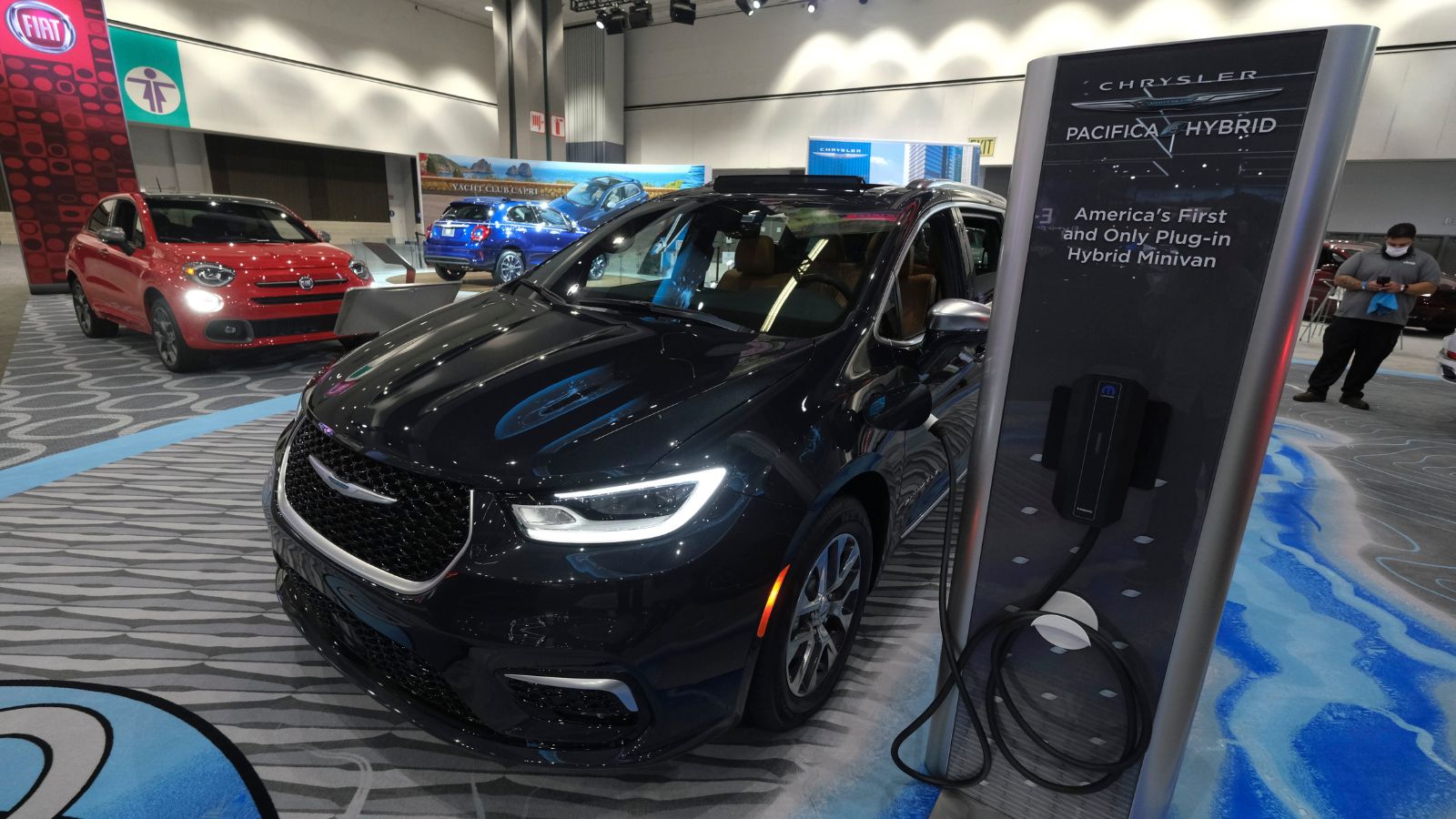
The Chrysler Pacifica Hybrid has a rare selling point: plug-in hybrid efficiency in a family minivan. For parents who can charge at home, it can reduce fuel use dramatically on school runs and short commutes. Yet that advantage comes with a higher original price and a more complex drivetrain, both of which can weigh on resale value.
Minivan buyers tend to be practical. They often prioritize reliability, warranty coverage, repair costs, and usable space over novelty. If a used Pacifica Hybrid is priced close to a simpler gasoline van or a Toyota Sienna hybrid, shoppers may hesitate. The vehicle’s usefulness is real, but the market can discount it when families worry about battery repairs, sliding-door issues, electronics, or expensive post-warranty surprises.
BMW X5
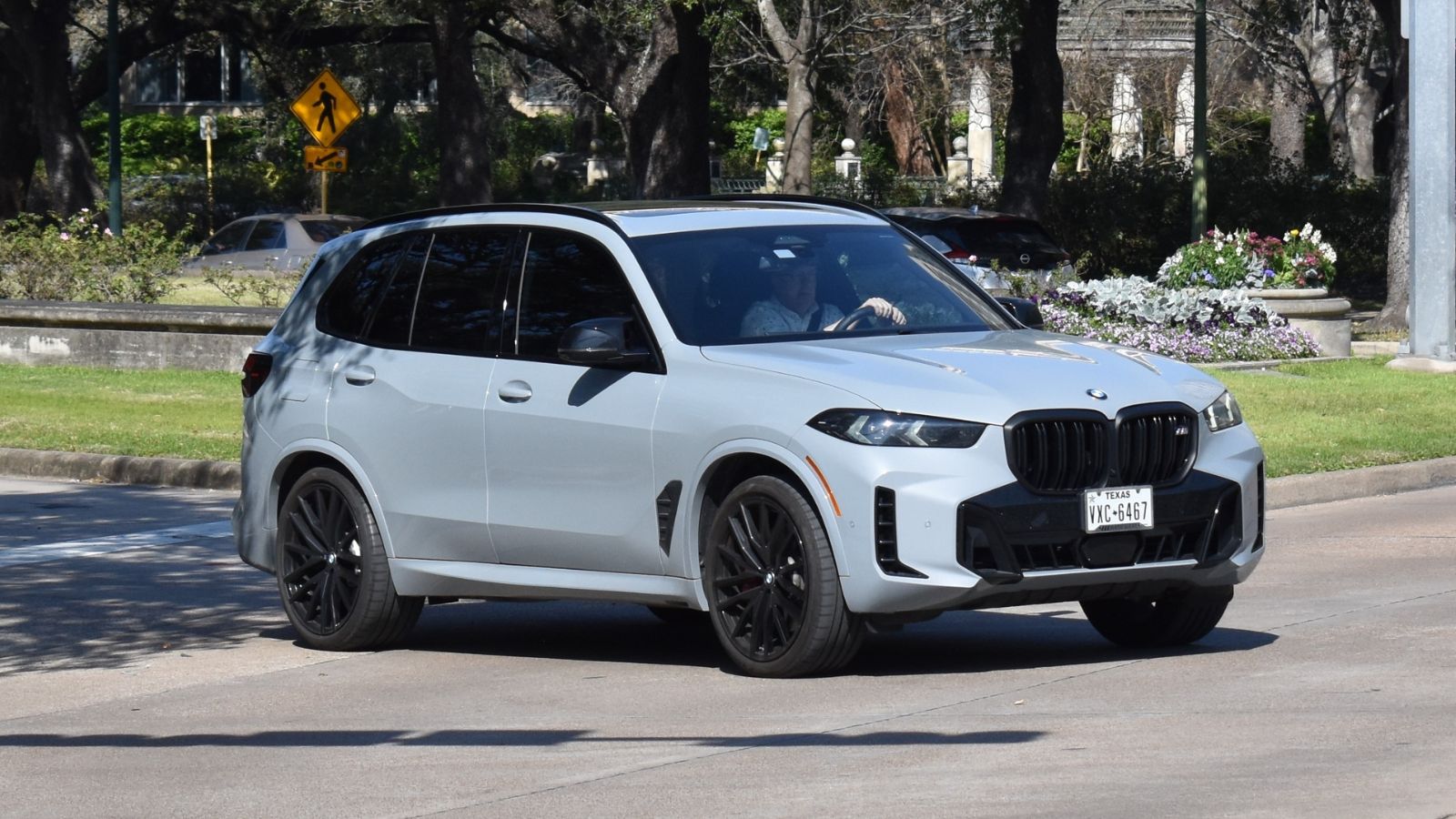
The BMW X5 has premium appeal, strong performance, and a polished cabin, but luxury SUVs often face a steep depreciation curve. The original buyer pays for technology, power, prestige, and options. The second or third buyer often sees something different: expensive tires, costly repairs, premium fuel, complex electronics, and a warranty clock that matters more with every passing year.
In Canada, the X5 can be especially tempting as a used luxury SUV because prices fall far enough to look attainable. That is exactly where the value trap can appear. A lower purchase price does not make maintenance inexpensive. Dealers and private buyers know this, so trade-in offers often reflect the risk of future repairs. The badge remains desirable, but depreciation is part of the ownership bargain.
Mercedes-Benz GLE
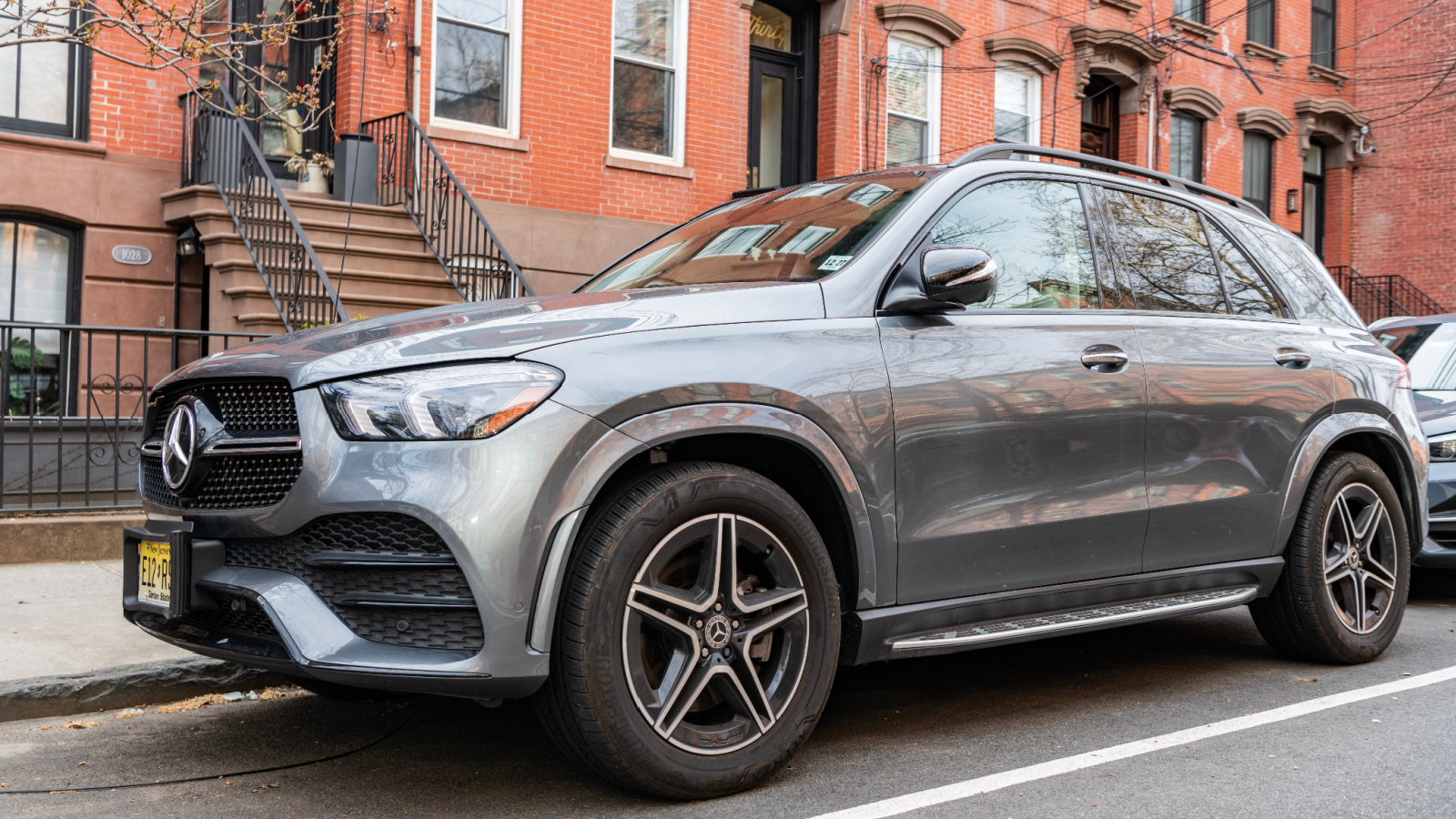
The Mercedes-Benz GLE competes in a premium SUV class where comfort and technology are major selling points. Those same features can become resale concerns as the vehicle ages. Air suspension, advanced driver-assistance systems, infotainment hardware, luxury trim, and complex powertrains all contribute to the sense that a used GLE may be expensive to keep beyond warranty.
For Canadian buyers, winter capability and comfort are appealing, but repair predictability matters too. A GLE that once looked like a status purchase can face sharper depreciation as shoppers compare it with certified pre-owned alternatives, newer leases, or more reliable mainstream SUVs. The vehicle may still feel luxurious, but the market often discounts aging luxury when ownership costs are uncertain.
Audi Q7
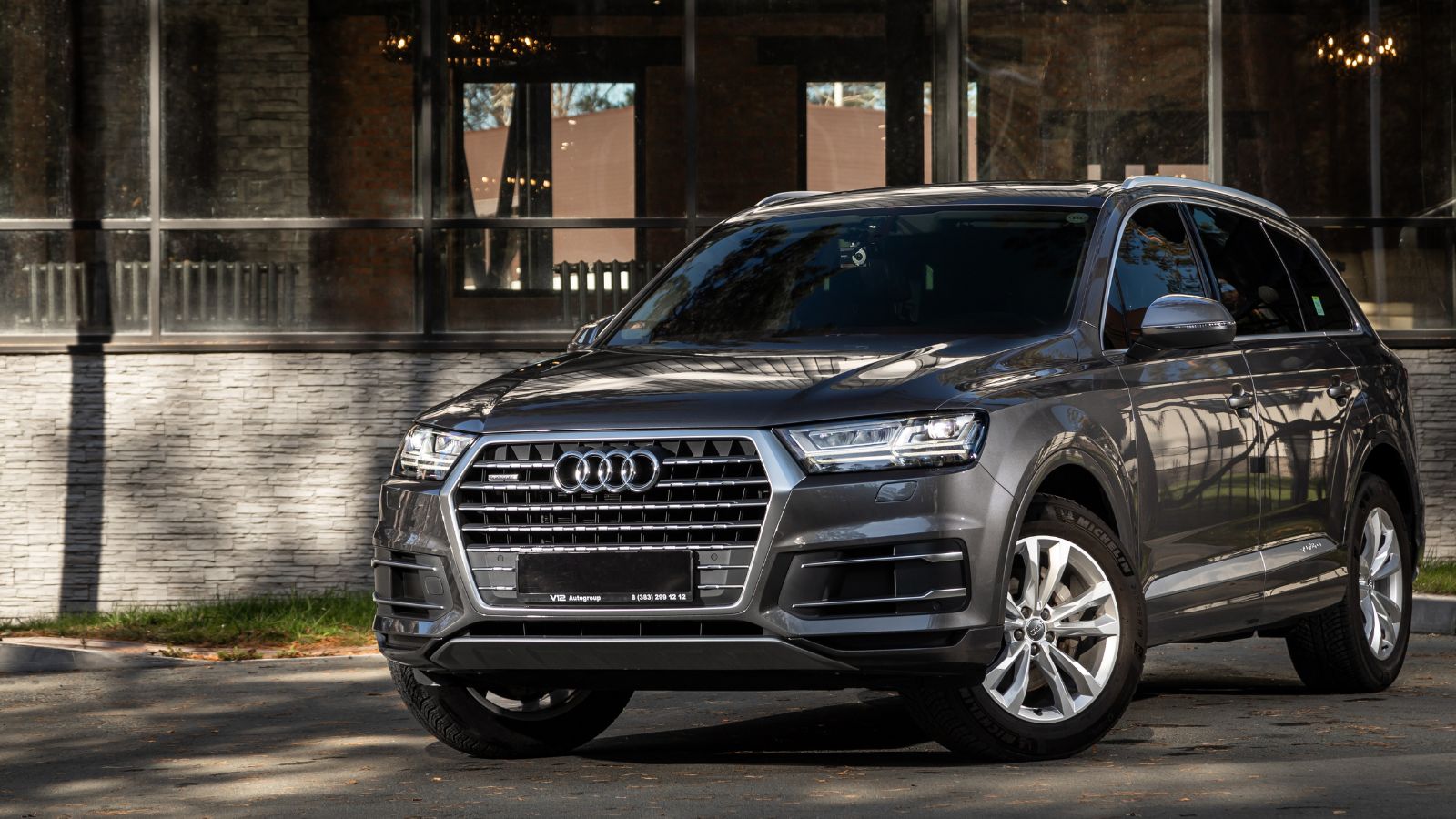
The Audi Q7 offers three-row practicality with a premium badge, yet it faces the same depreciation pressure that affects many large luxury SUVs. Its strengths—quietness, technology, all-wheel drive, and upscale materials—are most valuable when new or nearly new. As kilometres rise, buyers start weighing repair history, electronic systems, tires, brakes, and the cost of keeping a sophisticated German SUV in top shape.
The Q7’s value battle also comes from competition. Families considering a used Q7 may cross-shop newer mainstream three-row SUVs with longer warranties, lower maintenance costs, and better fuel economy. That makes price discipline essential. A well-kept Q7 can still be desirable, but it may need a meaningful discount to overcome the financial caution that surrounds older luxury SUVs.
Maserati Levante

The Maserati Levante has the kind of badge and exhaust note that can make a used listing look glamorous. The value story is much less romantic. Exotic-leaning luxury SUVs often suffer because the original price is high, the buyer pool is narrow, and maintenance expectations can scare away practical shoppers. A vehicle can be rare and still depreciate heavily if few buyers want to take on the risk.
In Canada, the Levante’s appeal is strongest among enthusiasts who want something different from the usual German luxury SUVs. That is a smaller audience than the market for a Lexus RX, BMW X5, or Mercedes GLE. When trade-in time comes, dealers may price in slow resale speed and expensive reconditioning. The result is a vehicle that can feel special while quietly losing the value battle
22 Things Canadians Do to Their Cars in Spring That Mechanics Hate

Spring brings relief to many Canadian drivers after months of snow, freezing temperatures, and icy roads that put serious strain on vehicles. As temperatures rise across the country, drivers begin washing cars, switching tires, and preparing vehicles for warmer weather and upcoming road trips. However, mechanics across Canada notice the same mistakes every spring when drivers attempt to recover from winter damage. Road salt, potholes, and harsh winter driving conditions often leave vehicles with hidden problems that drivers ignore. Some spring habits even create new mechanical issues that could have been avoided with proper maintenance. Here are 22 things Canadians do to their cars in spring that mechanics hate.