

























Used-car listings often look simple: a few photos, a clean description, a tempting price, and a promise that the vehicle “runs great.” The costly part is usually what the listing leaves unsaid. A cheap car can become expensive quickly when hidden accident damage, title issues, odometer problems, flood exposure, neglected maintenance, or unresolved recalls enter the picture. These 17 signs help reveal when a used-car listing may be presenting a bargain on the surface while quietly pointing toward repairs, risk, or paperwork trouble underneath.
The VIN Is Missing, Blurred, or Different Across Photos
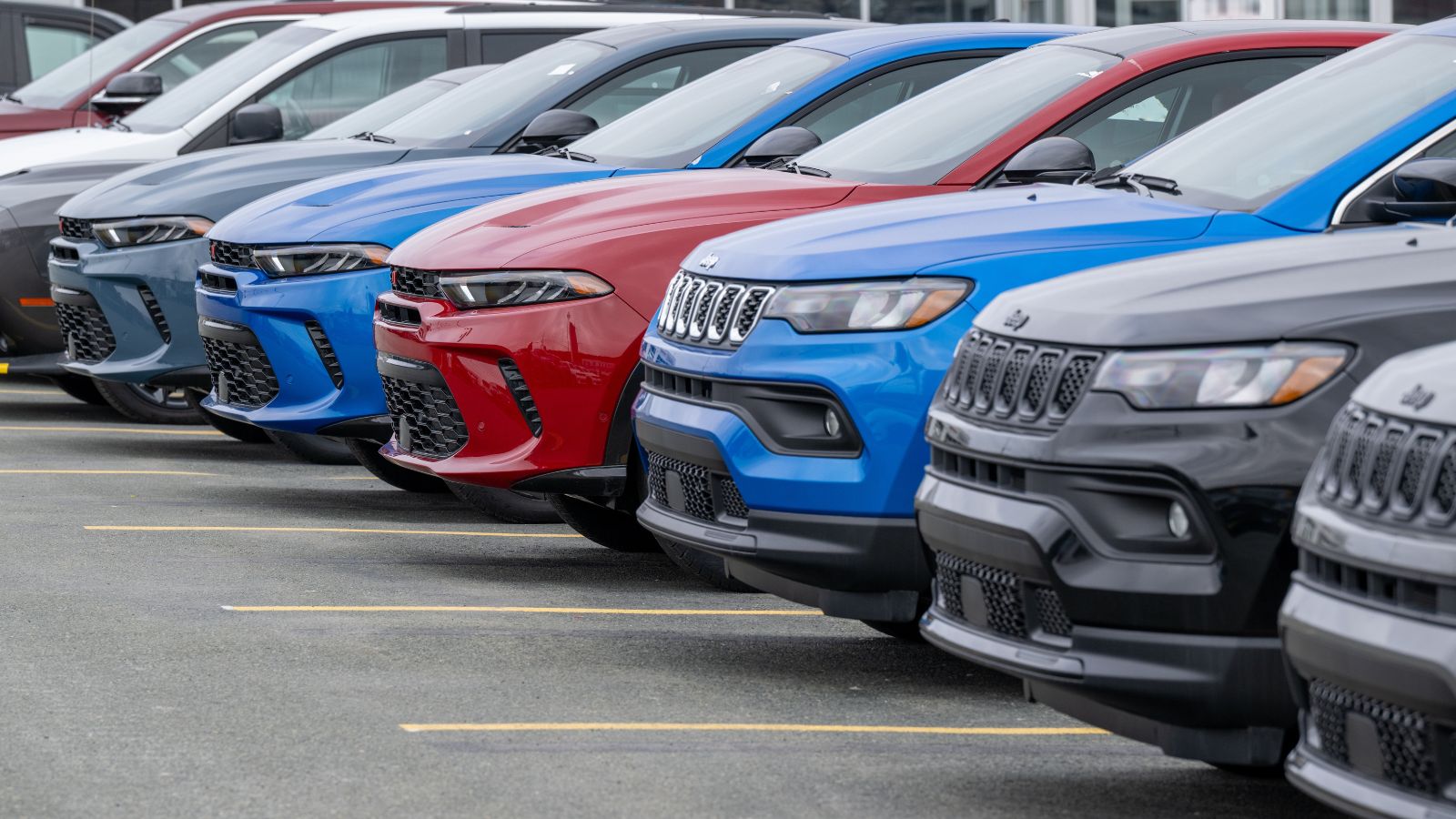
A legitimate used-car listing should make the vehicle identification number easy to verify, especially when a seller claims the car has a clean history. The VIN is the key to checking title records, recalls, theft reports, and vehicle history reports. When a listing hides it, crops it out, or shows different VIN plates in separate photos, the omission deserves attention. It may be a lazy listing, but it can also be an attempt to slow down independent checks.
A buyer once noticing one visible windshield VIN and a different door-jamb sticker would have a serious reason to pause. VIN cloning, title problems, or swapped parts are not everyday issues, but they are expensive when they appear. The National Insurance Crime Bureau offers VINCheck to help identify vehicles reported stolen or salvage by participating insurers, while NHTSA provides VIN-based recall tools. A seller who discourages those checks is not offering transparency.
The Price Is Far Below Similar Listings

A low price is not automatically suspicious. Owners sometimes need quick cash, dealers sometimes discount aging inventory, and high-mileage vehicles can fairly cost less. The concern begins when the price sits dramatically below similar cars with no clear explanation. A listing that says “priced to sell today” but avoids details about title status, accidents, or mechanical condition may be using the discount as bait.
Too-good-to-be-true vehicle listings are a known pattern in online auto scams. Fraudsters often copy photos, invent an emotional backstory, and claim the vehicle must be shipped through a third-party escrow service. Even in real transactions, a low price can mask salvage history, flood damage, odometer rollback, or repairs the seller knows are coming. A fair market comparison does not replace an inspection, but it helps separate a genuine deal from a financial trap.
The Listing Says “Clean Title” but Avoids the Actual Title

“Clean title” is one of the most common phrases in used-car listings, but it is also one of the easiest to misuse casually. A seller may write it because the car is currently registered, not because the title has been checked across state databases. More concerning is a listing that says clean title while refusing to show the title, registration, lien status, or ownership name before purchase.
Title brands such as salvage, rebuilt, flood, or total loss can significantly affect value, insurability, financing, and safety. Title washing can occur when a damaged vehicle is moved through jurisdictions in ways that obscure previous branding. A clean-looking listing does not erase the need for a title report. NMVTIS-backed reports, state DMV checks, and vehicle history reports can show whether the car has been reported with brand, salvage, or total-loss history.
The Seller Will Not Allow an Independent Inspection

One of the clearest warning signs is resistance to a pre-purchase inspection. A seller may say the car has already been inspected, that another buyer is waiting, or that inspections are “not necessary.” That pressure matters because many expensive problems are not obvious in photos or during a short test drive. Worn suspension parts, oil leaks, frame damage, patched exhaust work, and hidden electrical faults can sit quietly until after the sale.
An independent mechanic is not there to insult the seller; the mechanic is there to protect the buyer from uncertainty. Reputable sellers usually understand that a used vehicle is a major purchase. Refusing an inspection often means the seller wants the buyer to rely on trust instead of evidence. Even a clean vehicle history report cannot reveal every private repair, undocumented collision, or current mechanical weakness.
The Photos Avoid the Undercarriage

A listing can show glossy paint, a clean dashboard, and freshly dressed tires while completely hiding the underside. That matters because the undercarriage often tells the story the exterior cannot. Rust, bent structural points, leaking fluids, missing splash shields, scraped oil pans, damaged exhaust hangers, and poorly repaired frame sections can point to hard use or past impact. These problems can become costly because they affect safety, alignment, inspection eligibility, and long-term durability.
Undercarriage photos are especially important for vehicles from snowy regions, flood-prone areas, coastal climates, or places where road salt is common. A seller who posts twenty beauty shots but no wheel wells, rocker panels, brake lines, or lower suspension views may not be hiding anything, but the absence creates a blind spot. A careful buyer should ask for daylight photos from underneath or arrange a lift inspection.
The Interior Wear Does Not Match the Mileage
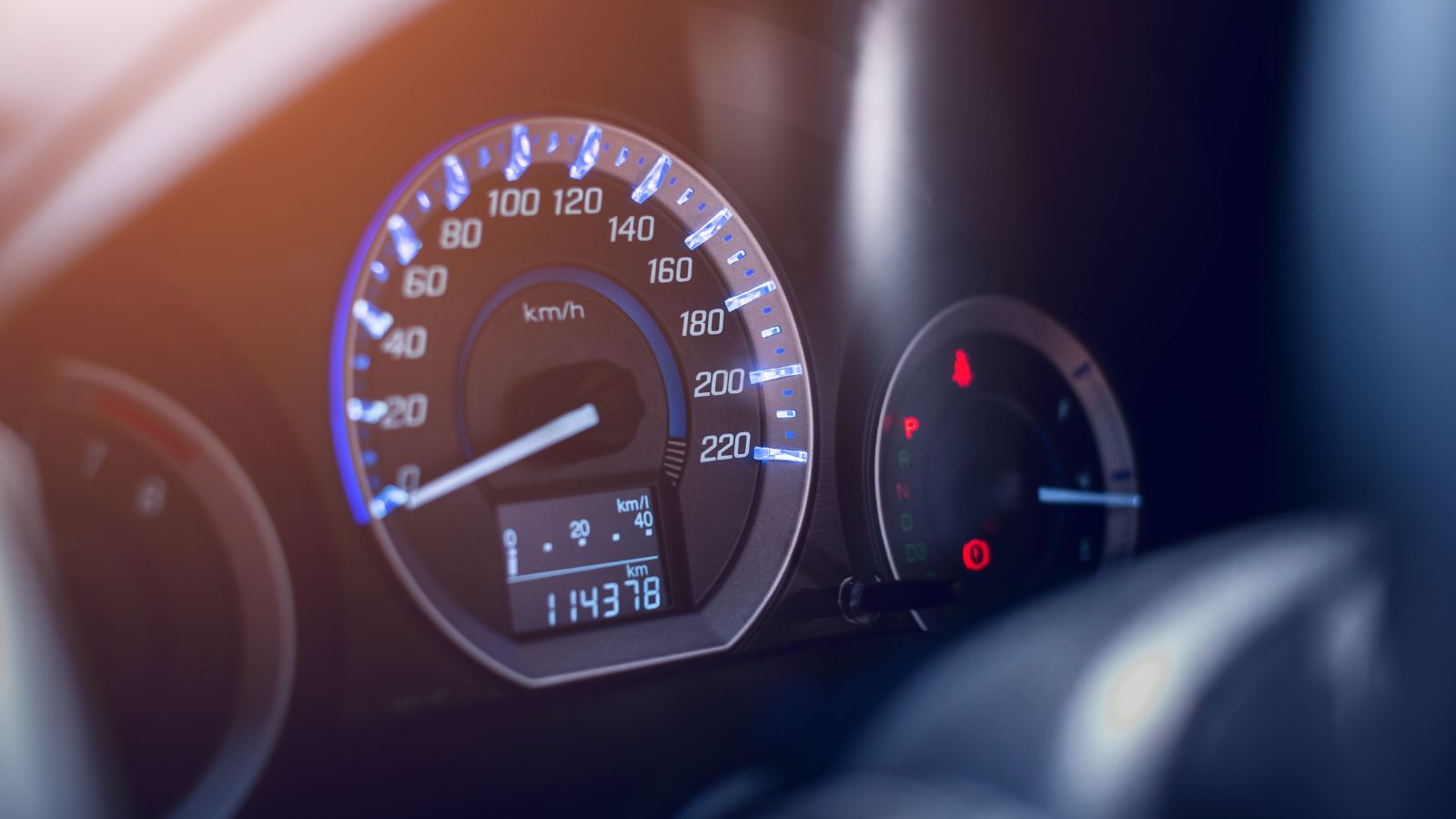
Mileage is supposed to summarize use, but the cabin often tells its own story. A car advertised with unusually low miles should not normally have heavily worn pedals, a shiny steering wheel, torn seat bolsters, sagging cushions, rubbed-off buttons, or a loose shifter. Those clues do not prove odometer fraud on their own, yet they create a mismatch worth investigating.
Odometer fraud remains a serious consumer issue. NHTSA has estimated that more than 450,000 vehicles are sold each year with false odometer readings, costing buyers more than $1 billion annually. Modern digital odometers have not eliminated tampering. Mileage should be cross-checked against the title, inspection records, oil-change stickers, tire age, service invoices, and vehicle history reports. When the listing’s mileage looks perfect but the interior looks exhausted, the more expensive story may be hidden in the records.
There Are No Service Records for a “Meticulously Maintained” Car
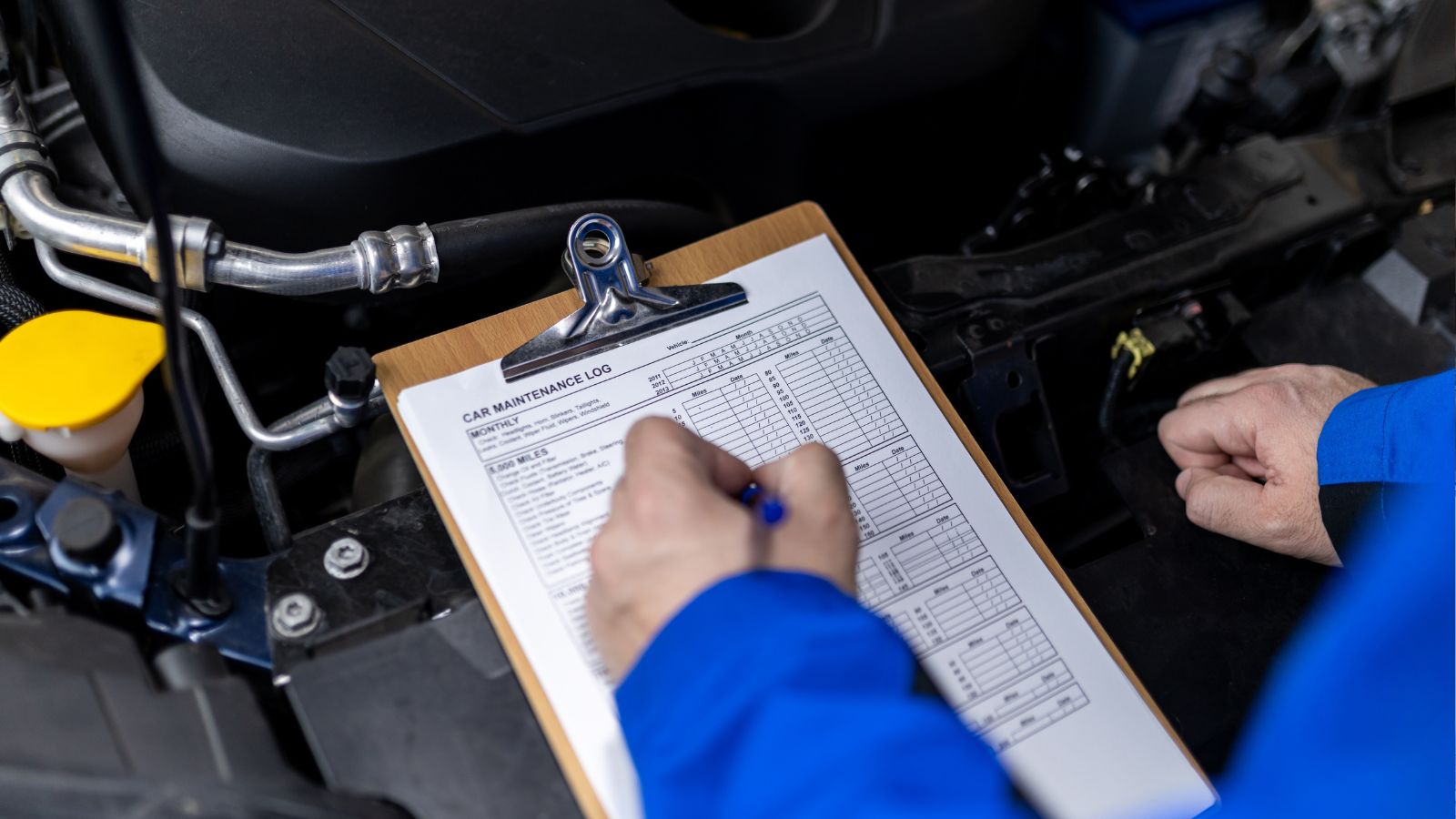
Listings often use phrases like “well maintained,” “dealer serviced,” or “no expense spared.” Those claims mean far more when supported by records. Receipts for oil changes, transmission service, brake work, timing belt replacement, coolant flushes, tire rotations, and recall repairs create a timeline of care. Without documentation, the phrase becomes marketing rather than evidence.
The absence of records is not always fraud. Some owners lose paperwork, and some shops do not upload service data to history-report companies. Still, missing records increase uncertainty, especially for vehicles with known maintenance milestones. A timing belt, hybrid battery, turbocharger, diesel emissions system, or neglected transmission can turn a low purchase price into a repair-heavy ownership experience. A seller who claims perfect maintenance but cannot name the shop, mileage intervals, or recent work deserves closer questioning.
The Description Uses Vague Mechanical Language

A listing that says “runs good,” “needs nothing,” or “minor issue, easy fix” can sound reassuring while saying very little. Vague language becomes a problem when it replaces specifics. A seller who knows the car well should be able to describe recent repairs, current warning lights, tire condition, brake life, fluid leaks, and whether the air conditioning, electronics, and driver-assistance systems work properly.
The phrase “easy fix” is especially slippery. A simple oxygen sensor might be inexpensive, but a check-engine light can also point toward catalytic converter failure, misfires, evaporative-system leaks, or emissions problems. A transmission that “just needs fluid” may need far more. A listing that minimizes symptoms without diagnosis often transfers the risk to the buyer. Specific repair invoices are stronger than optimistic adjectives.
The Dashboard Warning Lights Are Hidden or Dismissed
Photos of a car with the engine running should make warning lights visible, not cropped away. A check-engine light, airbag light, ABS light, stability-control warning, battery light, or tire-pressure warning may indicate anything from a small sensor issue to a safety system problem. Listings that show only the exterior or include dashboard photos with the ignition off leave important questions unanswered.
Some sellers dismiss warning lights as “just a sensor,” but sensors can be expensive, and the warning may be reporting a larger system fault. Safety features such as airbags, anti-lock brakes, stability control, blind-spot monitoring, and adaptive cruise control depend on functioning electronics and sensors. When a listing avoids the instrument cluster or says a warning has been “on forever,” the buyer should treat that as a repair estimate waiting to happen.
The Car Has Fresh Paint, Mismatched Panels, or Uneven Gaps
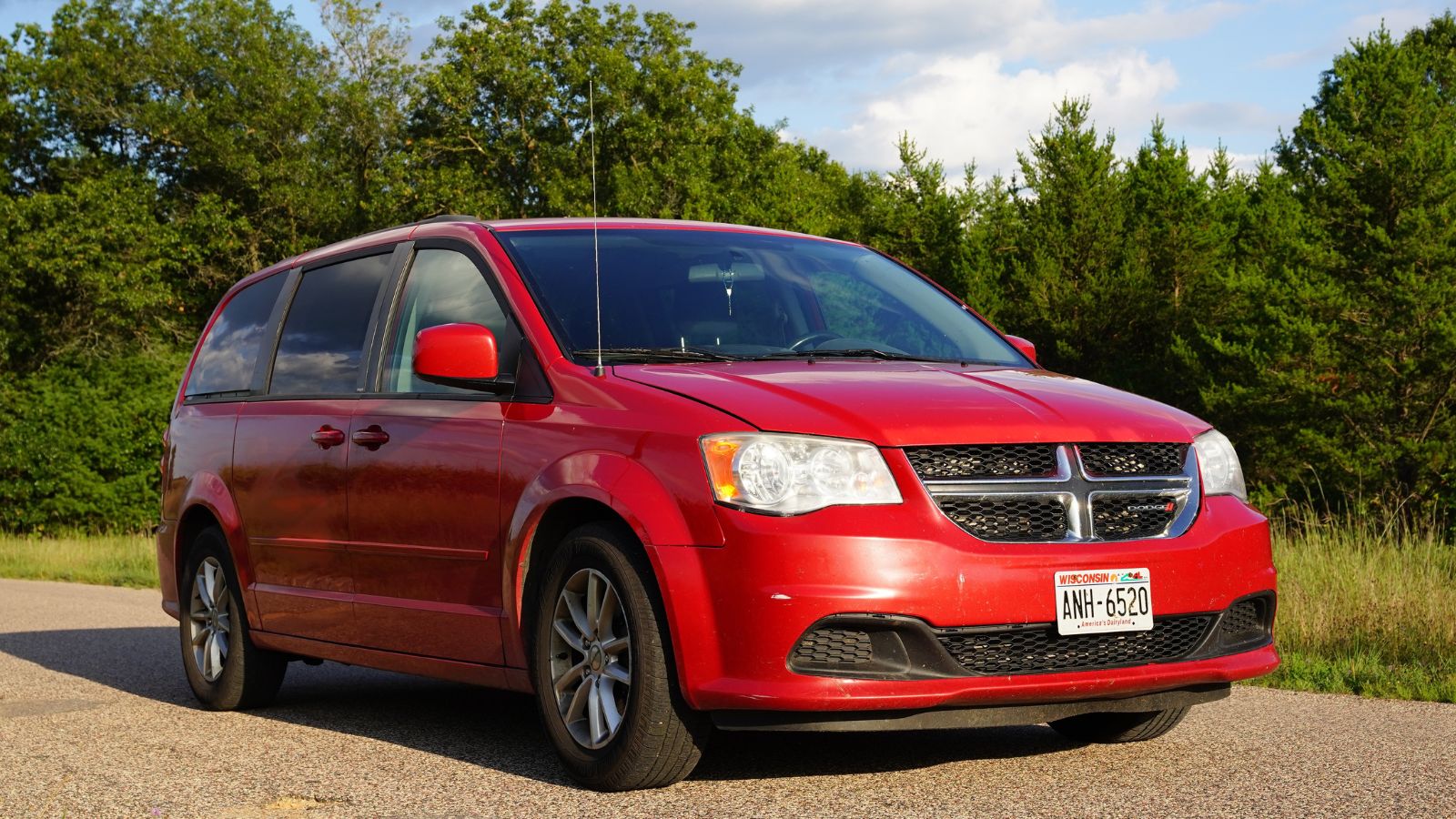
Bodywork can be legitimate. A bumper respray after a parking-lot scrape is not the same as structural collision repair. The warning sign is inconsistency: one fender with a different shade, overspray on trim, uneven hood gaps, poorly aligned doors, missing VIN stickers on panels, or headlights that look much newer than the rest of the car. These details can suggest prior accident repairs.
Accident history matters because poor repairs can affect alignment, tire wear, water sealing, airbag performance, resale value, and crash safety. A vehicle history report may list reported accidents, but not every repair is reported to insurers or databases. That makes a physical inspection essential. A listing with polished photos but no close-ups of panel gaps, door jambs, paint edges, or trunk seams may be leaving out the evidence.
The Listing Mentions “Rebuilt” Without Explaining the Damage

A rebuilt vehicle is not automatically unusable, but the word should trigger a much deeper review. Rebuilt usually means the car was previously declared a total loss or salvage and later repaired enough to return to the road. That history can reduce resale value, complicate financing, raise insurance questions, and create uncertainty about repair quality.
The expensive part is not the label alone; it is the unknown behind the label. Was the damage cosmetic, structural, flood-related, fire-related, or theft-related? Were airbags deployed? Were original parts used? Was the frame measured? Were receipts and inspection documents preserved? A listing that says “rebuilt title, drives perfect” but avoids photographs of the prior damage, repair invoices, and inspection documentation is asking the buyer to accept major risk with minimal proof.
The Car Recently Came From a Flood-Prone Area

Flood-damaged vehicles can move far from the place where the water rose. After storms, cars may be cleaned, transported, retitled, and listed in regions where buyers are less suspicious. A listing that shows a recent relocation from a flood-affected area is not proof of damage, but it should raise the level of inspection. Water damage often hides in carpets, wiring harnesses, control modules, seat tracks, trunk wells, and connectors.
Flood exposure can cause corrosion, electrical problems, mold, brake issues, and sensor failures long after the interior looks dry. Warning signs include musty odors, heavy air freshener, mud under seats, rusty seat bolts, damp carpets, mismatched upholstery, fogging lights, or electronics that behave unpredictably. The FTC advises checking for signs and smells of flood damage and getting a mechanic’s inspection before buying.
The Seller Pushes Shipping, Escrow, or Payment Before Viewing

Online car buying has expanded the market, but it has also made fake listings easier to stage. A seller who refuses an in-person meeting, claims to be out of state, insists on shipping, or directs the buyer to a third-party escrow site should be treated with extreme caution. Scammers often use convincing photos, stolen business names, fake invoices, and emotional explanations to make the deal feel urgent.
The danger is not only that the car has hidden defects; sometimes the car does not exist at all. BBB investigations have documented virtual vehicle vendor scams in which buyers wire money to a fake escrow or shipping company and never receive a vehicle. Legitimate transport and escrow arrangements exist, but pressure to pay before verifying the car, title, seller identity, and business address is a major warning sign.
The Listing Hides Ownership History or Shows Too Many Owners

A long ownership chain is not always bad. Some cars pass through families, leases, auctions, or dealers without serious problems. Still, many short ownership periods can indicate unresolved defects, poor fit, title complications, or repeated attempts to unload the vehicle. A listing that avoids ownership history while emphasizing a clean appearance may be omitting a pattern.
Vehicle history reports can show prior owners, title states, registration events, fleet or rental use, and mileage records. The key is interpretation. A one-owner commuter with steady maintenance creates a different risk profile than a car that changed hands three times in two years. A seller who cannot explain how long they owned the vehicle, why they are selling, or whether the name on the title matches their identity creates more paperwork risk than the photos suggest.
The Test Drive Is Restricted or Not Allowed

A car can look excellent while parked and behave badly under load. The test drive reveals cold starts, transmission shifts, braking feel, steering pull, suspension noise, acceleration hesitation, overheating, vibration, and whether electronics work while moving. A seller who limits the drive to a few blocks, insists on driving instead, or says the car is “not insured for test drives” may be trying to avoid symptoms.
Not every restriction is suspicious; private sellers may reasonably want proof of license and insurance. The red flag is refusal without a practical alternative, such as meeting at a mechanic’s shop or allowing a supervised drive. Edmunds and other auto-buying guides consistently emphasize that skipping a test drive and inspection increases risk. A listing that pushes commitment before the car has been driven is asking for trust before evidence.
The Listing Focuses on Monthly Payment, Not Total Price

A low monthly payment can hide a costly deal. Longer loan terms, high interest rates, add-ons, dealer fees, service contracts, and negative equity can make a car seem affordable while increasing total cost. A listing that highlights “only $299/month” but buries the sale price, down payment, annual percentage rate, term length, and mandatory fees is not giving the full financial picture.
This matters because the expensive story may be in the paperwork rather than the engine bay. The FTC has repeatedly targeted deceptive auto advertising and unwanted add-ons, and federal regulators have warned about junk fees and bait-and-switch pricing in car sales. Buyers need the out-the-door price before comparing vehicles. A car that looks cheap in an online listing can become much more expensive once financing and fees are added.
Open Recalls Are Ignored or Brushed Off

A used car can be sold with an open recall, and the listing may not mention it. That omission matters because recalls involve safety defects or failures to meet safety standards. Some repairs are simple and free at a dealer, while others can involve serious risks if left unresolved. The Takata airbag recall, involving tens of millions of inflators in the United States, remains a major example of why VIN-based recall checks matter.
A seller who says “recalls don’t matter” is minimizing a safety issue. NHTSA’s recall lookup allows a buyer to enter a VIN and see whether a specific vehicle needs recall repair. If an open recall exists, the buyer should confirm parts availability, repair timing, and whether the manufacturer will perform the work at no cost. A clean-looking listing does not guarantee a safe, fully updated vehicle.
The Story Changes When Questions Get Specific

A questionable listing often becomes clearer once direct questions begin. The seller may first say the car has never been in an accident, then later mention a “small fender bender.” The title may be described as clean until documentation is requested. The check-engine light may be “nothing” until a diagnostic scan is mentioned. Inconsistency is one of the most human warning signs because it appears in conversation rather than photos.
Specific questions are useful because they force vague claims into verifiable details. When was the last service? Why is the title not in the seller’s name? Are there liens? Has the car ever been used as a rental, rideshare, fleet, or salvage vehicle? Will a mechanic be allowed to inspect it? Honest sellers may not know everything, but they usually answer consistently. Changing stories often point toward hidden costs.
22 Things Canadians Do to Their Cars in Spring That Mechanics Hate
Spring brings relief to many Canadian drivers after months of snow, freezing temperatures, and icy roads that put serious strain on vehicles. As temperatures rise across the country, drivers begin washing cars, switching tires, and preparing vehicles for warmer weather and upcoming road trips. However, mechanics across Canada notice the same mistakes every spring when drivers attempt to recover from winter damage. Road salt, potholes, and harsh winter driving conditions often leave vehicles with hidden problems that drivers ignore. Some spring habits even create new mechanical issues that could have been avoided with proper maintenance. Here are 22 things Canadians do to their cars in spring that mechanics hate.