
























Canadian driving can turn a small dashboard symbol into a big decision. A light that appears during a slushy commute in Winnipeg, a steep descent in British Columbia, or a long highway run across Northern Ontario may be more than a minor annoyance. Modern vehicles use these warnings to flag problems with braking, steering, tires, emissions, electrical systems, and crash protection.
Some lights mean service should be booked soon. Others mean the vehicle should be stopped as safely as possible before more damage—or a dangerous loss of control—occurs. These 17 dashboard warning lights deserve attention because they can affect safety, repair costs, fuel economy, and winter reliability in ways many Canadian drivers only discover after the bill arrives.
Check Engine Light
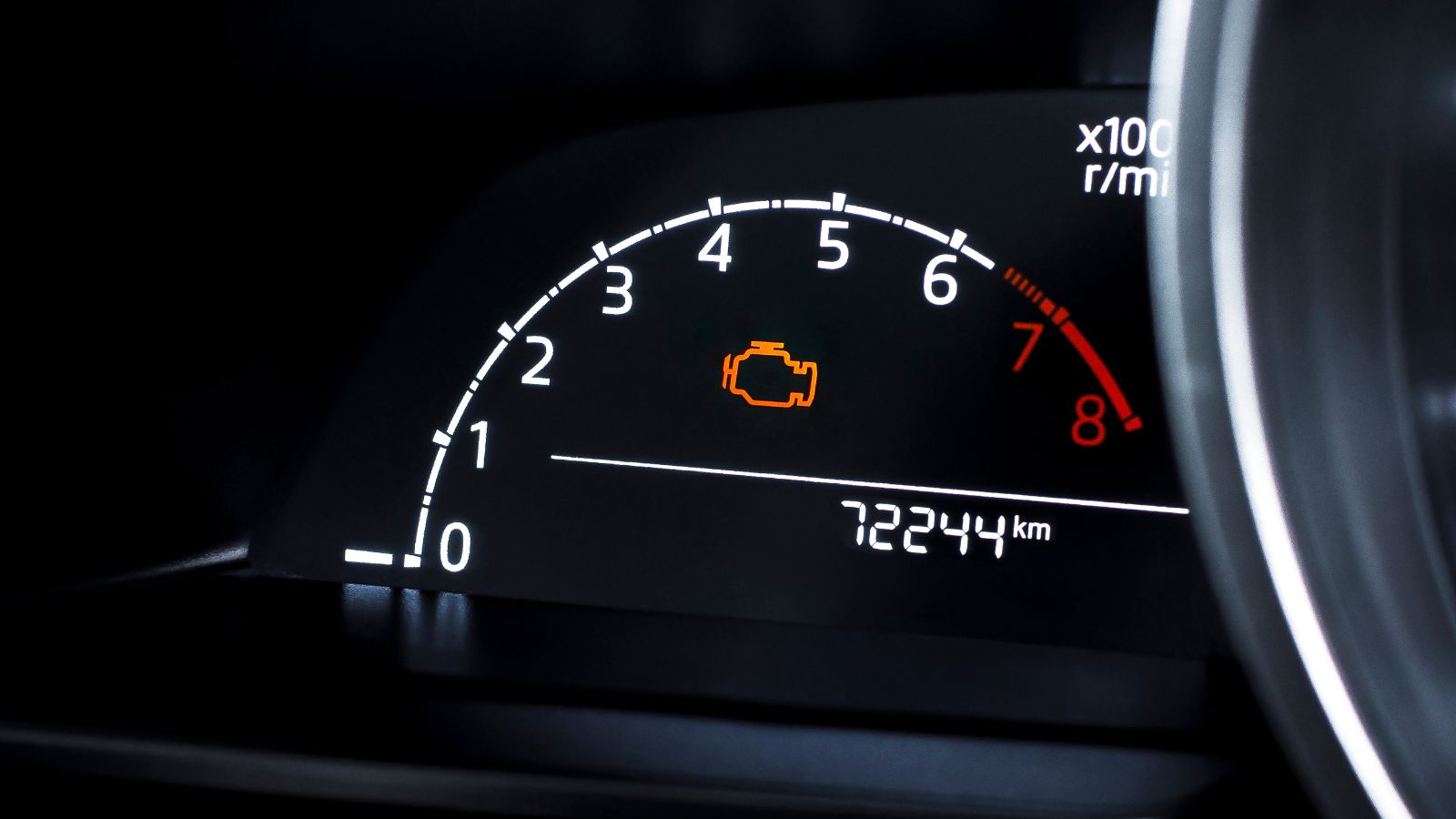
The check engine light is one of the most familiar warnings, but also one of the easiest to underestimate. It can point to something relatively simple, such as a loose fuel cap, or something more serious, such as a failing oxygen sensor, ignition misfire, emissions fault, or catalytic converter issue. The trouble is that the light rarely explains the difference by itself. A scan tool is usually needed to read the diagnostic code stored by the vehicle’s computer.
A steady light often means the vehicle needs diagnosis soon, while a flashing check engine light deserves a much faster response. A flashing light can indicate an engine misfire, which may send unburned fuel into the exhaust system and damage the catalytic converter. For a Canadian driver far from a repair shop, especially on a rural highway, delaying that scan can turn a manageable repair into a much larger bill.
Oil Pressure Warning Light
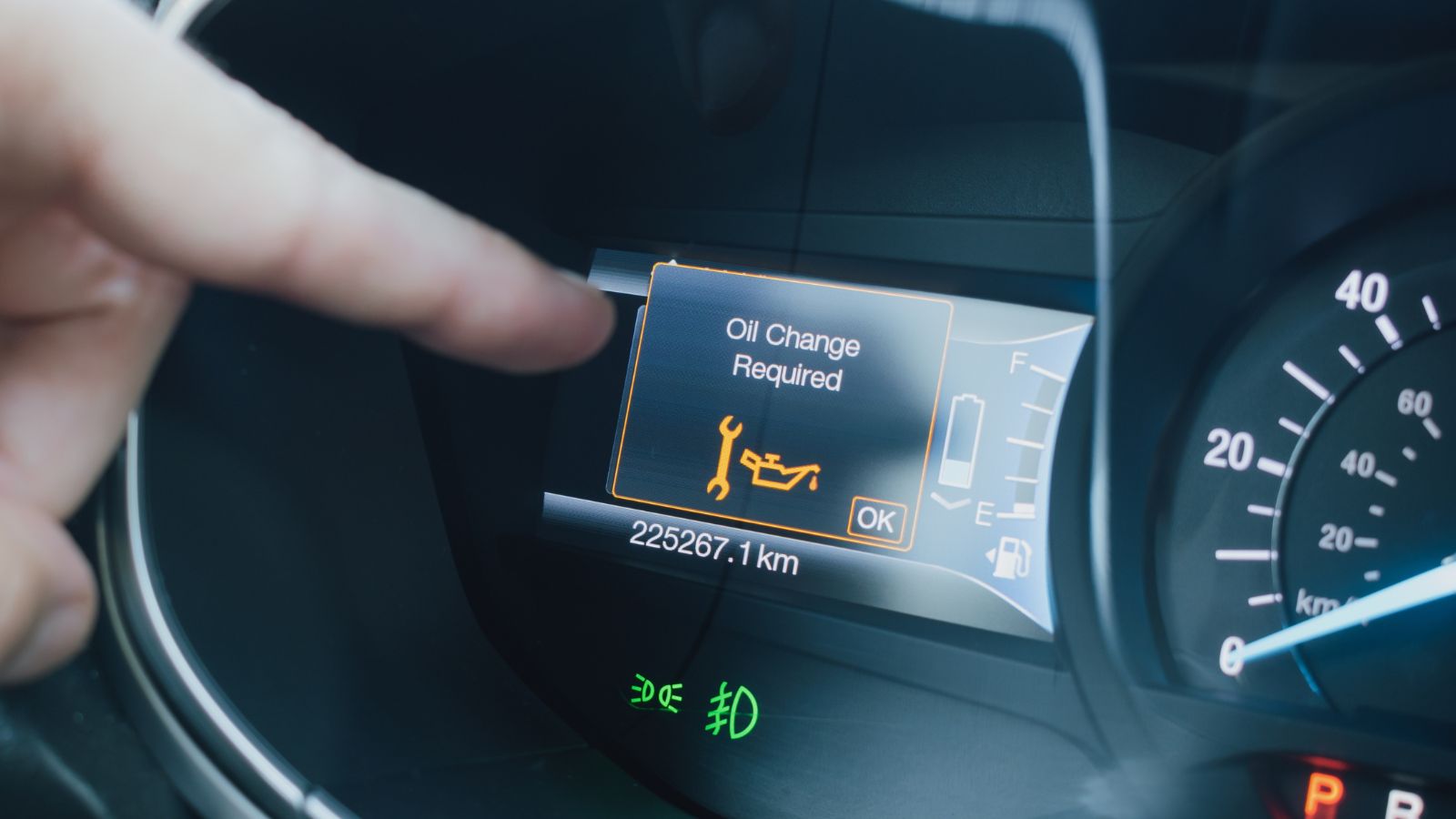
The oil pressure warning light is usually shaped like an old-fashioned oil can, and it should never be treated like a routine service reminder. This light can mean the engine is not getting enough oil pressure to protect moving parts. Oil does more than lubricate; it helps reduce friction, carry heat away, and prevent metal components from grinding against each other at high speed.
If this light comes on while driving, the safest move is usually to pull over as soon as conditions allow and shut the engine off. Continuing to drive with low oil pressure can lead to severe engine damage in minutes. In colder Canadian weather, thick oil, low oil levels, leaks, or neglected maintenance can make lubrication issues more noticeable. Even if the dipstick shows oil, the pressure problem may still require professional diagnosis.
Engine Temperature Warning Light
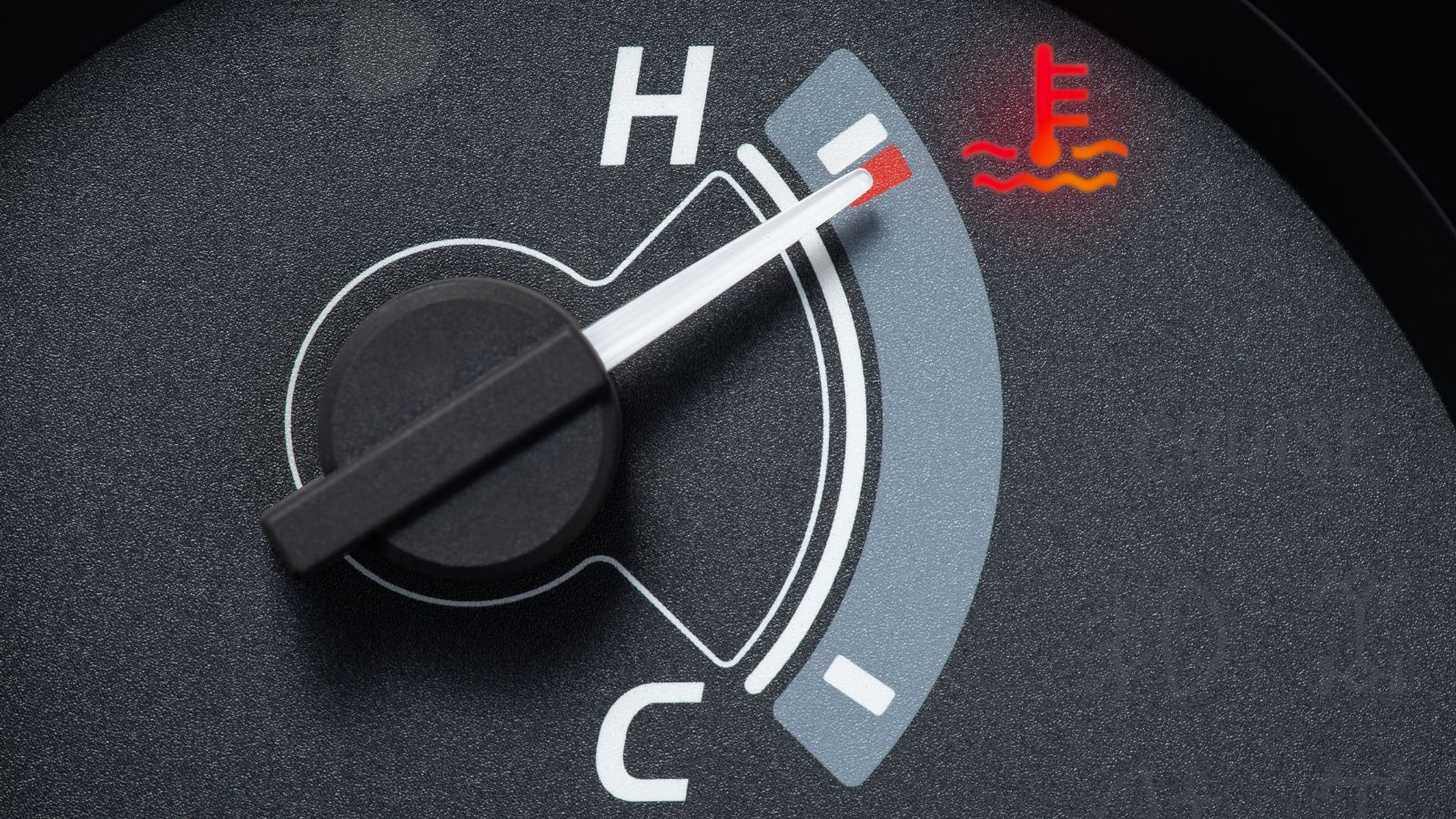
The engine temperature warning light often appears as a thermometer floating in liquid. When it glows red, it can mean the engine is overheating. That may be caused by low coolant, a coolant leak, a failed thermostat, a faulty water pump, a blocked radiator, or a cooling fan problem. In summer traffic or during a long climb through hilly terrain, overheating can arrive quickly.
This light deserves immediate attention because excessive heat can damage head gaskets, warp engine components, or leave the vehicle stranded. Turning off the air conditioning and finding a safe place to stop can help reduce stress on the engine, but opening a hot radiator cap is dangerous. Steam and pressurized coolant can cause burns. Canadian drivers often think of cold-weather problems first, yet overheating remains a year-round risk.
Brake System Warning Light
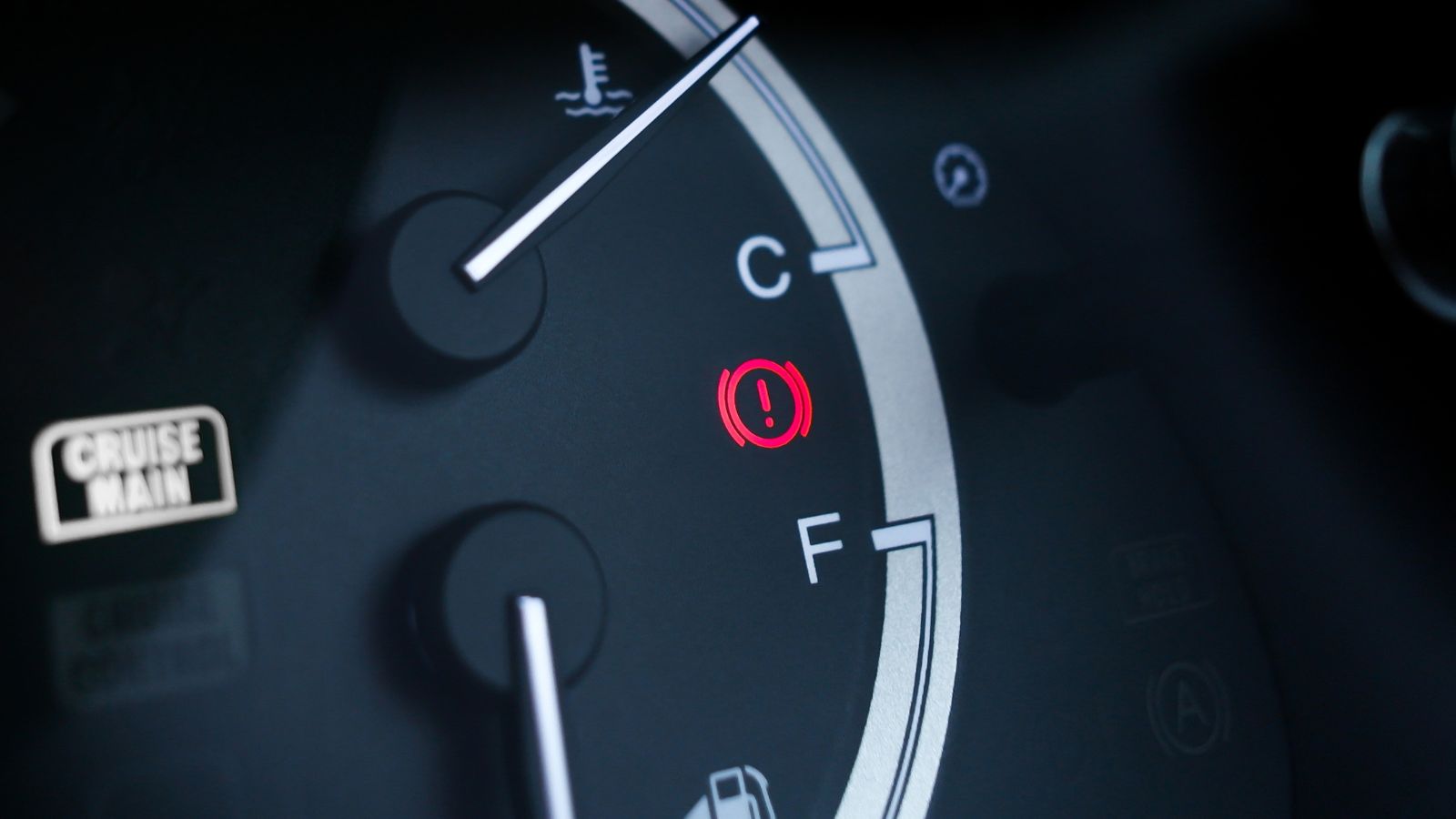
A brake warning light may appear as the word “BRAKE,” an exclamation mark in a circle, or a similar red symbol. Sometimes it simply means the parking brake is still engaged. But if the parking brake is fully released and the light remains on, the issue may involve low brake fluid, hydraulic pressure problems, worn components, or a more serious braking-system fault.
This is one warning where guessing is risky. Canadian roads regularly involve sudden stops, steep grades, icy intersections, and stop-and-go traffic. A vehicle that still seems to stop normally may have reduced braking reserve when an emergency happens. Low brake fluid can also signal brake pad wear or a leak. Before continuing, the driver should safely check the parking brake and arrange service if the light does not clear.
ABS Warning Light
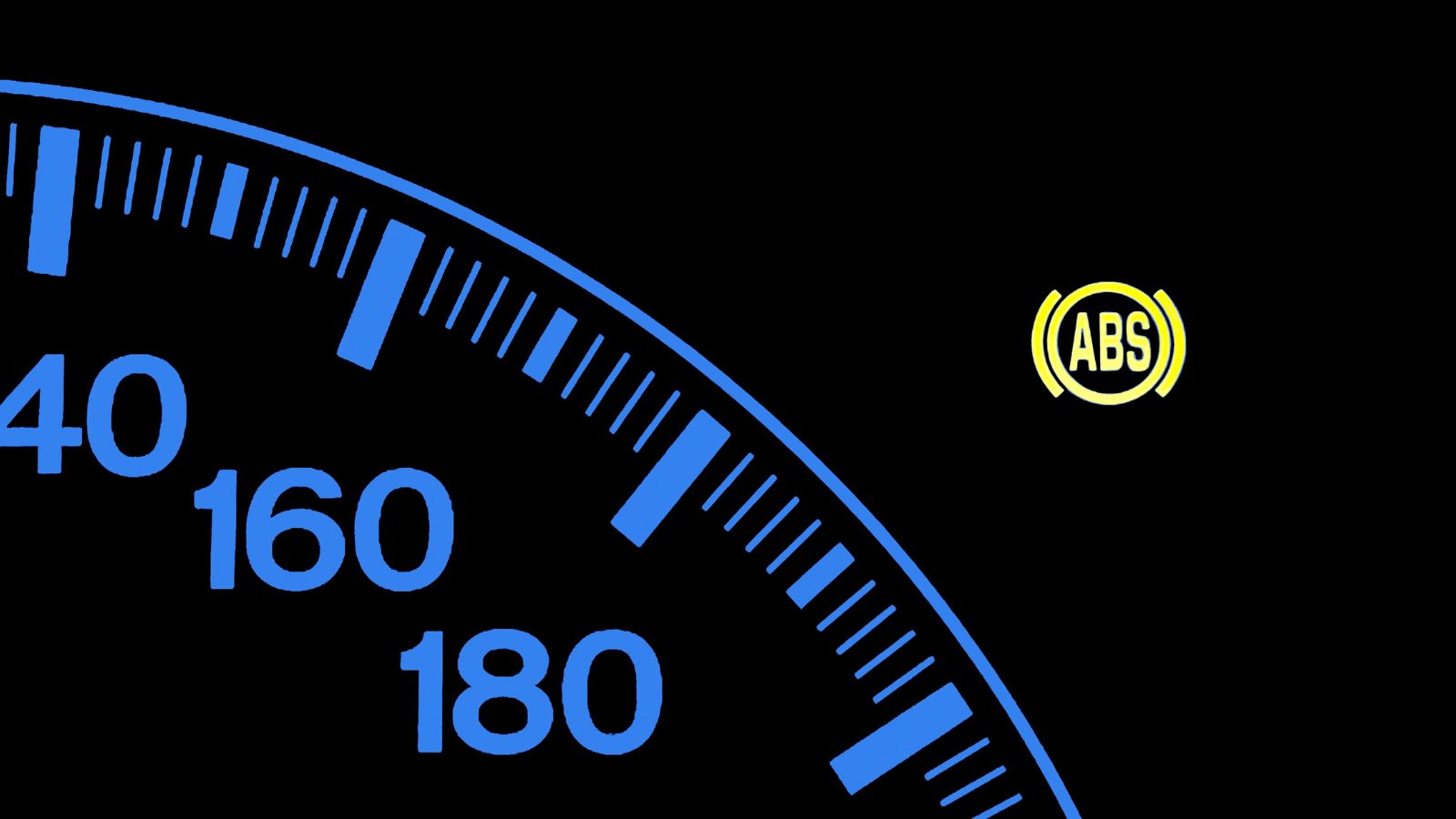
The ABS light points to the anti-lock braking system, which helps prevent wheels from locking during hard braking. When ABS is working properly, it can help a driver maintain steering control during emergency stops. If the ABS warning light stays on, the base brakes may still work, but the anti-lock function may be disabled or unreliable.
That matters in Canada because ABS is especially valuable on wet, icy, gravel, and snow-covered roads. A driver may not notice the problem during ordinary braking, then discover it during a panic stop when the wheels lock and steering control becomes harder. Common causes include failed wheel-speed sensors, damaged wiring, or control-module issues. Since ABS, traction control, and stability control often share sensors, one warning light can sometimes lead to several related alerts.
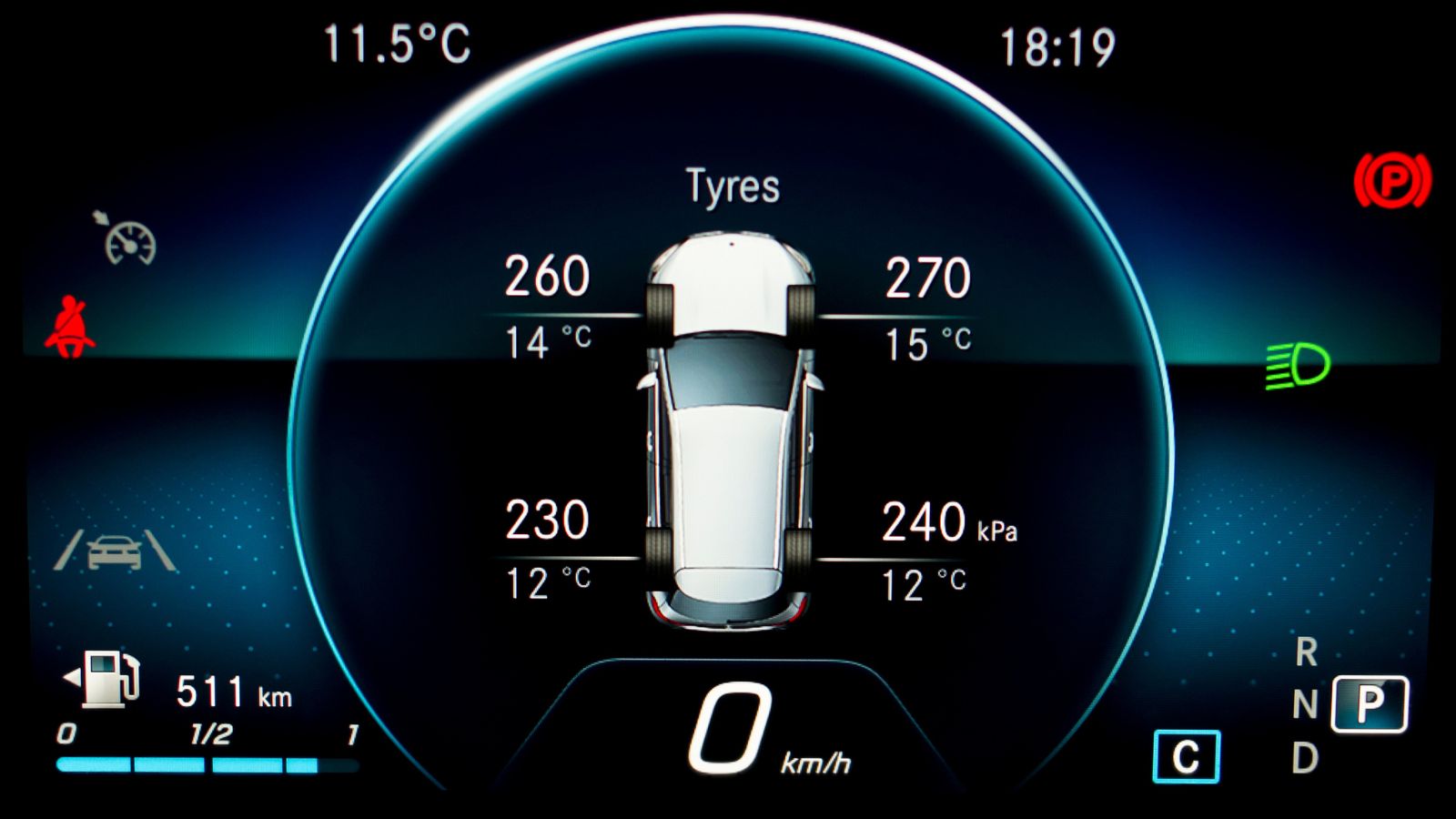
Tire Pressure Monitoring System Light
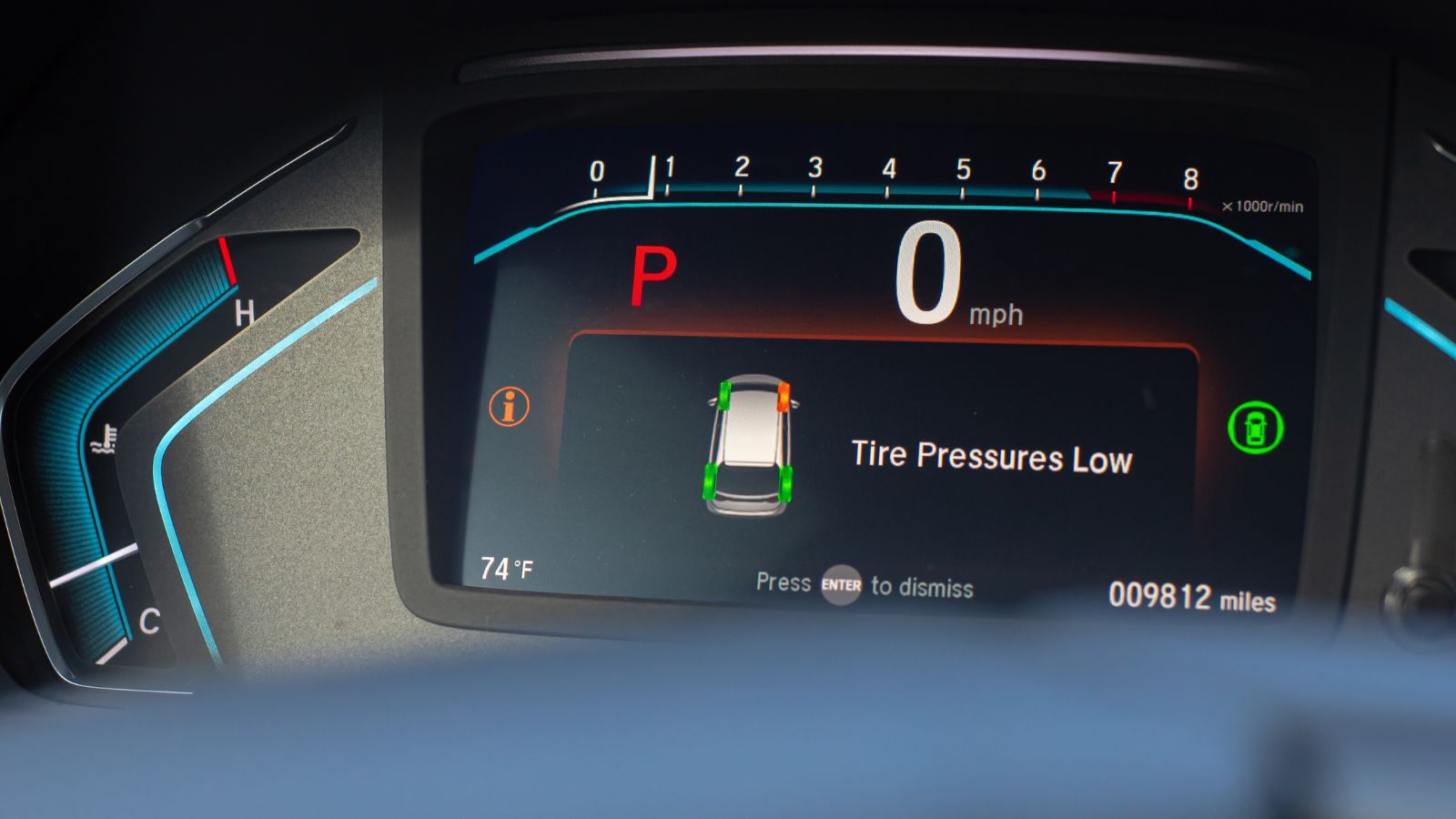
The tire pressure warning light usually looks like a horseshoe-shaped tire with an exclamation mark. It means one or more tires may be significantly underinflated, or that the monitoring system itself has detected a fault. Low tire pressure affects braking, steering response, fuel economy, tire wear, and heat buildup, all of which matter on long Canadian drives.
Temperature swings make this warning especially common in Canada. A tire that was properly inflated during a warm afternoon can read low after a cold overnight drop. Winter tire changes can also trigger TPMS issues if sensors are missing, damaged, or not reset properly. The correct pressure should be checked when tires are cold and compared with the placard on the driver’s door frame, not the maximum number printed on the tire sidewall.
Battery or Charging System Light
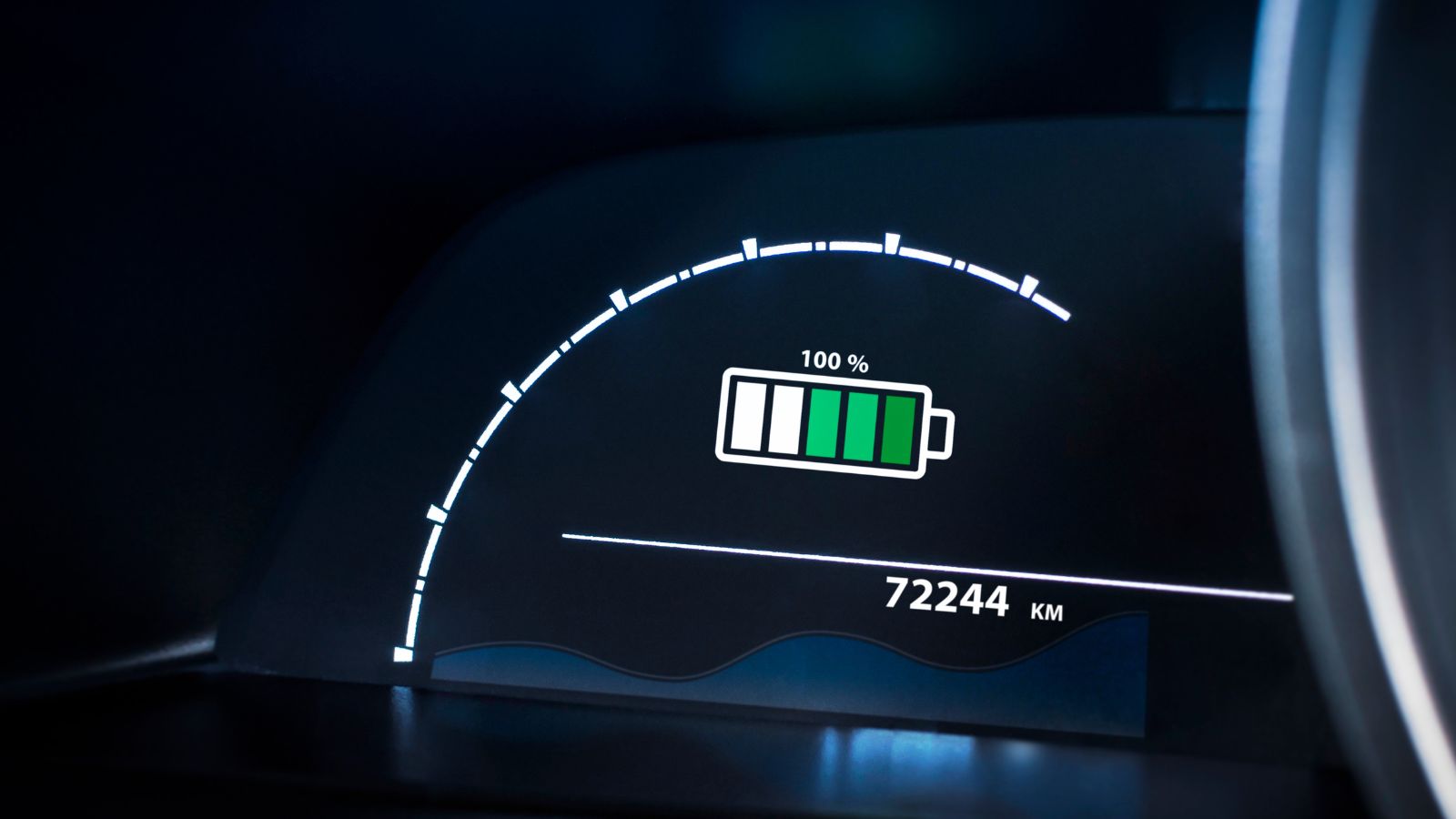
The battery-shaped warning light does not always mean the battery itself is the only problem. When it appears while the engine is running, it often points to a charging-system issue. The alternator, belt, wiring, voltage regulator, or battery connections may not be keeping the electrical system properly supplied.
This warning can become urgent quickly because modern vehicles rely heavily on electricity. If the charging system fails, the vehicle may continue running only until stored battery power is depleted. Lights, defrosters, heated seats, wipers, fuel injection, and safety systems all draw power. In Canadian winter driving, when electrical loads are high and roadside stops can be hazardous, a glowing battery light should be treated as an early warning of a possible stall or no-start situation.
Airbag or SRS Warning Light
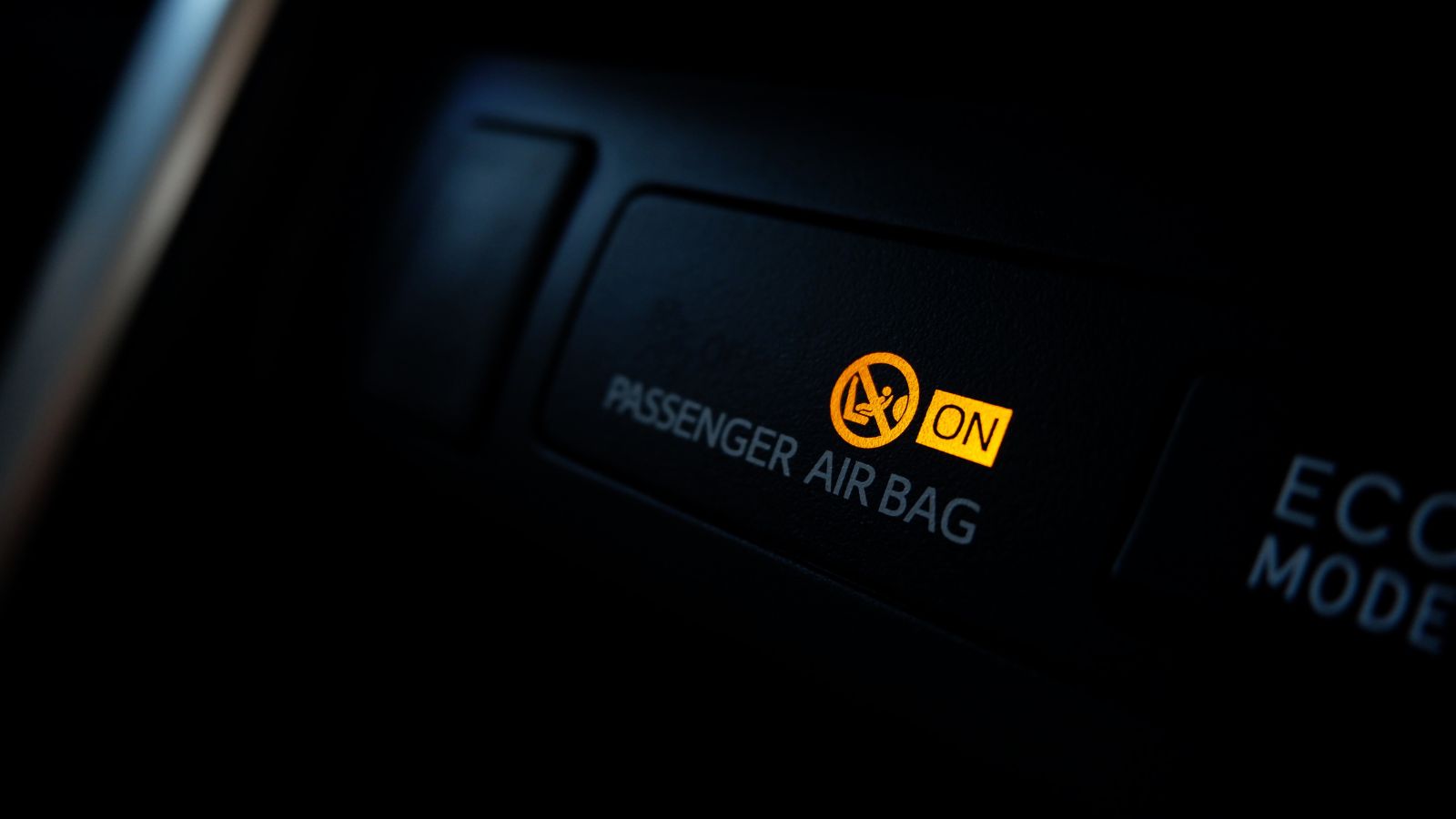
The airbag warning light may show a seated person with a circle in front, or it may use the letters “SRS.” It signals a problem with the supplemental restraint system, which can include airbags, crash sensors, wiring, control modules, and seatbelt pretensioners. The light may briefly appear during startup, but it should not stay on while driving.
The danger is not always obvious because the vehicle may feel completely normal. The issue appears only when a crash happens and the system is expected to deploy within milliseconds. If the airbag system is disabled or malfunctioning, occupants may not receive the protection the vehicle was designed to provide. For used-car buyers, a persistent airbag light can also raise questions about past collision repairs or unresolved electrical faults.
Electronic Stability Control Light
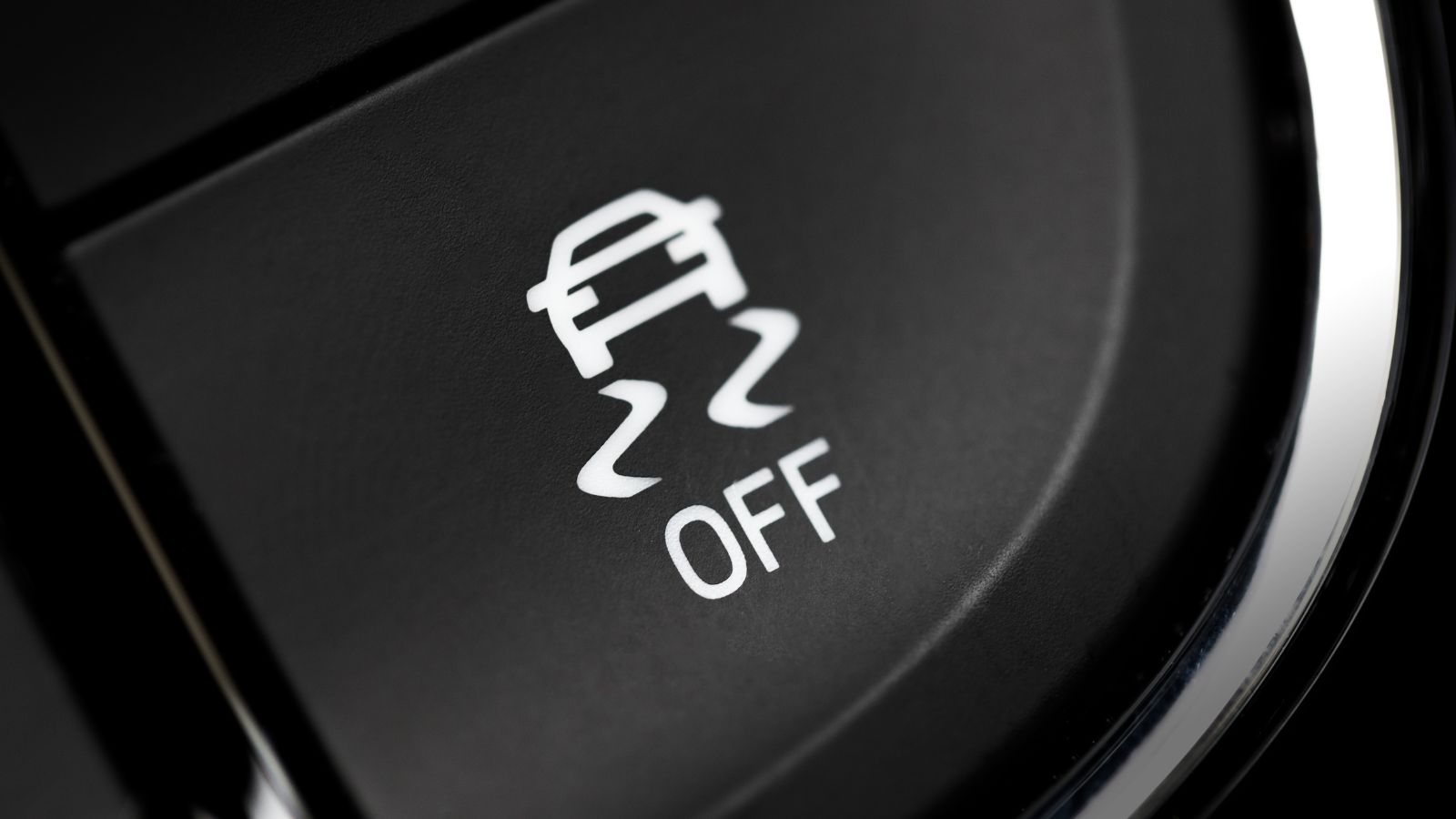
Electronic stability control, often shown as a car with skid marks, helps a driver maintain control when the vehicle begins to slide or deviate from the intended path. If the light flashes briefly during slippery driving, the system may simply be working. If it stays on, however, there may be a fault that reduces the system’s ability to intervene.
This is a serious issue in Canadian conditions because stability control is particularly useful during sudden swerves, icy corners, and loss-of-control situations. Transport Canada notes that ESC is standard on vehicles manufactured from the 2012 model year onward. A warning light that remains on may involve wheel-speed sensors, steering-angle sensors, braking components, or related electronics. The vehicle may still drive, but it may not have the same safety backup when traction disappears.
Traction Control Warning Light
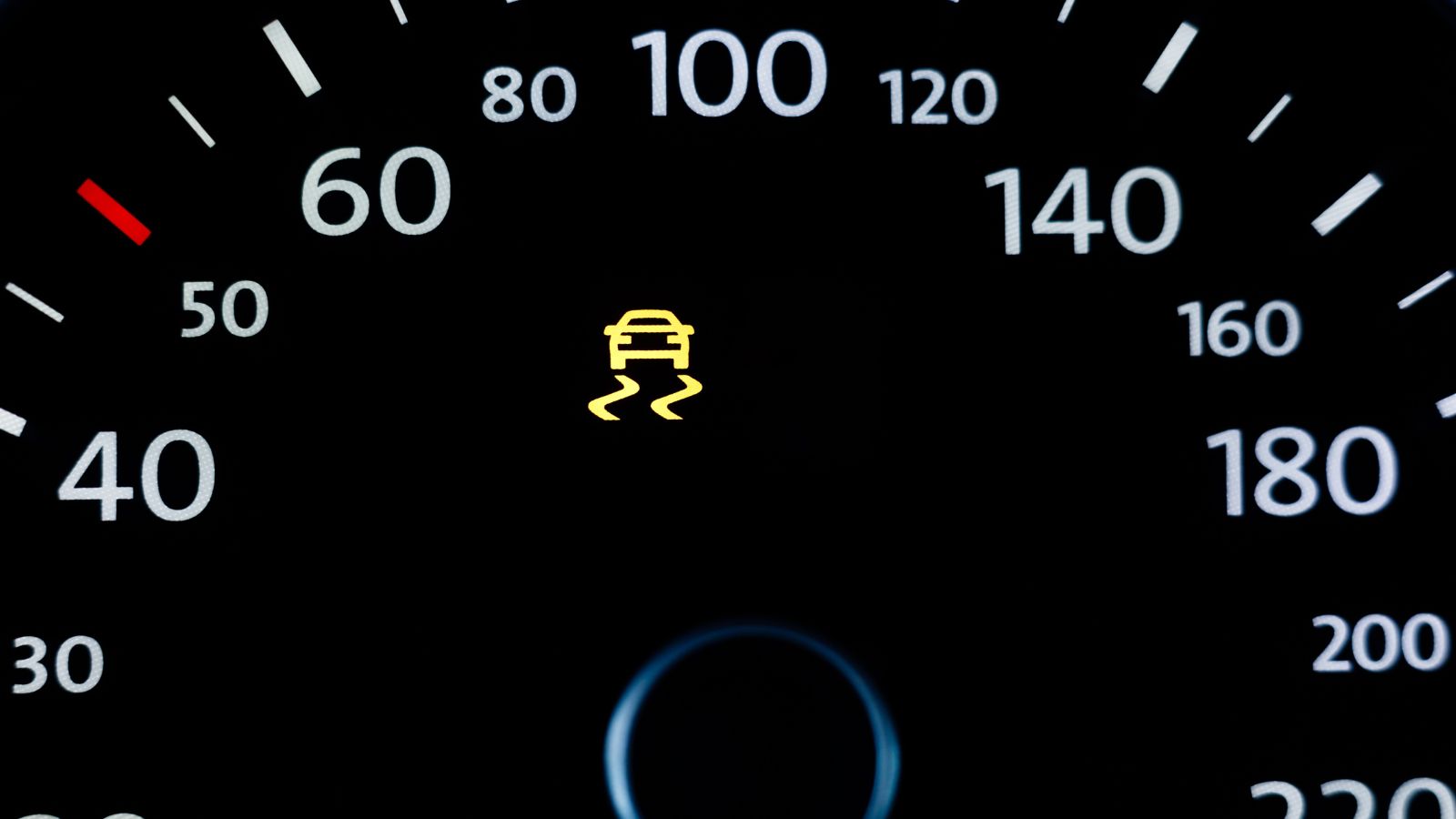
The traction control warning light is closely related to stability control, but it focuses more on wheel slip during acceleration. It may flash when the system is reducing power or applying braking to help regain grip. That brief flashing can be normal on snow, ice, wet leaves, or loose gravel. A steady light, however, may mean the system is turned off or malfunctioning.
For Canadian drivers, traction control can make a noticeable difference when pulling away from a snowy curb, merging onto a wet highway, or climbing a slippery hill. If the system is disabled, the driver may need more delicate throttle control to avoid wheelspin. A steady warning should not be ignored because the same sensor problem may also affect ABS or stability control. One winter warning light can therefore reduce several layers of protection at once.
Power Steering Warning Light

The power steering warning light may appear as a steering wheel with an exclamation mark. On hydraulic systems, it can point to low fluid, a leak, or pump trouble. On electric power steering systems, it may involve sensors, motors, wiring, or control modules. The warning matters because steering assistance can weaken or disappear.
A vehicle without power steering can still be steerable, but it may feel dramatically heavier, especially at low speeds. That can become a real problem in parking lots, tight city streets, construction zones, or emergency maneuvers. In cold weather, thick fluids and aging components can make steering problems more noticeable. If the wheel suddenly feels stiff or the warning appears with other electrical lights, the safest choice is to reduce speed and seek diagnosis promptly.
Transmission Temperature Warning Light
The transmission temperature warning light usually indicates that the transmission fluid is too hot. Heat is one of the biggest enemies of automatic transmissions because fluid that overheats can lose its ability to lubricate and protect internal components. Heavy loads, towing, mountain driving, stop-and-go traffic, or low fluid levels can all contribute.
This warning is especially relevant for Canadians who tow boats, campers, utility trailers, or snowmobiles. A long summer climb through the Rockies or a congested route to cottage country can push a transmission harder than normal commuting ever does. Ignoring the light can lead to slipping, harsh shifting, internal wear, or expensive repairs. Pulling over safely, letting the vehicle cool, and checking the owner’s manual guidance can prevent one warning from becoming a major failure.
Low Coolant Warning Light
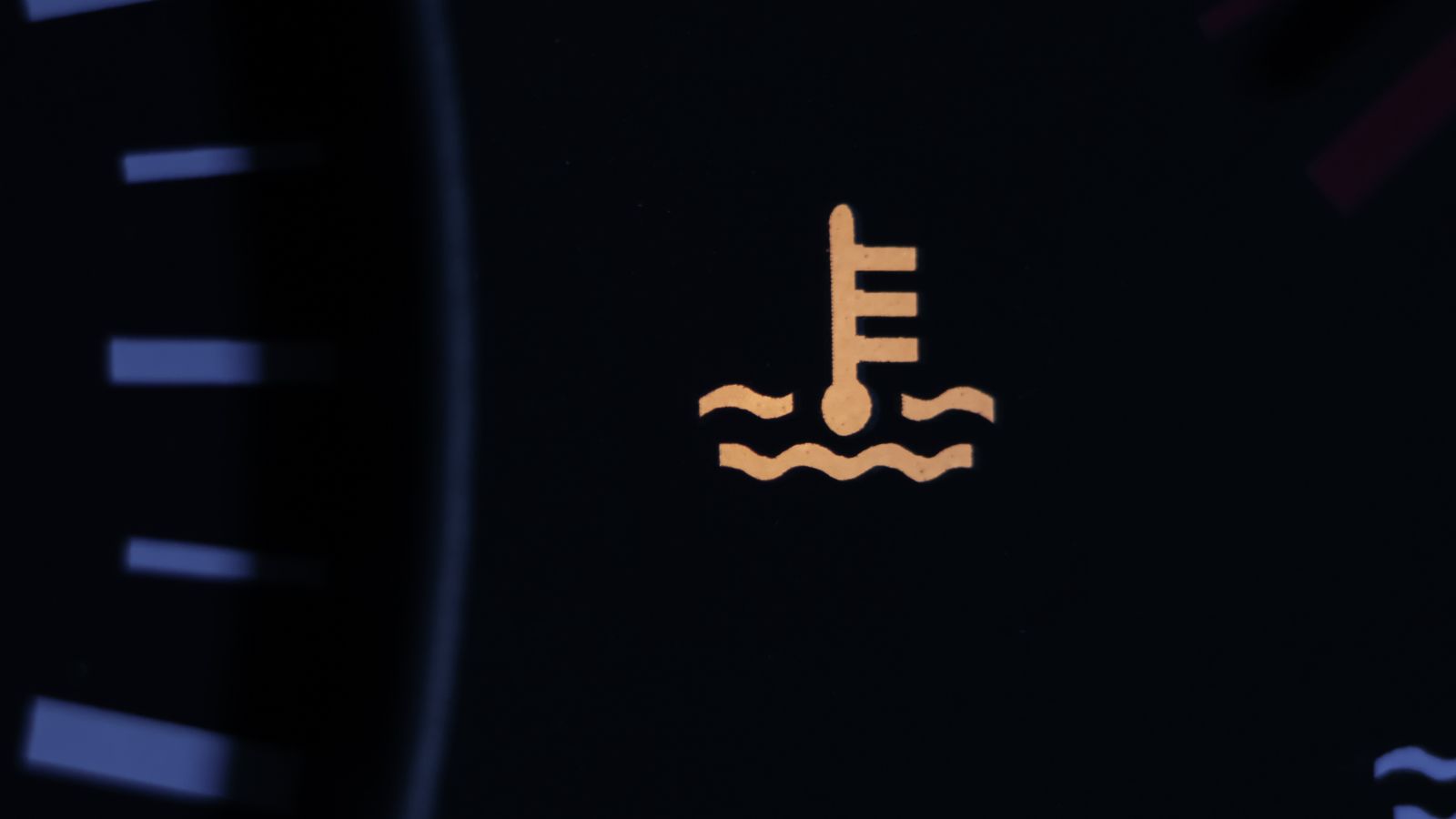
The low coolant warning light may look similar to the temperature symbol, but it usually points to coolant level rather than temperature alone. Low coolant can result from leaks, evaporation through a faulty cap, a damaged radiator, a failing hose, or internal engine issues. The vehicle may not overheat immediately, which is why this warning is sometimes dismissed.
That delay can be costly. Coolant protects the engine from overheating and, in cold climates, from freezing. In Canada, the correct coolant mixture matters because temperatures can fall far below freezing in many regions. A low coolant warning before a long drive should be investigated, not topped up casually over and over. Repeated low readings often mean a leak is present, and a small hose or radiator problem can quickly become an overheating breakdown.
Diesel Particulate Filter Warning Light
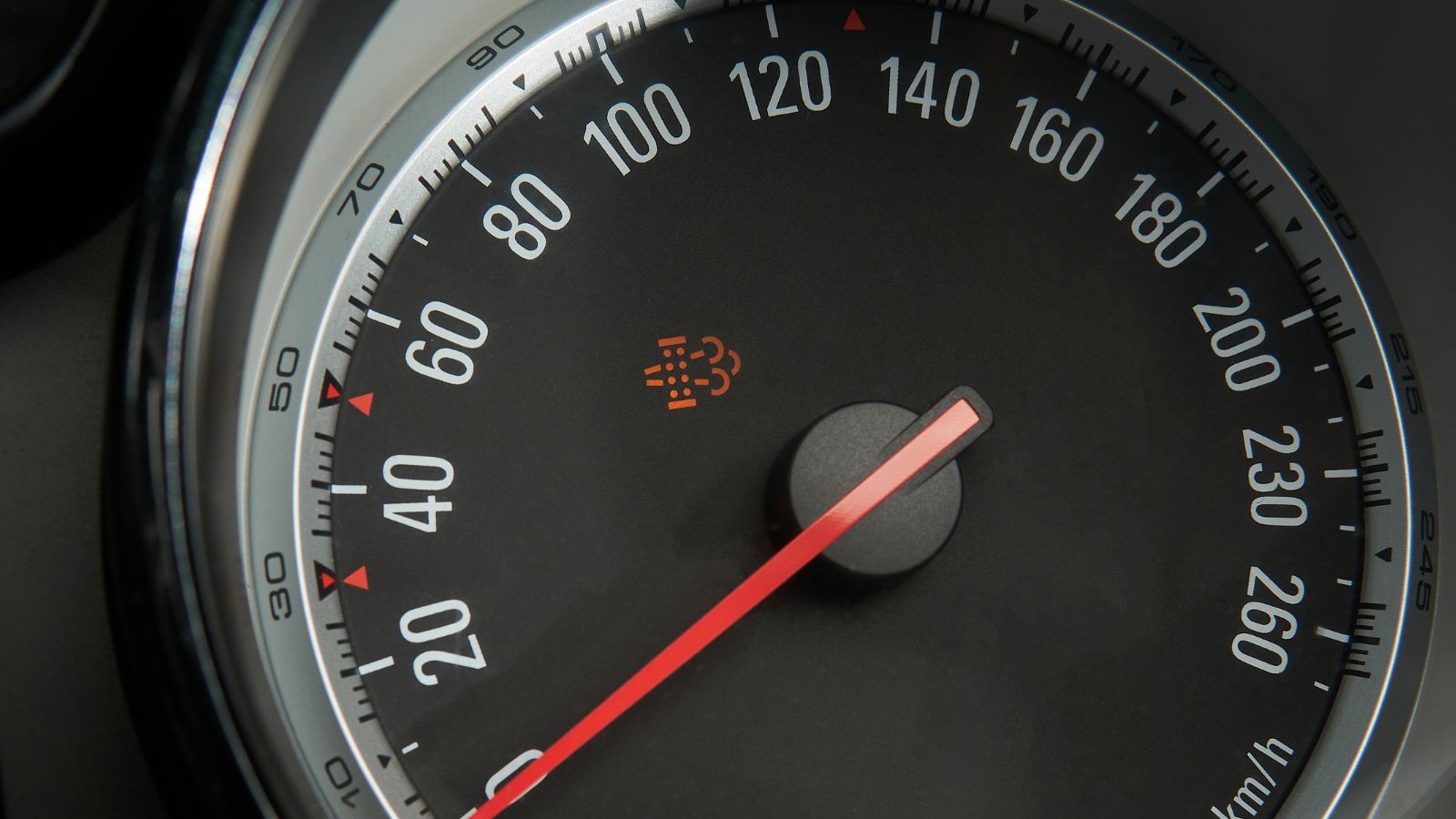
Diesel vehicles may show a diesel particulate filter warning light when the exhaust filter is becoming restricted with soot. The DPF is designed to capture particulate matter and periodically burn it off through a regeneration process. Short trips, prolonged idling, and repeated low-speed driving can prevent the filter from reaching the conditions needed to clean itself.
This warning is common enough for diesel owners in colder climates because winter driving often involves more idling, slower trips, and shorter commutes. If the warning is ignored, the vehicle may lose power, enter a reduced-performance mode, or require professional cleaning or replacement of the filter. For pickup, van, and fleet drivers, a DPF issue can become expensive not only because of repair costs, but because of downtime.
Seat Belt Warning Light
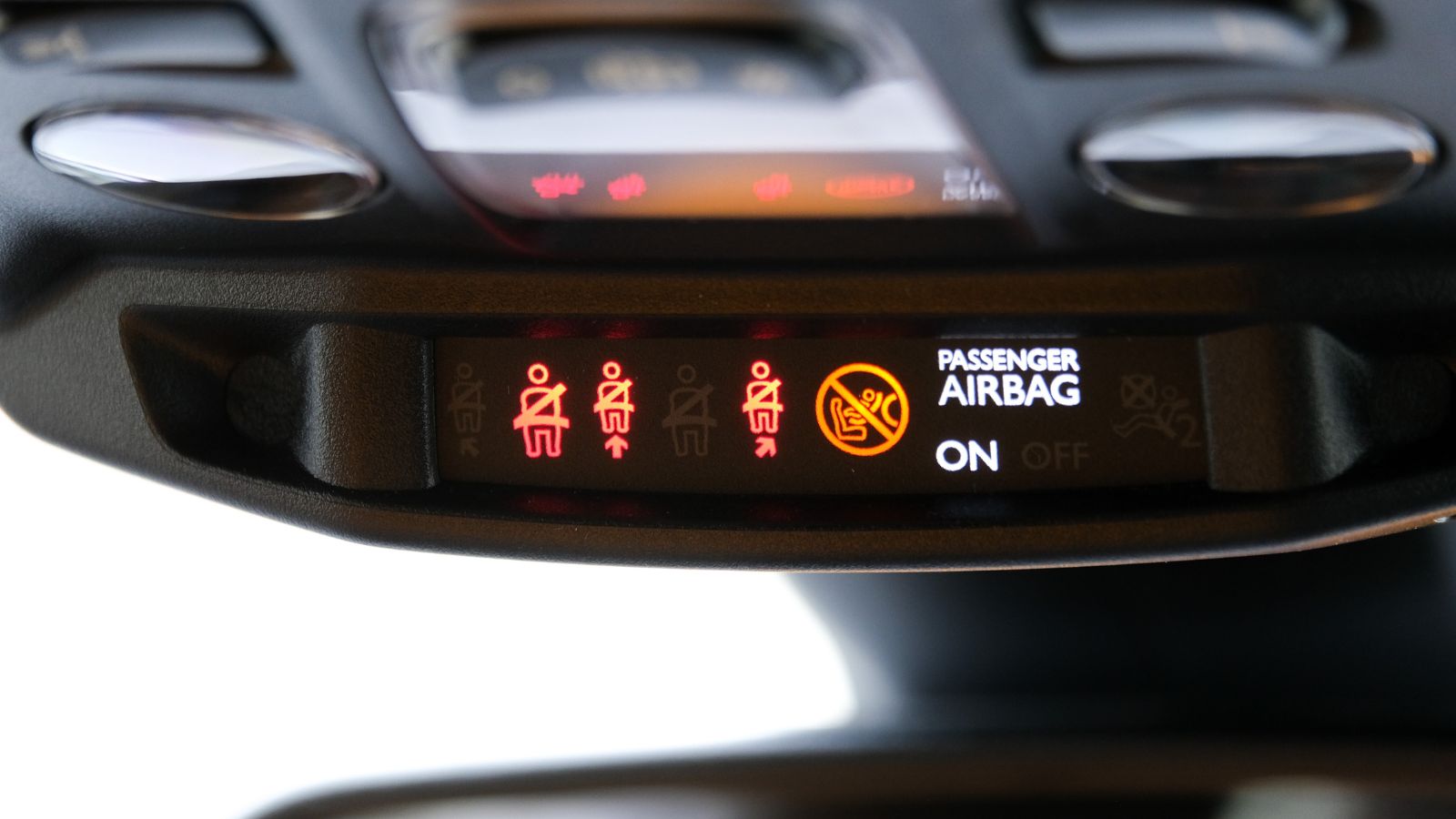
The seat belt warning light can seem basic, but it still deserves attention. It may indicate that a passenger is unbuckled, a buckle is not fully latched, an item is resting on a passenger seat, or a sensor is malfunctioning. Since seat belts work with airbags and pretensioners as part of the overall restraint system, this warning is not just a reminder chime.
In a collision, seat belts help keep occupants positioned so airbags can work as designed. A person sitting too far forward, leaning away from the belt, or riding unbuckled is at greater risk. In family vehicles, the warning can also reveal a child seat installation issue or a passenger who clicked the belt incorrectly. A persistent warning after everyone is buckled should be checked because the vehicle may not be reading occupancy or belt status correctly.
Automatic Emergency Braking Warning Light
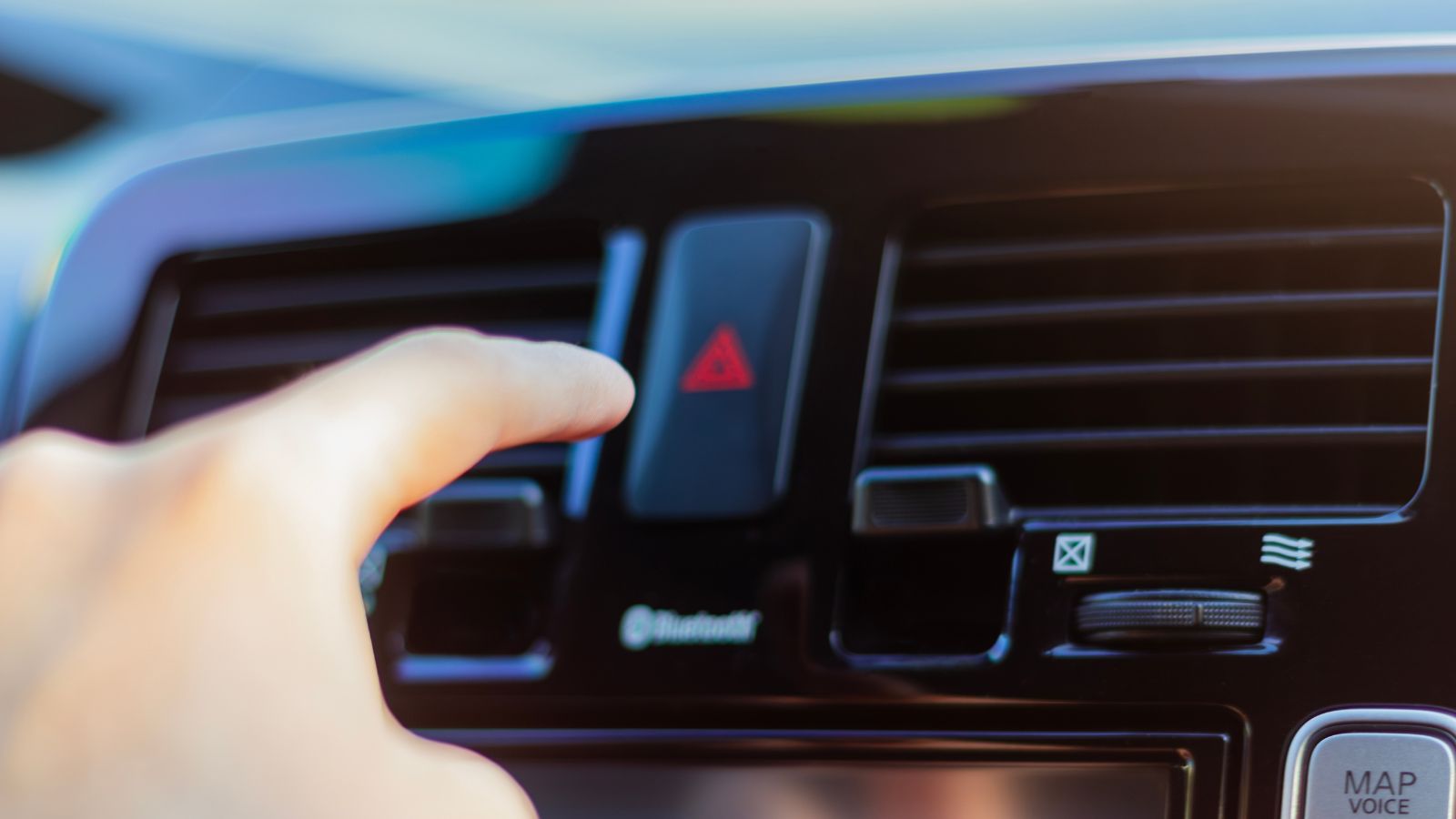
Many newer vehicles have an automatic emergency braking or forward collision warning symbol. It may light up when sensors are blocked by snow, ice, dirt, salt spray, heavy rain, or a system fault. In Canadian winter, front cameras and radar sensors can become covered quickly, especially on highways where road spray coats the grille and windshield.
This warning does not mean the driver can stop paying attention when the light is off, but it does mean an extra safety layer may not be available. Automatic emergency braking systems are designed to warn the driver and, in some situations, apply braking to reduce crash risk or severity. When the warning appears, cleaning the windshield, emblem, grille, or sensor area may help, but a persistent light needs service.
Low Fuel Warning Light
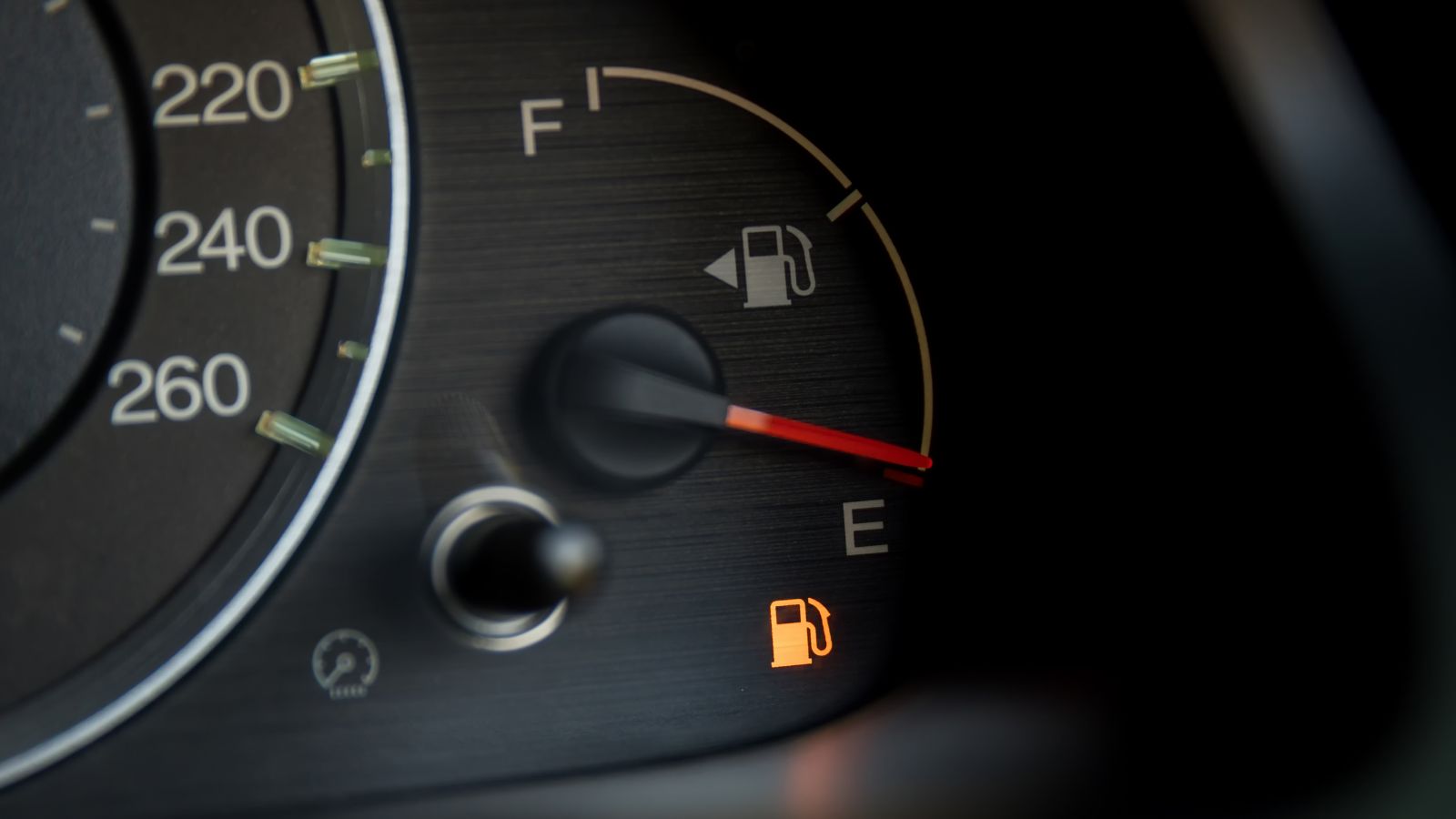
The low fuel warning light may seem less urgent than oil pressure or brakes, yet it can still create real danger. Running out of fuel on a Canadian highway can leave a vehicle stranded far from services, sometimes in extreme cold or poor visibility. In remote areas, the distance between stations can be much longer than city drivers expect.
Low fuel can also create mechanical concerns. Some fuel pumps rely on fuel in the tank for cooling and lubrication, and repeatedly driving near empty may increase stress on the system. Winter adds another reason to keep more fuel on board: delays, detours, blocked roads, or idling during emergencies can use more than expected. The warning light should be treated as a planning failure, not a challenge to see how far the vehicle can go.
22 Things Canadians Do to Their Cars in Spring That Mechanics Hate
Spring brings relief to many Canadian drivers after months of snow, freezing temperatures, and icy roads that put serious strain on vehicles. As temperatures rise across the country, drivers begin washing cars, switching tires, and preparing vehicles for warmer weather and upcoming road trips. However, mechanics across Canada notice the same mistakes every spring when drivers attempt to recover from winter damage. Road salt, potholes, and harsh winter driving conditions often leave vehicles with hidden problems that drivers ignore. Some spring habits even create new mechanical issues that could have been avoided with proper maintenance. Here are 22 things Canadians do to their cars in spring that mechanics hate.