




















Sticker price has a way of dominating the conversation, but ownership is where the real math begins. In Canada, the gap between what drivers expect to spend and what they actually spend often opens slowly: a longer loan term here, a skipped service there, a winter shortcut that seems harmless until the bill arrives. What looks manageable month to month can become far more expensive over a few years.
These 15 ownership mistakes help explain why so many vehicles wind up costing more than Canadians planned. Some are financial, some are mechanical, and some come down to habits that feel ordinary until they start eating away at fuel, tires, resale value, or repair budgets. Taken together, they show how easily a reasonable vehicle choice can turn into a much costlier one.
Buying Around the Monthly Payment Instead of the Total Bill
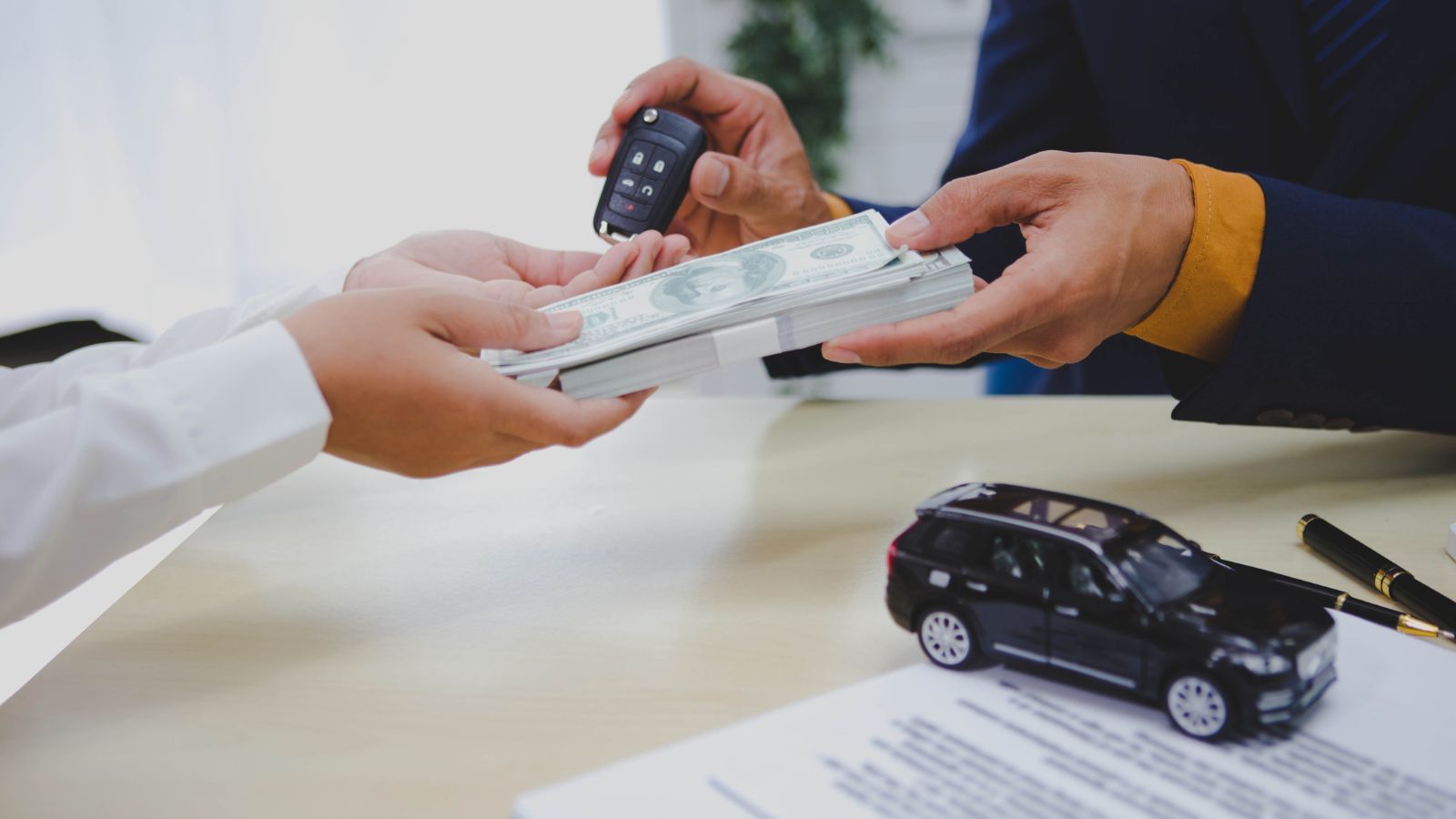
One of the most common ownership mistakes starts before the first oil change: treating the monthly payment as the real price of the vehicle. That approach makes expensive vehicles feel manageable because the number on the contract looks smaller when the loan is stretched far enough. The trouble is that a lower monthly payment can hide a much higher total borrowing cost, especially once interest keeps accumulating over six or seven years.
That matters even more when life changes. A driver who financed a vehicle mainly because the payment fit the budget may later discover the total cost never really did. The vehicle may still feel “affordable” each month while quietly becoming expensive overall. In practice, that is how many owners end up paying for convenience twice: once in interest, and again in reduced flexibility when they want to sell, upgrade, or cut costs later.
Underestimating How Fast Depreciation Starts Working

Many Canadians budget carefully for fuel and insurance, then get blindsided by the cost they cannot see from the driver’s seat: depreciation. The value loss begins almost immediately after a new vehicle leaves the lot, and it often remains the single biggest ownership expense over time. That matters because a vehicle can feel dependable and still be losing value faster than many owners expect.
This mistake becomes especially costly when someone assumes resale value will cushion later decisions. A driver may expect a trade-in to wipe out much of the remaining balance, only to find the vehicle is worth far less than hoped. That gap changes everything. It can make the next purchase more expensive, shrink negotiating power, and turn what seemed like a normal ownership cycle into a financially awkward one. Vehicles do not need to be unreliable to become costly; they only need to lose value faster than the owner planned.
Treating Fuel as a Small, Background Expense
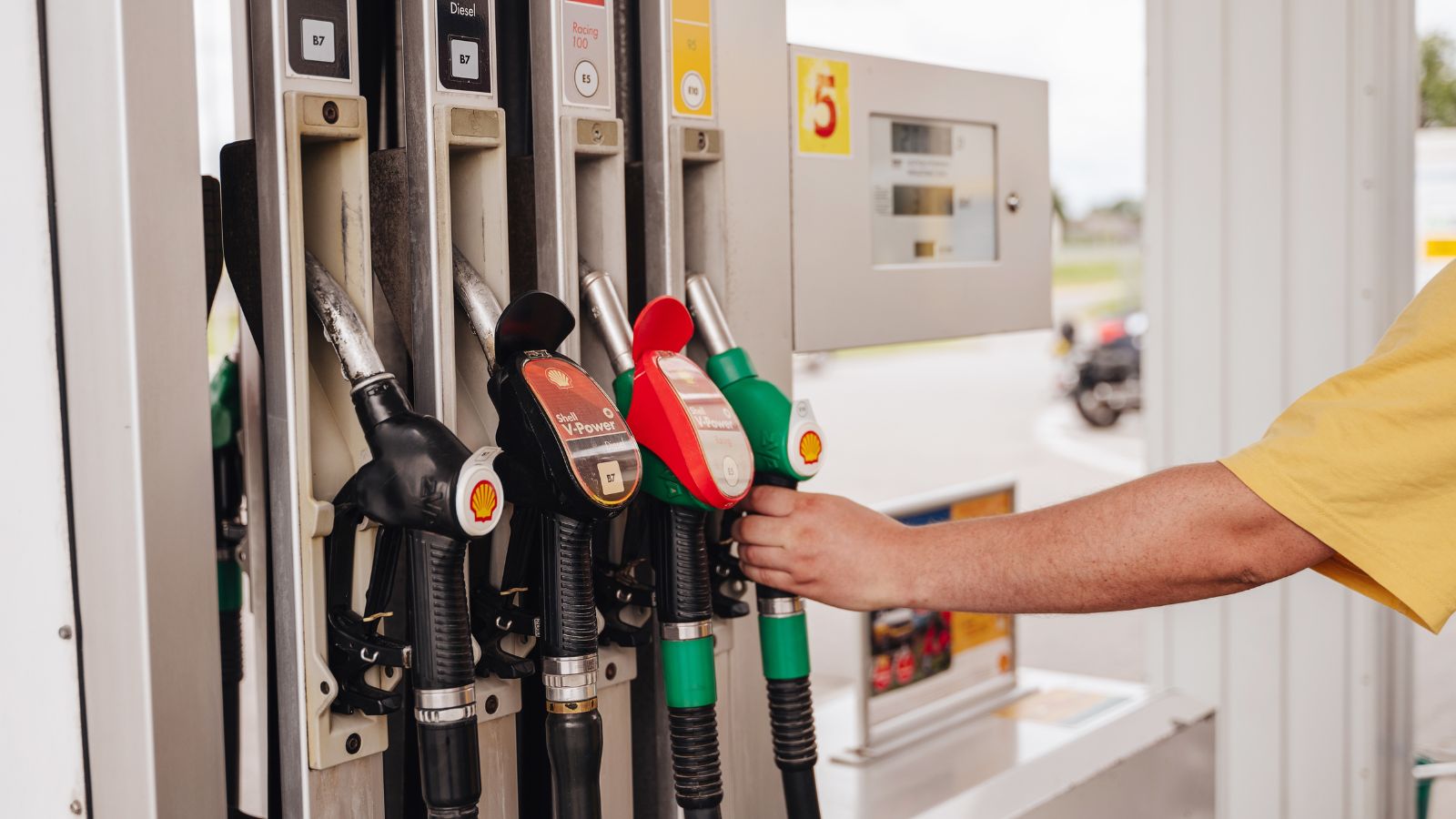
Fuel has a sneaky way of escaping serious attention because it arrives in smaller, repeated transactions rather than one dramatic invoice. But over a year, it adds up quickly, especially for Canadians who commute long distances, drive larger vehicles, or spend a lot of time in stop-and-go traffic. Owners often focus on purchase price or financing and treat fuel like a manageable afterthought, even though it can become one of the largest recurring costs tied to the vehicle.
That mistake is more expensive in a country where driving patterns vary widely by region and season. A compact vehicle may already burn through a meaningful annual fuel budget under ordinary conditions. Move into a crossover, pickup, or longer commute, and the number climbs faster than many households expect. What makes this mistake so common is that nothing feels broken. The car runs fine, the trips feel routine, and yet the ownership budget keeps leaking money every week at the pump.
Skipping Routine Maintenance Because the Car Still Feels Fine
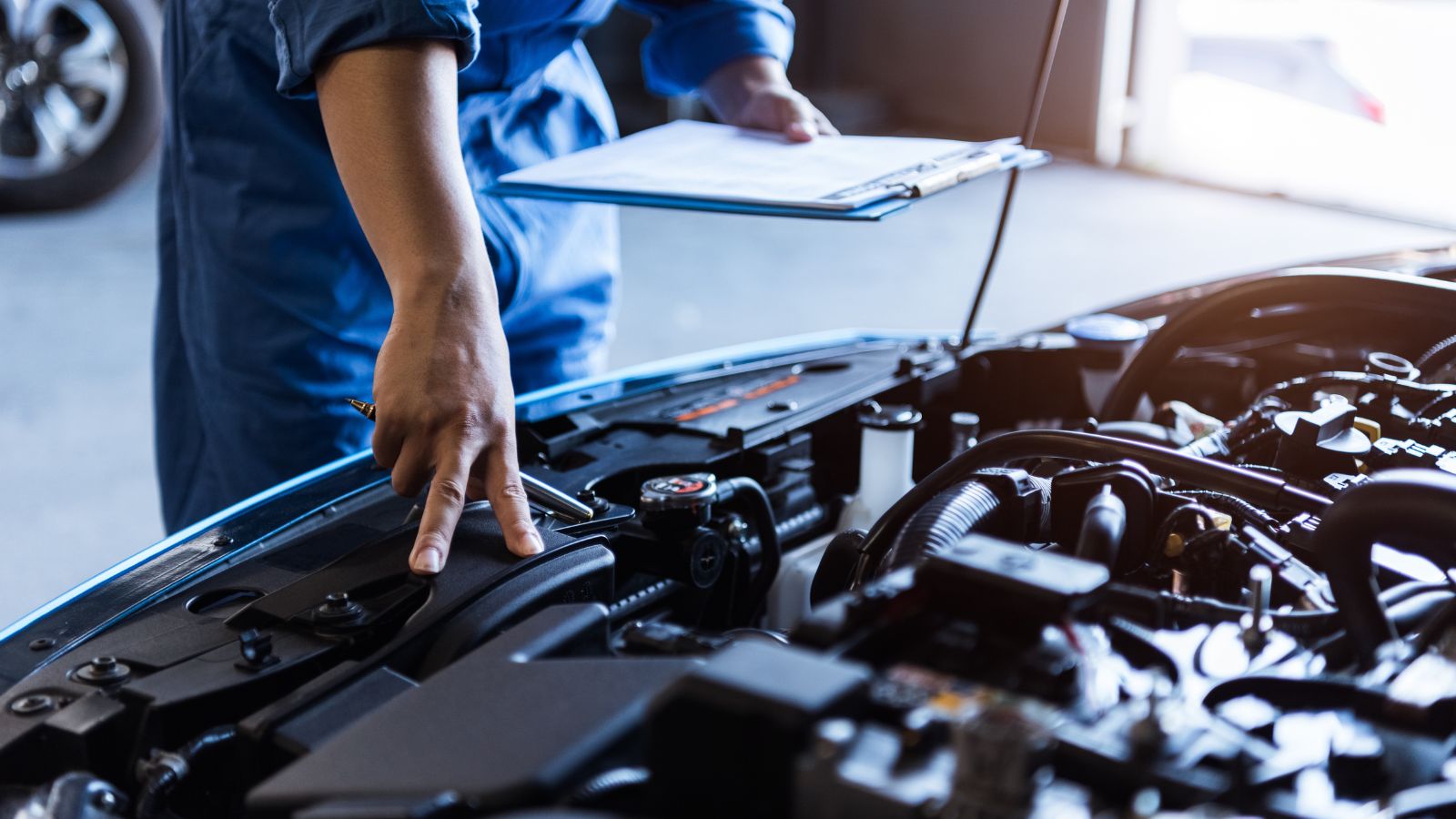
Routine maintenance is easy to delay when a vehicle is starting normally, braking normally, and not making any alarming noises. That is exactly why this mistake becomes expensive. Small services rarely feel urgent, but they are often the cheapest point of intervention. Once the neglected item begins affecting other systems, the bill grows, and the owner is no longer paying for maintenance alone. They are paying for catch-up.
This happens in ordinary ways. A driver postpones a service appointment to save money this month, then faces a larger repair a few months later. Another sticks only to the cheapest quick fix without following the manufacturer’s schedule, assuming every recommended item is upselling. Sometimes that skepticism is healthy, but ignoring the maintenance baseline usually is not. Ownership gets expensive when drivers start reacting only to visible problems. The more cost-effective pattern is boring but effective: inspect regularly, follow the manual, and fix small issues before they begin charging interest in mechanical form.
Driving on Underinflated Tires for Weeks at a Time
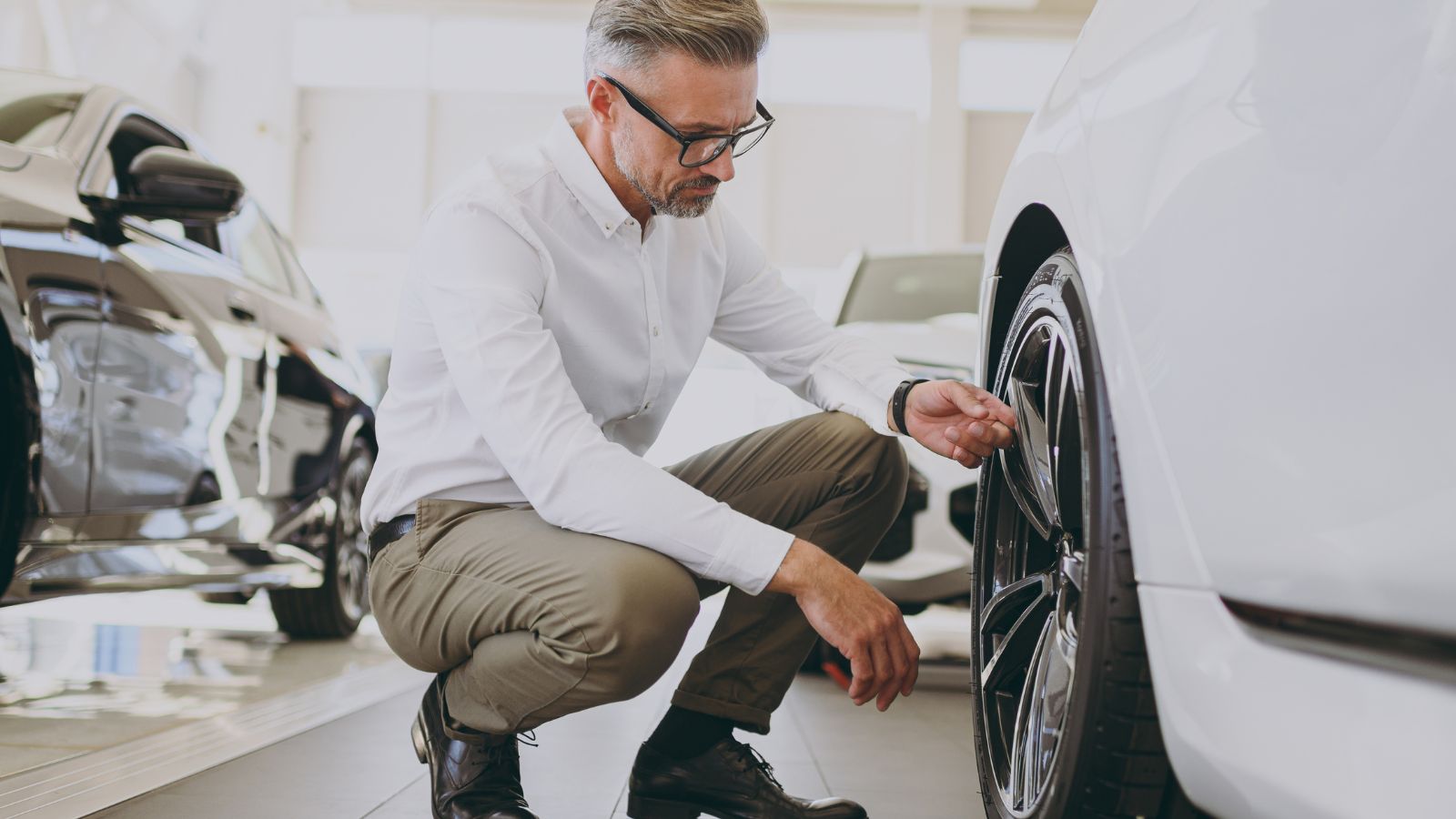
Tire pressure is one of the easiest vehicle costs to neglect because the consequences rarely show up all at once. A slightly soft tire does not always look dramatic in the driveway, and many drivers get used to the warning light or promise themselves they will check it later. Meanwhile, the vehicle is already becoming more expensive to run. Underinflation can increase fuel use and wear tires out sooner, which means the owner ends up paying both at the pump and at replacement time.
This is one of those mistakes that feels too minor to matter until the math is added up over a season or a year. A commuter doing everything else right can still lose money simply because the tires were never kept at the recommended pressure. In a climate with temperature swings, pressure can change enough to make neglect costly without ever feeling dramatic. It is not a glamorous savings habit, but it is one of the cheapest forms of preventive ownership available.
Waiting Too Long to Replace Worn Winter Tires
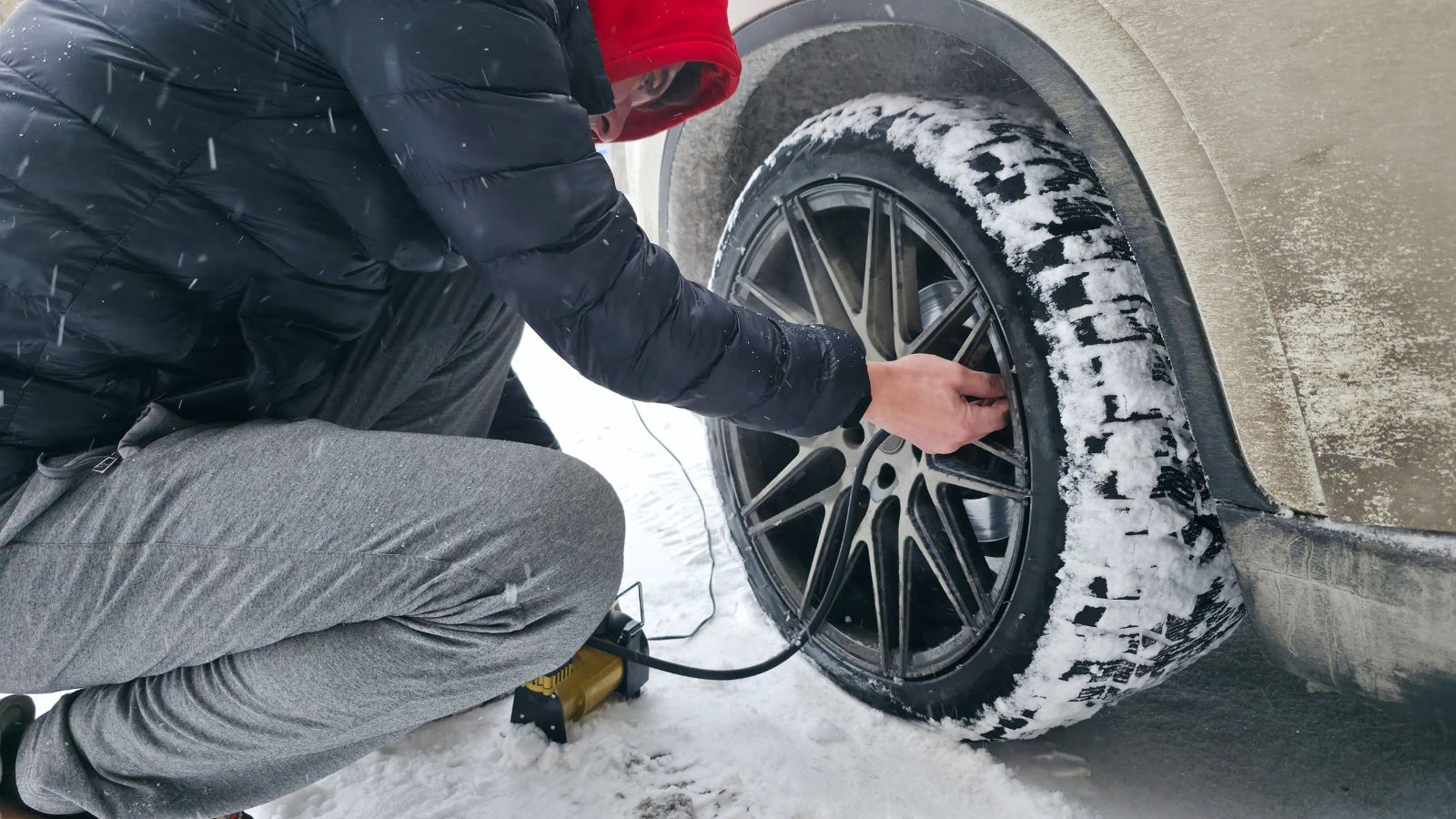
Canadian drivers often understand the importance of winter tires in theory but stretch them farther than they should in practice. That is where this mistake turns expensive. Once winter tires are too worn, they lose the traction advantage that justified buying them in the first place. At that point, the owner is not really saving money by keeping them on; the owner is just delaying a purchase while accepting weaker cold-weather performance.
The added cost does not have to arrive as a crash to matter. It can show up as longer stopping distances, more stressful driving, or gradual overconfidence in a set of tires that no longer delivers what it once did. Transport Canada’s guidance on tread depth exists for a reason. Winter driving punishes wishful thinking, and worn tires are a classic example. Many owners try to squeeze one more season out of them because the tread still looks “good enough,” only to discover that “good enough” in a Canadian winter is often the most expensive category of all.
Using All-Season Tires as if They Were a Winter Solution
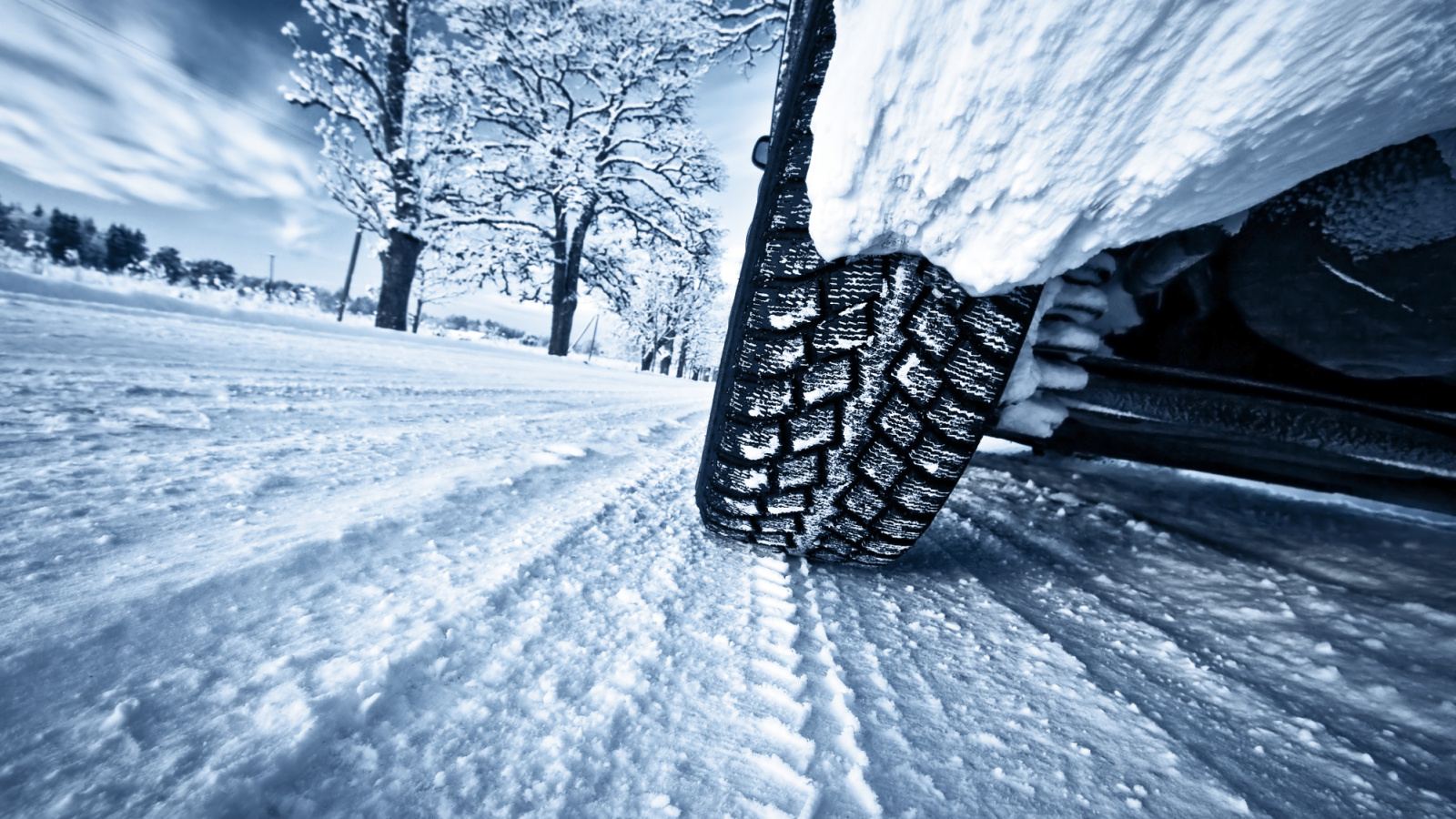
Another ownership mistake is assuming all-season tires are close enough to winter tires for most Canadian driving. In mild conditions, that belief can feel reasonable. In real cold, snow, and ice, it starts costing money. The expense is not just about worst-case scenarios. It is also about traction, control, and how much wear and stress the vehicle absorbs when the tires are not suited to the conditions.
This mistake often grows out of practicality. Someone wants to avoid the cost of a second set, the storage fee, or the seasonal swap, so the all-seasons stay on. But what looked like thrift can become false economy, especially in provinces and regions where winter is long and roads are inconsistent. Better traction can reduce risk, driver stress, and in some cases even insurance cost. Canadian winters do not charge everyone the same way, but they are remarkably consistent about one thing: shortcuts that seem cheap in November can become very expensive by February.
Letting the Engine Idle More Than Necessary
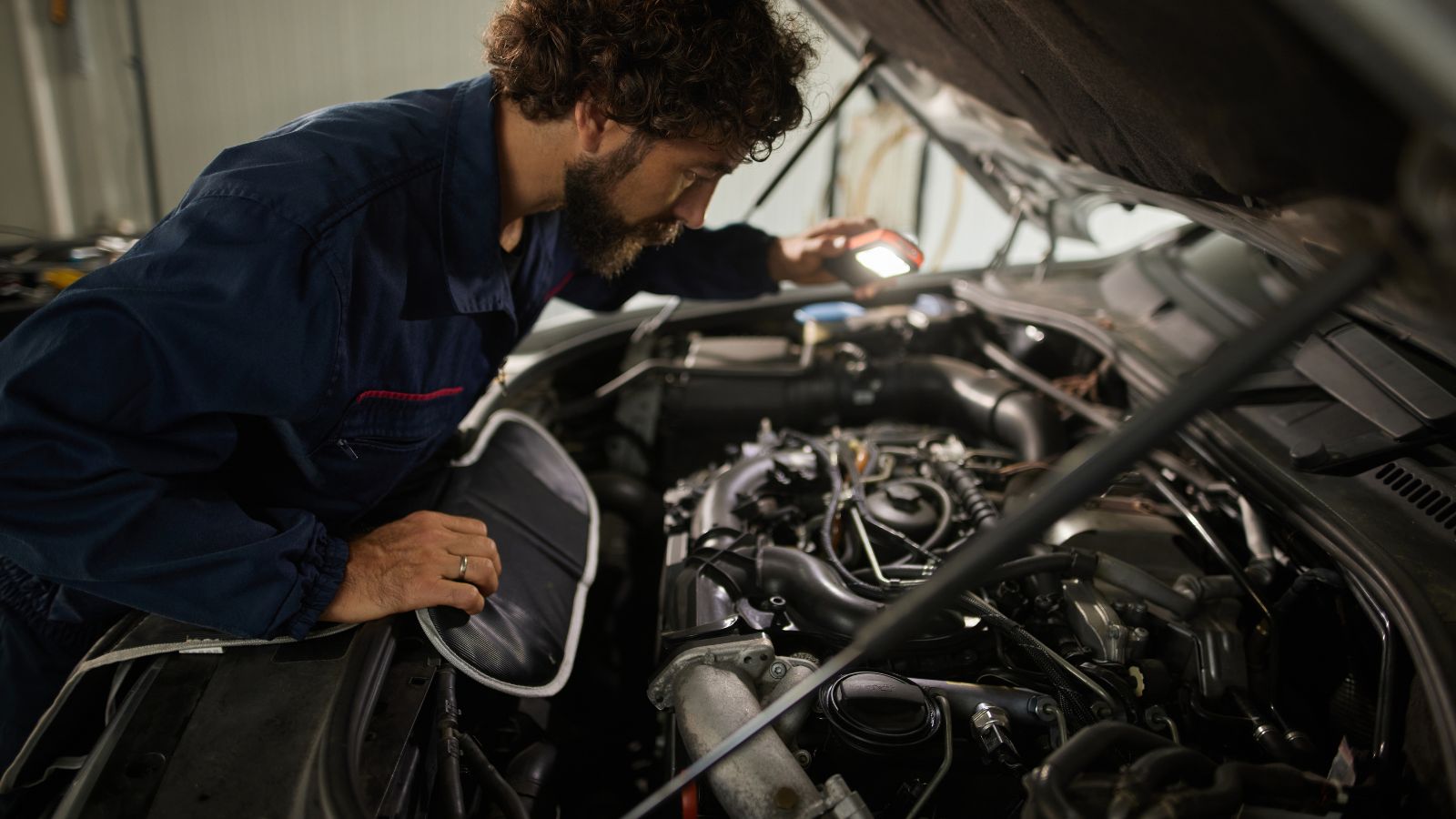
Idling feels harmless because the vehicle is not moving, but the costs keep moving anyway. Fuel is still being burned, and over time that adds up faster than many Canadians realize, especially in winter. Some drivers idle to warm the cabin, some out of habit, and some because it feels easier than turning the engine off for short stops. The common thread is that the expense hides inside a routine that feels normal.
That is why idling becomes an ownership mistake rather than just a driving habit. The owner rarely sees a separate “idling bill,” so the money disappears invisibly through fuel use. On cold days, it is easy to tell a comforting story about necessity, yet many vehicles do not need the amount of warm-up time owners still give them. Across a season, repeated idling can quietly inflate ownership costs without adding value, performance, or safety. It is one of the clearest examples of how a culturally familiar habit can become a steady drain on a vehicle budget.
Driving Too Fast and Too Aggressively on Everyday Trips

Aggressive driving does more than raise stress levels. It can raise ownership costs in multiple directions at once. Hard acceleration, abrupt braking, and sustained high-speed driving all tend to burn more fuel, and they can also increase wear on brakes and tires. What makes this mistake so common is that it does not feel like neglect. Many drivers see it as normal urban driving or a practical way to “keep up” on the highway.
Yet ownership math is unforgiving about repeated habits. A driver who spends years accelerating hard from lights, braking late, and cruising faster than necessary may never think of those choices as expensive, but the vehicle does. Fuel disappears more quickly, consumables wear sooner, and stop-start driving becomes harder on components. Even a modest change in habits can improve the numbers. In that sense, this is one of the most fixable cost mistakes on the list. It does not require a new vehicle, only a more disciplined way of using the one already parked outside.
Ignoring How Much Rough Roads and Potholes Really Cost
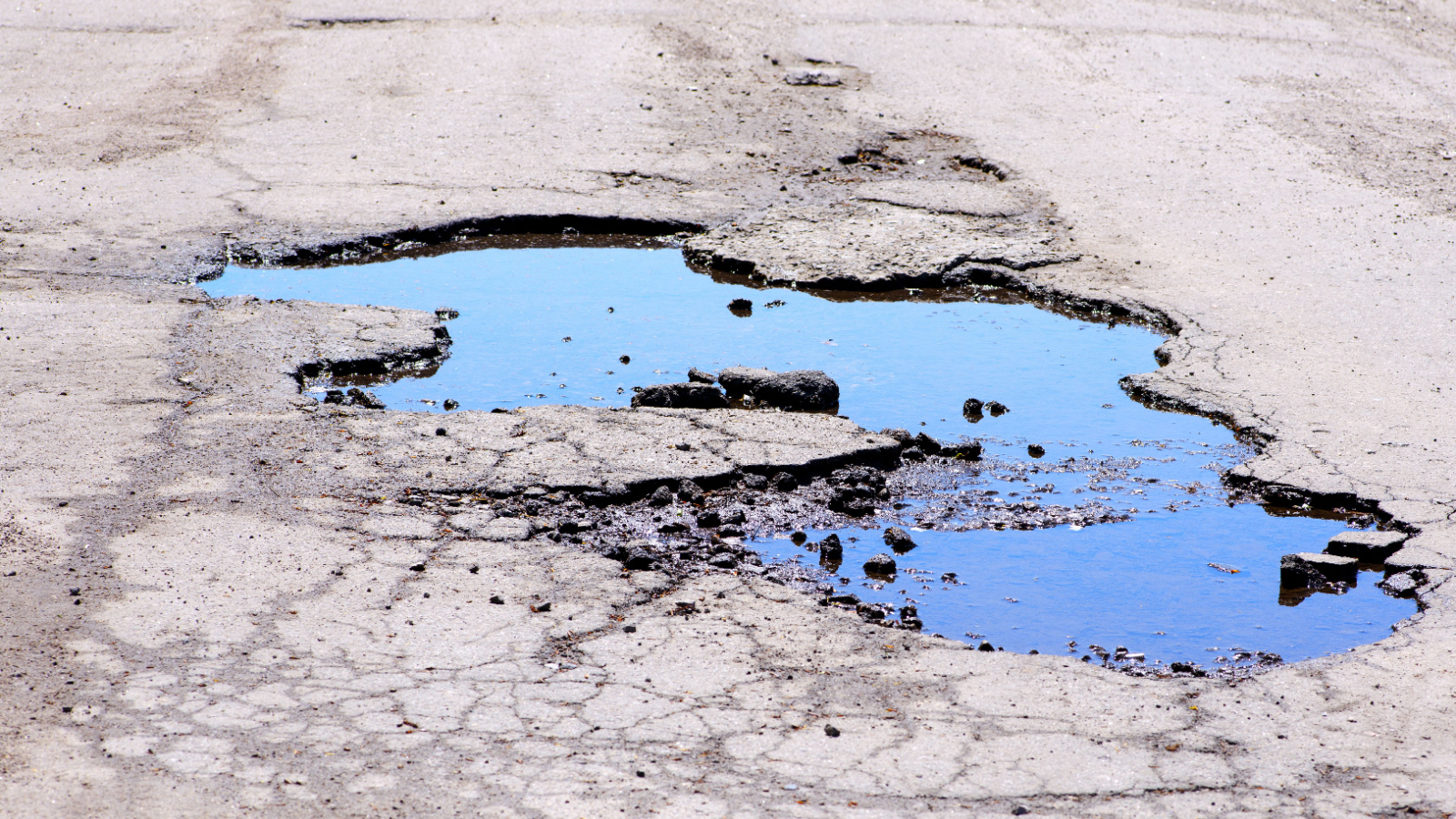
Poor roads are often treated as a public nuisance rather than a personal ownership expense. But for Canadian drivers, rough pavement can become a very real private bill. Potholes, cracking, rutting, and harsh surfaces do not merely make the ride unpleasant. They can increase wear, raise maintenance costs, and contribute to added depreciation over time. The road problem eventually becomes a vehicle problem.
That connection matters because drivers rarely budget for it. Nobody sets aside a monthly “bad pavement” fund, yet rough roads can still shape what ownership costs. A sudden impact may lead to an obvious repair, but the less dramatic version is just as costly: repeated suspension movement, higher tire wear, added maintenance pressure, and gradual loss of value. In other words, rough roads do not always create one huge bill; sometimes they create a series of smaller ones that feel unrelated until the total is added up. That is exactly why this ownership mistake is so easy to underestimate.
Choosing a Vehicle by Purchase Price, Not Insurance Risk

A cheaper vehicle is not automatically a cheaper vehicle to own. Many Canadians learn that after the purchase, when insurance quotes, theft risk, repair complexity, and claims experience start influencing the real cost. That is why choosing strictly by sticker price can be an expensive mistake. Some vehicles look like bargains until insurers evaluate how often they are stolen, how costly they are to repair, or how they perform in claims data.
This is where ownership becomes more complicated than a simple “cheap versus expensive” comparison. A vehicle with stronger safety equipment or better theft resistance may cost more upfront but fit more comfortably into the long-term budget. Meanwhile, a lower-priced vehicle with weaker loss-prevention features can carry a different insurance profile than the buyer expected. That does not mean every premium surprise is avoidable, but it does mean the research needs to go beyond MSRP. Ownership gets more expensive when people buy the vehicle they can purchase, not the vehicle they can afford to keep.
Carrying Only the Bare Minimum Insurance Without Thinking Ahead
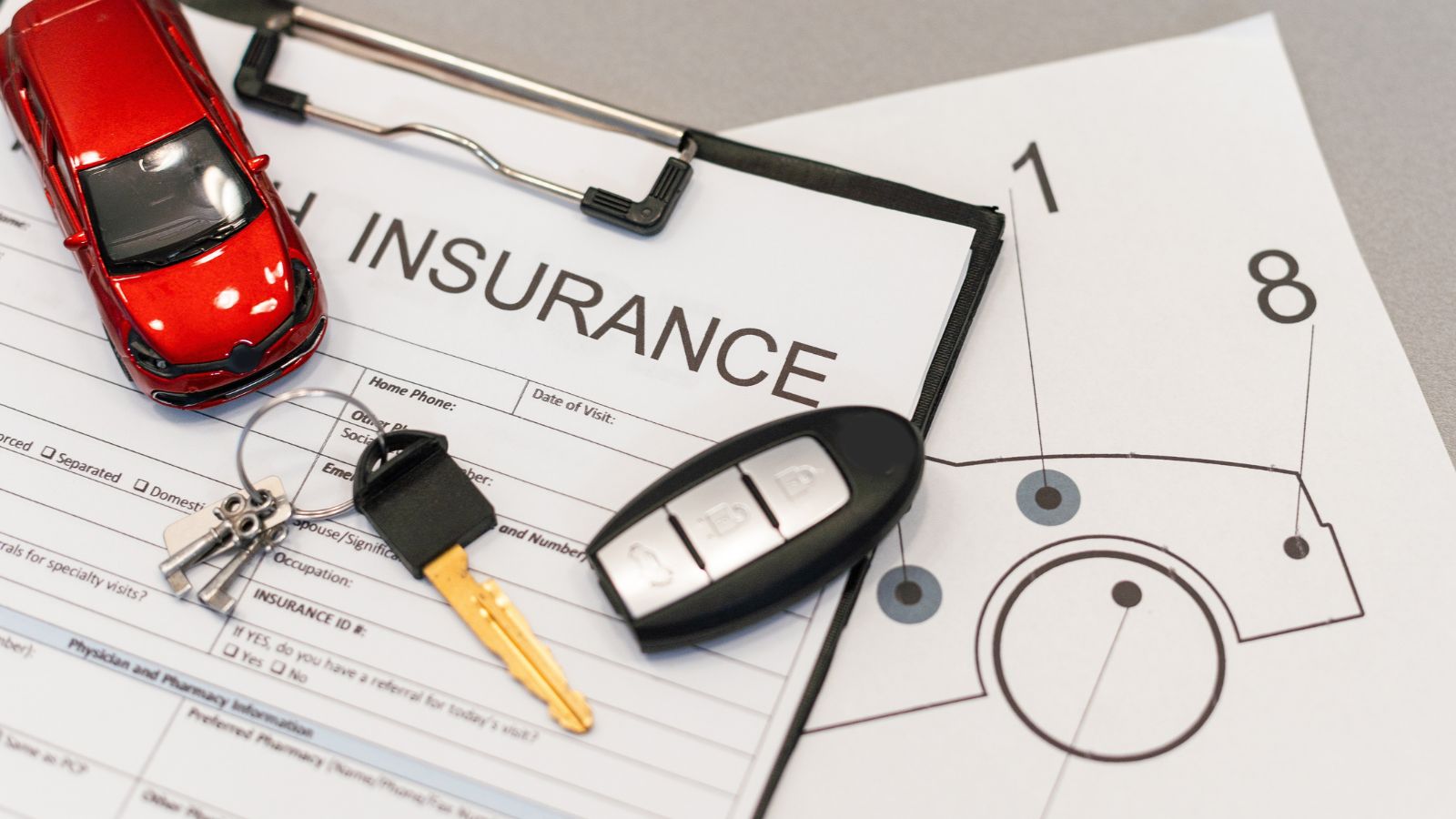
Minimum required insurance is a legal baseline, not a guarantee that an owner is financially well protected. That distinction gets expensive when Canadians buy coverage simply to get the vehicle on the road and never revisit the decision. Insurance requirements vary across provinces, and the minimum package may leave an owner exposed in situations involving damage, theft, or a loan balance that outlasts the vehicle’s value.
This mistake is especially painful because it often reveals itself only after something has gone wrong. A driver may feel responsible for years by paying the premium on time, only to discover after a serious incident that the cheapest acceptable coverage was never designed to handle every costly scenario. For a financed vehicle, the mismatch can be even sharper. Ownership is not just about keeping monthly costs low; it is also about preventing one bad day from turning into a long financial recovery. Saving on premiums can be smart. Saving without understanding the exposure often is not.
Ignoring Safety Recalls Because the Car Seems to Be Running Fine
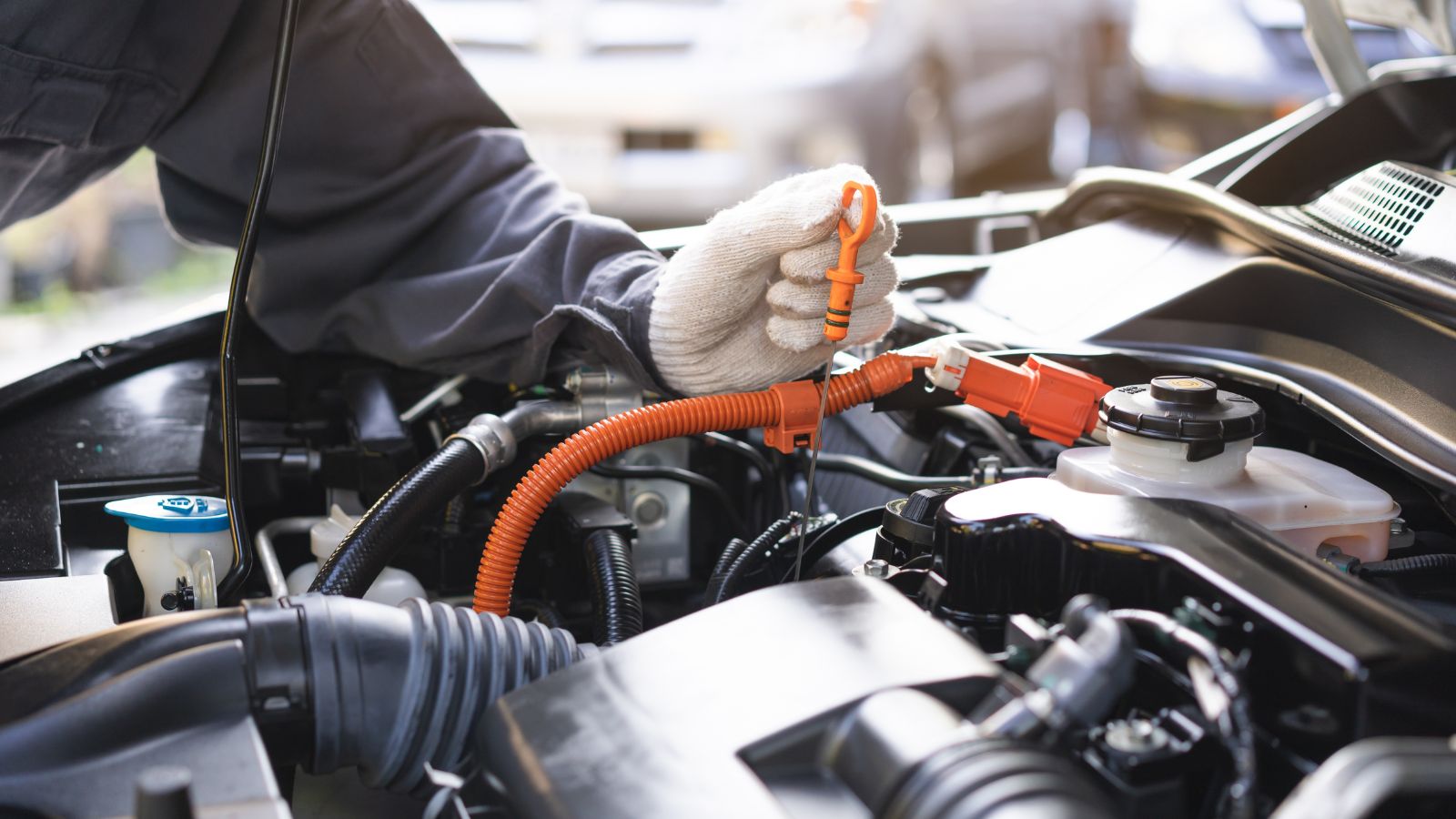
A recall is easy to postpone when the vehicle still feels normal. There may be no strange noise, no warning light, and no obvious sign that anything is wrong. That makes recall neglect one of the most deceptively expensive ownership mistakes. The owner assumes that because the issue has not become visible, it has not become important. In reality, unresolved recalls can involve serious safety defects, and waiting only increases the chance that a manageable fix becomes a larger problem.
The practical cost is not limited to safety alone. An unresolved recall can complicate resale conversations and make a vehicle look less well managed to a buyer or dealer. It also tells the next owner that the maintenance record may be incomplete. With Transport Canada and manufacturer VIN tools now easier to use, the barrier is rarely lack of access. More often, it is simple delay. That is how recall neglect works financially: the repair may cost little or nothing, but postponing it can still make the vehicle much more expensive to live with.
Rolling Negative Equity Into the Next Vehicle

Trading in a vehicle before the loan balance and the vehicle’s value have caught up is one of the fastest ways to make ownership spiral. It feels convenient because the transaction is folded into the next purchase, often with a dealer presenting one clean payment figure. But the old shortfall does not vanish. It usually gets carried into the next loan, where the owner begins the next chapter already behind.
That is why negative equity is so costly. It turns one expensive ownership cycle into two. A driver who owes more than the vehicle is worth may need to borrow to cover the gap, and the next vehicle starts life carrying debt from the previous one. The monthly payment may still look manageable, which is exactly what makes the trap durable. Over time, this habit can leave owners with larger loans, more interest, and fewer good options if they need to sell suddenly. It is one of the clearest examples of convenience today creating a more expensive future.
Failing to Keep Maintenance Records and Ownership Paperwork
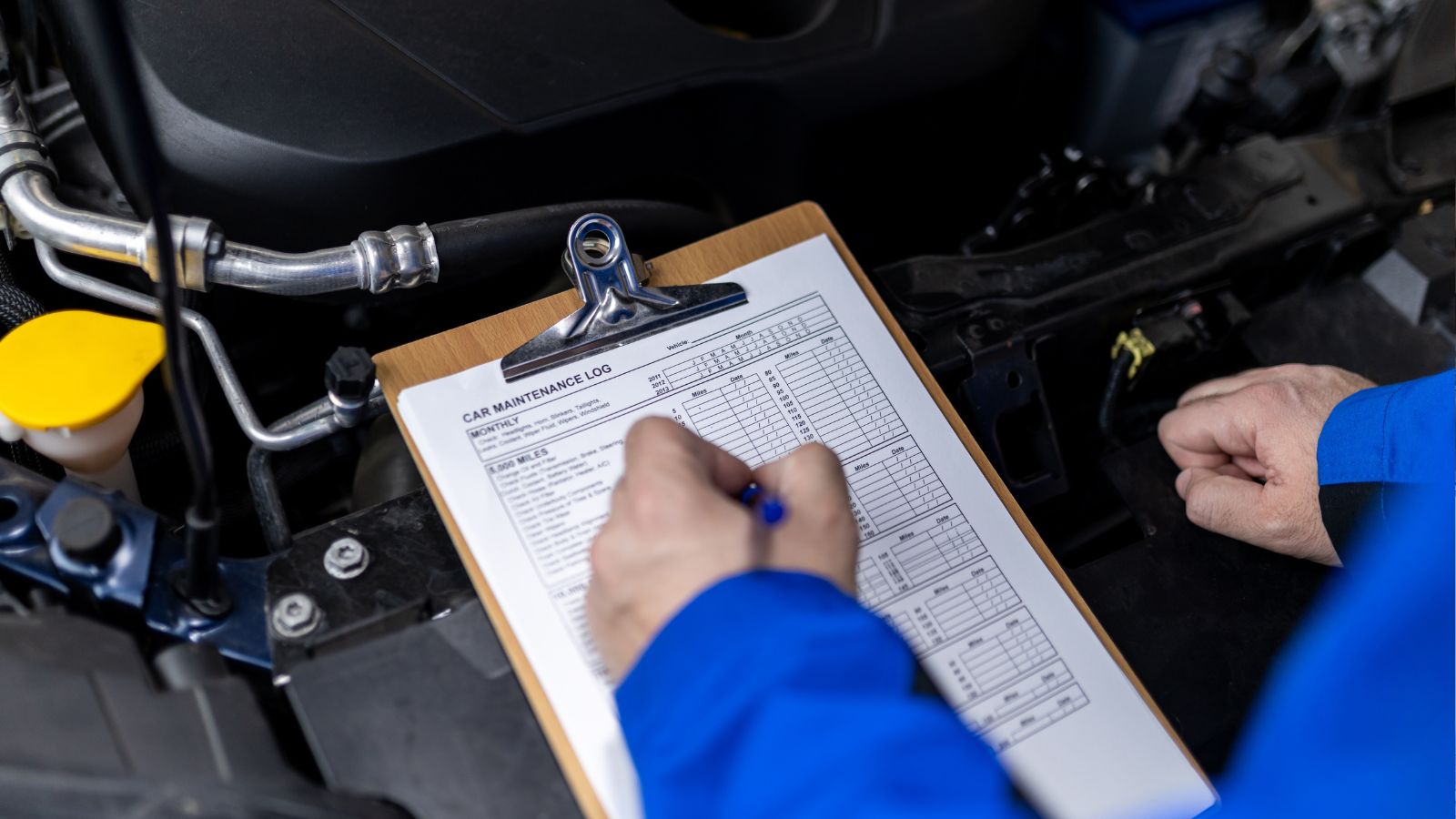
A vehicle that has been responsibly maintained but poorly documented can still become harder to sell and easier to undervalue. That is why sloppy recordkeeping is an ownership mistake, not just an organizational one. Buyers, dealers, and even mechanics read paperwork as evidence. Receipts, maintenance history, recall fixes, and inspection records help show that the vehicle was cared for in a consistent way rather than only repaired when something broke.
Without that paper trail, owners often lose leverage at exactly the wrong moment. A seller may know the car was maintained carefully, but if there is no stack of invoices, the next person has little reason to take that claim on faith. In a market where used-vehicle confidence matters, documentation can support resale value in a very practical way. It also helps owners make better decisions while they still have the vehicle, because they can see patterns instead of guessing. Good records do not make maintenance cheaper, but they can make ownership less wasteful.
Never Calculating the Full Cost of Ownership in One Place

Perhaps the broadest ownership mistake is never putting all the numbers together. Many Canadians know their payment, have a rough sense of fuel cost, and remember insurance renewal season, but they do not regularly look at the whole picture: depreciation, maintenance, repairs, tires, fuel, insurance, financing, and how usage patterns change the total. That fragmented view makes vehicles feel cheaper than they really are.
Once the full cost is visible, a lot of “surprises” stop being surprises. The second set of winter tires looks less optional. The shorter loan term starts making more sense. A vehicle that seemed affordable by sticker price may look different once annual mileage and province-specific costs are added in. Ownership becomes expensive when people manage categories separately and never total them. In the end, the costliest mistake may not be any single repair or habit on this list. It may be failing to see that all of them belong to the same running bill.
22 Things Canadians Do to Their Cars in Spring That Mechanics Hate
Spring brings relief to many Canadian drivers after months of snow, freezing temperatures, and icy roads that put serious strain on vehicles. As temperatures rise across the country, drivers begin washing cars, switching tires, and preparing vehicles for warmer weather and upcoming road trips. However, mechanics across Canada notice the same mistakes every spring when drivers attempt to recover from winter damage. Road salt, potholes, and harsh winter driving conditions often leave vehicles with hidden problems that drivers ignore. Some spring habits even create new mechanical issues that could have been avoided with proper maintenance. Here are 22 things Canadians do to their cars in spring that mechanics hate.