
























Electric vehicles continue to gain traction across Canada. Sales keep rising every year. Federal rebates and provincial incentives helped many buyers make the jump. Yet resale value still surprises many EV owners. Some electric models hold their price well. Others lose value faster than expected. Battery reputation, brand trust, and demand all play a role. Charging networks also shape resale confidence. Canadian winters also affect long-term buyer interest. Used EV shoppers often look closely at range and reliability. Buyers should know which EVs perform best. Here are 19 EVs that hold their value best in Canada (and 10 that don’t).
EVs That Hold Their Value Best in Canada
Tesla Model 3
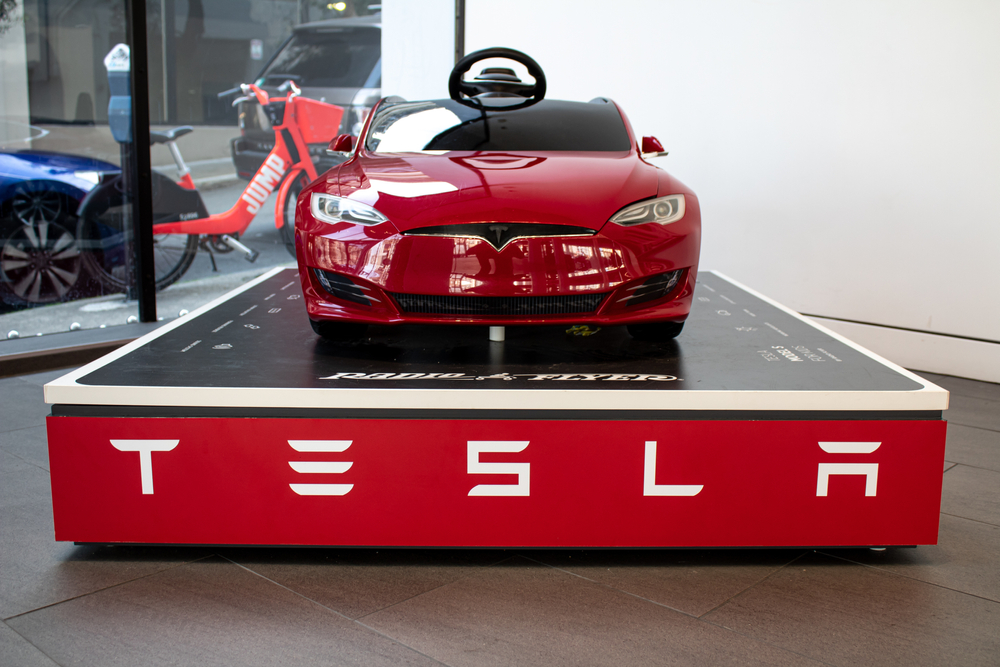
The Tesla Model 3 remains one of the most liquid used EVs in Canada. Strong brand awareness keeps demand steady. Many buyers trust Tesla’s battery longevity and software updates. Long-range versions hold value especially well. Charging access through the Supercharger network helps resale confidence. Canadian buyers also like the winter traction from dual motor models. The car also benefits from constant media attention. Used inventory rarely sits long on dealer lots. Even early 2019 models still command strong prices. The Model 3 also gained range improvements over time. That history keeps buyers interested. Many used buyers view it as the safest EV purchase.
Tesla Model Y
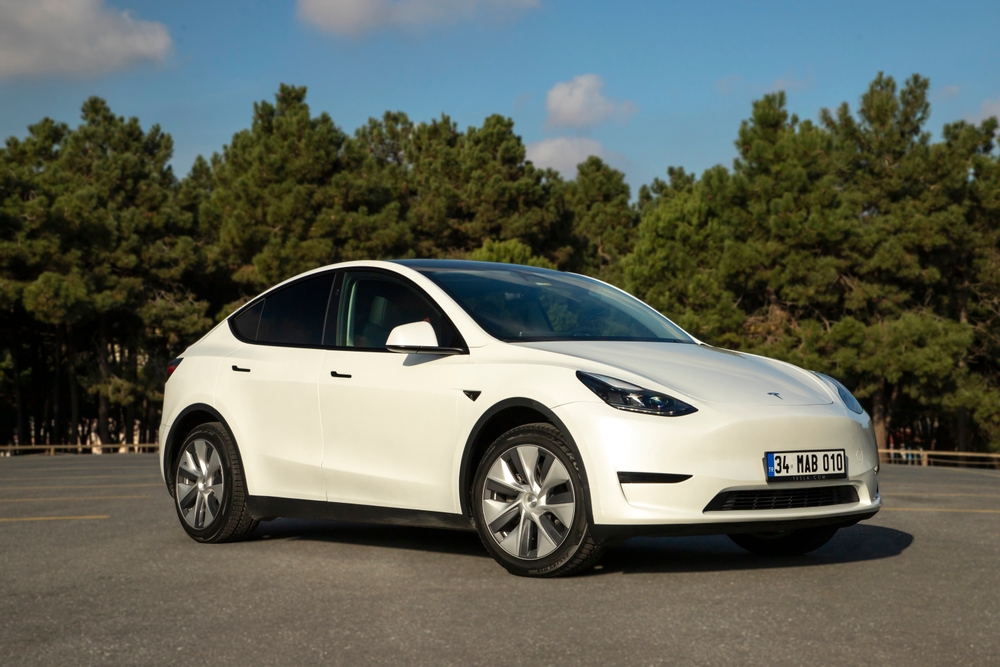
The Tesla Model Y sells extremely well across Canada. Strong demand continues in both urban and suburban markets. Buyers appreciate the SUV shape and usable cargo space. Dual motor variants perform well in winter climates. That matters to Canadian drivers. Tesla’s charging network remains a large advantage. Many used buyers choose Tesla simply for that access. The Model Y also receives software updates that improve features. Owners rarely feel their vehicle becomes outdated. High sales volume also creates steady resale demand. Even with many units on the road, prices stay strong. Used shoppers see it as a practical electric SUV choice.
Hyundai Ioniq 5
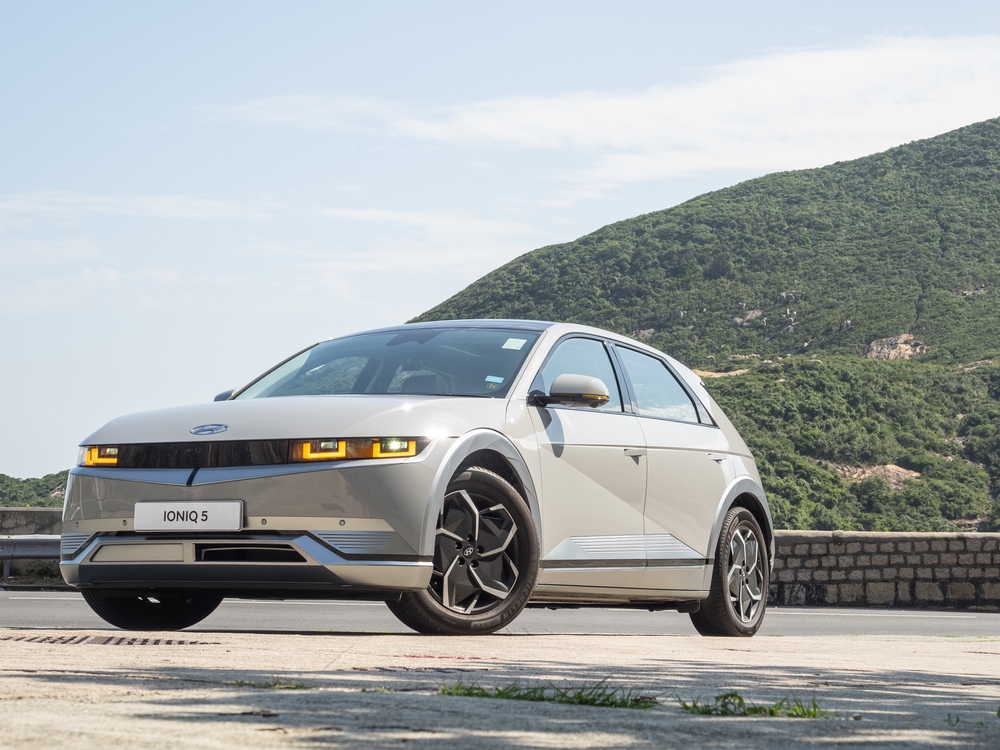
The Hyundai Ioniq 5 quickly built a strong reputation in Canada. Buyers appreciate its fast charging ability. The 800-volt architecture cuts charging times significantly. Many Canadian EV drivers prioritize that feature. The interior space also feels larger than expected. Hyundai also backs the battery with a long warranty. That improves buyer confidence in the used market. AWD versions sell particularly well in snowy regions. The styling also attracts attention even years after launch. Demand for used units stays steady. Supply remains somewhat limited. That balance helps resale value stay stronger than many competitors.
Kia EV6
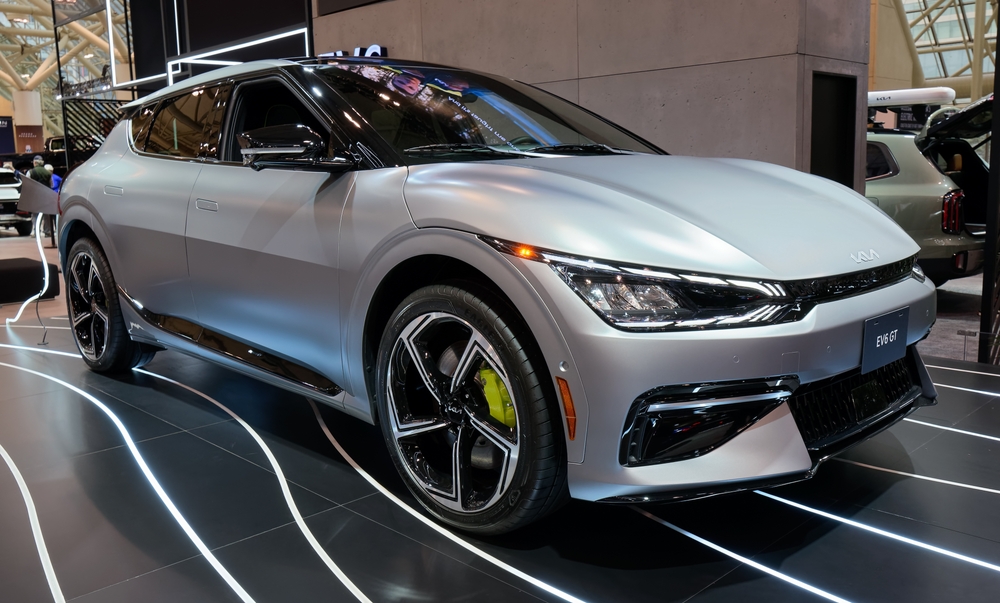
The Kia EV6 shares technology with the Ioniq 5. Both vehicles use Hyundai’s E-GMP platform. Canadian drivers praise the EV6 for its strong range and fast charging. The GT-Line trims attract strong used demand. Buyers also appreciate the sporty driving feel. Many EV crossovers focus mostly on comfort. The EV6 adds performance to the equation. Kia’s long battery warranty improves resale trust. Canadian winters also highlight the benefits of AWD versions. Dealers report strong interest in lightly used EV6 models. Production volumes remain moderate. That helps resale stability. Many buyers see the EV6 as a balanced EV option.
Chevrolet Bolt EUV
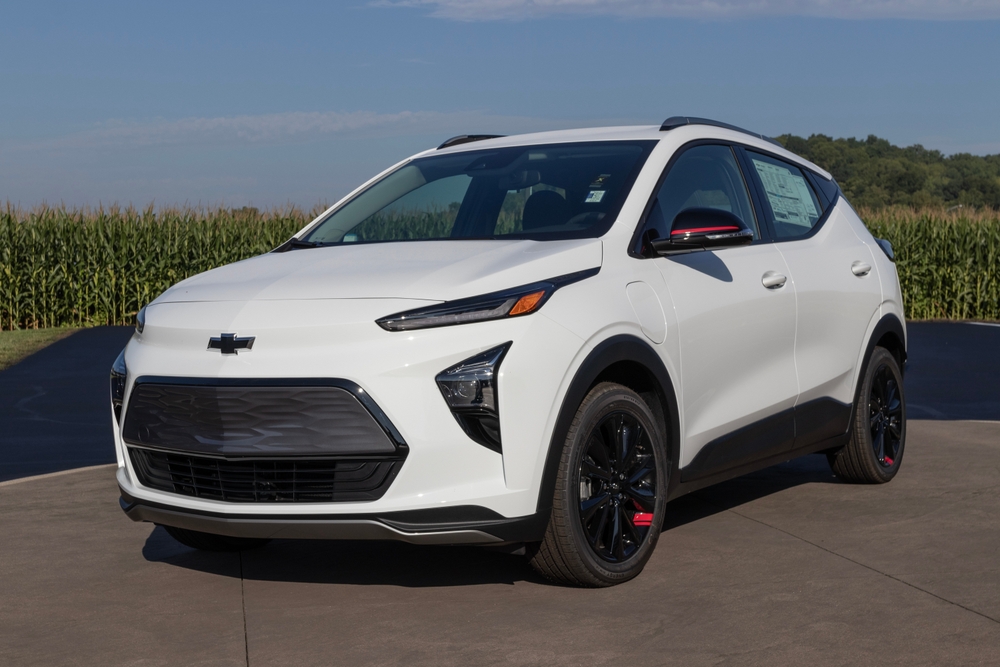
The Chevrolet Bolt EUV gained a loyal following in Canada. Its price helped many drivers enter the EV market. Even after early battery recalls, resale demand stayed strong. General Motors replaced many batteries under warranty. That actually improved confidence among buyers. The Bolt also offers a practical range for daily driving. Many Canadian commuters find the range more than sufficient. The compact size works well in cities. Charging speeds are slower than those of newer EVs. Still, the affordability keeps buyers interested. Used examples often sell quickly. Many drivers see it as a reliable budget EV.
Ford Mustang Mach-E
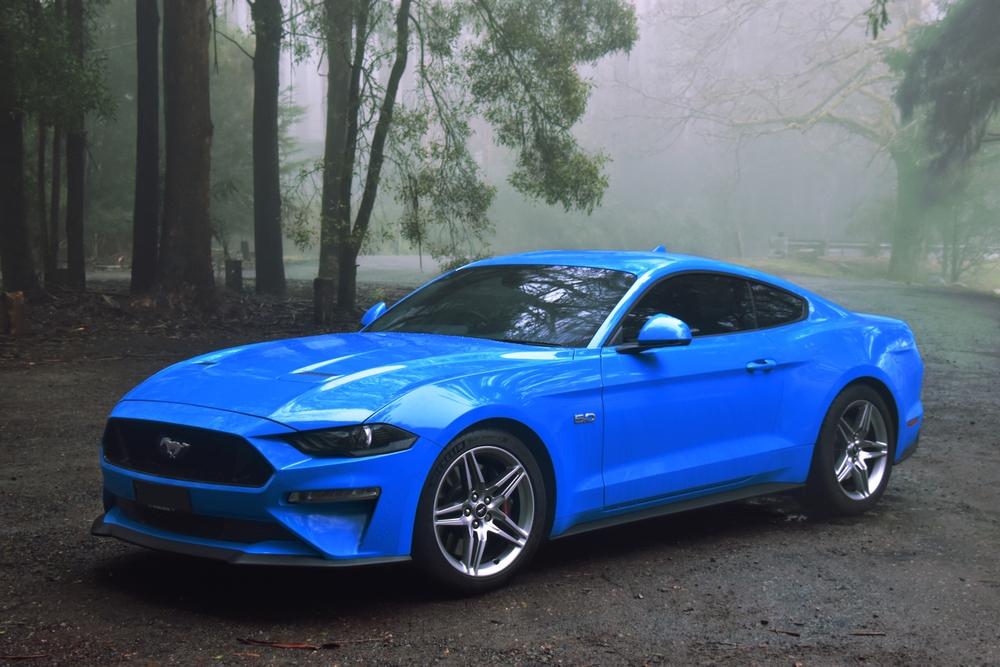
The Ford Mustang Mach-E attracts buyers who want a sportier EV. Strong performance trims draw attention. The GT model especially holds value well. Many drivers appreciate the familiar Ford dealership network. That helps buyers who want traditional service access. AWD models perform well during Canadian winters. Interior space also works well for families. Ford continuously updates the software experience. Buyers feel the vehicle remains current. Production numbers remain moderate compared with Tesla models. That keeps resale supply manageable. Used Mach-E listings often sell quickly in major Canadian cities.
Volkswagen ID.4
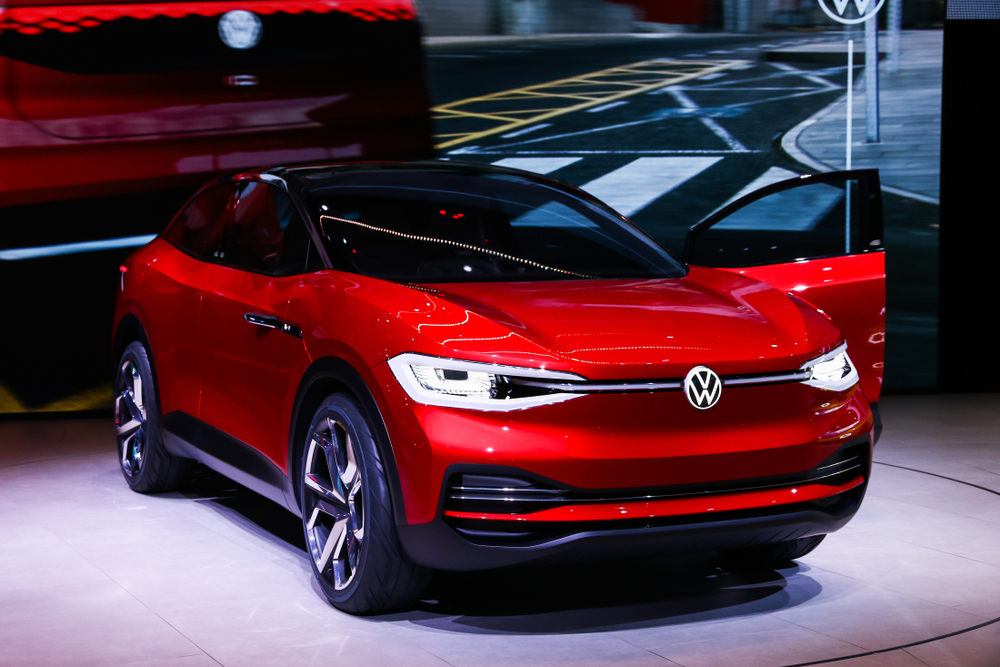
The Volkswagen ID.4 appeals to drivers leaving gasoline SUVs. Its design feels familiar and simple. Many buyers appreciate that approach. The cabin focuses on comfort rather than extreme technology. AWD versions help winter driving confidence. Volkswagen also built strong brand trust in Canada over the decades. Many existing VW owners feel comfortable switching to the ID.4. Government incentives helped boost early adoption. That also increased the awareness of used inventory. The range suits most daily driving needs. Demand stays steady in the used market. Many buyers consider it a safe transition into electric driving.
Toyota bZ4X
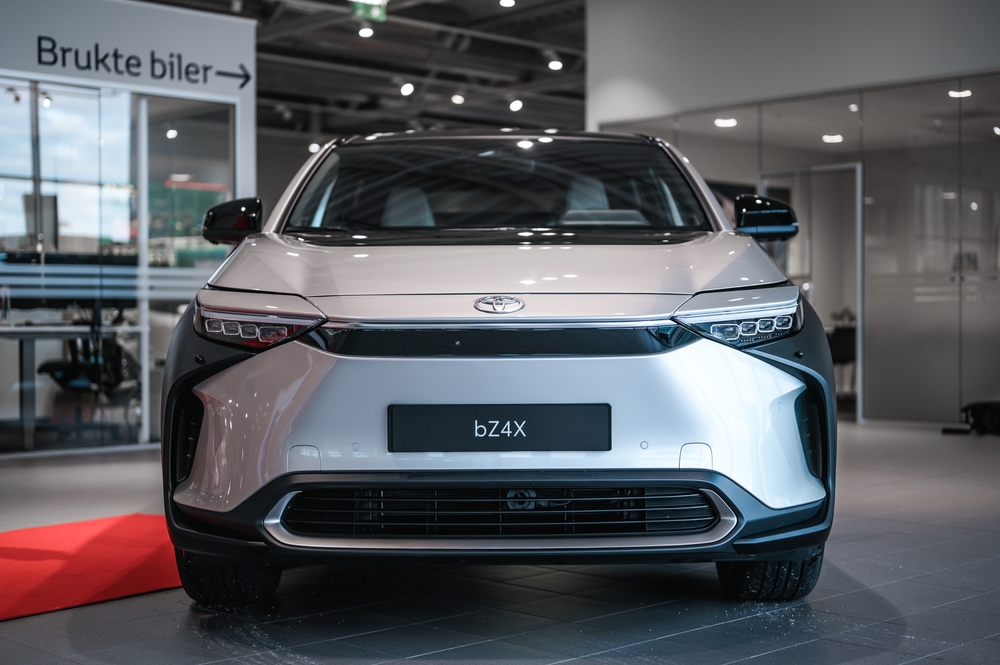
Toyota’s first major electric effort drew mixed reviews at launch. Yet resale values remain relatively stable. Toyota’s reliability reputation still carries weight. Many buyers trust the brand even in early EV models. The bZ4X also offers AWD capability. That appeals to Canadian drivers. Interior space and ride comfort attract families. Range figures remain competitive for daily use. Toyota dealerships also provide wide service coverage. Some buyers prefer that support network. Limited production volumes help resale value. Supply stays tighter than demand in some regions. That helps prices remain stable.
Nissan Ariya
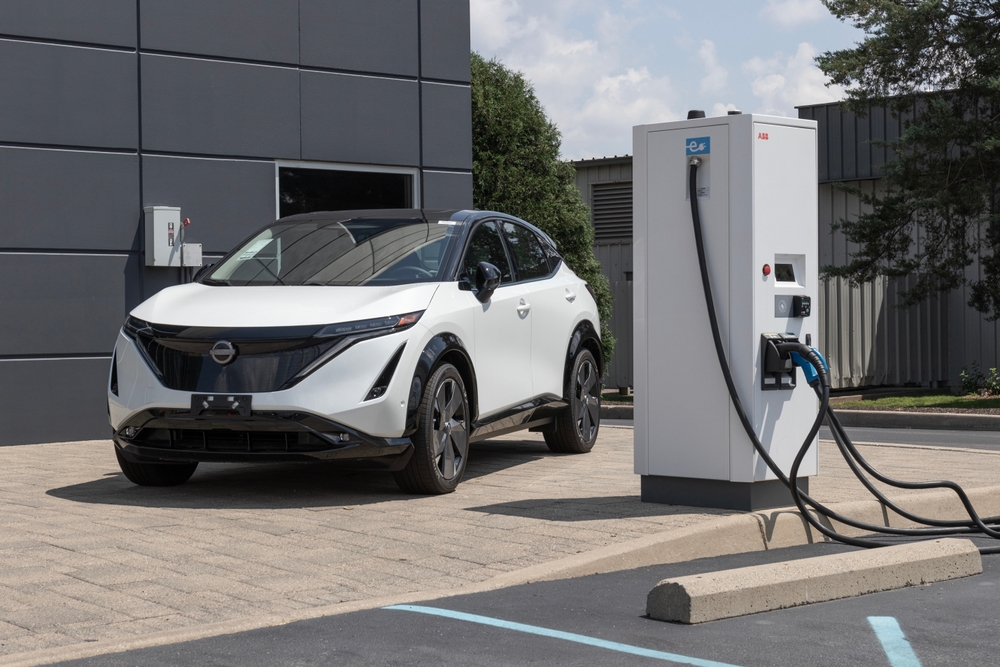
The Nissan Ariya benefits from the brand’s long EV history. Nissan launched the Leaf over a decade ago. Many buyers remember that early leadership. The Ariya adds modern design and improved range. AWD versions perform well during the winter months. Interior materials feel more premium than those of earlier Nissan EVs. The Ariya also offers smooth and quiet driving. Used buyers often look for those comfort traits. Sales volumes remain moderate across Canada. That helps prevent heavily used inventory. Buyers interested in reliable EV crossovers often consider the Ariya first.
Tesla Model S
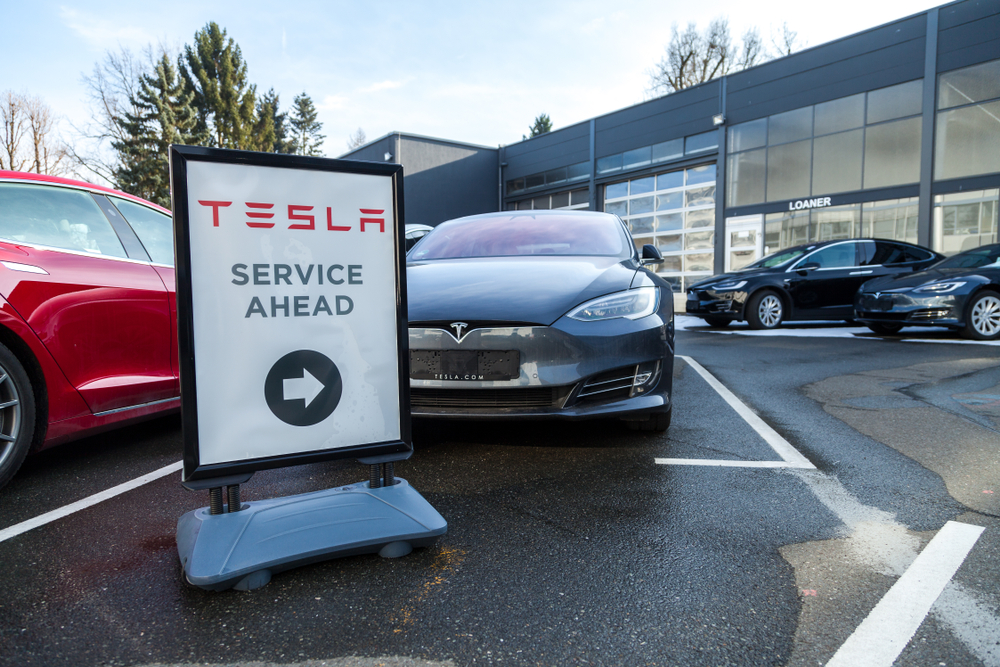
The Tesla Model S still commands attention in the used market. Long range and performance remain strong selling points. Many buyers appreciate the large interior space. Tesla’s reputation for software updates also helps resale confidence. Older models continue receiving new features. That keeps them feeling modern. Performance versions also attract enthusiasts. Canadian EV drivers value the extensive Supercharger network. Even older Model S vehicles still command strong resale prices. Limited luxury EV competition also helps values stay stable. Many buyers see it as a premium electric flagship.
Tesla Model X
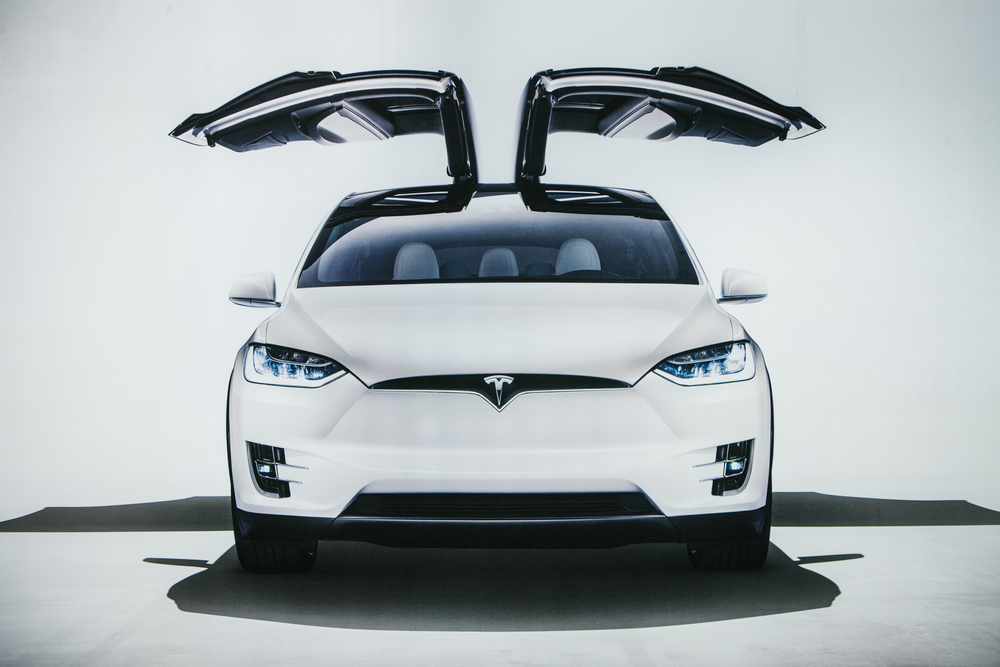
The Tesla Model X stands out with its unusual Falcon Wing doors. That design still draws attention years later. Buyers looking for large electric SUVs often consider it first. The long-range versions remain highly desirable. Families appreciate the three-row seating layout. Tesla’s charging network remains a strong selling point. The vehicle also receives frequent software updates. That keeps older models feeling current. Used inventory stays relatively limited in Canada. Prices remain strong as a result. Buyers seeking a luxury EV SUV often return to the Model X.
BMW i4
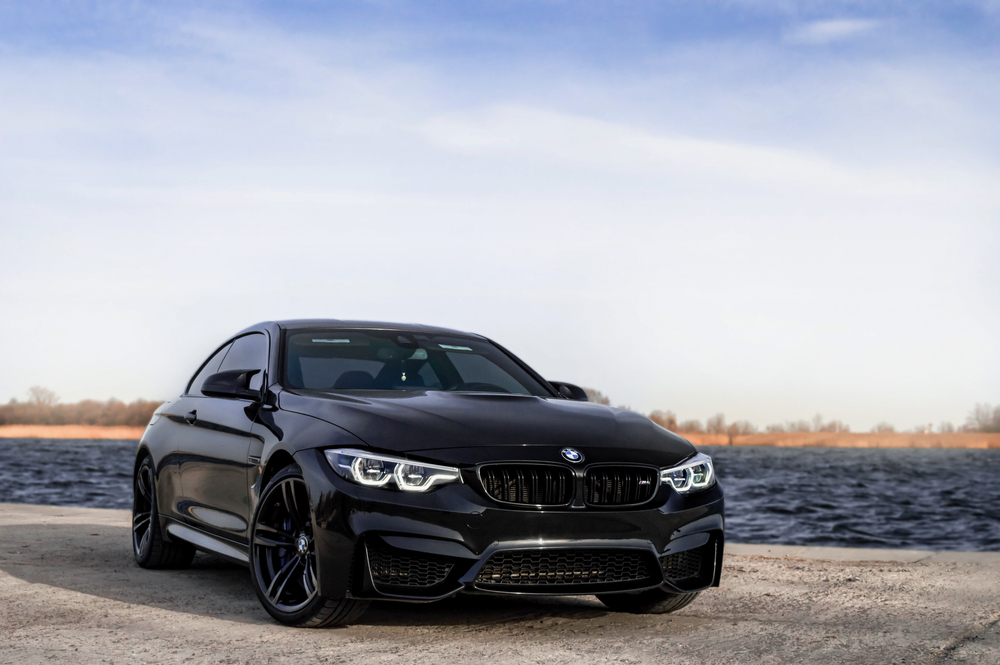
The BMW i4 appeals to drivers who enjoy traditional sports sedans. It drives more like a gasoline BMW than many EVs. That familiarity helps attract loyal buyers. Interior quality also matches BMW expectations. Range numbers remain competitive for Canadian commuters. Fast charging capability improves long-distance practicality. The i4 also benefits from BMW’s dealer network. Buyers often trust established luxury brands. Production levels remain controlled. That limits oversupply in the used market. Demand for used i4 models remains healthy. Many buyers see it as a smooth transition to electric performance.
Audi Q4 e-tron
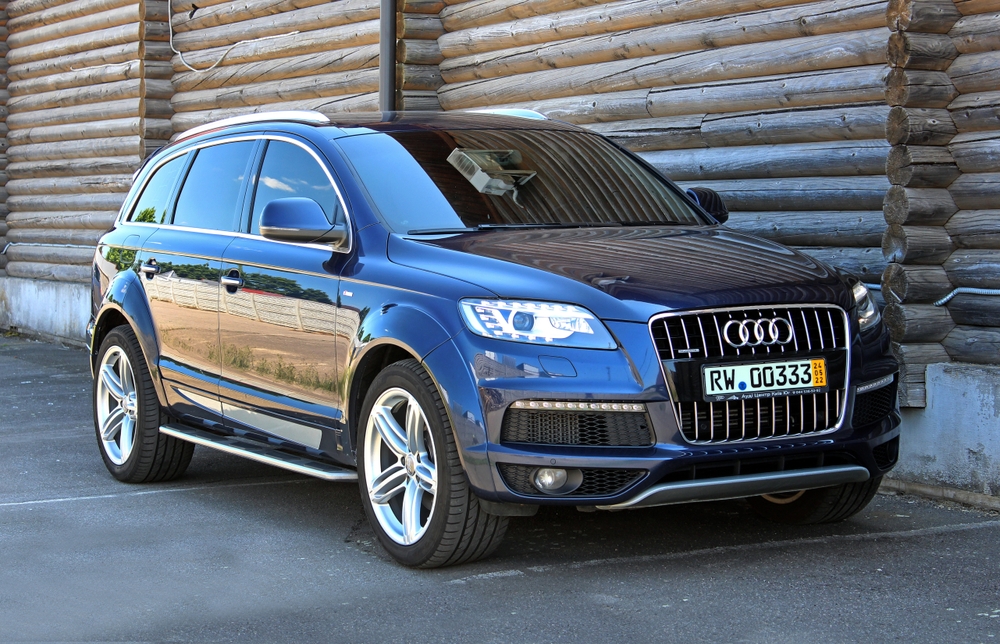
The Audi Q4 e-tron blends luxury features with everyday usability. The compact SUV size fits Canadian city life well. Audi interiors remain a major selling point. Buyers appreciate the clean layout and material quality. AWD capability improves winter confidence. Range numbers meet most daily driving needs. Audi also benefits from a strong brand reputation. Many buyers prefer premium badges when buying used. Production levels remain moderate across Canada. That keeps supply balanced with demand. Used Q4 e-tron models often sell quickly at luxury dealerships.
Rivian R1T
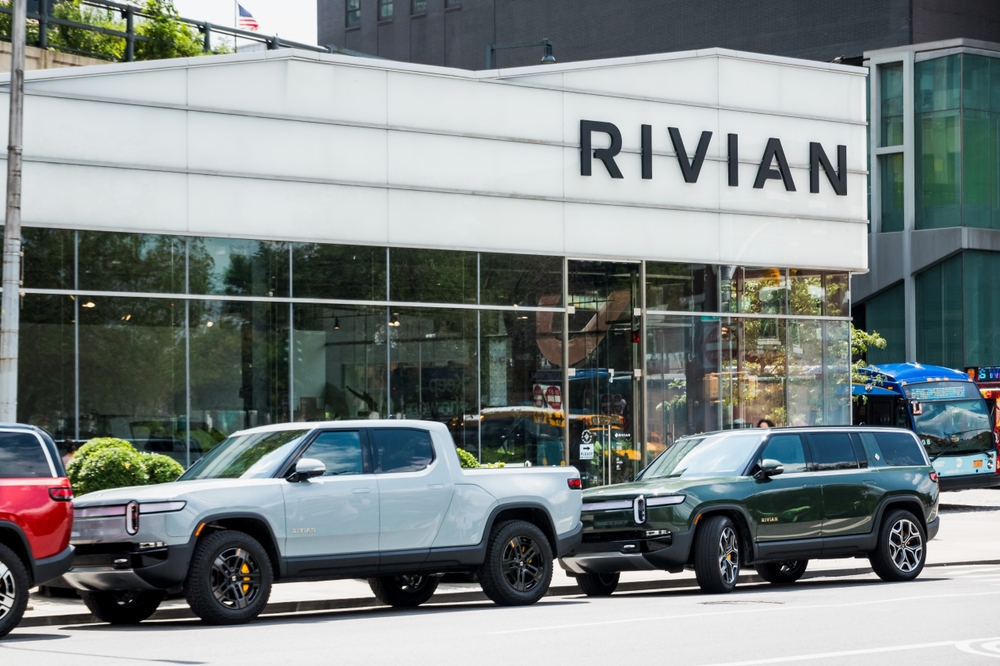
The Rivian R1T remains rare on Canadian roads. Limited supply drives strong resale demand. Buyers interested in electric trucks often consider them first. The off-road capability attracts adventure drivers. Many Canadians value trucks for outdoor activities. Range numbers remain competitive despite the large size. The truck also offers unique storage solutions. Rivian’s brand image still feels fresh and exciting. Early adopters created strong buzz around the model. Used listings remain scarce. That scarcity helps maintain high resale values.
Rivian R1S
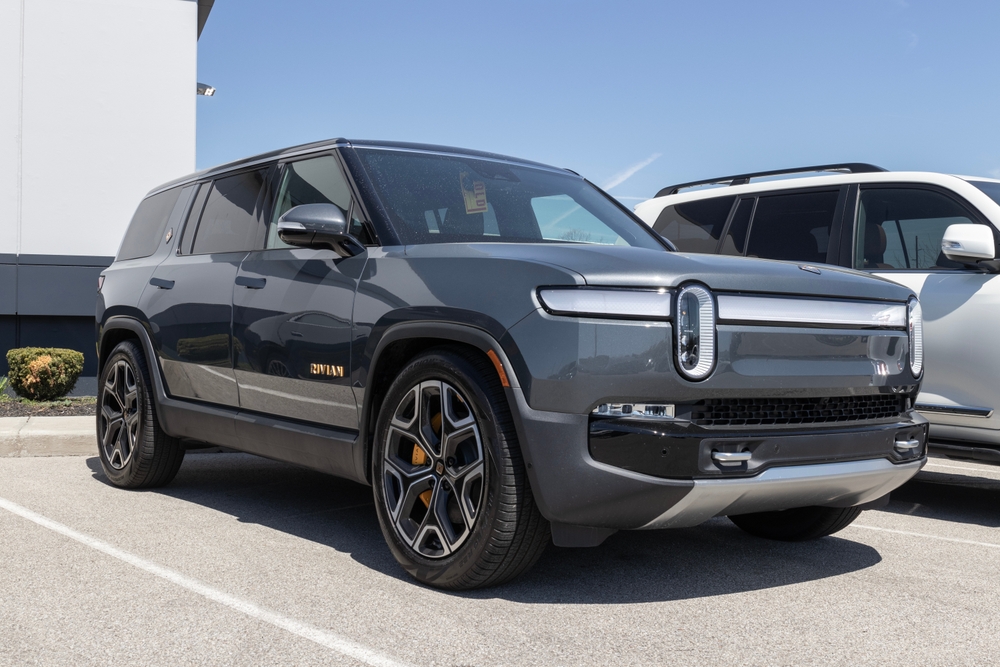
The Rivian R1S follows the same formula as the R1T. It simply adds SUV practicality. Canadian families appreciate the three-row seating layout. The off-road ability also attracts outdoor enthusiasts. Rivian designed the vehicle for rugged environments. That suits many Canadian lifestyles. Demand still exceeds supply in several markets. Early buyers rarely sell their vehicles quickly. That keeps the used listings limited. Strong battery range also helps resale confidence. Buyers see it as a capable electric family SUV.
Polestar 2
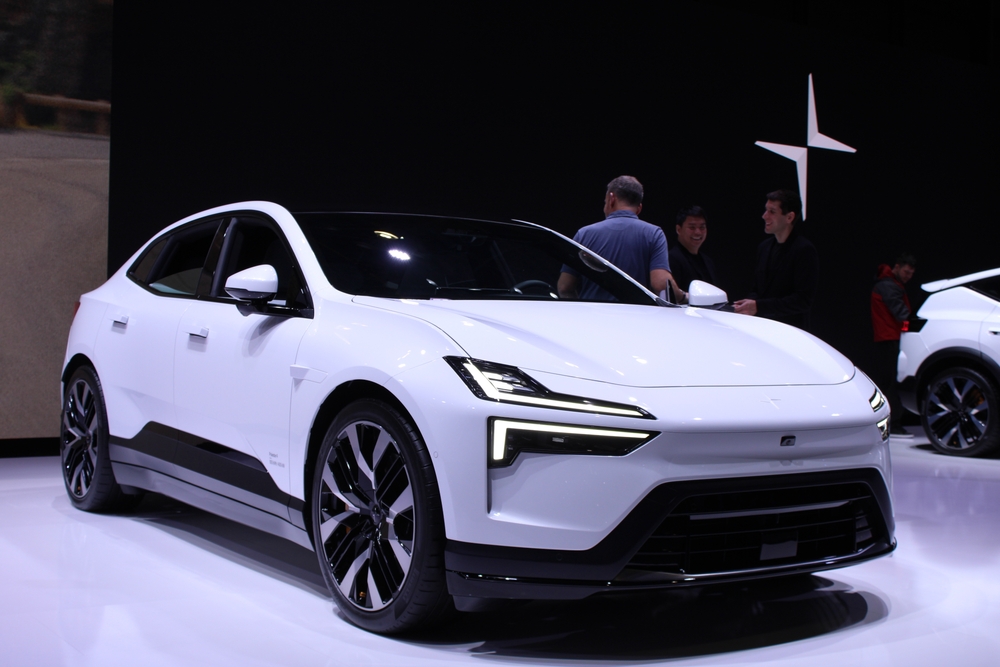
The Polestar 2 developed a loyal following among EV buyers. Scandinavian design gives the car a unique personality. Many buyers prefer its minimalist interior style. Performance remains strong for a compact EV sedan. AWD models provide good winter traction. The brand also benefits from Volvo’s engineering roots. Buyers trust that safety heritage. Production levels remain relatively controlled. That prevents heavy oversupply in the used market. Demand for lightly used Polestar 2 units stays consistent.
Kia Niro EV
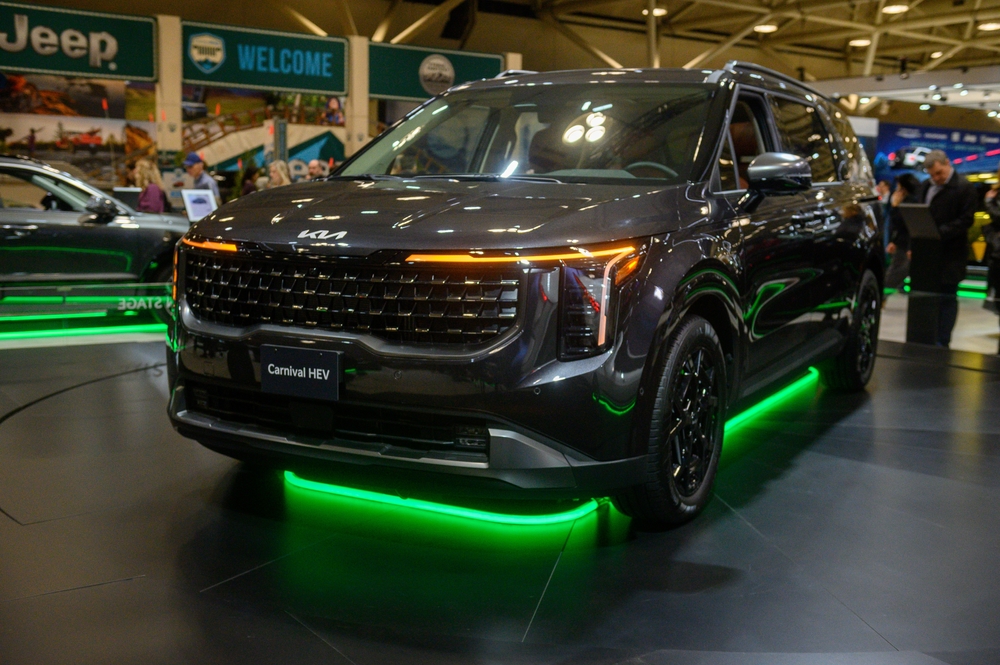
The Kia Niro EV often flies under the radar. Yet it performs well in resale markets. Buyers appreciate its practicality and efficiency. Range suits everyday commuting needs. The vehicle also offers a familiar crossover shape. Many buyers prefer that design over sedan EVs. Kia’s long warranty improves buyer confidence. Maintenance costs also remain relatively low. The Niro EV attracts budget-conscious EV shoppers. Used listings rarely sit long at dealerships.
Hyundai Kona Electric
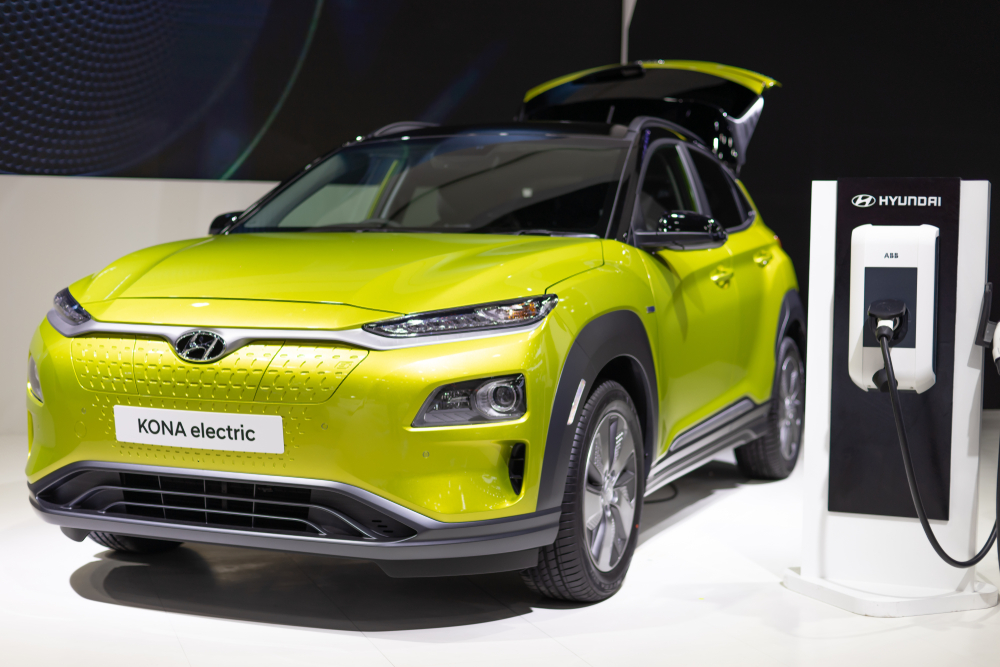
The Hyundai Kona Electric gained popularity early in Canada. It offered a strong range for its size. Many drivers adopted it as a commuter vehicle. Reliability reports remain generally positive. The compact size helps with city driving and parking. Buyers appreciate the affordable entry point. Hyundai’s battery warranty improves resale trust. Production remained limited in the early years. That helped the used values remain steady. Demand still exists for affordable EV crossovers.
Volvo XC40 Recharge
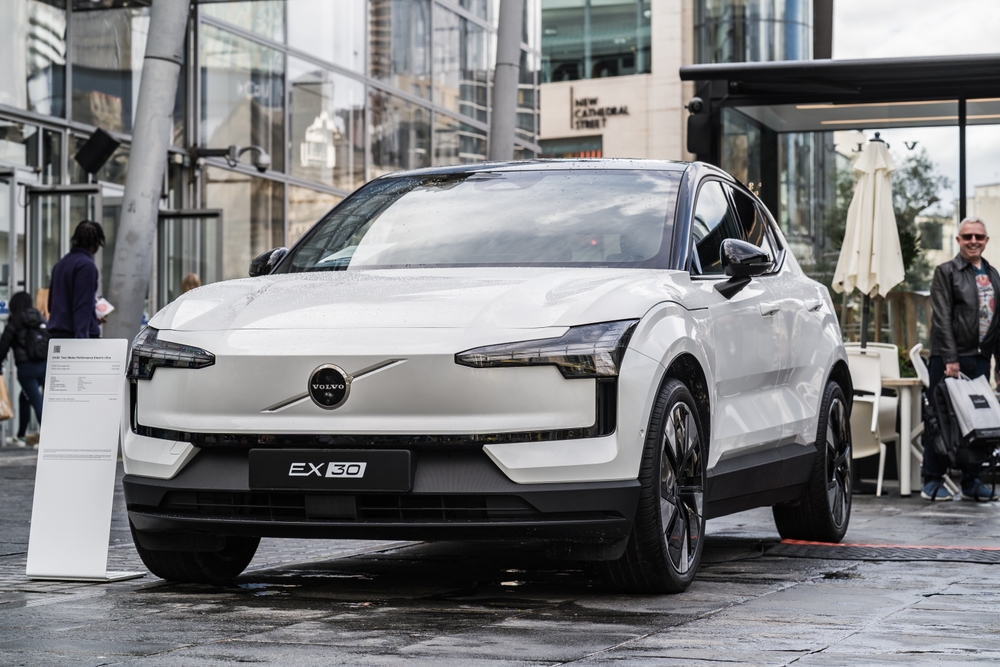
The Volvo XC40 Recharge appeals to safety-minded buyers. Volvo built a strong reputation for protection systems. That brand trust carries into the EV market. The vehicle also offers strong performance. AWD capability helps with winter driving. Interior design remains clean and modern. Many buyers appreciate Volvo’s understated style. The crossover shape also suits family use. Supply remains limited in Canada. That helps resale prices remain healthy.
EVs That Don’t Hold Value Well
Nissan Leaf
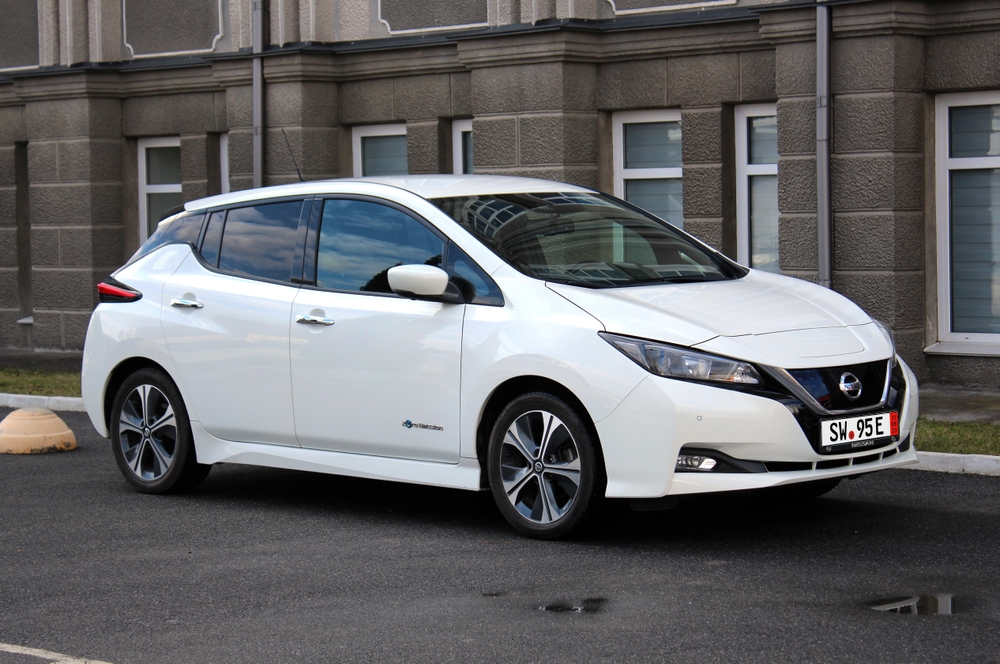
The Nissan Leaf helped launch the modern EV market. Yet resale values often fall faster today. Older battery technology limits long-term appeal. Early models lack active battery cooling. That can affect long-term battery health. Range numbers also fall short compared with newer EVs. Many buyers now expect a longer range. Charging speeds also feel slow by modern standards. Supply remains relatively high in used markets. That pushes prices downward.
Chevrolet Bolt
The Chevrolet Bolt offers a strong range for its price. Yet resale values dropped after major battery recalls. General Motors replaced many batteries. Even so, some buyers remain cautious. The car also lacks fast charging compared with modern EVs. Interior quality also feels basic for some shoppers. Highly used supplies also affect pricing. Many owners bought the Bolt during rebate periods. Those vehicles now enter the used market together. That pushes resale values lower.
Jaguar I-Pace
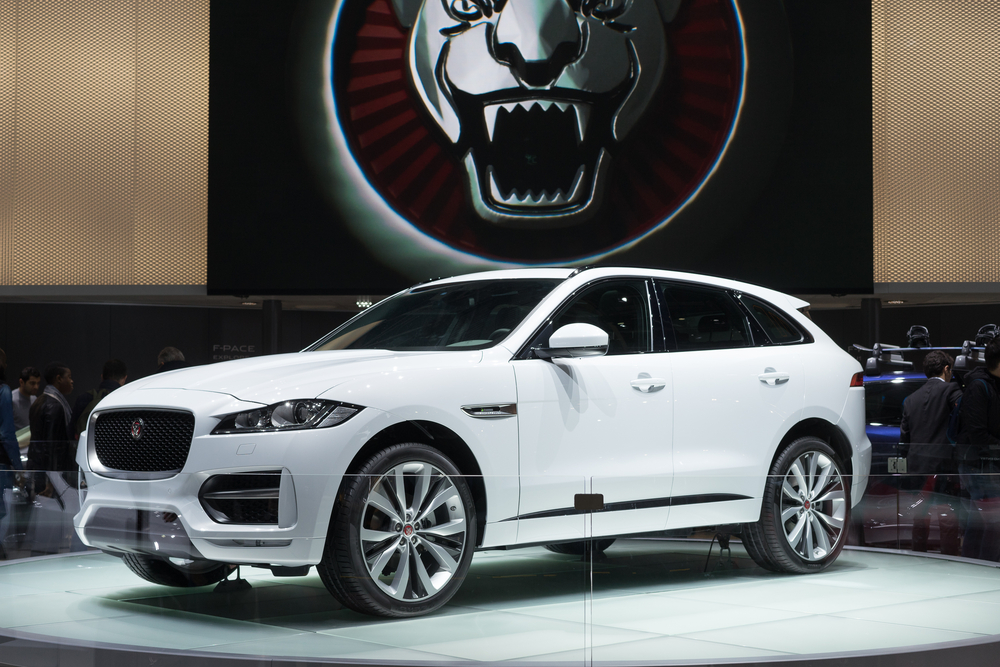
The Jaguar I-Pace launched with strong excitement in Canada. It looked futuristic and drove well. Early reviews praised its performance and handling. Over time, resale values softened. Range numbers now look modest beside newer EVs. Charging speeds also lag behind recent competitors. Some owners also reported software glitches during early production years. Those stories affected buyer confidence. Luxury EV shoppers now compare many alternatives. Audi, BMW, and Tesla offer newer technology. The I-Pace also remains expensive to service at luxury dealerships. Used listings often sit longer than expected. Buyers negotiate aggressively. That combination pushes resale values downward.
Mercedes EQC
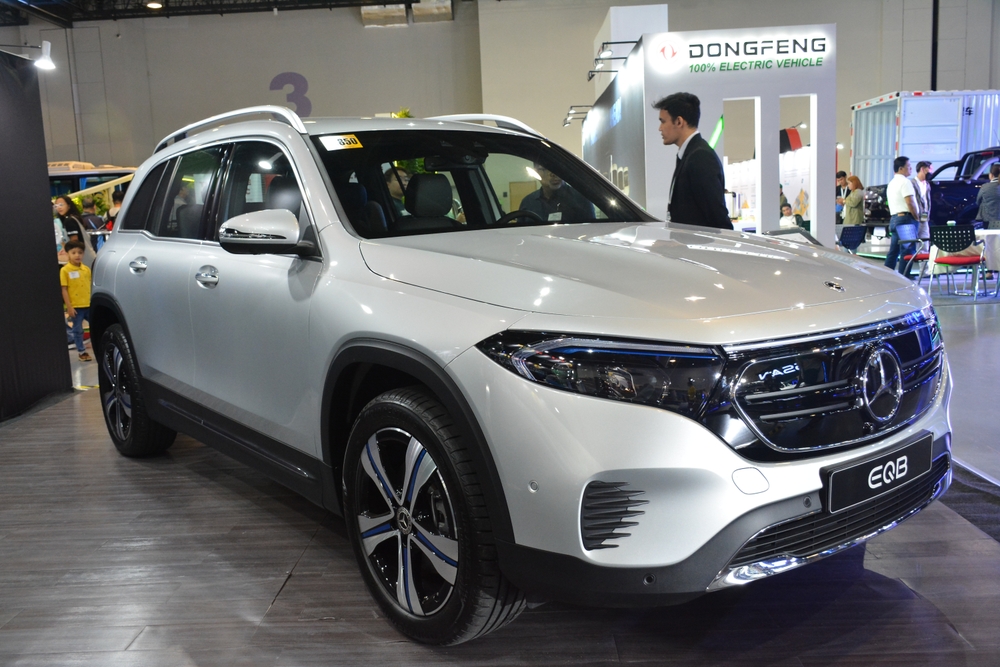
The Mercedes EQC arrived as the brand’s first modern electric SUV. Expectations were high across Canada. Buyers expected cutting-edge performance and range. Instead, the numbers felt average for the segment. Range trails many rivals today. Charging speeds also appear modest by current standards. The EQC never reached wide availability in North America. That limited awareness among used buyers. Many shoppers prefer newer Mercedes electric models instead. The vehicle still offers luxury comfort and quiet driving. Yet resale demand remains relatively soft. Limited buyer interest weakens resale values compared with competing electric SUVs.
Mazda MX-30 EV
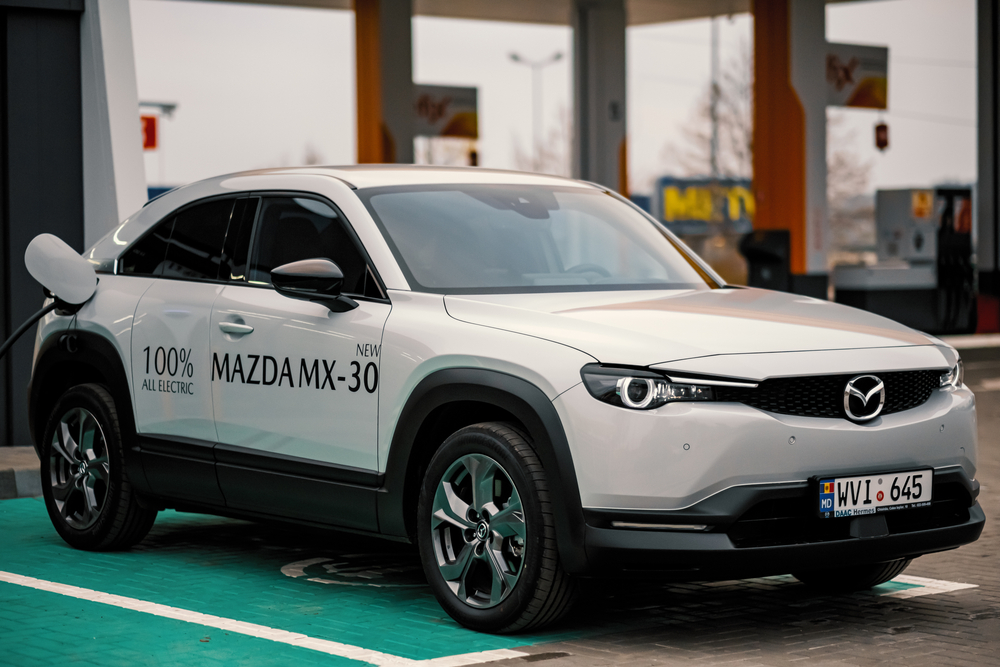
The Mazda MX-30 EV offers attractive styling and a refined interior. Mazda focused heavily on design and materials. The cabin uses recycled materials and unique textures. Unfortunately, the driving range remains extremely limited. Many Canadian drivers travel long distances between cities. That reality hurts the buyer’s interest. Cold winter temperatures also reduce the usable range further. Charging speeds remain average as well. The vehicle feels better suited for short urban trips. Buyers often view it as a secondary car. That limits demand in the used market. As a result, resale values remain relatively weak.
Mini Cooper SE
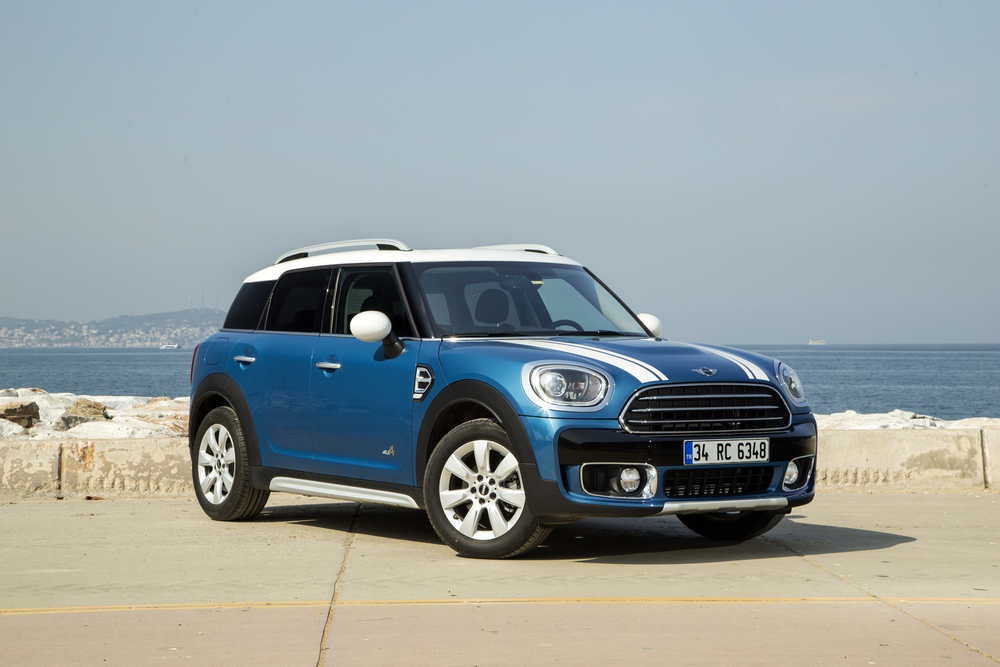
The Mini Cooper SE delivers lively driving in a small package. The steering feels quick and playful. City drivers often enjoy that character. Range remains one of the main limitations. Many buyers want more flexibility for longer trips. Winter driving also reduces the available distance further. Charging capability feels acceptable but not impressive. The compact interior also limits cargo space. That restricts practicality for some families. Used buyers often compare it with larger electric hatchbacks. Those alternatives offer more range and space. As a result, resale values tend to drop faster than expected.
Fiat 500e
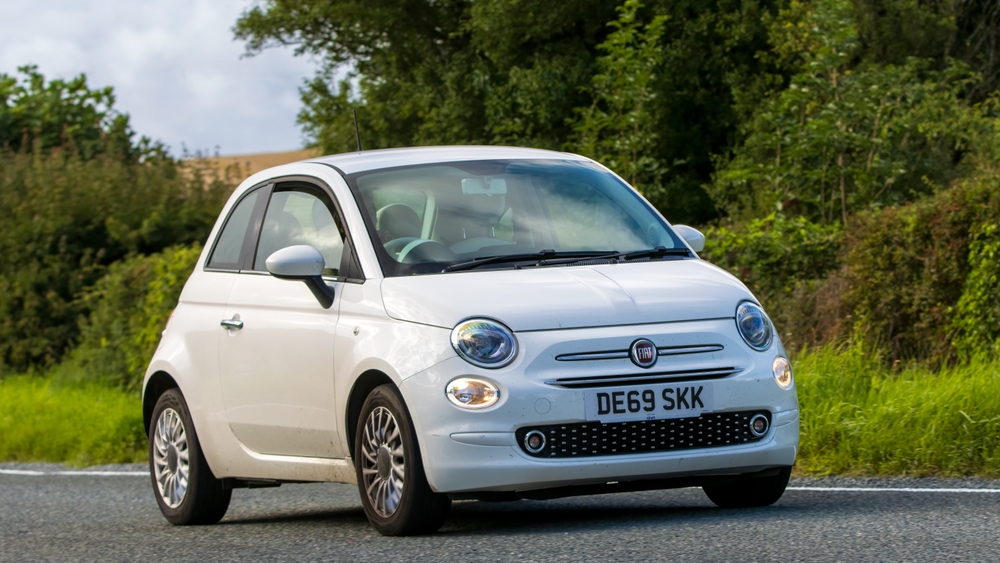
The Fiat 500e focuses heavily on style and personality. Its small footprint suits dense city streets. Parking becomes easy in crowded downtown areas. However, the limited range reduces broader appeal. Canadian drivers often travel longer highway distances. Winter temperatures also cut battery range significantly. Charging speeds remain modest compared with newer EVs. The tiny interior further restricts practicality. Cargo space remains very limited as well. Used buyers often prioritize versatility when shopping for EVs. That makes the 500e a niche choice. Narrow buyer interest contributes to weaker resale values.
Smart EQ ForTwo
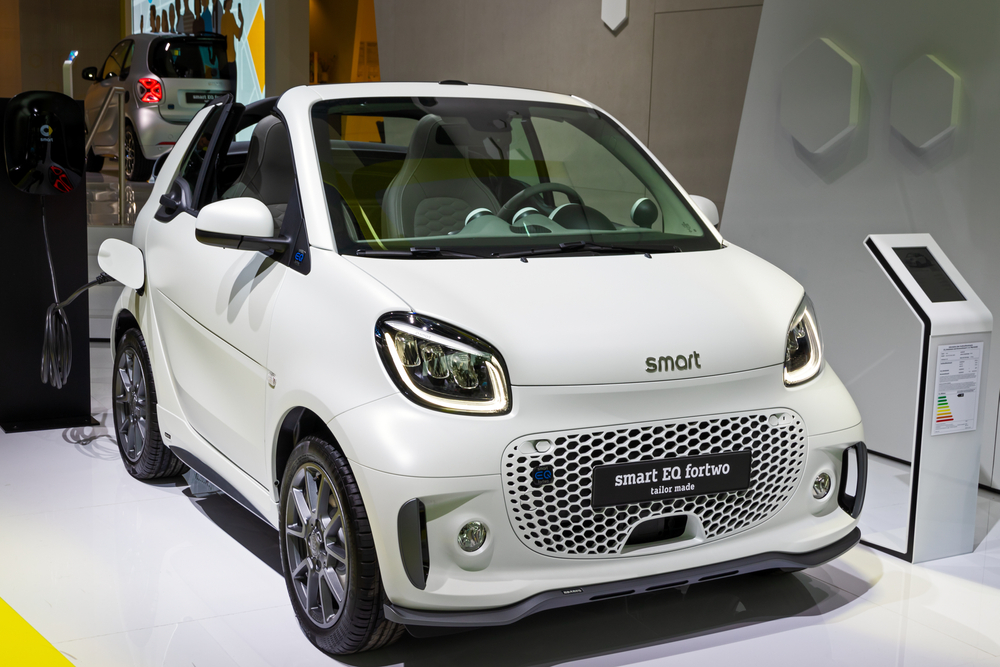
The Smart EQ ForTwo represents the smallest electric car sold in Canada. Its tiny size makes city parking extremely simple. Urban drivers appreciate that convenience. Outside cities, practicality becomes a challenge. Cargo capacity remains minimal. Range also falls short of most modern EV expectations. Highway travel feels less comfortable due to the short wheelbase. Charging capability also appears basic today. Many buyers want at least moderate range flexibility. The two-seat layout further limits appeal. Used buyers often prefer small crossovers instead. That narrow audience keeps resale values relatively low.
Mitsubishi i-MiEV

The Mitsubishi i-MiEV arrived during the earliest wave of modern EVs. It helped introduce electric driving to Canadian buyers. Technology moved quickly after its release. Range numbers now appear extremely limited. Charging speeds also feel outdated today. The unusual tall shape divides buyer opinions. Many drivers also prefer vehicles with modern safety features. Replacement parts can also be harder to source now. Used demand remains very small. Most buyers simply overlook the model. The few listings that appear often sell cheaply. That leaves the i-MiEV among the weakest resale performers.
BMW i3
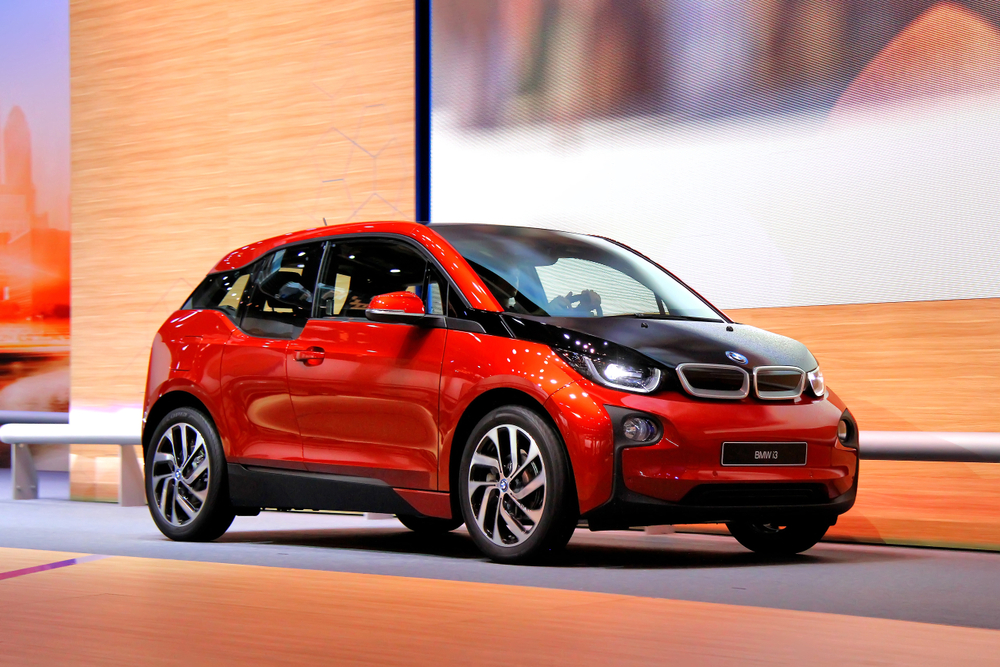
The BMW i3 stood out with an unusual design and lightweight construction. Carbon fiber panels made it technically impressive. Early buyers enjoyed the futuristic feel. Over time, resale values became inconsistent. Range remains modest compared with modern EVs. Later battery upgrades improved the distance somewhat. The narrow tires also concern winter drivers in Canada. Replacement parts can also be costly. Production ended recently, which affects long-term confidence. Some enthusiasts still appreciate the unique character. Yet the broader market remains cautious. That uneven demand leads to fluctuating resale prices.